

Immunotherapy in
Pediatric Malignancies
Amir Abbas Hedayati-Asl
Hematologist, Oncologist & Ped. Stem Cell Transplantation
Cancer Stem Cell Group
Stem Cell Biology and Technology Department, Royan Institute
Pediatric Malignancies
• Each year there are an estimated 15000
children who are diagnosed with cancer in the
United States and 3500 children in Iran and
approximately 250,000 children worldwide.
Introduction
• Pediatric patients are often faced with resistant or
recurrent cancers that cannot be cured by
chemotherapy, radiation, or surgery.
• Immunotherapies have become viable therapeutic
options for many cancer patients.
• Some of these new pharmacologic medications
are changing the landscape of treatment for
pediatric cancers, while the utility of others is not
yet known.
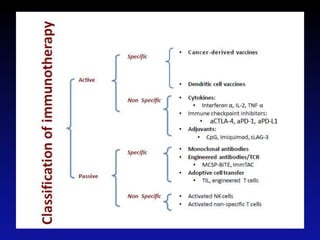
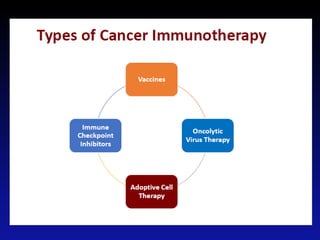
Immunotherapy
• Monoclonal antibodies (mAbs)
• Checkpoint inhibitors
• Bispecific T-cell engagers (BiTEs)
• Chimeric antigen receptor T cells (CAR-Ts)
have been FDA approved for use in children
• Vaccines and Oncolytic Virotherapy are still
being studied to determine their usefulness
for pediatric cancer patients.
Introduction
• One of the most exciting immunotherapies recently FDA
approved is the use of CD19 chimeric antigen receptor T
cells for pre-B-cell acute lymphoblastic leukemia.
• One of the caveats to many of these immunotherapies is
the challenge of predictive biomarkers; determining
which patients will respond to a given therapy is not yet
possible.
• Much research is being focused on which biomarkers will
be predictive and prognostic for these patients.
Immunotherapy
• Despite many benefits of immunotherapy,
including less long-term side effects, some
treatments are fraught with immediate side effects
that range from mild to severe, although most are
manageable.
• With few downsides and the potential for disease
cures, immunotherapy in the pediatric population
has the potential to move to the front-line of
therapeutic options.
Cancer Immunotherapy
Tumor Microenvironment
• Over time, cancer cells can evolve to metastasize, express different
neoantigens, or express further mechanisms of immunosuppression,
thus escaping detection and eradication. These steps are the
framework for the model of cancer ‘immunoediting’.
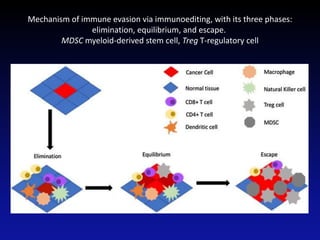
• Immunoediting consists of three different phases:
elimination, equilibrium, escape
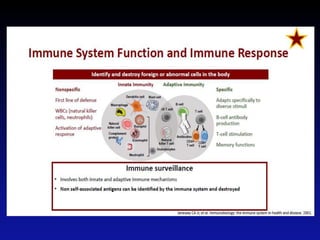
• Elimination involves the innate and adaptive cells identifying the
neoantigens, forming tumor-reactive T cells, and destroying cancer
cells. Some tumor cells survive the elimination phase and enter the
equilibrium stage. During the equilibrium stage, the tumor is held
dormant by the adaptive immune system. Finally, tumor cells evolve
and evade the immune system, leading to the escape phase with
subsequent cancer cell proliferation and/or T-cell exhaustion
Mechanism of immune evasion via immunoediting, with its three phases:
elimination, equilibrium, and escape.
MDSC myeloid-derived stem cell, Treg T-regulatory cell
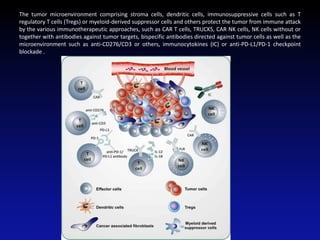
The tumor microenvironment comprising stroma cells, dendritic cells, immunosuppressive cells such as T
regulatory T cells (Tregs) or myeloid-derived suppressor cells and others protect the tumor from immune attack
by the various immunotherapeutic approaches, such as CAR T cells, TRUCKS, CAR NK cells, NK cells without or
together with antibodies against tumor targets, bispecific antibodies directed against tumor cells as well as the
microenvironment such as anti-CD276/CD3 or others, immunocytokines (IC) or anti-PD-L1/PD-1 checkpoint
blockade .
Tumor microenvironment
• New strategies will be necessary to overcome
the immune suppressive effects of the tumor
microenvironment and rational combination
of different strategies will be necessary in the
future to cure pediatric patients, who cannot
be cured currently with standard treatments.
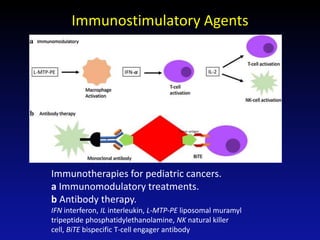
Immunostimulatory Agents
Immunotherapies for pediatric cancers.
a Immunomodulatory treatments.
b Antibody therapy.
IFN interferon, IL interleukin, L-MTP-PE liposomal muramyl
tripeptide phosphatidylethanolamine, NK natural killer
cell, BiTE bispecific T-cell engager antibody
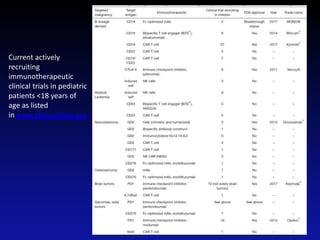
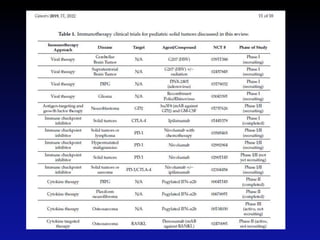
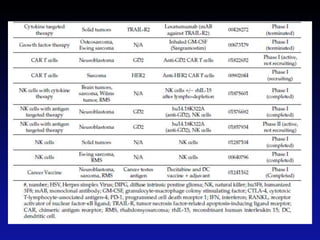
Current actively
recruiting
immunotherapeutic
clinical trials in pediatric
patients <18 years of
age as listed
in www.clinicaltrials.gov
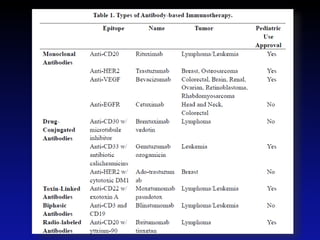
Antibody and Antibody-Like Therapy
• Antibody therapy has been used in many
pediatric cancer types and has shown much
promise.
• mAbs are engineered to attach to a specific
tumor surface antigen with subsequent
engagement and activation of NK cells and
macrophages via Fc-receptor binding.
Monoclonal Antibody (mAb) Therapy for
Pediatric Hematologic Malignancies
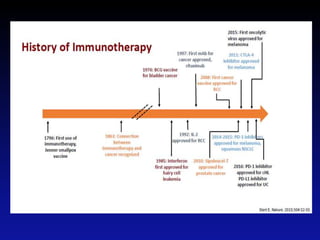
• Rituximab, a CD20 targeting mAb, was the first
mAb approved for clinical use in 1997 for adults.
• Its use is now approved for non-Hodgkin
lymphoma and chronic lymphocytic leukemia.
• In the pediatric NHL population, the addition of
rituximab to standard chemotherapy increased
the 1-year EFS from 81.5 to 94.2%, thus proving
its value in pediatric NHL
Monoclonal Antibody (mAb) Therapy for Pediatric
Hematologic Malignancies
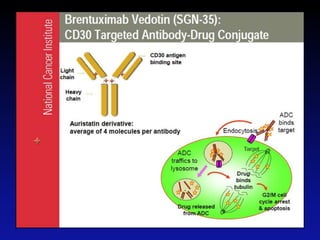
• In 2011, brentuximab vedotin, an anti-CD30 mAb drug
conjugate (ADC), was approved by the FDA for relapsed
or refractory Hodgkin lymphoma and anaplastic large-
cell lymphoma.
• A higher overall response rate was seen in patients
with relapsed/refractory HL who received brentuximab
vedotin compared with vinorelbine (76 vs 50%,
respectively) .
• Currently there is a phase III Children’s Oncology Group
(COG) study combining brentuximab vedotin with
gemcitabine for relapsed HL (NCT01780662).
Monoclonal Antibody (mAb) Therapy for
Pediatric Hematologic Malignancies
• In 2000, the FDA approved an anti-CD33 ADC,
gemtuzumab ozogamicin, for AML in adults.
• The drug was discontinued in 2010 due to concerns for
hepatic veno-occlusive disease and a lack of statistically
significant clinical benefit in an adult phase III trial .
• Anti-CD33 mAb interest was renewed with promising
data in pediatric AML, but now is primarily utilized as
BiTE therapy .
• Lastly, anti-CD22 mAbs have been utilized in adult and
pediatric B-cell acute lymphoblastic leukemia with
success .
Monoclonal Antibody (mAb) Therapy for
Pediatric Hematologic Malignancies
• BiTE therapy has shown much promise in the treatment of
pediatric hematologic malignancies.
• The CD19/anti-CD3 BiTE, blinatumomab, was FDA approved in
2017 for the treatment of relapsed or refractory B-cell ALL in
the pediatric population after being approved in 2014 for
adult patients.
• OS, remission rates, and EFS were significantly longer or
higher in the blinatumomab group compared with standard
chemotherapy .
• Most recently, the FDA has approved blinatumomab for the
treatment of minimal residual disease positive B-cell ALL
patients.
mAb Therapy for Pediatric Solid Tumors
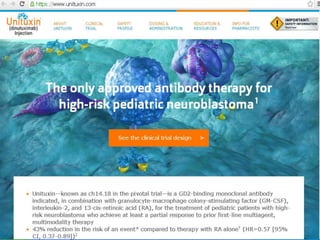
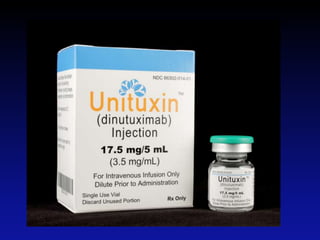
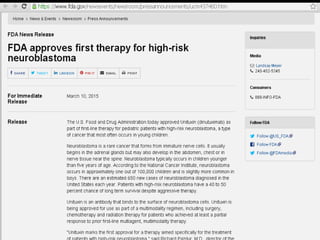
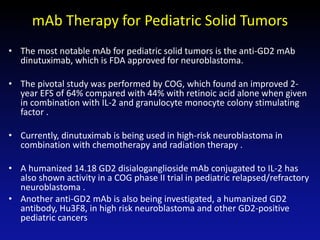
• The most notable mAb for pediatric solid tumors is the anti-GD2 mAb
dinutuximab, which is FDA approved for neuroblastoma.
• The pivotal study was performed by COG, which found an improved 2-
year EFS of 64% compared with 44% with retinoic acid alone when given
in combination with IL-2 and granulocyte monocyte colony stimulating
factor .
• Currently, dinutuximab is being used in high-risk neuroblastoma in
combination with chemotherapy and radiation therapy .
• A humanized 14.18 GD2 disialoganglioside mAb conjugated to IL-2 has
also shown activity in a COG phase II trial in pediatric relapsed/refractory
neuroblastoma .
• Another anti-GD2 mAb is also being investigated, a humanized GD2
antibody, Hu3F8, in high risk neuroblastoma and other GD2-positive
pediatric cancers
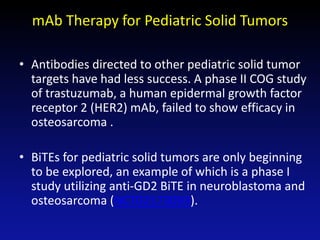
• Antibodies directed to other pediatric solid tumor
targets have had less success. A phase II COG study
of trastuzumab, a human epidermal growth factor
receptor 2 (HER2) mAb, failed to show efficacy in
osteosarcoma .
• BiTEs for pediatric solid tumors are only beginning
to be explored, an example of which is a phase I
study utilizing anti-GD2 BiTE in neuroblastoma and
osteosarcoma (NCT02173093).
mAb Therapy for Pediatric Solid Tumors
Adoptive Therapy
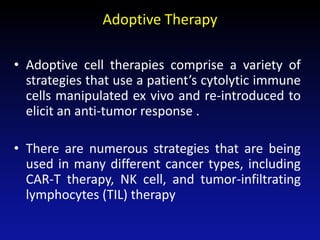
• Adoptive cell therapies comprise a variety of
strategies that use a patient’s cytolytic immune
cells manipulated ex vivo and re-introduced to
elicit an anti-tumor response .
• There are numerous strategies that are being
used in many different cancer types, including
CAR-T therapy, NK cell, and tumor-infiltrating
lymphocytes (TIL) therapy
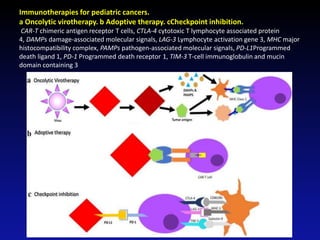
Immunotherapies for pediatric cancers.
a Oncolytic virotherapy. b Adoptive therapy. cCheckpoint inhibition.
CAR-T chimeric antigen receptor T cells, CTLA-4 cytotoxic T lymphocyte associated protein
4, DAMPs damage-associated molecular signals, LAG-3 Lymphocyte activation gene 3, MHC major
histocompatibility complex, PAMPs pathogen-associated molecular signals, PD-L1Programmed
death ligand 1, PD-1 Programmed death receptor 1, TIM-3 T-cell immunoglobulin and mucin
domain containing 3
Chimeric Antigen Receptor T Cell (CAR-T) Therapy in
Pediatric Hematologic Malignancies
• The most exciting and impressive immunotherapy results have
come from the CD19 CAR-T therapy for pre-B-cell ALL. Adult studies
first showed profound reduction in tumor burden in a majority of
patients with chemoresistant B-cell ALL
• Pediatric studies confirmed efficacy in childhood B-cell ALL . In the
first phase I trial, two children with refractory, heavily pretreated B-
cell ALL achieved complete remissions; however, one relapsed with
CD19-negative disease .
• The full study from Children’s Hospital of Philadelphia included 25
children, with the majority being post-allogeneic stem-cell
transplant, who received CD19 CAR-T therapy with a complete
response in 90% of the patients .
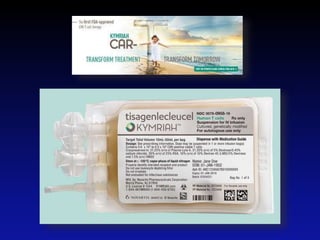
Kymriah
• From these studies, CD19 CAR-T therapy (Kymriah) was
FDA approved in 2017 .
• As illustrated by patients who experienced relapse due
to antigen escape, more CAR-T therapy targets are
needed for hematologic malignancies.
• A novel CD-22 CAR-T has been developed and shown
promising preclinical data in pediatric CD19+ and
CD19− B-cell ALL .
• Other CAR-T targets being investigated in the
laboratory setting include CD30 , thymic stromal
lymphopoietin receptor , and CD123 .
CAR-T Therapy in Pediatric Solid Tumors
• Pediatric patients with solid tumors have
experienced less efficacy of CAR-T therapy
compared with those with hematologic
malignancies; however, some promising results
are emerging.
• In a phase I study using GD2 CAR-T cells in
refractory neuroblastoma, 27% with active
disease eventually achieved complete response
with two patients achieving durable remission of
> 60 months .
•
CAR-T Therapy in Pediatric Solid Tumors
• HER2 CAR-T cells have also been utilized in some solid tumors;
however, during a phase I trial, an adult patient died unexpectedly
from immune-mediated toxicity .
• Concerns were raised that the HER2 CAR-T cell recognized low levels
of HER2 on the lung and heart, a theory that has largely been
debunked .
• Recently, a phase I/II trial of a HER2 CAR-T in osteosarcoma
(NCT00924287) showed no dose-limiting toxicities, suggesting safety
in pediatric patients, and some patients experienced stable disease .
• In patients with glioblastoma, CAR-Ts are under study against
interleukin-13 receptor alpha (IL-13Rα) and epidermal growth factor
receptor variant III, which are not expressed on normal CNS cells .
NK Cell-Based Therapy in AML
• NK cells are lymphocytes in the innate immune system that are
unlike T and B cells in that they can recognize a target without
engaging specific antigens.
• Utilizing NK cells for the destruction of tumor cells was first
performed by Kiessling et al. in mice with leukemia and has now
been verified in preclinical and clinical trials .
• AML patients have experienced the most success, with these
studies confirming that haploidentical NK cells could be expanded
in vivo and induce remissions .
• A pilot study of ten children with AML utilized haploidentical donor
NK cells combined with IL-2 and showed remission in all patients
2 years after the treatment .
• There are a few clinical trials ongoing utilizing NK cell therapy for
pediatric hematologic malignancies
NK Cell-Based Therapy in Solid Tumor
• In a pilot study of pediatric patients with refractory solid
tumors, haploidentical stem cell transplant led to 50% survival
at 14 months with haploidentical NK cell infusion resulting in
complete and partial responses .
• In another study, a pediatric patient with rhabdomyosarcoma
experienced resolution of lung metastases following NK cell
therapy .
• There are also numerous ongoing clinical trials for pediatric
solid tumors utilizing NK cell therapy
(NCT01807468, NCT03420963, NCT02573896, NCT02650648,
NCT02100891).
Oncolytic Virotherapy
• Oncolytic viruses that are engineered to
selectively infect and destroy cancer cells are
being tested in preclinical and clinical trials for
pediatric cancer.
• Oncolytic viral infection not only directly kills
tumor cells, but also releases PAMPs and
DAMPs resulting from so-called ‘immunogenic
cell death,’ leading to adaptive immune
responses
Oncolytic Virotherapy
• Preclinical data have shown the benefit of oncolytic
virotherapy in numerous pediatric tumor models .
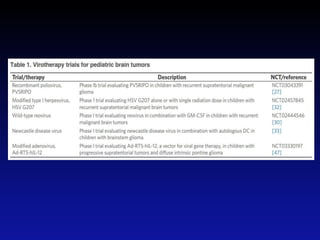
• In a phase I dose escalation study, a genetically modified
herpes simplex virus designed to only replicate in cancer
cells was utilized intratumorally in nine pediatric patients
with relapsed/refractory, non-CNS solid tumors.
• This study suggested that intratumoral virotherapy was
safe in the pediatric population, but no objective
responses were seen .
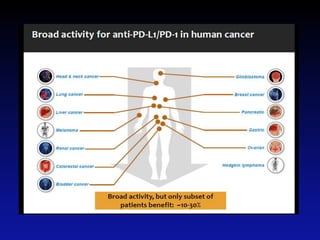
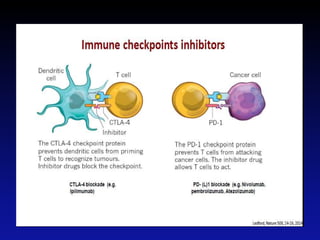
Checkpoint Inhibitors
• PD-1 is expressed on chronically activated T cells, B cells, DCs, and
macrophages.
• PD-1 signaling limits the inflammatory immune response to prevent
autoimmunity .
• PD-1 interacts with PD-L1 expressed on numerous cancer types and
PD-L2 expressed on macrophages and DCs .
• There have been a number of studies detailing the expression of PD-
L1 and PD-1 on numerous pediatric cancer subtypes.
• In the first phase I study of a PD-1 antibody in children, the Sarcoma
Alliance for Research through Collaboration investigated single
therapy PD-1 antibody in advanced soft tissue and bone sarcomas.
Side effects were similar to the adult studies, but there were no
antitumor effects noted in any tumor types except undifferentiated
pleomorphic sarcoma (40% with objective response) .
Brain tumors
• The main pillars of therapy are maximal surgical
resection, adjuvant radiotherapy and chemotherapy.
• Despite improvements in outcomes, survivors often
suffer long-term toxicities of these treatments including
neurological deficits and cognitive disorders, thus new
therapies must be evaluated.
• A major barrier for better strategies is the blood brain
barrier (BBB) and chemotherapeutic agents show limited
penetration of the BBB.
Brain tumors
• New immunotherapeutic approaches should overcome
the BBB.
• The immune checkpoint inhibitor pembrolizumab is
currently being evaluated in children with
refractory/progressive high grade glioma, diffuse
pontine gliomas (DIPGs) or hypermutated brain tumors
(ClinicalTrials.gov Identifier: NCT02359565).
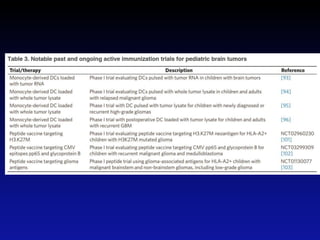
• Other strategies include cancer vaccines, oncolytic viral
therapy and CAR T cells.
Vaccine Therapy
• Despite early disappointments, cancer vaccines
now occupy a potentially important role in cancer
immunotherapy .
• Cancer vaccines are intended to elicit specific anti-
tumoral cellular responses by activating T-cells
(CD4 and CD8) against specific tumor antigens.
• This may be accomplished by a variety of
mechanisms including dendritic cells, DNA, and
heat shock protein vaccines.
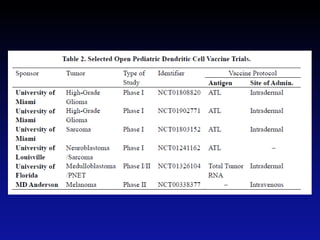
Vaccine Therapy
• Dendritic cell (DC) vaccines rely primarily on
antigen presenting cell (APC) activation to
direct T-cell activation.
• The translation of these vaccine therapies to
clinical trials has initially demonstrated
encouraging results in several tumors including
melanoma, Ewing’s sarcoma, glioblastoma,
sarcomas, neuroblastoma and non-small cell
lung cancer.
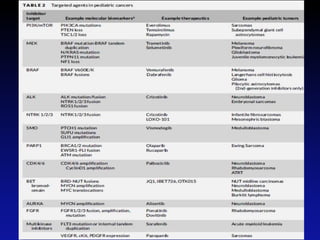
Challenges: Limited Biomarkers
• A critical challenge that must be overcome is the
identification of biomarker(s) to identify patients
who would benefit from immunotherapy.
• Ideally, we should identify prognostic
biomarkers, so that patients can be placed in
appropriate individualized risk-stratified
treatment groups, and predictive biomarkers, so
that response can be monitored.
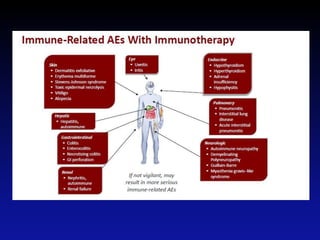
Challenges: Toxicity
• In general, immunotherapies are thought to
exhibit fewer long-term toxicities than
chemotherapy and radiation, a significant
appeal in pediatrics.
• The immunomodulatory agents, cytokines are
generally well tolerated.
• There are potentials for chills, fever,
headaches, myalgias, and fatigue, especially
during the first infusion.
Conclusion
• Although the ultimate contribution of
immunotherapies to the outcome of pediatric
cancer patients is uncertain, the landscape of
therapy in the near future is likely to be quite
different from traditional surgery, radiation, and
chemotherapy.
• A variety of immunotherapies hold significant
promise for children with cancer, both in terms of
improving survival outcomes and reducing late
effects.
Conclusion
• As we continue to increase our understanding of cancer
cells, the immune system, and the tumor
microenvironment, we are likely to devise novel ways in
which to decrease immunosuppressive factors, interrupt
pathways used for immune evasion, and identify useful
biomarkers for treatment stratification and monitoring.
• We are optimistic that the incorporation of
immunotherapies into treatment regimens will enable
increased patient survival and quality of life for children
with cancer.
Immunotherapy in pediatric malignancy

Immunotherapy in pediatric malignancy

  • 1.
    Immunotherapy in Pediatric Malignancies AmirAbbas Hedayati-Asl Hematologist, Oncologist & Ped. Stem Cell Transplantation Cancer Stem Cell Group Stem Cell Biology and Technology Department, Royan Institute
  • 2.
    Pediatric Malignancies • Eachyear there are an estimated 15000 children who are diagnosed with cancer in the United States and 3500 children in Iran and approximately 250,000 children worldwide.
  • 3.
    Introduction • Pediatric patientsare often faced with resistant or recurrent cancers that cannot be cured by chemotherapy, radiation, or surgery. • Immunotherapies have become viable therapeutic options for many cancer patients. • Some of these new pharmacologic medications are changing the landscape of treatment for pediatric cancers, while the utility of others is not yet known.
  • 4.
    Immunotherapy • Monoclonal antibodies(mAbs) • Checkpoint inhibitors • Bispecific T-cell engagers (BiTEs) • Chimeric antigen receptor T cells (CAR-Ts) have been FDA approved for use in children • Vaccines and Oncolytic Virotherapy are still being studied to determine their usefulness for pediatric cancer patients.
  • 9.
    Introduction • One ofthe most exciting immunotherapies recently FDA approved is the use of CD19 chimeric antigen receptor T cells for pre-B-cell acute lymphoblastic leukemia. • One of the caveats to many of these immunotherapies is the challenge of predictive biomarkers; determining which patients will respond to a given therapy is not yet possible. • Much research is being focused on which biomarkers will be predictive and prognostic for these patients.
  • 10.
    Immunotherapy • Despite manybenefits of immunotherapy, including less long-term side effects, some treatments are fraught with immediate side effects that range from mild to severe, although most are manageable. • With few downsides and the potential for disease cures, immunotherapy in the pediatric population has the potential to move to the front-line of therapeutic options.
  • 11.
    Cancer Immunotherapy Tumor Microenvironment •Over time, cancer cells can evolve to metastasize, express different neoantigens, or express further mechanisms of immunosuppression, thus escaping detection and eradication. These steps are the framework for the model of cancer ‘immunoediting’. • Immunoediting consists of three different phases: elimination, equilibrium, escape • Elimination involves the innate and adaptive cells identifying the neoantigens, forming tumor-reactive T cells, and destroying cancer cells. Some tumor cells survive the elimination phase and enter the equilibrium stage. During the equilibrium stage, the tumor is held dormant by the adaptive immune system. Finally, tumor cells evolve and evade the immune system, leading to the escape phase with subsequent cancer cell proliferation and/or T-cell exhaustion
  • 12.
    Mechanism of immuneevasion via immunoediting, with its three phases: elimination, equilibrium, and escape. MDSC myeloid-derived stem cell, Treg T-regulatory cell
  • 13.
    The tumor microenvironmentcomprising stroma cells, dendritic cells, immunosuppressive cells such as T regulatory T cells (Tregs) or myeloid-derived suppressor cells and others protect the tumor from immune attack by the various immunotherapeutic approaches, such as CAR T cells, TRUCKS, CAR NK cells, NK cells without or together with antibodies against tumor targets, bispecific antibodies directed against tumor cells as well as the microenvironment such as anti-CD276/CD3 or others, immunocytokines (IC) or anti-PD-L1/PD-1 checkpoint blockade .
  • 14.
    Tumor microenvironment • Newstrategies will be necessary to overcome the immune suppressive effects of the tumor microenvironment and rational combination of different strategies will be necessary in the future to cure pediatric patients, who cannot be cured currently with standard treatments.
  • 15.
    Immunostimulatory Agents Immunotherapies forpediatric cancers. a Immunomodulatory treatments. b Antibody therapy. IFN interferon, IL interleukin, L-MTP-PE liposomal muramyl tripeptide phosphatidylethanolamine, NK natural killer cell, BiTE bispecific T-cell engager antibody
  • 16.
    Current actively recruiting immunotherapeutic clinical trialsin pediatric patients <18 years of age as listed in www.clinicaltrials.gov
  • 19.
    Antibody and Antibody-LikeTherapy • Antibody therapy has been used in many pediatric cancer types and has shown much promise. • mAbs are engineered to attach to a specific tumor surface antigen with subsequent engagement and activation of NK cells and macrophages via Fc-receptor binding.
  • 20.
    Monoclonal Antibody (mAb)Therapy for Pediatric Hematologic Malignancies • Rituximab, a CD20 targeting mAb, was the first mAb approved for clinical use in 1997 for adults. • Its use is now approved for non-Hodgkin lymphoma and chronic lymphocytic leukemia. • In the pediatric NHL population, the addition of rituximab to standard chemotherapy increased the 1-year EFS from 81.5 to 94.2%, thus proving its value in pediatric NHL
  • 21.
    Monoclonal Antibody (mAb)Therapy for Pediatric Hematologic Malignancies • In 2011, brentuximab vedotin, an anti-CD30 mAb drug conjugate (ADC), was approved by the FDA for relapsed or refractory Hodgkin lymphoma and anaplastic large- cell lymphoma. • A higher overall response rate was seen in patients with relapsed/refractory HL who received brentuximab vedotin compared with vinorelbine (76 vs 50%, respectively) . • Currently there is a phase III Children’s Oncology Group (COG) study combining brentuximab vedotin with gemcitabine for relapsed HL (NCT01780662).
  • 23.
    Monoclonal Antibody (mAb)Therapy for Pediatric Hematologic Malignancies • In 2000, the FDA approved an anti-CD33 ADC, gemtuzumab ozogamicin, for AML in adults. • The drug was discontinued in 2010 due to concerns for hepatic veno-occlusive disease and a lack of statistically significant clinical benefit in an adult phase III trial . • Anti-CD33 mAb interest was renewed with promising data in pediatric AML, but now is primarily utilized as BiTE therapy . • Lastly, anti-CD22 mAbs have been utilized in adult and pediatric B-cell acute lymphoblastic leukemia with success .
  • 24.
    Monoclonal Antibody (mAb)Therapy for Pediatric Hematologic Malignancies • BiTE therapy has shown much promise in the treatment of pediatric hematologic malignancies. • The CD19/anti-CD3 BiTE, blinatumomab, was FDA approved in 2017 for the treatment of relapsed or refractory B-cell ALL in the pediatric population after being approved in 2014 for adult patients. • OS, remission rates, and EFS were significantly longer or higher in the blinatumomab group compared with standard chemotherapy . • Most recently, the FDA has approved blinatumomab for the treatment of minimal residual disease positive B-cell ALL patients.
  • 31.
    mAb Therapy forPediatric Solid Tumors • The most notable mAb for pediatric solid tumors is the anti-GD2 mAb dinutuximab, which is FDA approved for neuroblastoma. • The pivotal study was performed by COG, which found an improved 2- year EFS of 64% compared with 44% with retinoic acid alone when given in combination with IL-2 and granulocyte monocyte colony stimulating factor . • Currently, dinutuximab is being used in high-risk neuroblastoma in combination with chemotherapy and radiation therapy . • A humanized 14.18 GD2 disialoganglioside mAb conjugated to IL-2 has also shown activity in a COG phase II trial in pediatric relapsed/refractory neuroblastoma . • Another anti-GD2 mAb is also being investigated, a humanized GD2 antibody, Hu3F8, in high risk neuroblastoma and other GD2-positive pediatric cancers
  • 32.
    • Antibodies directedto other pediatric solid tumor targets have had less success. A phase II COG study of trastuzumab, a human epidermal growth factor receptor 2 (HER2) mAb, failed to show efficacy in osteosarcoma . • BiTEs for pediatric solid tumors are only beginning to be explored, an example of which is a phase I study utilizing anti-GD2 BiTE in neuroblastoma and osteosarcoma (NCT02173093). mAb Therapy for Pediatric Solid Tumors
  • 33.
    Adoptive Therapy • Adoptivecell therapies comprise a variety of strategies that use a patient’s cytolytic immune cells manipulated ex vivo and re-introduced to elicit an anti-tumor response . • There are numerous strategies that are being used in many different cancer types, including CAR-T therapy, NK cell, and tumor-infiltrating lymphocytes (TIL) therapy
  • 34.
    Immunotherapies for pediatriccancers. a Oncolytic virotherapy. b Adoptive therapy. cCheckpoint inhibition. CAR-T chimeric antigen receptor T cells, CTLA-4 cytotoxic T lymphocyte associated protein 4, DAMPs damage-associated molecular signals, LAG-3 Lymphocyte activation gene 3, MHC major histocompatibility complex, PAMPs pathogen-associated molecular signals, PD-L1Programmed death ligand 1, PD-1 Programmed death receptor 1, TIM-3 T-cell immunoglobulin and mucin domain containing 3
  • 35.
    Chimeric Antigen ReceptorT Cell (CAR-T) Therapy in Pediatric Hematologic Malignancies • The most exciting and impressive immunotherapy results have come from the CD19 CAR-T therapy for pre-B-cell ALL. Adult studies first showed profound reduction in tumor burden in a majority of patients with chemoresistant B-cell ALL • Pediatric studies confirmed efficacy in childhood B-cell ALL . In the first phase I trial, two children with refractory, heavily pretreated B- cell ALL achieved complete remissions; however, one relapsed with CD19-negative disease . • The full study from Children’s Hospital of Philadelphia included 25 children, with the majority being post-allogeneic stem-cell transplant, who received CD19 CAR-T therapy with a complete response in 90% of the patients .
  • 37.
    Kymriah • From thesestudies, CD19 CAR-T therapy (Kymriah) was FDA approved in 2017 . • As illustrated by patients who experienced relapse due to antigen escape, more CAR-T therapy targets are needed for hematologic malignancies. • A novel CD-22 CAR-T has been developed and shown promising preclinical data in pediatric CD19+ and CD19− B-cell ALL . • Other CAR-T targets being investigated in the laboratory setting include CD30 , thymic stromal lymphopoietin receptor , and CD123 .
  • 38.
    CAR-T Therapy inPediatric Solid Tumors • Pediatric patients with solid tumors have experienced less efficacy of CAR-T therapy compared with those with hematologic malignancies; however, some promising results are emerging. • In a phase I study using GD2 CAR-T cells in refractory neuroblastoma, 27% with active disease eventually achieved complete response with two patients achieving durable remission of > 60 months . •
  • 39.
    CAR-T Therapy inPediatric Solid Tumors • HER2 CAR-T cells have also been utilized in some solid tumors; however, during a phase I trial, an adult patient died unexpectedly from immune-mediated toxicity . • Concerns were raised that the HER2 CAR-T cell recognized low levels of HER2 on the lung and heart, a theory that has largely been debunked . • Recently, a phase I/II trial of a HER2 CAR-T in osteosarcoma (NCT00924287) showed no dose-limiting toxicities, suggesting safety in pediatric patients, and some patients experienced stable disease . • In patients with glioblastoma, CAR-Ts are under study against interleukin-13 receptor alpha (IL-13Rα) and epidermal growth factor receptor variant III, which are not expressed on normal CNS cells .
  • 40.
    NK Cell-Based Therapyin AML • NK cells are lymphocytes in the innate immune system that are unlike T and B cells in that they can recognize a target without engaging specific antigens. • Utilizing NK cells for the destruction of tumor cells was first performed by Kiessling et al. in mice with leukemia and has now been verified in preclinical and clinical trials . • AML patients have experienced the most success, with these studies confirming that haploidentical NK cells could be expanded in vivo and induce remissions . • A pilot study of ten children with AML utilized haploidentical donor NK cells combined with IL-2 and showed remission in all patients 2 years after the treatment . • There are a few clinical trials ongoing utilizing NK cell therapy for pediatric hematologic malignancies
  • 41.
    NK Cell-Based Therapyin Solid Tumor • In a pilot study of pediatric patients with refractory solid tumors, haploidentical stem cell transplant led to 50% survival at 14 months with haploidentical NK cell infusion resulting in complete and partial responses . • In another study, a pediatric patient with rhabdomyosarcoma experienced resolution of lung metastases following NK cell therapy . • There are also numerous ongoing clinical trials for pediatric solid tumors utilizing NK cell therapy (NCT01807468, NCT03420963, NCT02573896, NCT02650648, NCT02100891).
  • 42.
    Oncolytic Virotherapy • Oncolyticviruses that are engineered to selectively infect and destroy cancer cells are being tested in preclinical and clinical trials for pediatric cancer. • Oncolytic viral infection not only directly kills tumor cells, but also releases PAMPs and DAMPs resulting from so-called ‘immunogenic cell death,’ leading to adaptive immune responses
  • 43.
    Oncolytic Virotherapy • Preclinicaldata have shown the benefit of oncolytic virotherapy in numerous pediatric tumor models . • In a phase I dose escalation study, a genetically modified herpes simplex virus designed to only replicate in cancer cells was utilized intratumorally in nine pediatric patients with relapsed/refractory, non-CNS solid tumors. • This study suggested that intratumoral virotherapy was safe in the pediatric population, but no objective responses were seen .
  • 45.
    Checkpoint Inhibitors • PD-1is expressed on chronically activated T cells, B cells, DCs, and macrophages. • PD-1 signaling limits the inflammatory immune response to prevent autoimmunity . • PD-1 interacts with PD-L1 expressed on numerous cancer types and PD-L2 expressed on macrophages and DCs . • There have been a number of studies detailing the expression of PD- L1 and PD-1 on numerous pediatric cancer subtypes. • In the first phase I study of a PD-1 antibody in children, the Sarcoma Alliance for Research through Collaboration investigated single therapy PD-1 antibody in advanced soft tissue and bone sarcomas. Side effects were similar to the adult studies, but there were no antitumor effects noted in any tumor types except undifferentiated pleomorphic sarcoma (40% with objective response) .
  • 48.
    Brain tumors • Themain pillars of therapy are maximal surgical resection, adjuvant radiotherapy and chemotherapy. • Despite improvements in outcomes, survivors often suffer long-term toxicities of these treatments including neurological deficits and cognitive disorders, thus new therapies must be evaluated. • A major barrier for better strategies is the blood brain barrier (BBB) and chemotherapeutic agents show limited penetration of the BBB.
  • 49.
    Brain tumors • Newimmunotherapeutic approaches should overcome the BBB. • The immune checkpoint inhibitor pembrolizumab is currently being evaluated in children with refractory/progressive high grade glioma, diffuse pontine gliomas (DIPGs) or hypermutated brain tumors (ClinicalTrials.gov Identifier: NCT02359565). • Other strategies include cancer vaccines, oncolytic viral therapy and CAR T cells.
  • 50.
    Vaccine Therapy • Despiteearly disappointments, cancer vaccines now occupy a potentially important role in cancer immunotherapy . • Cancer vaccines are intended to elicit specific anti- tumoral cellular responses by activating T-cells (CD4 and CD8) against specific tumor antigens. • This may be accomplished by a variety of mechanisms including dendritic cells, DNA, and heat shock protein vaccines.
  • 51.
    Vaccine Therapy • Dendriticcell (DC) vaccines rely primarily on antigen presenting cell (APC) activation to direct T-cell activation. • The translation of these vaccine therapies to clinical trials has initially demonstrated encouraging results in several tumors including melanoma, Ewing’s sarcoma, glioblastoma, sarcomas, neuroblastoma and non-small cell lung cancer.
  • 54.
    Challenges: Limited Biomarkers •A critical challenge that must be overcome is the identification of biomarker(s) to identify patients who would benefit from immunotherapy. • Ideally, we should identify prognostic biomarkers, so that patients can be placed in appropriate individualized risk-stratified treatment groups, and predictive biomarkers, so that response can be monitored.
  • 56.
    Challenges: Toxicity • Ingeneral, immunotherapies are thought to exhibit fewer long-term toxicities than chemotherapy and radiation, a significant appeal in pediatrics. • The immunomodulatory agents, cytokines are generally well tolerated. • There are potentials for chills, fever, headaches, myalgias, and fatigue, especially during the first infusion.
  • 64.
    Conclusion • Although theultimate contribution of immunotherapies to the outcome of pediatric cancer patients is uncertain, the landscape of therapy in the near future is likely to be quite different from traditional surgery, radiation, and chemotherapy. • A variety of immunotherapies hold significant promise for children with cancer, both in terms of improving survival outcomes and reducing late effects.
  • 65.
    Conclusion • As wecontinue to increase our understanding of cancer cells, the immune system, and the tumor microenvironment, we are likely to devise novel ways in which to decrease immunosuppressive factors, interrupt pathways used for immune evasion, and identify useful biomarkers for treatment stratification and monitoring. • We are optimistic that the incorporation of immunotherapies into treatment regimens will enable increased patient survival and quality of life for children with cancer.