140 Indian Journal of Pharmaceutical Education and Research | Vol 49 | Issue 2 | Apr-Jun, 2015
Pharmaceutical Research
www.ijper.org
Microspheres Embedded In Microbeads: A Novel
Approach to Improve Various Controlled Release
Characteristics of Highly Water Soluble Drug through
Ionic Gelation Method
Sunit Kumar Sahoo*
, Sabyasachi Swain, Ramakrishna Sen, Deepika Sahoo
University Department of Pharmaceutical Sciences, Utkal University, Bhubaneswar, Odisha. India.
ABSTRACT
The major hindrance behind the preparation of gellan microbeads by simple ionic gelation technique with aqueous
soluble drugs is their low entrapment efficiency and sometimes its faster dissolution characteristics. This limits
the employment of such a simple method for the preparation of microbeads of water-soluble drugs like stavudine.
In the present study a novel attempt has been undertaken by embedding stavudine loaded Eudragit RSPO
microspheres into gellan microbeads by ionotropic gelation method with an aim to improve its controlled drug
delivery characteristics. The prepared microbeads were characterized by scanning electron microscopy, Fourier
transform infrared spectroscopy, and optical microscopy for surface topography, drug polymer interaction and
particle size analysis respectively. Other studies like drug content, encapsulation efficiency and drug release studies
were also carried out. The resulting microspheres embedded in microbeads were free flowing in nature with mean
particle size ranging from 544.2-564.2 µm. SEM photomicrographs distinctly shows the microspheres embedded
within the microbeads effectively with a smooth surface topography and the gellan microbeads containing D4T
only are spherical in nature with rough surface. The FTIR study ascertained the compatibility of the drug within
the formulation. The microspheres embedded in microbeads had enhanced percentage of drug content, drug
entrapment efficiency and controlled release characteristics as compared to beads containing stavudine only. The
mechanism of drug release from the formulations were found to follow non Fickian type diffusion with “n” value
between 0.5 to 1but in case of stavudine loaded Eudragit RSPO microspheresit was found to be Fickian type.
Key words: Gellan gum, Stavudine, Microbeads, Microsphere embedded in Microbeads, Entrapment efficiency,
and Controlled release.
DOI: 10.5530/ijper.49.2.10
Correspondence Address
Dr.S. K. Sahoo
UniversityDepartmentof
PharmaceuticalSciences,
UtkalUniversity,Bhubane-
swar,Odisha.India.
Email:sahoosunitkumar@
gmail.com
INTRODUCTION
Controlled release drug delivery systems
are designed with a novel idea that will
provide optimum bioavailability and ther-
apeutic efficacy while minimizing local
and systemic side effects.1-3
Ionotropic
gelation is one of the most eco-friendly
techniques for the encapsulation of the
desired drug, as this does not utilise any
organic solvent within the formulation.4
Naturally occurring Polysaccharides, when
cross linked by using various approaches,
have shown a great potential for many
applications in pharmaceuticals including
SubmissionDate :28-08-2014
RevisionDate :14-10-2014
AcceptedDate :23-12-2014
design of controlled release drug delivery
system.4
Gellan gum (GG) is an extra-
cellular anionic, hetero polysaccharide
produced by Sphingomonas elodea during
aerobic fermentation. GG consists of a
linear structure of repeating tetrasaccha-
ride units of glucose, glucuronic acid and
rhamnose.5,6
Gellan is having two forms
as high acyl gellan and low acyl gellan.
The native polysaccharide (high-acyl gel-
lan) contains approximately 6% O-acetyl
groups, which is lost during alkali treat-
ment of commercial extraction yielding
S. K. Sahoo et al., Microspheres Embedded in Microbeads: To Improve Various Controlled Release Characteristics
Indian Journal of Pharmaceutical Education and Research | Vol 49 | Issue 2 | Apr-Jun, 2015 141
low-acyl GG. This commercial gellan cross-links are
more effective with divalent cations than the mon-
ovalent cations.5,6
The drug of choice for the present study is a water-sol-
uble drug that is stavudine (D4T). The drug (D4T, thy-
midine) is an FDA-approved drug for clinical use in the
treatment of HIV infection, AIDS, and AIDS-related
conditions.7
According to Bio-pharmaceutics Classifica-
tion System (BCS), D4T can be assigned to BCS class
I.7
D4T is typically administered orally as a capsule and
an oral solution. The virustatic drug has a very short
half-life (1.30 h).
Although the process of ionic gelation technique
sounds to be a very effective method for designing con-
trolled release microbeads for oral delivery of drugs,
but in case of the water soluble drugs the process
fails to provide higher percentage encapsulation and
improved controlled release characteristics for several
reasons.
In the present study, microspheres embedded in micro-
beads (MEM) were prepared by encapsulating D4T
in Eudragit RSPO (ERSPO) microspheres by solvent
evaporation technique followed by embedding the same
into gellan beads by ionotropic gelation method with an
aim to improve its controlled drug delivery character-
istics in comparison to beads prepared by simple ionic
gelation technique containing D4T only.
MATERIALS AND METHODS
Materials
Deacetylated Gellan gum (GG), Kelcogel®, was
obtained as a gift sample from CP Kelco (Burzin and
Leons, Pvt. Ltd.), Mumbai (India). D4T and ERSPO
were obtained as gift samples from Hetero Lab. Hyder-
abad. Acetone, methanol, calcium chloride, sodium
hydroxide and potassium di-hydrogen phosphate were
purchased from E-Merck Limited, Mumbai (India). All
the chemicals used were of analytical grade.
Methods
Preparation of D4T loaded calcium-gellan
microbeads
D4T loaded calcium-gellan microbeads were prepared
by the method of ionotropic gelation. The formulation
codes with quantities are given in Table 1. For formula-
tion F1 to F3, desired quantity of GG was dispersed
in double distilled water (25 ml) maintained at 55°C to
which D4T (250 mg) was added and mixed properly.
Finally, the resultant slurry was extruded dropwise into
the counterion solution containing a 100 ml mixture of
7.5 % w/v calcium chloride using a 10 ml hypodermic
syringe (18 G needle) with constant stirring (250 RPM)
for 30 min. Then the resulting beads were washed thrice
in double distilled water, dried at room temperature for
48 h, and stored in desiccator for further use.
Preparation of D4T loaded ERSPO microspheres8
(F4)
D4T loaded microspheres were prepared by solvent
evaporation technique keeping the drug to polymer
ratio 1: 1. ERSPO (1.5 g) was dissolved in 8.5 ml ace-
tone using a magnetic stirrer (Remi Equipments, model
2MIH). D4T (500 mg) and magnesium stearate (75 mg)
were dispersed in the polymer solution. The resulting
dispersion was then poured into 250 ml beaker, contain-
ing the mixture of 100 ml liquid paraffin light and 10 ml
n-hexane maintained at the desired temperature, while
stirring at 1000 rpm. A mechanical stirrer with a blade
(4 cm diameter) (Remi Motors, Model No.RO-123R,
Mumbai) was used. Stirring was continued for 3 to 5
h then microspheres were filtered through a Whatman
No. 1 filter paper. The residue was washed 4 to 5 times
in 50 ml n-Hexane each. Microspheres were dried at
room temperature for 24 h. The prepared microspheres
were passed through sieve no. # 60. The fraction that
passed through the sieve were collected and taken for
embedding within gellan beads.
Preparation of microspheres within microbeads
(F5 and F6)
For preparation of MEM, microspheres equivalent to
250 mg drug was added to slurry of gellan and mixed
properly and microbeads were prepared by the method
described as in the earlier section. All the formulations
were prepared in triplicate to obtain desired quantity
and to check repeatability.
Determination of yield, encapsulation efficiency
and particle size
Beads prepared by the above described method were
weighed after drying to constant weight and the percent
yield was measured using the following formula.
Table 1: Formulations of drug loaded microbeads.
Formulation
Codes
Drug (mg) GG (mg)
F1 250 250
F2 250 500
F3 250 750
F4 Solvent evaporation Solvent evaporation
F5 250* 500
F6 250* 750
* Microsphere equivalent to 250 mg drug
S. K. Sahoo et al., Microspheres Embedded in Microbeads: To Improve Various Controlled Release Characteristics
142 Indian Journal of Pharmaceutical Education and Research | Vol 49 | Issue 2 | Apr-Jun, 2015
Percentage Yield = (Actual weight x 100) / Theoretical Weight
Drug content in the resulting formulations was deter-
mined by accurately weighing 100 mg microbeads and
triturating it by a mortar and pestle into powder form.
The resulting powder was transferred to a 100 ml volu-
metric flask and the volume was made up to the mark
using phosphate buffer pH 6.8. The resulting mixture
was kept shaking on a mechanical shaker for 24 h, after
which filtration was carried out using membrane fil-
ter (0.45 µm pore size) and after suitable dilution the
solution was analysed spectrophotometrically at 266.5
nm using UV – Visible Spectrophotometer (Systronics
2101).
Encapsulation efficiency was calculated by the following
formula.
Encapsulation efficiency = (Estimated drug content /Theoretical
drug content) X 100.
The Particle size of the prepared microbeads was found
out by arbitrarily counting average diameter of 100 par-
ticles with optical microscope using stage micrometer
and eyepiece scale.
Scanning electron microscopy (SEM)
Scanning electron microscope (Joel JSM -5200) was
used to illustrate surface topography of prepared
microbeads. The microbeads were placed on a metal-
lic support with a thin adhesive tape and were coated
with gold under vacuum (Fine coat, ion sputter JFC
-1110) to make them electron conductive. The surface
was scanned and photomicrographs were taken by 20 kv
accelerating voltage.
Fourier transform infrared spectroscopy (FTIR)
FTIR spectra were recorded for pure drug, formulation
F3 and F6 using FTIR (JASCO 410). Samples were pre-
pared in KBr disks (2 mg sample in 200 mg KBr). The
scanning range was 1000-4500cm-1
and the resolution
was 2 cm-1
.
In vitro drug release studies
The release studies of prepared beads were carried out
in the USP-I (basket) dissolution test apparatus (Labi-
nndia-2000, Mumbai, India) using 500 ml of phosphate
Table 2: Evaluation parameters for drug loaded microbeads.
Formulation
codes
Yield
(%)
(n = 3)
Carr’s Index
(n = 3)
MPS
(µm)
(n = 100)
Drug content
%
% EE n value
F1 94.80±1.6 5.26 474.4±3.1 1.90 3.8 0.712
F2 90.94±1.4 8.814 498.82±2.5 3.03 9.12 0.570
F3 92.00±1.6 4.761 530.17±1.9 2.95 11.81 0.539
F4 85.10±1.9 7.677 218.41±2.2 47.30 94.60 0.489
F5 87.5±1.8 6.71 544.2±2.7 22.01 66 0.979
F6 92.15±1.6 7.381 564.2±2.7 19.20 76.8 0.947
* MPS: Mean particle size, EE: Encapsulation Efficiency, n: release rate exponent of various formulations by korsmeyer-Peppas model. Each observation
is the (mean ± SD) of three observations.
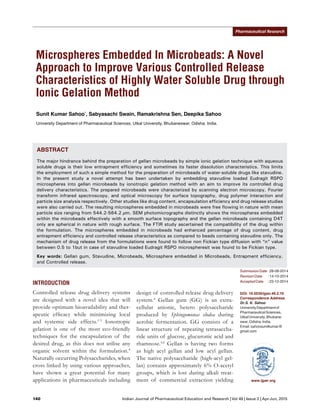
Figure 1: (A) and (B) (Magnification level 100X) shows the photomicrographs of microspheres of formulation F6 and F3 respec-
tively
S. K. Sahoo et al., Microspheres Embedded in Microbeads: To Improve Various Controlled Release Characteristics
Indian Journal of Pharmaceutical Education and Research | Vol 49 | Issue 2 | Apr-Jun, 2015 143
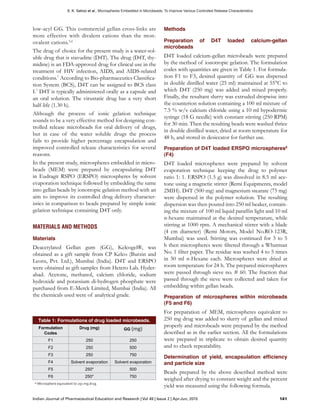
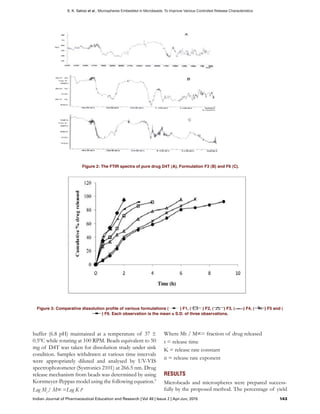
Figure 2: The FTIR spectra of pure drug D4T (A), Formulation F3 (B) and F6 (C).
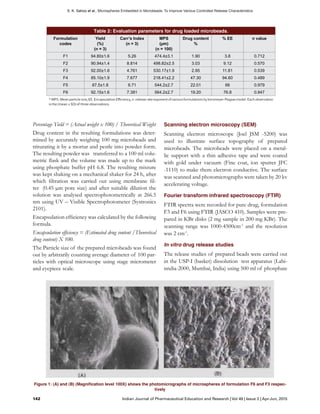
Figure 3: Comparative dissolution profile of various formulations ( ) F1, ( ) F2, ( ) F3, ( ) F4, ( ) F5 and (
) F6. Each observation is the mean ± S.D. of three observations.
buffer (6.8 pH) maintained at a temperature of 37 ±
0.5ºC while rotating at 100 RPM. Beads equivalent to 50
mg of D4T was taken for dissolution study under sink
condition. Samples withdrawn at various time intervals
were appropriately diluted and analysed by UV-VIS
spectrophotometer (Systronics 2101) at 266.5 nm. Drug
release mechanism from beads was determined by using
Korsmeyer-Peppas model using the following equation.9
Log Mt
/ M∞ =Log K tn
Where Mt / M∞= fraction of drug released
t = release time
K = release rate constant
n = release rate exponent
RESULTS
Microbeads and microspheres were prepared success-
fully by the proposed method. The percentage of yield
S. K. Sahoo et al., Microspheres Embedded in Microbeads: To Improve Various Controlled Release Characteristics
144 Indian Journal of Pharmaceutical Education and Research | Vol 49 | Issue 2 | Apr-Jun, 2015
in all cases was found to be greater than 87 %. All the
formulation had Carr’s index less than 10. The mean
particle size varied from 474 to 564 µm (Table 2).
The mean particle size and entrapment efficiency var-
ied depending on the concentration of gellan used.
The SEM photomicrographs [Figure 1(A)] distinctly
shows the microspheres embedded within the micro-
beads effectively with a smooth surface topography
and [Figure 1(B)] shows that the gellan microbeads
containing D4T only are spherical in nature with
rough surface. The FTIR spectra of pure drug D4T,
Formulation F3 and F6 are given in Figure 2. The
specific OH stretching, NH stretching of secondary
amine, C-H stretching and C=O stretching of pure
drug remained unaltered within the formulation F3
and F6. The rate of release of drug from microbeads
was a function of amount of gellan used and in the
manner, the drug is incorporated within the formula-
tion (Figure 3). Korsmeyer-Peppas model was utilised
to study the release mechanism of the drug from the
microbeads. The release rate exponent “n” value of
all the formulations lies in the range of 0.48 to 0.94
(Table 2).
DISCUSSION
Gellan microbeads containing the drug D4T was
effectively prepared by using the ionic gelation
method using CaCl2
as a crosslinking agent at a con-
centration of 7.5% .The ERSPO microspheres con-
taining D4T was prepared effectively by the solvent
evaporation method. The rotation speed of the stir-
rer was maintained at an RPM of 1000 in a motto to
prepare microspheres with a mean particle size less
than 250 µm so that it could be effectively passed
through a syringe size of 18 G needle. Likewise, the
microspheres within microbeads were successfully
prepared as described by the above method. The
encapsulation efficiency of the formulations F1 to F3
was below 12 %. An increase in gellan amount from
F1 to F3 increased drug encapsulation efficiency, but
it was not as high as we were expecting. Generally the
higher the polymer concentration the higher will be
the probability of drug surrounded by polymer, which
acts as a barrier to prevent diffusion of drug into
the external medium, but in this case the higher rate
of leaching overcomes the barrier effect of polymer
while curing in the CaCl2
solution and hence causes a
low entrapment efficiency. The leaching of drug is an
osmotic phenomenon. In order to maintain the bal-
ance of drug concentration between microbead and
curing medium, drug leaches to the medium, which
causes low entrapment efficiency. To overcome the
above problem syringeable microspheres of D4T was
prepared using ERSPO and embedded into micro-
beads of gellan. ERSPO is generally hydrophobic in
nature, which checked the leaching of drug into the
external medium while curing of microbeads.
The FTIR study ascertained the compatibility of the
drug within the formulation.
The in vitro drug release study clearly indicates the
rate of decrease in release of drug is a function of
amount of gellan used that is formulation F1 to F3
(Figure 3). This may have resulted due to the fact
that at higher concentration of gellan, crosslinking
increases, and high-unrestricted volume of matrix,
which leads to decrease in the release of the drug.
The release rate was found to be more sustained
when D4T in the form of microsphere was embed-
ded within the formulation F2 and F3 that is for-
mulation F5 and F6 respectively. It is so because if
the drug has to release first of all it has to diffuse
from the core of the hydrophobic ERSPO micro-
sphere into the gellan matrix and from the gellan
matrix to the release medium and hence a more sus-
taining action. The release pattern of formulation
F2 and F3 showed a biphasic nature that is exhibited
initial higher percentage of drug release followed by
a slower release, but in case of formulation F5 and
F6 the release pattern was in a more controlled man-
ner. The drug release mechanism in all formulations
excluding F4 was found to be following non Fickian
type diffusion with “n” value between 0.5 to 1 (Table
2) whereas in case of formulation F4 the mechanism
was Fickian type diffusion.
CONCLUSION
From the above study, it may be concluded that the
therapeutic efficacy of a water-soluble drug can
be improved by utilising the novel concept that is
microspheres embedded within microbeads for bet-
ter management of disease.
ACKNOWLEDGEMENT
The authors are grateful to H.O.D., University
Department of Pharmaceutical Sciences, Utkal Uni-
versity, Bhubaneswar, Odisha India, for providing
necessary facilities for conducting the research work
CONFLICTS OF INTEREST
None
S. K. Sahoo et al., Microspheres Embedded in Microbeads: To Improve Various Controlled Release Characteristics
Indian Journal of Pharmaceutical Education and Research | Vol 49 | Issue 2 | Apr-Jun, 2015 145
REFERENCES
1.	 Benita S. Microencapsulation, Second edition. New York: Taylor  Francis;
2006.
2.	 Costa P, Jose MS. Modeling and comparison of dissolution profiles. Eur J
Pharm Sci. 2001; 13(2): 123–33.
3.	 Robinson JR, Lee VH. Controlled Drug Delivery, Second edition. New York:
Marcel Dekker; 2005.
4.	 Sahoo SK, Sahoo SK, Behera A, Patil SV, Panda SK. Formulation, in vitro
drug release study and anticancer activity of 5-fluorouracil loaded gellan gum
microbeads. Acta Pol Pharm. 2013; 70(1): 123-7.
5.	 Kang KS, Veeder GT, Mirrasoul PJ, Kaneko T, Cottrell IW. Agar-like
polysaccharide produced by a Pseudomonas species: production and basic
properties. Appl Environ Microb. 1982; 43(5): 1086-91.
6.	 O’Neill MA, Selvendran RR, Morris VJ. Structure of the acidic extracellular
gelling polysaccharide produced by Pseudomonas elodea. Carbohyd
Res.1983; 124(1): 123-33.
7.	 Sahoo SK, Mallick AA, BarikBB, Senapati PC. Formulation and in vitro
Evaluation of Eudragit® Microspheres of Stavudine. TJPR. 2005; 4(1): 369-757.
8.	 Sahoo SK, Dhal S, Mohapatro P, Behera BC, Barik BB. Effect of processing
temperature on Eudragit RSPO microsphere characteristics in the solvent
evaporation process. Pharmazie 2007; 62(8): 638-9.
9.	 Sahoo SK, Mallick AA, Barik BB, Senapati PC. Preparation and in vitro
evaluation of ethyl cellulose microspheres containing Stavudineby the
double emulsion method. Pharmazie 2007; 62(2): 117-21.

IJPER_49_2_10

  • 1.
    140 Indian Journalof Pharmaceutical Education and Research | Vol 49 | Issue 2 | Apr-Jun, 2015 Pharmaceutical Research www.ijper.org Microspheres Embedded In Microbeads: A Novel Approach to Improve Various Controlled Release Characteristics of Highly Water Soluble Drug through Ionic Gelation Method Sunit Kumar Sahoo* , Sabyasachi Swain, Ramakrishna Sen, Deepika Sahoo University Department of Pharmaceutical Sciences, Utkal University, Bhubaneswar, Odisha. India. ABSTRACT The major hindrance behind the preparation of gellan microbeads by simple ionic gelation technique with aqueous soluble drugs is their low entrapment efficiency and sometimes its faster dissolution characteristics. This limits the employment of such a simple method for the preparation of microbeads of water-soluble drugs like stavudine. In the present study a novel attempt has been undertaken by embedding stavudine loaded Eudragit RSPO microspheres into gellan microbeads by ionotropic gelation method with an aim to improve its controlled drug delivery characteristics. The prepared microbeads were characterized by scanning electron microscopy, Fourier transform infrared spectroscopy, and optical microscopy for surface topography, drug polymer interaction and particle size analysis respectively. Other studies like drug content, encapsulation efficiency and drug release studies were also carried out. The resulting microspheres embedded in microbeads were free flowing in nature with mean particle size ranging from 544.2-564.2 µm. SEM photomicrographs distinctly shows the microspheres embedded within the microbeads effectively with a smooth surface topography and the gellan microbeads containing D4T only are spherical in nature with rough surface. The FTIR study ascertained the compatibility of the drug within the formulation. The microspheres embedded in microbeads had enhanced percentage of drug content, drug entrapment efficiency and controlled release characteristics as compared to beads containing stavudine only. The mechanism of drug release from the formulations were found to follow non Fickian type diffusion with “n” value between 0.5 to 1but in case of stavudine loaded Eudragit RSPO microspheresit was found to be Fickian type. Key words: Gellan gum, Stavudine, Microbeads, Microsphere embedded in Microbeads, Entrapment efficiency, and Controlled release. DOI: 10.5530/ijper.49.2.10 Correspondence Address Dr.S. K. Sahoo UniversityDepartmentof PharmaceuticalSciences, UtkalUniversity,Bhubane- swar,Odisha.India. Email:sahoosunitkumar@ gmail.com INTRODUCTION Controlled release drug delivery systems are designed with a novel idea that will provide optimum bioavailability and ther- apeutic efficacy while minimizing local and systemic side effects.1-3 Ionotropic gelation is one of the most eco-friendly techniques for the encapsulation of the desired drug, as this does not utilise any organic solvent within the formulation.4 Naturally occurring Polysaccharides, when cross linked by using various approaches, have shown a great potential for many applications in pharmaceuticals including SubmissionDate :28-08-2014 RevisionDate :14-10-2014 AcceptedDate :23-12-2014 design of controlled release drug delivery system.4 Gellan gum (GG) is an extra- cellular anionic, hetero polysaccharide produced by Sphingomonas elodea during aerobic fermentation. GG consists of a linear structure of repeating tetrasaccha- ride units of glucose, glucuronic acid and rhamnose.5,6 Gellan is having two forms as high acyl gellan and low acyl gellan. The native polysaccharide (high-acyl gel- lan) contains approximately 6% O-acetyl groups, which is lost during alkali treat- ment of commercial extraction yielding
  • 2.
    S. K. Sahooet al., Microspheres Embedded in Microbeads: To Improve Various Controlled Release Characteristics Indian Journal of Pharmaceutical Education and Research | Vol 49 | Issue 2 | Apr-Jun, 2015 141 low-acyl GG. This commercial gellan cross-links are more effective with divalent cations than the mon- ovalent cations.5,6 The drug of choice for the present study is a water-sol- uble drug that is stavudine (D4T). The drug (D4T, thy- midine) is an FDA-approved drug for clinical use in the treatment of HIV infection, AIDS, and AIDS-related conditions.7 According to Bio-pharmaceutics Classifica- tion System (BCS), D4T can be assigned to BCS class I.7 D4T is typically administered orally as a capsule and an oral solution. The virustatic drug has a very short half-life (1.30 h). Although the process of ionic gelation technique sounds to be a very effective method for designing con- trolled release microbeads for oral delivery of drugs, but in case of the water soluble drugs the process fails to provide higher percentage encapsulation and improved controlled release characteristics for several reasons. In the present study, microspheres embedded in micro- beads (MEM) were prepared by encapsulating D4T in Eudragit RSPO (ERSPO) microspheres by solvent evaporation technique followed by embedding the same into gellan beads by ionotropic gelation method with an aim to improve its controlled drug delivery character- istics in comparison to beads prepared by simple ionic gelation technique containing D4T only. MATERIALS AND METHODS Materials Deacetylated Gellan gum (GG), Kelcogel®, was obtained as a gift sample from CP Kelco (Burzin and Leons, Pvt. Ltd.), Mumbai (India). D4T and ERSPO were obtained as gift samples from Hetero Lab. Hyder- abad. Acetone, methanol, calcium chloride, sodium hydroxide and potassium di-hydrogen phosphate were purchased from E-Merck Limited, Mumbai (India). All the chemicals used were of analytical grade. Methods Preparation of D4T loaded calcium-gellan microbeads D4T loaded calcium-gellan microbeads were prepared by the method of ionotropic gelation. The formulation codes with quantities are given in Table 1. For formula- tion F1 to F3, desired quantity of GG was dispersed in double distilled water (25 ml) maintained at 55°C to which D4T (250 mg) was added and mixed properly. Finally, the resultant slurry was extruded dropwise into the counterion solution containing a 100 ml mixture of 7.5 % w/v calcium chloride using a 10 ml hypodermic syringe (18 G needle) with constant stirring (250 RPM) for 30 min. Then the resulting beads were washed thrice in double distilled water, dried at room temperature for 48 h, and stored in desiccator for further use. Preparation of D4T loaded ERSPO microspheres8 (F4) D4T loaded microspheres were prepared by solvent evaporation technique keeping the drug to polymer ratio 1: 1. ERSPO (1.5 g) was dissolved in 8.5 ml ace- tone using a magnetic stirrer (Remi Equipments, model 2MIH). D4T (500 mg) and magnesium stearate (75 mg) were dispersed in the polymer solution. The resulting dispersion was then poured into 250 ml beaker, contain- ing the mixture of 100 ml liquid paraffin light and 10 ml n-hexane maintained at the desired temperature, while stirring at 1000 rpm. A mechanical stirrer with a blade (4 cm diameter) (Remi Motors, Model No.RO-123R, Mumbai) was used. Stirring was continued for 3 to 5 h then microspheres were filtered through a Whatman No. 1 filter paper. The residue was washed 4 to 5 times in 50 ml n-Hexane each. Microspheres were dried at room temperature for 24 h. The prepared microspheres were passed through sieve no. # 60. The fraction that passed through the sieve were collected and taken for embedding within gellan beads. Preparation of microspheres within microbeads (F5 and F6) For preparation of MEM, microspheres equivalent to 250 mg drug was added to slurry of gellan and mixed properly and microbeads were prepared by the method described as in the earlier section. All the formulations were prepared in triplicate to obtain desired quantity and to check repeatability. Determination of yield, encapsulation efficiency and particle size Beads prepared by the above described method were weighed after drying to constant weight and the percent yield was measured using the following formula. Table 1: Formulations of drug loaded microbeads. Formulation Codes Drug (mg) GG (mg) F1 250 250 F2 250 500 F3 250 750 F4 Solvent evaporation Solvent evaporation F5 250* 500 F6 250* 750 * Microsphere equivalent to 250 mg drug
  • 3.
    S. K. Sahooet al., Microspheres Embedded in Microbeads: To Improve Various Controlled Release Characteristics 142 Indian Journal of Pharmaceutical Education and Research | Vol 49 | Issue 2 | Apr-Jun, 2015 Percentage Yield = (Actual weight x 100) / Theoretical Weight Drug content in the resulting formulations was deter- mined by accurately weighing 100 mg microbeads and triturating it by a mortar and pestle into powder form. The resulting powder was transferred to a 100 ml volu- metric flask and the volume was made up to the mark using phosphate buffer pH 6.8. The resulting mixture was kept shaking on a mechanical shaker for 24 h, after which filtration was carried out using membrane fil- ter (0.45 µm pore size) and after suitable dilution the solution was analysed spectrophotometrically at 266.5 nm using UV – Visible Spectrophotometer (Systronics 2101). Encapsulation efficiency was calculated by the following formula. Encapsulation efficiency = (Estimated drug content /Theoretical drug content) X 100. The Particle size of the prepared microbeads was found out by arbitrarily counting average diameter of 100 par- ticles with optical microscope using stage micrometer and eyepiece scale. Scanning electron microscopy (SEM) Scanning electron microscope (Joel JSM -5200) was used to illustrate surface topography of prepared microbeads. The microbeads were placed on a metal- lic support with a thin adhesive tape and were coated with gold under vacuum (Fine coat, ion sputter JFC -1110) to make them electron conductive. The surface was scanned and photomicrographs were taken by 20 kv accelerating voltage. Fourier transform infrared spectroscopy (FTIR) FTIR spectra were recorded for pure drug, formulation F3 and F6 using FTIR (JASCO 410). Samples were pre- pared in KBr disks (2 mg sample in 200 mg KBr). The scanning range was 1000-4500cm-1 and the resolution was 2 cm-1 . In vitro drug release studies The release studies of prepared beads were carried out in the USP-I (basket) dissolution test apparatus (Labi- nndia-2000, Mumbai, India) using 500 ml of phosphate Table 2: Evaluation parameters for drug loaded microbeads. Formulation codes Yield (%) (n = 3) Carr’s Index (n = 3) MPS (µm) (n = 100) Drug content % % EE n value F1 94.80±1.6 5.26 474.4±3.1 1.90 3.8 0.712 F2 90.94±1.4 8.814 498.82±2.5 3.03 9.12 0.570 F3 92.00±1.6 4.761 530.17±1.9 2.95 11.81 0.539 F4 85.10±1.9 7.677 218.41±2.2 47.30 94.60 0.489 F5 87.5±1.8 6.71 544.2±2.7 22.01 66 0.979 F6 92.15±1.6 7.381 564.2±2.7 19.20 76.8 0.947 * MPS: Mean particle size, EE: Encapsulation Efficiency, n: release rate exponent of various formulations by korsmeyer-Peppas model. Each observation is the (mean ± SD) of three observations. Figure 1: (A) and (B) (Magnification level 100X) shows the photomicrographs of microspheres of formulation F6 and F3 respec- tively
  • 4.
    S. K. Sahooet al., Microspheres Embedded in Microbeads: To Improve Various Controlled Release Characteristics Indian Journal of Pharmaceutical Education and Research | Vol 49 | Issue 2 | Apr-Jun, 2015 143 Figure 2: The FTIR spectra of pure drug D4T (A), Formulation F3 (B) and F6 (C). Figure 3: Comparative dissolution profile of various formulations ( ) F1, ( ) F2, ( ) F3, ( ) F4, ( ) F5 and ( ) F6. Each observation is the mean ± S.D. of three observations. buffer (6.8 pH) maintained at a temperature of 37 ± 0.5ºC while rotating at 100 RPM. Beads equivalent to 50 mg of D4T was taken for dissolution study under sink condition. Samples withdrawn at various time intervals were appropriately diluted and analysed by UV-VIS spectrophotometer (Systronics 2101) at 266.5 nm. Drug release mechanism from beads was determined by using Korsmeyer-Peppas model using the following equation.9 Log Mt / M∞ =Log K tn Where Mt / M∞= fraction of drug released t = release time K = release rate constant n = release rate exponent RESULTS Microbeads and microspheres were prepared success- fully by the proposed method. The percentage of yield
  • 5.
    S. K. Sahooet al., Microspheres Embedded in Microbeads: To Improve Various Controlled Release Characteristics 144 Indian Journal of Pharmaceutical Education and Research | Vol 49 | Issue 2 | Apr-Jun, 2015 in all cases was found to be greater than 87 %. All the formulation had Carr’s index less than 10. The mean particle size varied from 474 to 564 µm (Table 2). The mean particle size and entrapment efficiency var- ied depending on the concentration of gellan used. The SEM photomicrographs [Figure 1(A)] distinctly shows the microspheres embedded within the micro- beads effectively with a smooth surface topography and [Figure 1(B)] shows that the gellan microbeads containing D4T only are spherical in nature with rough surface. The FTIR spectra of pure drug D4T, Formulation F3 and F6 are given in Figure 2. The specific OH stretching, NH stretching of secondary amine, C-H stretching and C=O stretching of pure drug remained unaltered within the formulation F3 and F6. The rate of release of drug from microbeads was a function of amount of gellan used and in the manner, the drug is incorporated within the formula- tion (Figure 3). Korsmeyer-Peppas model was utilised to study the release mechanism of the drug from the microbeads. The release rate exponent “n” value of all the formulations lies in the range of 0.48 to 0.94 (Table 2). DISCUSSION Gellan microbeads containing the drug D4T was effectively prepared by using the ionic gelation method using CaCl2 as a crosslinking agent at a con- centration of 7.5% .The ERSPO microspheres con- taining D4T was prepared effectively by the solvent evaporation method. The rotation speed of the stir- rer was maintained at an RPM of 1000 in a motto to prepare microspheres with a mean particle size less than 250 µm so that it could be effectively passed through a syringe size of 18 G needle. Likewise, the microspheres within microbeads were successfully prepared as described by the above method. The encapsulation efficiency of the formulations F1 to F3 was below 12 %. An increase in gellan amount from F1 to F3 increased drug encapsulation efficiency, but it was not as high as we were expecting. Generally the higher the polymer concentration the higher will be the probability of drug surrounded by polymer, which acts as a barrier to prevent diffusion of drug into the external medium, but in this case the higher rate of leaching overcomes the barrier effect of polymer while curing in the CaCl2 solution and hence causes a low entrapment efficiency. The leaching of drug is an osmotic phenomenon. In order to maintain the bal- ance of drug concentration between microbead and curing medium, drug leaches to the medium, which causes low entrapment efficiency. To overcome the above problem syringeable microspheres of D4T was prepared using ERSPO and embedded into micro- beads of gellan. ERSPO is generally hydrophobic in nature, which checked the leaching of drug into the external medium while curing of microbeads. The FTIR study ascertained the compatibility of the drug within the formulation. The in vitro drug release study clearly indicates the rate of decrease in release of drug is a function of amount of gellan used that is formulation F1 to F3 (Figure 3). This may have resulted due to the fact that at higher concentration of gellan, crosslinking increases, and high-unrestricted volume of matrix, which leads to decrease in the release of the drug. The release rate was found to be more sustained when D4T in the form of microsphere was embed- ded within the formulation F2 and F3 that is for- mulation F5 and F6 respectively. It is so because if the drug has to release first of all it has to diffuse from the core of the hydrophobic ERSPO micro- sphere into the gellan matrix and from the gellan matrix to the release medium and hence a more sus- taining action. The release pattern of formulation F2 and F3 showed a biphasic nature that is exhibited initial higher percentage of drug release followed by a slower release, but in case of formulation F5 and F6 the release pattern was in a more controlled man- ner. The drug release mechanism in all formulations excluding F4 was found to be following non Fickian type diffusion with “n” value between 0.5 to 1 (Table 2) whereas in case of formulation F4 the mechanism was Fickian type diffusion. CONCLUSION From the above study, it may be concluded that the therapeutic efficacy of a water-soluble drug can be improved by utilising the novel concept that is microspheres embedded within microbeads for bet- ter management of disease. ACKNOWLEDGEMENT The authors are grateful to H.O.D., University Department of Pharmaceutical Sciences, Utkal Uni- versity, Bhubaneswar, Odisha India, for providing necessary facilities for conducting the research work CONFLICTS OF INTEREST None
  • 6.
    S. K. Sahooet al., Microspheres Embedded in Microbeads: To Improve Various Controlled Release Characteristics Indian Journal of Pharmaceutical Education and Research | Vol 49 | Issue 2 | Apr-Jun, 2015 145 REFERENCES 1. Benita S. Microencapsulation, Second edition. New York: Taylor Francis; 2006. 2. Costa P, Jose MS. Modeling and comparison of dissolution profiles. Eur J Pharm Sci. 2001; 13(2): 123–33. 3. Robinson JR, Lee VH. Controlled Drug Delivery, Second edition. New York: Marcel Dekker; 2005. 4. Sahoo SK, Sahoo SK, Behera A, Patil SV, Panda SK. Formulation, in vitro drug release study and anticancer activity of 5-fluorouracil loaded gellan gum microbeads. Acta Pol Pharm. 2013; 70(1): 123-7. 5. Kang KS, Veeder GT, Mirrasoul PJ, Kaneko T, Cottrell IW. Agar-like polysaccharide produced by a Pseudomonas species: production and basic properties. Appl Environ Microb. 1982; 43(5): 1086-91. 6. O’Neill MA, Selvendran RR, Morris VJ. Structure of the acidic extracellular gelling polysaccharide produced by Pseudomonas elodea. Carbohyd Res.1983; 124(1): 123-33. 7. Sahoo SK, Mallick AA, BarikBB, Senapati PC. Formulation and in vitro Evaluation of Eudragit® Microspheres of Stavudine. TJPR. 2005; 4(1): 369-757. 8. Sahoo SK, Dhal S, Mohapatro P, Behera BC, Barik BB. Effect of processing temperature on Eudragit RSPO microsphere characteristics in the solvent evaporation process. Pharmazie 2007; 62(8): 638-9. 9. Sahoo SK, Mallick AA, Barik BB, Senapati PC. Preparation and in vitro evaluation of ethyl cellulose microspheres containing Stavudineby the double emulsion method. Pharmazie 2007; 62(2): 117-21.