SUBMITTEDTO MR ANTENEH M.
SUBMISSION DATE 27APR 2023
Content
What is industrial building?
principle of Industrialized Building System
Standards of industrialized building systems
Classification of industrialized building systems
Why is IBS?
Advantage and Disadvantage of IBS
Implementation of IBS and its process
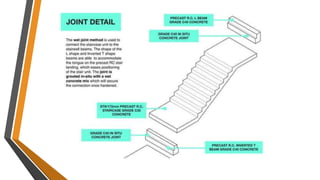
And their joint detail
Case study
conclusion
 The principle of Industrialized Building System, also known as IBS, is a revolutionary approach to
building construction that focuses on
> efficiency,
> speed, and
> sustainability.
 This system is based on a modular approach where the building components are manufactured off-
site and then transported to the construction site.
 It eliminates the need for traditional brick-and-mortar construction, which takes a lot of time,
labor, and resources. Instead, IBS is designed to reduce construction time and minimize the waste
generated during the building process.
 One of the key advantages of the Industrialized Building System is its ability to reduce construction
time significantly. Since the building components are manufactured off-site, it eliminates the need
for on-site fabrication, which can take weeks or even months.
 This means that buildings can be erected in a fraction of the time it would take using traditional
building methods. This makes IBS an ideal solution for projects that require a quick turnaround, such
as emergency housing, schools, hospitals, and other public facilities.
IBS AND PRINCIPLES
 Another key benefit of the Industrialized Building System is its sustainability.
Since the building components are manufactured off-site, it allows for better quality control,
which means that fewer materials are wasted during the construction process.
.IBS components are designed to be reusable and recyclable,
which means that they can be repurposed for other projects, reducing the overall impact on the
environment.
 The Industrialized Building System is also highly efficient.
Since the building components are manufactured in a controlled environment, it allows for
better quality control and precision.
This means that the components are more consistent, which reduces the need for rework and
increases the overall productivity of the construction process.
Additionally, IBS components are designed to be easily assembled, which means that fewer
workers are required on-site, reducing labor costs.
 As the world becomes more technologically advanced, so too does the construction industry. The
introduction of industrialized building systems has revolutionized the way we build structures, allowing us
to construct buildings faster, cheaper, and with more precision than ever before.
 However, with this new technology comes new standards that must be met to ensure that these structures
are safe, durable, and meet all necessary building codes.
 One of the key standards of industrialized building systems is quality control. With traditional construction
methods, quality control is often an afterthought, with issues only being addressed once they become
apparent. However, with industrialized building systems, quality control is built into the process from the
beginning.
 Every component is manufactured to exacting standards, and each step of the construction process is
carefully monitored to ensure that the final product meets all necessary requirements.
 Another important standard of industrialized building systems is safety.
Because these structures are often built offsite and then transported to their final location, it is critical that they
are designed and constructed with safety in mind. This means that all materials must be carefully selected and
tested to ensure that they can withstand the stresses of transportation and installation, and that all necessary
safety measures are in place to protect workers and the public during construction.
 Finally, industrialized building systems must meet all necessary building codes and regulations. While these
systems may offer many benefits over traditional construction methods, they must still adhere to all local,
state, and federal regulations to ensure that they are safe and structurally sound.
This means that all components must be designed and manufactured to meet specific codes and standards,
and that all necessary inspections and certifications must be obtained before the final structure can be
occupied.
STANDARDOF IBS
3. Faulty machinery
longer the time taken to detect the faulty machinery, the more
fault components will be manufactured, and the higher the cost
of rectifying the fault.
1. Logistic nightmare
prefabricated products are super-sized, lengthy and heavy.
Often, transporting such an end product would require many
lorries, specialized cargo beds that can handle the extreme load,
and at times, special planes such as the Antonov An-225, or
ships may be needed.
2. Cost
Transporting large volumes of prefabricated components or
large singular components would incur a higher cost than
traditional construction methods.
DISADVANTAGE
 The implementation of industrialized building system is a game changer for the construction industry. With this
innovative approach, construction projects can be completed with greater speed, efficiency, and precision.
 The key to successful implementation of this system lies in the standardization of the process. By establishing a
set of uniform procedures and protocols, construction companies can ensure that each project is completed to the
highest level of quality and consistency.
 Industrial Building System (IBS) is a construction method that involves the use of prefabricated components that
are manufactured off-site and then assembled on-site. This approach greatly reduces the amount of time and
labor required for construction, resulting in significant cost savings for developers and builders.
 The use of IBS also makes it possible to achieve a higher level of accuracy and precision in construction, which
is essential for achieving optimal structural integrity and safety. The standard implementation of Industrial
Building System is crucial for ensuring that each project is completed to the same level of quality and
consistency. This involves establishing a set of guidelines and protocols for the manufacturing, transportation,
and assembly of prefabricated components.
 It also requires a high level of coordination and communication between all stakeholders involved in the
construction process, from the architects and engineers to the contractors and suppliers. Overall, the
implementation of industrialized building system represents a major shift in the construction industry.
 With its focus on speed, efficiency, and precision, this approach has the potential to revolutionize the way that
buildings are constructed. By establishing a standard implementation process for Industrial Building System,
construction companies can ensure that each project is completed to the highest level of quality and consistency,
making it a win-win situation for everyone involved.
IMPLIEMENTATIONOF IBS
IMPLEMENTATION
CONSTRUCTION PROCESS
conclusion, Industrialized Building Systems (IBS system) may facilitate construction operation
as it is become more normal in conventional construction methods. These methods of construction are
being used in automotive, pilot projects, modular construction and affordable housing project.
industrialized building systems offer many benefits over traditional construction methods, but they also
require a high level of quality control, safety, and adherence to building codes and regulations. As
these systems continue to evolve and become more widespread, it will be critical for manufacturers,
builders, and regulators to work together to establish and maintain the highest possible standards. the
Industrialized Building System is a game-changer in the construction industry. Its focus on
efficiency, speed, and sustainability makes it an ideal solution for projects of all sizes and
scopes. Whether you're building emergency housing, schools, hospitals, or other public
facilities, IBS can help you get the job done quickly, efficiently, and sustainably. So why wait?
Start exploring the possibilities of IBS today and take your construction projects to the next
level!
Group conclusion: in IBS the advantage and dis advantage is depend on the
place chosen
For one advantage its disadvantage for other place.
NO NAME[GROUP MEMBER] ID NO
1 ANDUALEM DAMTEW NSR.0251.13
2 BINIYAM NEGASH NSR.0473.13
3 DAWIT ADANE NSR.0615.13
4 HAMZA YASIN NSR.2439 .13

IBS group 5 material assignment.pptx

  • 1.
    SUBMITTEDTO MR ANTENEHM. SUBMISSION DATE 27APR 2023
  • 2.
    Content What is industrialbuilding? principle of Industrialized Building System Standards of industrialized building systems Classification of industrialized building systems Why is IBS? Advantage and Disadvantage of IBS Implementation of IBS and its process And their joint detail Case study conclusion
  • 4.
     The principleof Industrialized Building System, also known as IBS, is a revolutionary approach to building construction that focuses on > efficiency, > speed, and > sustainability.  This system is based on a modular approach where the building components are manufactured off- site and then transported to the construction site.  It eliminates the need for traditional brick-and-mortar construction, which takes a lot of time, labor, and resources. Instead, IBS is designed to reduce construction time and minimize the waste generated during the building process.  One of the key advantages of the Industrialized Building System is its ability to reduce construction time significantly. Since the building components are manufactured off-site, it eliminates the need for on-site fabrication, which can take weeks or even months.  This means that buildings can be erected in a fraction of the time it would take using traditional building methods. This makes IBS an ideal solution for projects that require a quick turnaround, such as emergency housing, schools, hospitals, and other public facilities. IBS AND PRINCIPLES
  • 5.
     Another keybenefit of the Industrialized Building System is its sustainability. Since the building components are manufactured off-site, it allows for better quality control, which means that fewer materials are wasted during the construction process. .IBS components are designed to be reusable and recyclable, which means that they can be repurposed for other projects, reducing the overall impact on the environment.  The Industrialized Building System is also highly efficient. Since the building components are manufactured in a controlled environment, it allows for better quality control and precision. This means that the components are more consistent, which reduces the need for rework and increases the overall productivity of the construction process. Additionally, IBS components are designed to be easily assembled, which means that fewer workers are required on-site, reducing labor costs.
  • 6.
     As theworld becomes more technologically advanced, so too does the construction industry. The introduction of industrialized building systems has revolutionized the way we build structures, allowing us to construct buildings faster, cheaper, and with more precision than ever before.  However, with this new technology comes new standards that must be met to ensure that these structures are safe, durable, and meet all necessary building codes.  One of the key standards of industrialized building systems is quality control. With traditional construction methods, quality control is often an afterthought, with issues only being addressed once they become apparent. However, with industrialized building systems, quality control is built into the process from the beginning.  Every component is manufactured to exacting standards, and each step of the construction process is carefully monitored to ensure that the final product meets all necessary requirements.  Another important standard of industrialized building systems is safety. Because these structures are often built offsite and then transported to their final location, it is critical that they are designed and constructed with safety in mind. This means that all materials must be carefully selected and tested to ensure that they can withstand the stresses of transportation and installation, and that all necessary safety measures are in place to protect workers and the public during construction.  Finally, industrialized building systems must meet all necessary building codes and regulations. While these systems may offer many benefits over traditional construction methods, they must still adhere to all local, state, and federal regulations to ensure that they are safe and structurally sound. This means that all components must be designed and manufactured to meet specific codes and standards, and that all necessary inspections and certifications must be obtained before the final structure can be occupied. STANDARDOF IBS
  • 15.
    3. Faulty machinery longerthe time taken to detect the faulty machinery, the more fault components will be manufactured, and the higher the cost of rectifying the fault. 1. Logistic nightmare prefabricated products are super-sized, lengthy and heavy. Often, transporting such an end product would require many lorries, specialized cargo beds that can handle the extreme load, and at times, special planes such as the Antonov An-225, or ships may be needed. 2. Cost Transporting large volumes of prefabricated components or large singular components would incur a higher cost than traditional construction methods. DISADVANTAGE
  • 16.
     The implementationof industrialized building system is a game changer for the construction industry. With this innovative approach, construction projects can be completed with greater speed, efficiency, and precision.  The key to successful implementation of this system lies in the standardization of the process. By establishing a set of uniform procedures and protocols, construction companies can ensure that each project is completed to the highest level of quality and consistency.  Industrial Building System (IBS) is a construction method that involves the use of prefabricated components that are manufactured off-site and then assembled on-site. This approach greatly reduces the amount of time and labor required for construction, resulting in significant cost savings for developers and builders.  The use of IBS also makes it possible to achieve a higher level of accuracy and precision in construction, which is essential for achieving optimal structural integrity and safety. The standard implementation of Industrial Building System is crucial for ensuring that each project is completed to the same level of quality and consistency. This involves establishing a set of guidelines and protocols for the manufacturing, transportation, and assembly of prefabricated components.  It also requires a high level of coordination and communication between all stakeholders involved in the construction process, from the architects and engineers to the contractors and suppliers. Overall, the implementation of industrialized building system represents a major shift in the construction industry.  With its focus on speed, efficiency, and precision, this approach has the potential to revolutionize the way that buildings are constructed. By establishing a standard implementation process for Industrial Building System, construction companies can ensure that each project is completed to the highest level of quality and consistency, making it a win-win situation for everyone involved. IMPLIEMENTATIONOF IBS
  • 17.
  • 37.
    conclusion, Industrialized BuildingSystems (IBS system) may facilitate construction operation as it is become more normal in conventional construction methods. These methods of construction are being used in automotive, pilot projects, modular construction and affordable housing project. industrialized building systems offer many benefits over traditional construction methods, but they also require a high level of quality control, safety, and adherence to building codes and regulations. As these systems continue to evolve and become more widespread, it will be critical for manufacturers, builders, and regulators to work together to establish and maintain the highest possible standards. the Industrialized Building System is a game-changer in the construction industry. Its focus on efficiency, speed, and sustainability makes it an ideal solution for projects of all sizes and scopes. Whether you're building emergency housing, schools, hospitals, or other public facilities, IBS can help you get the job done quickly, efficiently, and sustainably. So why wait? Start exploring the possibilities of IBS today and take your construction projects to the next level! Group conclusion: in IBS the advantage and dis advantage is depend on the place chosen For one advantage its disadvantage for other place.
  • 38.
    NO NAME[GROUP MEMBER]ID NO 1 ANDUALEM DAMTEW NSR.0251.13 2 BINIYAM NEGASH NSR.0473.13 3 DAWIT ADANE NSR.0615.13 4 HAMZA YASIN NSR.2439 .13