Learning across Transitions
What evidence do we need?
How can we collect it?
How can we synthesise it?
Learning Together
Do
StudyAct
Plan
Shared purpose
What’s at the heart of the problem of transitions?
What are our shared design principles?
What’s our shared methodology for
improvement?
What is our measurement model?
Test Fast
Fail Fast And Early
Learn And Improve
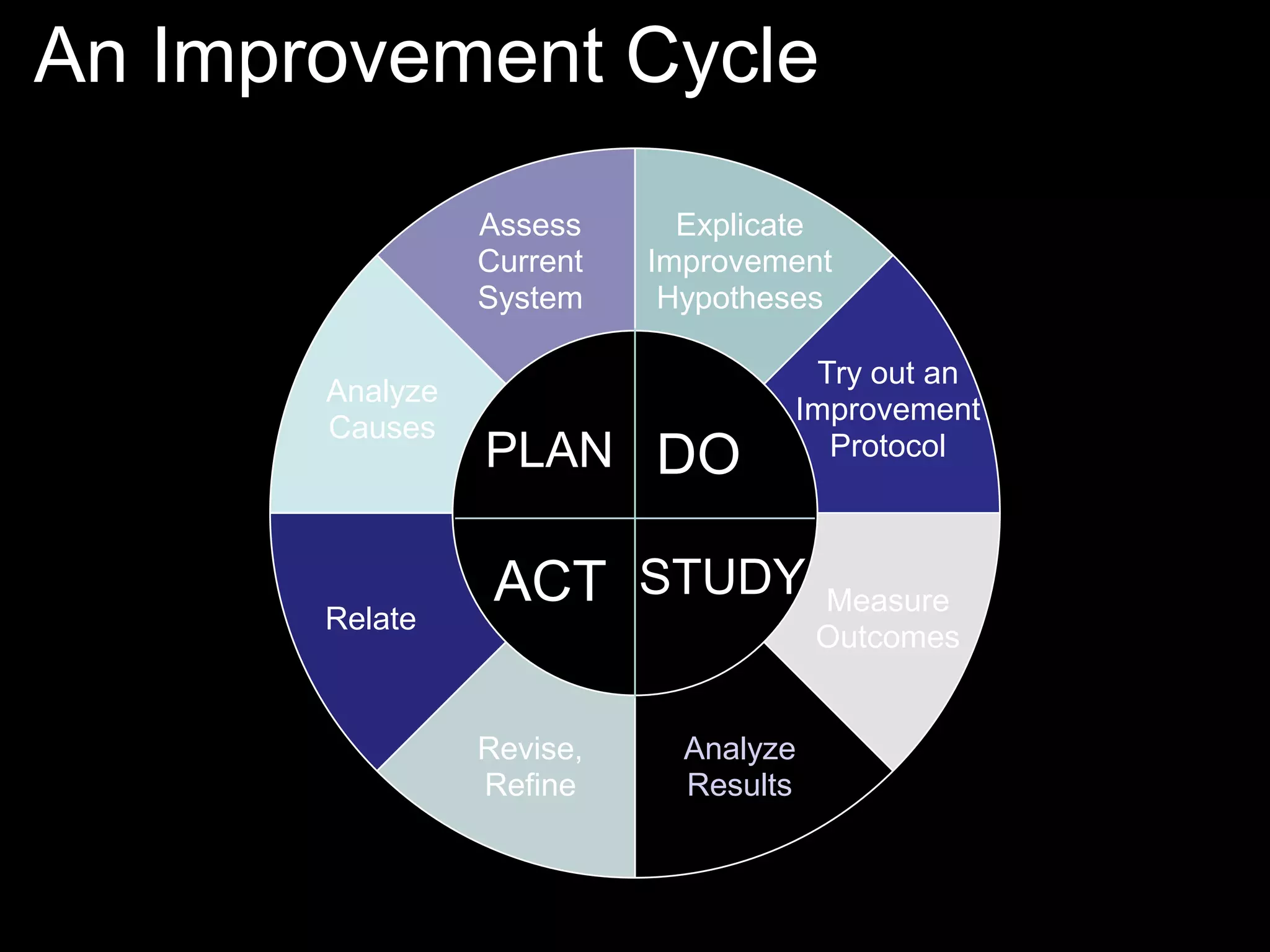
Explicate
Improvement
Hypotheses
Try out an
Improvement
Protocol
Measure
Outcomes
Analyze
Results
Revise,
Refine
Relate
Analyze
Causes
Assess
Current
System
ACT
PLAN
STUDY
DO
An Improvement Cycle
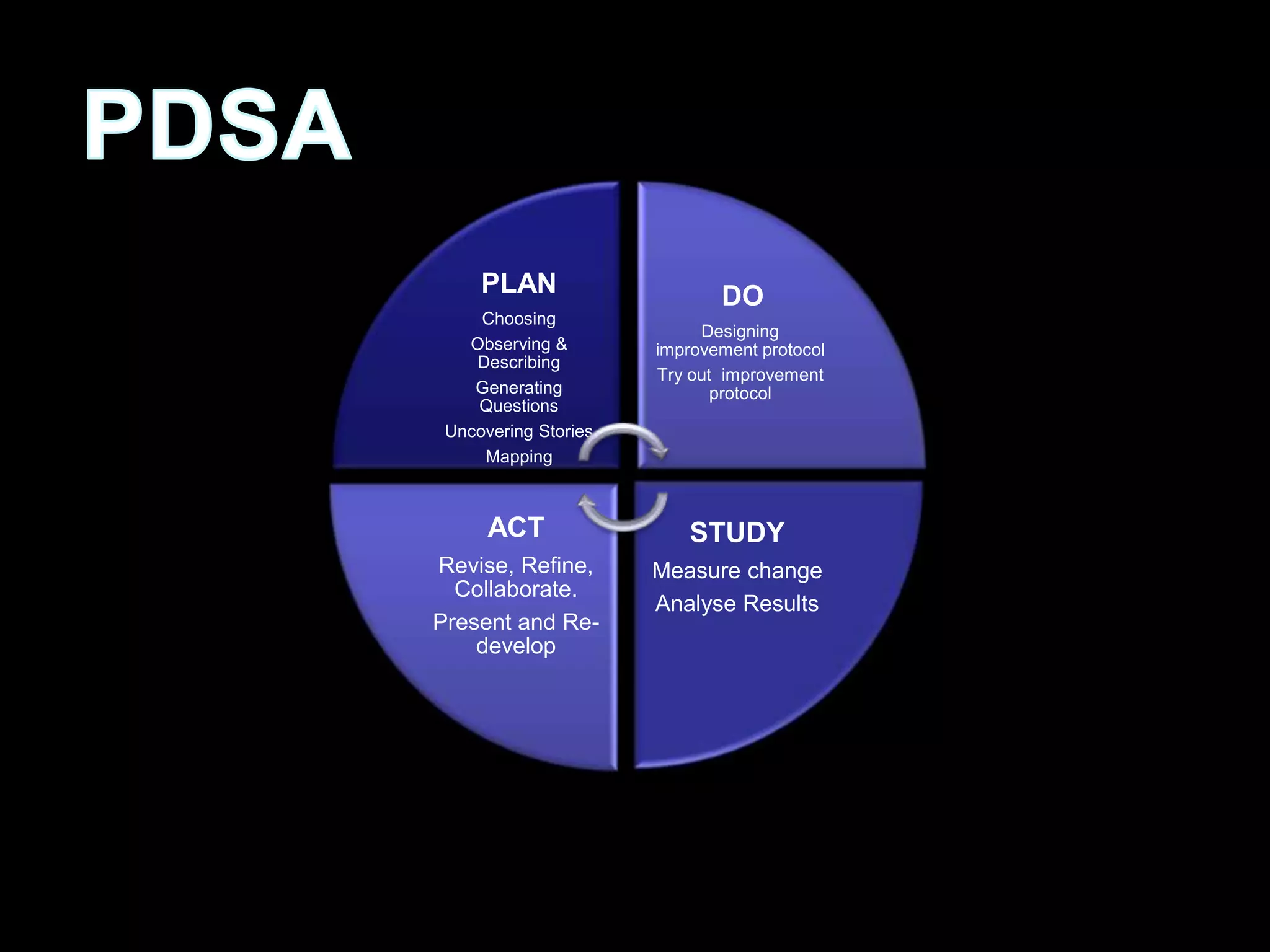
PLAN
Choosing
Observing &
Describing
Generating
Questions
Uncovering Stories
Mapping
DO
Designing
improvement protocol
Try out improvement
protocol
STUDY
Measure change
Analyse Results
ACT
Revise, Refine,
Collaborate.
Present and Re-
develop
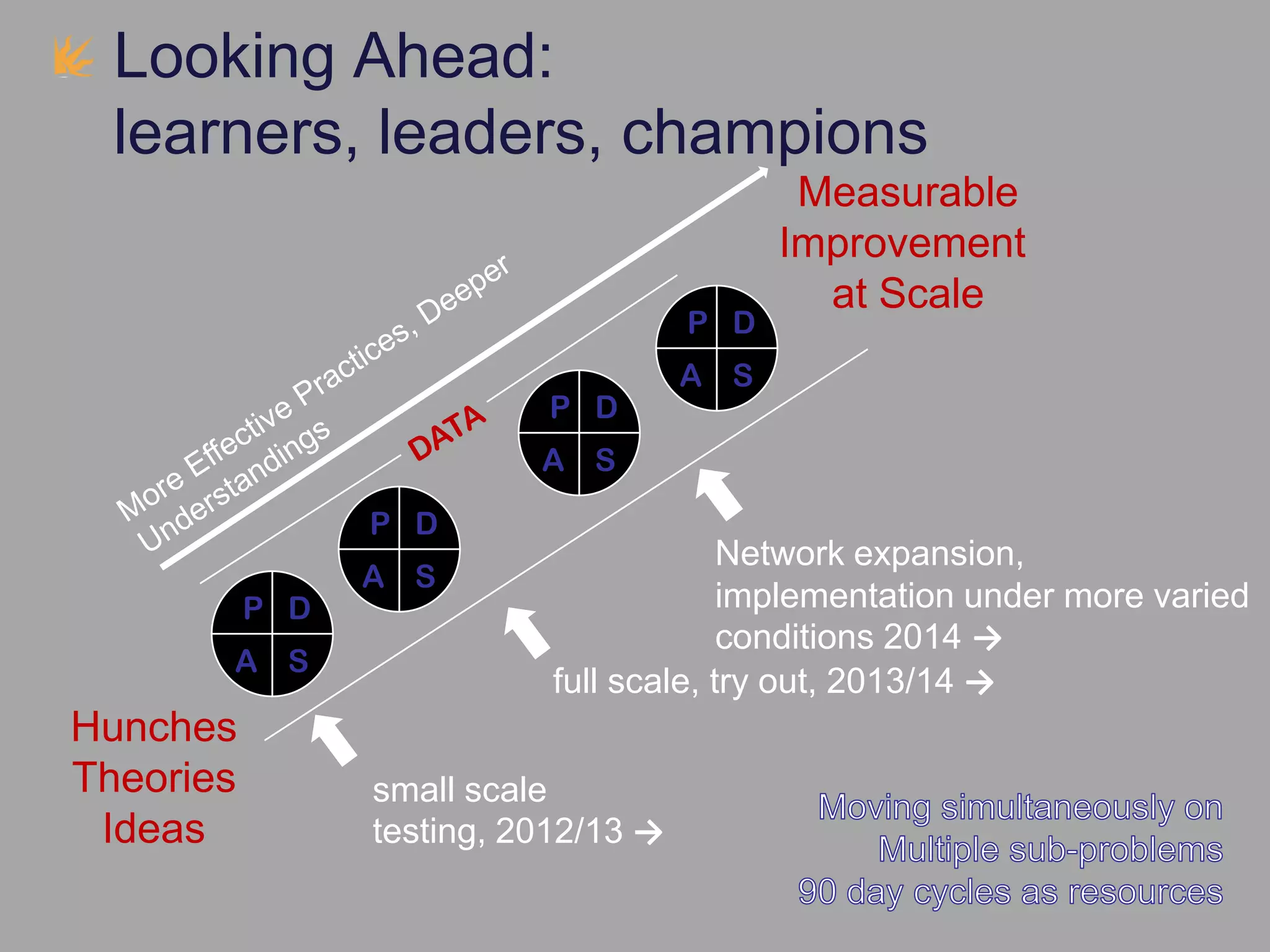
Looking Ahead:
learners, leaders, champions
Measurable
Improvement
at Scale
Hunches
Theories
Ideas
P D
SA
P D
SA
P D
SA
P D
SA
Network expansion,
implementation under more varied
conditions 2014 →
full scale, try out, 2013/14 →
small scale
testing, 2012/13 →
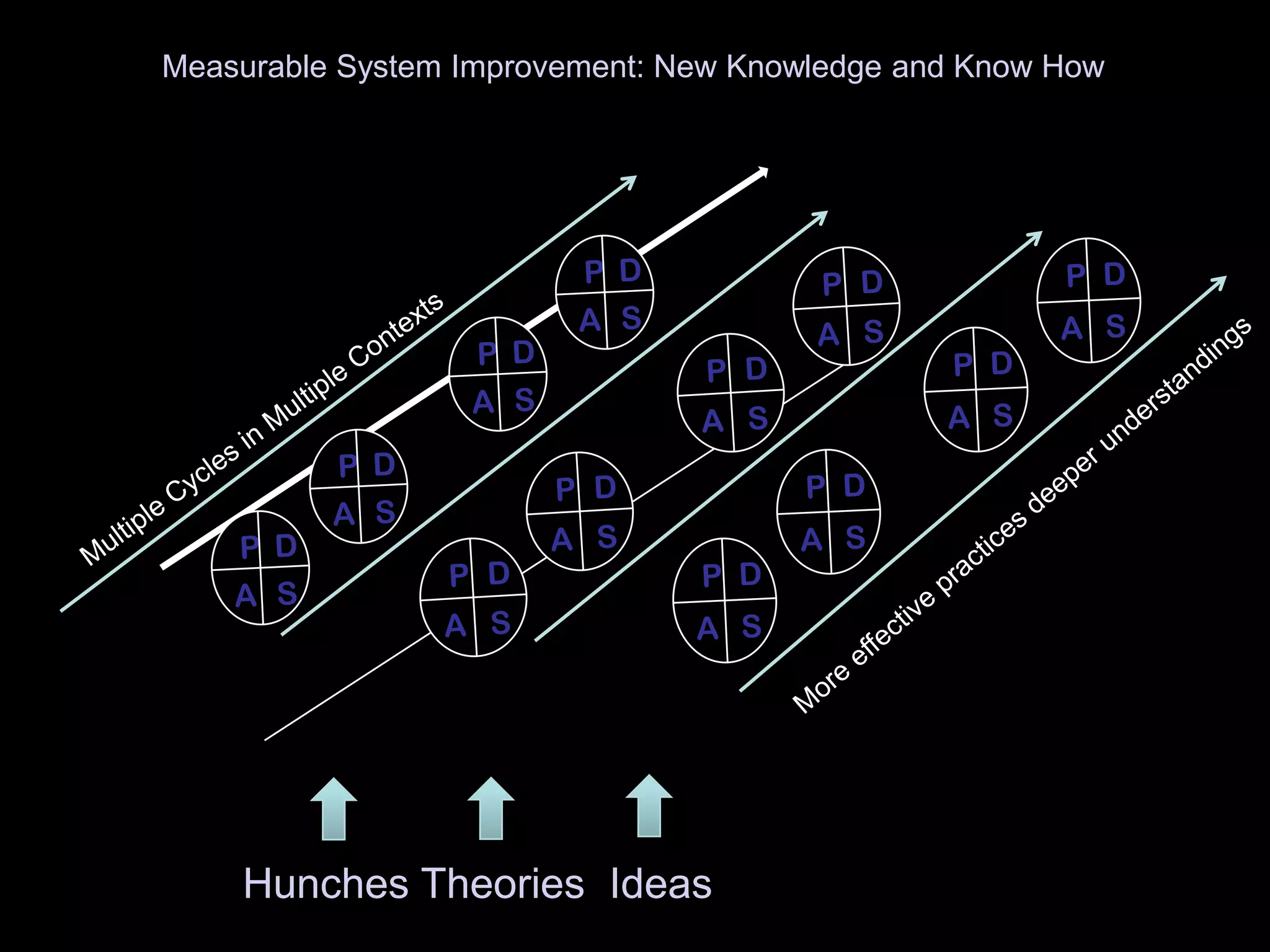
Hunches Theories Ideas
Measurable System Improvement: New Knowledge and Know How
What are we measuring?
We’re doing something
different for a purpose
What are the student
outcomes we are looking for?
student self-directed learning
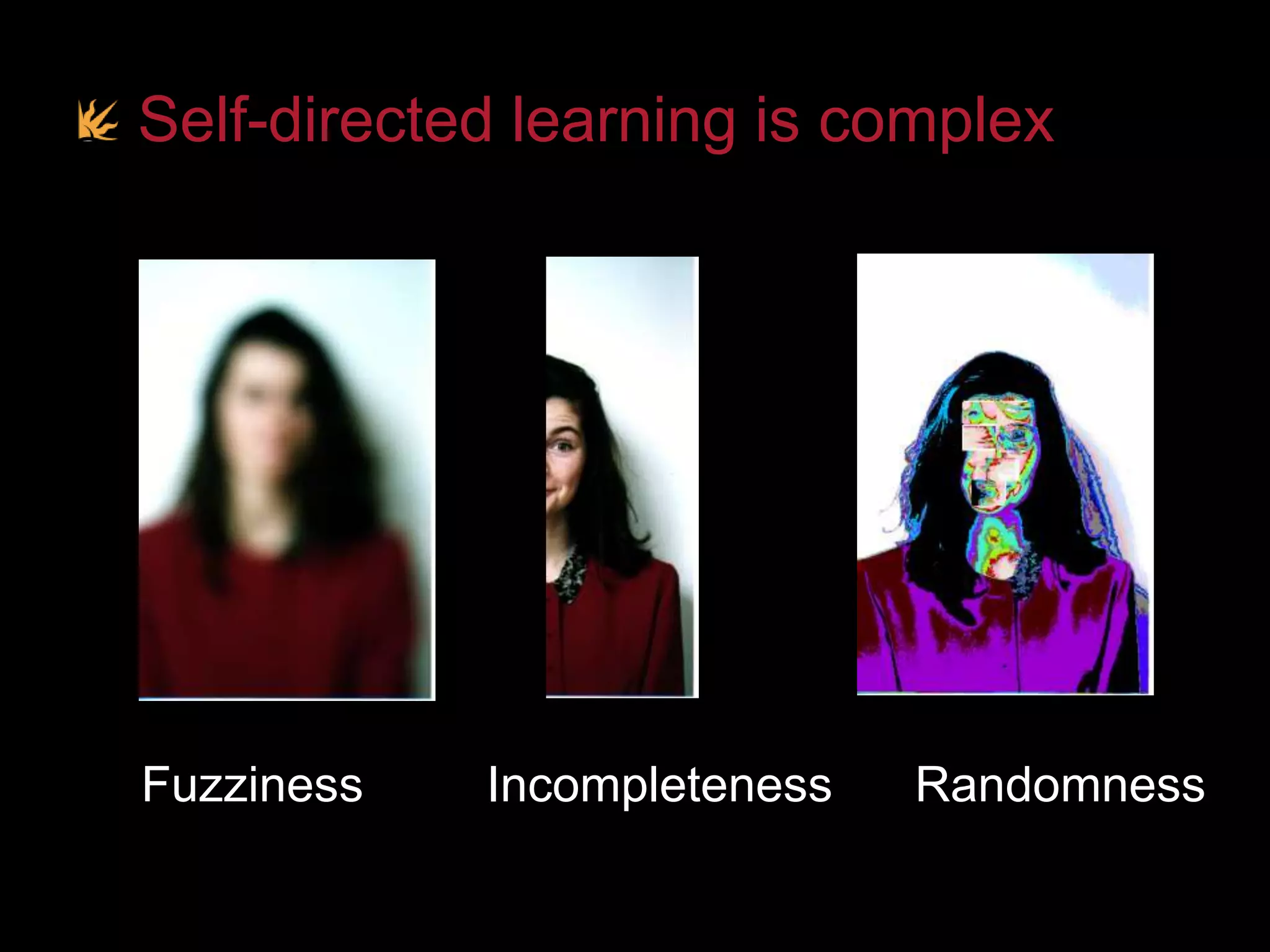
Self-directed learning is complex
Fuzziness Incompleteness Randomness
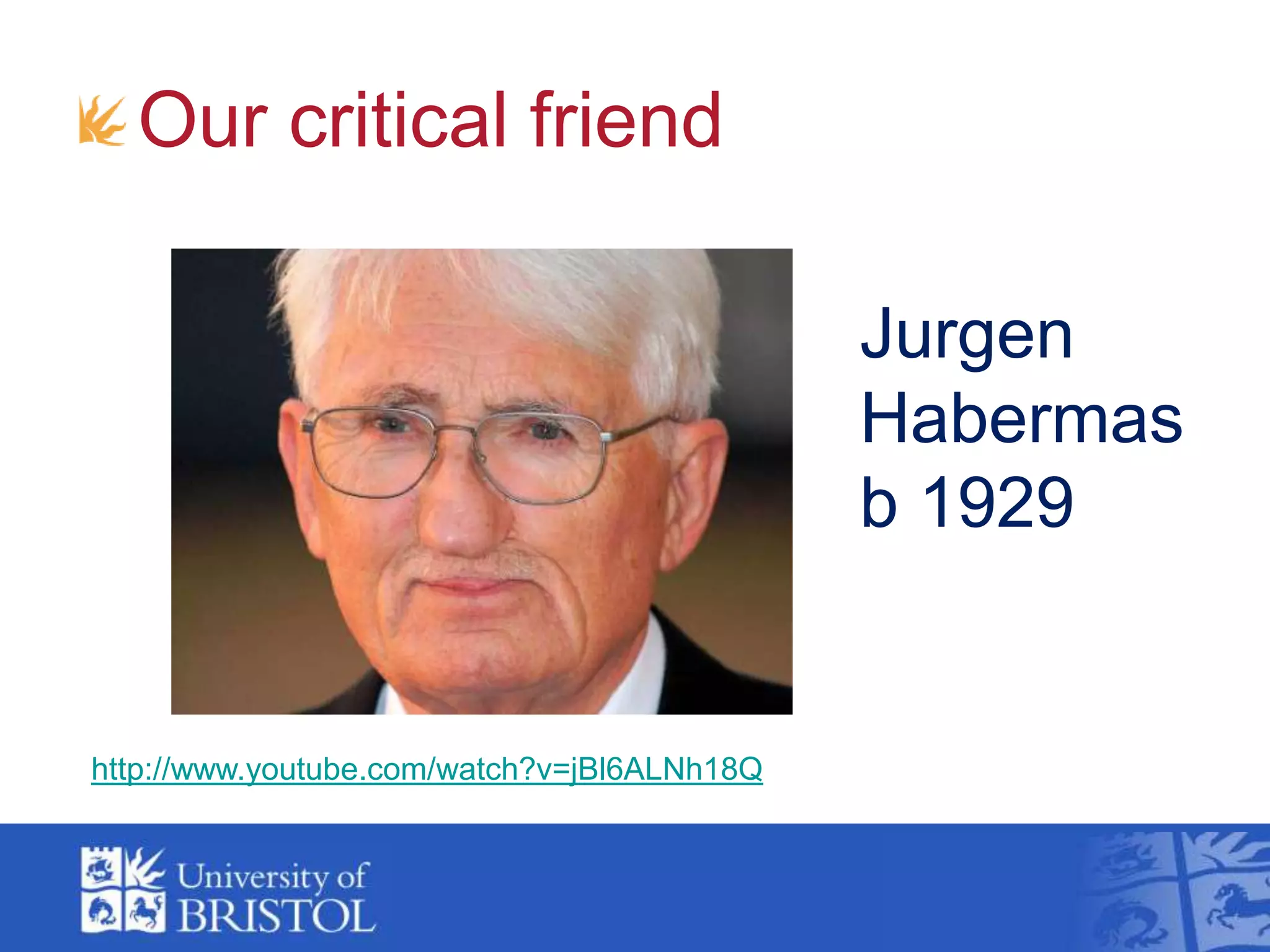
Our critical friend
http://www.youtube.com/watch?v=jBl6ALNh18Q
Jurgen
Habermas
b 1929
Empirical Analytical Interests
• Based on instrumental values
• Technical interest in control
• Expressed through strategic rationality
• Favours use of numbers
• Generalisations
• Means end / cause effect approach
• Prediction
• Reduction
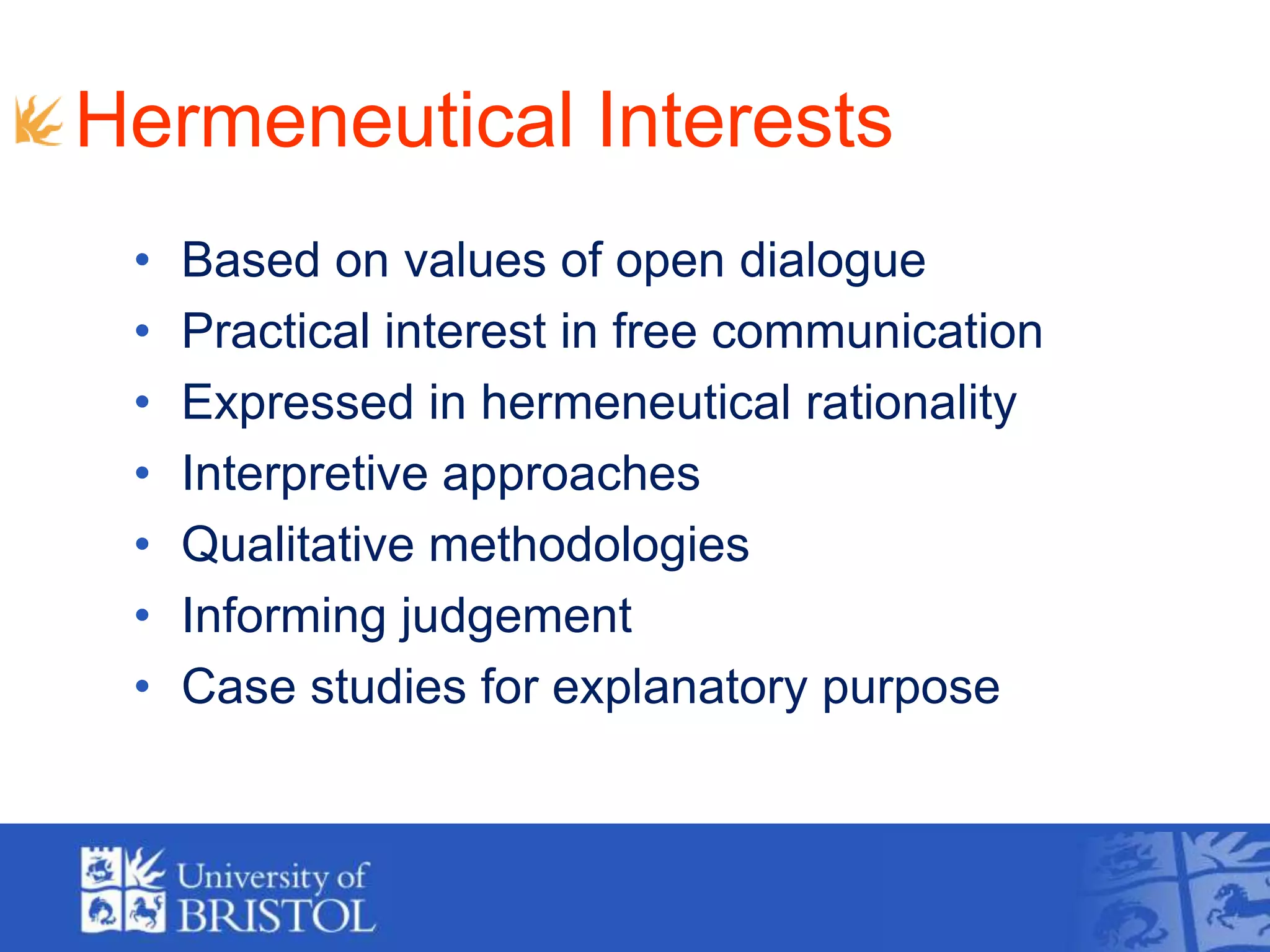
Hermeneutical Interests
• Based on values of open dialogue
• Practical interest in free communication
• Expressed in hermeneutical rationality
• Interpretive approaches
• Qualitative methodologies
• Informing judgement
• Case studies for explanatory purpose
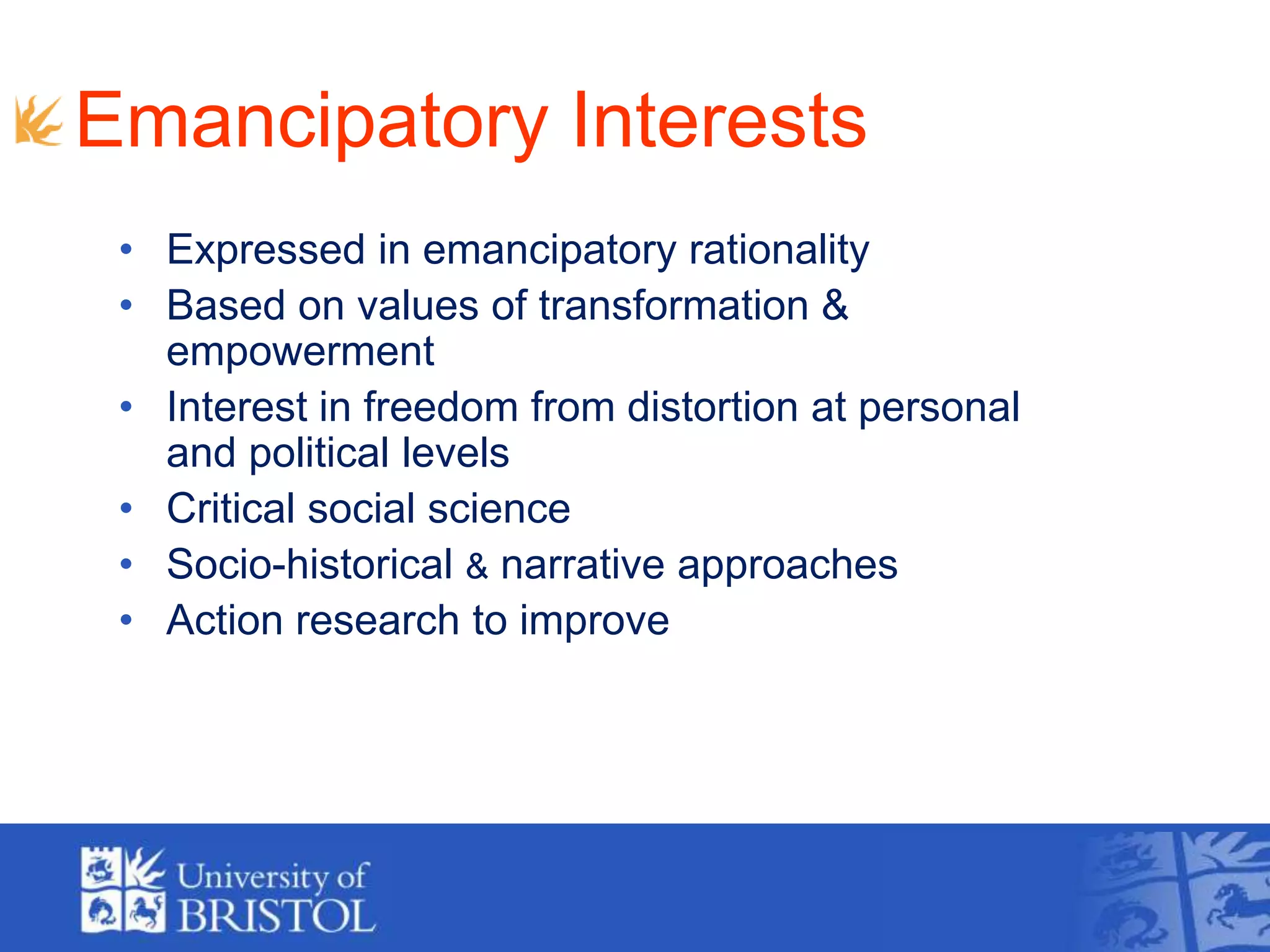
Emancipatory Interests
• Expressed in emancipatory rationality
• Based on values of transformation &
empowerment
• Interest in freedom from distortion at personal
and political levels
• Critical social science
• Socio-historical & narrative approaches
• Action research to improve practice
we are the new
Renaissance
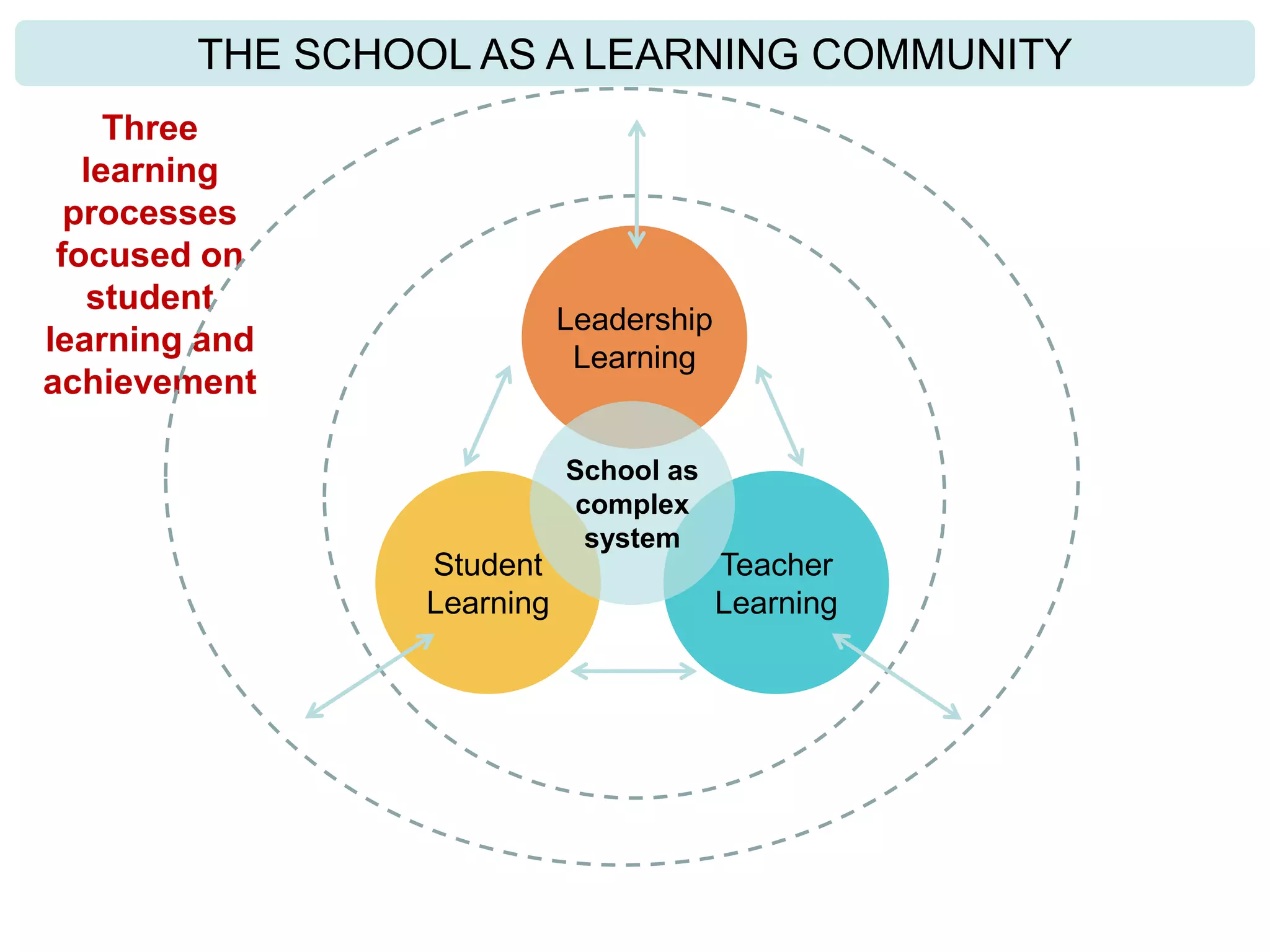
THE SCHOOL AS A LEARNING COMMUNITY
Leadership
Learning
Teacher
Learning
Student
Learning
School as
complex
system
Three
learning
processes
focused on
student
learning and
achievement
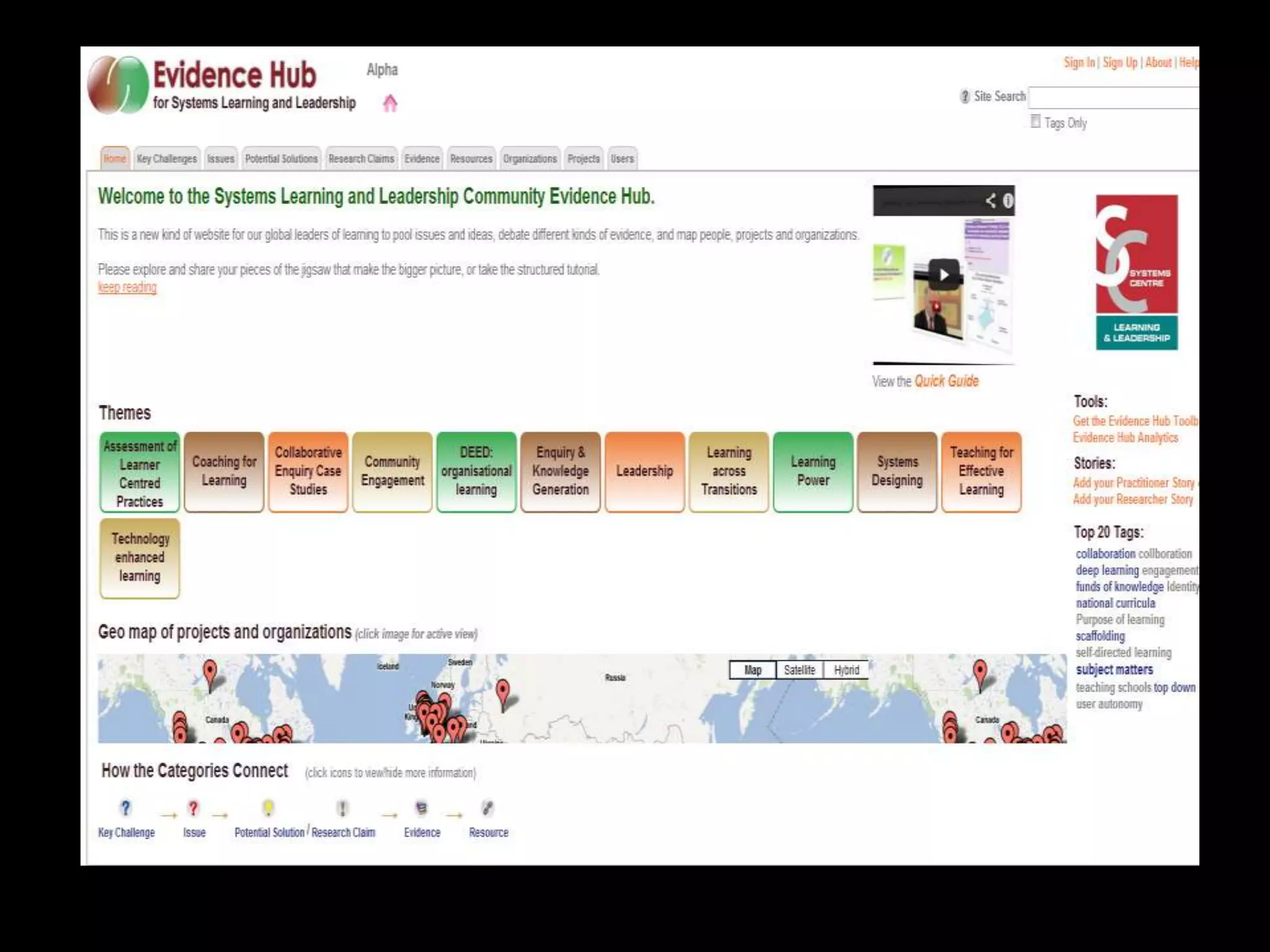
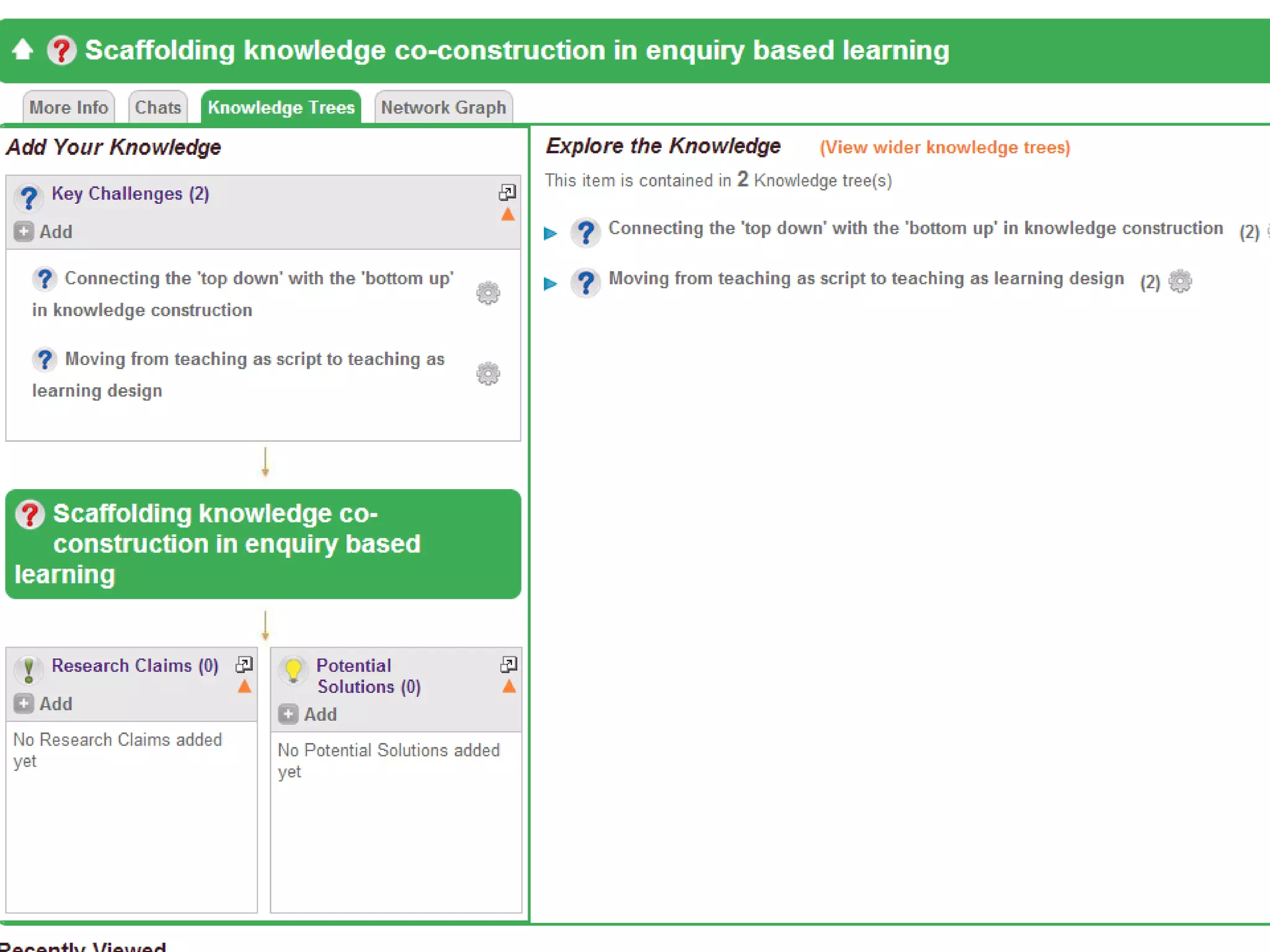
Evidence Hub
for knowledge sharing and harnessing
collective intelligence
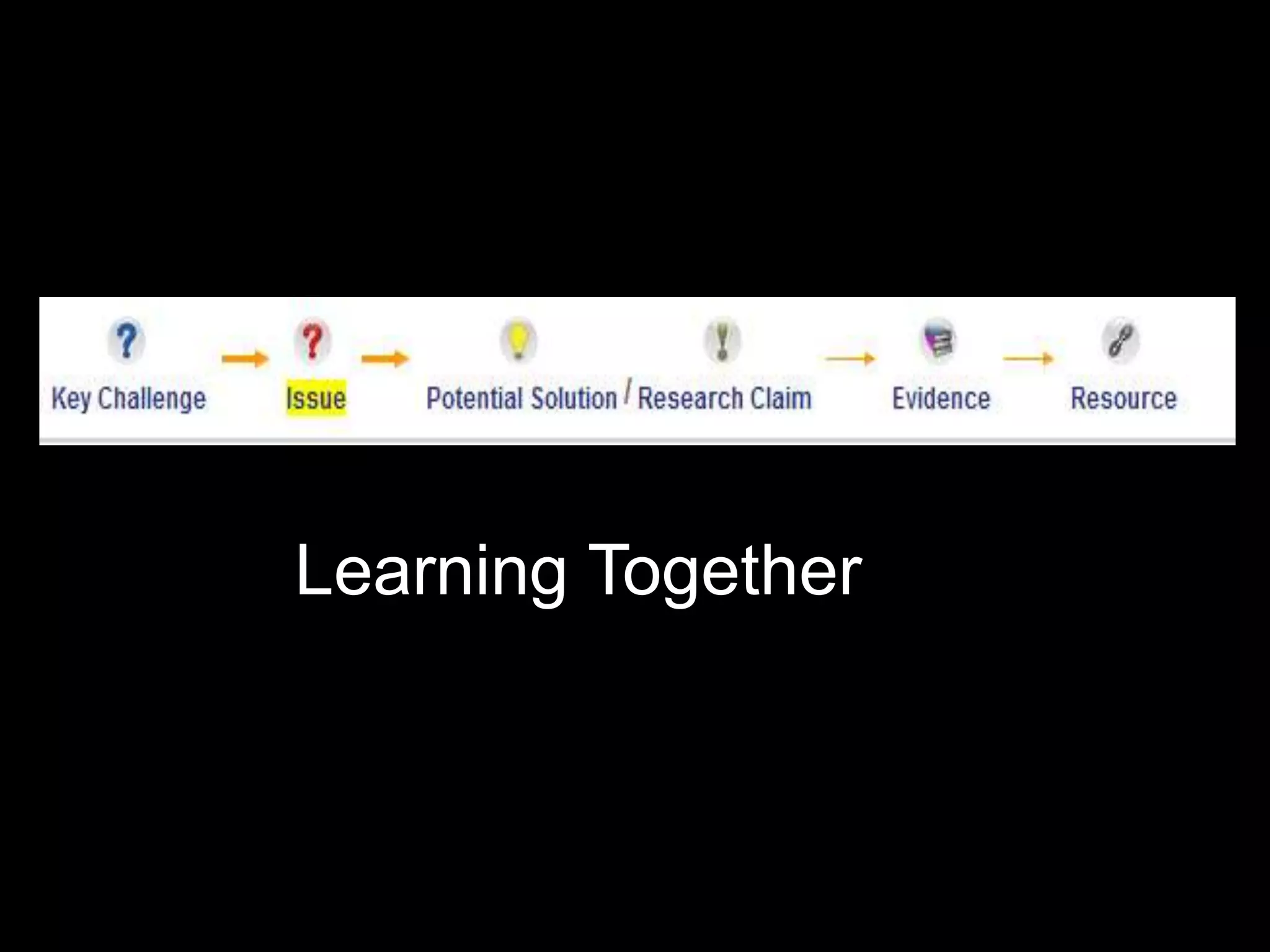
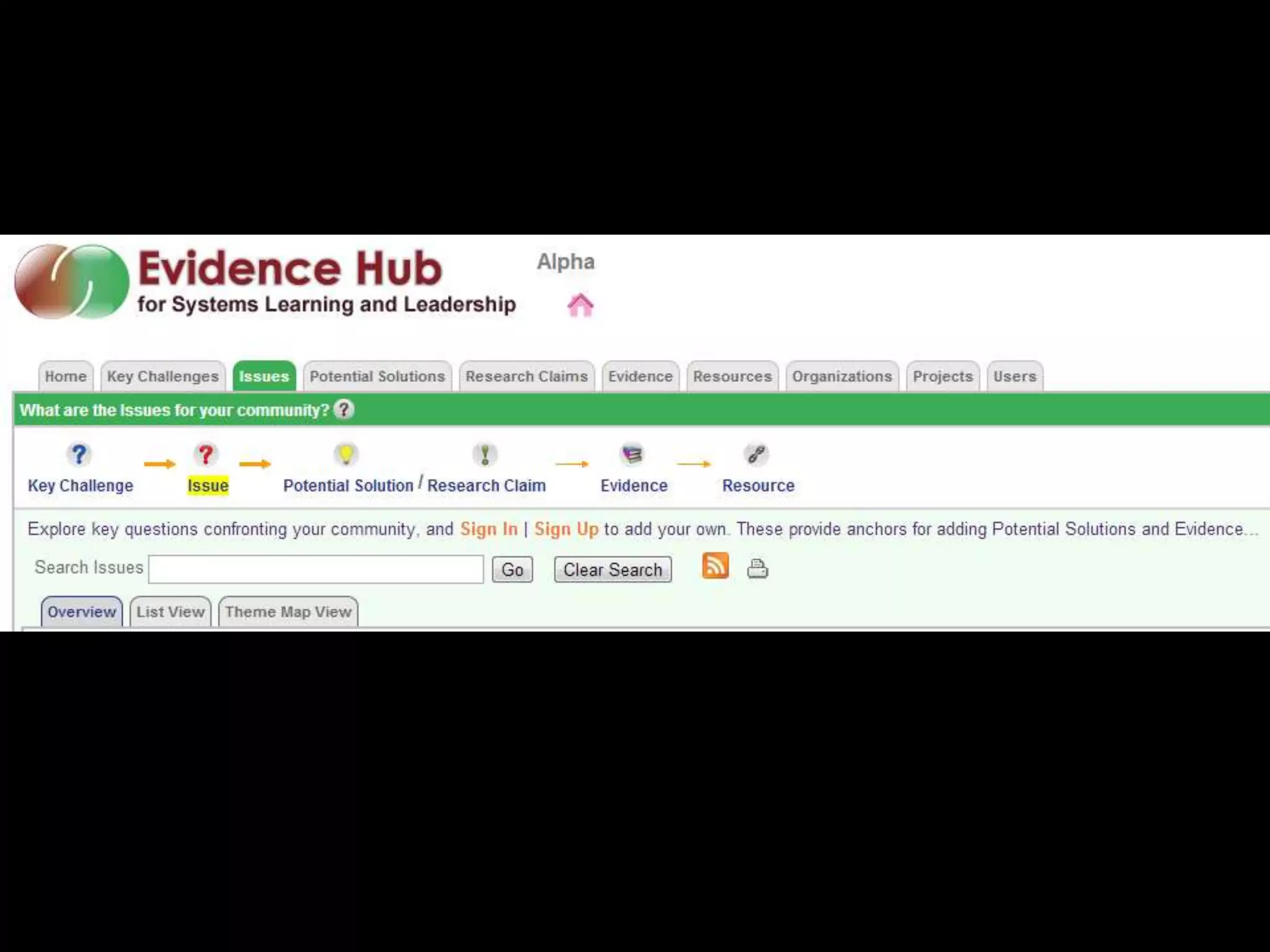
Learning Together
HTSA research methodology workshop may 22 2013

HTSA research methodology workshop may 22 2013

Editor's Notes

  • #3 Ask questions to remind group of what we think in response to one and two above.
  • #5 The iterative cycles of design, engineering and development Rapid prototypes, test fast, learn fast, and improve At this point, we come back to the idea that it is a system. Even as we focus in on something specfic—how might we teach a particular concept—the idea of an instructional systems. So yes curriculum matters but it sits within a larger frame.
  • #12 Invite contributions from teaches about what they would look for as evidence of self directed learning?
  • #18 The world is complex…