HR & Talent Analytics
The Data-driven HR
Seta A. Wicaksana
Seta A. Wicaksana
0811 19 53 43
wicaksana@humanikaconsulting.com
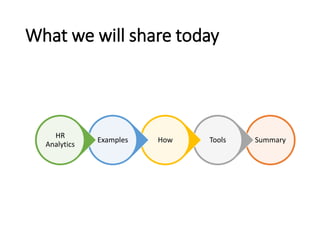
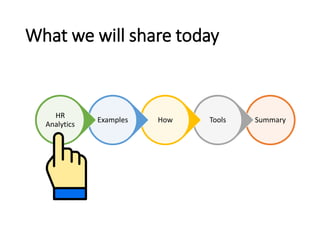
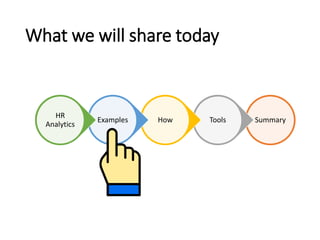
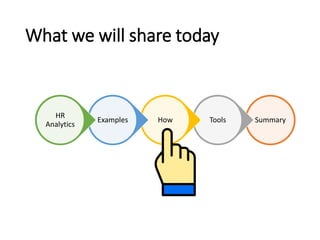
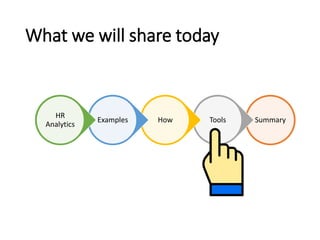
What we will share today
Summary
Tools
How
Examples
HR
Analytics
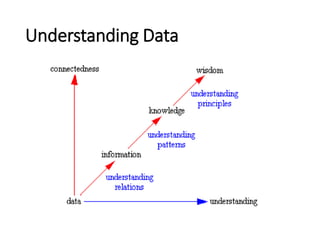
Understanding Data
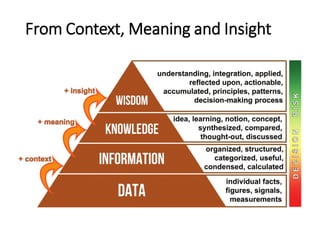
From Context, Meaning and Insight
What we will share today
Summary
Tools
How
Examples
HR
Analytics
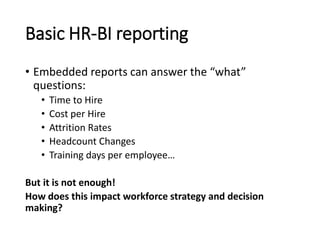
Basic HR-BI reporting
• Embedded reports can answer the “what”
questions:
• Time to Hire
• Cost per Hire
• Attrition Rates
• Headcount Changes
• Training days per employee…
But it is not enough!
How does this impact workforce strategy and decision
making?
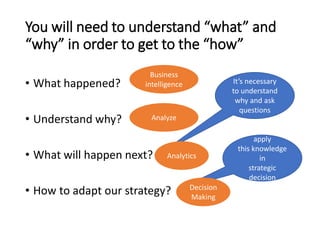
You will need to understand “what” and
“why” in order to get to the “how”
• What happened?
• Understand why?
• What will happen next?
• How to adapt our strategy?
It’s necessary
to understand
why and ask
questions
In order to
apply
this knowledge
in
strategic
decision
making
Business
intelligence
Analyze
Analytics
Decision
Making
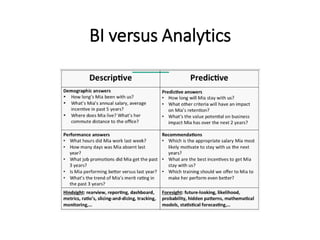
BI versus Analytics
What we will share today
Summary
Tools
How
Examples
HR
Analytics
Analytics for Training
Online training can generate user data the ability to track
and analyze every aspect of the learner experience
• What sequence of topics is most effective for a specific
learner? When are learners ready to move to the next
topic?
• What learner actions are associated with more
learning? What actions indicate satisfaction,
engagement, learning progress, etc.?
• What features of an online learning environment lead
to better learning? What will predict learner success?
• When is intervention required?
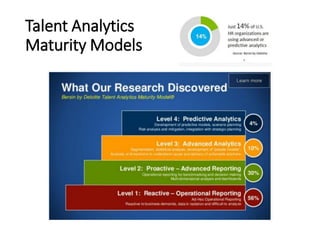
Talent Analytics
Maturity Models
What we will share today
Summary
Tools
How
Examples
HR
Analytics
Evidence-based HR
Evidence-based HR uses data, analysis and research
To understand the connection between people
management practices and business outcomes such
as profitability, customer satisfaction and quality.
Source: KPMG
How does it work?
• Identify a business challenge - A Bank wants to improve
branch performance
• Develop Hypothesis - There may be a link between the type
of employees in a branch and its overall performance.
• Which data is needed?-HR & workforce data Financial
performance data Customer data
• Analyze data - Think about the best visualization and
storytelling tool to convey message to leaders
• Validate data & findings - Work with senior HR leaders,
customer engagement and branch. If it’s good move on, if
not – back to stage 2
• Leverage insight into business decisions - Consider first
running a pilot on one branch
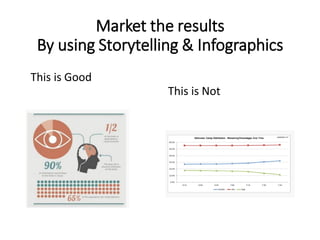
Market the results
By using Storytelling & Infographics
This is Not
This is Good
What we will share today
Summary
Tools
How
Examples
HR
Analytics
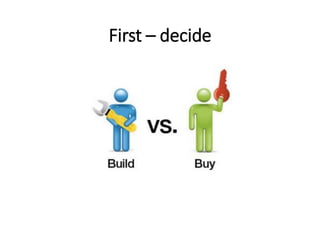
First – decide
What we will share today
Summary
Tools
How
Examples
HR
Analytics
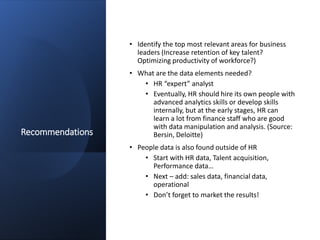
Recommendations
• Identify the top most relevant areas for business
leaders (Increase retention of key talent?
Optimizing productivity of workforce?)
• What are the data elements needed?
• HR “expert” analyst
• Eventually, HR should hire its own people with
advanced analytics skills or develop skills
internally, but at the early stages, HR can
learn a lot from finance staff who are good
with data manipulation and analysis. (Source:
Bersin, Deloitte)
• People data is also found outside of HR
• Start with HR data, Talent acquisition,
Performance data…
• Next – add: sales data, financial data,
operational
• Don’t forget to market the results!
Learning and Giving for Better
Indonesia
www.humanikaconsulting.com
www.hipotest.com

Hr and Talent Analytics

  • 1.
    HR & TalentAnalytics The Data-driven HR Seta A. Wicaksana
  • 2.
    Seta A. Wicaksana 081119 53 43 wicaksana@humanikaconsulting.com
  • 4.
    What we willshare today Summary Tools How Examples HR Analytics
  • 5.
  • 6.
  • 8.
    What we willshare today Summary Tools How Examples HR Analytics
  • 9.
    Basic HR-BI reporting •Embedded reports can answer the “what” questions: • Time to Hire • Cost per Hire • Attrition Rates • Headcount Changes • Training days per employee… But it is not enough! How does this impact workforce strategy and decision making?
  • 10.
    You will needto understand “what” and “why” in order to get to the “how” • What happened? • Understand why? • What will happen next? • How to adapt our strategy? It’s necessary to understand why and ask questions In order to apply this knowledge in strategic decision making Business intelligence Analyze Analytics Decision Making
  • 11.
  • 12.
    What we willshare today Summary Tools How Examples HR Analytics
  • 14.
    Analytics for Training Onlinetraining can generate user data the ability to track and analyze every aspect of the learner experience • What sequence of topics is most effective for a specific learner? When are learners ready to move to the next topic? • What learner actions are associated with more learning? What actions indicate satisfaction, engagement, learning progress, etc.? • What features of an online learning environment lead to better learning? What will predict learner success? • When is intervention required?
  • 15.
  • 16.
    What we willshare today Summary Tools How Examples HR Analytics
  • 17.
    Evidence-based HR Evidence-based HRuses data, analysis and research To understand the connection between people management practices and business outcomes such as profitability, customer satisfaction and quality. Source: KPMG
  • 18.
    How does itwork? • Identify a business challenge - A Bank wants to improve branch performance • Develop Hypothesis - There may be a link between the type of employees in a branch and its overall performance. • Which data is needed?-HR & workforce data Financial performance data Customer data • Analyze data - Think about the best visualization and storytelling tool to convey message to leaders • Validate data & findings - Work with senior HR leaders, customer engagement and branch. If it’s good move on, if not – back to stage 2 • Leverage insight into business decisions - Consider first running a pilot on one branch
  • 19.
    Market the results Byusing Storytelling & Infographics This is Not This is Good
  • 20.
    What we willshare today Summary Tools How Examples HR Analytics
  • 21.
  • 25.
    What we willshare today Summary Tools How Examples HR Analytics
  • 26.
    Recommendations • Identify thetop most relevant areas for business leaders (Increase retention of key talent? Optimizing productivity of workforce?) • What are the data elements needed? • HR “expert” analyst • Eventually, HR should hire its own people with advanced analytics skills or develop skills internally, but at the early stages, HR can learn a lot from finance staff who are good with data manipulation and analysis. (Source: Bersin, Deloitte) • People data is also found outside of HR • Start with HR data, Talent acquisition, Performance data… • Next – add: sales data, financial data, operational • Don’t forget to market the results!
  • 28.
    Learning and Givingfor Better Indonesia www.humanikaconsulting.com www.hipotest.com