How to Structure
Learner
Pathways?
A learner pathway is the journey of a learner from the moment they
realize they need training to the point where they can implement their
newly acquired skills/ knowledge at work. This pathway can be
structured, cluttered, or chaotic, depending on how the learner and the
trainer deal with it.
The learning pathway template has a sequence of steps that make
your training program leaner-centric by carefully analyzing, changing,
and implementing the entire process.
Introduction
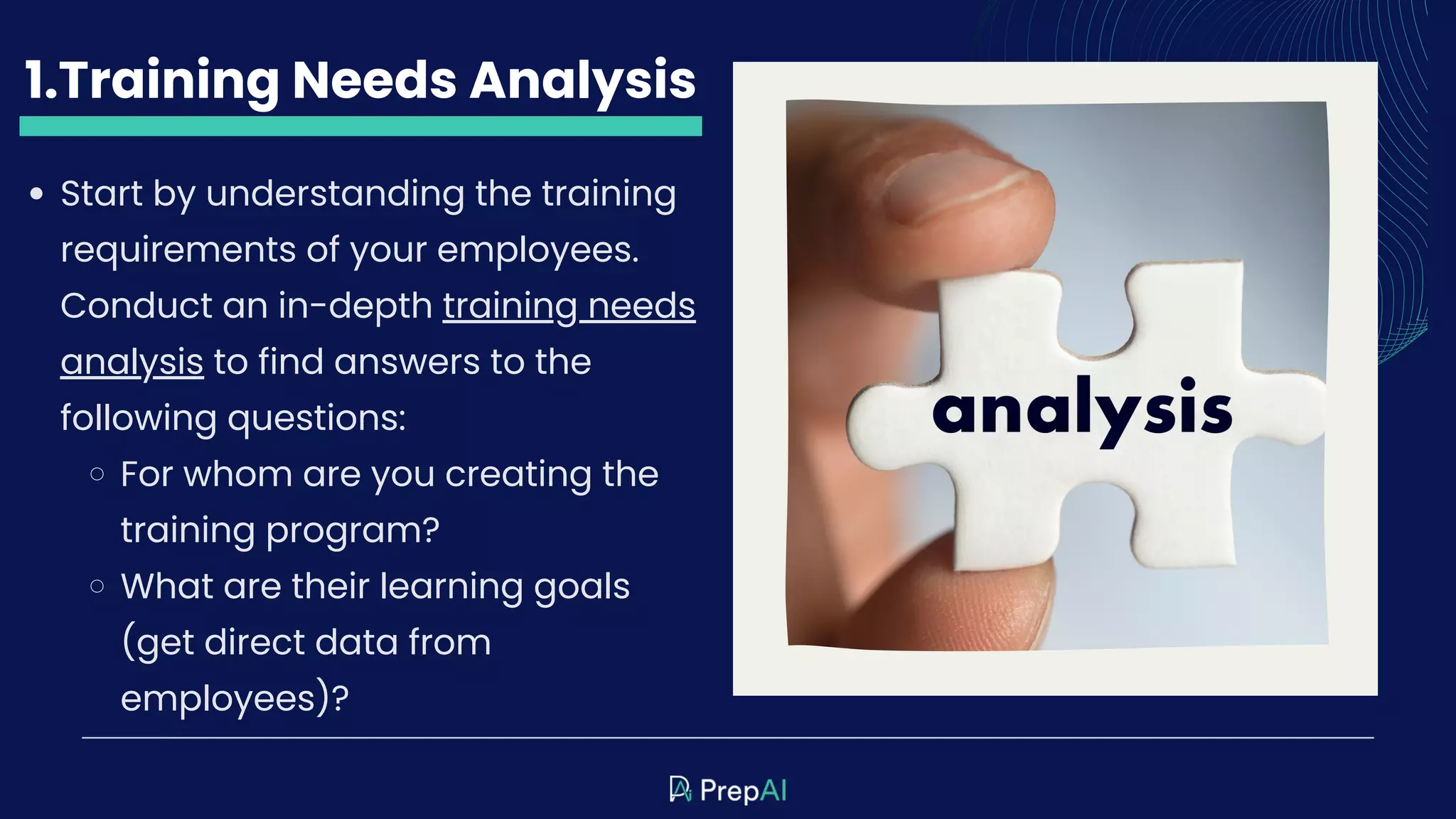
1.Training Needs Analysis
Start by understanding the training
requirements of your employees.
Conduct an in-depth training needs
analysis to find answers to the
following questions:
For whom are you creating the
training program?
What are their learning goals
(get direct data from
employees)?
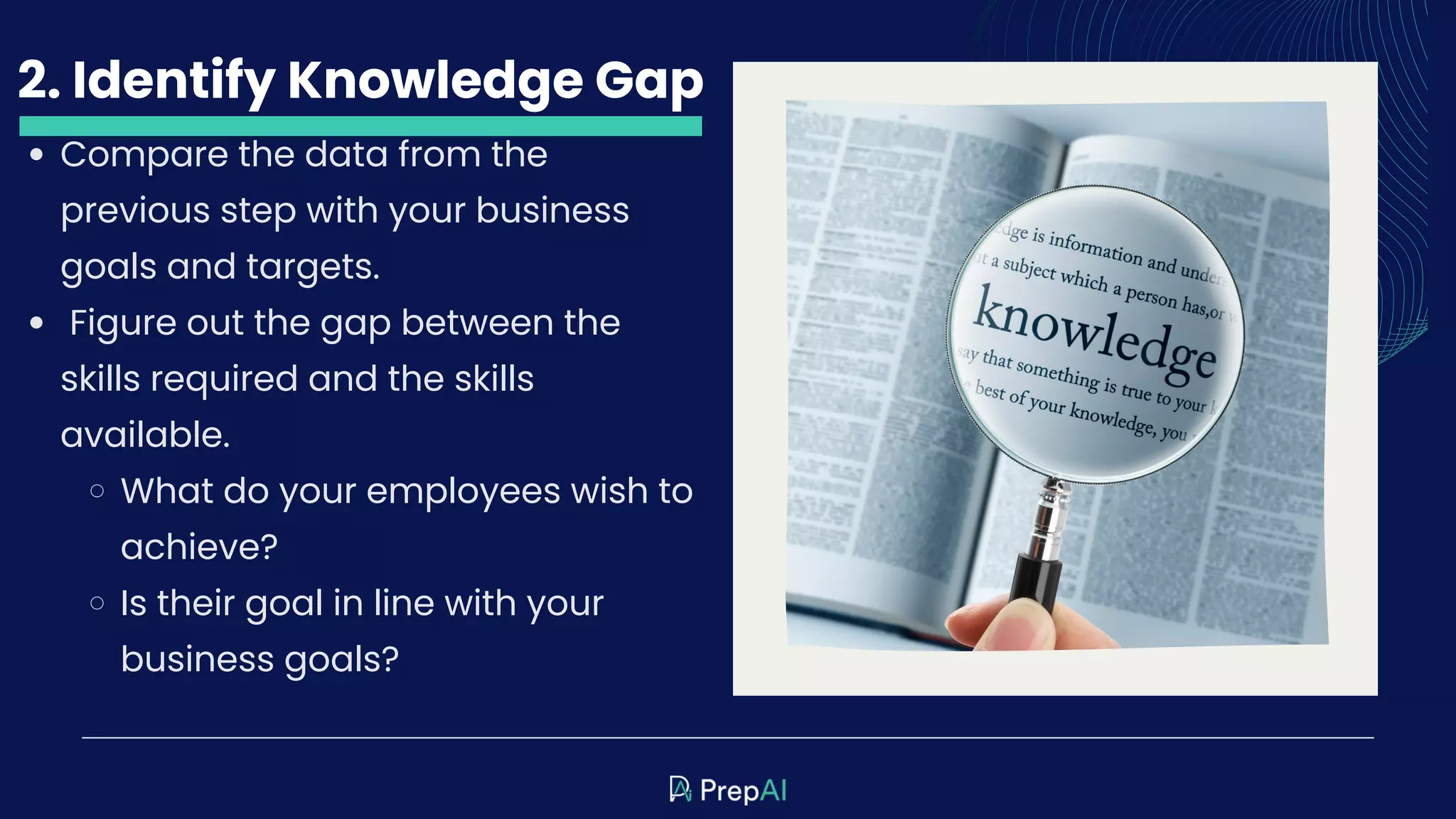
2. Identify Knowledge Gap
Compare the data from the
previous step with your business
goals and targets.
Figure out the gap between the
skills required and the skills
available.
What do your employees wish to
achieve?
Is their goal in line with your
business goals?
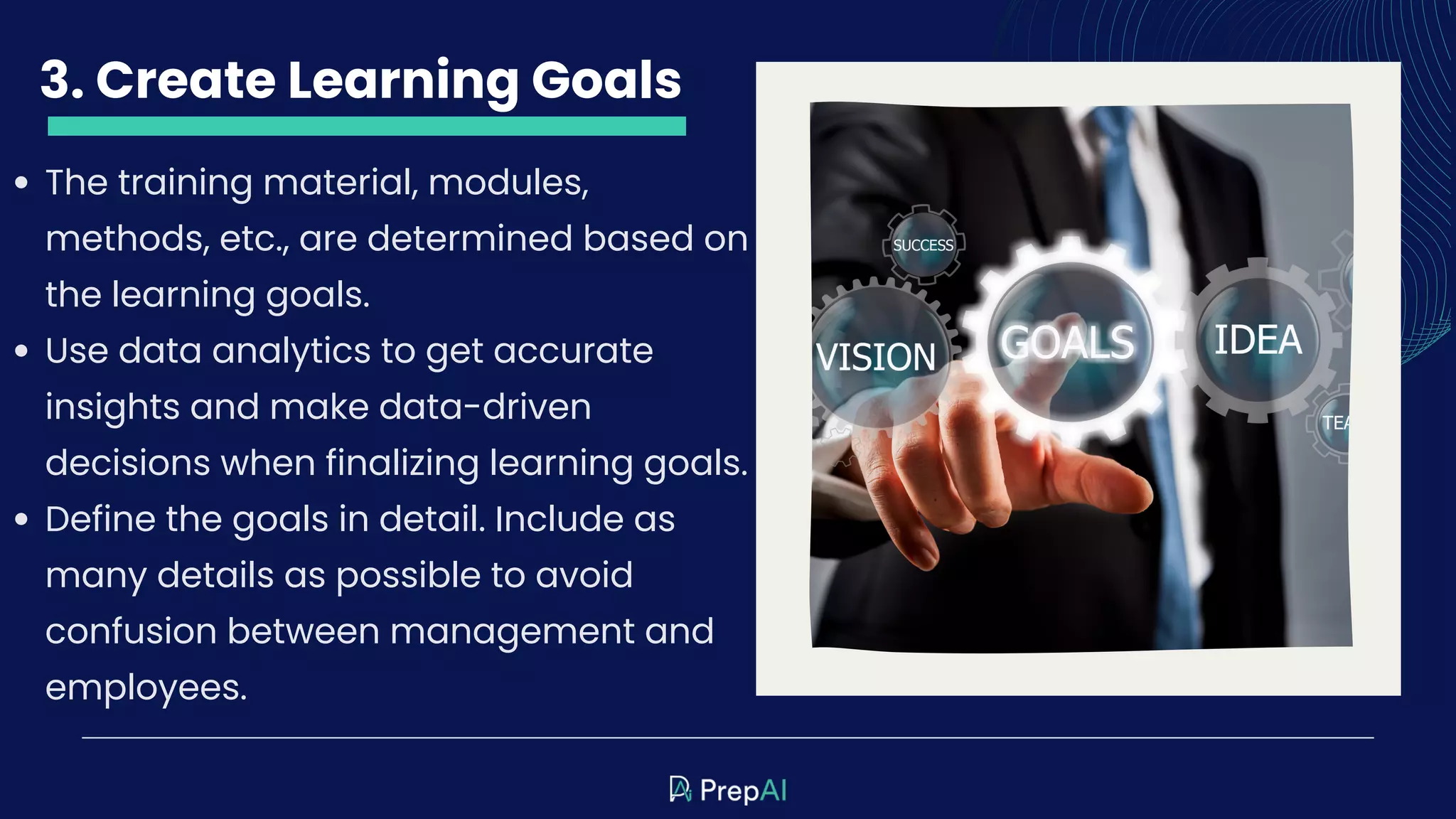
3. Create Learning Goals
The training material, modules,
methods, etc., are determined based on
the learning goals.
Use data analytics to get accurate
insights and make data-driven
decisions when finalizing learning goals.
Define the goals in detail. Include as
many details as possible to avoid
confusion between management and
employees.
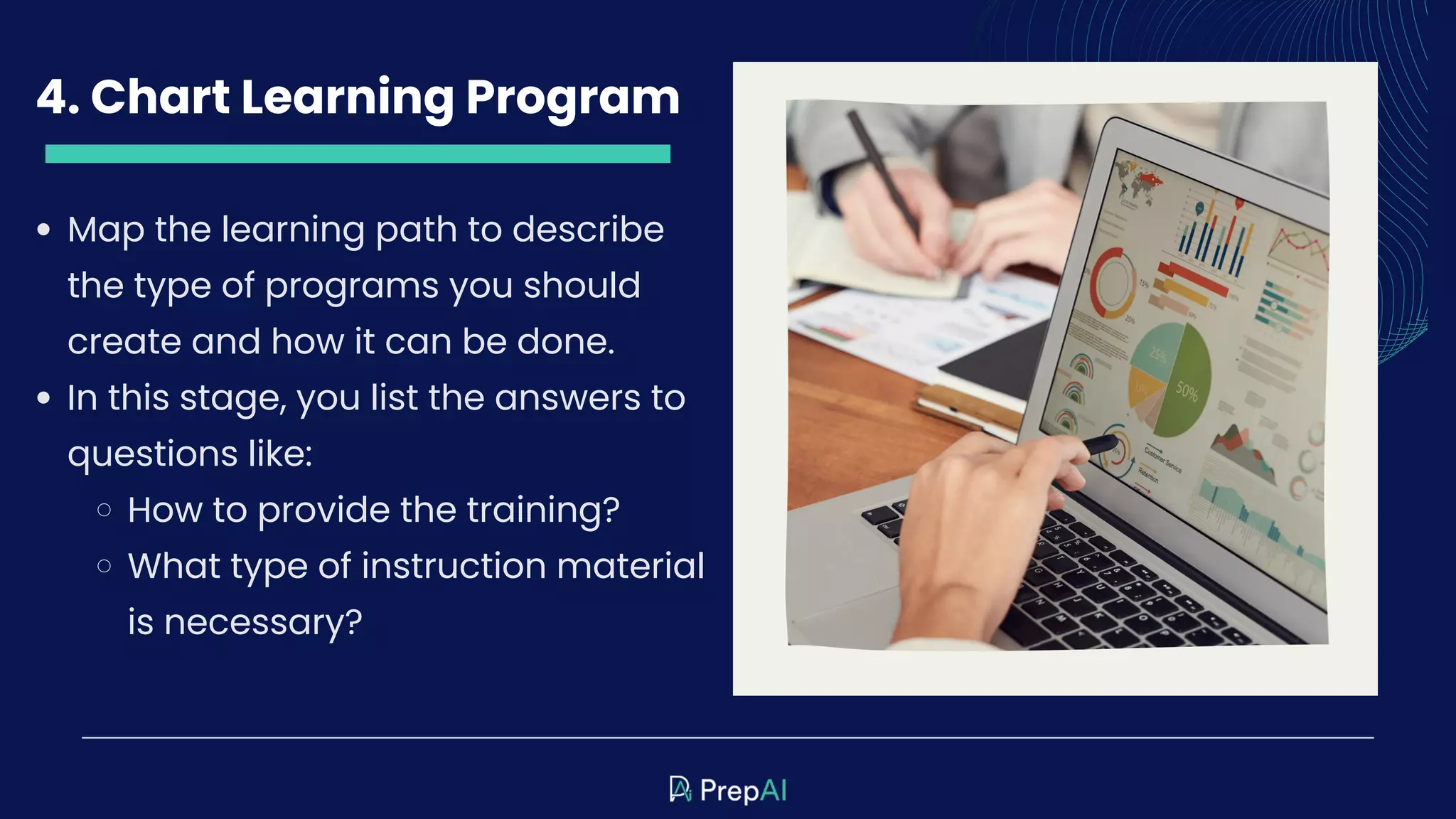
4. Chart Learning Program
Map the learning path to describe
the type of programs you should
create and how it can be done.
In this stage, you list the answers to
questions like:
How to provide the training?
What type of instruction material
is necessary?
5. Finalizing Learning Material
Once you have the content and
trainers ready, you should discuss
how to modify, divide, combine, and
present the content to trainees.
Get inputs from trainers as they are
the ones who help employees gain
knowledge from the given material.
The material should be enough to
help achieve the learning objectives.
6. Determine Stages and
Milestones
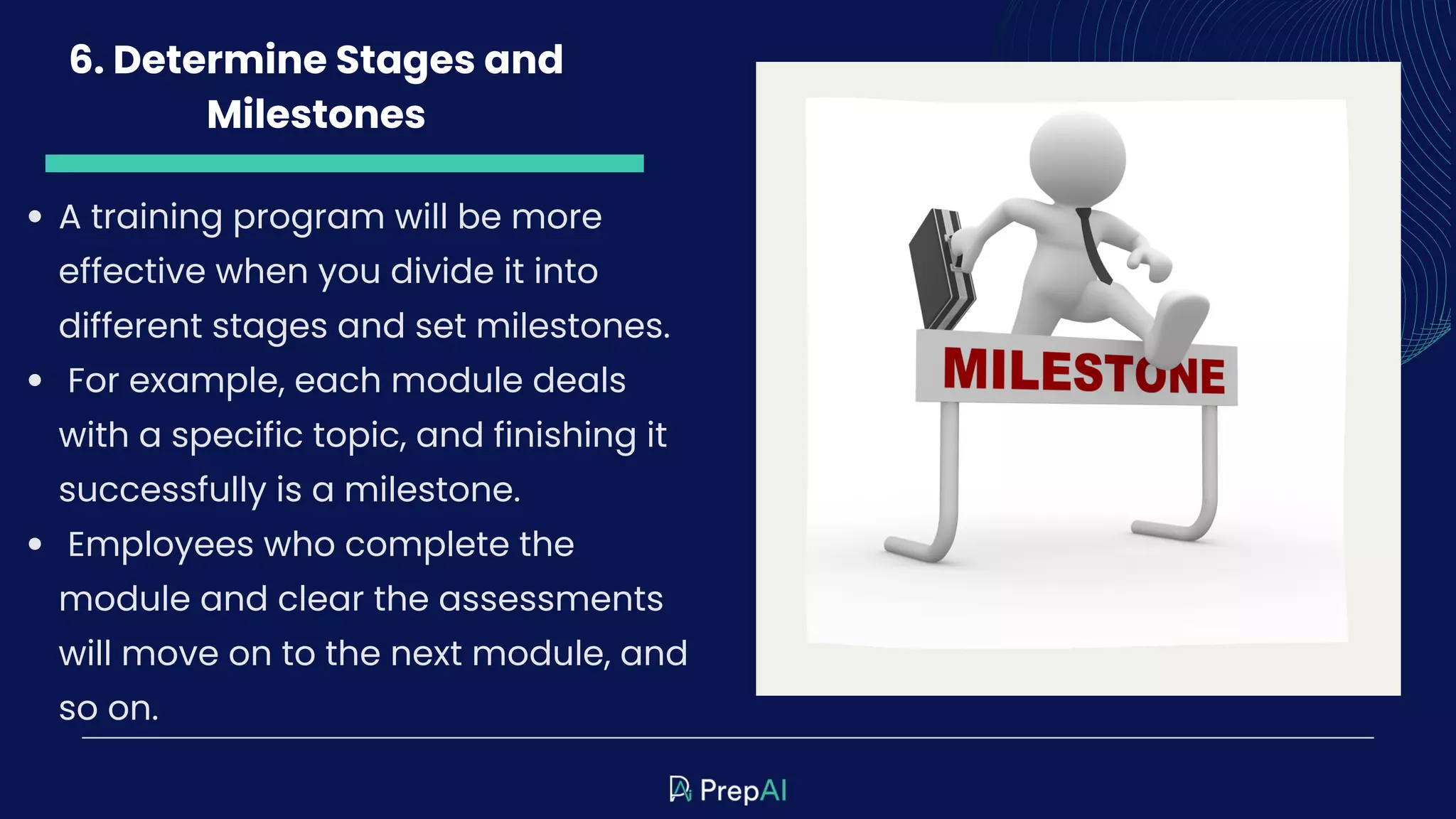
A training program will be more
effective when you divide it into
different stages and set milestones.
For example, each module deals
with a specific topic, and finishing it
successfully is a milestone.
Employees who complete the
module and clear the assessments
will move on to the next module, and
so on.
As a business enterprise, you need to take the time to evaluate the
options, tools, technologies, and models before you get to the
implementation part. Strive for clarity and transparency at every
stage.
Integrate a question generation platform with the LMS and training
modules to make assessments a part of the process.
Conclusion
Thank You For
Reading!
Check out more articles on: www.prepai.in

How to Structure Learner Pathway? - PrepAI

  • 1.
  • 2.
    A learner pathwayis the journey of a learner from the moment they realize they need training to the point where they can implement their newly acquired skills/ knowledge at work. This pathway can be structured, cluttered, or chaotic, depending on how the learner and the trainer deal with it. The learning pathway template has a sequence of steps that make your training program leaner-centric by carefully analyzing, changing, and implementing the entire process. Introduction
  • 3.
    1.Training Needs Analysis Startby understanding the training requirements of your employees. Conduct an in-depth training needs analysis to find answers to the following questions: For whom are you creating the training program? What are their learning goals (get direct data from employees)?
  • 4.
    2. Identify KnowledgeGap Compare the data from the previous step with your business goals and targets. Figure out the gap between the skills required and the skills available. What do your employees wish to achieve? Is their goal in line with your business goals?
  • 5.
    3. Create LearningGoals The training material, modules, methods, etc., are determined based on the learning goals. Use data analytics to get accurate insights and make data-driven decisions when finalizing learning goals. Define the goals in detail. Include as many details as possible to avoid confusion between management and employees.
  • 6.
    4. Chart LearningProgram Map the learning path to describe the type of programs you should create and how it can be done. In this stage, you list the answers to questions like: How to provide the training? What type of instruction material is necessary?
  • 7.
    5. Finalizing LearningMaterial Once you have the content and trainers ready, you should discuss how to modify, divide, combine, and present the content to trainees. Get inputs from trainers as they are the ones who help employees gain knowledge from the given material. The material should be enough to help achieve the learning objectives.
  • 8.
    6. Determine Stagesand Milestones A training program will be more effective when you divide it into different stages and set milestones. For example, each module deals with a specific topic, and finishing it successfully is a milestone. Employees who complete the module and clear the assessments will move on to the next module, and so on.
  • 9.
    As a businessenterprise, you need to take the time to evaluate the options, tools, technologies, and models before you get to the implementation part. Strive for clarity and transparency at every stage. Integrate a question generation platform with the LMS and training modules to make assessments a part of the process. Conclusion
  • 10.
    Thank You For Reading! Checkout more articles on: www.prepai.in