PRESENTATION ON


HISTORICAL EDUCATIONAL
       RESEARCH
      INTRODUCTION TO EDUCATIONAL
               RESEARCH
           COURSE CODE: PC 125

                  GROUP 5

                   Asif Bayezid
                09 145 (15th Batch)
      Institute of Education and Research
              University of Dhaka.
Session 1:
The Background Concepts
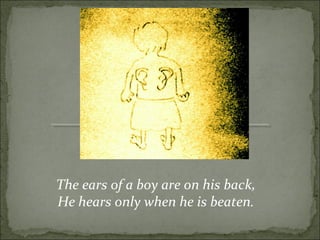
The ears of a boy are on his back,
He hears only when he is beaten.
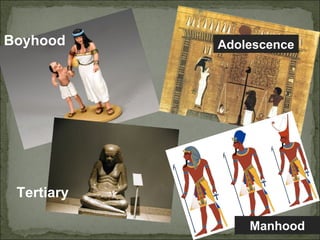
Boyhood     Adolescence


 Tertiary

                Manhood
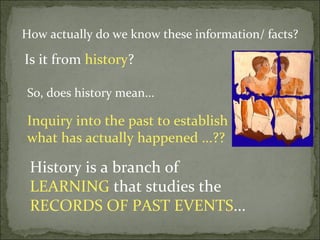
How actually do we know these information/ facts?

Is it from history?

So, does history mean...

Inquiry into the past to establish
what has actually happened ...??

 History is a branch of
 LEARNING that studies the
 RECORDS OF PAST EVENTS...
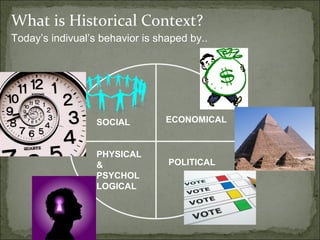
What is Historical Context?
Today’s indivual’s behavior is shaped by..


                  SOCIAL         ECONOMICAL


                  PHYSICAL
                  &              POLITICAL
                  PSYCHOL
                  LOGICAL
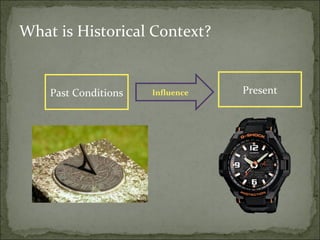
What is Historical Context?


    Past Conditions   Influence   Present
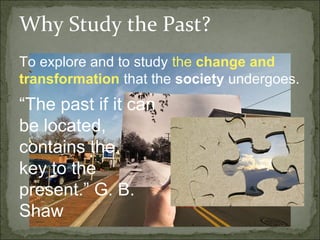
Why Study the Past?
To explore and to study the change and
transformation that the society undergoes.
“The past if it can
be located,
contains the
key to the
present.” G. B.
Shaw
Research>>>
Process of steps
   to collect
and analyze
information
       to increase
       understanding
                Of a topic
                or issue.
Educational Research...
Helps educators


 understand problems or issues

 through the accumulation of
 knowledge.
Educational Research...
  Improve
  practices

 Focus attention on
 important policy
 issues discussed and
 debated by decision
 makers
Qualitative Research...
Designed to explore
human elements

 Of a given topic

  Where specific
  methods are used to
  examine
     How individuals see
     and experience the
     world.
Qualitative Research...
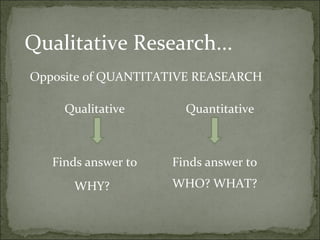
Opposite of QUANTITATIVE REASEARCH

     Qualitative       Quantitative


   Finds answer to   Finds answer to
      WHY?           WHO? WHAT?
Session 2:
The Core Discussion


  Historical Research...
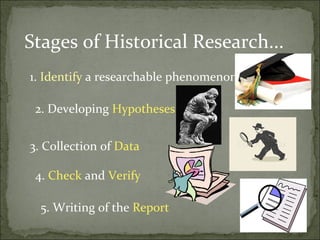
Stages of Historical Research...
1. Identify a researchable phenomenon

 2. Developing Hypotheses


3. Collection of Data

 4. Check and Verify

  5. Writing of the Report
Data Collection...
       -Witness in trial


      More than a simple
   search for facts about the
    HISTORICAL STORY
              Interprets MEANING
               OF EVENTS base on
                  AVAILABLE/
               SURVIVING DATA
Primary Sources...
 First-hand accounts of an event or time in
 history that has yet to be interpreted by
 another person.
-diaries, journals, letters,
interviews, speeches,
memos, manuscripts

     -official            -memoirs and
     records              autobiographies -


         -minutes,        -photographs,
         reports          paintings, film
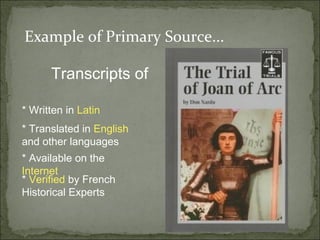
Example of Primary Source...

      Transcripts of

* Written in Latin
* Translated in English
and other languages
* Available on the
Internet
* Verified by French
Historical Experts
Secondary Sources...
scholarly books or articles that are based on
primary source data and analyze, critique,
report, summarize, interpret, or restructure
that data.
  reference books
                               Reviews,
       such as
                               textbooks
   encyclopedias,
     handbooks
                             most magazine
       most                  and journal
       scholarly             articles
       books
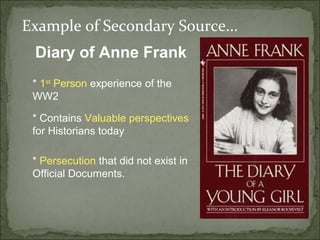
Example of Secondary Source...
 Diary of Anne Frank
 * 1st Person experience of the
 WW2

 * Contains Valuable perspectives
 for Historians today

 * Persecution that did not exist in
 Official Documents.
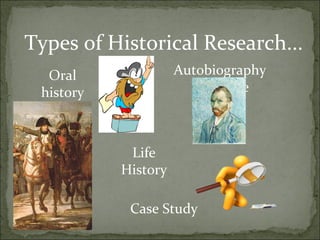
Types of Historical Research...
  Oral               Autobiography
 history               Narrative


            Life
           History

            Case Study
Validity
External Critique

Authenticity
Selection of Bias

Age of the document

At least 2 sources with the
same information
Reliability            Meaning of the data
Internal Criticism
                       Trustworthiness


                       Author’s biases

                       Well awareness of positive
                       and negative criticism

                     Understanding
                     contemporary issues
Data Analysis and Reporting
Findings      Interpretation of
                meaning

                Extensive examples

                Developing opinion
                (Though incomplete)

                Critical Description
From the past..to the future...

Are we aware of these issues?
Yes...
Today STUDENTS
want OUTCOMES
from the teachers..

If they pay $50
for permission
to enter a class...
They want a content
worth $50 FROM the
TEACHER..!
Do we find any differences..in the trend of education
Between the ancient Egypt
                And our present
      It is the concerns...??
                Historical Educational
  Research which finds out the answers
          to these questions...
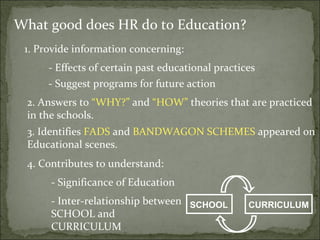
What good does HR do to Education?
 1. Provide information concerning:
      - Effects of certain past educational practices
      - Suggest programs for future action
 2. Answers to “WHY?” and “HOW” theories that are practiced
 in the schools.
 3. Identifies FADS and BANDWAGON SCHEMES appeared on
 Educational scenes.
 4. Contributes to understand:
      - Significance of Education
      - Inter-relationship between SCHOOL          CURRICULUM
      SCHOOL and
      CURRICULUM
Peace...

Historical Research in Education

  • 1.
    PRESENTATION ON HISTORICAL EDUCATIONAL RESEARCH INTRODUCTION TO EDUCATIONAL RESEARCH COURSE CODE: PC 125 GROUP 5 Asif Bayezid 09 145 (15th Batch) Institute of Education and Research University of Dhaka.
  • 2.
  • 3.
    The ears ofa boy are on his back, He hears only when he is beaten.
  • 4.
    Boyhood Adolescence Tertiary Manhood
  • 5.
    How actually dowe know these information/ facts? Is it from history? So, does history mean... Inquiry into the past to establish what has actually happened ...?? History is a branch of LEARNING that studies the RECORDS OF PAST EVENTS...
  • 6.
    What is HistoricalContext? Today’s indivual’s behavior is shaped by.. SOCIAL ECONOMICAL PHYSICAL & POLITICAL PSYCHOL LOGICAL
  • 7.
    What is HistoricalContext? Past Conditions Influence Present
  • 8.
    Why Study thePast? To explore and to study the change and transformation that the society undergoes. “The past if it can be located, contains the key to the present.” G. B. Shaw
  • 9.
    Research>>> Process of steps to collect and analyze information to increase understanding Of a topic or issue.
  • 10.
    Educational Research... Helps educators understand problems or issues through the accumulation of knowledge.
  • 11.
    Educational Research... Improve practices Focus attention on important policy issues discussed and debated by decision makers
  • 12.
    Qualitative Research... Designed toexplore human elements Of a given topic Where specific methods are used to examine How individuals see and experience the world.
  • 13.
    Qualitative Research... Opposite ofQUANTITATIVE REASEARCH Qualitative Quantitative Finds answer to Finds answer to WHY? WHO? WHAT?
  • 14.
    Session 2: The CoreDiscussion Historical Research...
  • 15.
    Stages of HistoricalResearch... 1. Identify a researchable phenomenon 2. Developing Hypotheses 3. Collection of Data 4. Check and Verify 5. Writing of the Report
  • 16.
    Data Collection... -Witness in trial More than a simple search for facts about the HISTORICAL STORY Interprets MEANING OF EVENTS base on AVAILABLE/ SURVIVING DATA
  • 17.
    Primary Sources... First-handaccounts of an event or time in history that has yet to be interpreted by another person. -diaries, journals, letters, interviews, speeches, memos, manuscripts -official -memoirs and records autobiographies - -minutes, -photographs, reports paintings, film
  • 18.
    Example of PrimarySource... Transcripts of * Written in Latin * Translated in English and other languages * Available on the Internet * Verified by French Historical Experts
  • 19.
    Secondary Sources... scholarly booksor articles that are based on primary source data and analyze, critique, report, summarize, interpret, or restructure that data. reference books Reviews, such as textbooks encyclopedias, handbooks most magazine most and journal scholarly articles books
  • 20.
    Example of SecondarySource... Diary of Anne Frank * 1st Person experience of the WW2 * Contains Valuable perspectives for Historians today * Persecution that did not exist in Official Documents.
  • 21.
    Types of HistoricalResearch... Oral Autobiography history Narrative Life History Case Study
  • 22.
    Validity External Critique Authenticity Selection ofBias Age of the document At least 2 sources with the same information
  • 23.
    Reliability Meaning of the data Internal Criticism Trustworthiness Author’s biases Well awareness of positive and negative criticism Understanding contemporary issues
  • 24.
    Data Analysis andReporting Findings Interpretation of meaning Extensive examples Developing opinion (Though incomplete) Critical Description
  • 25.
    From the past..tothe future... Are we aware of these issues?
  • 26.
    Yes... Today STUDENTS want OUTCOMES fromthe teachers.. If they pay $50 for permission to enter a class... They want a content worth $50 FROM the TEACHER..!
  • 27.
    Do we findany differences..in the trend of education Between the ancient Egypt And our present It is the concerns...?? Historical Educational Research which finds out the answers to these questions...
  • 28.
    What good doesHR do to Education? 1. Provide information concerning: - Effects of certain past educational practices - Suggest programs for future action 2. Answers to “WHY?” and “HOW” theories that are practiced in the schools. 3. Identifies FADS and BANDWAGON SCHEMES appeared on Educational scenes. 4. Contributes to understand: - Significance of Education - Inter-relationship between SCHOOL CURRICULUM SCHOOL and CURRICULUM
  • 29.