Download to read offline

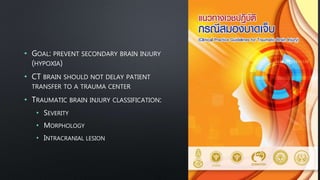
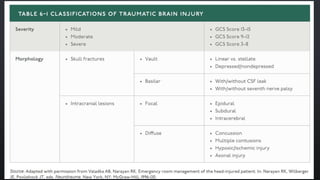
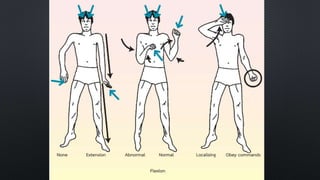
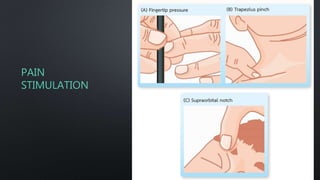
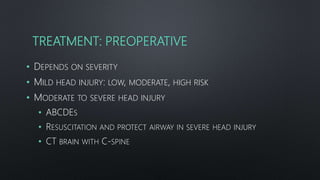
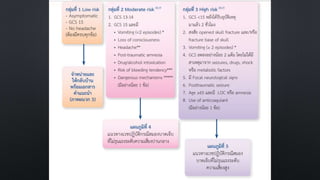

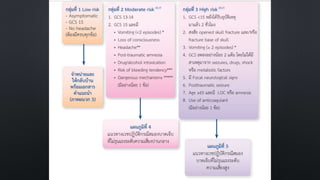
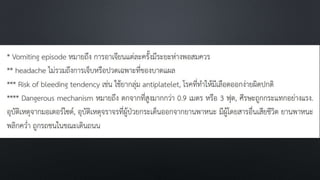
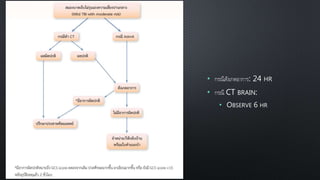
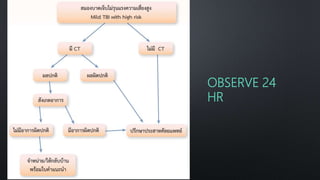
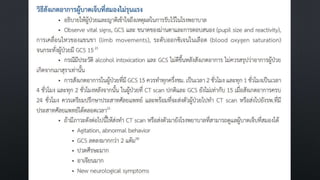
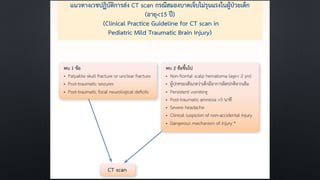
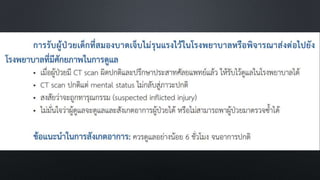
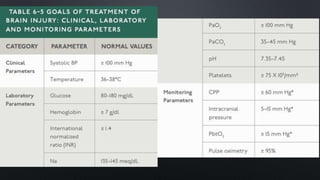
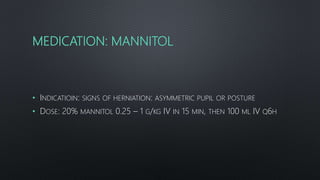
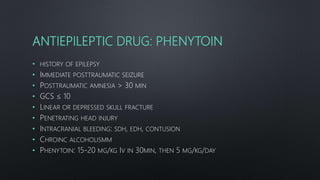
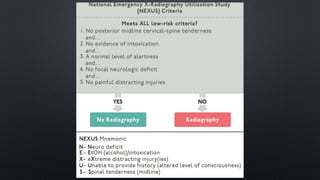
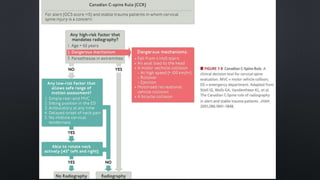
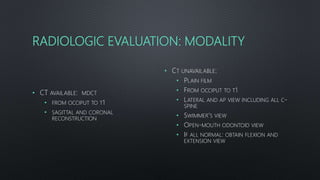
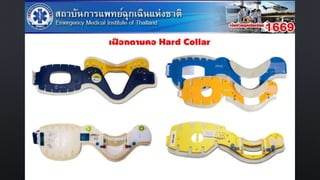
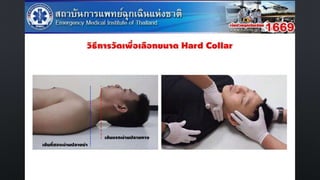
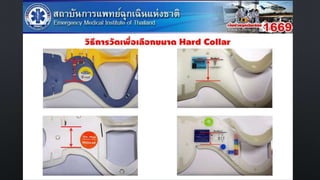
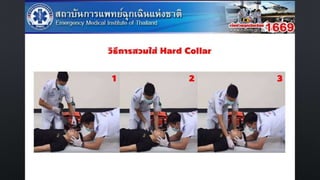
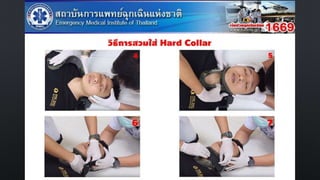
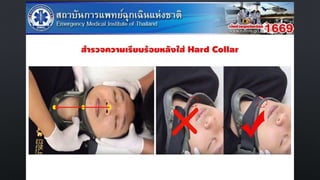
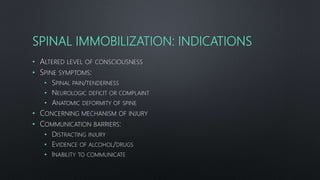
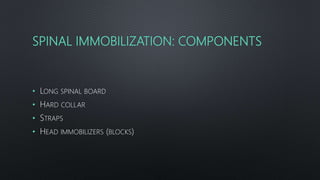


This document discusses guidelines for treating head and cervical spine trauma. The key points are: 1) The primary goals for head trauma are to prevent secondary brain injury through oxygenation and prompt transfer to a trauma center, with CT scans not delaying transfer. 2) Cervical spine injury must be considered in multiple trauma patients and immobilized to prevent neurological worsening. Indications for immobilization include altered mental status, spinal symptoms, or concerning mechanism of injury. 3) Imaging of the cervical spine depends on clinical decision tools, with CT preferred if available from occiput to T1; if CT is unavailable, plain films from these regions including swimmer's and odontiod views may be obtained initially.


