Growth mindset: Which is more important: “growth” or “mindset?” The answer is both,
but let’s flip the terms. First, a leader must have the right mindset, and only then can a
leader nurture growth. Jack Welch, longtime CEO of GE, said, “Before you are a
leader, success is all about growing yourself. When you become a leader, success is
all about growing others.” Discover ways to flourish in education in this engaging
session on leadership and the growth mindset.
https://youtu.be/Xv2VIEY9-A8?si=raz9ZrWUObDR76cj
Unfortunately, Matt cannot be with us today, apparently, he is in a van down by the
river. Perhaps you recognized Chris Farley from this famous Saturday Night Live skit,
if not, go find it on YouTube (after this session, I mean), but I digress. We will, in fact,
circle back to SNL later. In the meantime, let me introduce myself…
My name is Chris Shade.
https://sites.google.com/view/underwhoseshade/
https://connectionswellnessgroup.com/staff/chris-shade/
https://www.psychologytoday.com/us/therapists/christopher-shade-supervised-by-crys
tal-lockett-thomas-lpc-s-denton-tx/1146648
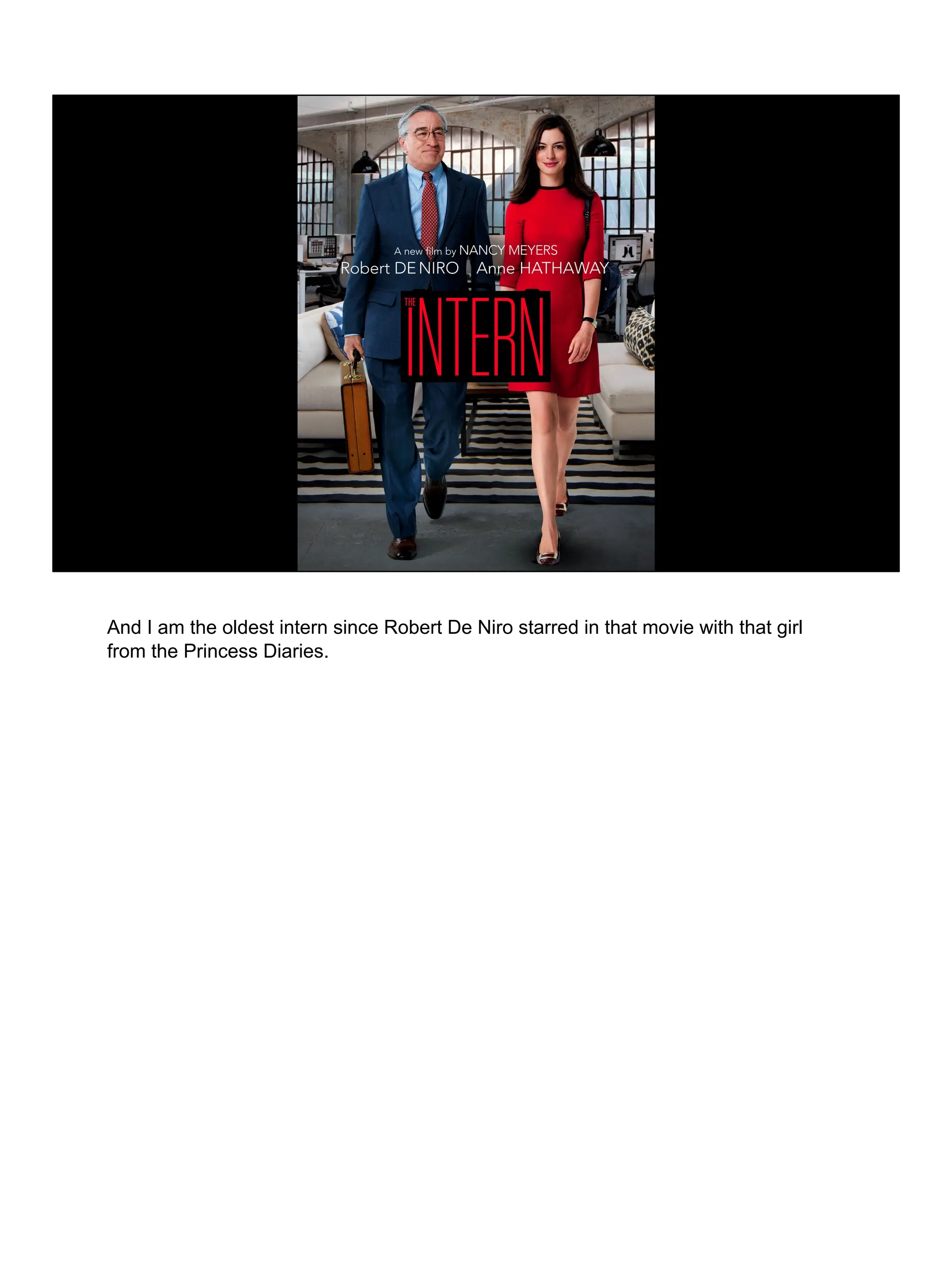
And I am the oldest intern since Robert De Niro starred in that movie with that girl
from the Princess Diaries.
After a 30 year career in education, 26 of those years in leadership (I’m a “recovering”
elementary school principal, but I digress…), I am currently working on a second
master’s degree in counseling, and I am an intern therapist at Connections Wellness
Group in Denton.
https://connectionswellnessgroup.com/staff/chris-shade/
https://www.psychologytoday.com/us/therapists/christopher-shade-supervised-by-crys
tal-lockett-thomas-lpc-s-denton-tx/1146648
“Before you are a leader, success is all about growing
yourself. When you become a leader, success is all
about growing others.” – Jack Welch
https://www.peoplethink.biz/the-best-leaders-grow-their-people/
If you are in the process of growing into a leader, take note, and save this for later.
But chance are…if you’re in this session, you are a leader. Leadership is not a title.
Employee development can happen in many different forms: on-the-job training,
personal development, cross-functional projects, coach and/or mentor, special
projects, stretch assignments, training courses, reading and personal study, online
courses, peer coaching, job shadowing, etc. The important thing is that it is available
and encouraged.
Too often development opportunities are limited to “fixing” an employee’s weaknesses
rather than leveraging and developing their strengths. Yet, according to Gallup,
organizations that focus on employee strengths have higher engagement, less
turnover and a better bottom line.
“The only thing worse than training your employees and having them leave is not
training them and having them stay.” – Henry Ford
“The only thing worse than training your employees
and having them leave is not training them and having
them stay.” – Henry Ford
Personal growth + personnel growth
https://www.johnmaxwell.com/blog/effective-ways-of-growing-people-in-organizations/
Simply stated, Jack Welch’s quote is about personal growth plus personnel growth.
Leaders accomplish their visions through personal growth and personnel growth.
Focusing on individual development is fine, but doing something truly significant also
involves empowering others to grow to their potential.
One is too small of a number to achieve greatness.
How do I grow other leaders?
1. Be all in.
https://www.mckinsey.com/capabilities/growth-marketing-and-sales/our-insights/are-y
ou-a-growth-leader-the-seven-beliefs-and-behaviors-that-growth-leaders-share
1. Be all in.
Always put growth first. Growth leaders put growth at the top of every agenda, from
staff meetings to performance reviews.
Growth leaders make growth the central focus of everyone by creating a common
belief and language.
Know how.
https://www.johnmaxwell.com/blog/effective-ways-of-growing-people-in-organizations/
Mentors must possess a specific know-how. Without this confidence and knowledge
they are not ready to transfer what they’ve learned to others. Don’t feel as if you have
to be flawless before you can begin to impart your wisdom and skills to others. Also,
realize that the underlying purpose of mentoring is not for people to act differently but
rather to become different. Such a change certainly doesn’t happen overnight; the
process is evolutionary, not revolutionary.
2. Develop a game plan to grow others.
https://www.johnmaxwell.com/blog/effective-ways-of-growing-people-in-organizations/
2. Develop a game plan to grow others.
The highest function of a leader is not just to lead others; the highest function of a
leader is to produce leaders who can lead others. There’s no outsourcing the
responsibility to develop the leadership capacities of your people. You have to take
initiative to mentor others within your organization
Like many other organizations, education is often guilty of what we are going to do
and how we are going to do it, but fail to start with why.
https://www.linkedin.com/pulse/4-surprising-productive-questions-leaders-mark-green/
Why does this matter?
It’s a productive habit to establish context by asking “Why does this matter” before
someone presents you with something, whether it’s data, an idea, a proposal, an
update, or anything else for that matter. Doing so will create valuable insight, better
focus, and fewer time-wasting conversations.
As a leader, it’s your job to ensure others have clarity about why an idea, project, or
initiative is important to you. After all, your primary role is to point to and communicate
what matters most to your organization.
Asking others “Why does this matter” saves time and increases focus. Asking yourself
“Why does this matter” inserts a conscious pause to ensure you’re providing the right
context and content to those on the receiving end of your communication.
https://www.linkedin.com/pulse/4-surprising-productive-questions-leaders-mark-green/
For many, the primary culprit is the Curse of Knowledge bias. This cognitive bias
causes us to inaccurately assume that others have the same information we do. In
leadership or management, nothing could be further from the truth!
To appreciate how the Curse of Knowledge bias diminishes communication from the
receiver’s perspective, think back to a time when you needed to interrupt someone
telling you a story to have them backtrack and provide a missing detail because
something didn’t make sense to you. In the instance you’re considering, the storyteller
likely glossed over a point so well-known to them that they unconsciously assumed
you knew it too, which ultimately led to your confusion.
Simon Sinek has a remarkable TED Talk, How Leaders Inspire Action:
https://www.ted.com/talks/simon_sinek_how_great_leaders_inspire_action?language
=en.
Clear is kind. Paint done.
https://brenebrown.com/resources/dare-to-leadglossary-key-language-skills-tools-and
-practices/
Paint done:
● Painting done means not just assigning a task, but explaining the reason —
clarifying how the end product will be used.
● Providing color and context—the purpose, not just the mechanics.
● Sharing the reason for a task helps uncover stealth expectations and stealth
intentions, cultivates commitment and contribution, and facilitates growth and
learning.
https://youtu.be/WJMBwBUP5CQ?si=iTOyR_SGDqbiAdEK
3. Connect with others.
https://www.johnmaxwell.com/blog/effective-ways-of-growing-people-in-organizations/
3. Connect with others.
Connection doesn’t happen unless you put in the time to learn about someone’s
unique personality, perspective, and motivations. Ask questions about the people on
your team to uncover their interests, and observe them in action to find out their
capacity and strengths. Finally, demonstrate your commitment to their success by
consistently adding value to them, providing constant encouragement, and making
yourself available for questions.
https://www.linkedin.com/pulse/4-surprising-productive-questions-leaders-mark-green/
WAIT: Why am I talking?
This meta-question’s function is to create self-awareness. For example, do you have
any idea how much time you spend directing and talking versus asking and listening?
Do you have any idea how much time you spend directing and talking versus asking
and listening?
The “Why am I talking” question not only forces awareness regarding the amount of
space you’re occupying, but also encourages contemplation of the reason why you’re
speaking in the first place. The reality is, sometimes we talk because we think we
should be talking, or telling people what to do, or demonstrating our expertise, or
filling an otherwise awkward silence. In fact, none of these are productive reasons
why a leader should be speaking!
To get your airtime in check, consider monitoring your question-to-statement ratio.
Effective leaders ask countless questions which empower others to think, to
contribute new and different ideas, and to clarify their own weaknesses and
opportunities for growth. Leaders should spend roughly 20 percent of their interaction
time asking questions and the remaining 80 percent listening to the answers.
The bottom line for every leader and manager: know why you are talking in any given
moment, and if you don’t have a very good answer, stop. Gather your thoughts, ask a
question, and then listen!
While this next example pertains to couples, and I use this in couples therapy, this
message is applicable.
https://youtu.be/-4EDhdAHrOg?si=-Q_tdu8f4wISjM0g
Ask, what do you think?
https://www.linkedin.com/pulse/4-surprising-productive-questions-leaders-mark-green/
Other ways to connect? Ask, what do you think?
Asking “What do you think” challenges your people to think more independently and
to share more of their (probably very good) ideas!
https://youtu.be/x9wJxZc2KF8?si=Nx-ie9ANSBgOm9fr
what makes a perfect team
When asked, “What makes a perfect team?” Google sought to find the answers
through a lengthy, two-year study called Project Aristotle.
And their initial hypothesis was you can make teams better by putting the right people
together. So they collected all their data. They spent millions of dollars and years
looking at this stuff and they couldn’t find any correlation between who was on a team
and whether that team was effective or not.
So they decided to start looking at this question in a completely different way, and the
answer…
https://www.inc.com/justin-bariso/after-years-of-research-google-discovered-secret-w
eapon-to-building-a-great-team-its-a-lesson-in-emotional-intelligence.html
Psychological safety:
Psychological safety refers to an individual's perception of the consequences of taking
an interpersonal risk or a belief that a team is safe for risk taking in the face of being
seen as ignorant, incompetent, negative, or disruptive. In a team with high
psychological safety, teammates feel safe to take risks around their team members.
They feel confident that no one on the team will embarrass or punish anyone else for
admitting a mistake, asking a question, or offering a new idea.
Psychological safety:
● Solicit input and opinions from the group.
● Share information about personal and work style preferences, and encourage
others to do the same.
Signs that your team needs to improve psychological safety:
● Fear of asking for or giving constructive feedback
● Hesitance around expressing divergent ideas and asking “silly” questions
Questions to ask yourself:
● Do all team members feel comfortable brainstorming in front of each other?
● Do all team members feel they can fail openly, or will they feel shunned?
For more on psychological safety:
https://youtu.be/_NqdKdafRfk?si=34vbc-Cm-cZrSvVF
https://www.nytimes.com/2016/02/28/magazine/what-google-learned-from-its-quest-to
-build-the-perfect-team.html
https://hbr.org/2017/08/high-performing-teams-need-psychological-safety-heres-how-t
o-create-it
How do teams work together and achieve success? Charles Duhigg, author of the
bestselling books The Power of Habit and Smarter Faster Better, also looked to SNL
to find out.
https://youtu.be/eRODwOqrAIg?si=qJ3Vx4rl__2Jf20b
What else?
4. Challenge others.
https://www.johnmaxwell.com/blog/effective-ways-of-growing-people-in-organizations/
4. Challenge others.
Giving others a project that causes them to stretch helps to build their emotional and
creative capacity. Conferences and training seminars have their place, but most
learning takes place on the job. People grow through actual assignments in which
they encounter real-life problems that have immediate relevance to the company.
https://www.mckinsey.com/capabilities/growth-marketing-and-sales/our-insights/are-y
ou-a-growth-leader-the-seven-beliefs-and-behaviors-that-growth-leaders-share
WTF: Get your mind out of the gutter.
5. Be willing to fail.
https://www.mckinsey.com/capabilities/growth-marketing-and-sales/our-insights/are-y
ou-a-growth-leader-the-seven-beliefs-and-behaviors-that-growth-leaders-share
5. Be willing to fail.
Growth leaders set clear and ambitious goals and communicate progress effectively,
but then they step out of the way so that people in the business can seek solutions to
deliver on the growth aspirations. That starts by encouraging risk taking even at the
smallest level and celebrating rather than punishing people for trying.
Stop Stealing Dreams by Seth Godin (a free PDF book):
https://seths.blog/wp-content/uploads/2019/05/stop-stealing-dreams6print.pdf and
audio: https://stopstealingdreams.bandcamp.com/album/stop-stealing-dreams
https://www.mckinsey.com/capabilities/growth-marketing-and-sales/our-insights/are-y
ou-a-growth-leader-the-seven-beliefs-and-behaviors-that-growth-leaders-share
https://www.indeed.com/career-advice/career-development/questions-to-ask-other-lea
ders
Get up move about the room to music, stop and ask…
What’s the most important risk you took and why?
What is one decision you wish you didn’t make?
How do you keep your team motivated despite conflicts and obstacles?
vulnerability
Let’s talk about a word lots of people avoid…vulnerability.
https://youtu.be/ZkDaKKkFi6Y?si=BYA36DdNygyhBWng
vulnerability
How do you define vulnerability?
Brené Brown defines vulnerability as “uncertainty, risk, and emotional exposure.” And
she says, vulnerability is not weakness; it's our most accurate measure of courage.
https://www.forbes.com/sites/danschawbel/2013/04/21/brene-brown-how-vulnerability
-can-make-our-lives-better/?sh=632c150a36c7
Name a single example of courage that
wasn’t completely defined by vulnerability.
Brené Brown was commissioned to work with the United States military, and she
asked this question: Give a single example of courage (done or witnessed) that
wasn’t completely defined by vulnerability. She later said, “You could hear a pin drop.”
Why? Because there is no courage without vulnerability.
https://www.linkedin.com/pulse/4-surprising-productive-questions-leaders-mark-green/
“The best scientists and explorers have the attributes of kids! They ask questions and
have a sense of wonder. They have curiosity. ‘Who, what, where, why, when, and
how!’ They never stop asking questions, and I never stop asking questions, just like a
five year old.”– Sylvia Earle, Marine Biologist, Explorer, Author, and Lecturer
Every idea begins with a question: What if…? Why wouldn’t…? Could we…? Does
it…? How can…? And more!
This is how innovative products and new businesses are born. There’s a curiosity, a
challenge, or a problem to solve and the entrepreneurially minded ask enough
questions to (eventually) arrive at a viable and potentially profitable answer. Indeed,
these questions and the basic hypotheses they help to form are the stem cells that
grow and mature into successful organizations and firms.
But once those businesses are up and running, something strange happens: the
questions tend to give way to statements––those of the entrepreneur, now leader and
manager, who has become an operator. “Do this,” “Fix that,” “Cut back here,” “Add
some there,” and so on.
The child-like curiosity that birthed the business diminishes and is replaced with
directional commands designed to efficiently marshal people and other resources to
accomplish the organization’s goals. After all, the popular paradigm is that leaders
and managers running maturing or fully mature firms “tell” people what to do. While
this is true when it comes to setting and communicating direction, otherwise
well-intentioned leaders assume it’s their role 100% of the time. However, both
research and anecdotal evidence indicate that in professional settings, a command
and control operational leadership style isn’t scalable, exhausts both the leader and
their team, and absolutely crushes the morale of highly capable staff.
Of course, there’s a better way: leaders should hold fast to childlike curiosity, talk less,
and ask more.
https://www.linkedin.com/pulse/4-surprising-productive-questions-leaders-mark-green/
“The best scientists and explorers have the attributes of kids! They ask questions and
have a sense of wonder. They have curiosity. ‘Who, what, where, why, when, and
how!’ They never stop asking questions, and I never stop asking questions, just like a
five year old.”– Sylvia Earle, Marine Biologist, Explorer, Author, and Lecturer
Every idea begins with a question: What if…? Why wouldn’t…? Could we…? Does
it…? How can…? And more!
This is how innovative products and new businesses are born. There’s a curiosity, a
challenge, or a problem to solve and the entrepreneurially minded ask enough
questions to (eventually) arrive at a viable and potentially profitable answer. Indeed,
these questions and the basic hypotheses they help to form are the stem cells that
grow and mature into successful organizations and firms.
But once those businesses are up and running, something strange happens: the
questions tend to give way to statements––those of the entrepreneur, now leader and
manager, who has become an operator. “Do this,” “Fix that,” “Cut back here,” “Add
some there,” and so on.
The child-like curiosity that birthed the business diminishes and is replaced with
directional commands designed to efficiently marshal people and other resources to
accomplish the organization’s goals. After all, the popular paradigm is that leaders
and managers running maturing or fully mature firms “tell” people what to do. While
this is true when it comes to setting and communicating direction, otherwise
well-intentioned leaders assume it’s their role 100% of the time. However, both
research and anecdotal evidence indicate that in professional settings, a command
and control operational leadership style isn’t scalable, exhausts both the leader and
their team, and absolutely crushes the morale of highly capable staff.
Of course, there’s a better way: leaders should hold fast to childlike curiosity, talk less,
and ask more.
https://www.linkedin.com/pulse/4-surprising-productive-questions-leaders-mark-green/
“The best scientists and explorers have the attributes of kids! They ask questions and
have a sense of wonder. They have curiosity. ‘Who, what, where, why, when, and
how!’ They never stop asking questions, and I never stop asking questions, just like a
five year old.”– Sylvia Earle, Marine Biologist, Explorer, Author, and Lecturer
Every idea begins with a question: What if…? Why wouldn’t…? Could we…? Does
it…? How can…? And more!
This is how innovative products and new businesses are born. There’s a curiosity, a
challenge, or a problem to solve and the entrepreneurially minded ask enough
questions to (eventually) arrive at a viable and potentially profitable answer. Indeed,
these questions and the basic hypotheses they help to form are the stem cells that
grow and mature into successful organizations and firms.
But once those businesses are up and running, something strange happens: the
questions tend to give way to statements––those of the entrepreneur, now leader and
manager, who has become an operator. “Do this,” “Fix that,” “Cut back here,” “Add
some there,” and so on.
The child-like curiosity that birthed the business diminishes and is replaced with
directional commands designed to efficiently marshal people and other resources to
accomplish the organization’s goals. After all, the popular paradigm is that leaders
and managers running maturing or fully mature firms “tell” people what to do. While
this is true when it comes to setting and communicating direction, otherwise
well-intentioned leaders assume it’s their role 100% of the time. However, both
research and anecdotal evidence indicate that in professional settings, a command
and control operational leadership style isn’t scalable, exhausts both the leader and
their team, and absolutely crushes the morale of highly capable staff.
Of course, there’s a better way: leaders should hold fast to childlike curiosity, talk less,
and ask more.
https://www.linkedin.com/pulse/4-surprising-productive-questions-leaders-mark-green/
“The best scientists and explorers have the attributes of kids! They ask questions and
have a sense of wonder. They have curiosity. ‘Who, what, where, why, when, and
how!’ They never stop asking questions, and I never stop asking questions, just like a
five year old.”– Sylvia Earle, Marine Biologist, Explorer, Author, and Lecturer
Every idea begins with a question: What if…? Why wouldn’t…? Could we…? Does
it…? How can…? And more!
This is how innovative products and new businesses are born. There’s a curiosity, a
challenge, or a problem to solve and the entrepreneurially minded ask enough
questions to (eventually) arrive at a viable and potentially profitable answer. Indeed,
these questions and the basic hypotheses they help to form are the stem cells that
grow and mature into successful organizations and firms.
But once those businesses are up and running, something strange happens: the
questions tend to give way to statements––those of the entrepreneur, now leader and
manager, who has become an operator. “Do this,” “Fix that,” “Cut back here,” “Add
some there,” and so on.
The child-like curiosity that birthed the business diminishes and is replaced with
directional commands designed to efficiently marshal people and other resources to
accomplish the organization’s goals. After all, the popular paradigm is that leaders
and managers running maturing or fully mature firms “tell” people what to do. While
this is true when it comes to setting and communicating direction, otherwise
well-intentioned leaders assume it’s their role 100% of the time. However, both
research and anecdotal evidence indicate that in professional settings, a command
and control operational leadership style isn’t scalable, exhausts both the leader and
their team, and absolutely crushes the morale of highly capable staff.
Of course, there’s a better way: leaders should hold fast to childlike curiosity, talk less,
and ask more.
Ask, what have I/you/we learned???
https://www.linkedin.com/pulse/4-surprising-productive-questions-leaders-mark-green/
What have I/you/we learned? It sounds simple, but…
It is critical for leaders and their teams to find time to pause, reflect, and learn.
Although it sounds easy enough, in fact, this is a real challenge for many. When
you’re running at a full sprint for most of the day, every day—oh yes, and your hair is
on fire—it is exceptionally challenging to make time and space for learning! And yet, if
you don’t, there’s no way out. You’re effectively sprinting on a treadmill: the view
never changes and no matter how hard you run, you’re not going anywhere.
Create a habit to pause, ask “What have we learned,” and ensure the lessons stick.
Allocate focused time to discuss:
(1) what worked;
(2) what didn’t work (and needs improvement); and
(3) what you and your team have learned.
https://www.mckinsey.com/capabilities/growth-marketing-and-sales/our-insights/are-y
ou-a-growth-leader-the-seven-beliefs-and-behaviors-that-growth-leaders-share
Focus on progress over perfection.
Put yourself on the line. Growth leaders aren’t afraid to trade short-term gains for
long-term benefit. But they understand that that’s what’s needed for growth, and they
role-model the behavior they want others to adopt.
Act on “good enough” insights. Good data are crucial for good decisions, but growth
leaders value speed over perfect insights. They don’t wait for perfect data. Instead,
they use the data they have to make a thoughtful decision, pursue it vigorously, and
then reevaluate based on results.
Face the facts. When the facts are clear that when initiatives are underperforming,
growth leaders are decisive in killing them off, even if it means saying goodbye to
beloved brands or products.
https://anniemueller.medium.com/choose-action-over-perfection-be36fc881032
Imperfect progress realized is better than perfection imagined.
6. Empower others.
https://www.johnmaxwell.com/blog/effective-ways-of-growing-people-in-organizations/
6. Empower others.
Empowerment begins by painting the big-picture for those you lead. Think of Disney
World. Disney doesn’t give its street sweepers four days of training because street
sweeping is complex; Disney wants sweepers who are able to answer guest’s
questions about the park.
If all you give are orders, then
all you’ll get are order takers.
https://www.johnmaxwell.com/blog/effective-ways-of-growing-people-in-organizations/
“If all you give are orders, then all you’ll get are order-takers.” Leaders give power to
those they lead, and then hold them accountable for using that power appropriately.
Kouzes & Posner, The Truth About Leadership: The No-Fad, Heart-of-the-Matter
Facts You Need to Know. (2010). p. 389
If you are in a role that brings you into contact with young people on a regular basis,
keep this observation in mind: Someone is looking to you for leadership right now.
Every great leader is teaching and every great teacher is leading.
Kouzes & Posner, The Truth About Leadership: The No-Fad, Heart-of-the-Matter
Facts You Need to Know. (2010). p. 389
If you are in a role that brings you into contact with young people on a regular basis,
keep this observation in mind: Someone is looking to you for leadership right now.
Every great leader is teaching and every great teacher is leading.
Kouzes & Posner, The Truth About Leadership: The No-Fad, Heart-of-the-Matter
Facts You Need to Know. (2010). p. 389
Teachers as leaders: Who had the greatest influence in your life? Parents were first.
Teachers and coaches were second.
Kouzes & Posner, The Truth About Leadership: The No-Fad, Heart-of-the-Matter
Facts You Need to Know. (2010). p. 389
Teachers as leaders: Who had the greatest influence in your life? Parents were first.
Teachers and coaches were second.
Kouzes & Posner, The Truth About Leadership: The No-Fad, Heart-of-the-Matter
Facts You Need to Know. (2010). p. 389
Teachers as leaders: Who had the greatest influence in your life? Parents were first.
Teachers and coaches were second.
Give control to others.
https://www.mckinsey.com/capabilities/growth-marketing-and-sales/our-insights/are-y
ou-a-growth-leader-the-seven-beliefs-and-behaviors-that-growth-leaders-share
Give control to others.
Build up people’s growth muscles. Growth leaders invest more time in formal and
informal training for growth, covering not just functional and leadership capabilities but
also mindsets.
And then, step back, and step in to do this…
https://www.forbes.com/sites/glennllopis/2014/07/29/leadership-is-about-enabling-the-
full-potential-in-others/?sh=2aeb06466698
https://youtu.be/rnJi2r7XMzU?si=aA5wmdrsQ_SoMpw1
Thank YOU for joining today!
Any questions???
Contact me:
christopher.shade@
connectionswellness group.com
Visit my site:
https:/
/sites.google.com/
view/underwhoseshade

Handout for Growth or Mindset.pdf

  • 1.
    Growth mindset: Whichis more important: “growth” or “mindset?” The answer is both, but let’s flip the terms. First, a leader must have the right mindset, and only then can a leader nurture growth. Jack Welch, longtime CEO of GE, said, “Before you are a leader, success is all about growing yourself. When you become a leader, success is all about growing others.” Discover ways to flourish in education in this engaging session on leadership and the growth mindset.
  • 2.
  • 3.
    Unfortunately, Matt cannotbe with us today, apparently, he is in a van down by the river. Perhaps you recognized Chris Farley from this famous Saturday Night Live skit, if not, go find it on YouTube (after this session, I mean), but I digress. We will, in fact, circle back to SNL later. In the meantime, let me introduce myself…
  • 4.
    My name isChris Shade. https://sites.google.com/view/underwhoseshade/ https://connectionswellnessgroup.com/staff/chris-shade/ https://www.psychologytoday.com/us/therapists/christopher-shade-supervised-by-crys tal-lockett-thomas-lpc-s-denton-tx/1146648
  • 5.
    And I amthe oldest intern since Robert De Niro starred in that movie with that girl from the Princess Diaries.
  • 6.
    After a 30year career in education, 26 of those years in leadership (I’m a “recovering” elementary school principal, but I digress…), I am currently working on a second master’s degree in counseling, and I am an intern therapist at Connections Wellness Group in Denton. https://connectionswellnessgroup.com/staff/chris-shade/ https://www.psychologytoday.com/us/therapists/christopher-shade-supervised-by-crys tal-lockett-thomas-lpc-s-denton-tx/1146648
  • 7.
    “Before you area leader, success is all about growing yourself. When you become a leader, success is all about growing others.” – Jack Welch https://www.peoplethink.biz/the-best-leaders-grow-their-people/ If you are in the process of growing into a leader, take note, and save this for later. But chance are…if you’re in this session, you are a leader. Leadership is not a title. Employee development can happen in many different forms: on-the-job training, personal development, cross-functional projects, coach and/or mentor, special projects, stretch assignments, training courses, reading and personal study, online courses, peer coaching, job shadowing, etc. The important thing is that it is available and encouraged. Too often development opportunities are limited to “fixing” an employee’s weaknesses rather than leveraging and developing their strengths. Yet, according to Gallup, organizations that focus on employee strengths have higher engagement, less turnover and a better bottom line. “The only thing worse than training your employees and having them leave is not training them and having them stay.” – Henry Ford
  • 8.
    “The only thingworse than training your employees and having them leave is not training them and having them stay.” – Henry Ford
  • 9.
    Personal growth +personnel growth https://www.johnmaxwell.com/blog/effective-ways-of-growing-people-in-organizations/ Simply stated, Jack Welch’s quote is about personal growth plus personnel growth. Leaders accomplish their visions through personal growth and personnel growth. Focusing on individual development is fine, but doing something truly significant also involves empowering others to grow to their potential. One is too small of a number to achieve greatness.
  • 10.
    How do Igrow other leaders?
  • 11.
    1. Be allin. https://www.mckinsey.com/capabilities/growth-marketing-and-sales/our-insights/are-y ou-a-growth-leader-the-seven-beliefs-and-behaviors-that-growth-leaders-share 1. Be all in. Always put growth first. Growth leaders put growth at the top of every agenda, from staff meetings to performance reviews. Growth leaders make growth the central focus of everyone by creating a common belief and language.
  • 12.
    Know how. https://www.johnmaxwell.com/blog/effective-ways-of-growing-people-in-organizations/ Mentors mustpossess a specific know-how. Without this confidence and knowledge they are not ready to transfer what they’ve learned to others. Don’t feel as if you have to be flawless before you can begin to impart your wisdom and skills to others. Also, realize that the underlying purpose of mentoring is not for people to act differently but rather to become different. Such a change certainly doesn’t happen overnight; the process is evolutionary, not revolutionary.
  • 13.
    2. Develop agame plan to grow others. https://www.johnmaxwell.com/blog/effective-ways-of-growing-people-in-organizations/ 2. Develop a game plan to grow others. The highest function of a leader is not just to lead others; the highest function of a leader is to produce leaders who can lead others. There’s no outsourcing the responsibility to develop the leadership capacities of your people. You have to take initiative to mentor others within your organization
  • 14.
    Like many otherorganizations, education is often guilty of what we are going to do and how we are going to do it, but fail to start with why. https://www.linkedin.com/pulse/4-surprising-productive-questions-leaders-mark-green/ Why does this matter? It’s a productive habit to establish context by asking “Why does this matter” before someone presents you with something, whether it’s data, an idea, a proposal, an update, or anything else for that matter. Doing so will create valuable insight, better focus, and fewer time-wasting conversations. As a leader, it’s your job to ensure others have clarity about why an idea, project, or initiative is important to you. After all, your primary role is to point to and communicate what matters most to your organization. Asking others “Why does this matter” saves time and increases focus. Asking yourself “Why does this matter” inserts a conscious pause to ensure you’re providing the right context and content to those on the receiving end of your communication.
  • 15.
    https://www.linkedin.com/pulse/4-surprising-productive-questions-leaders-mark-green/ For many, theprimary culprit is the Curse of Knowledge bias. This cognitive bias causes us to inaccurately assume that others have the same information we do. In leadership or management, nothing could be further from the truth! To appreciate how the Curse of Knowledge bias diminishes communication from the receiver’s perspective, think back to a time when you needed to interrupt someone telling you a story to have them backtrack and provide a missing detail because something didn’t make sense to you. In the instance you’re considering, the storyteller likely glossed over a point so well-known to them that they unconsciously assumed you knew it too, which ultimately led to your confusion.
  • 16.
    Simon Sinek hasa remarkable TED Talk, How Leaders Inspire Action: https://www.ted.com/talks/simon_sinek_how_great_leaders_inspire_action?language =en.
  • 17.
    Clear is kind.Paint done. https://brenebrown.com/resources/dare-to-leadglossary-key-language-skills-tools-and -practices/ Paint done: ● Painting done means not just assigning a task, but explaining the reason — clarifying how the end product will be used. ● Providing color and context—the purpose, not just the mechanics. ● Sharing the reason for a task helps uncover stealth expectations and stealth intentions, cultivates commitment and contribution, and facilitates growth and learning.
  • 18.
  • 19.
    3. Connect withothers. https://www.johnmaxwell.com/blog/effective-ways-of-growing-people-in-organizations/ 3. Connect with others. Connection doesn’t happen unless you put in the time to learn about someone’s unique personality, perspective, and motivations. Ask questions about the people on your team to uncover their interests, and observe them in action to find out their capacity and strengths. Finally, demonstrate your commitment to their success by consistently adding value to them, providing constant encouragement, and making yourself available for questions.
  • 20.
    https://www.linkedin.com/pulse/4-surprising-productive-questions-leaders-mark-green/ WAIT: Why amI talking? This meta-question’s function is to create self-awareness. For example, do you have any idea how much time you spend directing and talking versus asking and listening? Do you have any idea how much time you spend directing and talking versus asking and listening? The “Why am I talking” question not only forces awareness regarding the amount of space you’re occupying, but also encourages contemplation of the reason why you’re speaking in the first place. The reality is, sometimes we talk because we think we should be talking, or telling people what to do, or demonstrating our expertise, or filling an otherwise awkward silence. In fact, none of these are productive reasons why a leader should be speaking! To get your airtime in check, consider monitoring your question-to-statement ratio. Effective leaders ask countless questions which empower others to think, to contribute new and different ideas, and to clarify their own weaknesses and opportunities for growth. Leaders should spend roughly 20 percent of their interaction time asking questions and the remaining 80 percent listening to the answers. The bottom line for every leader and manager: know why you are talking in any given
  • 21.
    moment, and ifyou don’t have a very good answer, stop. Gather your thoughts, ask a question, and then listen!
  • 22.
    While this nextexample pertains to couples, and I use this in couples therapy, this message is applicable. https://youtu.be/-4EDhdAHrOg?si=-Q_tdu8f4wISjM0g
  • 23.
    Ask, what doyou think? https://www.linkedin.com/pulse/4-surprising-productive-questions-leaders-mark-green/ Other ways to connect? Ask, what do you think? Asking “What do you think” challenges your people to think more independently and to share more of their (probably very good) ideas!
  • 24.
  • 25.
    what makes aperfect team When asked, “What makes a perfect team?” Google sought to find the answers through a lengthy, two-year study called Project Aristotle. And their initial hypothesis was you can make teams better by putting the right people together. So they collected all their data. They spent millions of dollars and years looking at this stuff and they couldn’t find any correlation between who was on a team and whether that team was effective or not. So they decided to start looking at this question in a completely different way, and the answer…
  • 26.
    https://www.inc.com/justin-bariso/after-years-of-research-google-discovered-secret-w eapon-to-building-a-great-team-its-a-lesson-in-emotional-intelligence.html Psychological safety: Psychological safetyrefers to an individual's perception of the consequences of taking an interpersonal risk or a belief that a team is safe for risk taking in the face of being seen as ignorant, incompetent, negative, or disruptive. In a team with high psychological safety, teammates feel safe to take risks around their team members. They feel confident that no one on the team will embarrass or punish anyone else for admitting a mistake, asking a question, or offering a new idea. Psychological safety: ● Solicit input and opinions from the group. ● Share information about personal and work style preferences, and encourage others to do the same. Signs that your team needs to improve psychological safety: ● Fear of asking for or giving constructive feedback ● Hesitance around expressing divergent ideas and asking “silly” questions Questions to ask yourself:
  • 27.
    ● Do allteam members feel comfortable brainstorming in front of each other? ● Do all team members feel they can fail openly, or will they feel shunned? For more on psychological safety: https://youtu.be/_NqdKdafRfk?si=34vbc-Cm-cZrSvVF https://www.nytimes.com/2016/02/28/magazine/what-google-learned-from-its-quest-to -build-the-perfect-team.html https://hbr.org/2017/08/high-performing-teams-need-psychological-safety-heres-how-t o-create-it
  • 28.
    How do teamswork together and achieve success? Charles Duhigg, author of the bestselling books The Power of Habit and Smarter Faster Better, also looked to SNL to find out. https://youtu.be/eRODwOqrAIg?si=qJ3Vx4rl__2Jf20b
  • 29.
  • 30.
    4. Challenge others. https://www.johnmaxwell.com/blog/effective-ways-of-growing-people-in-organizations/ 4.Challenge others. Giving others a project that causes them to stretch helps to build their emotional and creative capacity. Conferences and training seminars have their place, but most learning takes place on the job. People grow through actual assignments in which they encounter real-life problems that have immediate relevance to the company.
  • 31.
  • 32.
    5. Be willingto fail. https://www.mckinsey.com/capabilities/growth-marketing-and-sales/our-insights/are-y ou-a-growth-leader-the-seven-beliefs-and-behaviors-that-growth-leaders-share 5. Be willing to fail. Growth leaders set clear and ambitious goals and communicate progress effectively, but then they step out of the way so that people in the business can seek solutions to deliver on the growth aspirations. That starts by encouraging risk taking even at the smallest level and celebrating rather than punishing people for trying.
  • 33.
    Stop Stealing Dreamsby Seth Godin (a free PDF book): https://seths.blog/wp-content/uploads/2019/05/stop-stealing-dreams6print.pdf and audio: https://stopstealingdreams.bandcamp.com/album/stop-stealing-dreams
  • 34.
  • 35.
    https://www.indeed.com/career-advice/career-development/questions-to-ask-other-lea ders Get up moveabout the room to music, stop and ask… What’s the most important risk you took and why? What is one decision you wish you didn’t make? How do you keep your team motivated despite conflicts and obstacles?
  • 36.
    vulnerability Let’s talk abouta word lots of people avoid…vulnerability.
  • 37.
  • 38.
    vulnerability How do youdefine vulnerability? Brené Brown defines vulnerability as “uncertainty, risk, and emotional exposure.” And she says, vulnerability is not weakness; it's our most accurate measure of courage. https://www.forbes.com/sites/danschawbel/2013/04/21/brene-brown-how-vulnerability -can-make-our-lives-better/?sh=632c150a36c7
  • 39.
    Name a singleexample of courage that wasn’t completely defined by vulnerability. Brené Brown was commissioned to work with the United States military, and she asked this question: Give a single example of courage (done or witnessed) that wasn’t completely defined by vulnerability. She later said, “You could hear a pin drop.” Why? Because there is no courage without vulnerability.
  • 40.
    https://www.linkedin.com/pulse/4-surprising-productive-questions-leaders-mark-green/ “The best scientistsand explorers have the attributes of kids! They ask questions and have a sense of wonder. They have curiosity. ‘Who, what, where, why, when, and how!’ They never stop asking questions, and I never stop asking questions, just like a five year old.”– Sylvia Earle, Marine Biologist, Explorer, Author, and Lecturer Every idea begins with a question: What if…? Why wouldn’t…? Could we…? Does it…? How can…? And more! This is how innovative products and new businesses are born. There’s a curiosity, a challenge, or a problem to solve and the entrepreneurially minded ask enough questions to (eventually) arrive at a viable and potentially profitable answer. Indeed, these questions and the basic hypotheses they help to form are the stem cells that grow and mature into successful organizations and firms. But once those businesses are up and running, something strange happens: the questions tend to give way to statements––those of the entrepreneur, now leader and manager, who has become an operator. “Do this,” “Fix that,” “Cut back here,” “Add some there,” and so on. The child-like curiosity that birthed the business diminishes and is replaced with directional commands designed to efficiently marshal people and other resources to accomplish the organization’s goals. After all, the popular paradigm is that leaders and managers running maturing or fully mature firms “tell” people what to do. While
  • 41.
    this is truewhen it comes to setting and communicating direction, otherwise well-intentioned leaders assume it’s their role 100% of the time. However, both research and anecdotal evidence indicate that in professional settings, a command and control operational leadership style isn’t scalable, exhausts both the leader and their team, and absolutely crushes the morale of highly capable staff. Of course, there’s a better way: leaders should hold fast to childlike curiosity, talk less, and ask more.
  • 42.
    https://www.linkedin.com/pulse/4-surprising-productive-questions-leaders-mark-green/ “The best scientistsand explorers have the attributes of kids! They ask questions and have a sense of wonder. They have curiosity. ‘Who, what, where, why, when, and how!’ They never stop asking questions, and I never stop asking questions, just like a five year old.”– Sylvia Earle, Marine Biologist, Explorer, Author, and Lecturer Every idea begins with a question: What if…? Why wouldn’t…? Could we…? Does it…? How can…? And more! This is how innovative products and new businesses are born. There’s a curiosity, a challenge, or a problem to solve and the entrepreneurially minded ask enough questions to (eventually) arrive at a viable and potentially profitable answer. Indeed, these questions and the basic hypotheses they help to form are the stem cells that grow and mature into successful organizations and firms. But once those businesses are up and running, something strange happens: the questions tend to give way to statements––those of the entrepreneur, now leader and manager, who has become an operator. “Do this,” “Fix that,” “Cut back here,” “Add some there,” and so on. The child-like curiosity that birthed the business diminishes and is replaced with directional commands designed to efficiently marshal people and other resources to accomplish the organization’s goals. After all, the popular paradigm is that leaders and managers running maturing or fully mature firms “tell” people what to do. While
  • 43.
    this is truewhen it comes to setting and communicating direction, otherwise well-intentioned leaders assume it’s their role 100% of the time. However, both research and anecdotal evidence indicate that in professional settings, a command and control operational leadership style isn’t scalable, exhausts both the leader and their team, and absolutely crushes the morale of highly capable staff. Of course, there’s a better way: leaders should hold fast to childlike curiosity, talk less, and ask more.
  • 44.
    https://www.linkedin.com/pulse/4-surprising-productive-questions-leaders-mark-green/ “The best scientistsand explorers have the attributes of kids! They ask questions and have a sense of wonder. They have curiosity. ‘Who, what, where, why, when, and how!’ They never stop asking questions, and I never stop asking questions, just like a five year old.”– Sylvia Earle, Marine Biologist, Explorer, Author, and Lecturer Every idea begins with a question: What if…? Why wouldn’t…? Could we…? Does it…? How can…? And more! This is how innovative products and new businesses are born. There’s a curiosity, a challenge, or a problem to solve and the entrepreneurially minded ask enough questions to (eventually) arrive at a viable and potentially profitable answer. Indeed, these questions and the basic hypotheses they help to form are the stem cells that grow and mature into successful organizations and firms. But once those businesses are up and running, something strange happens: the questions tend to give way to statements––those of the entrepreneur, now leader and manager, who has become an operator. “Do this,” “Fix that,” “Cut back here,” “Add some there,” and so on. The child-like curiosity that birthed the business diminishes and is replaced with directional commands designed to efficiently marshal people and other resources to accomplish the organization’s goals. After all, the popular paradigm is that leaders and managers running maturing or fully mature firms “tell” people what to do. While
  • 45.
    this is truewhen it comes to setting and communicating direction, otherwise well-intentioned leaders assume it’s their role 100% of the time. However, both research and anecdotal evidence indicate that in professional settings, a command and control operational leadership style isn’t scalable, exhausts both the leader and their team, and absolutely crushes the morale of highly capable staff. Of course, there’s a better way: leaders should hold fast to childlike curiosity, talk less, and ask more.
  • 46.
    https://www.linkedin.com/pulse/4-surprising-productive-questions-leaders-mark-green/ “The best scientistsand explorers have the attributes of kids! They ask questions and have a sense of wonder. They have curiosity. ‘Who, what, where, why, when, and how!’ They never stop asking questions, and I never stop asking questions, just like a five year old.”– Sylvia Earle, Marine Biologist, Explorer, Author, and Lecturer Every idea begins with a question: What if…? Why wouldn’t…? Could we…? Does it…? How can…? And more! This is how innovative products and new businesses are born. There’s a curiosity, a challenge, or a problem to solve and the entrepreneurially minded ask enough questions to (eventually) arrive at a viable and potentially profitable answer. Indeed, these questions and the basic hypotheses they help to form are the stem cells that grow and mature into successful organizations and firms. But once those businesses are up and running, something strange happens: the questions tend to give way to statements––those of the entrepreneur, now leader and manager, who has become an operator. “Do this,” “Fix that,” “Cut back here,” “Add some there,” and so on. The child-like curiosity that birthed the business diminishes and is replaced with directional commands designed to efficiently marshal people and other resources to accomplish the organization’s goals. After all, the popular paradigm is that leaders and managers running maturing or fully mature firms “tell” people what to do. While
  • 47.
    this is truewhen it comes to setting and communicating direction, otherwise well-intentioned leaders assume it’s their role 100% of the time. However, both research and anecdotal evidence indicate that in professional settings, a command and control operational leadership style isn’t scalable, exhausts both the leader and their team, and absolutely crushes the morale of highly capable staff. Of course, there’s a better way: leaders should hold fast to childlike curiosity, talk less, and ask more.
  • 48.
    Ask, what haveI/you/we learned??? https://www.linkedin.com/pulse/4-surprising-productive-questions-leaders-mark-green/ What have I/you/we learned? It sounds simple, but… It is critical for leaders and their teams to find time to pause, reflect, and learn. Although it sounds easy enough, in fact, this is a real challenge for many. When you’re running at a full sprint for most of the day, every day—oh yes, and your hair is on fire—it is exceptionally challenging to make time and space for learning! And yet, if you don’t, there’s no way out. You’re effectively sprinting on a treadmill: the view never changes and no matter how hard you run, you’re not going anywhere. Create a habit to pause, ask “What have we learned,” and ensure the lessons stick. Allocate focused time to discuss: (1) what worked; (2) what didn’t work (and needs improvement); and (3) what you and your team have learned.
  • 49.
    https://www.mckinsey.com/capabilities/growth-marketing-and-sales/our-insights/are-y ou-a-growth-leader-the-seven-beliefs-and-behaviors-that-growth-leaders-share Focus on progressover perfection. Put yourself on the line. Growth leaders aren’t afraid to trade short-term gains for long-term benefit. But they understand that that’s what’s needed for growth, and they role-model the behavior they want others to adopt. Act on “good enough” insights. Good data are crucial for good decisions, but growth leaders value speed over perfect insights. They don’t wait for perfect data. Instead, they use the data they have to make a thoughtful decision, pursue it vigorously, and then reevaluate based on results. Face the facts. When the facts are clear that when initiatives are underperforming, growth leaders are decisive in killing them off, even if it means saying goodbye to beloved brands or products. https://anniemueller.medium.com/choose-action-over-perfection-be36fc881032 Imperfect progress realized is better than perfection imagined.
  • 50.
    6. Empower others. https://www.johnmaxwell.com/blog/effective-ways-of-growing-people-in-organizations/ 6.Empower others. Empowerment begins by painting the big-picture for those you lead. Think of Disney World. Disney doesn’t give its street sweepers four days of training because street sweeping is complex; Disney wants sweepers who are able to answer guest’s questions about the park.
  • 51.
    If all yougive are orders, then all you’ll get are order takers. https://www.johnmaxwell.com/blog/effective-ways-of-growing-people-in-organizations/ “If all you give are orders, then all you’ll get are order-takers.” Leaders give power to those they lead, and then hold them accountable for using that power appropriately.
  • 52.
    Kouzes & Posner,The Truth About Leadership: The No-Fad, Heart-of-the-Matter Facts You Need to Know. (2010). p. 389 If you are in a role that brings you into contact with young people on a regular basis, keep this observation in mind: Someone is looking to you for leadership right now. Every great leader is teaching and every great teacher is leading.
  • 53.
    Kouzes & Posner,The Truth About Leadership: The No-Fad, Heart-of-the-Matter Facts You Need to Know. (2010). p. 389 If you are in a role that brings you into contact with young people on a regular basis, keep this observation in mind: Someone is looking to you for leadership right now. Every great leader is teaching and every great teacher is leading.
  • 54.
    Kouzes & Posner,The Truth About Leadership: The No-Fad, Heart-of-the-Matter Facts You Need to Know. (2010). p. 389 Teachers as leaders: Who had the greatest influence in your life? Parents were first. Teachers and coaches were second.
  • 55.
    Kouzes & Posner,The Truth About Leadership: The No-Fad, Heart-of-the-Matter Facts You Need to Know. (2010). p. 389 Teachers as leaders: Who had the greatest influence in your life? Parents were first. Teachers and coaches were second.
  • 56.
    Kouzes & Posner,The Truth About Leadership: The No-Fad, Heart-of-the-Matter Facts You Need to Know. (2010). p. 389 Teachers as leaders: Who had the greatest influence in your life? Parents were first. Teachers and coaches were second.
  • 57.
    Give control toothers. https://www.mckinsey.com/capabilities/growth-marketing-and-sales/our-insights/are-y ou-a-growth-leader-the-seven-beliefs-and-behaviors-that-growth-leaders-share Give control to others. Build up people’s growth muscles. Growth leaders invest more time in formal and informal training for growth, covering not just functional and leadership capabilities but also mindsets. And then, step back, and step in to do this… https://www.forbes.com/sites/glennllopis/2014/07/29/leadership-is-about-enabling-the- full-potential-in-others/?sh=2aeb06466698
  • 58.
  • 59.
    Thank YOU forjoining today!
  • 60.
  • 61.
    Contact me: christopher.shade@ connectionswellness group.com Visitmy site: https:/ /sites.google.com/ view/underwhoseshade