Journal Club, November 15th, 2017
Presented by Thi Nguyen
Passive Non-specific Immunotherapy
Current treatments for advanced melanoma
Targeted therapy:
• BRAF or MEK inhibitor, or combination.
• High response rate 50-60%, rapid
• Duration of response is limited, median progression-free survival ~ 6
months.
Immunotherapy:
• Checkpoint inhibitor : anti-CTLA-4 ab (ipilimumab) or anti-PD1
(pembrolizumab)
• Low response rate: 15% for anti-CTLA-4 and 35% for anti-PD1
• Significant durability:
2 year overall survival rate of 60%
4 year overall survival rate of 32%
Biomarker assays to predict response to immunotherapy
• PD-L1 (IHC)
• Tumor T cell infiltrate (IHC)
• MDSC, Treg, ICOS+ T cells (Flow)
• Single Cell network profiling
• TCR Clonality (sequencing)
• Mutational load (NGS)
• Microbiome?
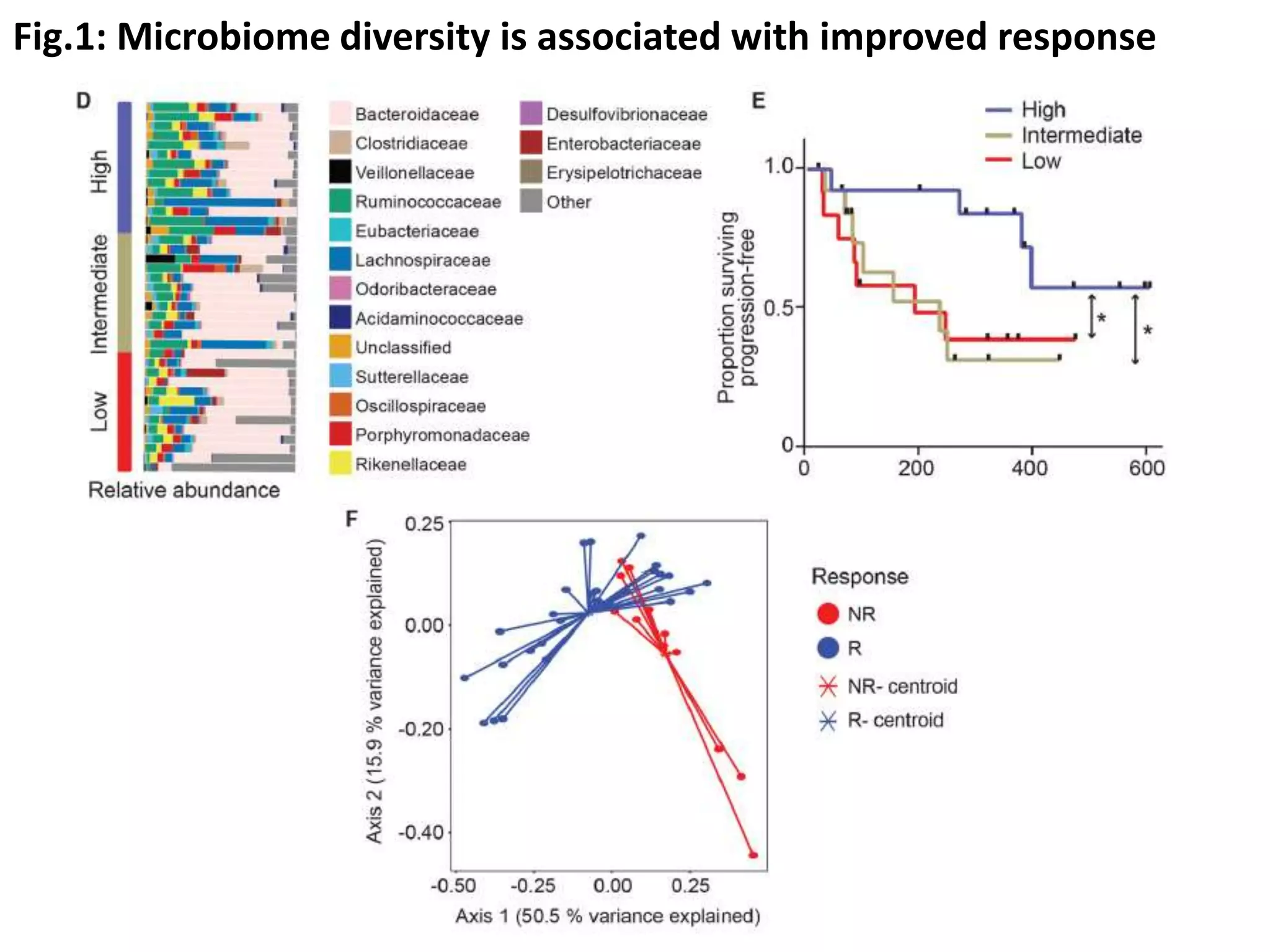
Fig.1: Microbiome diversity is associated with improved response
N=30 N=13
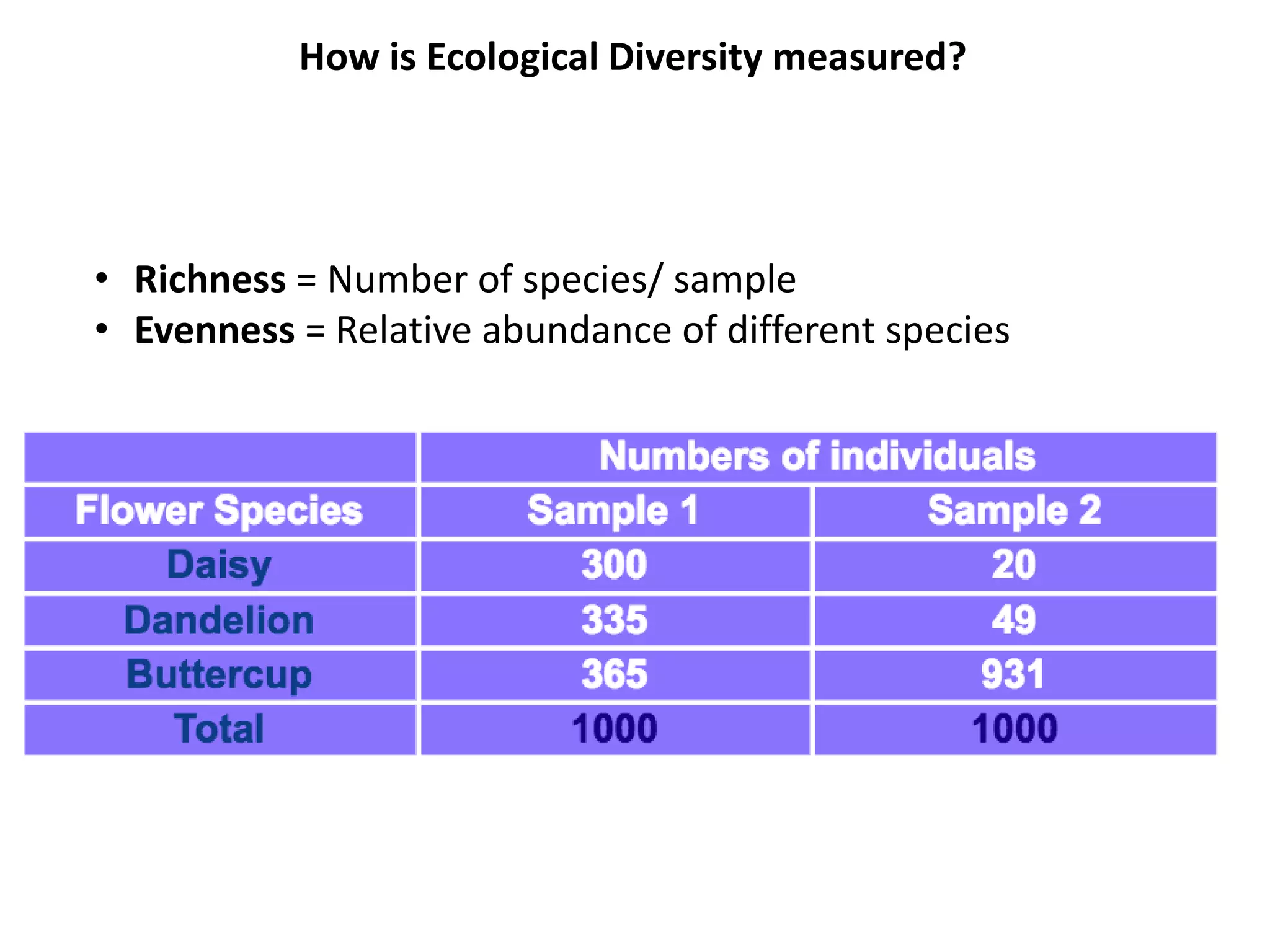
How is Ecological Diversity measured?
• Richness = Number of species/ sample
• Evenness = Relative abundance of different species
Fig.1: Microbiome diversity is associated with improved response
Fig. 2: Composition differences in the gut microbiome are
associated with responses to anti-PD1 immunotherapy
LEfSe = linear discriminant analysis of effect size
Fig.2: Composition differences in the gut microbiome are associated
with responses to anti-PD1 immunotherapy
Metagenomic WGS
R= 14, NR=11
Pairwise comparison
taxa
Fig.3: Abundance of crOTUs predicts response
Fig.3D: Anabolic pathway enrichment in Responder
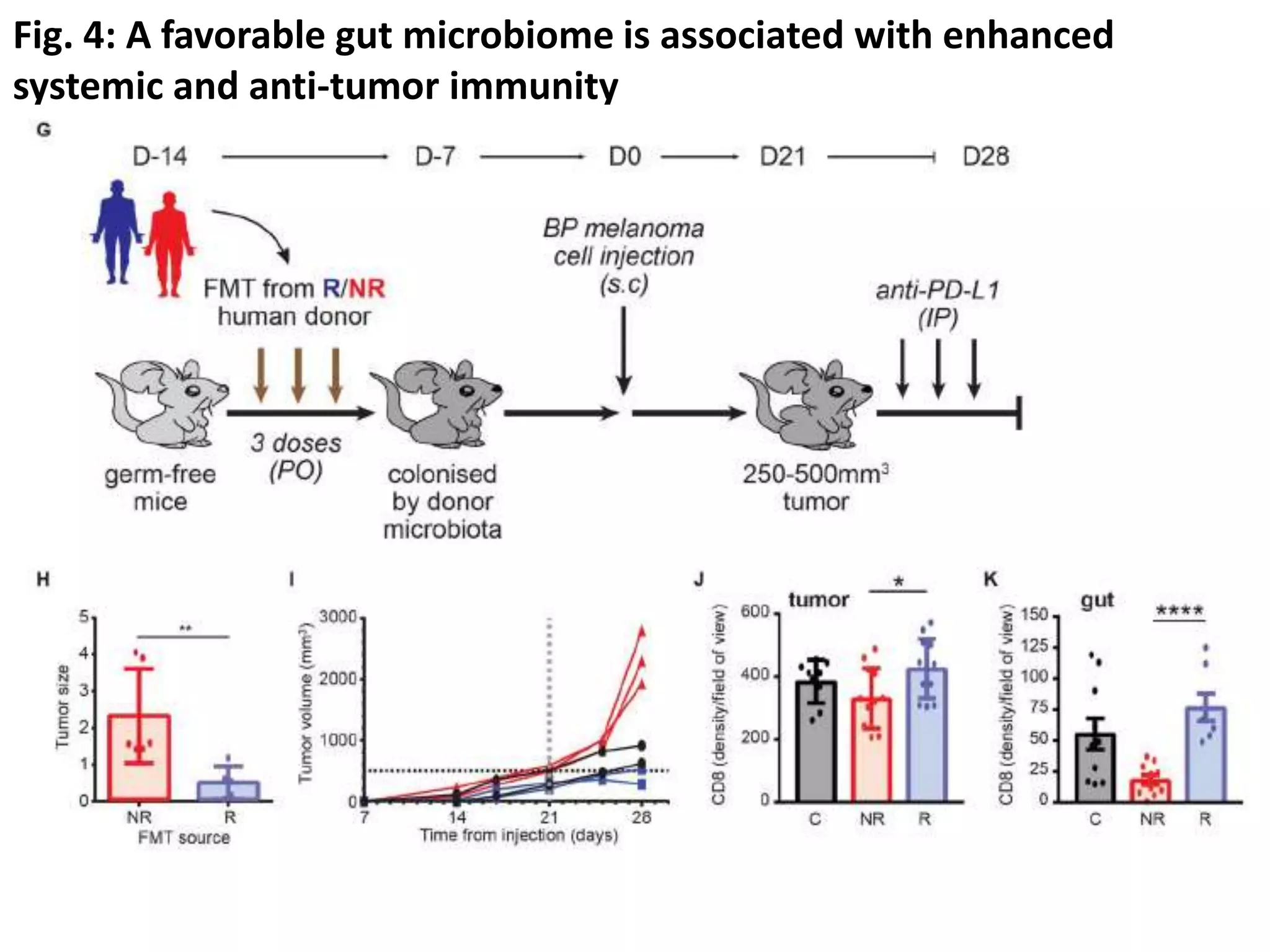
Fig.4: A favorable gut microbiome is associated with enhanced
systemic and anti-tumor immunity
Fig. 4: A favorable gut microbiome is associated with enhanced
systemic and anti-tumor immunity

Gut Microbiome Composition Influences Responses to immunotherapy

  • 1.
    Journal Club, November15th, 2017 Presented by Thi Nguyen
  • 2.
  • 3.
    Current treatments foradvanced melanoma Targeted therapy: • BRAF or MEK inhibitor, or combination. • High response rate 50-60%, rapid • Duration of response is limited, median progression-free survival ~ 6 months. Immunotherapy: • Checkpoint inhibitor : anti-CTLA-4 ab (ipilimumab) or anti-PD1 (pembrolizumab) • Low response rate: 15% for anti-CTLA-4 and 35% for anti-PD1 • Significant durability: 2 year overall survival rate of 60% 4 year overall survival rate of 32%
  • 4.
    Biomarker assays topredict response to immunotherapy • PD-L1 (IHC) • Tumor T cell infiltrate (IHC) • MDSC, Treg, ICOS+ T cells (Flow) • Single Cell network profiling • TCR Clonality (sequencing) • Mutational load (NGS) • Microbiome?
  • 6.
    Fig.1: Microbiome diversityis associated with improved response N=30 N=13
  • 7.
    How is EcologicalDiversity measured? • Richness = Number of species/ sample • Evenness = Relative abundance of different species
  • 8.
    Fig.1: Microbiome diversityis associated with improved response
  • 9.
    Fig. 2: Compositiondifferences in the gut microbiome are associated with responses to anti-PD1 immunotherapy LEfSe = linear discriminant analysis of effect size
  • 11.
    Fig.2: Composition differencesin the gut microbiome are associated with responses to anti-PD1 immunotherapy Metagenomic WGS R= 14, NR=11 Pairwise comparison taxa
  • 12.
    Fig.3: Abundance ofcrOTUs predicts response
  • 13.
    Fig.3D: Anabolic pathwayenrichment in Responder
  • 14.
    Fig.4: A favorablegut microbiome is associated with enhanced systemic and anti-tumor immunity
  • 15.
    Fig. 4: Afavorable gut microbiome is associated with enhanced systemic and anti-tumor immunity

Editor's Notes

  • #3 When activated T cells reach tumors, they can then be functionally inactivated by engagement of programmed cell death 1 (PD-1) with its ligand PD-L1, which is expressed in peripheral tissues and cancers.4,8,9 Therefore, PD-1 functions as a checkpoint of the effector stage of the immune system, which is distinct from the role of CTLA-4 in limiting T-cell activation.10 Two monoclonal antibodies directed against PD-1, pembrolizumab and nivolumab, have shown clinical efficacy in patients with melanom