Post-Basic Speciality
Presentation On
Guillain–Barré Syndrome
Assigned by
Madam Fareeda faraz
Presented by
Bakht Munir
Outlines
In This Presentation We Will discuss / Study
Def of GBS
Causes
Pathophysiology
Diagnosis
Sign/symptoms
Management
Prognosis
NCP for GBS patients
Guillain–Barré Syndrome
In 1916, two French neurologist Georges Guillain &
Jean Alexandre Barré , diagnosed two soldiers with
the illness and described the abnormality—as a GBS
Neuron
Introduction
GBS is a neuro muscular and auto immune disease
causes weakness
Gullian berre syndrom is an auto immune
attack on the peripheral and some time on
cranial nerve myelin
 The result is acute ,rapid demyelination of peripheral
and some cranial nerves
 Which produces ascending weakness with dyskinesia
, hyporeflexia and paresthesia
Dyskinesia
Inability to voluntary movement
Hyporeflexia
When reflexes of body become weaker or lower
Paresthesia
A sensation of numbness and tingling OR pin and
needles sensation
Causes
Idiopathic
Mostly post infectious of
Campylobacter jejuni
Cytomegalo virus
Mycoplasma pneumonia
H-influenza
HIV
Epidemiology
 1-2/1 Lac per Year
 More common in male b/w 16-25 years and older
than 55 years
 Less common in female & children than male
Stages of GBS
Progressive phase
(from several day to weeks) majority of complication
take place in this phase
A plateau phase (maximum weakness mostly two
weeks but no longer than 4 weeks)
Recovery phase (from weeks to month or year)
Pathophysiology
Antibodies formed against of micro-organism (antigen)
cross react on myelin
GBS is the result of immuno attack on peripheral nerve
proteins
That causes inflammatory demyelination
Myelin sheath is a complex substance that cover nerve
It spread the conduction of impulses from cell body to
dendrites
the Schwann cell in the nerve-produce myline
Some time may be recoverable may be not
Clinical Manifestation
 GBS is typically begin with the muscle weakness and
diminished reflexes of lower extremities
 The nerve that innervates the diaphragm and
intercostal muscles results neuromuscular
respiratory failure
 Sensory symptoms include paresthesia,
 Weakness is usually ascending from legs to upward
cont
 Cranial nerve demyelination can result various
clinical manifestation
 Optic nerve=blindness
 Vagus nerve=ANS+CVS dis functioning
 HTN .arrhythmia. tachycardia
DIAGNOSIS
Mainly clinical
h/o infection (GIT/RTI)
h/o acute weakness
Muscles weakness and typical progression
Electro neurologic study
Most important in evidence of multi-focal
demyelination in motor and sensory neuron
It shows reduction in CMAP
EMG may be done to exclude muscular diseases
 CSF R/E
 CSF may be done
 RBCs less than 10
 It shows raise protein
 Mostly from 80-200mg/dl
Medical Management
Steroid Therapy
o Result are not so good
o May be used in any age
o Prednisolone 2mg/kg/day in children
o May be given for 2 weeks
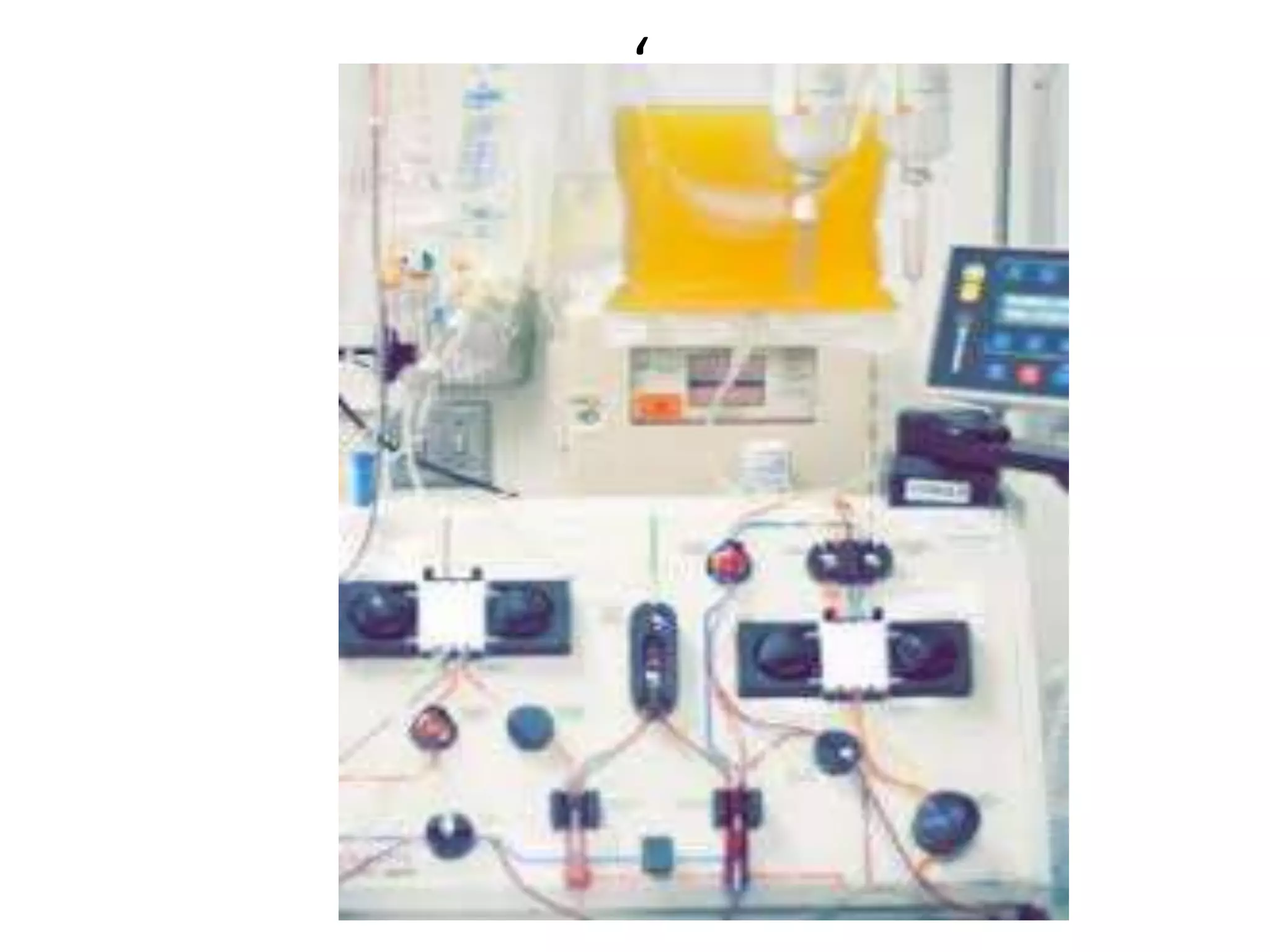
 Plasmapheresis (Plasma Exchange)
It is recommended for most of the patient
It removes antibodies but costly and not risk free
Albumin or FFP (fresh frozen plasma) both are used
as replacement of volume
Its takes in four to six session
.‘
Immunoglobulin Administration
 Efficacy is similar to that of plasma exchange therapy
is expensive but simple
 IVIG is lifesaving in severe cases
.
 Artificial ventilation
 It is necessary in patient with respiratory failure
 10-20% of children who haves GBS required
mechanical ventilation
.
NURSING PROCESS
For The Patient With GBS
Assessment
o Patient presents with weakness , impaired refluxes
and upward progression of weakness
o Life threatening complication cardiac dysrrythmia ,
respiratory failure
o Infection RTI or GE
Nursing Diagnoses
Based on assessment
1) Ineffective breathing pattern or
2) impaired gaseous exchange
3) Impaired physical motor mobility
4) May be verbal communication impaired due
concerned nerve demyelination
5) Fear and anxiety
Planning and Goal
The major goal for the patient may include
1) Improve respiratory function
2) Increase mobility
3) Improve nutritional status
4) Improve effective communication
5) Decrease fear and anxiety
Nursing Intervention
Maintaining Respiratory Function
o Respiration may be maximized by spirometery and
chest physiotherapy
o Consent from relative for artificial ventilation and
intubation
o Proper mechanical ventilation if needed
o Proper O2 therapy
o Suction may be needed and some cases for airway
clearance
o Medication with 6 rights as prescribed by physician
 Enhancing Physical Mobility
o To enhance physical mobility and prevent from
complications of immobility (rigidity + pressure
ulcers)
o Proper positioning and changing 2hourly to prevent
from DVT etc
o Physiotherapy at least two time daily
o Observe for dehydration and mal nutrition
o Care of ANS changes HTN Tachycardia etc
 Providing Adequate Nutrition
o Due to GBS may result from insufficient
parasympathetic activity
o In this event the nurse administers IV fluid for
supplement
o Gastrostomy may be done in some cases
o The nurse should be examine for bowel sounds after
taking orally
 Improving Communication
o Because of paralysis pt cannot talk , lough or cry
o Establishing some forms of communication with
body postures or nonverbal communication
o Speech therapy may be needed in some case
 Decrease Fear And Anxiety
o In nursing intervention a nurse should decreases
his/her client fear and anxiety
o By teaching him/her religious importance and
rewards of god
o By telling that GBS is a recoverable and a disease
with better prognosis
o By sharing of informative stories and current news
updates
 Evaluation
o Evaluate expected outcomes
o Effective respiration
o Usual body mobility
o Demonstrate recovery of speech
o Show lessening of fear and anxiety
o Observe for complication
PROGNOSIS
STUDIES on recovery rates differ
But most of that 60-75% of patients recover
completely
15-20% develop permanent impairment
Deaths occurs in 3-10% of cases resulting from
respiratory failure ,autonomic dys functioning sepsis
Now GBS means
Reference
1) Medical and Surgical Nursing by Janice L.Hinkle &
Kerry H.Cheever
2) Pediatrics by Dr Pervaiz Akber
3) https://en.wikipedia.org/wiki/Guillain%E2%80%93B
arr%C3%A9_syndrome
.
Guillain–Barré syndrome (GBS)

Guillain–Barré syndrome (GBS)

  • 1.
    Post-Basic Speciality Presentation On Guillain–BarréSyndrome Assigned by Madam Fareeda faraz Presented by Bakht Munir
  • 2.
    Outlines In This PresentationWe Will discuss / Study Def of GBS Causes Pathophysiology Diagnosis Sign/symptoms Management Prognosis NCP for GBS patients
  • 3.
    Guillain–Barré Syndrome In 1916,two French neurologist Georges Guillain & Jean Alexandre Barré , diagnosed two soldiers with the illness and described the abnormality—as a GBS
  • 4.
  • 5.
    Introduction GBS is aneuro muscular and auto immune disease causes weakness Gullian berre syndrom is an auto immune attack on the peripheral and some time on cranial nerve myelin  The result is acute ,rapid demyelination of peripheral and some cranial nerves  Which produces ascending weakness with dyskinesia , hyporeflexia and paresthesia
  • 6.
    Dyskinesia Inability to voluntarymovement Hyporeflexia When reflexes of body become weaker or lower Paresthesia A sensation of numbness and tingling OR pin and needles sensation
  • 7.
    Causes Idiopathic Mostly post infectiousof Campylobacter jejuni Cytomegalo virus Mycoplasma pneumonia H-influenza HIV
  • 8.
    Epidemiology  1-2/1 Lacper Year  More common in male b/w 16-25 years and older than 55 years  Less common in female & children than male
  • 9.
    Stages of GBS Progressivephase (from several day to weeks) majority of complication take place in this phase A plateau phase (maximum weakness mostly two weeks but no longer than 4 weeks) Recovery phase (from weeks to month or year)
  • 10.
    Pathophysiology Antibodies formed againstof micro-organism (antigen) cross react on myelin GBS is the result of immuno attack on peripheral nerve proteins That causes inflammatory demyelination Myelin sheath is a complex substance that cover nerve It spread the conduction of impulses from cell body to dendrites the Schwann cell in the nerve-produce myline Some time may be recoverable may be not
  • 11.
    Clinical Manifestation  GBSis typically begin with the muscle weakness and diminished reflexes of lower extremities  The nerve that innervates the diaphragm and intercostal muscles results neuromuscular respiratory failure  Sensory symptoms include paresthesia,  Weakness is usually ascending from legs to upward
  • 12.
    cont  Cranial nervedemyelination can result various clinical manifestation  Optic nerve=blindness  Vagus nerve=ANS+CVS dis functioning  HTN .arrhythmia. tachycardia
  • 13.
    DIAGNOSIS Mainly clinical h/o infection(GIT/RTI) h/o acute weakness Muscles weakness and typical progression Electro neurologic study Most important in evidence of multi-focal demyelination in motor and sensory neuron It shows reduction in CMAP EMG may be done to exclude muscular diseases
  • 14.
     CSF R/E CSF may be done  RBCs less than 10  It shows raise protein  Mostly from 80-200mg/dl
  • 15.
    Medical Management Steroid Therapy oResult are not so good o May be used in any age o Prednisolone 2mg/kg/day in children o May be given for 2 weeks
  • 16.
     Plasmapheresis (PlasmaExchange) It is recommended for most of the patient It removes antibodies but costly and not risk free Albumin or FFP (fresh frozen plasma) both are used as replacement of volume Its takes in four to six session
  • 17.
  • 18.
    Immunoglobulin Administration  Efficacyis similar to that of plasma exchange therapy is expensive but simple  IVIG is lifesaving in severe cases
  • 19.
  • 20.
     Artificial ventilation It is necessary in patient with respiratory failure  10-20% of children who haves GBS required mechanical ventilation
  • 21.
  • 22.
    NURSING PROCESS For ThePatient With GBS Assessment o Patient presents with weakness , impaired refluxes and upward progression of weakness o Life threatening complication cardiac dysrrythmia , respiratory failure o Infection RTI or GE
  • 23.
    Nursing Diagnoses Based onassessment 1) Ineffective breathing pattern or 2) impaired gaseous exchange 3) Impaired physical motor mobility 4) May be verbal communication impaired due concerned nerve demyelination 5) Fear and anxiety
  • 24.
    Planning and Goal Themajor goal for the patient may include 1) Improve respiratory function 2) Increase mobility 3) Improve nutritional status 4) Improve effective communication 5) Decrease fear and anxiety
  • 25.
    Nursing Intervention Maintaining RespiratoryFunction o Respiration may be maximized by spirometery and chest physiotherapy o Consent from relative for artificial ventilation and intubation o Proper mechanical ventilation if needed o Proper O2 therapy o Suction may be needed and some cases for airway clearance o Medication with 6 rights as prescribed by physician
  • 26.
     Enhancing PhysicalMobility o To enhance physical mobility and prevent from complications of immobility (rigidity + pressure ulcers) o Proper positioning and changing 2hourly to prevent from DVT etc o Physiotherapy at least two time daily o Observe for dehydration and mal nutrition o Care of ANS changes HTN Tachycardia etc
  • 27.
     Providing AdequateNutrition o Due to GBS may result from insufficient parasympathetic activity o In this event the nurse administers IV fluid for supplement o Gastrostomy may be done in some cases o The nurse should be examine for bowel sounds after taking orally
  • 28.
     Improving Communication oBecause of paralysis pt cannot talk , lough or cry o Establishing some forms of communication with body postures or nonverbal communication o Speech therapy may be needed in some case
  • 29.
     Decrease FearAnd Anxiety o In nursing intervention a nurse should decreases his/her client fear and anxiety o By teaching him/her religious importance and rewards of god o By telling that GBS is a recoverable and a disease with better prognosis o By sharing of informative stories and current news updates
  • 30.
     Evaluation o Evaluateexpected outcomes o Effective respiration o Usual body mobility o Demonstrate recovery of speech o Show lessening of fear and anxiety o Observe for complication
  • 31.
    PROGNOSIS STUDIES on recoveryrates differ But most of that 60-75% of patients recover completely 15-20% develop permanent impairment Deaths occurs in 3-10% of cases resulting from respiratory failure ,autonomic dys functioning sepsis
  • 32.
  • 33.
    Reference 1) Medical andSurgical Nursing by Janice L.Hinkle & Kerry H.Cheever 2) Pediatrics by Dr Pervaiz Akber 3) https://en.wikipedia.org/wiki/Guillain%E2%80%93B arr%C3%A9_syndrome
  • 34.