Name………………….ID
1,Sintayehu Getachew…....TTME/056/15
2,Belay Mamuye………....TTME/014/15
3,Yitafer Kasawmar…........TTME/075/15
4,Habtamu Negash….........TTME/030/15
5,Haileyesus K/Mariyam…TTME/032/15
 Prepare Operational Plan for the
Year 2015 E.C
What is operational planning?
• Operational planning is the process of turning your
strategic plan into a detailed map that outlines exactly
what action your team will take on a weekly, or
sometimes even daily, basis.
• An operational plan outlines the key objectives and
goals of an organization and how to reach them.
• It is a well-crafted document that ensures team
members know their responsibilities and have a clear
understanding of what needs to be done.
Cont……
• Operational planning is the process of the day-to-day
work to execute your strategy.
• It ensures you have all the resources and staff
necessary to get work done efficiently.
• Operational plans are not only for large enterprises —
small businesses and individuals too can benefit from
operational planning
• An operational plan outlines the key objectives and
goals of an organization and how to reach them.
Types of Organizational Planning
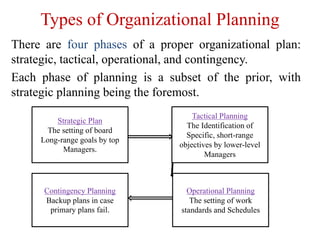
There are four phases of a proper organizational plan:
strategic, tactical, operational, and contingency.
Each phase of planning is a subset of the prior, with
strategic planning being the foremost.
Strategic Plan
The setting of board
Long-range goals by top
Managers.
Operational Planning
The setting of work
standards and Schedules
Contingency Planning
Backup plans in case
primary plans fail.
Tactical Planning
The Identification of
Specific, short-range
objectives by lower-level
Managers
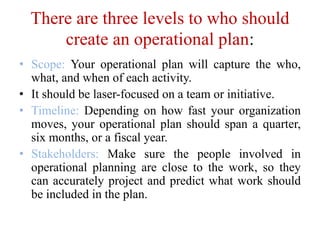
There are three levels to who should
create an operational plan:
• Scope: Your operational plan will capture the who,
what, and when of each activity.
• It should be laser-focused on a team or initiative.
• Timeline: Depending on how fast your organization
moves, your operational plan should span a quarter,
six months, or a fiscal year.
• Stakeholders: Make sure the people involved in
operational planning are close to the work, so they
can accurately project and predict what work should
be included in the plan.
Operational planning advantages
• Clarifies organizational goals
• An operational plan helps managers and department
heads define their daily tasks, responsibilities, and
activities in detail.
• It also illustrates how individual team members
contribute to the overall company or department
goals.
• Without a clearly defined plan, managers and
employees have no way to measure their daily tasks
against predefined outcomes.
Cont……
• Clarifies exactly what your team will be doing on a
weekly and daily basis.
• Provides a comprehensive guide of the day-to-day
operations your team members need to take in order
to accomplish your long-term goals.
• Sets a benchmark for daily expectations, so you can
avoid getting off track.
Functional operational plan:
• Clearly define the ultimate vision or objective for
the plan
• Review and break down the smaller goals for the
budget, team, and resources required to put the
plan into action
• Assign budgets, team members, and resources
• Monitor progress with consistent reports
• Refine the operational plan and be ready to pivot
if needed
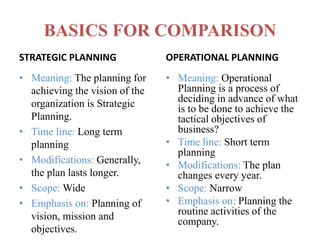
BASICS FOR COMPARISON
STRATEGIC PLANNING
• Meaning: The planning for
achieving the vision of the
organization is Strategic
Planning.
• Time line: Long term
planning
• Modifications: Generally,
the plan lasts longer.
• Scope: Wide
• Emphasis on: Planning of
vision, mission and
objectives.
OPERATIONAL PLANNING
• Meaning: Operational
Planning is a process of
deciding in advance of what
is to be done to achieve the
tactical objectives of
business?
• Time line: Short term
planning
• Modifications: The plan
changes every year.
• Scope: Narrow
• Emphasis on: Planning the
routine activities of the
company.
Operational plans should contain:
• clear objectives of them.
• activities to be delivered.
• quality standards.
• desired outcomes.
• staffing and resource requirements.
• implementation timetables.
• a process for monitoring progress.
How to create operational plan
To write an operational plan, you should:
- Identify important goals, milestones, or objectives.
- Determine key initiatives to help achieve those goals.
- Define key assumptions you're making about challenges.
- Decide how you'll measure success.
- Clearly outline responsibilities and tasks
Purpose
• An operational plan outlines the activities and targets which the
organization will carry out in order to work towards achieving the
aims and objectives set out in the strategic plan. It provides the
framework for an organization’s day-to-day operations. An
operational plan usually covers a one year period.
GROUP%201%20PRESENTATION%20Two.pptx

GROUP%201%20PRESENTATION%20Two.pptx

  • 2.
    Name………………….ID 1,Sintayehu Getachew…....TTME/056/15 2,Belay Mamuye………....TTME/014/15 3,YitaferKasawmar…........TTME/075/15 4,Habtamu Negash….........TTME/030/15 5,Haileyesus K/Mariyam…TTME/032/15
  • 3.
     Prepare OperationalPlan for the Year 2015 E.C What is operational planning? • Operational planning is the process of turning your strategic plan into a detailed map that outlines exactly what action your team will take on a weekly, or sometimes even daily, basis. • An operational plan outlines the key objectives and goals of an organization and how to reach them. • It is a well-crafted document that ensures team members know their responsibilities and have a clear understanding of what needs to be done.
  • 4.
    Cont…… • Operational planningis the process of the day-to-day work to execute your strategy. • It ensures you have all the resources and staff necessary to get work done efficiently. • Operational plans are not only for large enterprises — small businesses and individuals too can benefit from operational planning • An operational plan outlines the key objectives and goals of an organization and how to reach them.
  • 5.
    Types of OrganizationalPlanning There are four phases of a proper organizational plan: strategic, tactical, operational, and contingency. Each phase of planning is a subset of the prior, with strategic planning being the foremost. Strategic Plan The setting of board Long-range goals by top Managers. Operational Planning The setting of work standards and Schedules Contingency Planning Backup plans in case primary plans fail. Tactical Planning The Identification of Specific, short-range objectives by lower-level Managers
  • 6.
    There are threelevels to who should create an operational plan: • Scope: Your operational plan will capture the who, what, and when of each activity. • It should be laser-focused on a team or initiative. • Timeline: Depending on how fast your organization moves, your operational plan should span a quarter, six months, or a fiscal year. • Stakeholders: Make sure the people involved in operational planning are close to the work, so they can accurately project and predict what work should be included in the plan.
  • 7.
    Operational planning advantages •Clarifies organizational goals • An operational plan helps managers and department heads define their daily tasks, responsibilities, and activities in detail. • It also illustrates how individual team members contribute to the overall company or department goals. • Without a clearly defined plan, managers and employees have no way to measure their daily tasks against predefined outcomes.
  • 8.
    Cont…… • Clarifies exactlywhat your team will be doing on a weekly and daily basis. • Provides a comprehensive guide of the day-to-day operations your team members need to take in order to accomplish your long-term goals. • Sets a benchmark for daily expectations, so you can avoid getting off track.
  • 9.
    Functional operational plan: •Clearly define the ultimate vision or objective for the plan • Review and break down the smaller goals for the budget, team, and resources required to put the plan into action • Assign budgets, team members, and resources • Monitor progress with consistent reports • Refine the operational plan and be ready to pivot if needed
  • 10.
    BASICS FOR COMPARISON STRATEGICPLANNING • Meaning: The planning for achieving the vision of the organization is Strategic Planning. • Time line: Long term planning • Modifications: Generally, the plan lasts longer. • Scope: Wide • Emphasis on: Planning of vision, mission and objectives. OPERATIONAL PLANNING • Meaning: Operational Planning is a process of deciding in advance of what is to be done to achieve the tactical objectives of business? • Time line: Short term planning • Modifications: The plan changes every year. • Scope: Narrow • Emphasis on: Planning the routine activities of the company.
  • 11.
    Operational plans shouldcontain: • clear objectives of them. • activities to be delivered. • quality standards. • desired outcomes. • staffing and resource requirements. • implementation timetables. • a process for monitoring progress.
  • 12.
    How to createoperational plan To write an operational plan, you should: - Identify important goals, milestones, or objectives. - Determine key initiatives to help achieve those goals. - Define key assumptions you're making about challenges. - Decide how you'll measure success. - Clearly outline responsibilities and tasks Purpose • An operational plan outlines the activities and targets which the organization will carry out in order to work towards achieving the aims and objectives set out in the strategic plan. It provides the framework for an organization’s day-to-day operations. An operational plan usually covers a one year period.