NameaMovie
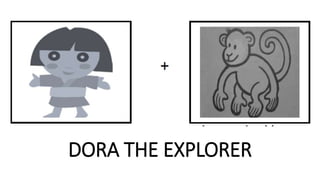
DORA THE EXPLORER
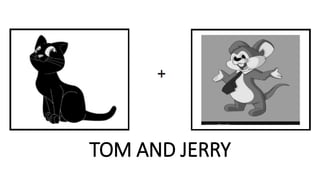
TOM AND JERRY
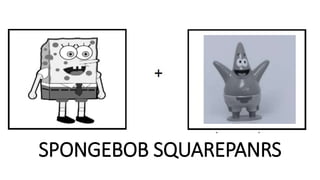
SPONGEBOB SQUAREPANRS
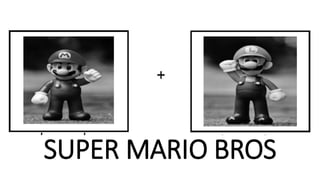
SUPER MARIO BROS
MINIONS
Editorial
Cartooning
Editorial is an article in a
newspaper that expresses
the editor’s opinion in a
subject if particular interest
at the present time.
Cartoon comes from the
words caricatures and
lampoon.
CARICATURE
•is defined as drawings of
people in which certain
physical features are
exaggerated
CARICATURE
•As nouns, caricature is a pictorial
representation of someone in which
distinguishing features are exaggerated for
comic effect while lampoon is a written
attack ridiculing a person, group or
institution.
CARICATURE
•is defined as drawings of
people in which certain
physical features are
exaggerated
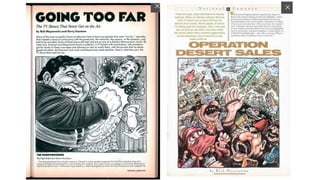
LAMPOON
•is a subtle attack
presented humorously.
LAMPOON
•As verbs, the difference between
lampoon and caricature is that
caricature is to represent someone
in an exaggerated or distorted
manner while lampoon is to satirize
or poke fun at.
Editorial
Cartooning
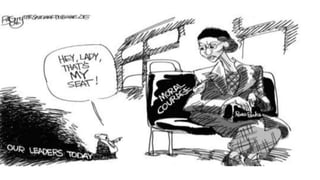
•Editorial Cartoon is an
illustration expressing opinion
and interpretation. It is also
called a “wordless editorial”.
•Editorial cartoon uses pictures and
text to make a statement. Editorial
cartoons express opinions about a
wide range of topics in the news,
such as politics or culture.
•Editorial cartoonists often
use images of well-known
people, places and things
to send a message.
•Editorial cartoons can be
challenging because you often
need background knowledge
to understand them.
ASSIGNMENT
•PICK 1 EDITORIAL CARTOON
FROM A NEWSPAPER OR
INTERNET AND BRING IT TO
CLASS
UNDERSTANDING
EDITORIAL CARTOON
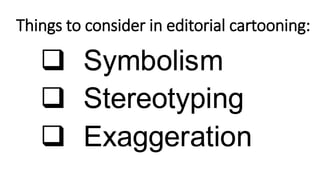
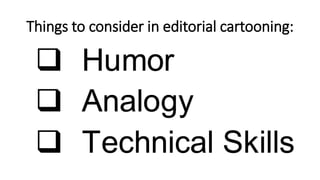
Things to consider in editorial cartooning:
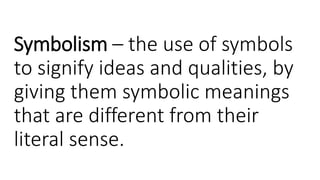
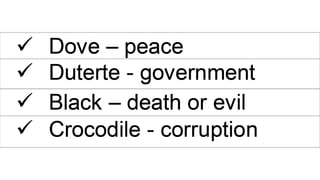
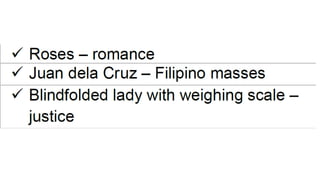
Symbolism – the use of symbols
to signify ideas and qualities, by
giving them symbolic meanings
that are different from their
literal sense.
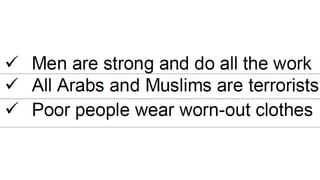
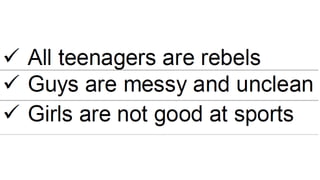
Stereotyping – a fixed, over
generalized belief about a
particular group or class of
people.
Exaggeration – cartoonists
overdo, or exaggerate, the
physical characteristics of
people or things in order to
make a point.
Humor – being funny
except in tragic
situations.
Analogy – a comparison between two
unlike things that share some
characteristics. By comparing a complex
issue or situation with a more familiar one,
cartoonists can help their readers see it in a
different light.
Techniques on how to
interpret any editorial
cartoon.
•1. First, look at the images and text in the
cartoon and describe what you see. What if
anything, looks familiar? What words, if
any, are included with any pictures? What
do they add to the cartoon?
•2. Next, search for the BIGGER picture—
the meaning of the cartoon. What is the
main point the cartoonist is trying to
convey? Is anything exaggerated in the
cartoon? If so, why might that be?
3. Ask students to think about what has
happened in the past and what is
happening in the present as it relates to
the cartoon. What connections or
comparisons is the artist of the cartoon
trying to show you?
ASSESSMENT
ASSIGNMENT
Bring:
1pc Mongol 2 Pencil or
Charcoal Pencil
Short Bondpaper
1 Short Folder
CARICATURE
ACTIVITY

Grade 8- EDITORIAL CARTOONING sample for Journalism

Editor's Notes

  • #9  1. What’s going on? Describe the cartoon: what images do you see? 2. What does the text say? What does it add to the image? 3. What looks familiar in the cartoon? 4. Now look at the BIGGER picture, what past and/or present event is shown here? 5. What is the artist trying to say?