Downloaded 110 times
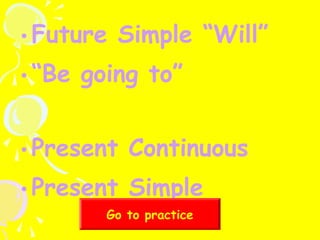
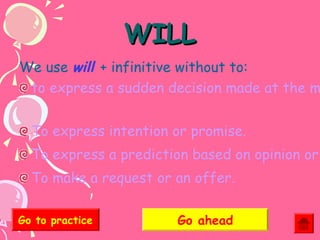




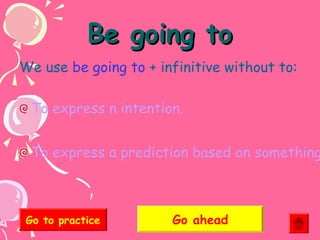

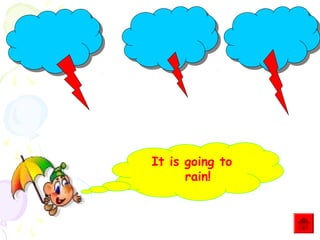






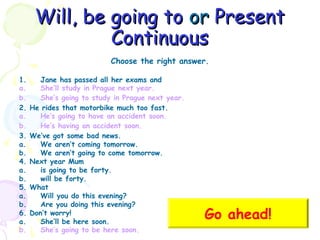



The document summarizes different ways to talk about the future in English. It discusses using will, be going to, present continuous, and present simple tenses. Will is used to express sudden decisions, intentions, promises, and predictions based on opinion. Be going to expresses intentions and predictions based on something that is already planned or obvious. Present continuous talks about future events that have been arranged, while present simple discusses future events that cannot be changed, like schedules. The document provides examples and practice exercises to distinguish between using will, be going to, and the two present tenses when referring to the future.


