Imagine -
a conference for English teachers
ILC International House Brno
Teacher Training Centre
From Forming to Performing:
Group Dynamics
James Egerton
IH Riga
www.jamesegerton.wordpress.com
‘Human beings are group beings’
- Rupert Brown
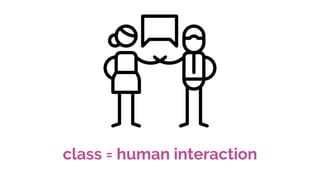
class = human interaction
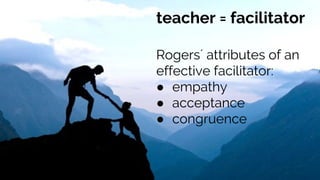
teacher = facilitator
Rogers´ attributes of an
effective facilitator:
● empathy
● acceptance
● congruence
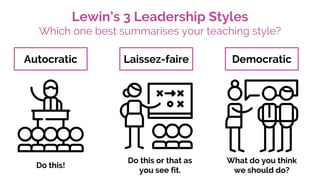
Lewin’s 3 Leadership Styles
Which one best summarises your teaching style?
Autocratic Laissez-faire Democratic
Do this!
Do this or that as
you see fit.
What do you think
we should do?
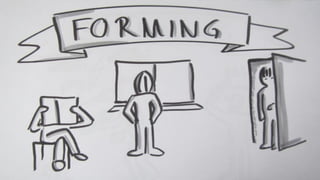
Group formation
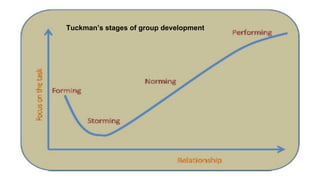
Tuckman’s stages of group development
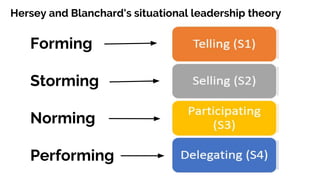
Hersey and Blanchard's situational leadership theory
Forming
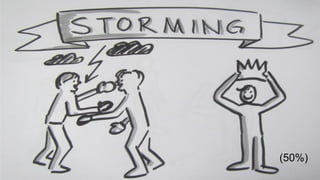
Storming
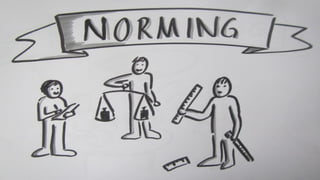
Norming
Performing
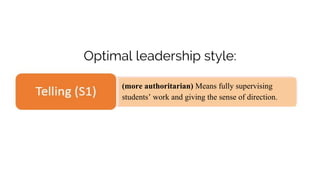
Optimal leadership style:
(more authoritarian) Means fully supervising
students’ work and giving the sense of direction.
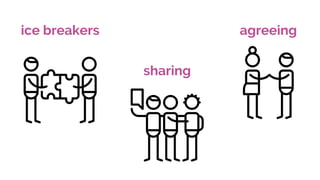
ice breakers
sharing
agreeing
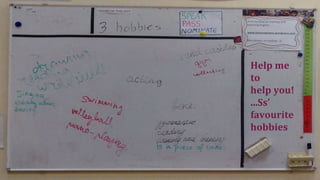
Help me
to
help you!
...Ss’
favourite
hobbies
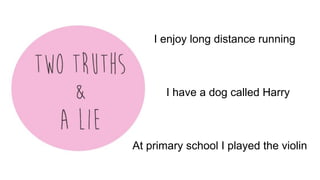
I enjoy long distance running
I have a dog called Harry
At primary school I played the violin
“Tasks have a social
function and not just
a pedagogic one”
- Dornyei and Murphy.
(50%)
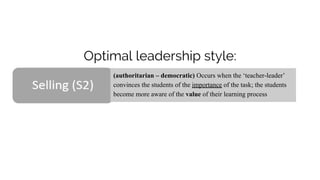
Optimal leadership style:
(authoritarian – democratic) Occurs when the ‘teacher-leader’
convinces the students of the importance of the task; the students
become more aware of the value of their learning process
c
Care but
don’t take it
personally
Engaging in conflict =
downward spiral
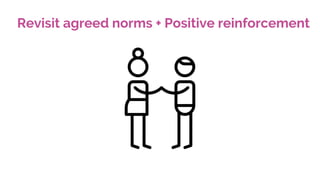
Revisit agreed norms + Positive reinforcement
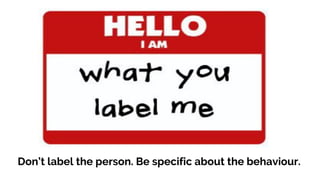
Don’t label the person. Be specific about the behaviour.
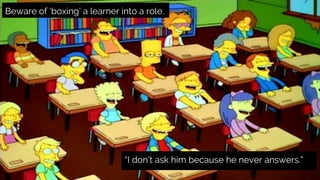
Beware of ‘boxing’ a learner into a role.
“I don’t ask him because he never answers.”
group roles
teaching each other
“Better have a valued goal,
or you can't get any positive
motivation…
How are you going to hit
something if you don't know
what it is?”
Jordan Peterson, Professor of
Psychology, University of
Toronto.
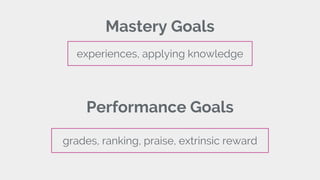
Mastery Goals
Performance Goals
experiences, applying knowledge
grades, ranking, praise, extrinsic reward
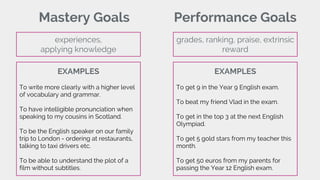
Mastery Goals Performance Goals
experiences,
applying knowledge
grades, ranking, praise, extrinsic
reward
EXAMPLES
To write more clearly with a higher level
of vocabulary and grammar.
To have intelligible pronunciation when
speaking to my cousins in Scotland.
To be the English speaker on our family
trip to London - ordering at restaurants,
talking to taxi drivers etc.
To be able to understand the plot of a
film without subtitles.
EXAMPLES
To get 9 in the Year 9 English exam.

To beat my friend Vlad in the exam.
To get in the top 3 at the next English
Olympiad.
To get 5 gold stars from my teacher this
month.
To get 50 euros from my parents for
passing the Year 12 English exam.
Optimal leadership style:
(democratic) Leadership style allows the students to
share their ideas and cooperate.
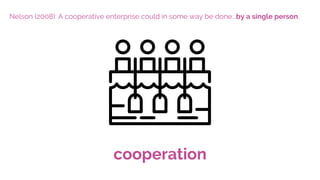
Nelson (2008): A cooperative enterprise could in some way be done...by a single person.
cooperation
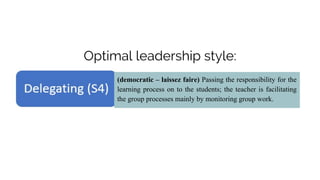
Optimal leadership style:
(democratic – laissez faire) Passing the responsibility for the
learning process on to the students; the teacher is facilitating
the group processes mainly by monitoring group work.
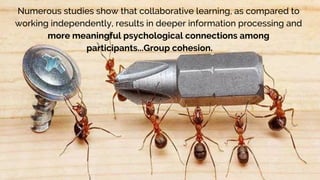
Numerous studies show that collaborative learning, as compared to
working independently, results in deeper information processing and
more meaningful psychological connections among
participants...Group cohesion.
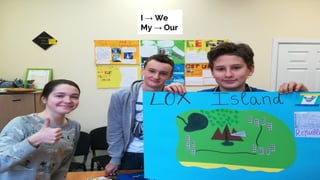
PBL - Island Project
I → We
My → Our
What would you do if…?
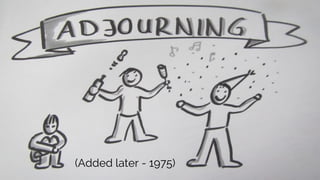
(Added later - 1975)
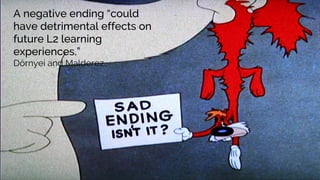
A negative ending “could
have detrimental effects on
future L2 learning
experiences.”
Dörnyei and Malderez.
celebrate
Questions?
get in touch
jamesegerton89@gmail.com
www.jamesegerton.wordpress.com Slides
and write up on here now!
Bibliography
Dagmara, G., 2012. Teacher's Action Zone in Facilitating Group Dynamics, LINGVARVM ARENA Vol.3 (89).
Dörnyei, Z. and Murphey, T., 2003. Group Dynamics in the Language Classroom, Cambridge University Press: Cambridge.
Haynes, N.M., 2011. Group Dynamics: Basics and Pragmatics for Practitioners, University Press of America: Lanham
Hermann, K., 2015. Field Theory and Working with Group Dynamics in Debriefing, Simulation and Gaming Vol 46 (2), Thousand Oaks: Sage
Publications.
Heron, J., 2006. The Complete Facilitator's Handbook, London: Kogan Page.
Kozar, O., 2010. Towards Better Group Work: Seeing the Difference Between Cooperation and Collaboration, English Teaching Forum Vol.48 No.2.
Phu Quy, P.H., 2017. Group Dynamics: Building a Sense of Belonging in the EFL Classroom, English Teaching Forum Vol.1
Snider, B, 2005. Clowning Around: There's a Comedian in Every Classroom, Edutopia. Available at: https://www.edutopia.org/clowning-around (Accessed
23/1/2018)
Williams, M., Mercer, S and Ryan, S., 2015. Exploring Psychology in Language Learning and Teaching, Oxford: Oxford University Press.
Wijayadharmadasa, S.M.T., 2010. The effectiveness of group dynamics in English language classrooms, University of Colombo, Sri Lanka: Colombo.

From forming to performing: group dynamics

  • 1.
    Imagine - a conferencefor English teachers ILC International House Brno Teacher Training Centre
  • 2.
    From Forming toPerforming: Group Dynamics James Egerton IH Riga www.jamesegerton.wordpress.com
  • 4.
    ‘Human beings aregroup beings’ - Rupert Brown
  • 5.
    class = humaninteraction
  • 6.
    teacher = facilitator Rogers´attributes of an effective facilitator: ● empathy ● acceptance ● congruence
  • 7.
    Lewin’s 3 LeadershipStyles Which one best summarises your teaching style? Autocratic Laissez-faire Democratic Do this! Do this or that as you see fit. What do you think we should do?
  • 8.
  • 9.
    Tuckman’s stages ofgroup development
  • 10.
    Hersey and Blanchard'ssituational leadership theory Forming Storming Norming Performing
  • 12.
    Optimal leadership style: (moreauthoritarian) Means fully supervising students’ work and giving the sense of direction.
  • 13.
  • 14.
  • 15.
    I enjoy longdistance running I have a dog called Harry At primary school I played the violin
  • 16.
    “Tasks have asocial function and not just a pedagogic one” - Dornyei and Murphy.
  • 17.
  • 18.
    Optimal leadership style: (authoritarian– democratic) Occurs when the ‘teacher-leader’ convinces the students of the importance of the task; the students become more aware of the value of their learning process
  • 19.
  • 20.
    Engaging in conflict= downward spiral
  • 21.
    Revisit agreed norms+ Positive reinforcement
  • 22.
    Don’t label theperson. Be specific about the behaviour.
  • 23.
    Beware of ‘boxing’a learner into a role. “I don’t ask him because he never answers.”
  • 24.
  • 25.
  • 26.
    “Better have avalued goal, or you can't get any positive motivation… How are you going to hit something if you don't know what it is?” Jordan Peterson, Professor of Psychology, University of Toronto.
  • 28.
    Mastery Goals Performance Goals experiences,applying knowledge grades, ranking, praise, extrinsic reward
  • 29.
    Mastery Goals PerformanceGoals experiences, applying knowledge grades, ranking, praise, extrinsic reward EXAMPLES To write more clearly with a higher level of vocabulary and grammar. To have intelligible pronunciation when speaking to my cousins in Scotland. To be the English speaker on our family trip to London - ordering at restaurants, talking to taxi drivers etc. To be able to understand the plot of a film without subtitles. EXAMPLES To get 9 in the Year 9 English exam. To beat my friend Vlad in the exam. To get in the top 3 at the next English Olympiad. To get 5 gold stars from my teacher this month. To get 50 euros from my parents for passing the Year 12 English exam.
  • 31.
    Optimal leadership style: (democratic)Leadership style allows the students to share their ideas and cooperate.
  • 32.
    Nelson (2008): Acooperative enterprise could in some way be done...by a single person. cooperation
  • 38.
    Optimal leadership style: (democratic– laissez faire) Passing the responsibility for the learning process on to the students; the teacher is facilitating the group processes mainly by monitoring group work.
  • 40.
    Numerous studies showthat collaborative learning, as compared to working independently, results in deeper information processing and more meaningful psychological connections among participants...Group cohesion.
  • 41.
    PBL - IslandProject
  • 42.
    I → We My→ Our
  • 43.
    What would youdo if…?
  • 44.
  • 45.
    A negative ending“could have detrimental effects on future L2 learning experiences.” Dörnyei and Malderez.
  • 46.
  • 49.
  • 50.
    Bibliography Dagmara, G., 2012.Teacher's Action Zone in Facilitating Group Dynamics, LINGVARVM ARENA Vol.3 (89). Dörnyei, Z. and Murphey, T., 2003. Group Dynamics in the Language Classroom, Cambridge University Press: Cambridge. Haynes, N.M., 2011. Group Dynamics: Basics and Pragmatics for Practitioners, University Press of America: Lanham Hermann, K., 2015. Field Theory and Working with Group Dynamics in Debriefing, Simulation and Gaming Vol 46 (2), Thousand Oaks: Sage Publications. Heron, J., 2006. The Complete Facilitator's Handbook, London: Kogan Page. Kozar, O., 2010. Towards Better Group Work: Seeing the Difference Between Cooperation and Collaboration, English Teaching Forum Vol.48 No.2. Phu Quy, P.H., 2017. Group Dynamics: Building a Sense of Belonging in the EFL Classroom, English Teaching Forum Vol.1 Snider, B, 2005. Clowning Around: There's a Comedian in Every Classroom, Edutopia. Available at: https://www.edutopia.org/clowning-around (Accessed 23/1/2018) Williams, M., Mercer, S and Ryan, S., 2015. Exploring Psychology in Language Learning and Teaching, Oxford: Oxford University Press. Wijayadharmadasa, S.M.T., 2010. The effectiveness of group dynamics in English language classrooms, University of Colombo, Sri Lanka: Colombo.