Download to read offline

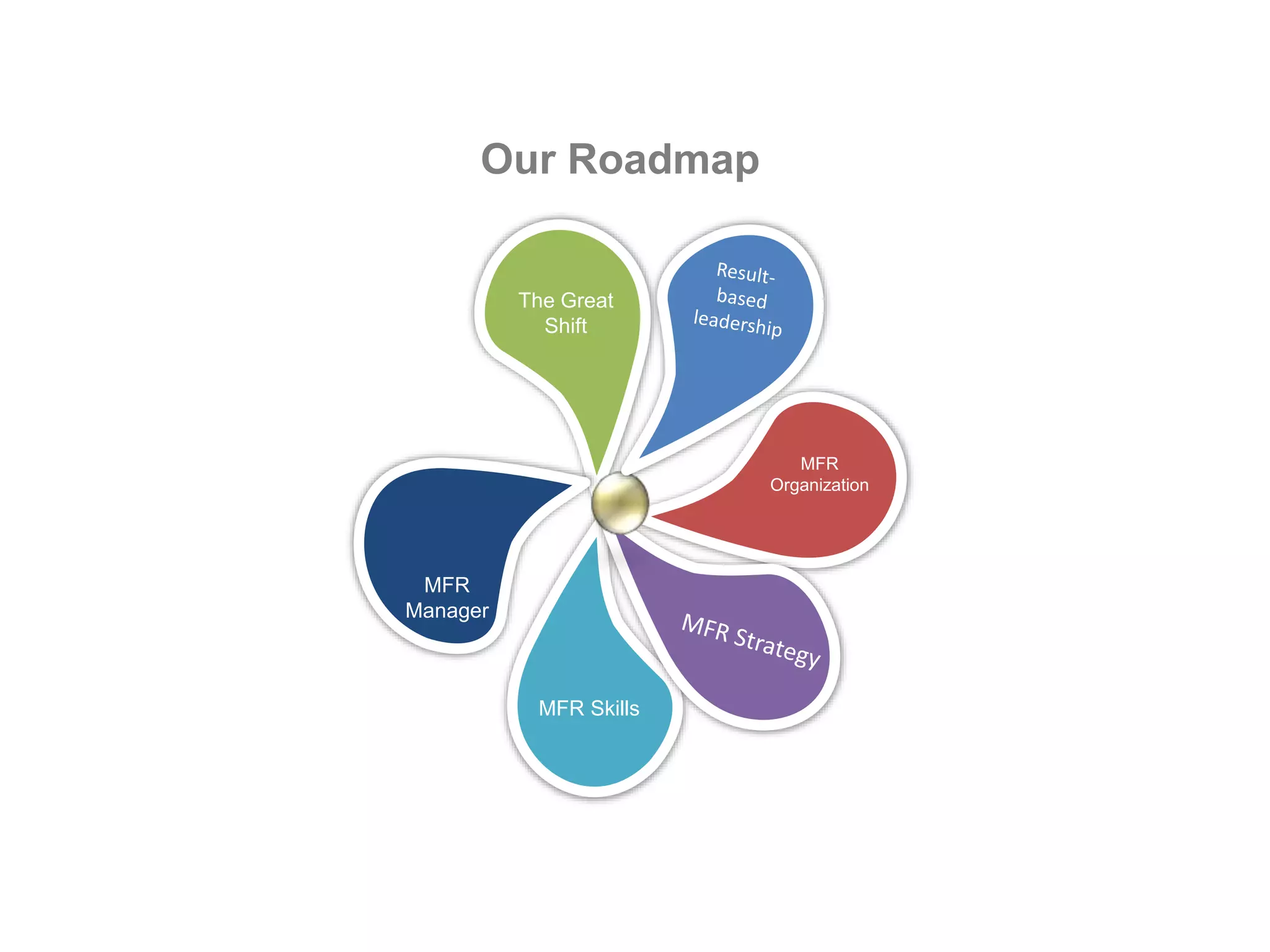
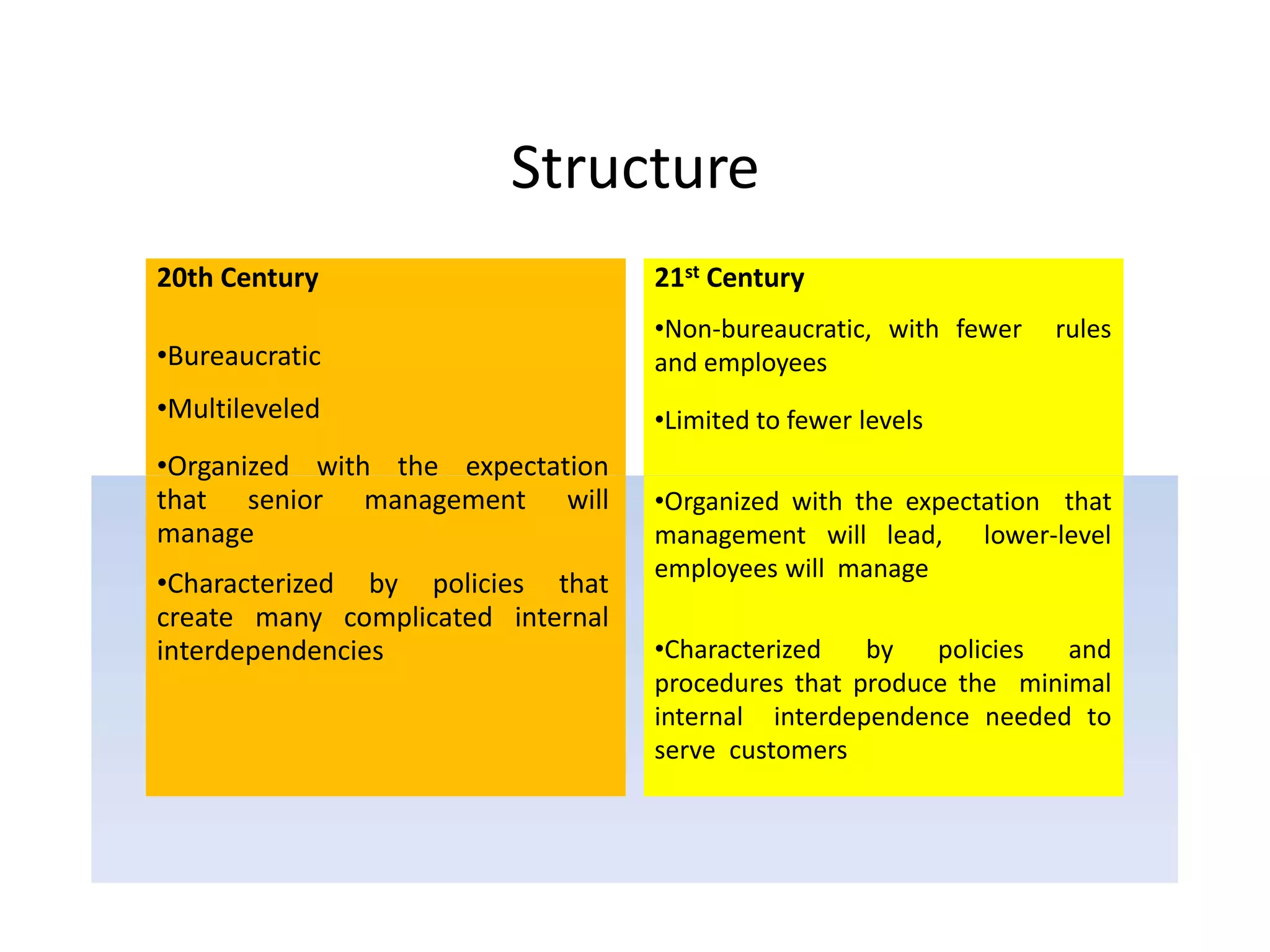
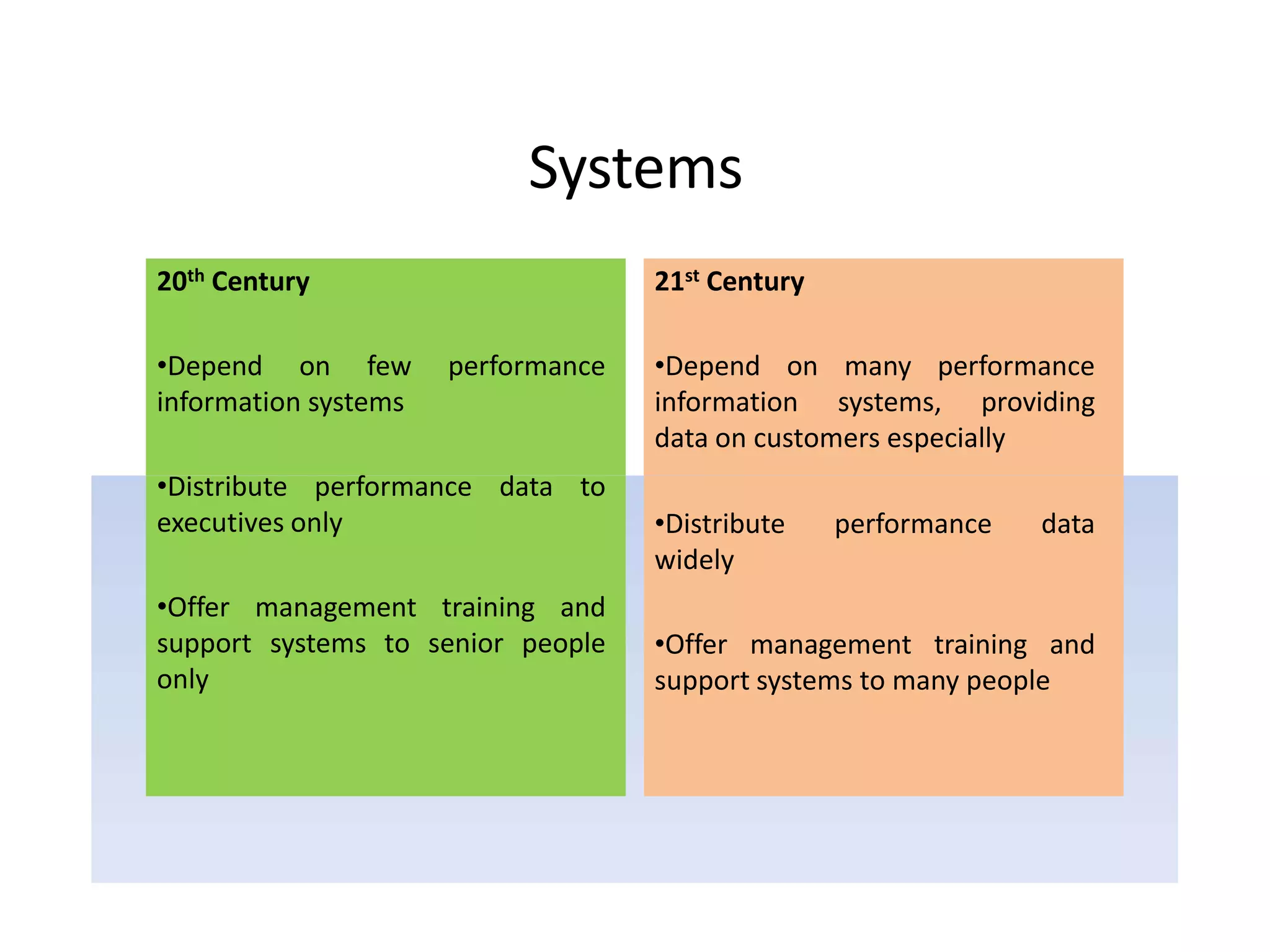
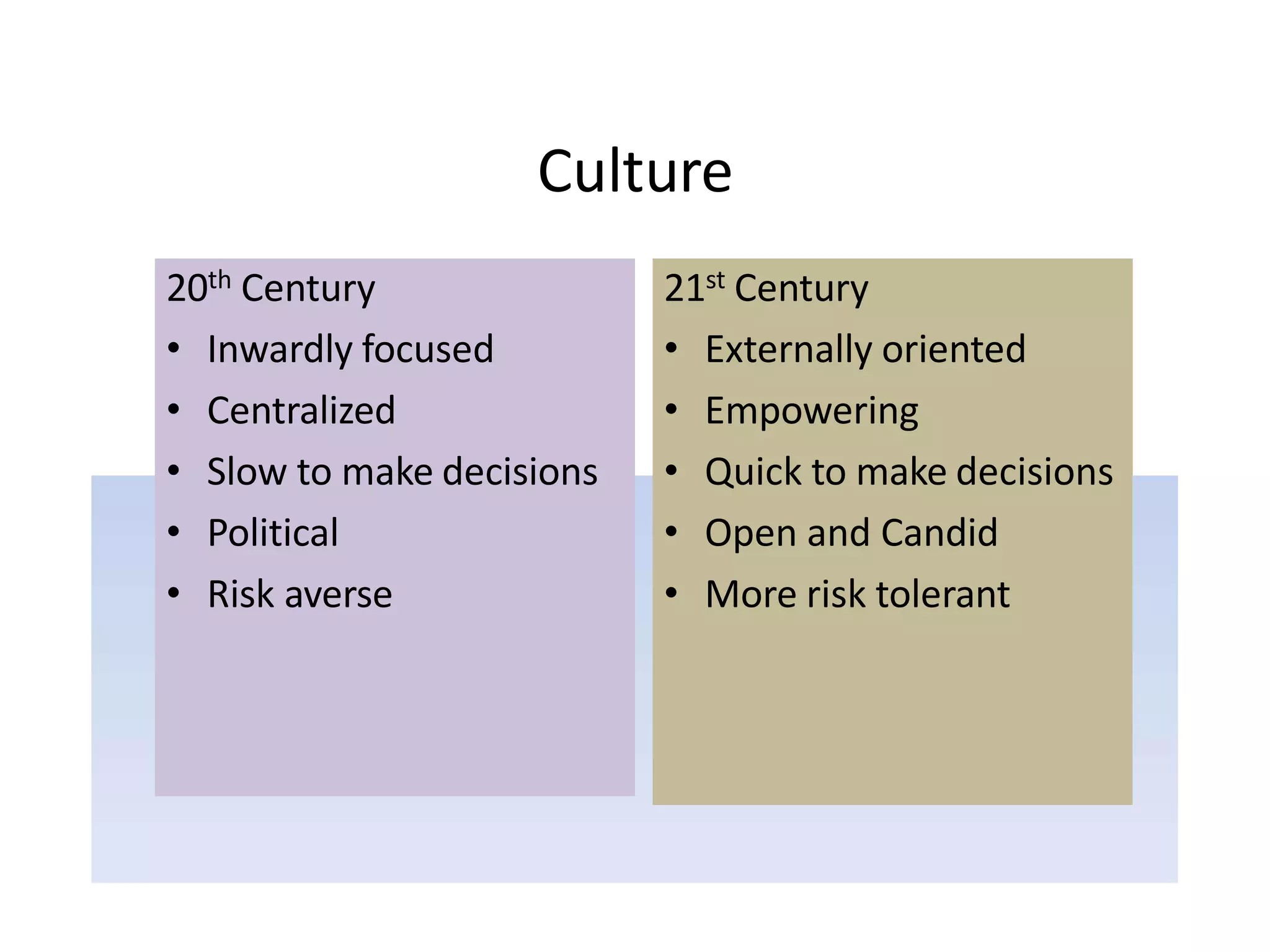
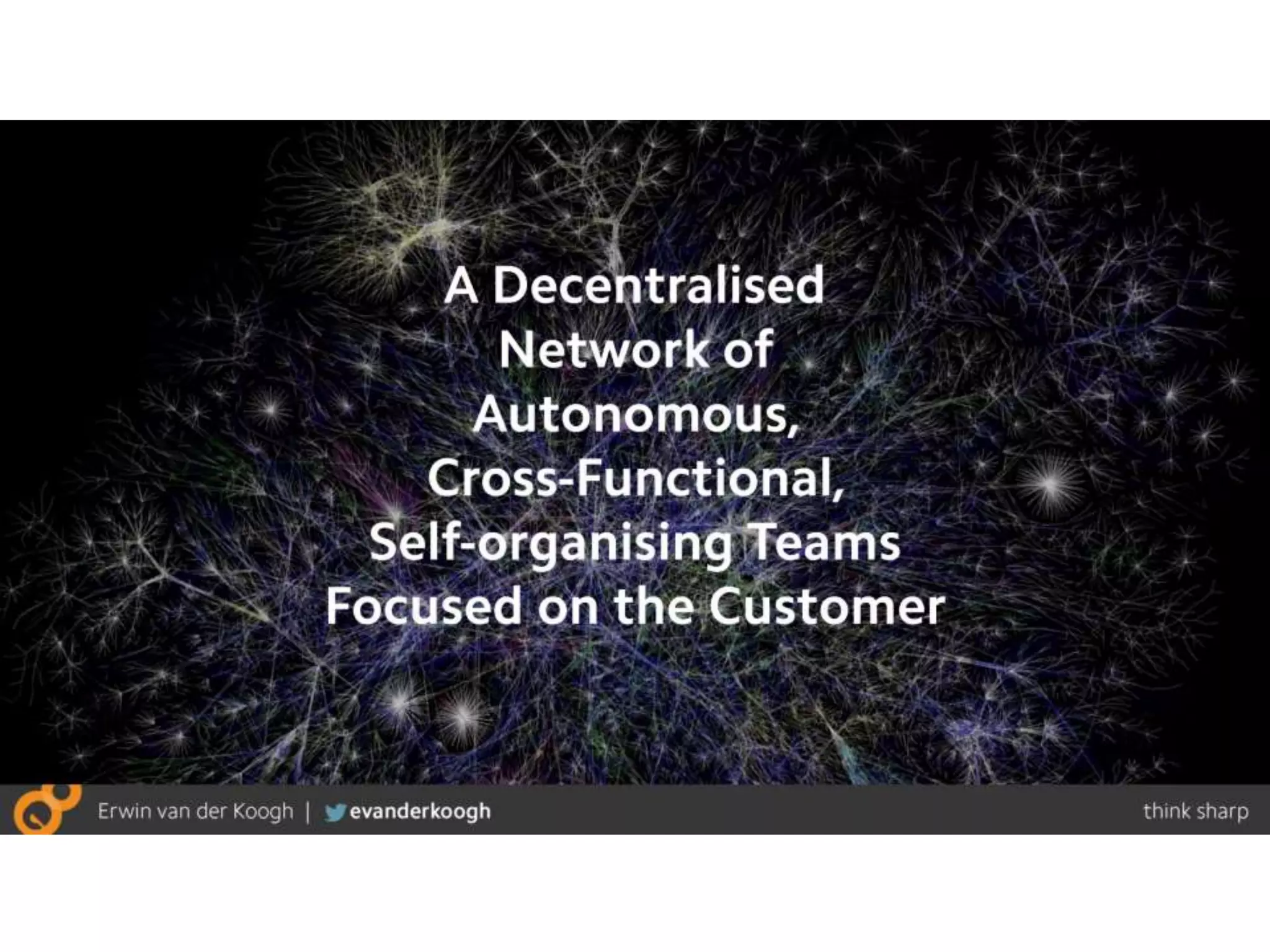
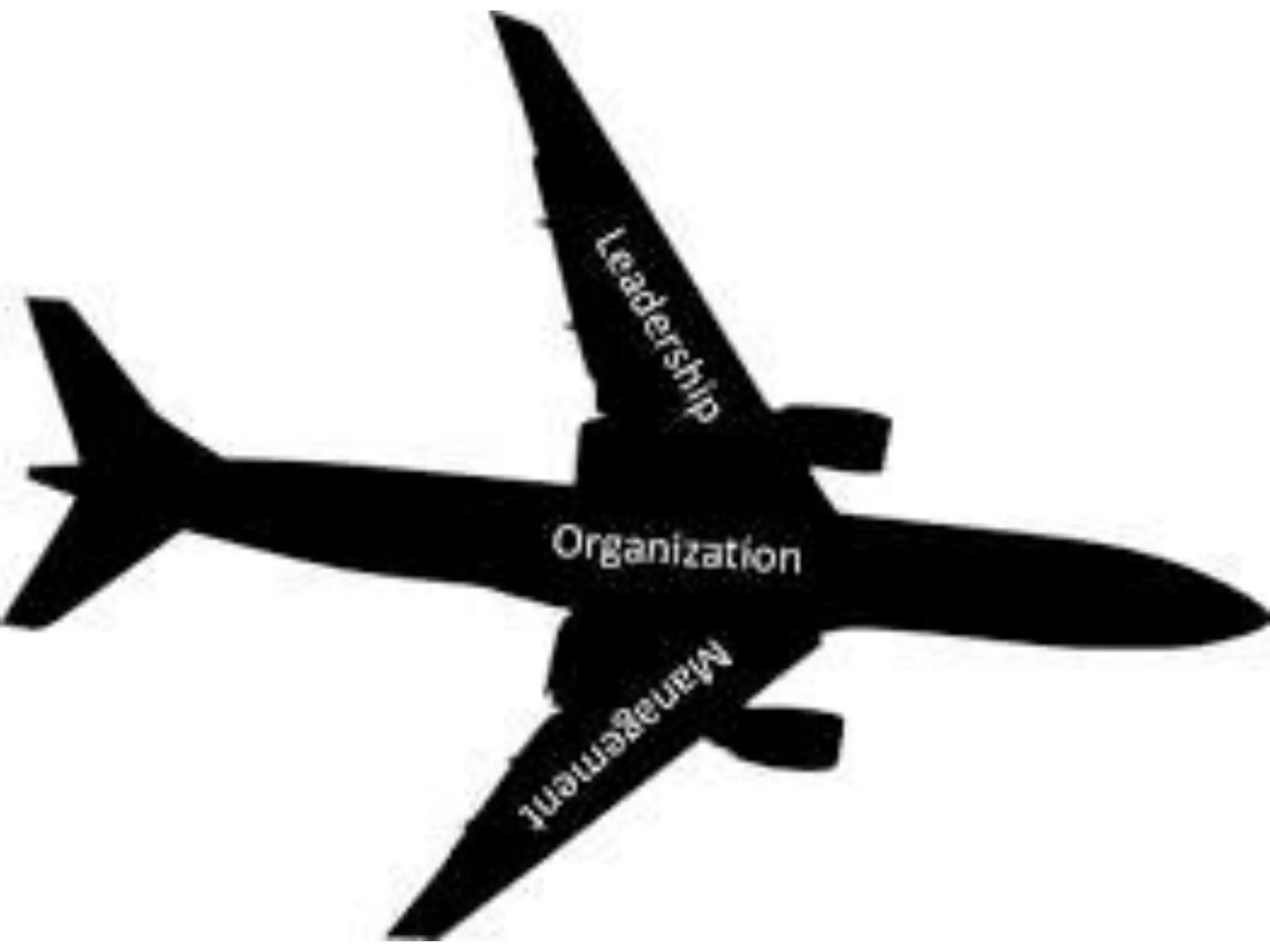
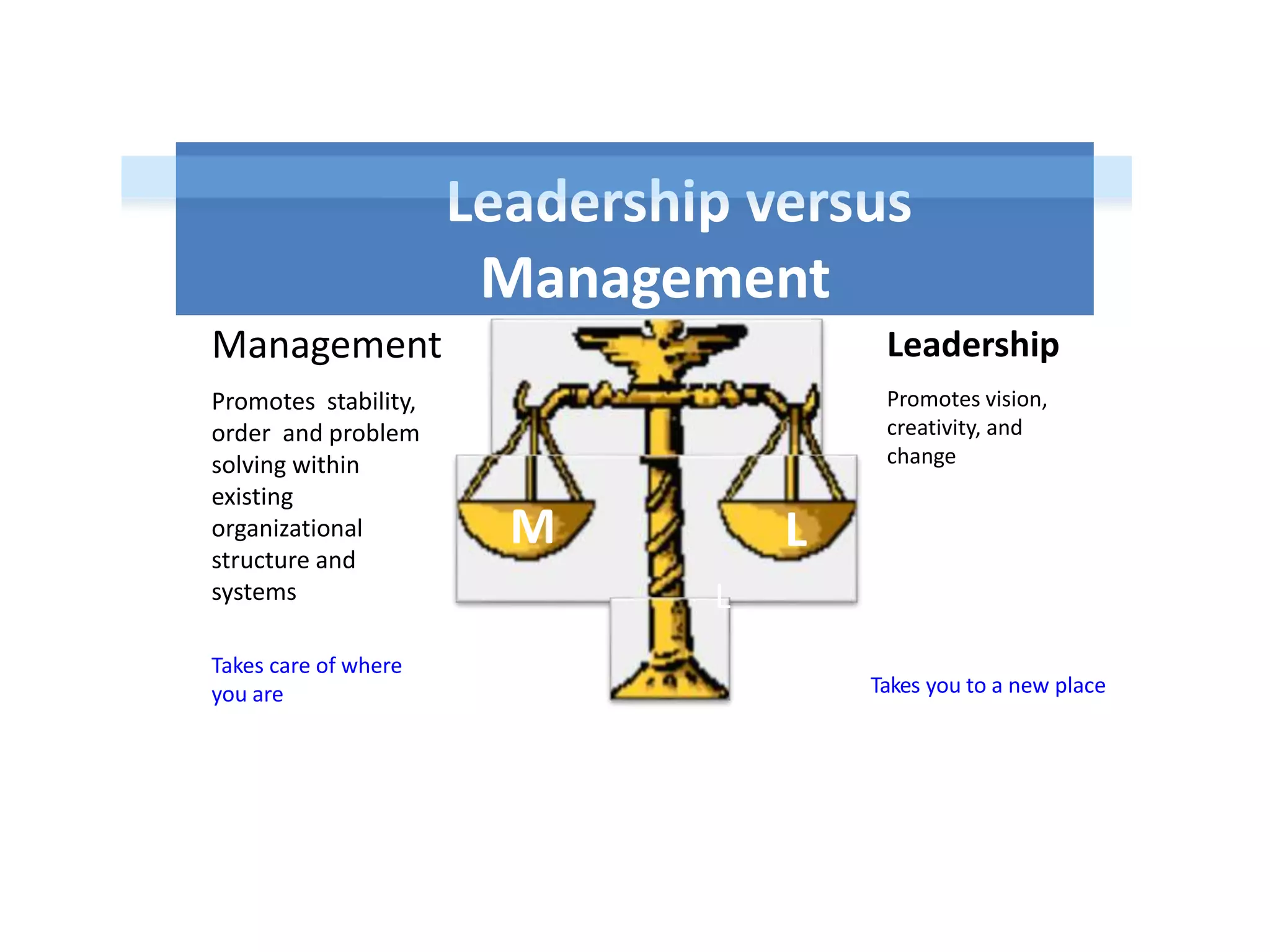
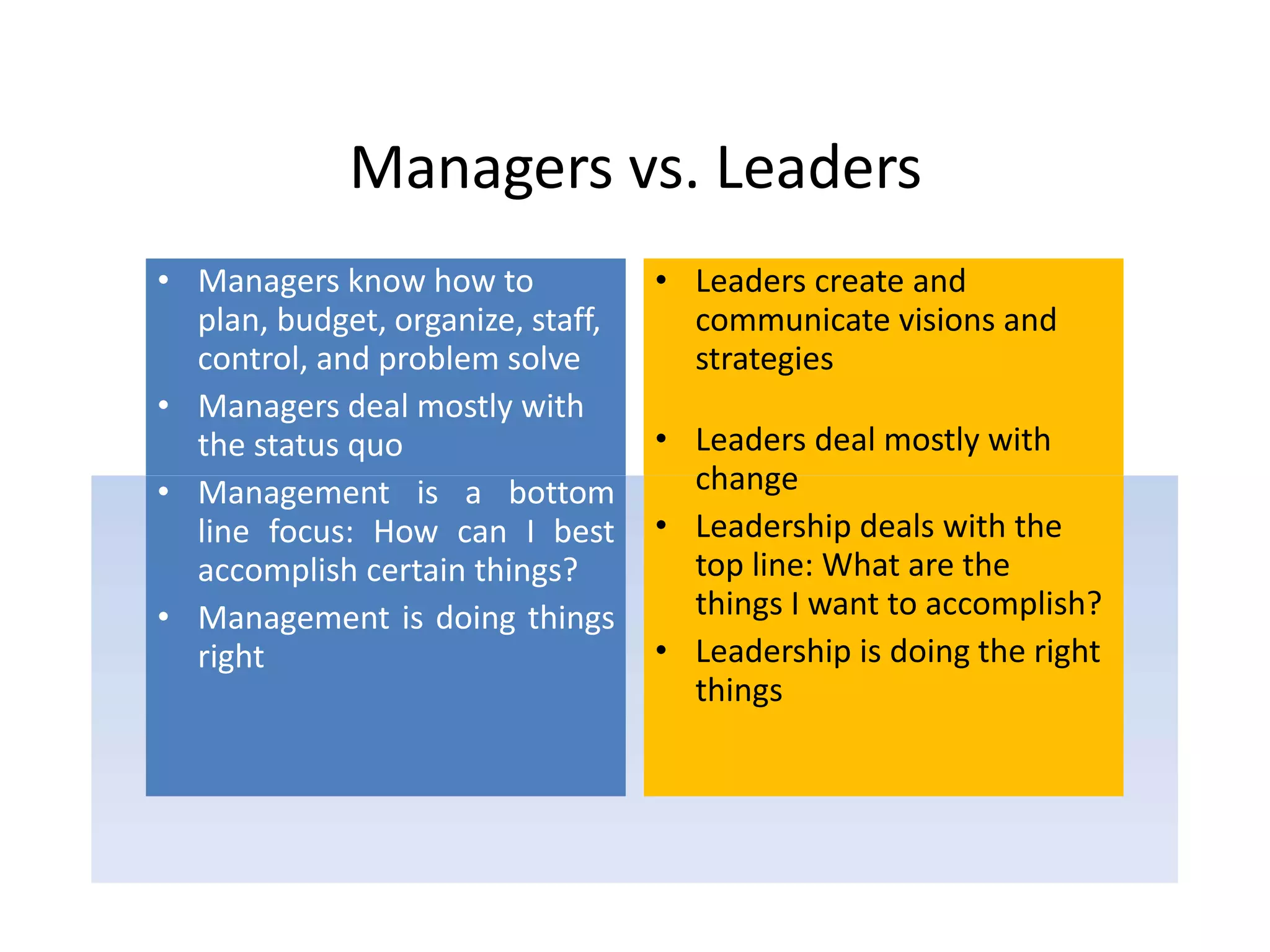
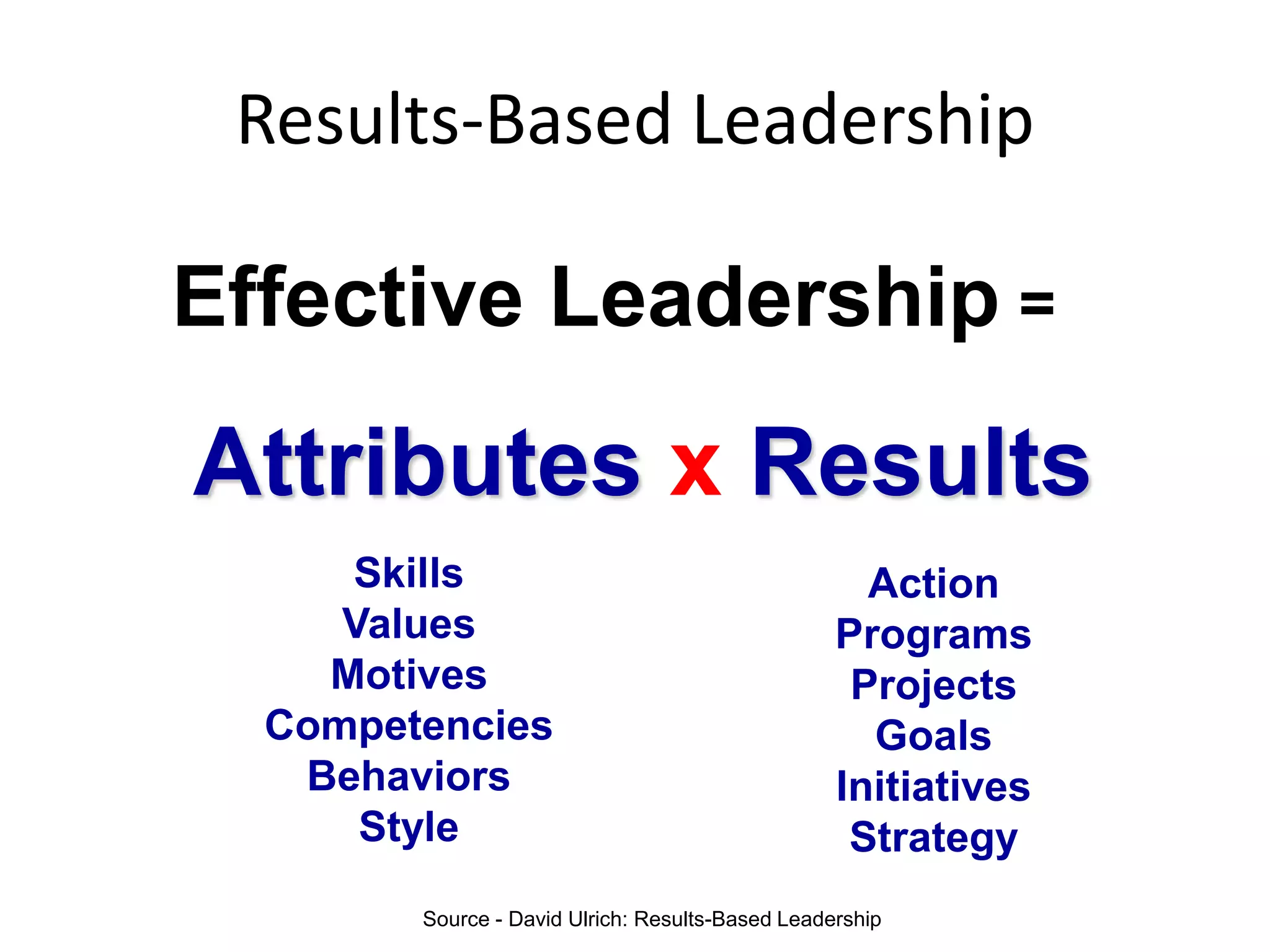


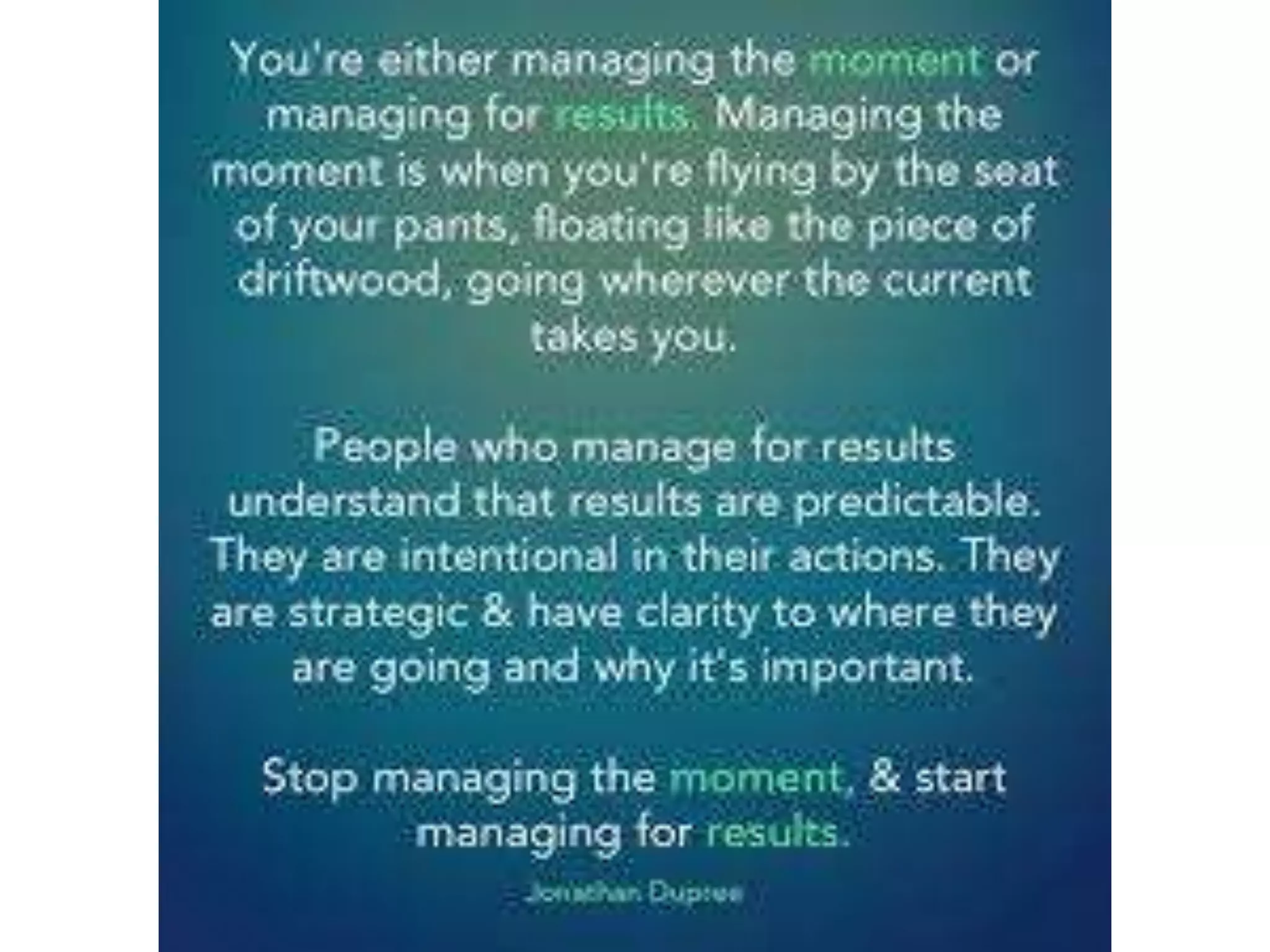
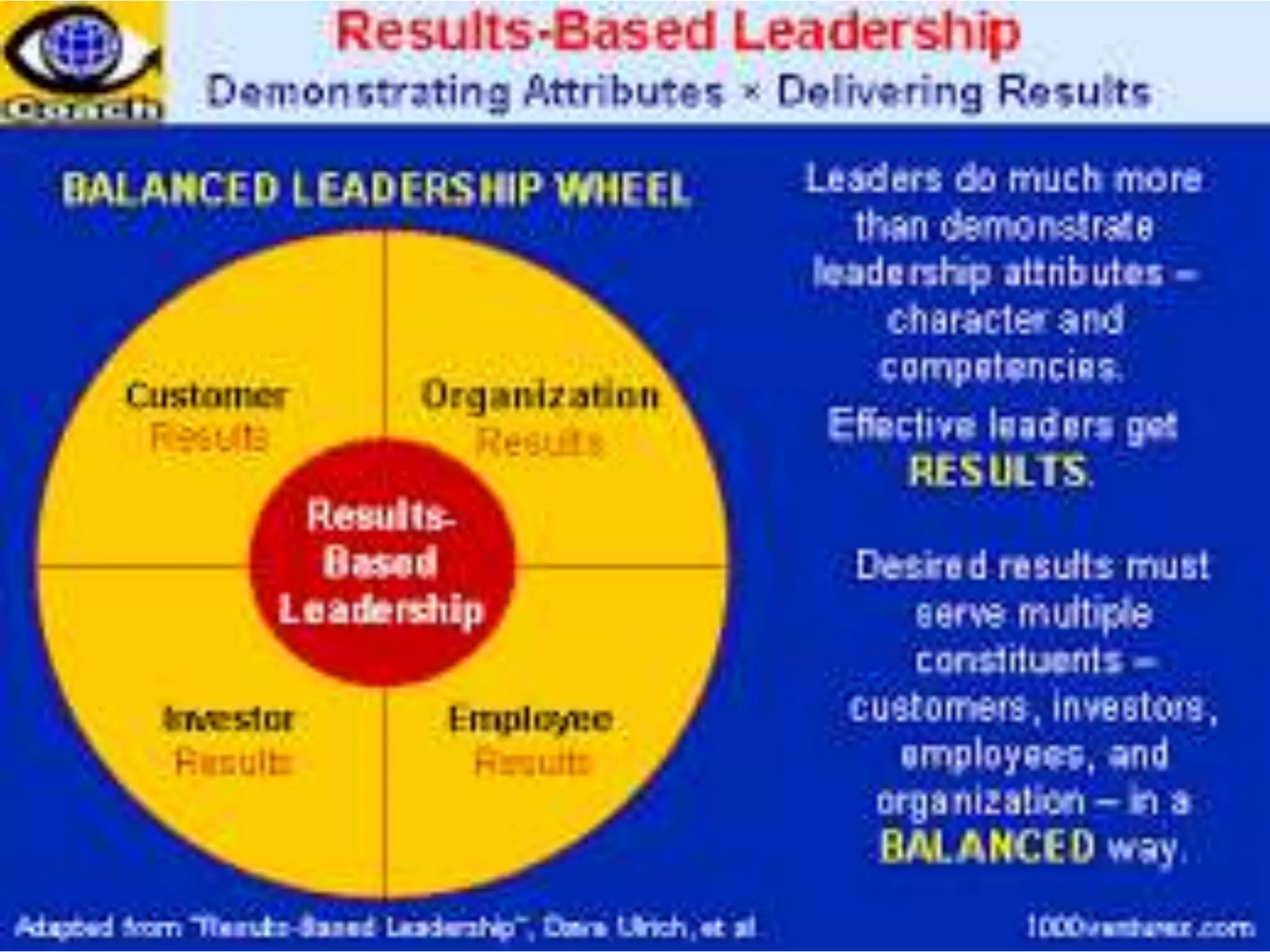
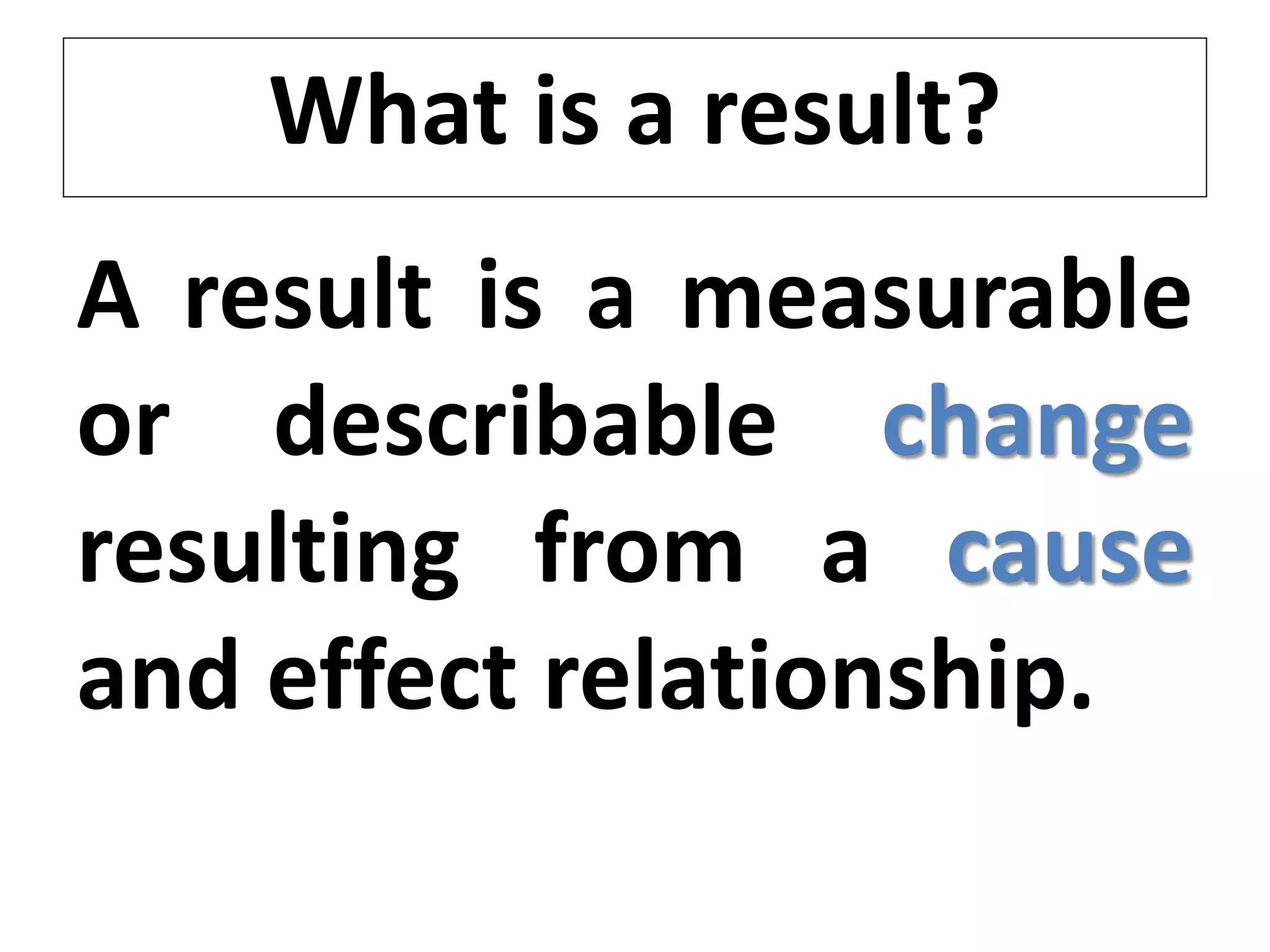
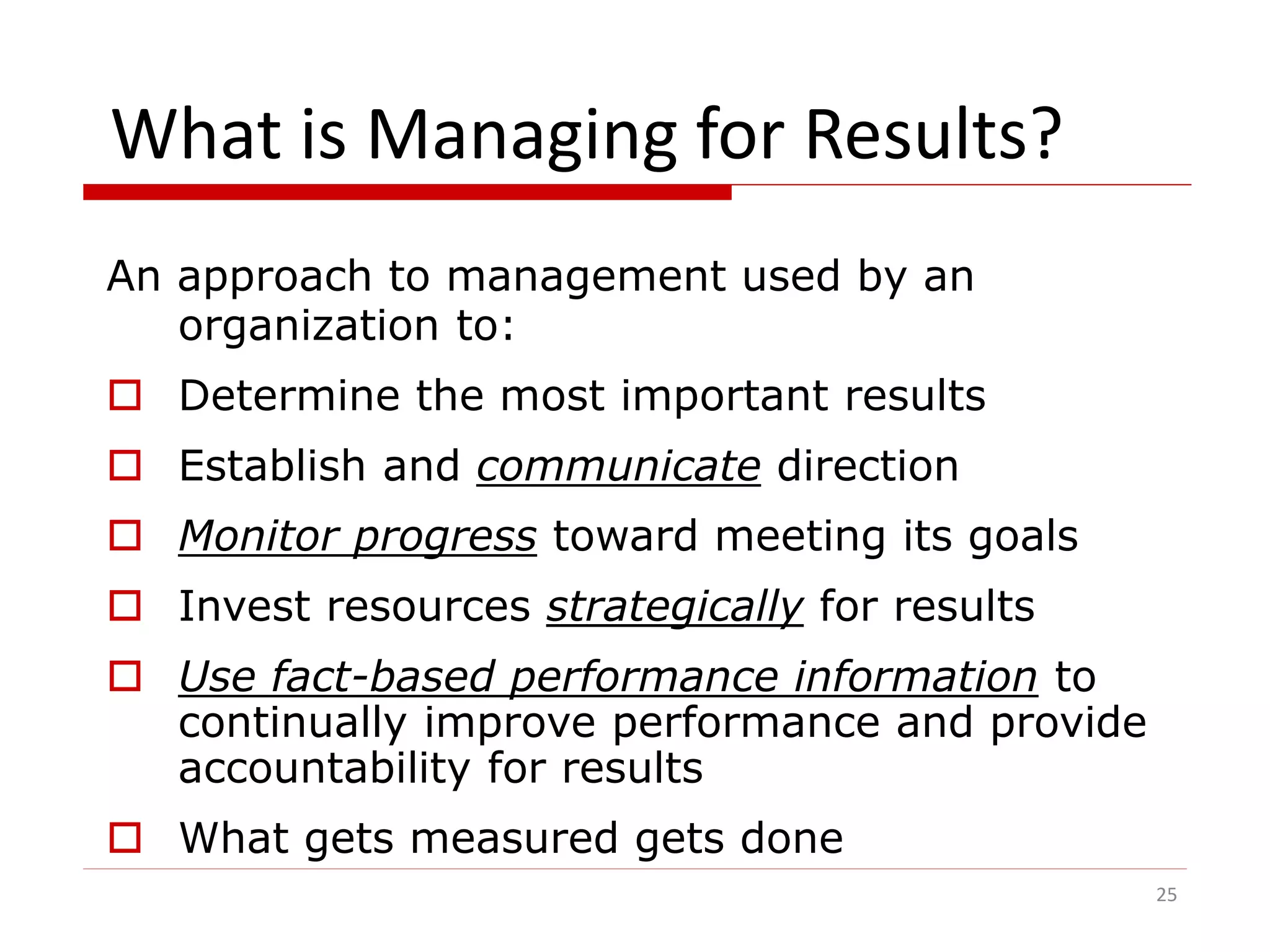
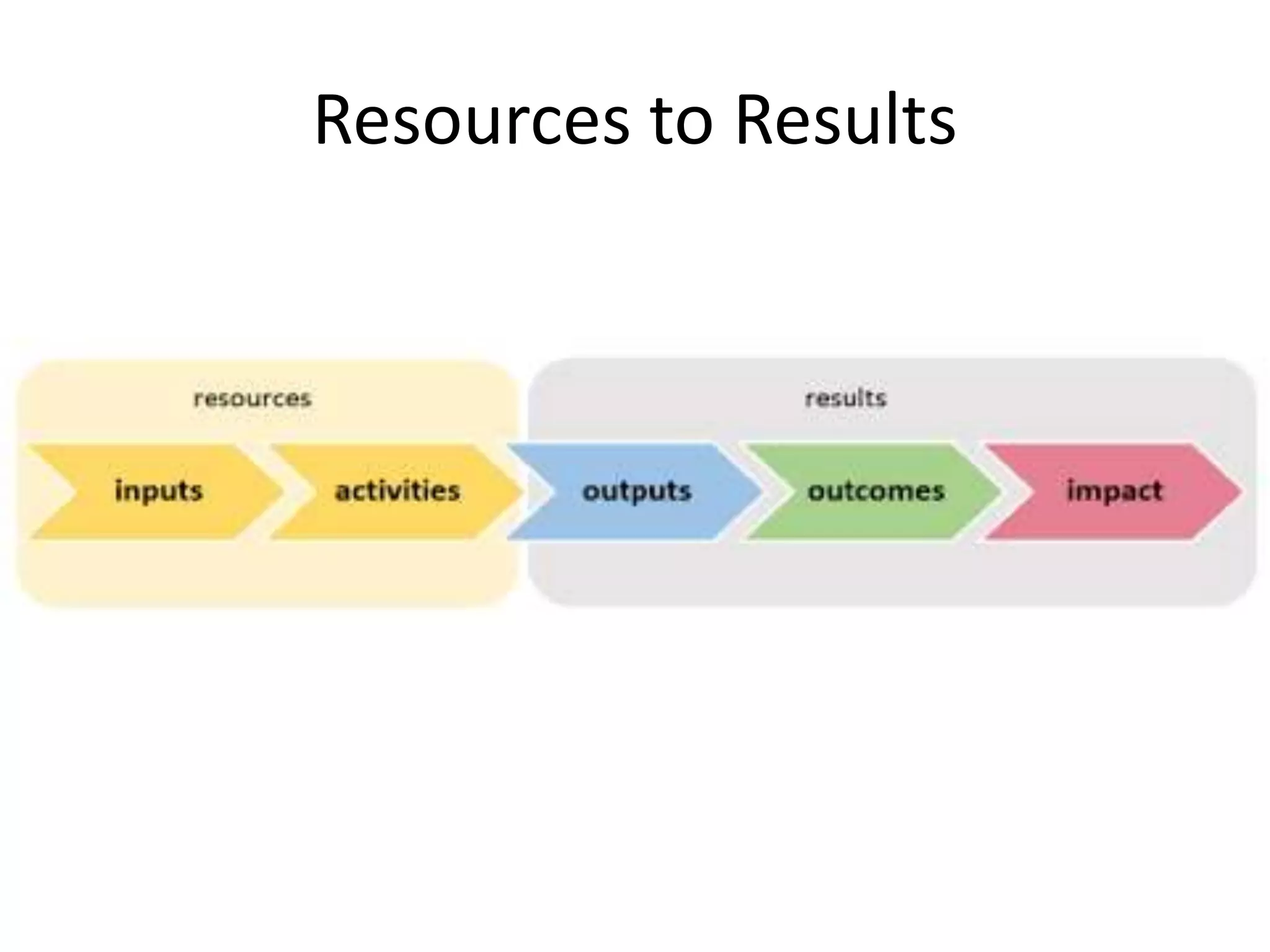
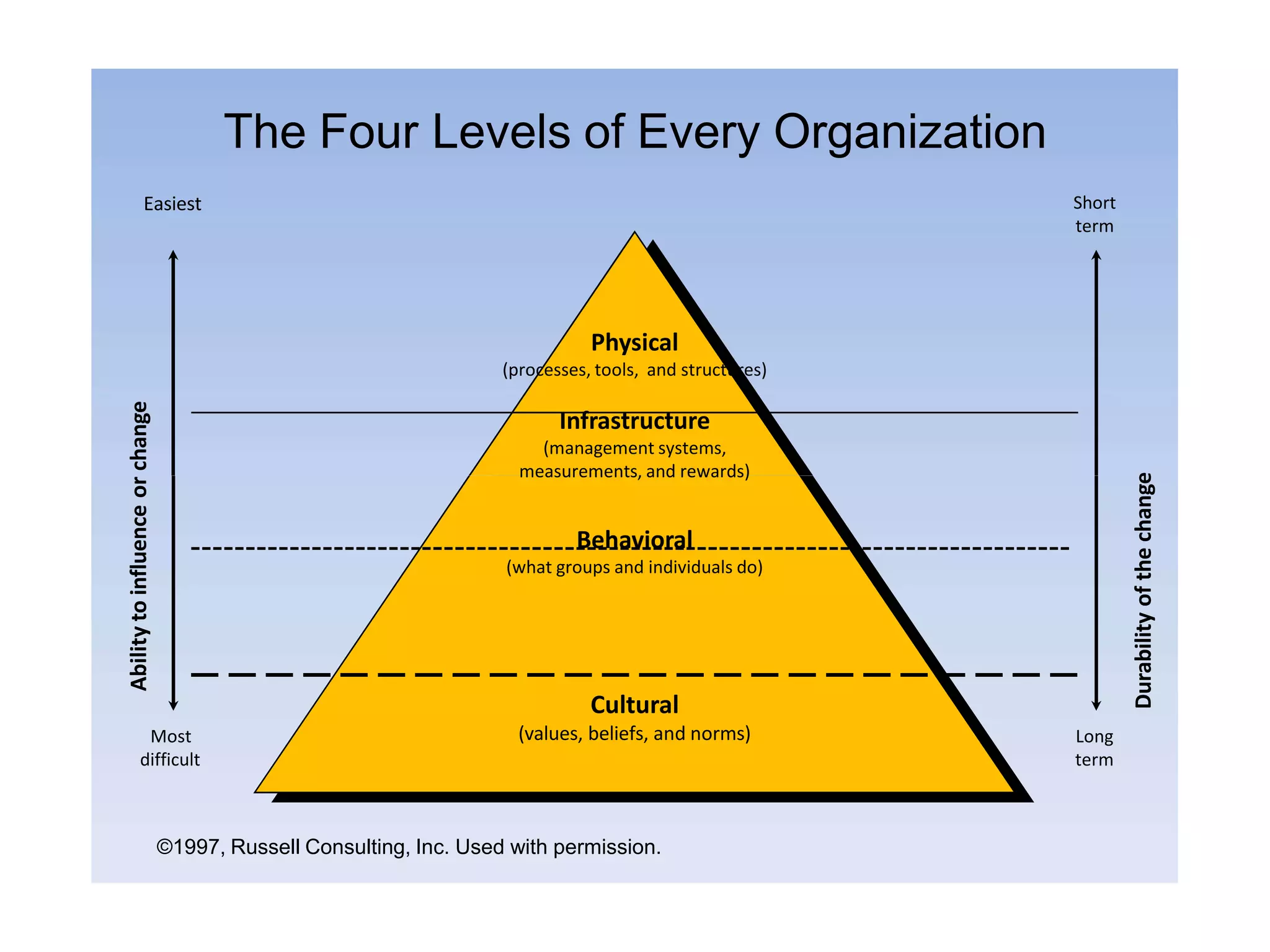
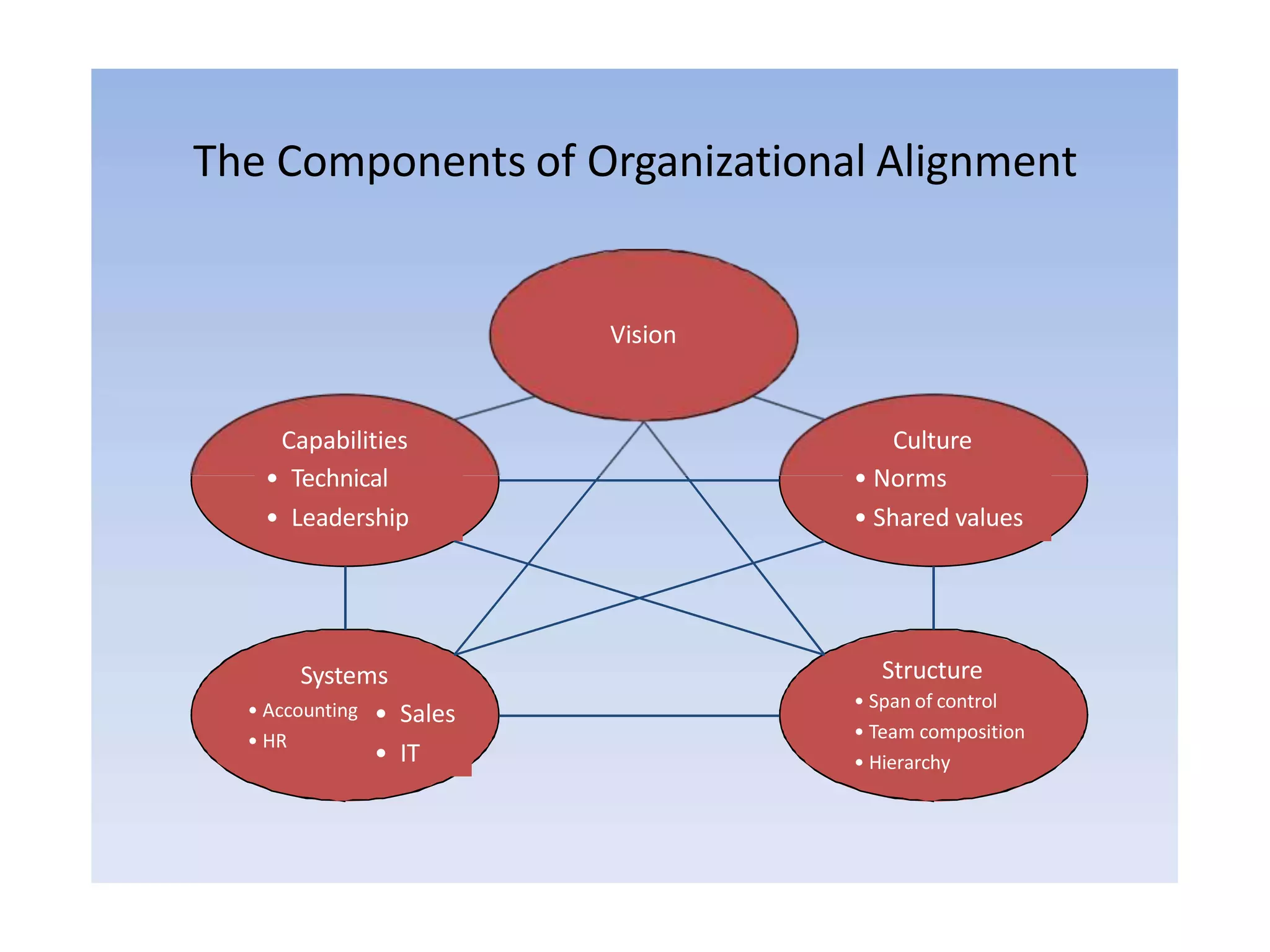
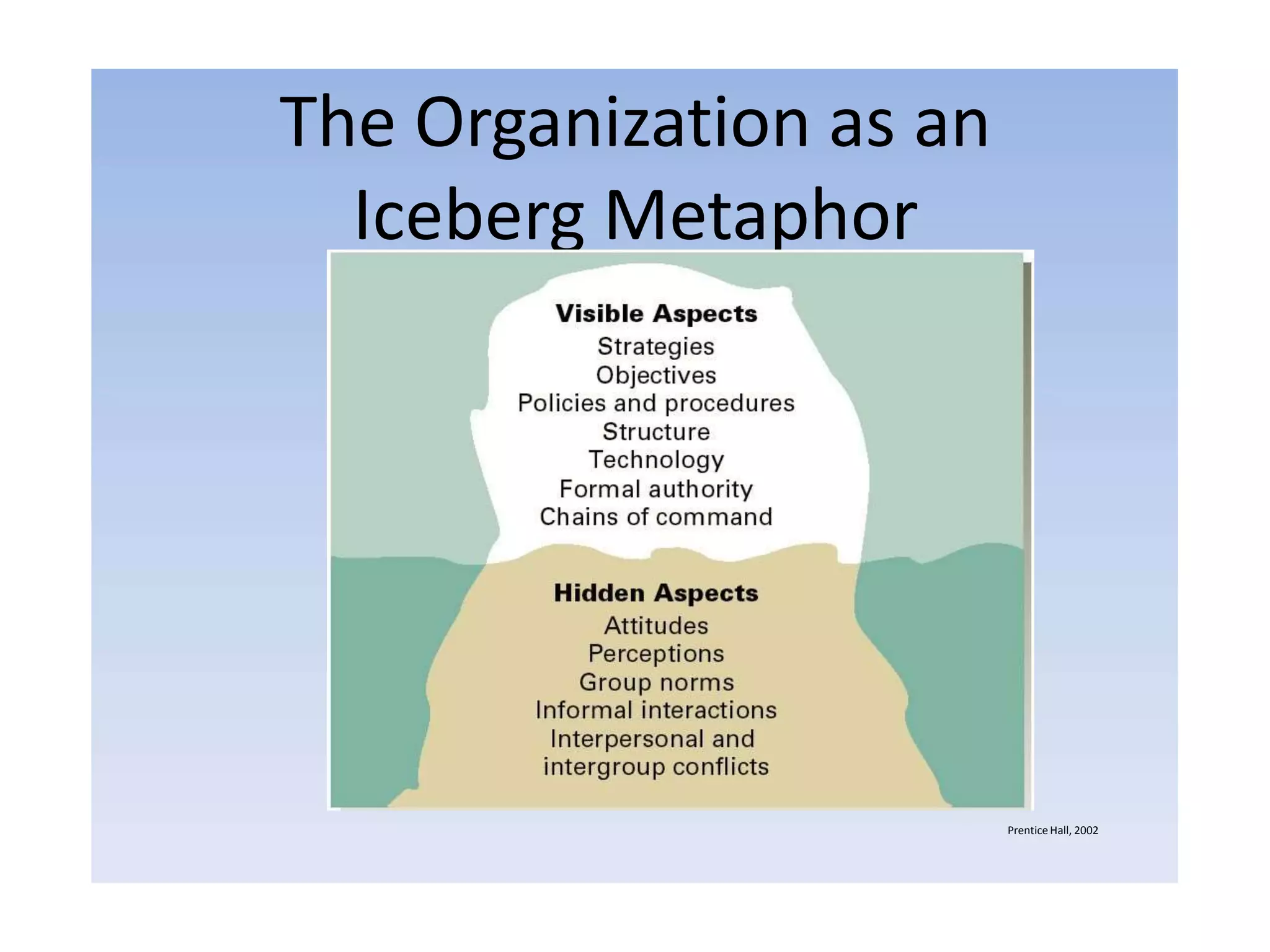

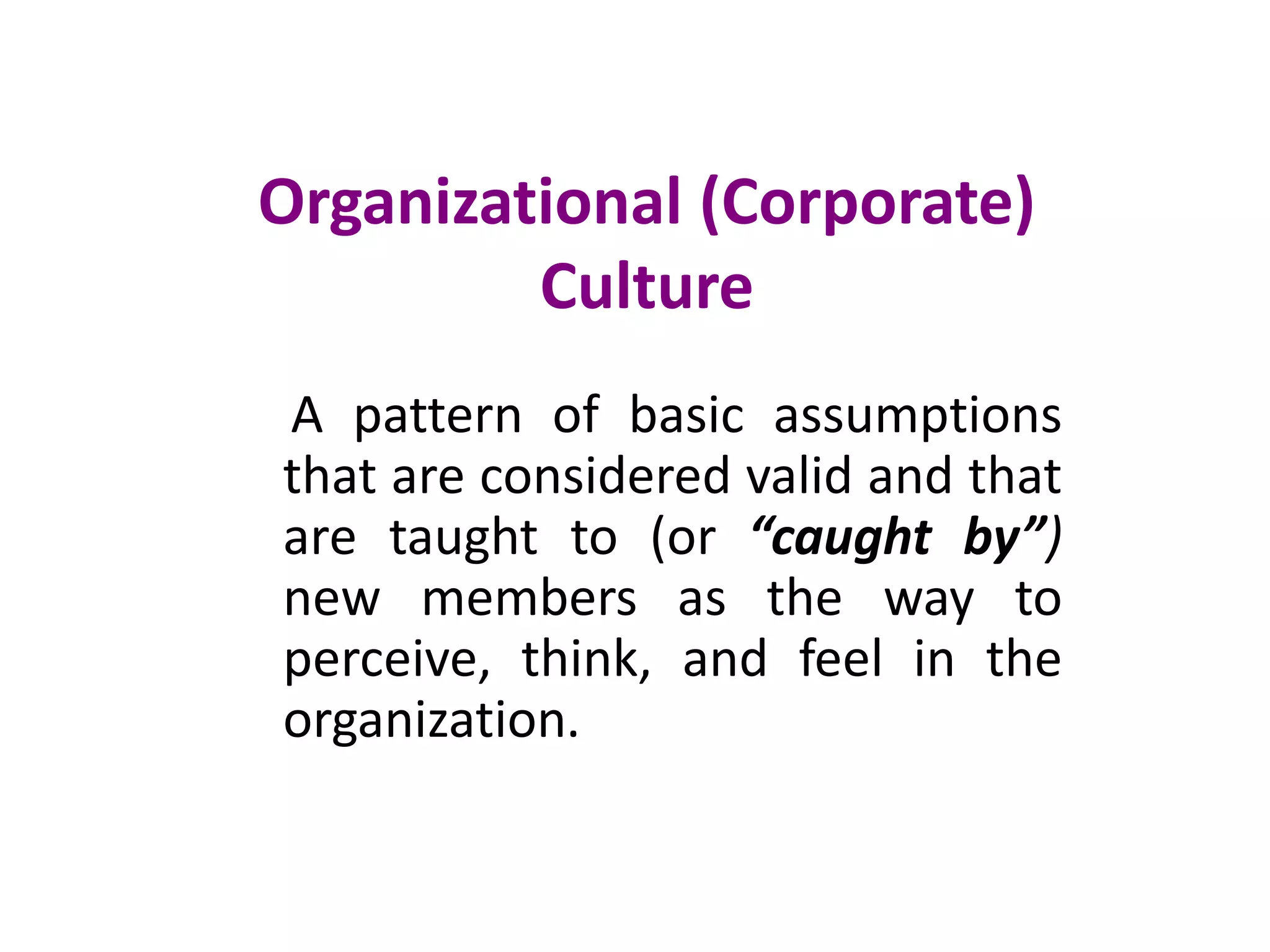
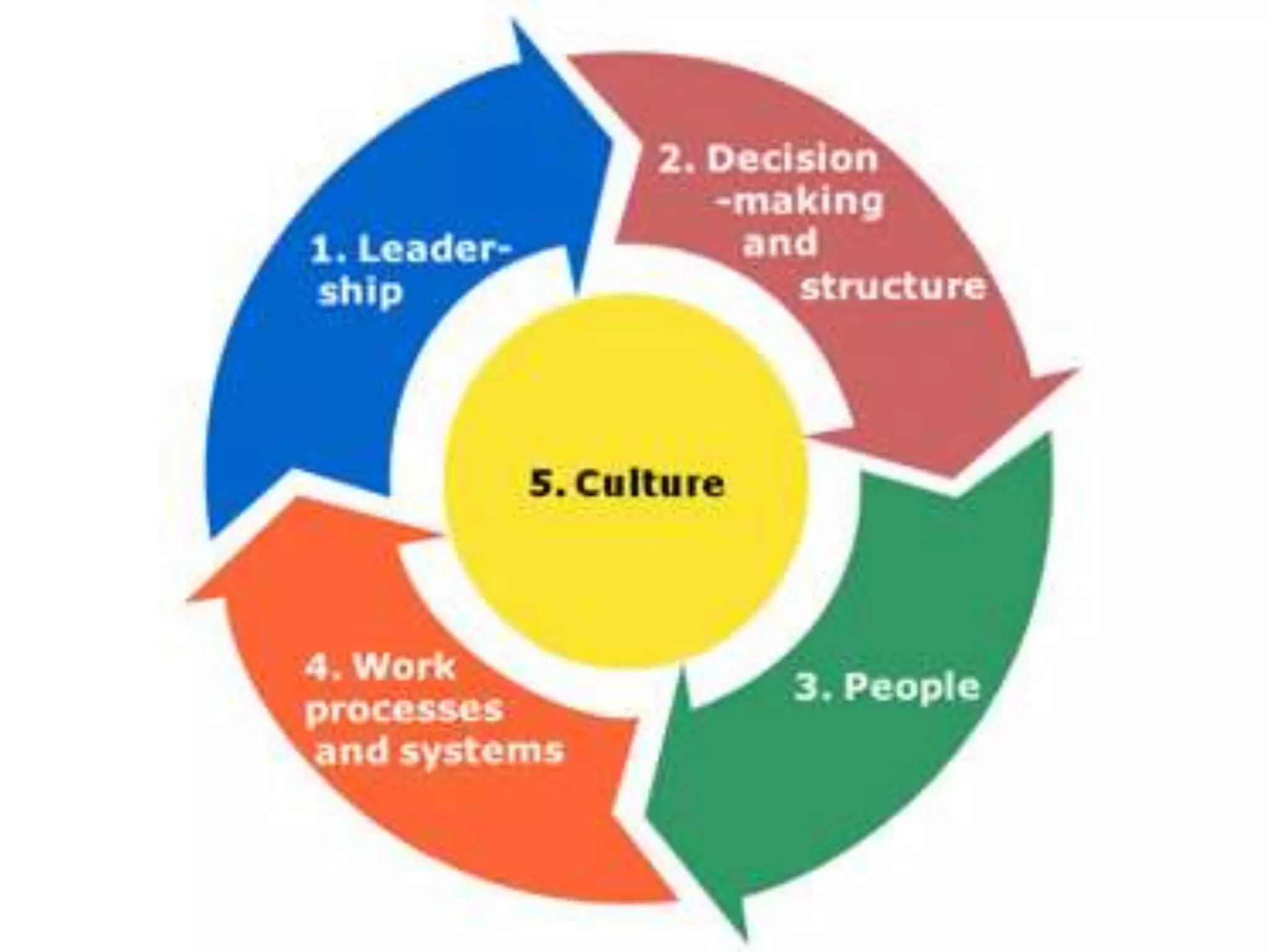
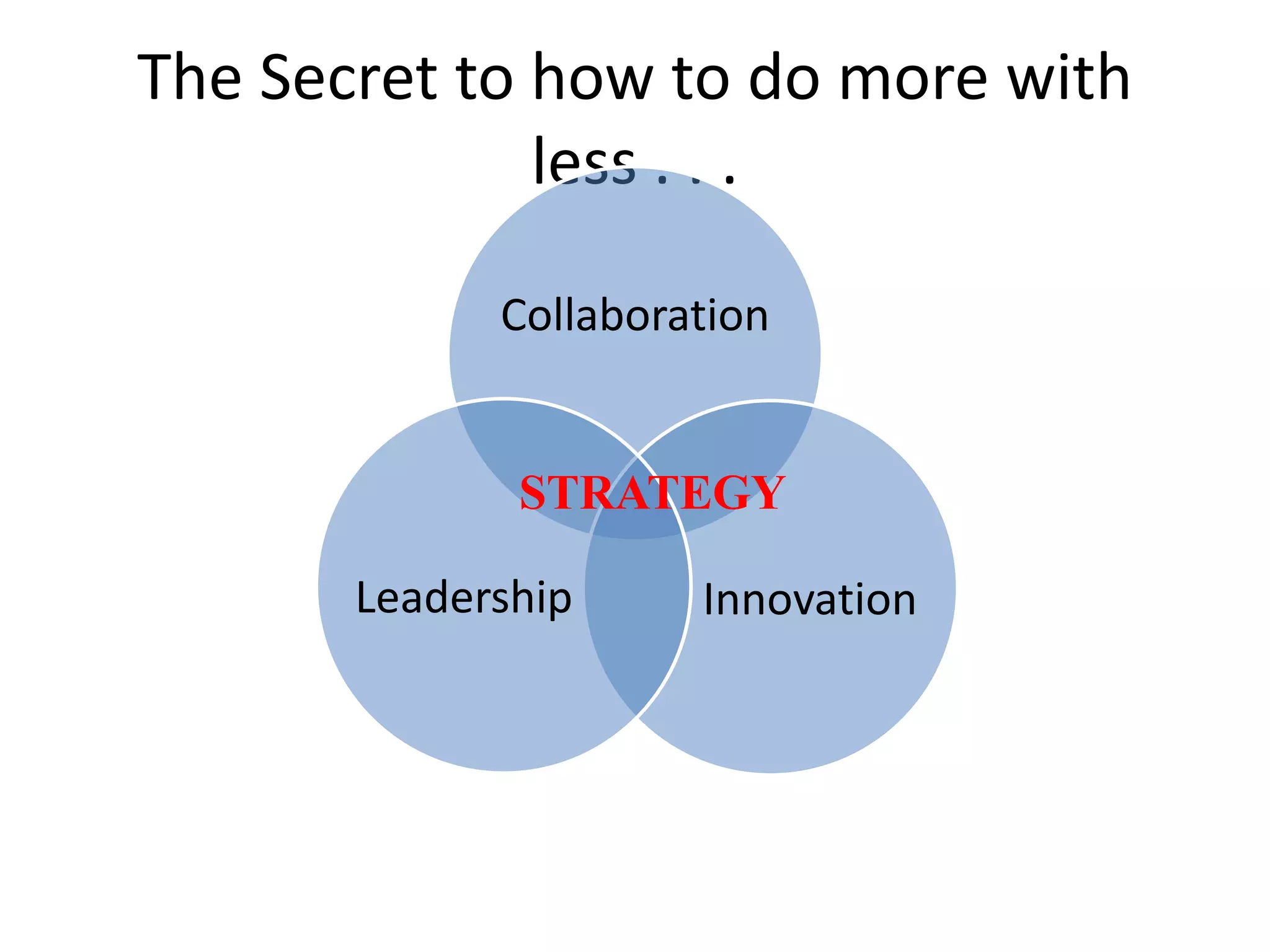


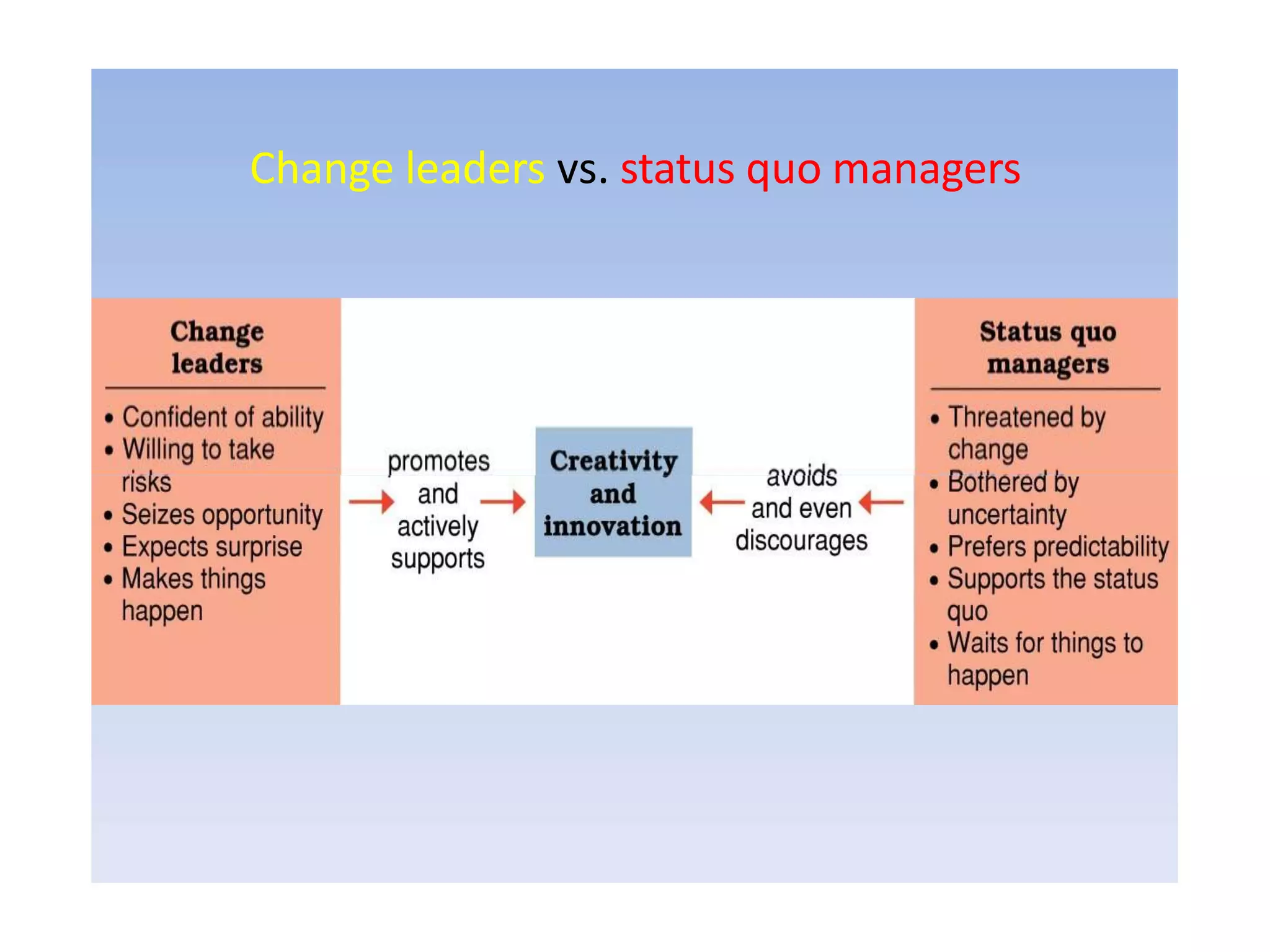
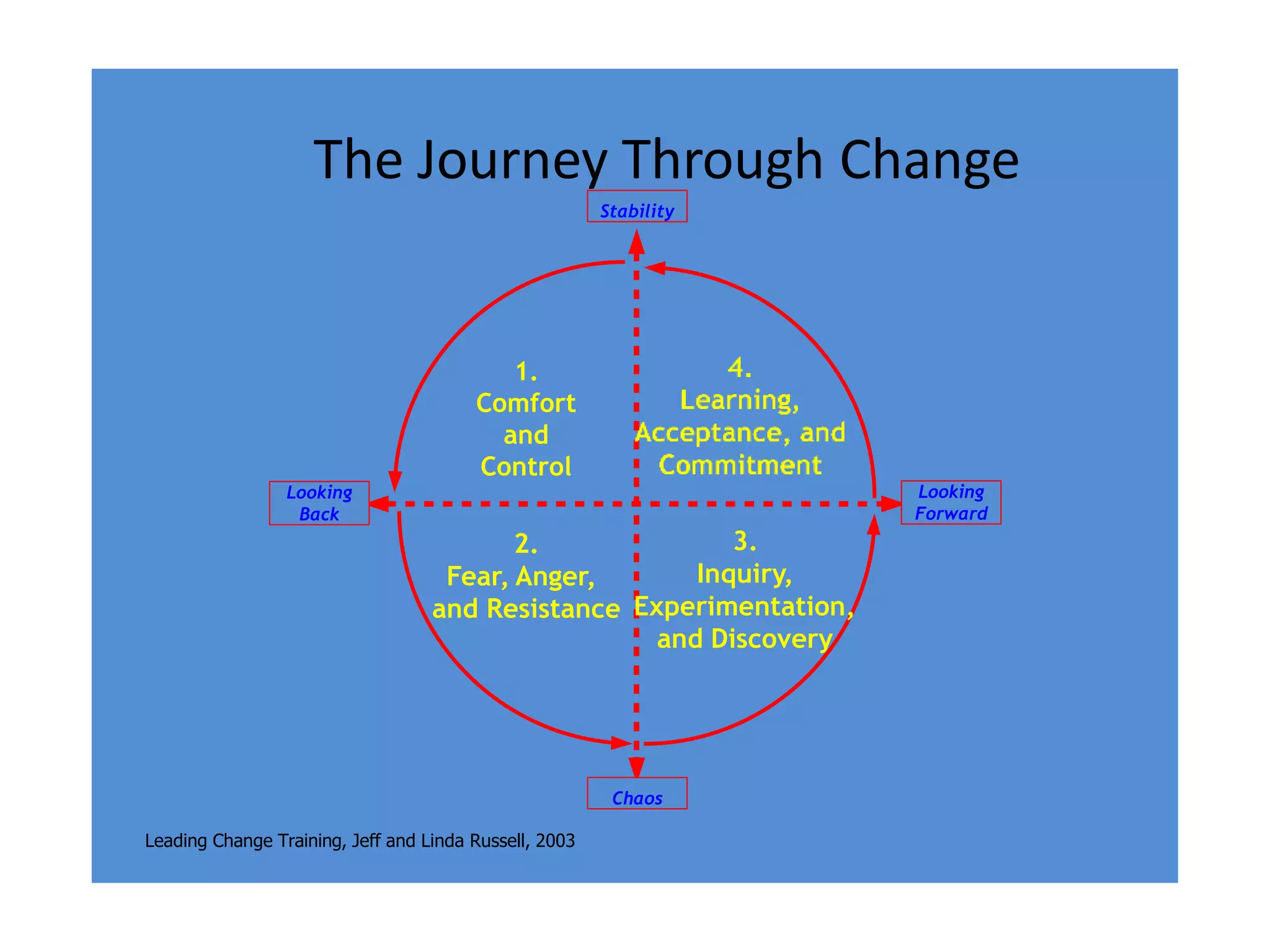

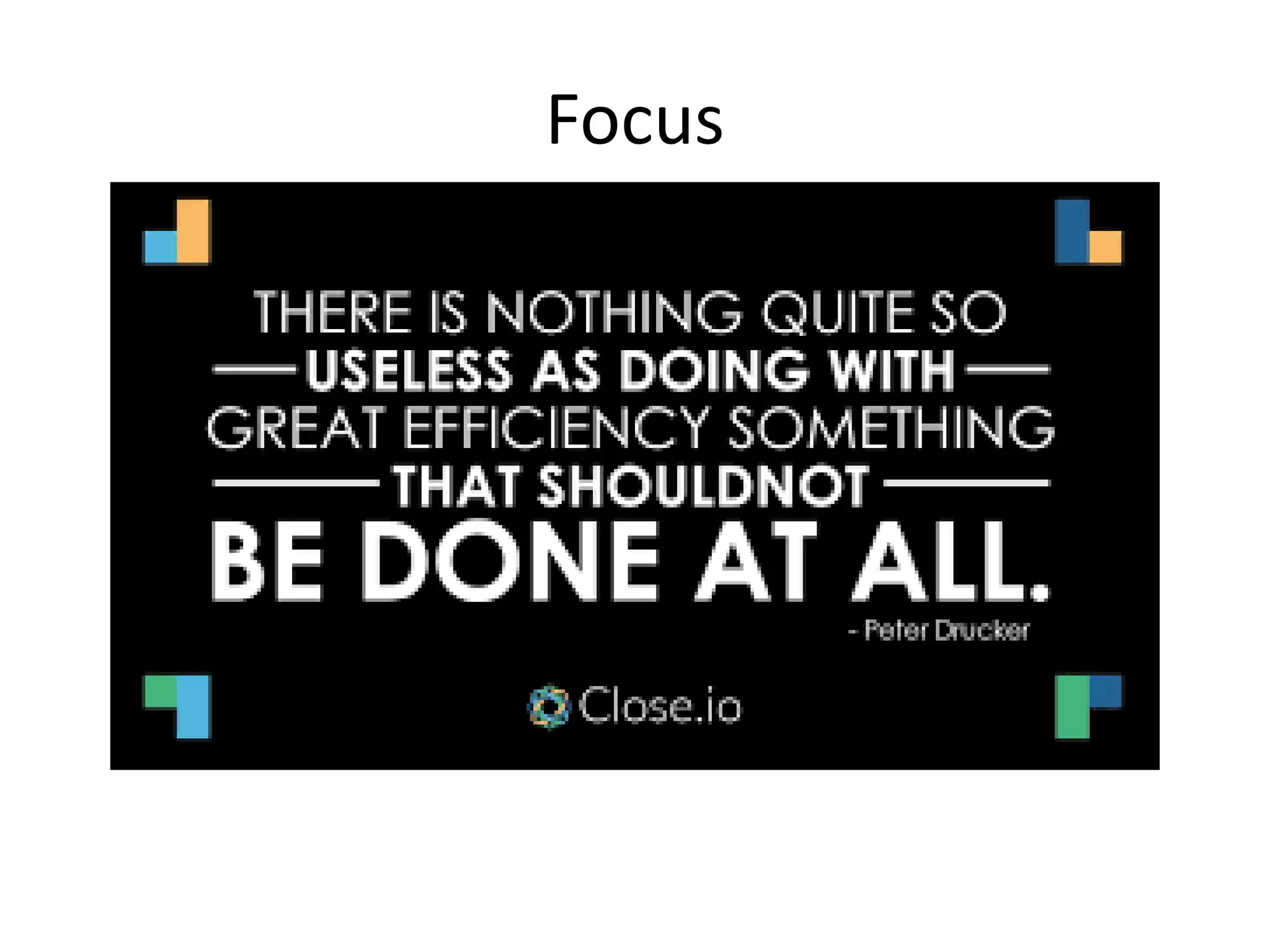
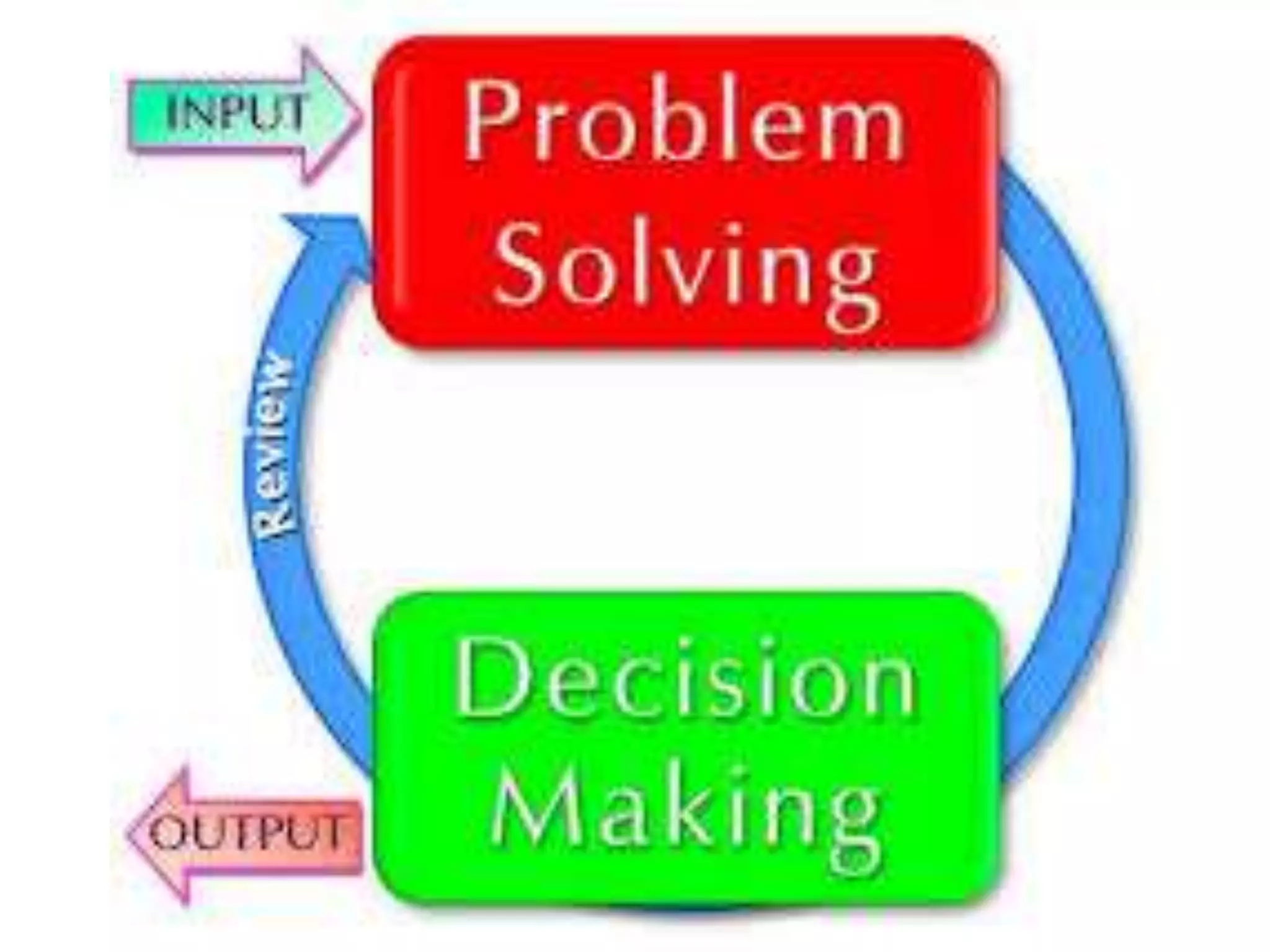
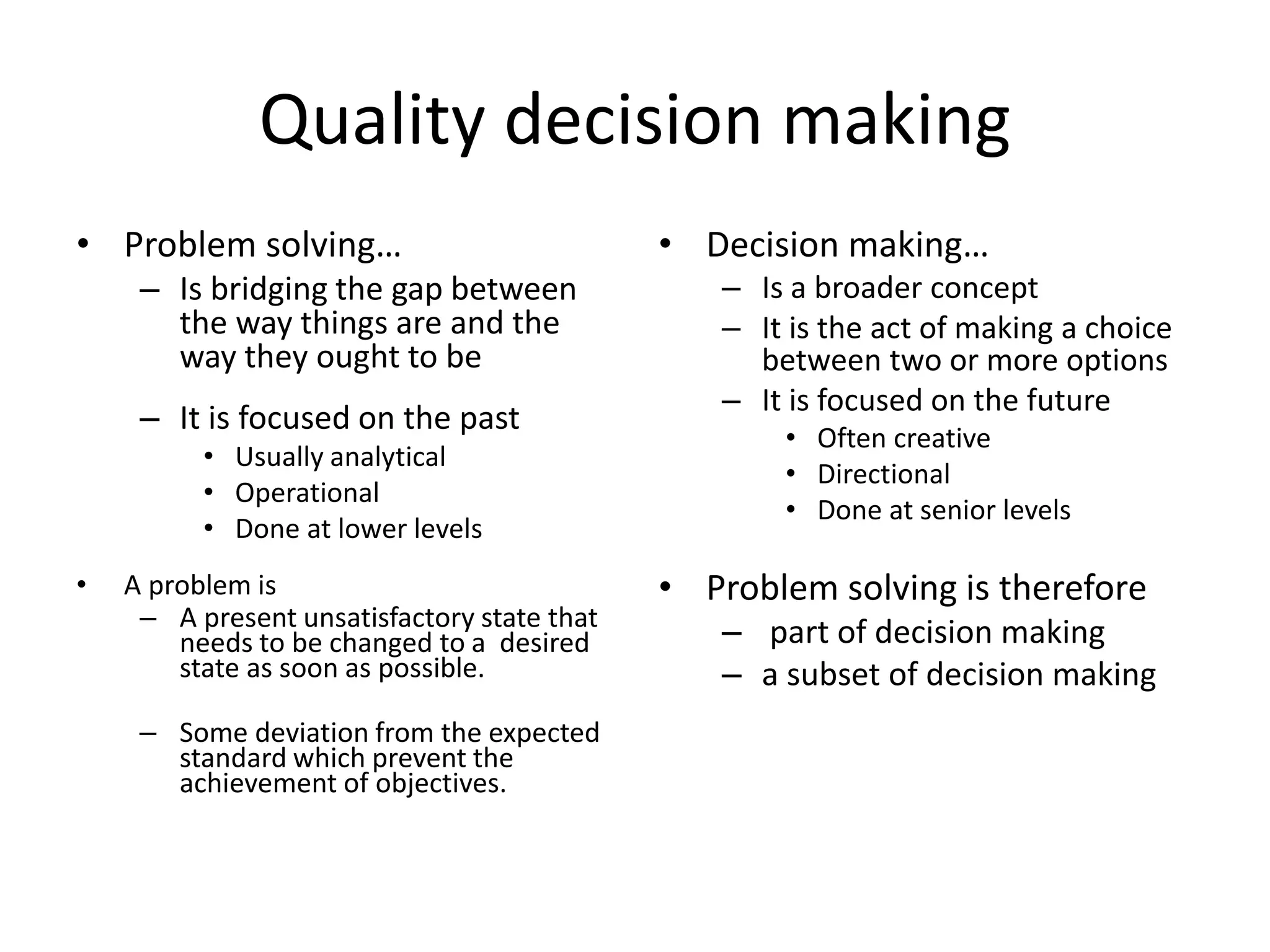



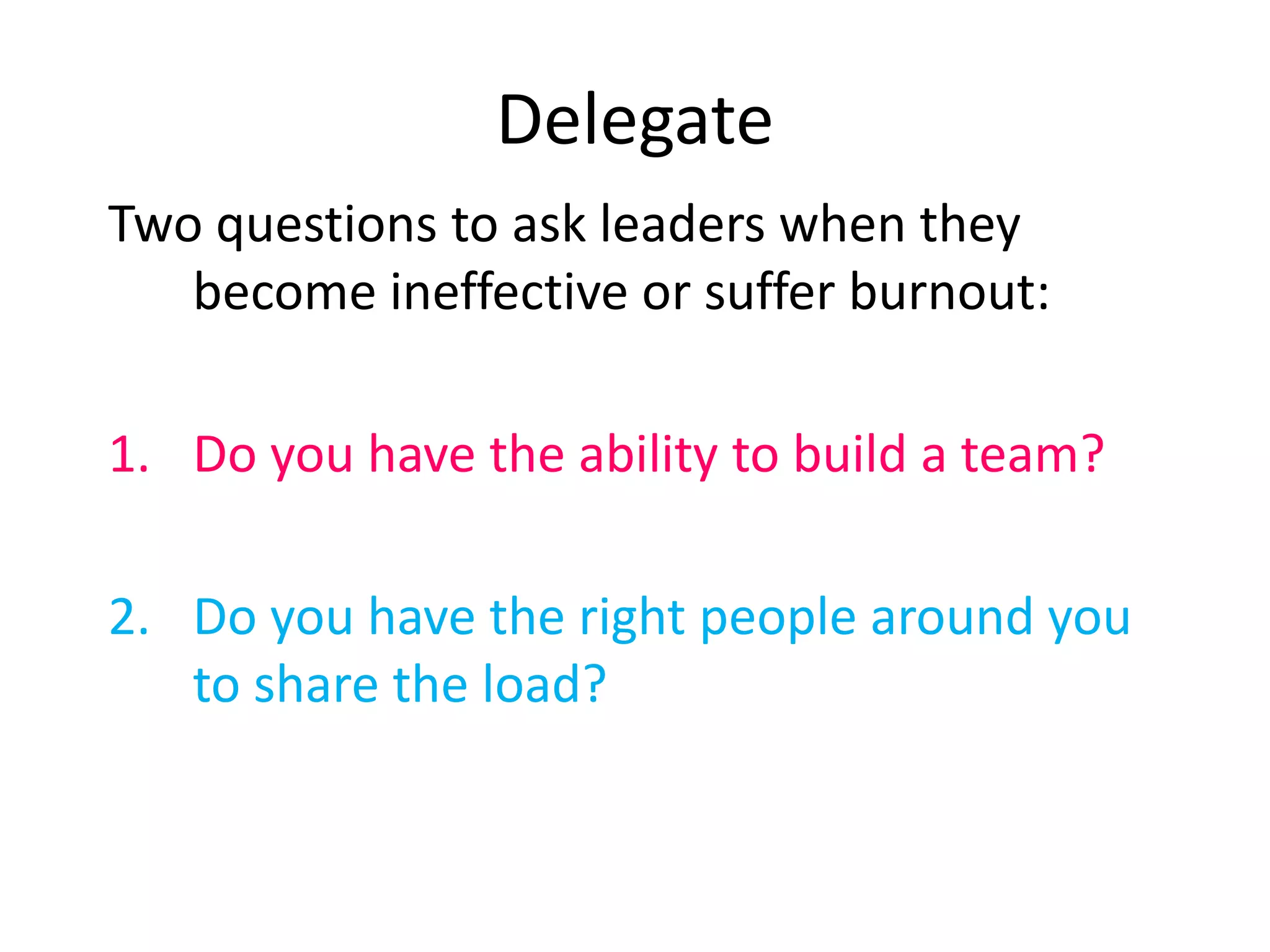

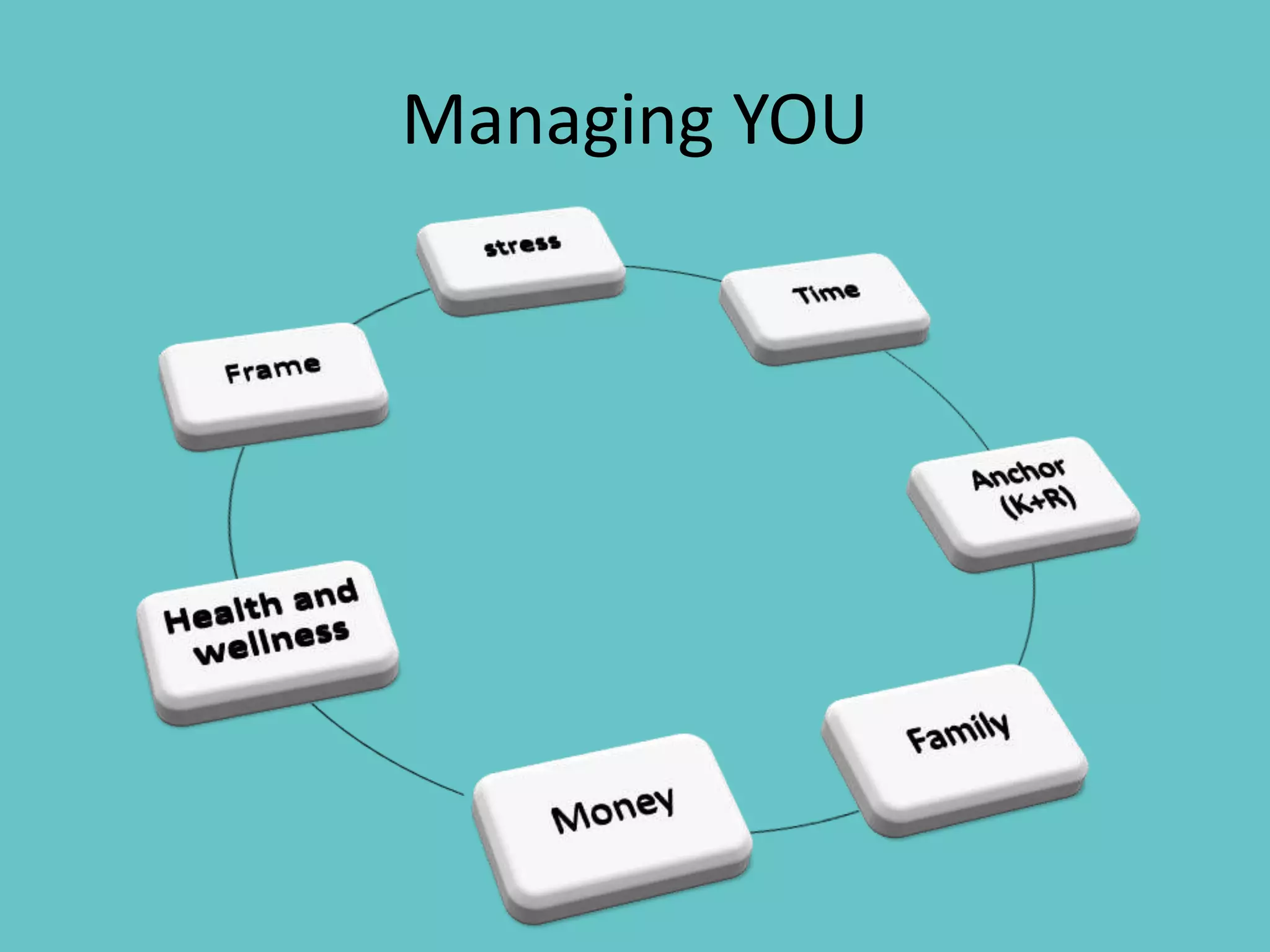
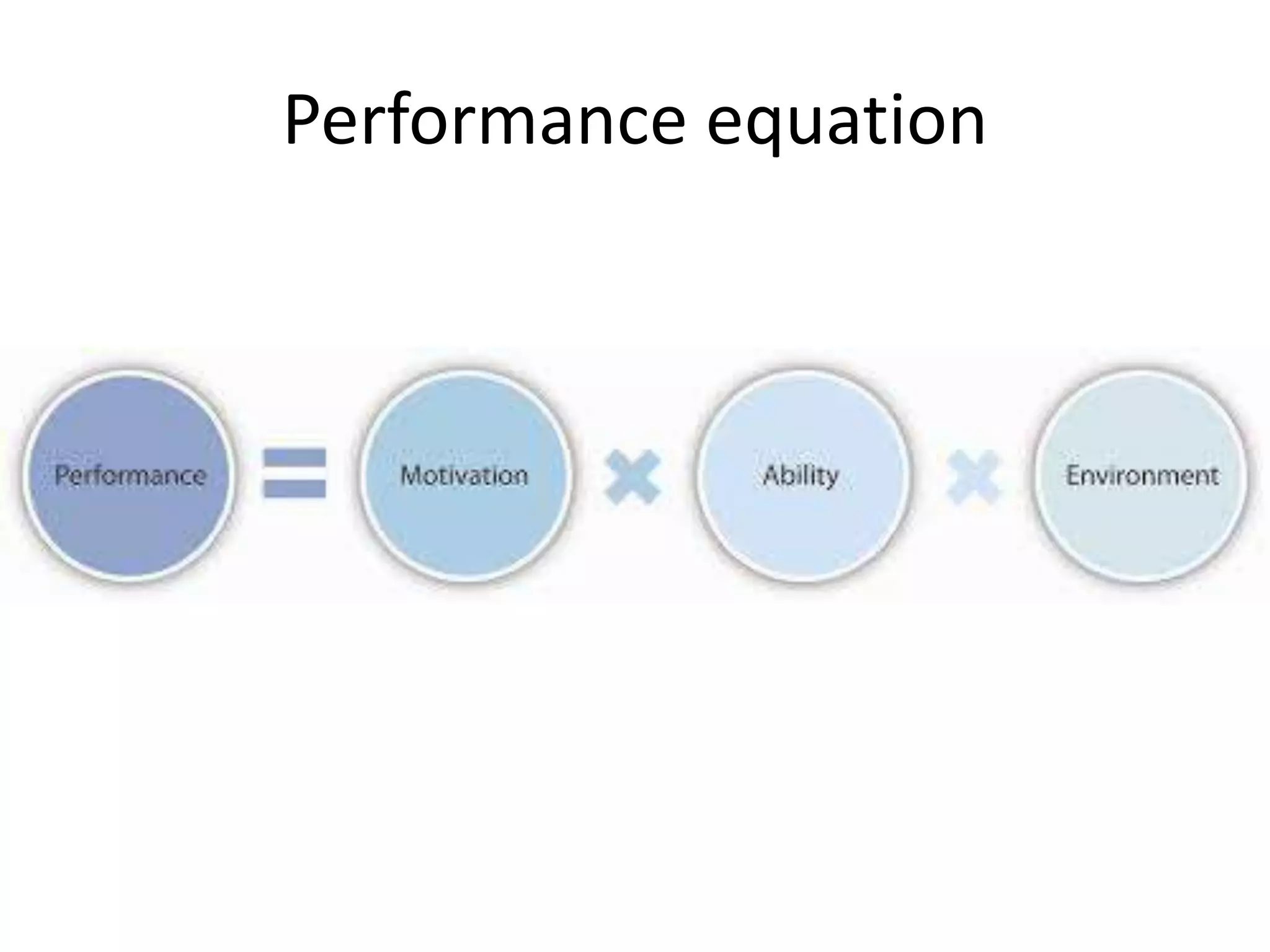



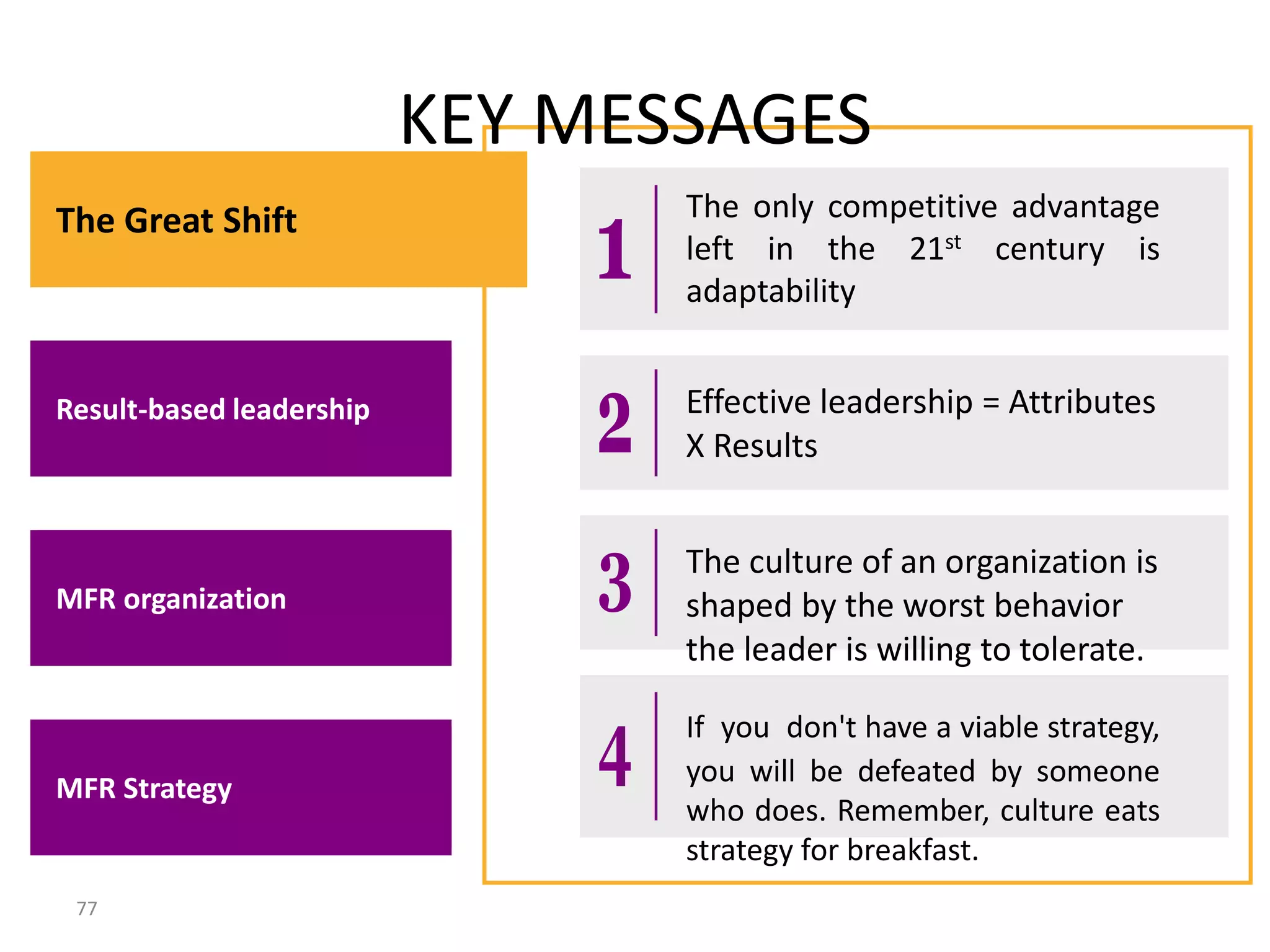
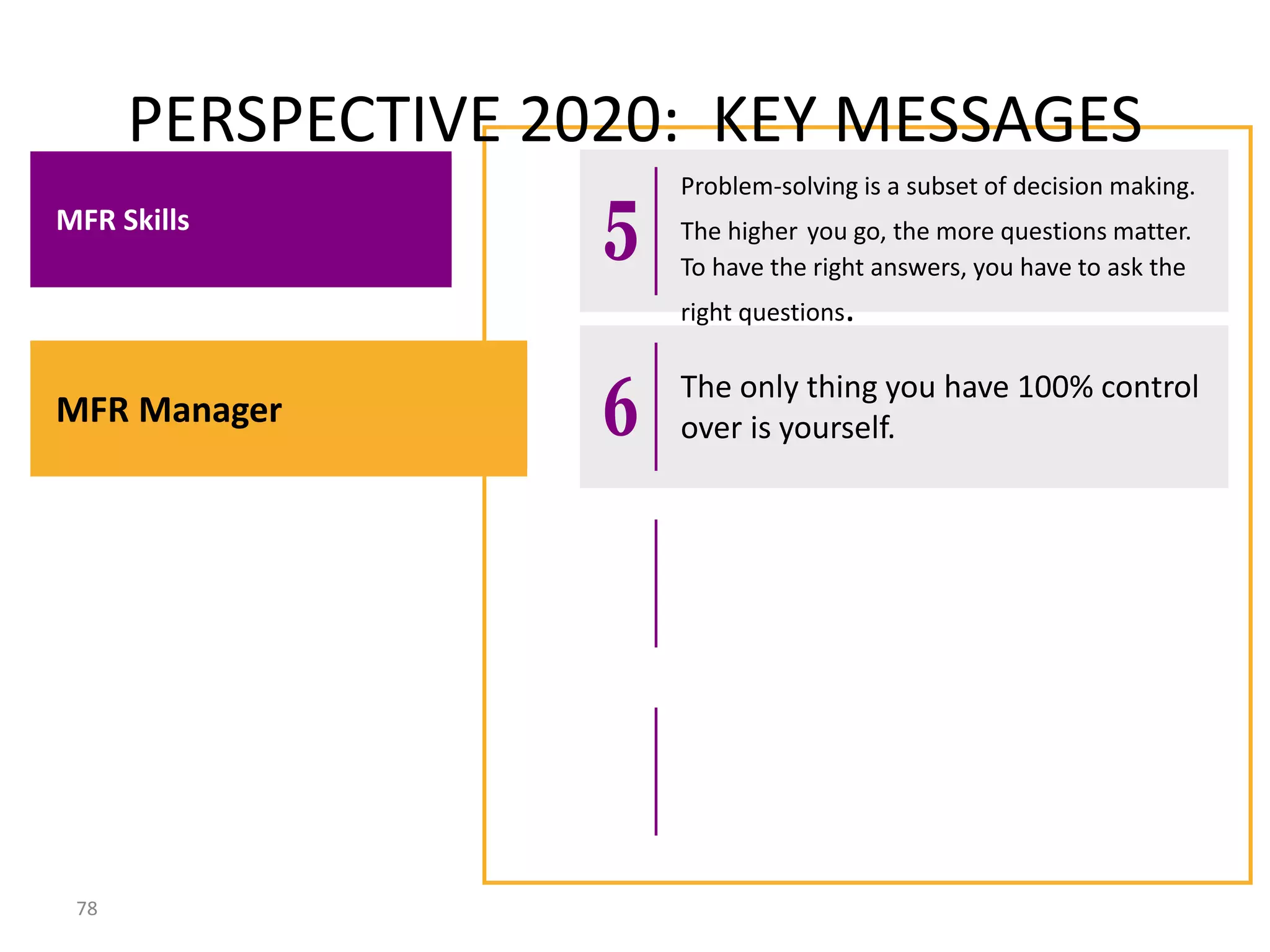
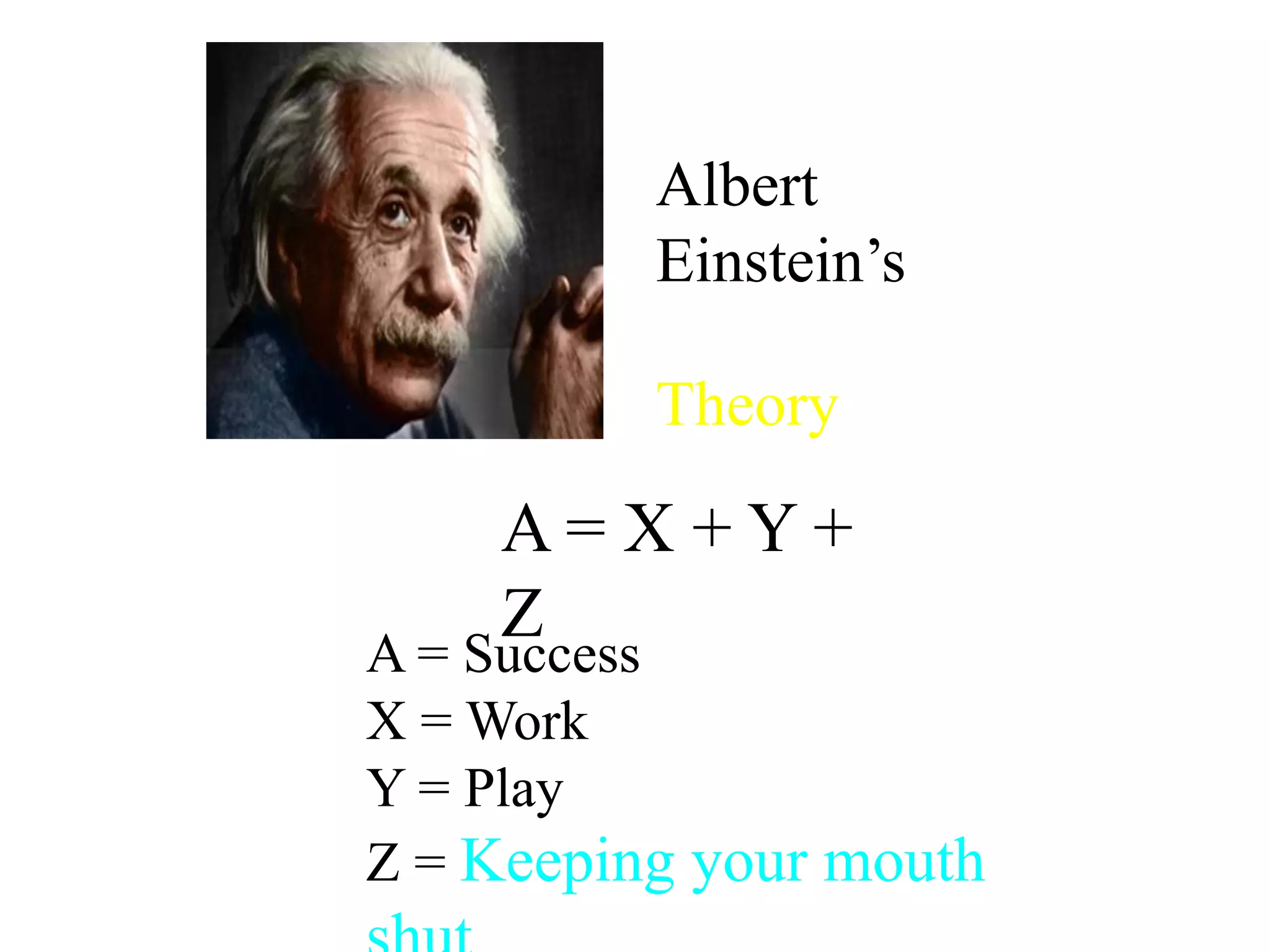


The document summarizes key concepts around leading and managing for results. It discusses: 1) The shift from 20th to 21st century organizations, moving from bureaucratic structures to more flexible, non-bureaucratic structures focused on customers and empowering employees. 2) The difference between leadership which promotes vision and change, and management which promotes stability and problem-solving. Managing for results focuses on determining important goals and using performance data to improve. 3) Important skills for managing for results including synergy, problem-solving, decision-making, delegation, collaboration, change leadership, and focus. 4) How organizations have four levels - cultural, physical, infrastructure, and behavioral - and


![CU_2nd_lecture_24012024_Final_Version3[1].ppt](https://cdn.slidesharecdn.com/ss_thumbnails/cu2ndlecture24012024finalversion31-240131154947-8ae77d7f-thumbnail.jpg?width=640&height=640&fit=bounds)


