FORENSIC TEAM
Introduction
A forensic team is a multidisciplinary group of
professionals who collaborate to investigate and
analyze evidence in order to provide expert opinions
and support legal proceedings.
The makeup of a forensic team can differ based on the
specifics of the case and the resources at hand. This
team may consist of forensic scientists, forensic
investigators, crime scene technicians, digital forensic
analyst, forensic psychologist, and other specialists
depends upon the nature of the case.
The forensic team plays a crucial role in the legal
process by ensuring the accurate and reliable collection,
preservation, and analysis of evidence.
This information is essential for court proceedings.
They are tasked with the technical and general analysis
of physical evidence, employing modern technology,
performing fingerprint comparisons, and conducting
searches for latent prints.
Members and their
Roles
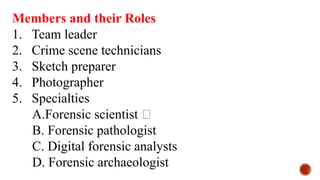
Members and their Roles
1. Team leader
2. Crime scene technicians
3. Sketch preparer
4. Photographer
5. Specialties
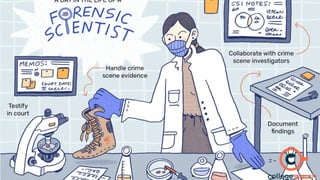
A.Forensic scientist 🥼
B. Forensic pathologist
C. Digital forensic analysts
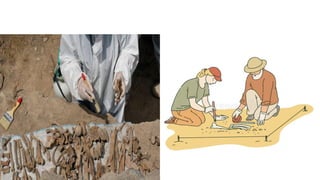
D. Forensic archaeologist
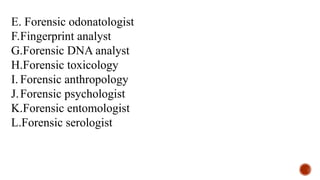
E. Forensic odonatologist
F.Fingerprint analyst
G.Forensic DNA analyst
H.Forensic toxicology
I. Forensic anthropology
J.Forensic psychologist
K.Forensic entomologist
L.Forensic serologist
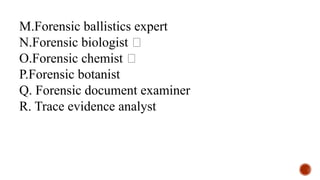
M.Forensic ballistics expert
N.Forensic biologist 🧫
O.Forensic chemist 🧪
P.Forensic botanist
Q. Forensic document examiner
R. Trace evidence analyst
Team leaders :
Leaders within forensic nursing teams are essential for
coordinating efforts, guiding discussions, and
maintaining the team's focus on its goals.
The leader organizes and oversees the team's activities,
ensuring that all members work together efficiently to
provide comprehensive care for patients. They supervise
the assessment, documentation, and treatment of
patients, ensuring that all forensic evidence is collected
appropriately
Crime Scene Technicians:
A forensic professional known as a crime scene
technician conducts analyses of crime scenes within a
laboratory to identify and collect evidence. They
collaborate with the police department and detectives to
understand the sequences of events at a crime scene
Sketch Preparer:
He is responsible for creating an immediate area
diagram and orientation diagram through drawing.
This role involves outlining the essential components
of the sketch evidence, designating and categorizing
the areas to be searched, and informing the team leader
along with all other designated search members about
the identified locations.
Photographers:
The role of photographers)involves documenting the
entire region before entry, which encompasses all
victims, bystanders, and vehicles. They must capture the
scene in its 2 entirety, employing overall, medium, and
close-up shots, and may use a measurement scale as
required.
These photographs are vital pieces of evidence and
should be coordinated with the sketch preparer,
evidence recorder, and evidence recovery team prior to
transfer. It is important to photograph all latent
fingerprints and other impression evidence before any
lifting or casting takes place. A photographic log and
sketch must also be created.
Forensic nursing team members semister 5

Forensic nursing team members semister 5

  • 1.
  • 3.
    Introduction A forensic teamis a multidisciplinary group of professionals who collaborate to investigate and analyze evidence in order to provide expert opinions and support legal proceedings. The makeup of a forensic team can differ based on the specifics of the case and the resources at hand. This team may consist of forensic scientists, forensic investigators, crime scene technicians, digital forensic analyst, forensic psychologist, and other specialists depends upon the nature of the case.
  • 4.
    The forensic teamplays a crucial role in the legal process by ensuring the accurate and reliable collection, preservation, and analysis of evidence. This information is essential for court proceedings. They are tasked with the technical and general analysis of physical evidence, employing modern technology, performing fingerprint comparisons, and conducting searches for latent prints.
  • 5.
  • 6.
    Members and theirRoles 1. Team leader 2. Crime scene technicians 3. Sketch preparer 4. Photographer 5. Specialties A.Forensic scientist 🥼 B. Forensic pathologist C. Digital forensic analysts D. Forensic archaeologist
  • 7.
    E. Forensic odonatologist F.Fingerprintanalyst G.Forensic DNA analyst H.Forensic toxicology I. Forensic anthropology J.Forensic psychologist K.Forensic entomologist L.Forensic serologist
  • 8.
    M.Forensic ballistics expert N.Forensicbiologist 🧫 O.Forensic chemist 🧪 P.Forensic botanist Q. Forensic document examiner R. Trace evidence analyst
  • 9.
    Team leaders : Leaderswithin forensic nursing teams are essential for coordinating efforts, guiding discussions, and maintaining the team's focus on its goals. The leader organizes and oversees the team's activities, ensuring that all members work together efficiently to provide comprehensive care for patients. They supervise the assessment, documentation, and treatment of patients, ensuring that all forensic evidence is collected appropriately
  • 10.
    Crime Scene Technicians: Aforensic professional known as a crime scene technician conducts analyses of crime scenes within a laboratory to identify and collect evidence. They collaborate with the police department and detectives to understand the sequences of events at a crime scene
  • 11.
    Sketch Preparer: He isresponsible for creating an immediate area diagram and orientation diagram through drawing. This role involves outlining the essential components of the sketch evidence, designating and categorizing the areas to be searched, and informing the team leader along with all other designated search members about the identified locations.
  • 12.
    Photographers: The role ofphotographers)involves documenting the entire region before entry, which encompasses all victims, bystanders, and vehicles. They must capture the scene in its 2 entirety, employing overall, medium, and close-up shots, and may use a measurement scale as required.
  • 13.
    These photographs arevital pieces of evidence and should be coordinated with the sketch preparer, evidence recorder, and evidence recovery team prior to transfer. It is important to photograph all latent fingerprints and other impression evidence before any lifting or casting takes place. A photographic log and sketch must also be created.