L 200 LECTURE
IMMUNOLOGIC TESTING
METHODS/FLOW CYTOMETRY
FLOW
CYTOMETRY
INTRODUCTION
AIM
• At the end of the lecture, students should
understand the meaning, principle and application
of Flow Cytometry in the diagnosis of diseases.
• SPECIFIC OBJECTIVES
• For students to understand the principle of Flow
Cytometry.
SPECIFIC OBJECTIVES cont.
• For students to know the cellular parameters
measurable by Flow Cytometry.
• For students to know the various components of the
Flow Cytometer and the role of each component.
• For students to know the diversity in the use of Flow
Cytometry in the medical laboratory setting.
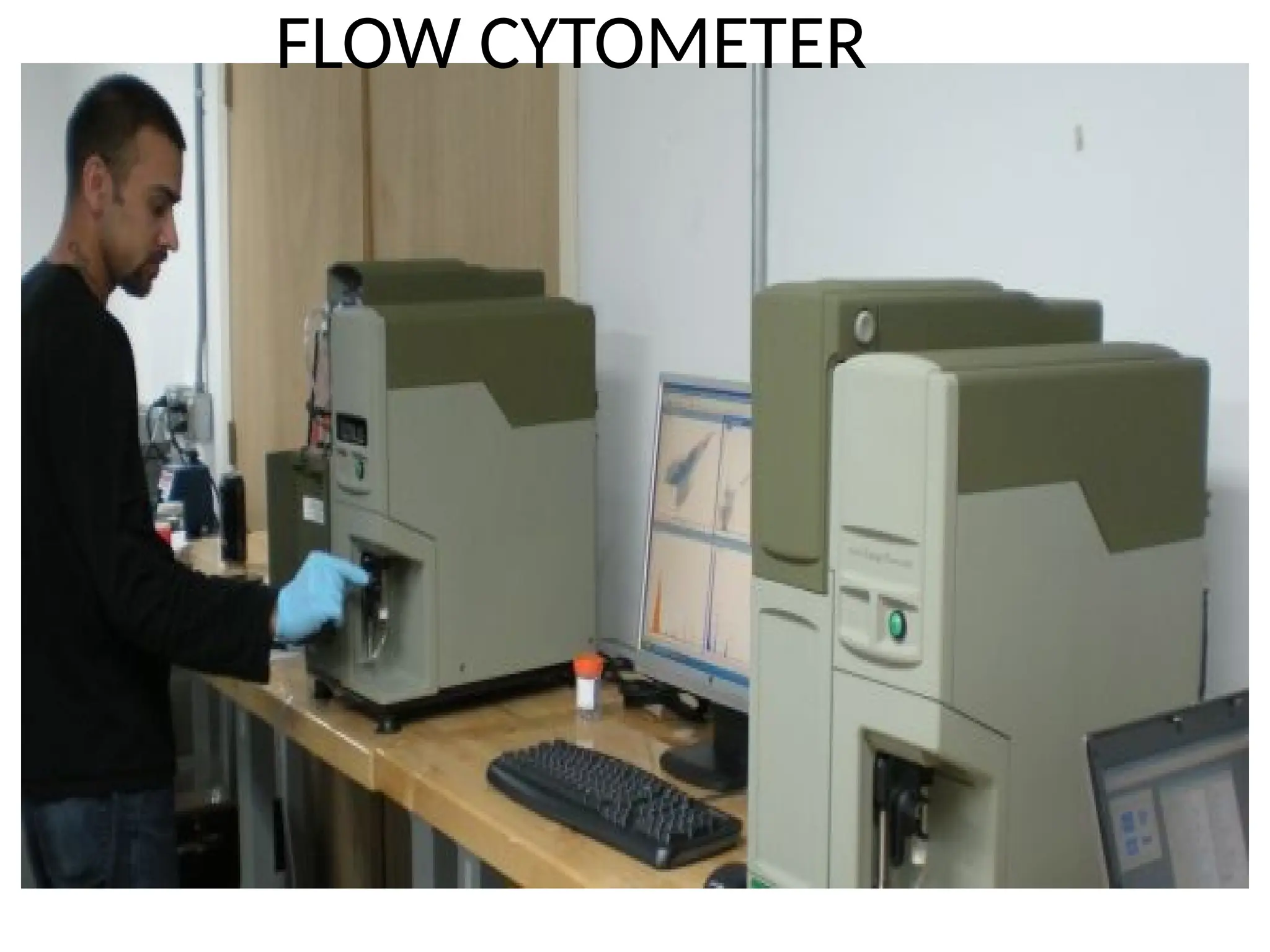
FLOW CYTOMETER
What Is Flow Cytometry?
Flow ~ (cells) in motion
Cyto ~ cell
Metry ~ measure
Measuring the properties of cells moving in a
fluid stream.
The Principle of Flow Cytometry
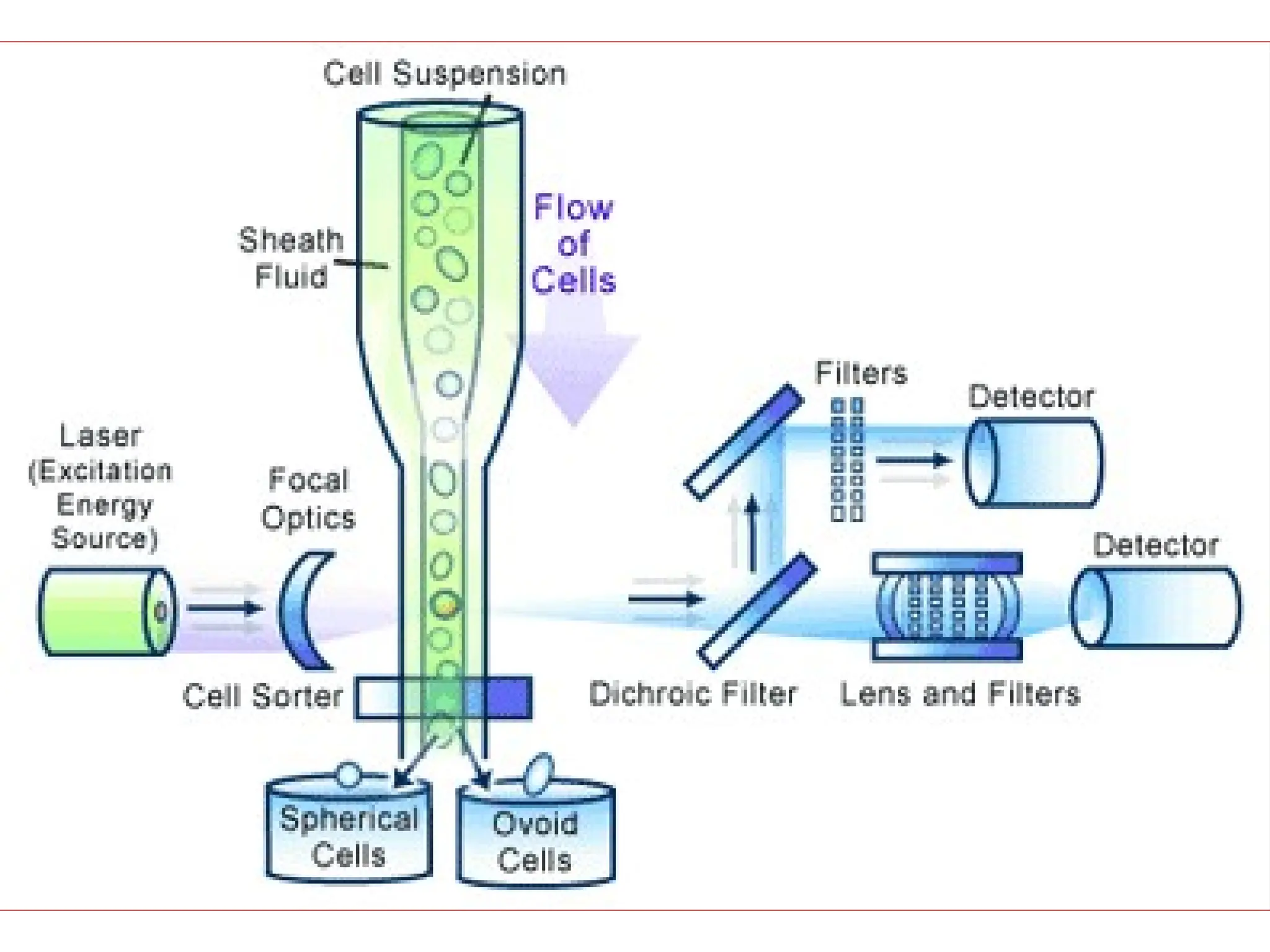
 Flow Cytometry is the technological process that allows
for the individual measurements of cell fluorescence and
light scattering.
 - for counting and examining microscopic particles such
as cells, chromosomes etc.
 This information can be used to individually sort or
separate sub-populations of cells.
 This process is performed at rates of thousands of cells
per second.
HOW IS THIS ACHIEVED?
 FCM combines laser-induced fluorometry and
particle-light scattering analysis.
 FCM is incorporated with two or more fluorescence
emission detection systems.
FCM is able to measure multiple parameters such as
 cell size
total protein
 cell receptors
 membrane potential
 calcium ion concentration
 granularity
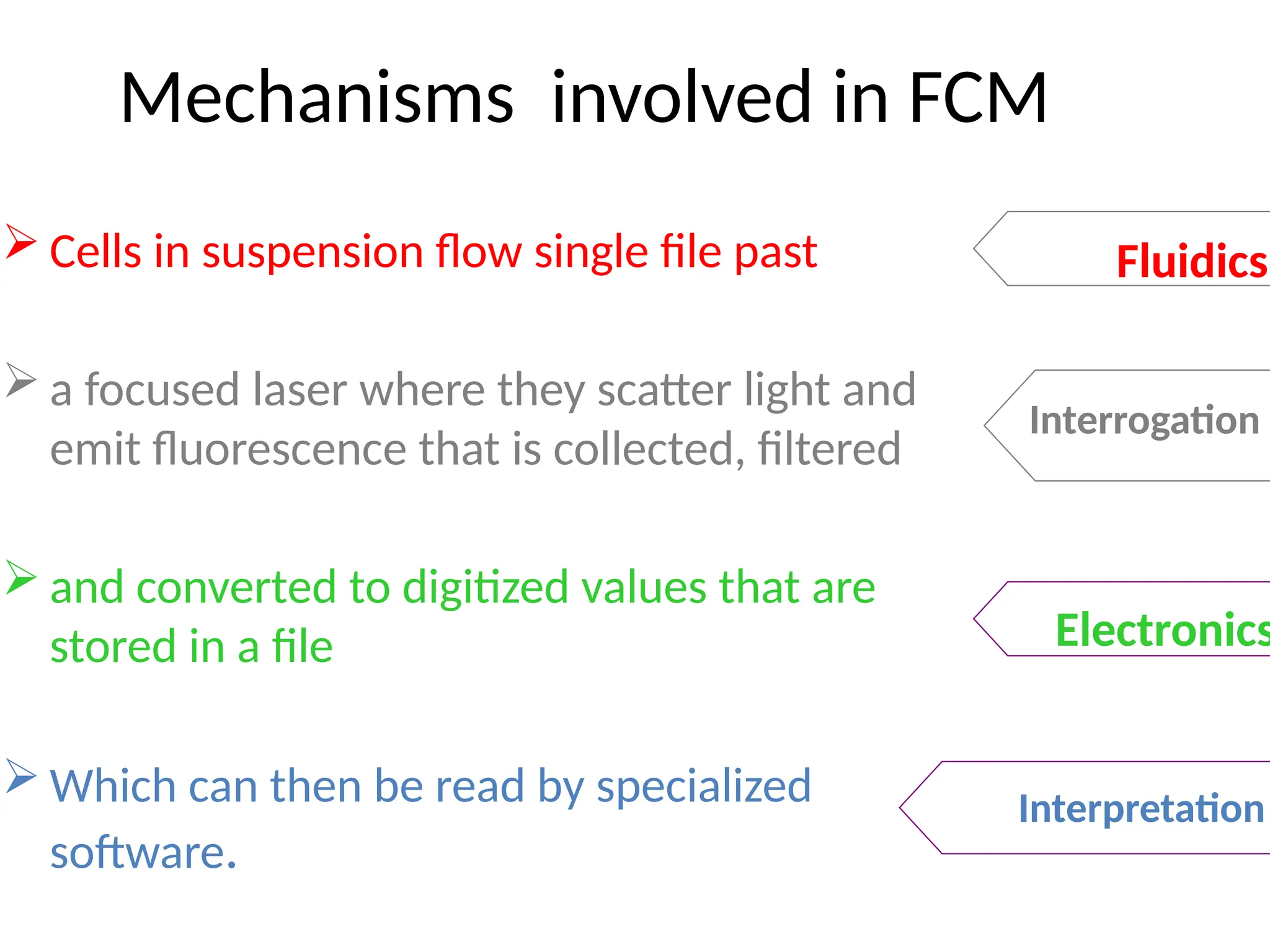
Mechanisms involved in FCM
 Cells in suspension flow single file past
 a focused laser where they scatter light and
emit fluorescence that is collected, filtered
 and converted to digitized values that are
stored in a file
 Which can then be read by specialized
software.
Interrogation
Fluidics
Electronics
Interpretation
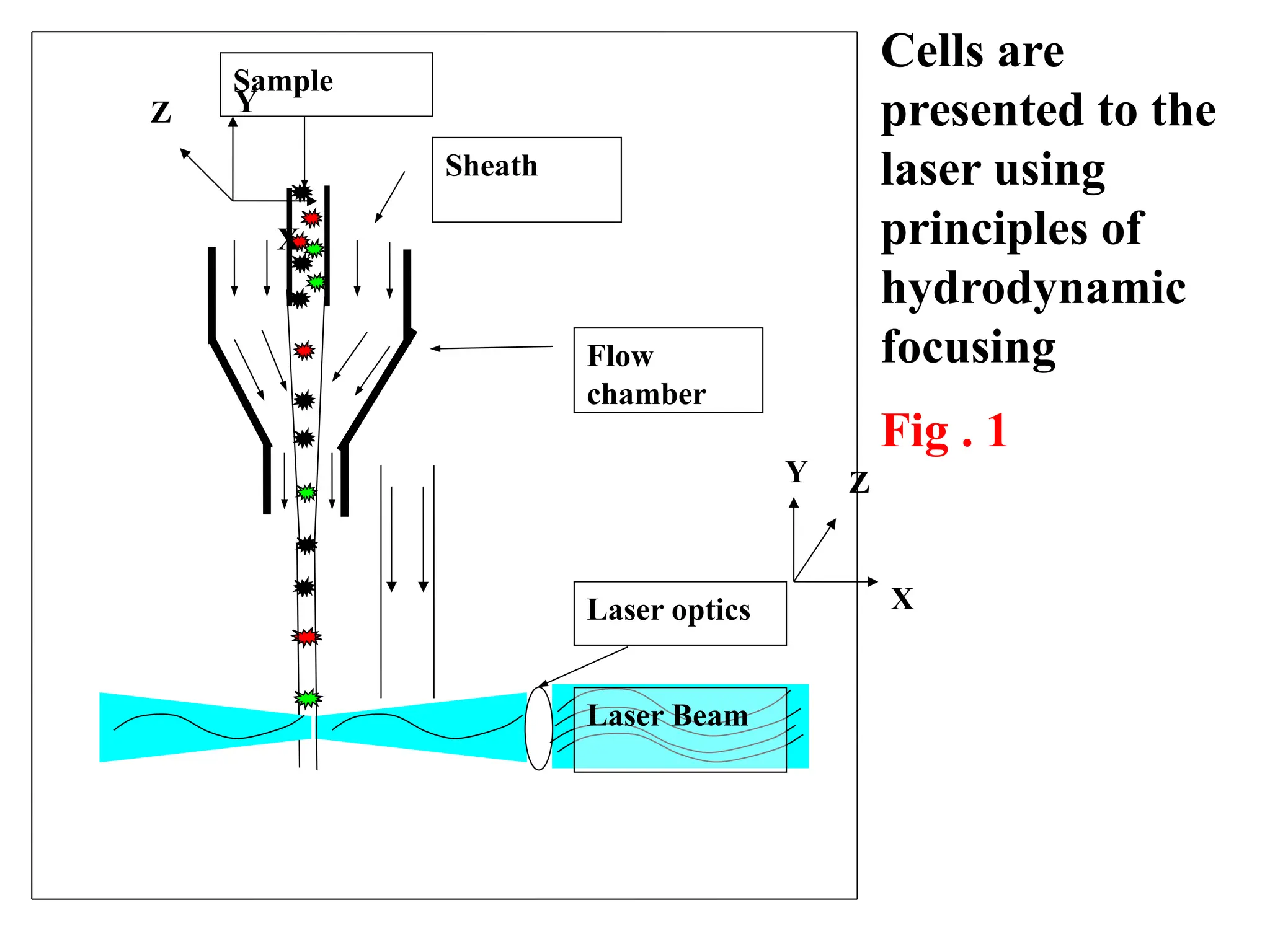
From figure 1 (Next slide)
 Using the principle of hydrodynamic
focusing
 sample is injected into the center of the
sheath flow
 combined flow reduces the diameter
 forcing the cells into the center of the stream
Laser optics
Laser Beam
Flow
chamber
Sheath
Sample
Y
X
Z
Y Z
X
Cells are
presented to the
laser using
principles of
hydrodynamic
focusing
Fig . 1
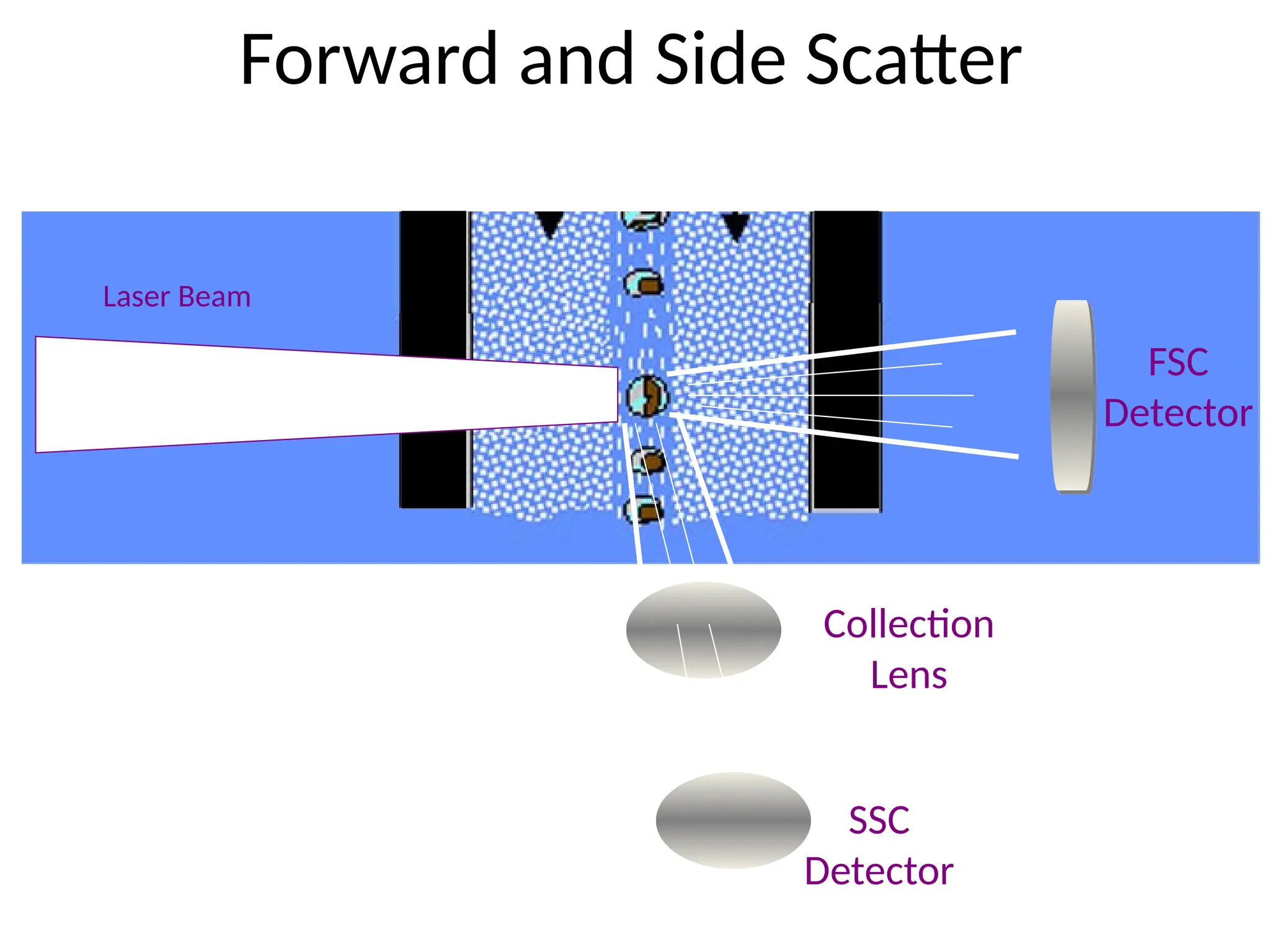
Forward and Side Scatter
FSC
Detector
Collection
Lens
SSC
Detector
Laser Beam
COMPONENTS OF A FLOW CYTOMETER
• A FLOW CELL
• LASERS
• MEASURING SYSTEM
• DETECTORS
• READ-OUT DEVICE
A FLOW CELL
A flow cell consists of a liquid stream which
carries and arranges the cells properly.
The arrangement processes are important so
that the liquid stream can pass as a single file
through the light for a purpose of sensing.
LASERS
Use of lamps such as xenon or mercury
high-power water -cooled lasers like argon, krypton
and dye laser
low-power air-cooled lasers like argon will result in
light signals.
MEASURING SYSTEM
 An optical system and measurement of conductivity
are the most commonly used measuring system.
Detectors
Detectors are able to measure the brief flashes of
light emitted as cells flow past the laser beam
 -as well as fluorescence signals from light into
electrical signals
 -that can later be processed by the read-out device.
Types of Detectors
• There are two main types of photo detectors used
in flow Cytometry.
 Photodiodes
Used for strong signals, when saturation is a potential
problem (eg. FSC detector)
 Photomultiplier tubes (PMT)
More sensitive than a Photodiode, a PMT is used for
detecting small amounts of fluorescence emitted from
fluorochromes.
READ-OUT DEVICE
The results are determined by measuring the
visible and fluorescent light emissions, allowing
cell sorting based on physical, biochemical and
antigenic traits.
Although conventional cytogenetics can detect
smaller DNA content differences, flow
cytometry allows more rapid analysis of a
larger number of cells.
Flow Cytometry
• How is it used in
diagnosing a disease?
Leukocyte Analysis
 As HIV disease progresses, CD4+ T lymphocytes decrease
in total number while CD38 increases.
 The absolute CD4 count using FCM provides a powerful
laboratory measurement for predicting and monitoring
the disease progression and response to treatment in HIV
infected individuals.
DNA analysis (Malignancy)
 DNA aneuploidy generally is associated with malignancy;
 -often correlates with many types of cancer such as multiple
myeloma, and childhood acute lymphoblastic leukaemia
(ALL).
 FCM is used to differentiate malignant cells from normal
cells.
 The distinction between normal and leukaemic bone
marrow precursors is essential for the diagnosis, treatment
and monitoring of ALL.
Enzyme deficiencies
 Gaucher disease is caused by a deficiency of the enzyme
glucocerebrosidase.
 Macrophages transform into pathogenic Gaucher cells
following the phagocytosis of RBCs and subsequent
accumulation of glucosylceramide.
 FCM is a tool for measuring B-glucocerebrosidase activity
in Gauchers disease and to study the abnormalities in RBCs
shapes.
Immunophenotyping applications in Haematology
Immunophenotyping is a technique used to study the
proteins expressed by cells such as erythrocytes,
leukocytes and platelets.
Eg. Immunophenotyping for HLA-B27.
HLA-B27 is one of the multiple major
histocompatibility complex (MHC) class I-specific
antigens.
Detection of HLA-B27 (positive) may associate the
patient with several other disorders, such as Reiter’s
syndrome, psoriatic arthritis, and inflammatory bowel
disease.
Immunophenotyping of leukaemias and lymphomas
by differentiating their antigen profiles.
Used to identify leukaemias that may be resistant to
therapy .
 FCM does not only detect the presence or absence of
antigens but also the strength of antigen expression which
can help in diagnosis.
Genetic disease and carrier states
 FCM can be useful in discriminating heterozygous gene
mutations from normal phenotypes.
 Identification of heterozygous family members who are
carriers of a mutation for the purpose of genetic counseling.
WHICH LABS ARE USING FLOW
CYTOMETRY ?
 Haematology
 Immunology
 Tumor cell analysis
 Parasitology (Urinalysis)
 microbiology lab
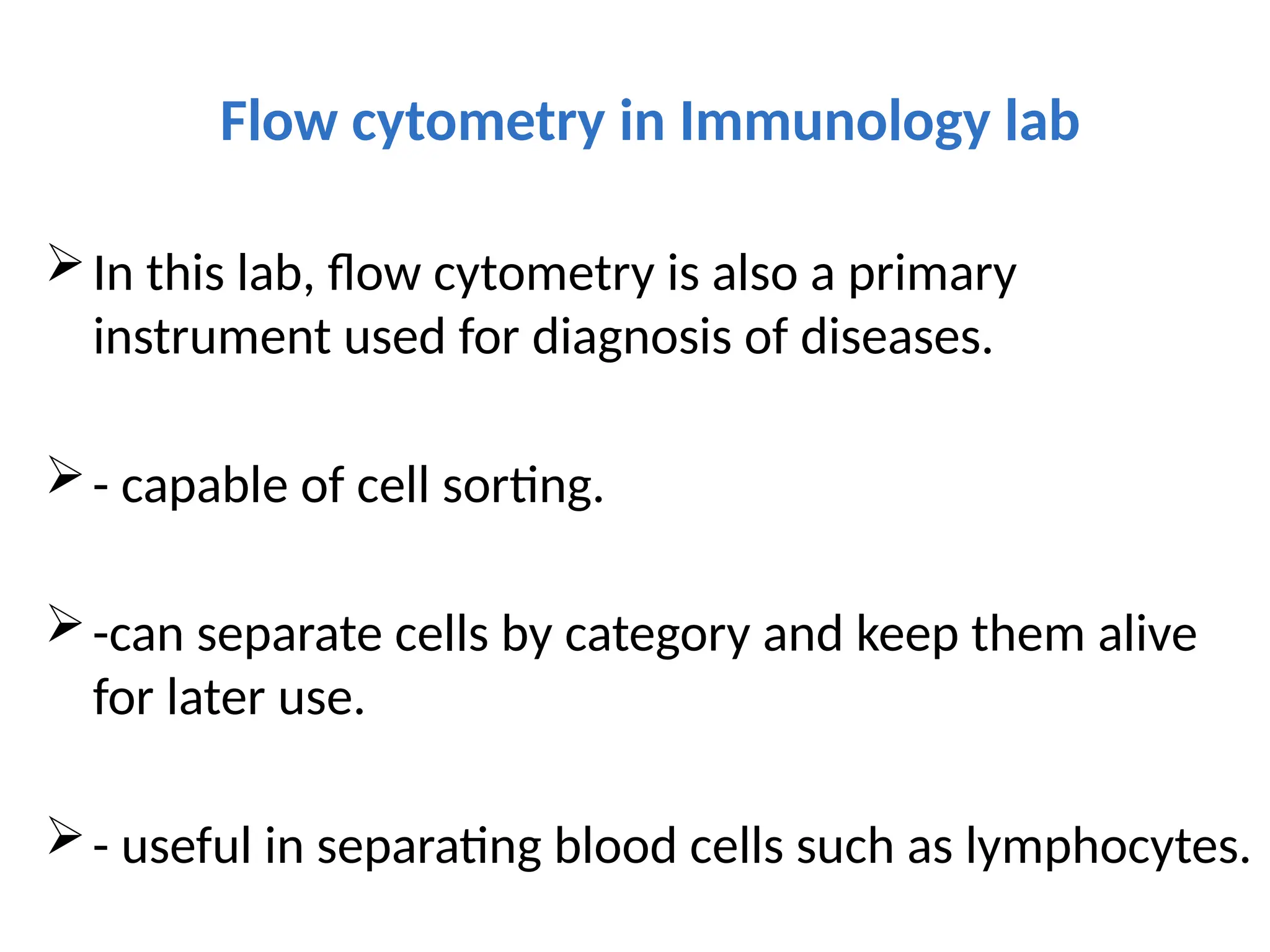
Flow Cytometry in Haematology lab
 Blood cells used to be routinely counted manually. Now,
blood cells are routinely counted by a machine (analyzer).
 This instrument combines the principle of light excitation
and emission of fluorescent signals.
 It is widely used for counting RBC, WBC, Hb, platelet, and
other blood components employing the basic cell-
counting technologies in haematology lab.
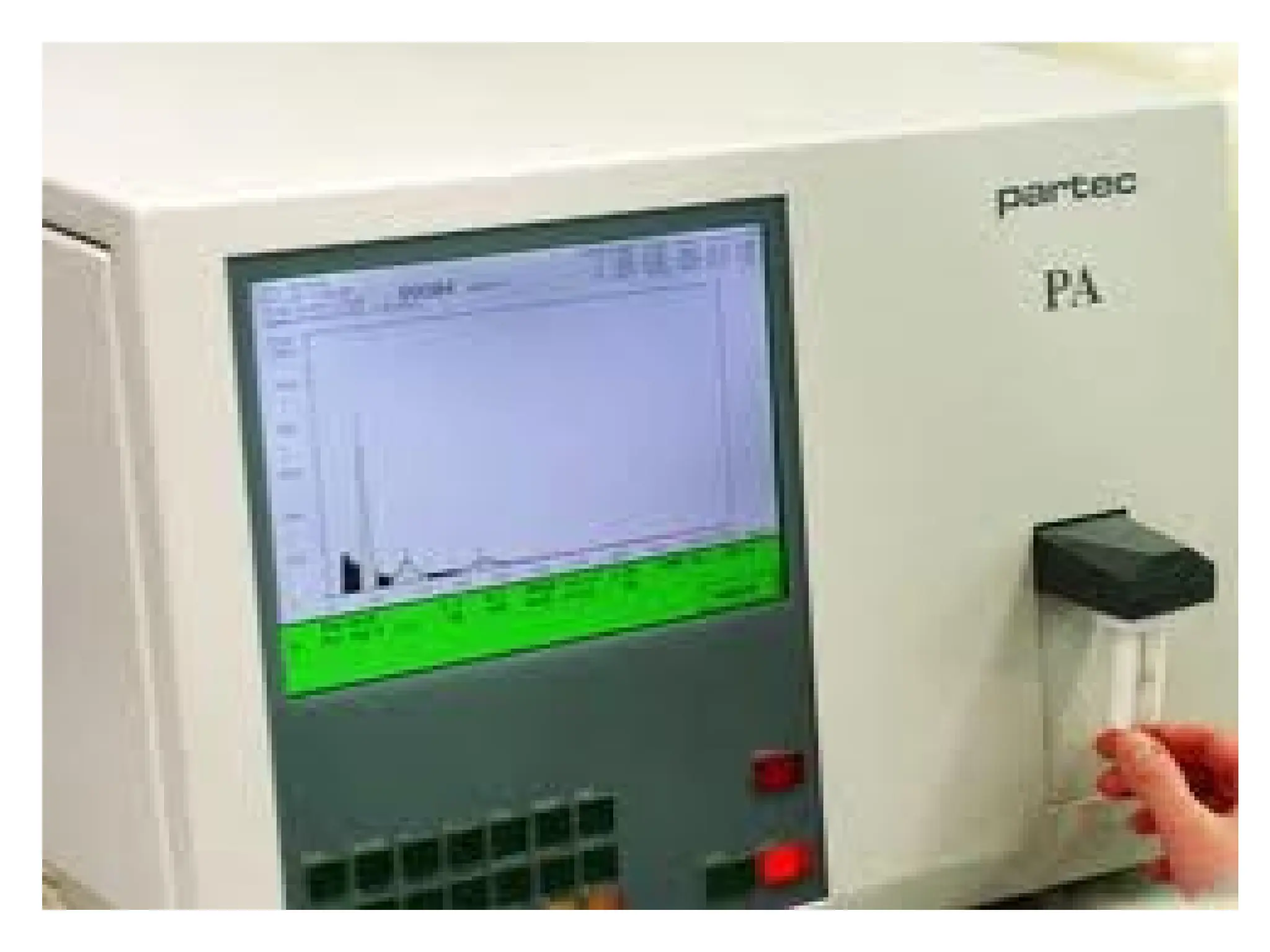
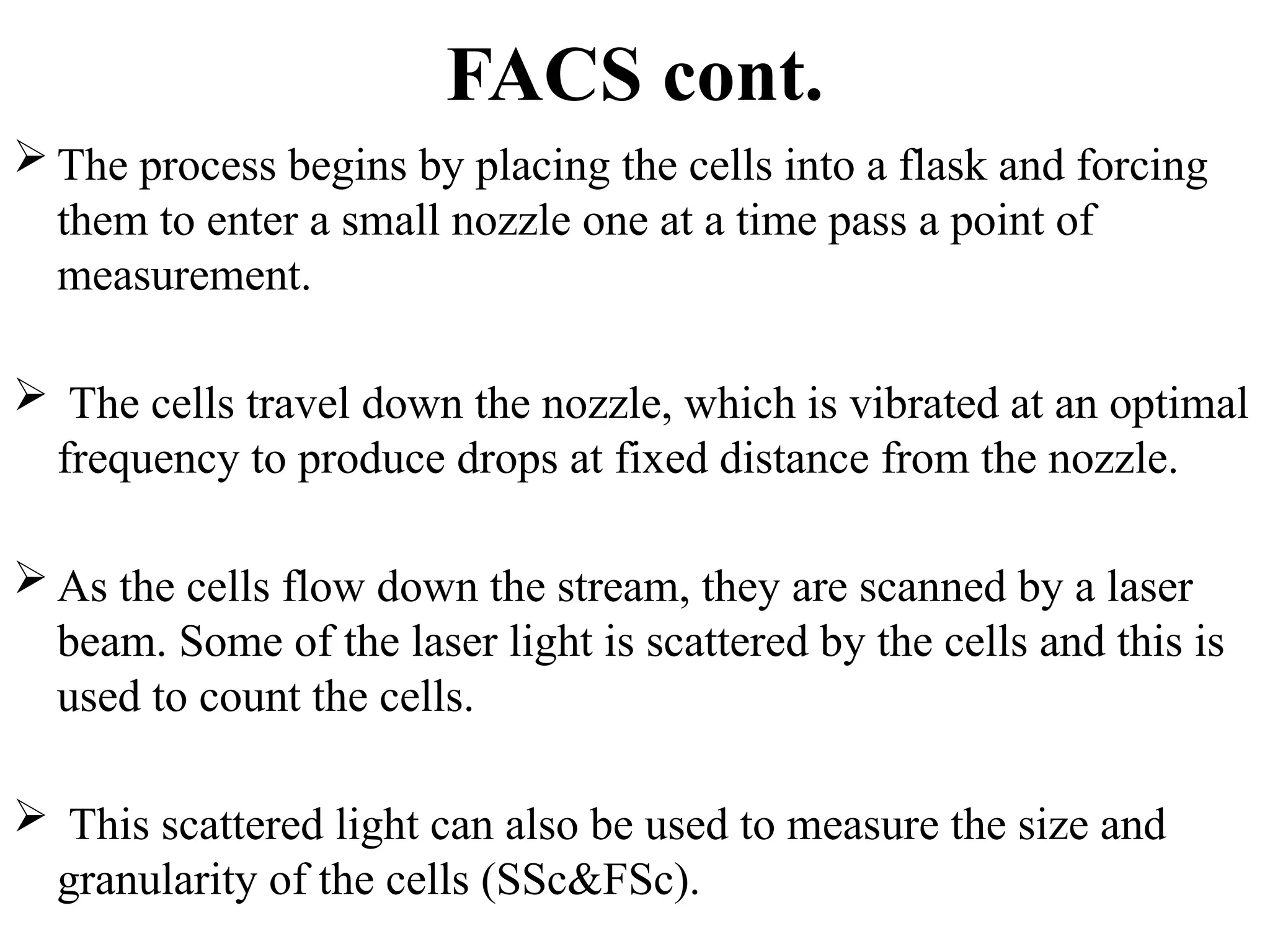
Haematology analyzer
Flow cytometry in Immunology lab
In this lab, flow cytometry is also a primary
instrument used for diagnosis of diseases.
- capable of cell sorting.
-can separate cells by category and keep them alive
for later use.
- useful in separating blood cells such as lymphocytes.
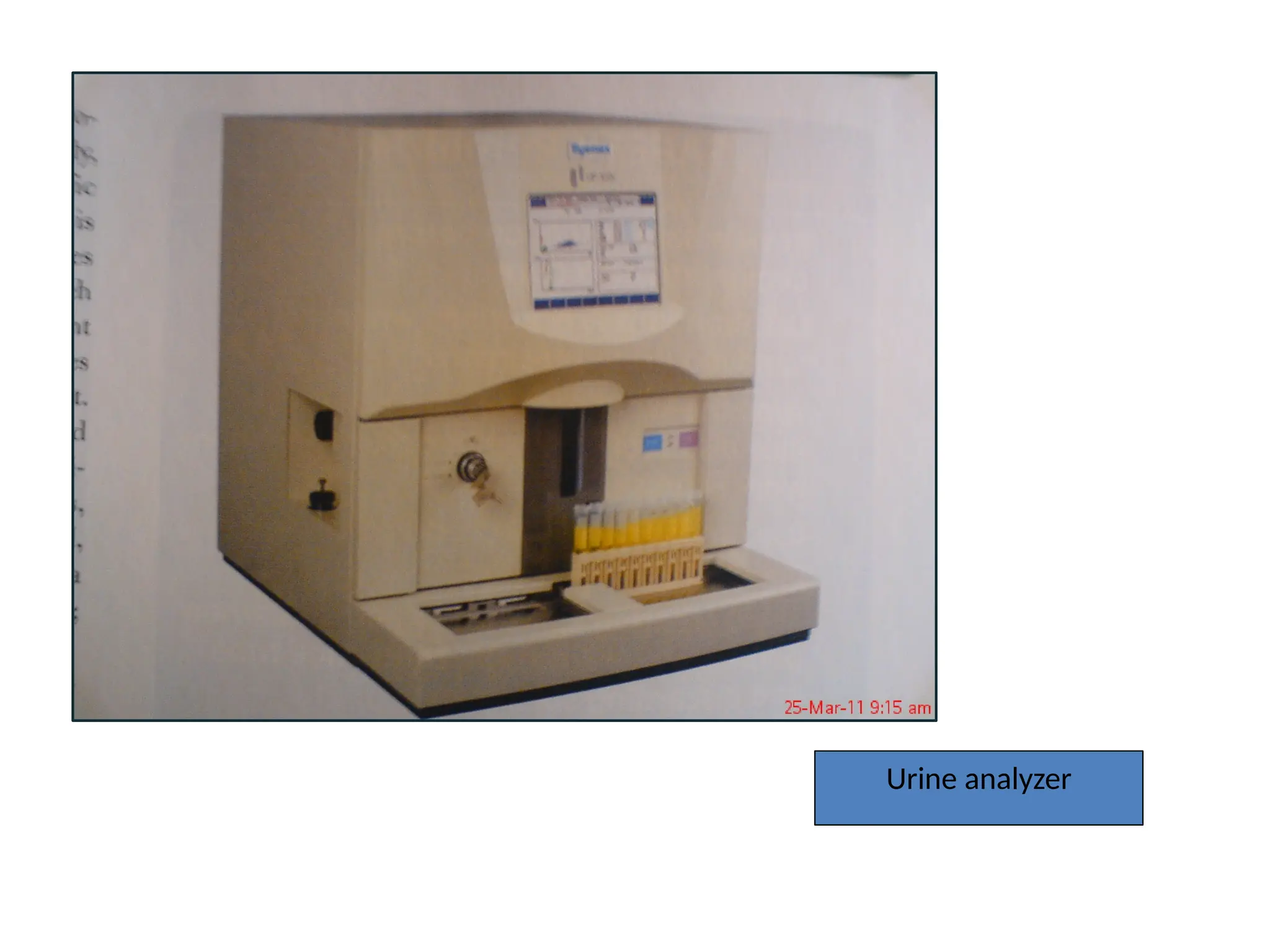
Flow Cytometer in Urinalysis
This instrument performs the physical, and
microscopic examination of routine urinalysis.
In a microscopy analyzer, urine sediments can be
identified and categorized based on their size, shape,
and texture.
Lab technologists report the results using a video
screen.
Urine analyzer
Fluorescence-activated cell sorter (FACS)
 FACS is a specialized type of flow Cytometer which provides
a method for sorting a heterogeneous mixture of biological
cells into two or more containers
 -one cell at a time, based upon the specific light scattering and
fluorescent characteristics of each cell.
 It can be used to separate cells that are phenotypically
different from each other
 -to know how many of them express proteins of interest and
quantify them.
FACS cont.
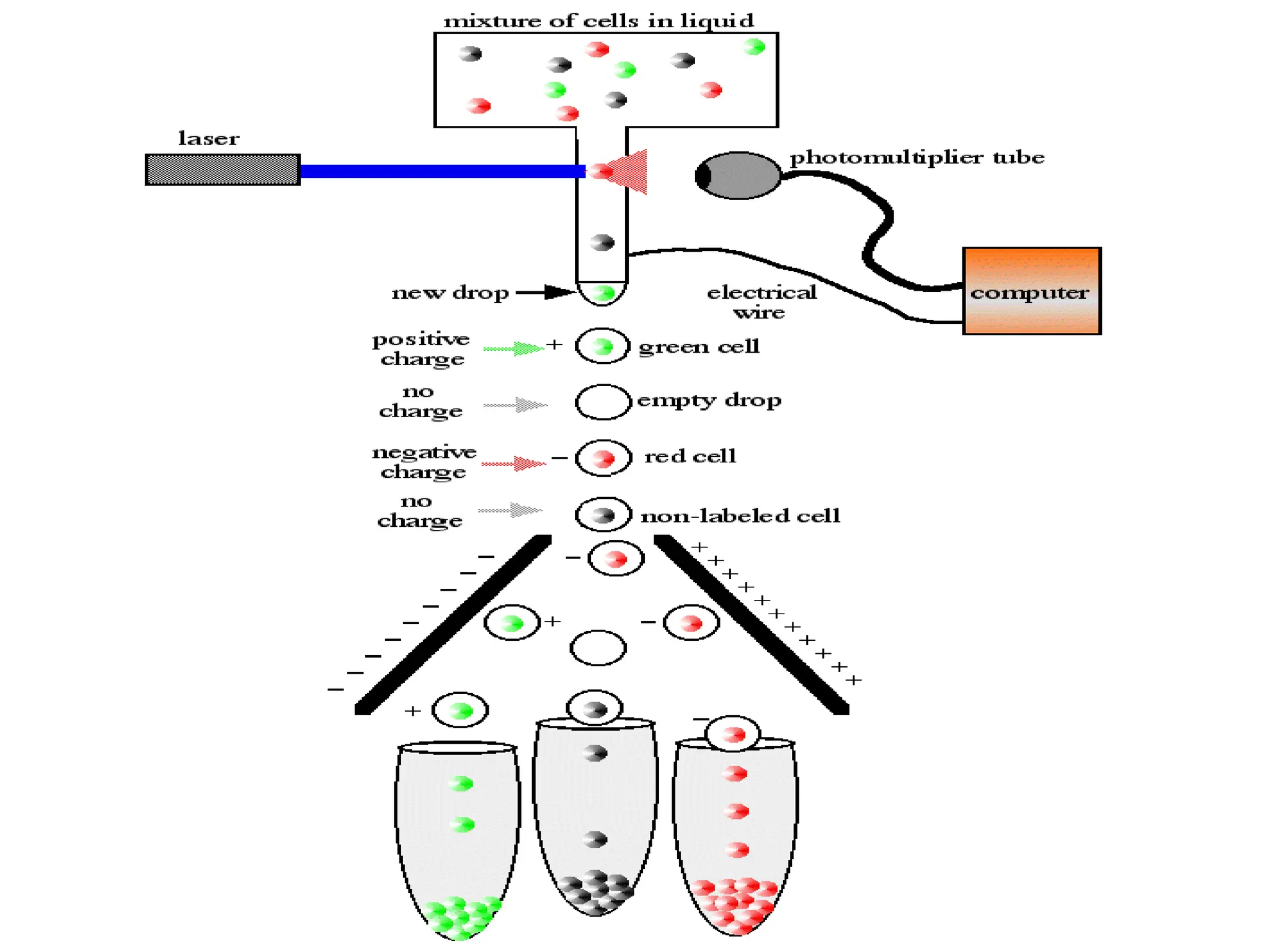
 The process begins by placing the cells into a flask and forcing
them to enter a small nozzle one at a time pass a point of
measurement.
 The cells travel down the nozzle, which is vibrated at an optimal
frequency to produce drops at fixed distance from the nozzle.
 As the cells flow down the stream, they are scanned by a laser
beam. Some of the laser light is scattered by the cells and this is
used to count the cells.
 This scattered light can also be used to measure the size and
granularity of the cells (SSc&FSc).
FACS cont.
 To separate a subpopulation of cells, it tags those of interest with an
antibody linked to a fluorescent dye, eg. Fluorescein isothiocyanate
(FITC).
The antibody is bound to a protein that is uniquely expressed in the
cells you want to separate.
The laser light excites the dye, which emits a colour of light
(Fluorescence) that is detected by the photomultiplier tube, or light
detector.
By collecting the information from the light (scatter and
fluorescence) a computer can determine which cells are to be
separated and collected.
FACS cont.
 At the end;
 different tubes with pure subpopulations of cells
 the number of cells, in each tube and the level of
fluorescence is also recorded for each cell.
 This is displayed on the computer screen in the form of
histo and cytograms.
FACS cont.
 Some flow cytometers on the market have eliminated the
need for fluorescence and use only light scatter for
measurement.
 Others form images using each cell's fluorescence,
scattered light, and transmitted light.
Gating
 A gate in cytometry is a set of value limits (boundaries) that serve to
isolate a specific group of cytometric events from a large set.
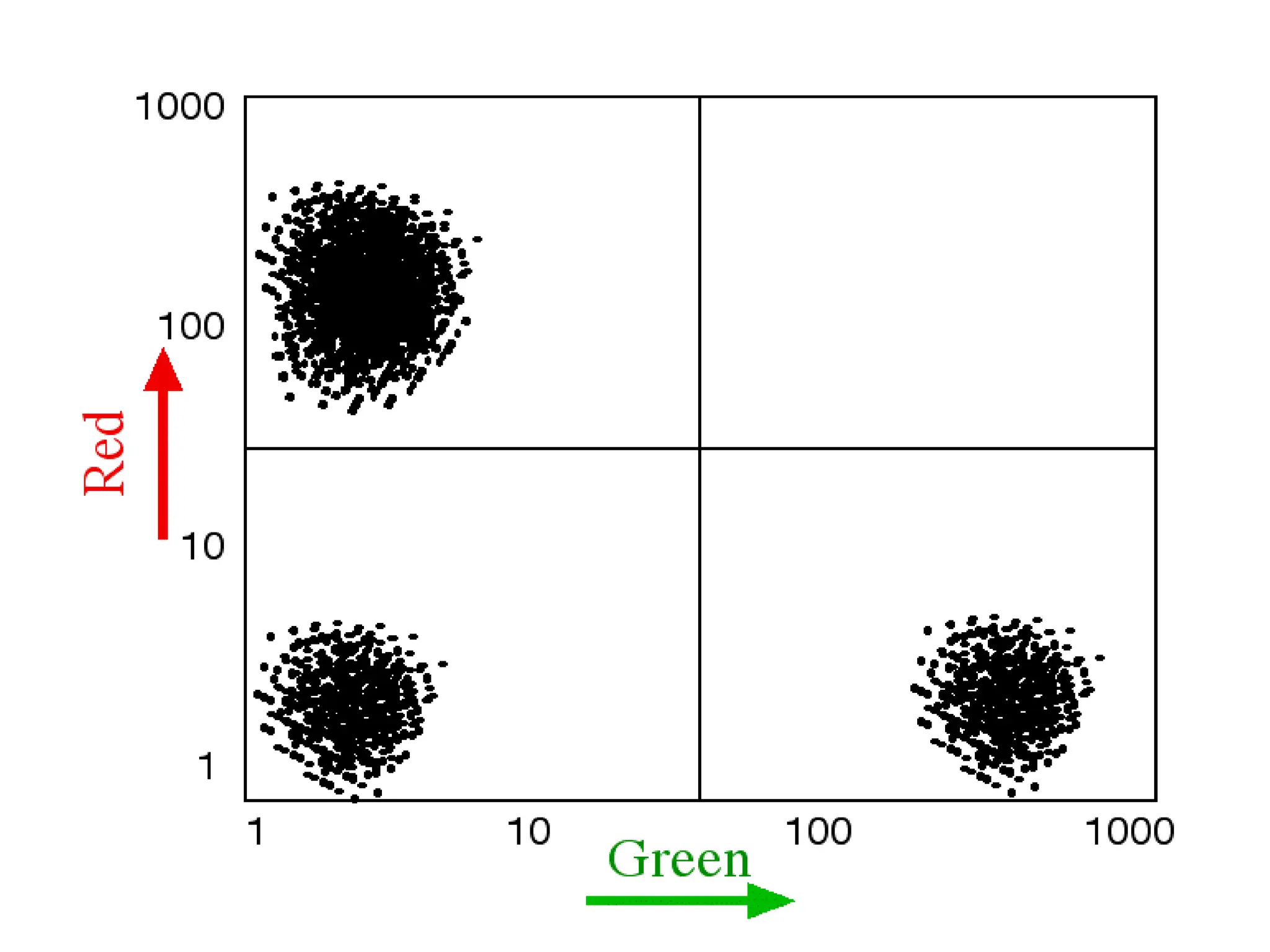
 The data generated by flow-cytometers can be plotted in a single
dimension, to produce a histogram, or in two-dimensional dot plots or
even in three dimensions.
 The regions on these plots can be sequentially separated, based on
fluorescence intensity, by creating a series of subset extractions, termed
"gates.“
 Specific gating protocols exist for diagnostic and clinical purposes
especially in relation to haematology.
 Data accumulated using the flow cytometer can be analyzed
using software such as WinMDI.
FLOW CYTOMETRY
How it works (summary)
 Draw cells, with excess fluid, from test tube into
machine.
 Cells pass in single file past laser.
 Laser hits cells and light is scattered.
 Photomultiplier multiplies light intensity and a light
sensor measures the amount of light and scatter pattern.
 Based on cell characteristics (size and shape), the
computer categorizes and quantifies the cells.
CONCLUSION
 FCM is a powerful technique for correlating
multiple characteristics on single cells.
This qualitative and quantitative technique has made the
transition from a research tool to standard clinical testing.
Smaller, less expensiveinstruments and an increasing
number of clinically useful antibodies are creating more
opportunities for routine clinical laboratories to use FCM
in the diagnosis and management of disease.
THANKS
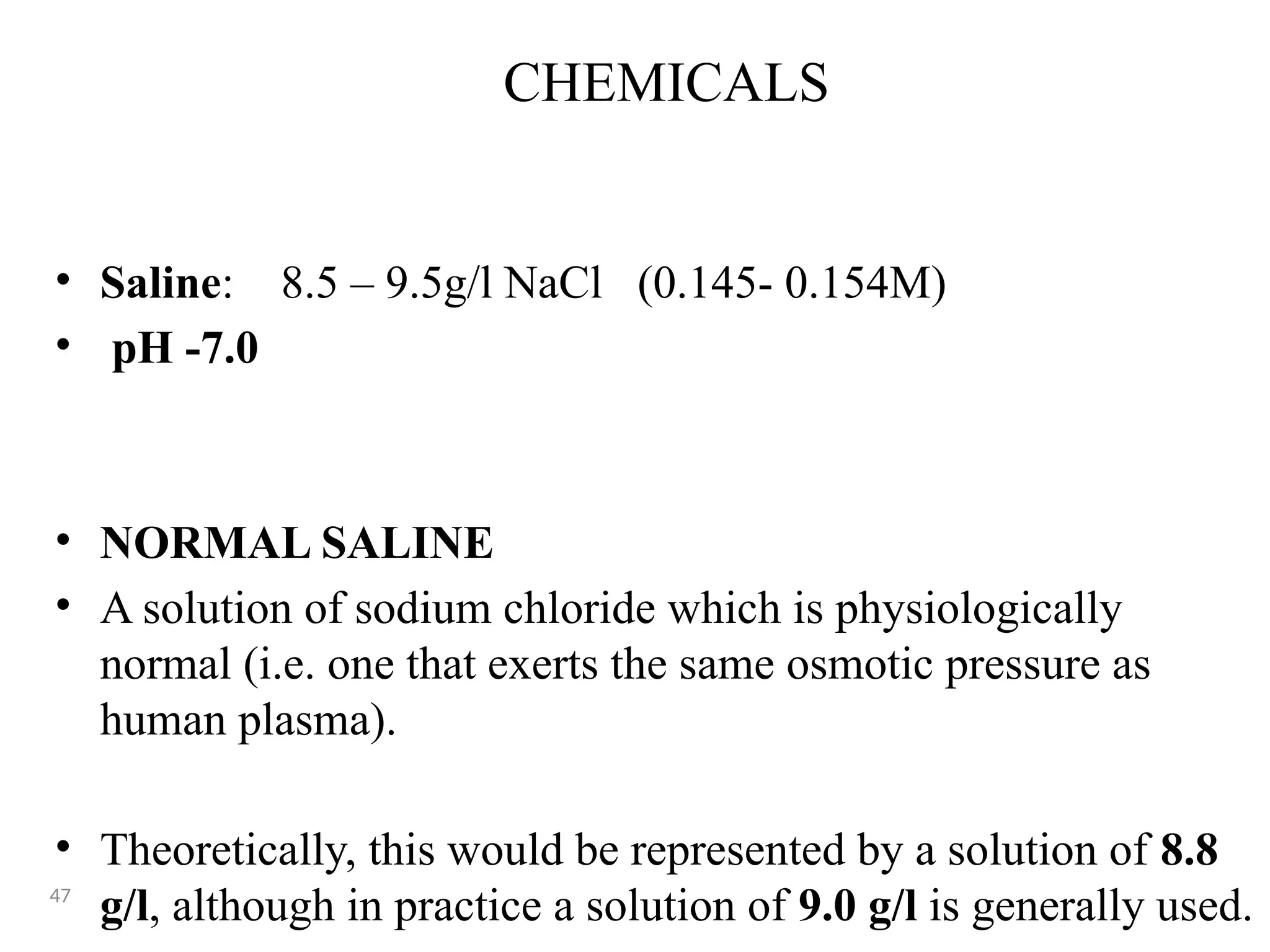
CHEMICALS
• Saline: 8.5 – 9.5g/l NaCl (0.145- 0.154M)
• pH -7.0
• NORMAL SALINE
• A solution of sodium chloride which is physiologically
normal (i.e. one that exerts the same osmotic pressure as
human plasma).
• Theoretically, this would be represented by a solution of 8.8
g/l, although in practice a solution of 9.0 g/l is generally used.
47
CHEMICALS
• 2.0% sodium metabisulphite
• 5.0% EDTA
• 3.2% Trisodium Citrate
• TEB BUFFER [electrophoretic buffer (pH 8.2-8.6)]
• TRIS- 10.2g
• EDTA-0.6g
• BORIC ACID- 3.2g
49
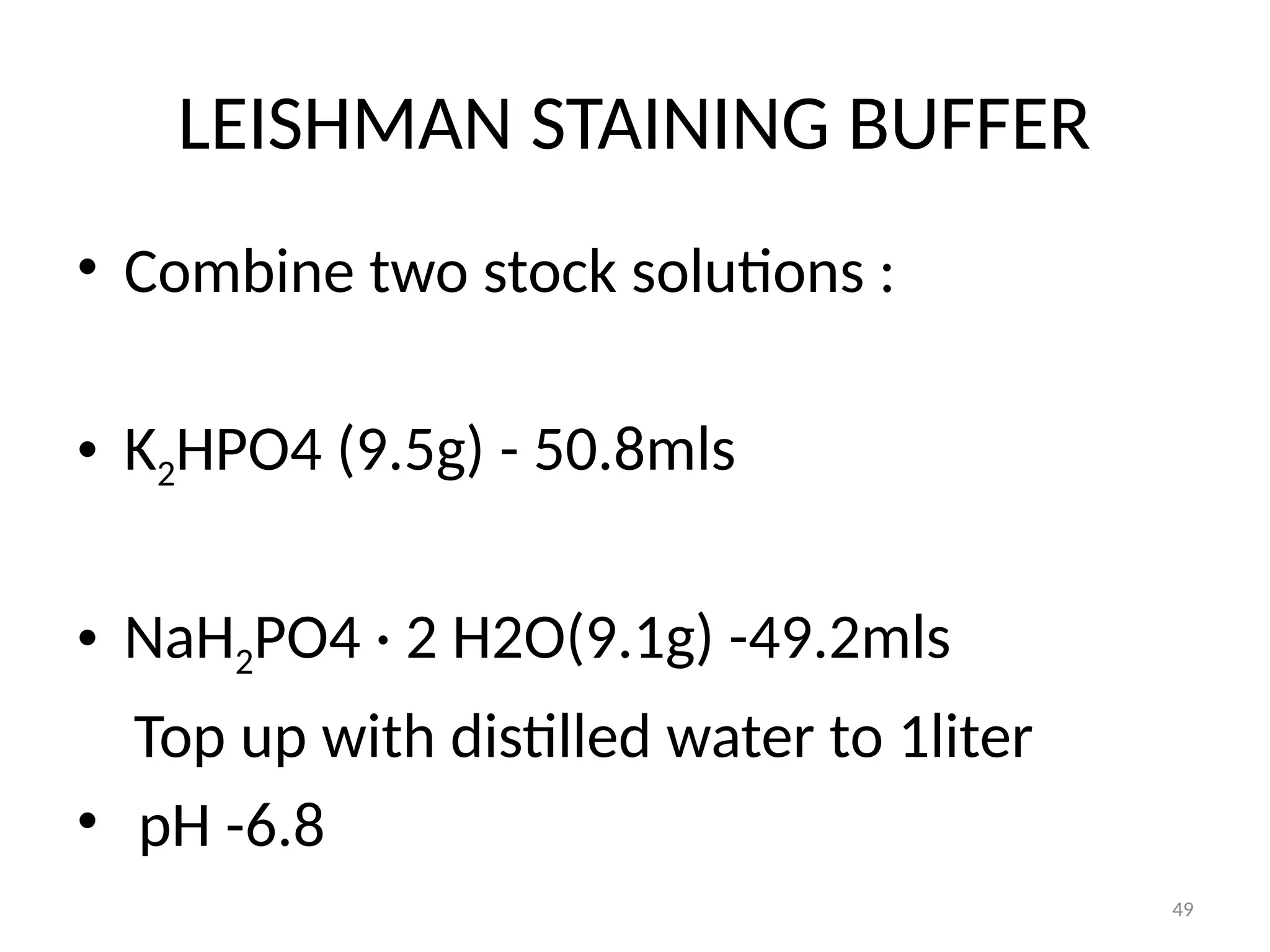
LEISHMAN STAINING BUFFER
• Combine two stock solutions :
• K2HPO4 (9.5g) - 50.8mls
• NaH2PO4 · 2 H2O(9.1g) -49.2mls
Top up with distilled water to 1liter
• pH -6.8
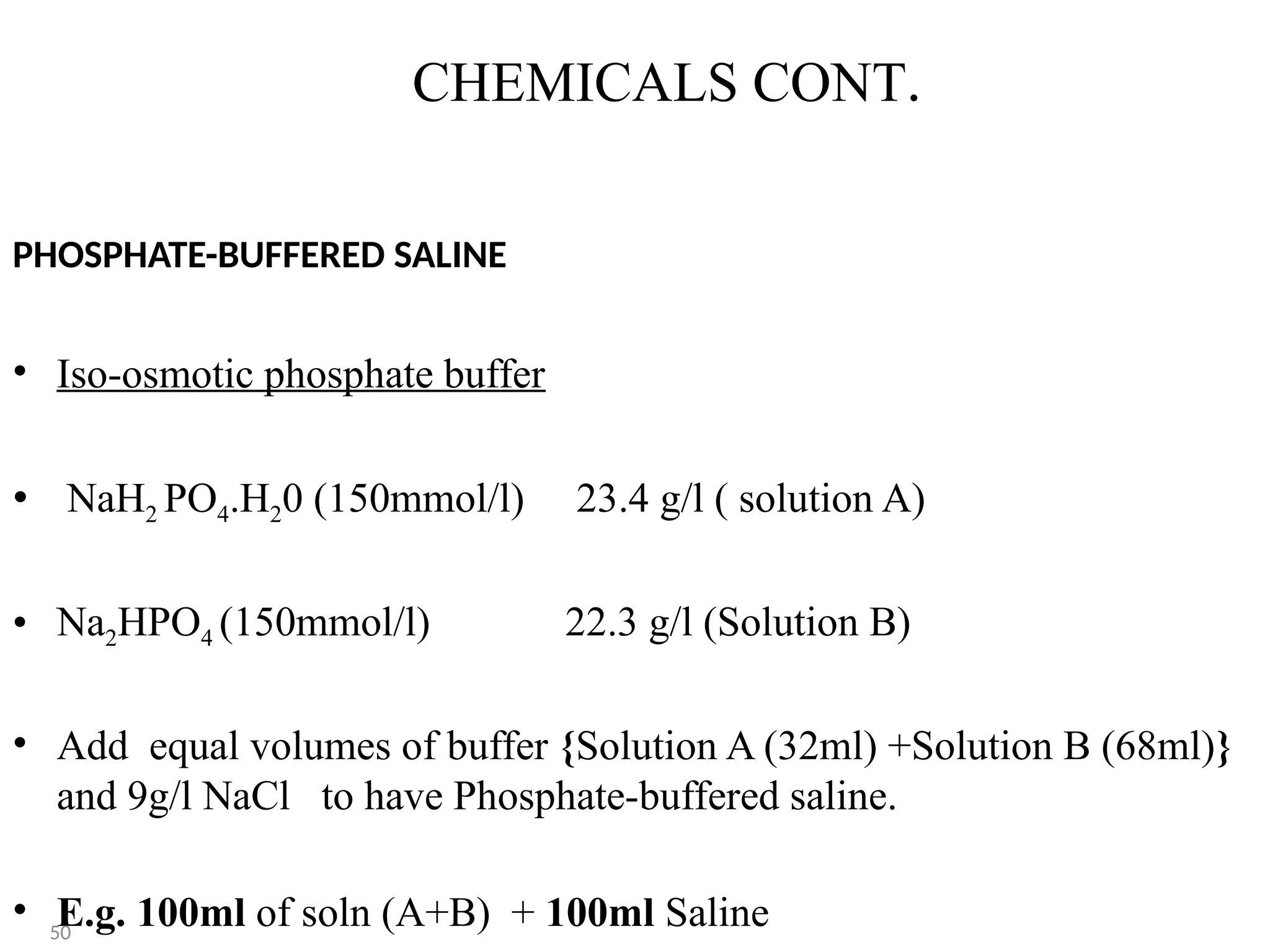
CHEMICALS CONT.
PHOSPHATE-BUFFERED SALINE
• Iso-osmotic phosphate buffer
• NaH2 PO4.H20 (150mmol/l) 23.4 g/l ( solution A)
• Na2HPO4 (150mmol/l) 22.3 g/l (Solution B)
• Add equal volumes of buffer {Solution A (32ml) +Solution B (68ml)}
and 9g/l NaCl to have Phosphate-buffered saline.
• E.g. 100ml of soln (A+B) + 100ml Saline
50
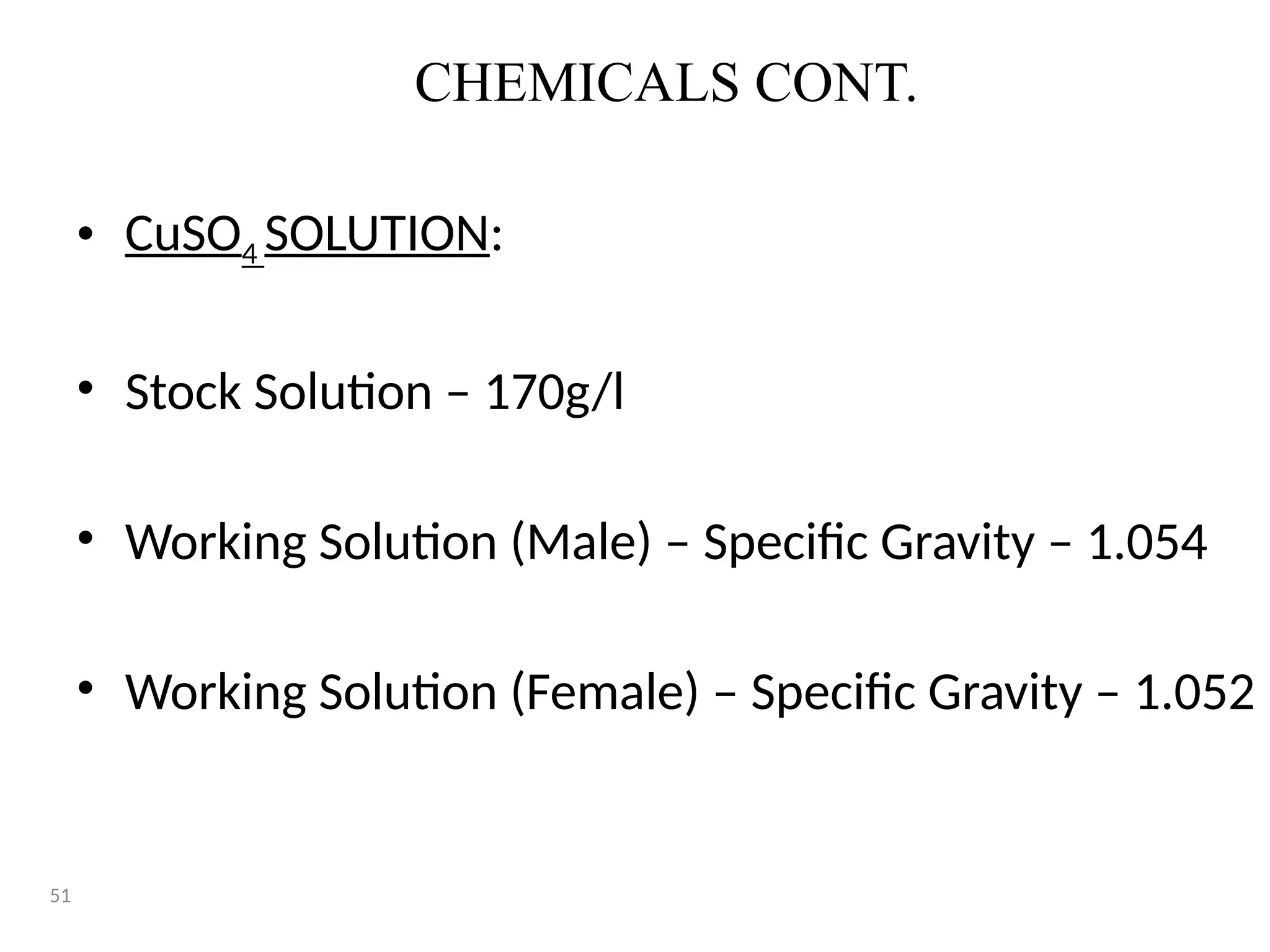
CHEMICALS CONT.
• CuSO4 SOLUTION:
• Stock Solution – 170g/l
• Working Solution (Male) – Specific Gravity – 1.054
• Working Solution (Female) – Specific Gravity – 1.052
51
DISINFECTANT SOLUTIONS
• Solutions used to inactivate any infectious
agents that may be present in blood or other
body fluids
• e.g. Sodium hypochlorite solution (bleach,
parazone or chloros)
52
DISINFECTANT SOLUTIONS CONT.
• Hypochlorite : 0.1% concentration is
suitable for laboratory use, while for heavy
soiling and blood spillage 1% -10% may be
prepared.
53
DISINFECTANT SOLUTIONS
• Sufficiently and correctly prepared hypochlorite
solution must always be available in all blood banks.
• Diluted hypochlorite solutions are unstable and must
be prepared regularly to ensure that sufficient active
solution is always available.
• All hypochlorite solutions, both concentrated and
diluted, must be kept out of sunlight and ideally at a
temperature of less than +25o
C.
54

Flow Cytometry, A widely used mechanism in automated instruments.pptx

  • 1.
    L 200 LECTURE IMMUNOLOGICTESTING METHODS/FLOW CYTOMETRY
  • 2.
  • 3.
    INTRODUCTION AIM • At theend of the lecture, students should understand the meaning, principle and application of Flow Cytometry in the diagnosis of diseases. • SPECIFIC OBJECTIVES • For students to understand the principle of Flow Cytometry.
  • 4.
    SPECIFIC OBJECTIVES cont. •For students to know the cellular parameters measurable by Flow Cytometry. • For students to know the various components of the Flow Cytometer and the role of each component. • For students to know the diversity in the use of Flow Cytometry in the medical laboratory setting.
  • 5.
  • 7.
    What Is FlowCytometry? Flow ~ (cells) in motion Cyto ~ cell Metry ~ measure Measuring the properties of cells moving in a fluid stream.
  • 8.
    The Principle ofFlow Cytometry  Flow Cytometry is the technological process that allows for the individual measurements of cell fluorescence and light scattering.  - for counting and examining microscopic particles such as cells, chromosomes etc.  This information can be used to individually sort or separate sub-populations of cells.  This process is performed at rates of thousands of cells per second.
  • 9.
    HOW IS THISACHIEVED?  FCM combines laser-induced fluorometry and particle-light scattering analysis.  FCM is incorporated with two or more fluorescence emission detection systems. FCM is able to measure multiple parameters such as  cell size total protein  cell receptors  membrane potential  calcium ion concentration  granularity
  • 10.
    Mechanisms involved inFCM  Cells in suspension flow single file past  a focused laser where they scatter light and emit fluorescence that is collected, filtered  and converted to digitized values that are stored in a file  Which can then be read by specialized software. Interrogation Fluidics Electronics Interpretation
  • 11.
    From figure 1(Next slide)  Using the principle of hydrodynamic focusing  sample is injected into the center of the sheath flow  combined flow reduces the diameter  forcing the cells into the center of the stream
  • 12.
    Laser optics Laser Beam Flow chamber Sheath Sample Y X Z YZ X Cells are presented to the laser using principles of hydrodynamic focusing Fig . 1
  • 13.
    Forward and SideScatter FSC Detector Collection Lens SSC Detector Laser Beam
  • 14.
    COMPONENTS OF AFLOW CYTOMETER • A FLOW CELL • LASERS • MEASURING SYSTEM • DETECTORS • READ-OUT DEVICE
  • 16.
    A FLOW CELL Aflow cell consists of a liquid stream which carries and arranges the cells properly. The arrangement processes are important so that the liquid stream can pass as a single file through the light for a purpose of sensing.
  • 17.
    LASERS Use of lampssuch as xenon or mercury high-power water -cooled lasers like argon, krypton and dye laser low-power air-cooled lasers like argon will result in light signals.
  • 18.
    MEASURING SYSTEM  Anoptical system and measurement of conductivity are the most commonly used measuring system.
  • 19.
    Detectors Detectors are ableto measure the brief flashes of light emitted as cells flow past the laser beam  -as well as fluorescence signals from light into electrical signals  -that can later be processed by the read-out device.
  • 20.
    Types of Detectors •There are two main types of photo detectors used in flow Cytometry.  Photodiodes Used for strong signals, when saturation is a potential problem (eg. FSC detector)  Photomultiplier tubes (PMT) More sensitive than a Photodiode, a PMT is used for detecting small amounts of fluorescence emitted from fluorochromes.
  • 21.
    READ-OUT DEVICE The resultsare determined by measuring the visible and fluorescent light emissions, allowing cell sorting based on physical, biochemical and antigenic traits.
  • 22.
    Although conventional cytogeneticscan detect smaller DNA content differences, flow cytometry allows more rapid analysis of a larger number of cells. Flow Cytometry • How is it used in diagnosing a disease?
  • 24.
    Leukocyte Analysis  AsHIV disease progresses, CD4+ T lymphocytes decrease in total number while CD38 increases.  The absolute CD4 count using FCM provides a powerful laboratory measurement for predicting and monitoring the disease progression and response to treatment in HIV infected individuals.
  • 25.
    DNA analysis (Malignancy) DNA aneuploidy generally is associated with malignancy;  -often correlates with many types of cancer such as multiple myeloma, and childhood acute lymphoblastic leukaemia (ALL).  FCM is used to differentiate malignant cells from normal cells.  The distinction between normal and leukaemic bone marrow precursors is essential for the diagnosis, treatment and monitoring of ALL.
  • 26.
    Enzyme deficiencies  Gaucherdisease is caused by a deficiency of the enzyme glucocerebrosidase.  Macrophages transform into pathogenic Gaucher cells following the phagocytosis of RBCs and subsequent accumulation of glucosylceramide.  FCM is a tool for measuring B-glucocerebrosidase activity in Gauchers disease and to study the abnormalities in RBCs shapes.
  • 27.
    Immunophenotyping applications inHaematology Immunophenotyping is a technique used to study the proteins expressed by cells such as erythrocytes, leukocytes and platelets. Eg. Immunophenotyping for HLA-B27. HLA-B27 is one of the multiple major histocompatibility complex (MHC) class I-specific antigens. Detection of HLA-B27 (positive) may associate the patient with several other disorders, such as Reiter’s syndrome, psoriatic arthritis, and inflammatory bowel disease.
  • 28.
    Immunophenotyping of leukaemiasand lymphomas by differentiating their antigen profiles. Used to identify leukaemias that may be resistant to therapy .  FCM does not only detect the presence or absence of antigens but also the strength of antigen expression which can help in diagnosis.
  • 29.
    Genetic disease andcarrier states  FCM can be useful in discriminating heterozygous gene mutations from normal phenotypes.  Identification of heterozygous family members who are carriers of a mutation for the purpose of genetic counseling.
  • 30.
    WHICH LABS AREUSING FLOW CYTOMETRY ?  Haematology  Immunology  Tumor cell analysis  Parasitology (Urinalysis)  microbiology lab
  • 31.
    Flow Cytometry inHaematology lab  Blood cells used to be routinely counted manually. Now, blood cells are routinely counted by a machine (analyzer).  This instrument combines the principle of light excitation and emission of fluorescent signals.  It is widely used for counting RBC, WBC, Hb, platelet, and other blood components employing the basic cell- counting technologies in haematology lab.
  • 32.
  • 33.
    Flow cytometry inImmunology lab In this lab, flow cytometry is also a primary instrument used for diagnosis of diseases. - capable of cell sorting. -can separate cells by category and keep them alive for later use. - useful in separating blood cells such as lymphocytes.
  • 34.
    Flow Cytometer inUrinalysis This instrument performs the physical, and microscopic examination of routine urinalysis. In a microscopy analyzer, urine sediments can be identified and categorized based on their size, shape, and texture. Lab technologists report the results using a video screen.
  • 35.
  • 36.
    Fluorescence-activated cell sorter(FACS)  FACS is a specialized type of flow Cytometer which provides a method for sorting a heterogeneous mixture of biological cells into two or more containers  -one cell at a time, based upon the specific light scattering and fluorescent characteristics of each cell.  It can be used to separate cells that are phenotypically different from each other  -to know how many of them express proteins of interest and quantify them.
  • 37.
    FACS cont.  Theprocess begins by placing the cells into a flask and forcing them to enter a small nozzle one at a time pass a point of measurement.  The cells travel down the nozzle, which is vibrated at an optimal frequency to produce drops at fixed distance from the nozzle.  As the cells flow down the stream, they are scanned by a laser beam. Some of the laser light is scattered by the cells and this is used to count the cells.  This scattered light can also be used to measure the size and granularity of the cells (SSc&FSc).
  • 38.
    FACS cont.  Toseparate a subpopulation of cells, it tags those of interest with an antibody linked to a fluorescent dye, eg. Fluorescein isothiocyanate (FITC). The antibody is bound to a protein that is uniquely expressed in the cells you want to separate. The laser light excites the dye, which emits a colour of light (Fluorescence) that is detected by the photomultiplier tube, or light detector. By collecting the information from the light (scatter and fluorescence) a computer can determine which cells are to be separated and collected.
  • 39.
    FACS cont.  Atthe end;  different tubes with pure subpopulations of cells  the number of cells, in each tube and the level of fluorescence is also recorded for each cell.  This is displayed on the computer screen in the form of histo and cytograms.
  • 41.
    FACS cont.  Someflow cytometers on the market have eliminated the need for fluorescence and use only light scatter for measurement.  Others form images using each cell's fluorescence, scattered light, and transmitted light.
  • 42.
    Gating  A gatein cytometry is a set of value limits (boundaries) that serve to isolate a specific group of cytometric events from a large set.  The data generated by flow-cytometers can be plotted in a single dimension, to produce a histogram, or in two-dimensional dot plots or even in three dimensions.  The regions on these plots can be sequentially separated, based on fluorescence intensity, by creating a series of subset extractions, termed "gates.“  Specific gating protocols exist for diagnostic and clinical purposes especially in relation to haematology.  Data accumulated using the flow cytometer can be analyzed using software such as WinMDI.
  • 44.
    FLOW CYTOMETRY How itworks (summary)  Draw cells, with excess fluid, from test tube into machine.  Cells pass in single file past laser.  Laser hits cells and light is scattered.  Photomultiplier multiplies light intensity and a light sensor measures the amount of light and scatter pattern.  Based on cell characteristics (size and shape), the computer categorizes and quantifies the cells.
  • 45.
    CONCLUSION  FCM isa powerful technique for correlating multiple characteristics on single cells. This qualitative and quantitative technique has made the transition from a research tool to standard clinical testing. Smaller, less expensiveinstruments and an increasing number of clinically useful antibodies are creating more opportunities for routine clinical laboratories to use FCM in the diagnosis and management of disease.
  • 46.
  • 47.
    CHEMICALS • Saline: 8.5– 9.5g/l NaCl (0.145- 0.154M) • pH -7.0 • NORMAL SALINE • A solution of sodium chloride which is physiologically normal (i.e. one that exerts the same osmotic pressure as human plasma). • Theoretically, this would be represented by a solution of 8.8 g/l, although in practice a solution of 9.0 g/l is generally used. 47
  • 48.
    CHEMICALS • 2.0% sodiummetabisulphite • 5.0% EDTA • 3.2% Trisodium Citrate • TEB BUFFER [electrophoretic buffer (pH 8.2-8.6)] • TRIS- 10.2g • EDTA-0.6g • BORIC ACID- 3.2g
  • 49.
    49 LEISHMAN STAINING BUFFER •Combine two stock solutions : • K2HPO4 (9.5g) - 50.8mls • NaH2PO4 · 2 H2O(9.1g) -49.2mls Top up with distilled water to 1liter • pH -6.8
  • 50.
    CHEMICALS CONT. PHOSPHATE-BUFFERED SALINE •Iso-osmotic phosphate buffer • NaH2 PO4.H20 (150mmol/l) 23.4 g/l ( solution A) • Na2HPO4 (150mmol/l) 22.3 g/l (Solution B) • Add equal volumes of buffer {Solution A (32ml) +Solution B (68ml)} and 9g/l NaCl to have Phosphate-buffered saline. • E.g. 100ml of soln (A+B) + 100ml Saline 50
  • 51.
    CHEMICALS CONT. • CuSO4SOLUTION: • Stock Solution – 170g/l • Working Solution (Male) – Specific Gravity – 1.054 • Working Solution (Female) – Specific Gravity – 1.052 51
  • 52.
    DISINFECTANT SOLUTIONS • Solutionsused to inactivate any infectious agents that may be present in blood or other body fluids • e.g. Sodium hypochlorite solution (bleach, parazone or chloros) 52
  • 53.
    DISINFECTANT SOLUTIONS CONT. •Hypochlorite : 0.1% concentration is suitable for laboratory use, while for heavy soiling and blood spillage 1% -10% may be prepared. 53
  • 54.
    DISINFECTANT SOLUTIONS • Sufficientlyand correctly prepared hypochlorite solution must always be available in all blood banks. • Diluted hypochlorite solutions are unstable and must be prepared regularly to ensure that sufficient active solution is always available. • All hypochlorite solutions, both concentrated and diluted, must be kept out of sunlight and ideally at a temperature of less than +25o C. 54

Editor's Notes

  • #25 Aneuploid  Having an abnormal number of chromosomes. Aneuploid cells may also have an abnormal DNA content.
  • #27 Immunophenotyping is a technique used to study the protein expressed by cells.