~ 265 ~
Journal of Entomology and Zoology Studies 2015; 3 (3): 265-271
E-ISSN: 2320-7078
P-ISSN: 2349-6800
JEZS 2015; 3 (3): 265-271
© 2015 JEZS
Received: 16-04-2015
Accepted: 19-05-2015
Aurash R. Yazdgerdian
Faculty of Land and Food
Systems, University of British
Columbia, Vancouver, BC,
Canada V6T 1Z4
Yasmin Akhtar
Faculty of Land and Food
Systems, University of British
Columbia, Vancouver, BC,
Canada V6T 1Z4
Murray B. Isman
Faculty of Land and Food
Systems, University of British
Columbia, Vancouver, BC,
Canada V6T 1Z4
Correspondence:
Yasmin Akhtar
Faculty of Land and Food
Systems, University of British
Columbia, Vancouver, BC,
Canada V6T 1Z4
Insecticidal effects of essential oils against woolly
beech aphid, Phyllaphis fagi (Hemiptera: Aphididae)
and rice weevil, Sitophilus oryzae (Coleoptera:
Curculionidae)
Aurash R. Yazdgerdian, Yasmin Akhtar, Murray B. Isman
Abstract
Eleven essential oils (Citrus aurantium, Citrus sinensis, Citrus limon, Eugenia uniflora, Ocimum
gratissimum, Rosmarinus officinalis, Gaultheria procumbens, Thuja plicata, Pseudotsuga menziesii,
Abies grandis, Bursera graveolens) were tested against Phyllaphis fagi, as contact and residual toxins.
Abies grandis (LC50=0.006%) was significantly the most active contact toxin followed by the positive
control, R. officinalis (LC50=0.134%), P. menziesii (LC50 = 0.428%), B. graveolens (LC50=0.907%), and
T. plicata (LC50=1.011%). Five of these essential oils were also tested against Sitophilus oryzae for
fumigation effects. Based on the LC50 values of the oils, G. procumbens was the most active fumigant
(LC50=6.8 l/l air). Thuja plicata and B. graveolens oils were equitoxic. Rosmarinus officinalis and A.
grandis were the least toxic (LC50=53.6 and 38.6 l/l air respectively). In a grain-treated bioassay against
S. oryzae, G. procumbens was the most active (LC50=0.235 µl-g-1
) followed by R. officinalis. Thuja
plicata and B. graveolens were equitoxic. Abies grandis was the least toxic. These oils exhibit different
modes of action and have potential to be used as commercial insecticides against P. fagi and S. oryzae.
Keywords: Phyllaphis fagi, S. oryzae, contact toxicity, residual toxicity, essential oils, grain protectant
1. Introduction
The woolly beech aphid, Phyllaphis fagi, and rice weevil, Sitophilus oryzae, are serious pests
worldwide. P. fagi is a specialist on the European beech tree, Fagus sylvatica [1]
and is
responsible for reducing the aesthetics of F. sylvatica in nurseries, causing economic losses to
the nursery industry. It also attracts other insects to the site and may change the local
community structure of the canopy shed [2]. This is especially critical in regenerating beech
forests since younger beech trees are more prone to aphid infestation and damage [2]. Heavy
infestations of P. fagi may also change the emission levels of biogenic volatile organic
compounds (BVOCs) in F. sylvatica [1]. Infestation of F. sylvatica by P. fagi caused an
increase in the release rate of terpenoids from 57 µg m-2 h-1 to 127 µg m-2 h-1, possibly
affecting global atmospheric levels [1]
. Severe aphid infestation can reduce photosynthetic rates
of host plants like F. sylvatica and thereby increases the overall carbon content in the
atmosphere, having severe implications on climate change.
Sitophilus species cause considerable economic losses to stored wheat grain. Heavy infestation
of these pests due to the lack of proper food hygiene and storage may cause weight losses of as
much as 30–40% [3]. Direct feeding on the grain kernels may cause unfavorable effects on food
quality, safety, and preservation [4]. Control of these insects relies heavily on the use of
synthetic insecticides including organochlorines (lindane), organophosphates (malathion),
carbamates (carbaryl), pyrethroids (deltamethrin) and fumigants including methyl bromide,
phosphine, and sulfuryl fluoride. However, the indiscriminate application of synthetic products
has led to various problems including toxic residual effects, environmental pollution, and
development of resistance in insects [5]. Therefore, there is an urgent need to develop safe,
convenient and low-cost alternatives. Considerable efforts have been focused on the use of
plant-derived materials including essential oils as bioinsecticides.
Essential oils have demonstrated toxic effects against stored-product insects [6] as well as
agricultural pests [7, 8]. They may act as fumigants [6, 9, 10], contact insecticides [9, 11], antifeedants
[8, 12]
or repellents [11, 13]
. Essential oils also have a long history in medical and dietary uses[14]
~ 266 ~
Journal of Entomology and Zoology Studies
and in the USA are “Generally Recognized as Safe” [15]
. Due
to their low mammalian toxicity [16]
they could be used as
alternative sources for controlling a number of insect pests
including stored-product insects [4]. Plant essential oils and
their constituents have been shown to possess potential for
development as new fumigants and they may have advantages
over conventional fumigants in terms of low mammalian
toxicity and low environmental impact.
The objective of this study was to screen essential oils as
effective contact or residual toxicants against the woolly beech
aphid, P. fagi, and as fumigants against the rice weevil, S.
oryzae. Species were chosen because of their world-wide pest
status as well as their availability. Selection of essential oils
for the experiment was based on prior knowledge of their
insecticidal activities against related insect species. Families
Lamiaceae (including R. officinalis and O. gratissimum),
Rutaceae (including C. aurantium L., C. sinensis var. pera
Osbeck, and C. limon), Myrtaceae (including E. uniflora), and
Cupressaceae (including T. plicata) are specifically known for
their insecticidal effects against hemipterans (including the
aphids) and coleopterans (including the weevils) [16]. None of
the oils used in our study have been tested against P. fagi and
only some against S. oryzae for contact, residual, or fumigant
effects, to the best of our knowledge.
2. Materials and Methods
2.1 Period of Study
This study was carried out during April-December, 2012.
2.2 Test substances
Essential oils used in the study (Table 1) were obtained from
different sources. Rosemary, wintergreen and conifer oils were
provided by Ecosafe Natural Products Inc. (Canada). Citrus
and Eugena oils were provided by Dr. Claudio A. G. da
Camara (Univ. Federal Rural de Pernambuco, Brazil).
2.3 Test Insects
Woolly Beech aphid
Aphids were collected from European beech trees, Fagus
sylvatica, on the University of British Columbia campus
during the months of May and June of 2012 under typical
Vancouver spring weather. Early nymphal stages were
distinguished from the mature stages by size and density of a
wax-cover, particularly on their abdomens. Early staged
nymphs and winged adults were not chosen in order to reduce
variability. Approximately 100 third-fourth instar aphids were
stored in a plastic container (diameter: 4cm; height: 3cm) and
were immediately used in the experiments. Aphids used in the
experiments were not redistributed into the general population
to prevent potential resistance development to the essential
oils.
Rice weevils
Rice weevils, Sitophilus oryzae, were obtained from Dr. Paul
Fields (Agriculture and Agri-food Canada, Winnipeg) and
were later stored in plastic boxes in the insect toxicology lab of
the University of British Columbia at 23ºC and a 16:8 (light:
dark) photoperiod. They were fed a mixture of whole wheat
grain, white polished rice, and brown rice. Mature adults were
separated based on size and were used in the fumigation
bioassays.
Essential oils
2.4 Contact Toxicity Bioassay through direct spraying:
A filter paper (diameter: 4cm) was placed in a plastic container
(diameter: 4cm; height: 3cm) and 30 aphids were transferred
into the container. Aphids were sprayed with a methanolic
solution of an essential oil at different concentrations. Control
aphids were sprayed with methanol alone. Treated aphids were
then transferred to a clean container with a beech leaf disc (2.5
cm diameter). Mortality was assessed after 24h. Three
replicates were conducted for each oil; each replicate used 30
aphids. Experiments were conducted at room temperature (23
ºC).
2.5 Residual Toxicity Bioassay
Clean European beech leaves were collected and cut into leaf
discs. Each leaf disc (2.5cm diameter) was dipped into 50µL
of a 1% methanolic solution of the essential oil and air dried
for ~ 1.5 minutes. Leaf discs were then placed in a plastic
container (diameter: 4cm; height: 3cm). Ten aphids were
introduced on each leaf disc and the container was sealed with
a plastic lid. Mortality was assessed after 24h. There were
three replicates of 30 insects each.
2.6 Fumigation Bioassay
Thirty adult S. oryzae were collected from the colony and
stored in a glass vial (length = 5.5cm, diameter = 2.5cm) for
each treatment. The glass vial was tightly sealed by a mesh
cloth immediately after weevil collection to prevent their
escape. The mesh cloth was porous enough to allow fumes to
penetrate into the vial and prevent weevils from coming into
direct contact with an oil treated filter paper. Glass vials
containing S. oryzae were hung from a pin stuck into a size 7
rubber stopper, used for sealing the fumigation chamber (500
ml Erlenmeyer flask).
A Whatman (#1) filter paper (4.25 cm diameter) was treated
with different doses of pure essential oil (6.25, 12.5, 25.0 and
50 µl). It was air-dried in the fumehood for ~ 2 minutes and
placed in the centre of a 500ml Erlenmeyer flask. The glass
vials containing the weevils were hung inside the flask. Vials
were always positioned halfway in the chamber so that the
distance between the fume source (filter paper) and the vial
opening was consistentl for each trial. The rubber stopper
tightly sealed the Erlenmeyer flask ensuring that no fumes
would escape from the fumigation chamber. Mortality was
assessed after 24h. There were three replicates of 30 S. oryzae
each. Experiments were conducted at room temperature (23
ºC).
2.7 Toxicity through treated grain assay
Ten grams of whole wheat seed were added into a glass vial
(length = 5.5cm, diameter = 2.5cm) to occupy 50% of the vial
volume. Essential oils were pipetted onto the surface of grains
in the vial; the vial was immediately sealed, and thoroughly
shaken to ensure that the oil mixed well with all the grains in
the vial. Ten S. oryzae were transferred from the colony
container into the prepared glass vial. The vials were gently
shaken to ensure the S. oryzae were distributed throughout the
vial. Each prepared vial was stored under laboratory conditions
(23 °C). Mortality was assessed at 24 and 48h. There were 3
replications of 30 insects each.
2.8 Statistical analysis
Percent mortality was calculated by using the ratio of dead
insects to the total number of insects after 24 hours. Insects
were considered to be dead if no movement was observed by
touching with a probe under a magnifying glass for several
seconds. Probit Analysis® was used to calculate LC50
(concentration causing 50% mortality compared with the
control) values and their confidence intervals.
~ 267 ~
Journal of Entomology and Zoology Studies
3. Results
3.1 Residual and contact toxicity of essential oils against P.
fagi
Most of the oils were not active as residual toxins against
woolly beech aphid, P. fagi at the initial screening
concentration. Bitter orange produced 40% mortality followed
by western red cedar (28% mortality) and ≤15% for all others
(Table 2) at the initial screening concentration of 1%.
Five oils were active as contact toxins exhibiting 97-100%
mortality against P. fagi at the initial screening concentration
of 1% (Table 2). Abies grandis (LC50 = 0.006%) was
significantly the most active contact toxin followed by the
positive control, R. officinalis (LC50 = 0.134%), P. menziesii
(LC50 = 0.428%), B. graveolens (LC50 = 0.907%), and T.
plicata (LC50 = 1.011%). R. officinalis (LC50 value=0.134%)
and P. menziesii (LC50 value=0.428%) were equitoxic based
on their overlapping confidence intervals. LC50 values for B.
graveolens (0.907%) and T. plicata (1.011%) were not
significantly different from P. menziesii based on their
overlapping confidence intervals (Table 3).
3.2 Fumigant toxicity of essential oils against S. oryzae
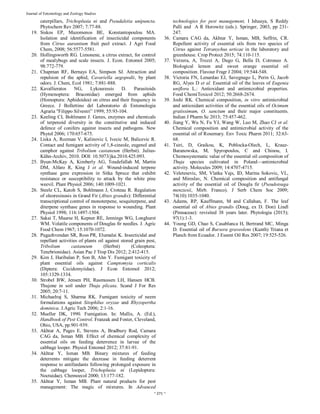
Five oils were active as fumigants against S. oryzae exhibiting
70-100% mortality at the initial screening concentration of 100
µl/l air (Table 4). Citrus aurantium and P. menziesii produced
10% and 30% mortalities respectively at the initial screening
concentration. Based on the LC50 values of the oils, G.
procumbens was the most active fumigant (LC50 value = 6.8
l/l air). Thuja plicata (LC50 value = 19.8 l/l air) and B.
graveolens (LC50 value = 21.4 l/l air) oils were equitoxic
(overlapping confidence intervals). Abies grandis and R.
officinalis were the least toxic oils against S. oryzae (LC50
values = 38.6 and 53.6 l/l air, respectively) (Table 4).
3.3 Toxicity of essential oils through treated grain (S.
oryzae)
In the treated grain bioassay, G. procumbens was the most
active (LC50 = 0.235 µl-g-1) followed by R. officinalis (LC50 =
0.304 µl-g-1) (Table 5). Thuja plicata (LC50 = 0.507 µl-g-1) and
B. graveolens (LC50 = 0.617 µl-g-1) were equitoxic
(overlapping confidence intervals). Abies grandis was the least
toxic (LC50 = 0.753 µl-g-1
).
4. Discussion
Some of the oils have demonstrated strong toxic effects against
aphids and rice weevils. Essential oils were more active as
contact than as residual toxins against P. fagi. Abies grandis,
was the most active contact toxin. P. menziesii was equitoxic
to the R. officinalis oil (positive control). Toxicity of the other
two oils, T. plicata and B. graveolens did not differ from P.
menziesii.
Comparing the residual and contact toxicity effects, most of
the oils including C. cinensis, C. limon, E. uniflora, O.
gratissimum, G. procumbens had very low or no residual
effects against P. fagi. Some of these oils including R.
officinalis, P. menziesii, B. graveolens and A. grandis were
only active as contact toxins. C. aurantium was only active as
a residual toxin and T. plicata demonstrated both contact and
residual effects. Since T. plicata possesses both contact and
residual effects it could be used as an effective crop protectant.
Gaultheria procumbens oil was the most active in both
fumigant and the treated-grain bioassays, probably due to the
toxic vapours of G. procumbens oil. Thuja plicata and B.
graveolens were equitoxic in both types of bioassays.
In general, efficacy of an essential oil depends upon its
chemical composition and the ratio of the constituents present
in the mixture. The chemical composition varies even within
the phylogenetically close species of plants. Douglas fir and
Grand fir belong to the same family (Pinaceae), yet share only
a few common constituents such as -pinene and camphene.
A. grandis was significantly more active (LC50 = 0.006%) than
B. graveolens through direct spraying against P. fagi.
Results from our study are consistent with previous work
related to the insecticidal effects of R. officinalis. Rosemary oil
is known for its insecticidal activities against a variety of
insects and has been incorporated into many commercial
insecticides [7]
. Specifically, rosemary has been shown to act as
a repellent, settling inhibitor, and contact toxin against green
peach aphid, Myzus persicae (Sulzer) [17].
Although R. officinalis was an active contact toxin, it was not
active as a residual toxin. This suggests that R. officinalis
essential oil has a greater ability to penetrate through the
cuticle of aphids than to be absorbed from the gut. Thus, the
mode of action of R. officinalis essential oil could be different
based on the method of application. The same reasoning may
account for the observed lower residual toxicity for other
essential oils like C. limon, T. plicata, P. menziesii, A. grandis,
and B. graveolens. R. officinalis essential oil has also been
shown to act as a contact neurotoxin against certain insects [18]
and targets green peach aphids by damaging their olfactory
senses [17]
.
Citrus oils used in our study were not active as residual or
contact toxins. The source of C. aurantium essential is the
bitter orange peel. Studies have shown that C. aurantium peel
extracts and other related Citrus species’ essential oils may be
effective in pest management against a variety of insect pests
[19]. Although, C. aurantium had no contact toxicity, it
demonstrated a higher residual toxicity (40%) against P. fagi.
However, the other citrus oils also showed relatively low
toxicity against P. fagi. Essential oils of C. limon and C.
sinensis showed low contact toxicity (6.7%). Limonene, which
is a major constituent of the citrus oils used in this study, has
demonstrated insecticidal activities against the palm aphid,
Cerataphis brasiliensis, when used in combination with other
oils and insecticidal soaps and sprays [20]. Interestingly F.
sylvatica naturally emits limonene and when infested by P.
fagi, limonene release is reduced [1]. Carvone, another
constituent of citrus essential oil is a noted attractant to the
related aphid Carvarriella aegopodii and is used in baits [21]. If
used in combination with a toxic essential oil lacking repellent
effects, carvone may act as an attractant for aphids to the
source of toxin. Further research is needed to look at the
insecticidal effects of other constituents of citrus oils against
P. fagi. A variety of aphids are citrus pests and some have
been observed on C. aurantium and C. sinensis [22]. The
previous studies show citrus trees are able to attract aphid
predators and/or parasites as kairomones. Testing our Citrus
essential oil against natural predators/parasites of P. fagi may
give us some insight on whether these essential oils could act
as attractants for the natural enemies of F. sylvatica.
Wintergreen oil, G. procumbens, is predominantly comprised
of methyl salicylate (99%), which is a known repellent against
aphids [36] and a contact toxin against many insects [1]. G.
procumbens was not active either as a residual or contact toxin
against P. fagi in the present study. Interestingly, Joó et al.’s
study (2010) showed that F. sylvatica is capable of releasing
methyl salicylate as a biogenic volatile organic compound.
Since aphids in our study were obtained directly from an
infested European beech tree, it is possible that P. fagi have
already developed resistance to methyl salicylate prior to the
testing in the lab. Insects are capable of developing resistance
towards plant chemical defenses [23]. Therefore, resistance
~ 268 ~
Journal of Entomology and Zoology Studies
development by P. fagi against methyl salicylate could be a
factor explaining the complete lack of toxicity against this
species. This is a limitation of using field insects. Using
laboratory raised, non-resistant aphids may give us more
insight into the potential of methyl salicylate/wintergreen oil
as a toxicant against P. fagi.
Ocimum gratissimum, commonly called “alfavaca”, is believed
to have originated in Central Africa or South East Asia and is
known for its antimicrobial, medicinal and culinary uses [39]
.
The family Lamiaceae contains a number of species
demonstrating toxicity against aphids [16] but O. gratissimum
essential oil was not active as a contact or residual toxin
against P. fagi in the present study. The main constituents in
the O. gratissimum essential oil were eugenol (43.2%) and 1,8-
cineole (12.8%) [39]. Toxic effects of eugenol and 1,8-cineole
have been reported against many insects including Sitophilus
zeamais and Tribolium castaneum [24]
.
Essential oil constituents are produced by a variety of
coniferous trees for their own defense against insect pests [25].
When infested, various conifers upregulate the expression of
terpenoid encoding genes, in turn releasing multifold levels of
volatile terpenoids [23]. When attacked by insect pests A.
grandis trees initially upregulate genes expressing toxic or
repellent volatile monoterpenes and releases these products
into the local environment [26]. The initial monoterpenes
released may act as direct contact toxins and/or fumigants on
insect pests, effectively reducing insect pest density on the
tree.
Based on our study, A. grandis essential oil was the most
active contact toxin against P. fagi producing 100% mortality
at 0.01% down to 16.7% mortality at 0.001%. None of the
other oils were active at such a low concentration. Abies
grandis also demonstrated the lowest LC50 (0.006%) compared
with other oils. Thus A. grandis essential oil has potential to be
used as insecticide.
Abies grandis essential oil also exhibited fumigant toxicity to
S. oryzae (LC50 38.6 µl.L-1). This finding demonstrates that A.
grandis essential oil can be used as an effective fumigant
against S. oryzae, consistent with the fact that A. grandis trees
are capable of using volatile monoterpenes as a defense
mechanism against insect pests in nature [26].
Thuja plicata, was the only essential oil demonstrating
residual toxicity against P fagi. Thuja plicata essential oil
caused 28% aphid mortality in the initial screening bioassays.
Leaves of T. plicata have insecticidal effects on the white pine
weevil, Pissodes strobi, [16]
to a greater extent than other
related conifers [25]. This may be due to different chemical
constituents of each tree species’ essential oil since (+)-3-
thujone and (-)-3-isothujone is more predominant in T. plicata
leaves (80-90%) than in other related conifers like P. menziesii
[27]. Essential oils of P. menziesii, T. Plicata and B. graveolens
were strong contact toxins against P. fagi. Related conifer
essential oils like spruce exhibit toxicity against weevils and T.
plicata essential oil is a deterrent to the white pine weevil, P.
strobi [16].
Fumigant toxicity is evident for all oils tested and the positive
control, G. procumbens, was shown to be highly effective
against S. oryzae, consistent with previous findings for G.
procumbens fumigant toxicity on other insects: the
Coleopteran stored grain pest Tribolium castaneum [28]
and the
cecidomylid gall midge, Camptomyia corticalis [29].
Studies show T. plicata oil to be toxic to various insects and
related weevil species like the cowpea weevil, Callosobruchus
maculata, [30] and a known feeding deterrent to the white pine
weevil, P. strobi [16]
. Consistent with the previous reports, T.
plicata demonstrated strong fumigant effects against S. oryzae
in the present study. T. plicata and B. graveolens essential oils
exhibited the lowest LC50 values (19.8 µl.L-1 air for T. Plicata
and 10.68 µl.L-1 air for B. graveolens). Thuja plicata was a
more active fumigant than P. menziesii. This may result from
the difference in the chemical compositions of these oils. No (-
)-3-isothujone and (+)-3-thujone was found in P. menziesii
essential oil from France [27]
while 80-100% of the T. plicata
EO is found to be rich in the latter chemicals [16, 30]
.
It has been demonstrated [30] that some constituents of T.
plicata, predominantly thujone and its isomers, have long
lasting effects after T. plicata leaves have fallen onto the
substratum and gone into the soil [30]. Thus, in the practical
situation of S. oryzae infestation such as in storage areas of
grain or rice, T. plicata essential oil fumes would be active for
a longer period of time than oils with shorter-lasting terpenes.
From our results, at least for higher concentrations of T.
plicata applied, fumigation methodology can be considered as
a viable pest management approach against S. oryzae,
consistent with previous claims of this methodology being
effective, economical and convenient against stored insect
pests [31]
. Fumigation has been considered to be effective due
of the ability of volatiles to penetrate into the commodity with
minimal residues [32]. Moreover the fumes in a stored system
would also not easily dissipate out into the exterior
environment.
In our treated grain bioassay, G. procumbens was the most
active oil followed by R. officinalis. T. plicata and B.
graveolens were equitoxic. Abies grandis was the least toxic as
a grain protectant. Future studies should focus on testing the
constituents of these oils against P. fagi and/or S. oryzae as
effective environmentally friendly crop protectants.
5. Conclusion
Abies grandis, P. menziesii, R. officinalis (positive control), B.
graveolens, and T. plicata were found to be strong contact
toxins against P. fagi. G. procumbens, T. plicata, P. menziesii,
A. grandis, B. graveolens were active fumigants against S.
oryzae. In a grain-treated bioassay against S. oryzae, G.
procumbens was the most active oil followed by R. officinalis.
Abies grandis was the least toxic in grain-treated bioassays
against S. oryzae. These oils exhibit more than one mode of
action and may constitute a “multichemical defense” against a
variety of potential herbivores. Since the oils are composed of
mixtures of compounds, they will be more effective than
individual compounds in terms of forestalling and diluting
resistance and habituation [33, 34, 35] for long-term use. These
oils have been tested for the first time against woolly beech
aphids to the best of our knowledge. Some of these oils have
never been tested against rice weevils. This study has explored
the potential for development of essential oils especially from
conifers to be effective, economically and environmentally
friendly commercial insecticides.
6. Acknowledgement
We thank Dr. Paul Fields for providing us the rice weevils (S.
oryzae), Dr. Claudio A. G. da Camara (Universidade Federal
Rural de Pernambuco, Brazil) for providing us the Citrus and
Eugenia oils and Mr. Rod Bradbury (Ecosafe Natural Products
Inc.) for providing us with rosemary, wintergreen and conifer
oils.
~ 269 ~
Journal of Entomology and Zoology Studies
Table 1: List of essential oils used in the study: their origin and major constituents
Essential Oil
Origin Major Constituents
Scientific Name Common Name
Family
Name
Citrus aurantium [36]
Bitter Orange Rutaceae Tunisia limonene (89.8%)
Citrus sinensis [36, 37]
Sweet Orange Rutaceae Southeastern Asia (China) limonene (93.5%)
Citrus limon [37]
Lemon Rutaceae
Asia (Southern India,
Burma, China)
limonene, β-pinene
Eugenia uniflora [38] Brazillian
Cherry
Myrtaceae
Tropical South American
East Coast
germacrene B (21.2%), seline-1,3,7-trien-8-one
oxide (19.3%), β-caryophyllene (12.6%)
Ocimum gratissimum
[39] Clove Basil Lamiaceae Eastern Africa eugenol (75.1%)
Rosmarinus officinalis
[40] Rosemary Lamiaceae Morocco
1,8-cineole (26.54%), α-pinene (20.14%), camphor
(12.88%), camphene (11.38%), β-pinene (6.95%)
Gaultheria
procumbens [36] Wintergreen Ericaceae
Northeastern North
America
methyl salicylate (96-99%)
Thuja plicata [41] Western Red
Cedar
Cupressaceae Western North America α-thujone (62%), β-thujone (10%)
Pseudotsuga menziesii
[42] Douglas Fir Pinaceae Western North America
bornyl acetate (34.6)%, camphene (29.8%), α-
pinene (11.6%), limonene (4.5%), β-pinene (2.7%)
Abies grandis [43]
Grand Fir Pinaceae Western North America
β-pinene (20.3-31%), bornyl acetate ((12.7-26.2%),
β-phellandrene (13.7 - 25.2%), camphene (8.3-
11.5%), α-pinene (4.4-7.4%)
Bursera graveolens [44]
Palo Santo Burseraceae South America limonene (59%), α-terpineol (11%)
Table 2: Residual effects of essential oils at 1% against P. fagi
Essential Oils Mortality (%)
Control 3.4
Citrus aurantium 40
Citrus sinensis 15
Citrus limon 0
Eugenia uniflora 15
Ocimum gratissimum 10
Rosmarinus officinalis 0
Gaultheria procumbens 0
Thuja plicata 28
Pseudotsuga menziesii 0
Abies grandis 0
Bursera graveolens 2.8
n= 3 replicates of 30 insect
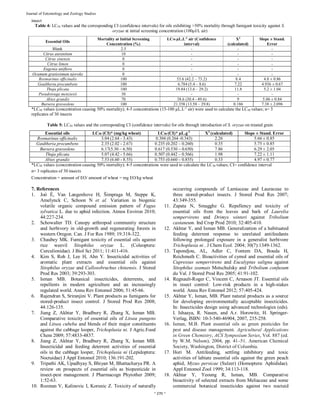
Table 3: LC50 values and the corresponding confidence intervals (CI) for oils exhibiting >50% mortality through direct spraying against P. fagi
at the initial screening concentration (1%)
Essential oils Mortality at Initial Screening Concentration (%) LC50 (%)* Confidence Interval
MeOH Control 1.1 - -
Blank 0 - -
Citrus aurantium 0 - -
Citrus sinensis 6.7 - -
Citrus limon 6.7 - -
Eugenia uniflora 9.1 - -
Ocimum Gratissimum 0 - -
Rosmarinus officinalis 100 0.134 0.101–0.168
Gaultheria procumbens 0 - -
Thuja plicata 97 1.011 0.643–3.201
Pseudotsuga menziesii 100 0.428 0.122–2.506
Abies grandis 100 0.006 0.001–0.010
Bursera graveolens 97 0.907 0.660–1.641
*LC50 values (concentration causing 50% mortality); 4-5 concentrations (0.001-1%) were used to calculate the LC50 values; n= 3 replicates of 30
~ 270 ~
Journal of Entomology and Zoology Studies
insect
Table 4: LC50 values and the corresponding CI (confidence intervals) for oils exhibiting >50% mortality through fumigant toxicity against S.
oryzae at initial screening concentration (100µl/L air)
Essential Oils
Mortality at Initial Screening
Concentration (%)
LC50 µL.L-1
air (Confidence
interval)
X2
(calculated)
Slope ± Stand.
Error
Blank 2.5 - - -
Citrus aurantium 10 - - -
Citrus sinensis 0 - - -
Citrus limon 0 - - -
Eugenia uniflora 0 - - -
Ocumum gratissimum njoroke 0 - - -
Rosmarinus officinalis 100 53.6 (42.2 – 73.2) 8.4 4.8 ± 0.86
Gaultheria procumbens 100 6.784 (5.4 – 8.6) 7.22 4.936 ± 0.67
Thuja plicata 100 19.84 (13.6 – 29.2) 11.8 5.2 ± 1.04
Pseudotsuga menziesii 30 - - -
Abies grandis 70 38.6 (30.4 - 49.6) 9 5.06 ± 0.84
Bursera graveolens 100 21.358 (13.58 – 29.8) 0.186 7.38 ± 2.096
*LC50 values (concentration causing 50% mortality); 4-5 concentrations (15-100 µL.L-1
air) were used to calculate the LC50 values; n= 3
replicates of 30 insects
Table 5: LC50 values and the corresponding CI (confidence intervals) for oils through introduction of S. oryzae on treated grain
Essential oils LC50 (CI)* (mg/kg wheat) LC50 (CI)* µL.g-1
X2
(calculated) Slope ± Stand. Error
Rosmarinus officinalis 3.04 (2.64 - 3.43) 0.304 (0.264 -0.343) 2.26 5.66 ± 0.85
Gaultheria procumbens 2.35 (2.02 - 2.67) 0.235 (0.202 – 0.260) 0.35 5.75 ± 0.85
Bursera graveolens 6.17(5.30 – 6.50) 0.617 (0.530 – 0.650) 7.86 6.29 ± 2.05
Thuja plicata 5.07 (4.42 - 5.66) 0.507 (0.442 – 0.566) 1.98 7.22 ± 1.11
Abies grandis 7.53 (6.60 - 8.55) 0.753 (0.660 – 0.855) 0.33 4.97 ± 0.77
*LC50 values (concentration causing 50% mortality); 4-5 concentrations were used to calculate the LC50 values; CI= confidence interval
n= 3 replicates of 30 insects
Concentration = amount of EO/ amount of wheat = mg EO/kg wheat
7. References
1. Joó É, Van Langenhove H, Šimpraga M, Steppe K,
Amelynck C, Schoon N et al. Variation in biogenic
volatile organic compound emission pattern of Fagus
sylvatica L. due to aphid infection. Atmos Environ 2010;
44:227-234.
2. Schowalter TD. Canopy arthropod community structure
and herbivory in old-growth and regenerating forests in
western Oregon. Can. J For Res 1989; 19:318-322.
3. Chaubey MK. Fumigant toxicity of essential oils against
rice weevil Sitophilus oryzae L. (Coleoptera:
Curculionidae). J Biol Sci 2011; 11:411-416.
4. Kim S, Roh J, Lee H, Ahn Y. Insecticidal activities of
aromatic plant extracts and essential oils against
Sitophilus oryzae and Callosobruchus chinensis. J Stored
Prod Res 2003; 39:293-303.
5. Isman MB. Botanical insecticides, deterrents, and
repellents in modern agriculture and an increasingly
regulated world. Annu Rev Entomol 2006; 51:45-66.
6. Rajendran S, Sriranjini V. Plant products as fumigants for
stored-product insect control. J Stored Prod Res 2008;
44:126-135.
7. Jiang Z, Akhtar Y, Bradbury R, Zhang X, Isman MB.
Comparative toxicity of essential oils of Litsea pungens
and Litsea cubeba and blends of their major constituents
against the cabbage looper, Trichoplusia ni. J Agric.Food
Chem 2009; 57:4833-4837.
8. Jiang Z, Akhtar Y, Bradbury R, Zhang X, Isman MB.
Insecticidal and feeding deterrent activities of essential
oils in the cabbage looper, Trichoplusia ni (Lepidoptera:
Noctuidae) J Appl Entomol 2010; 136:191-202.
9. Tripathi AK, Upadhyay S, Bhiyan M, Bhattacharya PR. A
review on prospects of essential oils as biopesticide in
insect-pest management. J Pharmacogn Phytother 2009;
1:52-63.
10. Rozman V, Kalinovic I, Korunic Z. Toxicity of naturally
occurring compounds of Lamiaceae and Lauraceae to
three stored-product insects. J Stored Prod Res 2007;
43:349-355.
11. Zapata N, Smagghe G. Repellency and toxicity of
essential oils from the leaves and bark of Laurelia
sempervirens and Drimys winteri against Tribolium
castaneum. Ind Crop Prod 2010; 32:405-410.
12. Akhtar Y, and Isman MB. Generalization of a habituated
feeding deterrent response to unrelated antifeedants
following prolonged exposure in a generalist herbivore
Trichoplusia ni . J Chem Ecol. 2004; 30(7):1349-1362.
13. Tapondjou, AL, Adler C, Fontem DA, Bouda H,
Reichmuth C. Bioactivities of cymol and essential oils of
Cupressus sempervirens and Eucalyptus saligna against
Sitophilus zeamais Motschulsky and Tribolium confusum
du Val. J Stored Prod Res 2005; 41:91-102.
14. Regnault-Roger C, Vincent C, Arnason JT. Essential oils
in insect control: Low-risk products in a high-stakes
world. Annu Rev Entomol 2012; 57:405-424.
15. Akhtar Y, Isman, MB. Plant natural products as a source
for developing environmentally acceptable insecticides.
In: Insecticides design using advanced technologies (eds).
I. Ishaaya, R. Nauen, and A.r. Horowitz, H. Springer-
Verlag, ISBN: 10-3-540-46904, 2007, 235-258.
16. Isman, M.B. Plant essential oils as green pesticides for
pest and disease management. Agricultural Applications
in Green Chemistry, ACS Symposium Series, Vol. 887 (ed.
by W.M. Nelson), 2004, pp. 41–51. American Chemical
Society, Washington, District of Columbia.
17. Hori M. Antifeeding, settling inhibitory and toxic
activities of labiate essential oils against the green peach
aphid, Myzus persicae (Sulzer) (Homoptera: Aphididae).
Appl Entomol Zool 1999; 34:113-118.
18. Akhtar Y, Yeoung R, Isman, MB. Comparative
bioactivity of selected extracts from Meliaceae and some
commercial botanical insecticides against two noctuid
~ 271 ~
Journal of Entomology and Zoology Studies
caterpillars, Trichoplusia ni and Pseudaletia unipuncta.
Phytochem Rev 2007; 7:77-88.
19. Siskos EP, Mazomenos BE, Konstantopoulou MA.
Isolation and identification of insecticidal components
from Citrus aurantium fruit peel extract. J Agri Food
Chem, 2008; 56:5577-5581.
20. Hollingsworth RG. Limonene, a citrus extract, for control
of mealybugs and scale insects. J. Econ. Entomol 2005;
98:772-779.
21. Chapman RF, Bernays EA, Simpson SJ. Attraction and
repulsion of the aphid, Cavariella aegopodii, by plant
odors. J. Chem, Ecol 1981; 7:881-888.
22. Kavallieratos NG, Lykouressis D. Parasitoids
(Hymenoptera: Braconidae) emerged from aphids
(Homoptera: Aphidoidea) on citrus and their frequency in
Greece. J Bollettino del Laboratorio di Entomologia
Agraria "Filippo Silvestri” 1999; 55:93-104.
23. Keeling CI, Bohlmann J. Genes, enzymes and chemicals
of terpenoid diversity in the constitutive and induced
defence of conifers against insects and pathogens. New
Phytol 2006; 170:657-675.
24. Liska A, Rozman V, Kalinovic I, Ivecic M, Balicevic R.
Contact and fumigant activity of 1,8-cineole, eugenol and
camphor against Tribolium castaneum (Herbst). Julius-
Kühn-Archiv, 2010. DOI: 10.5073/jka.2010.425.093.
25. Byun-McKay A, Kimberly AG, Toudefallah M, Martin
DM, Alfaro R, King J et al. Wound-induced terpene
synthase gene expression in Sitka Spruce that exhibit
resistance or susceptibility to attack by the white pine
weevil. Plant Physiol 2006; 140:1009-1021.
26. Steele CL, Katoh S, Bohlmann J, Croteau R. Regulation
of oleoresinosis in Grand Fir (Abies grandis): Differential
transcriptional control of monoterpene, sesquiterpene, and
diterpene synthase genes in response to wounding. Plant
Physiol 1998; 116:1497-1504.
27. Sakai T, Maarse H, Kepner RE, Jennings WG, Longhurst
WM. Volatile components of Douglas fir needles. J. Agric
Food Chem 1967; 15:1070-1072.
28. Pugazhvendan SR, Ross PR, Elumalai K. Insecticidal and
repellant activities of plants oil against stored grain pest,
Tribolium castaneum (Herbst) (Coleoptera:
Tenebrionidae). Asian Pac J Trop Dis 2012; 2:412-415.
29. Kim J, Haribalan P, Son B, Ahn Y. Fumigant toxicity of
plant essential oils against Camptomyia corticalis
(Diptera: Cecidomyiidae). J Econ Entomol 2012;
105:1329-1334.
30. Strobel BW, Jensen PH, Rasmussen LH, Hansen HCB.
Thujone in soil under Thuja plicata. Scand J For Res
2005; 20:7-11.
31. Michaelraj S, Sharma RK. Fumigant toxicity of neem
formulations against Sitophilus oryzae and Rhyzopertha
dominica. J.Agric Tech 2006; 2:1-16.
32. Mueller DK, 1990. Fumigation. In: Mallis, A. (Ed.),
Handbook of Pest Control. Franzak and Foster, Cleveland,
Ohio, USA, pp.901-939.
33. Akhtar A, Pages E, Stevens A, Bradbury Rod, Camara
CAG da, Isman MB. Effect of chemical complexity of
essential oils on feeding deterrence in larvae of the
cabbage looper. Physiol Entomol 2012; 37:81-91.
34. Akhtar Y, Isman MB. Binary mixtures of feeding
deterrents mitigate the decrease in feeding deterrent
response to antifeedants following prolonged exposure in
the cabbage looper, Trichoplusia ni (Lepidoptera:
Noctuidae). Chemoecol 2000; 13:177-182.
35. Akhtar Y, Isman MB. Plant natural products for pest
management: The magic of mixtures. In Advanced
technologies for pest management, I Ishaaya, S Reddy
Palli and A R Horowitz (eds.). Springer, 2003, pp 231-
247.
36. Camara CAG da, Akhtar Y, Isman, MB, Seffrin, CR.
Repellent activity of essential oils from two species of
Citrus against Tetranychus urticae in the laboratory and
greenhouse. Crop Protect 2015; 74:110-115.
37. Verzera, A, Trozzi A, Dugo G, Bella D, Cotroneo A.
Biological lemon and sweet orange essential oil
composition. Flavour Fragr J 2004; 19:544-548.
38. Victoria FN, Lenardao EJ, Savegnago L, Perin G, Jacob
RG, Alyes D et al. Essential oil of the leaves of Eugenia
uniflora L.: Antioxidant and antimicrobial properties.
Food ChemiToxicol 2012; 50:2668-2674.
39. Joshi RK. Chemical composition, in vitro antimicrobial
and antioxidant activities of the essential oils of Ocimum
gratissimum, O. sanctum and their major constituents.
Indian J Pharm Sc 2013; 75:457-462.
40. Jiang Y, Wu N, Fu YJ, Wang W, Luo M, Zhao CJ et al.
Chemical composition and antimicrobial activity of the
essential oil of Rosemary. Env Toxic Pharm 2011; 32:63-
68.
41. Tsiri, D, Graikou, K, Poblocka-Olech, L, Krauz-
Baranowska, M, Spyropoulos, C and Chinou, I.
Chemosystematic value of the essential oil composition of
Thuja species cultivated in Poland—antimicrobial
activity. Molecules 2009; 14:4707-4715.
42. Veletesevic, SM, Vlatka Vajs, ID, Marina Sokovic, VL,
and Miroslav, N. Chemical composition and antifungal
activity of the essential oil of Dougla fir (Pseudotsuga
menziesii, Mirb. Franco). J Serb Chem Soc 2009;
74(10):1035-1040.
43. Adams, RP, Kauffmann, M and Callahan, F. The leaf
essential oil of Abies grandis (Doug, ex D. Don) Lindl
(Pinnaceae): revisited 38 years later. Phytologia (2015);
97(1):1-3.
44. Young GD, Chao S, Casablanca H, Bertrand MC, Minga
D. Essential oil of Bursera graveolens (Kunth) Triana et
Planch from Ecuador. J Essent Oil Res 2007; 19:525-526.

Final Version J.Entom.Zool

  • 1.
    ~ 265 ~ Journalof Entomology and Zoology Studies 2015; 3 (3): 265-271 E-ISSN: 2320-7078 P-ISSN: 2349-6800 JEZS 2015; 3 (3): 265-271 © 2015 JEZS Received: 16-04-2015 Accepted: 19-05-2015 Aurash R. Yazdgerdian Faculty of Land and Food Systems, University of British Columbia, Vancouver, BC, Canada V6T 1Z4 Yasmin Akhtar Faculty of Land and Food Systems, University of British Columbia, Vancouver, BC, Canada V6T 1Z4 Murray B. Isman Faculty of Land and Food Systems, University of British Columbia, Vancouver, BC, Canada V6T 1Z4 Correspondence: Yasmin Akhtar Faculty of Land and Food Systems, University of British Columbia, Vancouver, BC, Canada V6T 1Z4 Insecticidal effects of essential oils against woolly beech aphid, Phyllaphis fagi (Hemiptera: Aphididae) and rice weevil, Sitophilus oryzae (Coleoptera: Curculionidae) Aurash R. Yazdgerdian, Yasmin Akhtar, Murray B. Isman Abstract Eleven essential oils (Citrus aurantium, Citrus sinensis, Citrus limon, Eugenia uniflora, Ocimum gratissimum, Rosmarinus officinalis, Gaultheria procumbens, Thuja plicata, Pseudotsuga menziesii, Abies grandis, Bursera graveolens) were tested against Phyllaphis fagi, as contact and residual toxins. Abies grandis (LC50=0.006%) was significantly the most active contact toxin followed by the positive control, R. officinalis (LC50=0.134%), P. menziesii (LC50 = 0.428%), B. graveolens (LC50=0.907%), and T. plicata (LC50=1.011%). Five of these essential oils were also tested against Sitophilus oryzae for fumigation effects. Based on the LC50 values of the oils, G. procumbens was the most active fumigant (LC50=6.8 l/l air). Thuja plicata and B. graveolens oils were equitoxic. Rosmarinus officinalis and A. grandis were the least toxic (LC50=53.6 and 38.6 l/l air respectively). In a grain-treated bioassay against S. oryzae, G. procumbens was the most active (LC50=0.235 µl-g-1 ) followed by R. officinalis. Thuja plicata and B. graveolens were equitoxic. Abies grandis was the least toxic. These oils exhibit different modes of action and have potential to be used as commercial insecticides against P. fagi and S. oryzae. Keywords: Phyllaphis fagi, S. oryzae, contact toxicity, residual toxicity, essential oils, grain protectant 1. Introduction The woolly beech aphid, Phyllaphis fagi, and rice weevil, Sitophilus oryzae, are serious pests worldwide. P. fagi is a specialist on the European beech tree, Fagus sylvatica [1] and is responsible for reducing the aesthetics of F. sylvatica in nurseries, causing economic losses to the nursery industry. It also attracts other insects to the site and may change the local community structure of the canopy shed [2]. This is especially critical in regenerating beech forests since younger beech trees are more prone to aphid infestation and damage [2]. Heavy infestations of P. fagi may also change the emission levels of biogenic volatile organic compounds (BVOCs) in F. sylvatica [1]. Infestation of F. sylvatica by P. fagi caused an increase in the release rate of terpenoids from 57 µg m-2 h-1 to 127 µg m-2 h-1, possibly affecting global atmospheric levels [1] . Severe aphid infestation can reduce photosynthetic rates of host plants like F. sylvatica and thereby increases the overall carbon content in the atmosphere, having severe implications on climate change. Sitophilus species cause considerable economic losses to stored wheat grain. Heavy infestation of these pests due to the lack of proper food hygiene and storage may cause weight losses of as much as 30–40% [3]. Direct feeding on the grain kernels may cause unfavorable effects on food quality, safety, and preservation [4]. Control of these insects relies heavily on the use of synthetic insecticides including organochlorines (lindane), organophosphates (malathion), carbamates (carbaryl), pyrethroids (deltamethrin) and fumigants including methyl bromide, phosphine, and sulfuryl fluoride. However, the indiscriminate application of synthetic products has led to various problems including toxic residual effects, environmental pollution, and development of resistance in insects [5]. Therefore, there is an urgent need to develop safe, convenient and low-cost alternatives. Considerable efforts have been focused on the use of plant-derived materials including essential oils as bioinsecticides. Essential oils have demonstrated toxic effects against stored-product insects [6] as well as agricultural pests [7, 8]. They may act as fumigants [6, 9, 10], contact insecticides [9, 11], antifeedants [8, 12] or repellents [11, 13] . Essential oils also have a long history in medical and dietary uses[14]
  • 2.
    ~ 266 ~ Journalof Entomology and Zoology Studies and in the USA are “Generally Recognized as Safe” [15] . Due to their low mammalian toxicity [16] they could be used as alternative sources for controlling a number of insect pests including stored-product insects [4]. Plant essential oils and their constituents have been shown to possess potential for development as new fumigants and they may have advantages over conventional fumigants in terms of low mammalian toxicity and low environmental impact. The objective of this study was to screen essential oils as effective contact or residual toxicants against the woolly beech aphid, P. fagi, and as fumigants against the rice weevil, S. oryzae. Species were chosen because of their world-wide pest status as well as their availability. Selection of essential oils for the experiment was based on prior knowledge of their insecticidal activities against related insect species. Families Lamiaceae (including R. officinalis and O. gratissimum), Rutaceae (including C. aurantium L., C. sinensis var. pera Osbeck, and C. limon), Myrtaceae (including E. uniflora), and Cupressaceae (including T. plicata) are specifically known for their insecticidal effects against hemipterans (including the aphids) and coleopterans (including the weevils) [16]. None of the oils used in our study have been tested against P. fagi and only some against S. oryzae for contact, residual, or fumigant effects, to the best of our knowledge. 2. Materials and Methods 2.1 Period of Study This study was carried out during April-December, 2012. 2.2 Test substances Essential oils used in the study (Table 1) were obtained from different sources. Rosemary, wintergreen and conifer oils were provided by Ecosafe Natural Products Inc. (Canada). Citrus and Eugena oils were provided by Dr. Claudio A. G. da Camara (Univ. Federal Rural de Pernambuco, Brazil). 2.3 Test Insects Woolly Beech aphid Aphids were collected from European beech trees, Fagus sylvatica, on the University of British Columbia campus during the months of May and June of 2012 under typical Vancouver spring weather. Early nymphal stages were distinguished from the mature stages by size and density of a wax-cover, particularly on their abdomens. Early staged nymphs and winged adults were not chosen in order to reduce variability. Approximately 100 third-fourth instar aphids were stored in a plastic container (diameter: 4cm; height: 3cm) and were immediately used in the experiments. Aphids used in the experiments were not redistributed into the general population to prevent potential resistance development to the essential oils. Rice weevils Rice weevils, Sitophilus oryzae, were obtained from Dr. Paul Fields (Agriculture and Agri-food Canada, Winnipeg) and were later stored in plastic boxes in the insect toxicology lab of the University of British Columbia at 23ºC and a 16:8 (light: dark) photoperiod. They were fed a mixture of whole wheat grain, white polished rice, and brown rice. Mature adults were separated based on size and were used in the fumigation bioassays. Essential oils 2.4 Contact Toxicity Bioassay through direct spraying: A filter paper (diameter: 4cm) was placed in a plastic container (diameter: 4cm; height: 3cm) and 30 aphids were transferred into the container. Aphids were sprayed with a methanolic solution of an essential oil at different concentrations. Control aphids were sprayed with methanol alone. Treated aphids were then transferred to a clean container with a beech leaf disc (2.5 cm diameter). Mortality was assessed after 24h. Three replicates were conducted for each oil; each replicate used 30 aphids. Experiments were conducted at room temperature (23 ºC). 2.5 Residual Toxicity Bioassay Clean European beech leaves were collected and cut into leaf discs. Each leaf disc (2.5cm diameter) was dipped into 50µL of a 1% methanolic solution of the essential oil and air dried for ~ 1.5 minutes. Leaf discs were then placed in a plastic container (diameter: 4cm; height: 3cm). Ten aphids were introduced on each leaf disc and the container was sealed with a plastic lid. Mortality was assessed after 24h. There were three replicates of 30 insects each. 2.6 Fumigation Bioassay Thirty adult S. oryzae were collected from the colony and stored in a glass vial (length = 5.5cm, diameter = 2.5cm) for each treatment. The glass vial was tightly sealed by a mesh cloth immediately after weevil collection to prevent their escape. The mesh cloth was porous enough to allow fumes to penetrate into the vial and prevent weevils from coming into direct contact with an oil treated filter paper. Glass vials containing S. oryzae were hung from a pin stuck into a size 7 rubber stopper, used for sealing the fumigation chamber (500 ml Erlenmeyer flask). A Whatman (#1) filter paper (4.25 cm diameter) was treated with different doses of pure essential oil (6.25, 12.5, 25.0 and 50 µl). It was air-dried in the fumehood for ~ 2 minutes and placed in the centre of a 500ml Erlenmeyer flask. The glass vials containing the weevils were hung inside the flask. Vials were always positioned halfway in the chamber so that the distance between the fume source (filter paper) and the vial opening was consistentl for each trial. The rubber stopper tightly sealed the Erlenmeyer flask ensuring that no fumes would escape from the fumigation chamber. Mortality was assessed after 24h. There were three replicates of 30 S. oryzae each. Experiments were conducted at room temperature (23 ºC). 2.7 Toxicity through treated grain assay Ten grams of whole wheat seed were added into a glass vial (length = 5.5cm, diameter = 2.5cm) to occupy 50% of the vial volume. Essential oils were pipetted onto the surface of grains in the vial; the vial was immediately sealed, and thoroughly shaken to ensure that the oil mixed well with all the grains in the vial. Ten S. oryzae were transferred from the colony container into the prepared glass vial. The vials were gently shaken to ensure the S. oryzae were distributed throughout the vial. Each prepared vial was stored under laboratory conditions (23 °C). Mortality was assessed at 24 and 48h. There were 3 replications of 30 insects each. 2.8 Statistical analysis Percent mortality was calculated by using the ratio of dead insects to the total number of insects after 24 hours. Insects were considered to be dead if no movement was observed by touching with a probe under a magnifying glass for several seconds. Probit Analysis® was used to calculate LC50 (concentration causing 50% mortality compared with the control) values and their confidence intervals.
  • 3.
    ~ 267 ~ Journalof Entomology and Zoology Studies 3. Results 3.1 Residual and contact toxicity of essential oils against P. fagi Most of the oils were not active as residual toxins against woolly beech aphid, P. fagi at the initial screening concentration. Bitter orange produced 40% mortality followed by western red cedar (28% mortality) and ≤15% for all others (Table 2) at the initial screening concentration of 1%. Five oils were active as contact toxins exhibiting 97-100% mortality against P. fagi at the initial screening concentration of 1% (Table 2). Abies grandis (LC50 = 0.006%) was significantly the most active contact toxin followed by the positive control, R. officinalis (LC50 = 0.134%), P. menziesii (LC50 = 0.428%), B. graveolens (LC50 = 0.907%), and T. plicata (LC50 = 1.011%). R. officinalis (LC50 value=0.134%) and P. menziesii (LC50 value=0.428%) were equitoxic based on their overlapping confidence intervals. LC50 values for B. graveolens (0.907%) and T. plicata (1.011%) were not significantly different from P. menziesii based on their overlapping confidence intervals (Table 3). 3.2 Fumigant toxicity of essential oils against S. oryzae Five oils were active as fumigants against S. oryzae exhibiting 70-100% mortality at the initial screening concentration of 100 µl/l air (Table 4). Citrus aurantium and P. menziesii produced 10% and 30% mortalities respectively at the initial screening concentration. Based on the LC50 values of the oils, G. procumbens was the most active fumigant (LC50 value = 6.8 l/l air). Thuja plicata (LC50 value = 19.8 l/l air) and B. graveolens (LC50 value = 21.4 l/l air) oils were equitoxic (overlapping confidence intervals). Abies grandis and R. officinalis were the least toxic oils against S. oryzae (LC50 values = 38.6 and 53.6 l/l air, respectively) (Table 4). 3.3 Toxicity of essential oils through treated grain (S. oryzae) In the treated grain bioassay, G. procumbens was the most active (LC50 = 0.235 µl-g-1) followed by R. officinalis (LC50 = 0.304 µl-g-1) (Table 5). Thuja plicata (LC50 = 0.507 µl-g-1) and B. graveolens (LC50 = 0.617 µl-g-1) were equitoxic (overlapping confidence intervals). Abies grandis was the least toxic (LC50 = 0.753 µl-g-1 ). 4. Discussion Some of the oils have demonstrated strong toxic effects against aphids and rice weevils. Essential oils were more active as contact than as residual toxins against P. fagi. Abies grandis, was the most active contact toxin. P. menziesii was equitoxic to the R. officinalis oil (positive control). Toxicity of the other two oils, T. plicata and B. graveolens did not differ from P. menziesii. Comparing the residual and contact toxicity effects, most of the oils including C. cinensis, C. limon, E. uniflora, O. gratissimum, G. procumbens had very low or no residual effects against P. fagi. Some of these oils including R. officinalis, P. menziesii, B. graveolens and A. grandis were only active as contact toxins. C. aurantium was only active as a residual toxin and T. plicata demonstrated both contact and residual effects. Since T. plicata possesses both contact and residual effects it could be used as an effective crop protectant. Gaultheria procumbens oil was the most active in both fumigant and the treated-grain bioassays, probably due to the toxic vapours of G. procumbens oil. Thuja plicata and B. graveolens were equitoxic in both types of bioassays. In general, efficacy of an essential oil depends upon its chemical composition and the ratio of the constituents present in the mixture. The chemical composition varies even within the phylogenetically close species of plants. Douglas fir and Grand fir belong to the same family (Pinaceae), yet share only a few common constituents such as -pinene and camphene. A. grandis was significantly more active (LC50 = 0.006%) than B. graveolens through direct spraying against P. fagi. Results from our study are consistent with previous work related to the insecticidal effects of R. officinalis. Rosemary oil is known for its insecticidal activities against a variety of insects and has been incorporated into many commercial insecticides [7] . Specifically, rosemary has been shown to act as a repellent, settling inhibitor, and contact toxin against green peach aphid, Myzus persicae (Sulzer) [17]. Although R. officinalis was an active contact toxin, it was not active as a residual toxin. This suggests that R. officinalis essential oil has a greater ability to penetrate through the cuticle of aphids than to be absorbed from the gut. Thus, the mode of action of R. officinalis essential oil could be different based on the method of application. The same reasoning may account for the observed lower residual toxicity for other essential oils like C. limon, T. plicata, P. menziesii, A. grandis, and B. graveolens. R. officinalis essential oil has also been shown to act as a contact neurotoxin against certain insects [18] and targets green peach aphids by damaging their olfactory senses [17] . Citrus oils used in our study were not active as residual or contact toxins. The source of C. aurantium essential is the bitter orange peel. Studies have shown that C. aurantium peel extracts and other related Citrus species’ essential oils may be effective in pest management against a variety of insect pests [19]. Although, C. aurantium had no contact toxicity, it demonstrated a higher residual toxicity (40%) against P. fagi. However, the other citrus oils also showed relatively low toxicity against P. fagi. Essential oils of C. limon and C. sinensis showed low contact toxicity (6.7%). Limonene, which is a major constituent of the citrus oils used in this study, has demonstrated insecticidal activities against the palm aphid, Cerataphis brasiliensis, when used in combination with other oils and insecticidal soaps and sprays [20]. Interestingly F. sylvatica naturally emits limonene and when infested by P. fagi, limonene release is reduced [1]. Carvone, another constituent of citrus essential oil is a noted attractant to the related aphid Carvarriella aegopodii and is used in baits [21]. If used in combination with a toxic essential oil lacking repellent effects, carvone may act as an attractant for aphids to the source of toxin. Further research is needed to look at the insecticidal effects of other constituents of citrus oils against P. fagi. A variety of aphids are citrus pests and some have been observed on C. aurantium and C. sinensis [22]. The previous studies show citrus trees are able to attract aphid predators and/or parasites as kairomones. Testing our Citrus essential oil against natural predators/parasites of P. fagi may give us some insight on whether these essential oils could act as attractants for the natural enemies of F. sylvatica. Wintergreen oil, G. procumbens, is predominantly comprised of methyl salicylate (99%), which is a known repellent against aphids [36] and a contact toxin against many insects [1]. G. procumbens was not active either as a residual or contact toxin against P. fagi in the present study. Interestingly, Joó et al.’s study (2010) showed that F. sylvatica is capable of releasing methyl salicylate as a biogenic volatile organic compound. Since aphids in our study were obtained directly from an infested European beech tree, it is possible that P. fagi have already developed resistance to methyl salicylate prior to the testing in the lab. Insects are capable of developing resistance towards plant chemical defenses [23]. Therefore, resistance
  • 4.
    ~ 268 ~ Journalof Entomology and Zoology Studies development by P. fagi against methyl salicylate could be a factor explaining the complete lack of toxicity against this species. This is a limitation of using field insects. Using laboratory raised, non-resistant aphids may give us more insight into the potential of methyl salicylate/wintergreen oil as a toxicant against P. fagi. Ocimum gratissimum, commonly called “alfavaca”, is believed to have originated in Central Africa or South East Asia and is known for its antimicrobial, medicinal and culinary uses [39] . The family Lamiaceae contains a number of species demonstrating toxicity against aphids [16] but O. gratissimum essential oil was not active as a contact or residual toxin against P. fagi in the present study. The main constituents in the O. gratissimum essential oil were eugenol (43.2%) and 1,8- cineole (12.8%) [39]. Toxic effects of eugenol and 1,8-cineole have been reported against many insects including Sitophilus zeamais and Tribolium castaneum [24] . Essential oil constituents are produced by a variety of coniferous trees for their own defense against insect pests [25]. When infested, various conifers upregulate the expression of terpenoid encoding genes, in turn releasing multifold levels of volatile terpenoids [23]. When attacked by insect pests A. grandis trees initially upregulate genes expressing toxic or repellent volatile monoterpenes and releases these products into the local environment [26]. The initial monoterpenes released may act as direct contact toxins and/or fumigants on insect pests, effectively reducing insect pest density on the tree. Based on our study, A. grandis essential oil was the most active contact toxin against P. fagi producing 100% mortality at 0.01% down to 16.7% mortality at 0.001%. None of the other oils were active at such a low concentration. Abies grandis also demonstrated the lowest LC50 (0.006%) compared with other oils. Thus A. grandis essential oil has potential to be used as insecticide. Abies grandis essential oil also exhibited fumigant toxicity to S. oryzae (LC50 38.6 µl.L-1). This finding demonstrates that A. grandis essential oil can be used as an effective fumigant against S. oryzae, consistent with the fact that A. grandis trees are capable of using volatile monoterpenes as a defense mechanism against insect pests in nature [26]. Thuja plicata, was the only essential oil demonstrating residual toxicity against P fagi. Thuja plicata essential oil caused 28% aphid mortality in the initial screening bioassays. Leaves of T. plicata have insecticidal effects on the white pine weevil, Pissodes strobi, [16] to a greater extent than other related conifers [25]. This may be due to different chemical constituents of each tree species’ essential oil since (+)-3- thujone and (-)-3-isothujone is more predominant in T. plicata leaves (80-90%) than in other related conifers like P. menziesii [27]. Essential oils of P. menziesii, T. Plicata and B. graveolens were strong contact toxins against P. fagi. Related conifer essential oils like spruce exhibit toxicity against weevils and T. plicata essential oil is a deterrent to the white pine weevil, P. strobi [16]. Fumigant toxicity is evident for all oils tested and the positive control, G. procumbens, was shown to be highly effective against S. oryzae, consistent with previous findings for G. procumbens fumigant toxicity on other insects: the Coleopteran stored grain pest Tribolium castaneum [28] and the cecidomylid gall midge, Camptomyia corticalis [29]. Studies show T. plicata oil to be toxic to various insects and related weevil species like the cowpea weevil, Callosobruchus maculata, [30] and a known feeding deterrent to the white pine weevil, P. strobi [16] . Consistent with the previous reports, T. plicata demonstrated strong fumigant effects against S. oryzae in the present study. T. plicata and B. graveolens essential oils exhibited the lowest LC50 values (19.8 µl.L-1 air for T. Plicata and 10.68 µl.L-1 air for B. graveolens). Thuja plicata was a more active fumigant than P. menziesii. This may result from the difference in the chemical compositions of these oils. No (- )-3-isothujone and (+)-3-thujone was found in P. menziesii essential oil from France [27] while 80-100% of the T. plicata EO is found to be rich in the latter chemicals [16, 30] . It has been demonstrated [30] that some constituents of T. plicata, predominantly thujone and its isomers, have long lasting effects after T. plicata leaves have fallen onto the substratum and gone into the soil [30]. Thus, in the practical situation of S. oryzae infestation such as in storage areas of grain or rice, T. plicata essential oil fumes would be active for a longer period of time than oils with shorter-lasting terpenes. From our results, at least for higher concentrations of T. plicata applied, fumigation methodology can be considered as a viable pest management approach against S. oryzae, consistent with previous claims of this methodology being effective, economical and convenient against stored insect pests [31] . Fumigation has been considered to be effective due of the ability of volatiles to penetrate into the commodity with minimal residues [32]. Moreover the fumes in a stored system would also not easily dissipate out into the exterior environment. In our treated grain bioassay, G. procumbens was the most active oil followed by R. officinalis. T. plicata and B. graveolens were equitoxic. Abies grandis was the least toxic as a grain protectant. Future studies should focus on testing the constituents of these oils against P. fagi and/or S. oryzae as effective environmentally friendly crop protectants. 5. Conclusion Abies grandis, P. menziesii, R. officinalis (positive control), B. graveolens, and T. plicata were found to be strong contact toxins against P. fagi. G. procumbens, T. plicata, P. menziesii, A. grandis, B. graveolens were active fumigants against S. oryzae. In a grain-treated bioassay against S. oryzae, G. procumbens was the most active oil followed by R. officinalis. Abies grandis was the least toxic in grain-treated bioassays against S. oryzae. These oils exhibit more than one mode of action and may constitute a “multichemical defense” against a variety of potential herbivores. Since the oils are composed of mixtures of compounds, they will be more effective than individual compounds in terms of forestalling and diluting resistance and habituation [33, 34, 35] for long-term use. These oils have been tested for the first time against woolly beech aphids to the best of our knowledge. Some of these oils have never been tested against rice weevils. This study has explored the potential for development of essential oils especially from conifers to be effective, economically and environmentally friendly commercial insecticides. 6. Acknowledgement We thank Dr. Paul Fields for providing us the rice weevils (S. oryzae), Dr. Claudio A. G. da Camara (Universidade Federal Rural de Pernambuco, Brazil) for providing us the Citrus and Eugenia oils and Mr. Rod Bradbury (Ecosafe Natural Products Inc.) for providing us with rosemary, wintergreen and conifer oils.
  • 5.
    ~ 269 ~ Journalof Entomology and Zoology Studies Table 1: List of essential oils used in the study: their origin and major constituents Essential Oil Origin Major Constituents Scientific Name Common Name Family Name Citrus aurantium [36] Bitter Orange Rutaceae Tunisia limonene (89.8%) Citrus sinensis [36, 37] Sweet Orange Rutaceae Southeastern Asia (China) limonene (93.5%) Citrus limon [37] Lemon Rutaceae Asia (Southern India, Burma, China) limonene, β-pinene Eugenia uniflora [38] Brazillian Cherry Myrtaceae Tropical South American East Coast germacrene B (21.2%), seline-1,3,7-trien-8-one oxide (19.3%), β-caryophyllene (12.6%) Ocimum gratissimum [39] Clove Basil Lamiaceae Eastern Africa eugenol (75.1%) Rosmarinus officinalis [40] Rosemary Lamiaceae Morocco 1,8-cineole (26.54%), α-pinene (20.14%), camphor (12.88%), camphene (11.38%), β-pinene (6.95%) Gaultheria procumbens [36] Wintergreen Ericaceae Northeastern North America methyl salicylate (96-99%) Thuja plicata [41] Western Red Cedar Cupressaceae Western North America α-thujone (62%), β-thujone (10%) Pseudotsuga menziesii [42] Douglas Fir Pinaceae Western North America bornyl acetate (34.6)%, camphene (29.8%), α- pinene (11.6%), limonene (4.5%), β-pinene (2.7%) Abies grandis [43] Grand Fir Pinaceae Western North America β-pinene (20.3-31%), bornyl acetate ((12.7-26.2%), β-phellandrene (13.7 - 25.2%), camphene (8.3- 11.5%), α-pinene (4.4-7.4%) Bursera graveolens [44] Palo Santo Burseraceae South America limonene (59%), α-terpineol (11%) Table 2: Residual effects of essential oils at 1% against P. fagi Essential Oils Mortality (%) Control 3.4 Citrus aurantium 40 Citrus sinensis 15 Citrus limon 0 Eugenia uniflora 15 Ocimum gratissimum 10 Rosmarinus officinalis 0 Gaultheria procumbens 0 Thuja plicata 28 Pseudotsuga menziesii 0 Abies grandis 0 Bursera graveolens 2.8 n= 3 replicates of 30 insect Table 3: LC50 values and the corresponding confidence intervals (CI) for oils exhibiting >50% mortality through direct spraying against P. fagi at the initial screening concentration (1%) Essential oils Mortality at Initial Screening Concentration (%) LC50 (%)* Confidence Interval MeOH Control 1.1 - - Blank 0 - - Citrus aurantium 0 - - Citrus sinensis 6.7 - - Citrus limon 6.7 - - Eugenia uniflora 9.1 - - Ocimum Gratissimum 0 - - Rosmarinus officinalis 100 0.134 0.101–0.168 Gaultheria procumbens 0 - - Thuja plicata 97 1.011 0.643–3.201 Pseudotsuga menziesii 100 0.428 0.122–2.506 Abies grandis 100 0.006 0.001–0.010 Bursera graveolens 97 0.907 0.660–1.641 *LC50 values (concentration causing 50% mortality); 4-5 concentrations (0.001-1%) were used to calculate the LC50 values; n= 3 replicates of 30
  • 6.
    ~ 270 ~ Journalof Entomology and Zoology Studies insect Table 4: LC50 values and the corresponding CI (confidence intervals) for oils exhibiting >50% mortality through fumigant toxicity against S. oryzae at initial screening concentration (100µl/L air) Essential Oils Mortality at Initial Screening Concentration (%) LC50 µL.L-1 air (Confidence interval) X2 (calculated) Slope ± Stand. Error Blank 2.5 - - - Citrus aurantium 10 - - - Citrus sinensis 0 - - - Citrus limon 0 - - - Eugenia uniflora 0 - - - Ocumum gratissimum njoroke 0 - - - Rosmarinus officinalis 100 53.6 (42.2 – 73.2) 8.4 4.8 ± 0.86 Gaultheria procumbens 100 6.784 (5.4 – 8.6) 7.22 4.936 ± 0.67 Thuja plicata 100 19.84 (13.6 – 29.2) 11.8 5.2 ± 1.04 Pseudotsuga menziesii 30 - - - Abies grandis 70 38.6 (30.4 - 49.6) 9 5.06 ± 0.84 Bursera graveolens 100 21.358 (13.58 – 29.8) 0.186 7.38 ± 2.096 *LC50 values (concentration causing 50% mortality); 4-5 concentrations (15-100 µL.L-1 air) were used to calculate the LC50 values; n= 3 replicates of 30 insects Table 5: LC50 values and the corresponding CI (confidence intervals) for oils through introduction of S. oryzae on treated grain Essential oils LC50 (CI)* (mg/kg wheat) LC50 (CI)* µL.g-1 X2 (calculated) Slope ± Stand. Error Rosmarinus officinalis 3.04 (2.64 - 3.43) 0.304 (0.264 -0.343) 2.26 5.66 ± 0.85 Gaultheria procumbens 2.35 (2.02 - 2.67) 0.235 (0.202 – 0.260) 0.35 5.75 ± 0.85 Bursera graveolens 6.17(5.30 – 6.50) 0.617 (0.530 – 0.650) 7.86 6.29 ± 2.05 Thuja plicata 5.07 (4.42 - 5.66) 0.507 (0.442 – 0.566) 1.98 7.22 ± 1.11 Abies grandis 7.53 (6.60 - 8.55) 0.753 (0.660 – 0.855) 0.33 4.97 ± 0.77 *LC50 values (concentration causing 50% mortality); 4-5 concentrations were used to calculate the LC50 values; CI= confidence interval n= 3 replicates of 30 insects Concentration = amount of EO/ amount of wheat = mg EO/kg wheat 7. References 1. Joó É, Van Langenhove H, Šimpraga M, Steppe K, Amelynck C, Schoon N et al. Variation in biogenic volatile organic compound emission pattern of Fagus sylvatica L. due to aphid infection. Atmos Environ 2010; 44:227-234. 2. Schowalter TD. Canopy arthropod community structure and herbivory in old-growth and regenerating forests in western Oregon. Can. J For Res 1989; 19:318-322. 3. Chaubey MK. Fumigant toxicity of essential oils against rice weevil Sitophilus oryzae L. (Coleoptera: Curculionidae). J Biol Sci 2011; 11:411-416. 4. Kim S, Roh J, Lee H, Ahn Y. Insecticidal activities of aromatic plant extracts and essential oils against Sitophilus oryzae and Callosobruchus chinensis. J Stored Prod Res 2003; 39:293-303. 5. Isman MB. Botanical insecticides, deterrents, and repellents in modern agriculture and an increasingly regulated world. Annu Rev Entomol 2006; 51:45-66. 6. Rajendran S, Sriranjini V. Plant products as fumigants for stored-product insect control. J Stored Prod Res 2008; 44:126-135. 7. Jiang Z, Akhtar Y, Bradbury R, Zhang X, Isman MB. Comparative toxicity of essential oils of Litsea pungens and Litsea cubeba and blends of their major constituents against the cabbage looper, Trichoplusia ni. J Agric.Food Chem 2009; 57:4833-4837. 8. Jiang Z, Akhtar Y, Bradbury R, Zhang X, Isman MB. Insecticidal and feeding deterrent activities of essential oils in the cabbage looper, Trichoplusia ni (Lepidoptera: Noctuidae) J Appl Entomol 2010; 136:191-202. 9. Tripathi AK, Upadhyay S, Bhiyan M, Bhattacharya PR. A review on prospects of essential oils as biopesticide in insect-pest management. J Pharmacogn Phytother 2009; 1:52-63. 10. Rozman V, Kalinovic I, Korunic Z. Toxicity of naturally occurring compounds of Lamiaceae and Lauraceae to three stored-product insects. J Stored Prod Res 2007; 43:349-355. 11. Zapata N, Smagghe G. Repellency and toxicity of essential oils from the leaves and bark of Laurelia sempervirens and Drimys winteri against Tribolium castaneum. Ind Crop Prod 2010; 32:405-410. 12. Akhtar Y, and Isman MB. Generalization of a habituated feeding deterrent response to unrelated antifeedants following prolonged exposure in a generalist herbivore Trichoplusia ni . J Chem Ecol. 2004; 30(7):1349-1362. 13. Tapondjou, AL, Adler C, Fontem DA, Bouda H, Reichmuth C. Bioactivities of cymol and essential oils of Cupressus sempervirens and Eucalyptus saligna against Sitophilus zeamais Motschulsky and Tribolium confusum du Val. J Stored Prod Res 2005; 41:91-102. 14. Regnault-Roger C, Vincent C, Arnason JT. Essential oils in insect control: Low-risk products in a high-stakes world. Annu Rev Entomol 2012; 57:405-424. 15. Akhtar Y, Isman, MB. Plant natural products as a source for developing environmentally acceptable insecticides. In: Insecticides design using advanced technologies (eds). I. Ishaaya, R. Nauen, and A.r. Horowitz, H. Springer- Verlag, ISBN: 10-3-540-46904, 2007, 235-258. 16. Isman, M.B. Plant essential oils as green pesticides for pest and disease management. Agricultural Applications in Green Chemistry, ACS Symposium Series, Vol. 887 (ed. by W.M. Nelson), 2004, pp. 41–51. American Chemical Society, Washington, District of Columbia. 17. Hori M. Antifeeding, settling inhibitory and toxic activities of labiate essential oils against the green peach aphid, Myzus persicae (Sulzer) (Homoptera: Aphididae). Appl Entomol Zool 1999; 34:113-118. 18. Akhtar Y, Yeoung R, Isman, MB. Comparative bioactivity of selected extracts from Meliaceae and some commercial botanical insecticides against two noctuid
  • 7.
    ~ 271 ~ Journalof Entomology and Zoology Studies caterpillars, Trichoplusia ni and Pseudaletia unipuncta. Phytochem Rev 2007; 7:77-88. 19. Siskos EP, Mazomenos BE, Konstantopoulou MA. Isolation and identification of insecticidal components from Citrus aurantium fruit peel extract. J Agri Food Chem, 2008; 56:5577-5581. 20. Hollingsworth RG. Limonene, a citrus extract, for control of mealybugs and scale insects. J. Econ. Entomol 2005; 98:772-779. 21. Chapman RF, Bernays EA, Simpson SJ. Attraction and repulsion of the aphid, Cavariella aegopodii, by plant odors. J. Chem, Ecol 1981; 7:881-888. 22. Kavallieratos NG, Lykouressis D. Parasitoids (Hymenoptera: Braconidae) emerged from aphids (Homoptera: Aphidoidea) on citrus and their frequency in Greece. J Bollettino del Laboratorio di Entomologia Agraria "Filippo Silvestri” 1999; 55:93-104. 23. Keeling CI, Bohlmann J. Genes, enzymes and chemicals of terpenoid diversity in the constitutive and induced defence of conifers against insects and pathogens. New Phytol 2006; 170:657-675. 24. Liska A, Rozman V, Kalinovic I, Ivecic M, Balicevic R. Contact and fumigant activity of 1,8-cineole, eugenol and camphor against Tribolium castaneum (Herbst). Julius- Kühn-Archiv, 2010. DOI: 10.5073/jka.2010.425.093. 25. Byun-McKay A, Kimberly AG, Toudefallah M, Martin DM, Alfaro R, King J et al. Wound-induced terpene synthase gene expression in Sitka Spruce that exhibit resistance or susceptibility to attack by the white pine weevil. Plant Physiol 2006; 140:1009-1021. 26. Steele CL, Katoh S, Bohlmann J, Croteau R. Regulation of oleoresinosis in Grand Fir (Abies grandis): Differential transcriptional control of monoterpene, sesquiterpene, and diterpene synthase genes in response to wounding. Plant Physiol 1998; 116:1497-1504. 27. Sakai T, Maarse H, Kepner RE, Jennings WG, Longhurst WM. Volatile components of Douglas fir needles. J. Agric Food Chem 1967; 15:1070-1072. 28. Pugazhvendan SR, Ross PR, Elumalai K. Insecticidal and repellant activities of plants oil against stored grain pest, Tribolium castaneum (Herbst) (Coleoptera: Tenebrionidae). Asian Pac J Trop Dis 2012; 2:412-415. 29. Kim J, Haribalan P, Son B, Ahn Y. Fumigant toxicity of plant essential oils against Camptomyia corticalis (Diptera: Cecidomyiidae). J Econ Entomol 2012; 105:1329-1334. 30. Strobel BW, Jensen PH, Rasmussen LH, Hansen HCB. Thujone in soil under Thuja plicata. Scand J For Res 2005; 20:7-11. 31. Michaelraj S, Sharma RK. Fumigant toxicity of neem formulations against Sitophilus oryzae and Rhyzopertha dominica. J.Agric Tech 2006; 2:1-16. 32. Mueller DK, 1990. Fumigation. In: Mallis, A. (Ed.), Handbook of Pest Control. Franzak and Foster, Cleveland, Ohio, USA, pp.901-939. 33. Akhtar A, Pages E, Stevens A, Bradbury Rod, Camara CAG da, Isman MB. Effect of chemical complexity of essential oils on feeding deterrence in larvae of the cabbage looper. Physiol Entomol 2012; 37:81-91. 34. Akhtar Y, Isman MB. Binary mixtures of feeding deterrents mitigate the decrease in feeding deterrent response to antifeedants following prolonged exposure in the cabbage looper, Trichoplusia ni (Lepidoptera: Noctuidae). Chemoecol 2000; 13:177-182. 35. Akhtar Y, Isman MB. Plant natural products for pest management: The magic of mixtures. In Advanced technologies for pest management, I Ishaaya, S Reddy Palli and A R Horowitz (eds.). Springer, 2003, pp 231- 247. 36. Camara CAG da, Akhtar Y, Isman, MB, Seffrin, CR. Repellent activity of essential oils from two species of Citrus against Tetranychus urticae in the laboratory and greenhouse. Crop Protect 2015; 74:110-115. 37. Verzera, A, Trozzi A, Dugo G, Bella D, Cotroneo A. Biological lemon and sweet orange essential oil composition. Flavour Fragr J 2004; 19:544-548. 38. Victoria FN, Lenardao EJ, Savegnago L, Perin G, Jacob RG, Alyes D et al. Essential oil of the leaves of Eugenia uniflora L.: Antioxidant and antimicrobial properties. Food ChemiToxicol 2012; 50:2668-2674. 39. Joshi RK. Chemical composition, in vitro antimicrobial and antioxidant activities of the essential oils of Ocimum gratissimum, O. sanctum and their major constituents. Indian J Pharm Sc 2013; 75:457-462. 40. Jiang Y, Wu N, Fu YJ, Wang W, Luo M, Zhao CJ et al. Chemical composition and antimicrobial activity of the essential oil of Rosemary. Env Toxic Pharm 2011; 32:63- 68. 41. Tsiri, D, Graikou, K, Poblocka-Olech, L, Krauz- Baranowska, M, Spyropoulos, C and Chinou, I. Chemosystematic value of the essential oil composition of Thuja species cultivated in Poland—antimicrobial activity. Molecules 2009; 14:4707-4715. 42. Veletesevic, SM, Vlatka Vajs, ID, Marina Sokovic, VL, and Miroslav, N. Chemical composition and antifungal activity of the essential oil of Dougla fir (Pseudotsuga menziesii, Mirb. Franco). J Serb Chem Soc 2009; 74(10):1035-1040. 43. Adams, RP, Kauffmann, M and Callahan, F. The leaf essential oil of Abies grandis (Doug, ex D. Don) Lindl (Pinnaceae): revisited 38 years later. Phytologia (2015); 97(1):1-3. 44. Young GD, Chao S, Casablanca H, Bertrand MC, Minga D. Essential oil of Bursera graveolens (Kunth) Triana et Planch from Ecuador. J Essent Oil Res 2007; 19:525-526.