Falls Prevention Program
Implementation
By : Merce Veneracion , PT,CCI
CDC STEADI Falls Prevention
Program
CDC has identified community based fall
prevention program that have strong scientific
evidence of effectiveness .
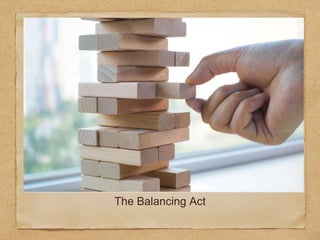
The Balancing Act
Planning for A Fall Prevention
Program
Form a Falls Prevention Task Force Committee.
Determine the site or community need .
What information or data do you have about the
burden of falls in your area ?
How much support is there at all levels of your
organization for starting a falls prevention program?
What are your organization’s current and future goals and
resources for providing services for older adults in your
area ?
What related programs or services are in place in your
area?
What are the existing facility and community resources that
can provide services to address or support older adult fall
prevention programs?
Who are the champions joining the program ?
Identify resources .
Is there a buy in from leadership?
Is funding available to implement the program ?
Is there a commitment to implement an evidence-
based program with fidelity ?
Are trained personnel available to offer the program ?
Do we know how we will sustain the program going
forward by embedding into existing operations ?
Have we thought through potential long term financing
strategies including public and private funding ?
Does the program include easy to administer pre and
post functional tests to document improvements in the
participant’s functional abilities ?
Does the program includes methods for maintaining
and monitoring fidelity and program quality over time
?
Develop benchmarks and chart progress over time .
Assure program quality when implementing a program
- it is an ongoing system for describing ,measuring
,and evaluating program delivery.
Program fidelity is important -it is essential to
implement the program with fidelity , the
program must retain the key elements that
made the intervention effective.
Selecting an Evidence Based
Program
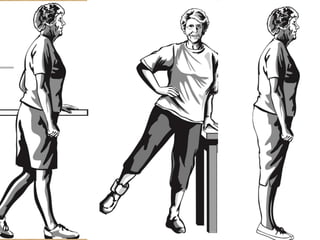
Otago Exercise Program - is an exercise
program developed by Physical Therapists. It
incorporates an individually tailored balance
and strength program of progressive
exercises along with a walking plan . It is
suited for older frail adults who are not
cognitively impaired.
The Otago Exercise Programme is a set of
balance exercises and strengthening
exercises administered in a period of 52
weeks prescribed by the physical therapist.
A calendar is maintained and progression of
exercises is documented.
Falls Prevention Program
Raise awareness and conduct a campaign which
includes the clinicians , patients and caregivers/
families .
Interdisciplinary team approach
Timely reporting and interventions
Re evaluations
Challenges in Implementing a Falls
Prevention
Program
Functional
Medical
Financial
Cultural barriers
Educational and literacy levels
Housing challenges
Religious practices and beliefs
Patient compliance
Staffing issues
Language barriers
Emotional challenges
Social
Involving the Patient in Falls
Prevention
Health Coaching - to help patients
understand the team’s advice , discuss how
the patient feels about that advice , work with
patients to use the advice to improve their
health.
Ask-tell-ask
Asking patients what they would like to
achieve and are willing to do involves actively
engaging patients in their care.
Asking patients what they think and what their
goals are produces better outcomes when
compared to telling them what to do.
Close the Loop
Half of the patients leave the facility without
understanding the clinician’s
recommendations.
Common questions should include - how do
they feel about the fall, what do they think are
the barriers and challenges , are they ready or
not ready to make changes.
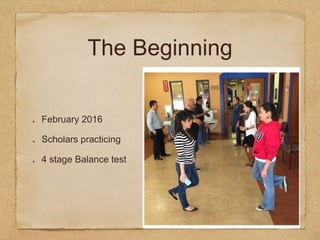
The Beginning
February 2016
Scholars practicing
4 stage Balance test
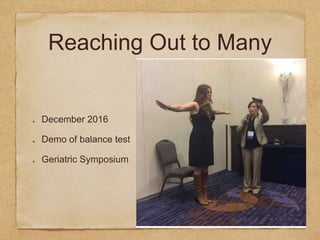
Reaching Out to Many
December 2016
Demo of balance test
Geriatric Symposium
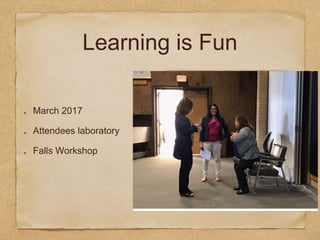
Learning is Fun
March 2017
Attendees laboratory
Falls Workshop
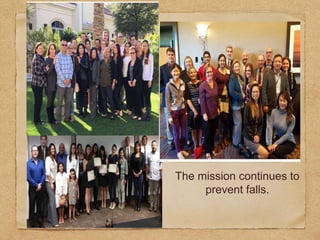
The mission continues to
prevent falls.

Falls Prevention Program Implementation

  • 1.
    Falls Prevention Program Implementation By: Merce Veneracion , PT,CCI
  • 2.
    CDC STEADI FallsPrevention Program CDC has identified community based fall prevention program that have strong scientific evidence of effectiveness .
  • 3.
  • 4.
    Planning for AFall Prevention Program Form a Falls Prevention Task Force Committee. Determine the site or community need . What information or data do you have about the burden of falls in your area ? How much support is there at all levels of your organization for starting a falls prevention program?
  • 5.
    What are yourorganization’s current and future goals and resources for providing services for older adults in your area ? What related programs or services are in place in your area? What are the existing facility and community resources that can provide services to address or support older adult fall prevention programs? Who are the champions joining the program ?
  • 6.
    Identify resources . Isthere a buy in from leadership? Is funding available to implement the program ? Is there a commitment to implement an evidence- based program with fidelity ? Are trained personnel available to offer the program ?
  • 7.
    Do we knowhow we will sustain the program going forward by embedding into existing operations ? Have we thought through potential long term financing strategies including public and private funding ? Does the program include easy to administer pre and post functional tests to document improvements in the participant’s functional abilities ?
  • 8.
    Does the programincludes methods for maintaining and monitoring fidelity and program quality over time ? Develop benchmarks and chart progress over time . Assure program quality when implementing a program - it is an ongoing system for describing ,measuring ,and evaluating program delivery.
  • 9.
    Program fidelity isimportant -it is essential to implement the program with fidelity , the program must retain the key elements that made the intervention effective.
  • 10.
    Selecting an EvidenceBased Program Otago Exercise Program - is an exercise program developed by Physical Therapists. It incorporates an individually tailored balance and strength program of progressive exercises along with a walking plan . It is suited for older frail adults who are not cognitively impaired.
  • 11.
    The Otago ExerciseProgramme is a set of balance exercises and strengthening exercises administered in a period of 52 weeks prescribed by the physical therapist. A calendar is maintained and progression of exercises is documented.
  • 13.
    Falls Prevention Program Raiseawareness and conduct a campaign which includes the clinicians , patients and caregivers/ families . Interdisciplinary team approach Timely reporting and interventions Re evaluations
  • 14.
    Challenges in Implementinga Falls Prevention Program Functional Medical Financial Cultural barriers Educational and literacy levels Housing challenges
  • 15.
    Religious practices andbeliefs Patient compliance Staffing issues Language barriers Emotional challenges Social
  • 16.
    Involving the Patientin Falls Prevention Health Coaching - to help patients understand the team’s advice , discuss how the patient feels about that advice , work with patients to use the advice to improve their health.
  • 17.
    Ask-tell-ask Asking patients whatthey would like to achieve and are willing to do involves actively engaging patients in their care. Asking patients what they think and what their goals are produces better outcomes when compared to telling them what to do.
  • 18.
    Close the Loop Halfof the patients leave the facility without understanding the clinician’s recommendations. Common questions should include - how do they feel about the fall, what do they think are the barriers and challenges , are they ready or not ready to make changes.
  • 19.
    The Beginning February 2016 Scholarspracticing 4 stage Balance test
  • 20.
    Reaching Out toMany December 2016 Demo of balance test Geriatric Symposium
  • 21.
    Learning is Fun March2017 Attendees laboratory Falls Workshop
  • 22.
    The mission continuesto prevent falls.