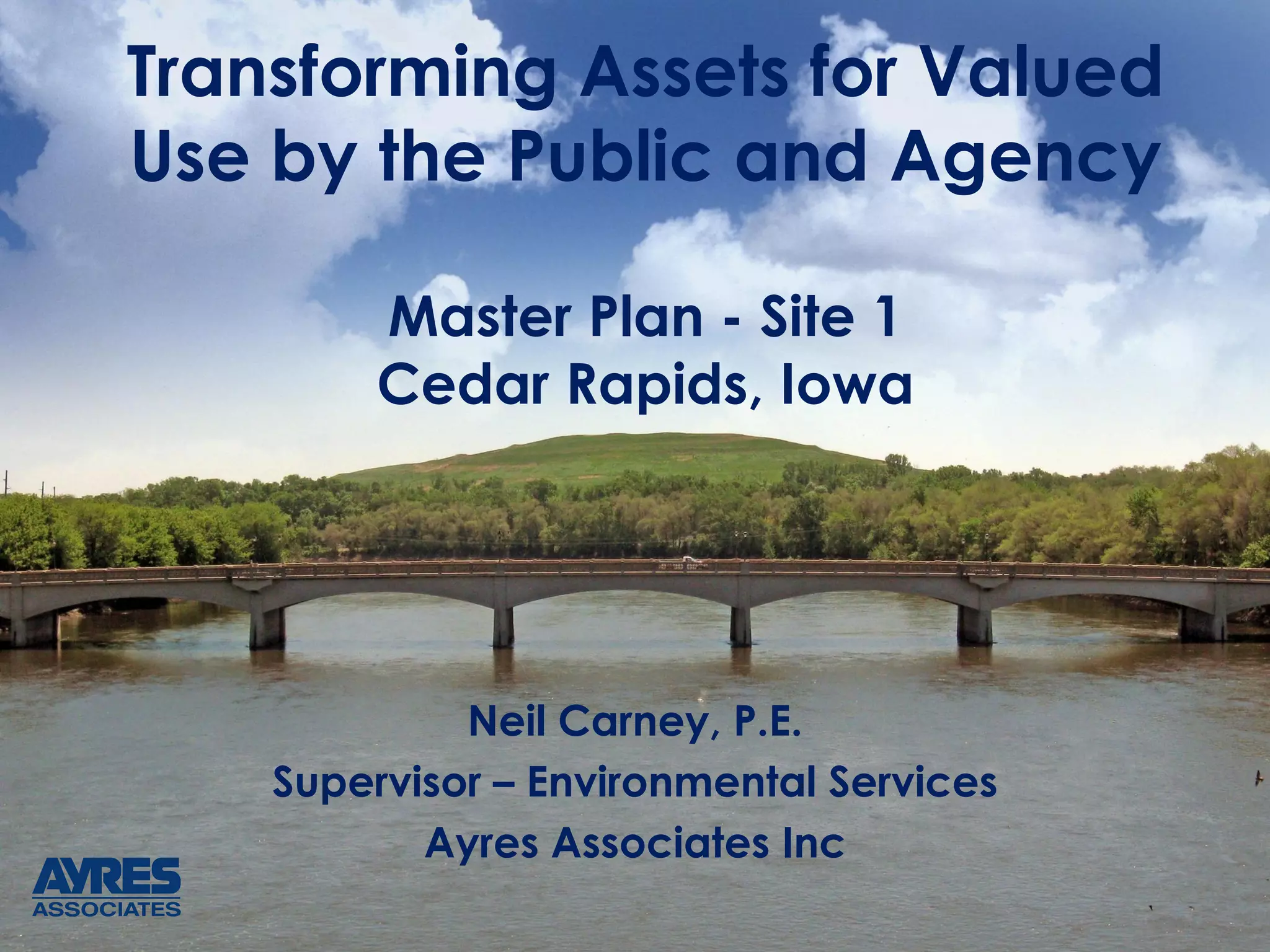
Transforming Assets for Valued
Use by the Public and Agency
Master Plan - Site 1
Cedar Rapids, Iowa
Neil Carney, P.E.
Supervisor – Environmental Services
Ayres Associates Inc
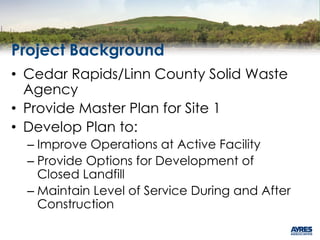
Project Background
• Cedar Rapids/Linn County Solid Waste
Agency
• Provide Master Plan for Site 1
• Develop Plan to:
– Improve Operations at Active Facility
– Provide Options for Development of
Closed Landfill
– Maintain Level of Service During and After
Construction
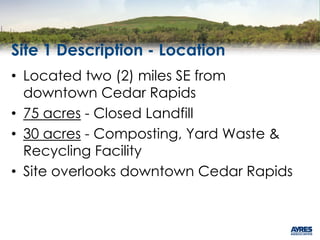
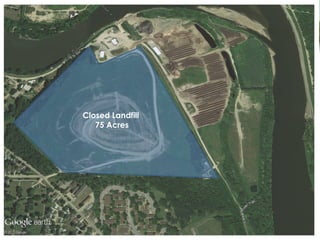
Site 1 Description - Location
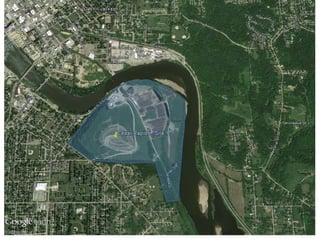
• Located two (2) miles SE from
downtown Cedar Rapids
• 75 acres - Closed Landfill
• 30 acres - Composting, Yard Waste &
Recycling Facility
• Site overlooks downtown Cedar Rapids
Closed Landfill
75 Acres
Site 1 – Closed Landfill
• Mt. Trashmore – 200 ft. elevation
change
• Open from 1962 to 1994 for MSW
• Re-opened in 2008 to accept debris
from flood damage
• Closed since 2011
• Clay cap with active flare/blower
system ~ 700CFM
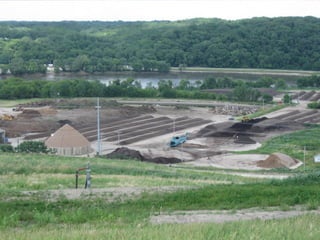
Site 1 – Composting & Recycling Facility
• Material Collection and Recycling
• Composting and Yard Waste Facility
– Wood Waste – 6,700 tons/year
– Yard Waste and Leaves – 22,500 tons/year
- Waste Oil - Glass - Batteries
- Appliances - Used Tires - Electronics
- Scrap Metal - Fluorescent
Bulbs
- Shingles
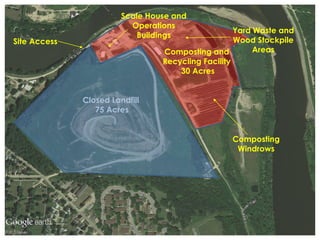
Closed Landfill
75 Acres
Composting and
Recycling Facility
30 Acres
Site Access
Scale House and
Operations
Buildings
Composting
Windrows
Yard Waste and
Wood Stockpile
Areas
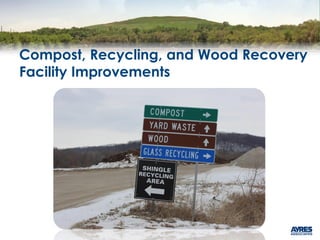
Compost, Recycling, and Wood Recovery
Facility Improvements
Challenges For Customers at
Composting Facility
• Traffic bottlenecked by one (1) scale
• Lack of defined travel routes
• Lack of clear signage
• Same pick-up and drop-off locations for
residential and commercial users
• Restricted access for drop-off at
recycling building
Challenges For Agency at
Composting Facility
• Outdated Buildings
• Access roads do not allow equipment
travel
• Legacy structures and functions on-site
– WWTP Clarifiers
– Woodchip Stockpile Area
• Inefficient Layout of Stockpile Areas
Challenges For Public Access to
Landfill Cap
• No parking or access point
• No trails to reach top of landfill
• Lack of secured gas well heads
• Requirement to control access
• Improvements cannot impact cap
integrity
• Long-term maintenance and
inspections
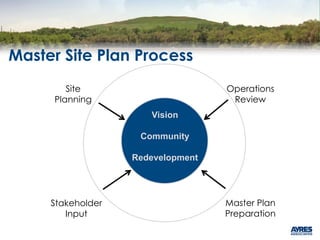
Master Site Plan Process
Vision
Community
Redevelopment
Stakeholder
Input
Operations
Review
Master Plan
Preparation
Site
Planning
Facility Improvement Goals
For Customers
• Separated Residential and Commercial
Traffic Flows for Improved Safety
• Clearly Marked Routes for Improved
Circulation
• User Friendly Stations for Efficient
Drop-offs and Pick-ups
Facility Improvement Goals
For Agency
• Configure Site for Full Use of All Areas
• Optimize Site Layout for Efficient
Operations
• Provide Buildings That Meet Needs
• Improve Safety – Reduce Liabilities
• Beneficial Reuse of Existing Assets
Facility Improvement Goals
For Public
• Space needed for parking and trailhead
• Create access to landfill cap
– Recreational Use
– Planned Events
• Expanded area for community use
• Family Pavilions
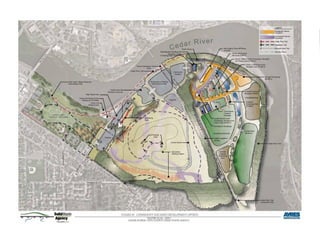
Development Themes
• Three Themes Developed:
– Enterprise Focus
– Agency Focus
– Community Focus
• Provides a Range of Development
Options
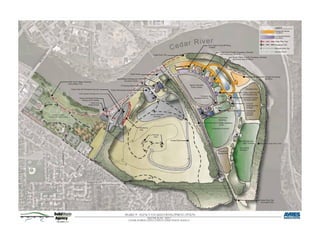
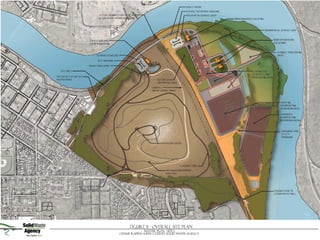
Facility Services Selection
• Agency Subcommittee Ranking and
Selection
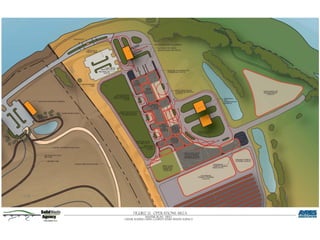
• Revised Site Layout
Expanded Composting Operations
New Operations Buildings
Consolidated Stockpile Locations
• Development Considerations
Photovoltaic (PV) array
Landfill gas boiler system - heat recovery
Commercial greenhouses
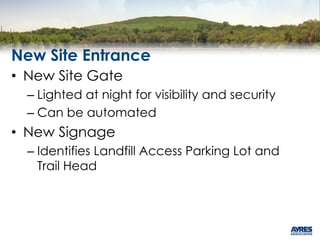
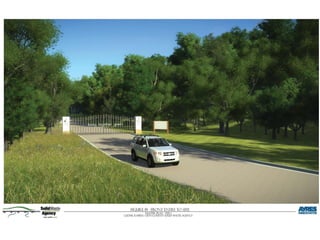
New Site Entrance
• New Site Gate
– Lighted at night for visibility and security
– Can be automated
• New Signage
– Identifies Landfill Access Parking Lot and
Trail Head
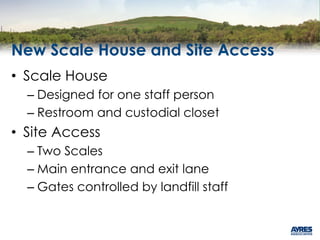
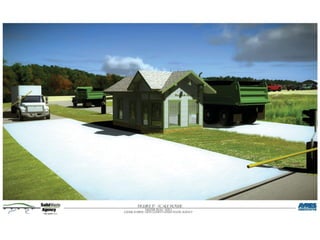
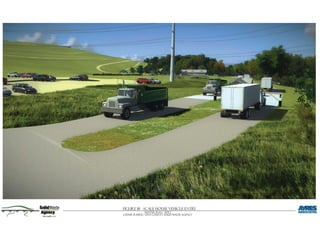
New Scale House and Site Access
• Scale House
– Designed for one staff person
– Restroom and custodial closet
• Site Access
– Two Scales
– Main entrance and exit lane
– Gates controlled by landfill staff
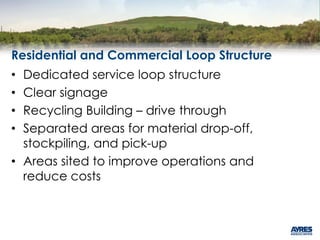
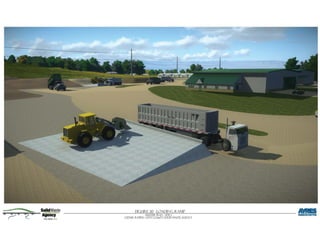
Residential and Commercial Loop Structure
• Dedicated service loop structure
• Clear signage
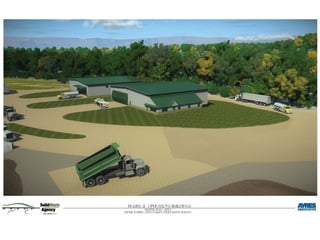
• Recycling Building – drive through
• Separated areas for material drop-off,
stockpiling, and pick-up
• Areas sited to improve operations and
reduce costs
Landfill Redevelopment Features
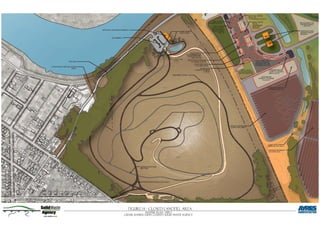
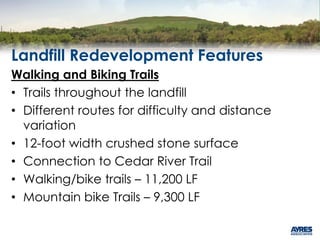
Walking and Biking Trails
• Trails throughout the landfill
• Different routes for difficulty and distance
variation
• 12-foot width crushed stone surface
• Connection to Cedar River Trail
• Walking/bike trails – 11,200 LF
• Mountain bike Trails – 9,300 LF
Landfill Redevelopment Features
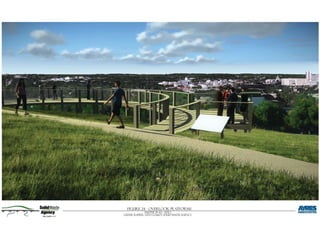
Overlook Decks at Landfill Summit
• Unique viewpoint destination
• Two separate decks at summit
• Interpretive and educational plaques to
provide history of Cedar Rapids
• Interpretive artwork and sculpture placed
near summit
Landfill Redevelopment Features
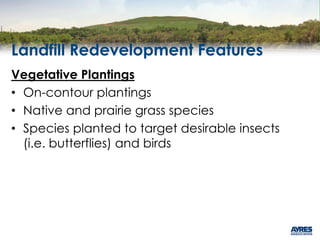
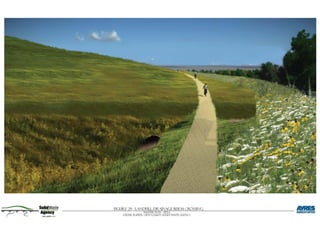
Vegetative Plantings
• On-contour plantings
• Native and prairie grass species
• Species planted to target desirable insects
(i.e. butterflies) and birds
Construction Phasing
• Maintain current level of operations
• Provide space for construction of new
site elements
• Allow for a planned approach to
budgeting and capital outlay
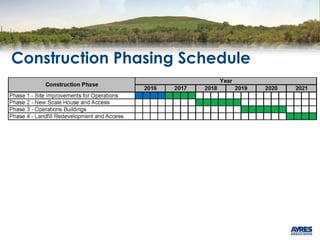
Construction Phasing Schedule
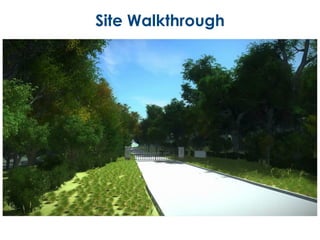
Site Walkthrough
Master Plan Goals Met
1) Improve Operations at Active Facility
2) Maintain Level of Service During and After
Construction
3) Explore Options for Development of
Closed Landfill
4) Provide improved public access to landfill
cap
5) Identify Funding Opportunities
For Additional Information
Neil Carney, P.E
Ayres Associates
Direct Phone – 608-354-6311
carneyn@ayresassociates.com

Fall Conference 2015: Master Planning-Ayres Associates

  • 1.
    Transforming Assets forValued Use by the Public and Agency Master Plan - Site 1 Cedar Rapids, Iowa Neil Carney, P.E. Supervisor – Environmental Services Ayres Associates Inc
  • 2.
    Project Background • CedarRapids/Linn County Solid Waste Agency • Provide Master Plan for Site 1 • Develop Plan to: – Improve Operations at Active Facility – Provide Options for Development of Closed Landfill – Maintain Level of Service During and After Construction
  • 3.
    Site 1 Description- Location • Located two (2) miles SE from downtown Cedar Rapids • 75 acres - Closed Landfill • 30 acres - Composting, Yard Waste & Recycling Facility • Site overlooks downtown Cedar Rapids
  • 6.
  • 7.
    Site 1 –Closed Landfill • Mt. Trashmore – 200 ft. elevation change • Open from 1962 to 1994 for MSW • Re-opened in 2008 to accept debris from flood damage • Closed since 2011 • Clay cap with active flare/blower system ~ 700CFM
  • 8.
    Site 1 –Composting & Recycling Facility • Material Collection and Recycling • Composting and Yard Waste Facility – Wood Waste – 6,700 tons/year – Yard Waste and Leaves – 22,500 tons/year - Waste Oil - Glass - Batteries - Appliances - Used Tires - Electronics - Scrap Metal - Fluorescent Bulbs - Shingles
  • 9.
    Closed Landfill 75 Acres Compostingand Recycling Facility 30 Acres Site Access Scale House and Operations Buildings Composting Windrows Yard Waste and Wood Stockpile Areas
  • 11.
    Compost, Recycling, andWood Recovery Facility Improvements
  • 12.
    Challenges For Customersat Composting Facility • Traffic bottlenecked by one (1) scale • Lack of defined travel routes • Lack of clear signage • Same pick-up and drop-off locations for residential and commercial users • Restricted access for drop-off at recycling building
  • 13.
    Challenges For Agencyat Composting Facility • Outdated Buildings • Access roads do not allow equipment travel • Legacy structures and functions on-site – WWTP Clarifiers – Woodchip Stockpile Area • Inefficient Layout of Stockpile Areas
  • 15.
    Challenges For PublicAccess to Landfill Cap • No parking or access point • No trails to reach top of landfill • Lack of secured gas well heads • Requirement to control access • Improvements cannot impact cap integrity • Long-term maintenance and inspections
  • 16.
  • 17.
    Master Site PlanProcess Vision Community Redevelopment Stakeholder Input Operations Review Master Plan Preparation Site Planning
  • 18.
    Facility Improvement Goals ForCustomers • Separated Residential and Commercial Traffic Flows for Improved Safety • Clearly Marked Routes for Improved Circulation • User Friendly Stations for Efficient Drop-offs and Pick-ups
  • 19.
    Facility Improvement Goals ForAgency • Configure Site for Full Use of All Areas • Optimize Site Layout for Efficient Operations • Provide Buildings That Meet Needs • Improve Safety – Reduce Liabilities • Beneficial Reuse of Existing Assets
  • 20.
    Facility Improvement Goals ForPublic • Space needed for parking and trailhead • Create access to landfill cap – Recreational Use – Planned Events • Expanded area for community use • Family Pavilions
  • 21.
    Development Themes • ThreeThemes Developed: – Enterprise Focus – Agency Focus – Community Focus • Provides a Range of Development Options
  • 25.
    Facility Services Selection •Agency Subcommittee Ranking and Selection • Revised Site Layout Expanded Composting Operations New Operations Buildings Consolidated Stockpile Locations • Development Considerations Photovoltaic (PV) array Landfill gas boiler system - heat recovery Commercial greenhouses
  • 27.
    New Site Entrance •New Site Gate – Lighted at night for visibility and security – Can be automated • New Signage – Identifies Landfill Access Parking Lot and Trail Head
  • 29.
    New Scale Houseand Site Access • Scale House – Designed for one staff person – Restroom and custodial closet • Site Access – Two Scales – Main entrance and exit lane – Gates controlled by landfill staff
  • 33.
    Residential and CommercialLoop Structure • Dedicated service loop structure • Clear signage • Recycling Building – drive through • Separated areas for material drop-off, stockpiling, and pick-up • Areas sited to improve operations and reduce costs
  • 38.
    Landfill Redevelopment Features Walkingand Biking Trails • Trails throughout the landfill • Different routes for difficulty and distance variation • 12-foot width crushed stone surface • Connection to Cedar River Trail • Walking/bike trails – 11,200 LF • Mountain bike Trails – 9,300 LF
  • 41.
    Landfill Redevelopment Features OverlookDecks at Landfill Summit • Unique viewpoint destination • Two separate decks at summit • Interpretive and educational plaques to provide history of Cedar Rapids • Interpretive artwork and sculpture placed near summit
  • 43.
    Landfill Redevelopment Features VegetativePlantings • On-contour plantings • Native and prairie grass species • Species planted to target desirable insects (i.e. butterflies) and birds
  • 45.
    Construction Phasing • Maintaincurrent level of operations • Provide space for construction of new site elements • Allow for a planned approach to budgeting and capital outlay
  • 46.
  • 47.
  • 48.
    Master Plan GoalsMet 1) Improve Operations at Active Facility 2) Maintain Level of Service During and After Construction 3) Explore Options for Development of Closed Landfill 4) Provide improved public access to landfill cap 5) Identify Funding Opportunities
  • 49.
    For Additional Information NeilCarney, P.E Ayres Associates Direct Phone – 608-354-6311 carneyn@ayresassociates.com