Exploring the user experience:
engaging library users through UX
techniques
Leo Appleton
Director of Library Services, Goldsmiths, University of London
@leoappleton
CILIPS Annual Conference, 5th June 2017
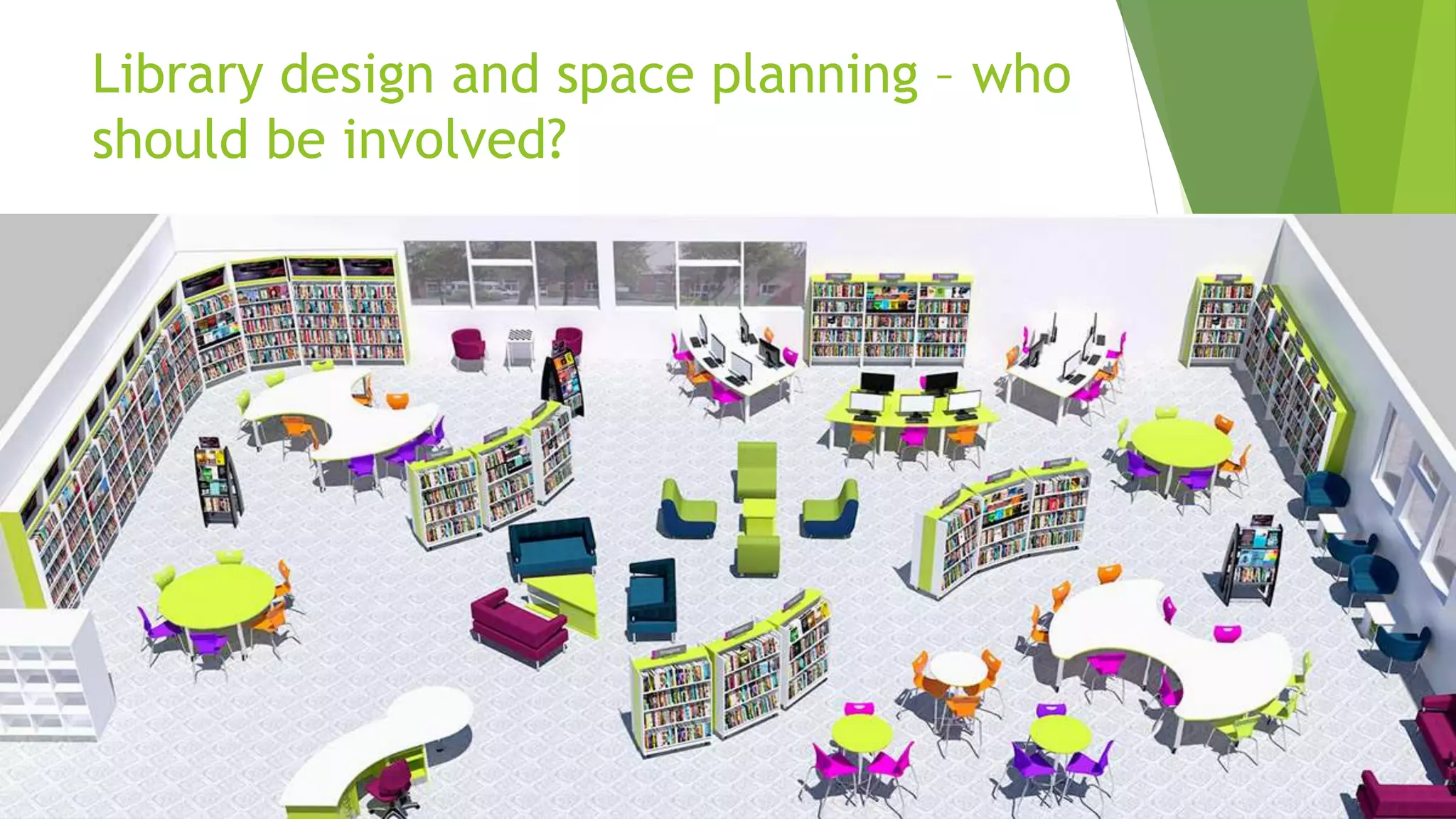
Library design and space planning – who
should be involved?
 The Concept
 Just-in-time retail inventory
 The Opportunity
 Reduced overhead costs
 Increased customer satisfaction
 The Potential
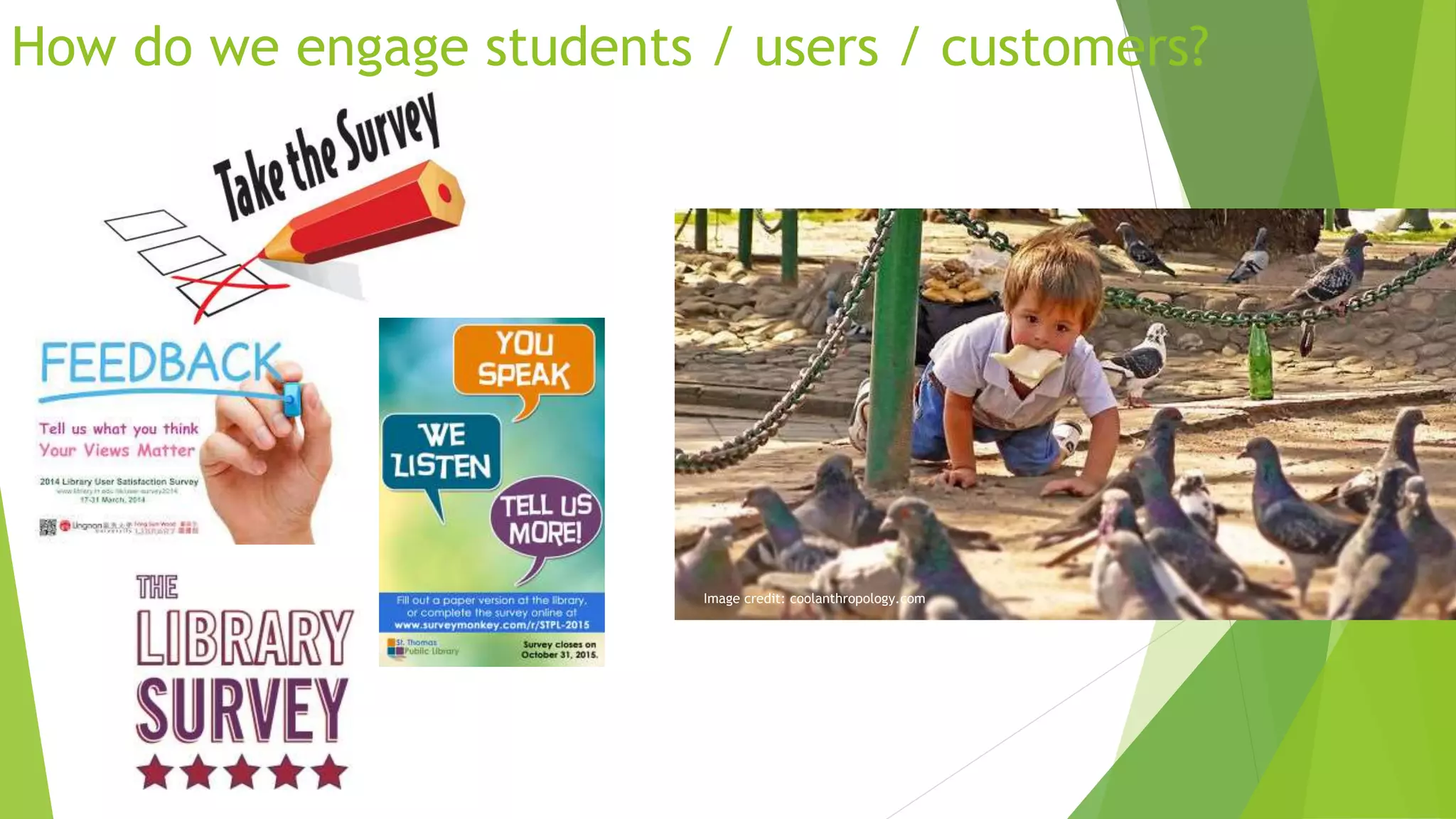
How do we engage students / users / customers?
Image credit: coolanthropology.com
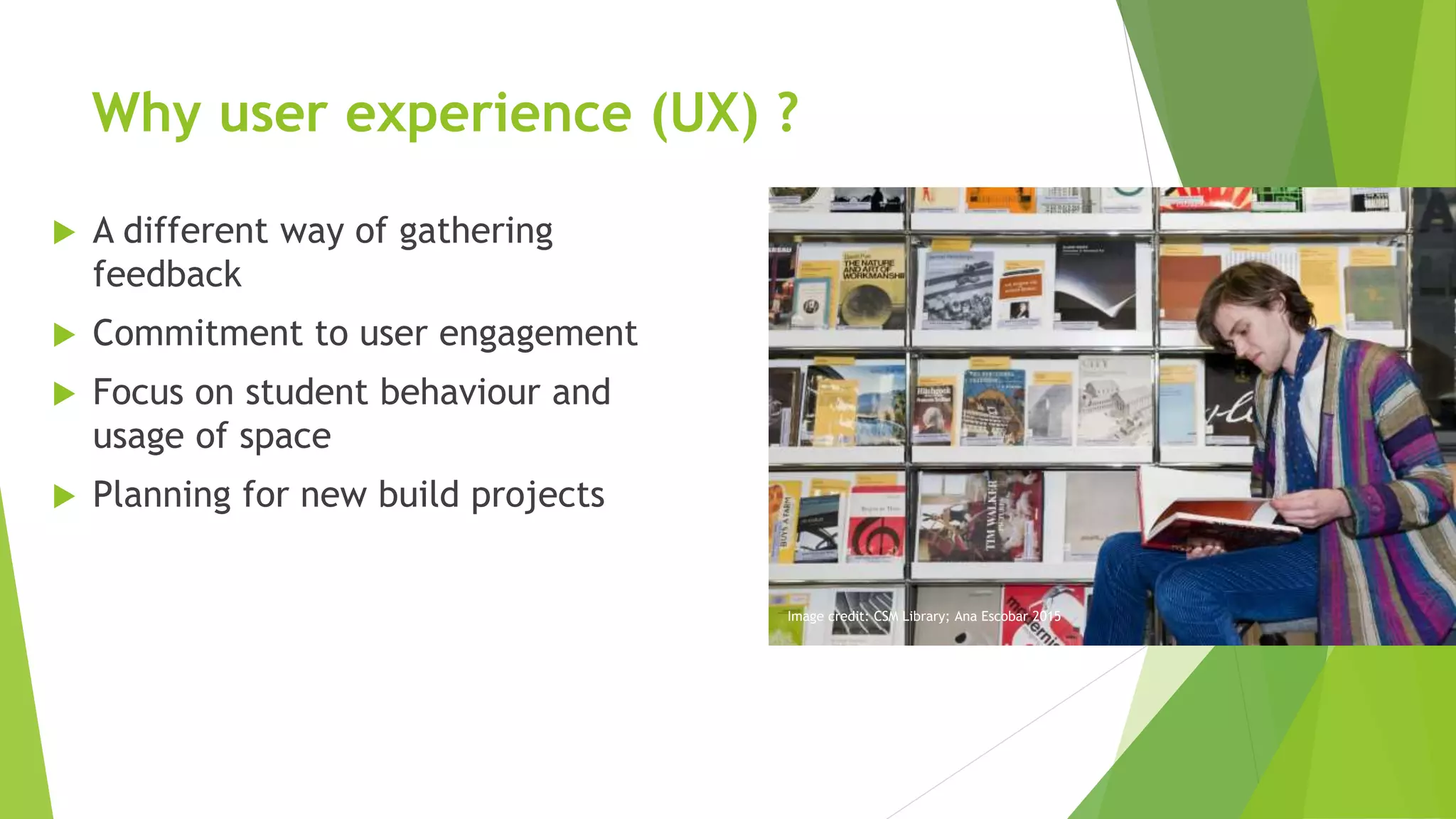
Why user experience (UX) ?
 A different way of gathering
feedback
 Commitment to user engagement
 Focus on student behaviour and
usage of space
 Planning for new build projects
Image credit: CSM Library; Ana Escobar 2015
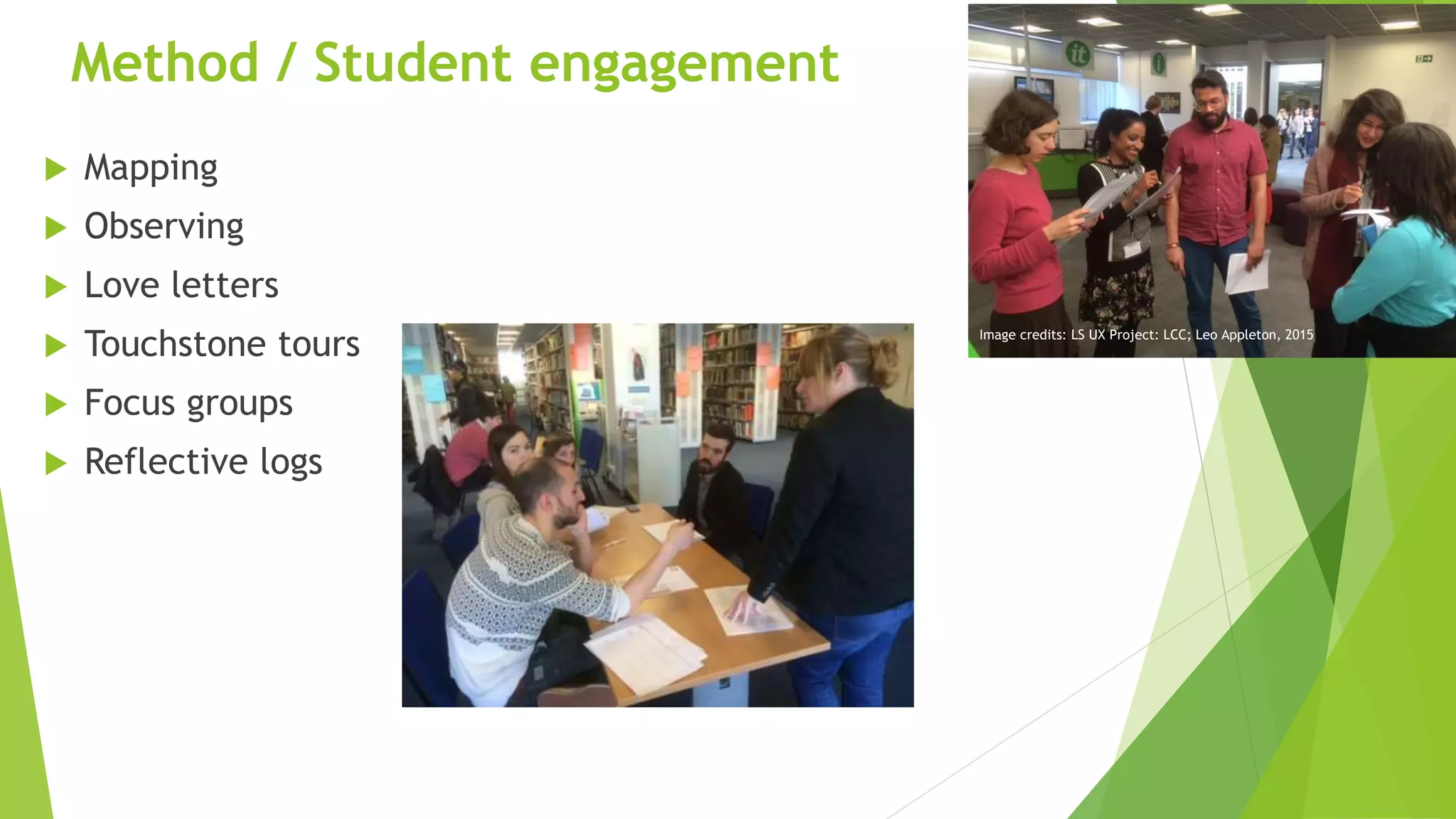
Method / Student engagement
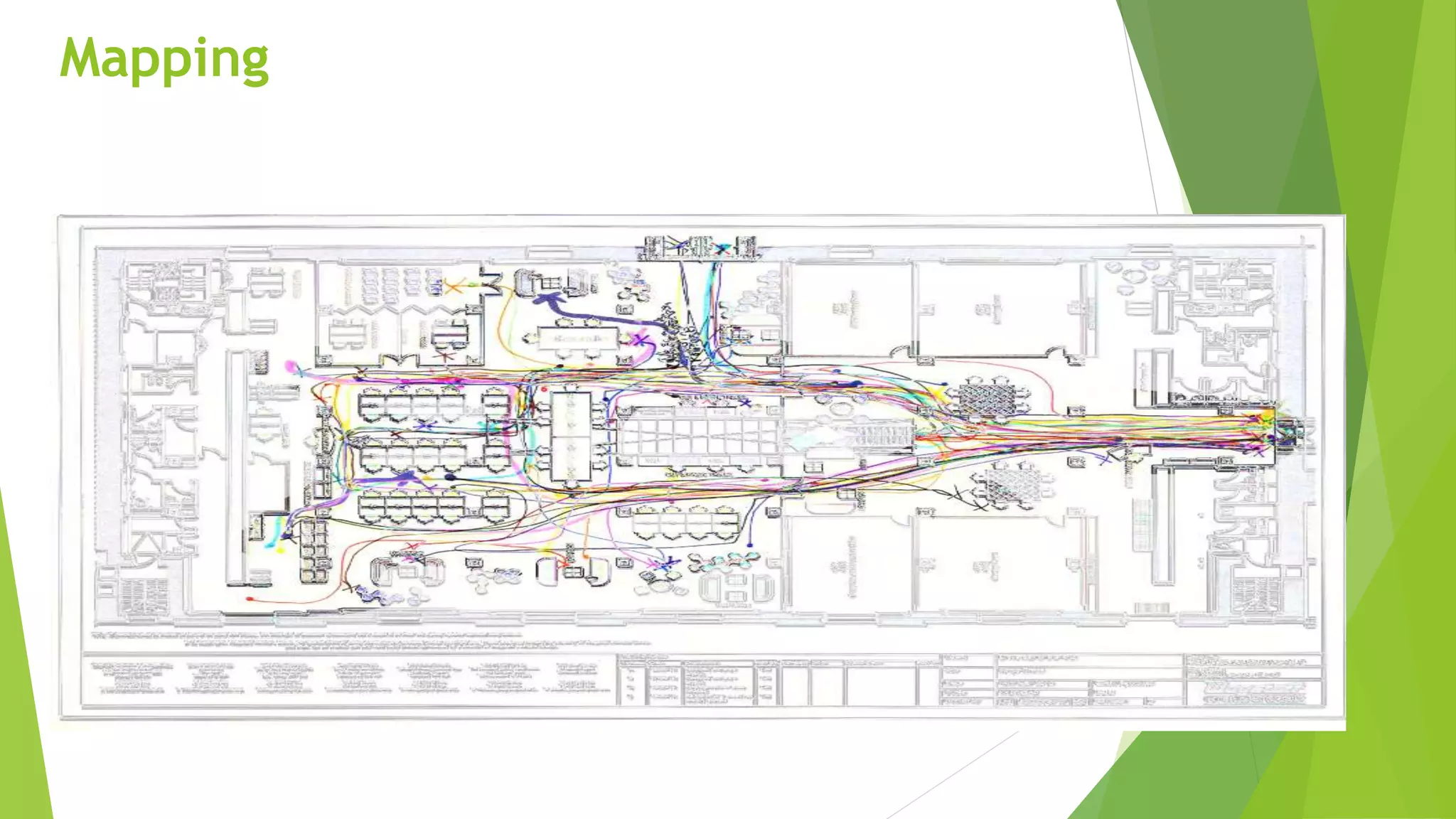
 Mapping
 Observing
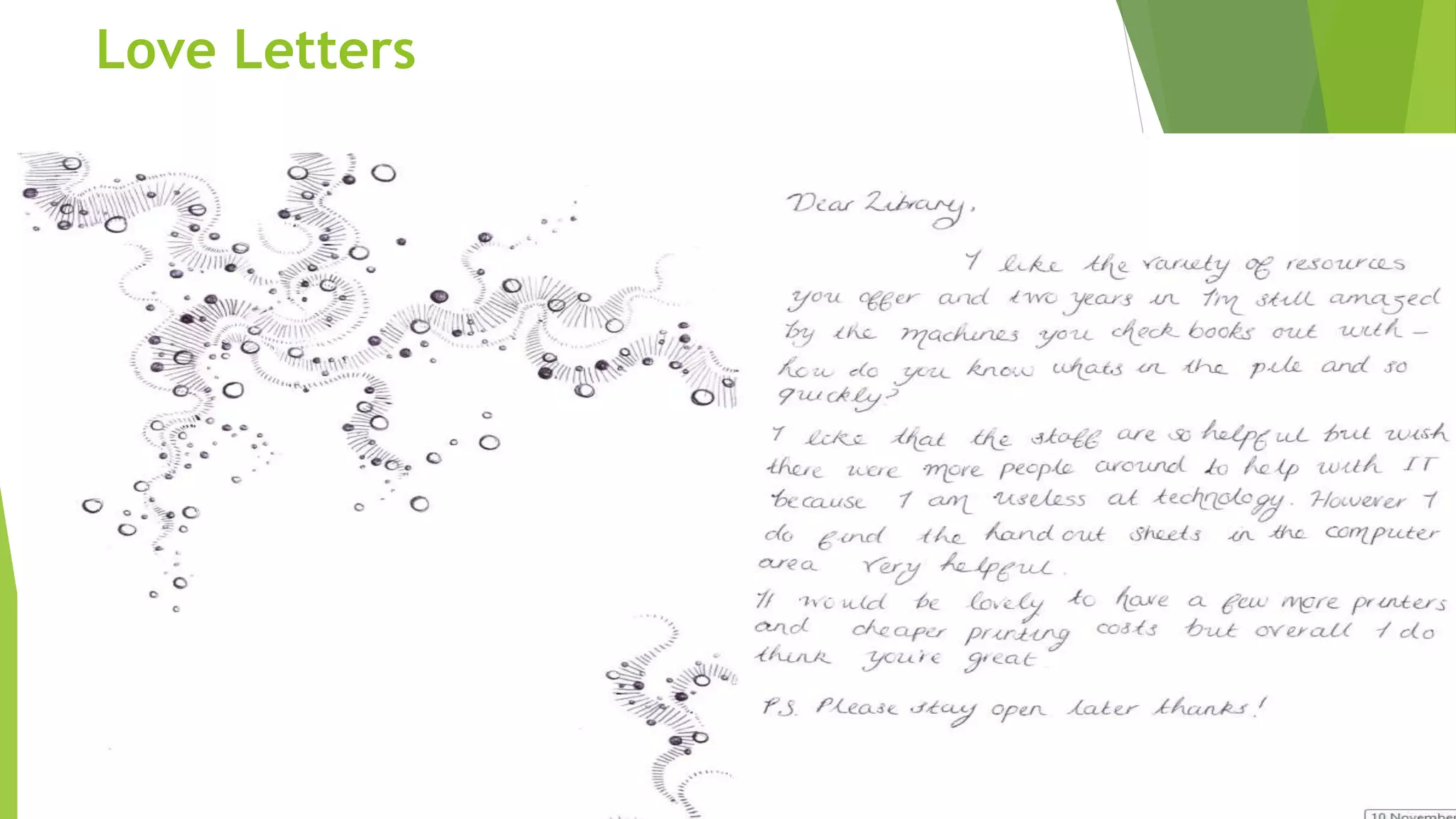
 Love letters
 Touchstone tours
 Focus groups
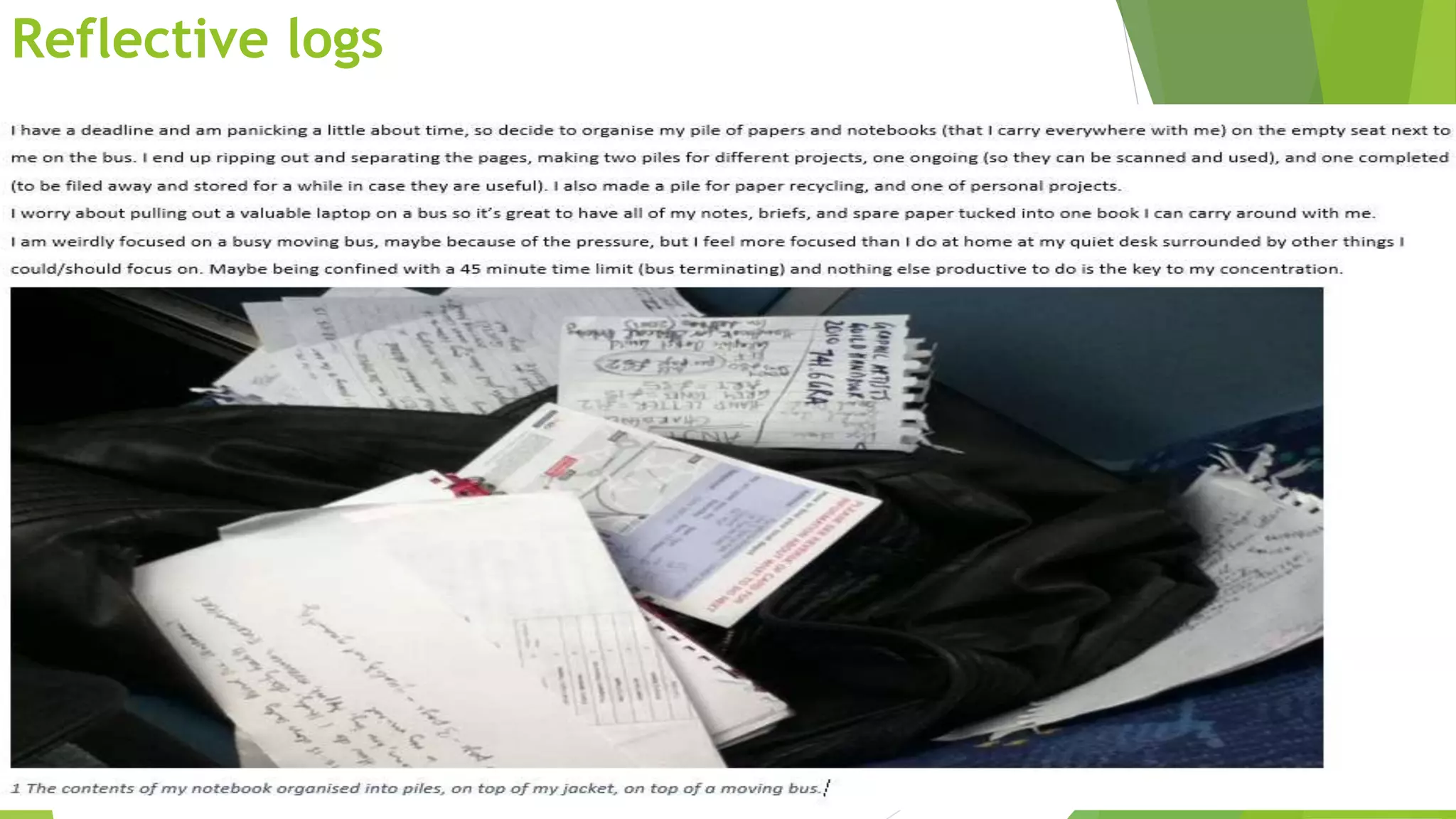
 Reflective logs
Image credits: LS UX Project: LCC; Leo Appleton, 2015
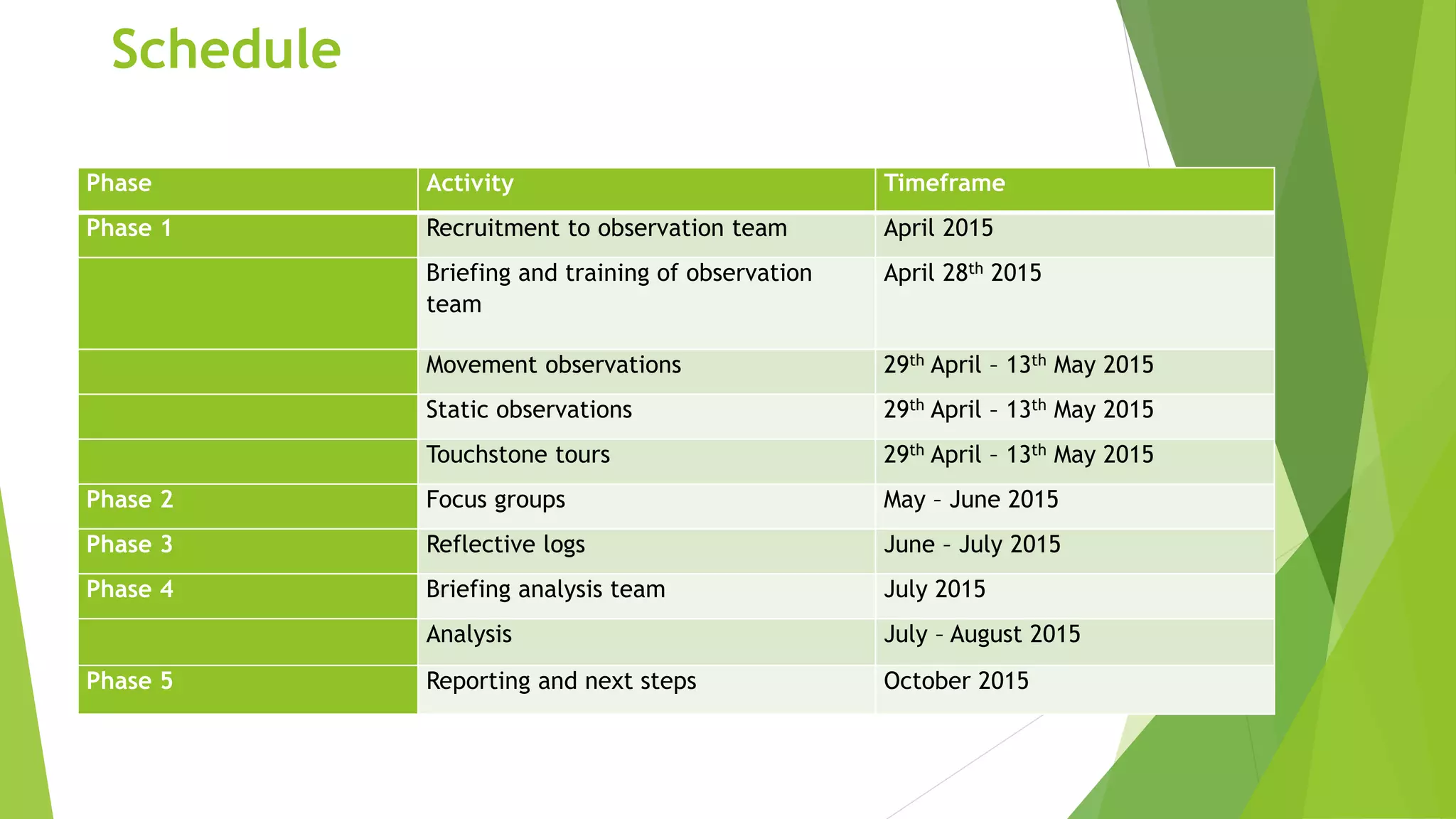
Schedule
Phase Activity Timeframe
Phase 1 Recruitment to observation team April 2015
Briefing and training of observation
team
April 28th 2015
Movement observations 29th April – 13th May 2015
Static observations 29th April – 13th May 2015
Touchstone tours 29th April – 13th May 2015
Phase 2 Focus groups May – June 2015
Phase 3 Reflective logs June – July 2015
Phase 4 Briefing analysis team July 2015
Analysis July – August 2015
Phase 5 Reporting and next steps October 2015
Mapping
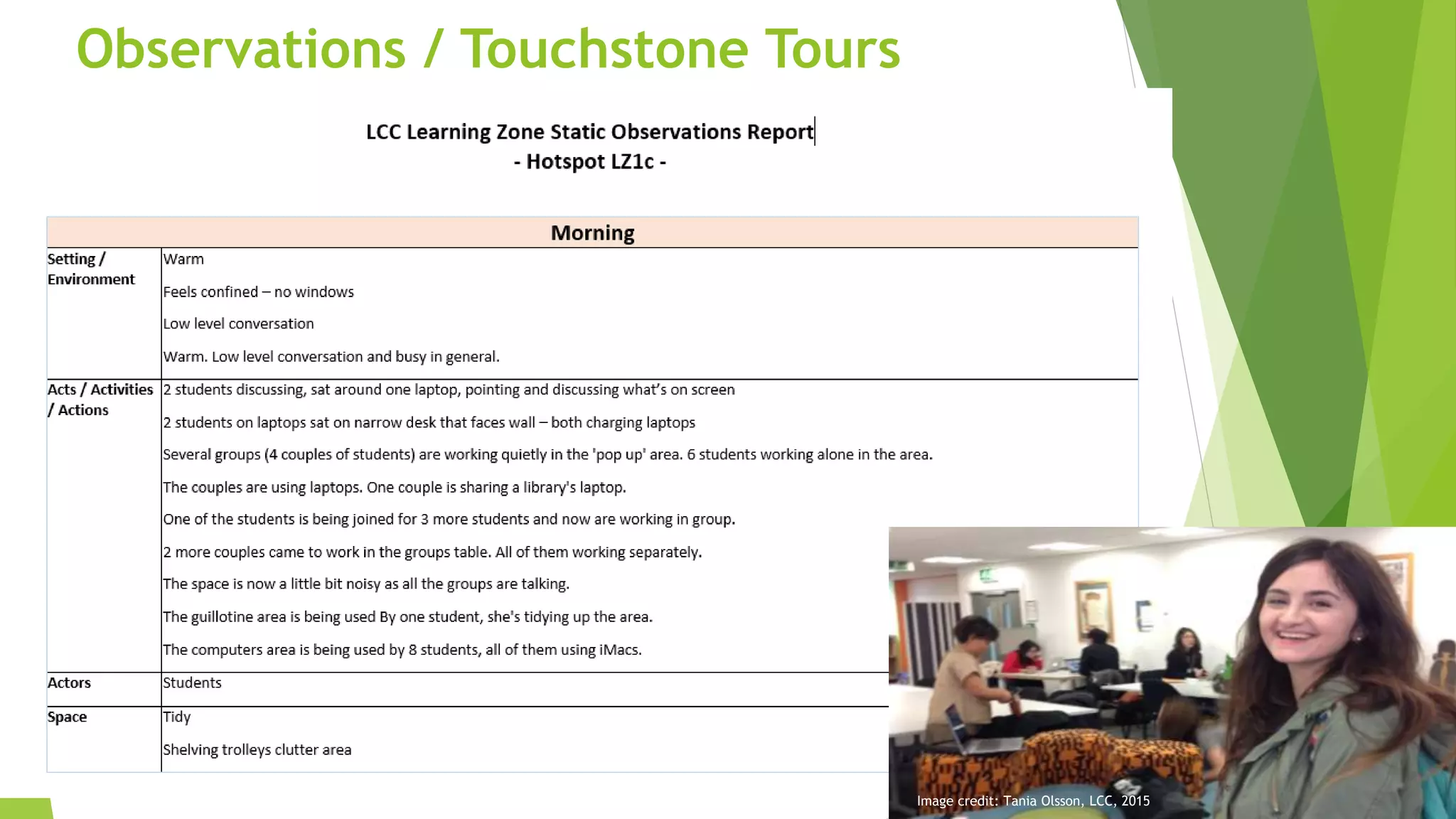
Observations / Touchstone Tours
Image credit: Tania Olsson, LCC, 2015
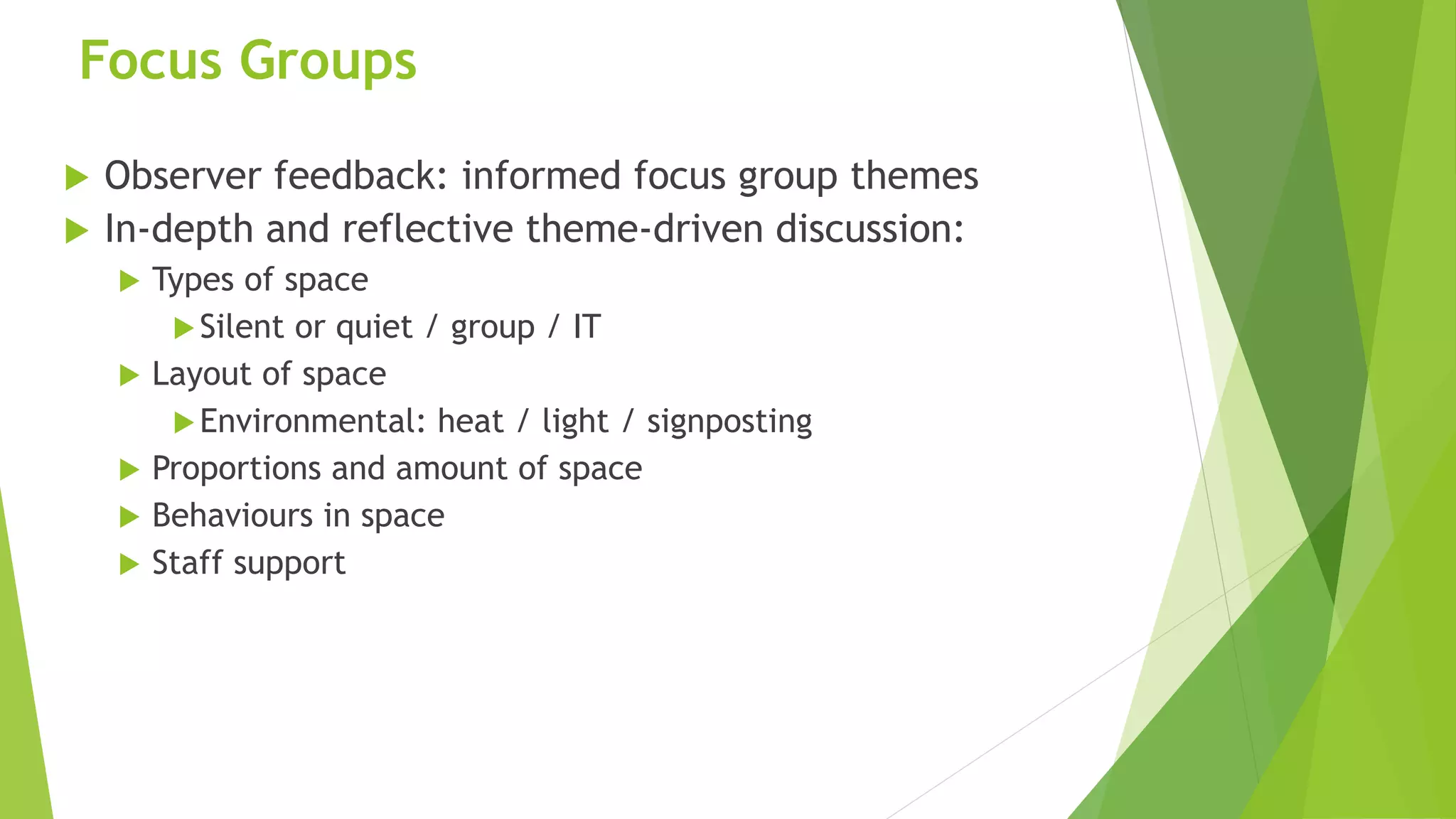
Focus Groups
 Observer feedback: informed focus group themes
 In-depth and reflective theme-driven discussion:
 Types of space
Silent or quiet / group / IT
 Layout of space
Environmental: heat / light / signposting
 Proportions and amount of space
 Behaviours in space
 Staff support
Love Letters
Reflective logs
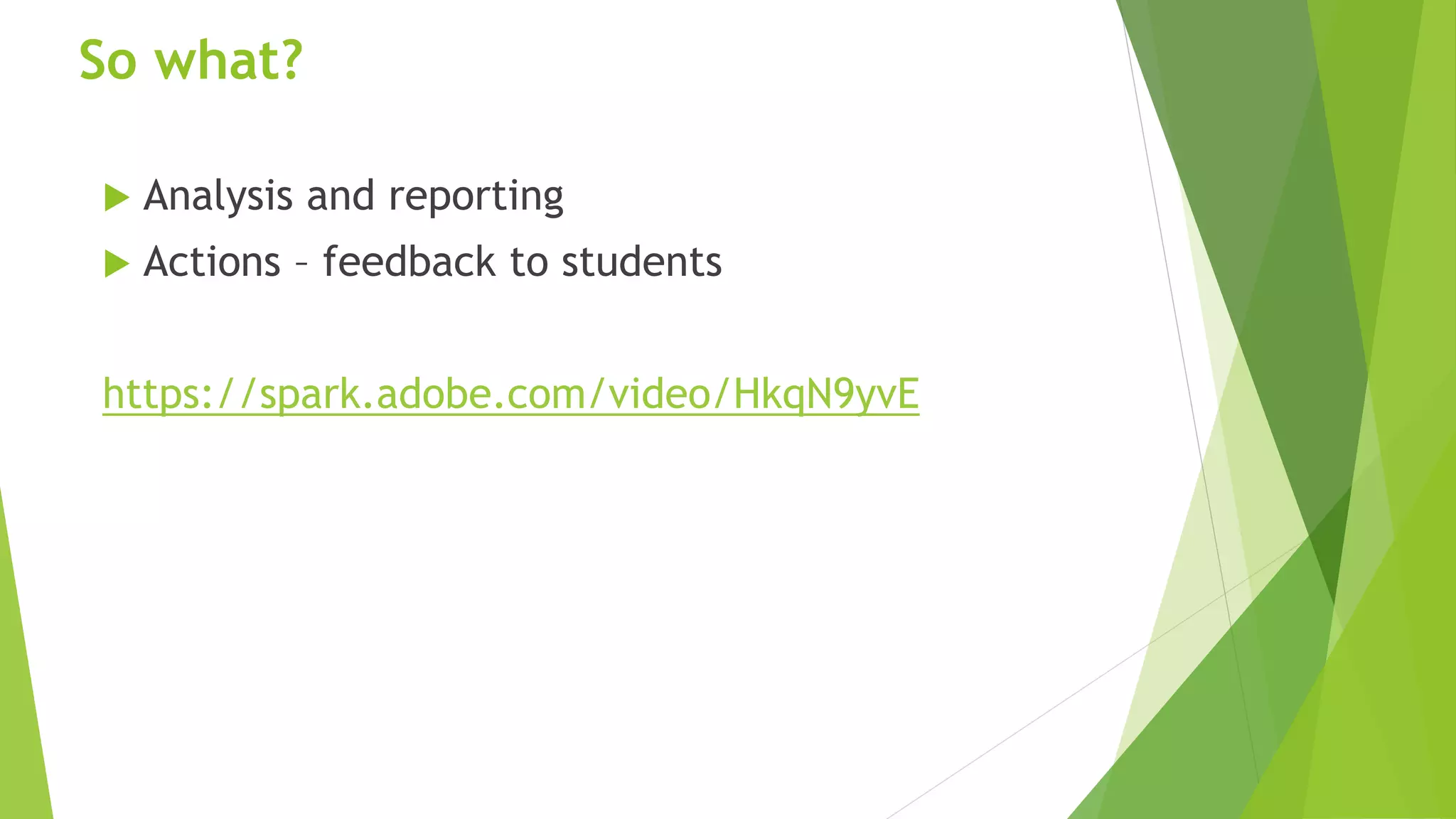
So what?
 Analysis and reporting
 Actions – feedback to students
https://spark.adobe.com/video/HkqN9yvE
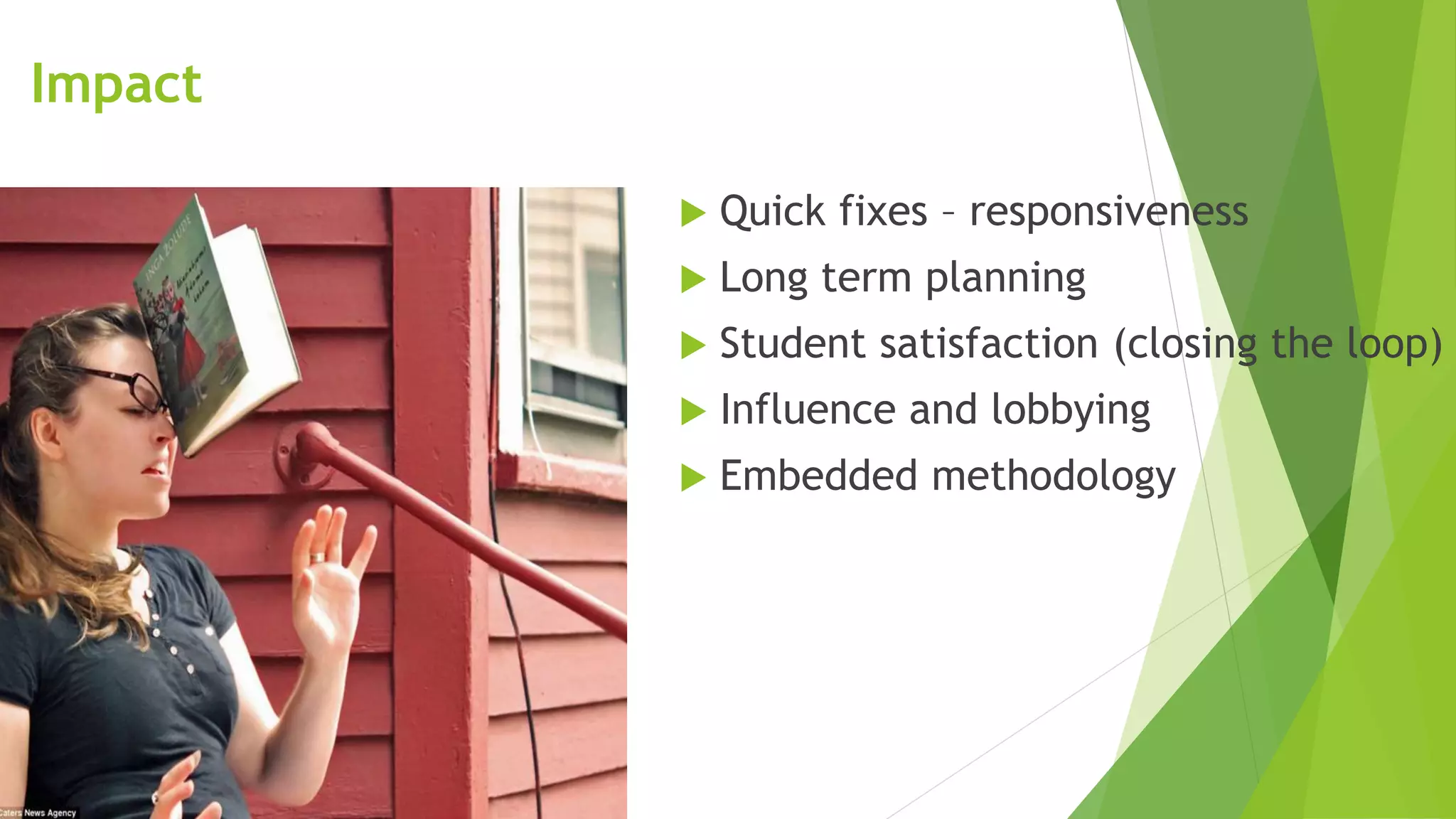
Impact
 Quick fixes – responsiveness
 Long term planning
 Student satisfaction (closing the loop)
 Influence and lobbying
 Embedded methodology
Find out more
 User Experience in Libraries: applying ethnography and human-centred design,
editied by Andy Priestner & Matt Borg, 2016, Routledge
 Engaging students through User Experience at the University of the Arts, London /
Jayne Batch, Central Saint Martins, Leo Appleton, University of the Arts London,
Sandra Reed, University of the Arts London and Tania Olsson, London College of
Communication, SCONUL Focus, 67, 2016
https://www.sconul.ac.uk/sites/default/files/documents/14_20.pdf
 User Experience (UX) in Libraries: let’s get physical (and digital). Insights, 29(3),
2016 http://insights.uksg.org/articles/10.1629/uksg.317/
Questions and Answers
Thank you for listening
@leoappleton
l.appleton@gold.ac.uk

Exploring the user experience: engaging library users through UX Techniques

  • 1.
    Exploring the userexperience: engaging library users through UX techniques Leo Appleton Director of Library Services, Goldsmiths, University of London @leoappleton CILIPS Annual Conference, 5th June 2017
  • 2.
    Library design andspace planning – who should be involved?  The Concept  Just-in-time retail inventory  The Opportunity  Reduced overhead costs  Increased customer satisfaction  The Potential
  • 3.
    How do weengage students / users / customers? Image credit: coolanthropology.com
  • 4.
    Why user experience(UX) ?  A different way of gathering feedback  Commitment to user engagement  Focus on student behaviour and usage of space  Planning for new build projects Image credit: CSM Library; Ana Escobar 2015
  • 5.
    Method / Studentengagement  Mapping  Observing  Love letters  Touchstone tours  Focus groups  Reflective logs Image credits: LS UX Project: LCC; Leo Appleton, 2015
  • 6.
    Schedule Phase Activity Timeframe Phase1 Recruitment to observation team April 2015 Briefing and training of observation team April 28th 2015 Movement observations 29th April – 13th May 2015 Static observations 29th April – 13th May 2015 Touchstone tours 29th April – 13th May 2015 Phase 2 Focus groups May – June 2015 Phase 3 Reflective logs June – July 2015 Phase 4 Briefing analysis team July 2015 Analysis July – August 2015 Phase 5 Reporting and next steps October 2015
  • 7.
  • 8.
    Observations / TouchstoneTours Image credit: Tania Olsson, LCC, 2015
  • 9.
    Focus Groups  Observerfeedback: informed focus group themes  In-depth and reflective theme-driven discussion:  Types of space Silent or quiet / group / IT  Layout of space Environmental: heat / light / signposting  Proportions and amount of space  Behaviours in space  Staff support
  • 10.
  • 11.
  • 12.
    So what?  Analysisand reporting  Actions – feedback to students https://spark.adobe.com/video/HkqN9yvE
  • 13.
    Impact  Quick fixes– responsiveness  Long term planning  Student satisfaction (closing the loop)  Influence and lobbying  Embedded methodology
  • 14.
    Find out more User Experience in Libraries: applying ethnography and human-centred design, editied by Andy Priestner & Matt Borg, 2016, Routledge  Engaging students through User Experience at the University of the Arts, London / Jayne Batch, Central Saint Martins, Leo Appleton, University of the Arts London, Sandra Reed, University of the Arts London and Tania Olsson, London College of Communication, SCONUL Focus, 67, 2016 https://www.sconul.ac.uk/sites/default/files/documents/14_20.pdf  User Experience (UX) in Libraries: let’s get physical (and digital). Insights, 29(3), 2016 http://insights.uksg.org/articles/10.1629/uksg.317/
  • 15.
    Questions and Answers Thankyou for listening @leoappleton l.appleton@gold.ac.uk