EXPERT
LESSON
PLANNING
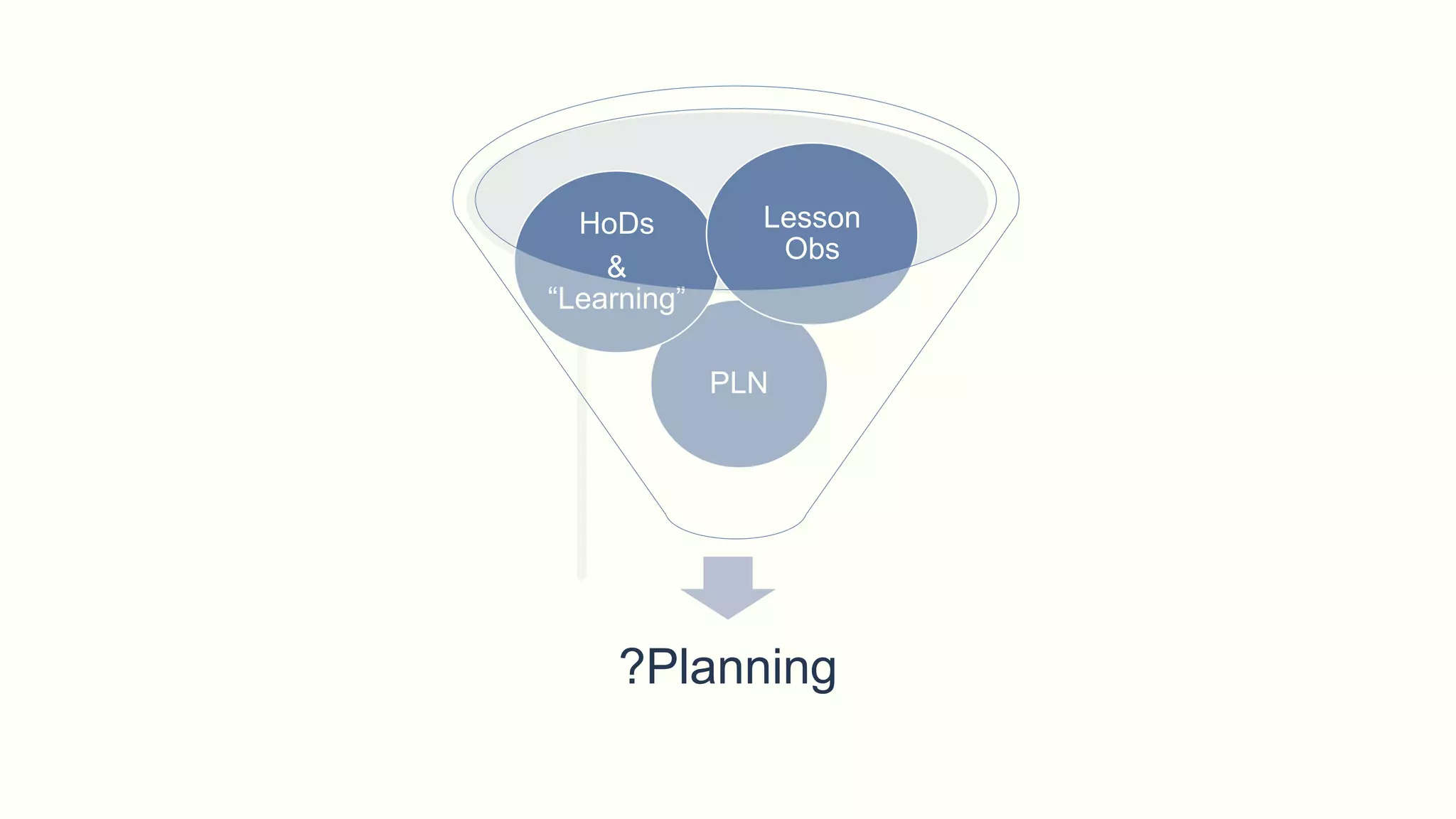
?Planning
PLN
HoDs
&
“Learning”
Lesson
Obs
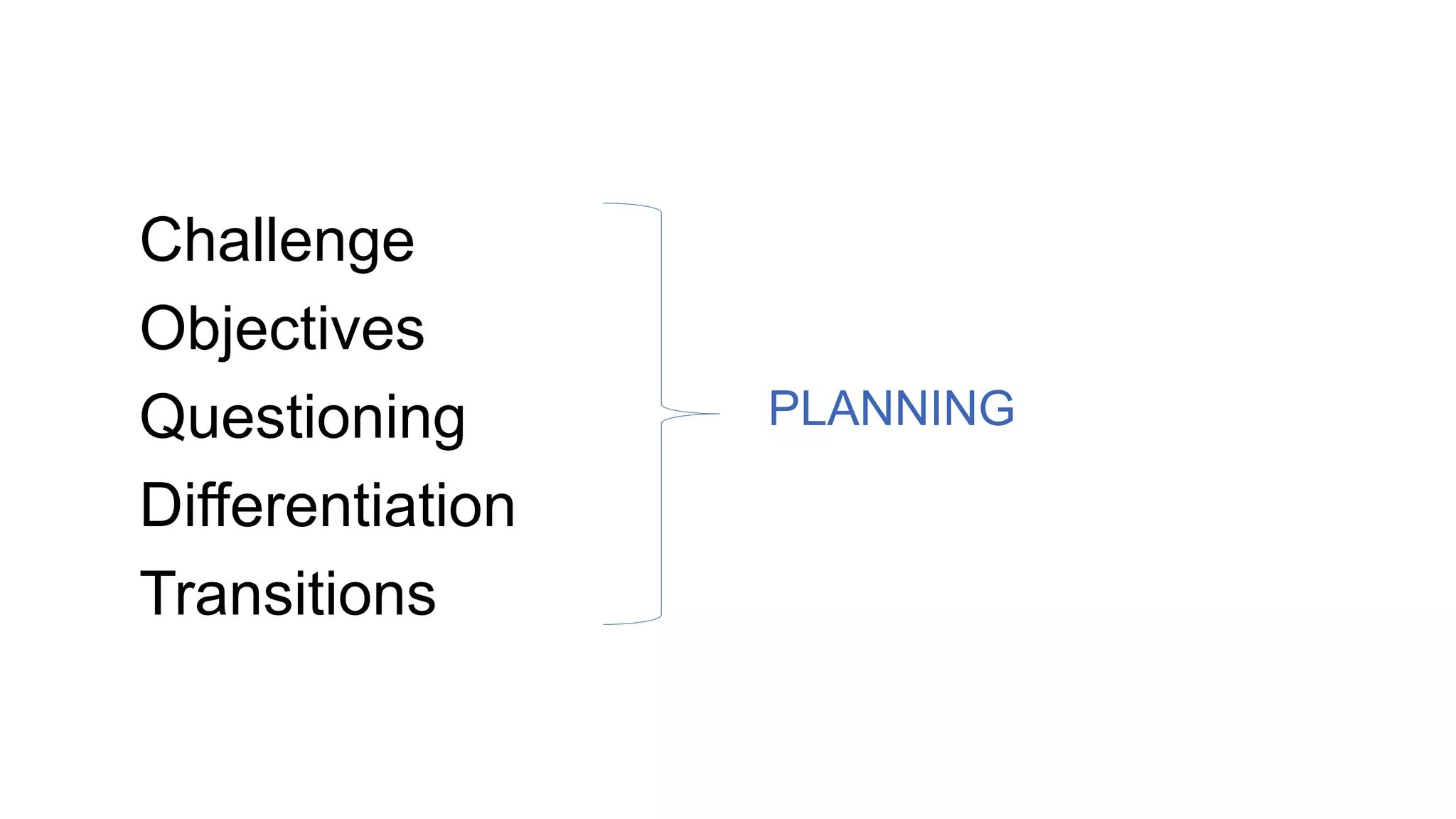
Challenge
Objectives
Questioning
Differentiation
Transitions
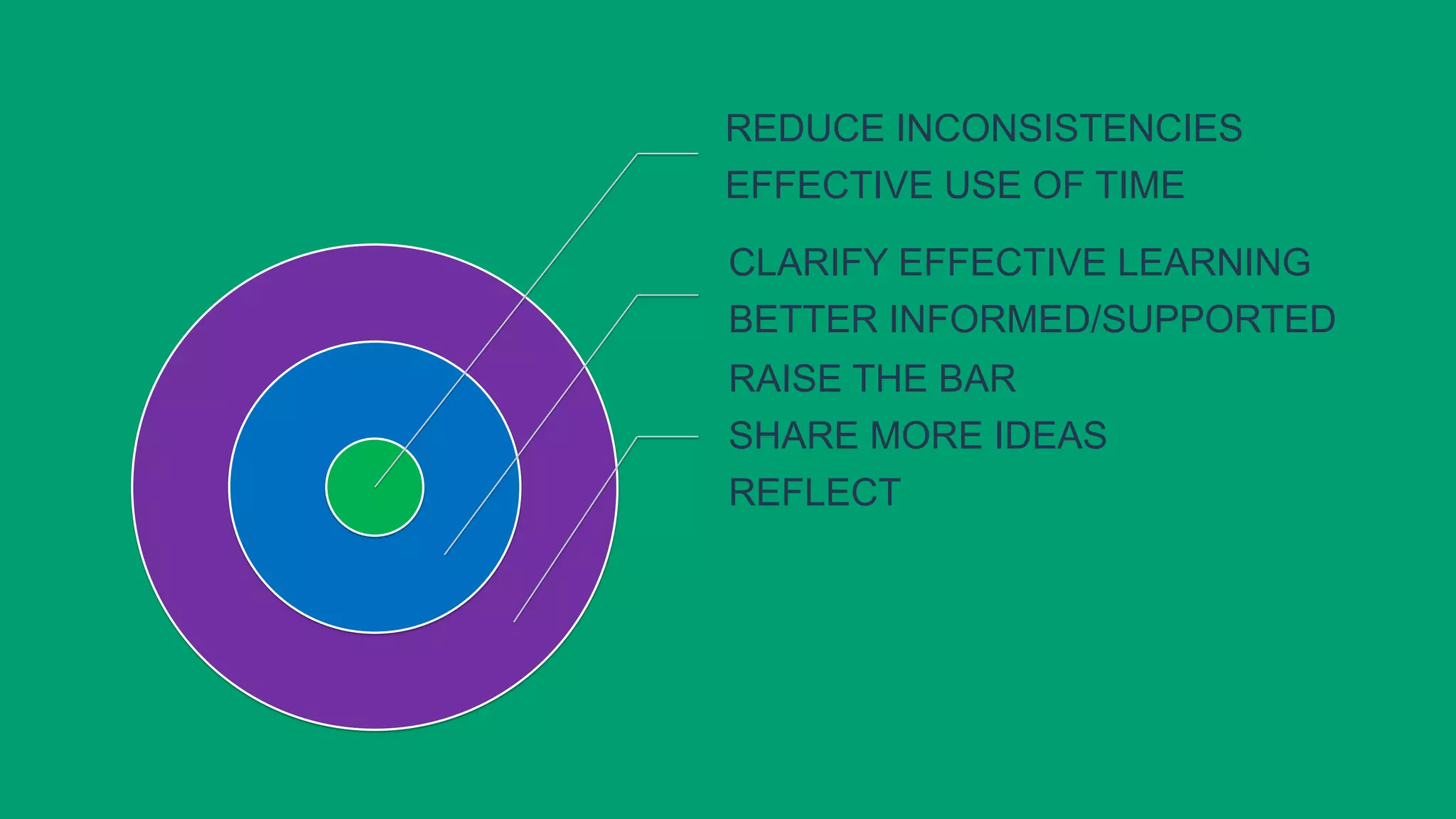
PLANNING
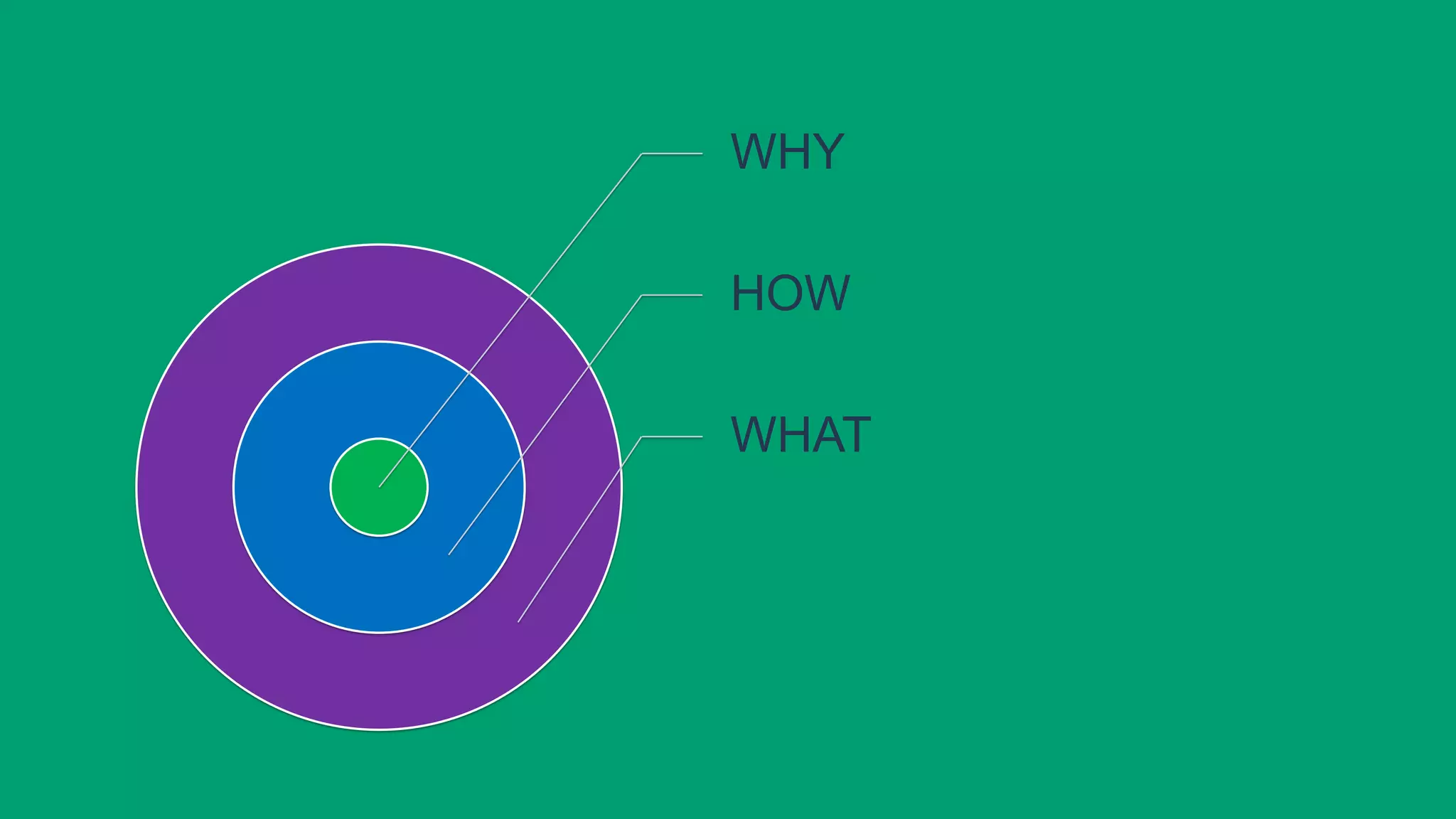
WHY
HOW
WHAT
REDUCE INCONSISTENCIES
EFFECTIVE USE OF TIME
CLARIFY EFFECTIVE LEARNING
BETTER INFORMED/SUPPORTED
RAISE THE BAR
SHARE MORE IDEAS
REFLECT
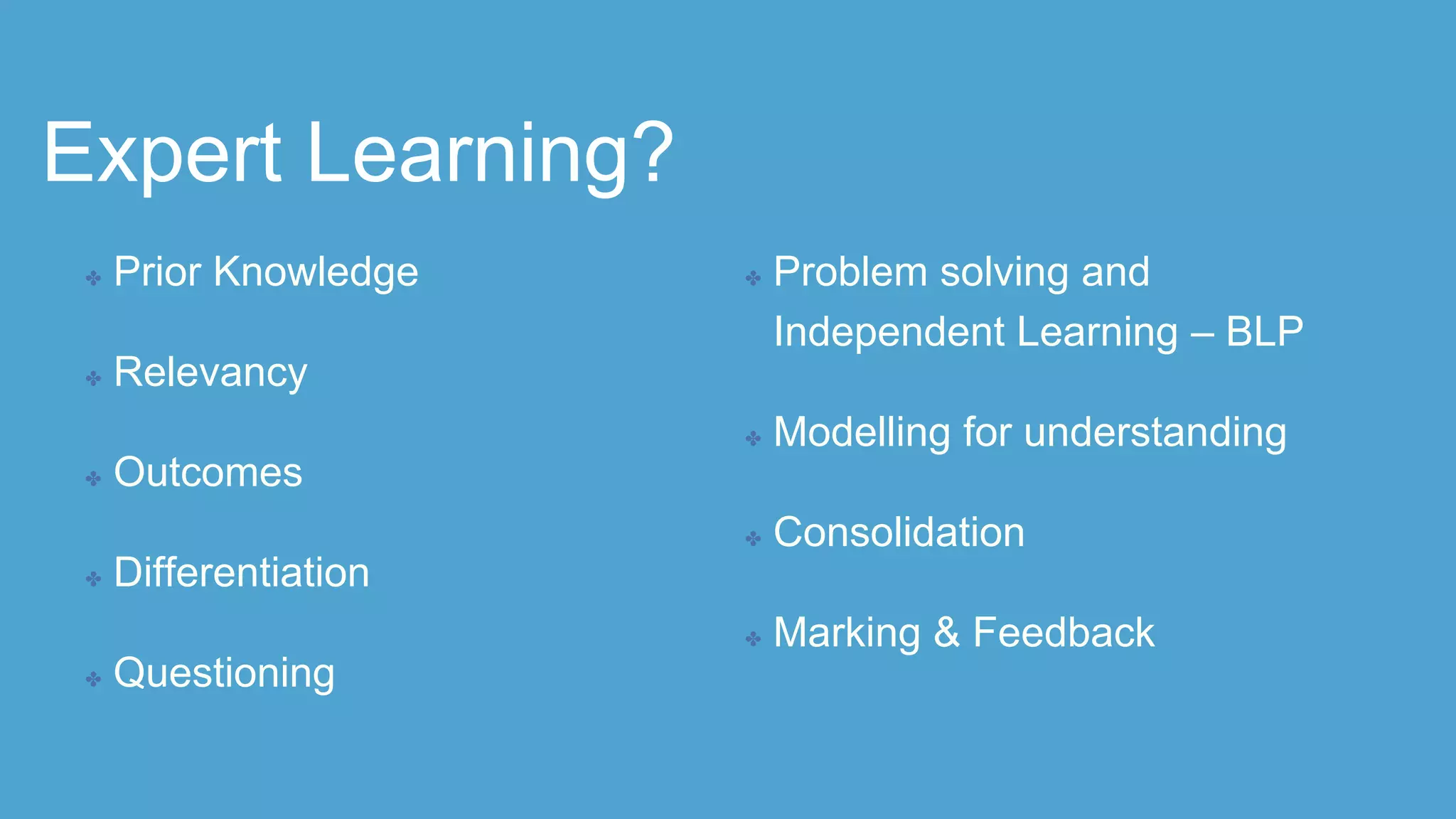
Expert Learning?
✤ Prior Knowledge
✤ Relevancy
✤ Outcomes
✤ Differentiation
✤ Questioning
✤ Problem solving and
Independent Learning – BLP
✤ Modelling for understanding
✤ Consolidation
✤ Marking & Feedback
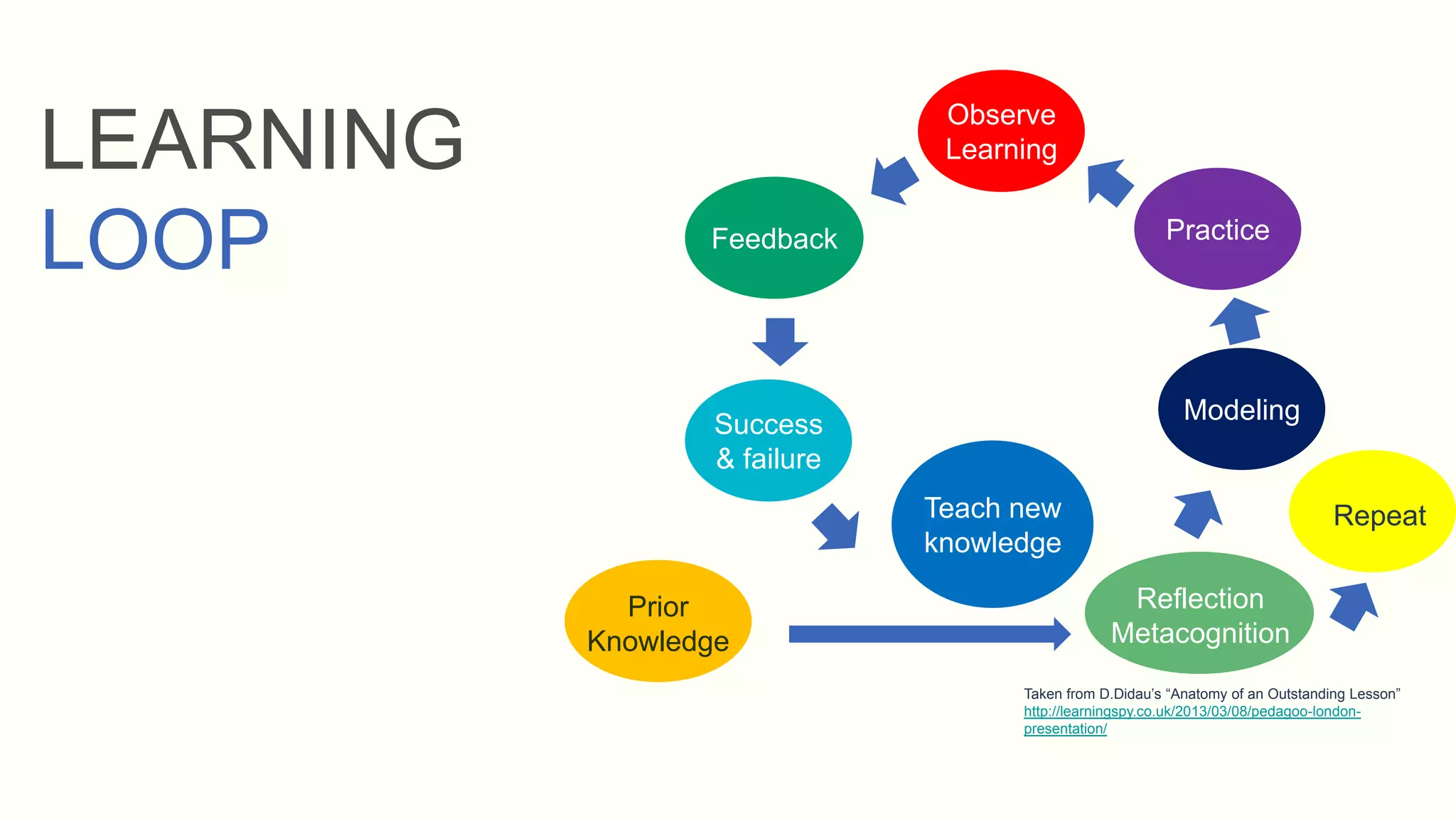
LEARNING
LOOP
Observe
Learning
DEPLOYModeling
Teach new
knowledge
Reflection
Metacognition
Prior
Knowledge
PracticeFeedback
Success
& failure
Taken from D.Didau’s “Anatomy of an Outstanding Lesson”
http://learningspy.co.uk/2013/03/08/pedagoo-london-
presentation/
Repeat
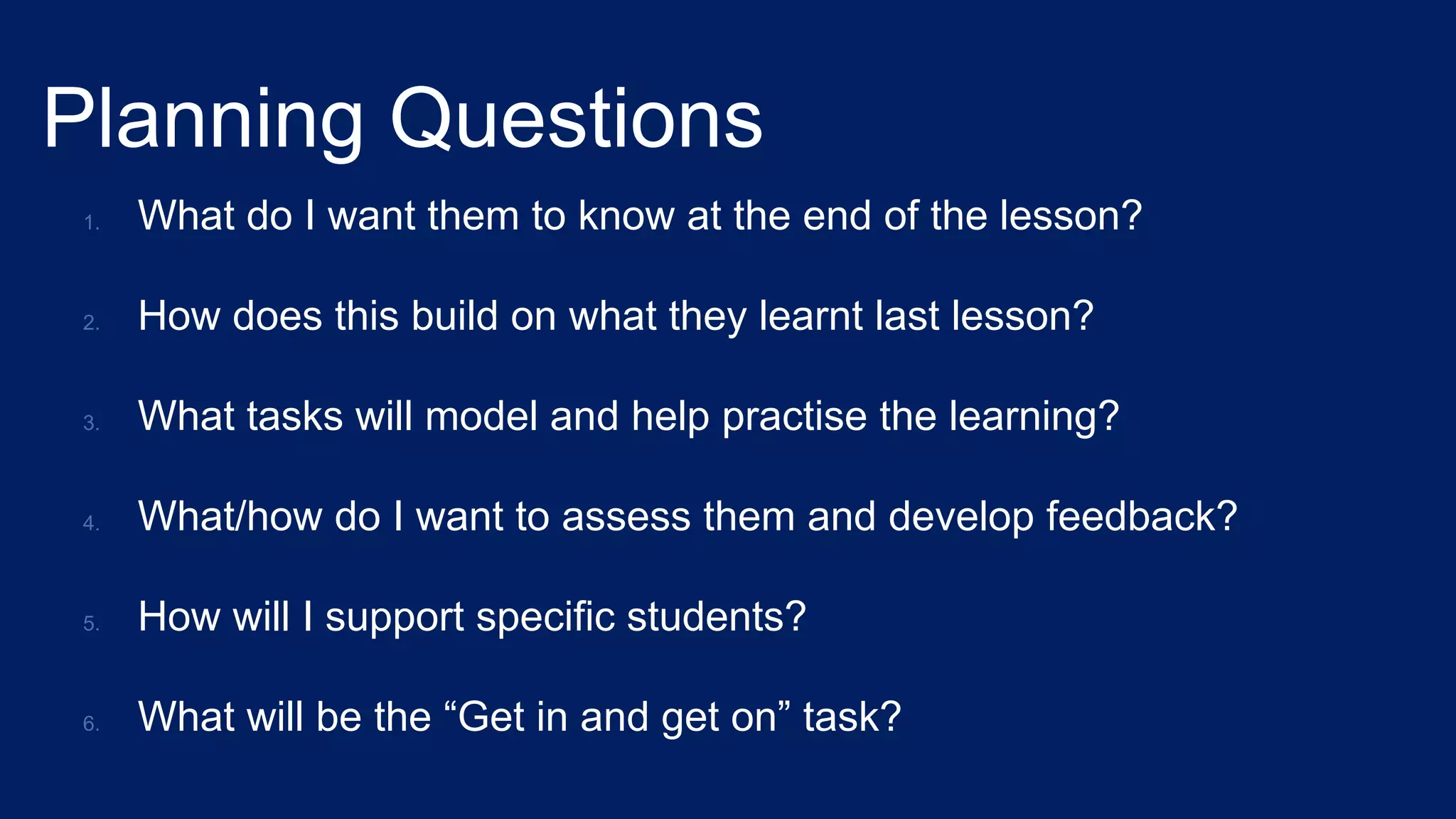
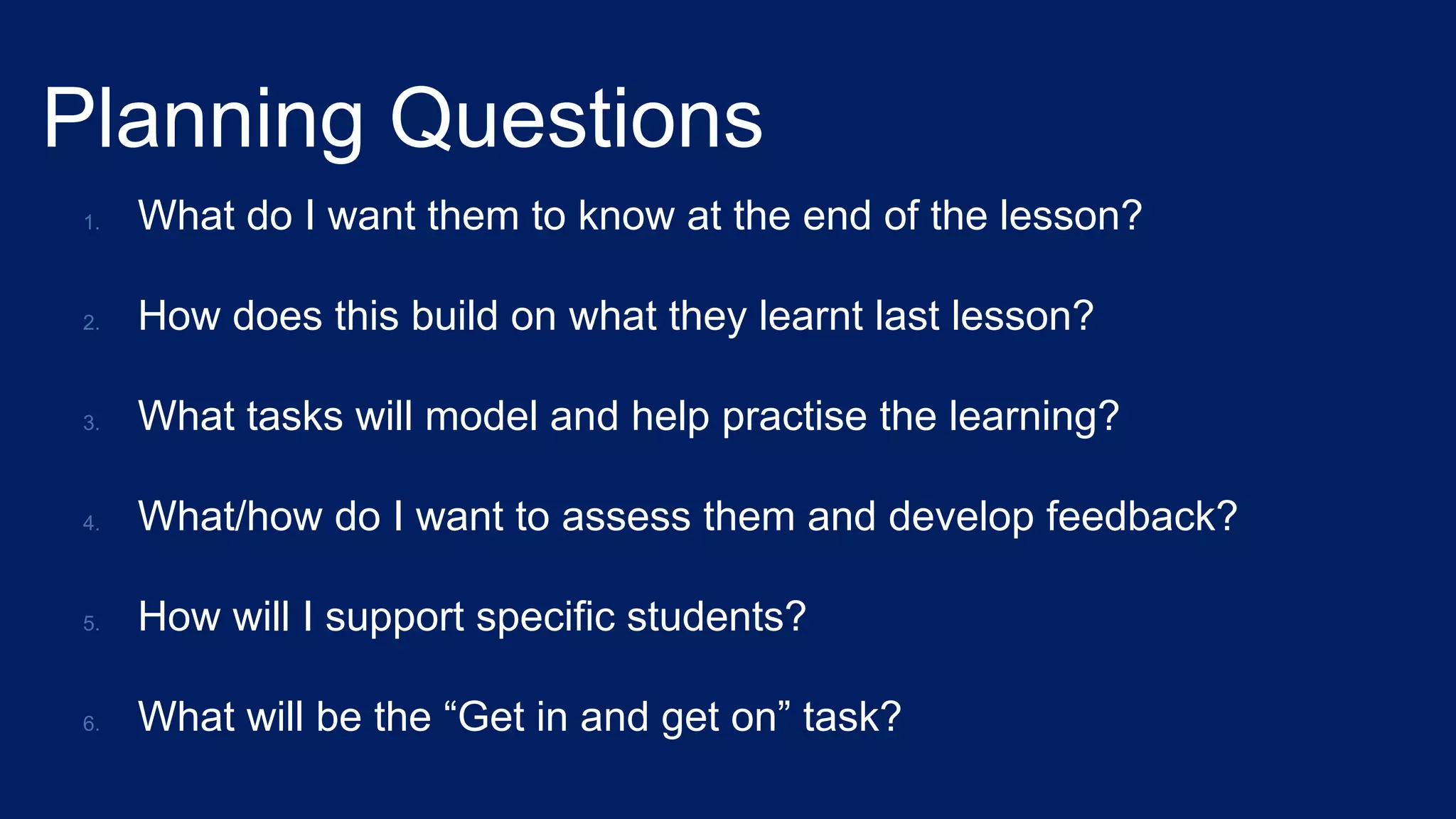
Planning Questions
1. What do I want them to know at the end of the lesson?
2. How does this build on what they learnt last lesson?
3. What tasks will model and help practise the learning?
4. What/how do I want to assess them and develop feedback?
5. How will I support specific students?
6. What will be the “Get in and get on” task?
1. OBJECTIVES – WHY?
‣ Be able to name….
‣ Be able to list 3 ways….
‣ Be able to understand….
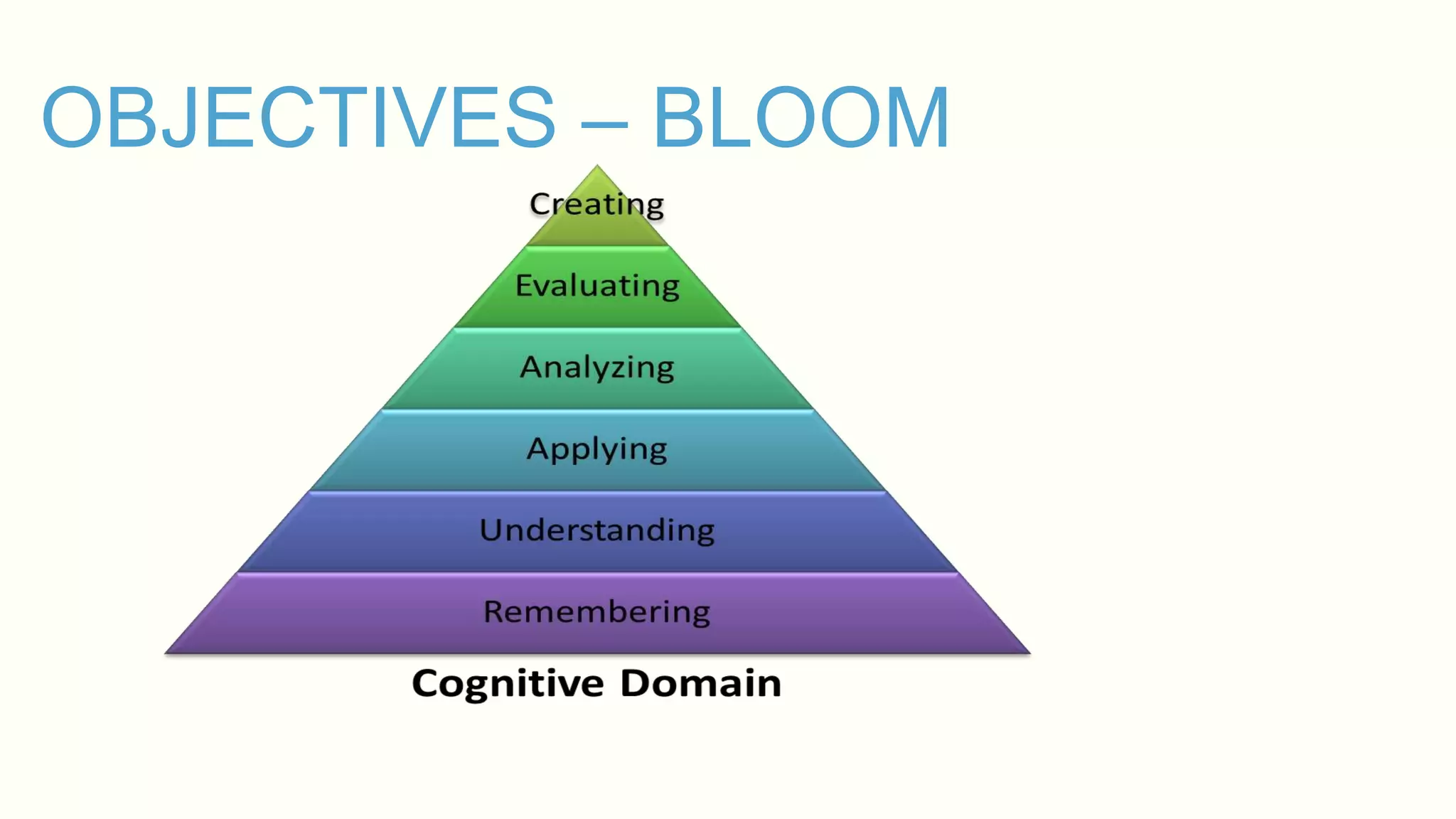
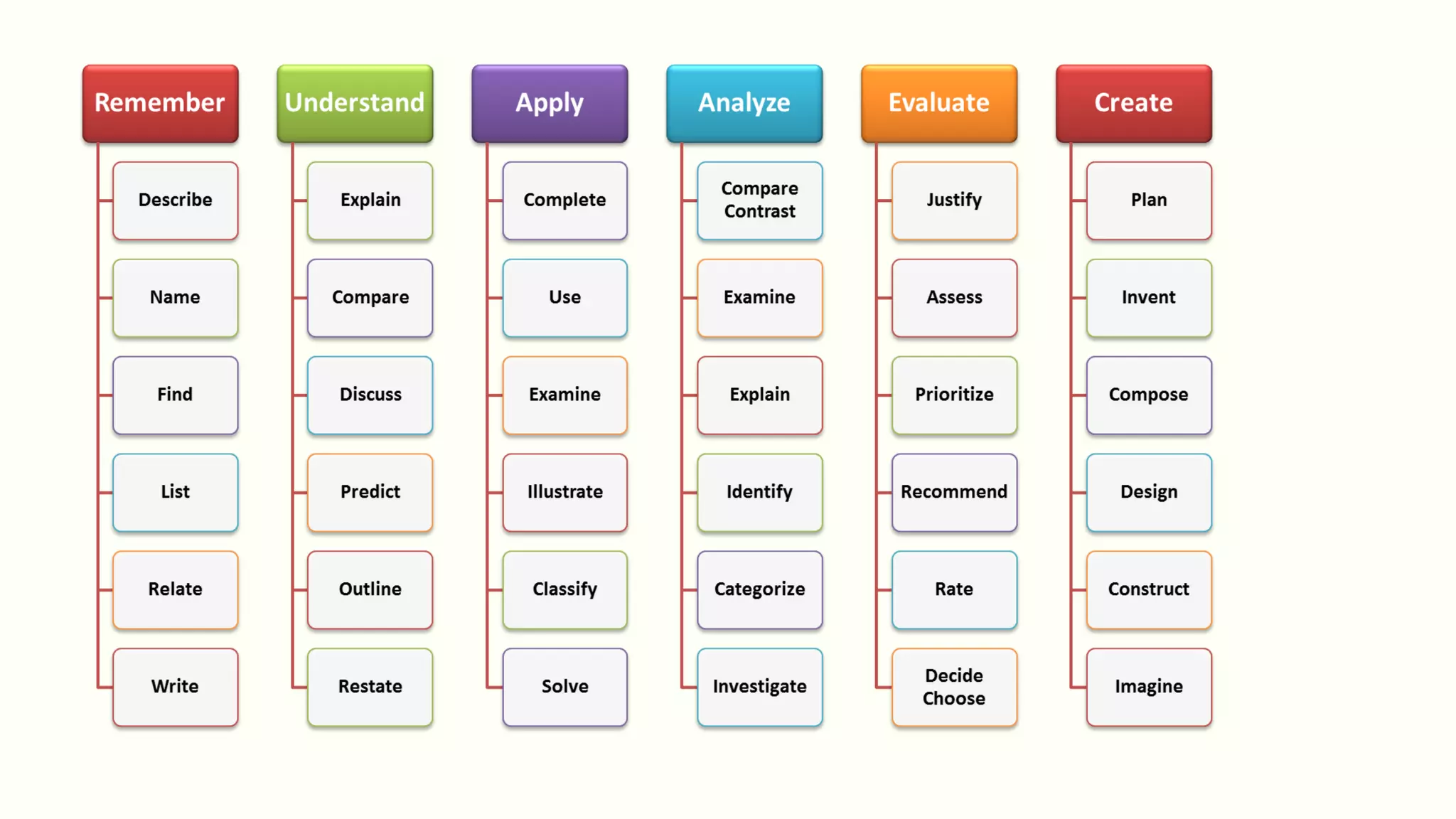
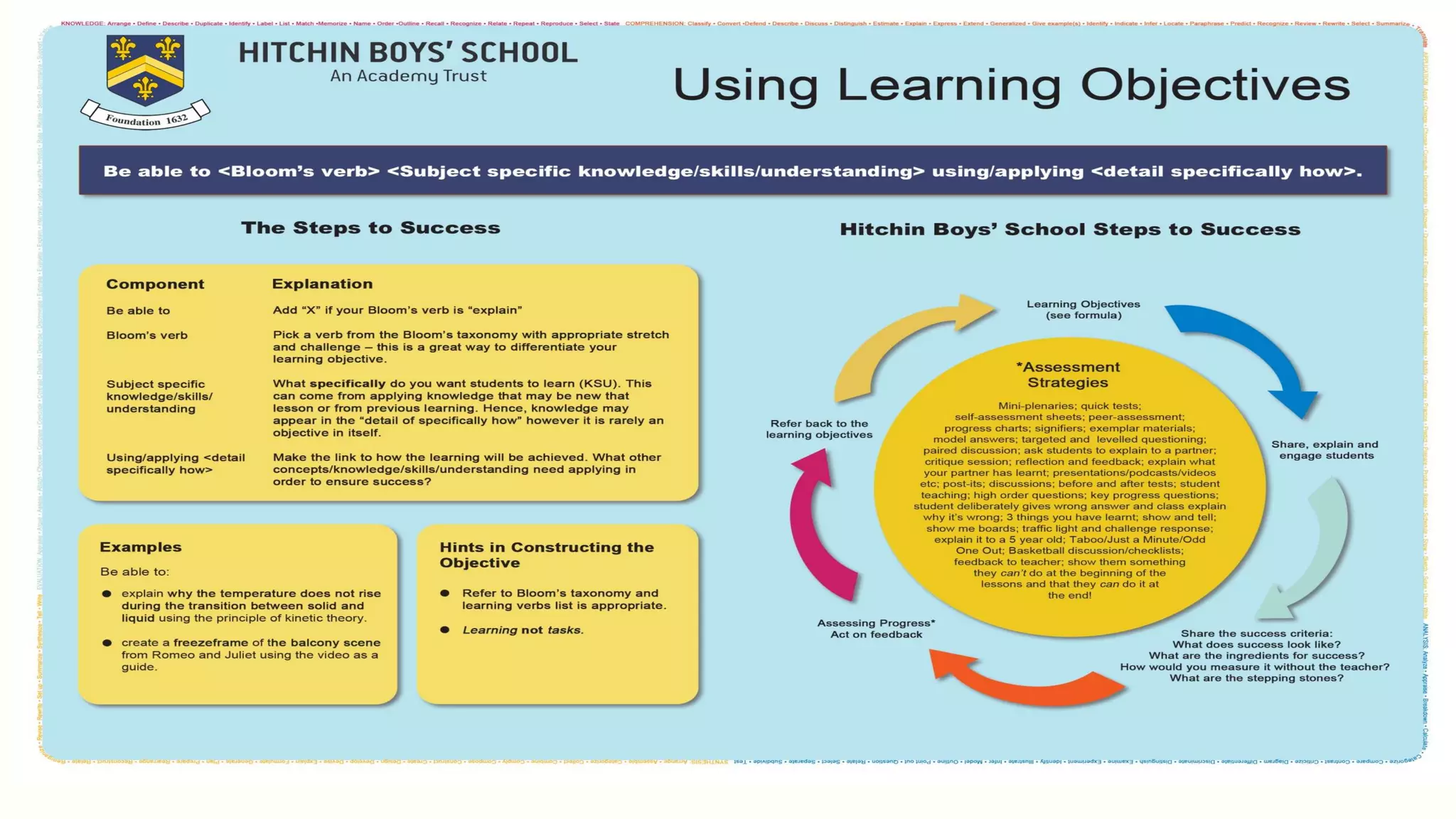
OBJECTIVES – BLOOM
KARBON PRESENTATION 4 • 22LEVEL 13, 82 SPENCER ST, MELBOURNE
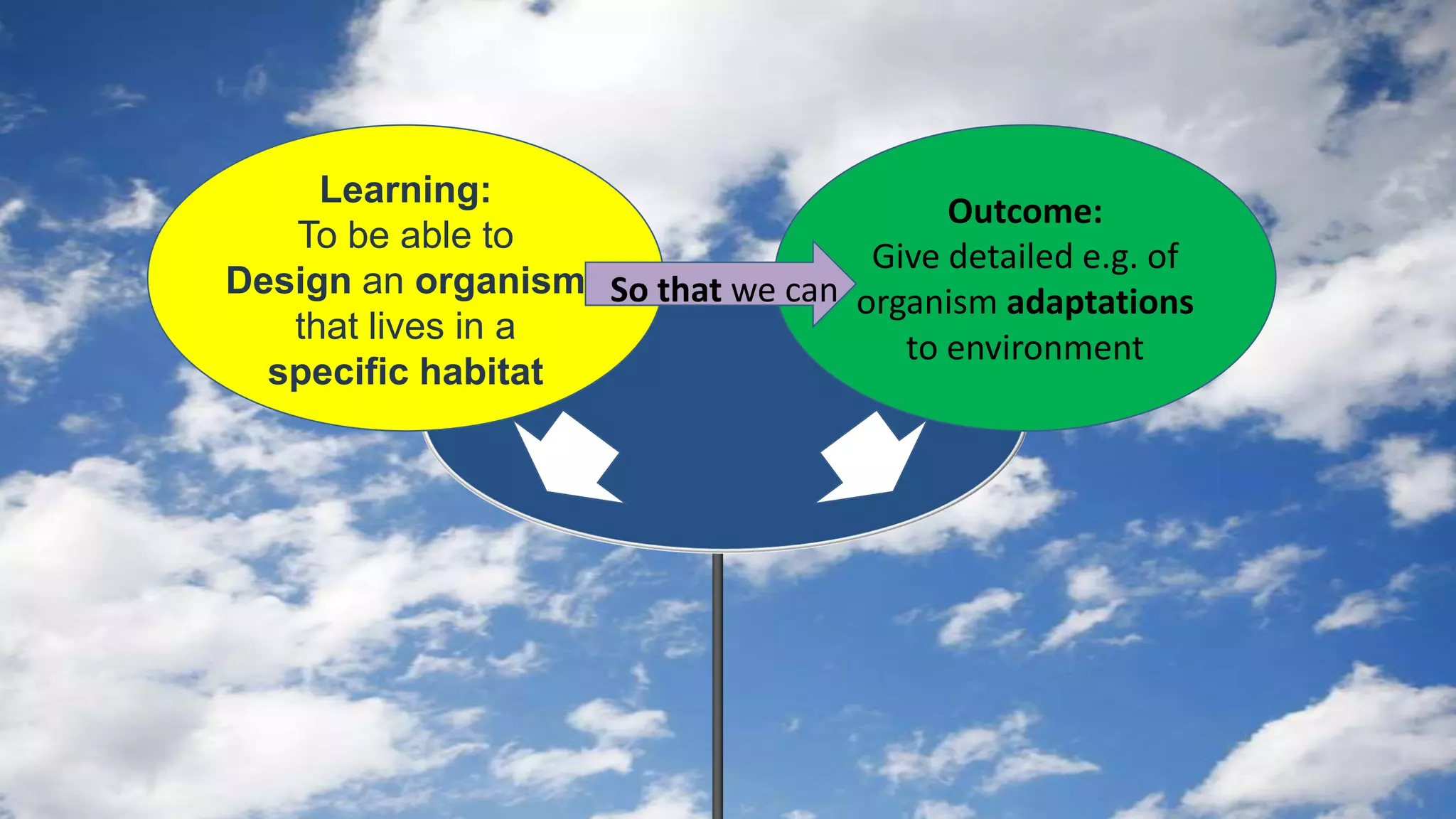
Outcome:
Give detailed e.g. of
organism adaptations
to environment
So that we can
Learning:
To be able to
Design an organism
that lives in a
specific habitat
2. LAST LESSON?
‣ How do you know what they know?
‣ Feedback from Questioning
‣ Observation whilst they were working
‣ What did you find from the marking/assessment?
MARKING IS PLANNING
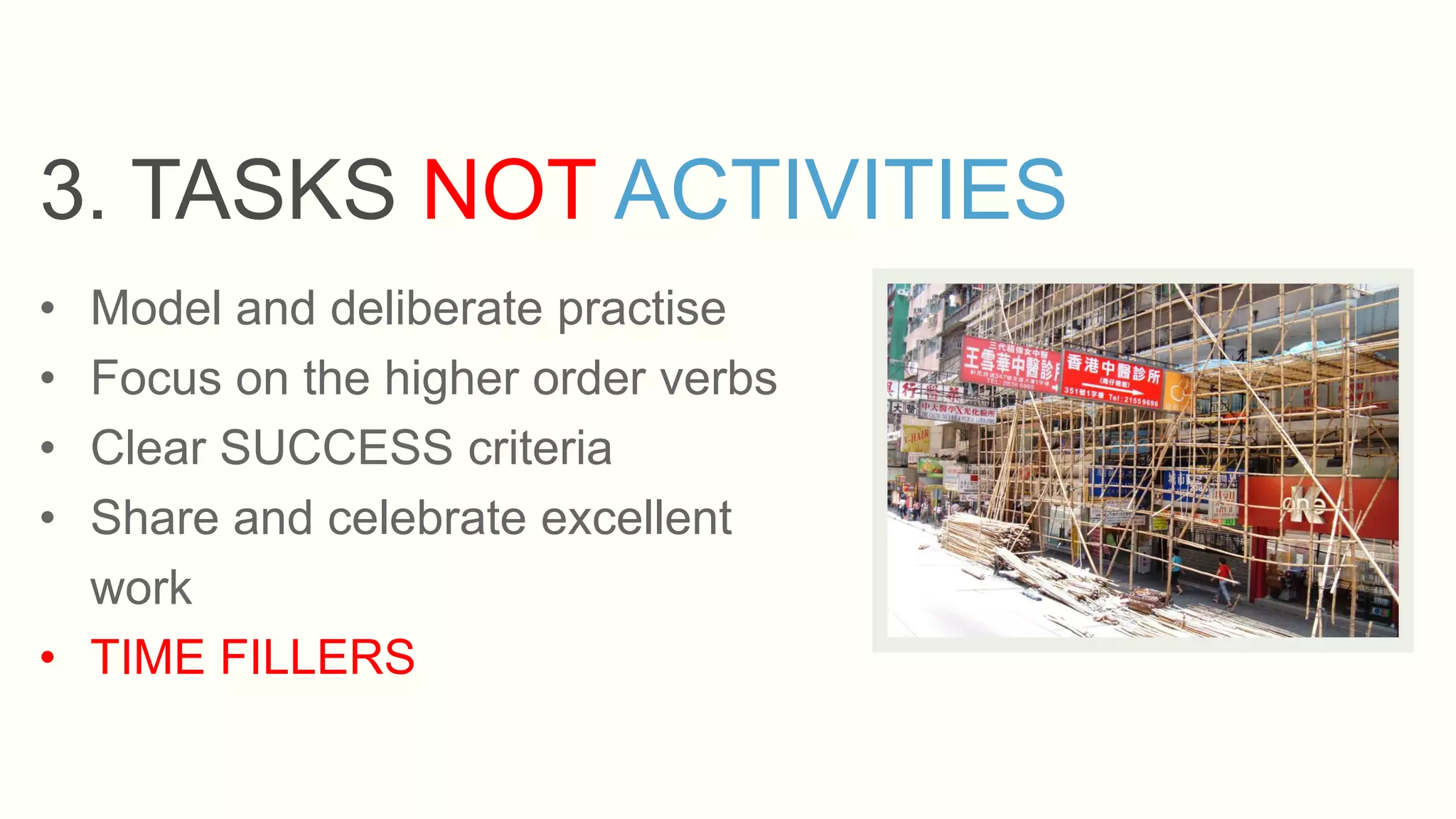
3. TASKS NOT ACTIVITIES
• Model and deliberate practise
• Focus on the higher order verbs
• Clear SUCCESS criteria
• Share and celebrate excellent
work
• TIME FILLERS
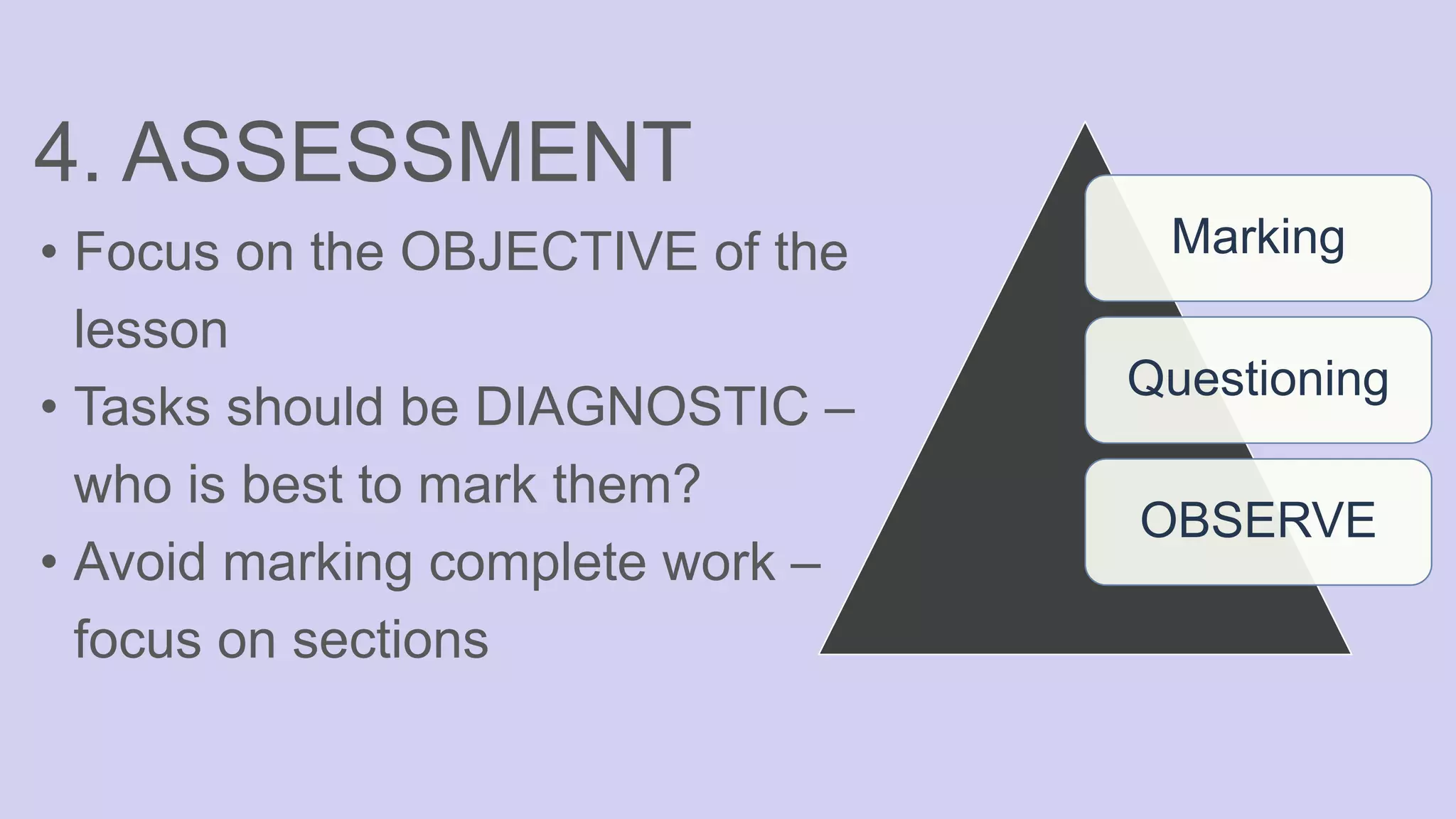
4. ASSESSMENT
• Focus on the OBJECTIVE of the
lesson
• Tasks should be DIAGNOSTIC –
who is best to mark them?
• Avoid marking complete work –
focus on sections
Marking
Questioning
OBSERVE
QUESTIONING
• Open/Closed
• PPPB
• TV Questioning
• Columbo Questions
• Hinge
• Question Grid
• Socratic Questions
• Question Formulation
Technique
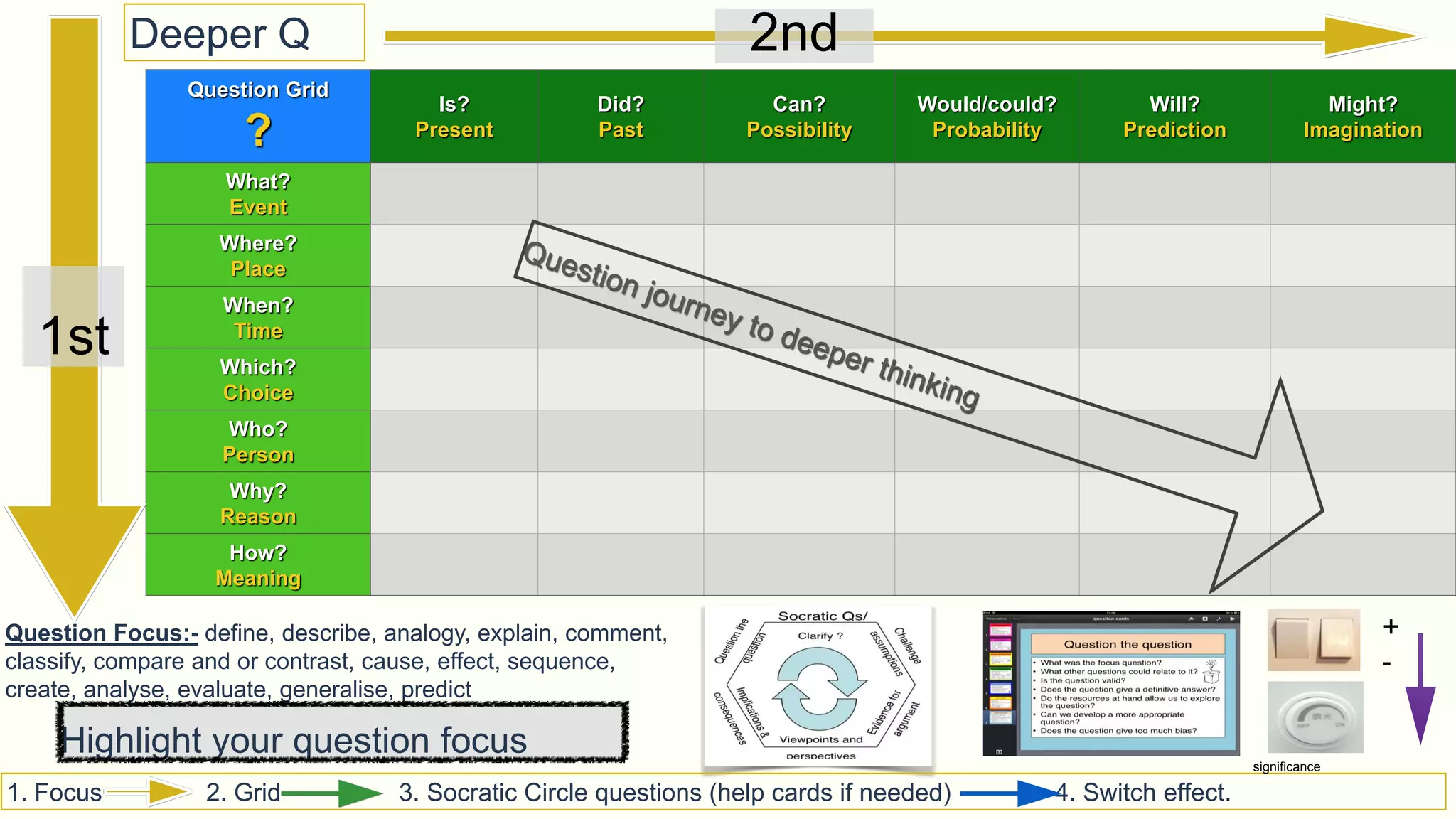
Question Grid
?
Is?
Present
Did?
Past
Can?
Possibility
Would/could?
Probability
Will?
Prediction
Might?
Imagination
What?
Event
Where?
Place
When?
Time
Which?
Choice
Who?
Person
Why?
Reason
How?
Meaning
Deeper Q
Question Focus:- define, describe, analogy, explain, comment,
classify, compare and or contrast, cause, effect, sequence,
create, analyse, evaluate, generalise, predict
Highlight your question focus
1. Focus 2. Grid 3. Socratic Circle questions (help cards if needed) 4. Switch effect.
+
-
significance
1st
2nd
Question Grid
?
Is?
Present
Did?
Past
Can?
Possibility
Would/could?
Probability
Will?
Prediction
Might?
Imagination
What?
Event
Where?
Place
When?
Time
Which?
Choice
Who?
Person
Why?
Reason
How?
Meaning
Deeper Thinking 2nd
Focus:- define, describe, analogy, explain, comment, classify,
compare and or contrast, cause, effect, sequence, create,
analyse, evaluate, generalise, predict
Highlight your thinking focus
1st
1. Focus 2. Grid 3. Socratic Circle questions (help cards if needed) 4. Switch effect.
+
-
significance
Side Before before Before Now After After after Side
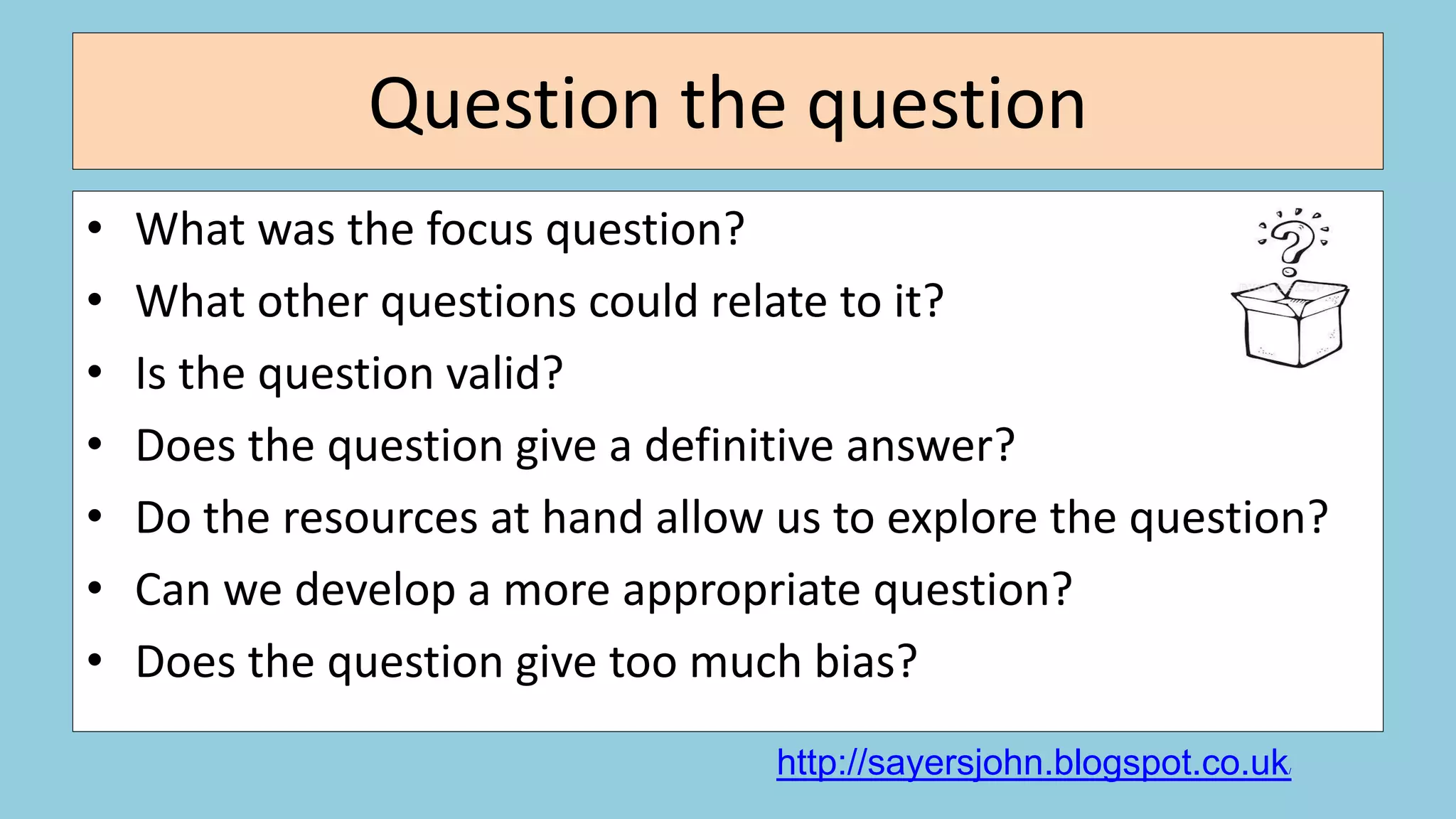
Question the question
• What was the focus question?
• What other questions could relate to it?
• Is the question valid?
• Does the question give a definitive answer?
• Do the resources at hand allow us to explore the question?
• Can we develop a more appropriate question?
• Does the question give too much bias?
http://sayersjohn.blogspot.co.uk/
5. SUPPORT
STUDENTS
‣ Know your students and their specific needs
‣ NOT all….most…some…
‣ Focus on one or two per lesson regarding tasks…
‣ Detailed feedback
‣ High Expectations
SOME STRATEGIES
• Students undertake without direction
• Should take around 5 minutes to complete
• Task should involve putting pen to paper
• Should preview todays learning
• Part of a bigger agenda of TRAINING
6. GET IN – GET ON
‣ Define ADAPTATION
‣ Explain TWO adaptions of a desert living organism
‣ COMPARE and CONTRAST behavioural and physical
adaptations
IN SCIENCE
Planning Questions
1. What do I want them to know at the end of the lesson?
2. How does this build on what they learnt last lesson?
3. What tasks will model and help practise the learning?
4. What/how do I want to assess them and develop feedback?
5. How will I support specific students?
6. What will be the “Get in and get on” task?
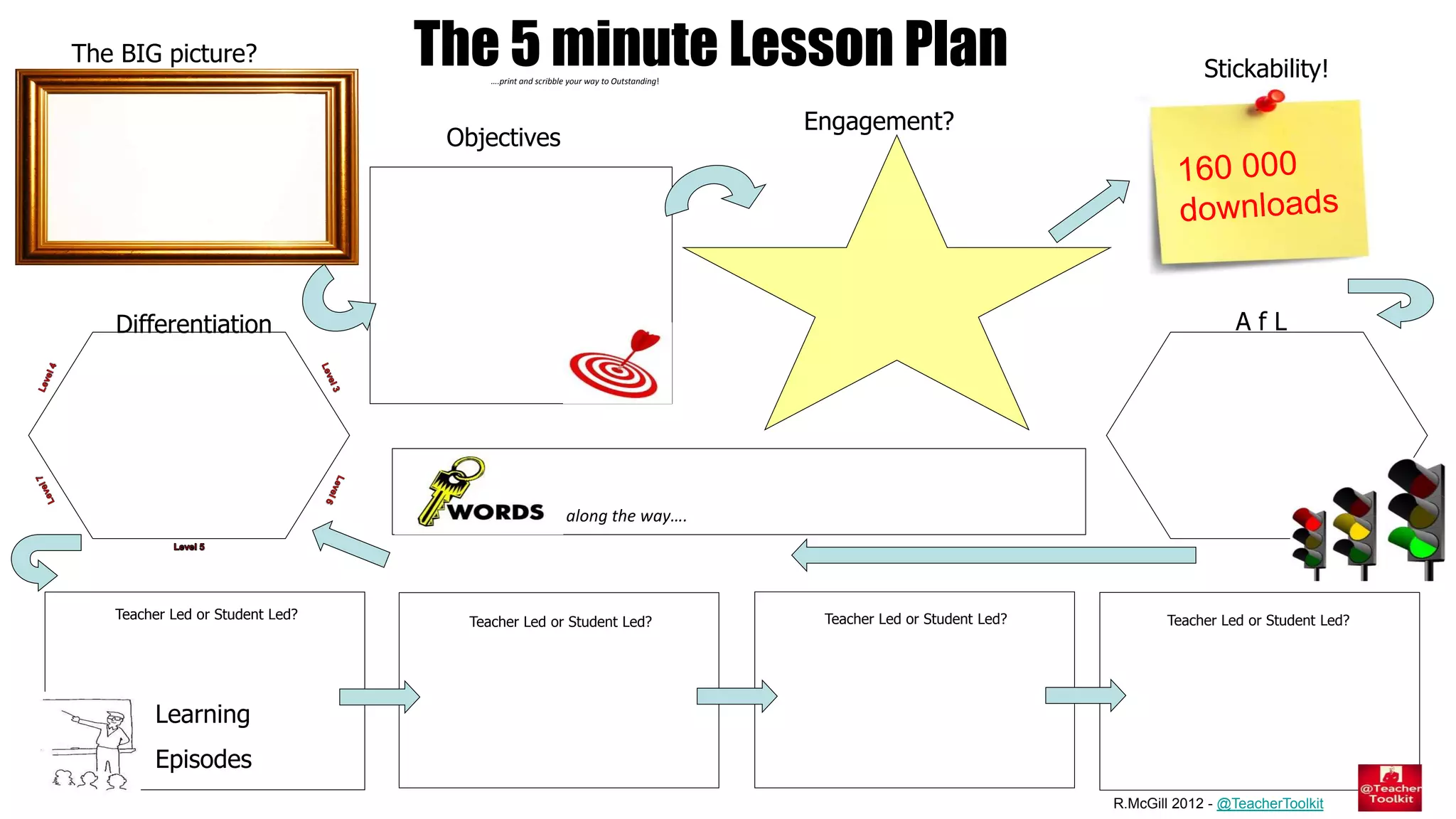
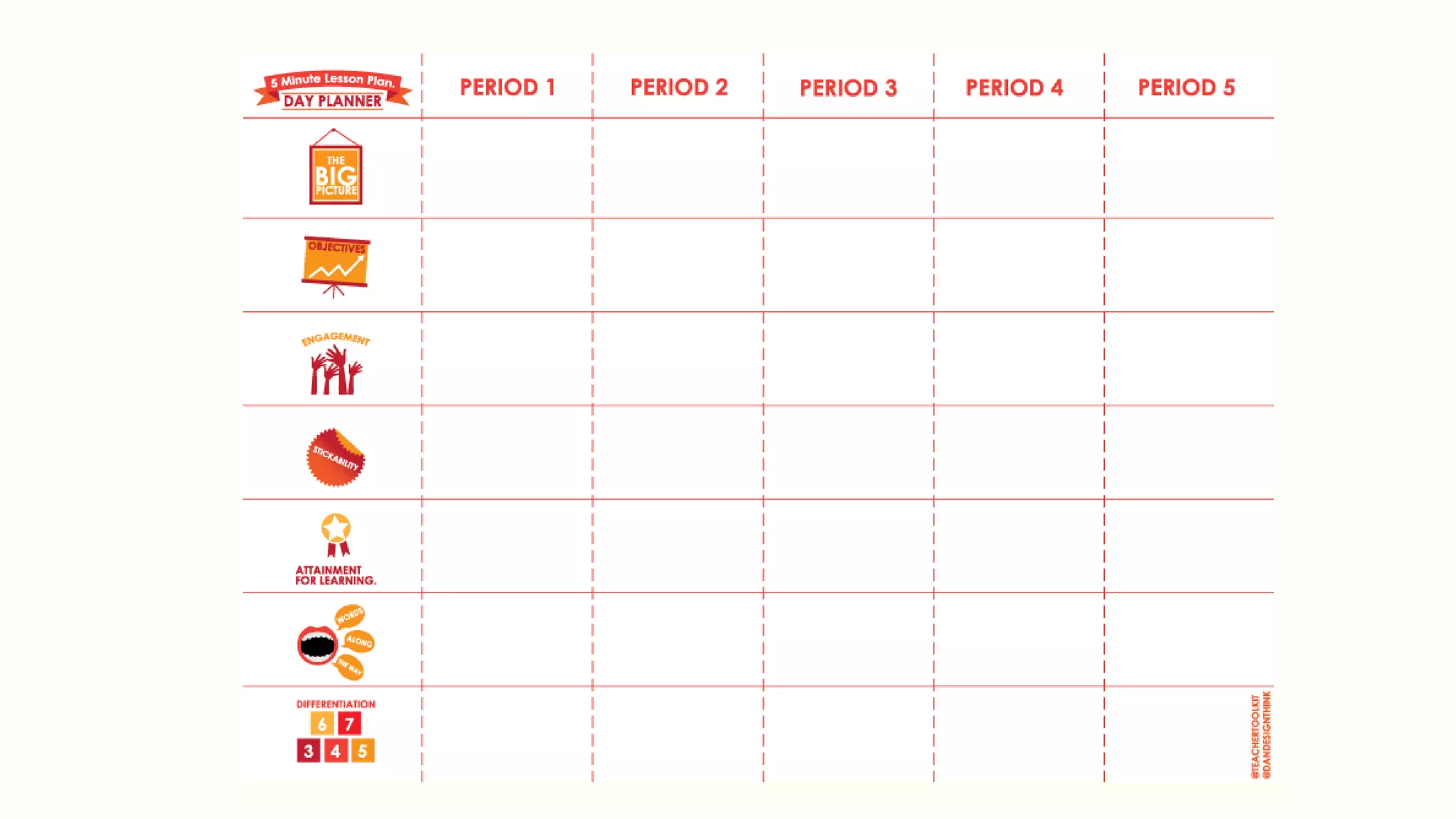
The 5 minute Lesson PlanThe BIG picture?
Engagement?
Stickability!
Differentiation A f L
Learning
Episodes
Teacher Led or Student Led? Teacher Led or Student Led? Teacher Led or Student Led? Teacher Led or Student Led?
R.McGill 2012 - @TeacherToolkit
Objectives
along the way….
….print and scribble your way to Outstanding!
“Every teacher needs to improve,
not because they are not good
enough, but because they can be
even better.”
Dylan Wiliam
SSAT Conference 2012

Expert plannning final (1)

Editor's Notes

  • #10 Its not a case of either or, bad objectives are worse than none at all but they are very important.
  • #11 Describe the shape – lower order at the bottom – the ones where most time is spent on, more able to carry out this tasks
  • #12 Describe the shape – lower order at the bottom – the ones where most time is spent on, more able to carry out this tasks
  • #13 Its not a case of either or, bad objectives are worse than none at all but they are very important.
  • #14 It sharpens up my thinking about every form of learning or training session I design. After all, if I can’t explain the ‘SO THAT…’ it probably means that I couldn’t answer the ‘SO WHAT…?’ if I was asked
  • #15 In order to be able to answer this question you need to complete the following…..Chicken and Egg Scenario here – you need to do all the 6 points to get best value but, start with the end in mind Questioning – feature later – big weakness of mine – we all need to develop our questioning strategies.
  • #16 If it doesn’t illuminate, if it doesn’t allow you to diganose then it is not a worthwhile task.
  • #17 This is where you can set things up to save time and be more efficient/effective in your work.Focus on a clear objective and set up tasks that the students work on so that you can spend most of your time observing their workThink – Do they understand? Are there any common misconceptions? Who is “getting it” and who isn’t – How can I scaffold the cognitive gap?Does the task need more explaining? Etc.Is it an effective use of time to get students to wirte reams and reams of essays? Focus on elements of them and build up.
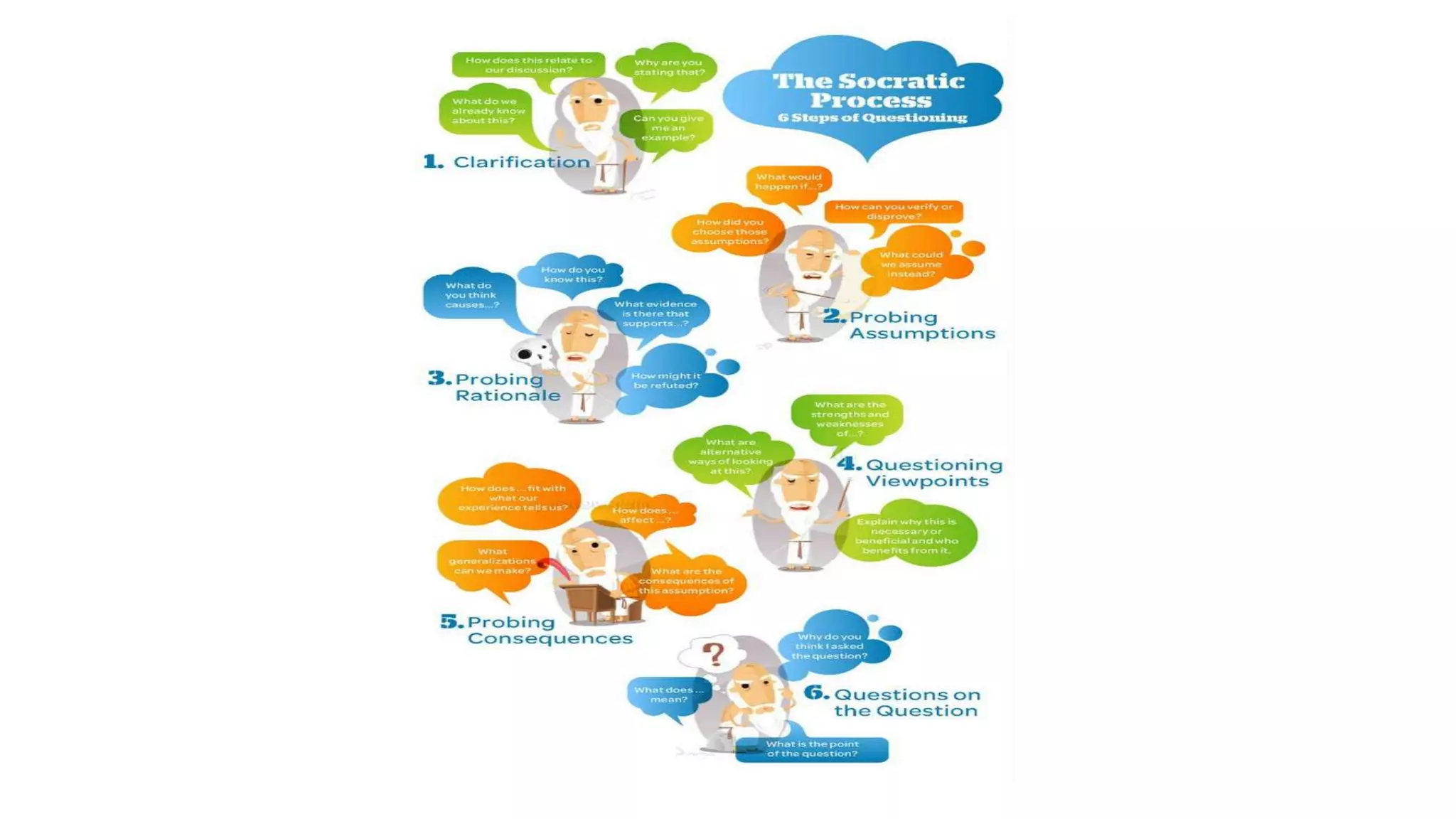
  • #18 A hinge question is based on the important concept in a lesson that is critical for students to understand before you move on in the lesson.- The question should fall about midway during the lesson.- Every student must respond to the question within two minutes.- You must be able to collect and interpret the responses from all students in 30 seconds – need whiteboards or other method for mass collection of information – what to do if they don’t get it??Columbo questions – “Just one more thing”…Socratic – question within a question – clarify, probe assumption, viewpoints…We don’t know a lot about questioning – if you plan to question and challenge throughout the lesson it can be massively effective
  • #24 Non negotiable – you need to know who they are, what their needs are and if you don’t know then ask.All most some – are excuses for following a path of least resistance – you are almost accepting a minimum standard of work – or at worse, even segregating your class. Pen Portraits – when you sit down to plan think of Sam or Alex –what you you do with this task to help them. Might seem immoral to ignore others, but if you try this every lesson, you’ll provide far more support than is likely now…Far better to have high expectations and give them detailed feedback – don’t make it obvious from the books that a child has SEN needs. If we tolerate this then we have lower expectations for these boys and that is wrong. Every student can make progress.
  • #25 This is my personal focus for this half term - boys should never come in without knowing what to do – this task removes that and eliminates distractions
  • #28 Remember – Ofsted DO NOT want a lesson plan(!), but evidence of a planned lesson… (September 2012 criteria).This simple tool will help you mentally prepare for your lesson, but not get bogged down in whole-school proforma that consumes unnecessary time. @TeacherToolkit – contact me at: TeacherToolkit@me.com