Sultan Ahmed Mosque
Mosque in Istanbul,Turkey
Name: Joey Lau Xin Jun
Student ID: 0323965
Sultan Ahmed Mosque
Also known as Blue
Mosque
One of the treasures
of Istanbul
Built in 1969,
opened in 1617
Historical Background
The mosque construction was
in charge by the royal architect,
Sedefhar Mehmet Aga
The mosque is currently one of
the most impressive
monuments in the world
Sultan Ahmed I
After the Peace of Zsitvatorok
(1606) and the unfavourable
result of the wars with Persia,
Sultan Ahmed I decided to build
a huge mosque in Istanbul. His
predecessors had paid for their
mosques with their spoil of war,
Sultan Ahmed I had to withdraw
the funds from the treasury.This
provoked the anger of the
Ottoman ulema.
​
Hagia Sophia
Hippodrome of Constantinople
The mosque was to be built on the
site of the palace of the Byzantine
emperors, facing the Hagia Sophia
and the hippodrome. Large parts of
the southern side of the mosque rest
on the foundation and vaults of the
Great Palace. Construction started
in August 1609 when the sultan
himself came to break the first sod.
Structure and Layout
Exterior
The facade of the spacious
forecourt was built in the
same manner as the facade
of the Suleymaniye Mosque.
The court is about as large
as the mosque itself.
The Sultan Ahmed Mosque is
first one of the two mosques
in Turkey that has six
minarets.
Four minarets stand at the corners of the Blue
Mosque. Each of these has three balconies
with stalactite corbels, while the two others
at the end of the forecourt only have two
balconies.
A heavy iron chain hangs in the upper part of the court
entrance on the western side of the Mosque. It was done
as a symbolic gesture, to ensure the humility of the ruler
in the face of the divine.
Interior
The prayer hall itself is punctuated with several architectural
features including the sultan’s platform and an arcaded
gallery running along the interior walls except on the quibla
wall facing Mecca.
The lower level of the mosque is lined with more than
20,000 handmade ceramic tiles.The tiles on the back
balcony wall are restorated tiles from the harem in the
Topkapı Palace, when it was damaged by fire in 1574.
The upper levels of the
Mosque interior is
dominated by blue
paint. More than 200
stained glass windows
with intricate designs
admit natural light. On
the chandeliers, ostrich
eggs are found.
The decorations including verses from the Qur'an,
many of them made by Seyyid Kasim Gubari.
The floors inside are covered
with carpets.
Each semi dome has 14
windows and the central dome
28 windows.The coloured
glass for the windows was a
gift from the Signoria of Venice
to the sultan.
The mihrab of the mosque
is made of finely carved
and sculptured marble, with
a stalactite niche and a
double inscriptive panel
above it.To the right of the
mihrab is the richly
decorated minber.
The royal kiosk is
situated at the south-east
corner comprises a
platform, a loggia and
two small retiring rooms.
This royal loge is
supported by ten
marble columns.
The many lamps inside the
Blue Mosque were once
covered with gold and gems.
Among the glass bowls each
one could find ostrich eggs
and crystal balls.
The great tablets on the walls
are inscribed with the names
of the caliphs and verses from
the Quran
Ornament found
from the fountain
in the mosque
Ornamentations
Minbar opposite the main
entrance
Geometric ornament based on the ten-fold star
ornament, a part of old door in the mosque
Ornament found from pulprit in the mosque
Ornaments
found from two
doors in the
mosque
Tilework and Stained Glass
The intensity of the tiles is accentuated by the play of
natural light from more than 200 windows that pierce the
drums of the central dome, each of the half-domes, and
the side walls.These windows originally contained
Venetian stained glass.
Legacy
The Sultan Ahmet Mosque is
particularly remarkable in that
it was conceived and built
during a time of relative
decline. In the past, grand
mosques were constructed as
markers of prosperity and
political strength.
Things to take note before visiting:
1) Avoid visiting a mosque at pray time (Especially
Midday praying on Friday) or within a half hour
after the ezan is chanted from the Mosque
minarets.
2) Before step in to Mosque, take off your shoes and
put in plastic bags provided at the entrance.
3) When you are inside the mosque, remain quiet
and don't use flash photography.
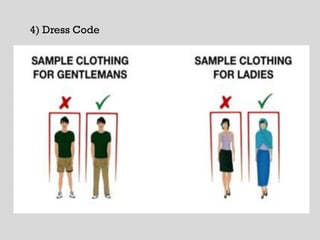
4) Dress Code
References
1, https://en.wikipedia.org/wiki/Sultan_Ahmed_Mosque
2, http://www.bluemosque.co/
3, http://www.bluemosque.co/architecture.html
Thank You!

Epc presentation 1

  • 1.
    Sultan Ahmed Mosque Mosquein Istanbul,Turkey Name: Joey Lau Xin Jun Student ID: 0323965
  • 2.
    Sultan Ahmed Mosque Alsoknown as Blue Mosque One of the treasures of Istanbul Built in 1969, opened in 1617
  • 3.
    Historical Background The mosqueconstruction was in charge by the royal architect, Sedefhar Mehmet Aga The mosque is currently one of the most impressive monuments in the world
  • 4.
    Sultan Ahmed I Afterthe Peace of Zsitvatorok (1606) and the unfavourable result of the wars with Persia, Sultan Ahmed I decided to build a huge mosque in Istanbul. His predecessors had paid for their mosques with their spoil of war, Sultan Ahmed I had to withdraw the funds from the treasury.This provoked the anger of the Ottoman ulema. ​
  • 5.
    Hagia Sophia Hippodrome ofConstantinople The mosque was to be built on the site of the palace of the Byzantine emperors, facing the Hagia Sophia and the hippodrome. Large parts of the southern side of the mosque rest on the foundation and vaults of the Great Palace. Construction started in August 1609 when the sultan himself came to break the first sod.
  • 6.
  • 7.
    Exterior The facade ofthe spacious forecourt was built in the same manner as the facade of the Suleymaniye Mosque. The court is about as large as the mosque itself.
  • 8.
    The Sultan AhmedMosque is first one of the two mosques in Turkey that has six minarets. Four minarets stand at the corners of the Blue Mosque. Each of these has three balconies with stalactite corbels, while the two others at the end of the forecourt only have two balconies.
  • 9.
    A heavy ironchain hangs in the upper part of the court entrance on the western side of the Mosque. It was done as a symbolic gesture, to ensure the humility of the ruler in the face of the divine.
  • 10.
    Interior The prayer hallitself is punctuated with several architectural features including the sultan’s platform and an arcaded gallery running along the interior walls except on the quibla wall facing Mecca.
  • 11.
    The lower levelof the mosque is lined with more than 20,000 handmade ceramic tiles.The tiles on the back balcony wall are restorated tiles from the harem in the Topkapı Palace, when it was damaged by fire in 1574.
  • 12.
    The upper levelsof the Mosque interior is dominated by blue paint. More than 200 stained glass windows with intricate designs admit natural light. On the chandeliers, ostrich eggs are found. The decorations including verses from the Qur'an, many of them made by Seyyid Kasim Gubari.
  • 13.
    The floors insideare covered with carpets. Each semi dome has 14 windows and the central dome 28 windows.The coloured glass for the windows was a gift from the Signoria of Venice to the sultan.
  • 14.
    The mihrab ofthe mosque is made of finely carved and sculptured marble, with a stalactite niche and a double inscriptive panel above it.To the right of the mihrab is the richly decorated minber.
  • 15.
    The royal kioskis situated at the south-east corner comprises a platform, a loggia and two small retiring rooms. This royal loge is supported by ten marble columns.
  • 16.
    The many lampsinside the Blue Mosque were once covered with gold and gems. Among the glass bowls each one could find ostrich eggs and crystal balls. The great tablets on the walls are inscribed with the names of the caliphs and verses from the Quran
  • 17.
    Ornament found from thefountain in the mosque Ornamentations
  • 18.
    Minbar opposite themain entrance
  • 19.
    Geometric ornament basedon the ten-fold star ornament, a part of old door in the mosque
  • 20.
    Ornament found frompulprit in the mosque
  • 21.
  • 22.
    Tilework and StainedGlass The intensity of the tiles is accentuated by the play of natural light from more than 200 windows that pierce the drums of the central dome, each of the half-domes, and the side walls.These windows originally contained Venetian stained glass.
  • 23.
    Legacy The Sultan AhmetMosque is particularly remarkable in that it was conceived and built during a time of relative decline. In the past, grand mosques were constructed as markers of prosperity and political strength.
  • 24.
    Things to takenote before visiting: 1) Avoid visiting a mosque at pray time (Especially Midday praying on Friday) or within a half hour after the ezan is chanted from the Mosque minarets. 2) Before step in to Mosque, take off your shoes and put in plastic bags provided at the entrance. 3) When you are inside the mosque, remain quiet and don't use flash photography.
  • 25.
  • 26.
  • 27.