ENERGY RESOURCES
•1.Energy is essential for the existence of mankind.
•2. Energy production and energy utilization indicates a
country’s progress.
•3. The major energy sources are fossil fuels,nuclear
fuels,hydro energy ,geothermal,solar energy, wind energy,
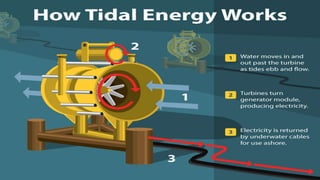
tidel energy, biomass,hydrogen etc.
•4. Sun is the main source of our energy resources
Growing energy needs-most of the
industrial processes like mining,
Transport,lighting,heating and
cooling in buildings need energy.
INDIAN SCENARIO
commercial energy-coal,oil,gas and
water constitute the main sources of
energy.
Energy 1. Renewable energy.
2. Nonrenewable energy.
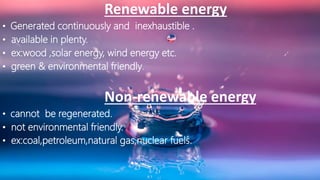
Renewable energy
• Generated continuously and inexhaustible .
• available in plenty.
• ex:wood ,solar energy, wind energy etc.
• green & environmental friendly.
Non-renewable energy
• cannot be regenerated.
• not environmental friendly.
• ex:coal,petroleum,natural gas,nuclear fuels.
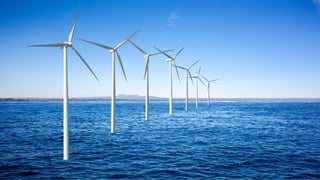
Wind Energy
•It is an effective source of energy in
areas where the velocity of wind flow is
high.
•Wind energy harnesses the power of the
wind to propel the blades of the wind
turbines.
•The rotation of turbine blades is converted
into electrical current by means of an
electrical generator.
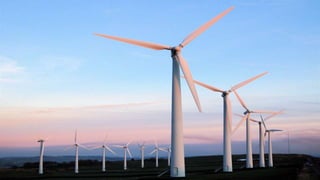
•Wind towers are built together in wind
farms.
•They can be also built off-shore.
•Advantages:
• No pollution
• Source of power generation
• Free of cost
• It is a renewal source of energy
•Disadvantages:
• Wind power is intermittent.
Consistent wind is needed for continuous power generation.If wind speed
decreases, the turbine lingers and less electricity is generated.
• Large wind farms can have a negative effect on the scenery.
• They sometimes create noise disturbances and cannot be used near residential
areas.
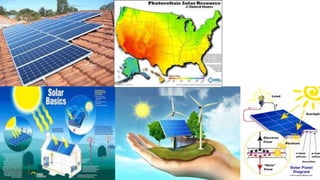
Solar energy
• It is one of the promising alternative energy sources which the
earth receives from sun. The solar power generation is done
using a series of photovoltaic cell where the solar rays are
converted to electricity. Solar energy is also used commonly
for heating, cooking and in the desalination of sea water.
Apart from electricity production, solar energy is also being
used for heating water, cooking food etc.
• Advantages:
• It is renewable resource and will not deplete
• solar power generation releases no by-products
• It is free of cost and can be efficiently used for heating and lighting
• solar power generation is quiet, absolutely clean and pollution free
• Reduces electricity bills
• Disadvantages:
• Solar power stations are very expensive to built
• Solar power does not produce energy when sun is not shining
• Night time and cloudy days limit the amount of energy produced
• Uses a lot of space
• Weather dependent
GEOTHERMAL ENERGY
Geothermal literally means “EARTH HEAT”.
Geothermal energy harnesses the heat energy present
underneath the Earth.
Hot rocks under the ground heat water to produce
steam.
When holes are drilled in the region,the steam that
shoots up is purified and is used to drive
turbines,which power electric generators.
•ADVANTAGES:
• It does not produce any harmful byproducts.
• Geothermal plant is self sufficient(energy-wise).
• They are small and has little effect on landscape.
• Cost is less.
•DISADVANTAGES :
• If constructed incorrectly ,it produces pollutants.
• Improper drilling into the earth can release hazardous minerals and gases.
• It is suitably only to particular region and cannot be harnessed everywhere.
• The areas where this energy is harnessed are prone to earthquakesand
volcanoes.
• Setting up of geothermal power stations requires huge installation cost.
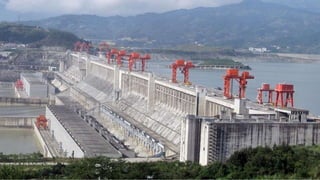
HYDROELECTRIC ENERGY
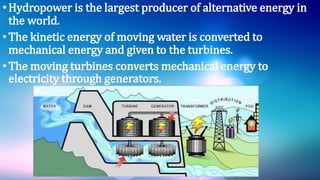
•Hydropower is the largest producer of alternative energy in
the world.
•The kinetic energy of moving water is converted to
mechanical energy and given to the turbines.
•The moving turbines converts mechanical energy to
electricity through generators.
ADVANTAGES
•Hydropower is renewable ,constant and
predictable.
•Produces no waste or pollution since there
is no chemical reaction to produce power.
•Electricity can be generated constantly ,
because there are no outside forces.
•Water used for hydropower can be reused.
DISADVANTAGES
•Dams are very expensive to build.
•They cause adverse effect on aquatic
life.
HYDROGEN ENERGY
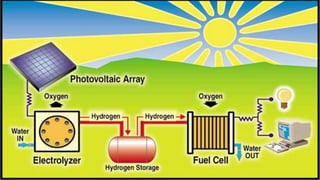
•Hydrogen is a clean fuel and an energy carrier
that can be used for a broad range of applications
as a possible substitute to liquid and fossil fuels.
It has tremendous potential and can be used to
power homes,vehicles,and space rockets.NASA
has used liquid hydrogen in space shuttles since
1970’s.A fuel cell combines hydrogen and oxygen
to produce electricity ,heat,and water.Fuel cells
are often compared to batteries.Both convert the
energy produced by a chemical reaction in to
usable electric power.
ADVANTAGES
•It is a renewable and clean energy source.
•It is non toxic.
•It is more efficient than other forms of energy.
•Used for powering space ships.
DISADVANTAGES
•Production of hydrogen is expensive.
•Difficulty in handling ,storing and transportation.
•Its low availability in pure form.
•Requirement of energy for the production of
Hydrogen.
Presented by :
•Sr.Remya
•Remya
•Rizwana Rahim
•Shahina Shajahan
•Sharanya S Pillai

Energy Resources

  • 1.
  • 2.
    •1.Energy is essentialfor the existence of mankind. •2. Energy production and energy utilization indicates a country’s progress. •3. The major energy sources are fossil fuels,nuclear fuels,hydro energy ,geothermal,solar energy, wind energy, tidel energy, biomass,hydrogen etc. •4. Sun is the main source of our energy resources
  • 3.
    Growing energy needs-mostof the industrial processes like mining, Transport,lighting,heating and cooling in buildings need energy.
  • 4.
    INDIAN SCENARIO commercial energy-coal,oil,gasand water constitute the main sources of energy. Energy 1. Renewable energy. 2. Nonrenewable energy.
  • 5.
    Renewable energy • Generatedcontinuously and inexhaustible . • available in plenty. • ex:wood ,solar energy, wind energy etc. • green & environmental friendly. Non-renewable energy • cannot be regenerated. • not environmental friendly. • ex:coal,petroleum,natural gas,nuclear fuels.
  • 6.
    Wind Energy •It isan effective source of energy in areas where the velocity of wind flow is high. •Wind energy harnesses the power of the wind to propel the blades of the wind turbines. •The rotation of turbine blades is converted into electrical current by means of an electrical generator. •Wind towers are built together in wind farms. •They can be also built off-shore.
  • 7.
    •Advantages: • No pollution •Source of power generation • Free of cost • It is a renewal source of energy •Disadvantages: • Wind power is intermittent. Consistent wind is needed for continuous power generation.If wind speed decreases, the turbine lingers and less electricity is generated. • Large wind farms can have a negative effect on the scenery. • They sometimes create noise disturbances and cannot be used near residential areas.
  • 10.
    Solar energy • Itis one of the promising alternative energy sources which the earth receives from sun. The solar power generation is done using a series of photovoltaic cell where the solar rays are converted to electricity. Solar energy is also used commonly for heating, cooking and in the desalination of sea water. Apart from electricity production, solar energy is also being used for heating water, cooking food etc.
  • 11.
    • Advantages: • Itis renewable resource and will not deplete • solar power generation releases no by-products • It is free of cost and can be efficiently used for heating and lighting • solar power generation is quiet, absolutely clean and pollution free • Reduces electricity bills • Disadvantages: • Solar power stations are very expensive to built • Solar power does not produce energy when sun is not shining • Night time and cloudy days limit the amount of energy produced • Uses a lot of space • Weather dependent
  • 13.
    GEOTHERMAL ENERGY Geothermal literallymeans “EARTH HEAT”. Geothermal energy harnesses the heat energy present underneath the Earth. Hot rocks under the ground heat water to produce steam. When holes are drilled in the region,the steam that shoots up is purified and is used to drive turbines,which power electric generators.
  • 14.
    •ADVANTAGES: • It doesnot produce any harmful byproducts. • Geothermal plant is self sufficient(energy-wise). • They are small and has little effect on landscape. • Cost is less. •DISADVANTAGES : • If constructed incorrectly ,it produces pollutants. • Improper drilling into the earth can release hazardous minerals and gases. • It is suitably only to particular region and cannot be harnessed everywhere. • The areas where this energy is harnessed are prone to earthquakesand volcanoes. • Setting up of geothermal power stations requires huge installation cost.
  • 15.
  • 16.
    •Hydropower is thelargest producer of alternative energy in the world. •The kinetic energy of moving water is converted to mechanical energy and given to the turbines. •The moving turbines converts mechanical energy to electricity through generators.
  • 18.
    ADVANTAGES •Hydropower is renewable,constant and predictable. •Produces no waste or pollution since there is no chemical reaction to produce power. •Electricity can be generated constantly , because there are no outside forces. •Water used for hydropower can be reused.
  • 19.
    DISADVANTAGES •Dams are veryexpensive to build. •They cause adverse effect on aquatic life.
  • 21.
    HYDROGEN ENERGY •Hydrogen isa clean fuel and an energy carrier that can be used for a broad range of applications as a possible substitute to liquid and fossil fuels. It has tremendous potential and can be used to power homes,vehicles,and space rockets.NASA has used liquid hydrogen in space shuttles since 1970’s.A fuel cell combines hydrogen and oxygen to produce electricity ,heat,and water.Fuel cells are often compared to batteries.Both convert the energy produced by a chemical reaction in to usable electric power.
  • 22.
    ADVANTAGES •It is arenewable and clean energy source. •It is non toxic. •It is more efficient than other forms of energy. •Used for powering space ships.
  • 23.
    DISADVANTAGES •Production of hydrogenis expensive. •Difficulty in handling ,storing and transportation. •Its low availability in pure form. •Requirement of energy for the production of Hydrogen.
  • 25.
    Presented by : •Sr.Remya •Remya •RizwanaRahim •Shahina Shajahan •Sharanya S Pillai