ELEPHANT
gallery
•Although there are many interesting animals that live in
grasslands the African Elephant is an amazing creature.
Did you know that it is 13,000 pounds? African Elephants
AFRICAN ELEPHANTS
•The largest land mammal on earth, the African elephant weighs up to
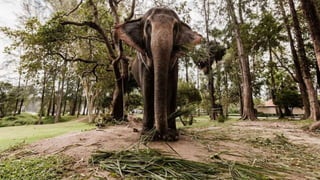
eight tons. The elephant is distinguished by its massive body, large
ears and a long trunk, which has many uses ranging from using it as
a hand to pick up objects, as a horn to trumpet warnings, an arm
raised in greeting to a hose for drinking water or bathing.
• Area: Parts of central, eastern, and southern Africa
• Habitat: Grasslands and open woodlands
• Food: Grass, leaves, and the bark of bushes and trees
• Size: Males can reach 13 feet tall and weigh up to 13,000 pounds; females are
smaller
• Babies: A calf weighs about 250 pounds at birth.
Range
•African elephants are the largest land animals on Earth. They
are slightly larger than their Asian cousins and can be identified
by their larger ears that look somewhat like the continent of
Africa. (Asian elephants have smaller, rounded ears.)
• Asian elephants differ in several ways from their African relatives. They are much smaller in
size and their ears are straight at the bottom, unlike the large fan-shape ears of the African
species. Only some Asian male elephants have tusks. All African elephants, including
females, have tusks. Elephants are either left or right-tusked and the one they use more is
usually smaller because of wear and tear. The Asian elephant has four toes on the hind foot
and five on the forefoot, while the African elephant has three on the hind foot and five on the
forefoot.
Asian elephants
range
•Elephants use their tusks to dig for roots and water, strip bark from
trees, and even fight each other. Unfortunately their ivory has gotten
them into a lot of trouble. Because ivory is so valuable to some
humans, many elephants have been killed for their tusks. This trade is
illegal today, but it has not been completely eliminated.
•Elephants eat roots, grasses, fruit, and bark, and they eat a lot of
these things. An adult elephant can consume up to 300 pounds
(136 kilograms) of food in a single day.
•These hungry animals do not sleep much, and they roam over
great distances while foraging for the large quantities of food
they require to sustain their massive bodies.
•Female elephants (cows) live in family herds with their young,
but adult males (bulls) tend to roam on their own.
•Having a baby elephant is a serious commitment. Elephants have a
longer pregnancy than any other mammal—almost 22 months. Cows
usually give birth to one calf every two to four years. At birth,
elephants already weigh some 200 pounds (91 kilograms) and stand
about three feet (1 meter) tall.
•Asian elephants have been domesticated for thousands of years.
The powerful beasts have been employed to move heavy objects,
such as felled trees, to carry humans on their backs, and even to
wage war.
•An elephant's trunk is actually a long nose with many functions. It is
used for smelling, breathing, trumpeting, drinking, and also for
grabbing things—especially a potential meal. The trunk alone
contains about 100,000 different muscles. Asian elephants have a
fingerlike feature on the end of their trunk that they can use to grab
small items. (African elephants have two.)
•Elephant ears radiate heat to help keep these large animals cool, but
sometimes the African heat is too much. Elephants are fond of water
and enjoy showering by sucking water into their trunks and spraying
it all over themselves. Afterwards, they often spray their skin with a
protective coating of dust.
•When an elephant drinks, it sucks as much as 2 gallons (7.5
liters) of water into its trunk at a time. Then it curls its trunk
under, sticks the tip of its trunk into its mouth, and blows. Out
comes the water, right down the elephant's throat.
•Since African elephants live where the sun is usually blazing hot, they
use their trunks to help them keep cool. First they squirt a trunkful of
cool water over their bodies. Then they often follow that with a
sprinkling of dust to create a protective layer of dirt on their skin.
Elephants pick up and spray dust the same way they do water—with
their trunks.
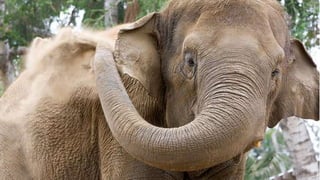
• Elephants are social creatures. They sometimes hug by wrapping their
trunks together in displays of greeting and affection. Elephants also use
their trunks to help lift or nudge an elephant calf over an obstacle, to rescue
a fellow elephant stuck in mud, or to gently raise a newborn elephant to its
feet. And just as a human baby sucks its thumb, an elephant calf often sucks
its trunk for comfort. One elephant can eat 300 pounds (136 kilograms) of
food in one day.
•Elephant ears radiate heat to help keep these large animals cool,
but sometimes that isn't enough. Elephants are fond of water
and enjoy showering by sucking water into their trunks and
spraying it all over themselves.
• In 1989, the Convention on International Trade in Endangered Species of Wild
Fauna and Flora (CITES) banned the international trade in ivory. However, there
are still some thriving but unregulated domestic ivory markets in a number of
countries, which fuel an illegal international trade. Poaching to meet growing
demand from affluent Asian countries is driving up the rate of poaching. In some
countries, political unrest contributes to elephant poaching.
ILLEGAL WILDLIFE TRADE
Elephant
Elephant

Elephant

  • 1.
  • 4.
    •Although there aremany interesting animals that live in grasslands the African Elephant is an amazing creature. Did you know that it is 13,000 pounds? African Elephants AFRICAN ELEPHANTS
  • 5.
    •The largest landmammal on earth, the African elephant weighs up to eight tons. The elephant is distinguished by its massive body, large ears and a long trunk, which has many uses ranging from using it as a hand to pick up objects, as a horn to trumpet warnings, an arm raised in greeting to a hose for drinking water or bathing.
  • 6.
    • Area: Partsof central, eastern, and southern Africa • Habitat: Grasslands and open woodlands • Food: Grass, leaves, and the bark of bushes and trees • Size: Males can reach 13 feet tall and weigh up to 13,000 pounds; females are smaller • Babies: A calf weighs about 250 pounds at birth.
  • 8.
  • 9.
    •African elephants arethe largest land animals on Earth. They are slightly larger than their Asian cousins and can be identified by their larger ears that look somewhat like the continent of Africa. (Asian elephants have smaller, rounded ears.)
  • 13.
    • Asian elephantsdiffer in several ways from their African relatives. They are much smaller in size and their ears are straight at the bottom, unlike the large fan-shape ears of the African species. Only some Asian male elephants have tusks. All African elephants, including females, have tusks. Elephants are either left or right-tusked and the one they use more is usually smaller because of wear and tear. The Asian elephant has four toes on the hind foot and five on the forefoot, while the African elephant has three on the hind foot and five on the forefoot. Asian elephants
  • 14.
  • 20.
    •Elephants use theirtusks to dig for roots and water, strip bark from trees, and even fight each other. Unfortunately their ivory has gotten them into a lot of trouble. Because ivory is so valuable to some humans, many elephants have been killed for their tusks. This trade is illegal today, but it has not been completely eliminated.
  • 23.
    •Elephants eat roots,grasses, fruit, and bark, and they eat a lot of these things. An adult elephant can consume up to 300 pounds (136 kilograms) of food in a single day.
  • 25.
    •These hungry animalsdo not sleep much, and they roam over great distances while foraging for the large quantities of food they require to sustain their massive bodies.
  • 26.
    •Female elephants (cows)live in family herds with their young, but adult males (bulls) tend to roam on their own.
  • 28.
    •Having a babyelephant is a serious commitment. Elephants have a longer pregnancy than any other mammal—almost 22 months. Cows usually give birth to one calf every two to four years. At birth, elephants already weigh some 200 pounds (91 kilograms) and stand about three feet (1 meter) tall.
  • 29.
    •Asian elephants havebeen domesticated for thousands of years. The powerful beasts have been employed to move heavy objects, such as felled trees, to carry humans on their backs, and even to wage war.
  • 32.
    •An elephant's trunkis actually a long nose with many functions. It is used for smelling, breathing, trumpeting, drinking, and also for grabbing things—especially a potential meal. The trunk alone contains about 100,000 different muscles. Asian elephants have a fingerlike feature on the end of their trunk that they can use to grab small items. (African elephants have two.)
  • 36.
    •Elephant ears radiateheat to help keep these large animals cool, but sometimes the African heat is too much. Elephants are fond of water and enjoy showering by sucking water into their trunks and spraying it all over themselves. Afterwards, they often spray their skin with a protective coating of dust.
  • 41.
    •When an elephantdrinks, it sucks as much as 2 gallons (7.5 liters) of water into its trunk at a time. Then it curls its trunk under, sticks the tip of its trunk into its mouth, and blows. Out comes the water, right down the elephant's throat.
  • 43.
    •Since African elephantslive where the sun is usually blazing hot, they use their trunks to help them keep cool. First they squirt a trunkful of cool water over their bodies. Then they often follow that with a sprinkling of dust to create a protective layer of dirt on their skin. Elephants pick up and spray dust the same way they do water—with their trunks.
  • 45.
    • Elephants aresocial creatures. They sometimes hug by wrapping their trunks together in displays of greeting and affection. Elephants also use their trunks to help lift or nudge an elephant calf over an obstacle, to rescue a fellow elephant stuck in mud, or to gently raise a newborn elephant to its feet. And just as a human baby sucks its thumb, an elephant calf often sucks its trunk for comfort. One elephant can eat 300 pounds (136 kilograms) of food in one day.
  • 52.
    •Elephant ears radiateheat to help keep these large animals cool, but sometimes that isn't enough. Elephants are fond of water and enjoy showering by sucking water into their trunks and spraying it all over themselves.
  • 64.
    • In 1989,the Convention on International Trade in Endangered Species of Wild Fauna and Flora (CITES) banned the international trade in ivory. However, there are still some thriving but unregulated domestic ivory markets in a number of countries, which fuel an illegal international trade. Poaching to meet growing demand from affluent Asian countries is driving up the rate of poaching. In some countries, political unrest contributes to elephant poaching. ILLEGAL WILDLIFE TRADE