Objectives:
1. Define fiction and nonfiction.
2. Differentiate the elements of fiction
and nonfiction present in the literary
selections and other materials
provided.
3. Show appreciation on how fiction
and nonfiction are used in
communication.
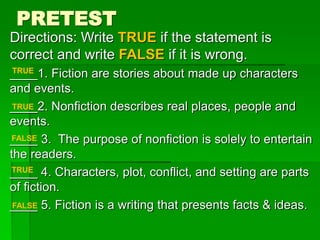
PRETEST
Directions: Write TRUE if the statement is
correct and write FALSE if it is wrong.
____1. Fiction are stories about made up characters
and events.
____2. Nonfiction describes real places, people and
events.
____ 3. The purpose of nonfiction is solely to entertain
the readers.
____ 4. Characters, plot, conflict, and setting are parts
of fiction.
____ 5. Fiction is a writing that presents facts & ideas.
TRUE
TRUE
TRUE
FALSE
FALSE
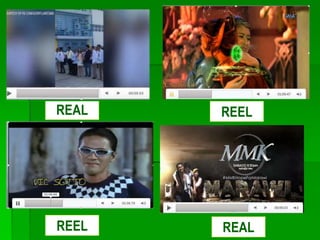
Task 1: Real or Reel!
Directions: Identify if the following events existed in real life. State
REAL if the character or event happened and REEL if it just made up.
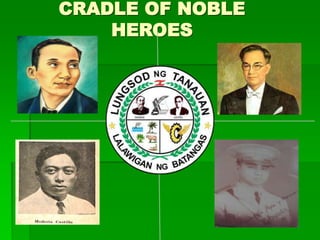
CRADLE OF NOBLE
HEROES
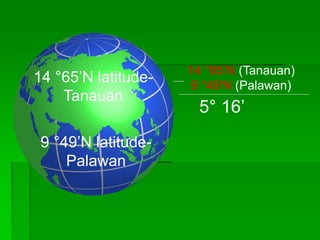
14 °65’N latitude-
Tanauan
9 °49’N latitude-
Palawan
14 °65’N (Tanauan)
9 °49’N (Palawan)
5° 16’
REAL
REEL REAL
REEL
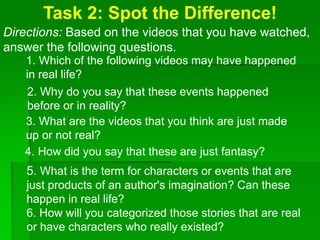
Task 2: Spot the Difference!
Directions: Based on the videos that you have watched,
answer the following questions.
1. Which of the following videos may have happened
in real life?
2. Why do you say that these events happened
before or in reality?
3. What are the videos that you think are just made
up or not real?
4. How did you say that these are just fantasy?
6. How will you categorized those stories that are real
or have characters who really existed?
5. What is the term for characters or events that are
just products of an author's imagination? Can these
happen in real life?
Elements of Fiction
& Non-fiction
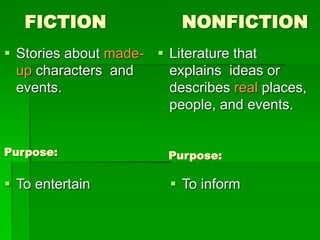
FICTION
 Stories about made-
up characters and
events.
NONFICTION
 Literature that
explains ideas or
describes real places,
people, and events.
Purpose: Purpose:
 To entertain  To inform
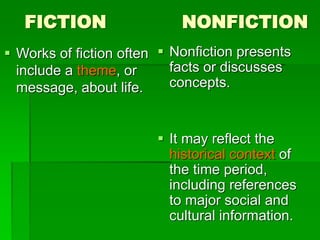
FICTION
 Works of fiction often
include a theme, or
message, about life.
NONFICTION
 Nonfiction presents
facts or discusses
concepts.
 It may reflect the
historical context of
the time period,
including references
to major social and
cultural information.
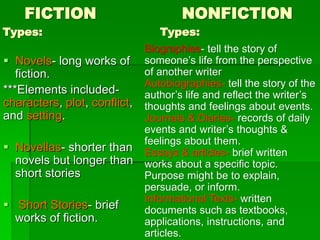
FICTION
 Novels- long works of
fiction.
***Elements included-
characters, plot, conflict,
and setting.
 Novellas- shorter than
novels but longer than
short stories
 Short Stories- brief
works of fiction.
NONFICTION
Types: Types:
Biographies- tell the story of
someone’s life from the perspective
of another writer
Autobiographies- tell the story of the
author’s life and reflect the writer’s
thoughts and feelings about events.
Journals & Diaries- records of daily
events and writer’s thoughts &
feelings about them.
Essays & articles- brief written
works about a specific topic.
Purpose might be to explain,
persuade, or inform.
Informational Texts- written
documents such as textbooks,
applications, instructions, and
articles.
Which do you prefer to
read: Fiction or
Nonfiction?
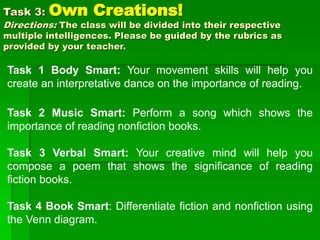
Task 3: Own Creations!
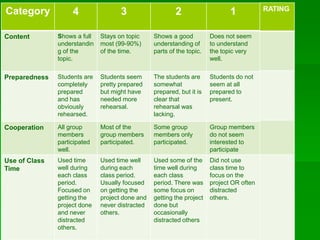
Directions: The class will be divided into their respective
multiple intelligences. Please be guided by the rubrics as
provided by your teacher.
Task 1 Body Smart: Your movement skills will help you
create an interpretative dance on the importance of reading.
Task 2 Music Smart: Perform a song which shows the
importance of reading nonfiction books.
Task 3 Verbal Smart: Your creative mind will help you
compose a poem that shows the significance of reading
fiction books.
Task 4 Book Smart: Differentiate fiction and nonfiction using
the Venn diagram.
Category 4 3 2 1
Content Shows a full
understandin
g of the
topic.
Stays on topic
most (99-90%)
of the time.
Shows a good
understanding of
parts of the topic.
Does not seem
to understand
the topic very
well.
Preparedness Students are
completely
prepared
and has
obviously
rehearsed.
Students seem
pretty prepared
but might have
needed more
rehearsal.
The students are
somewhat
prepared, but it is
clear that
rehearsal was
lacking.
Students do not
seem at all
prepared to
present.
Cooperation All group
members
participated
well.
Most of the
group members
participated.
Some group
members only
participated.
Group members
do not seem
interested to
participate
Use of Class
Time
Used time
well during
each class
period.
Focused on
getting the
project done
and never
distracted
others.
Used time well
during each
class period.
Usually focused
on getting the
project done and
never distracted
others.
Used some of the
time well during
each class
period. There was
some focus on
getting the project
done but
occasionally
distracted others
Did not use
class time to
focus on the
project OR often
distracted
others.
RATING
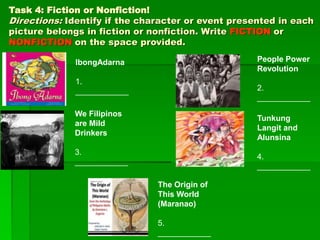
Task 4: Fiction or Nonfiction!
Directions: Identify if the character or event presented in each
picture belongs in fiction or nonfiction. Write FICTION or
NONFICTION on the space provided.
IbongAdarna
1.
____________
People Power
Revolution
2.
____________
We Filipinos
are Mild
Drinkers
3.
____________
Tunkung
Langit and
Alunsina
4.
____________
The Origin of
This World
(Maranao)
5.
____________

Elements-of-Fiction-Non-fiction.ppt

  • 1.
    Objectives: 1. Define fictionand nonfiction. 2. Differentiate the elements of fiction and nonfiction present in the literary selections and other materials provided. 3. Show appreciation on how fiction and nonfiction are used in communication.
  • 2.
    PRETEST Directions: Write TRUEif the statement is correct and write FALSE if it is wrong. ____1. Fiction are stories about made up characters and events. ____2. Nonfiction describes real places, people and events. ____ 3. The purpose of nonfiction is solely to entertain the readers. ____ 4. Characters, plot, conflict, and setting are parts of fiction. ____ 5. Fiction is a writing that presents facts & ideas. TRUE TRUE TRUE FALSE FALSE
  • 3.
    Task 1: Realor Reel! Directions: Identify if the following events existed in real life. State REAL if the character or event happened and REEL if it just made up.
  • 4.
  • 5.
    14 °65’N latitude- Tanauan 9°49’N latitude- Palawan 14 °65’N (Tanauan) 9 °49’N (Palawan) 5° 16’
  • 9.
  • 10.
    Task 2: Spotthe Difference! Directions: Based on the videos that you have watched, answer the following questions. 1. Which of the following videos may have happened in real life? 2. Why do you say that these events happened before or in reality? 3. What are the videos that you think are just made up or not real? 4. How did you say that these are just fantasy? 6. How will you categorized those stories that are real or have characters who really existed? 5. What is the term for characters or events that are just products of an author's imagination? Can these happen in real life?
  • 12.
  • 13.
    FICTION  Stories aboutmade- up characters and events. NONFICTION  Literature that explains ideas or describes real places, people, and events. Purpose: Purpose:  To entertain  To inform
  • 14.
    FICTION  Works offiction often include a theme, or message, about life. NONFICTION  Nonfiction presents facts or discusses concepts.  It may reflect the historical context of the time period, including references to major social and cultural information.
  • 15.
    FICTION  Novels- longworks of fiction. ***Elements included- characters, plot, conflict, and setting.  Novellas- shorter than novels but longer than short stories  Short Stories- brief works of fiction. NONFICTION Types: Types: Biographies- tell the story of someone’s life from the perspective of another writer Autobiographies- tell the story of the author’s life and reflect the writer’s thoughts and feelings about events. Journals & Diaries- records of daily events and writer’s thoughts & feelings about them. Essays & articles- brief written works about a specific topic. Purpose might be to explain, persuade, or inform. Informational Texts- written documents such as textbooks, applications, instructions, and articles.
  • 16.
    Which do youprefer to read: Fiction or Nonfiction?
  • 17.
    Task 3: OwnCreations! Directions: The class will be divided into their respective multiple intelligences. Please be guided by the rubrics as provided by your teacher. Task 1 Body Smart: Your movement skills will help you create an interpretative dance on the importance of reading. Task 2 Music Smart: Perform a song which shows the importance of reading nonfiction books. Task 3 Verbal Smart: Your creative mind will help you compose a poem that shows the significance of reading fiction books. Task 4 Book Smart: Differentiate fiction and nonfiction using the Venn diagram.
  • 18.
    Category 4 32 1 Content Shows a full understandin g of the topic. Stays on topic most (99-90%) of the time. Shows a good understanding of parts of the topic. Does not seem to understand the topic very well. Preparedness Students are completely prepared and has obviously rehearsed. Students seem pretty prepared but might have needed more rehearsal. The students are somewhat prepared, but it is clear that rehearsal was lacking. Students do not seem at all prepared to present. Cooperation All group members participated well. Most of the group members participated. Some group members only participated. Group members do not seem interested to participate Use of Class Time Used time well during each class period. Focused on getting the project done and never distracted others. Used time well during each class period. Usually focused on getting the project done and never distracted others. Used some of the time well during each class period. There was some focus on getting the project done but occasionally distracted others Did not use class time to focus on the project OR often distracted others. RATING
  • 19.
    Task 4: Fictionor Nonfiction! Directions: Identify if the character or event presented in each picture belongs in fiction or nonfiction. Write FICTION or NONFICTION on the space provided. IbongAdarna 1. ____________ People Power Revolution 2. ____________ We Filipinos are Mild Drinkers 3. ____________ Tunkung Langit and Alunsina 4. ____________ The Origin of This World (Maranao) 5. ____________