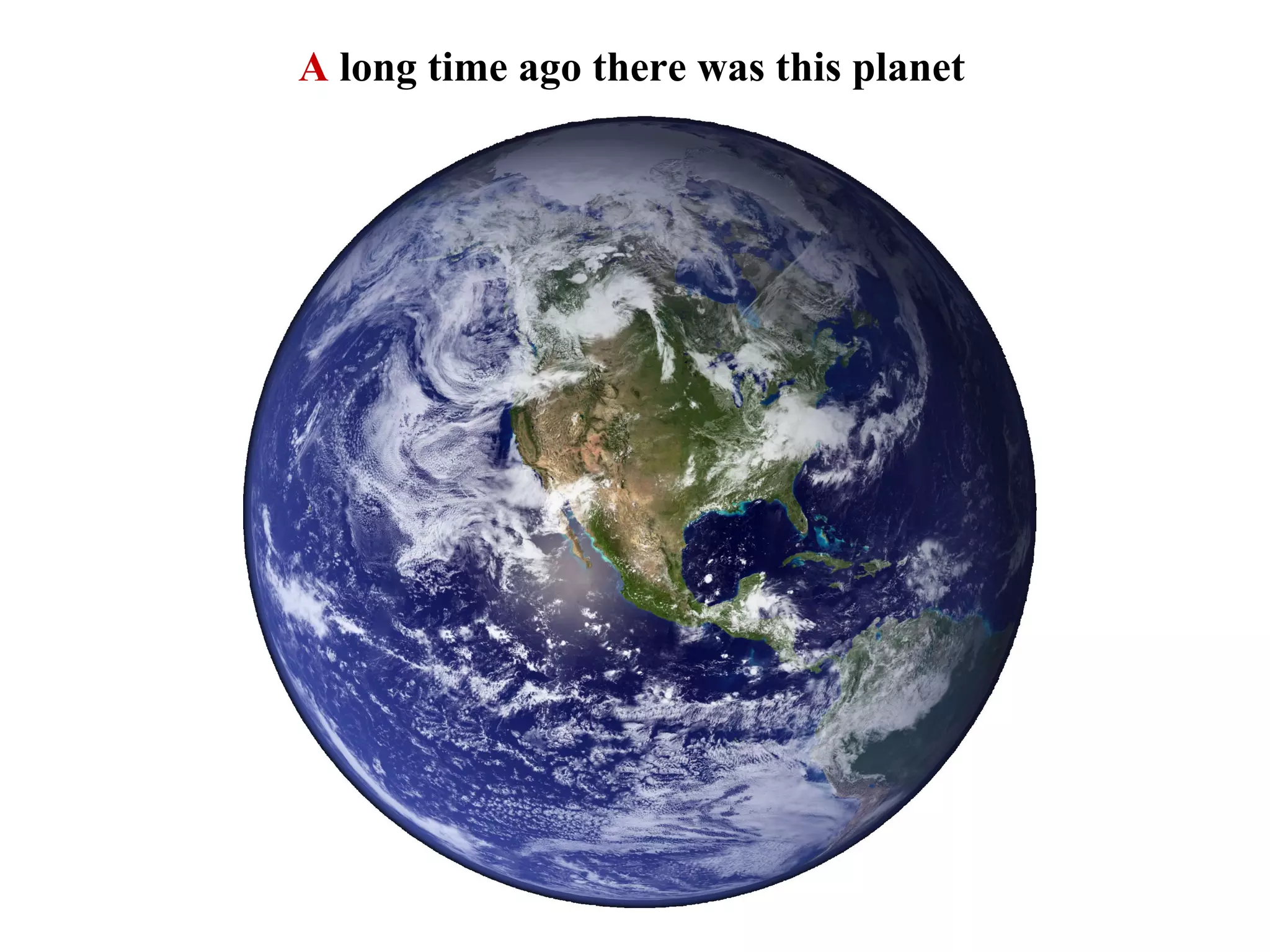
A long time ago there was this planet
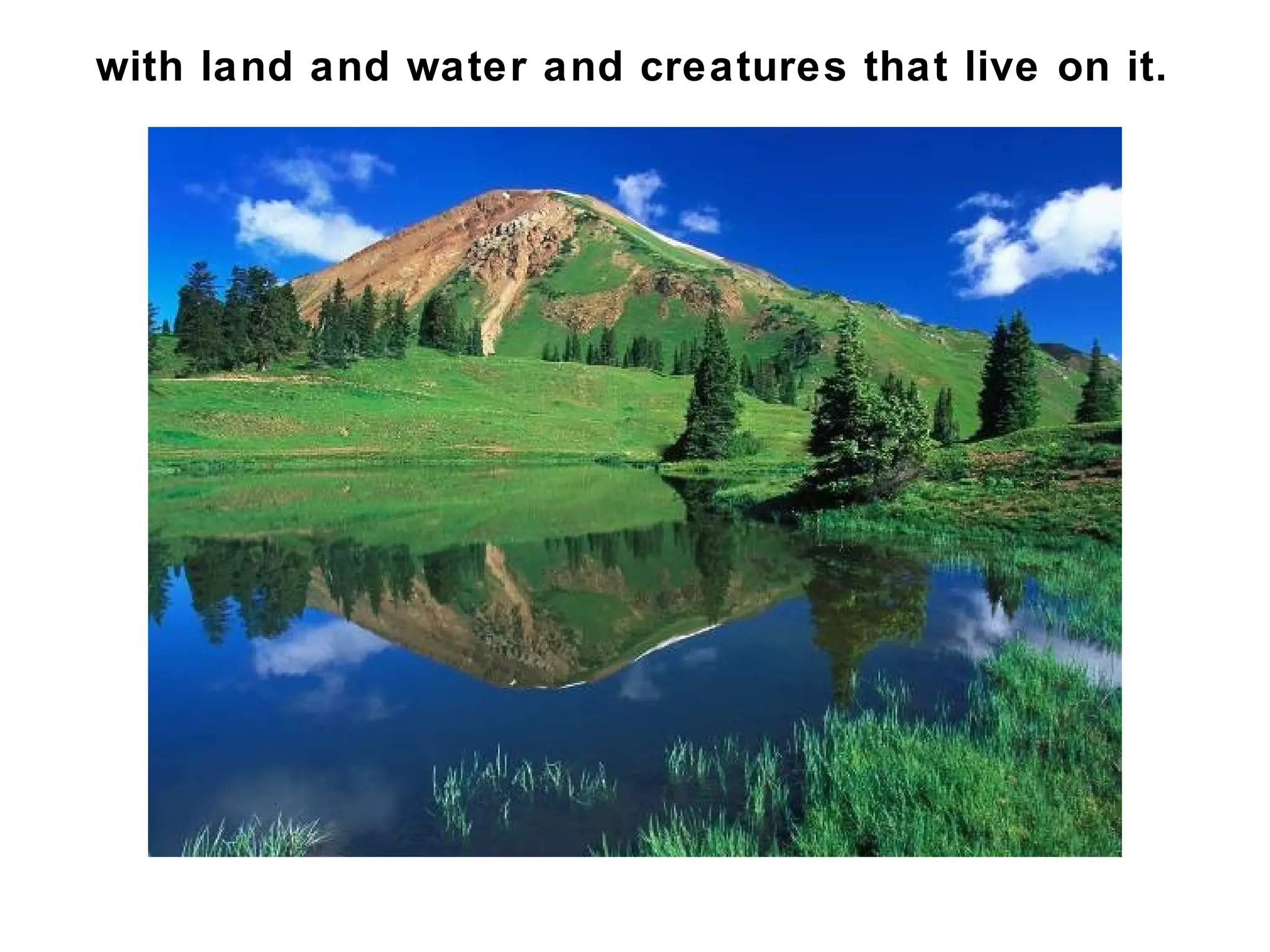
with land and water and creatures that live on it.
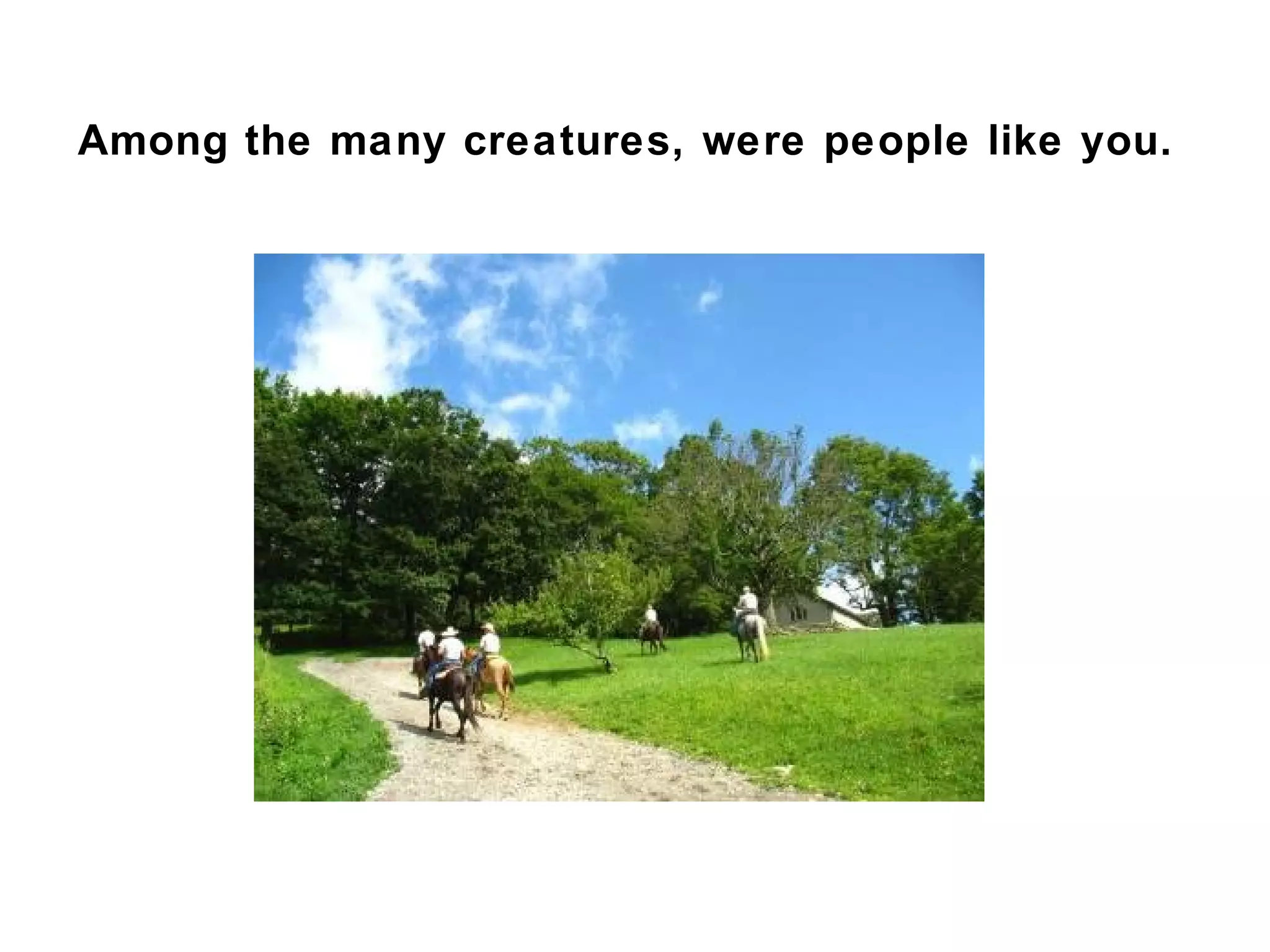
Among the many creatures, were people like you.
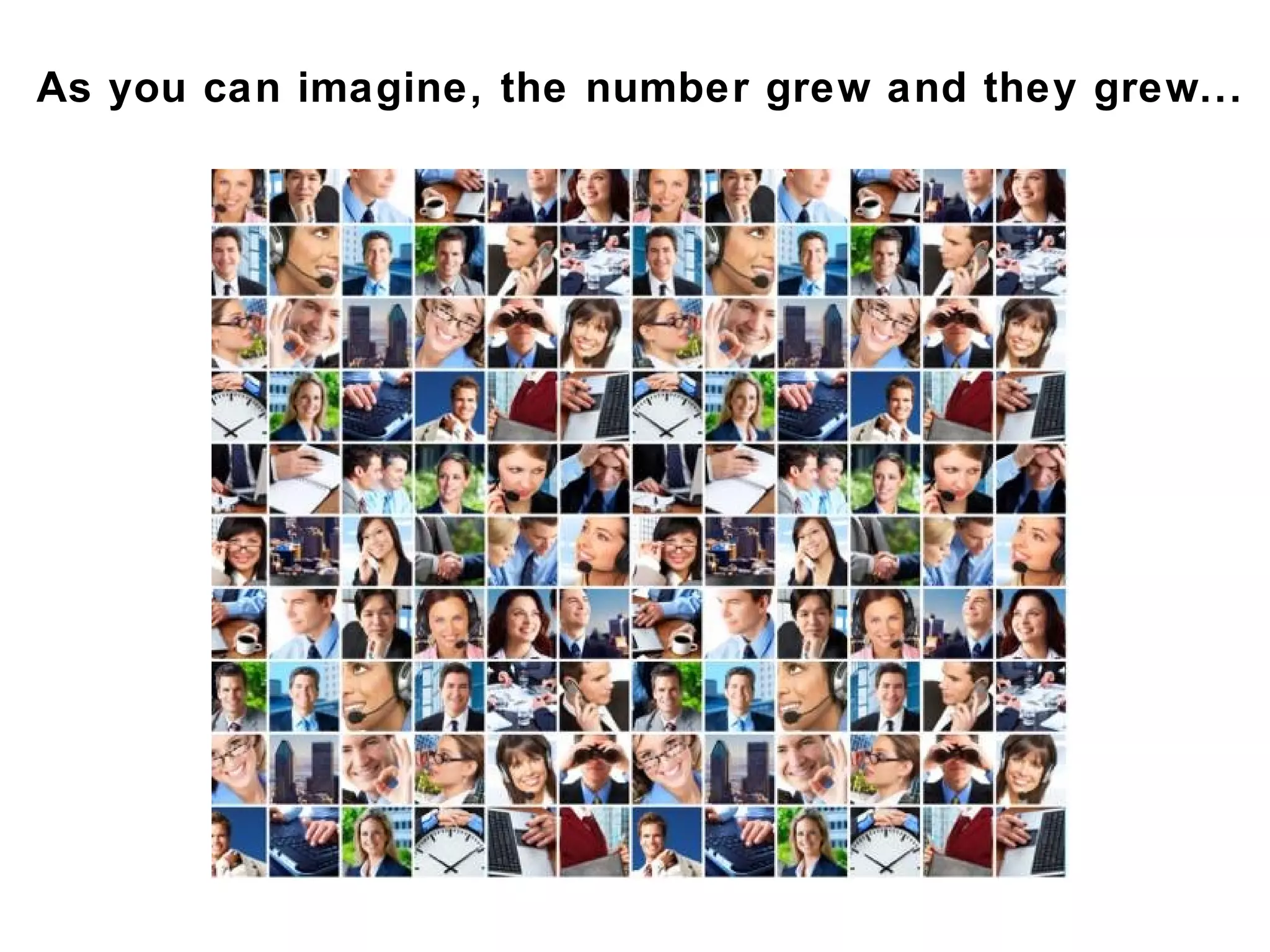
As you can imagine, the number grew and they grew...
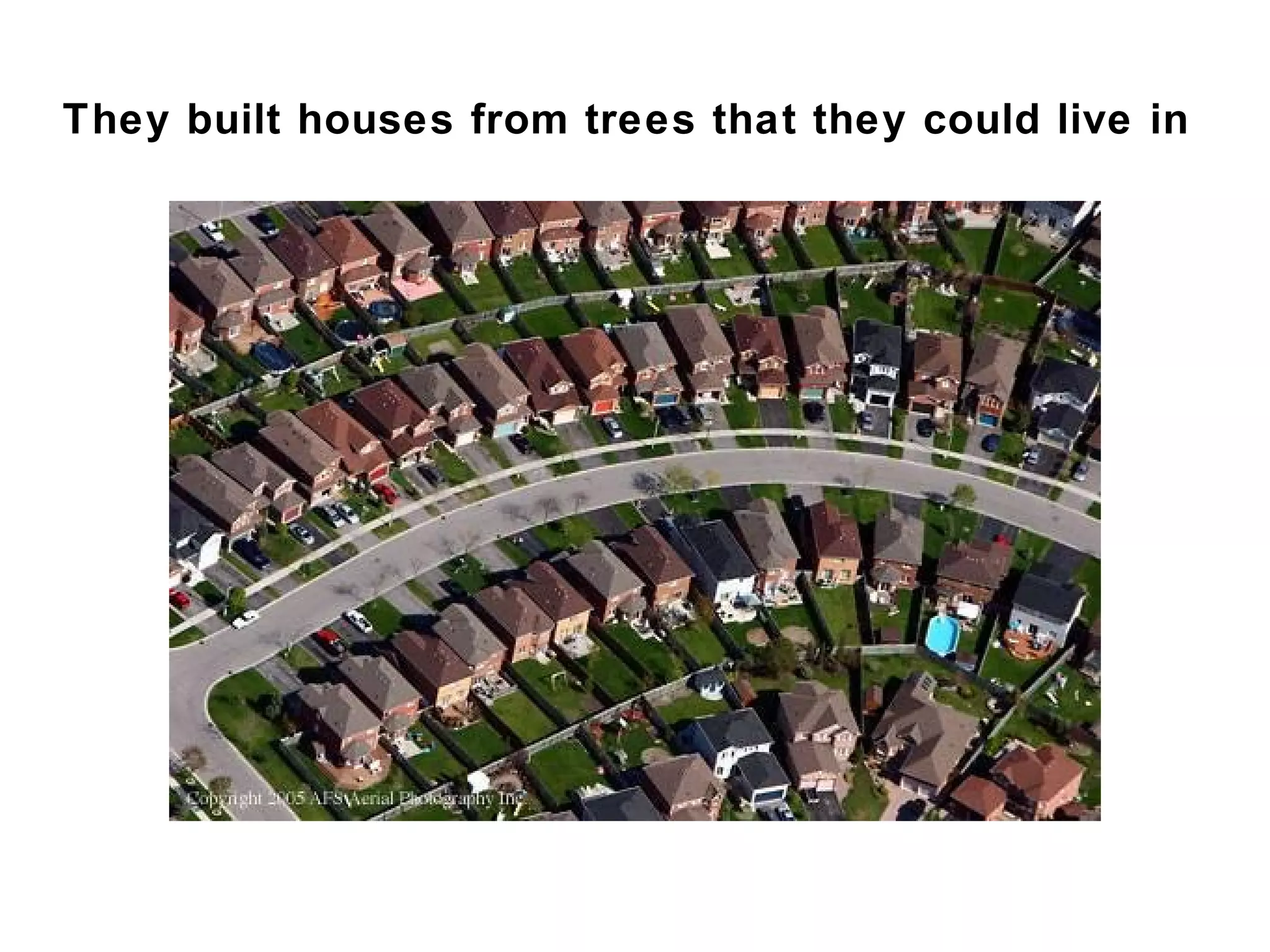
They built houses from trees that they could live in
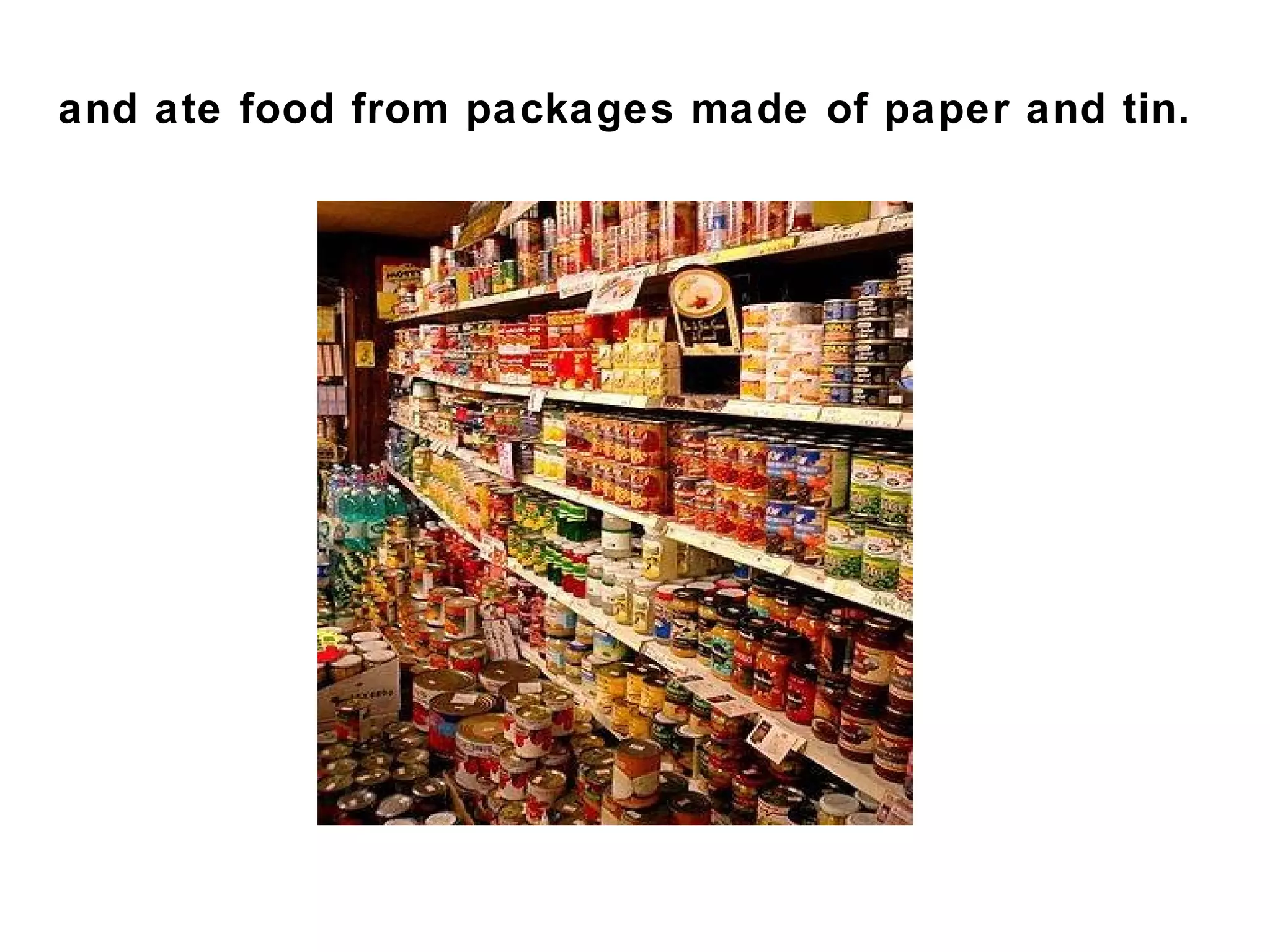
and ate food from packages made of paper and tin.
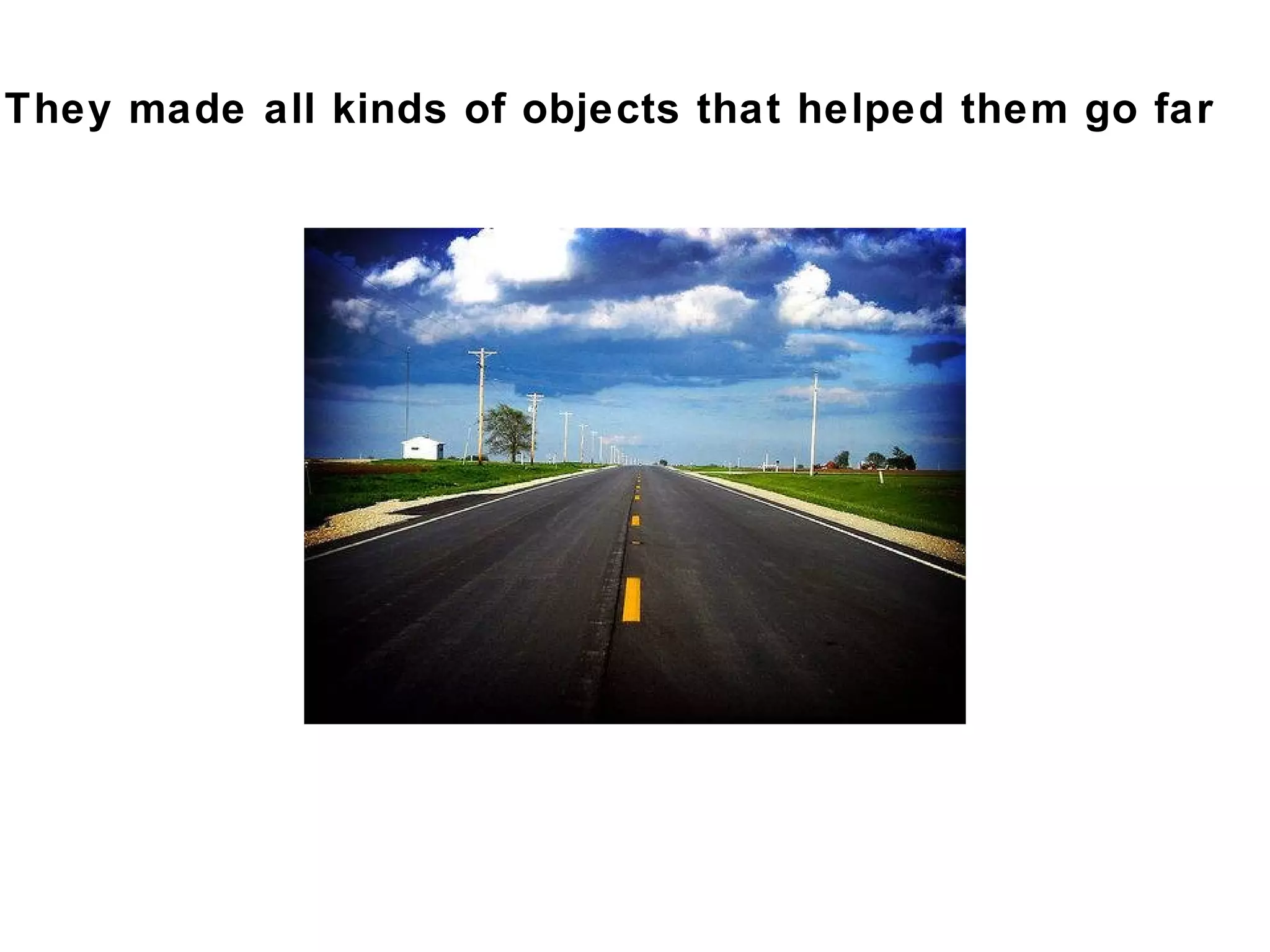
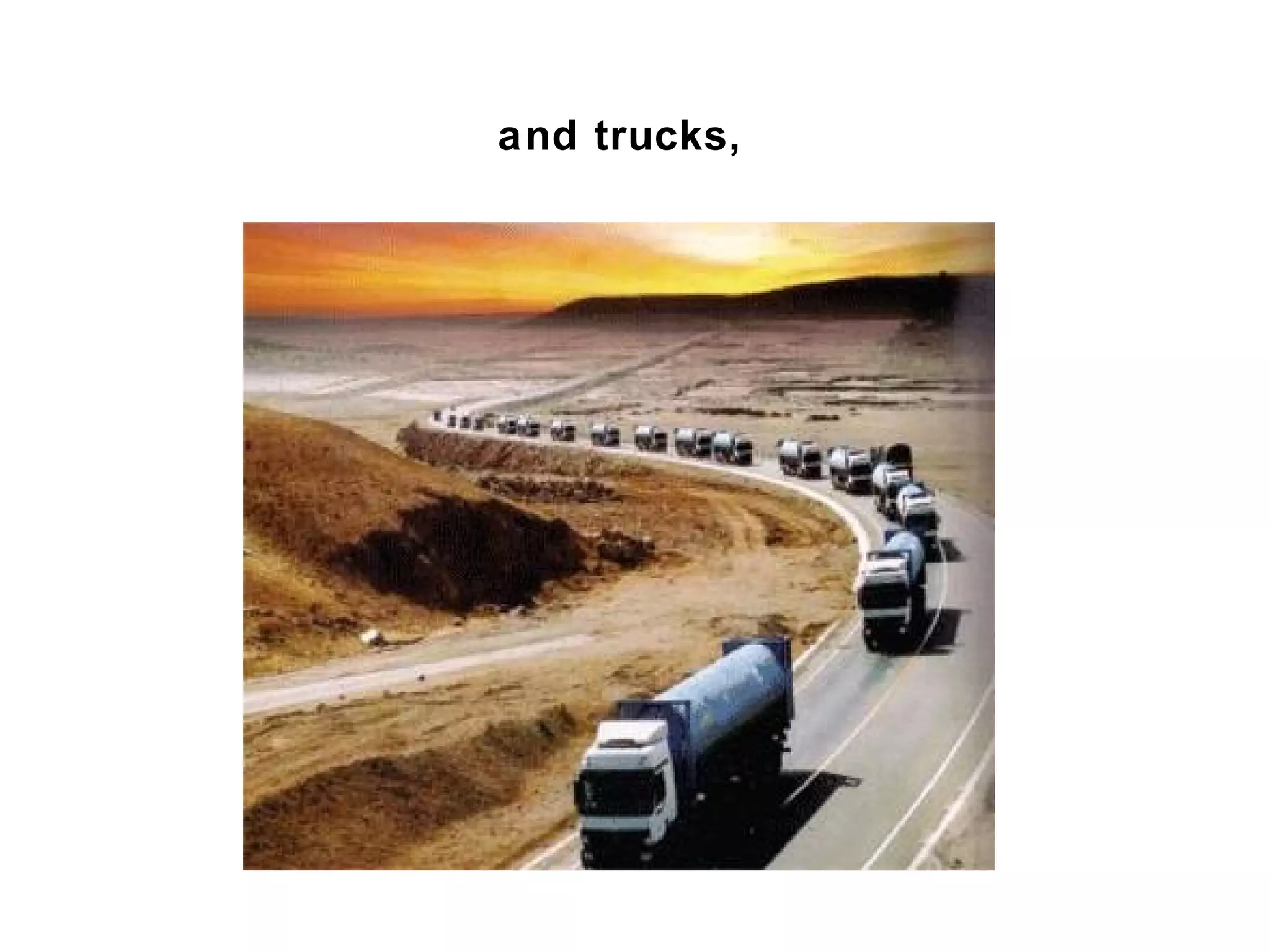
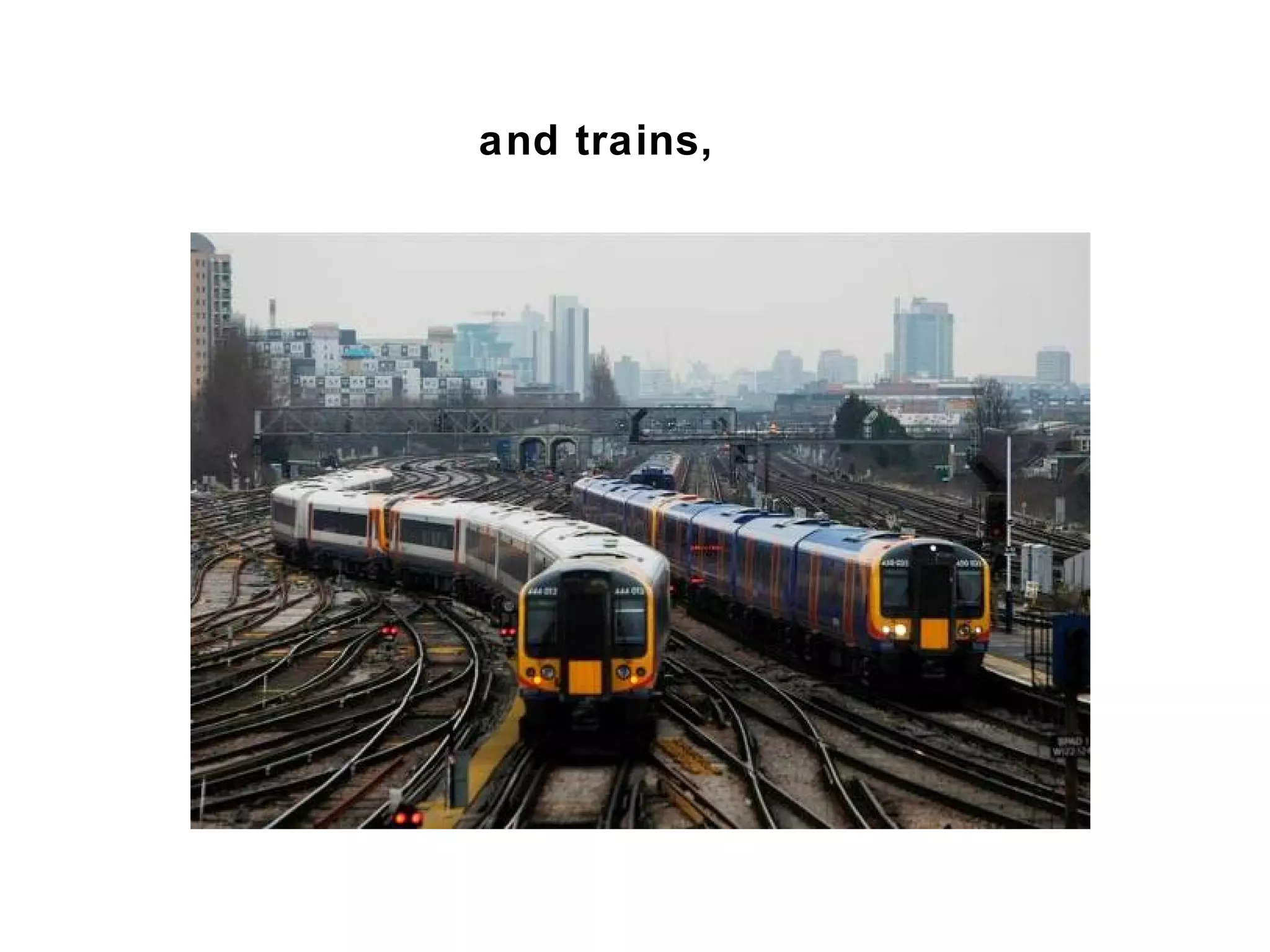
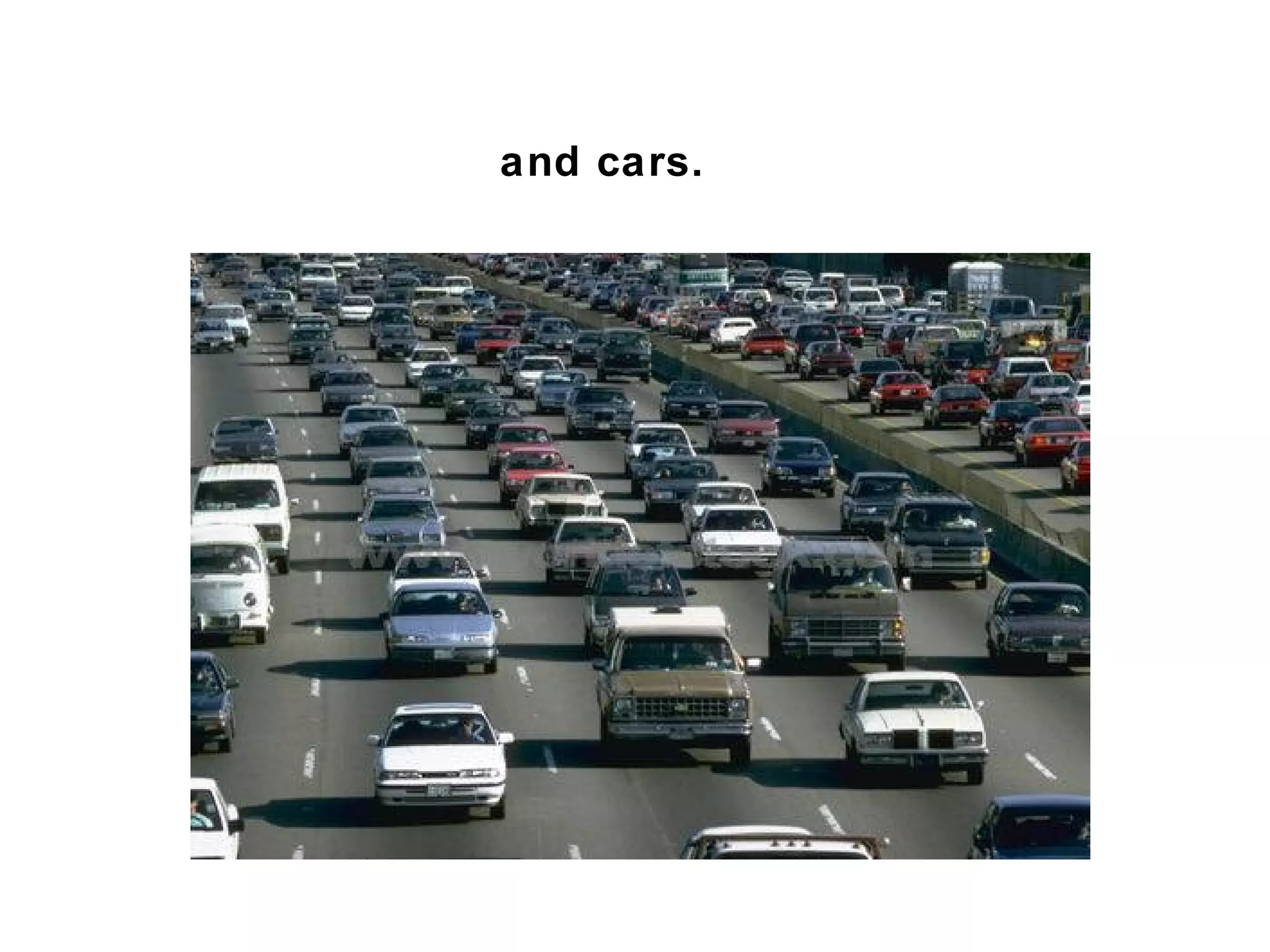
They made all kinds of objects that helped them go far
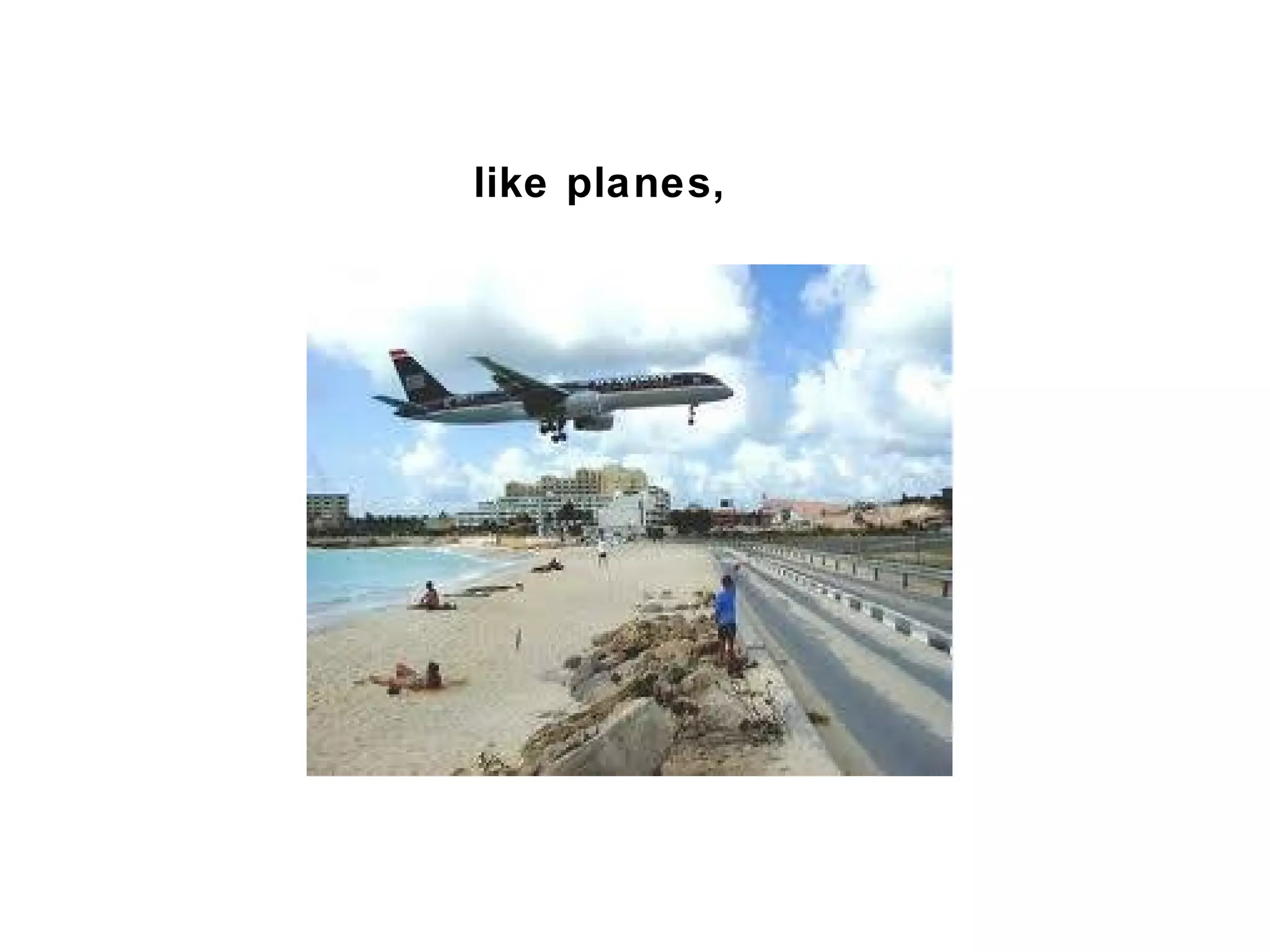
like planes,
and trucks,
and trains,
and cars.
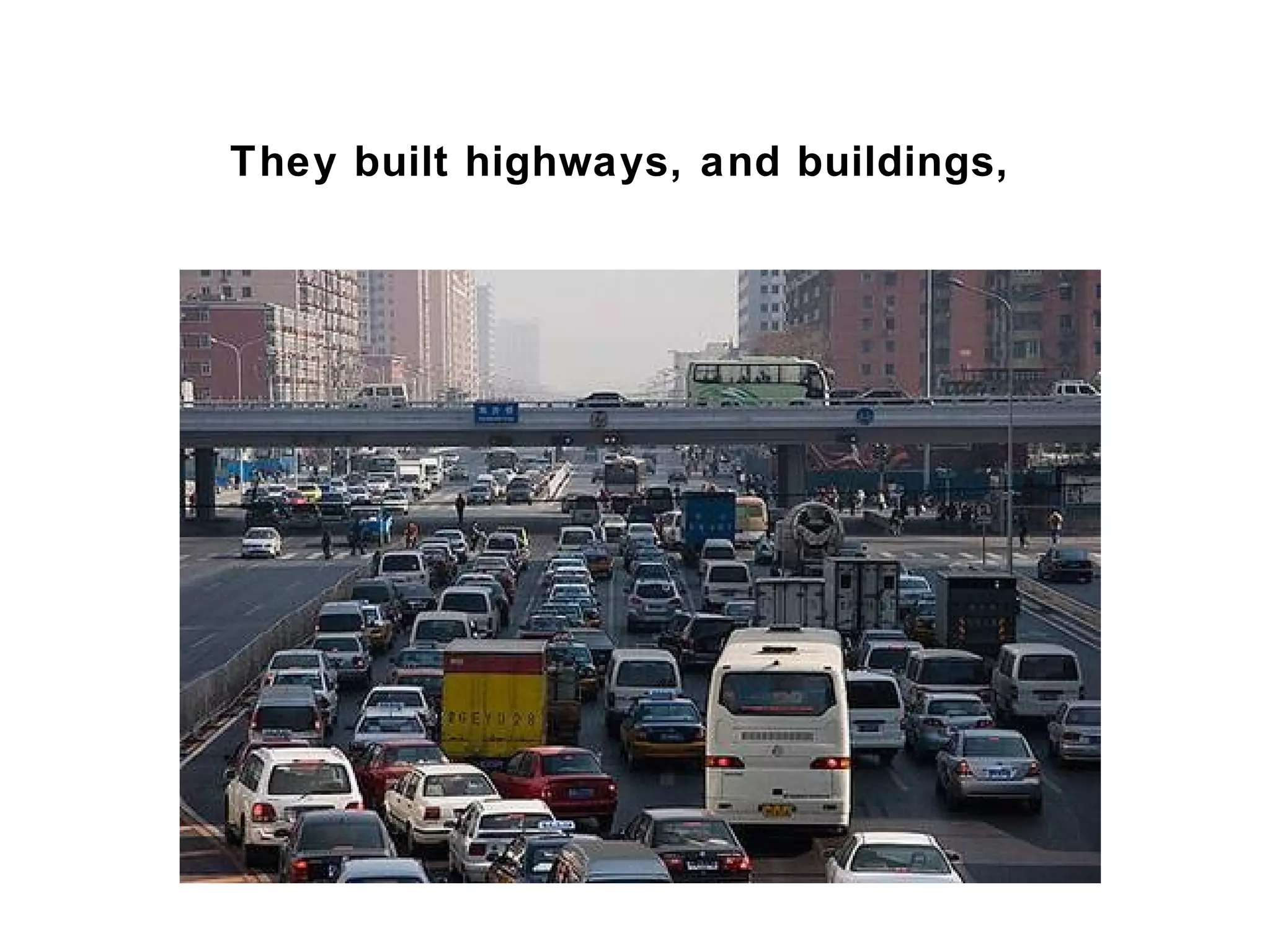
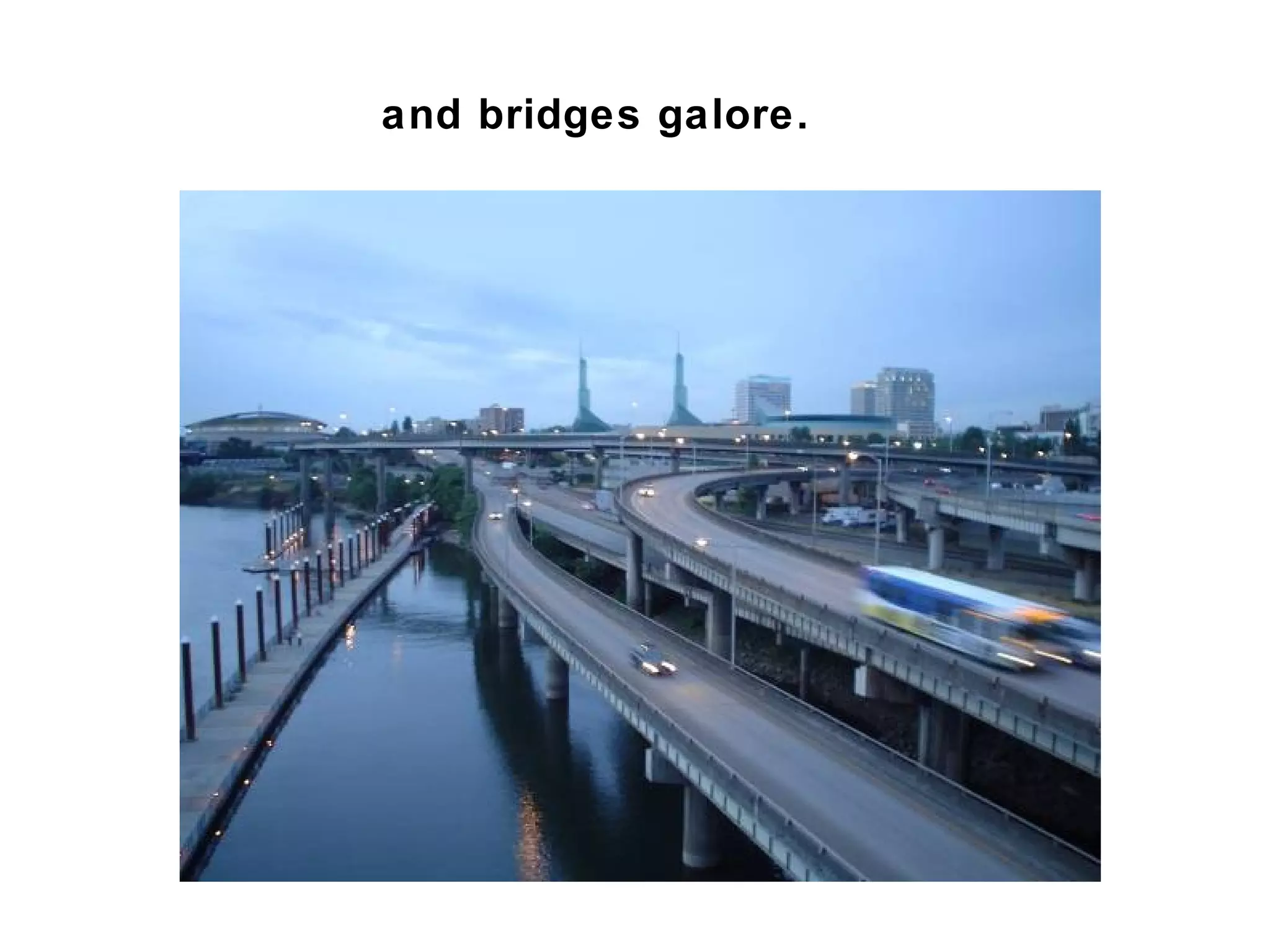
They built highways, and buildings,
and bridges galore.
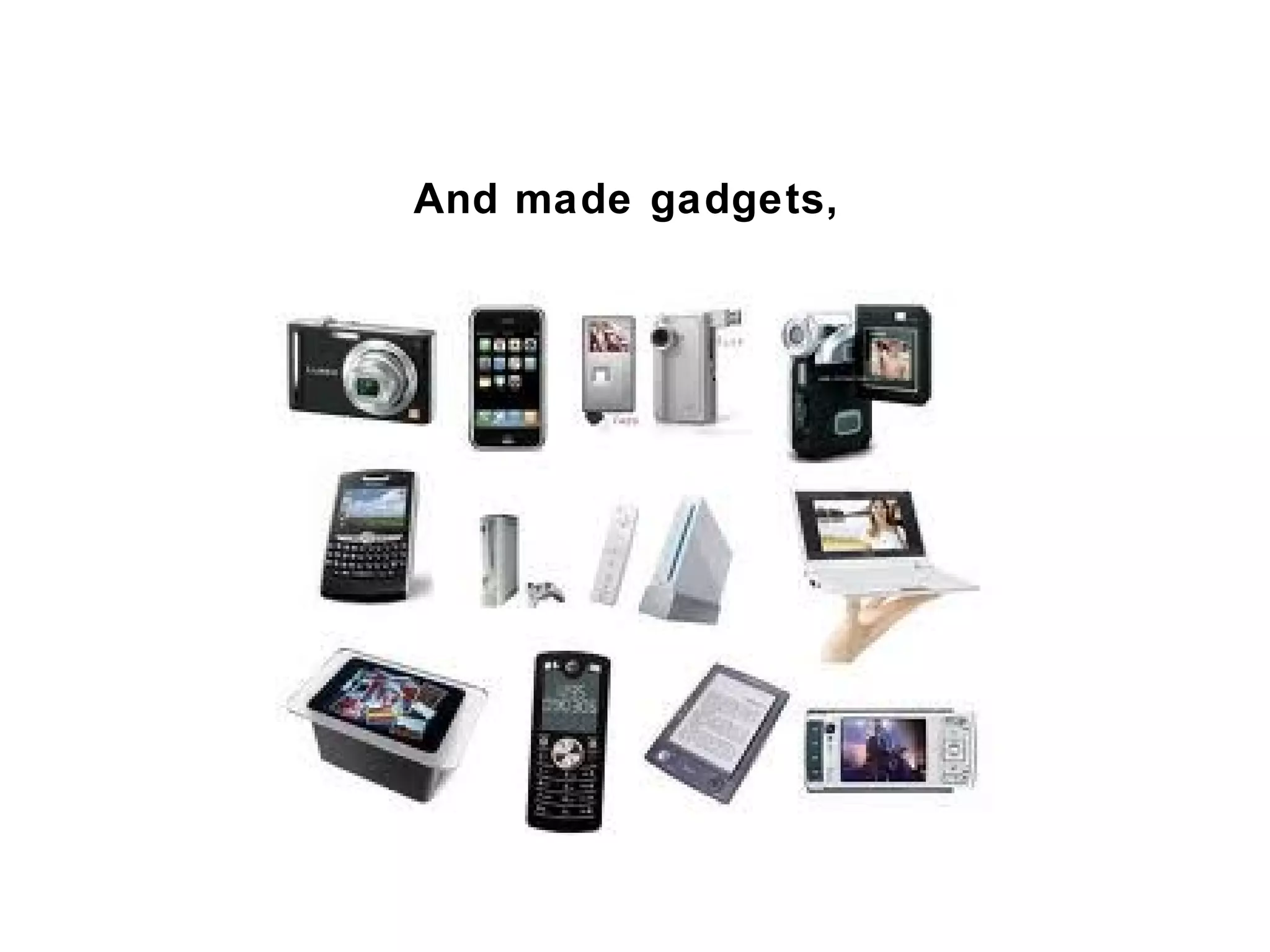
And made gadgets,
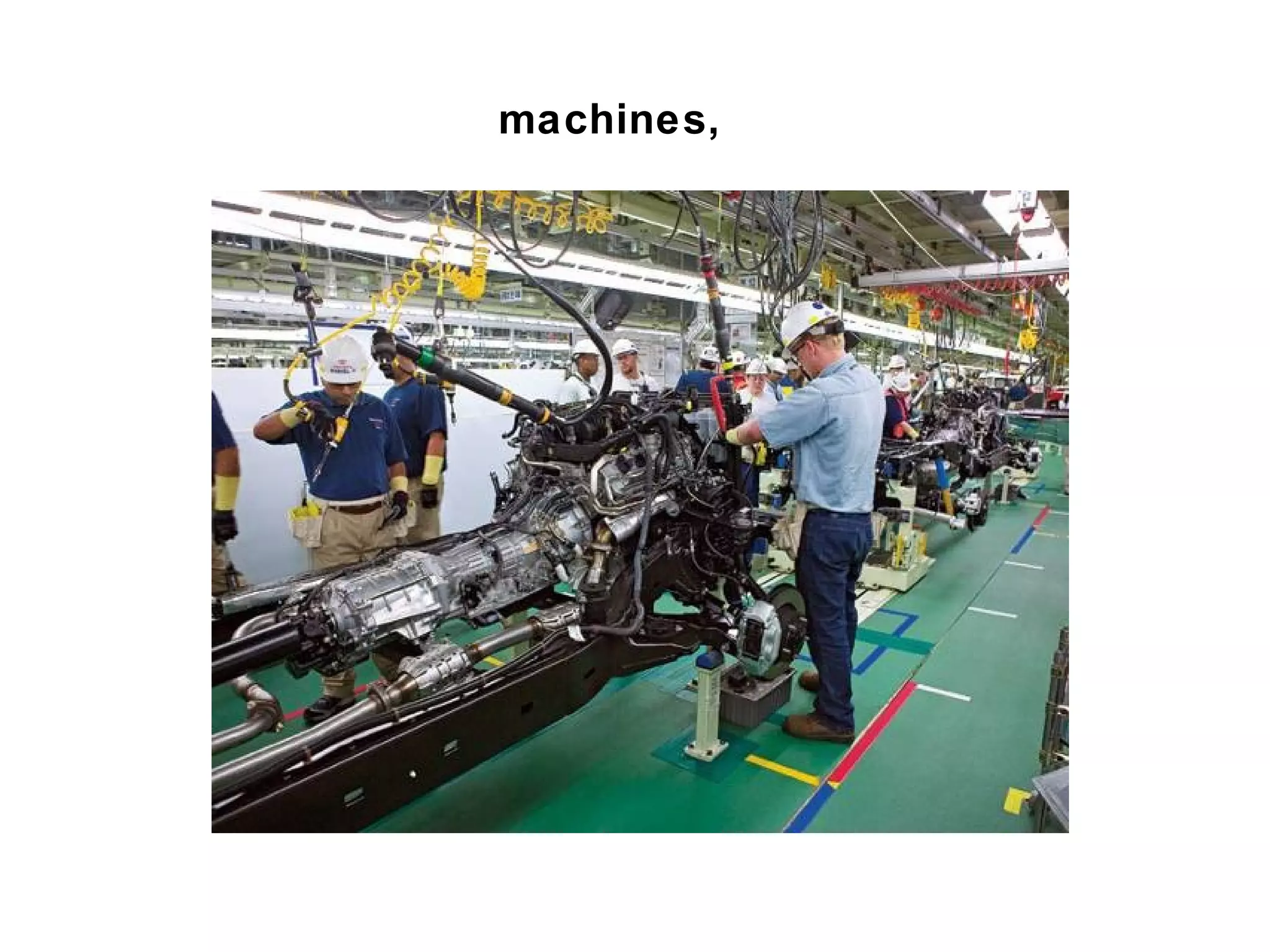
machines,
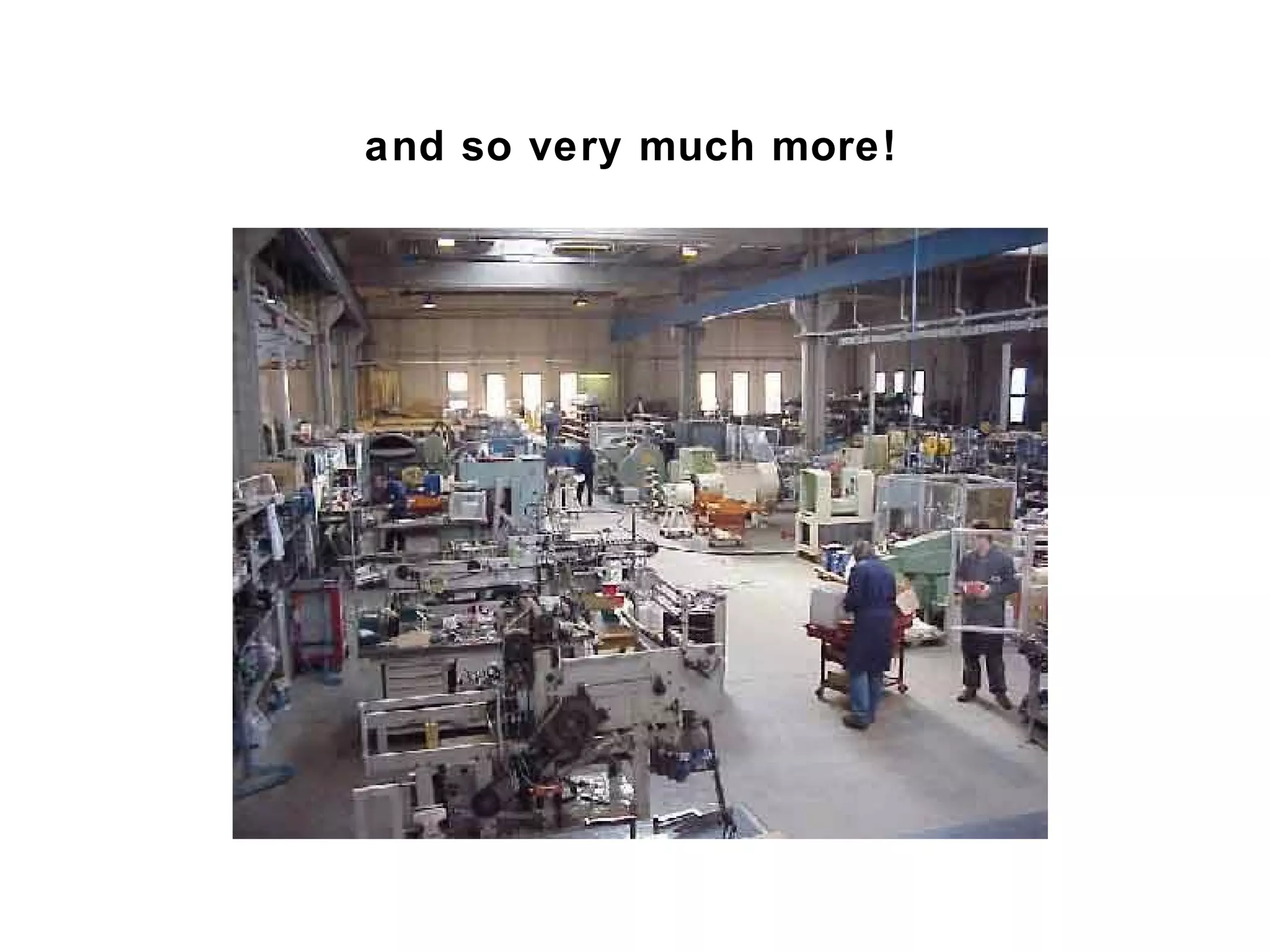
and so very much more!
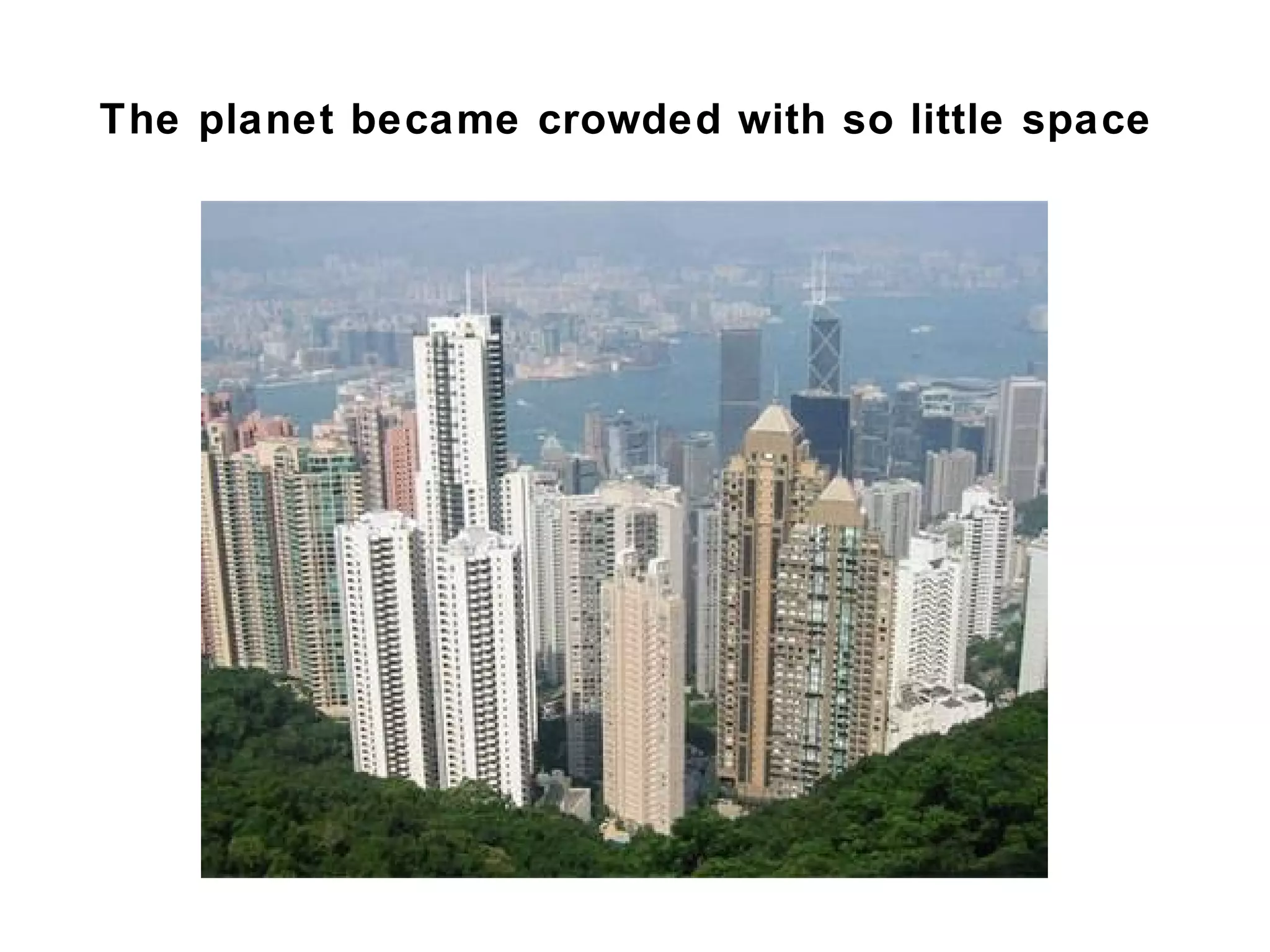
The planet became crowded with so little
space
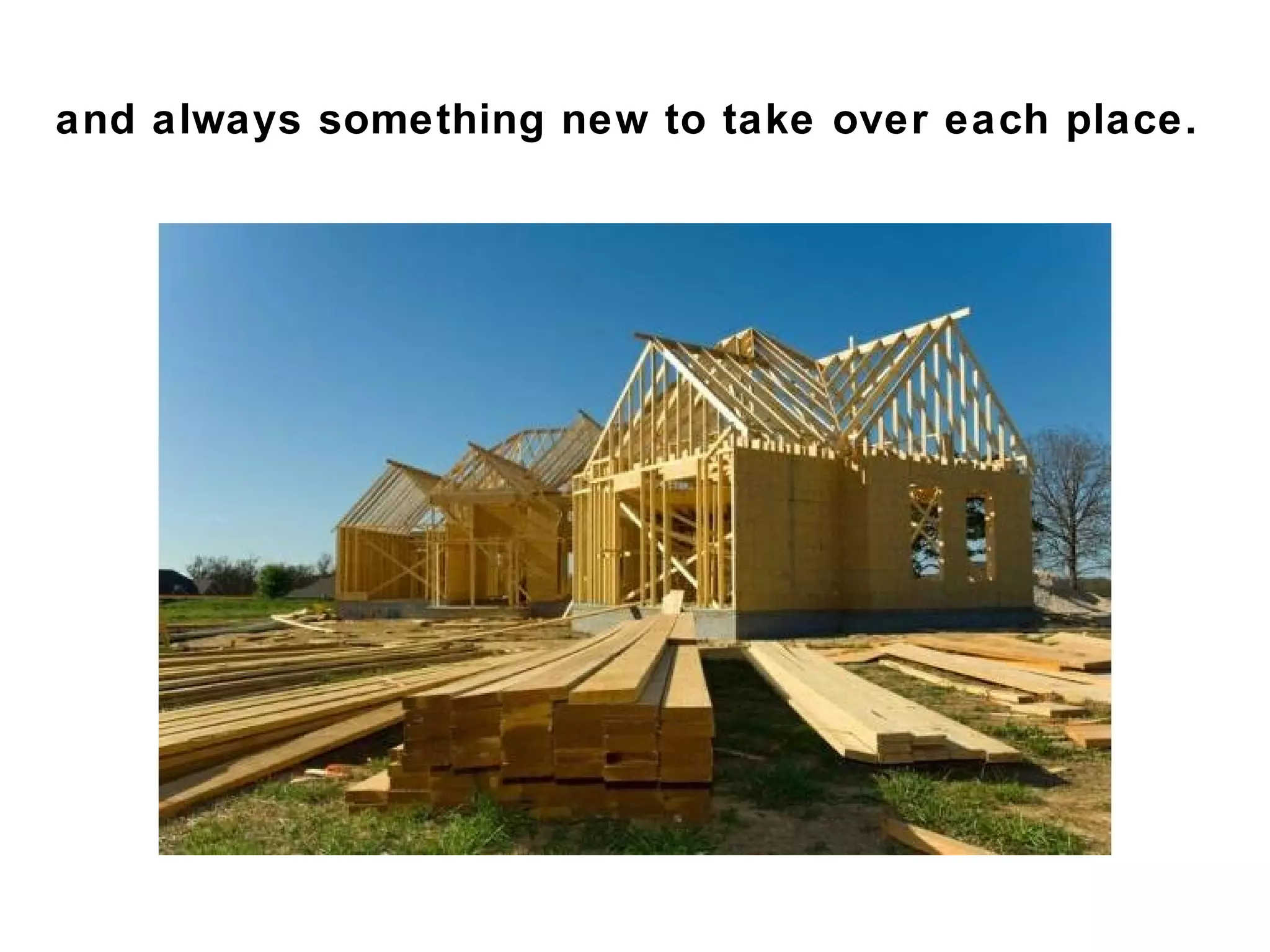
and always something new to take over each place.
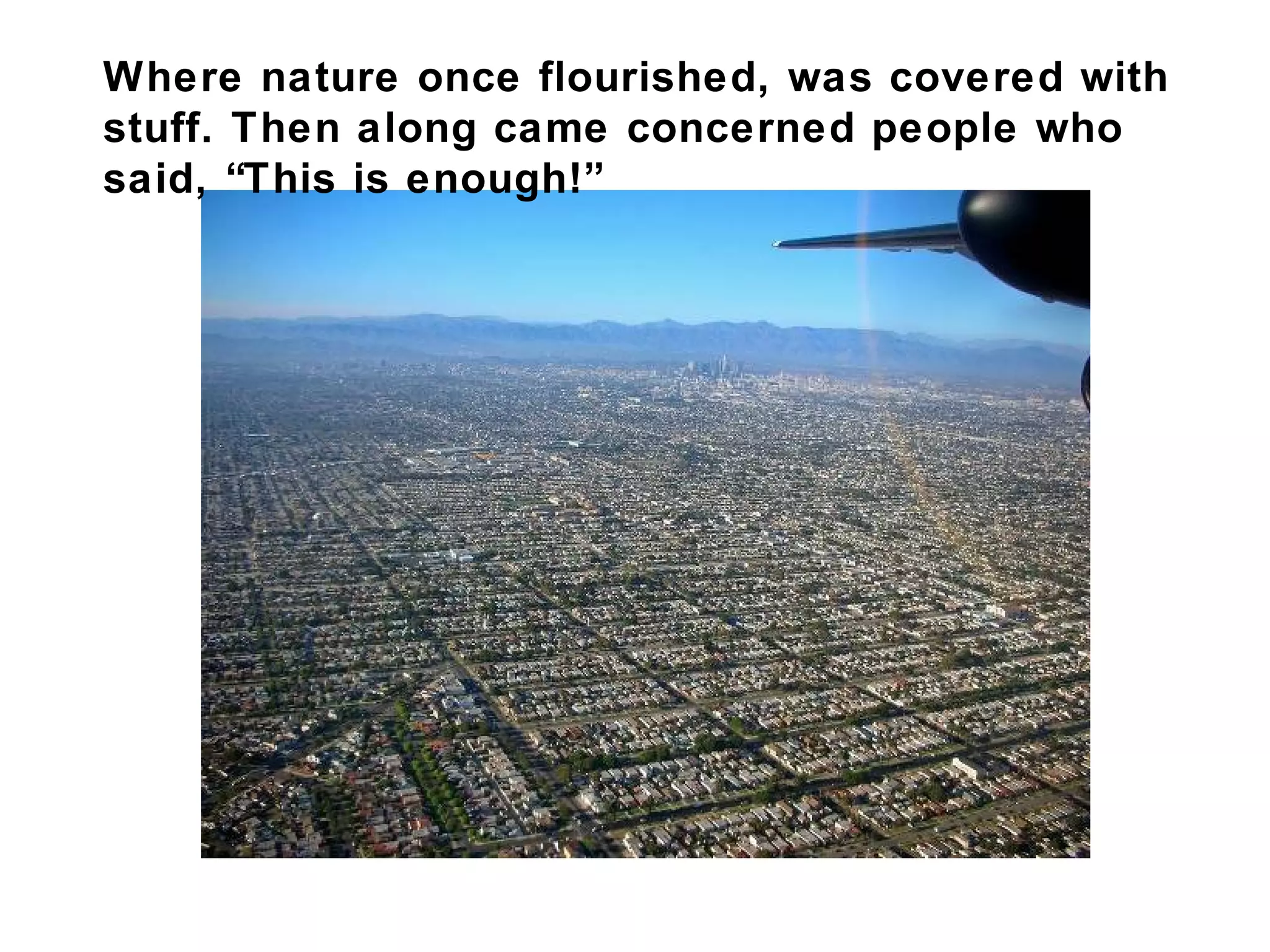
Where nature once flourished, was covered with
stuff. Then along came concerned people who
said, “This is enough!”
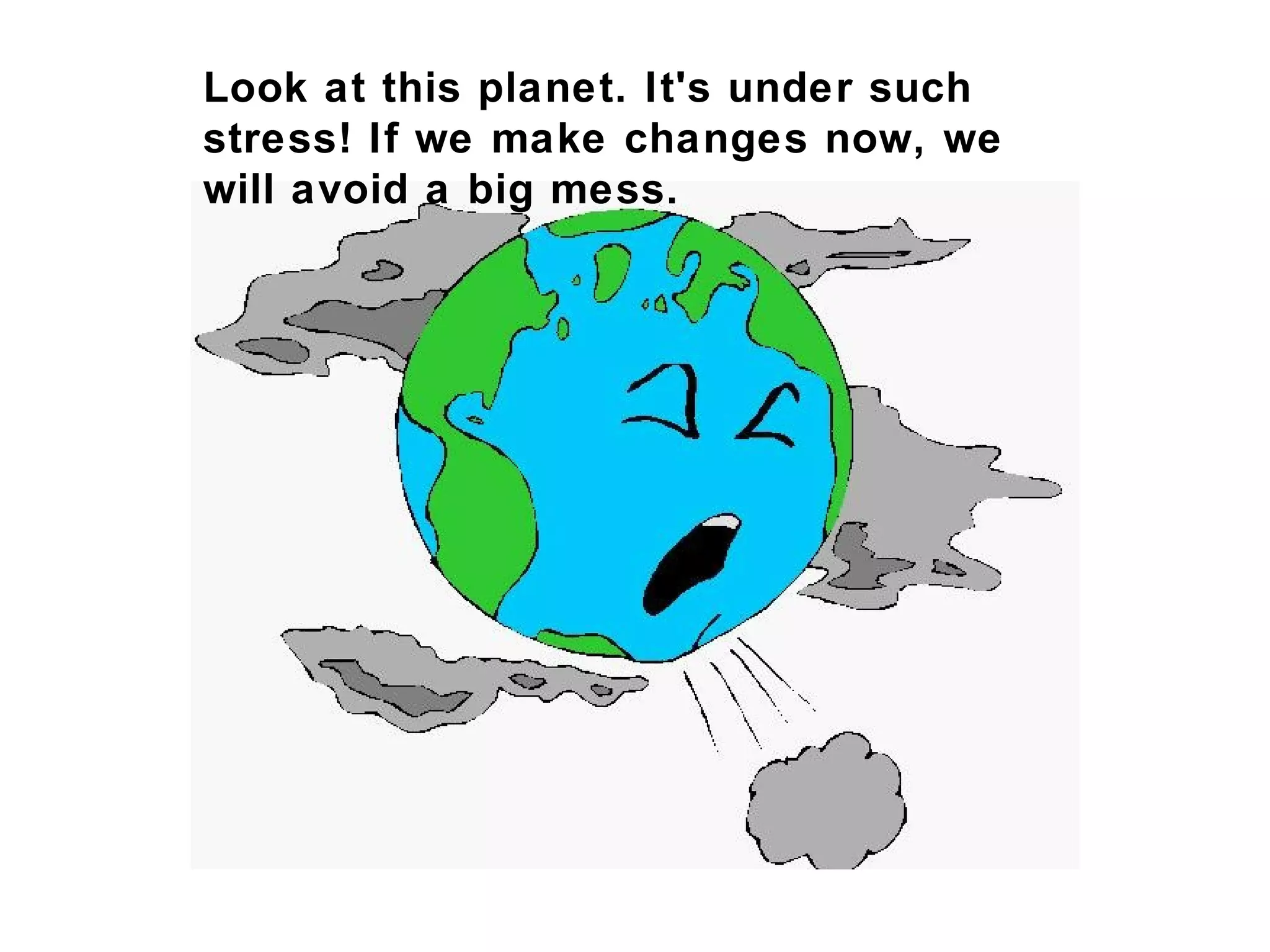
Look at this planet. It's under such stress! If
we make changes now, we will avoid a big
mess.
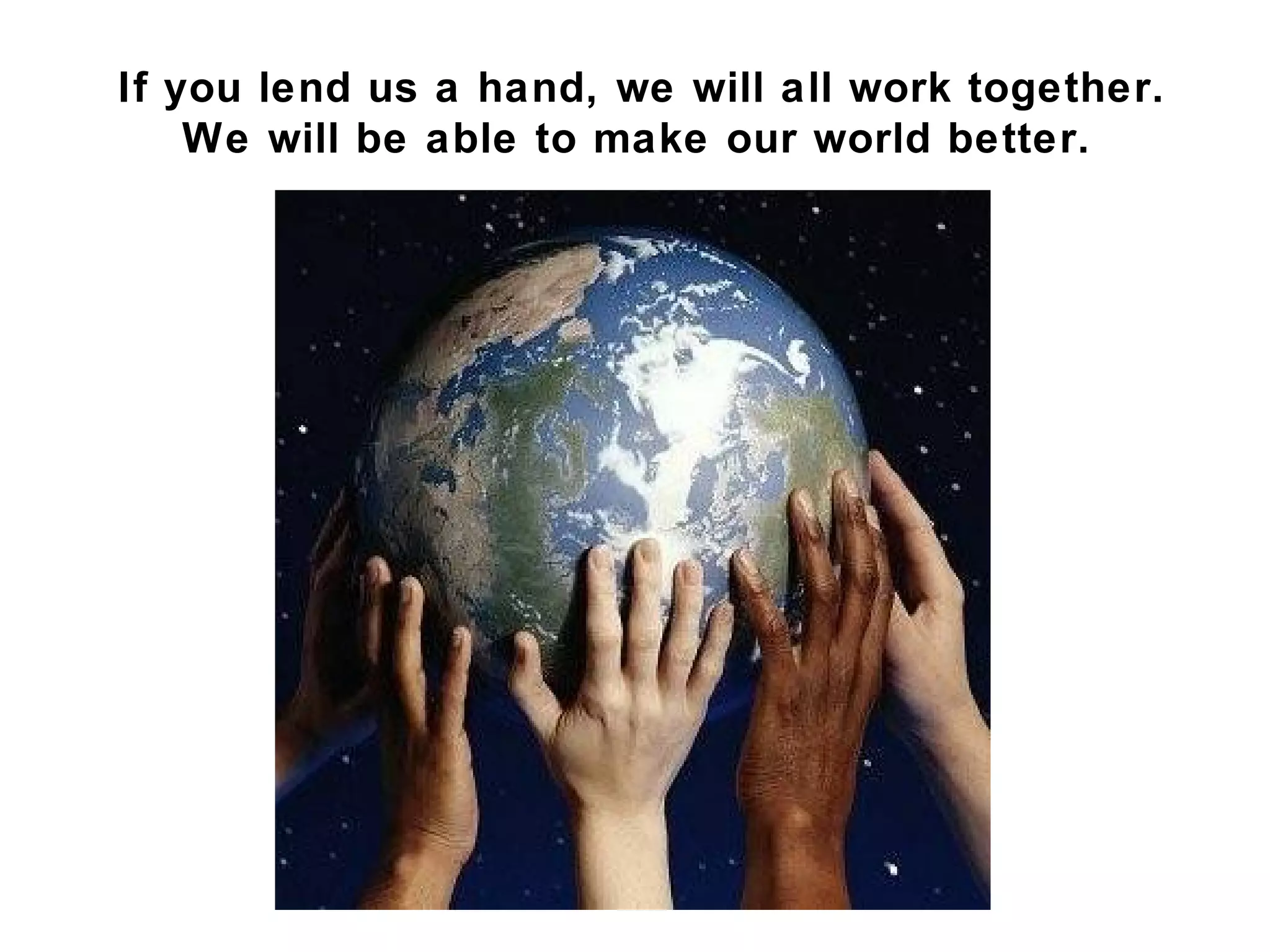
If you lend us a hand, we will all work together.
    We will be able to make our world better.
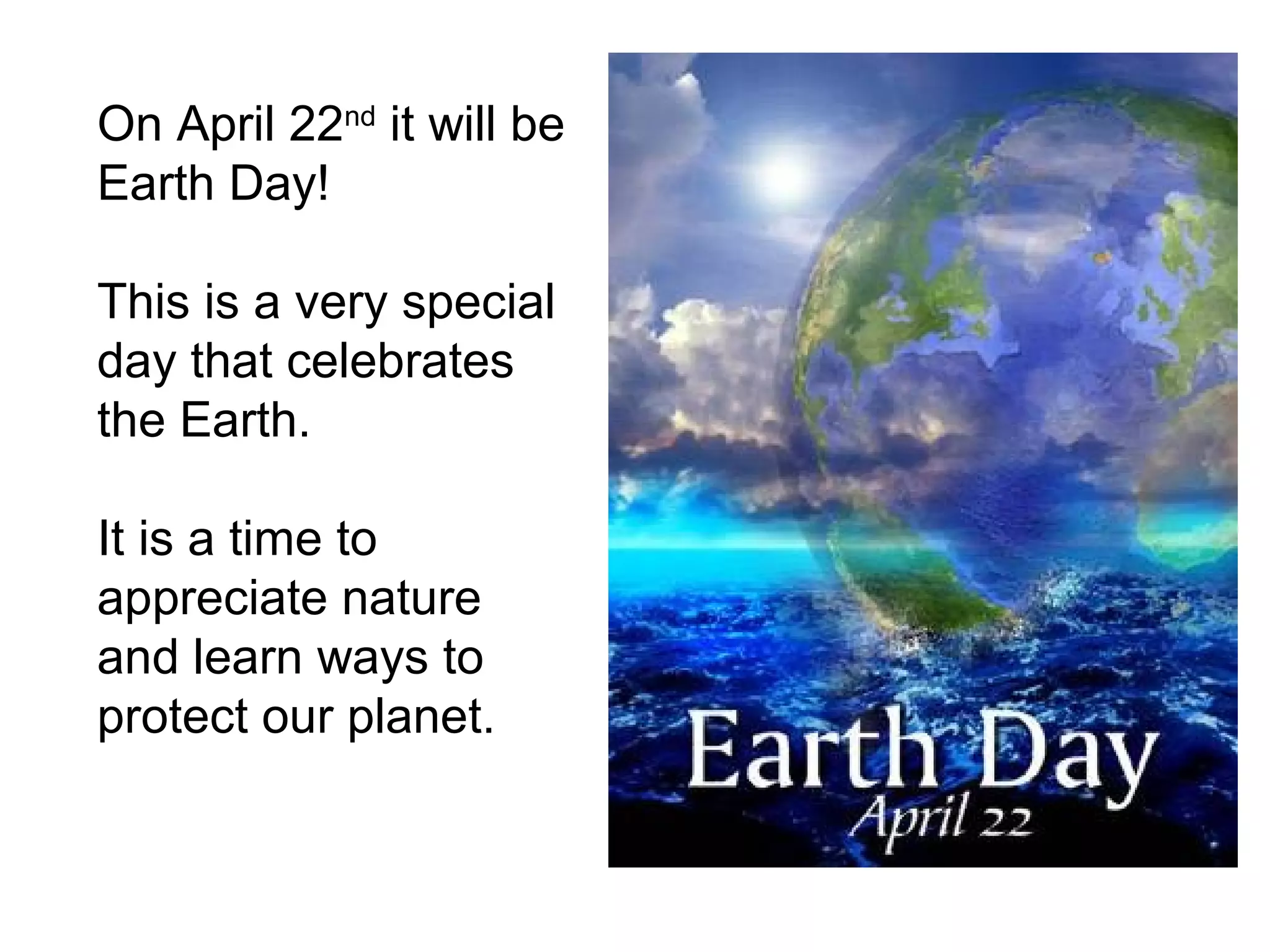
On April 22nd it will be
Earth Day!

This is a very special
day that celebrates
the Earth.

It is a time to
appreciate nature
and learn ways to
protect our planet.
This week you will be invited to participate in
  various activities in honor of Earth day.
Let’s reflect on the condition of our planet and
 focus on ways we can help take care of it…
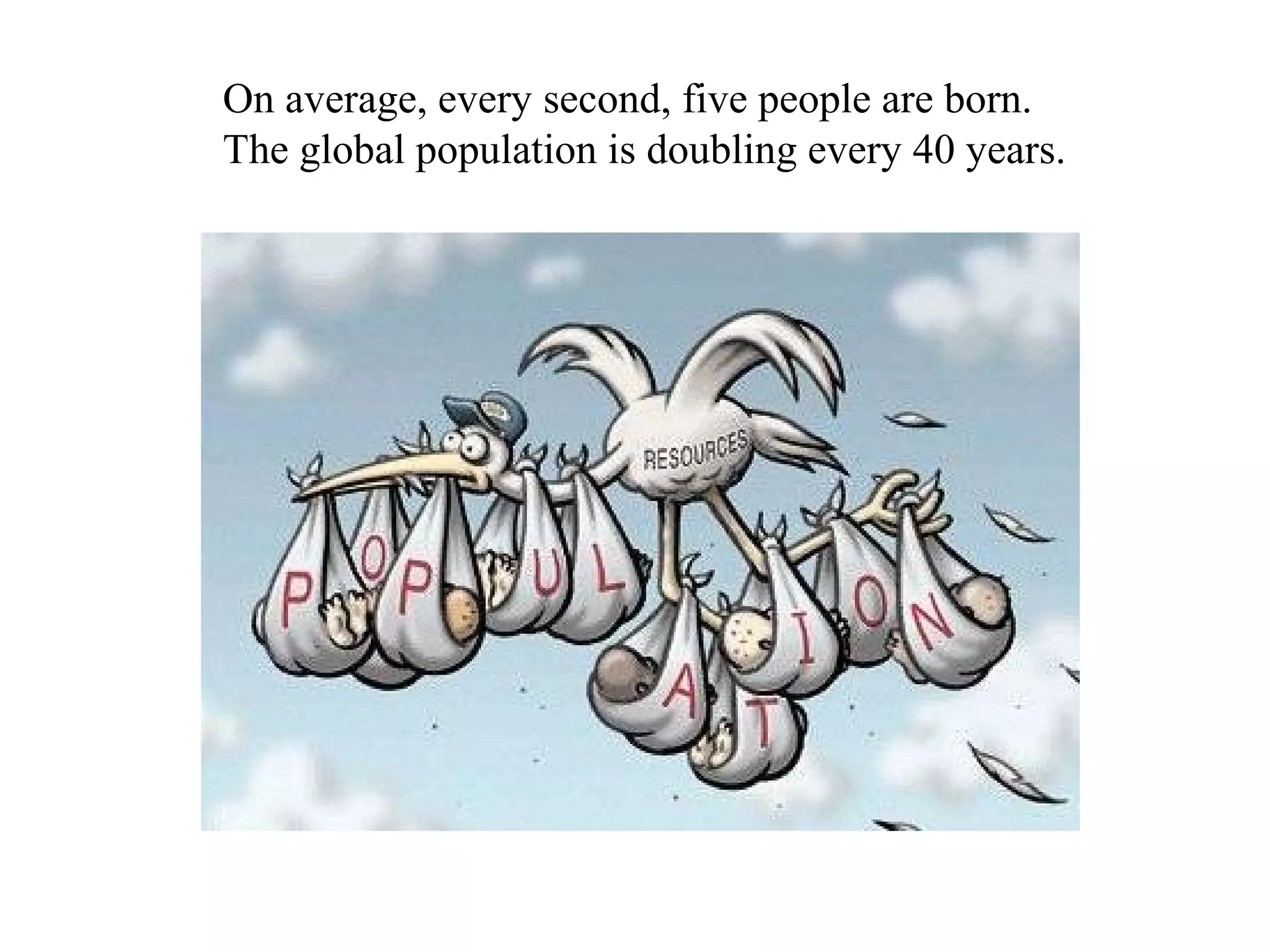
On average, every second, five people are born.
The global population is doubling every 40 years.
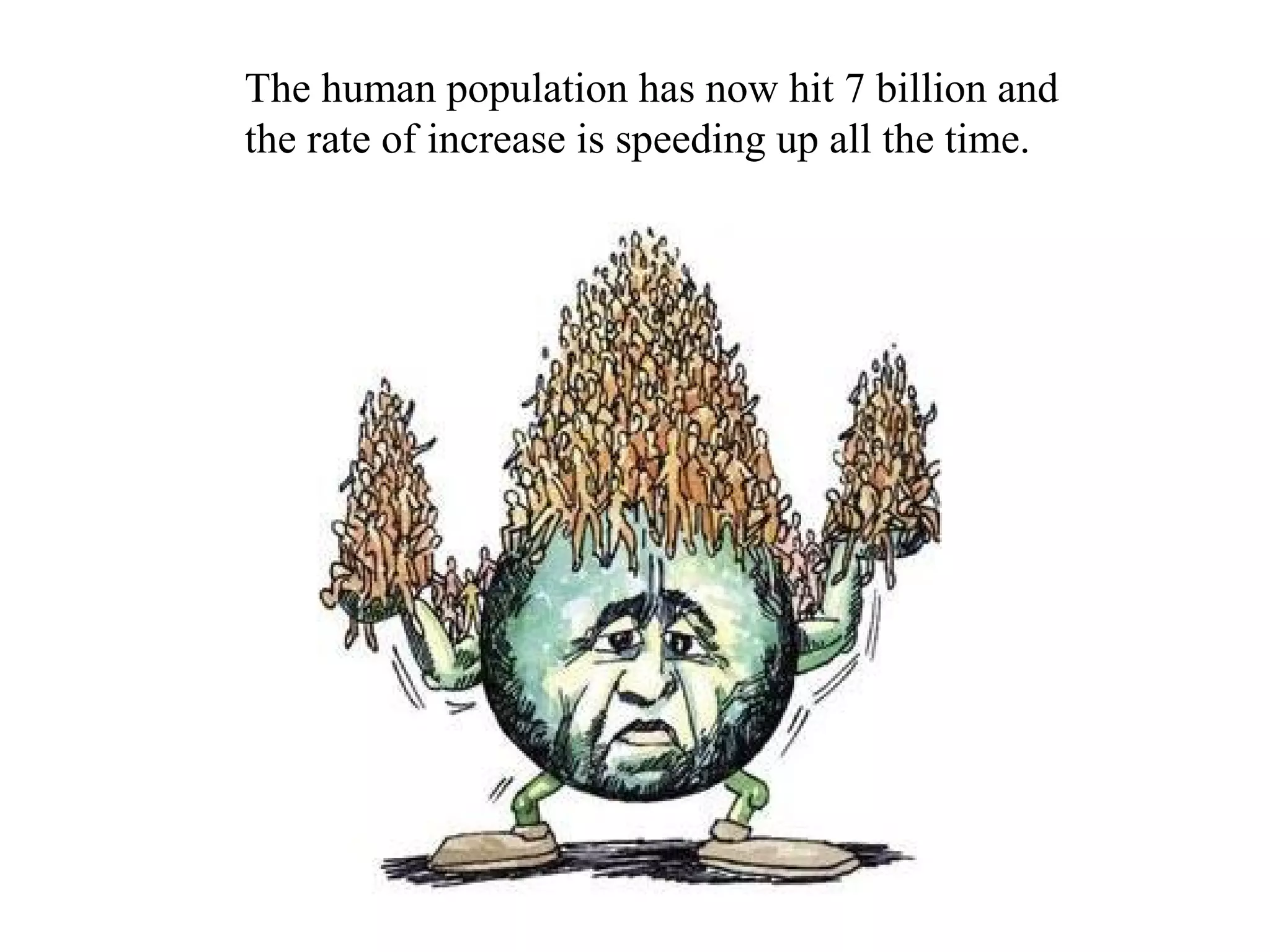
The human population has now hit 7 billion and
the rate of increase is speeding up all the time.
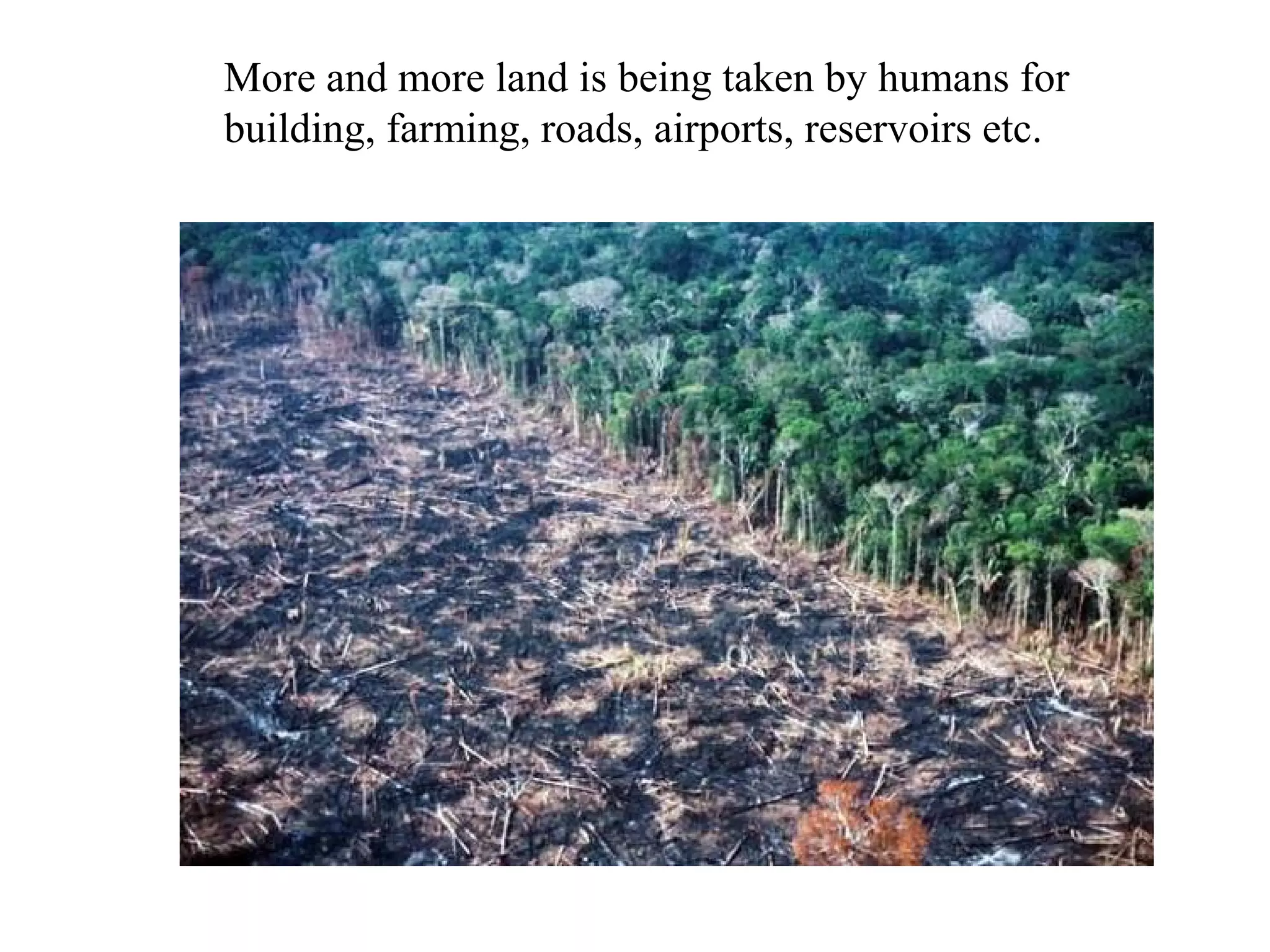
More and more land is being taken by humans for
building, farming, roads, airports, reservoirs etc.
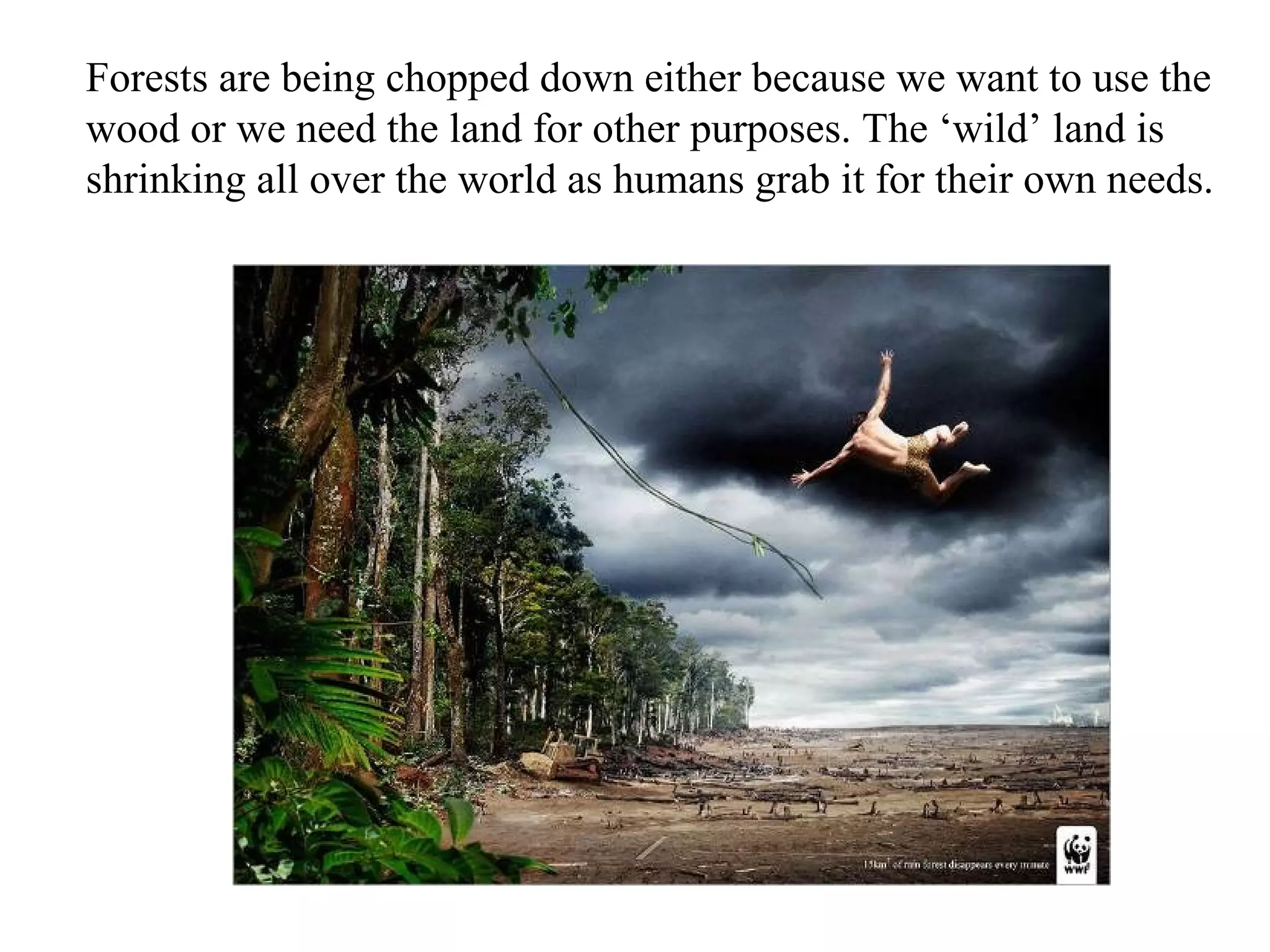
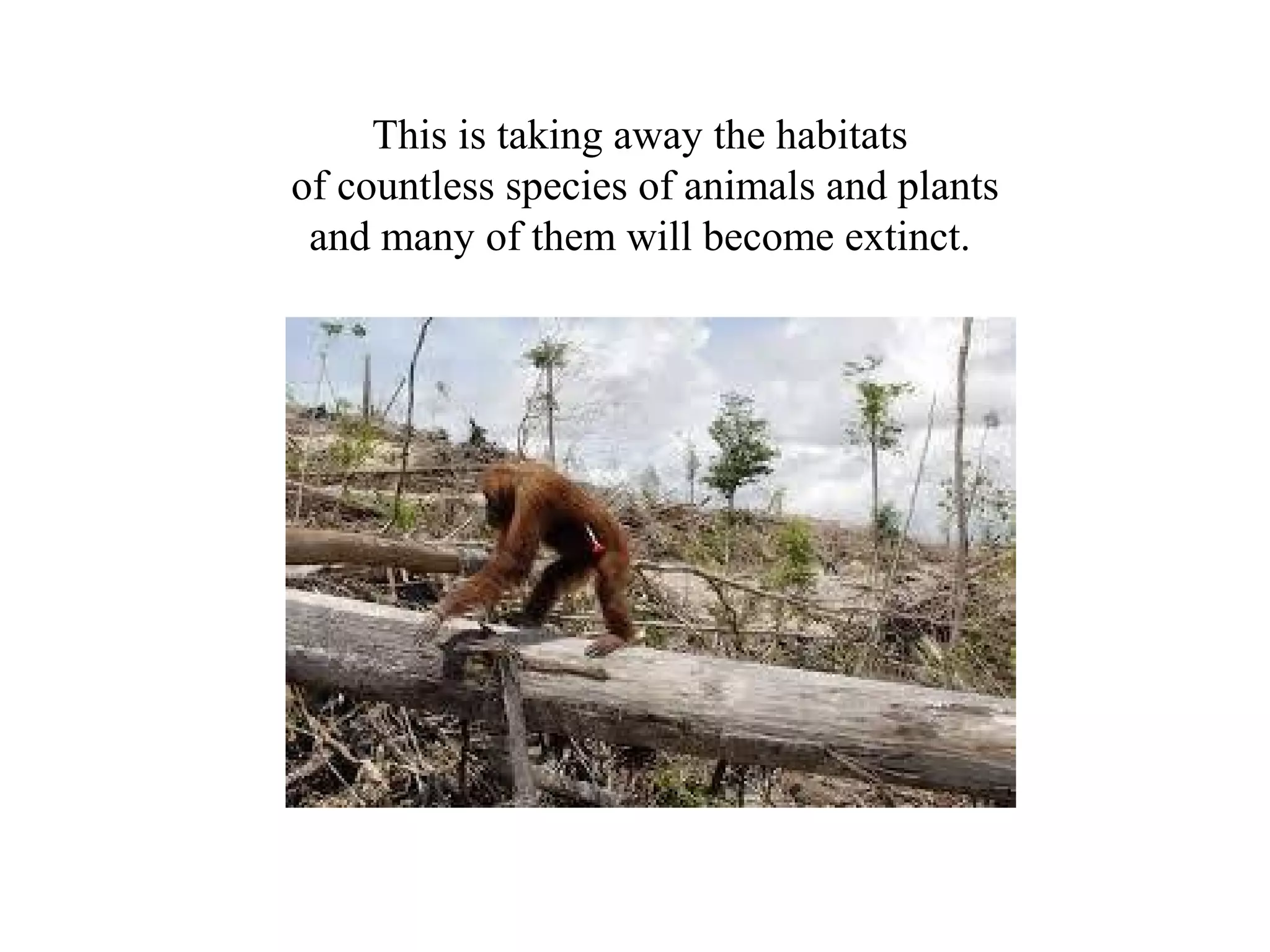
Forests are being chopped down either because we want to use the
wood or we need the land for other purposes. The ‘wild’ land is
shrinking all over the world as humans grab it for their own needs.
This is taking away the habitats
of countless species of animals and plants
 and many of them will become extinct.
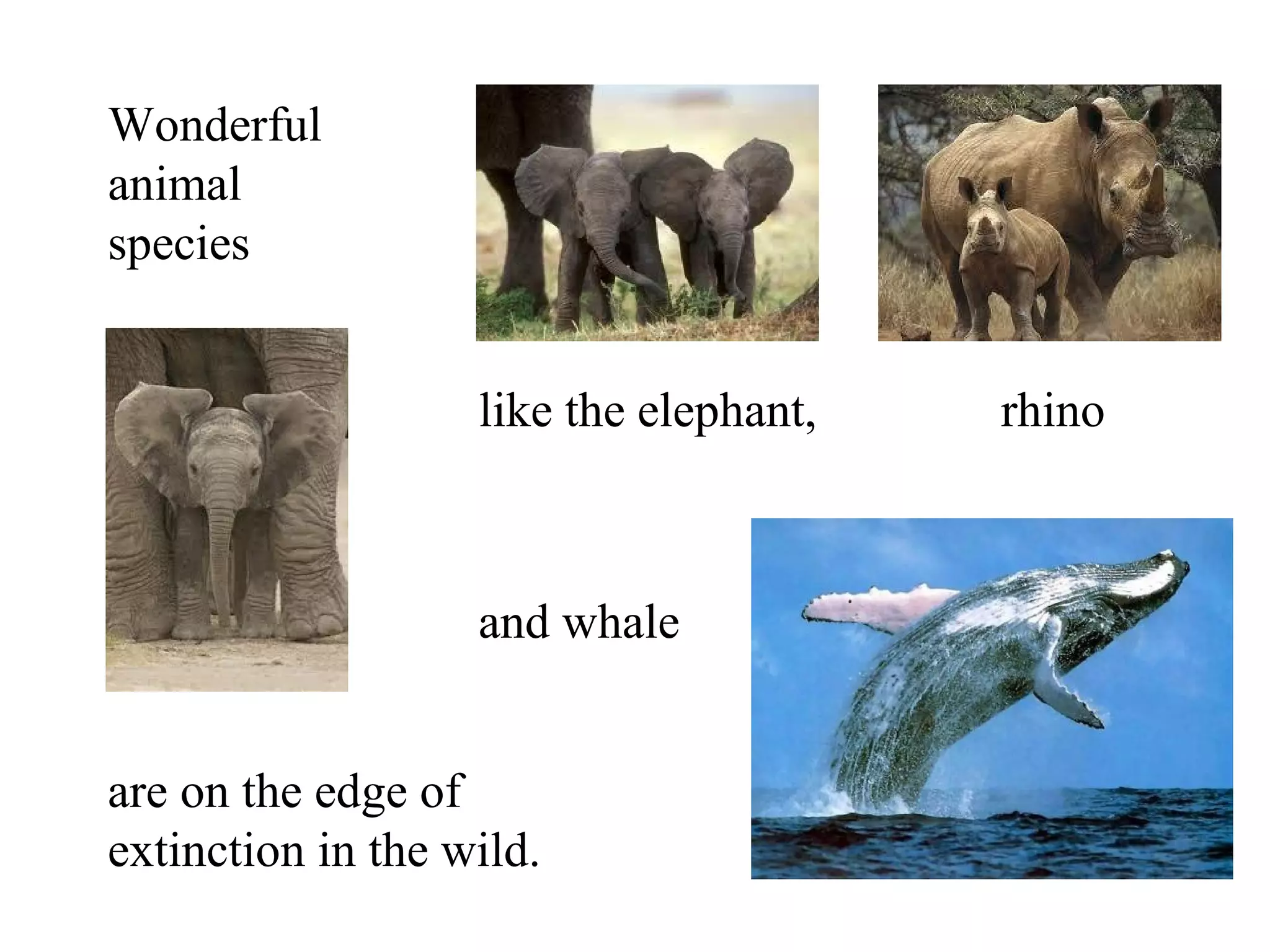
Wonderful
animal
species


                   like the elephant,   rhino


                   and whale


are on the edge of
extinction in the wild.
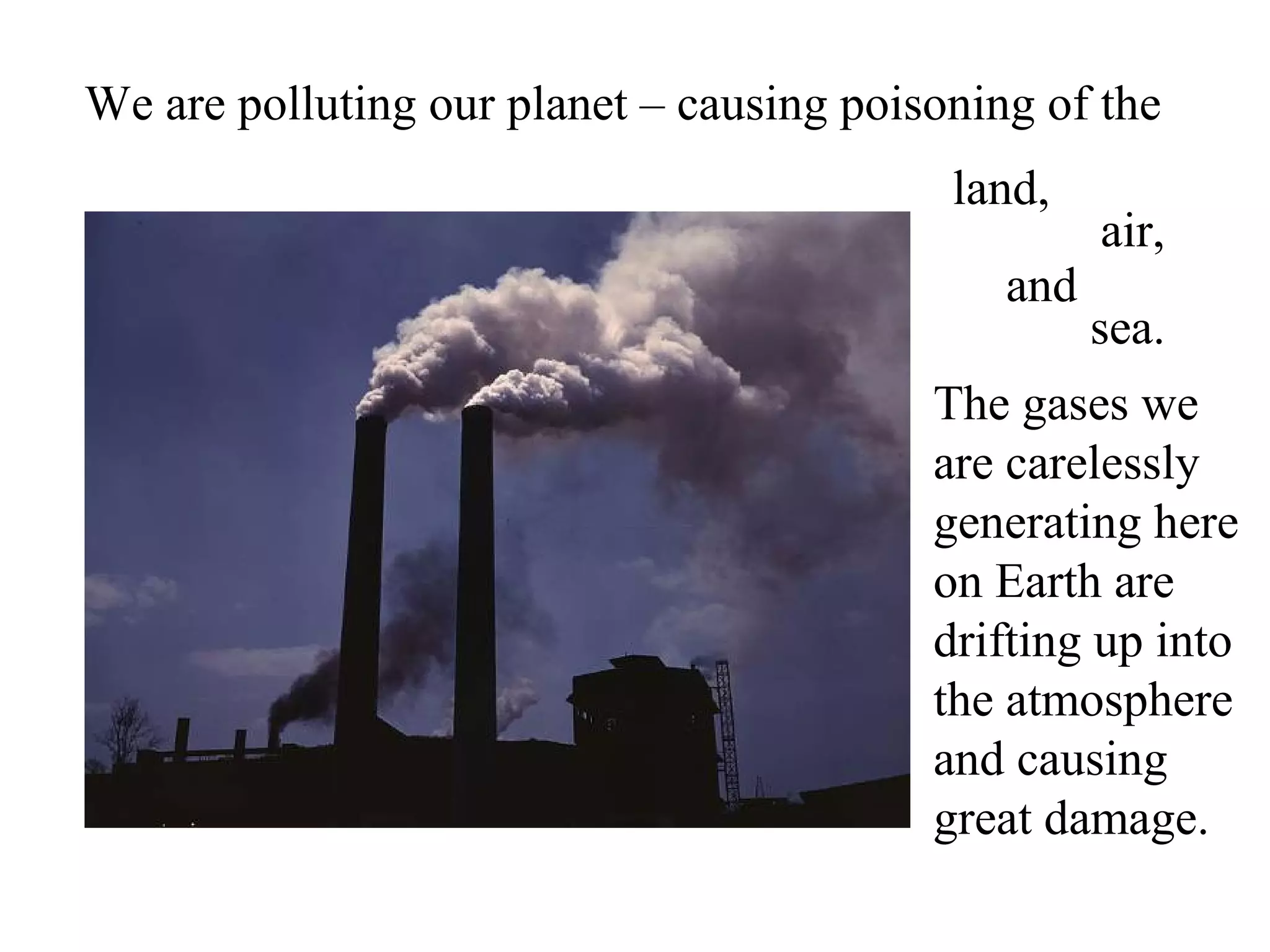
We are polluting our planet – causing poisoning of the
                                           land,
                                                    air,
                                              and
                                                    sea.
                                          The gases we
                                          are carelessly
                                          generating here
                                          on Earth are
                                          drifting up into
                                          the atmosphere
                                          and causing
                                          great damage.
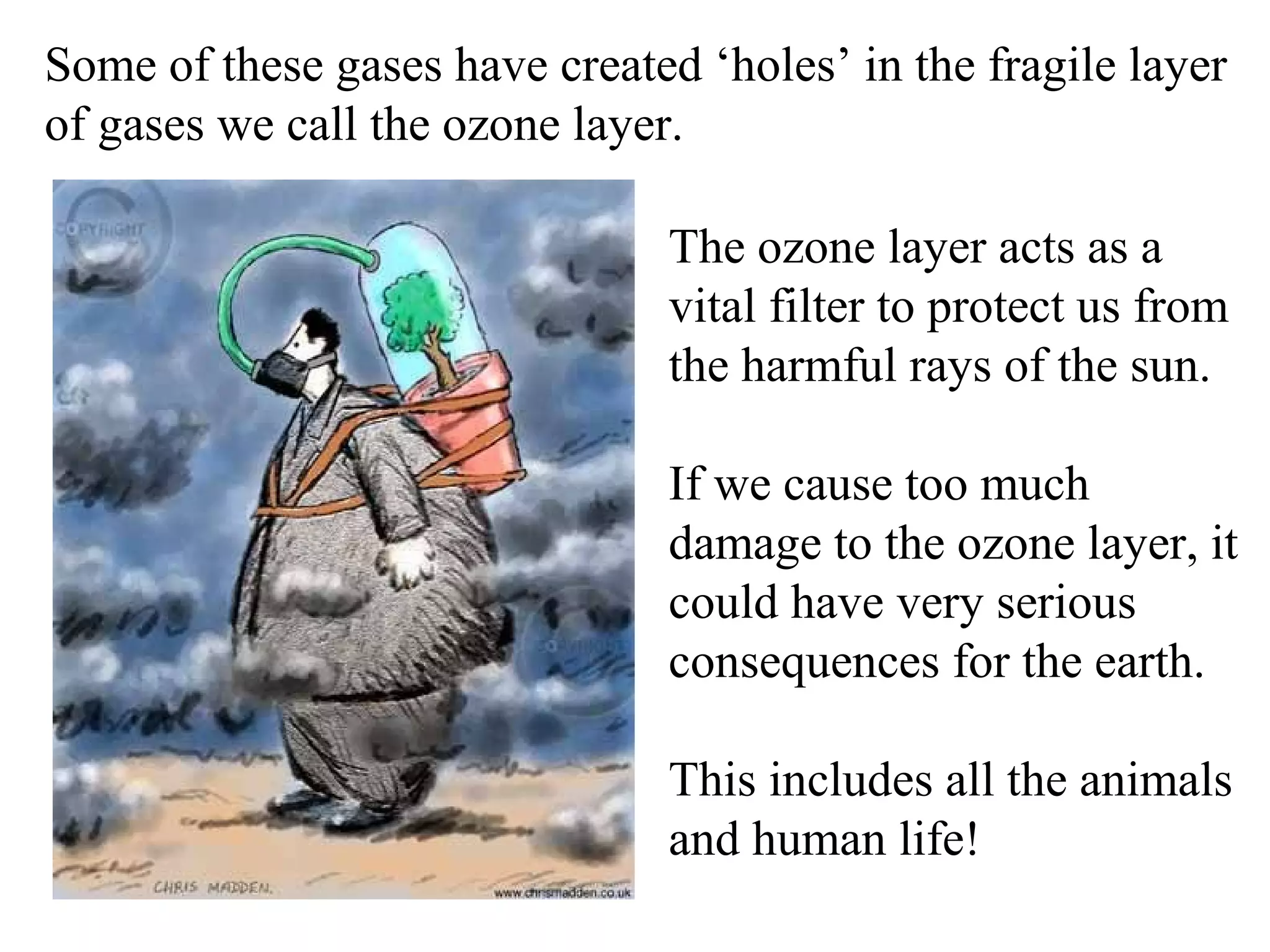
Some of these gases have created ‘holes’ in the fragile layer
of gases we call the ozone layer.

                                The ozone layer acts as a
                                vital filter to protect us from
                                the harmful rays of the sun.

                                If we cause too much
                                damage to the ozone layer, it
                                could have very serious
                                consequences for the earth.

                                This includes all the animals
                                and human life!
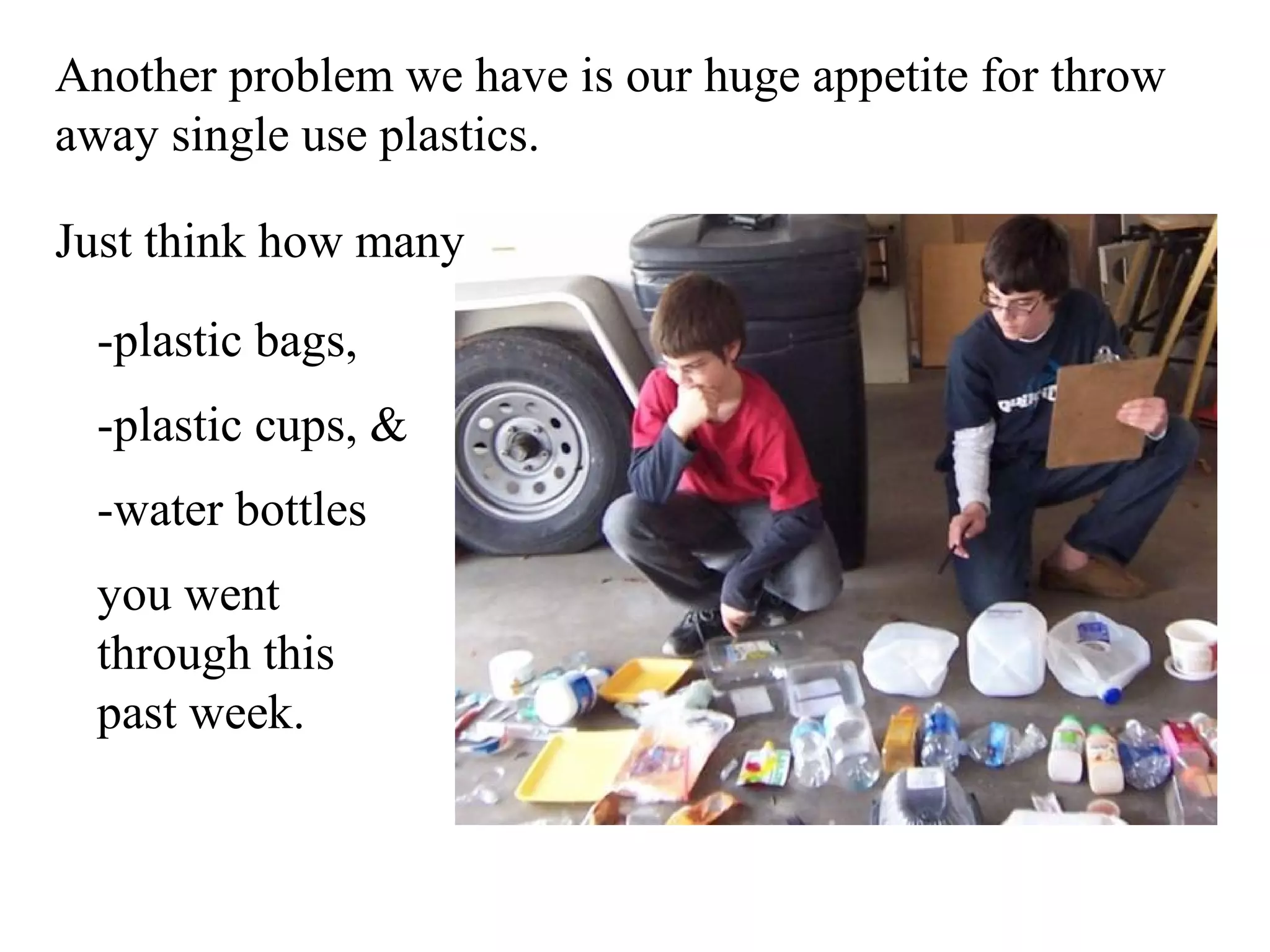
Another problem we have is our huge appetite for throw
away single use plastics.

Just think how many

  -plastic bags,
  -plastic cups, &
  -water bottles
  you went
  through this
  past week.
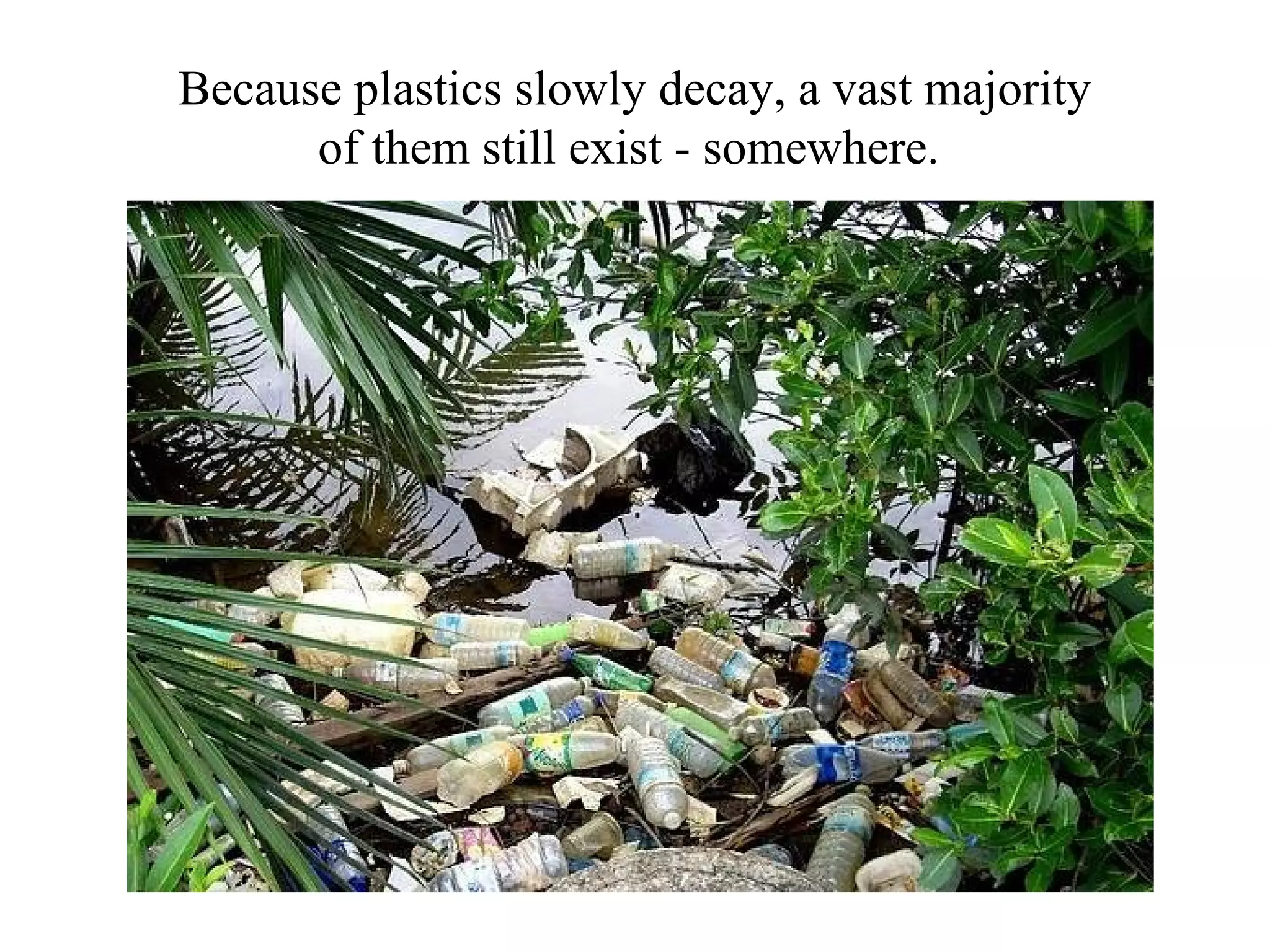
Because plastics slowly decay, a vast majority
      of them still exist - somewhere.
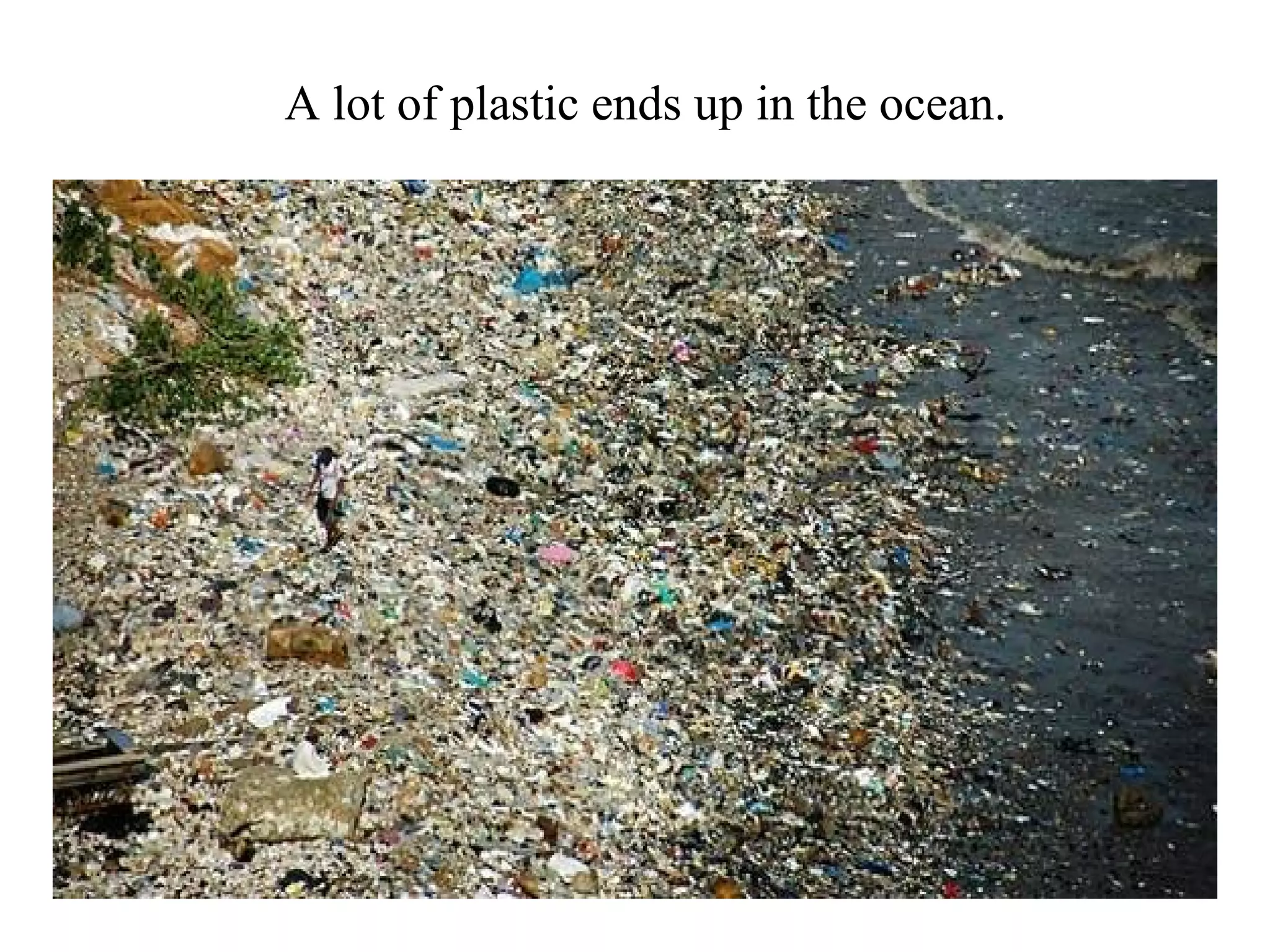
A lot of plastic ends up in the ocean.
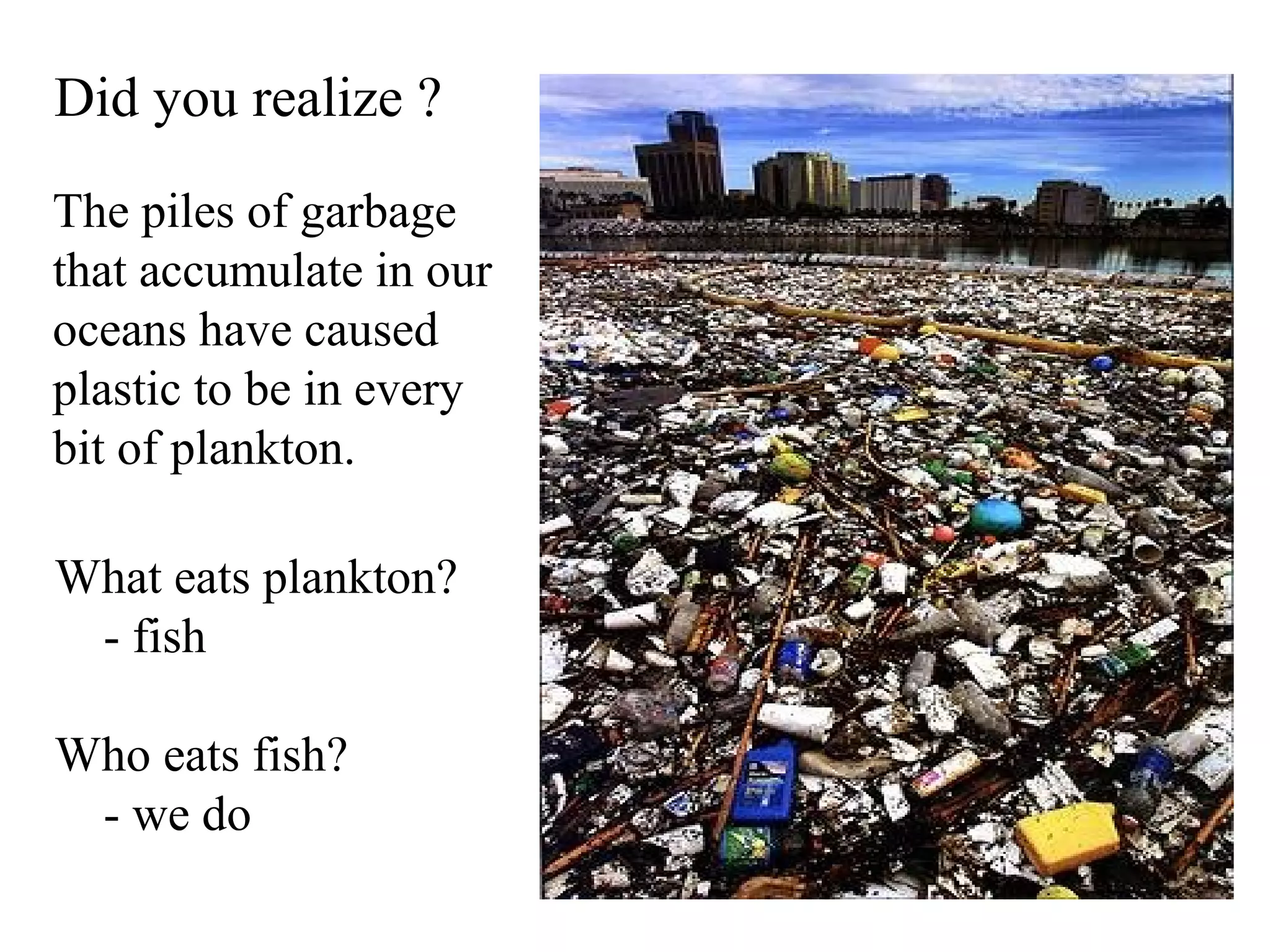
Did you realize ?
The piles of garbage
that accumulate in our
oceans have caused
plastic to be in every
bit of plankton.

What eats plankton?
 - fish

Who eats fish?
 - we do
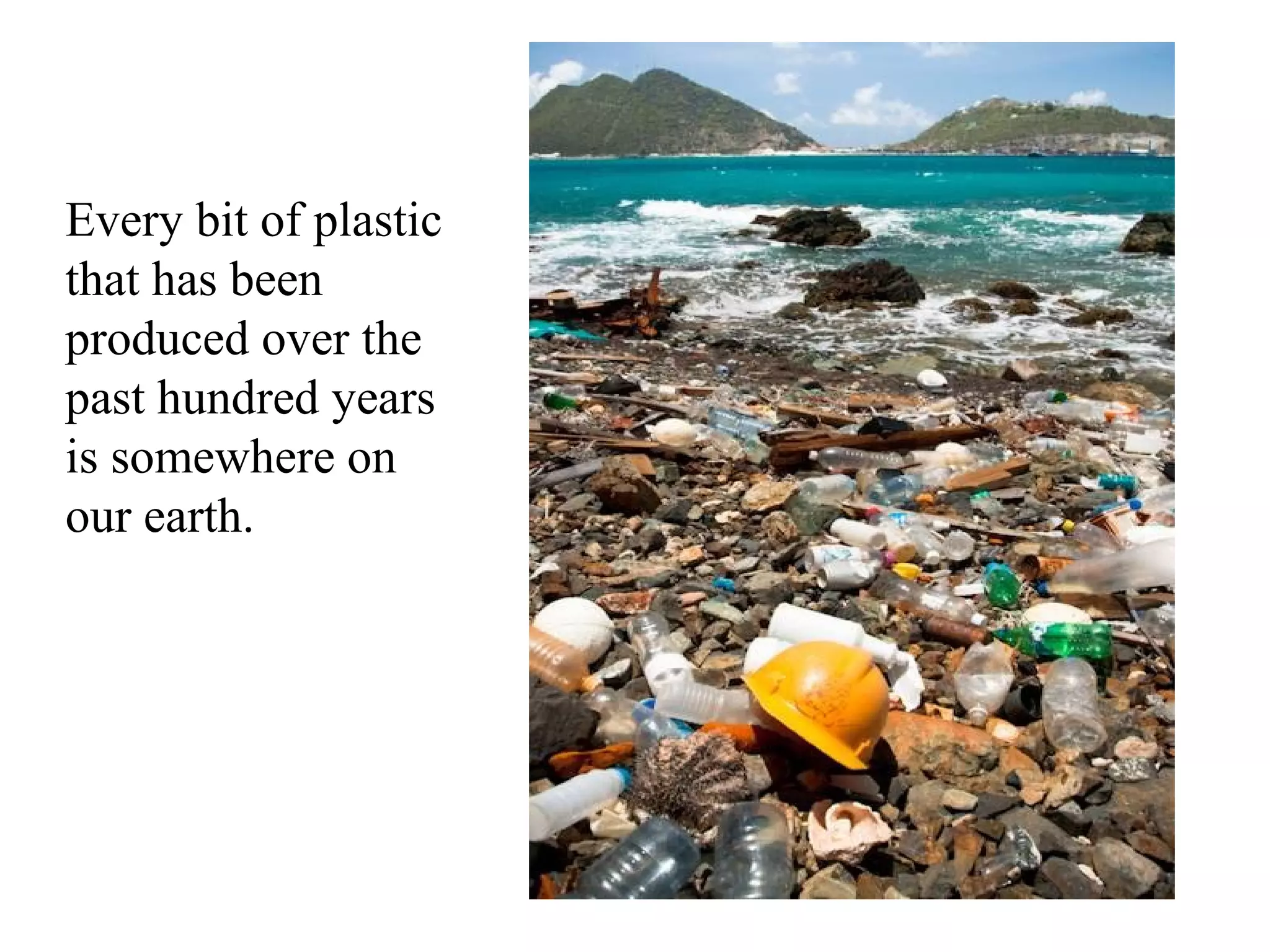
Every bit of plastic
that has been
produced over the
past hundred years
is somewhere on
our earth.
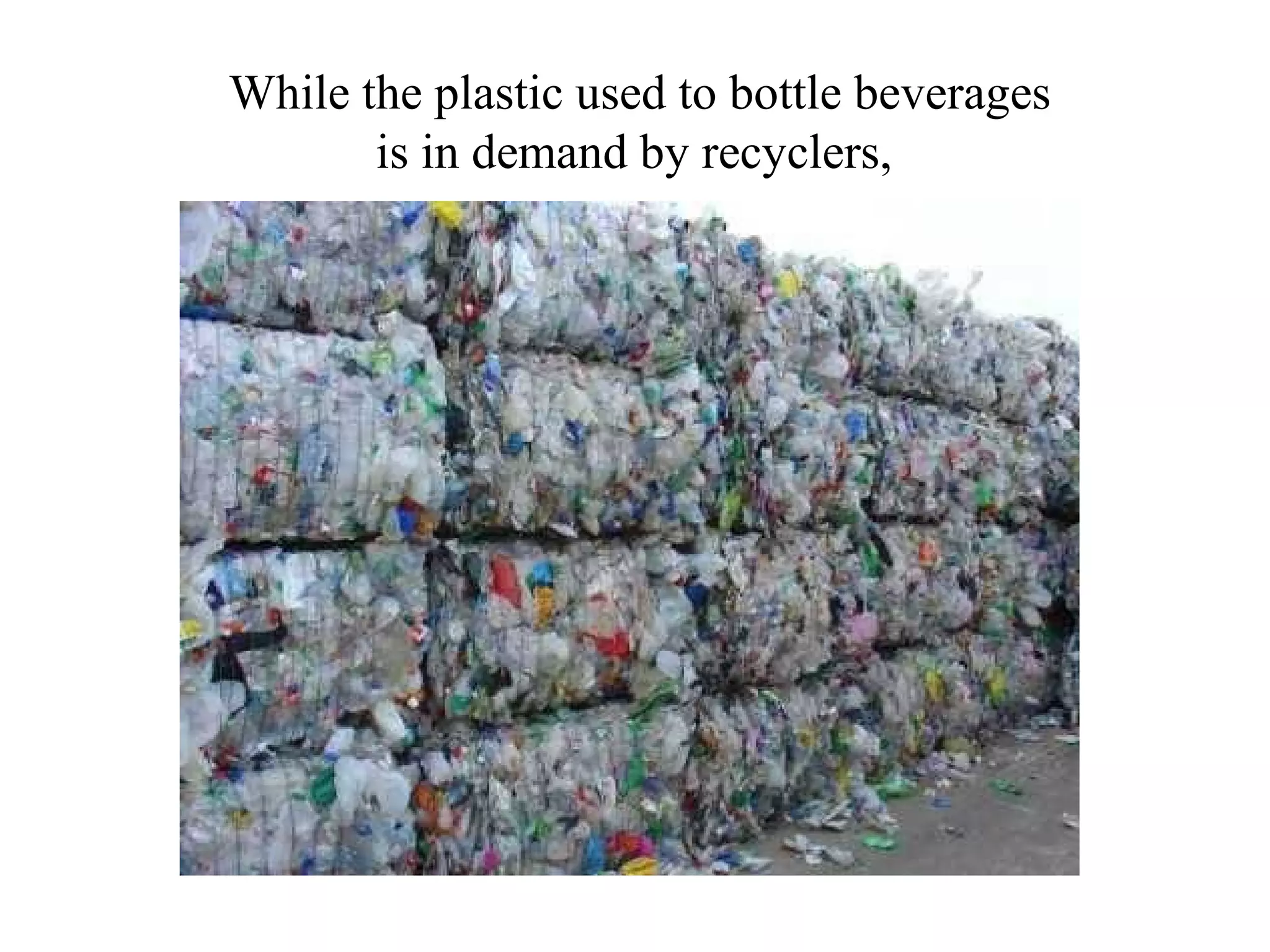
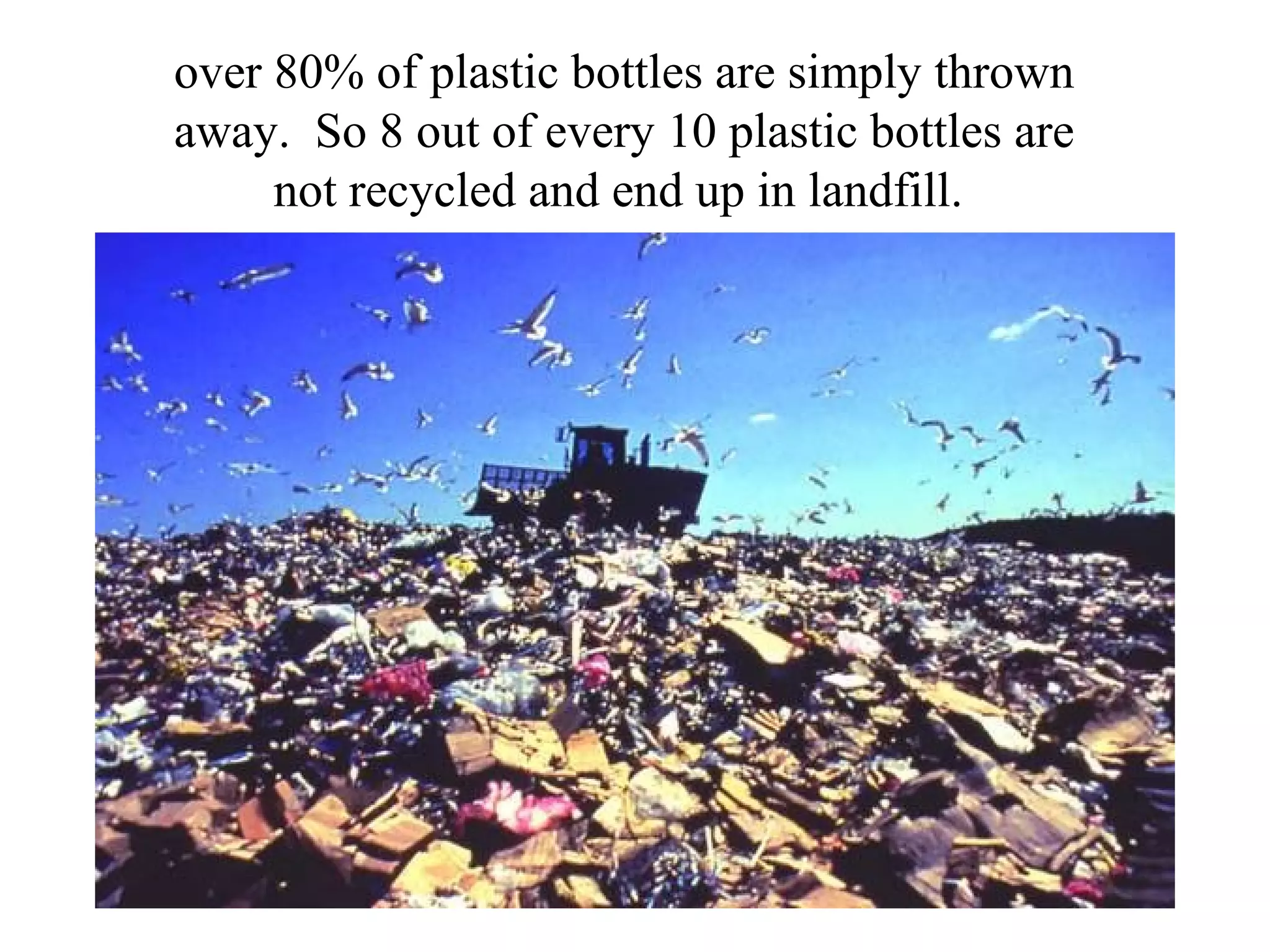
While the plastic used to bottle beverages
       is in demand by recyclers,
over 80% of plastic bottles are simply thrown
away. So 8 out of every 10 plastic bottles are
     not recycled and end up in landfill.
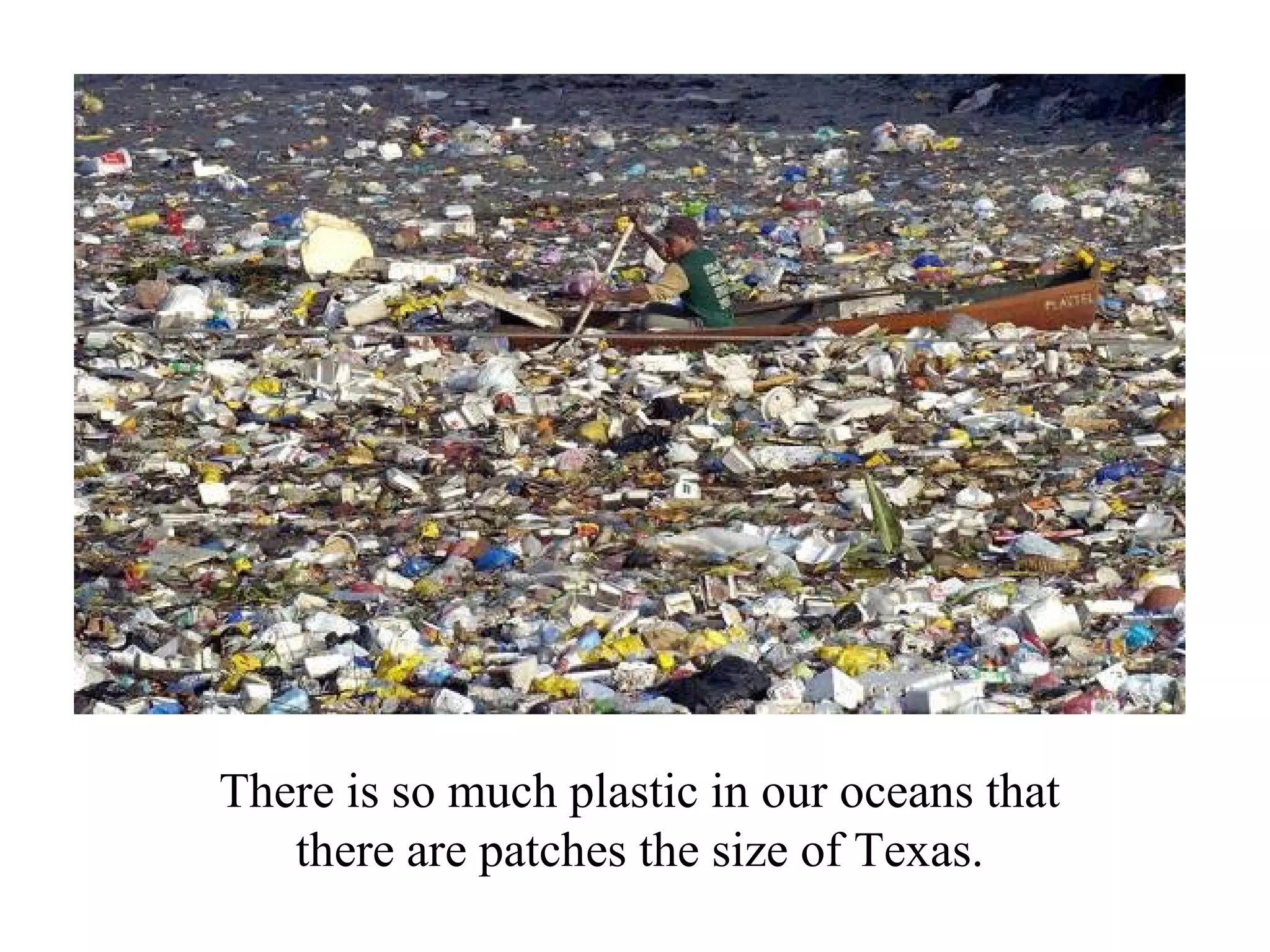
There is so much plastic in our oceans that
   there are patches the size of Texas.
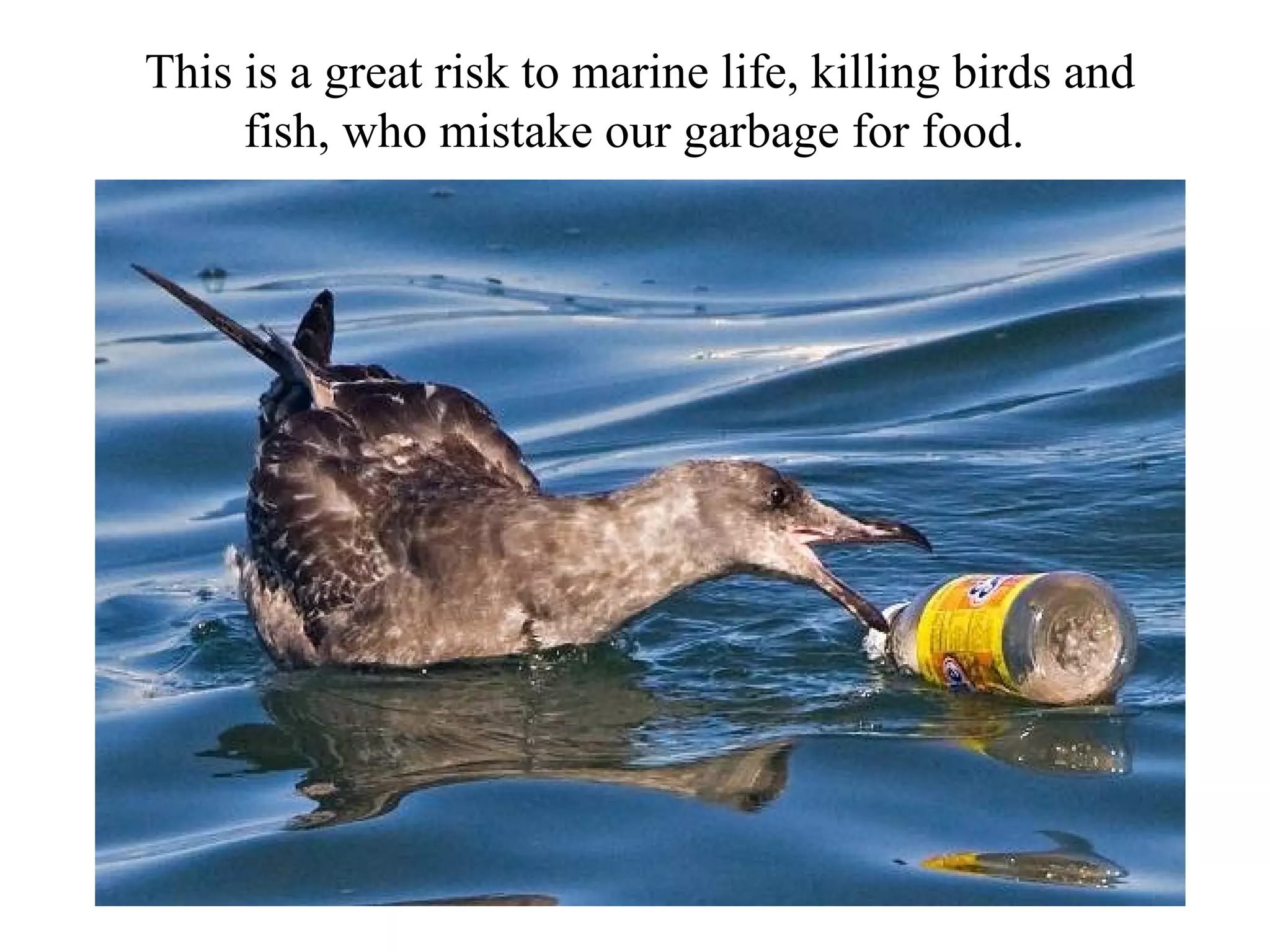
This is a great risk to marine life, killing birds and
     fish, who mistake our garbage for food.
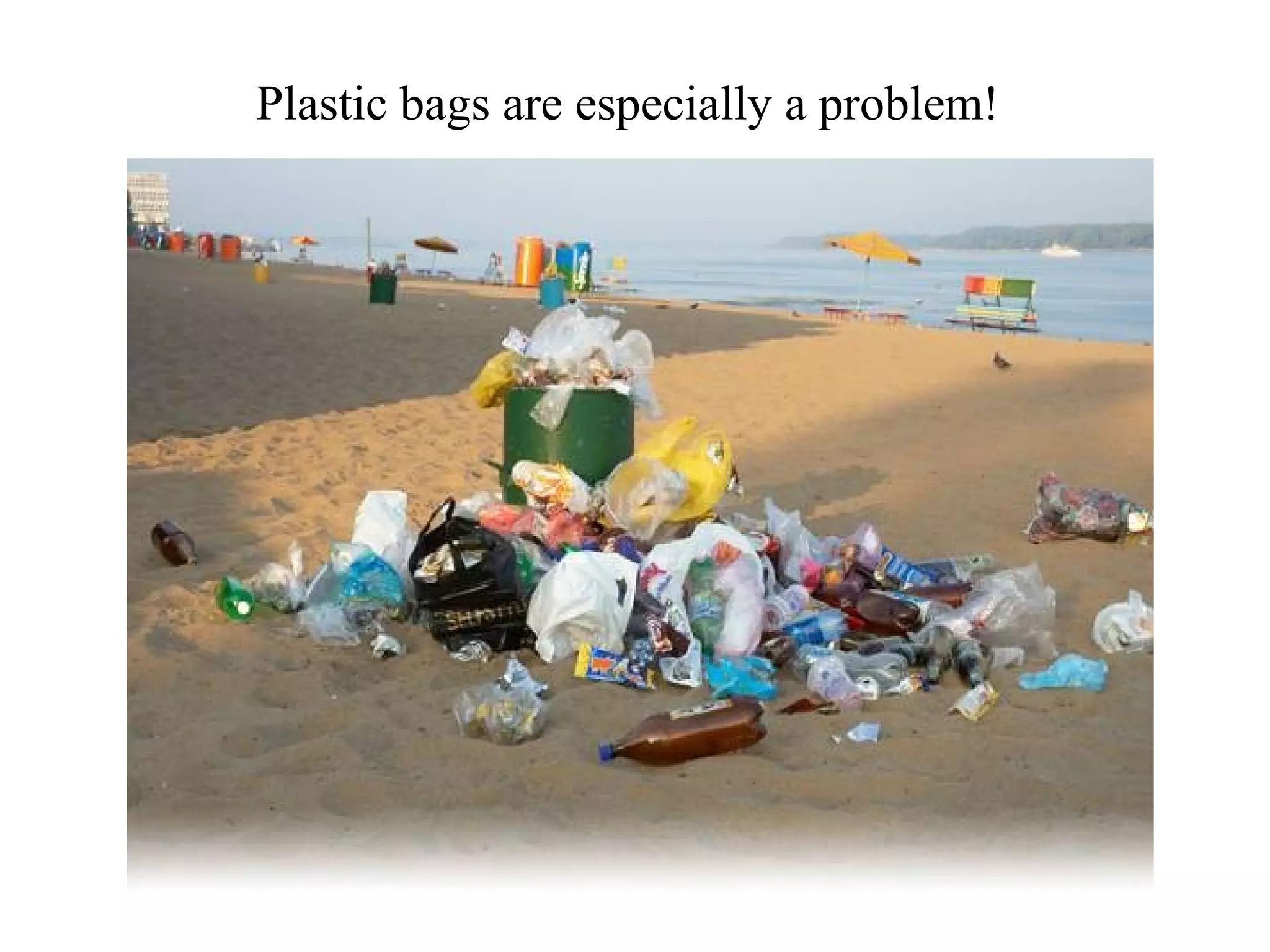
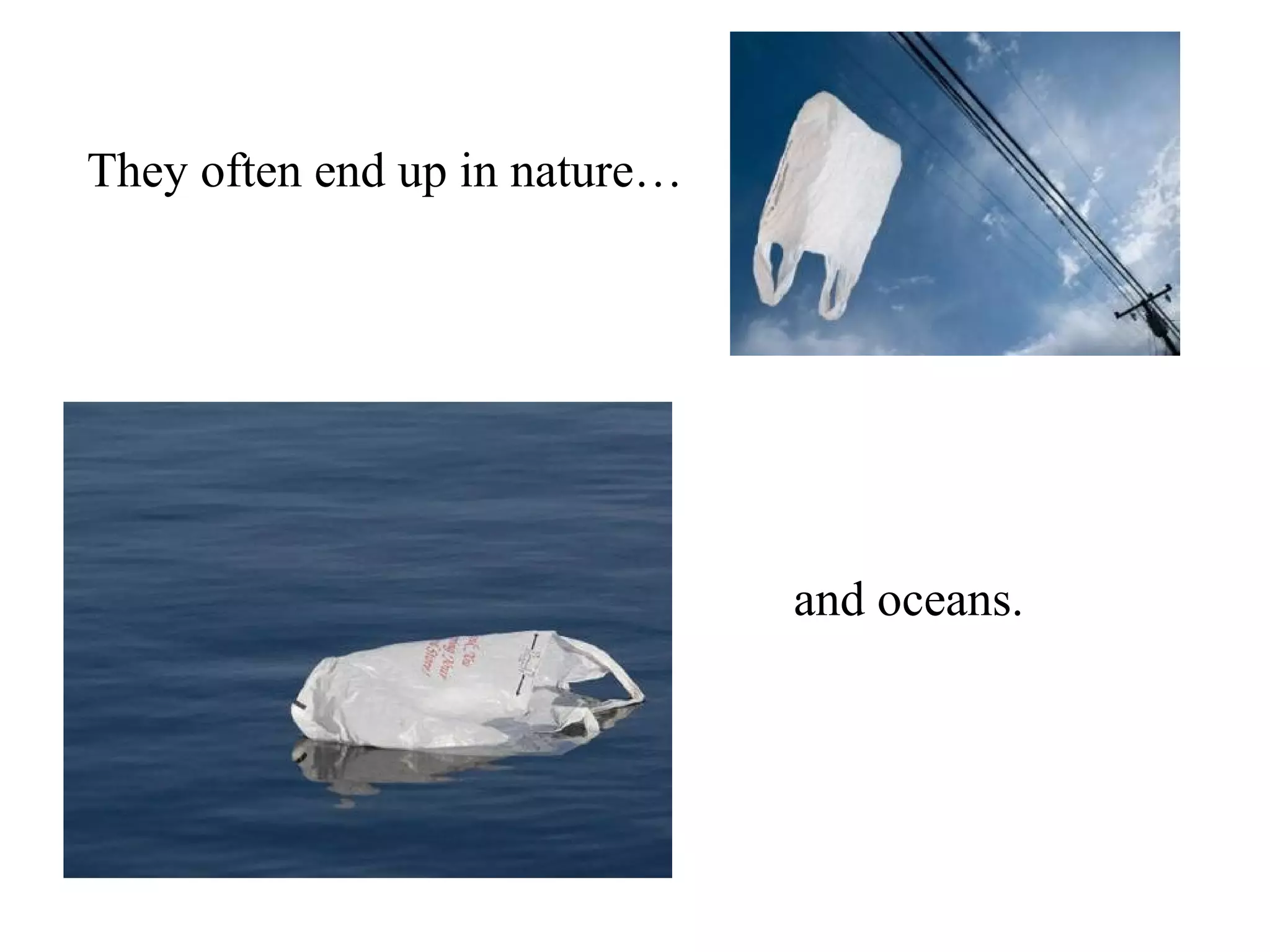
Plastic bags are especially a problem!
They often end up in nature…


                               and oceans.
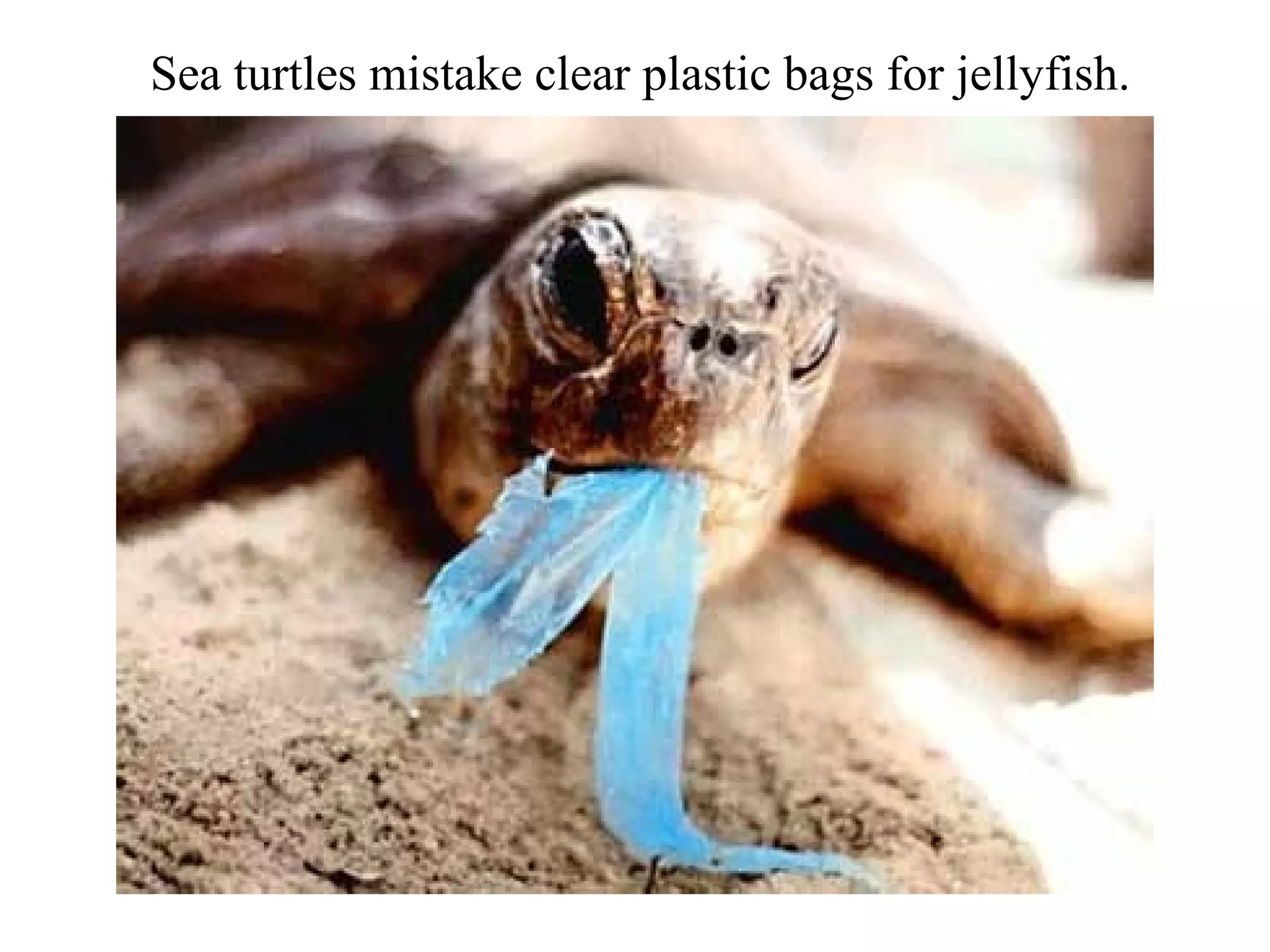
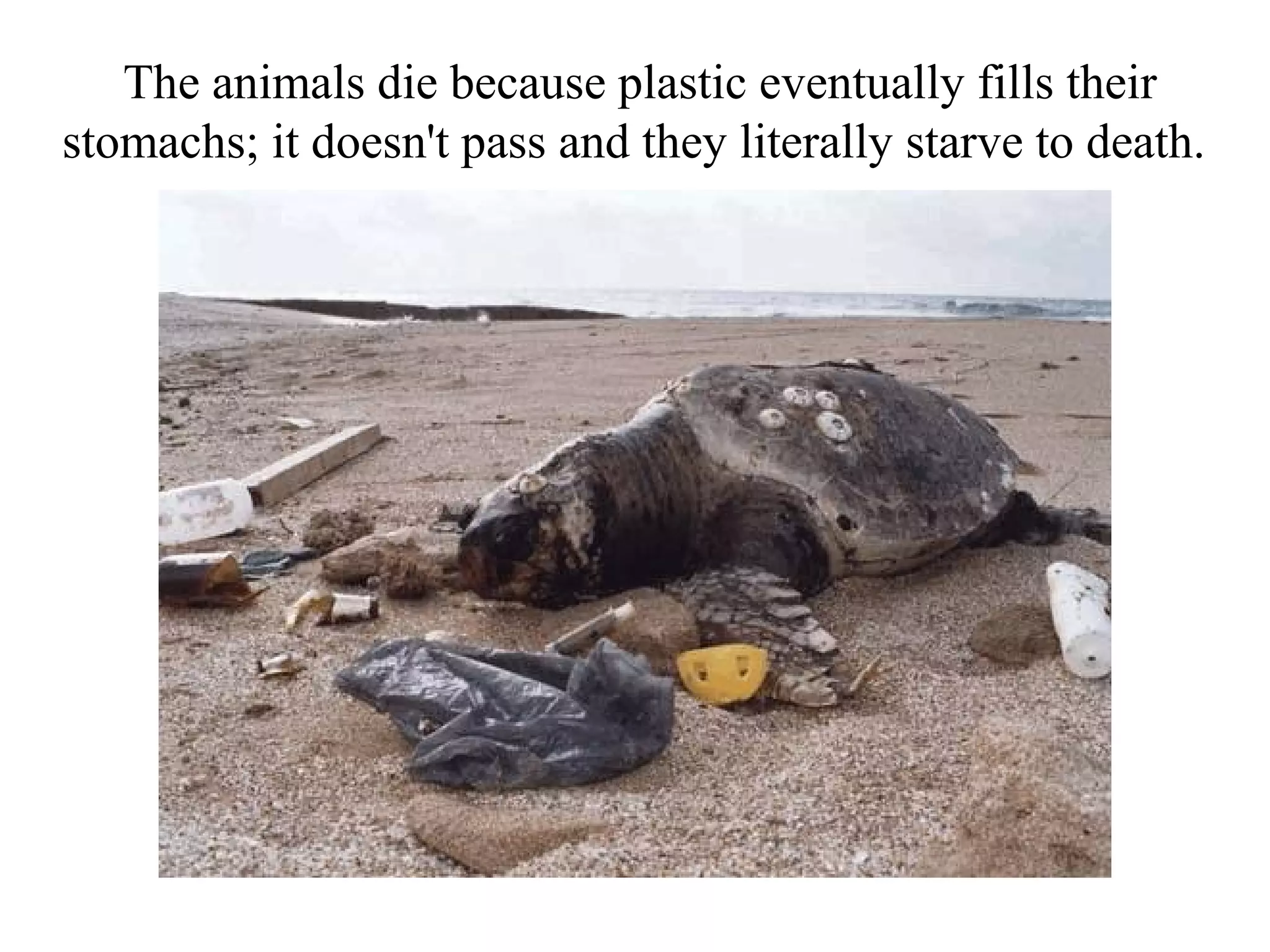
Sea turtles mistake clear plastic bags for jellyfish.
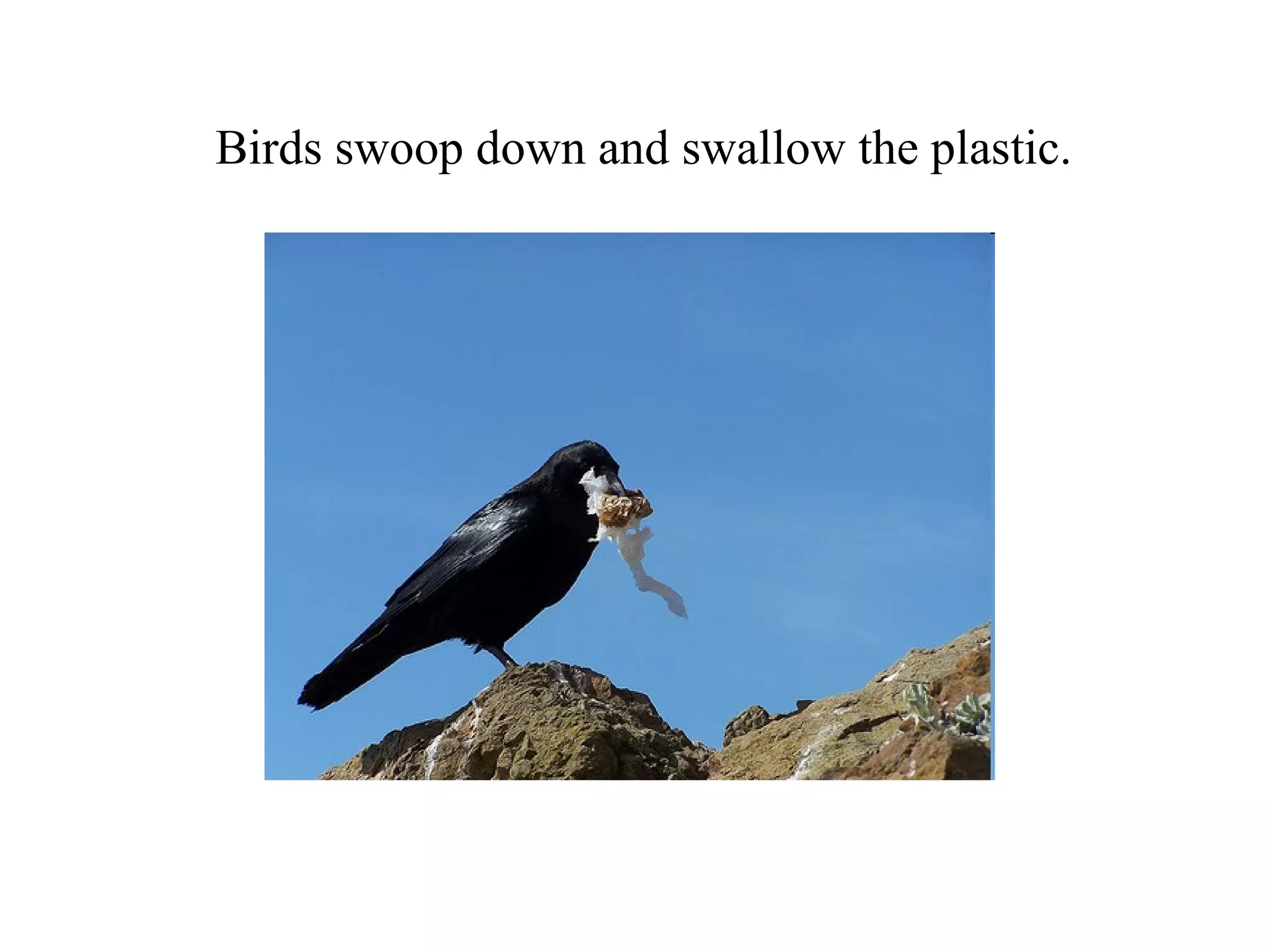
Birds swoop down and swallow the plastic.
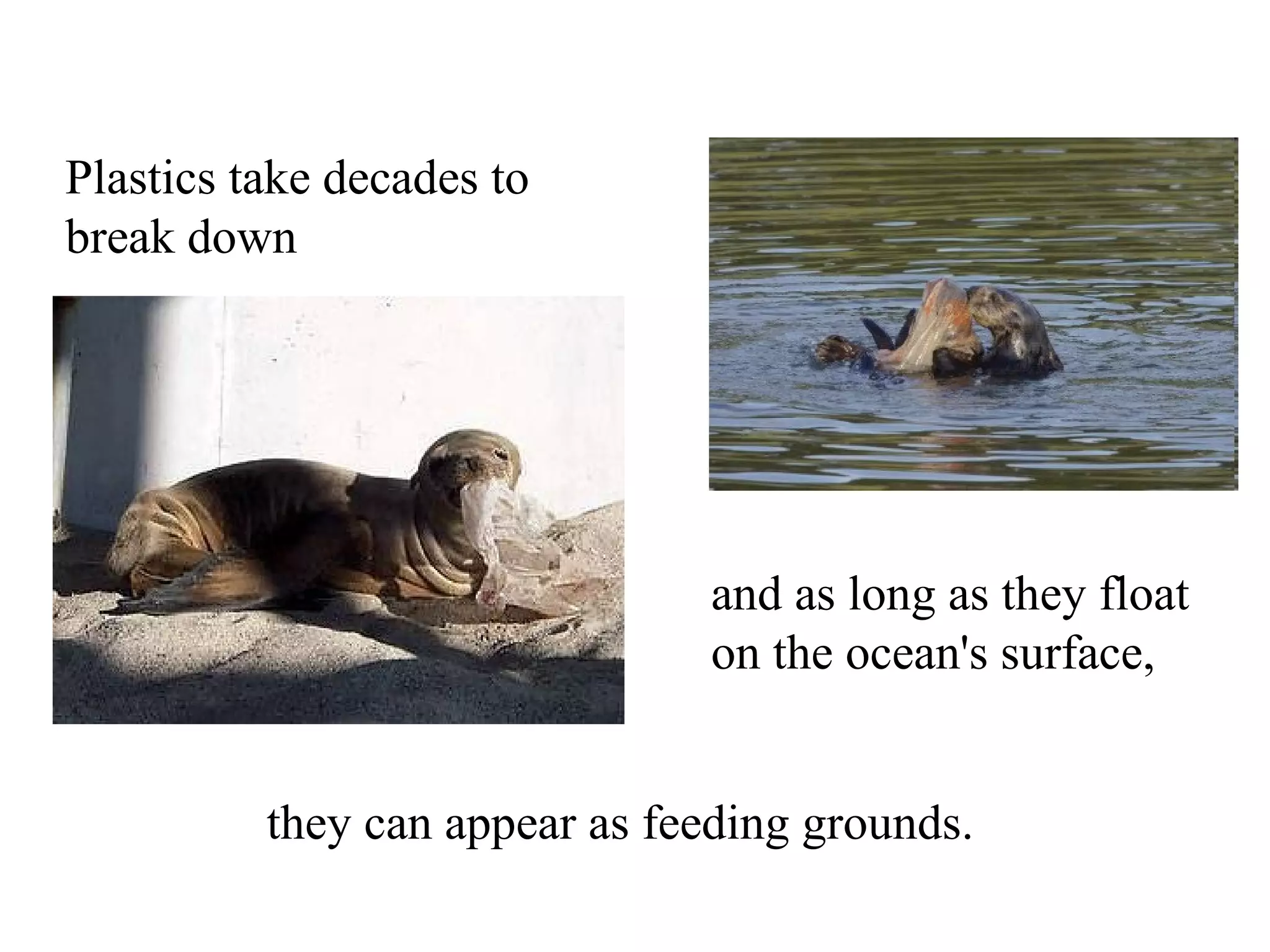
Plastics take decades to
break down


                               and as long as they float
                               on the ocean's surface,


          they can appear as feeding grounds.
The animals die because plastic eventually fills their
stomachs; it doesn't pass and they literally starve to death.
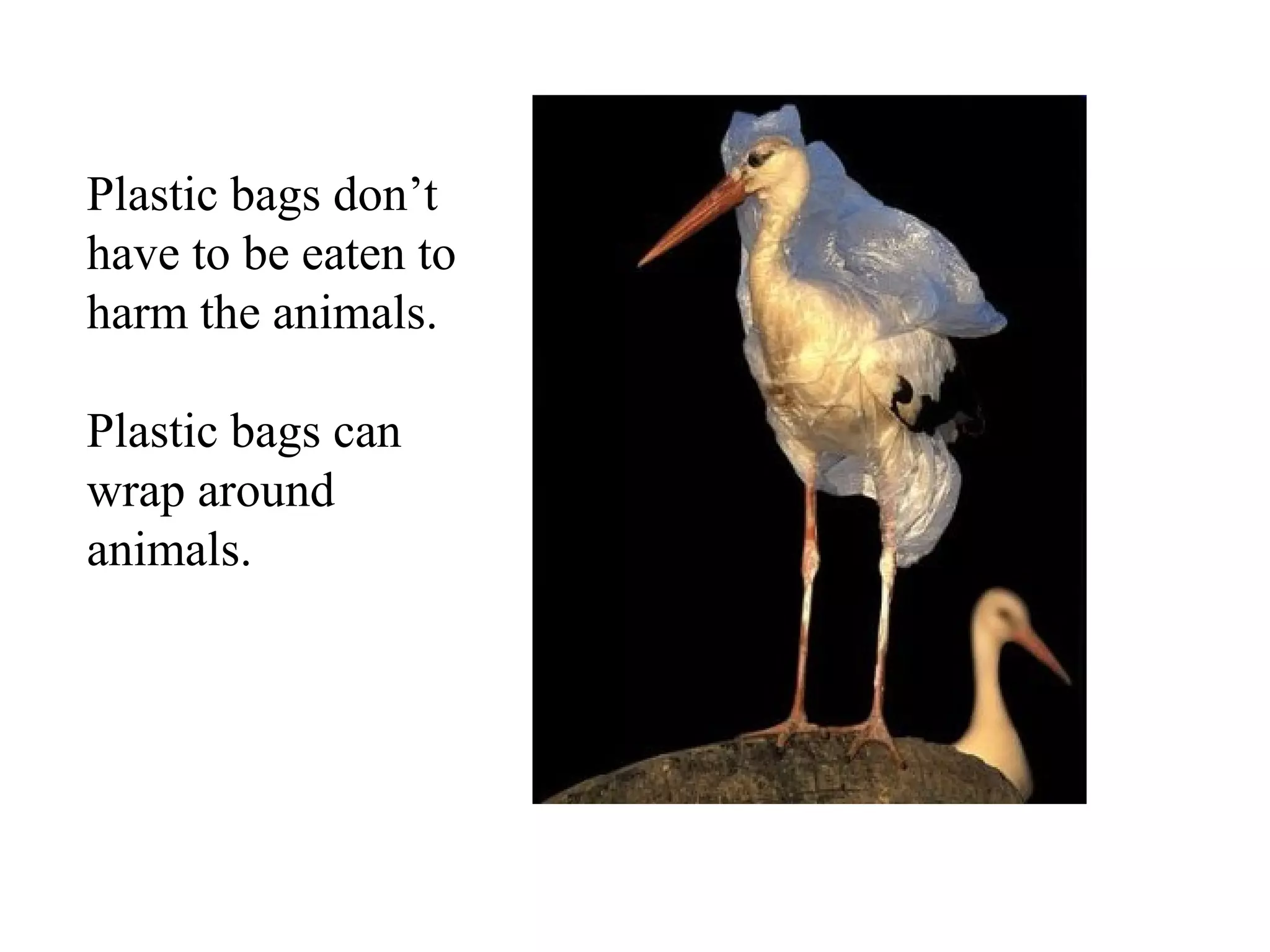
Plastic bags don’t
have to be eaten to
harm the animals.

Plastic bags can
wrap around
animals.
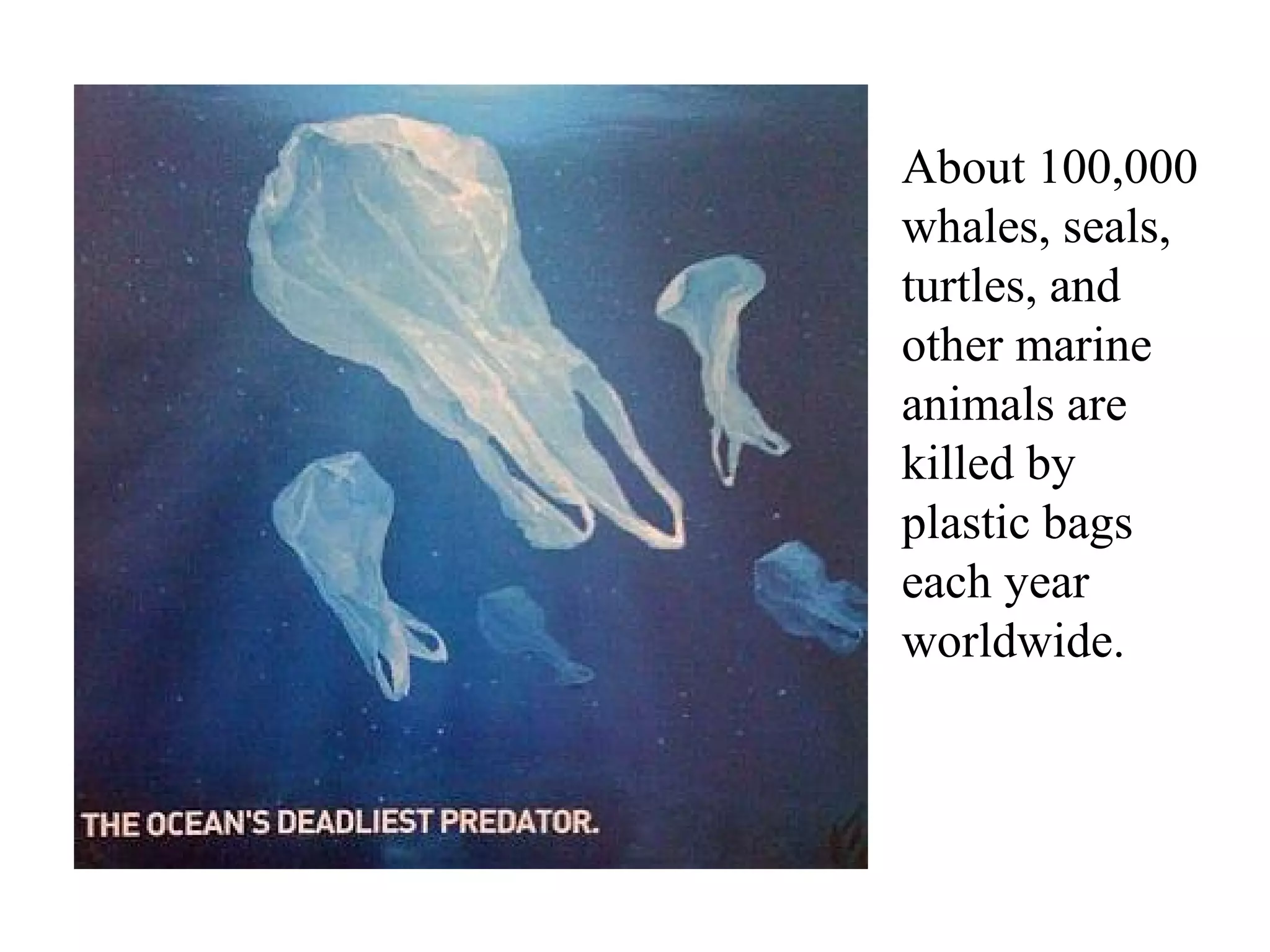
About 100,000
whales, seals,
turtles, and
other marine
animals are
killed by
plastic bags
each year
worldwide.
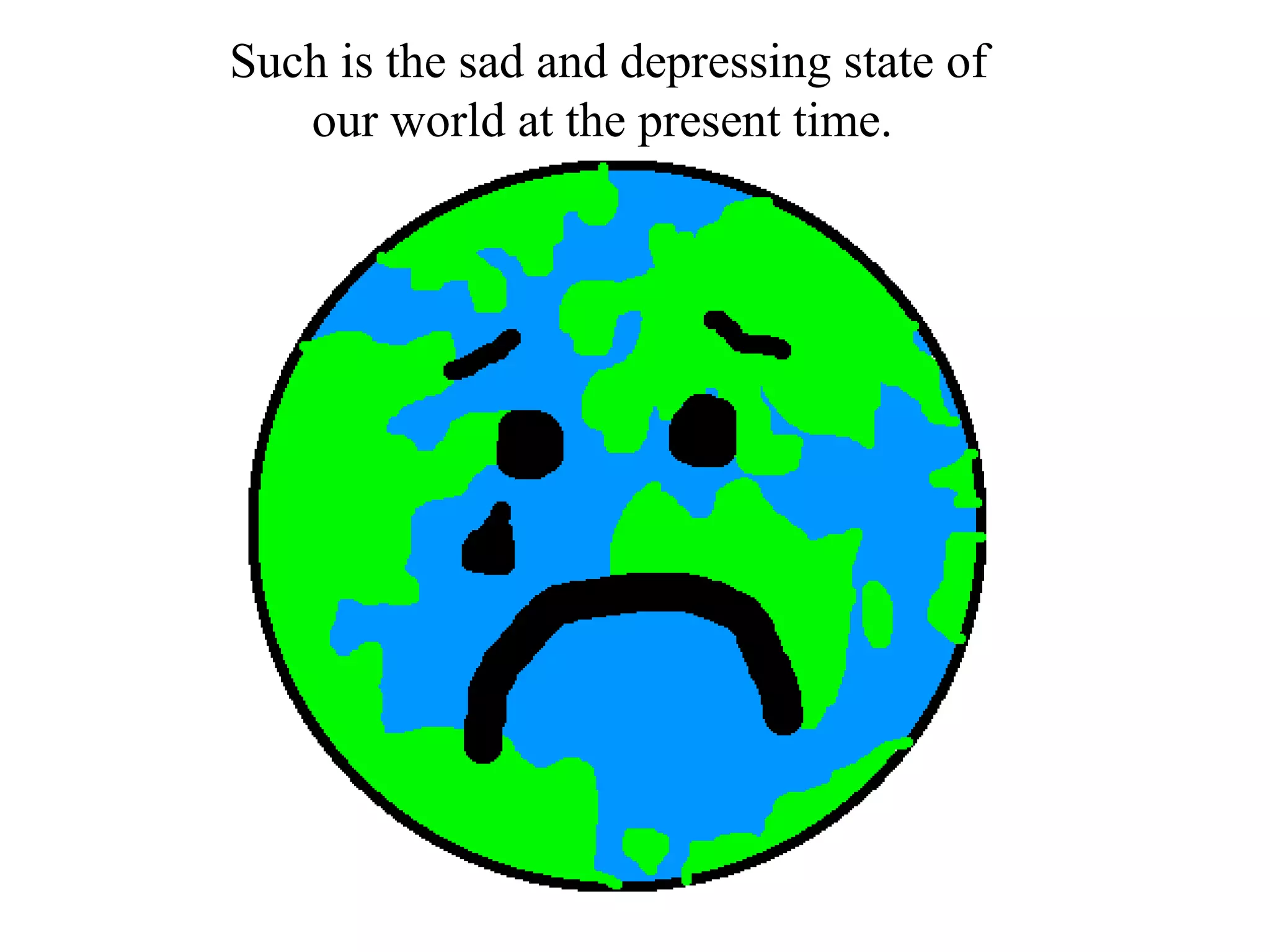
Such is the sad and depressing state of
   our world at the present time.
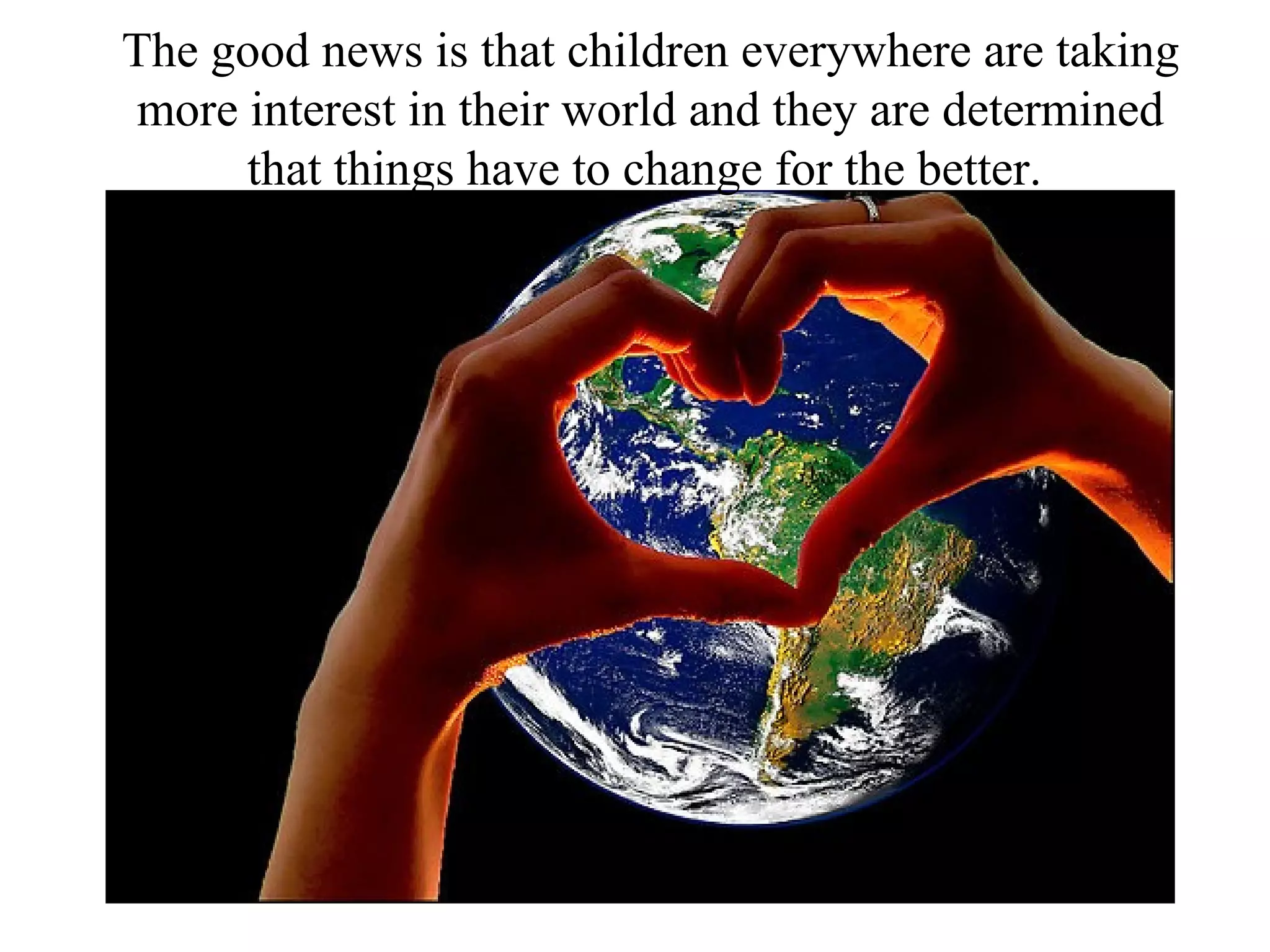
The good news is that children everywhere are taking
 more interest in their world and they are determined
      that things have to change for the better.
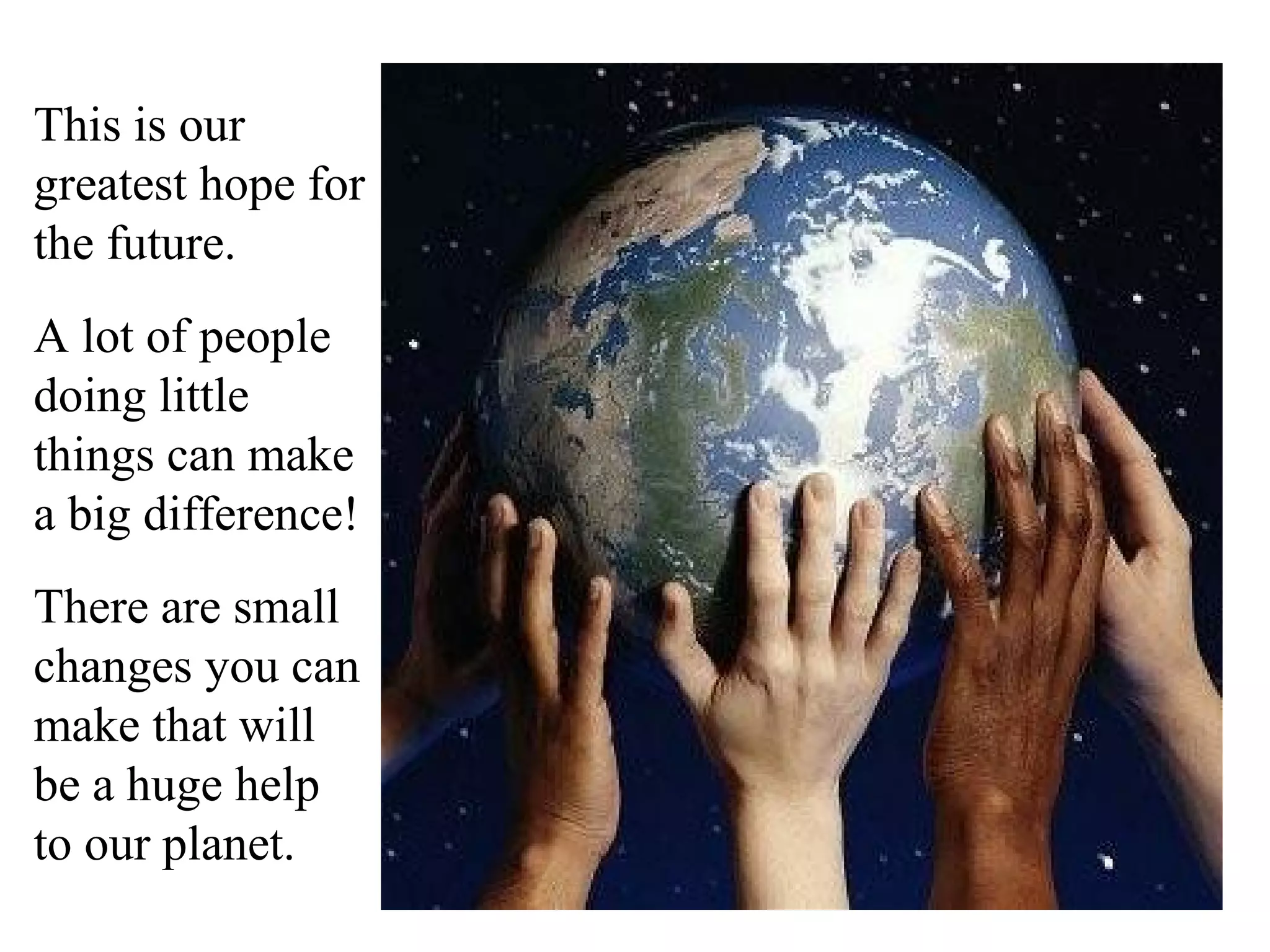
This is our
greatest hope for
the future.
A lot of people
doing little
things can make
a big difference!
There are small
changes you can
make that will
be a huge help
to our planet.
Remember the 4 R’s…


    Reduce
    Reuse
    Recycle
    Rot
Reduce…
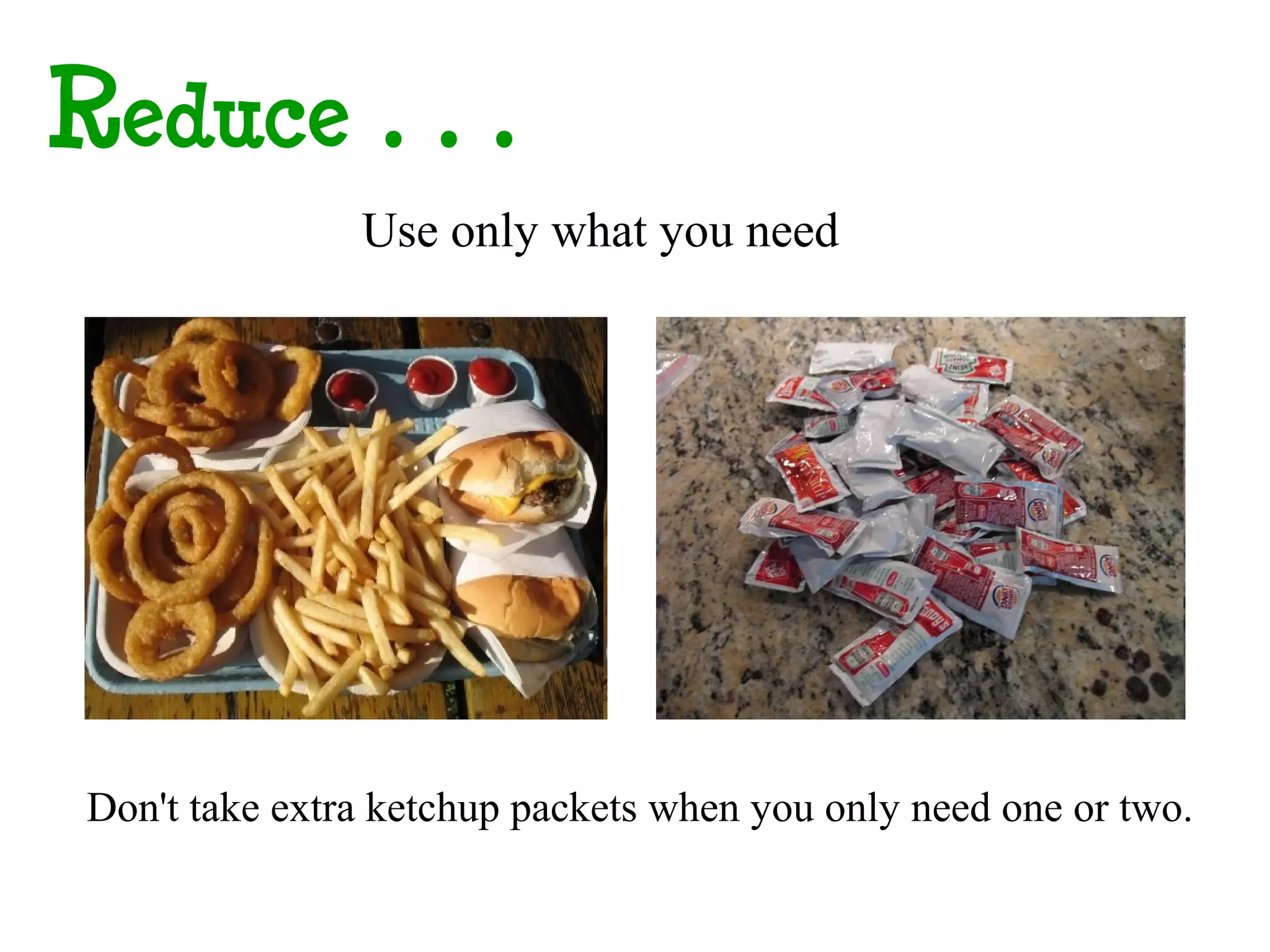
               Use only what you need


Don't take extra ketchup packets when you only need one or two.
Reduce…


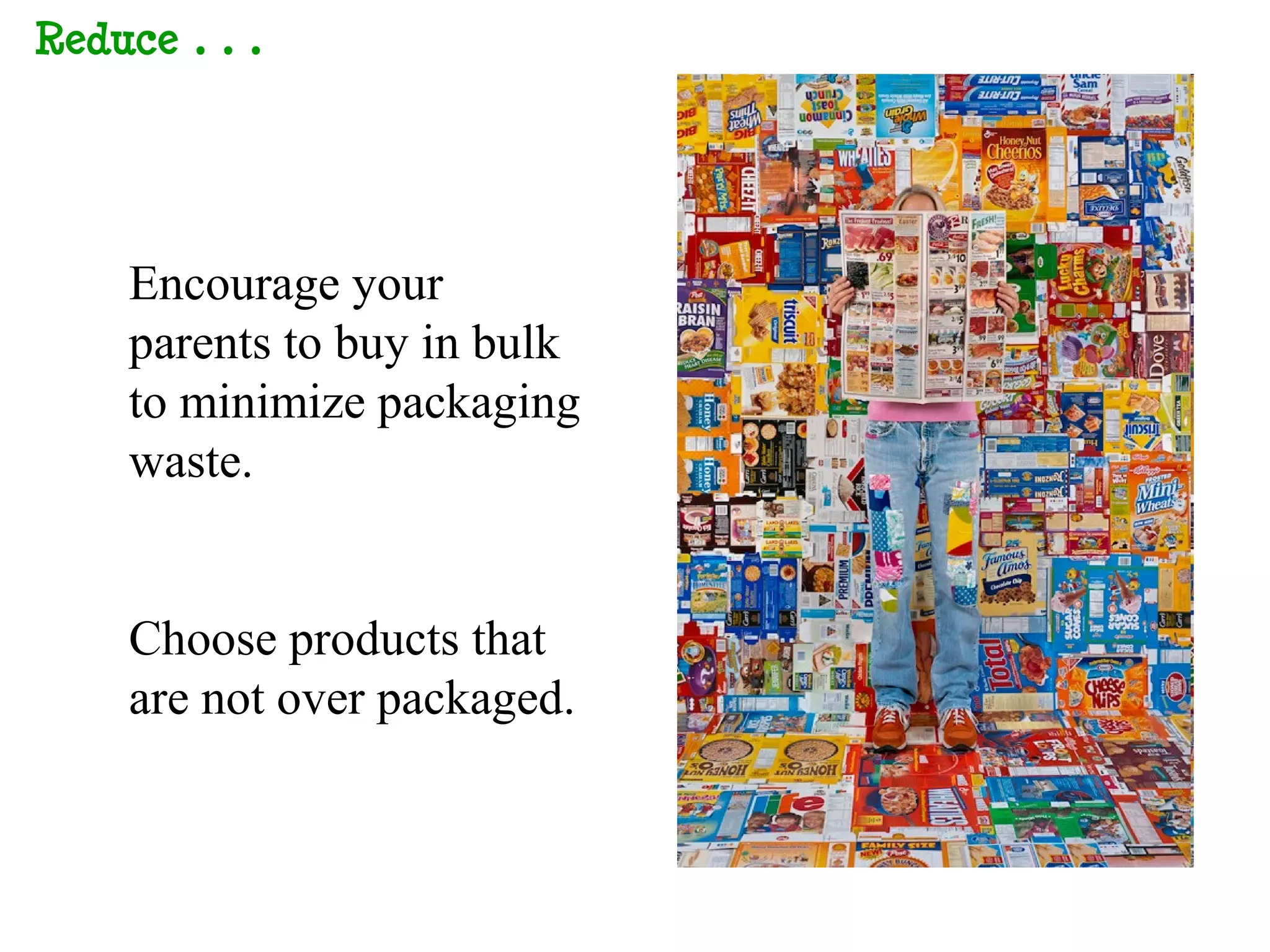
  Encourage your
  parents to buy in bulk
  to minimize packaging
  waste.


  Choose products that
  are not over packaged.
Reuse…
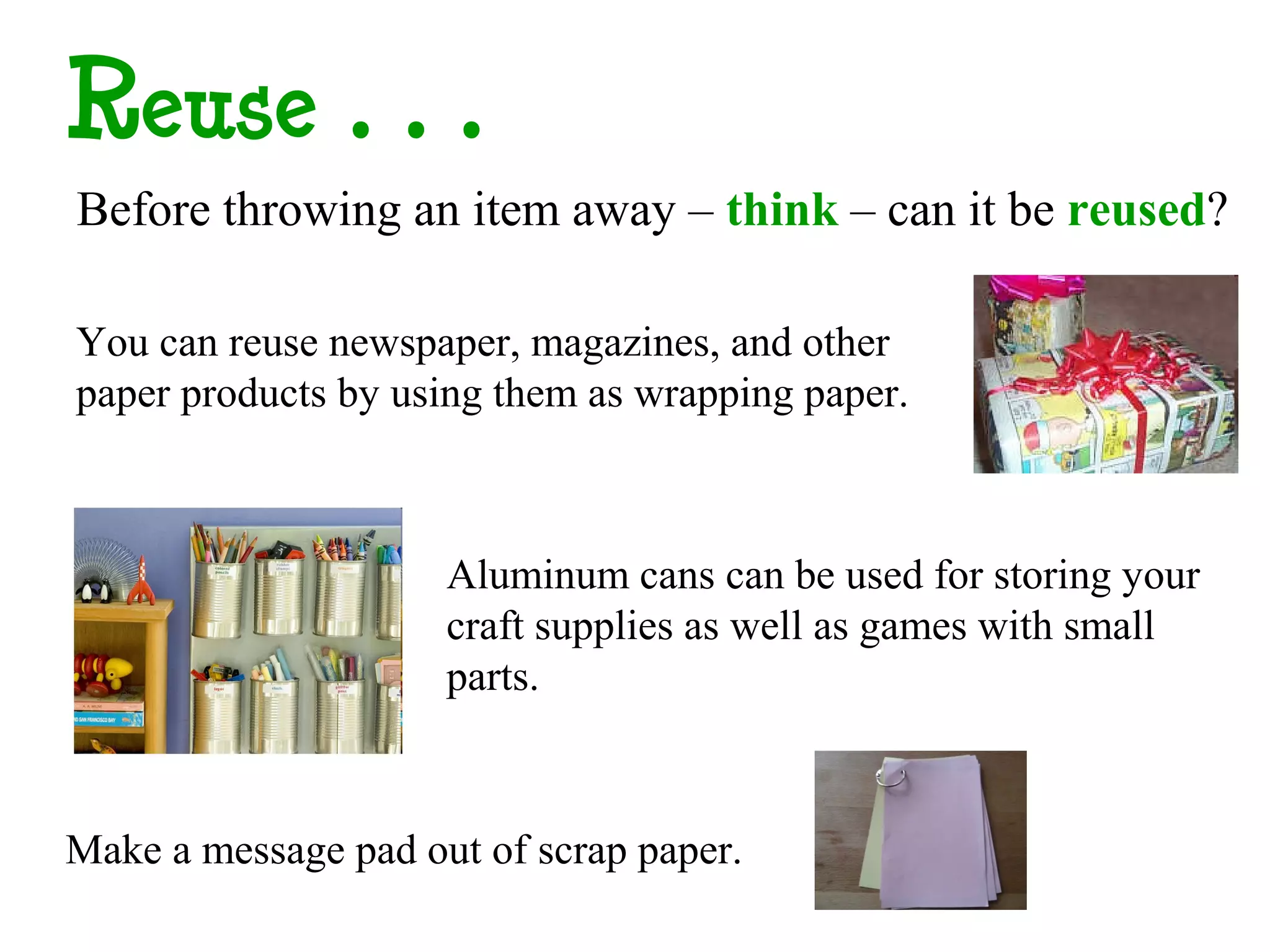
Before throwing an item away – think – can it be reused?

You can reuse newspaper, magazines, and other
paper products by using them as wrapping paper.


                     Aluminum cans can be used for storing your
                     craft supplies as well as games with small
                     parts.


Make a message pad out of scrap paper.
Reuse…


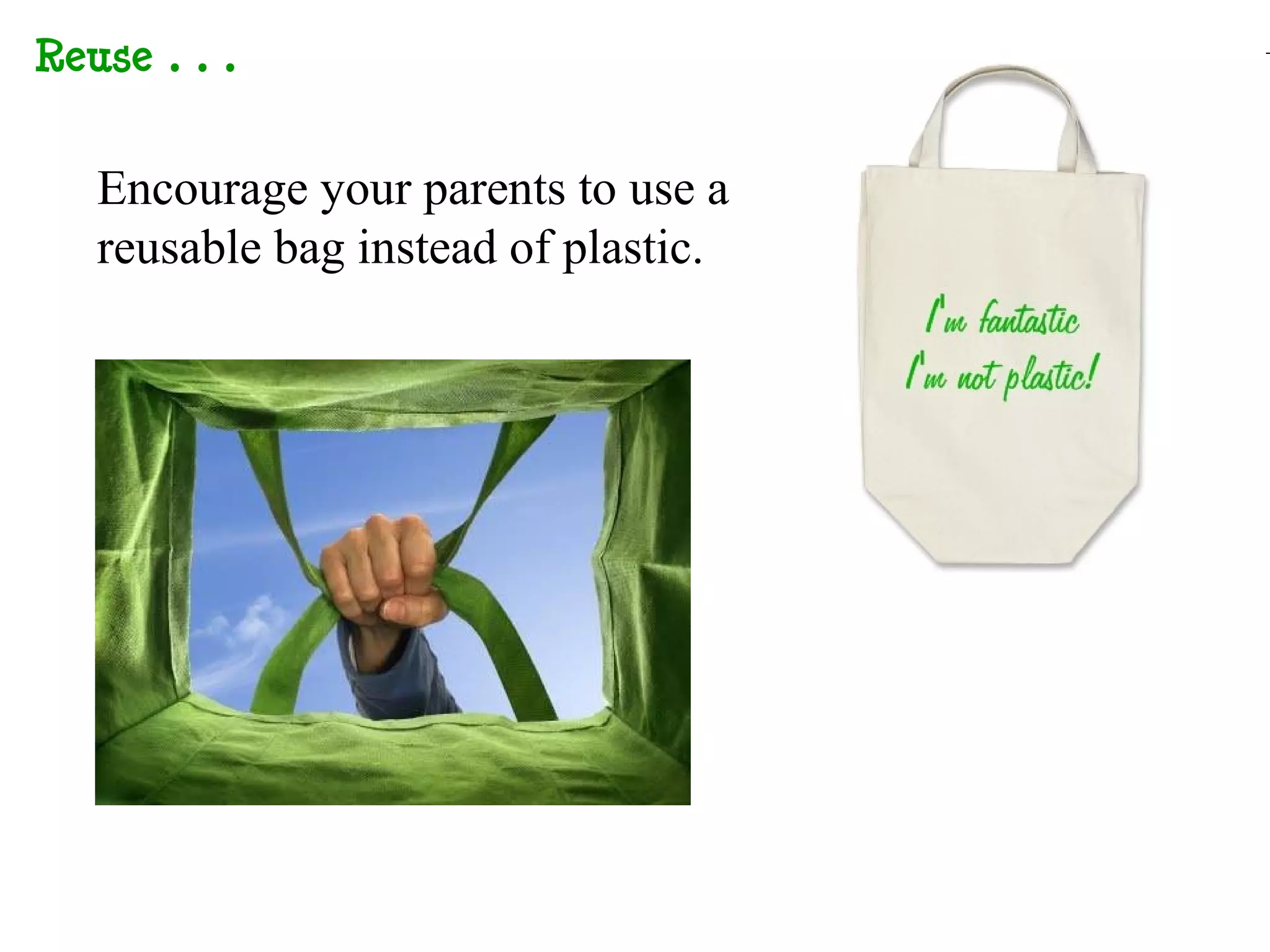
 Encourage your parents to use a
 reusable bag instead of plastic.
Recycle…
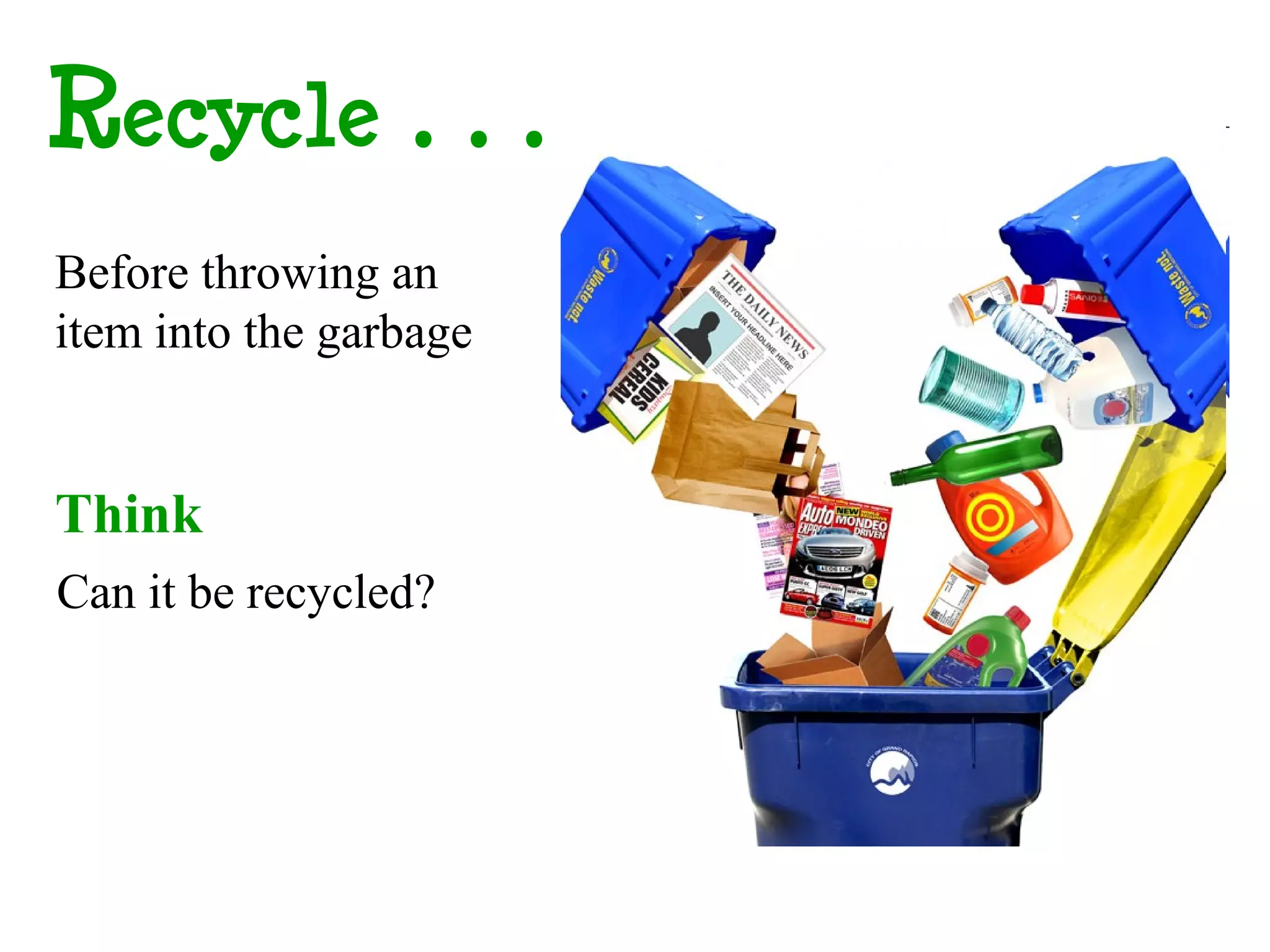
Before throwing an
item into the garbage


Think
Can it be recycled?
Recycle…


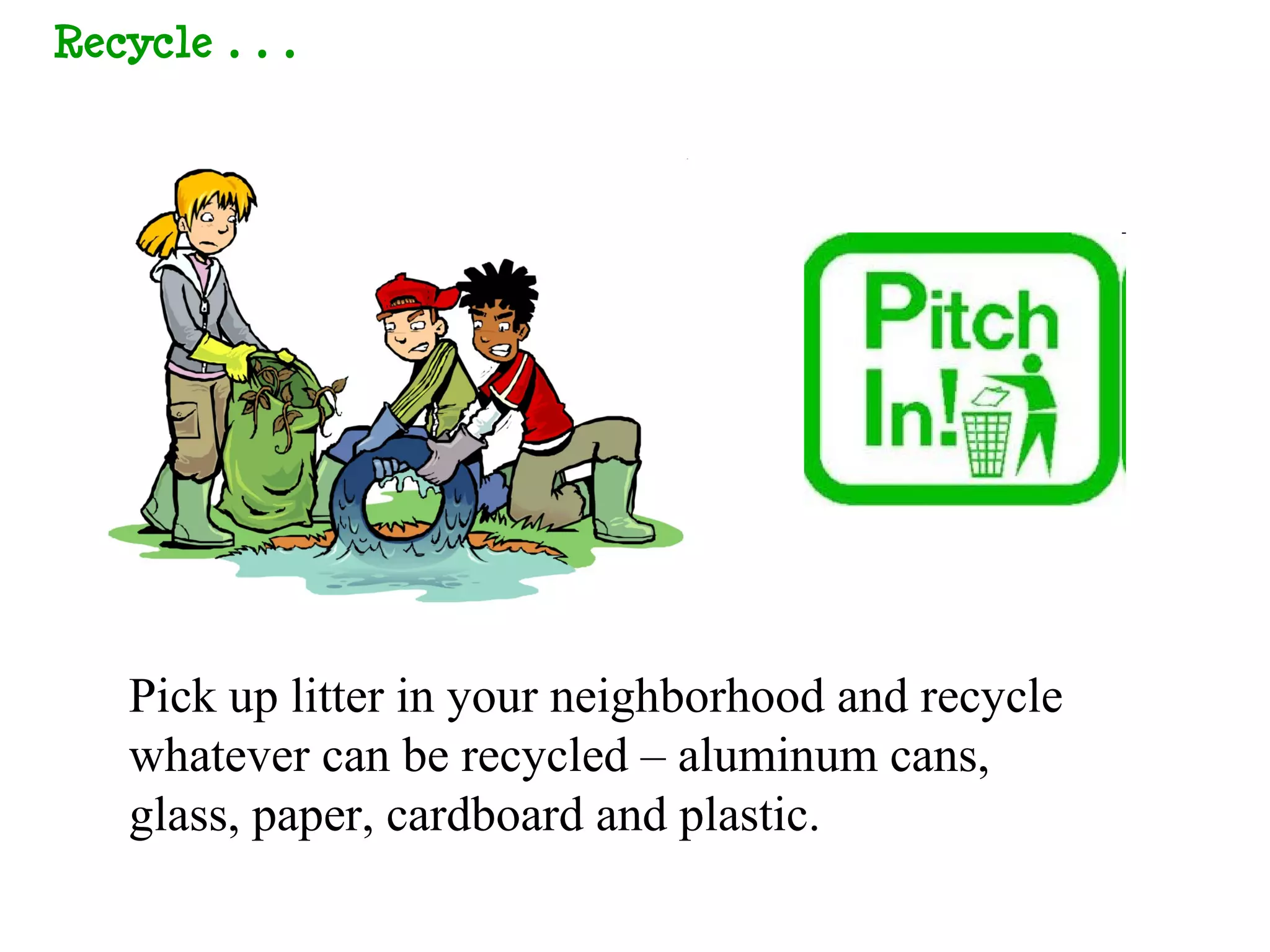
  Pick up litter in your neighborhood and recycle
  whatever can be recycled – aluminum cans,
  glass, paper, cardboard and plastic.
Rot…
(or Compost)

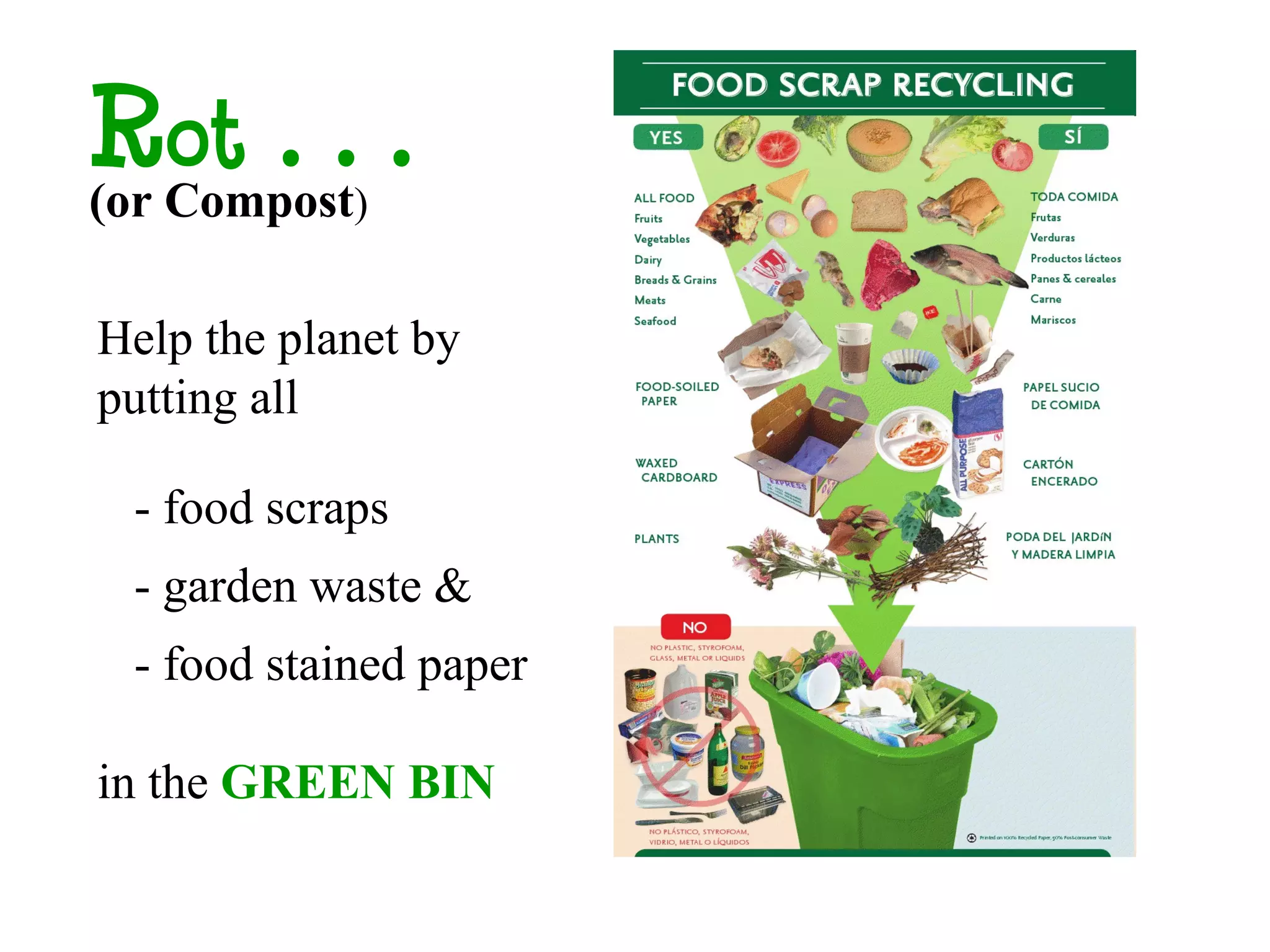
Help the planet by
putting all

 - food scraps
 - garden waste &
 - food stained paper

in the GREEN BIN
Conserve Energy and
Water…


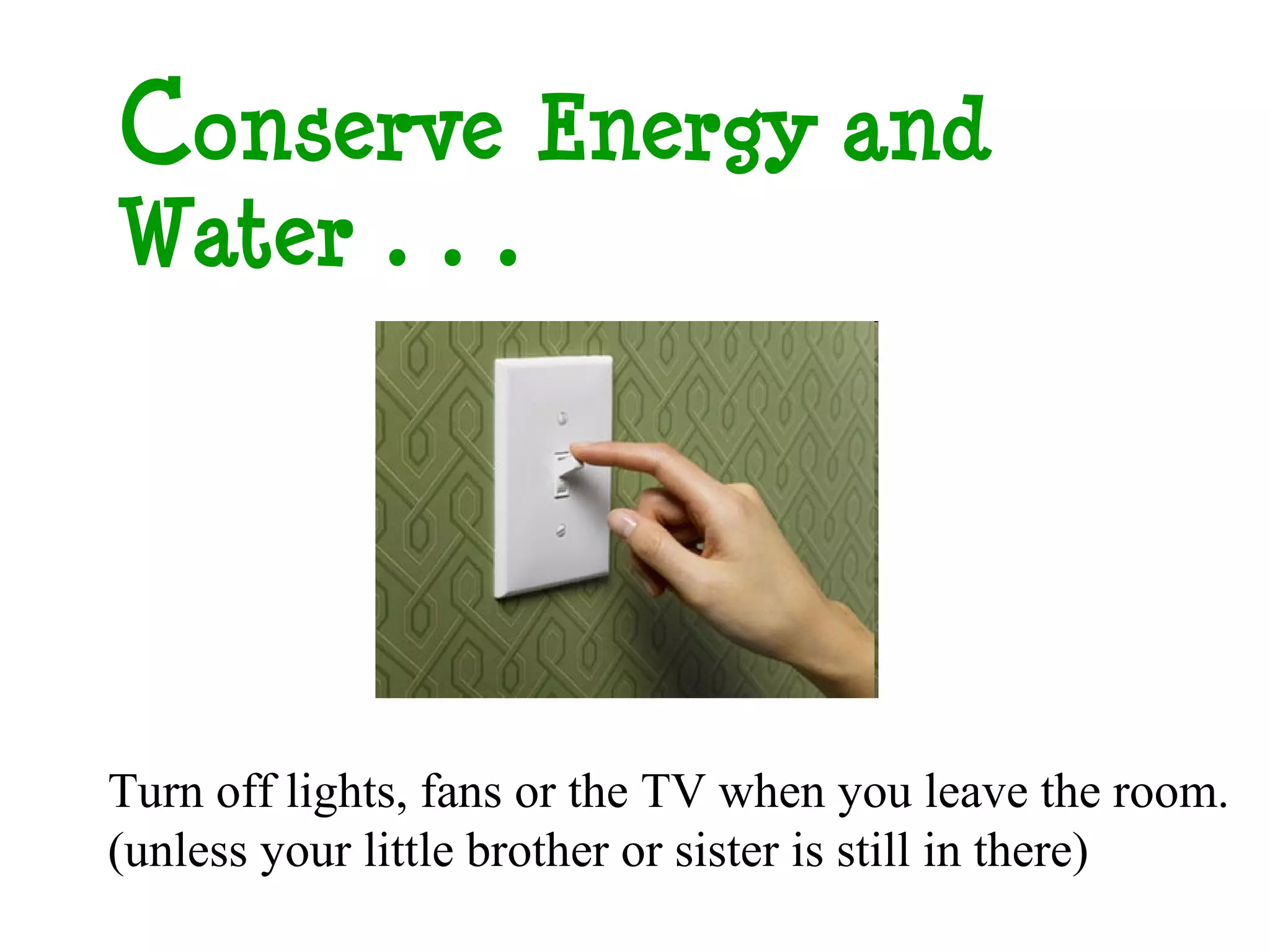
Turn off lights, fans or the TV when you leave the room.
(unless your little brother or sister is still in there)
Conserve Energy and Water…


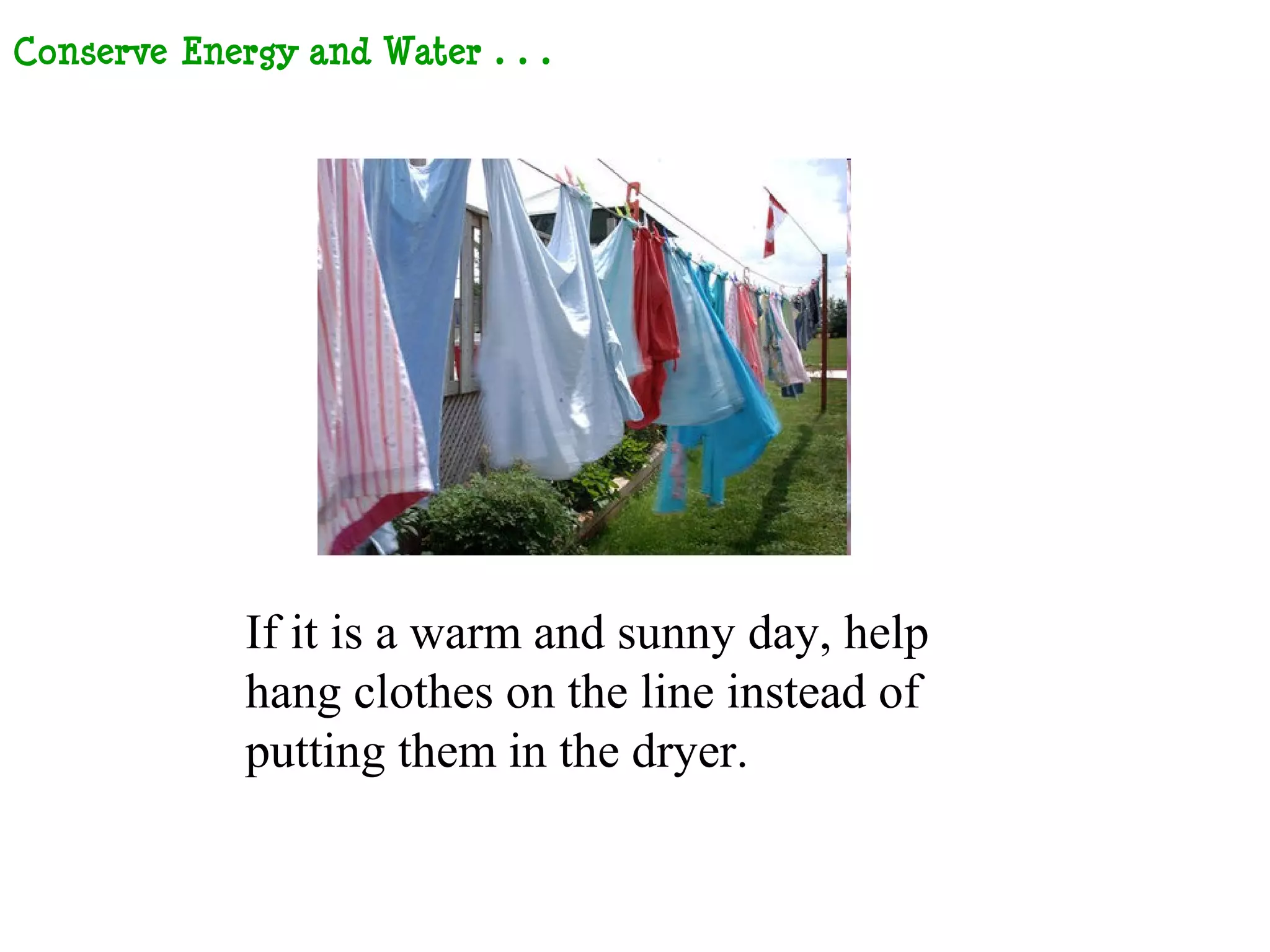
           If it is a warm and sunny day, help
           hang clothes on the line instead of
           putting them in the dryer.
Conserve Energy and Water…


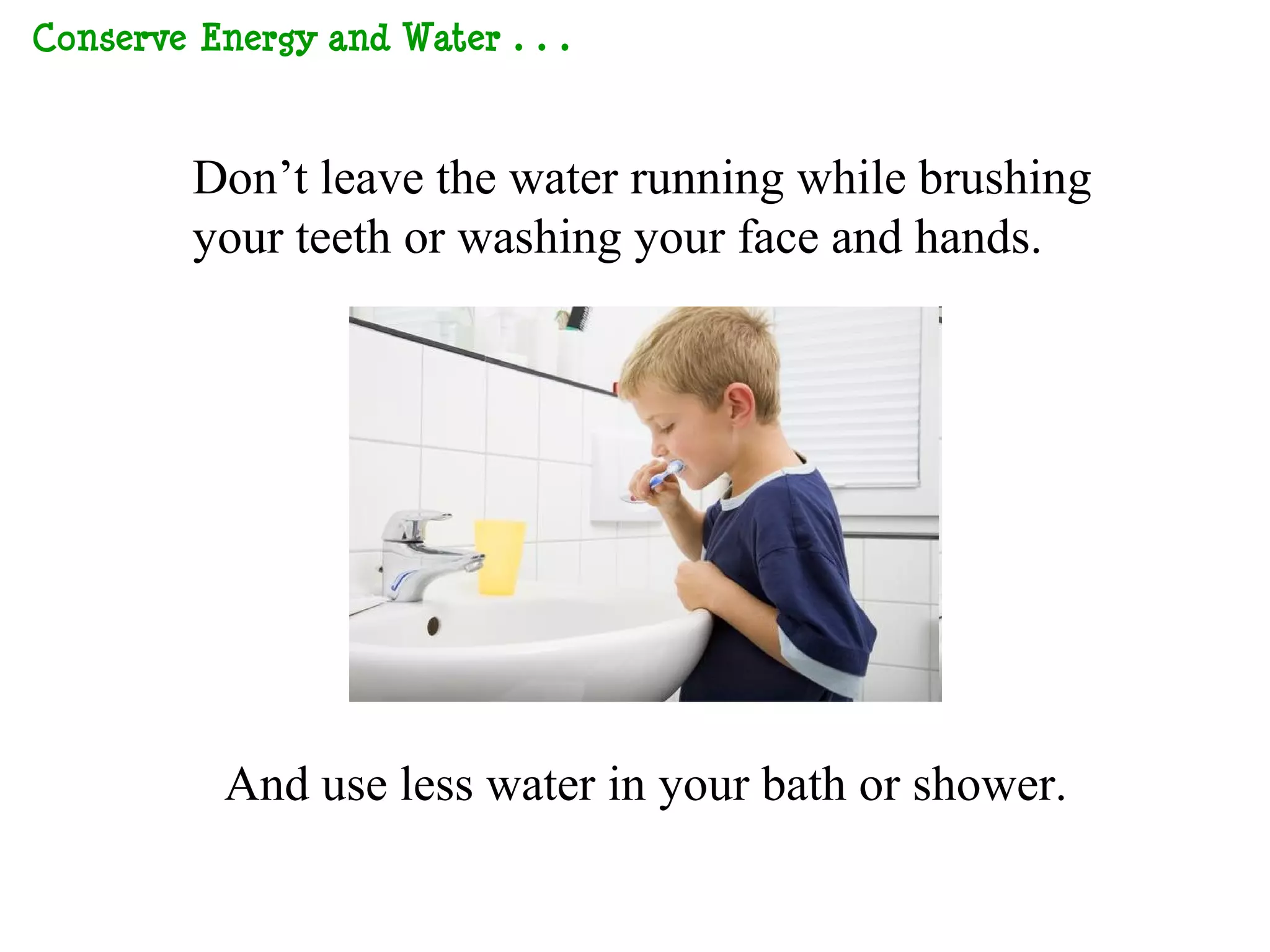
       Don’t leave the water running while brushing
       your teeth or washing your face and hands.


         And use less water in your bath or shower.
e for the Air…
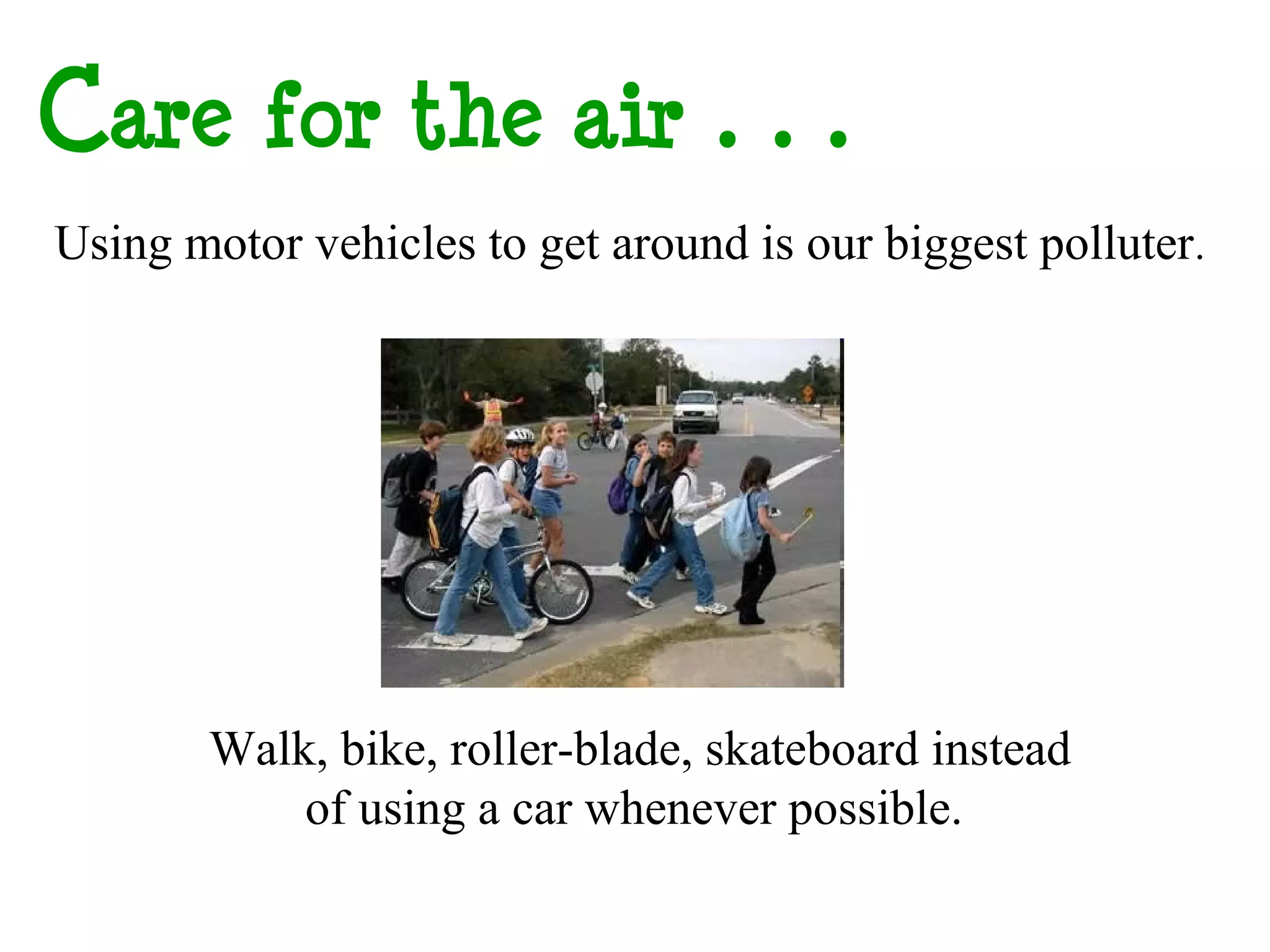
 Using motor vehicles to get around is our biggest polluter.


        Walk, bike, roller-blade, skateboard instead
            of using a car whenever possible.
e for the Air…

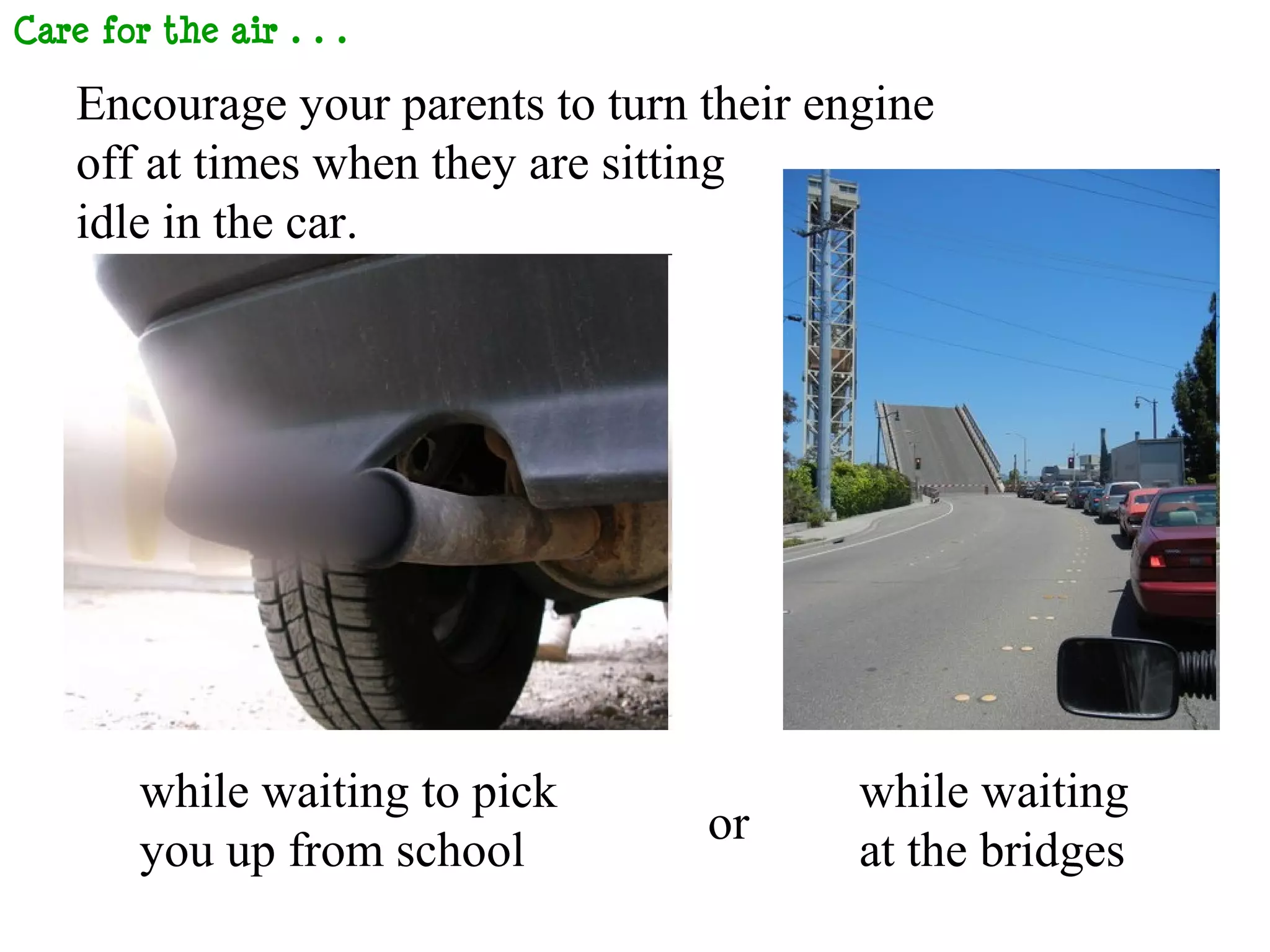
    Encourage your parents to turn their engine
    off at times when they are sitting
    idle in the car.


       while waiting to pick               while waiting
                                   or
       you up from school                  at the bridges
Care for the Air…

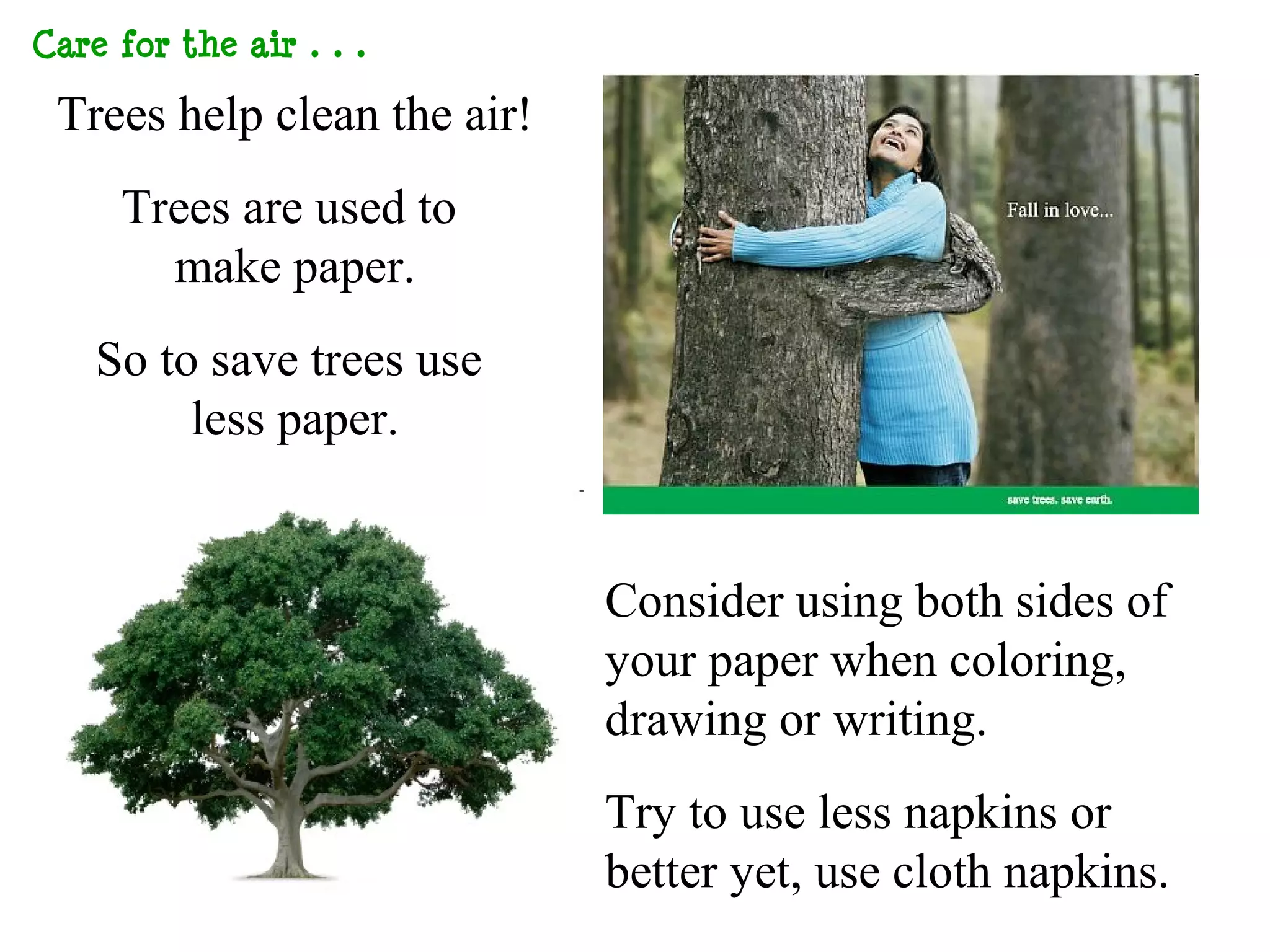
 Trees help clean the air!
    Trees are used to
      make paper.
   So to save trees use
        less paper.


                             Consider using both sides of
                             your paper when coloring,
                             drawing or writing.
                             Try to use less napkins or
                             better yet, use cloth napkins.
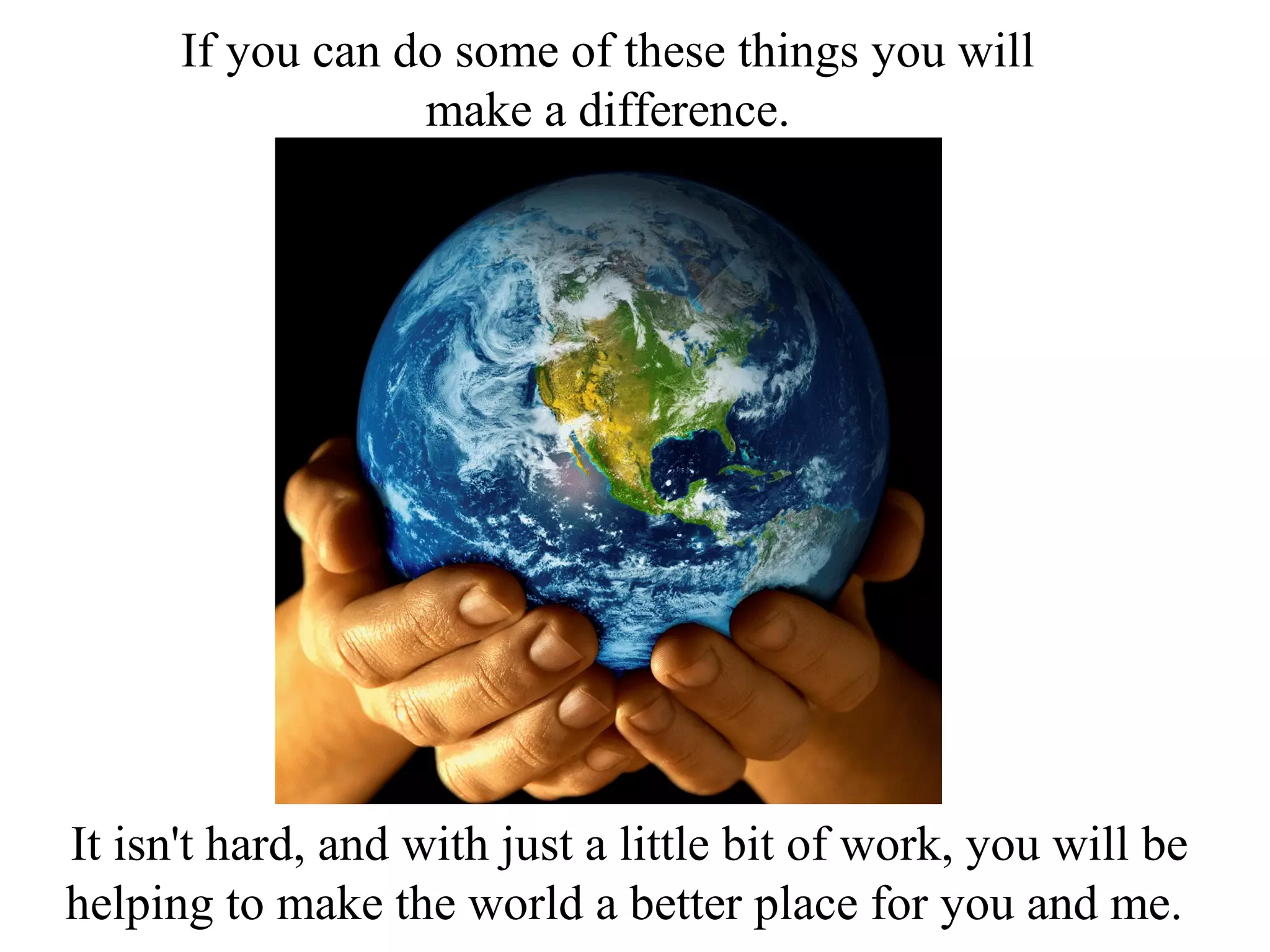
If you can do some of these things you will
                  make a difference.


It isn't hard, and with just a little bit of work, you will be
helping to make the world a better place for you and me.
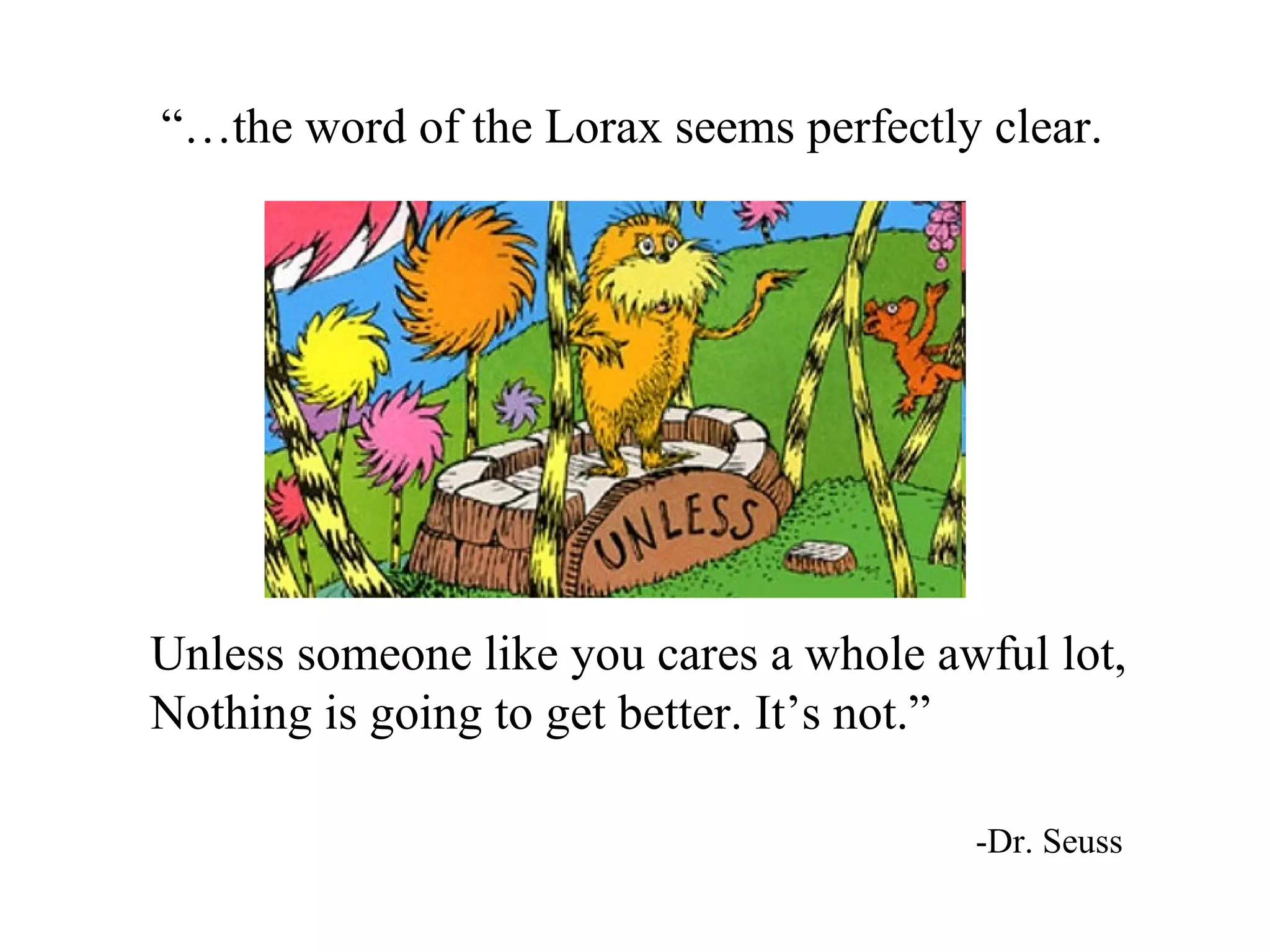
“…the word of the Lorax seems perfectly clear.


Unless someone like you cares a whole awful lot,
Nothing is going to get better. It’s not.”

                                        -Dr. Seuss
Sources


http://www.planetpals.com/planetpals_story.html
http://en.wikipedia.org/wiki/Earth_Day
www.ypte.org.uk/factsheet_38_test.pdf
http://iphone.issues.cc/iphoneDetails.php?id=948
www.timesnews.net/article.php?id=9022304
http://your-water.net/bottled-water-facts.html
www.zendergroup.org/docs/plastics_styro.pdf
www.enzymoplast.com/about-enzymoplast.html

Make Earth Day Every Day

  • 1.
    A long timeago there was this planet
  • 2.
    with land andwater and creatures that live on it.
  • 3.
    Among the manycreatures, were people like you.
  • 4.
    As you canimagine, the number grew and they grew...
  • 5.
    They built housesfrom trees that they could live in
  • 6.
    and ate foodfrom packages made of paper and tin.
  • 7.
    They made allkinds of objects that helped them go far
  • 8.
  • 9.
  • 10.
  • 11.
  • 12.
    They built highways,and buildings,
  • 13.
  • 14.
  • 15.
  • 16.
    and so verymuch more!
  • 17.
    The planet becamecrowded with so little space
  • 18.
    and always somethingnew to take over each place.
  • 19.
    Where nature onceflourished, was covered with stuff. Then along came concerned people who said, “This is enough!”
  • 20.
    Look at thisplanet. It's under such stress! If we make changes now, we will avoid a big mess.
  • 21.
    If you lendus a hand, we will all work together. We will be able to make our world better.
  • 22.
    On April 22ndit will be Earth Day! This is a very special day that celebrates the Earth. It is a time to appreciate nature and learn ways to protect our planet.
  • 23.
    This week youwill be invited to participate in various activities in honor of Earth day.
  • 24.
    Let’s reflect onthe condition of our planet and focus on ways we can help take care of it…
  • 25.
    On average, everysecond, five people are born. The global population is doubling every 40 years.
  • 26.
    The human populationhas now hit 7 billion and the rate of increase is speeding up all the time.
  • 27.
    More and moreland is being taken by humans for building, farming, roads, airports, reservoirs etc.
  • 28.
    Forests are beingchopped down either because we want to use the wood or we need the land for other purposes. The ‘wild’ land is shrinking all over the world as humans grab it for their own needs.
  • 29.
    This is takingaway the habitats of countless species of animals and plants and many of them will become extinct.
  • 30.
    Wonderful animal species like the elephant, rhino and whale are on the edge of extinction in the wild.
  • 31.
    We are pollutingour planet – causing poisoning of the land, air, and sea. The gases we are carelessly generating here on Earth are drifting up into the atmosphere and causing great damage.
  • 32.
    Some of thesegases have created ‘holes’ in the fragile layer of gases we call the ozone layer. The ozone layer acts as a vital filter to protect us from the harmful rays of the sun. If we cause too much damage to the ozone layer, it could have very serious consequences for the earth. This includes all the animals and human life!
  • 33.
    Another problem wehave is our huge appetite for throw away single use plastics. Just think how many -plastic bags, -plastic cups, & -water bottles you went through this past week.
  • 34.
    Because plastics slowlydecay, a vast majority of them still exist - somewhere.
  • 35.
    A lot ofplastic ends up in the ocean.
  • 36.
    Did you realize? The piles of garbage that accumulate in our oceans have caused plastic to be in every bit of plankton. What eats plankton? - fish Who eats fish? - we do
  • 37.
    Every bit ofplastic that has been produced over the past hundred years is somewhere on our earth.
  • 38.
    While the plasticused to bottle beverages is in demand by recyclers,
  • 39.
    over 80% ofplastic bottles are simply thrown away. So 8 out of every 10 plastic bottles are not recycled and end up in landfill.
  • 40.
    There is somuch plastic in our oceans that there are patches the size of Texas.
  • 41.
    This is agreat risk to marine life, killing birds and fish, who mistake our garbage for food.
  • 42.
    Plastic bags areespecially a problem!
  • 43.
    They often endup in nature… and oceans.
  • 44.
    Sea turtles mistakeclear plastic bags for jellyfish.
  • 45.
    Birds swoop downand swallow the plastic.
  • 46.
    Plastics take decadesto break down and as long as they float on the ocean's surface, they can appear as feeding grounds.
  • 47.
    The animals diebecause plastic eventually fills their stomachs; it doesn't pass and they literally starve to death.
  • 48.
    Plastic bags don’t haveto be eaten to harm the animals. Plastic bags can wrap around animals.
  • 49.
    About 100,000 whales, seals, turtles,and other marine animals are killed by plastic bags each year worldwide.
  • 50.
    Such is thesad and depressing state of our world at the present time.
  • 51.
    The good newsis that children everywhere are taking more interest in their world and they are determined that things have to change for the better.
  • 52.
    This is our greatesthope for the future. A lot of people doing little things can make a big difference! There are small changes you can make that will be a huge help to our planet.
  • 53.
    Remember the 4R’s… Reduce Reuse Recycle Rot
  • 54.
    Reduce… Use only what you need Don't take extra ketchup packets when you only need one or two.
  • 55.
    Reduce… Encourageyour parents to buy in bulk to minimize packaging waste. Choose products that are not over packaged.
  • 56.
    Reuse… Before throwing anitem away – think – can it be reused? You can reuse newspaper, magazines, and other paper products by using them as wrapping paper. Aluminum cans can be used for storing your craft supplies as well as games with small parts. Make a message pad out of scrap paper.
  • 57.
    Reuse… Encourage yourparents to use a reusable bag instead of plastic.
  • 58.
    Recycle… Before throwing an iteminto the garbage Think Can it be recycled?
  • 59.
    Recycle… Pickup litter in your neighborhood and recycle whatever can be recycled – aluminum cans, glass, paper, cardboard and plastic.
  • 60.
    Rot… (or Compost) Help theplanet by putting all - food scraps - garden waste & - food stained paper in the GREEN BIN
  • 61.
    Conserve Energy and Water… Turnoff lights, fans or the TV when you leave the room. (unless your little brother or sister is still in there)
  • 62.
    Conserve Energy andWater… If it is a warm and sunny day, help hang clothes on the line instead of putting them in the dryer.
  • 63.
    Conserve Energy andWater… Don’t leave the water running while brushing your teeth or washing your face and hands. And use less water in your bath or shower.
  • 64.
    e for theAir… Using motor vehicles to get around is our biggest polluter. Walk, bike, roller-blade, skateboard instead of using a car whenever possible.
  • 65.
    e for theAir… Encourage your parents to turn their engine off at times when they are sitting idle in the car. while waiting to pick while waiting or you up from school at the bridges
  • 66.
    Care for theAir… Trees help clean the air! Trees are used to make paper. So to save trees use less paper. Consider using both sides of your paper when coloring, drawing or writing. Try to use less napkins or better yet, use cloth napkins.
  • 67.
    If you cando some of these things you will make a difference. It isn't hard, and with just a little bit of work, you will be helping to make the world a better place for you and me.
  • 68.
    “…the word ofthe Lorax seems perfectly clear. Unless someone like you cares a whole awful lot, Nothing is going to get better. It’s not.” -Dr. Seuss
  • 71.