DDPCR AND ITS ROLE IN
RESEARCH AND DIAGNOSIS
Presentor : Dr. Sadiya Shaikh
Moderator : Dr Samridhi
Chairperson : Dr Sachin Kolte
CONTENTS
• Introduction
• Timeline of PCR
• ​Basics of PCR
• Digital PCR
• DDPCR
• Application of DDPCR in research and diagnosis
• ​Summary​
INTRODUCTION 3
• Droplet Digital PCR is a new technology – recently
commercialized to enable the precise quantification of target
nucleic acids in a sample
• Measures absolute quantity by counting nucleic acid molecules
encapsulated in discrete, volumetrically defined , water-in-oil
droplet partitions
TIMELINE OF EVOLUTION OF PCR
4
1988 2010 2011 2013 2020
First concept of PCR First commercial
dPCR machine using
microfluidics chips.
dPCR instrument usin
water in oil emulsion
system
Release of first
commercial nanoplate
base dPCR system.
Microplate based
dPCR introduced
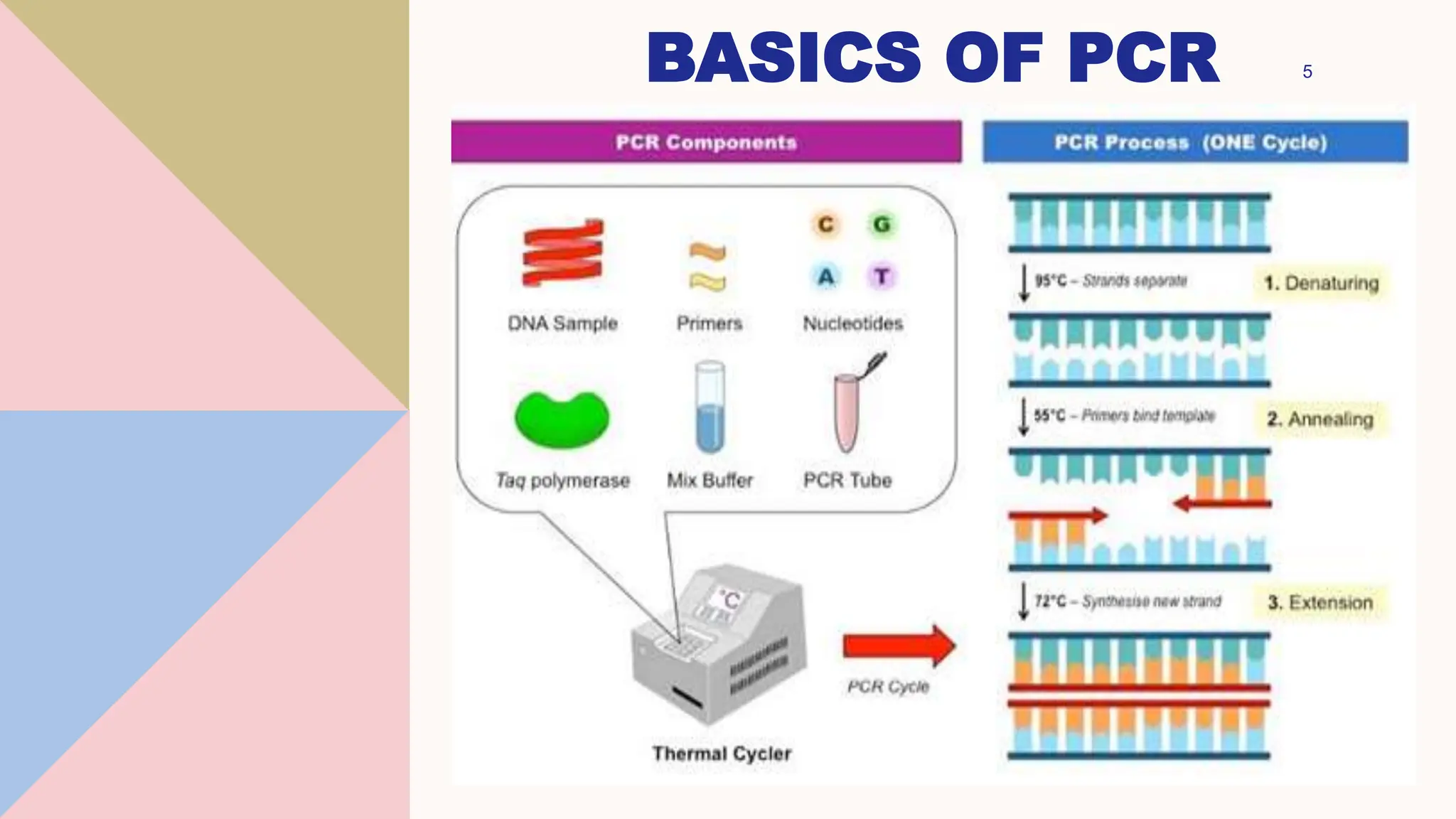
BASICS OF PCR 5
PCR QUANTIFICTION
6
ABSOLUTE
External standards
used, for eg RNA
molecules of known
copy number
variations
Standard curve
plotted at serial
dilution and target
sequence is quantified
as accordingly
RELATIVE
Ratio b/n target gene
and control gene
Housekeeping genes
used and amplified in
the same sample
7
WHAT IS DIGITAL PCR???
8
• Absolute quantification of nucleic acid using methods
of limiting dilution, end point PCR and Poisson
statistics.
• Precise nature of this technique makes it well suited
to detect rare events in complex backgrounds.
• Based on principle of end-point PCR.
9
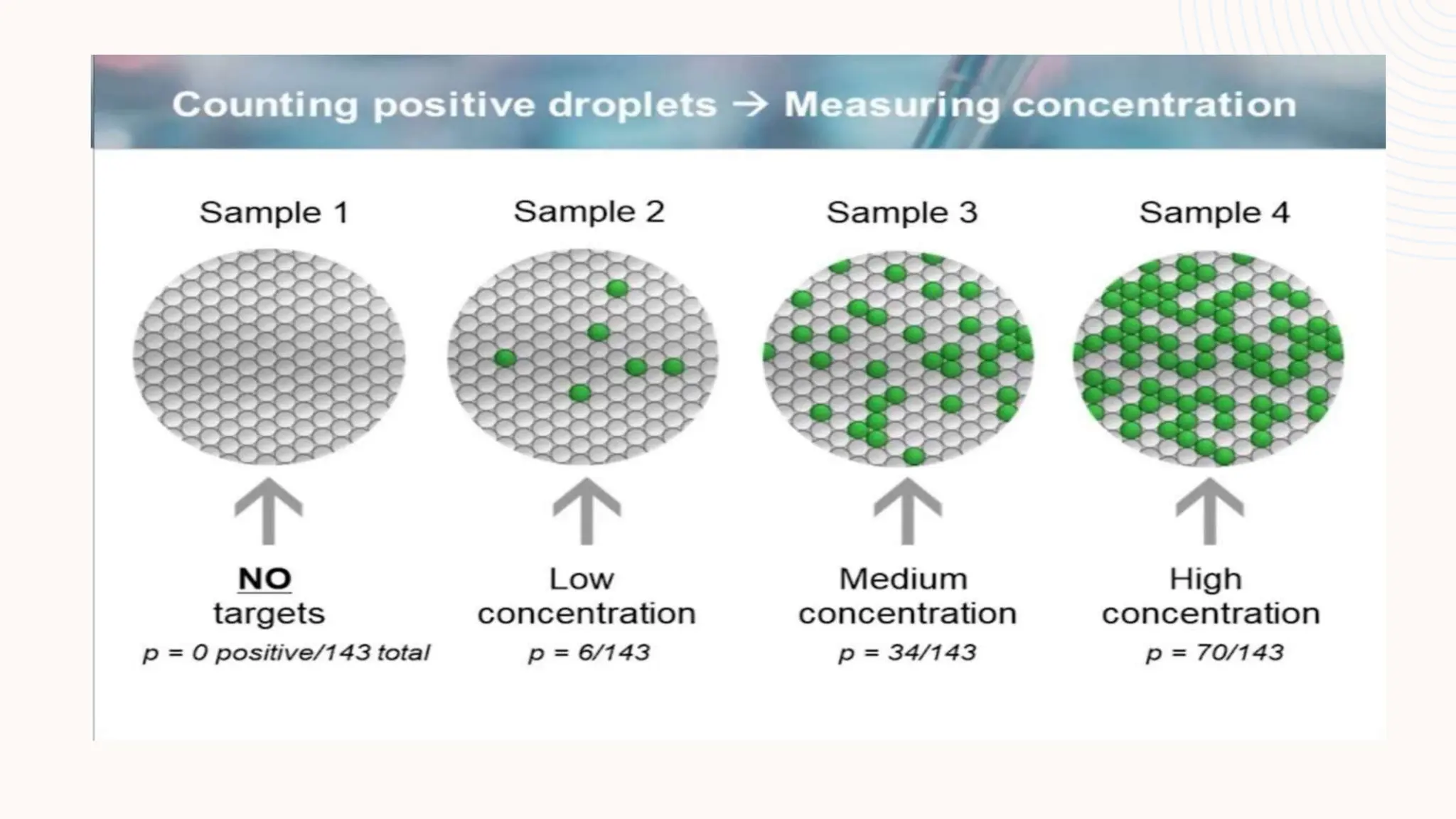
Poisson statistics in digital PCR
• Used to determine the probability of a micro reaction having 0, 1,
2 ,3 etc copies of target molecule
• At low concentration, most of the particles will contain 0 copies
of target molecule and 1 copy in positive partitions
• As the concentration increases, positive partitions will contain
more than 1 copy of target molecule and nothing in negative
partitions
Presentation title 10
Presentation title 11
12
Presentation title 13
BENEFITS OF DIGITAL PCR
Presentation title 15
Improved sensitivity and multiplexing
High reproducibility
Absolute target quantification
High tolerance to inhibitor
Superior precision
COST
EFFICIENCY
16
DISADVANTAGES OF DPCR
Dynamic range
Large amplicons
Bias and variance
Presentation title 17
END POINT PCR QUANTITATIVE PCR DPCR
Method Measures final amount
of PCR products
following completion of
a desired number of
PCR cycles
Measures fluorescence
signals of a bulk
reaction mix after each
PCR cycle
Involves partitioning of
sample into many
compartments, end-
point PCR/fluorescent
signals for each
compartment
Quantification Qualitative to semi-
quantitative
Quantitative based on
standard curves
Quantitative based on
Poisson statistics
Precision + ++ +++
Speed/throughput + +++ ++
Cost + ++ +++
Multiplexing + ++ +++
Ease of use + + +++
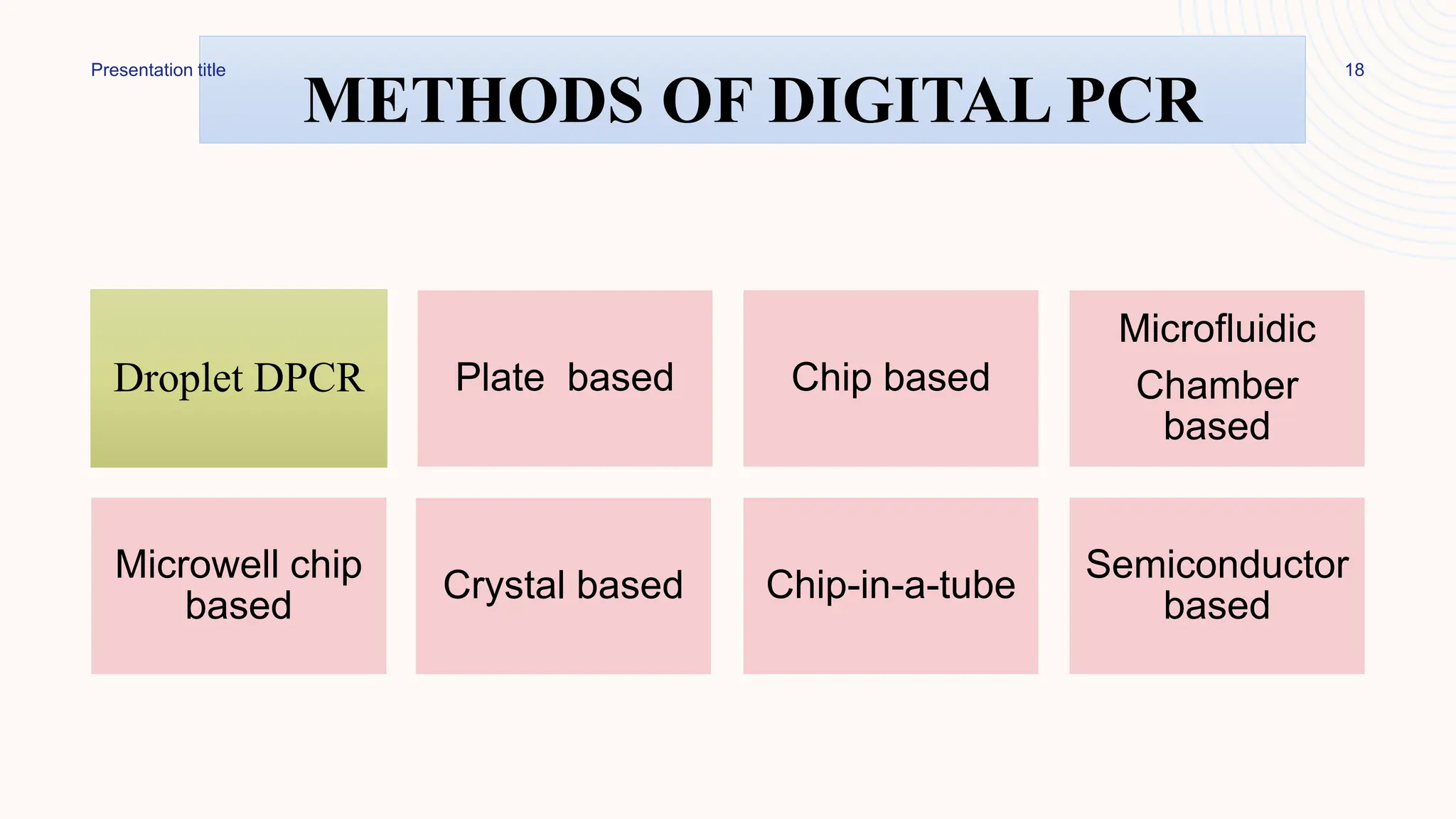
METHODS OF DIGITAL PCR
Presentation title 18
Droplet DPCR Plate based Chip based
Microfluidic
Chamber
based
Microwell chip
based
Crystal based Chip-in-a-tube
Semiconductor
based
DIGITAL DROPLET PCR
Presentation title 19
• Uses system of immiscible fluid in oil to generate thousands of
sub-microliter droplets
• Encapsulation of nucleic acid randomly inside the droplets
which serves as a mini reaction chamber.
• Endpoint PCR performed and sample processed by flow
cytometer to assess the signals in positive partitions
• Number of copies of DNA determined by Poissons statistics.
20
21
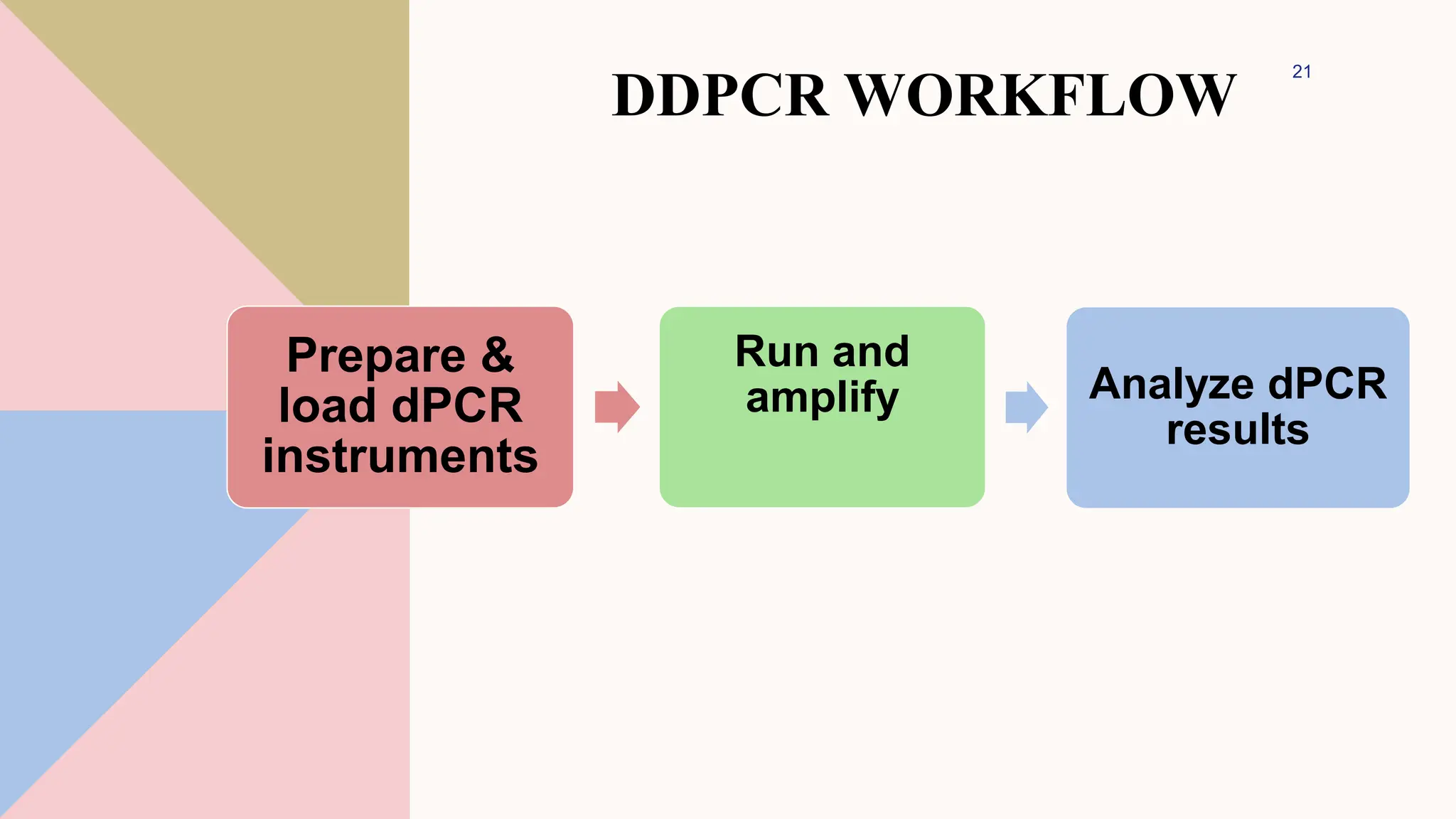
DDPCR WORKFLOW
Prepare &
load dPCR
instruments
Run and
amplify Analyze dPCR
results
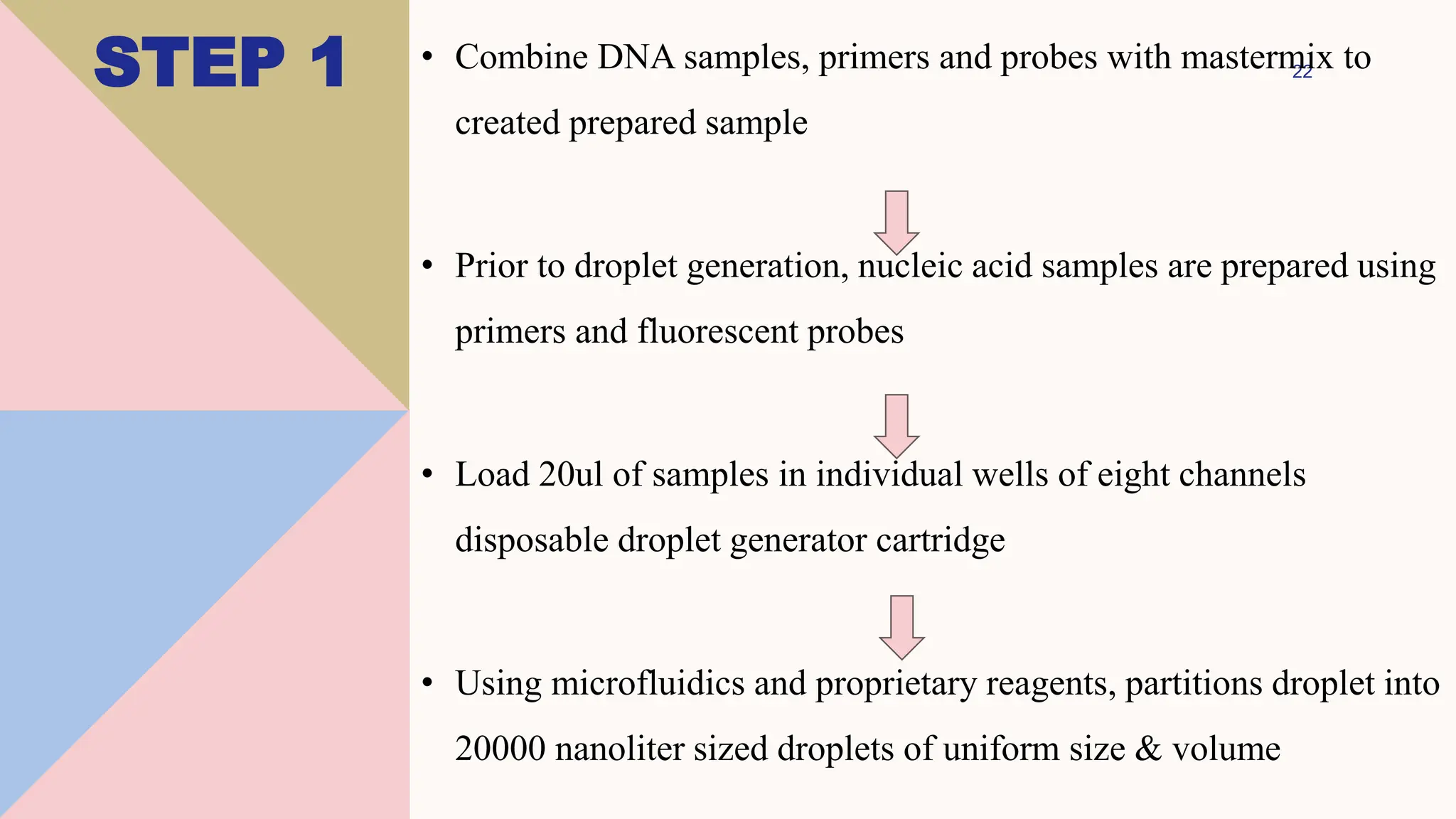
STEP 1 22
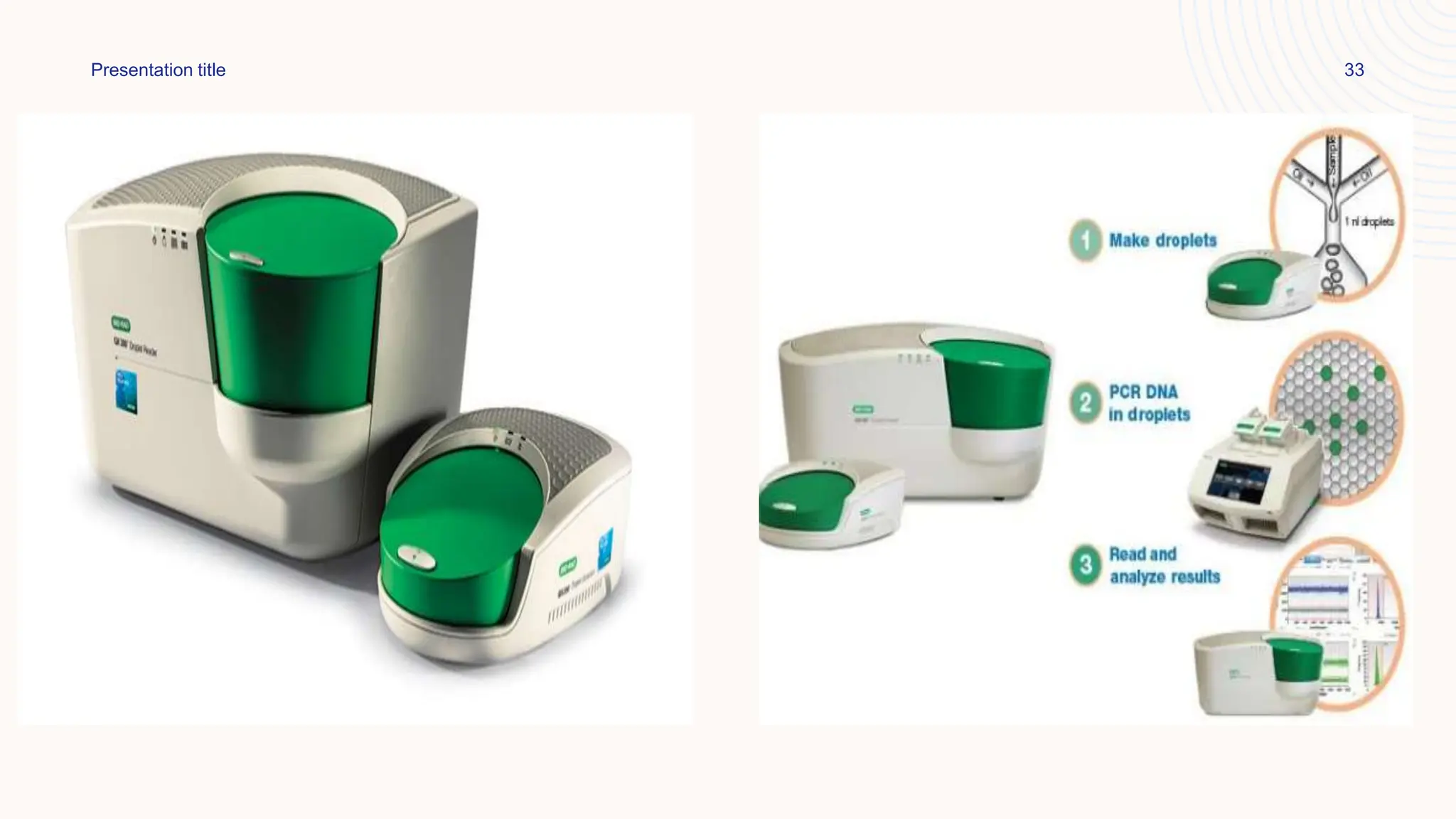
• Combine DNA samples, primers and probes with mastermix to
created prepared sample
• Prior to droplet generation, nucleic acid samples are prepared using
primers and fluorescent probes
• Load 20ul of samples in individual wells of eight channels
disposable droplet generator cartridge
• Using microfluidics and proprietary reagents, partitions droplet into
20000 nanoliter sized droplets of uniform size & volume
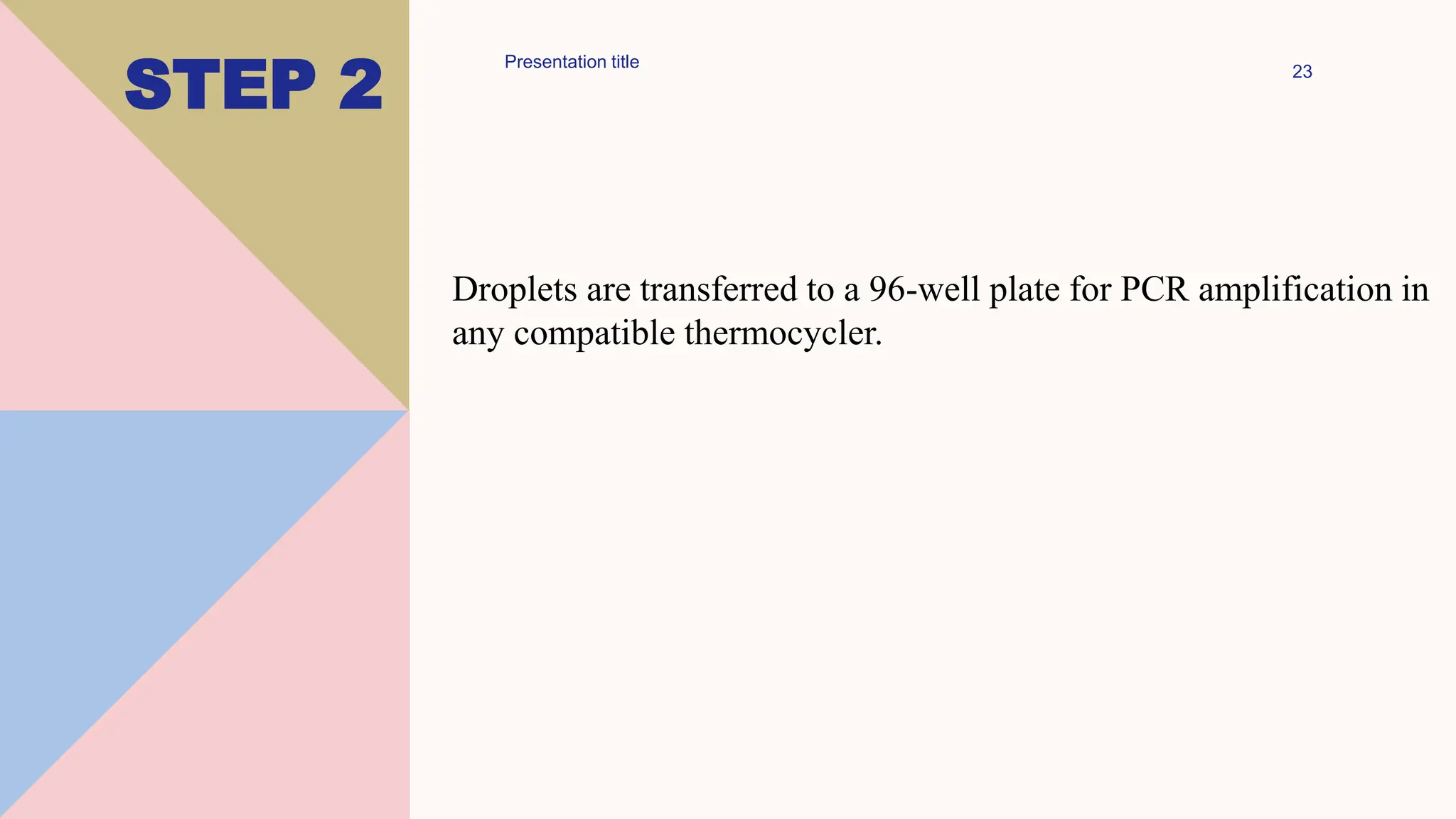
STEP 2
Presentation title
23
Droplets are transferred to a 96-well plate for PCR amplification in
any compatible thermocycler.
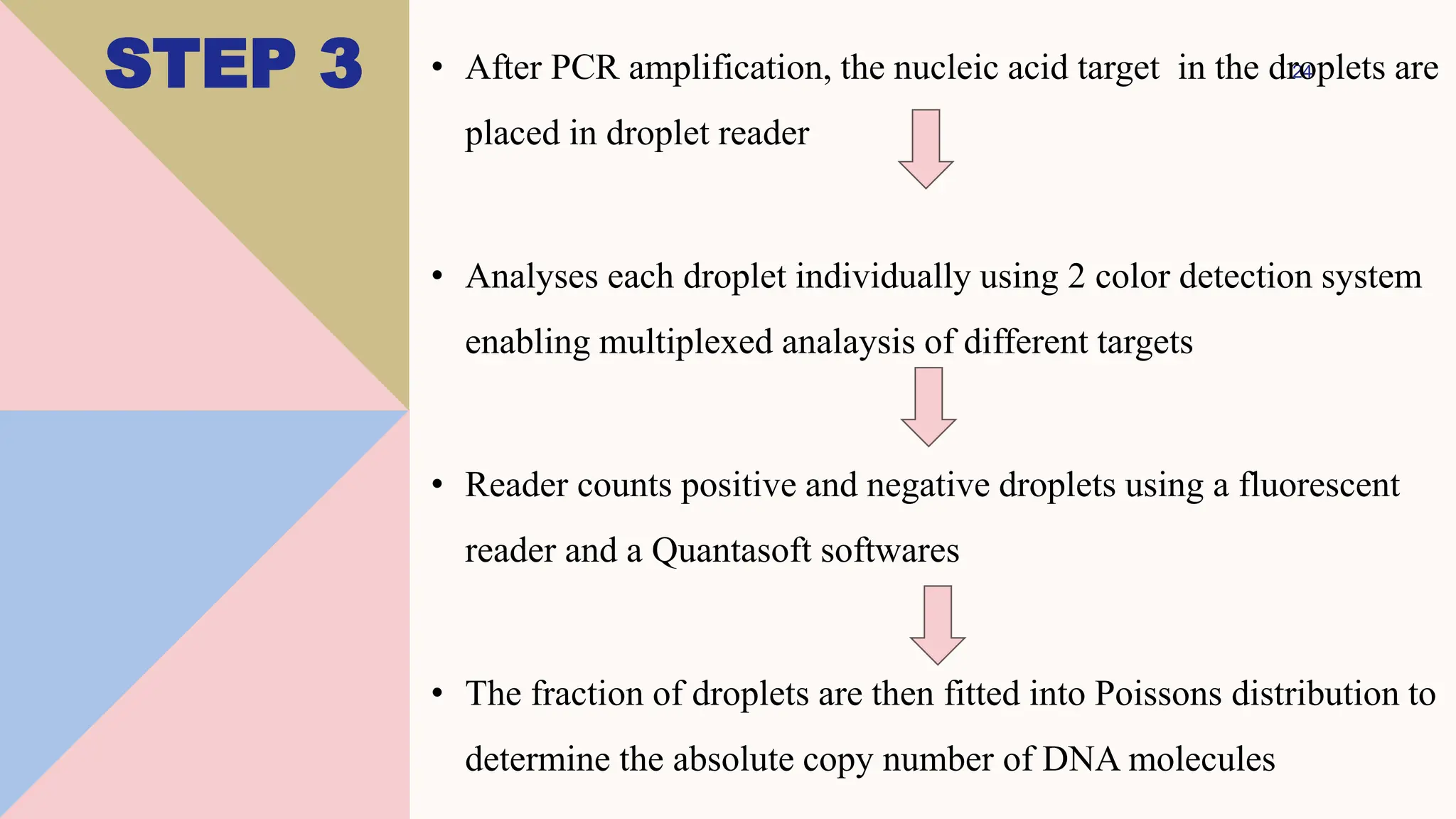
STEP 3 24
• After PCR amplification, the nucleic acid target in the droplets are
placed in droplet reader
• Analyses each droplet individually using 2 color detection system
enabling multiplexed analaysis of different targets
• Reader counts positive and negative droplets using a fluorescent
reader and a Quantasoft softwares
• The fraction of droplets are then fitted into Poissons distribution to
determine the absolute copy number of DNA molecules
HOW RESULTS ARE READ IN DDPCR
25
Presentation title 26
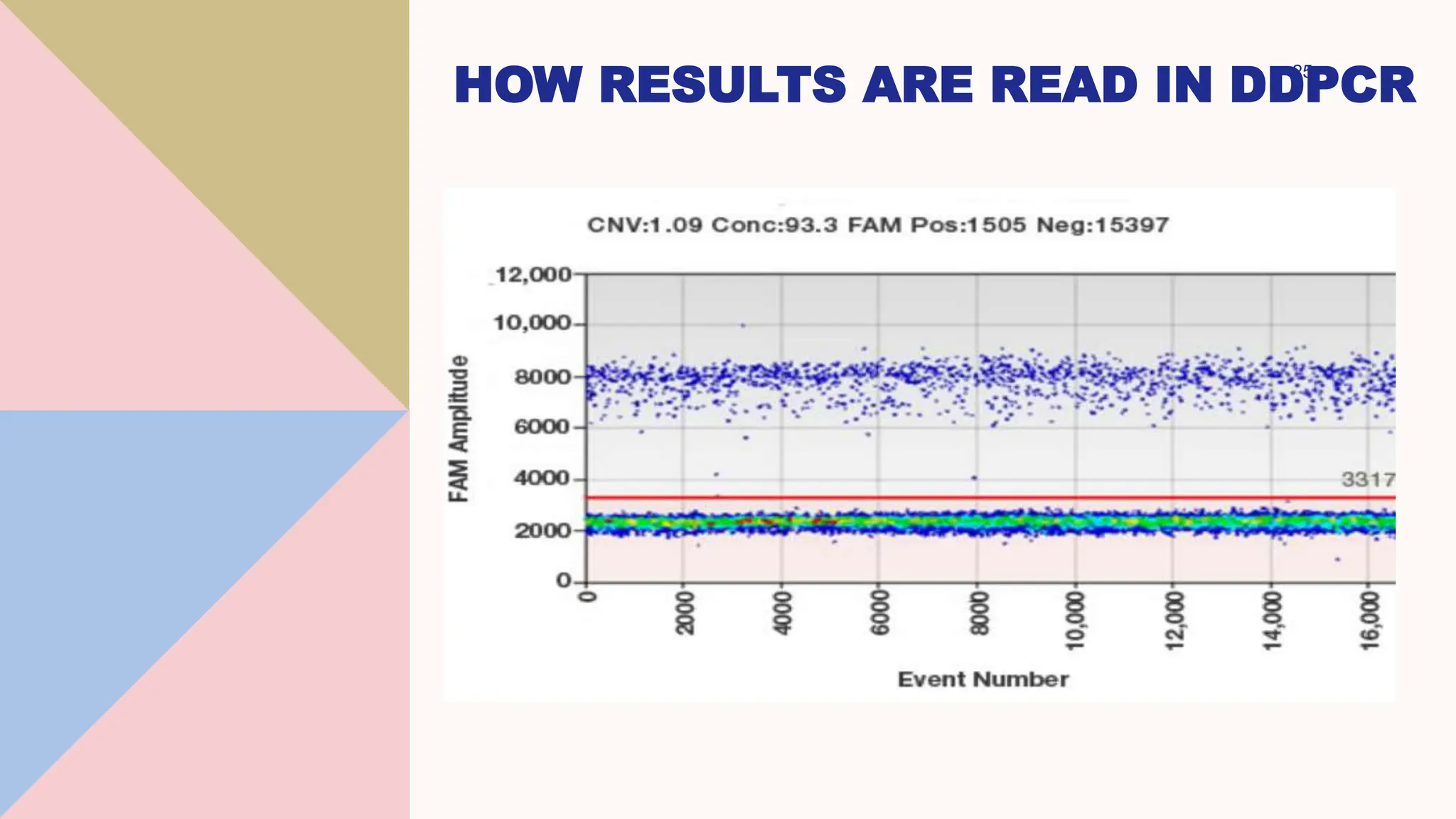
• Each droplet in a sample is plotted on a graph of fluorescent
intensity as well as droplet number.
• All positive droplets are assigned value of 1 and negative
droplets assigned as 0
• These are plotted above and below threshold line as shown in
the diagram.
Presentation title 27
Presentation title 28
BENEFITS OF DROPLET DPCR
29
• Generates large number of partitions which reduces competition
for substrates and nucleotides
• Scalability
• Established method
LIMITATIONS OF DROPLET DPCR
30
• Droplet variability in size affect robustness and reproducibility of
the method
• Multiple instruments required and may consume much of lab
space
• Time consuming and cumbersome
• Data quality can be affected by coalescence or shearing of
droplets by thermal oscillations
• Requires multiple pipetting and transfer steps which expose the
reactions to risk of cross contamination
Presentation title 31
• Chip based PCR:
dPCR reaction mixture divided into 10,000-45000 partitions in a chip
Rest all steps same as dPCR
• Microfluidic chamber based dPCR :
Consists of network of fluid lines, valves and chambers
Valves are used to regulate flow of liquids in array
Single DNA molecules are randomly distributed into nanoliter reaction chambers
32
• Microwell chip based PCR
• Crystal digital PCR
• Chip in tube PCR
• Semiconductor PCR
Presentation title 33
APPLICATION OF DDPCR IN
RESEARCH AND DIAGNSOIS
34
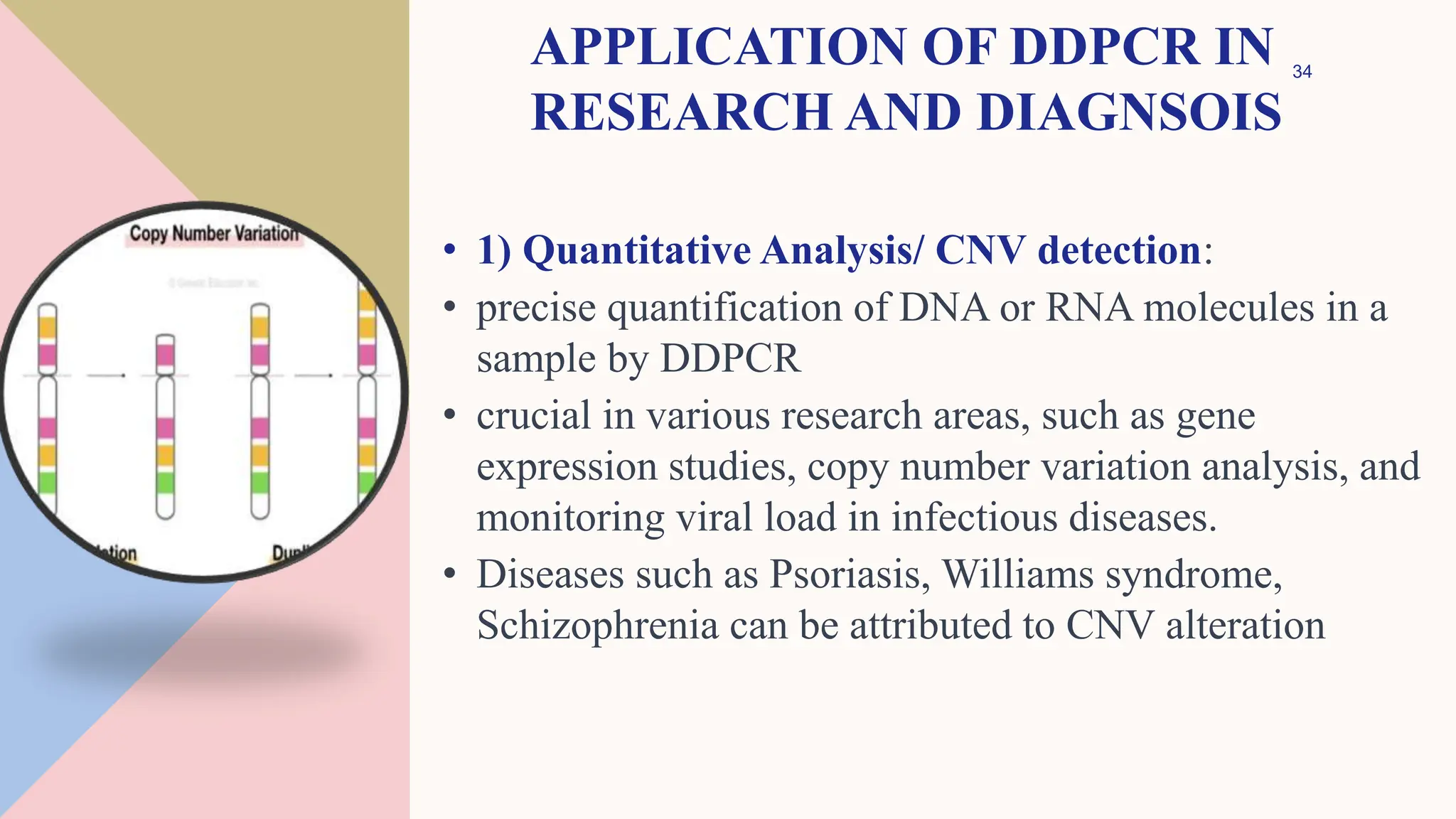
• 1) Quantitative Analysis/ CNV detection:
• precise quantification of DNA or RNA molecules in a
sample by DDPCR
• crucial in various research areas, such as gene
expression studies, copy number variation analysis, and
monitoring viral load in infectious diseases.
• Diseases such as Psoriasis, Williams syndrome,
Schizophrenia can be attributed to CNV alteration
35
36
2)Rare Mutation Detection:
• Rare mutation detection (RMD) refers to detecting a
sequence variant that is present at a very low frequency in a
pool of wild-type backgrounds (less than 1% or even 0.1%).
• can detect rare mutations or variants in a sample, making it
valuable for cancer research
• identifying low-frequency mutations is critical for diagnosis
and treatment decisions.
37
• Reaction partitioning allows an effective increase of rare target
abundance by diluting the background (wild-type) molecules.
In other words, target molecules become present in greater
quantity than they would be in a bulk reaction (real-time PCR)
• Partitioning also increases the signal-to-noise ratio and
decreases false-positive rates and amplification bias when
detecting low-frequency targets (allelic variants, SNPs).
38
3)Liquid Biopsies:
• used in liquid biopsies to detect circulating tumor DNA
(ctDNA) or cell-free DNA (cfDNA) in cancer patients,
enabling early cancer detection, monitoring treatment
response, and tracking the emergence of resistance mutations
Scenario: Pt is routinely diagnosed as colorectal cancer
and undergone surgery and chemotherapy.
Oncologist needs to detect the post treatment status and
detect any recurrence.
39
40
Genome edit detection (CRISPR-Cas9)
• In genome editing studies, nucleases such as zinc-finger
(ZFN), (CRISPR) are used to edit the genome of any
cell.
• produce site-specific DNA double-strand breaks (DSBs),
which then can be repaired by imprecise, error-prone
non-homologous end joining or pathways leading to
targeted mutagenesis.
41
• As a result, a mixed population of cells with
heterogeneous indel errors and varying allelic editing
frequencies develop.
• Then, genome editing frequencies at the desired locus are
measured.
• Clonal cell lines isolate single cells, which are then
assayed to verify the genome editing event.
42
•Offers a fast, precise, cost-effective and straightforward detection of
genome editing events
•Higher sensitivity enables detection of editing events present at
frequencies of 0.5%
•Absolute quantification of editing events from as little as 5 ng of
total gDNA
•Can distinguish between homozygous and heterozygous edits in
clonal populations
Presentation title 43
44
NGS library quantification and validation
• NGS library quantification and validation are performed
with different methods today.
• The use of spectrophotometric and fluorometric systems
and qPCR is limited in accurately quantifying generated
libraries.
• accurate concentration of libraries is crucial for a cost-
effective and accurate sequencing run.
45
• Real-time PCR has so far been the gold standard for
validation of the sequencing run.
• The drawback is the lack of precision when you need to
validate findings in your NGS below 1%.
Presentation title 46
47
Gene expression analysis
• Gene expression profiling simultaneously compares the
expression levels of multiple genes between two or
more samples.
• help scientists establish the molecular basis of
phenotypic differences and select gene targets for in-
depth study.
• valuable insight into the role of differential gene
expression in normal biological states and diseases.
48
• dPCR provides higher precision, meaning detection of
small-fold changes better, especially in the low template
amounts
• validate the result with absolute concentration and
abundance below 1% depending on input amount
• provides a real count without relying on a standard curve
or amplification efficiency
49
miRNA expression analysis
• MicroRNA (miRNA) expression profiling simultaneously
compares the expression levels of multiple or single
miRNAs between two or more samples.
• This analysis can help scientists identify and quantify
miRNA as a biomarker in acute diseases such as cancer.
• It provides valuable insight into the role of miRNA
expression in normal biological states and diseases.
50
Presentation title 51
52
Viral Load Measurement:
• infectious disease diagnosis, accurately quantifies
the viral load of pathogens like HIV, hepatitis or
SARS-CoV-2
• disease monitoring and treatment decisions.
Presentation title 53
Environmental Monitoring:
• employed to detect and quantify specific
microorganisms or genes in environmental
samples
• helping in ecological research
• water quality assessment
• monitoring microbial communities.
54
6)Food Safety:
• utilized in food testing to detect and quantify pathogens or genetically
modified organisms
• ensuring food safety and quality control.
7)Quality Control:
• In pharmaceutical and biotechnology industries, ddPCR is used for
quality control of products
• quantification of DNA templates and monitoring the presence of
contaminants.
55
Epigenetics:
• Researchers use ddPCR to study epigenetic
modifications like DNA methylation, enabling the
investigation of epigenetic changes associated with
diseases or developmental processes.
Presentation title 56
57
Non-Invasive Prenatal Testing (NIPT):
• ddPCR can be applied in NIPT to detect fetal
chromosomal abnormalities from maternal
blood samples
• Reduces the need for invasive procedures
like amniocentesis.
58
Monitoring Minimal Residual Disease:
• In cancer treatment, ddPCR is used to monitor
minimal residual disease (MRD) to assess the
effectiveness of therapy and detect relapse
earlier than traditional methods.
59
Genetic Testing:
• used for prenatal genetic testing to detect
chromosomal abnormalities such as Down syndrome
in a non-invasive manner,
• reduces the risk associated with traditional invasive
testing methods.
60
Microbiome Studies:
• ddPCR can quantify and characterize
microbial populations in complex
microbiome samples
• Provides insights into the diversity
and dynamics of microbial
communities in various environments.
61
Forensic Science:
• ddPCR is applied in forensic DNA
analysis for accurate quantification
of DNA samples from crime scenes
• identifying human remains
• studying mixed DNA samples.
62
Transgene Copy Number
Analysis:
• In biotechnology, ddPCR is
used to determine the copy
number of transgenes in
genetically modified organisms
• ensures stability and
consistency in production.
63
Allele-Specific Quantification:
• Researchers can use ddPCR to quantitate specific
alleles or variants within a gene
• valuable for studying genetic diseases and assessing
allele-specific expression.
64
Plant Pathogen Detection:
• ddPCR is used in agriculture to detect and quantify plant
pathogens
• helps in disease management and crop protection.
SUMMARY
Presentation title 65
• Above mentioned applications highlight the versatility
and precision of ddPCR in various scientific
disciplines, ranging from healthcare and genetics to
environmental science and biotechnology.
• It also highlights its ability to provide absolute
quantification of nucleic acids in a digital format and
makes it a valuable tool for both quantitative and
qualitative molecular analysis.
REFERENCES
Presentation title 66
1-Olmedillas-López, S., Olivera-Salazar, R., García-Arranz, M. et al. Current and Emerging
Applications of Droplet Digital PCR in Oncology: An Updated Review. Mol Diagn Ther 26,
61–87 (2022).
2-Ishak, Angela et al. “Diagnostic, Prognostic, and Therapeutic Value of Droplet Digital PCR
(ddPCR) in COVID-19 Patients: A Systematic Review.” Journal of clinical medicine vol. 10,23
5712. 6 Dec. 2021, doi:10.3390/jcm10235712
3-Lin, Ke et al. “Clinical Diagnostic Performance of Droplet Digital PCR for Suspected
Bloodstream Infections.” Microbiology spectrum vol. 11,1 (2023): e0137822.
doi:10.1128/spectrum.01378-22
4-Mao, Xiaodong et al. “Principles of digital PCR and its applications in current obstetrical and
gynecological diseases.” American journal of translational research vol. 11,12 7209-7222. 15
Dec. 2019
THANK YOU

Droplet digital PCR and its applications

  • 1.
    DDPCR AND ITSROLE IN RESEARCH AND DIAGNOSIS Presentor : Dr. Sadiya Shaikh Moderator : Dr Samridhi Chairperson : Dr Sachin Kolte
  • 2.
    CONTENTS • Introduction • Timelineof PCR • ​Basics of PCR • Digital PCR • DDPCR • Application of DDPCR in research and diagnosis • ​Summary​
  • 3.
    INTRODUCTION 3 • DropletDigital PCR is a new technology – recently commercialized to enable the precise quantification of target nucleic acids in a sample • Measures absolute quantity by counting nucleic acid molecules encapsulated in discrete, volumetrically defined , water-in-oil droplet partitions
  • 4.
    TIMELINE OF EVOLUTIONOF PCR 4 1988 2010 2011 2013 2020 First concept of PCR First commercial dPCR machine using microfluidics chips. dPCR instrument usin water in oil emulsion system Release of first commercial nanoplate base dPCR system. Microplate based dPCR introduced
  • 5.
  • 6.
    PCR QUANTIFICTION 6 ABSOLUTE External standards used,for eg RNA molecules of known copy number variations Standard curve plotted at serial dilution and target sequence is quantified as accordingly RELATIVE Ratio b/n target gene and control gene Housekeeping genes used and amplified in the same sample
  • 7.
  • 8.
    WHAT IS DIGITALPCR??? 8 • Absolute quantification of nucleic acid using methods of limiting dilution, end point PCR and Poisson statistics. • Precise nature of this technique makes it well suited to detect rare events in complex backgrounds. • Based on principle of end-point PCR.
  • 9.
    9 Poisson statistics indigital PCR • Used to determine the probability of a micro reaction having 0, 1, 2 ,3 etc copies of target molecule • At low concentration, most of the particles will contain 0 copies of target molecule and 1 copy in positive partitions • As the concentration increases, positive partitions will contain more than 1 copy of target molecule and nothing in negative partitions
  • 10.
  • 11.
  • 12.
  • 13.
  • 14.
  • 15.
    Presentation title 15 Improvedsensitivity and multiplexing High reproducibility Absolute target quantification High tolerance to inhibitor Superior precision COST EFFICIENCY
  • 16.
    16 DISADVANTAGES OF DPCR Dynamicrange Large amplicons Bias and variance
  • 17.
    Presentation title 17 ENDPOINT PCR QUANTITATIVE PCR DPCR Method Measures final amount of PCR products following completion of a desired number of PCR cycles Measures fluorescence signals of a bulk reaction mix after each PCR cycle Involves partitioning of sample into many compartments, end- point PCR/fluorescent signals for each compartment Quantification Qualitative to semi- quantitative Quantitative based on standard curves Quantitative based on Poisson statistics Precision + ++ +++ Speed/throughput + +++ ++ Cost + ++ +++ Multiplexing + ++ +++ Ease of use + + +++
  • 18.
    METHODS OF DIGITALPCR Presentation title 18 Droplet DPCR Plate based Chip based Microfluidic Chamber based Microwell chip based Crystal based Chip-in-a-tube Semiconductor based
  • 19.
    DIGITAL DROPLET PCR Presentationtitle 19 • Uses system of immiscible fluid in oil to generate thousands of sub-microliter droplets • Encapsulation of nucleic acid randomly inside the droplets which serves as a mini reaction chamber. • Endpoint PCR performed and sample processed by flow cytometer to assess the signals in positive partitions • Number of copies of DNA determined by Poissons statistics.
  • 20.
  • 21.
    21 DDPCR WORKFLOW Prepare & loaddPCR instruments Run and amplify Analyze dPCR results
  • 22.
    STEP 1 22 •Combine DNA samples, primers and probes with mastermix to created prepared sample • Prior to droplet generation, nucleic acid samples are prepared using primers and fluorescent probes • Load 20ul of samples in individual wells of eight channels disposable droplet generator cartridge • Using microfluidics and proprietary reagents, partitions droplet into 20000 nanoliter sized droplets of uniform size & volume
  • 23.
    STEP 2 Presentation title 23 Dropletsare transferred to a 96-well plate for PCR amplification in any compatible thermocycler.
  • 24.
    STEP 3 24 •After PCR amplification, the nucleic acid target in the droplets are placed in droplet reader • Analyses each droplet individually using 2 color detection system enabling multiplexed analaysis of different targets • Reader counts positive and negative droplets using a fluorescent reader and a Quantasoft softwares • The fraction of droplets are then fitted into Poissons distribution to determine the absolute copy number of DNA molecules
  • 25.
    HOW RESULTS AREREAD IN DDPCR 25
  • 26.
    Presentation title 26 •Each droplet in a sample is plotted on a graph of fluorescent intensity as well as droplet number. • All positive droplets are assigned value of 1 and negative droplets assigned as 0 • These are plotted above and below threshold line as shown in the diagram.
  • 27.
  • 28.
  • 29.
    BENEFITS OF DROPLETDPCR 29 • Generates large number of partitions which reduces competition for substrates and nucleotides • Scalability • Established method
  • 30.
    LIMITATIONS OF DROPLETDPCR 30 • Droplet variability in size affect robustness and reproducibility of the method • Multiple instruments required and may consume much of lab space • Time consuming and cumbersome • Data quality can be affected by coalescence or shearing of droplets by thermal oscillations • Requires multiple pipetting and transfer steps which expose the reactions to risk of cross contamination
  • 31.
    Presentation title 31 •Chip based PCR: dPCR reaction mixture divided into 10,000-45000 partitions in a chip Rest all steps same as dPCR • Microfluidic chamber based dPCR : Consists of network of fluid lines, valves and chambers Valves are used to regulate flow of liquids in array Single DNA molecules are randomly distributed into nanoliter reaction chambers
  • 32.
    32 • Microwell chipbased PCR • Crystal digital PCR • Chip in tube PCR • Semiconductor PCR
  • 33.
  • 34.
    APPLICATION OF DDPCRIN RESEARCH AND DIAGNSOIS 34 • 1) Quantitative Analysis/ CNV detection: • precise quantification of DNA or RNA molecules in a sample by DDPCR • crucial in various research areas, such as gene expression studies, copy number variation analysis, and monitoring viral load in infectious diseases. • Diseases such as Psoriasis, Williams syndrome, Schizophrenia can be attributed to CNV alteration
  • 35.
  • 36.
    36 2)Rare Mutation Detection: •Rare mutation detection (RMD) refers to detecting a sequence variant that is present at a very low frequency in a pool of wild-type backgrounds (less than 1% or even 0.1%). • can detect rare mutations or variants in a sample, making it valuable for cancer research • identifying low-frequency mutations is critical for diagnosis and treatment decisions.
  • 37.
    37 • Reaction partitioningallows an effective increase of rare target abundance by diluting the background (wild-type) molecules. In other words, target molecules become present in greater quantity than they would be in a bulk reaction (real-time PCR) • Partitioning also increases the signal-to-noise ratio and decreases false-positive rates and amplification bias when detecting low-frequency targets (allelic variants, SNPs).
  • 38.
    38 3)Liquid Biopsies: • usedin liquid biopsies to detect circulating tumor DNA (ctDNA) or cell-free DNA (cfDNA) in cancer patients, enabling early cancer detection, monitoring treatment response, and tracking the emergence of resistance mutations Scenario: Pt is routinely diagnosed as colorectal cancer and undergone surgery and chemotherapy. Oncologist needs to detect the post treatment status and detect any recurrence.
  • 39.
  • 40.
    40 Genome edit detection(CRISPR-Cas9) • In genome editing studies, nucleases such as zinc-finger (ZFN), (CRISPR) are used to edit the genome of any cell. • produce site-specific DNA double-strand breaks (DSBs), which then can be repaired by imprecise, error-prone non-homologous end joining or pathways leading to targeted mutagenesis.
  • 41.
    41 • As aresult, a mixed population of cells with heterogeneous indel errors and varying allelic editing frequencies develop. • Then, genome editing frequencies at the desired locus are measured. • Clonal cell lines isolate single cells, which are then assayed to verify the genome editing event.
  • 42.
    42 •Offers a fast,precise, cost-effective and straightforward detection of genome editing events •Higher sensitivity enables detection of editing events present at frequencies of 0.5% •Absolute quantification of editing events from as little as 5 ng of total gDNA •Can distinguish between homozygous and heterozygous edits in clonal populations
  • 43.
  • 44.
    44 NGS library quantificationand validation • NGS library quantification and validation are performed with different methods today. • The use of spectrophotometric and fluorometric systems and qPCR is limited in accurately quantifying generated libraries. • accurate concentration of libraries is crucial for a cost- effective and accurate sequencing run.
  • 45.
    45 • Real-time PCRhas so far been the gold standard for validation of the sequencing run. • The drawback is the lack of precision when you need to validate findings in your NGS below 1%.
  • 46.
  • 47.
    47 Gene expression analysis •Gene expression profiling simultaneously compares the expression levels of multiple genes between two or more samples. • help scientists establish the molecular basis of phenotypic differences and select gene targets for in- depth study. • valuable insight into the role of differential gene expression in normal biological states and diseases.
  • 48.
    48 • dPCR provideshigher precision, meaning detection of small-fold changes better, especially in the low template amounts • validate the result with absolute concentration and abundance below 1% depending on input amount • provides a real count without relying on a standard curve or amplification efficiency
  • 49.
    49 miRNA expression analysis •MicroRNA (miRNA) expression profiling simultaneously compares the expression levels of multiple or single miRNAs between two or more samples. • This analysis can help scientists identify and quantify miRNA as a biomarker in acute diseases such as cancer. • It provides valuable insight into the role of miRNA expression in normal biological states and diseases.
  • 50.
  • 51.
  • 52.
    52 Viral Load Measurement: •infectious disease diagnosis, accurately quantifies the viral load of pathogens like HIV, hepatitis or SARS-CoV-2 • disease monitoring and treatment decisions.
  • 53.
    Presentation title 53 EnvironmentalMonitoring: • employed to detect and quantify specific microorganisms or genes in environmental samples • helping in ecological research • water quality assessment • monitoring microbial communities.
  • 54.
    54 6)Food Safety: • utilizedin food testing to detect and quantify pathogens or genetically modified organisms • ensuring food safety and quality control. 7)Quality Control: • In pharmaceutical and biotechnology industries, ddPCR is used for quality control of products • quantification of DNA templates and monitoring the presence of contaminants.
  • 55.
    55 Epigenetics: • Researchers useddPCR to study epigenetic modifications like DNA methylation, enabling the investigation of epigenetic changes associated with diseases or developmental processes.
  • 56.
  • 57.
    57 Non-Invasive Prenatal Testing(NIPT): • ddPCR can be applied in NIPT to detect fetal chromosomal abnormalities from maternal blood samples • Reduces the need for invasive procedures like amniocentesis.
  • 58.
    58 Monitoring Minimal ResidualDisease: • In cancer treatment, ddPCR is used to monitor minimal residual disease (MRD) to assess the effectiveness of therapy and detect relapse earlier than traditional methods.
  • 59.
    59 Genetic Testing: • usedfor prenatal genetic testing to detect chromosomal abnormalities such as Down syndrome in a non-invasive manner, • reduces the risk associated with traditional invasive testing methods.
  • 60.
    60 Microbiome Studies: • ddPCRcan quantify and characterize microbial populations in complex microbiome samples • Provides insights into the diversity and dynamics of microbial communities in various environments.
  • 61.
    61 Forensic Science: • ddPCRis applied in forensic DNA analysis for accurate quantification of DNA samples from crime scenes • identifying human remains • studying mixed DNA samples.
  • 62.
    62 Transgene Copy Number Analysis: •In biotechnology, ddPCR is used to determine the copy number of transgenes in genetically modified organisms • ensures stability and consistency in production.
  • 63.
    63 Allele-Specific Quantification: • Researcherscan use ddPCR to quantitate specific alleles or variants within a gene • valuable for studying genetic diseases and assessing allele-specific expression.
  • 64.
    64 Plant Pathogen Detection: •ddPCR is used in agriculture to detect and quantify plant pathogens • helps in disease management and crop protection.
  • 65.
    SUMMARY Presentation title 65 •Above mentioned applications highlight the versatility and precision of ddPCR in various scientific disciplines, ranging from healthcare and genetics to environmental science and biotechnology. • It also highlights its ability to provide absolute quantification of nucleic acids in a digital format and makes it a valuable tool for both quantitative and qualitative molecular analysis.
  • 66.
    REFERENCES Presentation title 66 1-Olmedillas-López,S., Olivera-Salazar, R., García-Arranz, M. et al. Current and Emerging Applications of Droplet Digital PCR in Oncology: An Updated Review. Mol Diagn Ther 26, 61–87 (2022). 2-Ishak, Angela et al. “Diagnostic, Prognostic, and Therapeutic Value of Droplet Digital PCR (ddPCR) in COVID-19 Patients: A Systematic Review.” Journal of clinical medicine vol. 10,23 5712. 6 Dec. 2021, doi:10.3390/jcm10235712 3-Lin, Ke et al. “Clinical Diagnostic Performance of Droplet Digital PCR for Suspected Bloodstream Infections.” Microbiology spectrum vol. 11,1 (2023): e0137822. doi:10.1128/spectrum.01378-22 4-Mao, Xiaodong et al. “Principles of digital PCR and its applications in current obstetrical and gynecological diseases.” American journal of translational research vol. 11,12 7209-7222. 15 Dec. 2019
  • 67.