DNA Repair
Mechanisms &Cell
CycleCheckpoints
- Surendranath Reddy (International European University)
Surendranath Reddy
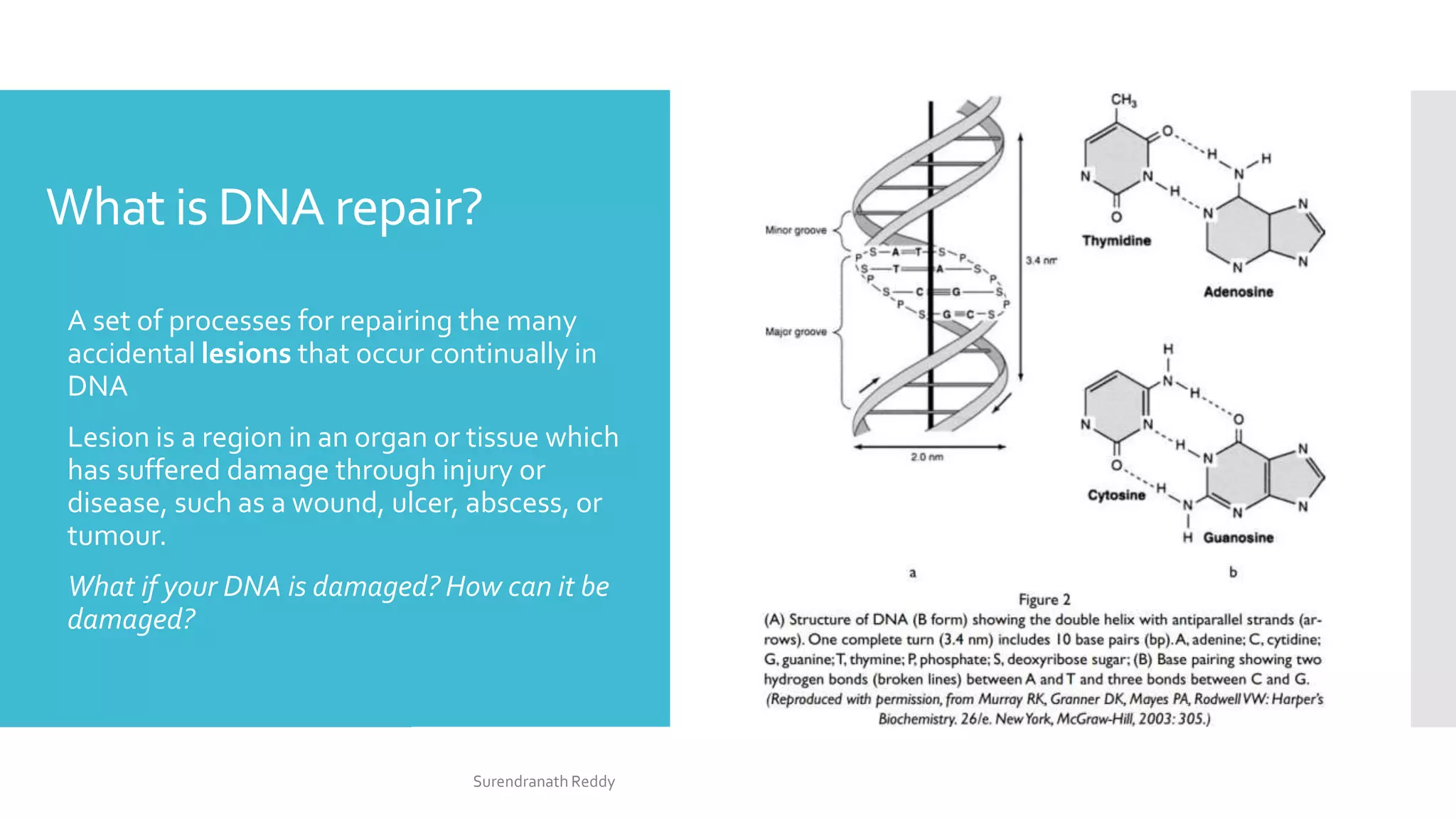
Do you remember the DNA
structure?
Surendranath Reddy
What is DNA repair?
 A set of processes for repairing the many
accidental lesions that occur continually in
DNA
 Lesion is a region in an organ or tissue which
has suffered damage through injury or
disease, such as a wound, ulcer, abscess, or
tumour.
 What if your DNA is damaged? How can it be
damaged?
Surendranath Reddy
DNA Repair (Continued..)
 DNA repair mechanisms are responsible for minimizing the negative
effects that DNA damage has on the cell. DNA damage occurs almost
constantly in living cells.
 When DNA damage surpasses a certain threshold, either because there is
too much accumulated damage or because DNA repair mechanisms are
no longer effective, a cell can have one of the following three fates:
1. Senescence: A cell enters a dormant state that is irreversible, in
which the main cellular processes and functions are suspended.
2. Apoptosis: A cell undergoes programmed cell death, or suicide, by
activating specialized signal cascades.
3. Cancer: A cell starts undergoing unregulated cell division, resulting
in neoplasia and tumour growth.
DNA repair is thus extremely important for proper functioning of cells
and the organism as a whole. A number of specialized DNA repair
mechanisms have evolved, lets discuss some.
Surendranath Reddy
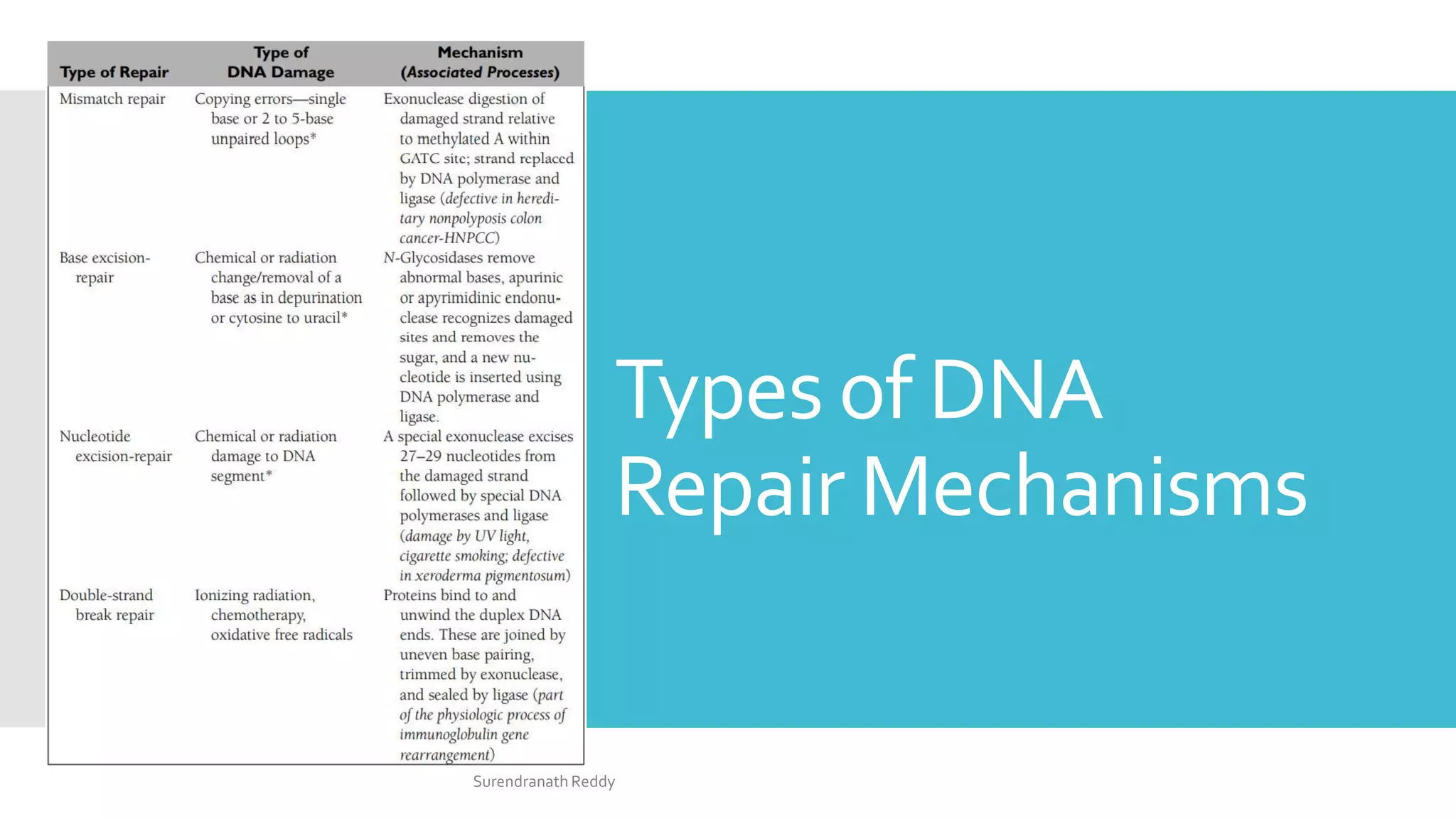
Types of DNA
Repair Mechanisms
Surendranath Reddy
This is how DNA is getting
damaged
Surendranath Reddy
SingleStrand
Damage
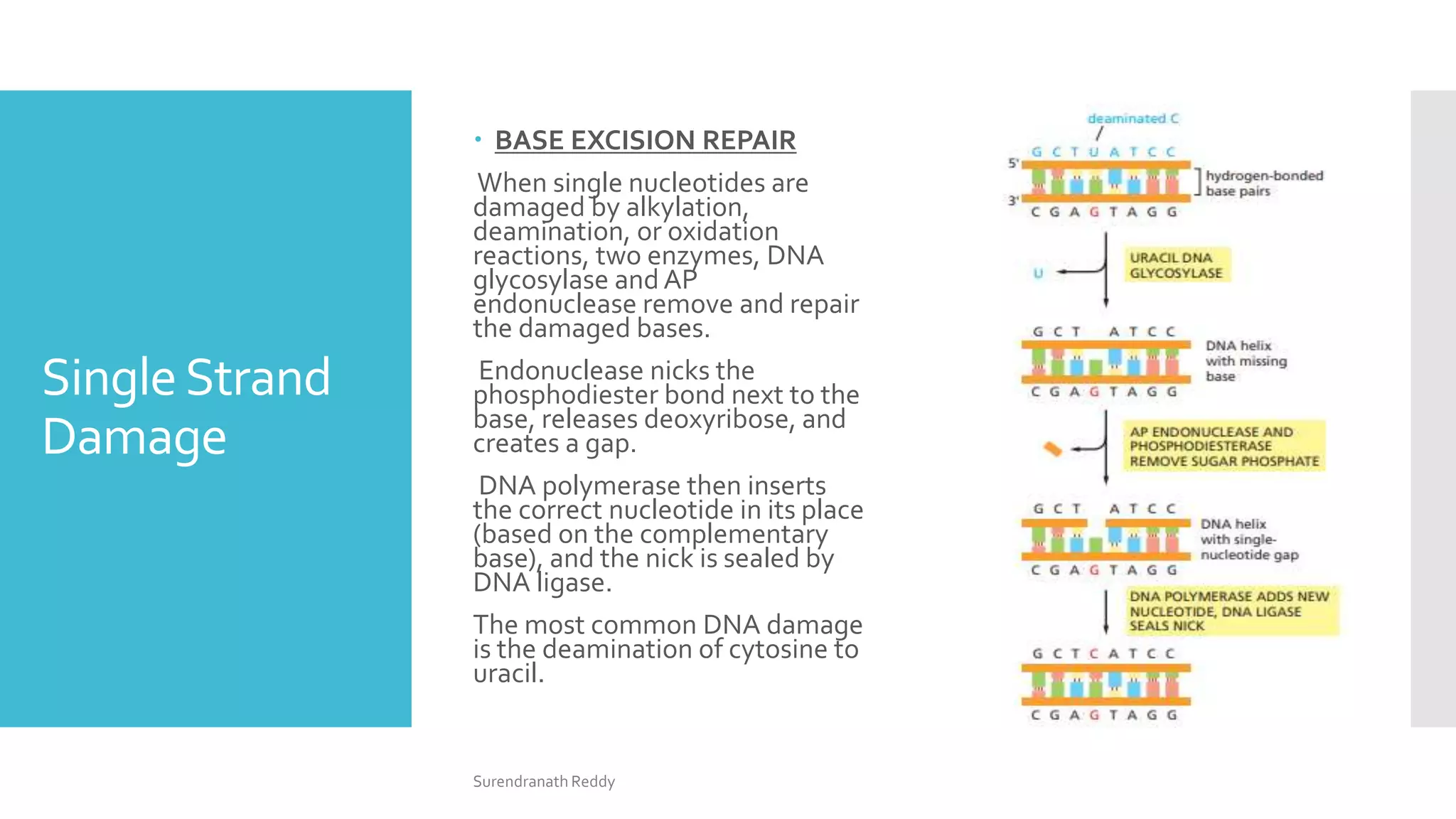
 BASE EXCISION REPAIR
When single nucleotides are
damaged by alkylation,
deamination, or oxidation
reactions, two enzymes, DNA
glycosylase and AP
endonuclease remove and repair
the damaged bases.
Endonuclease nicks the
phosphodiester bond next to the
base, releases deoxyribose, and
creates a gap.
DNA polymerase then inserts
the correct nucleotide in its place
(based on the complementary
base), and the nick is sealed by
DNA ligase.
The most common DNA damage
is the deamination of cytosine to
uracil.
Surendranath Reddy
SingleStrand
Damage
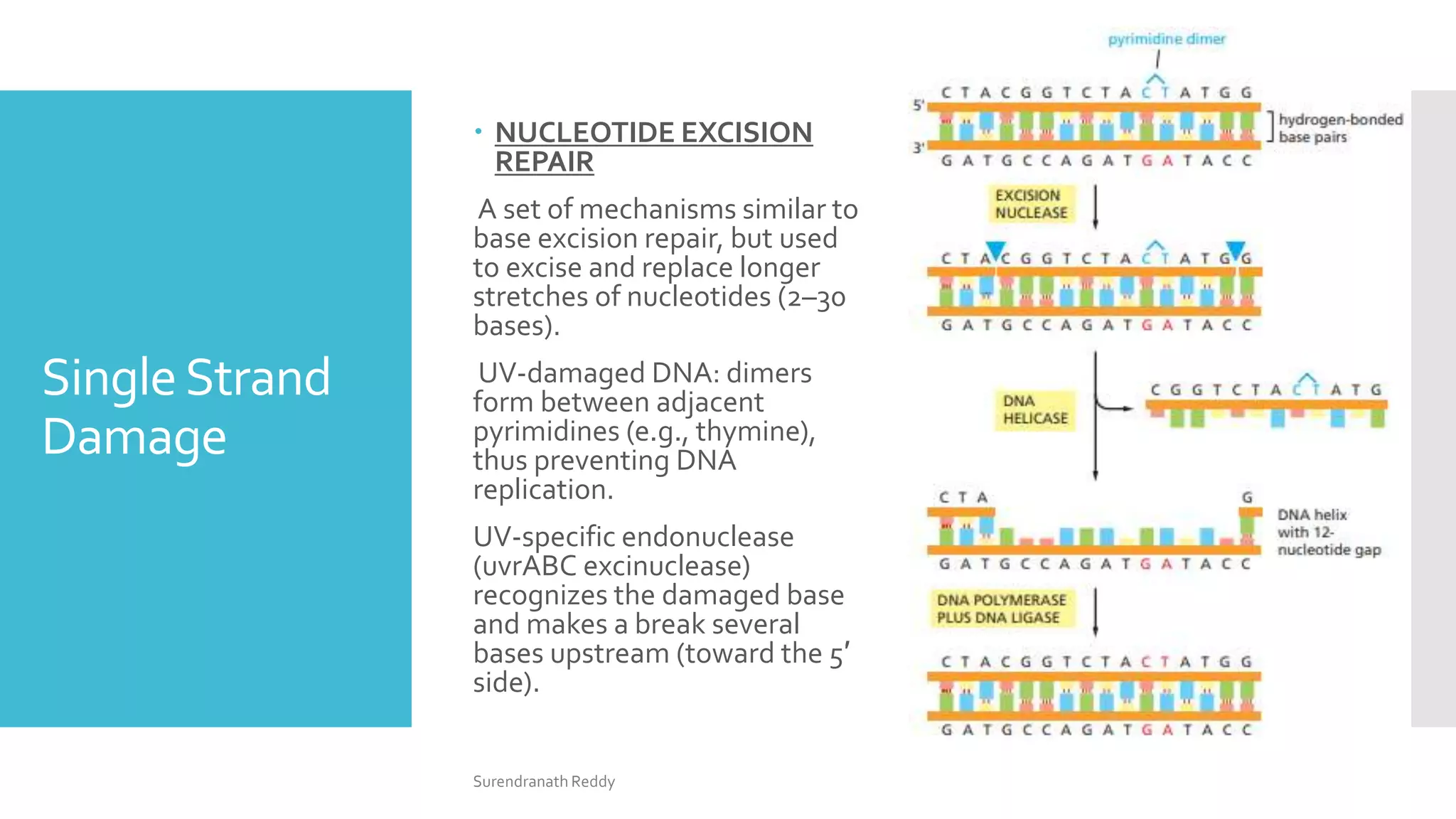
 NUCLEOTIDE EXCISION
REPAIR
A set of mechanisms similar to
base excision repair, but used
to excise and replace longer
stretches of nucleotides (2–30
bases).
UV-damaged DNA: dimers
form between adjacent
pyrimidines (e.g., thymine),
thus preventing DNA
replication.
UV-specific endonuclease
(uvrABC excinuclease)
recognizes the damaged base
and makes a break several
bases upstream (toward the 5′
side).
Surendranath Reddy
SingleStrand
Damage
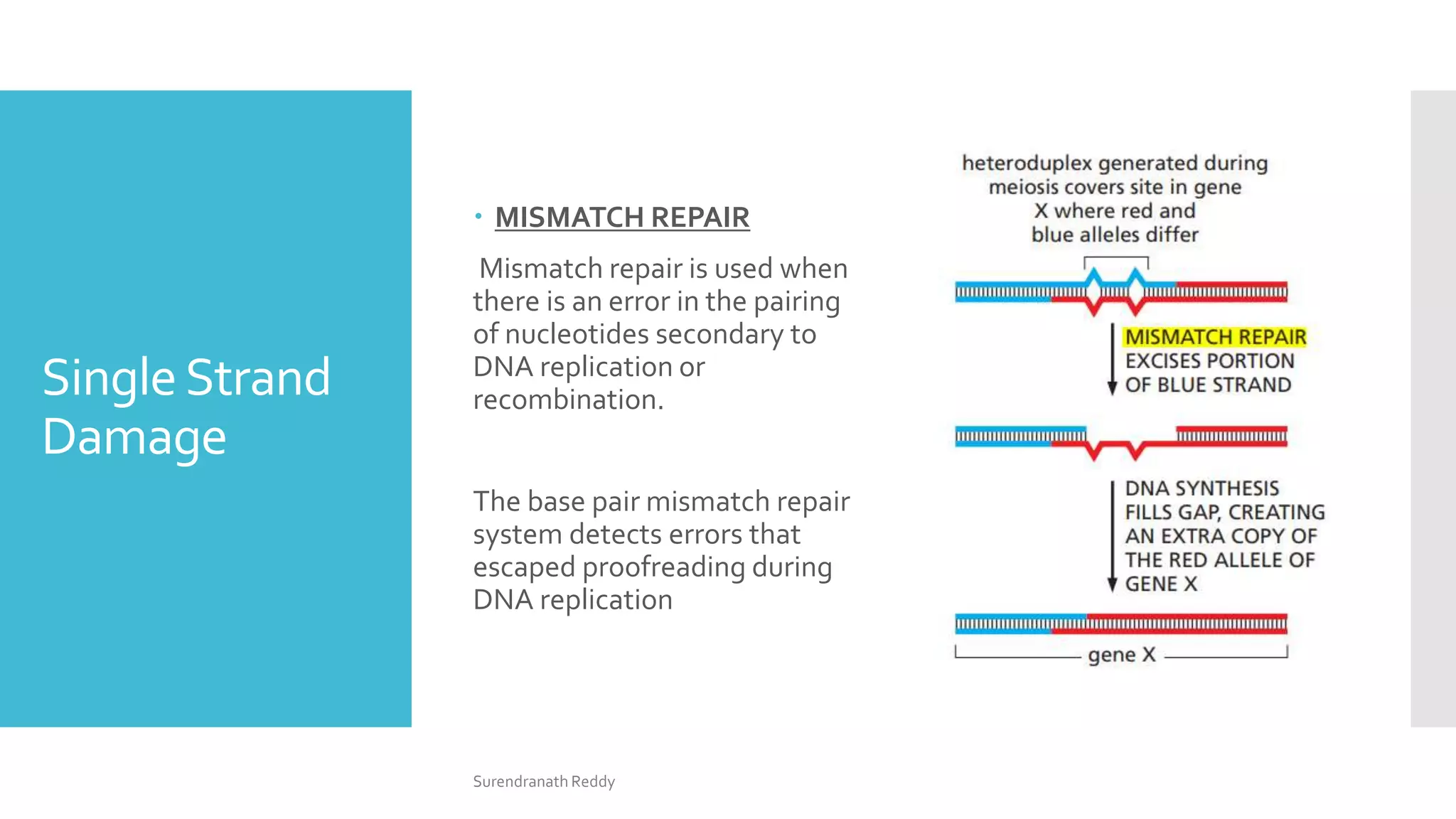
 MISMATCH REPAIR
Mismatch repair is used when
there is an error in the pairing
of nucleotides secondary to
DNA replication or
recombination.
The base pair mismatch repair
system detects errors that
escaped proofreading during
DNA replication
Surendranath Reddy
DoubleStrand
Damage
 NONHOMOLOGOUS END
JOINING
When both strands of DNA are
broken in a region that has not
yet been replicated, there is truly
no template for the cell to use to
reconstruct the damaged DNA.
However, because a complete
break of the DNA double helix is
highly deleterious for the cell, an
attempt is made to fix the break
using NHEJ.
In this process, DNA ligase–
containing complexes join the
separated ends of the double
helix, relying on
microhomologies between the
ends of the singlestranded
fragments. However, by defi
nition, NHEJ is always
mutagenic..
Surendranath Reddy
DoubleStrand
Damage
 HOMOLOGOUS END
JOINING
(RECOMBINATORIAL
REPAIR)
Sometimes a double-stranded
break occurs during DNA
replication.
In this case, a fragment of the
DNA has already been
replicated and can serve as a
template for the repair of the
double-stranded break.
Molecularly, the enzymatic
complex involved in
recombinatorial repair is
similar to that involved in
chromosomal crossover.
Surendranath Reddy
CellCycle
Checkpoints
Surendranath Reddy
Checkpoint control
system
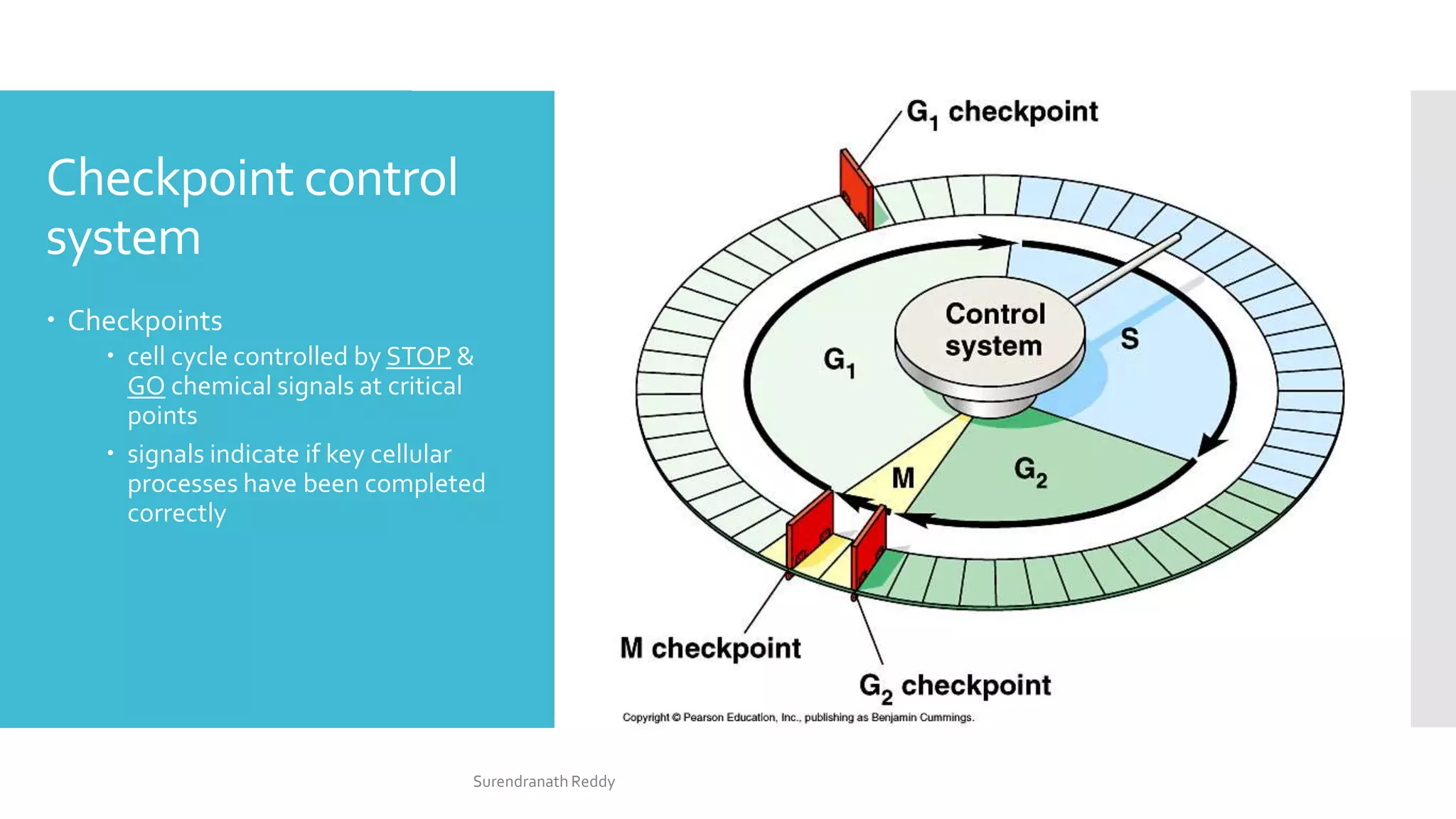
 Checkpoints
 cell cycle controlled by STOP &
GO chemical signals at critical
points
 signals indicate if key cellular
processes have been completed
correctly
Surendranath Reddy
Checkpoint
control system
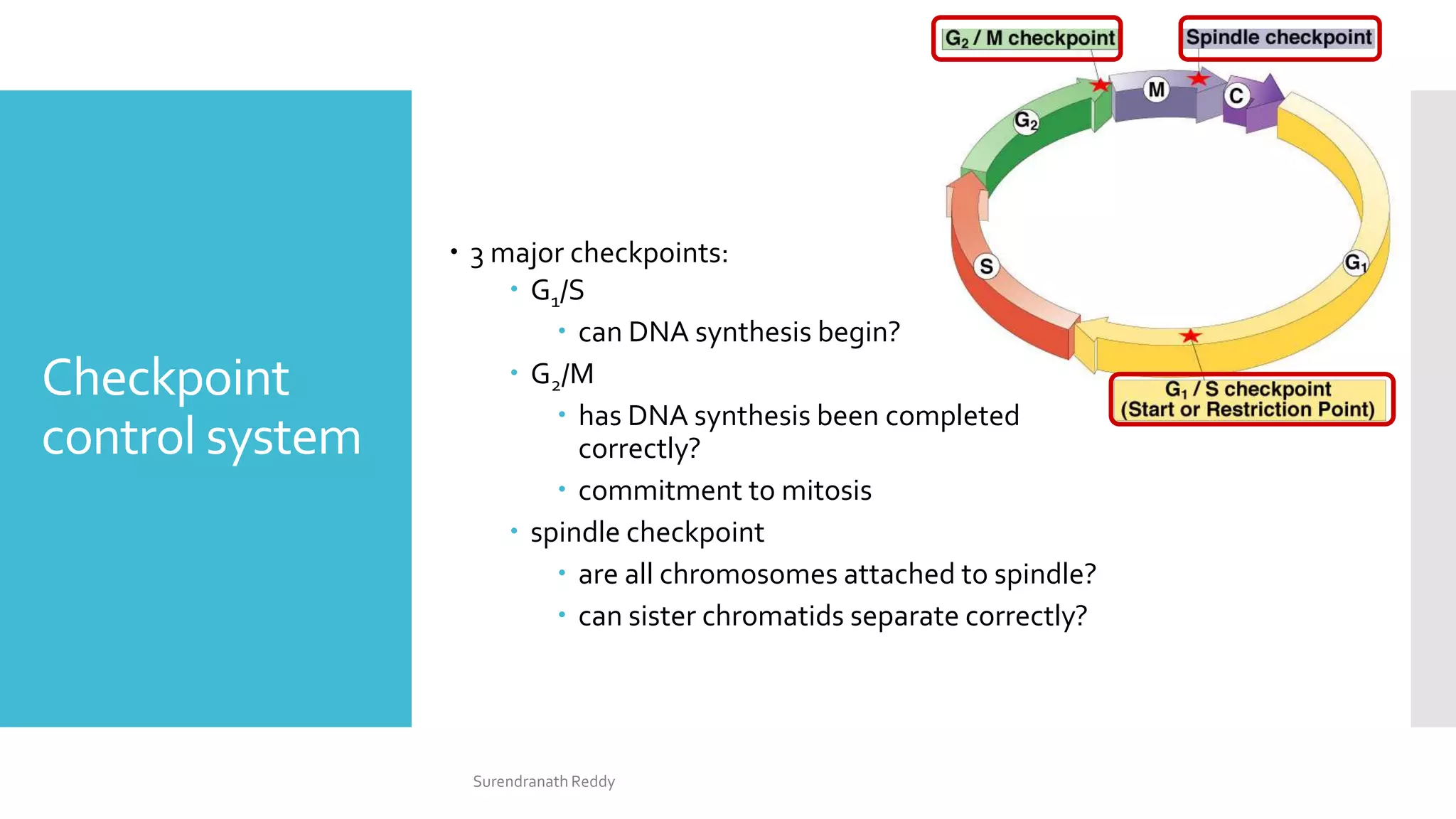
 3 major checkpoints:
 G1/S
 can DNA synthesis begin?
 G2/M
 has DNA synthesis been completed
correctly?
 commitment to mitosis
 spindle checkpoint
 are all chromosomes attached to spindle?
 can sister chromatids separate correctly?
Surendranath Reddy
G1/S
checkpoint
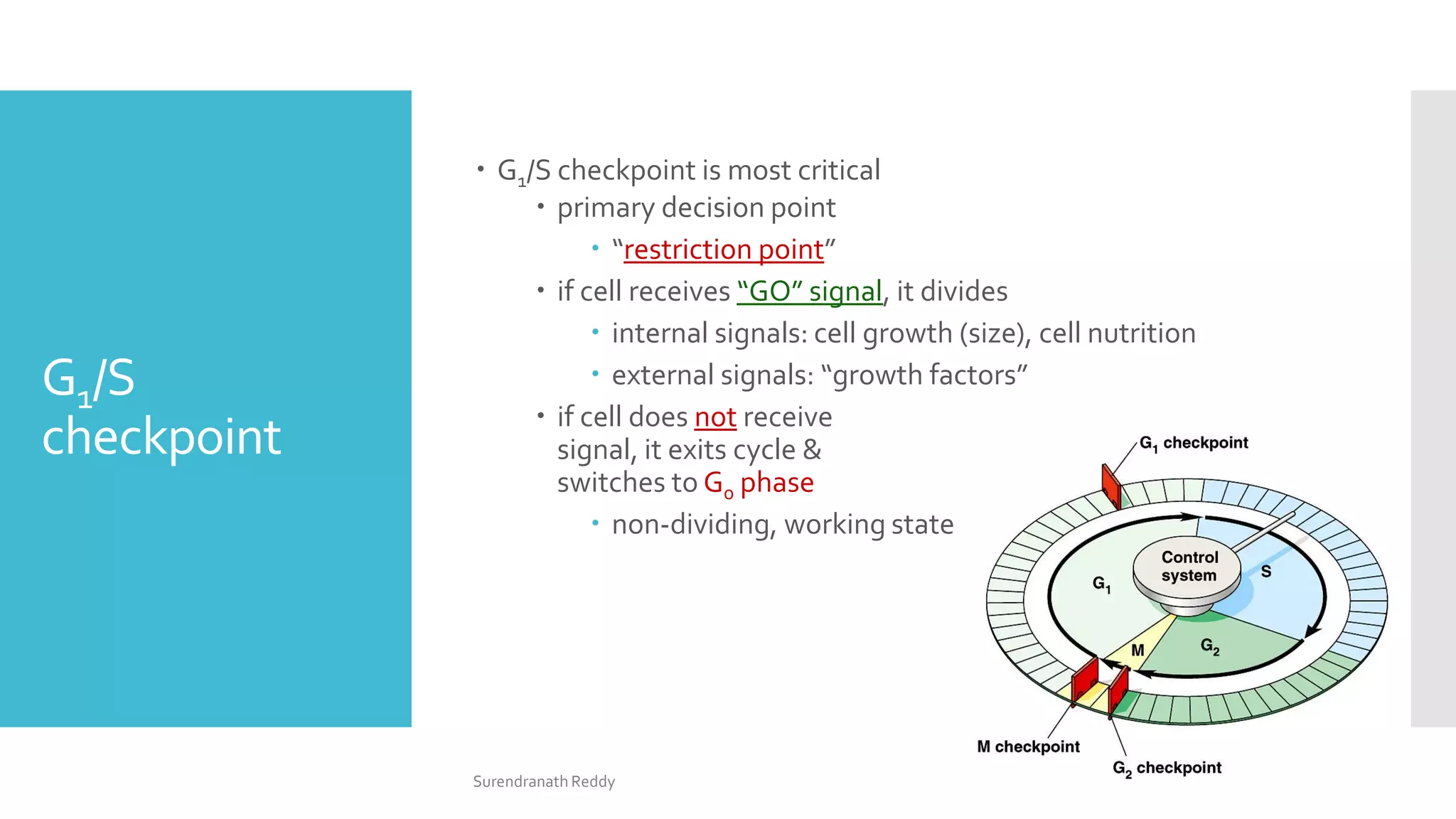
 G1/S checkpoint is most critical
 primary decision point
 “restriction point”
 if cell receives “GO” signal, it divides
 internal signals: cell growth (size), cell nutrition
 external signals: “growth factors”
 if cell does not receive
signal, it exits cycle &
switches to G0 phase
 non-dividing, working state
Surendranath Reddy
G0 phase
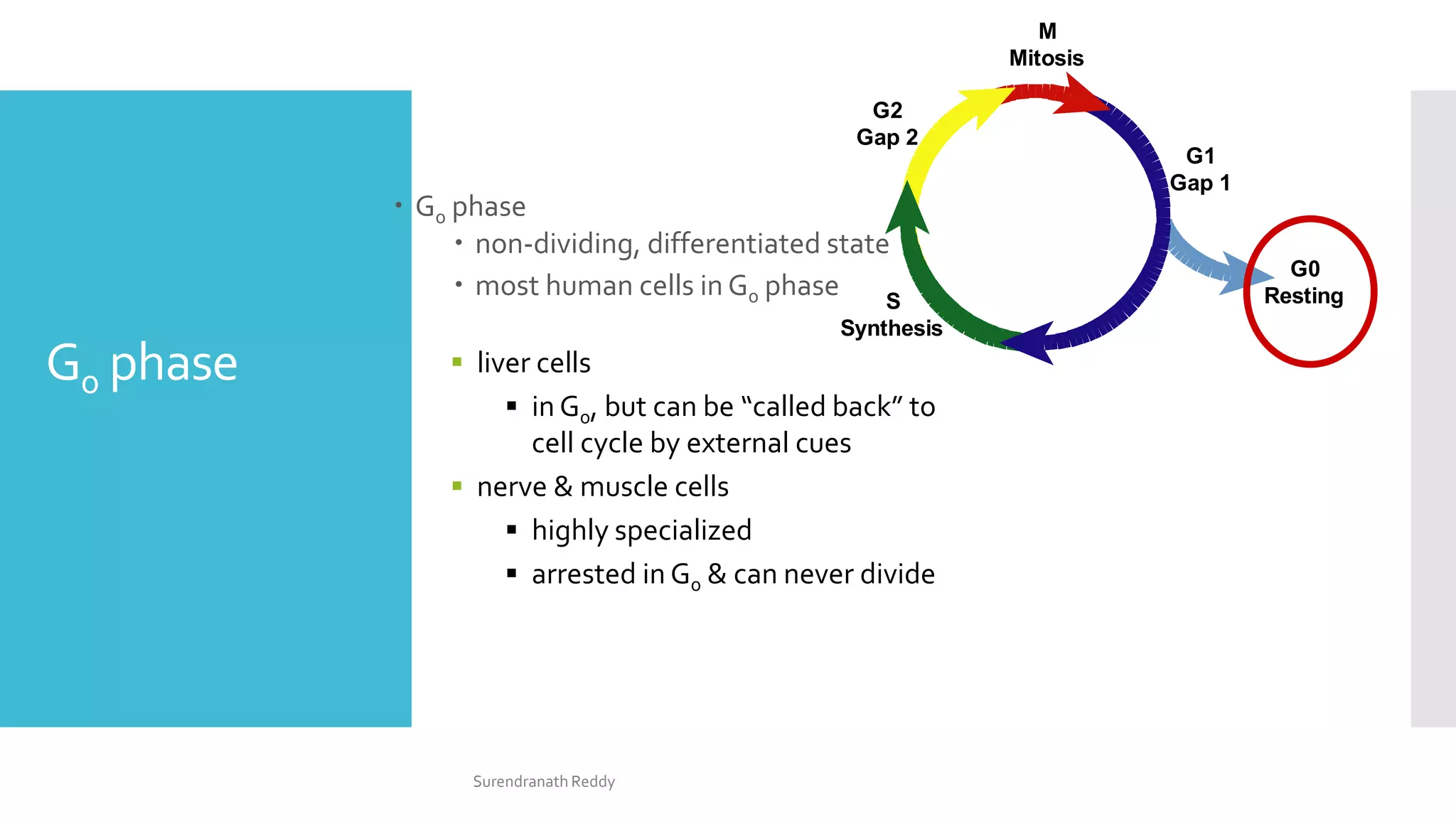
M
Mitosis
G1
Gap 1
G0
Resting
G2
Gap 2
S
Synthesis
 G0 phase
 non-dividing, differentiated state
 most human cells in G0 phase
 liver cells
 in G0, but can be “called back” to
cell cycle by external cues
 nerve & muscle cells
 highly specialized
 arrested in G0 & can never divide
Surendranath Reddy
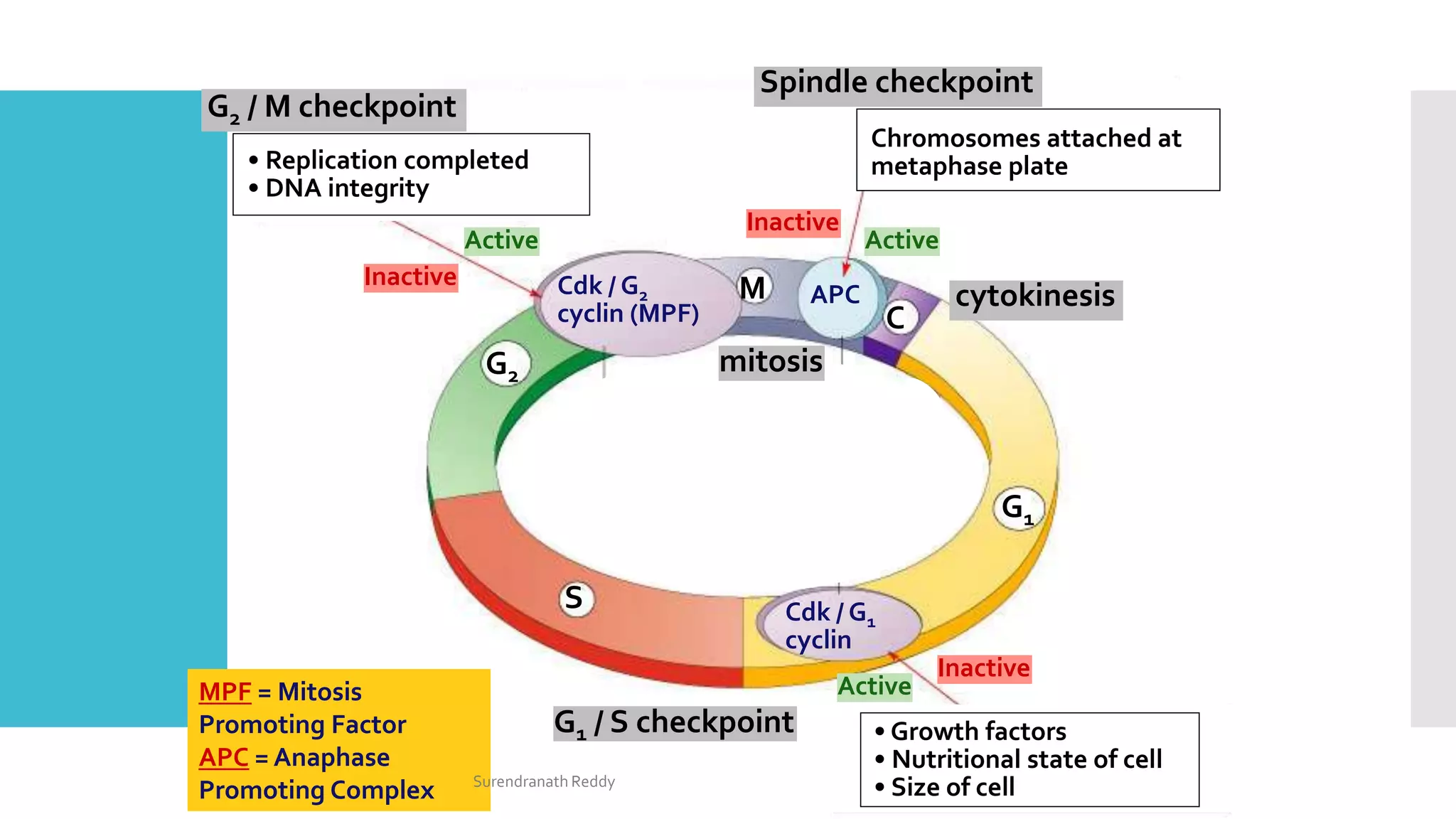
Cdk / G1
cyclin
Cdk / G2
cyclin (MPF)
G2
S
G1
C
M
G2 / M checkpoint
G1 / S checkpoint
APC
Active
Inactive
Active
Inactive
Inactive
Active
mitosis
cytokinesis
MPF = Mitosis
Promoting Factor
APC = Anaphase
Promoting Complex
• Replication completed
• DNA integrity
Chromosomes attached at
metaphase plate
Spindle checkpoint
• Growth factors
• Nutritional state of cell
• Size of cell
Surendranath Reddy
The basic
mechanism is
quite simple.
Surendranath Reddy
The basic
mechanism is
quite simple.
Surendranath Reddy
Cyclins &Cdks
 Interaction of Cdk’s & different cyclins triggers the stages of
the cell cycle
Leland H. Hartwell
checkpoints
Tim Hunt
Cdks
Sir Paul Nurse
cyclins
1970s-’80s | 2001
Surendranath Reddy
Cyclin-
dependent
protein
kinases(Cdks)
 Cyclin-dependent protein kinases (Cdks) are enzymes that
phosphorylate (add phosphate groups to) the serine and threonine
amino acids of key cellular enzymes and other proteins.
 At the G2 checkpoint, for example, Cdks phosphorylate histones,
nuclear membrane filaments, and the microtubule-associated
proteins that form the mitotic spindle.
 Phosphorylation of these components of the cell division machinery
initiates activities that carry the cycle past the checkpoint into mitosis.
 Cyclins are proteins that bind to Cdks, enabling the Cdks to function as
enzymes. Cyclins are so named because they are destroyed and
resynthesized during each turn of the cell cycle. Different cyclins
regulate the G1 and G2 cell cycle checkpoints.
Surendranath Reddy
How cell cycle control works?
Surendranath Reddy
 The G2 Checkpoint:
 During G2, the cell gradually accumulates G2 cyclin (also called
mitotic cyclin).This cyclin binds to Cdk to form a complex called
MPF (mitosis-promoting factor).
 At first, MPF is not active in carrying the cycle past the G2
checkpoint. But eventually, other cellular enzymes phosphorylate
and so activate a few molecules of MPF.These activated MPFs in
turn increase the activity of the enzymes that phosphorylate MPF,
setting up a positive feedback that leads to a very rapid increase in
the cellular concentration of activated MPF.When the level of
activated MPF exceeds the threshold necessary to trigger mitosis,
G2 phase ends.
 MPF sows the seeds of its own destruction.The length of time
the cell spends in M phase is determined by the activity of MPF, for
one of its many functions is to activate proteins that destroy cyclin.
As mitosis proceeds to the end of metaphase, Cdk levels stay
relatively constant, but increasing amounts of G2 cyclin are
degraded, causing progressively less MPF to be available and so
initiating the events that end mitosis.After mitosis, the gradual
accumulation of new cyclin starts the next turn of the cell cycle
Surendranath Reddy
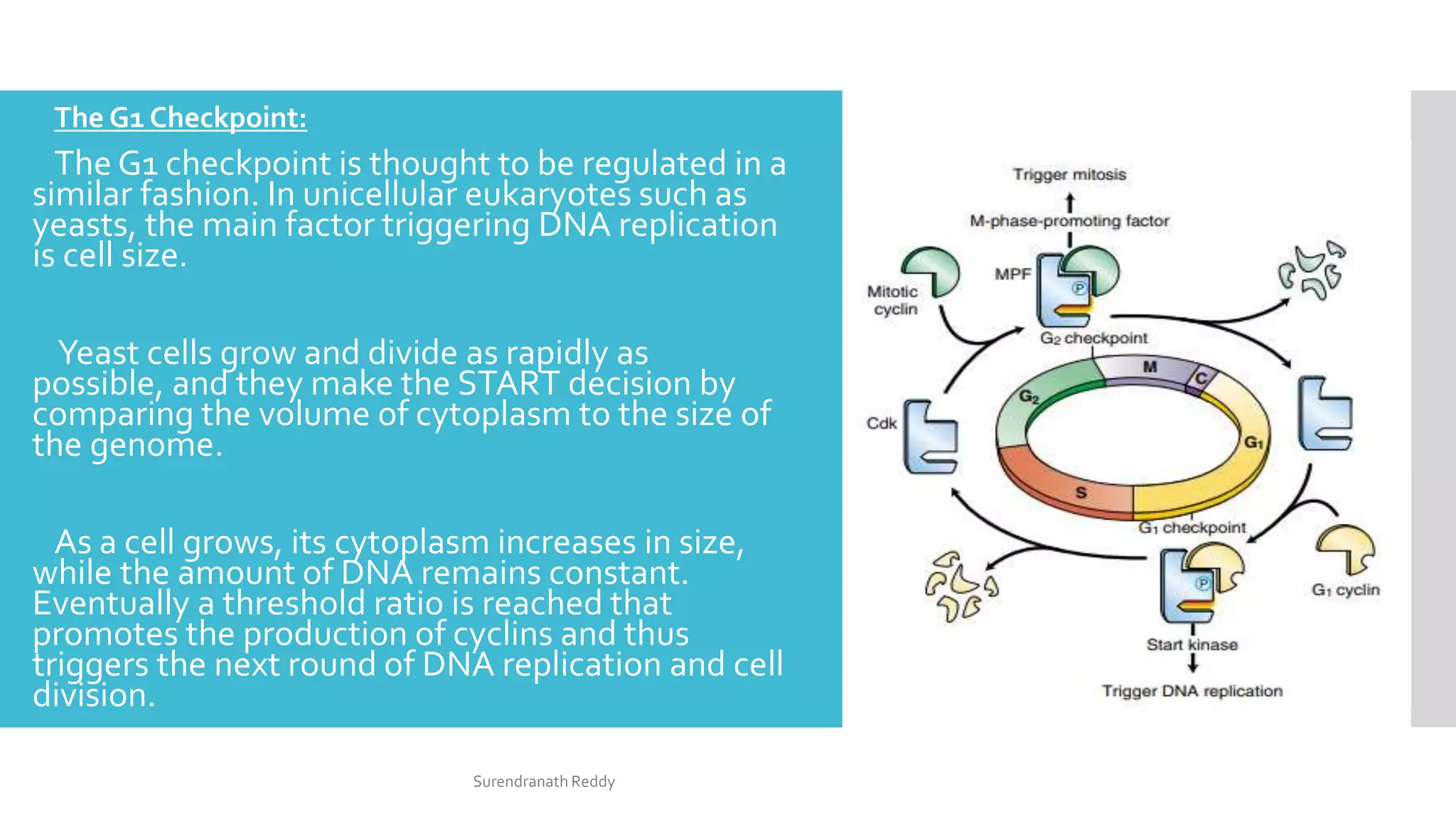
 The G1 Checkpoint:
 The G1 checkpoint is thought to be regulated in a
similar fashion. In unicellular eukaryotes such as
yeasts, the main factor triggering DNA replication
is cell size.
 Yeast cells grow and divide as rapidly as
possible, and they make the START decision by
comparing the volume of cytoplasm to the size of
the genome.
 As a cell grows, its cytoplasm increases in size,
while the amount of DNA remains constant.
Eventually a threshold ratio is reached that
promotes the production of cyclins and thus
triggers the next round of DNA replication and cell
division.
Surendranath Reddy
CellCycle
Regulation
 The cell cycle is regulated at the G1/S and G2/M boundaries
(checkpoints) by phosphorylation of complexes of a protein kinase
[cyclin-dependent kinase (Cdk) protein] and a cyclin (cytoplasmic
oscillator).
 For example, the G2/M interface is regulated by M-Cdk complex
(formerly called Mitosis Promoting Factor, MPF), which is
responsible for the phosphorylation of spindle proteins, histones,
and lamins.
 Phosphorylation of lamins results in their breakdown as well as the
dissolution of the nuclear envelope.There are different cyclins and
Cdks for each of the cell cycle checkpoints.
 Overarching the Cdks are the Cdk inhibitors that form an
additional regulatory layer at each of the cell cycle checkpoints.
Study of the cell cycle is critical to an understanding of the
regulation of abnormal proliferation as occurs in cancer cells.
Surendranath Reddy
Retinoblastoma
& p53
 Two tumour suppressor genes that have been well studied are
retinoblastoma gene (Rb) and p53.
 Rb is active (suppressing growth) in the hypo phosphorylated state and
inactive in the hyperphosphorylated form.
 In its non phosphorylated form Rb serves as a brake on the cell cycle at the
G1/S interface by binding to the transcription factor, E2F.
 Stimulation by growth factors results in phosphorylation and release of the
brake; E2F is free to turn on transcription of cell cycle genes, allowing cells
to traverse the G1/S interface.
 Mutations in Rb occur in tumours; a mutation has the same effect as
inactivating Rb leading to uncontrolled cell proliferation as E2F transcribes
cell cycle genes.
 p53 is a protective gene or molecular policeman, which prevents the
replication of damaged DNA and stimulates repair.
 p53 acts as a transcription factor and also works through the Cdk inhibitors
to arrest the cell cycle at the G1/S interface. p53 mutations are found in
many human tumours
Surendranath Reddy
References
 Radiobiology for the Radiologist 7th Edition
-by Eric J. Hall (Author), Amato J. Giaccia (Author)
 Radiation Biology of Medical Imaging
-Charles A. Kelsey PhD,, Philip H. Heintz PhD,, Daniel J.
Sandoval MS,, Gregory D. Chambers MS,, Natalie L. Adolphi
PhD,, Kimberly S. Paffett MS
 Cell Cycle Checkpoints (Methods and Protocols)
- Willis X. Li
 Molecular Biology of the Cell – Bruce Alberts
 Other References such as books and GOOGLE,..
Surendranath Reddy
ThankYou
Surendranath Reddy

Dna repair mechanisms & cell cycle checkpoints

  • 1.
    DNA Repair Mechanisms &Cell CycleCheckpoints -Surendranath Reddy (International European University) Surendranath Reddy
  • 2.
    Do you rememberthe DNA structure? Surendranath Reddy
  • 3.
    What is DNArepair?  A set of processes for repairing the many accidental lesions that occur continually in DNA  Lesion is a region in an organ or tissue which has suffered damage through injury or disease, such as a wound, ulcer, abscess, or tumour.  What if your DNA is damaged? How can it be damaged? Surendranath Reddy
  • 4.
    DNA Repair (Continued..) DNA repair mechanisms are responsible for minimizing the negative effects that DNA damage has on the cell. DNA damage occurs almost constantly in living cells.  When DNA damage surpasses a certain threshold, either because there is too much accumulated damage or because DNA repair mechanisms are no longer effective, a cell can have one of the following three fates: 1. Senescence: A cell enters a dormant state that is irreversible, in which the main cellular processes and functions are suspended. 2. Apoptosis: A cell undergoes programmed cell death, or suicide, by activating specialized signal cascades. 3. Cancer: A cell starts undergoing unregulated cell division, resulting in neoplasia and tumour growth. DNA repair is thus extremely important for proper functioning of cells and the organism as a whole. A number of specialized DNA repair mechanisms have evolved, lets discuss some. Surendranath Reddy
  • 5.
    Types of DNA RepairMechanisms Surendranath Reddy
  • 6.
    This is howDNA is getting damaged Surendranath Reddy
  • 7.
    SingleStrand Damage  BASE EXCISIONREPAIR When single nucleotides are damaged by alkylation, deamination, or oxidation reactions, two enzymes, DNA glycosylase and AP endonuclease remove and repair the damaged bases. Endonuclease nicks the phosphodiester bond next to the base, releases deoxyribose, and creates a gap. DNA polymerase then inserts the correct nucleotide in its place (based on the complementary base), and the nick is sealed by DNA ligase. The most common DNA damage is the deamination of cytosine to uracil. Surendranath Reddy
  • 8.
    SingleStrand Damage  NUCLEOTIDE EXCISION REPAIR Aset of mechanisms similar to base excision repair, but used to excise and replace longer stretches of nucleotides (2–30 bases). UV-damaged DNA: dimers form between adjacent pyrimidines (e.g., thymine), thus preventing DNA replication. UV-specific endonuclease (uvrABC excinuclease) recognizes the damaged base and makes a break several bases upstream (toward the 5′ side). Surendranath Reddy
  • 9.
    SingleStrand Damage  MISMATCH REPAIR Mismatchrepair is used when there is an error in the pairing of nucleotides secondary to DNA replication or recombination. The base pair mismatch repair system detects errors that escaped proofreading during DNA replication Surendranath Reddy
  • 10.
    DoubleStrand Damage  NONHOMOLOGOUS END JOINING Whenboth strands of DNA are broken in a region that has not yet been replicated, there is truly no template for the cell to use to reconstruct the damaged DNA. However, because a complete break of the DNA double helix is highly deleterious for the cell, an attempt is made to fix the break using NHEJ. In this process, DNA ligase– containing complexes join the separated ends of the double helix, relying on microhomologies between the ends of the singlestranded fragments. However, by defi nition, NHEJ is always mutagenic.. Surendranath Reddy
  • 11.
    DoubleStrand Damage  HOMOLOGOUS END JOINING (RECOMBINATORIAL REPAIR) Sometimesa double-stranded break occurs during DNA replication. In this case, a fragment of the DNA has already been replicated and can serve as a template for the repair of the double-stranded break. Molecularly, the enzymatic complex involved in recombinatorial repair is similar to that involved in chromosomal crossover. Surendranath Reddy
  • 12.
  • 13.
    Checkpoint control system  Checkpoints cell cycle controlled by STOP & GO chemical signals at critical points  signals indicate if key cellular processes have been completed correctly Surendranath Reddy
  • 14.
    Checkpoint control system  3major checkpoints:  G1/S  can DNA synthesis begin?  G2/M  has DNA synthesis been completed correctly?  commitment to mitosis  spindle checkpoint  are all chromosomes attached to spindle?  can sister chromatids separate correctly? Surendranath Reddy
  • 15.
    G1/S checkpoint  G1/S checkpointis most critical  primary decision point  “restriction point”  if cell receives “GO” signal, it divides  internal signals: cell growth (size), cell nutrition  external signals: “growth factors”  if cell does not receive signal, it exits cycle & switches to G0 phase  non-dividing, working state Surendranath Reddy
  • 16.
    G0 phase M Mitosis G1 Gap 1 G0 Resting G2 Gap2 S Synthesis  G0 phase  non-dividing, differentiated state  most human cells in G0 phase  liver cells  in G0, but can be “called back” to cell cycle by external cues  nerve & muscle cells  highly specialized  arrested in G0 & can never divide Surendranath Reddy
  • 17.
    Cdk / G1 cyclin Cdk/ G2 cyclin (MPF) G2 S G1 C M G2 / M checkpoint G1 / S checkpoint APC Active Inactive Active Inactive Inactive Active mitosis cytokinesis MPF = Mitosis Promoting Factor APC = Anaphase Promoting Complex • Replication completed • DNA integrity Chromosomes attached at metaphase plate Spindle checkpoint • Growth factors • Nutritional state of cell • Size of cell Surendranath Reddy
  • 18.
    The basic mechanism is quitesimple. Surendranath Reddy
  • 19.
    The basic mechanism is quitesimple. Surendranath Reddy
  • 20.
    Cyclins &Cdks  Interactionof Cdk’s & different cyclins triggers the stages of the cell cycle Leland H. Hartwell checkpoints Tim Hunt Cdks Sir Paul Nurse cyclins 1970s-’80s | 2001 Surendranath Reddy
  • 21.
    Cyclin- dependent protein kinases(Cdks)  Cyclin-dependent proteinkinases (Cdks) are enzymes that phosphorylate (add phosphate groups to) the serine and threonine amino acids of key cellular enzymes and other proteins.  At the G2 checkpoint, for example, Cdks phosphorylate histones, nuclear membrane filaments, and the microtubule-associated proteins that form the mitotic spindle.  Phosphorylation of these components of the cell division machinery initiates activities that carry the cycle past the checkpoint into mitosis.  Cyclins are proteins that bind to Cdks, enabling the Cdks to function as enzymes. Cyclins are so named because they are destroyed and resynthesized during each turn of the cell cycle. Different cyclins regulate the G1 and G2 cell cycle checkpoints. Surendranath Reddy
  • 22.
    How cell cyclecontrol works? Surendranath Reddy
  • 23.
     The G2Checkpoint:  During G2, the cell gradually accumulates G2 cyclin (also called mitotic cyclin).This cyclin binds to Cdk to form a complex called MPF (mitosis-promoting factor).  At first, MPF is not active in carrying the cycle past the G2 checkpoint. But eventually, other cellular enzymes phosphorylate and so activate a few molecules of MPF.These activated MPFs in turn increase the activity of the enzymes that phosphorylate MPF, setting up a positive feedback that leads to a very rapid increase in the cellular concentration of activated MPF.When the level of activated MPF exceeds the threshold necessary to trigger mitosis, G2 phase ends.  MPF sows the seeds of its own destruction.The length of time the cell spends in M phase is determined by the activity of MPF, for one of its many functions is to activate proteins that destroy cyclin. As mitosis proceeds to the end of metaphase, Cdk levels stay relatively constant, but increasing amounts of G2 cyclin are degraded, causing progressively less MPF to be available and so initiating the events that end mitosis.After mitosis, the gradual accumulation of new cyclin starts the next turn of the cell cycle Surendranath Reddy
  • 24.
     The G1Checkpoint:  The G1 checkpoint is thought to be regulated in a similar fashion. In unicellular eukaryotes such as yeasts, the main factor triggering DNA replication is cell size.  Yeast cells grow and divide as rapidly as possible, and they make the START decision by comparing the volume of cytoplasm to the size of the genome.  As a cell grows, its cytoplasm increases in size, while the amount of DNA remains constant. Eventually a threshold ratio is reached that promotes the production of cyclins and thus triggers the next round of DNA replication and cell division. Surendranath Reddy
  • 25.
    CellCycle Regulation  The cellcycle is regulated at the G1/S and G2/M boundaries (checkpoints) by phosphorylation of complexes of a protein kinase [cyclin-dependent kinase (Cdk) protein] and a cyclin (cytoplasmic oscillator).  For example, the G2/M interface is regulated by M-Cdk complex (formerly called Mitosis Promoting Factor, MPF), which is responsible for the phosphorylation of spindle proteins, histones, and lamins.  Phosphorylation of lamins results in their breakdown as well as the dissolution of the nuclear envelope.There are different cyclins and Cdks for each of the cell cycle checkpoints.  Overarching the Cdks are the Cdk inhibitors that form an additional regulatory layer at each of the cell cycle checkpoints. Study of the cell cycle is critical to an understanding of the regulation of abnormal proliferation as occurs in cancer cells. Surendranath Reddy
  • 26.
    Retinoblastoma & p53  Twotumour suppressor genes that have been well studied are retinoblastoma gene (Rb) and p53.  Rb is active (suppressing growth) in the hypo phosphorylated state and inactive in the hyperphosphorylated form.  In its non phosphorylated form Rb serves as a brake on the cell cycle at the G1/S interface by binding to the transcription factor, E2F.  Stimulation by growth factors results in phosphorylation and release of the brake; E2F is free to turn on transcription of cell cycle genes, allowing cells to traverse the G1/S interface.  Mutations in Rb occur in tumours; a mutation has the same effect as inactivating Rb leading to uncontrolled cell proliferation as E2F transcribes cell cycle genes.  p53 is a protective gene or molecular policeman, which prevents the replication of damaged DNA and stimulates repair.  p53 acts as a transcription factor and also works through the Cdk inhibitors to arrest the cell cycle at the G1/S interface. p53 mutations are found in many human tumours Surendranath Reddy
  • 27.
    References  Radiobiology forthe Radiologist 7th Edition -by Eric J. Hall (Author), Amato J. Giaccia (Author)  Radiation Biology of Medical Imaging -Charles A. Kelsey PhD,, Philip H. Heintz PhD,, Daniel J. Sandoval MS,, Gregory D. Chambers MS,, Natalie L. Adolphi PhD,, Kimberly S. Paffett MS  Cell Cycle Checkpoints (Methods and Protocols) - Willis X. Li  Molecular Biology of the Cell – Bruce Alberts  Other References such as books and GOOGLE,.. Surendranath Reddy
  • 28.