Discharge Follow-Up Appointment
            Challenge


                Webinar Presentation

                Wednesday, March 7th
On o a’s a
                        tdy cl  l
                                :


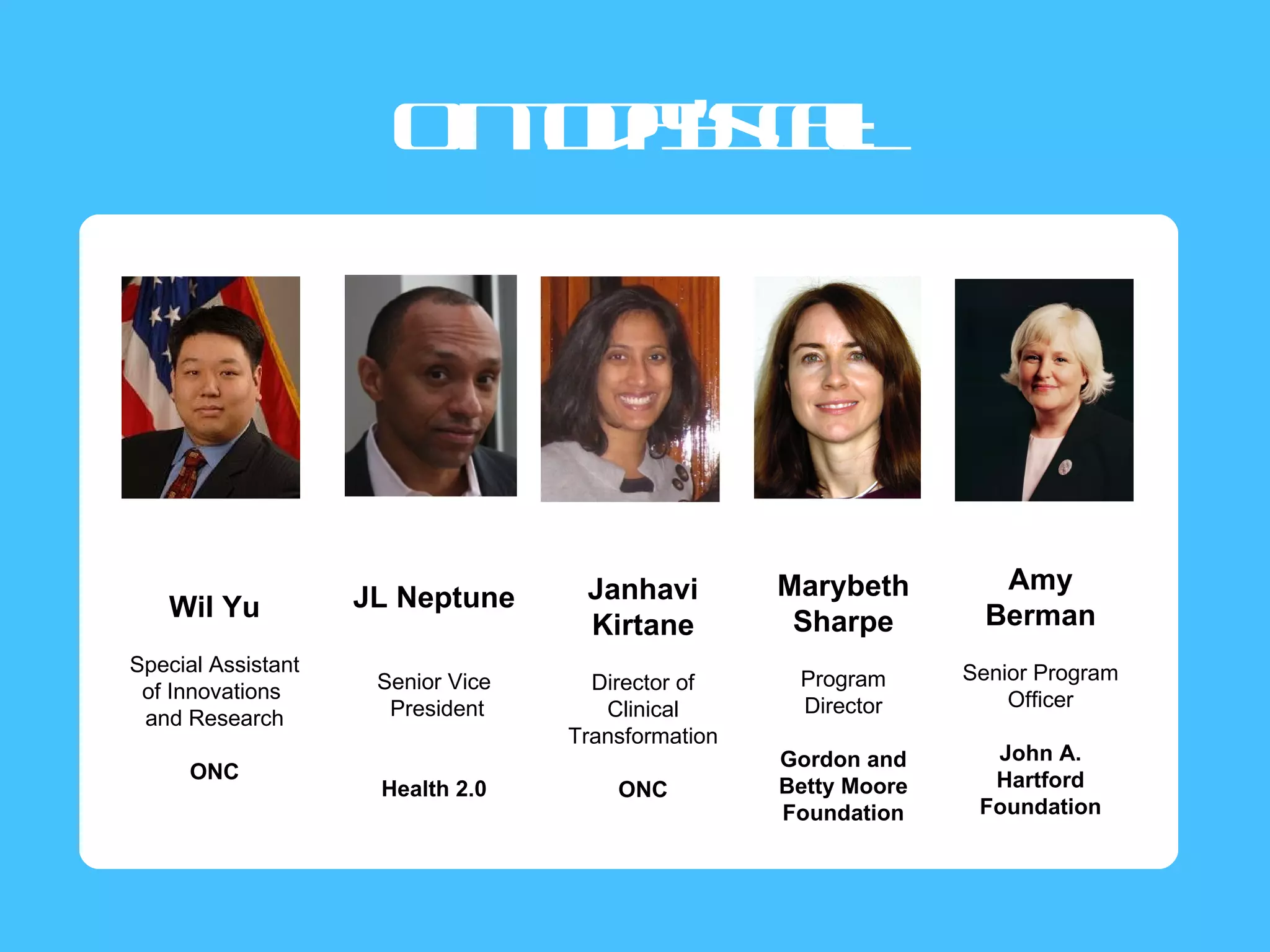
                                    Janhavi         Marybeth         Amy
   Wil Yu           JL Neptune
                                    Kirtane          Sharpe         Berman
Special Assistant                                                 Senior Program
                     Senior Vice     Director of     Program
 of Innovations                                                       Officer
                      President       Clinical       Director
 and Research
                                   Transformation
                                                    Gordon and      John A.
      ONC                                                           Hartford
                     Health 2.0        ONC          Betty Moore
                                                    Foundation     Foundation
A ed f T dy Me g
  gnao o a’s et
       r       in

ON ad h I e in innoa n i2
   C n ten s g I vt ( )
          vt      n io
Porm
 rga

A I rdc n o a Tasio s
  nn o ut t C r rnit n
    t   io    e

A Ovr w f e
  n ev o t Discharge
      ie  h            Follow-Up
Appointment C aeg
             hlne
               l

Q& A o th C a ne
   A b u te hl g
              l
              e
ON ad
  C n i2
i2 – Investing in Innovations
Wil Yu
Wil.Yu@HHS.gov

Adam Wong

Office of the National Coordinator


                                     5
i2 Goals

• Better Health, Better Care, Better Value through Quality Improvement
  – Further the mission of the Department of Health and Human Services
  – Highlight programs, activities, and issues of concern


• Spur Innovation and Highlight Excellence
  – Motivate, inspire, and lead


• Community building – Development of ecosystem


• Stimulate private sector investment


                                                                         6
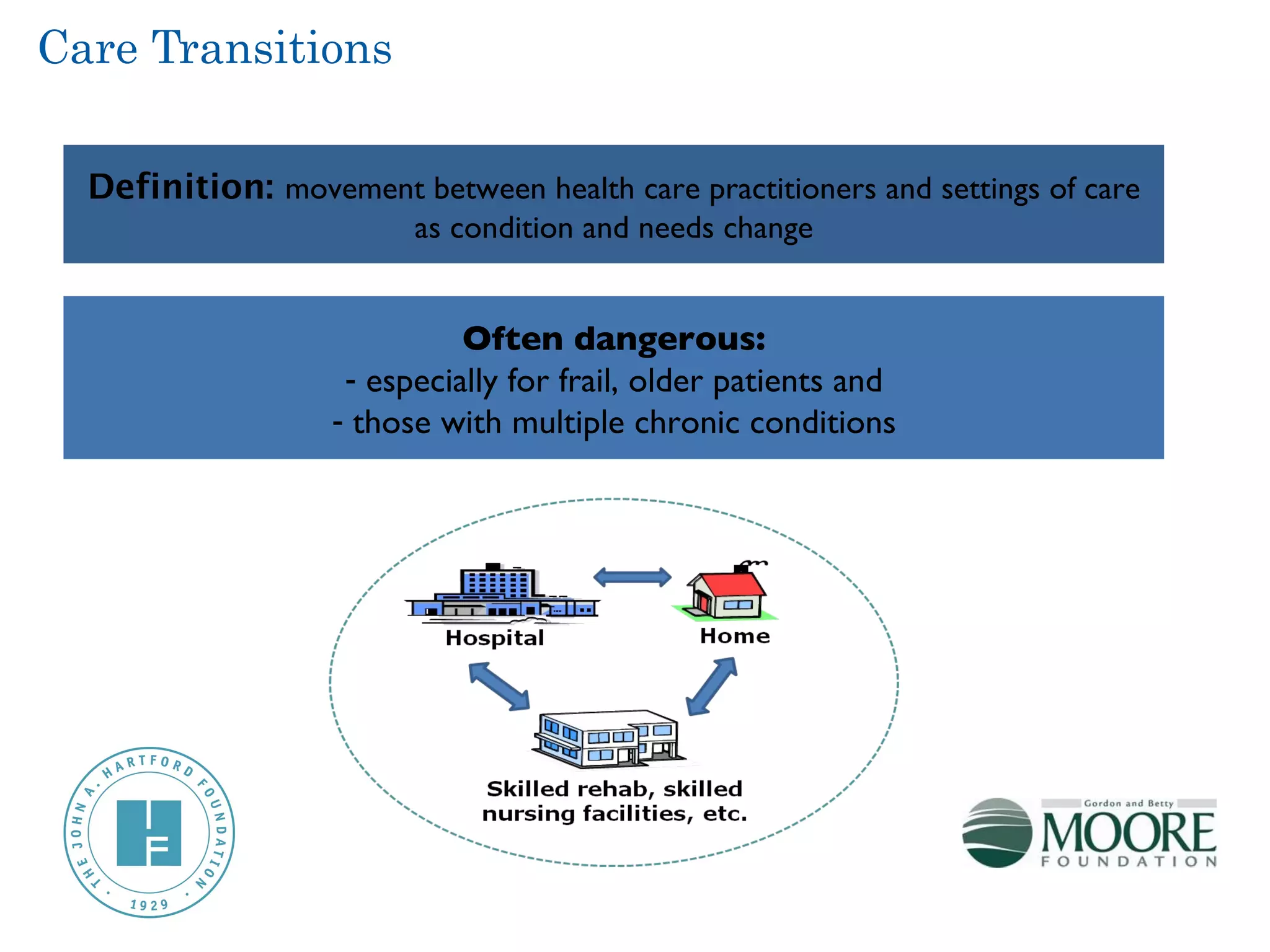
Care Transitions

  Definition: movement between health care practitioners and settings of care
                         as condition and needs change


                             Often dangerous:
                    - especially for frail, older patients and
                   - those with multiple chronic conditions
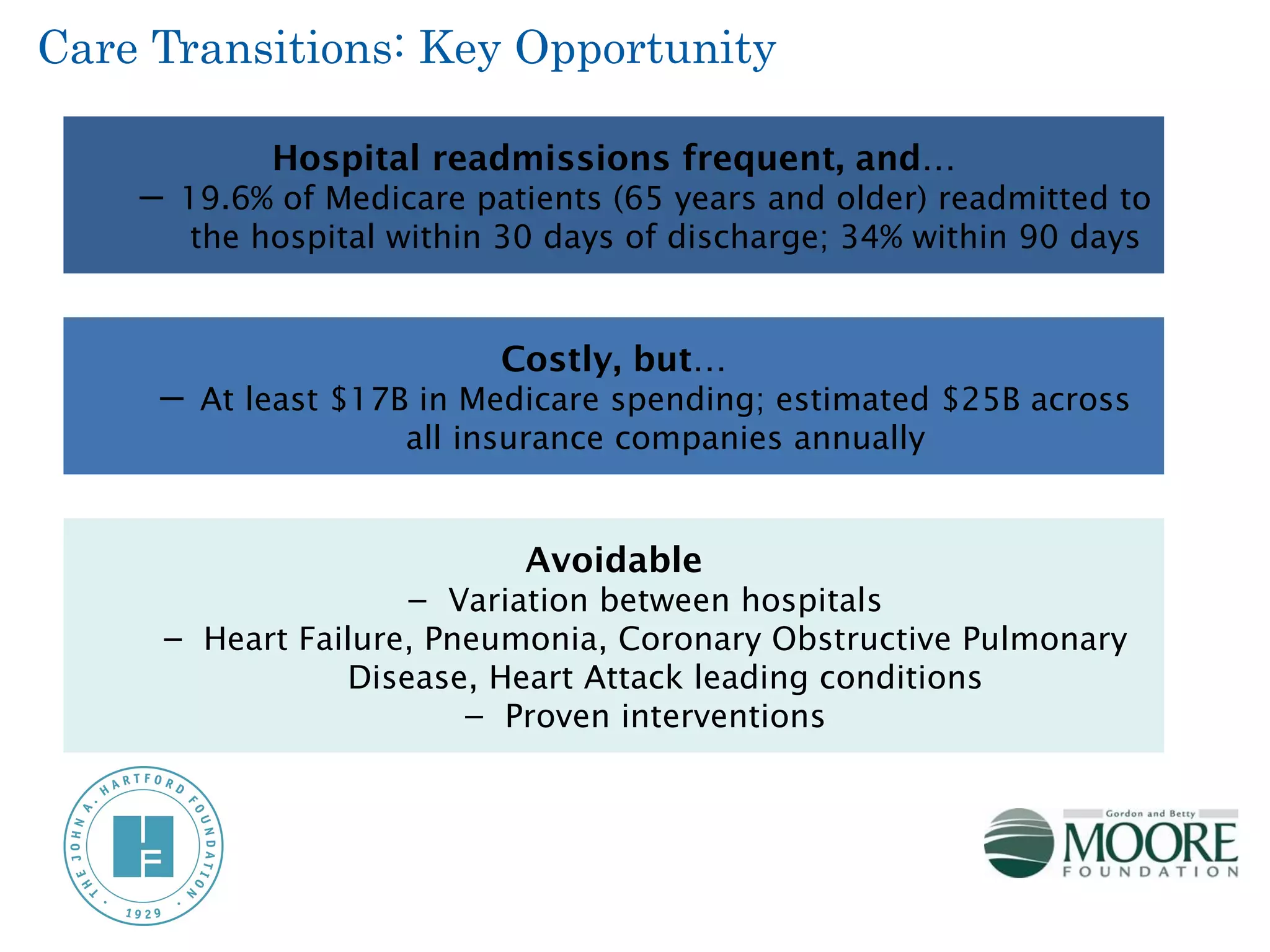
Care Transitions: Key Opportunity

            Hospital readmissions frequent, and…
    ─ 19.6% of Medicare patients (65 years and older) readmitted to
       the hospital within 30 days of discharge; 34% within 90 days


                          Costly, but…
     ─ At least $17B in Medicare spending; estimated $25B across
                    all insurance companies annually


                           Avoidable
                    – Variation between hospitals
     – Heart Failure, Pneumonia, Coronary Obstructive Pulmonary
                Disease, Heart Attack leading conditions
                        – Proven interventions
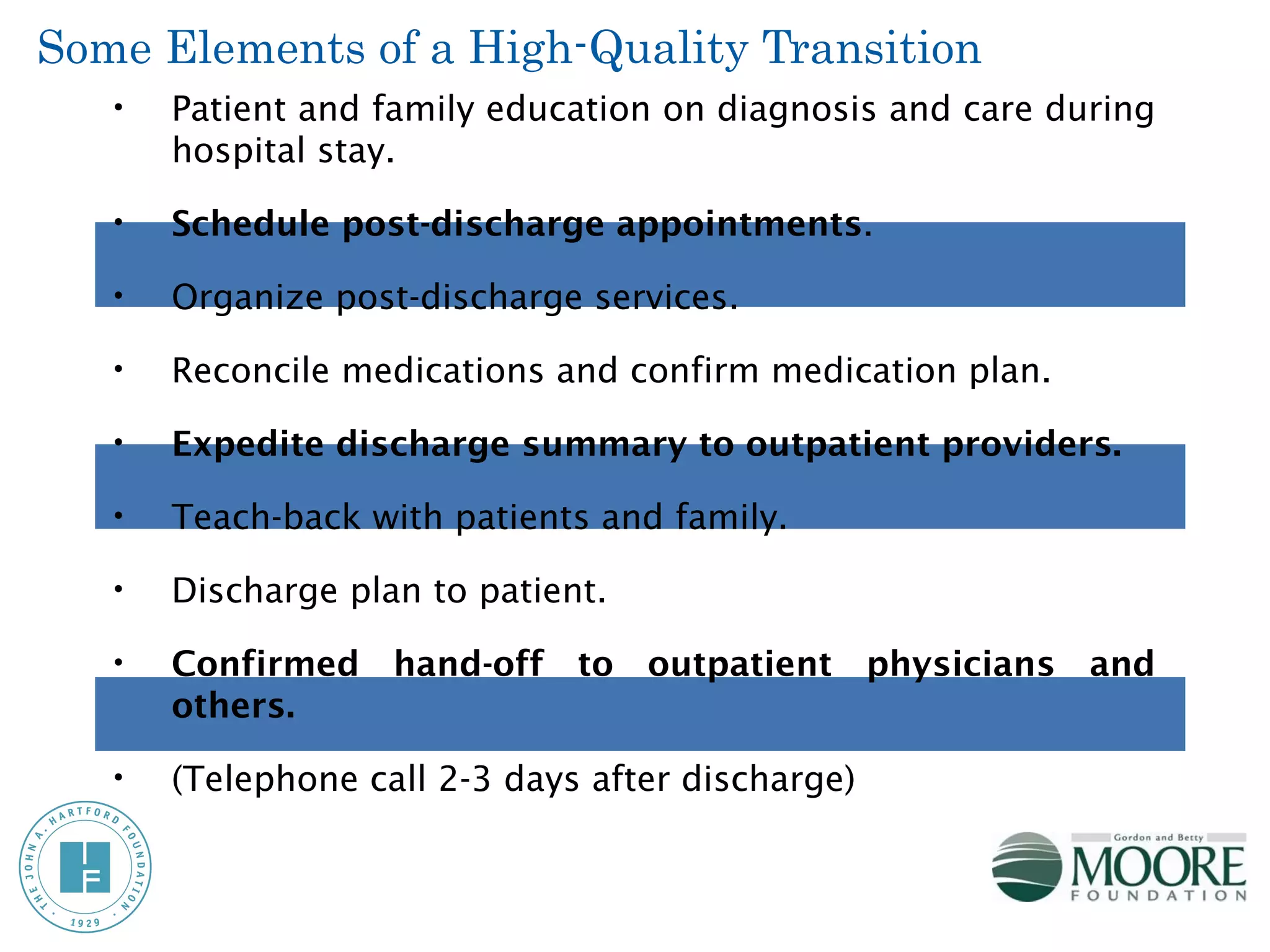
Some Elements of a High-Quality Transition
   •   Patient and family education on diagnosis and care during
       hospital stay.

   •   Schedule post-discharge appointments.

   •   Organize post-discharge services.

   •   Reconcile medications and confirm medication plan.

   •   Expedite discharge summary to outpatient providers.

   •   Teach-back with patients and family.

   •   Discharge plan to patient.

   •   Confirmed hand-off to outpatient physicians and
       others.

   •   (Telephone call 2-3 days after discharge)
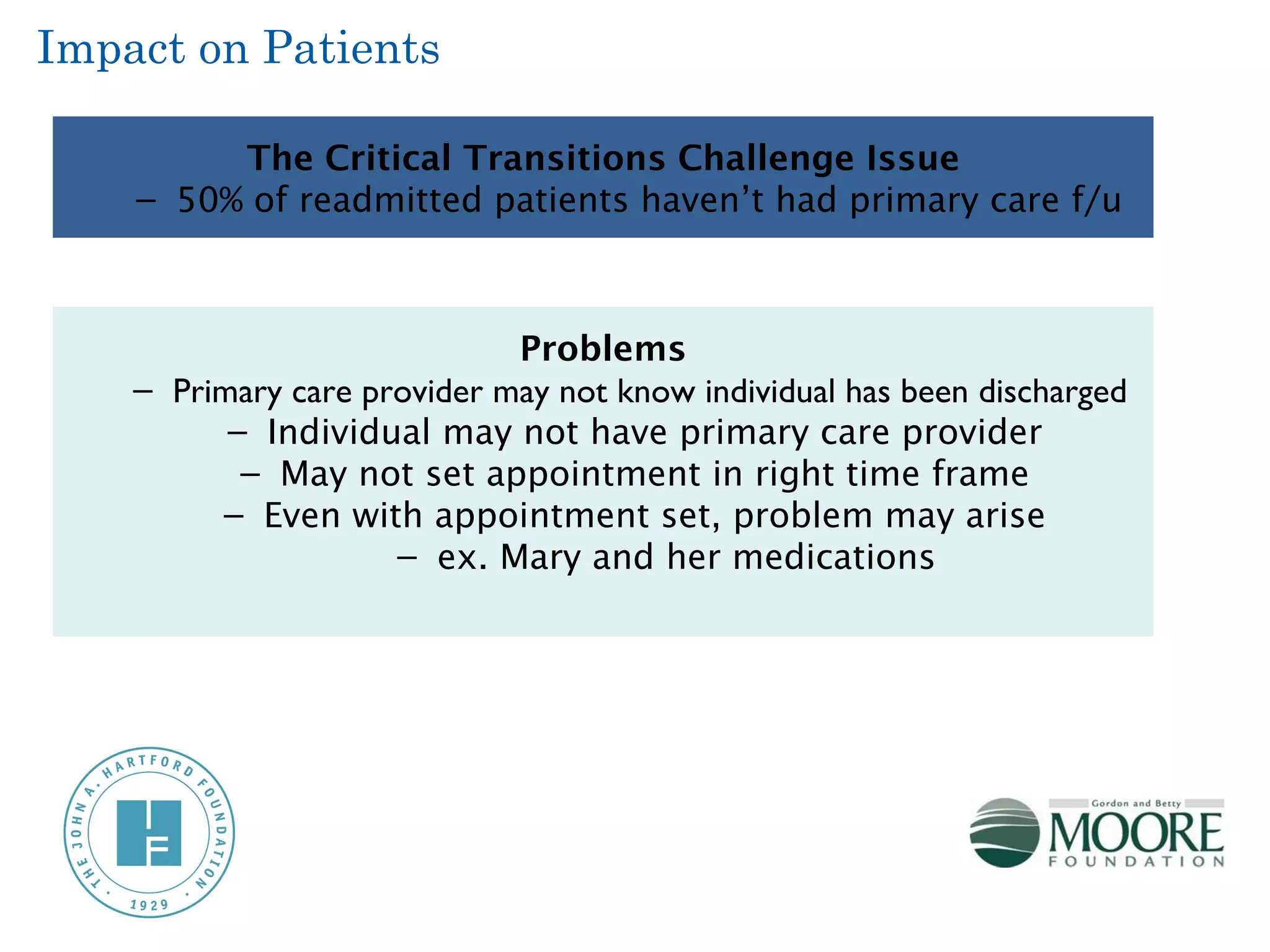
Impact on Patients

         The Critical Transitions Challenge Issue
    – 50% of readmitted patients haven’t had primary care f/u


                             Problems
    – Primary care provider may not know individual has been discharged
          – Individual may not have primary care provider
           – May not set appointment in right time frame
         – Even with appointment set, problem may arise
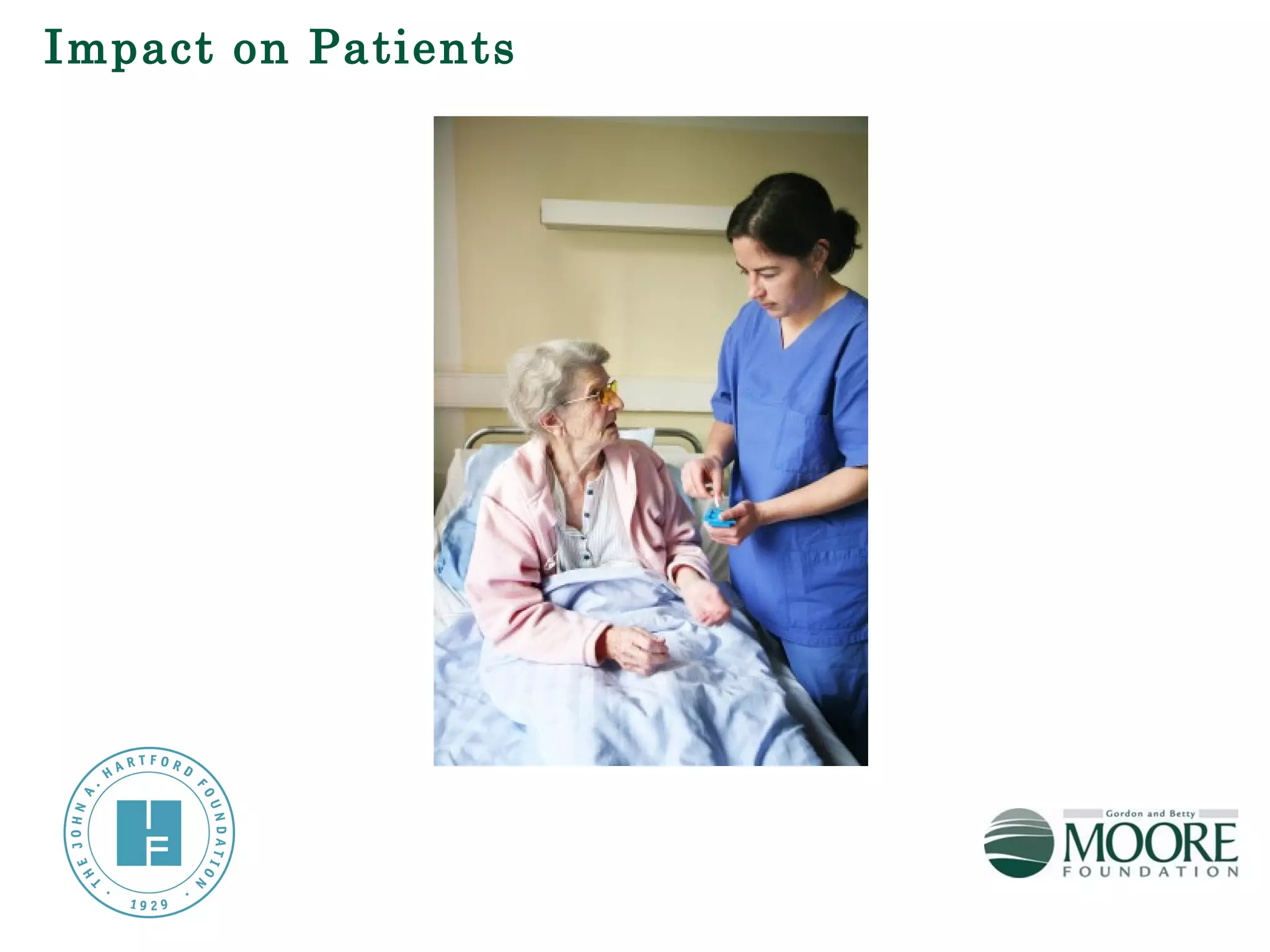
                     – ex. Mary and her medications
Impact on Patients
T e hlne
                        h C a g:
                             l
                             e
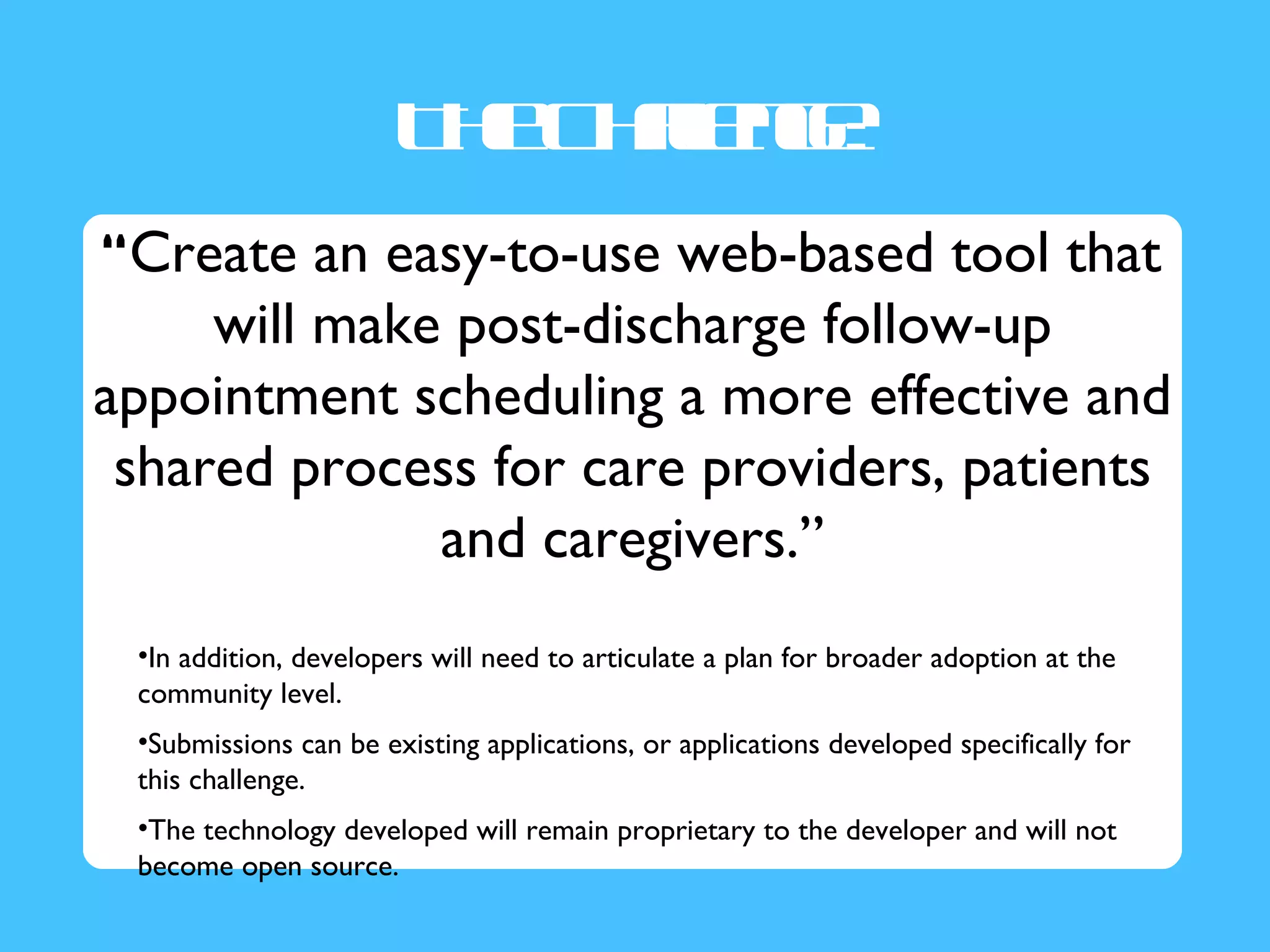
“Create an easy-to-use web-based tool that
     will make post-discharge follow-up
appointment scheduling a more effective and
 shared process for care providers, patients
              and caregivers.”
 •In addition, developers will need to articulate a plan for broader adoption at the
 community level.
 •Submissions can be existing applications, or applications developed specifically for
 this challenge.
 •The technology developed will remain proprietary to the developer and will not
 become open source.
Pr1T oD vl mn
        a : o l ee p et
         t        o

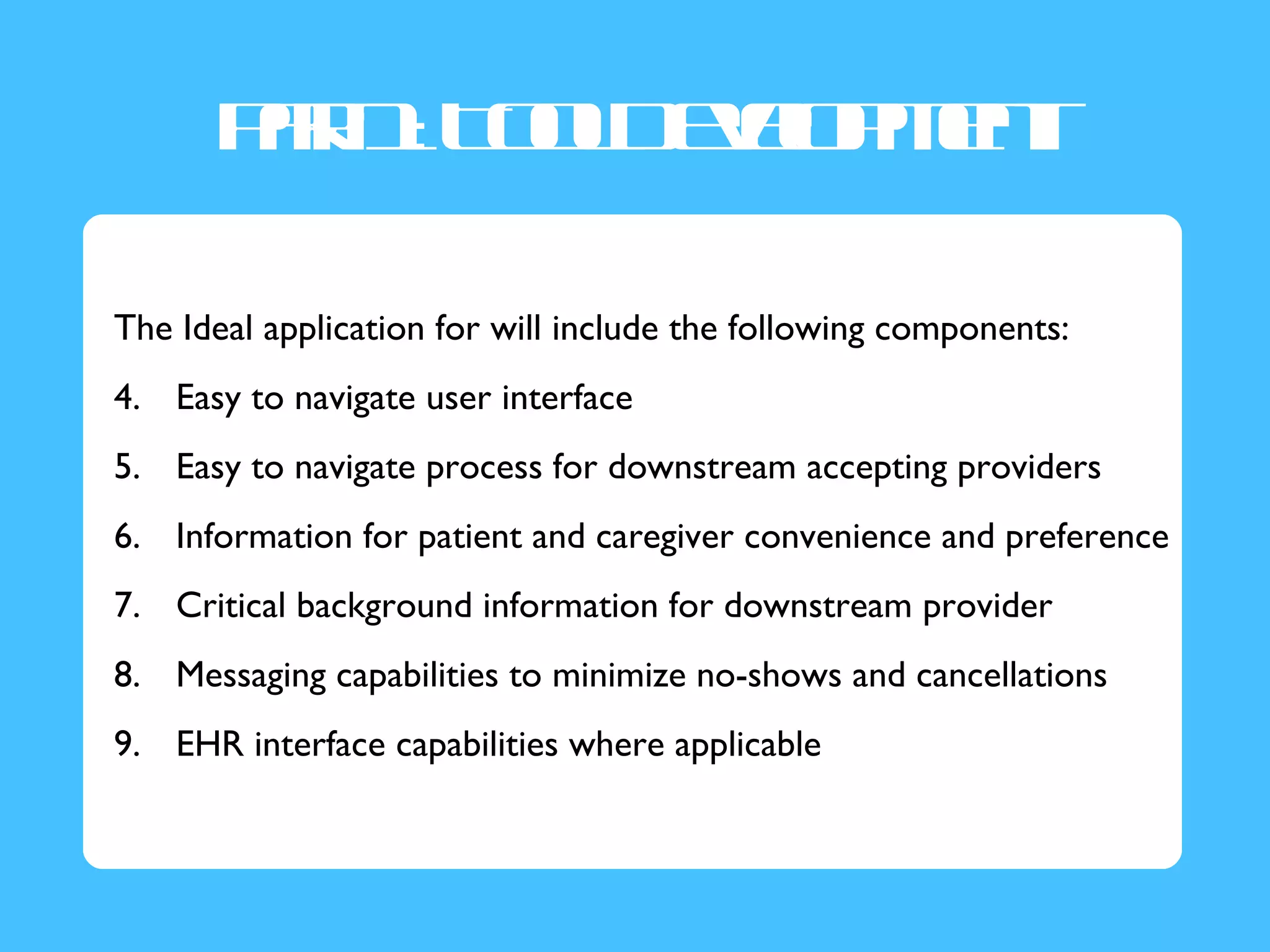
The Ideal application for will include the following components:
4. Easy to navigate user interface
5. Easy to navigate process for downstream accepting providers
6. Information for patient and caregiver convenience and preference
7. Critical background information for downstream provider
8. Messaging capabilities to minimize no-shows and cancellations
9. EHR interface capabilities where applicable
Pr2P no s lad d p n
 a : l f ce n ao t
  t a ra         io

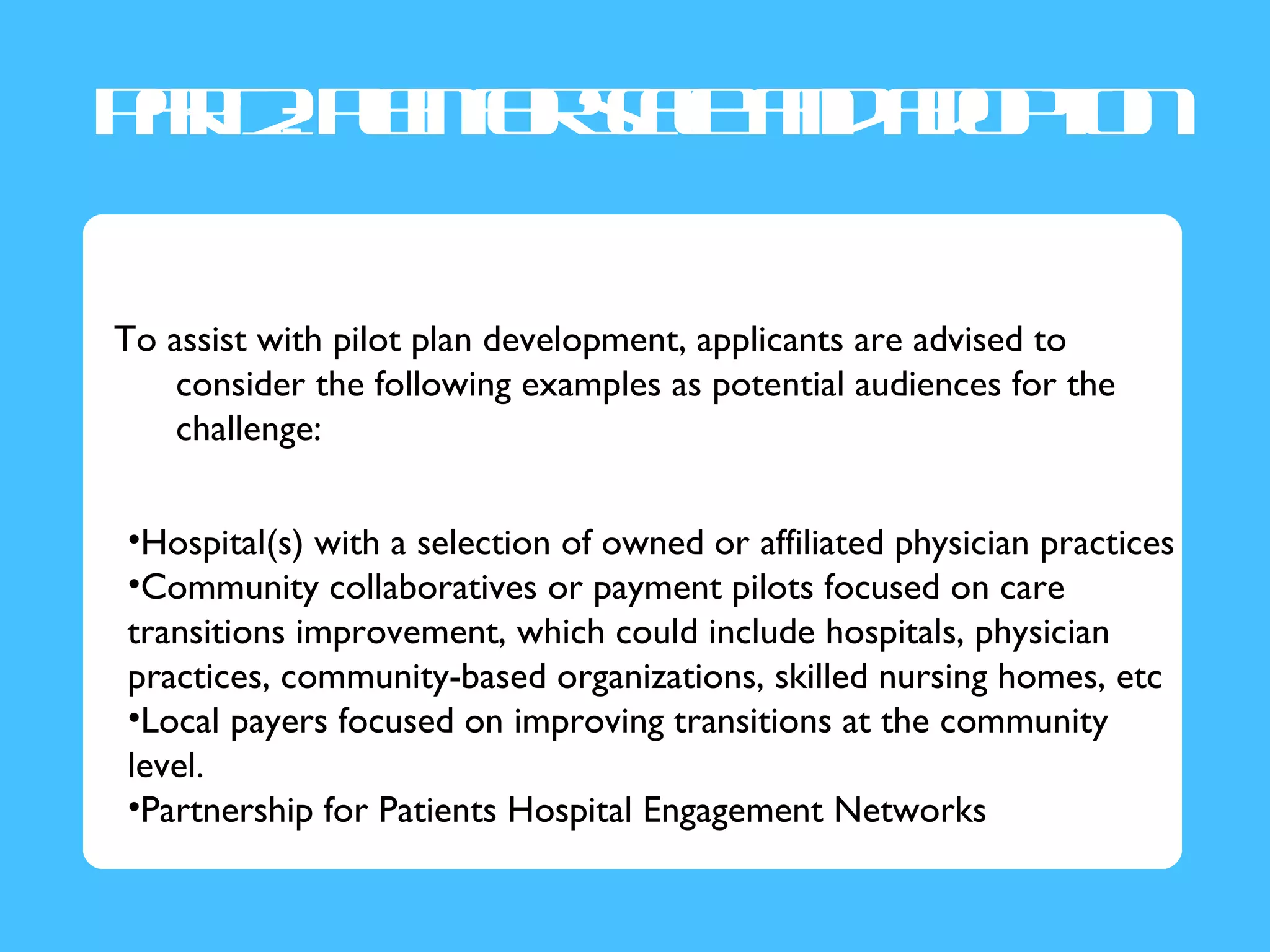
To assist with pilot plan development, applicants are advised to
    consider the following examples as potential audiences for the
    challenge:


•Hospital(s) with a selection of owned or affiliated physician practices
•Community collaboratives or payment pilots focused on care
transitions improvement, which could include hospitals, physician
practices, community-based organizations, skilled nursing homes, etc
•Local payers focused on improving transitions at the community
level.
•Partnership for Patients Hospital Engagement Networks
Pr2P no s lad d p n
 a : l f ce n ao t
  t a ra         io

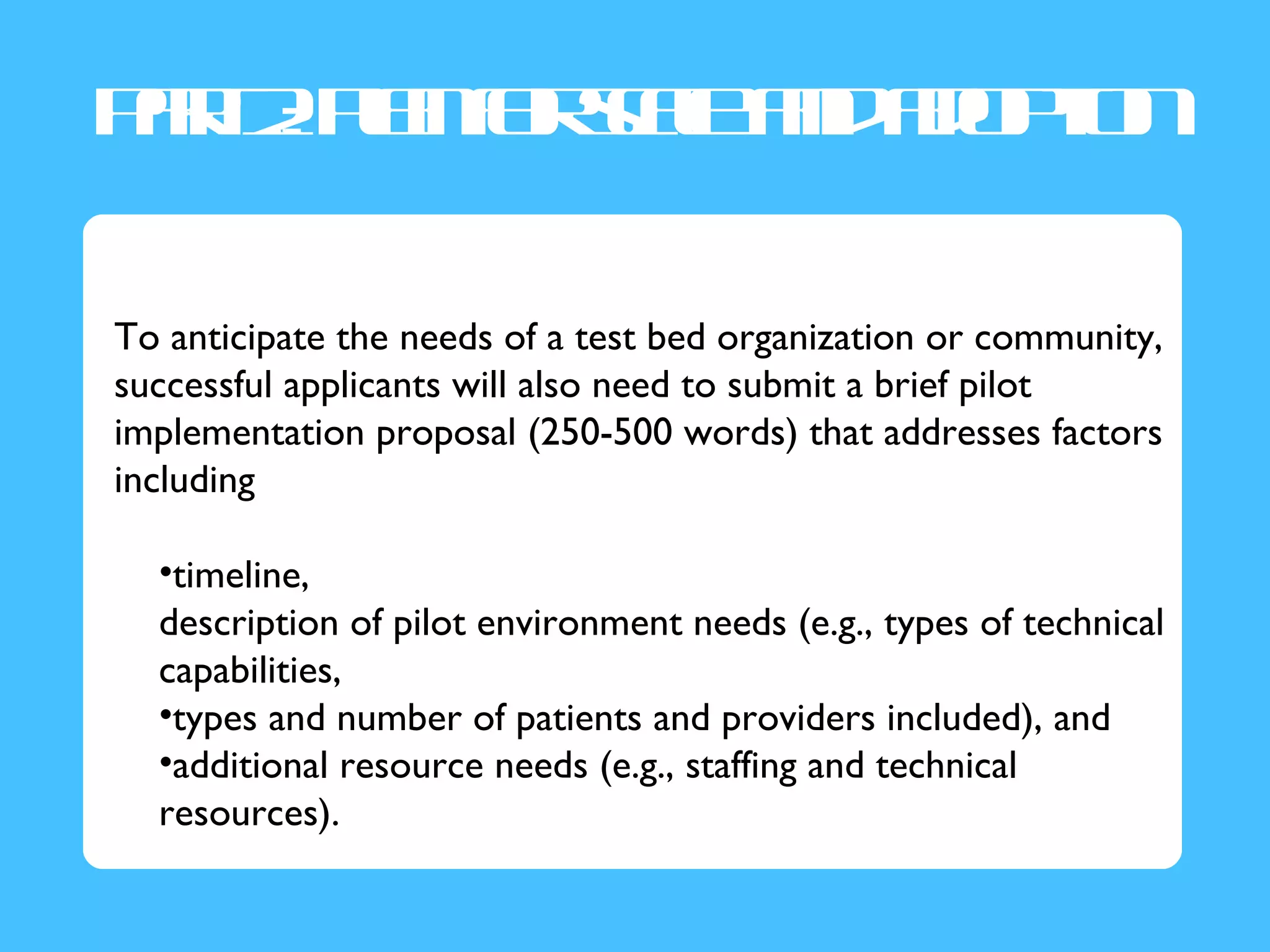
To anticipate the needs of a test bed organization or community,
successful applicants will also need to submit a brief pilot
implementation proposal (250-500 words) that addresses factors
including

  •timeline,
  description of pilot environment needs (e.g., types of technical
  capabilities,
  •types and number of patients and providers included), and
  •additional resource needs (e.g., staffing and technical
  resources).
J g g re
                 u in Cit ia
                  d      r

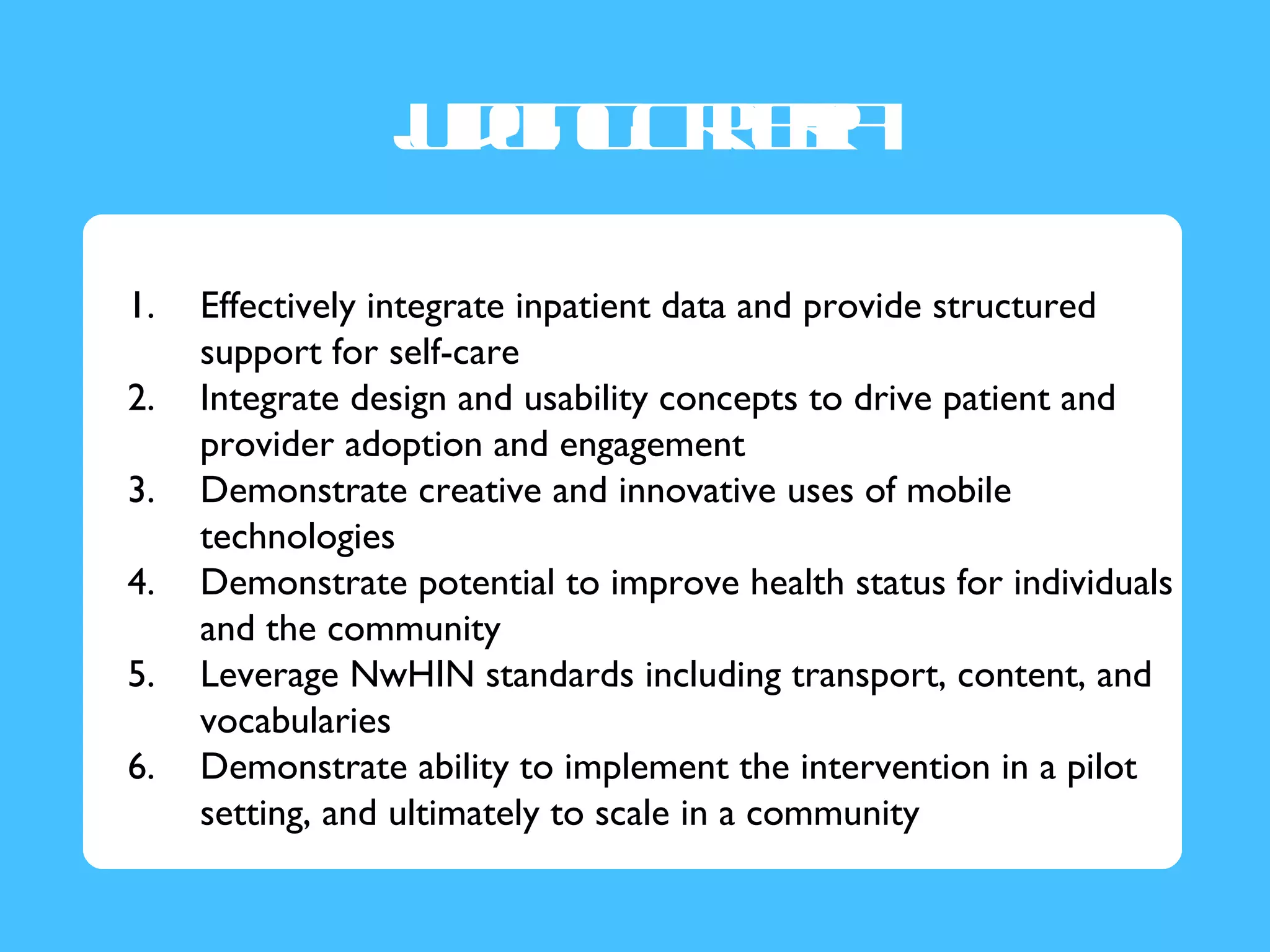
1.   Effectively integrate inpatient data and provide structured
     support for self-care
2.   Integrate design and usability concepts to drive patient and
     provider adoption and engagement
3.   Demonstrate creative and innovative uses of mobile
     technologies
4.   Demonstrate potential to improve health status for individuals
     and the community
5.   Leverage NwHIN standards including transport, content, and
     vocabularies
6.   Demonstrate ability to implement the intervention in a pilot
     setting, and ultimately to scale in a community
T ee
        iml
          in


Submission Period Ends
        4-30-12

   Winner Notified
        05-23-12
Fr oen r a n
 o M r Iomt
        f  io


ht:/ w .hahcaeg.og
 t / w el 2hlne r
  pw      t  l


 C natenLc etn:
  o t J - u N pue
     c a
  j el 2hlne r
  l ahcaeg.og
  @h t   l

Discharge Follow-Up Appointment Webinar Slide Deck

  • 1.
    Discharge Follow-Up Appointment Challenge Webinar Presentation Wednesday, March 7th
  • 2.
    On o a’sa tdy cl l : Janhavi Marybeth Amy Wil Yu JL Neptune Kirtane Sharpe Berman Special Assistant Senior Program Senior Vice Director of Program of Innovations Officer President Clinical Director and Research Transformation Gordon and John A. ONC Hartford Health 2.0 ONC Betty Moore Foundation Foundation
  • 3.
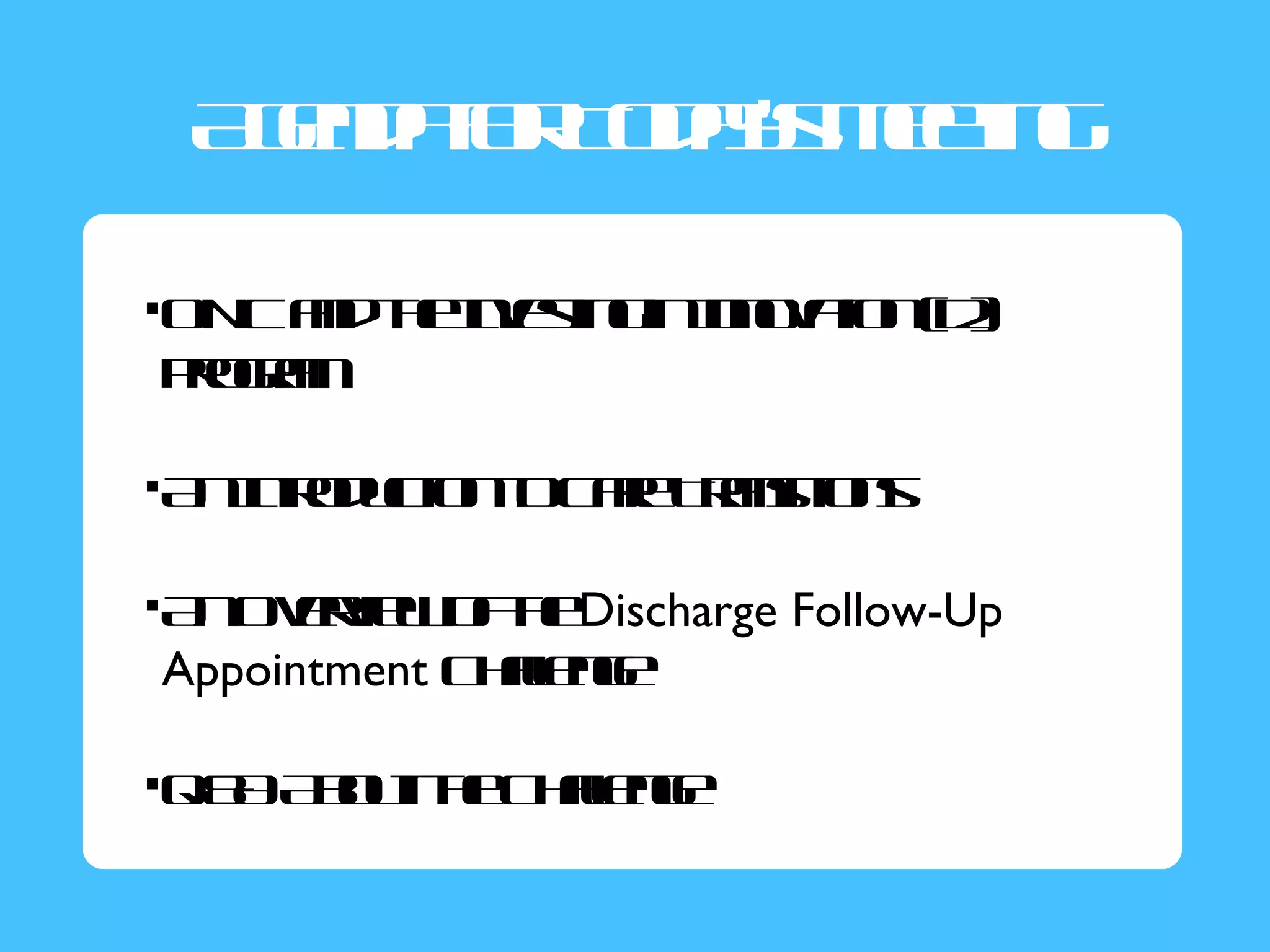
    A ed fT dy Me g gnao o a’s et r in ON ad h I e in innoa n i2 C n ten s g I vt ( ) vt n io Porm rga A I rdc n o a Tasio s nn o ut t C r rnit n t io e A Ovr w f e n ev o t Discharge ie h Follow-Up Appointment C aeg hlne l Q& A o th C a ne A b u te hl g l e
  • 4.
    ON ad C n i2
  • 5.
    i2 – Investingin Innovations Wil Yu Wil.Yu@HHS.gov Adam Wong Office of the National Coordinator 5
  • 6.
    i2 Goals • BetterHealth, Better Care, Better Value through Quality Improvement – Further the mission of the Department of Health and Human Services – Highlight programs, activities, and issues of concern • Spur Innovation and Highlight Excellence – Motivate, inspire, and lead • Community building – Development of ecosystem • Stimulate private sector investment 6
  • 7.
    Care Transitions Definition: movement between health care practitioners and settings of care as condition and needs change Often dangerous: - especially for frail, older patients and - those with multiple chronic conditions
  • 8.
    Care Transitions: KeyOpportunity Hospital readmissions frequent, and… ─ 19.6% of Medicare patients (65 years and older) readmitted to the hospital within 30 days of discharge; 34% within 90 days Costly, but… ─ At least $17B in Medicare spending; estimated $25B across all insurance companies annually Avoidable – Variation between hospitals – Heart Failure, Pneumonia, Coronary Obstructive Pulmonary Disease, Heart Attack leading conditions – Proven interventions
  • 9.
    Some Elements ofa High-Quality Transition • Patient and family education on diagnosis and care during hospital stay. • Schedule post-discharge appointments. • Organize post-discharge services. • Reconcile medications and confirm medication plan. • Expedite discharge summary to outpatient providers. • Teach-back with patients and family. • Discharge plan to patient. • Confirmed hand-off to outpatient physicians and others. • (Telephone call 2-3 days after discharge)
  • 10.
    Impact on Patients The Critical Transitions Challenge Issue – 50% of readmitted patients haven’t had primary care f/u Problems – Primary care provider may not know individual has been discharged – Individual may not have primary care provider – May not set appointment in right time frame – Even with appointment set, problem may arise – ex. Mary and her medications
  • 11.
  • 12.
    T e hlne h C a g: l e “Create an easy-to-use web-based tool that will make post-discharge follow-up appointment scheduling a more effective and shared process for care providers, patients and caregivers.” •In addition, developers will need to articulate a plan for broader adoption at the community level. •Submissions can be existing applications, or applications developed specifically for this challenge. •The technology developed will remain proprietary to the developer and will not become open source.
  • 13.
    Pr1T oD vlmn a : o l ee p et t o The Ideal application for will include the following components: 4. Easy to navigate user interface 5. Easy to navigate process for downstream accepting providers 6. Information for patient and caregiver convenience and preference 7. Critical background information for downstream provider 8. Messaging capabilities to minimize no-shows and cancellations 9. EHR interface capabilities where applicable
  • 14.
    Pr2P no slad d p n a : l f ce n ao t t a ra io To assist with pilot plan development, applicants are advised to consider the following examples as potential audiences for the challenge: •Hospital(s) with a selection of owned or affiliated physician practices •Community collaboratives or payment pilots focused on care transitions improvement, which could include hospitals, physician practices, community-based organizations, skilled nursing homes, etc •Local payers focused on improving transitions at the community level. •Partnership for Patients Hospital Engagement Networks
  • 15.
    Pr2P no slad d p n a : l f ce n ao t t a ra io To anticipate the needs of a test bed organization or community, successful applicants will also need to submit a brief pilot implementation proposal (250-500 words) that addresses factors including •timeline, description of pilot environment needs (e.g., types of technical capabilities, •types and number of patients and providers included), and •additional resource needs (e.g., staffing and technical resources).
  • 16.
    J g gre u in Cit ia d r 1. Effectively integrate inpatient data and provide structured support for self-care 2. Integrate design and usability concepts to drive patient and provider adoption and engagement 3. Demonstrate creative and innovative uses of mobile technologies 4. Demonstrate potential to improve health status for individuals and the community 5. Leverage NwHIN standards including transport, content, and vocabularies 6. Demonstrate ability to implement the intervention in a pilot setting, and ultimately to scale in a community
  • 17.
    T ee iml in Submission Period Ends 4-30-12 Winner Notified 05-23-12
  • 18.
    Fr oen ra n o M r Iomt f io ht:/ w .hahcaeg.og t / w el 2hlne r pw t l C natenLc etn: o t J - u N pue c a j el 2hlne r l ahcaeg.og @h t l

Editor's Notes

  • #8 Marybeth Sharpe Full definition: The term "care transitions" refers to the movement patients make between health care practitioners and settings as their condition and care needs change during the course of a chronic or acute illness. For example, in the course of an acute exacerbation of an illness, a patient might receive care from a PCP or specialist in an outpatient setting, then transition to a hospital physician and nursing team during an inpatient admission before moving on to yet another care team at a skilled nursing facility. Finally, the patient might return home, where he or she would receive care from a visiting nurse. Each of these shifts from care providers and settings is defined as a care transition.
  • #9 Marybeth Sharpe
  • #10 Marybeth Sharpe
  • #11 Amy Berman “ half of nonsurgical patients were rehospitalized without having seen an outpatient doctor in follow-up” Jencks, Coleman article
  • #12 Amy Berman
  • #13 Providing education and resources to help reduce fat and salt intake, increase exercise, lose weight, stop smoking, or increase medication adherence (e.g., to improve control of high blood pressure) Using GPS technology to recommend nearby walks or places to eat healthier Recommending to the high risk patient to see a primary care doctor if not on aspirin or cholesterol-lowering medication Linking to online communities dedicated to improving heart health