LESSON 12
THE DISCIPLINE
OF
COMMUNICATION
What is
COMMUNICATION?
DEFINITION OF COMMUNICATION
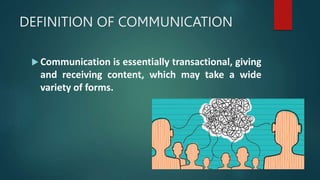
 Communication is essentially transactional, giving
and receiving content, which may take a wide
variety of forms.
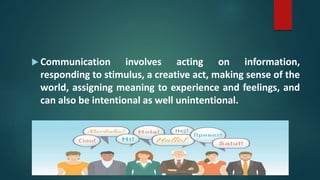
 Communication involves acting on information,
responding to stimulus, a creative act, making sense of the
world, assigning meaning to experience and feelings, and
can also be intentional as well unintentional.
Context and the basic concepts of
communication
 Even if we understand words in a language, it is difficult to fully
appreciate meaning unless it is contextualized (email, television,
with a friend, with family, a political campaign or a protest rally, a
celebration, or a religious or social event)
6 common identified frames of
reference:
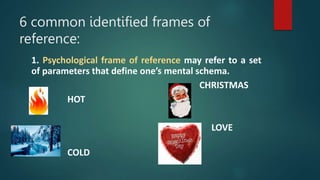
1. Psychological frame of reference may refer to a set
of parameters that define one’s mental schema.
CHRISTMAS
HOT
LOVE
COLD
 2. Cultural frame of reference may refer to
a set of parameters that define one’s
bias.
Due to LAWS
Due to background
Due to race
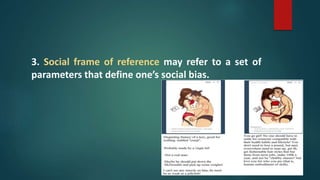
3. Social frame of reference may refer to a set of
parameters that define one’s social bias.
4. Spatial frame of reference may refer to a set of
egocentric experience, environmental, and geographical
parameters that define one’s interpretation of reality.
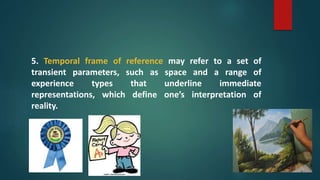
5. Temporal frame of reference may refer to a set of
transient parameters, such as space and a range of
experience types that underline immediate
representations, which define one’s interpretation of
reality.
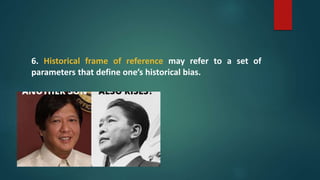
6. Historical frame of reference may refer to a set of
parameters that define one’s historical bias.
Goals of communication
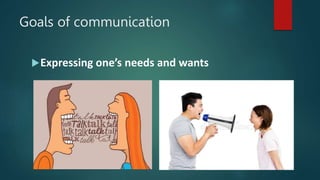
Expressing one’s needs and wants
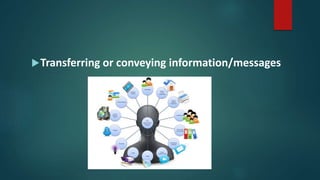
Transferring or conveying information/messages
Establishing social closeness or sustaining
relationships with others
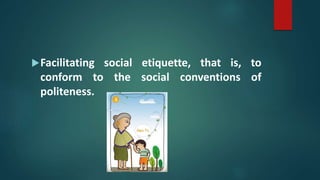
Facilitating social etiquette, that is, to
conform to the social conventions of
politeness.
To change behavior
Basic elements of the communication
process
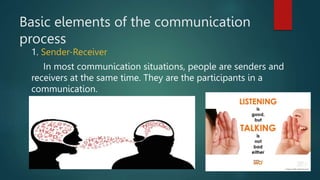
1. Sender-Receiver
In most communication situations, people are senders and
receivers at the same time. They are the participants in a
communication.
2. Message
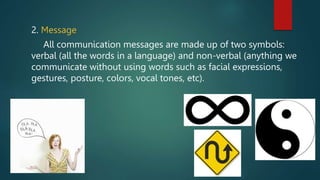
All communication messages are made up of two symbols:
verbal (all the words in a language) and non-verbal (anything we
communicate without using words such as facial expressions,
gestures, posture, colors, vocal tones, etc).
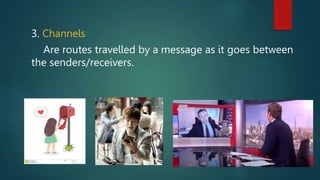
3. Channels
Are routes travelled by a message as it goes between
the senders/receivers.
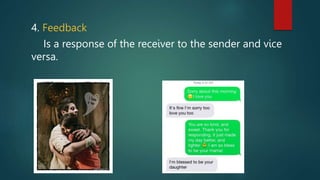
4. Feedback
Is a response of the receiver to the sender and vice
versa.
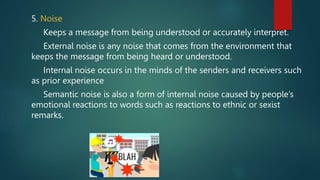
5. Noise
Keeps a message from being understood or accurately interpret.
External noise is any noise that comes from the environment that
keeps the message from being heard or understood.
Internal noise occurs in the minds of the senders and receivers such
as prior experience
Semantic noise is also a form of internal noise caused by people’s
emotional reactions to words such as reactions to ethnic or sexist
remarks.
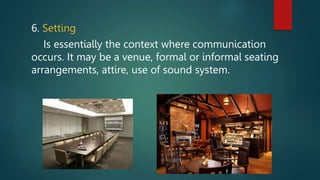
6. Setting
Is essentially the context where communication
occurs. It may be a venue, formal or informal seating
arrangements, attire, use of sound system.
Levels of communication: from
intrapersonal to mass communication
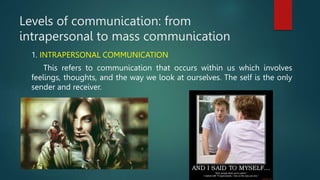
1. INTRAPERSONAL COMMUNICATION
This refers to communication that occurs within us which involves
feelings, thoughts, and the way we look at ourselves. The self is the only
sender and receiver.
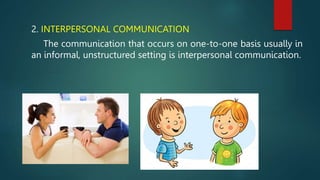
2. INTERPERSONAL COMMUNICATION
The communication that occurs on one-to-one basis usually in
an informal, unstructured setting is interpersonal communication.
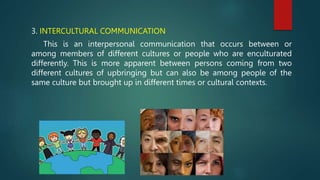
3. INTERCULTURAL COMMUNICATION
This is an interpersonal communication that occurs between or
among members of different cultures or people who are enculturated
differently. This is more apparent between persons coming from two
different cultures of upbringing but can also be among people of the
same culture but brought up in different times or cultural contexts.
4. INTERVIEWING
Interviewing makes use of a series of questions and answers
usually involving two people or groups.
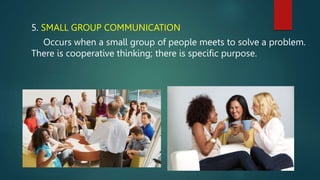
5. SMALL GROUP COMMUNICATION
Occurs when a small group of people meets to solve a problem.
There is cooperative thinking; there is specific purpose.
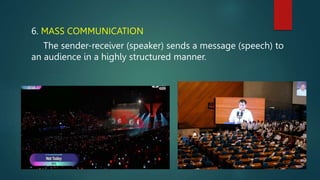
6. MASS COMMUNICATION
The sender-receiver (speaker) sends a message (speech) to
an audience in a highly structured manner.

DIASS COMMUNICATION.pptx

  • 1.
  • 2.
  • 3.
    DEFINITION OF COMMUNICATION Communication is essentially transactional, giving and receiving content, which may take a wide variety of forms.
  • 4.
     Communication involvesacting on information, responding to stimulus, a creative act, making sense of the world, assigning meaning to experience and feelings, and can also be intentional as well unintentional.
  • 5.
    Context and thebasic concepts of communication  Even if we understand words in a language, it is difficult to fully appreciate meaning unless it is contextualized (email, television, with a friend, with family, a political campaign or a protest rally, a celebration, or a religious or social event)
  • 6.
    6 common identifiedframes of reference: 1. Psychological frame of reference may refer to a set of parameters that define one’s mental schema. CHRISTMAS HOT LOVE COLD
  • 7.
     2. Culturalframe of reference may refer to a set of parameters that define one’s bias. Due to LAWS Due to background Due to race
  • 8.
    3. Social frameof reference may refer to a set of parameters that define one’s social bias.
  • 9.
    4. Spatial frameof reference may refer to a set of egocentric experience, environmental, and geographical parameters that define one’s interpretation of reality.
  • 10.
    5. Temporal frameof reference may refer to a set of transient parameters, such as space and a range of experience types that underline immediate representations, which define one’s interpretation of reality.
  • 11.
    6. Historical frameof reference may refer to a set of parameters that define one’s historical bias.
  • 12.
    Goals of communication Expressingone’s needs and wants
  • 13.
    Transferring or conveyinginformation/messages
  • 14.
    Establishing social closenessor sustaining relationships with others
  • 15.
    Facilitating social etiquette,that is, to conform to the social conventions of politeness.
  • 16.
  • 17.
    Basic elements ofthe communication process 1. Sender-Receiver In most communication situations, people are senders and receivers at the same time. They are the participants in a communication.

  • 18.
    2. Message All communicationmessages are made up of two symbols: verbal (all the words in a language) and non-verbal (anything we communicate without using words such as facial expressions, gestures, posture, colors, vocal tones, etc).
  • 19.
    3. Channels Are routestravelled by a message as it goes between the senders/receivers.
  • 20.
    4. Feedback Is aresponse of the receiver to the sender and vice versa.
  • 21.
    5. Noise Keeps amessage from being understood or accurately interpret. External noise is any noise that comes from the environment that keeps the message from being heard or understood. Internal noise occurs in the minds of the senders and receivers such as prior experience Semantic noise is also a form of internal noise caused by people’s emotional reactions to words such as reactions to ethnic or sexist remarks.
  • 22.
    6. Setting Is essentiallythe context where communication occurs. It may be a venue, formal or informal seating arrangements, attire, use of sound system.
  • 23.
    Levels of communication:from intrapersonal to mass communication 1. INTRAPERSONAL COMMUNICATION This refers to communication that occurs within us which involves feelings, thoughts, and the way we look at ourselves. The self is the only sender and receiver.
  • 24.
    2. INTERPERSONAL COMMUNICATION Thecommunication that occurs on one-to-one basis usually in an informal, unstructured setting is interpersonal communication.
  • 25.
    3. INTERCULTURAL COMMUNICATION Thisis an interpersonal communication that occurs between or among members of different cultures or people who are enculturated differently. This is more apparent between persons coming from two different cultures of upbringing but can also be among people of the same culture but brought up in different times or cultural contexts.
  • 26.
    4. INTERVIEWING Interviewing makesuse of a series of questions and answers usually involving two people or groups.
  • 27.
    5. SMALL GROUPCOMMUNICATION Occurs when a small group of people meets to solve a problem. There is cooperative thinking; there is specific purpose.
  • 28.
    6. MASS COMMUNICATION Thesender-receiver (speaker) sends a message (speech) to an audience in a highly structured manner.

Editor's Notes

  • #10 Egocentric- caring too much about yourself and not other prople
  • #17 -that is why people read new books or seek help to understand things or reality.