TYPHOID FEVER
Dr.Shiv Kumar Yadav
05.02.2025
Introduction
Typhoid fever is the result of systemic infection mainly by S. typhi
found only in man.
The disease is clinically characterized by a typical continuous fever
for 3 to 4 weeks, relative bradycardia with involvement of lymphoid
tissues.
The term "enterlc fever" includes both typhoid and paratyphoid
fevers.
The disease may occur sporadically, epidemically or endemically.
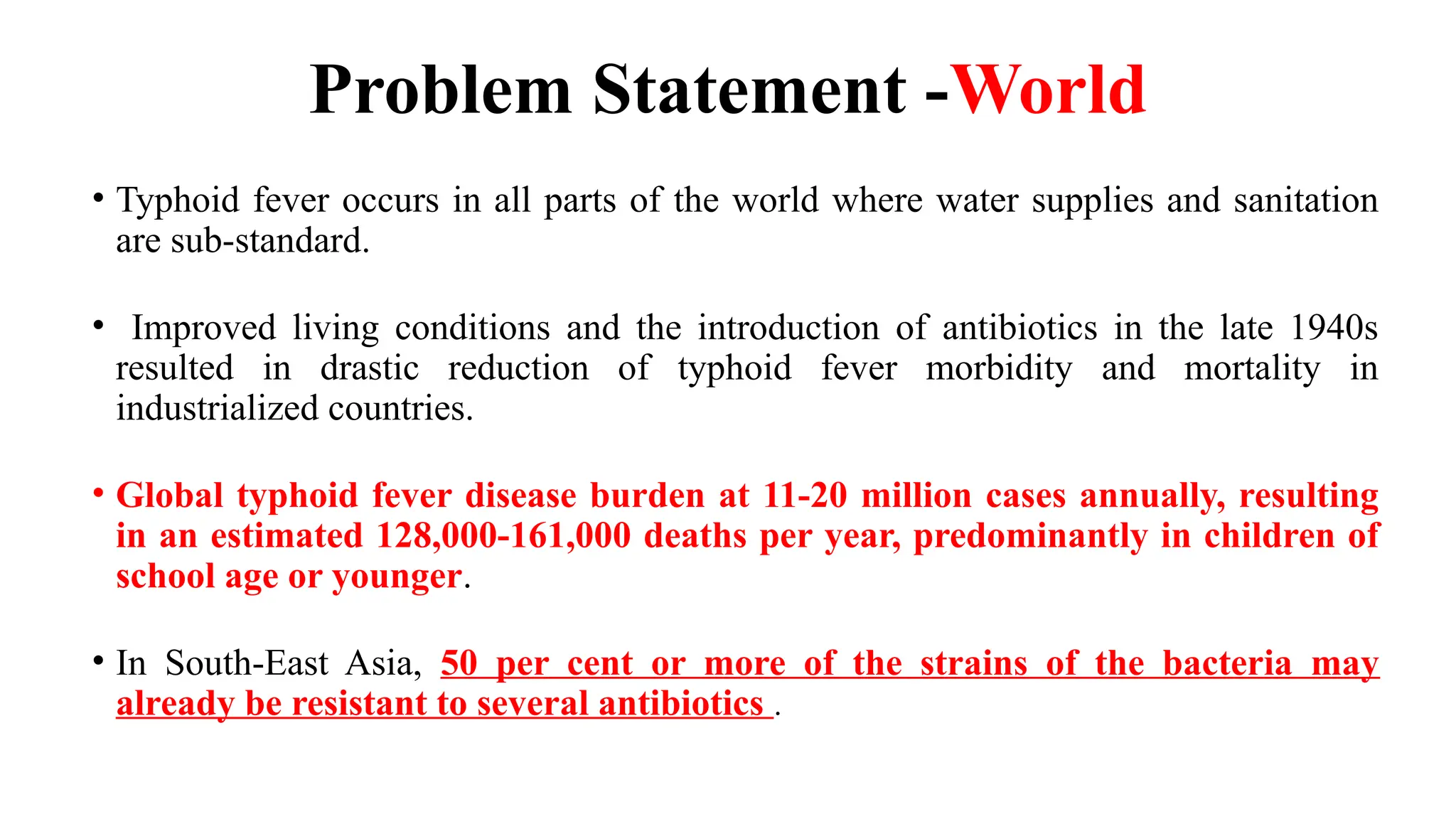
Problem Statement -World
• Typhoid fever occurs in all parts of the world where water supplies and sanitation
are sub-standard.
• Improved living conditions and the introduction of antibiotics in the late 1940s
resulted in drastic reduction of typhoid fever morbidity and mortality in
industrialized countries.
• Global typhoid fever disease burden at 11-20 million cases annually, resulting
in an estimated 128,000-161,000 deaths per year, predominantly in children of
school age or younger.
• In South-East Asia, 50 per cent or more of the strains of the bacteria may
already be resistant to several antibiotics .
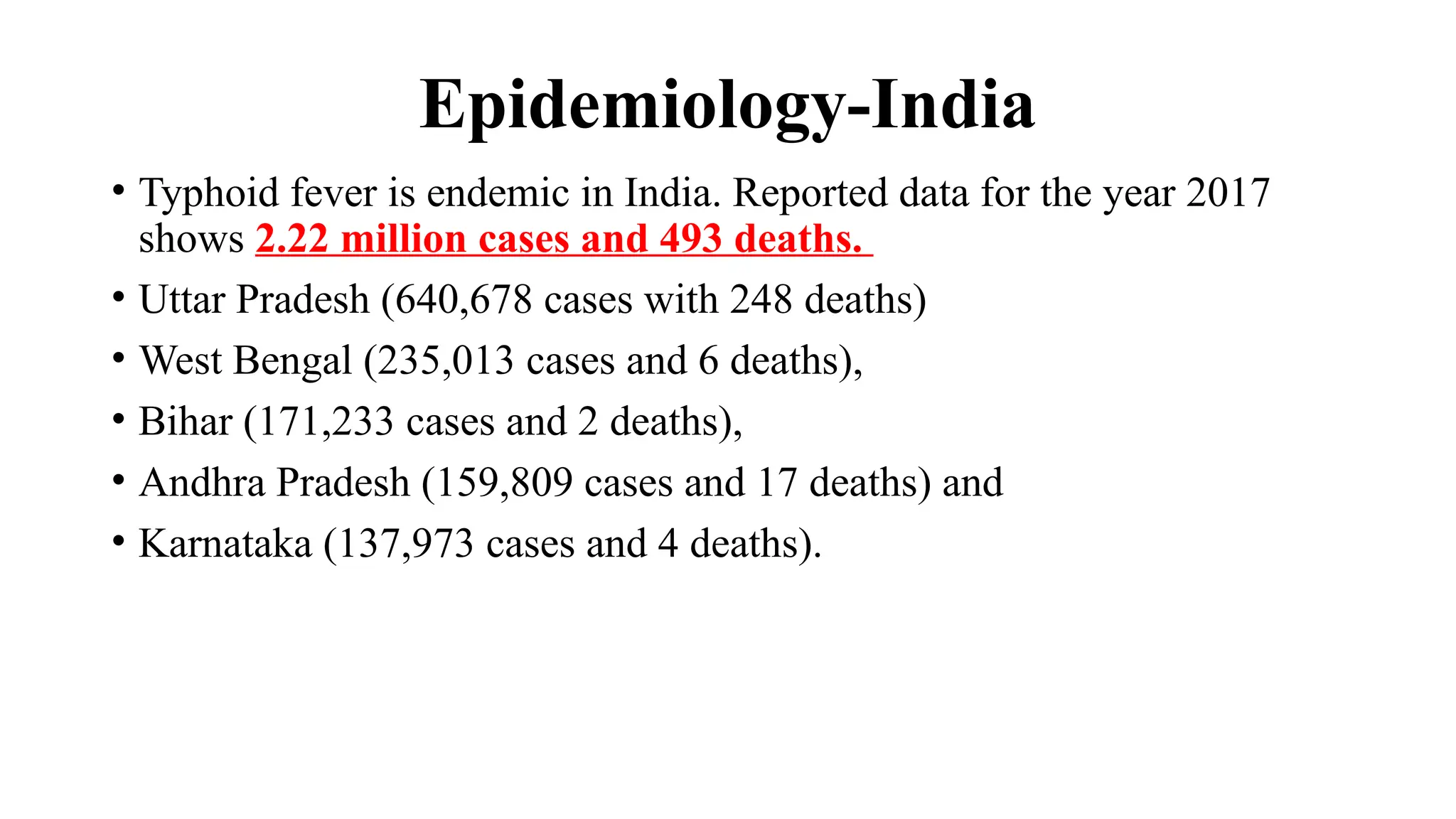
Epidemiology-India
• Typhoid fever is endemic in India. Reported data for the year 2017
shows 2.22 million cases and 493 deaths.
• Uttar Pradesh (640,678 cases with 248 deaths)
• West Bengal (235,013 cases and 6 deaths),
• Bihar (171,233 cases and 2 deaths),
• Andhra Pradesh (159,809 cases and 17 deaths) and
• Karnataka (137,973 cases and 4 deaths).
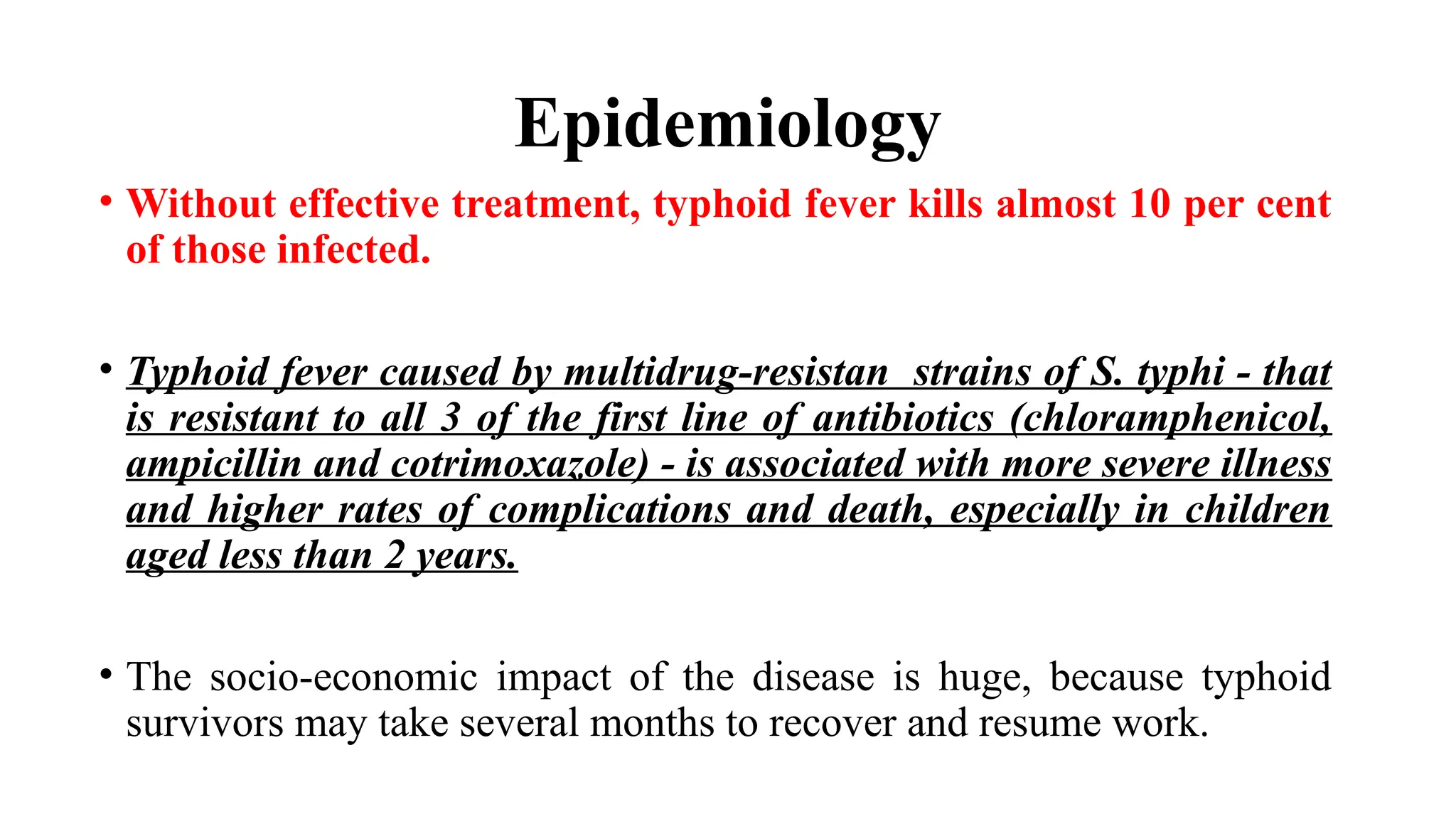
Epidemiology
• Without effective treatment, typhoid fever kills almost 10 per cent
of those infected.
• Typhoid fever caused by multidrug-resistan strains of S. typhi - that
is resistant to all 3 of the first line of antibiotics (chloramphenicol,
ampicillin and cotrimoxazole) - is associated with more severe illness
and higher rates of complications and death, especially in children
aged less than 2 years.
• The socio-economic impact of the disease is huge, because typhoid
survivors may take several months to recover and resume work.
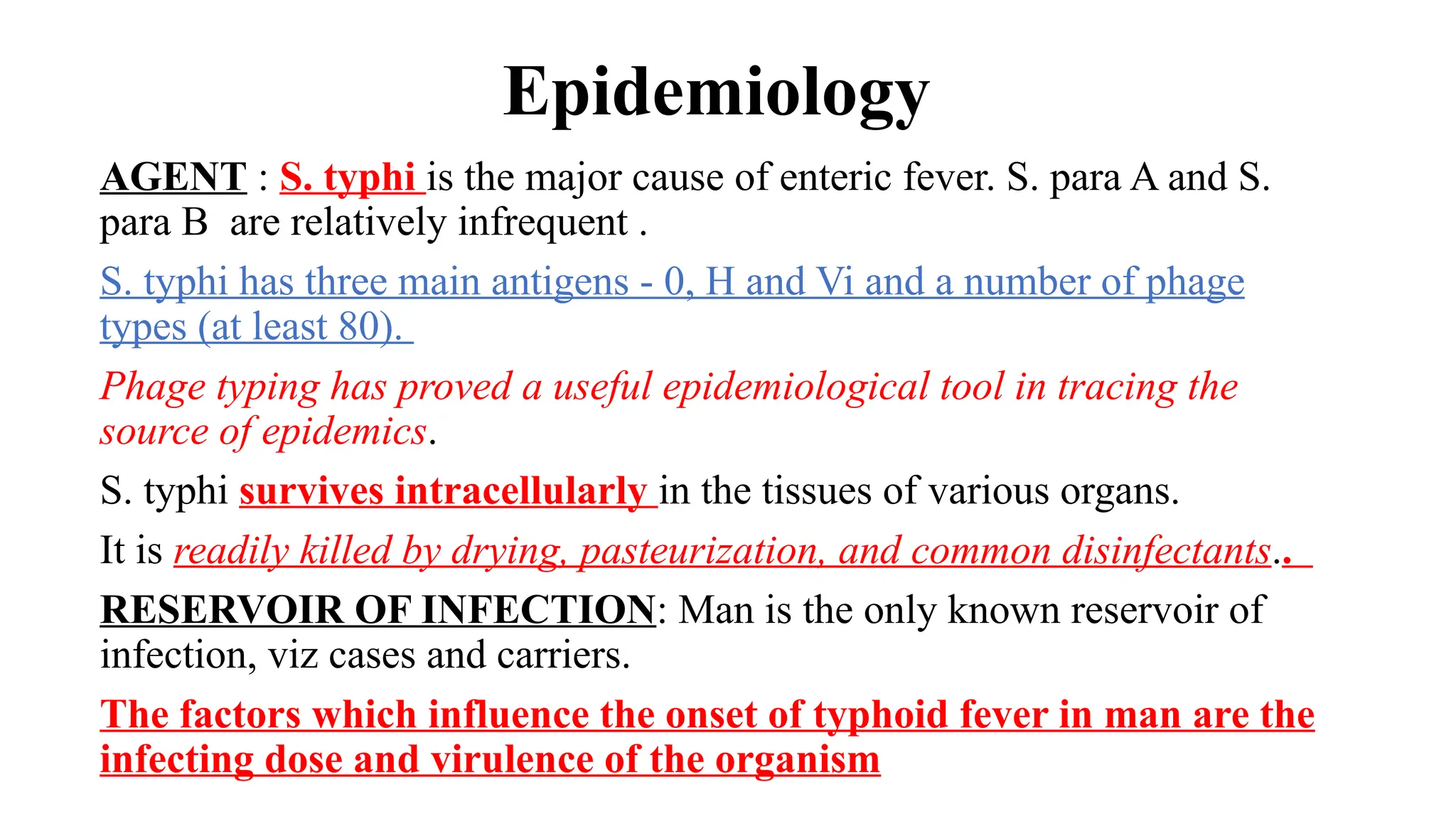
Epidemiology
AGENT : S. typhi is the major cause of enteric fever. S. para A and S.
para B are relatively infrequent .
S. typhi has three main antigens - 0, H and Vi and a number of phage
types (at least 80).
Phage typing has proved a useful epidemiological tool in tracing the
source of epidemics.
S. typhi survives intracellularly in the tissues of various organs.
It is readily killed by drying, pasteurization, and common disinfectants..
RESERVOIR OF INFECTION: Man is the only known reservoir of
infection, viz cases and carriers.
The factors which influence the onset of typhoid fever in man are the
infecting dose and virulence of the organism
Epidemiology
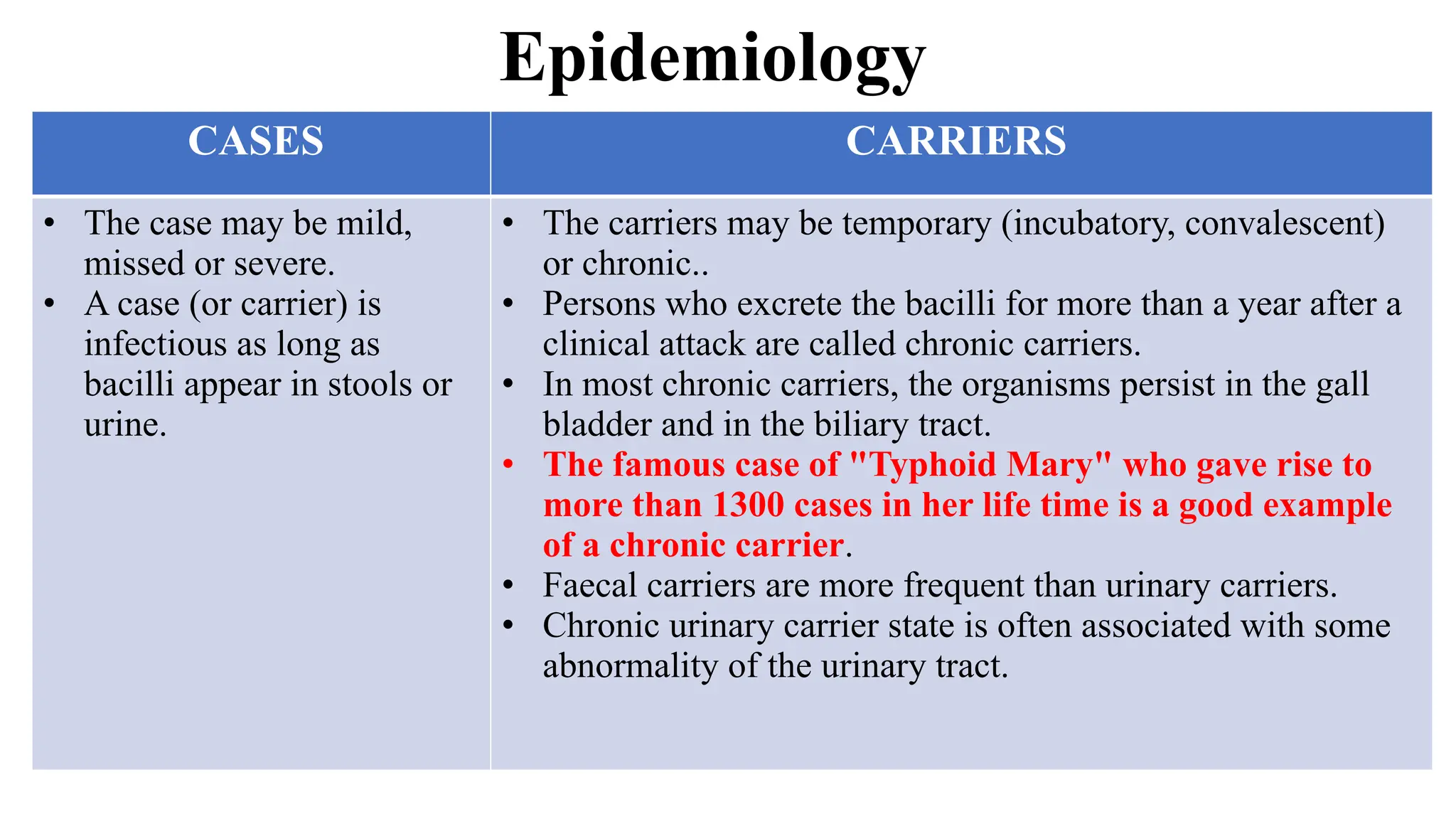
CASES CARRIERS
• The case may be mild,
missed or severe.
• A case (or carrier) is
infectious as long as
bacilli appear in stools or
urine.
• The carriers may be temporary (incubatory, convalescent)
or chronic..
• Persons who excrete the bacilli for more than a year after a
clinical attack are called chronic carriers.
• In most chronic carriers, the organisms persist in the gall
bladder and in the biliary tract.
• The famous case of "Typhoid Mary" who gave rise to
more than 1300 cases in her life time is a good example
of a chronic carrier.
• Faecal carriers are more frequent than urinary carriers.
• Chronic urinary carrier state is often associated with some
abnormality of the urinary tract.
Epidemiology
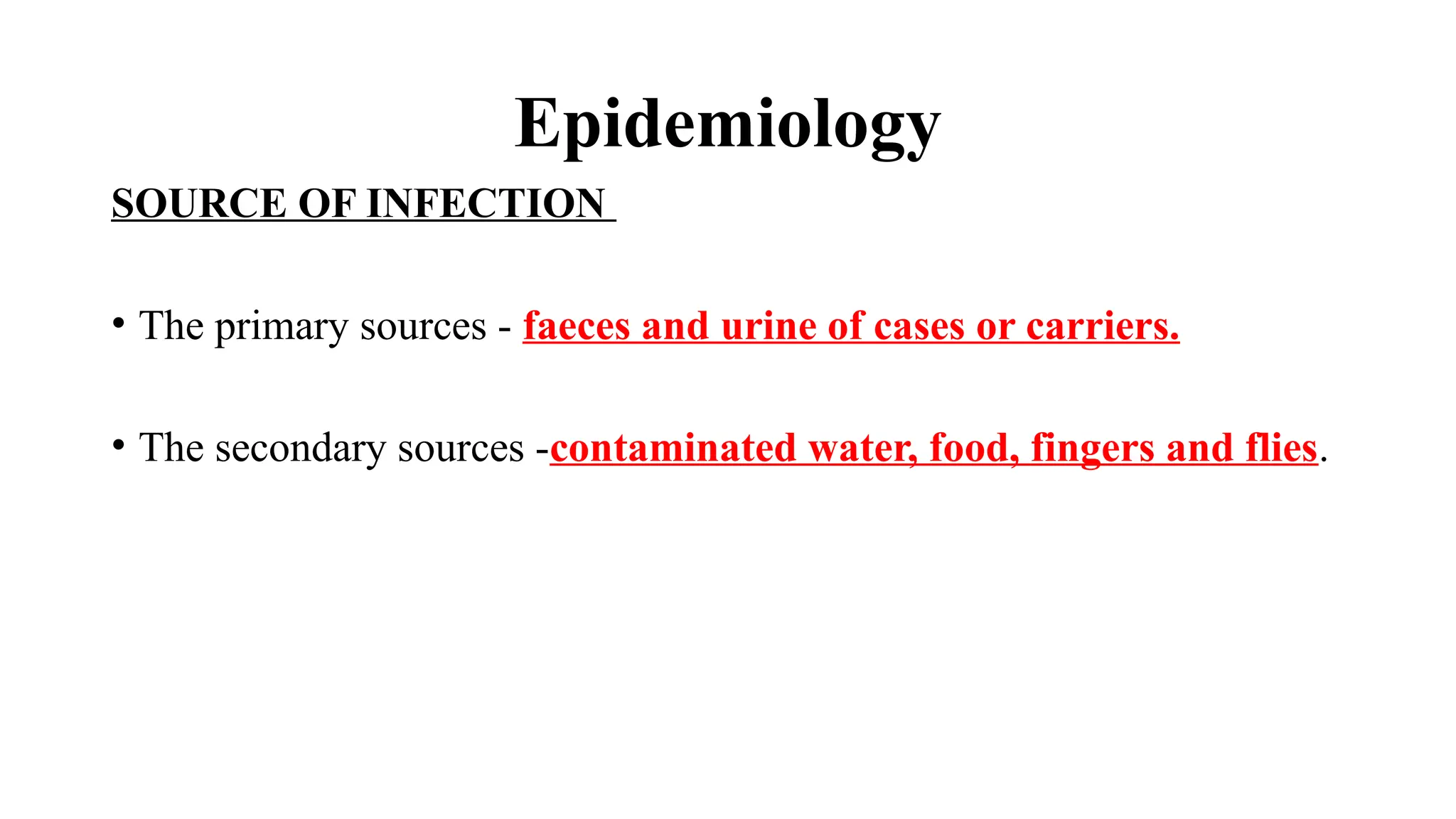
SOURCE OF INFECTION
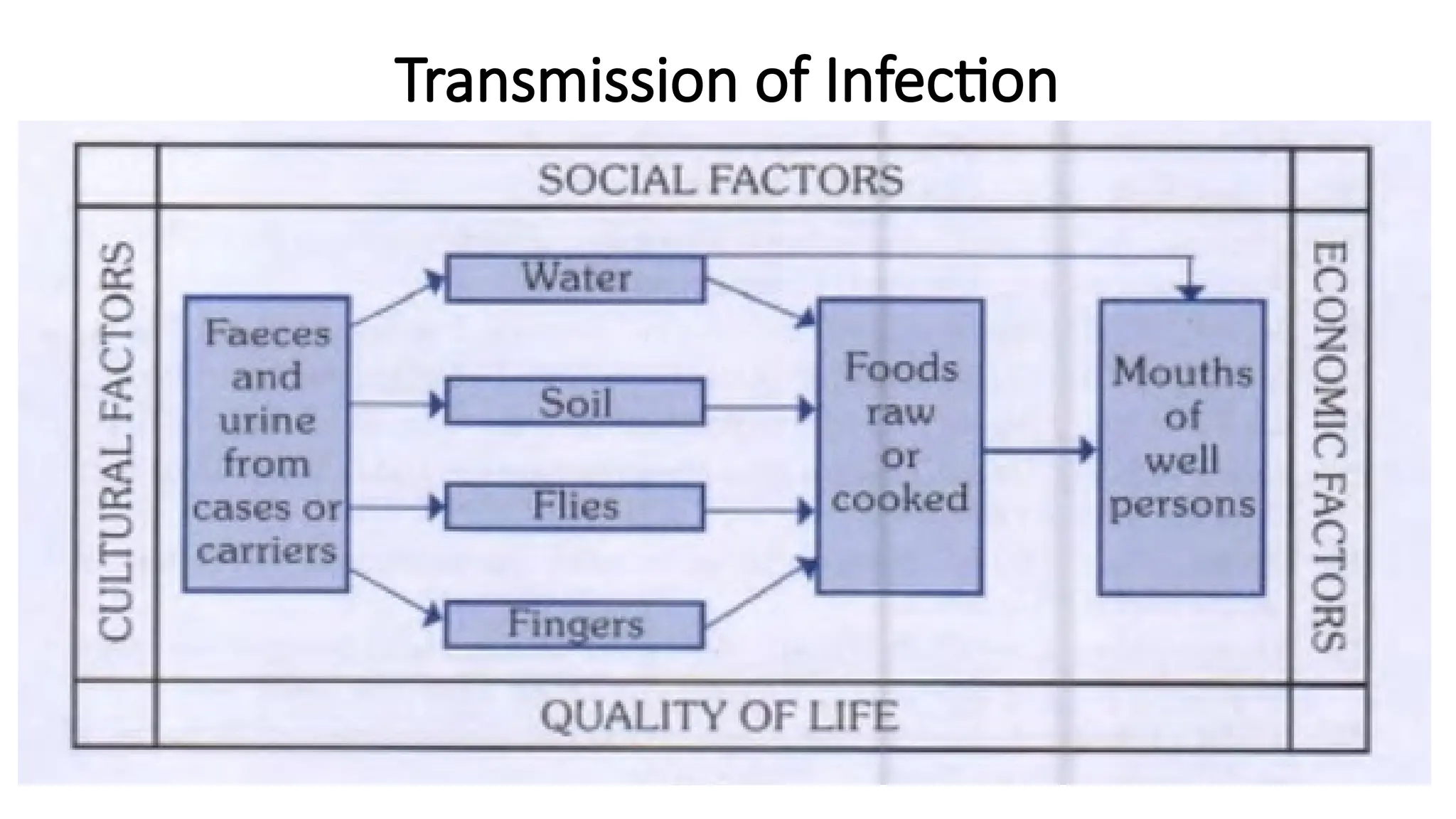
• The primary sources - faeces and urine of cases or carriers.
• The secondary sources -contaminated water, food, fingers and flies.
Epidemiology
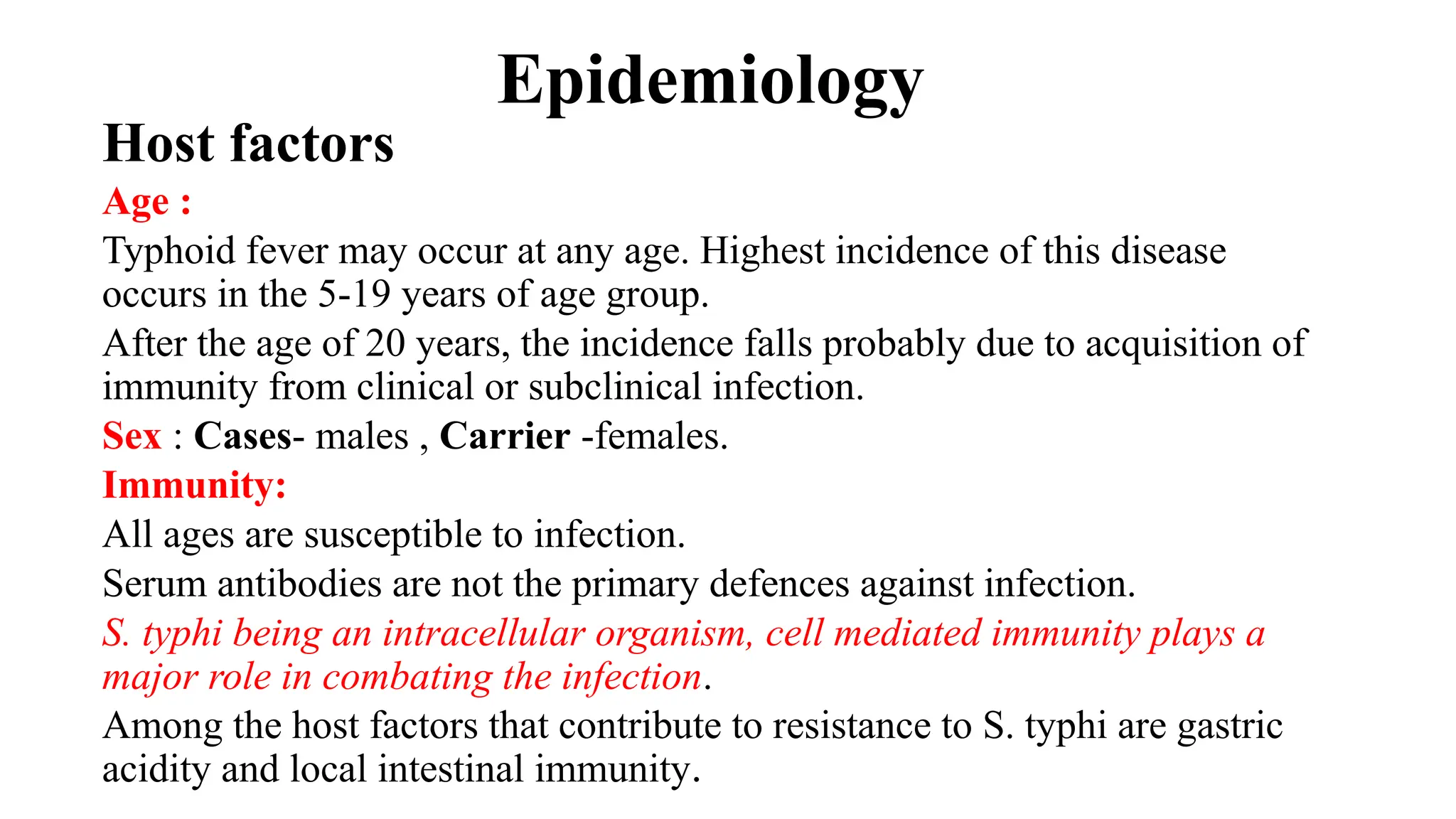
Host factors
Age :
Typhoid fever may occur at any age. Highest incidence of this disease
occurs in the 5-19 years of age group.
After the age of 20 years, the incidence falls probably due to acquisition of
immunity from clinical or subclinical infection.
Sex : Cases- males , Carrier -females.
Immunity:
All ages are susceptible to infection.
Serum antibodies are not the primary defences against infection.
S. typhi being an intracellular organism, cell mediated immunity plays a
major role in combating the infection.
Among the host factors that contribute to resistance to S. typhi are gastric
acidity and local intestinal immunity.
Epidemiology
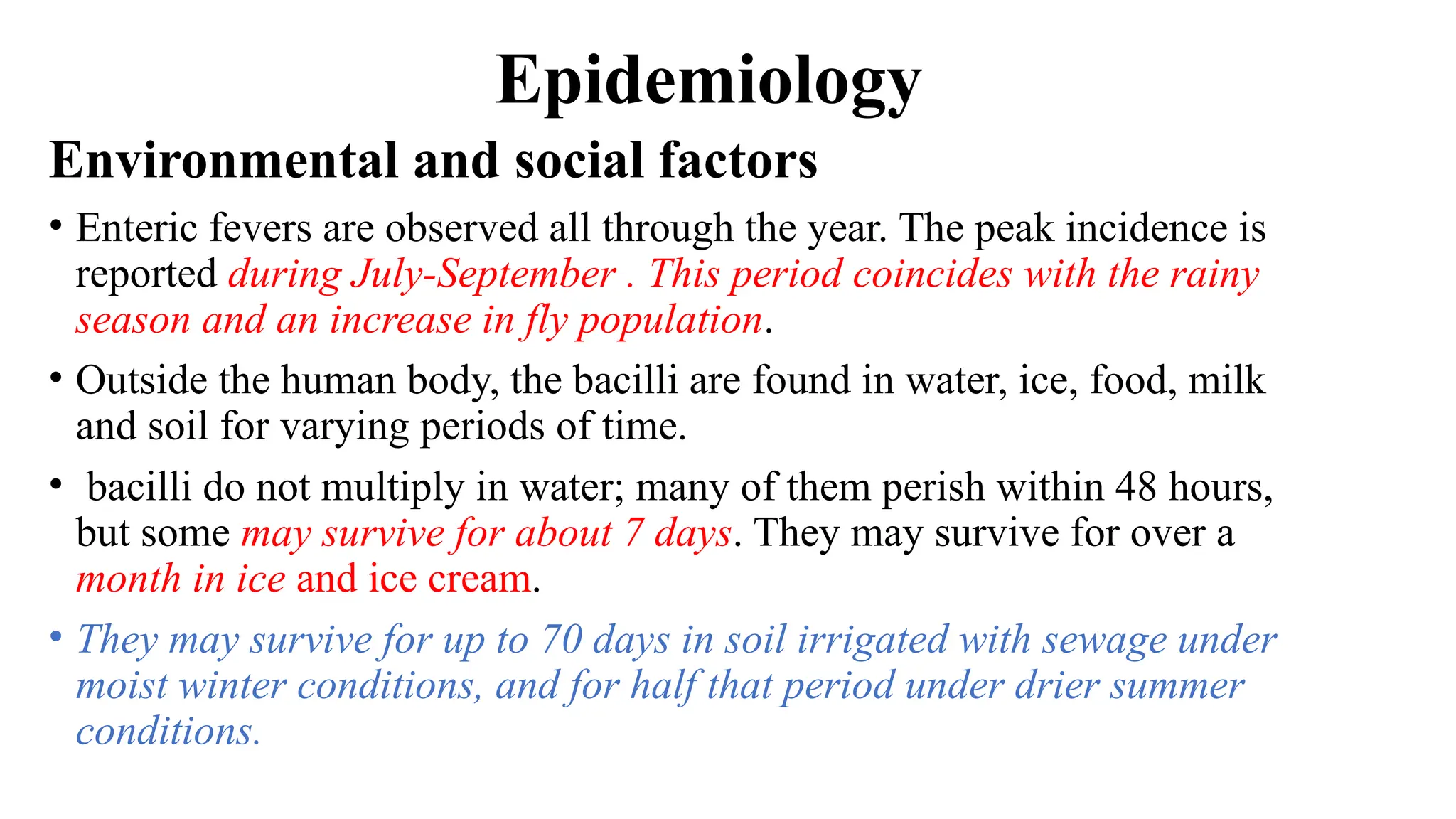
Environmental and social factors
• Enteric fevers are observed all through the year. The peak incidence is
reported during July-September . This period coincides with the rainy
season and an increase in fly population.
• Outside the human body, the bacilli are found in water, ice, food, milk
and soil for varying periods of time.
• bacilli do not multiply in water; many of them perish within 48 hours,
but some may survive for about 7 days. They may survive for over a
month in ice and ice cream.
• They may survive for up to 70 days in soil irrigated with sewage under
moist winter conditions, and for half that period under drier summer
conditions.
EPIDEMIOLOGY
Environmental and social factors
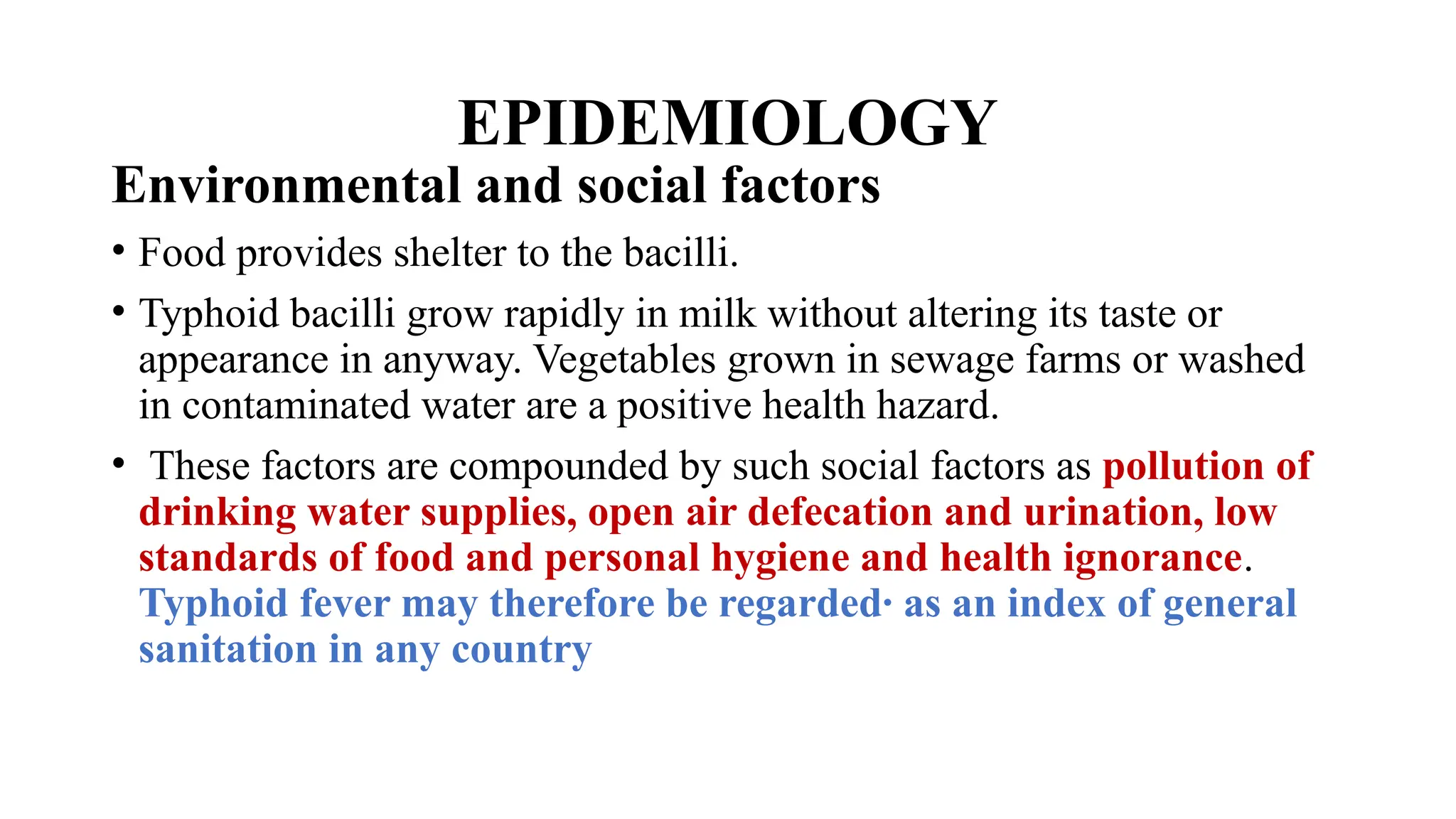
• Food provides shelter to the bacilli.
• Typhoid bacilli grow rapidly in milk without altering its taste or
appearance in anyway. Vegetables grown in sewage farms or washed
in contaminated water are a positive health hazard.
• These factors are compounded by such social factors as pollution of
drinking water supplies, open air defecation and urination, low
standards of food and personal hygiene and health ignorance.
Typhoid fever may therefore be regarded· as an index of general
sanitation in any country
Epidemiology
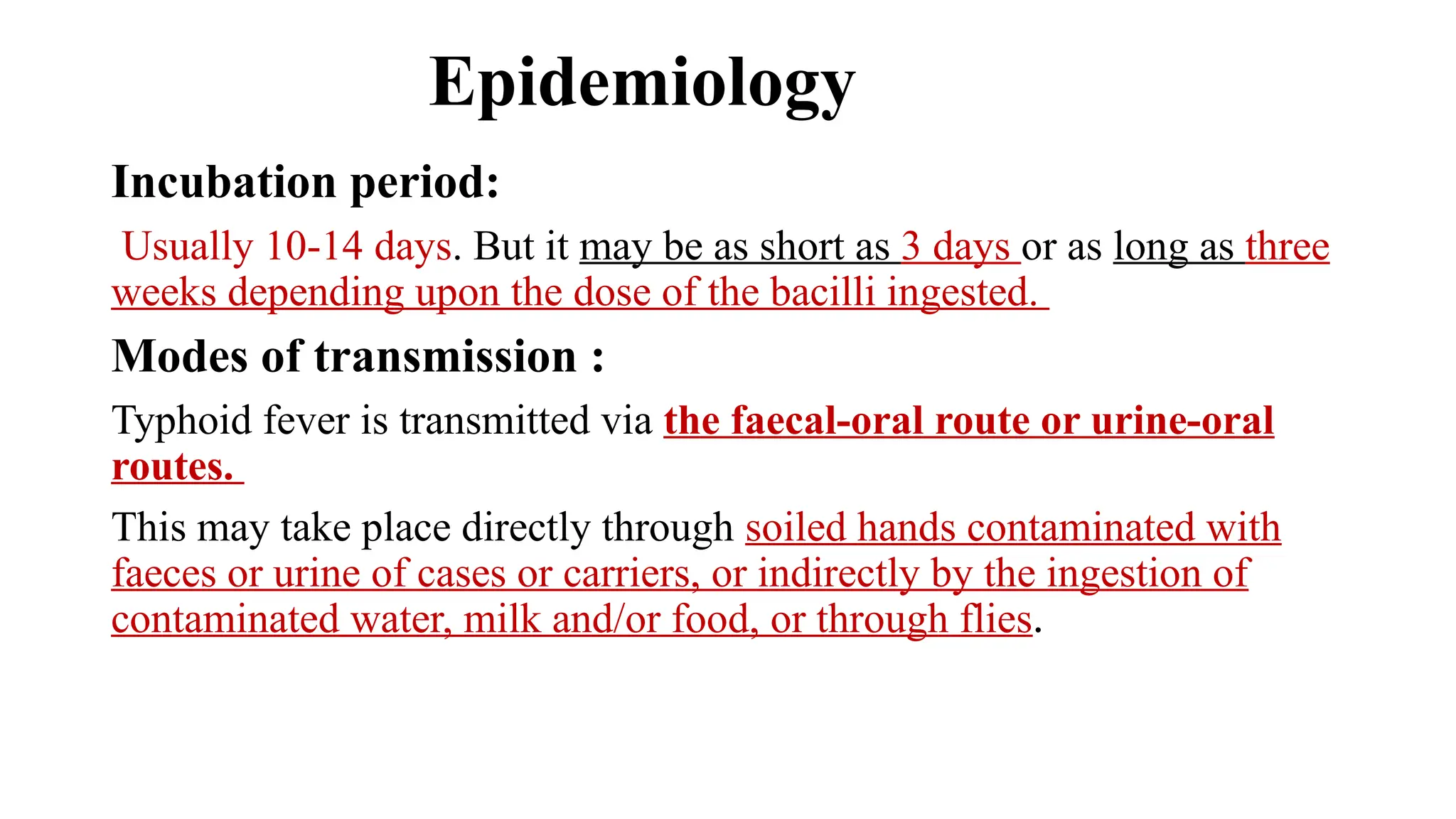
Incubation period:
Usually 10-14 days. But it may be as short as 3 days or as long as three
weeks depending upon the dose of the bacilli ingested.
Modes of transmission :
Typhoid fever is transmitted via the faecal-oral route or urine-oral
routes.
This may take place directly through soiled hands contaminated with
faeces or urine of cases or carriers, or indirectly by the ingestion of
contaminated water, milk and/or food, or through flies.
Transmission of Infection
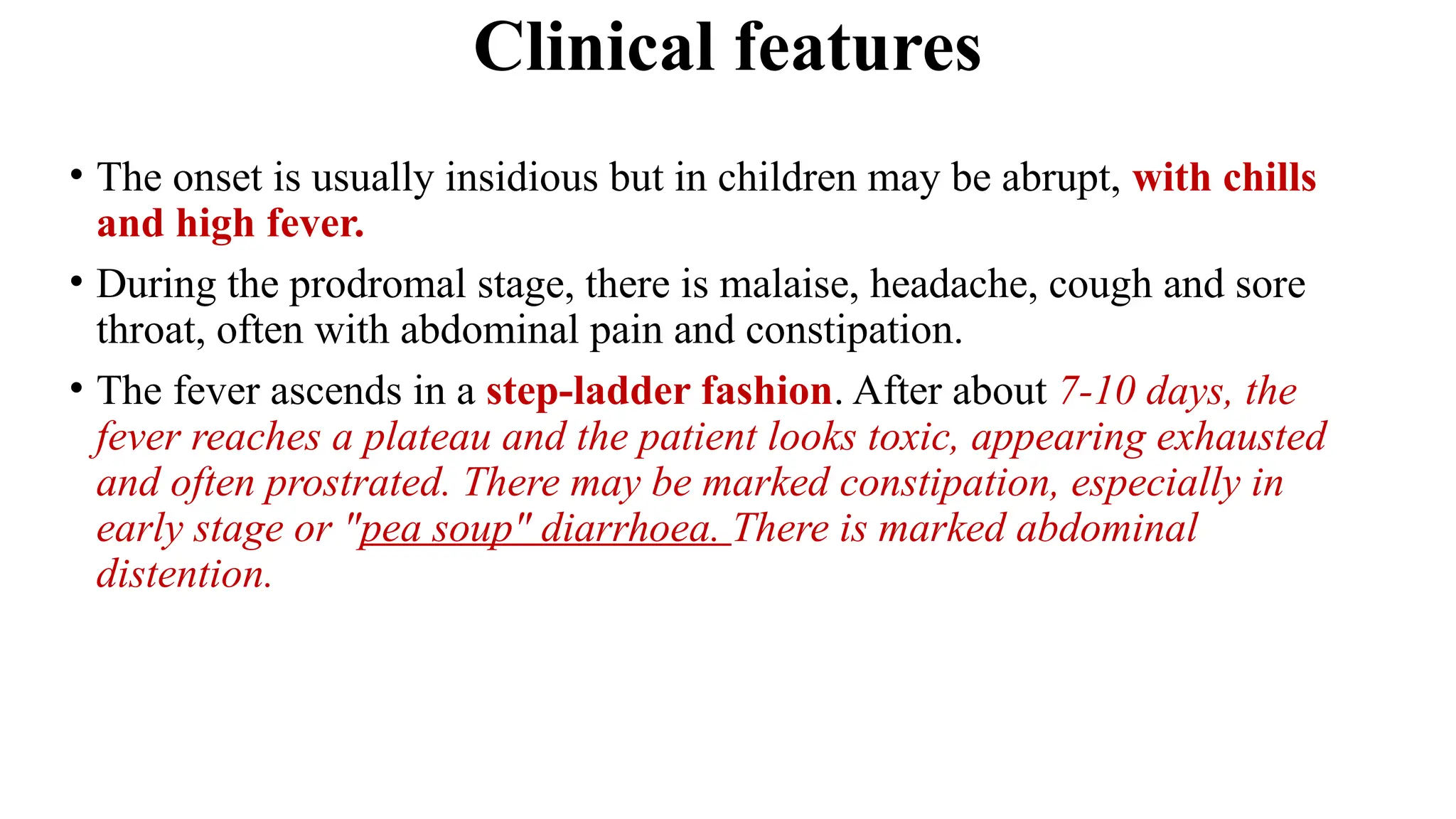
Clinical features
• The onset is usually insidious but in children may be abrupt, with chills
and high fever.
• During the prodromal stage, there is malaise, headache, cough and sore
throat, often with abdominal pain and constipation.
• The fever ascends in a step-ladder fashion. After about 7-10 days, the
fever reaches a plateau and the patient looks toxic, appearing exhausted
and often prostrated. There may be marked constipation, especially in
early stage or "pea soup" diarrhoea. There is marked abdominal
distention.
Clinical features
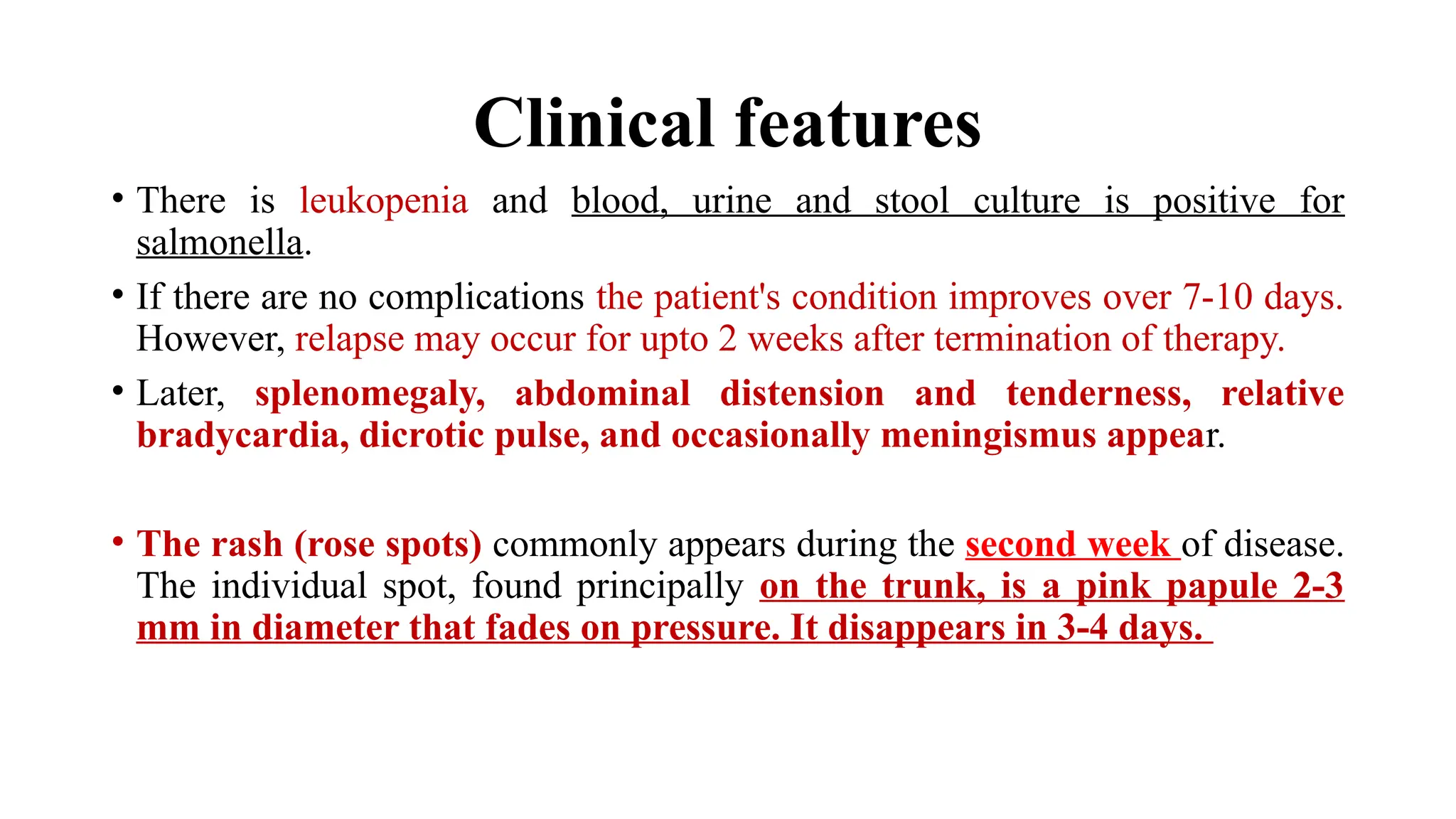
• There is leukopenia and blood, urine and stool culture is positive for
salmonella.
• If there are no complications the patient's condition improves over 7-10 days.
However, relapse may occur for upto 2 weeks after termination of therapy.
• Later, splenomegaly, abdominal distension and tenderness, relative
bradycardia, dicrotic pulse, and occasionally meningismus appear.
• The rash (rose spots) commonly appears during the second week of disease.
The individual spot, found principally on the trunk, is a pink papule 2-3
mm in diameter that fades on pressure. It disappears in 3-4 days.
Clinical features
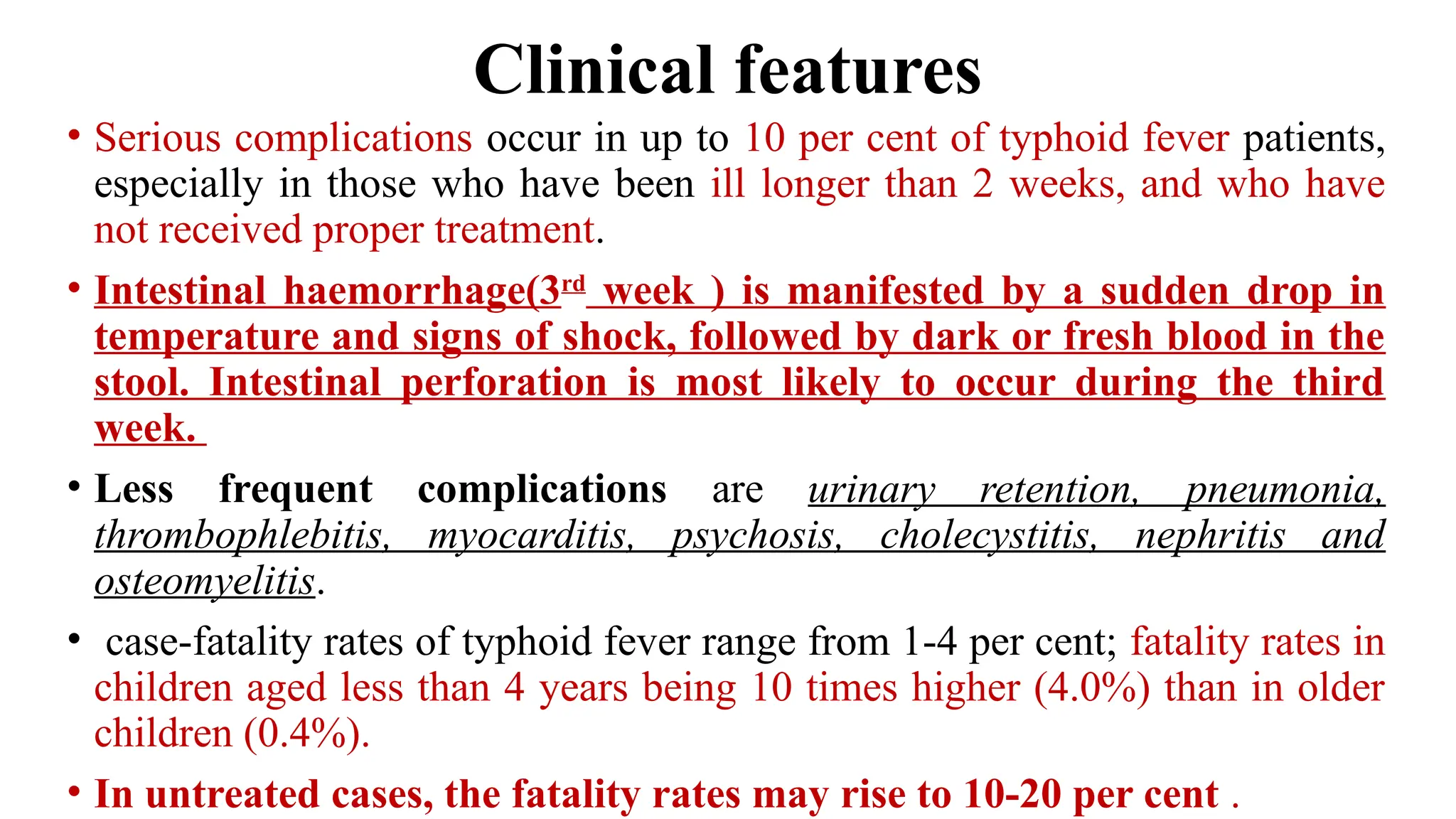
• Serious complications occur in up to 10 per cent of typhoid fever patients,
especially in those who have been ill longer than 2 weeks, and who have
not received proper treatment.
• Intestinal haemorrhage(3rd
week ) is manifested by a sudden drop in
temperature and signs of shock, followed by dark or fresh blood in the
stool. Intestinal perforation is most likely to occur during the third
week.
• Less frequent complications are urinary retention, pneumonia,
thrombophlebitis, myocarditis, psychosis, cholecystitis, nephritis and
osteomyelitis.
• case-fatality rates of typhoid fever range from 1-4 per cent; fatality rates in
children aged less than 4 years being 10 times higher (4.0%) than in older
children (0.4%).
• In untreated cases, the fatality rates may rise to 10-20 per cent .
Laboratory Diagnosis of Typhoid
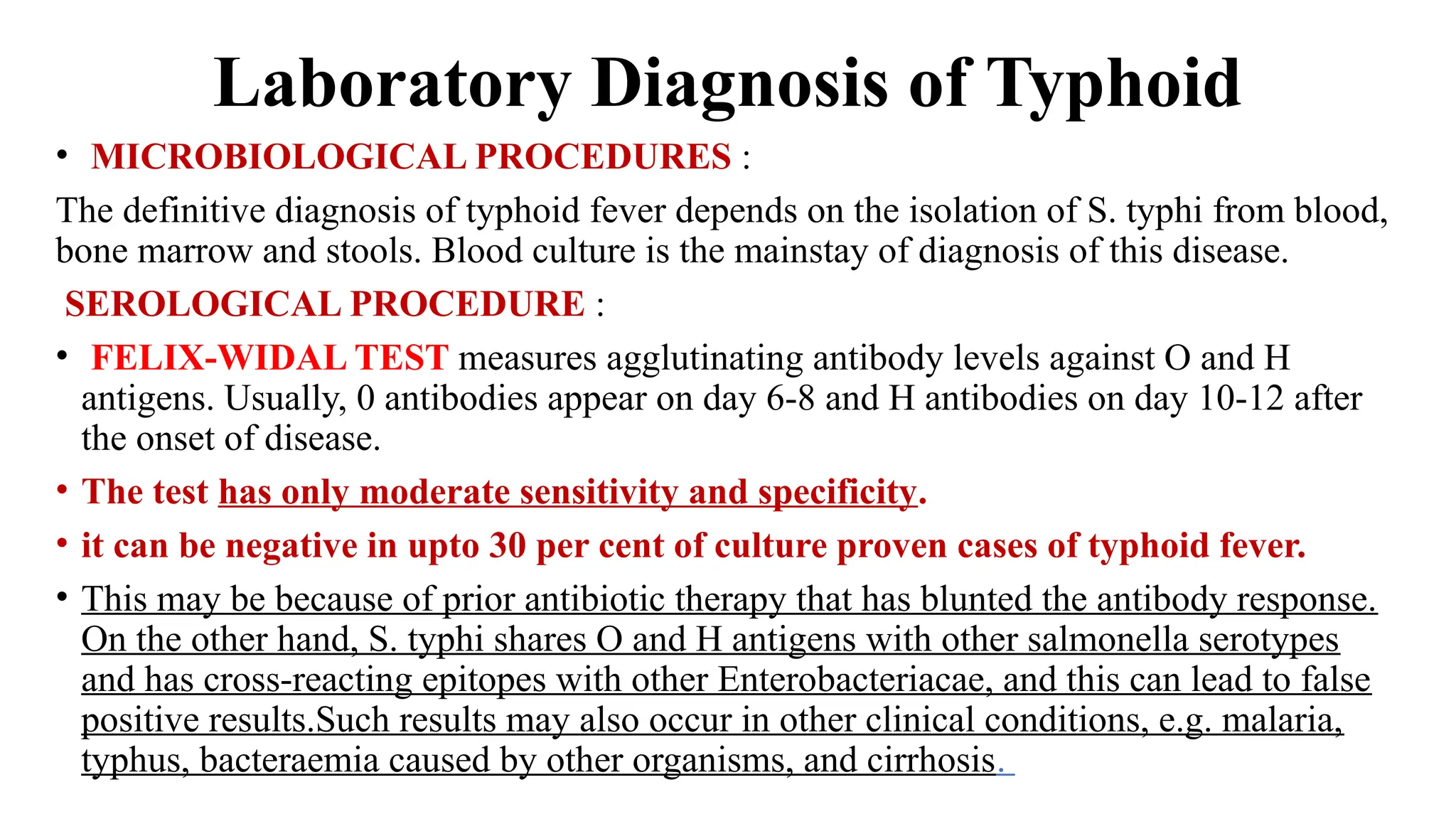
• MICROBIOLOGICAL PROCEDURES :
The definitive diagnosis of typhoid fever depends on the isolation of S. typhi from blood,
bone marrow and stools. Blood culture is the mainstay of diagnosis of this disease.
SEROLOGICAL PROCEDURE :
• FELIX-WIDAL TEST measures agglutinating antibody levels against O and H
antigens. Usually, 0 antibodies appear on day 6-8 and H antibodies on day 10-12 after
the onset of disease.
• The test has only moderate sensitivity and specificity.
• it can be negative in upto 30 per cent of culture proven cases of typhoid fever.
• This may be because of prior antibiotic therapy that has blunted the antibody response.
On the other hand, S. typhi shares O and H antigens with other salmonella serotypes
and has cross-reacting epitopes with other Enterobacteriacae, and this can lead to false
positive results.Such results may also occur in other clinical conditions, e.g. malaria,
typhus, bacteraemia caused by other organisms, and cirrhosis.
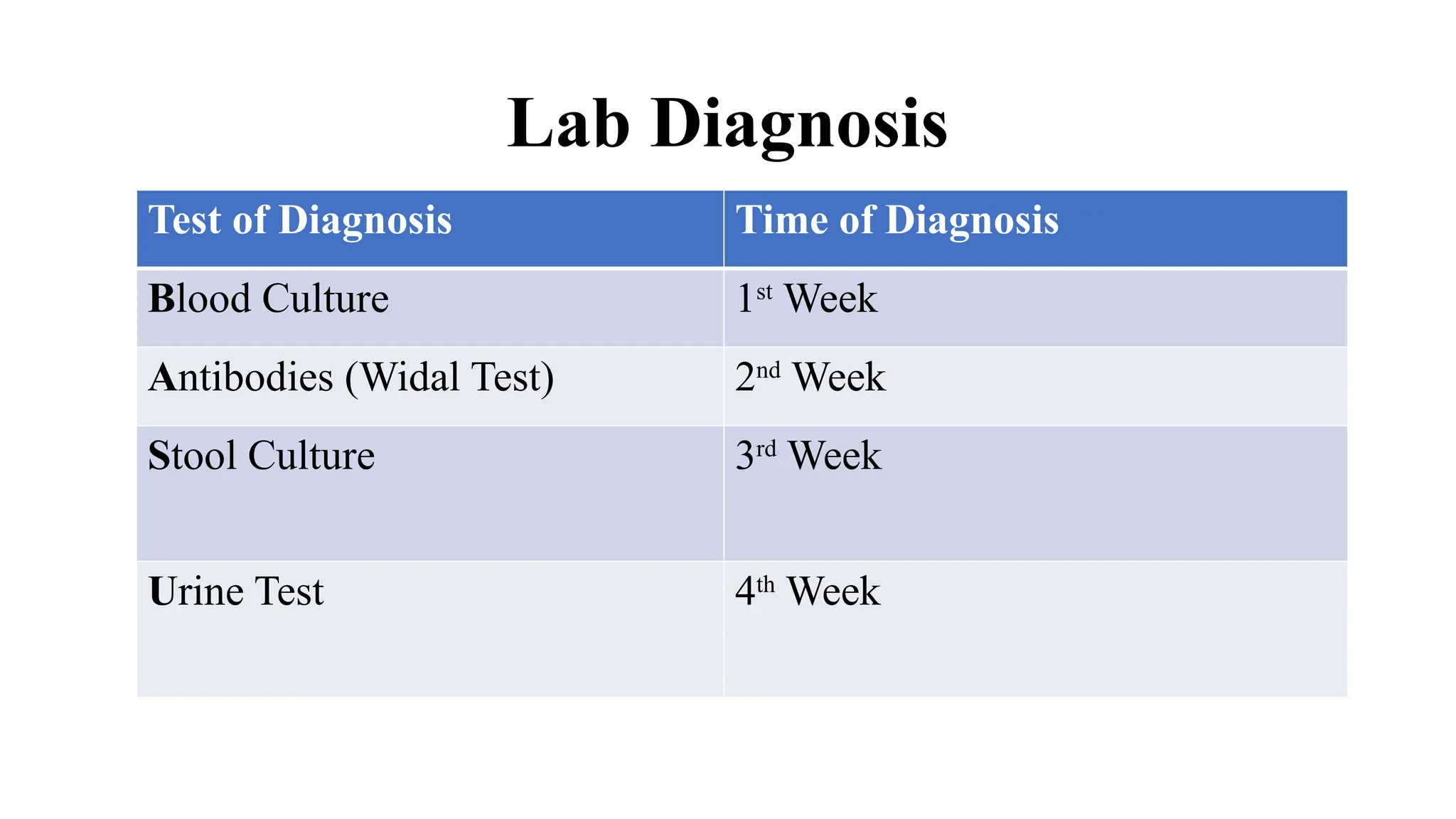
Lab Diagnosis
Test of Diagnosis Time of Diagnosis
Blood Culture 1st
Week
Antibodies (Widal Test) 2nd
Week
Stool Culture 3rd
Week
Urine Test 4th
Week
New Diagnostic Tests
• IDL Tubex- test which reportedly can detect lgM09 antibodies from
patient within a few minutes.
• Typhidot- takes three hours to perform for the detection of specific
lgM and lgG antibodies against a 50 kD antigen of S. typhi.
• Typhidot-M®, was recently developed to detect specific lgM
antibodies only, is based on the binding of S. typhi - specific lgM
antibodies in samples to S. typhi lipopolysaccharide (LPS) antigen and
the staining of bound antibodies by an anti-human lgM antibody
conjugated to colloidal dye particles
• Dipstick Test-IgM antibodies detection
Control of Typhoid Fever
• The control or elimination of typhoid fever is well within the scope of
modern public health.
• This is an accomplished fact in many developed countries. There are
generally three lines of defence against typhoid fever :
1. Control of reservoir
2. Control of sanitation, and
3. Immunization.
• The weakest link in the chain of transmission is sanitation which is
amenable to control
1.Control of Reservoir-Cases
(i) Early diagnosis : Culture of blood and stools.
(ii) Notification: This should be done where such notification is mandatory.
(iii) Isolation : cases should be isolated till three bacteriologically negative stools and
urine reports, are obtained on three separate days.
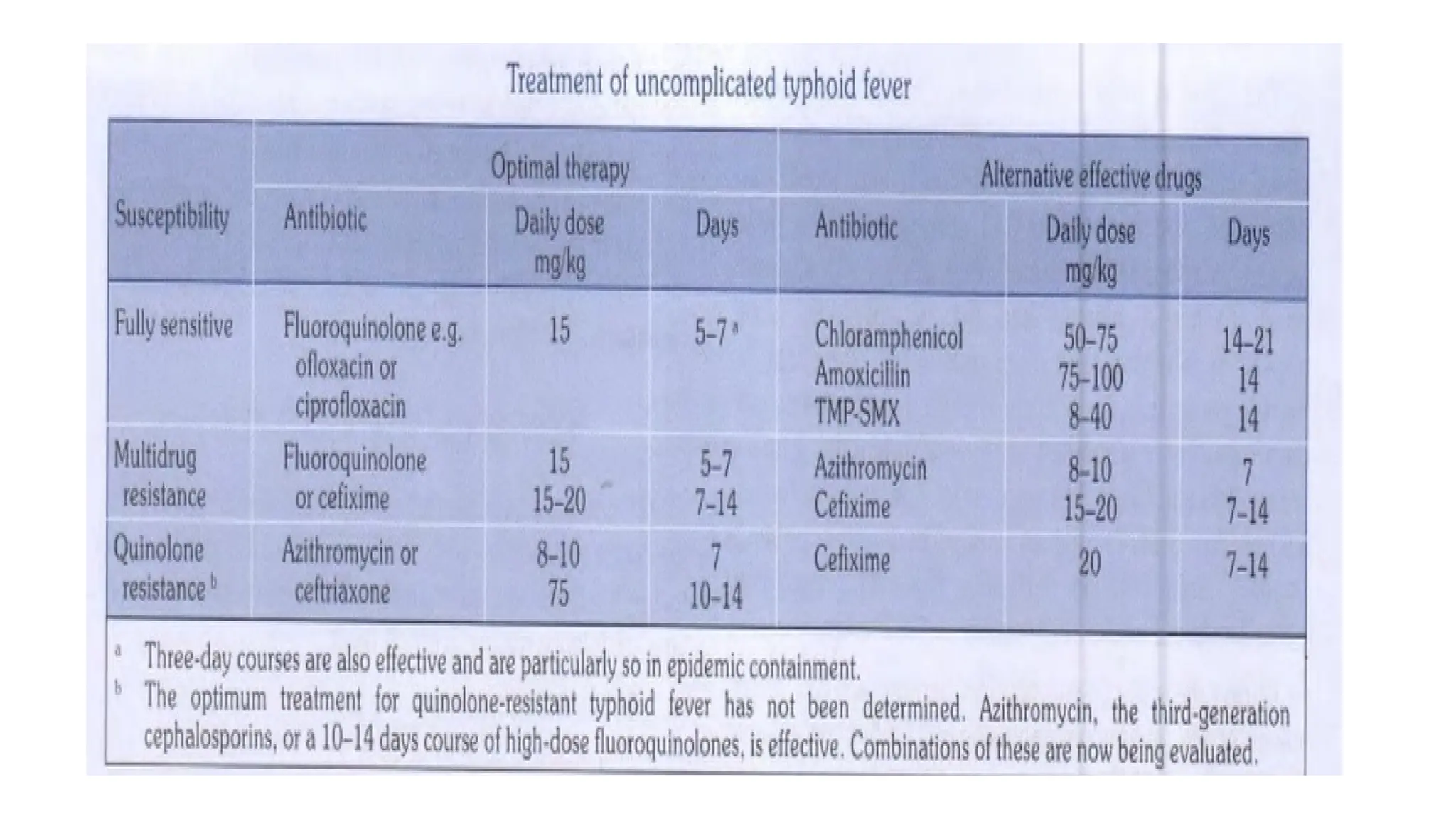
(iv) Treatment : The fluoroquinolones relatively inexpensive, well tolerated and more
rapidly and reliably effective than the former first-line drugs, viz. chloramphenicol,
ampicillin, amoxicillin and trimethoprim sulfamethoxazole (TMP-SMX).
(v) Disinfection: Stools and urine are the sole sources of infection. They should be
received in closed containers and disinfected with 5 per cent cresol for at least 2 hours. All
soiled clothes and linen should be soaked in a solution of 2 per cent chlorine and steam-
sterilized. Nurses and doctors should not forget to disinfect their hands.
(vi) Follow-up : Follow-up examination of stools and urine should be done for S. typhi 3
to 4 months after discharge of the patient, and again after 12 months to prevent the
development of the carrier state. With early diagnosis and appropriate treatment, mortality
has been reduced to about 1 per cent as compared to about 30 per cent in untreated cases.
1.Control of Reservoir-Carriers
• (i) Identification : Carriers are identified by cultural and serological examinations.
Duodenal drainage establishes the presence of salmonella in the biliarytract in carriers.
The Vi antibodies are present in about 80 per cent of chronic carriers.
• (ii) Treatment : The carrier should be given an intensive course of ampicillin or
amoxycillin (4-6 g a day) together with Probenecid (2 g/day) for 6 weeks. These drugs
are concentrated in the bile and may achieve eradication of the carrier state in about 70
per cent of carriers. Chloromycetin is considered worthless for clearing the carrier state.
• (iii) Surgery : Cholecystectomy with concomitant ampicillin therapy has been regarded
as the most successful approach to the treatment of carriers. Cure rate may be as high as
80 per cent. Urinary carriers are easy to treat, but refractory cases may need
nephrectomy when one kidney is damaged and the other healthy.
• (iv) Surveillance : The carriers should be kept under surveillance. They should be
prevented from handling food, milk or water for others.
• (v) Health education : Health education regarding washing of hands with soap, after
defecation or urination, and before preparing food is an essential element.
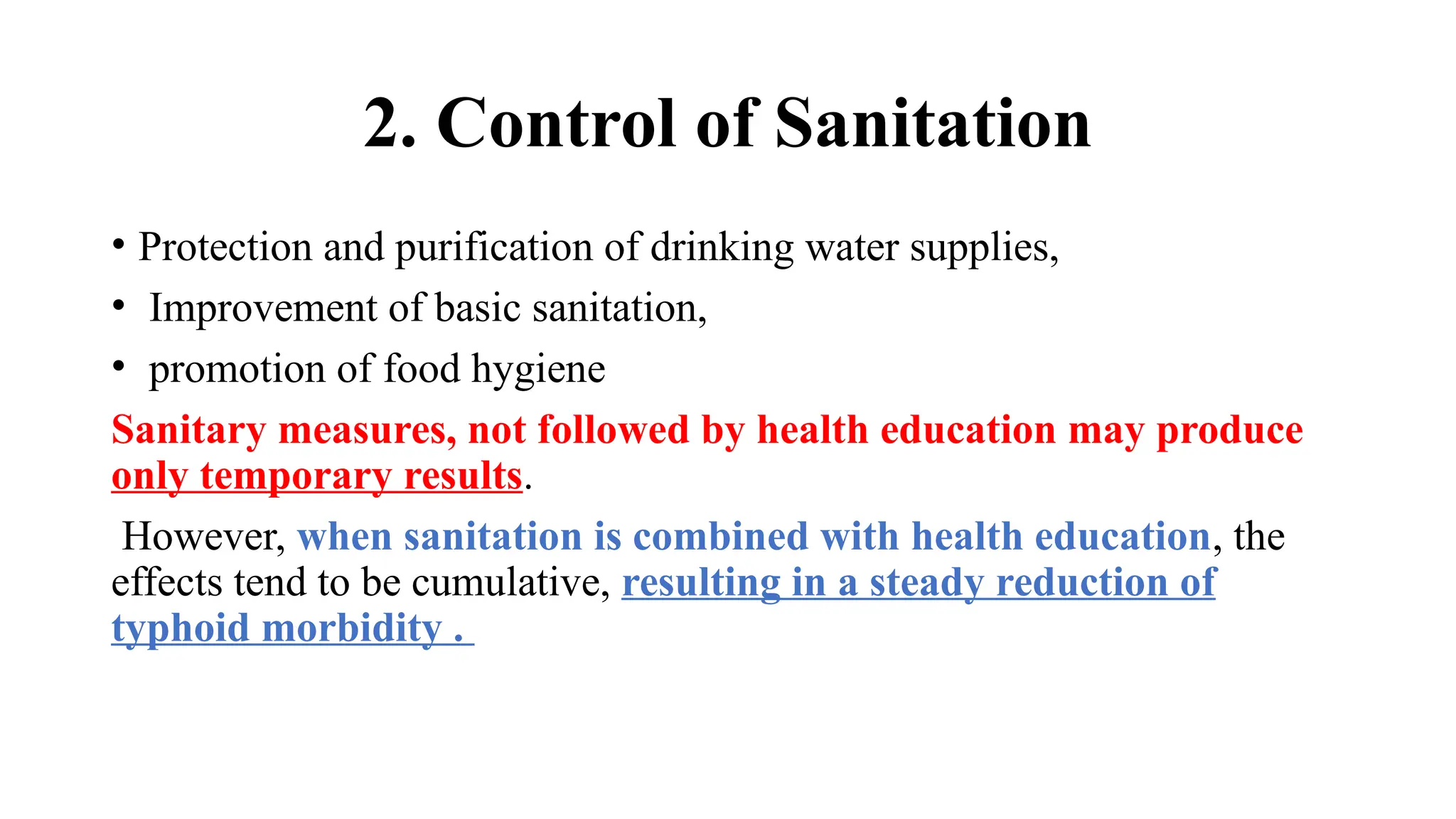
2. Control of Sanitation
• Protection and purification of drinking water supplies,
• Improvement of basic sanitation,
• promotion of food hygiene
Sanitary measures, not followed by health education may produce
only temporary results.
However, when sanitation is combined with health education, the
effects tend to be cumulative, resulting in a steady reduction of
typhoid morbidity .
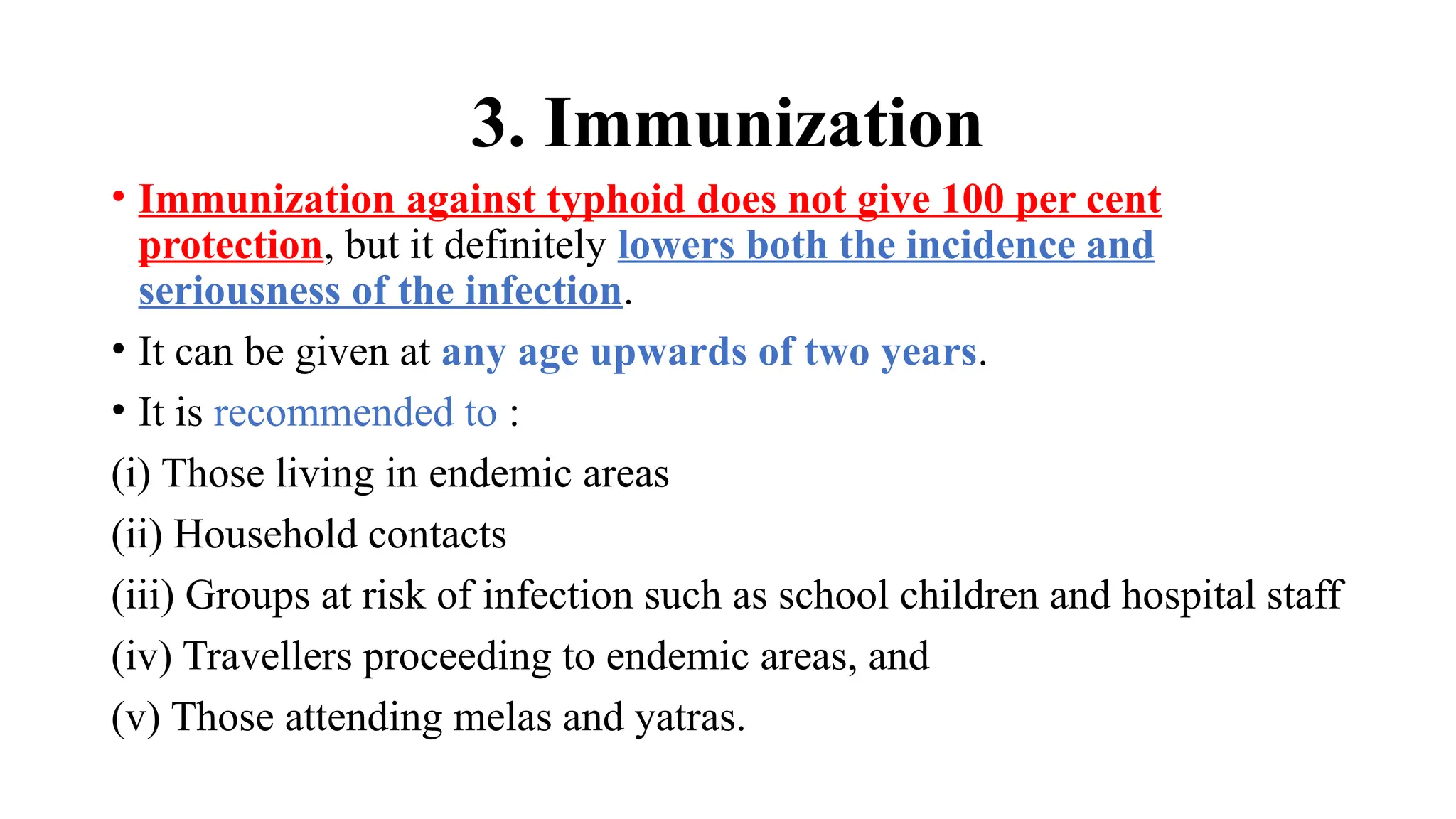
3. Immunization
• Immunization against typhoid does not give 100 per cent
protection, but it definitely lowers both the incidence and
seriousness of the infection.
• It can be given at any age upwards of two years.
• It is recommended to :
(i) Those living in endemic areas
(ii) Household contacts
(iii) Groups at risk of infection such as school children and hospital staff
(iv) Travellers proceeding to endemic areas, and
(v) Those attending melas and yatras.
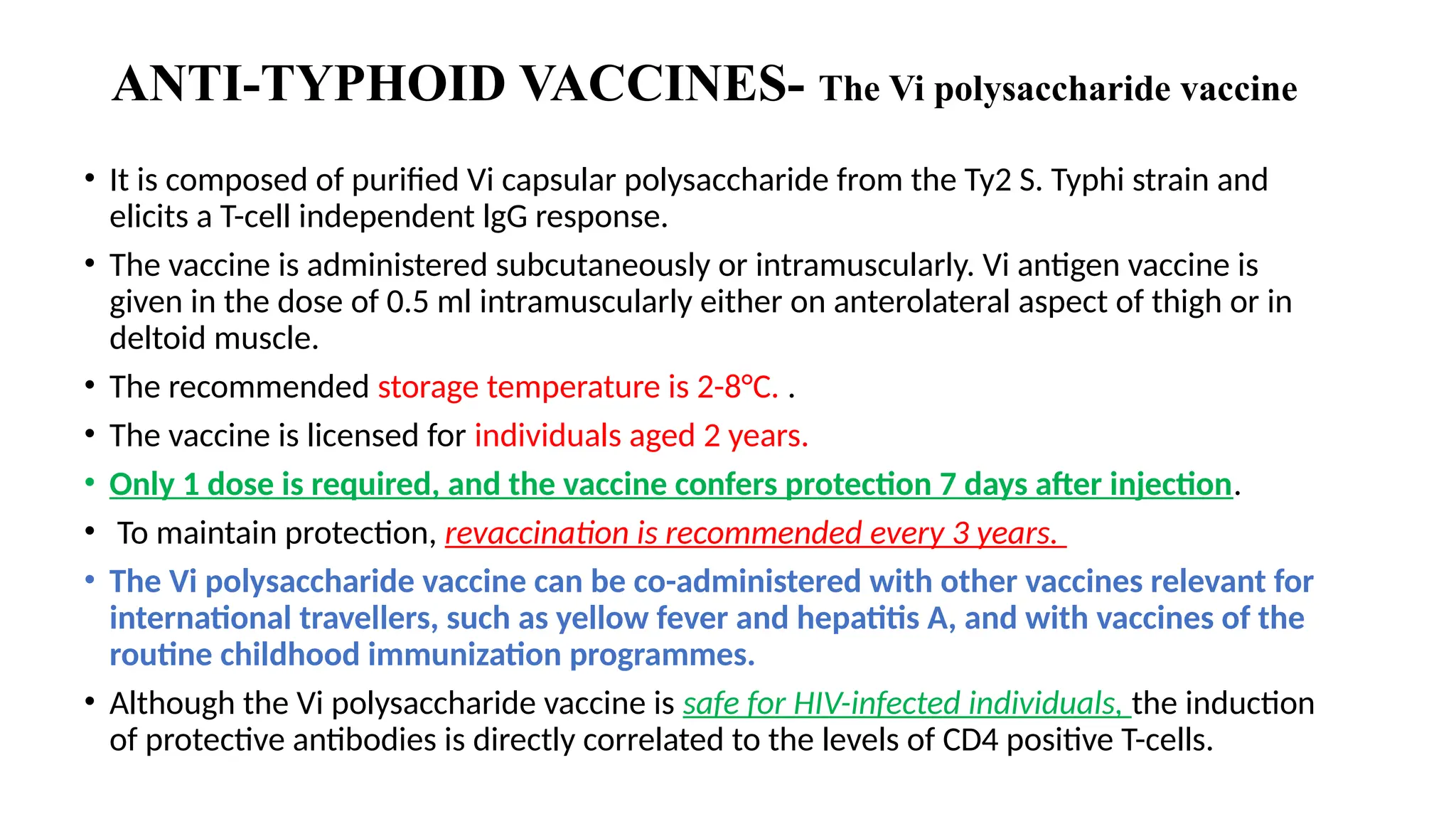
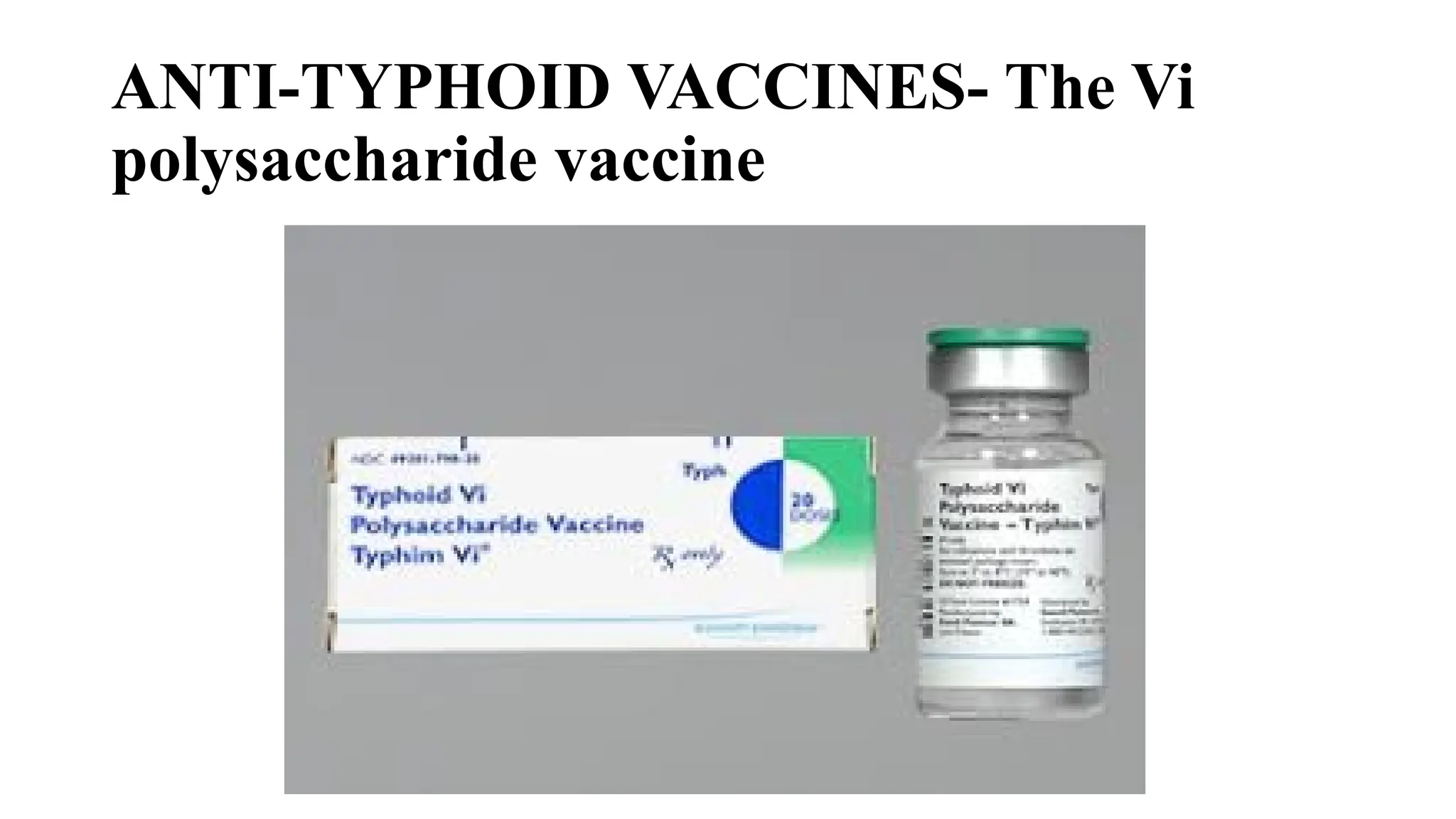
ANTI-TYPHOID VACCINES- The Vi polysaccharide vaccine
• It is composed of purified Vi capsular polysaccharide from the Ty2 S. Typhi strain and
elicits a T-cell independent lgG response.
• The vaccine is administered subcutaneously or intramuscularly. Vi antigen vaccine is
given in the dose of 0.5 ml intramuscularly either on anterolateral aspect of thigh or in
deltoid muscle.
• The recommended storage temperature is 2-8°C. .
• The vaccine is licensed for individuals aged 2 years.
• Only 1 dose is required, and the vaccine confers protection 7 days after injection.
• To maintain protection, revaccination is recommended every 3 years.
• The Vi polysaccharide vaccine can be co-administered with other vaccines relevant for
international travellers, such as yellow fever and hepatitis A, and with vaccines of the
routine childhood immunization programmes.
• Although the Vi polysaccharide vaccine is safe for HIV-infected individuals, the induction
of protective antibodies is directly correlated to the levels of CD4 positive T-cells.
ANTI-TYPHOID VACCINES- The Vi
polysaccharide vaccine
ANTI-TYPHOID VACCINES- The Ty2la vaccine
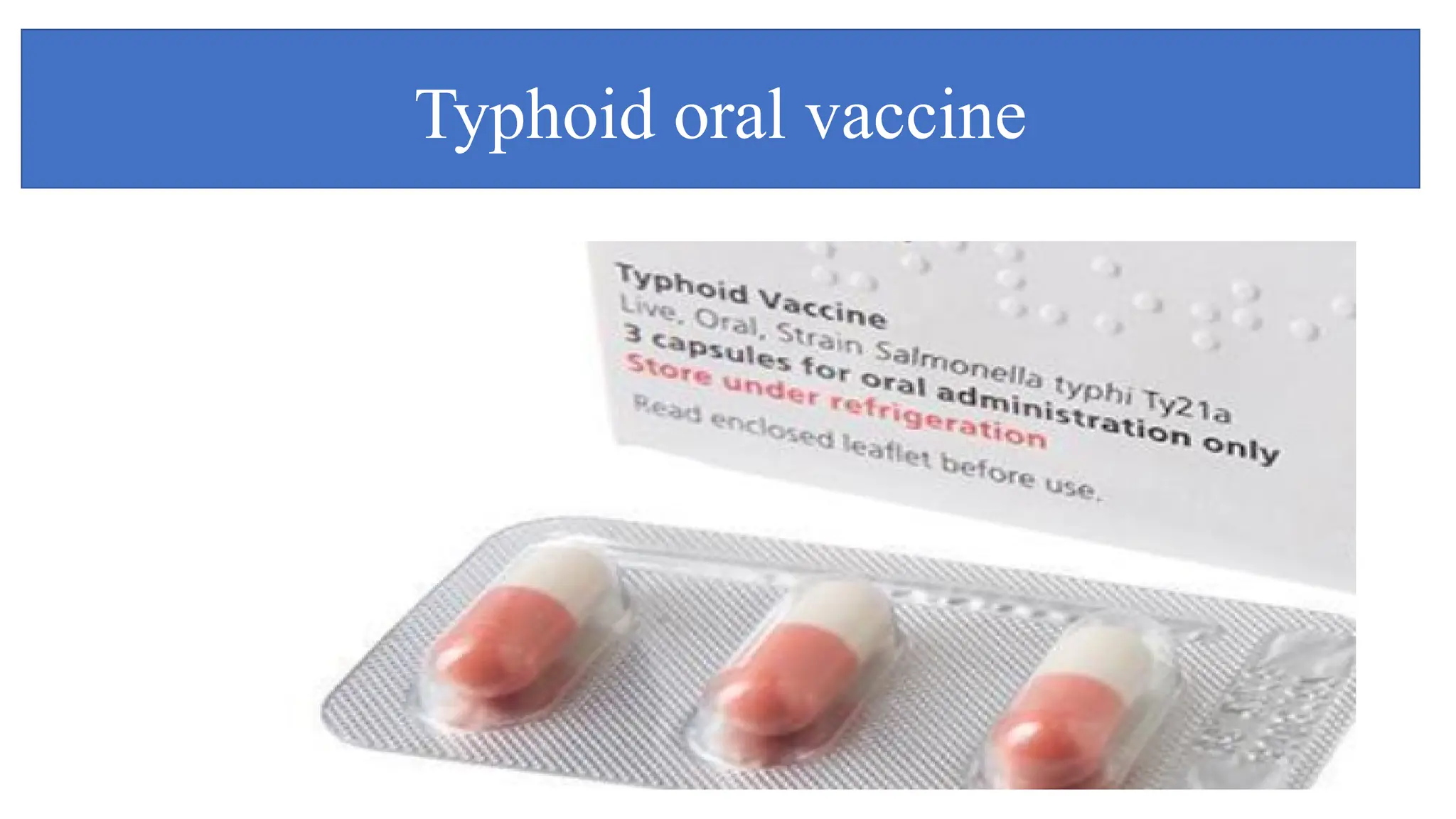
• Orally administered live-attenuated containing >109
viable organism of Ty21a strain of S. Typhi in
which multiple genes, including the genes responsible for the production of Vi, have been mutated
chemically.
• Ty21a requires storage at 2-8°C.
• The capsules are licensed for use in individuals aged 5 years.
• The vaccine is administered every other day; on 1, 3, and 5th day; a 3-dose regimen is recommended.
• With the 3-dose regimen, protective immunity is achieved 7 days after the last dose.
• The recommendation is to repeat this series every 3 years for people living in endemic areas, and every
year for individuals travelling; from non-endemic to endemic countries. .
• Proguanil and antibacterial drugs should be stopped from 3 days before until 3 days after giving
Ty2la, as such drugs may harm live bacterial vaccines.
• Not efficacious if administrated at the time of ongoing diarrhoea.
• Ty2la can be administered to HIV-positive, asymptomatic individuals as long as the T-cell count (CD4) is
>200/mm3.
• The vaccine is not recommended in congenital or acquired immunodeficiency including treatment with
immuno-suppressive and antimitotic drugs, acute febrile illness and acute intestinal infection.
Typhoid oral vaccine
ANTI-TYPHOID VACCINES- TAB
Vaccine
• Contain S.typhi,
• Paratyphi A,
• Paratyphi B
• Not used, Not Effective.

Detailed TYPHOID FEVER PowerPoint Presentation

  • 1.
  • 2.
    Introduction Typhoid fever isthe result of systemic infection mainly by S. typhi found only in man. The disease is clinically characterized by a typical continuous fever for 3 to 4 weeks, relative bradycardia with involvement of lymphoid tissues. The term "enterlc fever" includes both typhoid and paratyphoid fevers. The disease may occur sporadically, epidemically or endemically.
  • 3.
    Problem Statement -World •Typhoid fever occurs in all parts of the world where water supplies and sanitation are sub-standard. • Improved living conditions and the introduction of antibiotics in the late 1940s resulted in drastic reduction of typhoid fever morbidity and mortality in industrialized countries. • Global typhoid fever disease burden at 11-20 million cases annually, resulting in an estimated 128,000-161,000 deaths per year, predominantly in children of school age or younger. • In South-East Asia, 50 per cent or more of the strains of the bacteria may already be resistant to several antibiotics .
  • 4.
    Epidemiology-India • Typhoid feveris endemic in India. Reported data for the year 2017 shows 2.22 million cases and 493 deaths. • Uttar Pradesh (640,678 cases with 248 deaths) • West Bengal (235,013 cases and 6 deaths), • Bihar (171,233 cases and 2 deaths), • Andhra Pradesh (159,809 cases and 17 deaths) and • Karnataka (137,973 cases and 4 deaths).
  • 5.
    Epidemiology • Without effectivetreatment, typhoid fever kills almost 10 per cent of those infected. • Typhoid fever caused by multidrug-resistan strains of S. typhi - that is resistant to all 3 of the first line of antibiotics (chloramphenicol, ampicillin and cotrimoxazole) - is associated with more severe illness and higher rates of complications and death, especially in children aged less than 2 years. • The socio-economic impact of the disease is huge, because typhoid survivors may take several months to recover and resume work.
  • 6.
    Epidemiology AGENT : S.typhi is the major cause of enteric fever. S. para A and S. para B are relatively infrequent . S. typhi has three main antigens - 0, H and Vi and a number of phage types (at least 80). Phage typing has proved a useful epidemiological tool in tracing the source of epidemics. S. typhi survives intracellularly in the tissues of various organs. It is readily killed by drying, pasteurization, and common disinfectants.. RESERVOIR OF INFECTION: Man is the only known reservoir of infection, viz cases and carriers. The factors which influence the onset of typhoid fever in man are the infecting dose and virulence of the organism
  • 7.
    Epidemiology CASES CARRIERS • Thecase may be mild, missed or severe. • A case (or carrier) is infectious as long as bacilli appear in stools or urine. • The carriers may be temporary (incubatory, convalescent) or chronic.. • Persons who excrete the bacilli for more than a year after a clinical attack are called chronic carriers. • In most chronic carriers, the organisms persist in the gall bladder and in the biliary tract. • The famous case of "Typhoid Mary" who gave rise to more than 1300 cases in her life time is a good example of a chronic carrier. • Faecal carriers are more frequent than urinary carriers. • Chronic urinary carrier state is often associated with some abnormality of the urinary tract.
  • 8.
    Epidemiology SOURCE OF INFECTION •The primary sources - faeces and urine of cases or carriers. • The secondary sources -contaminated water, food, fingers and flies.
  • 9.
    Epidemiology Host factors Age : Typhoidfever may occur at any age. Highest incidence of this disease occurs in the 5-19 years of age group. After the age of 20 years, the incidence falls probably due to acquisition of immunity from clinical or subclinical infection. Sex : Cases- males , Carrier -females. Immunity: All ages are susceptible to infection. Serum antibodies are not the primary defences against infection. S. typhi being an intracellular organism, cell mediated immunity plays a major role in combating the infection. Among the host factors that contribute to resistance to S. typhi are gastric acidity and local intestinal immunity.
  • 10.
    Epidemiology Environmental and socialfactors • Enteric fevers are observed all through the year. The peak incidence is reported during July-September . This period coincides with the rainy season and an increase in fly population. • Outside the human body, the bacilli are found in water, ice, food, milk and soil for varying periods of time. • bacilli do not multiply in water; many of them perish within 48 hours, but some may survive for about 7 days. They may survive for over a month in ice and ice cream. • They may survive for up to 70 days in soil irrigated with sewage under moist winter conditions, and for half that period under drier summer conditions.
  • 11.
    EPIDEMIOLOGY Environmental and socialfactors • Food provides shelter to the bacilli. • Typhoid bacilli grow rapidly in milk without altering its taste or appearance in anyway. Vegetables grown in sewage farms or washed in contaminated water are a positive health hazard. • These factors are compounded by such social factors as pollution of drinking water supplies, open air defecation and urination, low standards of food and personal hygiene and health ignorance. Typhoid fever may therefore be regarded· as an index of general sanitation in any country
  • 12.
    Epidemiology Incubation period: Usually 10-14days. But it may be as short as 3 days or as long as three weeks depending upon the dose of the bacilli ingested. Modes of transmission : Typhoid fever is transmitted via the faecal-oral route or urine-oral routes. This may take place directly through soiled hands contaminated with faeces or urine of cases or carriers, or indirectly by the ingestion of contaminated water, milk and/or food, or through flies.
  • 13.
  • 14.
    Clinical features • Theonset is usually insidious but in children may be abrupt, with chills and high fever. • During the prodromal stage, there is malaise, headache, cough and sore throat, often with abdominal pain and constipation. • The fever ascends in a step-ladder fashion. After about 7-10 days, the fever reaches a plateau and the patient looks toxic, appearing exhausted and often prostrated. There may be marked constipation, especially in early stage or "pea soup" diarrhoea. There is marked abdominal distention.
  • 15.
    Clinical features • Thereis leukopenia and blood, urine and stool culture is positive for salmonella. • If there are no complications the patient's condition improves over 7-10 days. However, relapse may occur for upto 2 weeks after termination of therapy. • Later, splenomegaly, abdominal distension and tenderness, relative bradycardia, dicrotic pulse, and occasionally meningismus appear. • The rash (rose spots) commonly appears during the second week of disease. The individual spot, found principally on the trunk, is a pink papule 2-3 mm in diameter that fades on pressure. It disappears in 3-4 days.
  • 16.
    Clinical features • Seriouscomplications occur in up to 10 per cent of typhoid fever patients, especially in those who have been ill longer than 2 weeks, and who have not received proper treatment. • Intestinal haemorrhage(3rd week ) is manifested by a sudden drop in temperature and signs of shock, followed by dark or fresh blood in the stool. Intestinal perforation is most likely to occur during the third week. • Less frequent complications are urinary retention, pneumonia, thrombophlebitis, myocarditis, psychosis, cholecystitis, nephritis and osteomyelitis. • case-fatality rates of typhoid fever range from 1-4 per cent; fatality rates in children aged less than 4 years being 10 times higher (4.0%) than in older children (0.4%). • In untreated cases, the fatality rates may rise to 10-20 per cent .
  • 17.
    Laboratory Diagnosis ofTyphoid • MICROBIOLOGICAL PROCEDURES : The definitive diagnosis of typhoid fever depends on the isolation of S. typhi from blood, bone marrow and stools. Blood culture is the mainstay of diagnosis of this disease. SEROLOGICAL PROCEDURE : • FELIX-WIDAL TEST measures agglutinating antibody levels against O and H antigens. Usually, 0 antibodies appear on day 6-8 and H antibodies on day 10-12 after the onset of disease. • The test has only moderate sensitivity and specificity. • it can be negative in upto 30 per cent of culture proven cases of typhoid fever. • This may be because of prior antibiotic therapy that has blunted the antibody response. On the other hand, S. typhi shares O and H antigens with other salmonella serotypes and has cross-reacting epitopes with other Enterobacteriacae, and this can lead to false positive results.Such results may also occur in other clinical conditions, e.g. malaria, typhus, bacteraemia caused by other organisms, and cirrhosis.
  • 18.
    Lab Diagnosis Test ofDiagnosis Time of Diagnosis Blood Culture 1st Week Antibodies (Widal Test) 2nd Week Stool Culture 3rd Week Urine Test 4th Week
  • 19.
    New Diagnostic Tests •IDL Tubex- test which reportedly can detect lgM09 antibodies from patient within a few minutes. • Typhidot- takes three hours to perform for the detection of specific lgM and lgG antibodies against a 50 kD antigen of S. typhi. • Typhidot-M®, was recently developed to detect specific lgM antibodies only, is based on the binding of S. typhi - specific lgM antibodies in samples to S. typhi lipopolysaccharide (LPS) antigen and the staining of bound antibodies by an anti-human lgM antibody conjugated to colloidal dye particles • Dipstick Test-IgM antibodies detection
  • 20.
    Control of TyphoidFever • The control or elimination of typhoid fever is well within the scope of modern public health. • This is an accomplished fact in many developed countries. There are generally three lines of defence against typhoid fever : 1. Control of reservoir 2. Control of sanitation, and 3. Immunization. • The weakest link in the chain of transmission is sanitation which is amenable to control
  • 21.
    1.Control of Reservoir-Cases (i)Early diagnosis : Culture of blood and stools. (ii) Notification: This should be done where such notification is mandatory. (iii) Isolation : cases should be isolated till three bacteriologically negative stools and urine reports, are obtained on three separate days. (iv) Treatment : The fluoroquinolones relatively inexpensive, well tolerated and more rapidly and reliably effective than the former first-line drugs, viz. chloramphenicol, ampicillin, amoxicillin and trimethoprim sulfamethoxazole (TMP-SMX). (v) Disinfection: Stools and urine are the sole sources of infection. They should be received in closed containers and disinfected with 5 per cent cresol for at least 2 hours. All soiled clothes and linen should be soaked in a solution of 2 per cent chlorine and steam- sterilized. Nurses and doctors should not forget to disinfect their hands. (vi) Follow-up : Follow-up examination of stools and urine should be done for S. typhi 3 to 4 months after discharge of the patient, and again after 12 months to prevent the development of the carrier state. With early diagnosis and appropriate treatment, mortality has been reduced to about 1 per cent as compared to about 30 per cent in untreated cases.
  • 22.
    1.Control of Reservoir-Carriers •(i) Identification : Carriers are identified by cultural and serological examinations. Duodenal drainage establishes the presence of salmonella in the biliarytract in carriers. The Vi antibodies are present in about 80 per cent of chronic carriers. • (ii) Treatment : The carrier should be given an intensive course of ampicillin or amoxycillin (4-6 g a day) together with Probenecid (2 g/day) for 6 weeks. These drugs are concentrated in the bile and may achieve eradication of the carrier state in about 70 per cent of carriers. Chloromycetin is considered worthless for clearing the carrier state. • (iii) Surgery : Cholecystectomy with concomitant ampicillin therapy has been regarded as the most successful approach to the treatment of carriers. Cure rate may be as high as 80 per cent. Urinary carriers are easy to treat, but refractory cases may need nephrectomy when one kidney is damaged and the other healthy. • (iv) Surveillance : The carriers should be kept under surveillance. They should be prevented from handling food, milk or water for others. • (v) Health education : Health education regarding washing of hands with soap, after defecation or urination, and before preparing food is an essential element.
  • 24.
    2. Control ofSanitation • Protection and purification of drinking water supplies, • Improvement of basic sanitation, • promotion of food hygiene Sanitary measures, not followed by health education may produce only temporary results. However, when sanitation is combined with health education, the effects tend to be cumulative, resulting in a steady reduction of typhoid morbidity .
  • 25.
    3. Immunization • Immunizationagainst typhoid does not give 100 per cent protection, but it definitely lowers both the incidence and seriousness of the infection. • It can be given at any age upwards of two years. • It is recommended to : (i) Those living in endemic areas (ii) Household contacts (iii) Groups at risk of infection such as school children and hospital staff (iv) Travellers proceeding to endemic areas, and (v) Those attending melas and yatras.
  • 26.
    ANTI-TYPHOID VACCINES- TheVi polysaccharide vaccine • It is composed of purified Vi capsular polysaccharide from the Ty2 S. Typhi strain and elicits a T-cell independent lgG response. • The vaccine is administered subcutaneously or intramuscularly. Vi antigen vaccine is given in the dose of 0.5 ml intramuscularly either on anterolateral aspect of thigh or in deltoid muscle. • The recommended storage temperature is 2-8°C. . • The vaccine is licensed for individuals aged 2 years. • Only 1 dose is required, and the vaccine confers protection 7 days after injection. • To maintain protection, revaccination is recommended every 3 years. • The Vi polysaccharide vaccine can be co-administered with other vaccines relevant for international travellers, such as yellow fever and hepatitis A, and with vaccines of the routine childhood immunization programmes. • Although the Vi polysaccharide vaccine is safe for HIV-infected individuals, the induction of protective antibodies is directly correlated to the levels of CD4 positive T-cells.
  • 27.
    ANTI-TYPHOID VACCINES- TheVi polysaccharide vaccine
  • 28.
    ANTI-TYPHOID VACCINES- TheTy2la vaccine • Orally administered live-attenuated containing >109 viable organism of Ty21a strain of S. Typhi in which multiple genes, including the genes responsible for the production of Vi, have been mutated chemically. • Ty21a requires storage at 2-8°C. • The capsules are licensed for use in individuals aged 5 years. • The vaccine is administered every other day; on 1, 3, and 5th day; a 3-dose regimen is recommended. • With the 3-dose regimen, protective immunity is achieved 7 days after the last dose. • The recommendation is to repeat this series every 3 years for people living in endemic areas, and every year for individuals travelling; from non-endemic to endemic countries. . • Proguanil and antibacterial drugs should be stopped from 3 days before until 3 days after giving Ty2la, as such drugs may harm live bacterial vaccines. • Not efficacious if administrated at the time of ongoing diarrhoea. • Ty2la can be administered to HIV-positive, asymptomatic individuals as long as the T-cell count (CD4) is >200/mm3. • The vaccine is not recommended in congenital or acquired immunodeficiency including treatment with immuno-suppressive and antimitotic drugs, acute febrile illness and acute intestinal infection.
  • 29.
  • 30.
    ANTI-TYPHOID VACCINES- TAB Vaccine •Contain S.typhi, • Paratyphi A, • Paratyphi B • Not used, Not Effective.