the principles
0f design
by ramamurthy
let’s start ,,,,,
what is design? :)
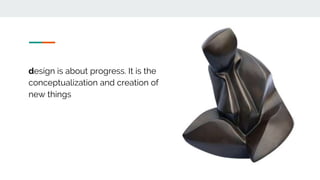
design is about progress. It is the
conceptualization and creation of
new things
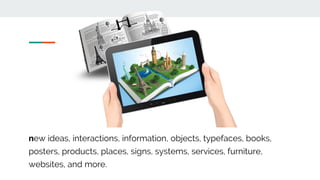
new ideas, interactions, information, objects, typefaces, books,
posters, products, places, signs, systems, services, furniture,
websites, and more.
what
a designer will do??
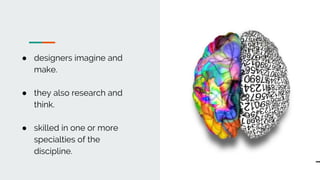
● designers imagine and
make.
● they also research and
think.
● skilled in one or more
specialties of the
discipline.
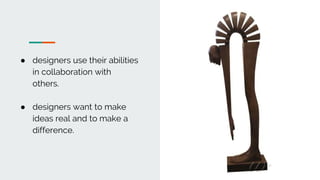
● designers use their abilities
in collaboration with
others.
● designers want to make
ideas real and to make a
difference.
aesthetic sense
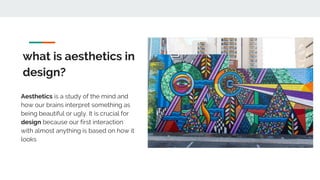
Aesthetics is a study of the mind and
how our brains interpret something as
being beautiful or ugly. It is crucial for
design because our first interaction
with almost anything is based on how it
looks
what is aesthetics in
design?
ok .
let’s talk about the topic
definition
the principles of design are what
we do to and how we use design
elements
how we apply the principles of
determines how successful the
design is.
● balance
● proximity
● alignment
● repetition
● contrast
● space
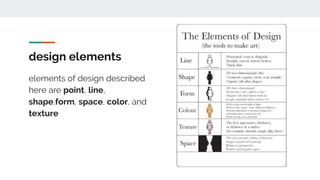
design elements
elements of design described
here are point, line,
shape,form, space, color, and
texture
balance
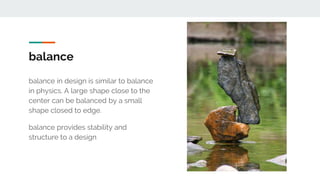
balance in design is similar to balance
in physics. A large shape close to the
center can be balanced by a small
shape closed to edge.
balance provides stability and
structure to a design
balance
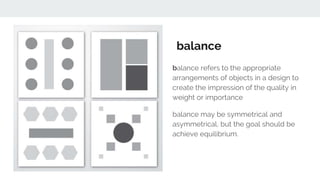
balance refers to the appropriate
arrangements of objects in a design to
create the impression of the quality in
weight or importance
balance may be symmetrical and
asymmetrical, but the goal should be
achieve equilibrium.
proximity
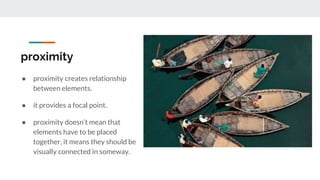
● proximity creates relationship
between elements.
● it provides a focal point.
● proximity doesn’t mean that
elements have to be placed
together, it means they should be
visually connected in someway.
proximity
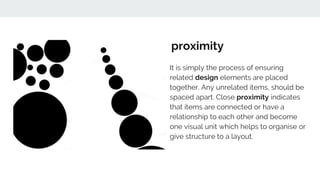
It is simply the process of ensuring
related design elements are placed
together. Any unrelated items, should be
spaced apart. Close proximity indicates
that items are connected or have a
relationship to each other and become
one visual unit which helps to organise or
give structure to a layout.
Aligning elements allows them
to create a visual connection
with each other. It tightens the
design and eliminates the
haphazard, messy effect which
comes when items are placed
randomly.
alignment
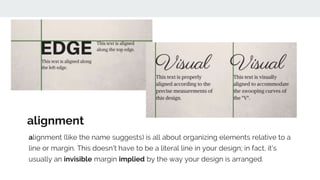
alignment (like the name suggests) is all about organizing elements relative to a
line or margin. This doesn't have to be a literal line in your design; in fact, it's

usually an invisible margin implied by the way your design is arranged.
alignment
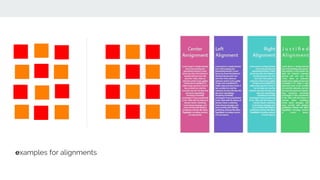
examples for alignments
repetition
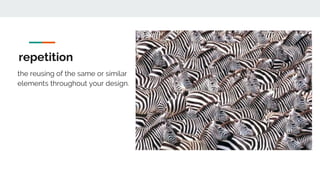
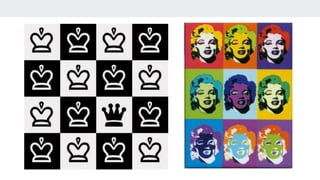
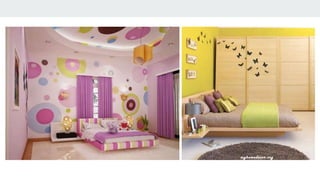
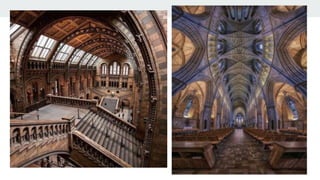
the reusing of the same or similar
elements throughout your design.
repetition
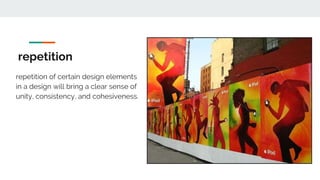
repetition of certain design elements
in a design will bring a clear sense of
unity, consistency, and cohesiveness.
repetition
repetition
repetition
repetition
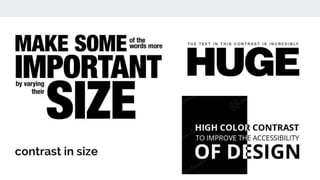
contrast
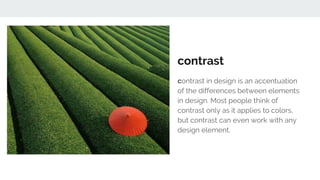
contrast in design is an accentuation
of the differences between elements
in design. Most people think of
contrast only as it applies to colors,
but contrast can even work with any
design element.
contrast
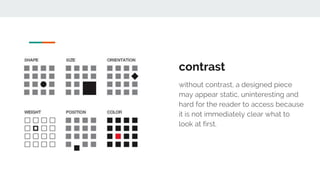
without contrast, a designed piece
may appear static, uninteresting and
hard for the reader to access because
it is not immediately clear what to
look at first.
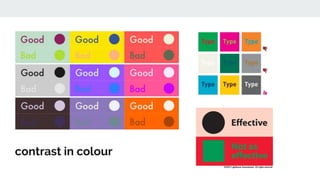
contrast in colour
contrast in size
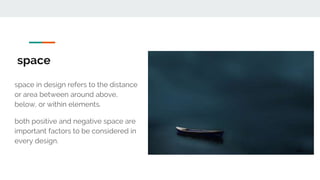
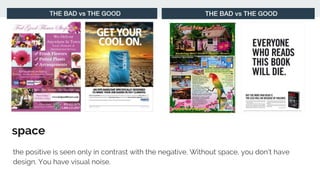
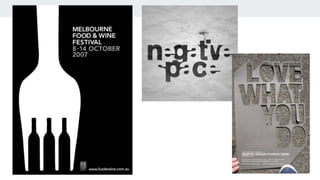
space
space in design refers to the distance
or area between around above,
below, or within elements.
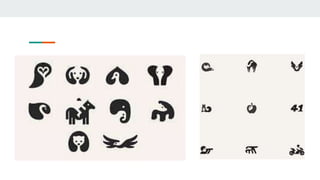
both positive and negative space are
important factors to be considered in
every design.
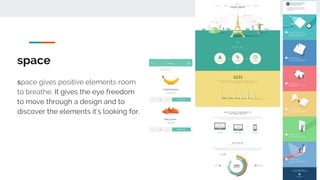
space
space gives positive elements room
to breathe. It gives the eye freedom
to move through a design and to
discover the elements it’s looking for.
space
space
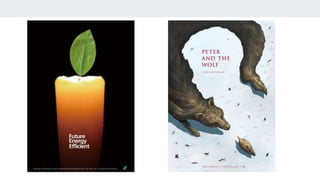
the positive is seen only in contrast with the negative. Without space, you don’t have
design. You have visual noise.
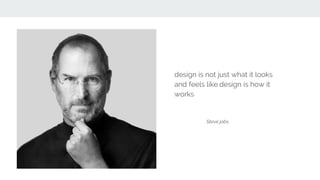
design is not just what it looks
and feels like.design is how it
works
Steve jobs
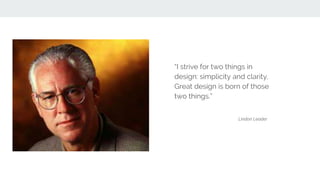
“I strive for two things in
design: simplicity and clarity.
Great design is born of those
two things.”
Lindon Leader
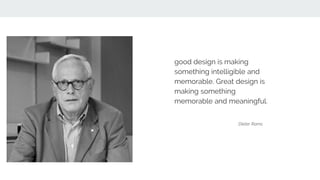
good design is making
something intelligible and
memorable. Great design is
making something
memorable and meaningful.
Dieter Rams
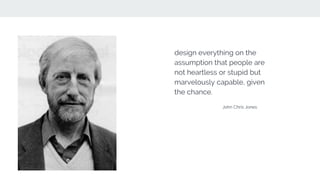
design everything on the
assumption that people are
not heartless or stupid but
marvelously capable, given
the chance.
John Chris Jones
seriously??!!
do you have questions?
thank you :)
for bearing me!!

Design principles

  • 1.
  • 2.
  • 3.
    design is aboutprogress. It is the conceptualization and creation of new things
  • 4.
    new ideas, interactions,information, objects, typefaces, books, posters, products, places, signs, systems, services, furniture, websites, and more.
  • 5.
  • 6.
    ● designers imagineand make. ● they also research and think. ● skilled in one or more specialties of the discipline.

  • 7.
    ● designers usetheir abilities in collaboration with others. ● designers want to make ideas real and to make a difference.
  • 8.
  • 9.
    Aesthetics is astudy of the mind and how our brains interpret something as being beautiful or ugly. It is crucial for design because our first interaction with almost anything is based on how it looks what is aesthetics in design?
  • 10.
    ok . let’s talkabout the topic
  • 11.
    definition the principles ofdesign are what we do to and how we use design elements how we apply the principles of determines how successful the design is. ● balance ● proximity ● alignment ● repetition ● contrast ● space
  • 12.
    design elements elements ofdesign described here are point, line, shape,form, space, color, and texture
  • 13.
    balance balance in designis similar to balance in physics. A large shape close to the center can be balanced by a small shape closed to edge. balance provides stability and structure to a design
  • 14.
    balance balance refers tothe appropriate arrangements of objects in a design to create the impression of the quality in weight or importance balance may be symmetrical and asymmetrical, but the goal should be achieve equilibrium.
  • 15.
    proximity ● proximity createsrelationship between elements. ● it provides a focal point. ● proximity doesn’t mean that elements have to be placed together, it means they should be visually connected in someway.
  • 16.
    proximity It is simplythe process of ensuring related design elements are placed together. Any unrelated items, should be spaced apart. Close proximity indicates that items are connected or have a relationship to each other and become one visual unit which helps to organise or give structure to a layout.
  • 17.
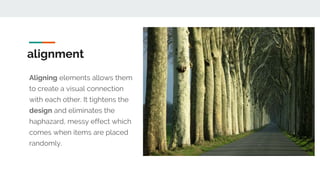
    Aligning elements allowsthem to create a visual connection with each other. It tightens the design and eliminates the haphazard, messy effect which comes when items are placed randomly. alignment
  • 18.
    alignment (like thename suggests) is all about organizing elements relative to a line or margin. This doesn't have to be a literal line in your design; in fact, it's usually an invisible margin implied by the way your design is arranged. alignment
  • 19.
  • 20.
    repetition the reusing ofthe same or similar elements throughout your design.
  • 21.
    repetition repetition of certaindesign elements in a design will bring a clear sense of unity, consistency, and cohesiveness.
  • 22.
  • 23.
  • 24.
  • 25.
  • 26.
    contrast contrast in designis an accentuation of the differences between elements in design. Most people think of contrast only as it applies to colors, but contrast can even work with any design element.
  • 27.
    contrast without contrast, adesigned piece may appear static, uninteresting and hard for the reader to access because it is not immediately clear what to look at first.
  • 29.
  • 30.
  • 31.
    space space in designrefers to the distance or area between around above, below, or within elements. both positive and negative space are important factors to be considered in every design.
  • 32.
    space space gives positiveelements room to breathe. It gives the eye freedom to move through a design and to discover the elements it’s looking for.
  • 34.
  • 40.
    space the positive isseen only in contrast with the negative. Without space, you don’t have design. You have visual noise.
  • 41.
    design is notjust what it looks and feels like.design is how it works Steve jobs
  • 42.
    “I strive fortwo things in design: simplicity and clarity. Great design is born of those two things.” Lindon Leader
  • 43.
    good design ismaking something intelligible and memorable. Great design is making something memorable and meaningful. Dieter Rams
  • 44.
    design everything onthe assumption that people are not heartless or stupid but marvelously capable, given the chance. John Chris Jones
  • 45.
  • 46.
    thank you :) forbearing me!!