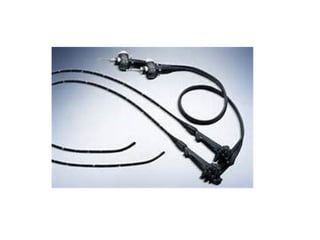
Delivery of colonoscopy in a
screening program
What type of access does the
consumer want?
Dan Kent
No Conflicts of Interest to declare
The Consumer View
• What objectives do we consumers have regarding
accessing colonoscopies in a screening program.
• I revisited the mnemonic acronym for objective
setting of:
• Specific
• Measurable
• Attainable
• Realistic
• Timely
And considering this session is relative to
colonoscopy use the acronym SMART “bottom-up” :
• Timely/Time-bound
• Revalidation of colonoscopists
• Access
• Motivation
• Simple
Timely
• Once a patient has received advice of a positive FOBT
test most normally become somewhat anxious and
wish for quick follow-up – firstly the visit to their GP
for referral and then to undergo a colonoscopy.
• Timely colonoscopy is the principal objective for
consumers.
• Most consumers do not have a preference for the
professional qualifications of the colonoscopist – they
simply wish to be assured that the colonoscopist is
well experienced and appropriately qualified and
accredited. This said however:
Revalidation of colonoscopists
• The Medical Board of Australia currently has a Consultation
process underway – seeking community, profession and
stakeholder comment/input on Revalidation.
• It has identified a two-part approach that proposes:
• maintaining and enhancing the performance of all doctors
practising in Australia through efficient, effective,
contemporary, evidence-based continuing professional
development (CPD) relevant to their scope of practice
(‘strengthened CPD’), and
• proactively identifying doctors at risk of poor performance
and those who are already performing poorly, assessing
their performance and when appropriate supporting the
remediation of their practice.
Australian Commission on Safety and
Quality in Health Care
• Following Workshops around Australia in 2015
the ACSQHC has developed a draft colonoscopy
clinical care model. The model incorporates three
main elements:
• A clinical care standard for the delivery of quality
colonoscopy services
• Certification and periodic re-certification of
colonoscopist performance
• Collation and review of indicators and
performance targets in accordance with a
standard national data set
Access
• Evidence and personal experience shows that
access to a colonscopy is not delivered on a
level playing field.
• Those treated privately usually have easier
and quicker access than those treated
publically – this is further exacerbated as we
move from urban to regional, rural and
remote areas.
Access (continued)
• Consumers hope that this August item does not become more
general:
• Public Health: Patients urged to go private
Tasmanians are being encouraged to turn to private providers for
colonoscopies as the public system struggles to deal with the high
demand for the service. Last month, THS chief executive officer
David Alcorn said $500,000 would be invested this financial year to
improve access and waiting times for colonoscopies. Dr Alcorn said
the National Bowel Cancer Screening program had been partly
responsible for the high demand for the procedure, which can pick
up potential bowel cancers. Letters sent to those currently on the
waiting list encourage people to seek “advice regarding their
options for earlier treatment including referral to the private
sector”.
Motivating the Patient
• Patients need to be motivated to have a positive outlook
and expectation of their procedure.
• This can commence with correspondence from the
NBCSP regarding the positive FOBT, to the GP doing the
referral and then at the institution performing the
procedure. EG Not all positive FOBT’s are due to CRC –
quote percentages and/or ratios.
• Most patients are not health literate so please go for Lay
language in interviews and PIF’s and avoid wherever
possible clinical jargon.
• And finally
Simplicity
• Apply the K.I.S.S. principle.
• As just mentioned ensure the patient fully
understands the procedure, the reasons for
procedure scheduling and the need for
compliant bowel preparation.
• Patients need to be aware of How, When and
Where they will be advised of findings during
the procedure and of any subsequent
pathological findings.
THANK-YOU
• I look forward to joining the Panel Discussion
later

Delivery of colonoscopy in a screening program

  • 1.
    Delivery of colonoscopyin a screening program What type of access does the consumer want? Dan Kent No Conflicts of Interest to declare
  • 3.
    The Consumer View •What objectives do we consumers have regarding accessing colonoscopies in a screening program. • I revisited the mnemonic acronym for objective setting of: • Specific • Measurable • Attainable • Realistic • Timely
  • 4.
    And considering thissession is relative to colonoscopy use the acronym SMART “bottom-up” : • Timely/Time-bound • Revalidation of colonoscopists • Access • Motivation • Simple
  • 5.
    Timely • Once apatient has received advice of a positive FOBT test most normally become somewhat anxious and wish for quick follow-up – firstly the visit to their GP for referral and then to undergo a colonoscopy. • Timely colonoscopy is the principal objective for consumers. • Most consumers do not have a preference for the professional qualifications of the colonoscopist – they simply wish to be assured that the colonoscopist is well experienced and appropriately qualified and accredited. This said however:
  • 7.
    Revalidation of colonoscopists •The Medical Board of Australia currently has a Consultation process underway – seeking community, profession and stakeholder comment/input on Revalidation. • It has identified a two-part approach that proposes: • maintaining and enhancing the performance of all doctors practising in Australia through efficient, effective, contemporary, evidence-based continuing professional development (CPD) relevant to their scope of practice (‘strengthened CPD’), and • proactively identifying doctors at risk of poor performance and those who are already performing poorly, assessing their performance and when appropriate supporting the remediation of their practice.
  • 8.
    Australian Commission onSafety and Quality in Health Care • Following Workshops around Australia in 2015 the ACSQHC has developed a draft colonoscopy clinical care model. The model incorporates three main elements: • A clinical care standard for the delivery of quality colonoscopy services • Certification and periodic re-certification of colonoscopist performance • Collation and review of indicators and performance targets in accordance with a standard national data set
  • 10.
    Access • Evidence andpersonal experience shows that access to a colonscopy is not delivered on a level playing field. • Those treated privately usually have easier and quicker access than those treated publically – this is further exacerbated as we move from urban to regional, rural and remote areas.
  • 11.
    Access (continued) • Consumershope that this August item does not become more general: • Public Health: Patients urged to go private Tasmanians are being encouraged to turn to private providers for colonoscopies as the public system struggles to deal with the high demand for the service. Last month, THS chief executive officer David Alcorn said $500,000 would be invested this financial year to improve access and waiting times for colonoscopies. Dr Alcorn said the National Bowel Cancer Screening program had been partly responsible for the high demand for the procedure, which can pick up potential bowel cancers. Letters sent to those currently on the waiting list encourage people to seek “advice regarding their options for earlier treatment including referral to the private sector”.
  • 12.
    Motivating the Patient •Patients need to be motivated to have a positive outlook and expectation of their procedure. • This can commence with correspondence from the NBCSP regarding the positive FOBT, to the GP doing the referral and then at the institution performing the procedure. EG Not all positive FOBT’s are due to CRC – quote percentages and/or ratios. • Most patients are not health literate so please go for Lay language in interviews and PIF’s and avoid wherever possible clinical jargon. • And finally
  • 13.
    Simplicity • Apply theK.I.S.S. principle. • As just mentioned ensure the patient fully understands the procedure, the reasons for procedure scheduling and the need for compliant bowel preparation. • Patients need to be aware of How, When and Where they will be advised of findings during the procedure and of any subsequent pathological findings.
  • 14.
    THANK-YOU • I lookforward to joining the Panel Discussion later