Data Science in a Day -
Workshop
Karthikeyan VK
Cloud Native Architect & Microsoft MVP
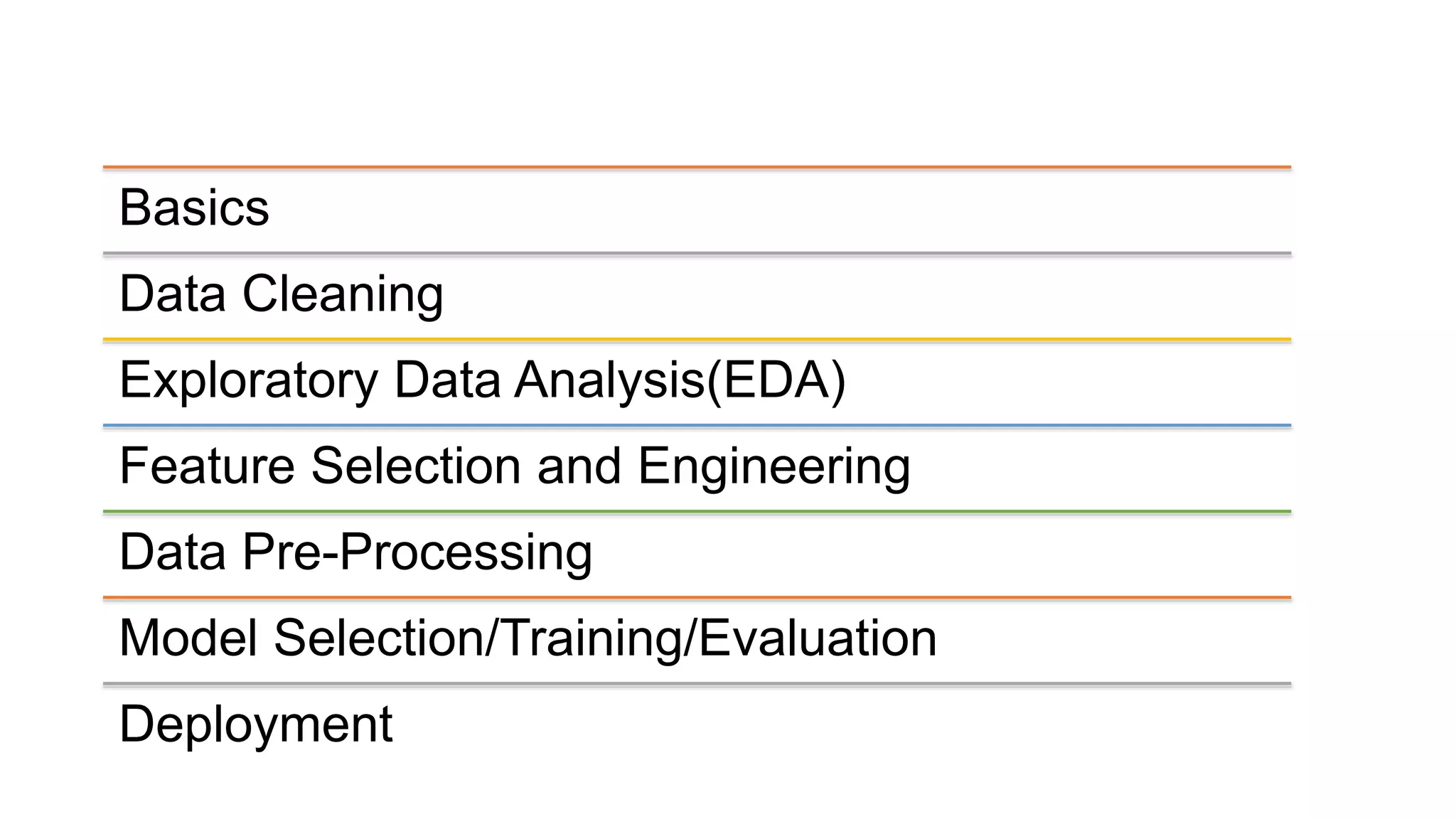
Basics
Data Cleaning
Exploratory Data Analysis(EDA)
Feature Selection and Engineering
Data Pre-Processing
Model Selection/Training/Evaluation
Deployment
Basics of Data
Types of Data
• Quantitative
• Qualitative
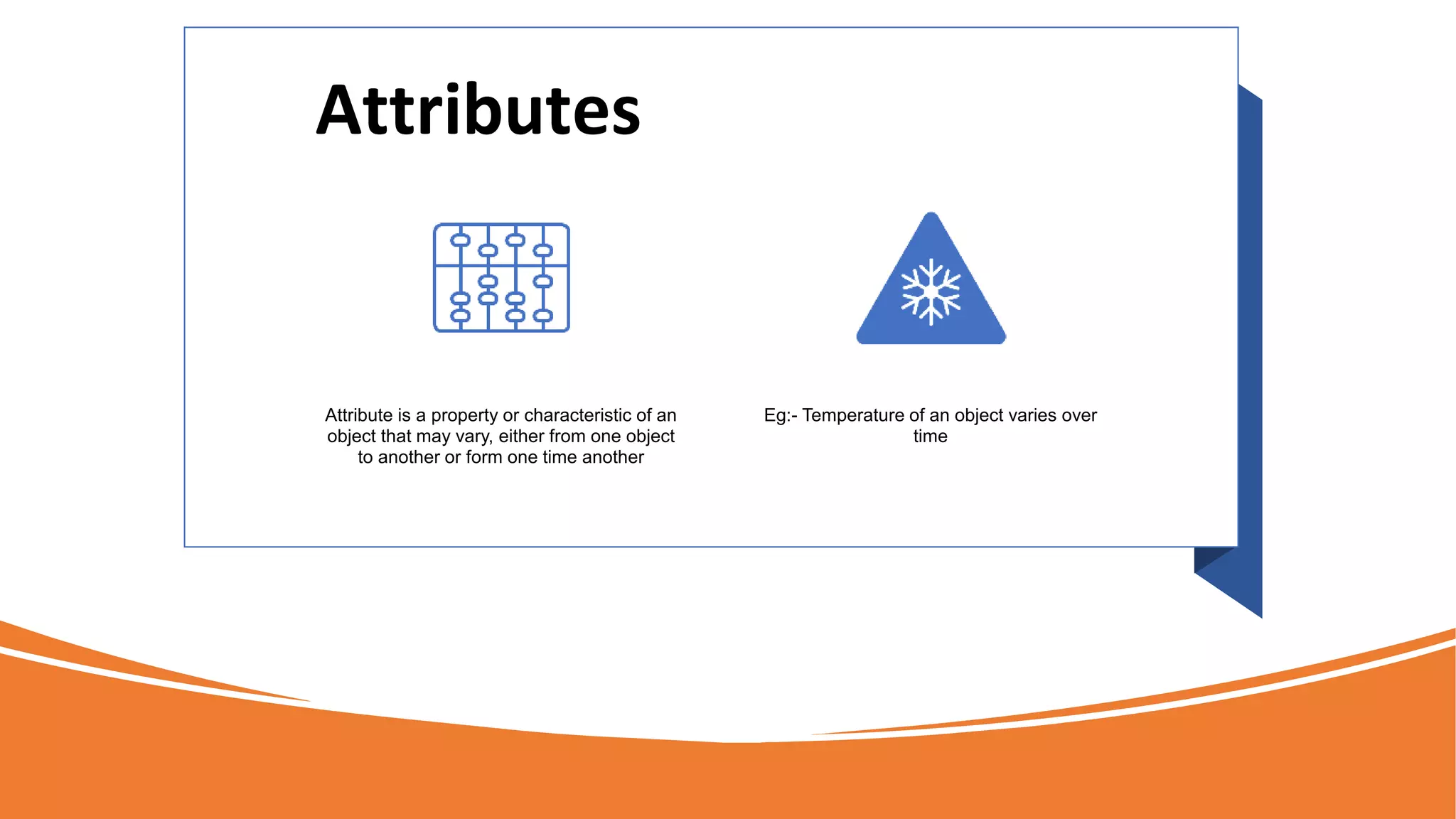
Attributes
Attribute is a property or characteristic of an
object that may vary, either from one object
to another or form one time another
Eg:- Temperature of an object varies over
time
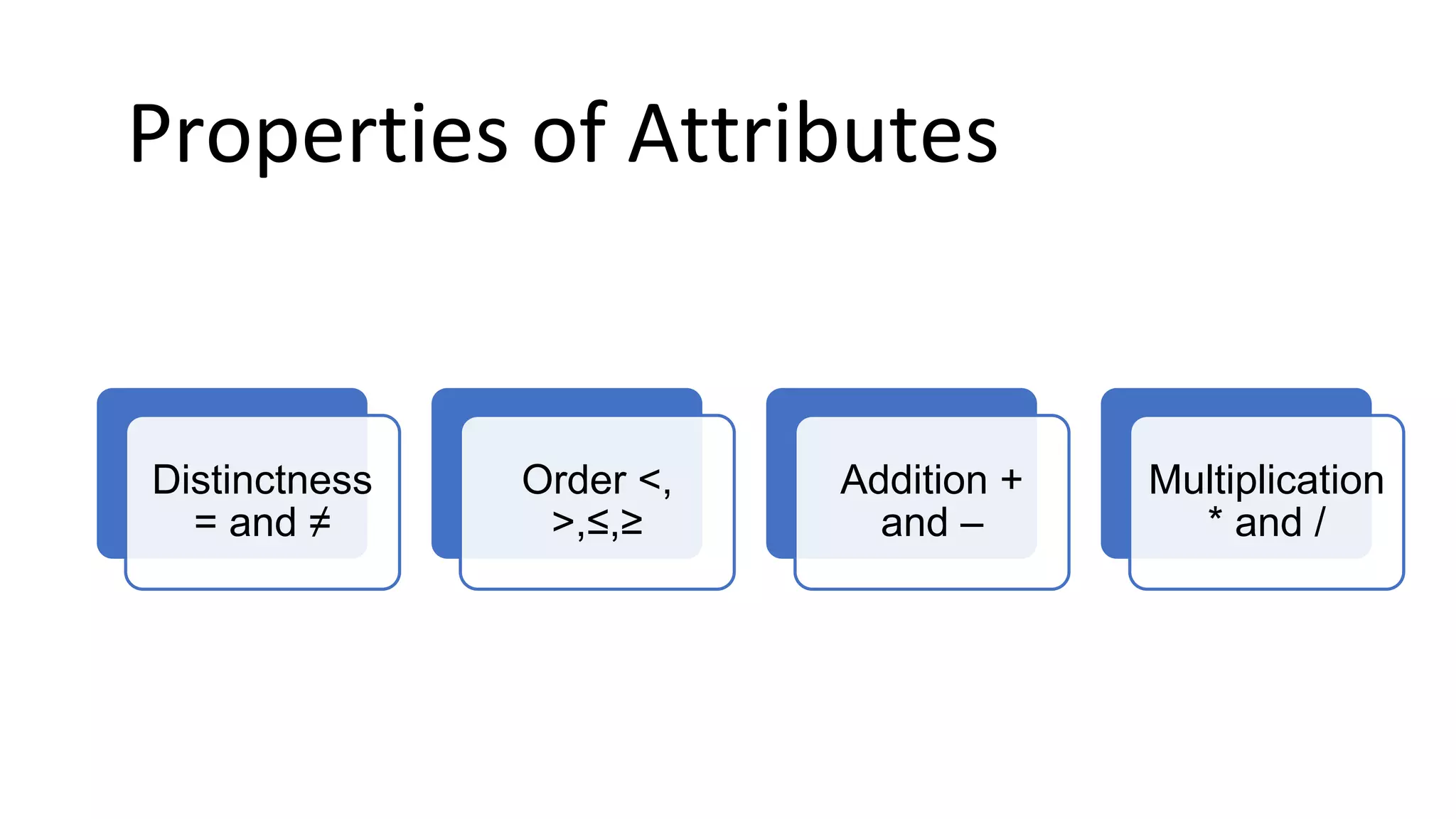
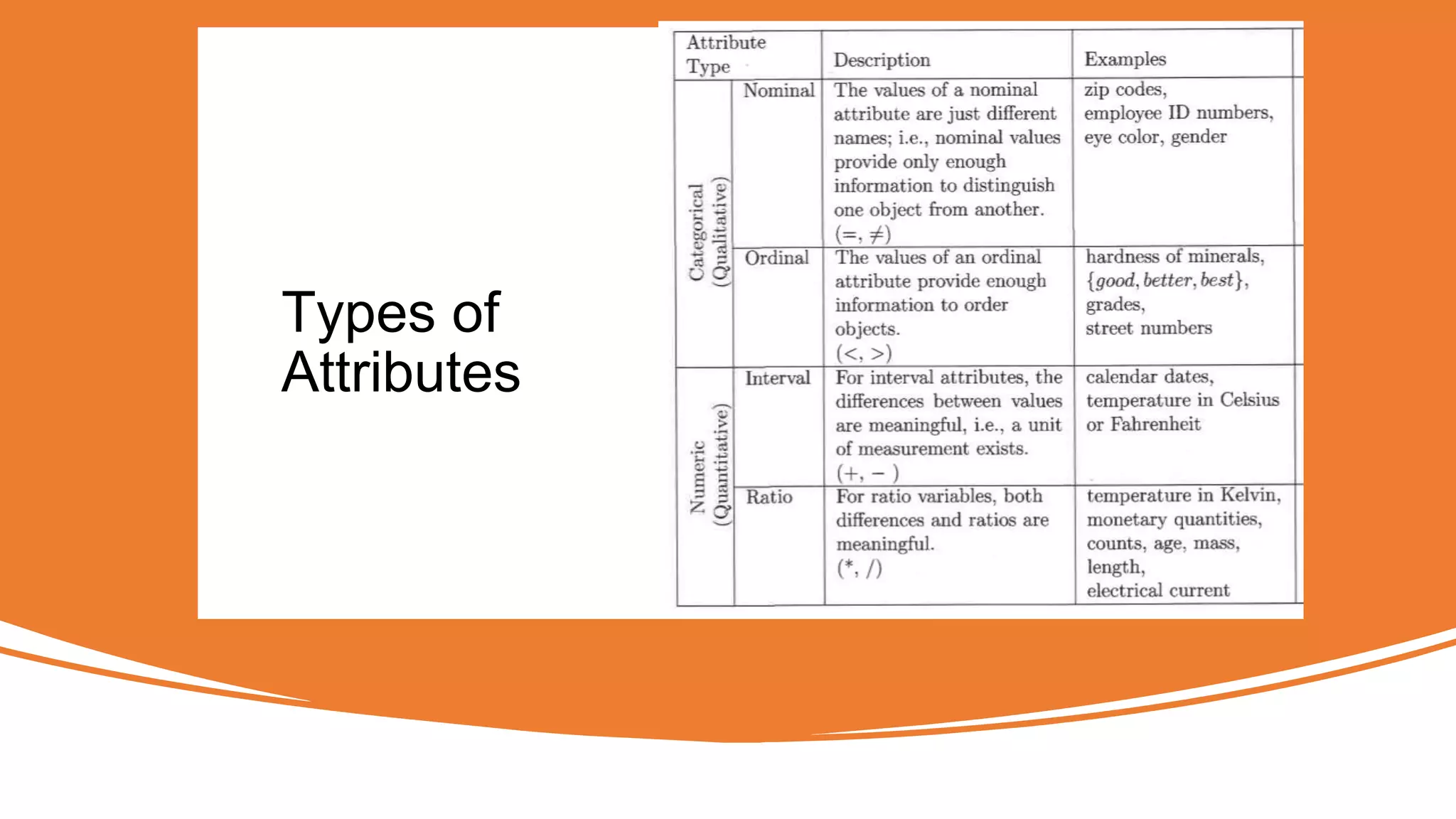
Properties of Attributes
Distinctness
= and ≠
Order <,
>,≤,≥
Addition +
and –
Multiplication
* and /
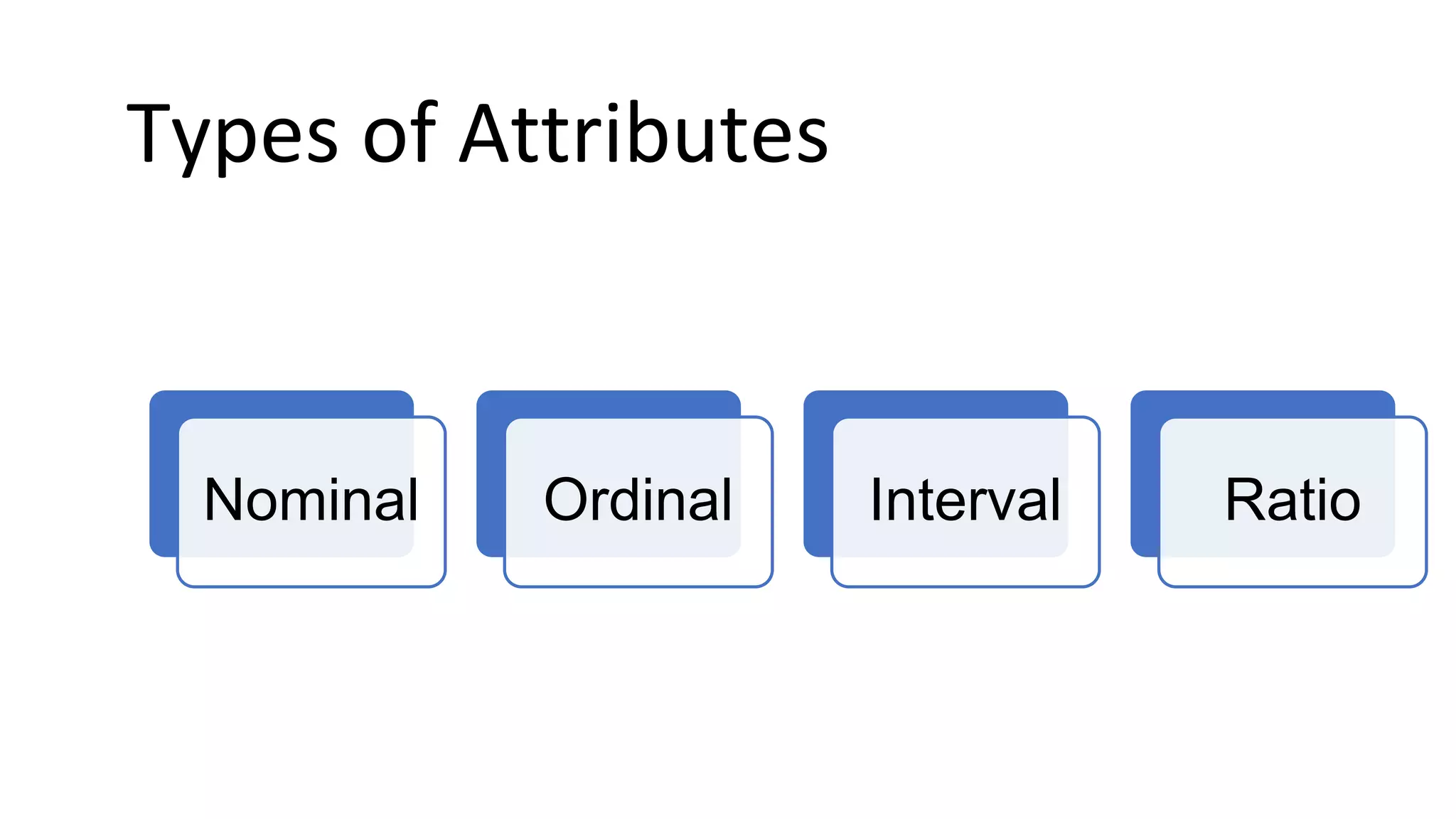
Types of Attributes
Nominal Ordinal Interval Ratio
Types of
Attributes
WORKSHOP -
PREREQUISITES
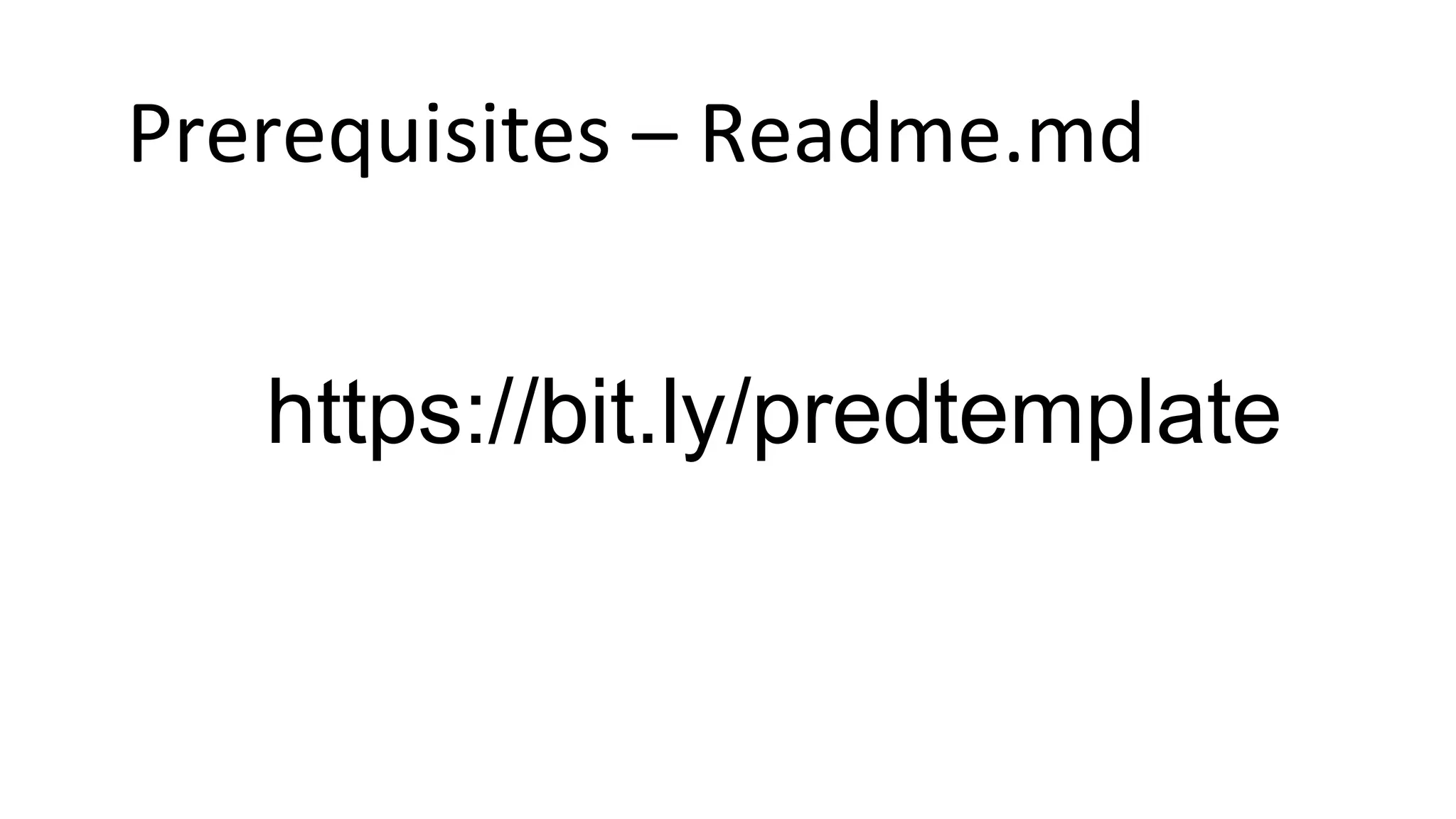
Prerequisites – Readme.md
https://bit.ly/predtemplate
Prerequisites
Open Visual Studio Code and make sure the code is cloned.
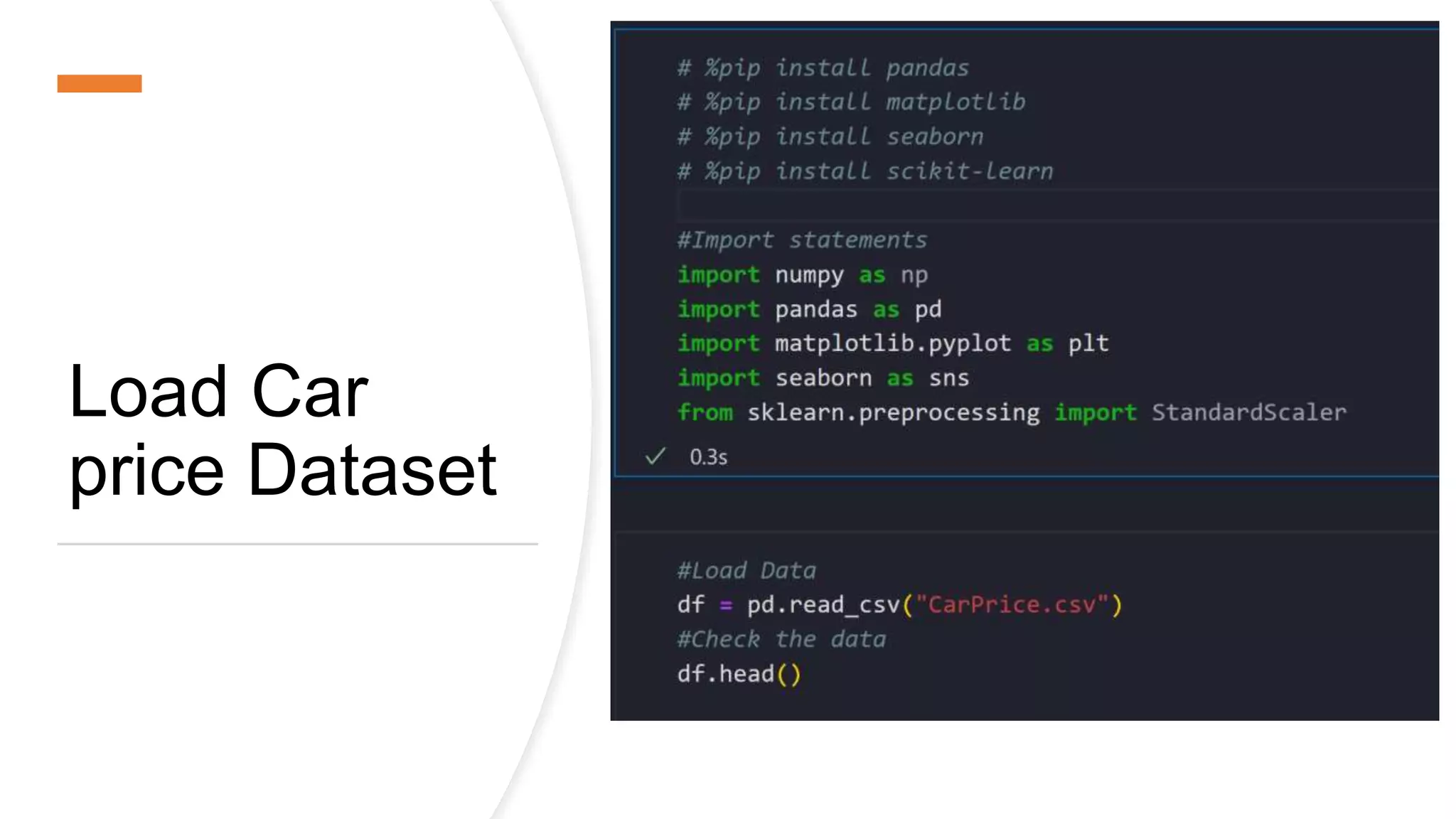
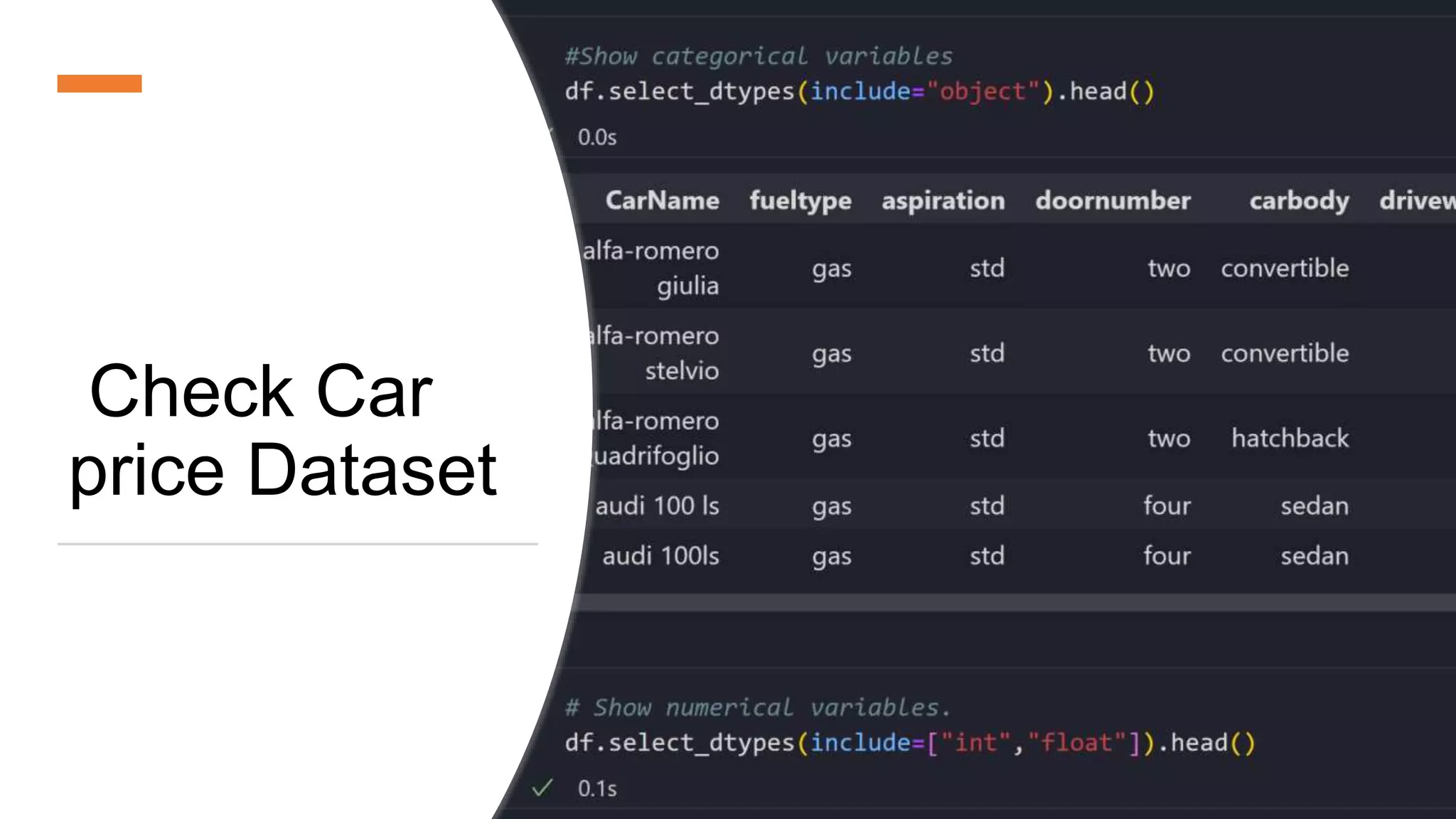
Load Car
price Dataset
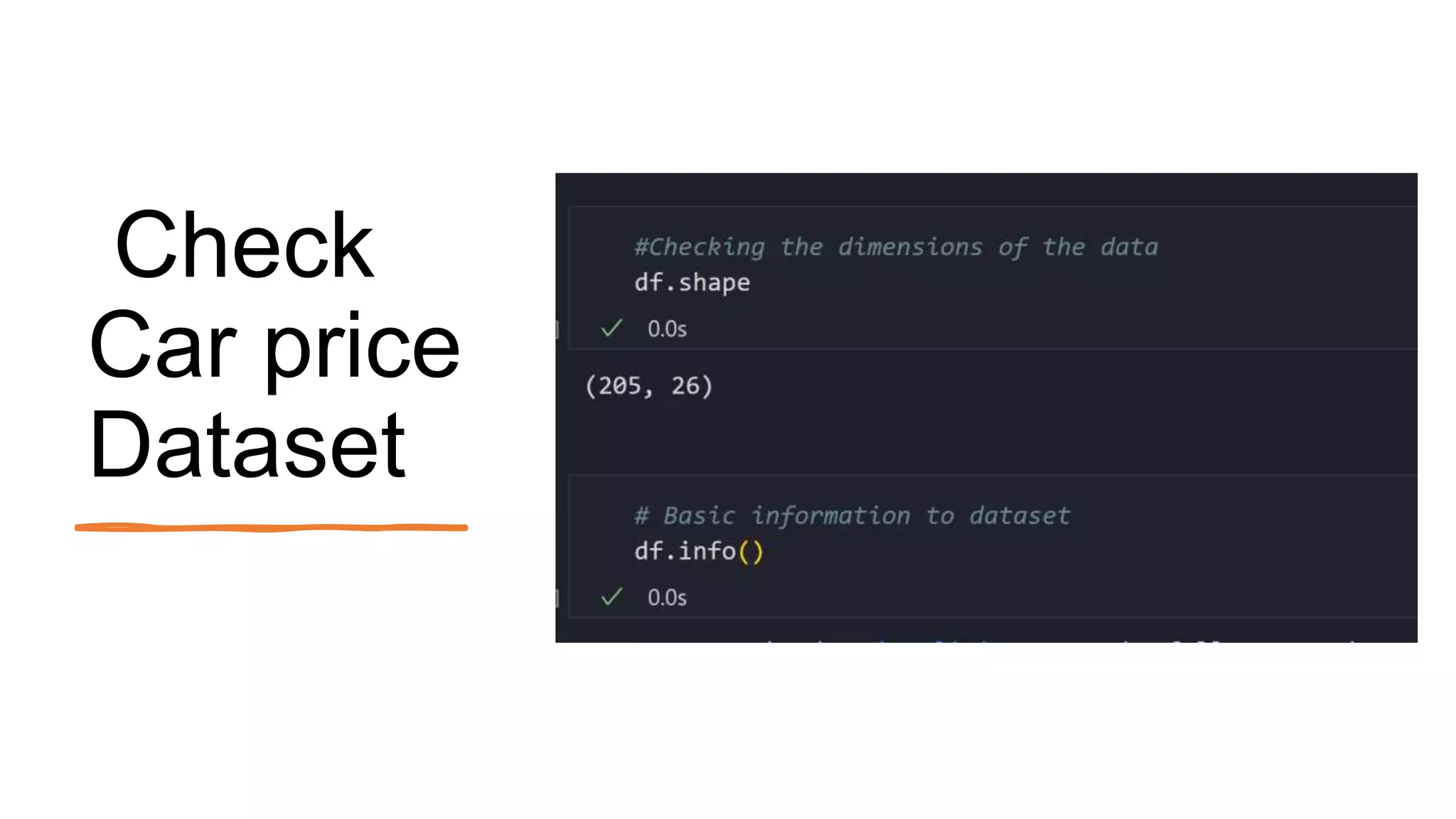
Check
Car price
Dataset
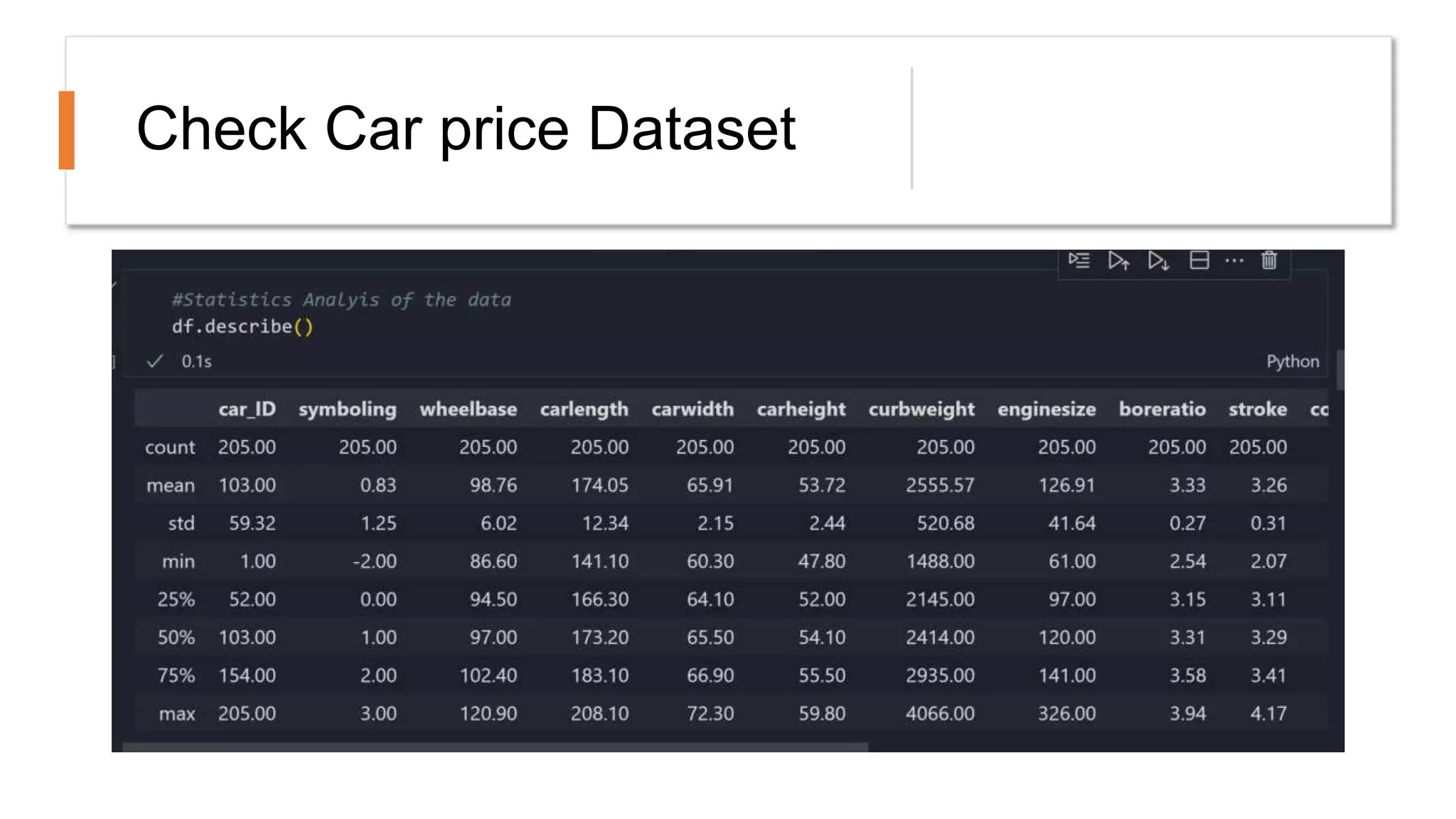
Check Car price Dataset
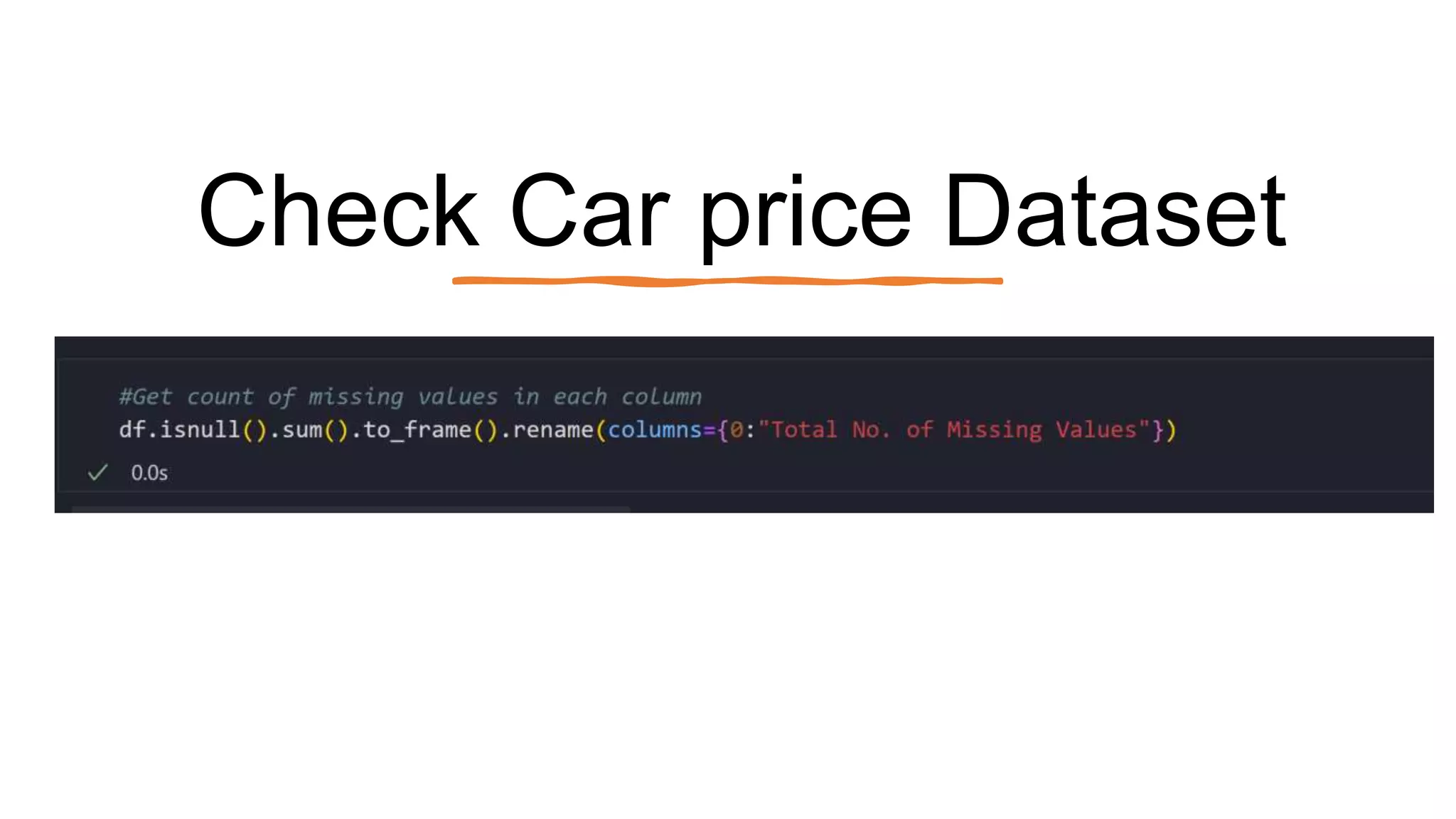
Check Car
price Dataset
Data Cleaning
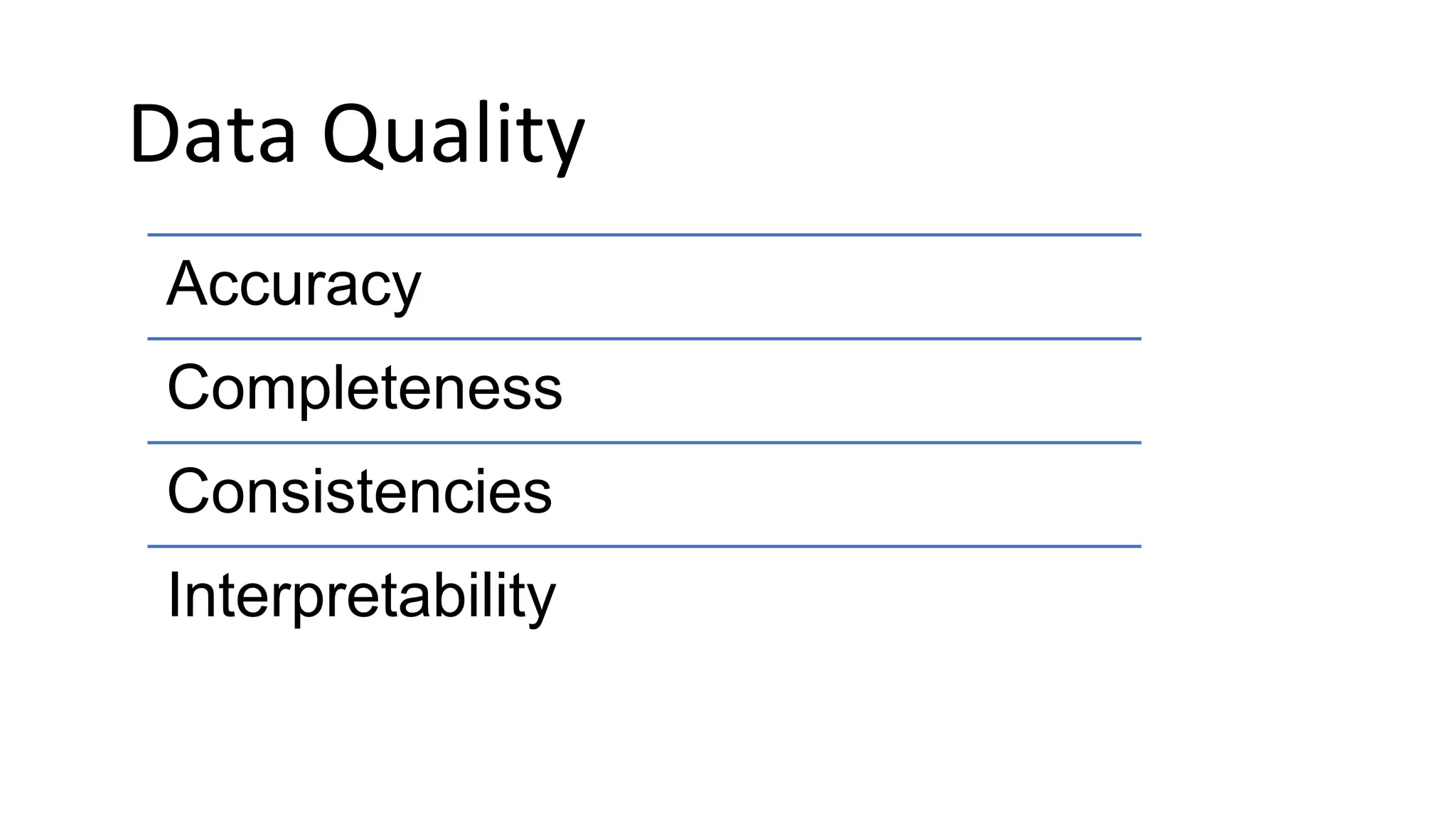
Data Quality
Accuracy
Completeness
Consistencies
Interpretability
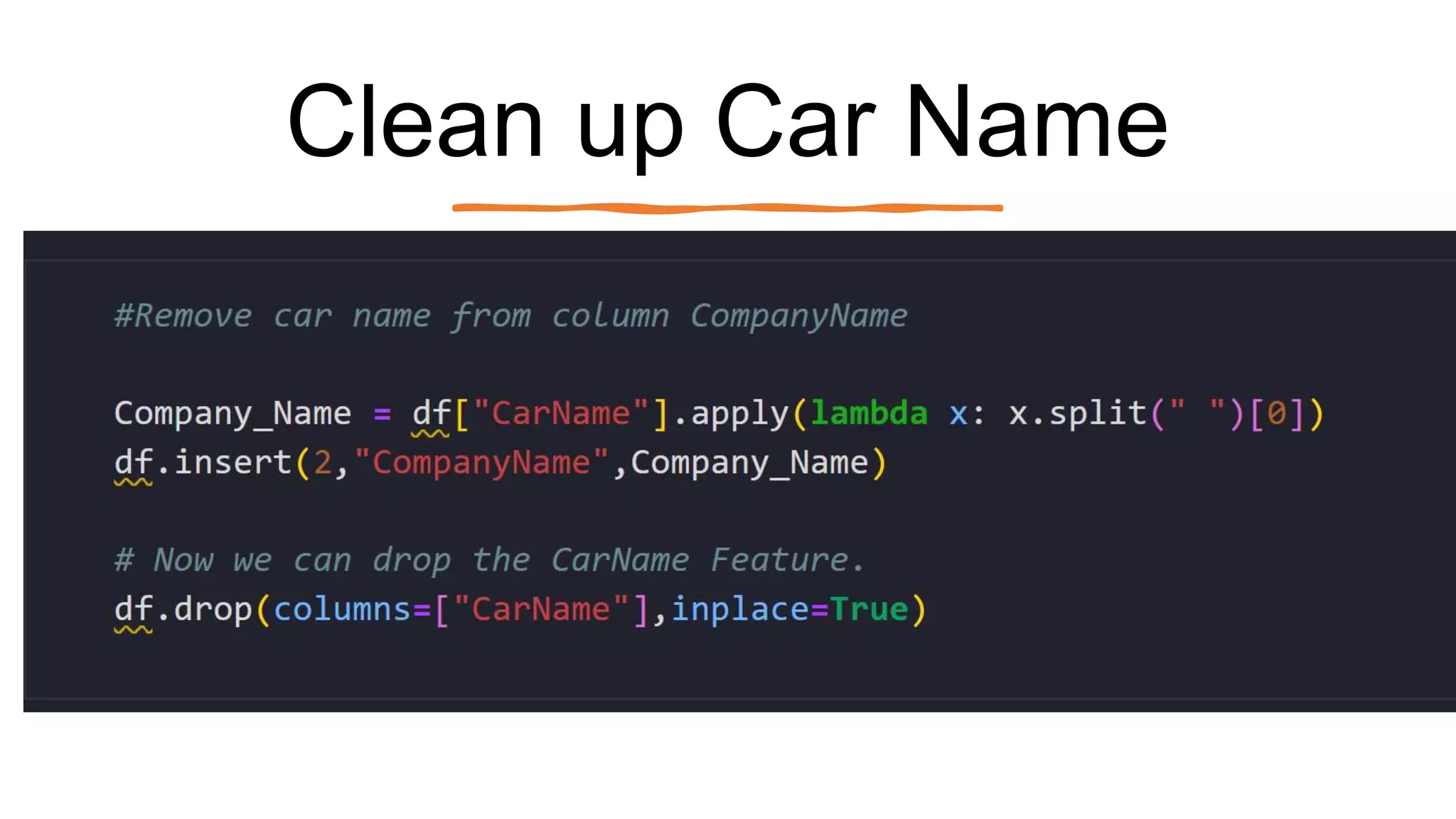
Clean up Car Name
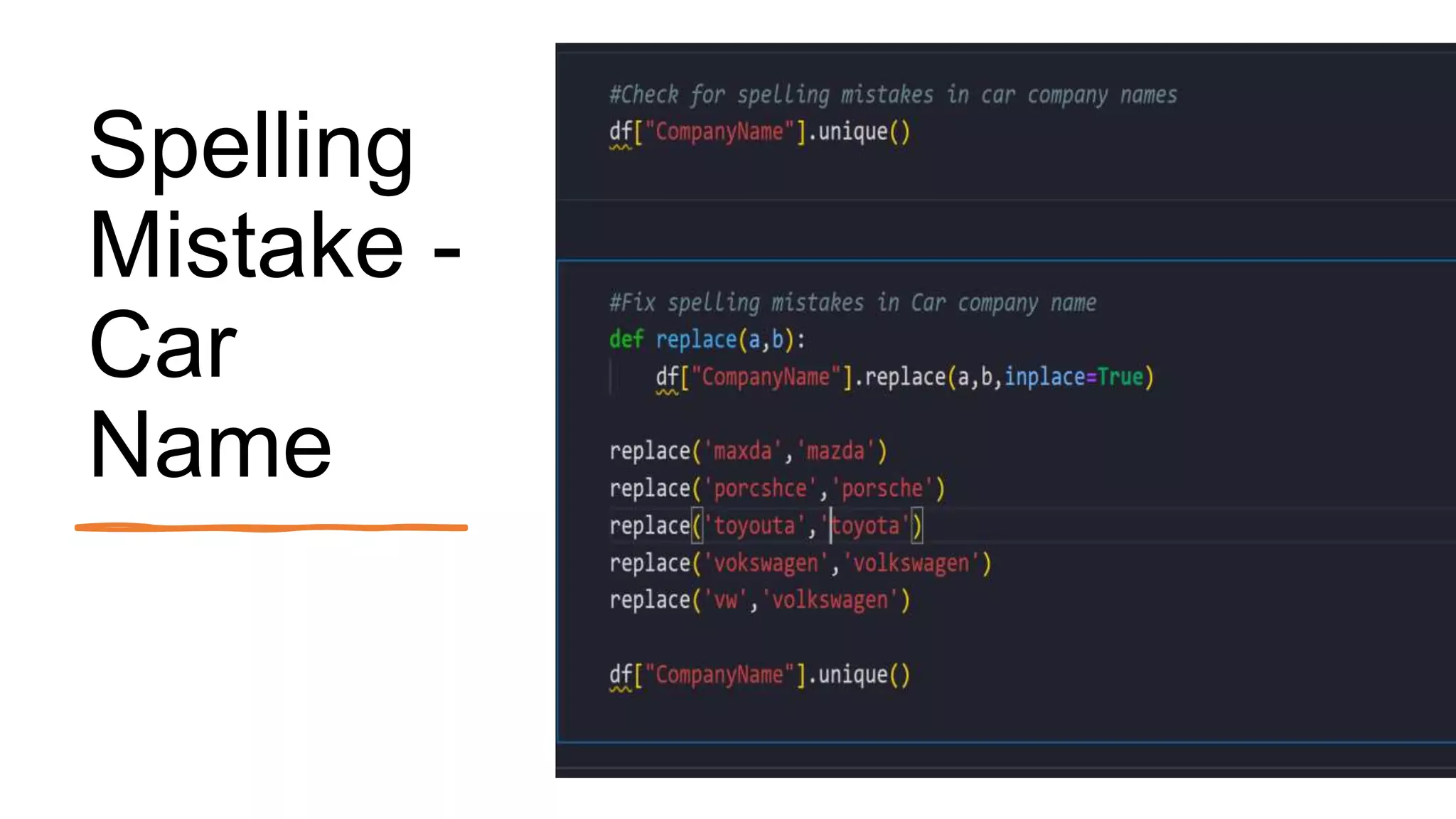
Spelling
Mistake -
Car
Name
Exploratory Data
Analysis(EDA)
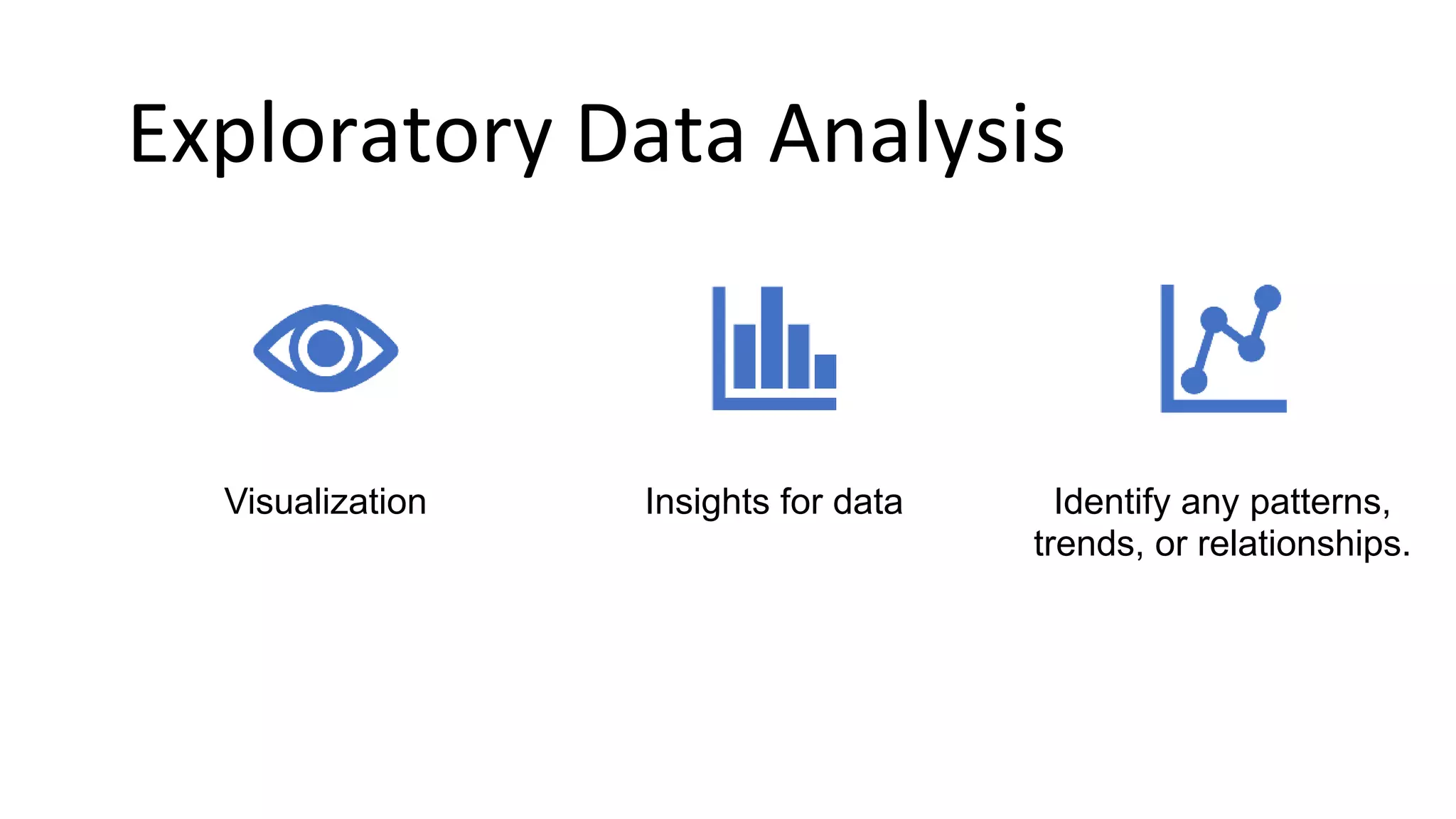
Exploratory Data Analysis
Visualization Insights for data Identify any patterns,
trends, or relationships.
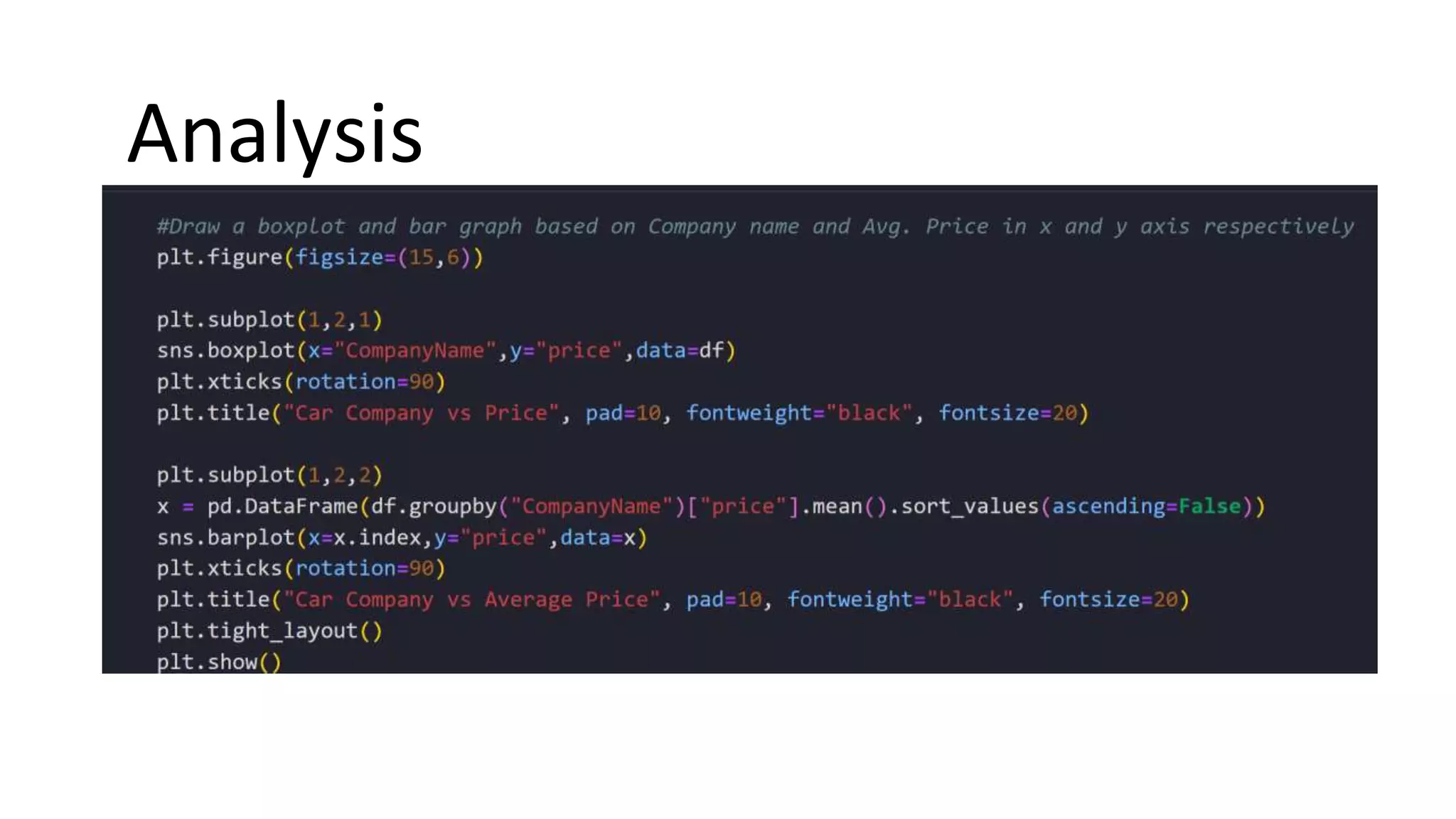
Analysis
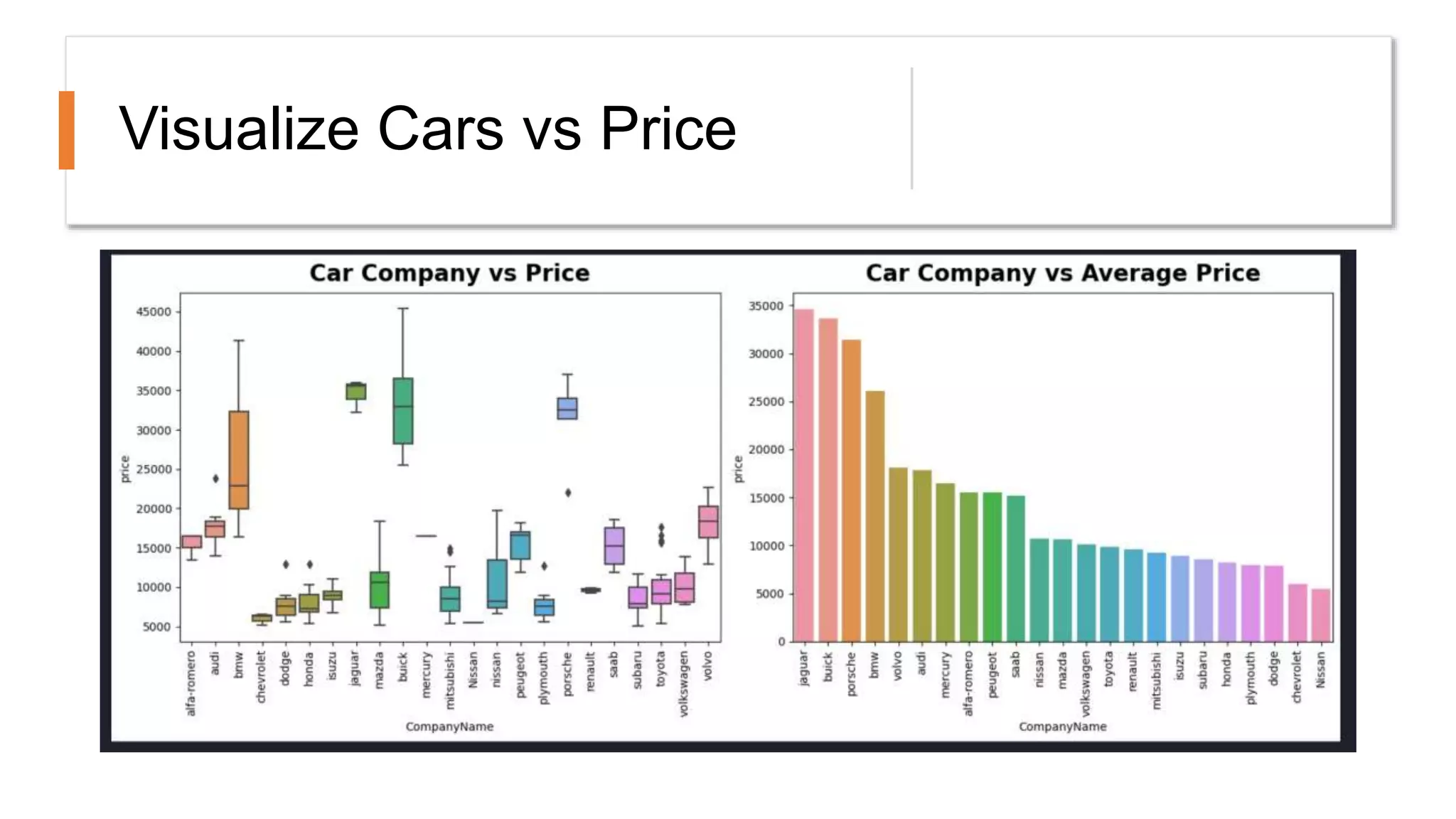
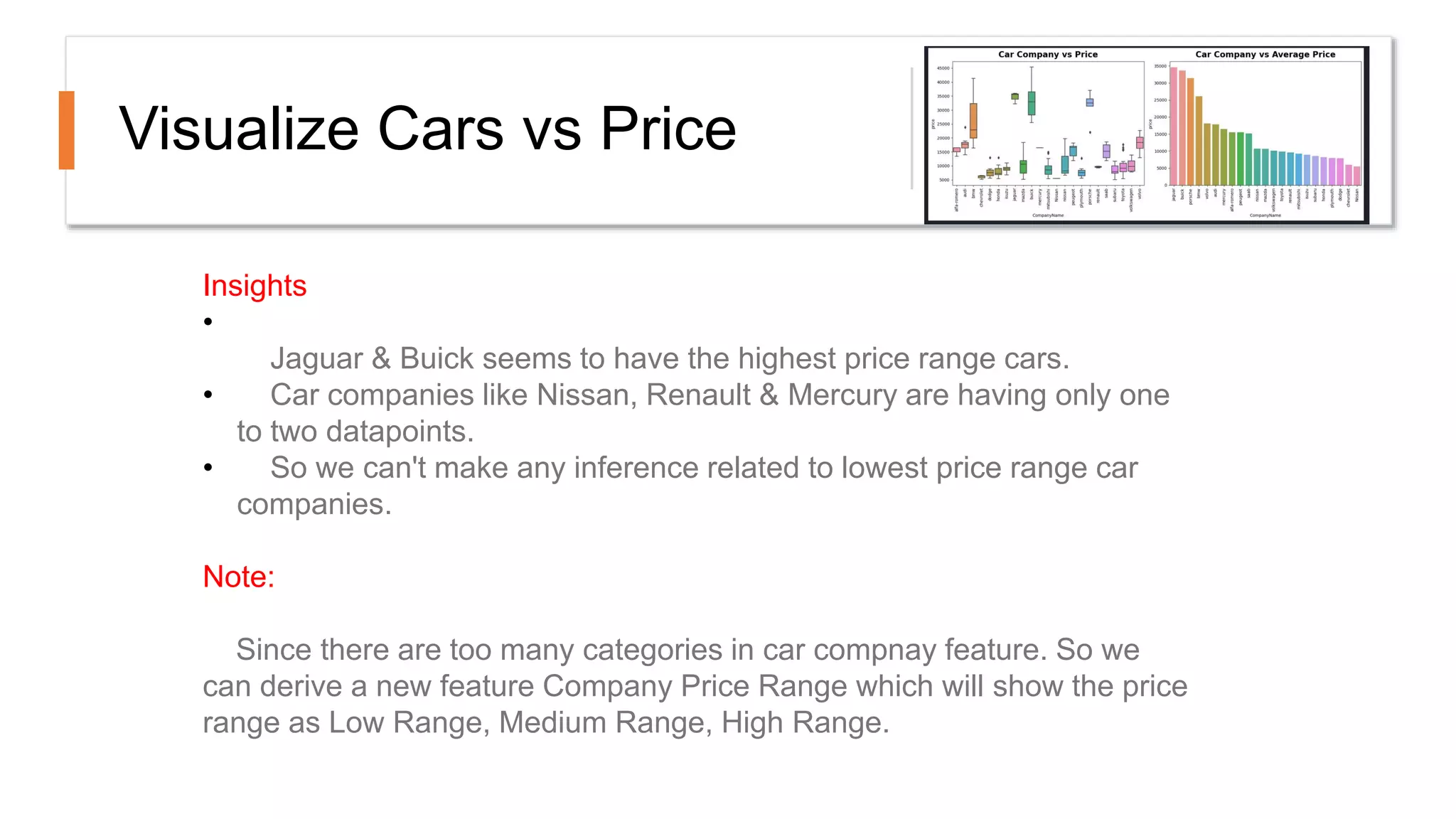
Visualize Cars vs Price
Insights
•
Jaguar & Buick seems to have the highest price range cars.
• Car companies like Nissan, Renault & Mercury are having only one
to two datapoints.
• So we can't make any inference related to lowest price range car
companies.
Note:
Since there are too many categories in car compnay feature. So we
can derive a new feature Company Price Range which will show the price
range as Low Range, Medium Range, High Range.
Feature
Engineering
Feature Engineering
Dimensionality reduction
Discretization and Binarization
Normalization or Standardization
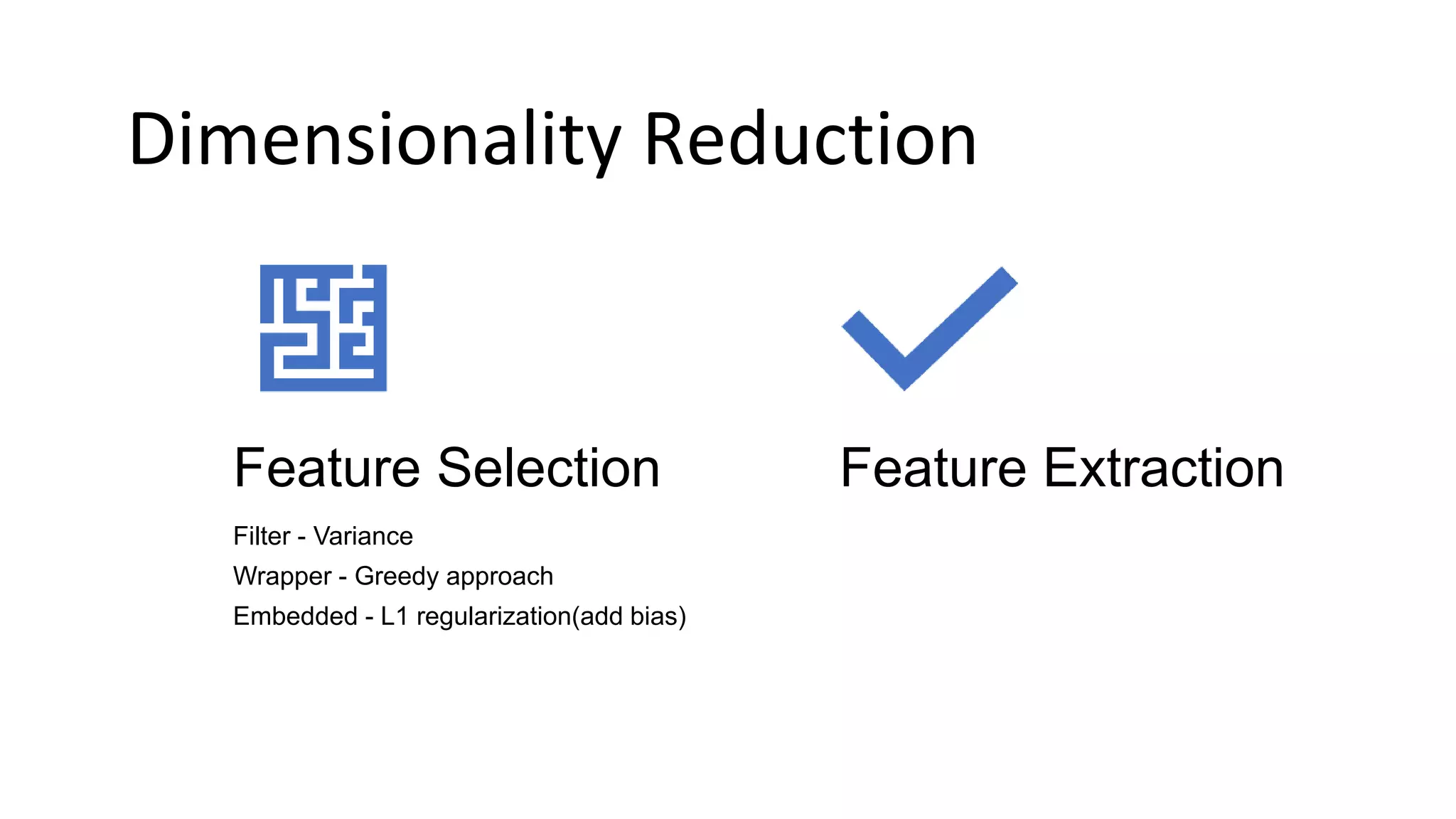
Dimensionality Reduction
Feature Selection
Filter - Variance
Wrapper - Greedy approach
Embedded - L1 regularization(add bias)
Feature Extraction
Discretization and
binarization
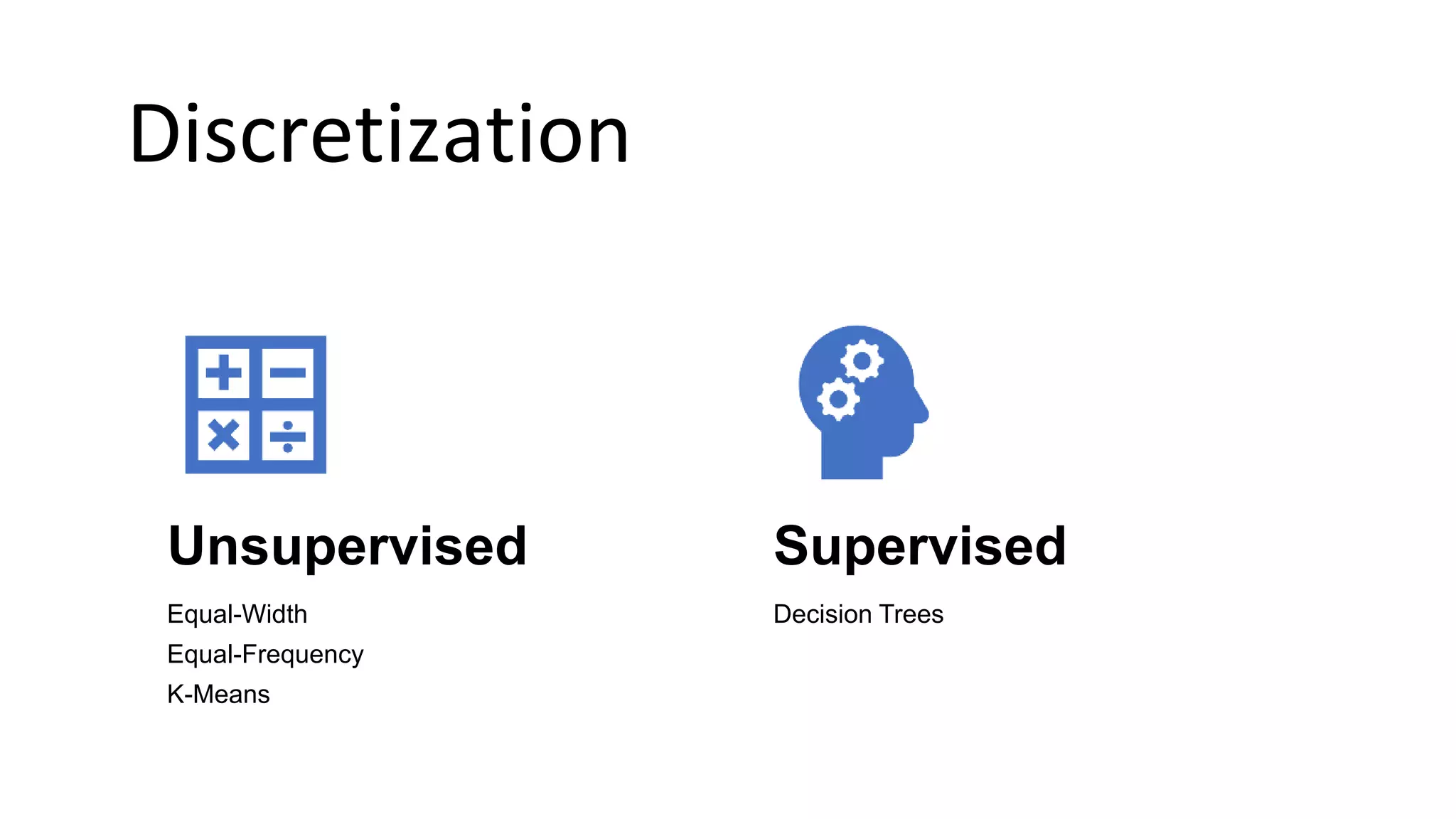
Discretization
Unsupervised
Equal-Width
Equal-Frequency
K-Means
Supervised
Decision Trees
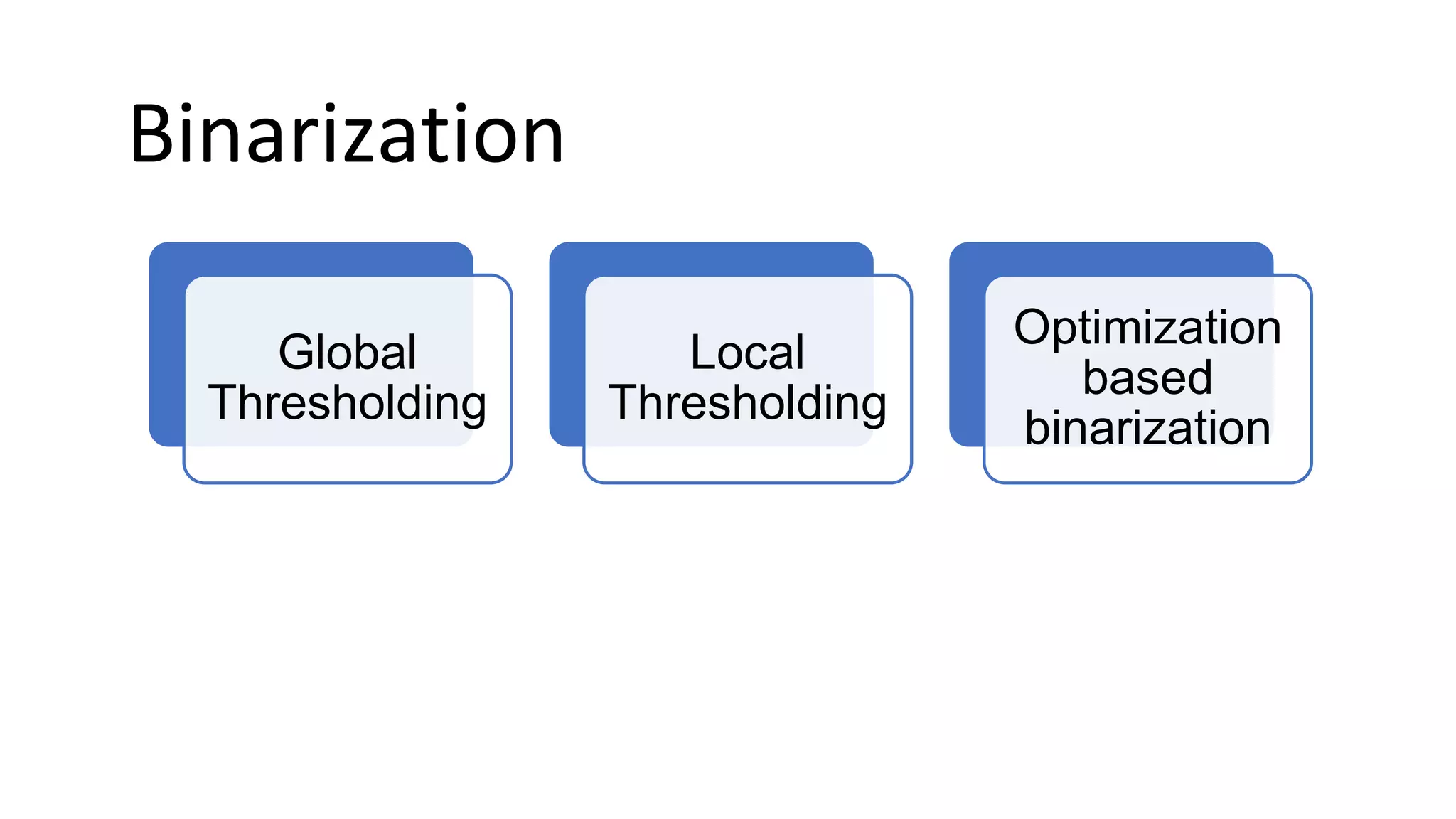
Binarization
Global
Thresholding
Local
Thresholding
Optimization
based
binarization
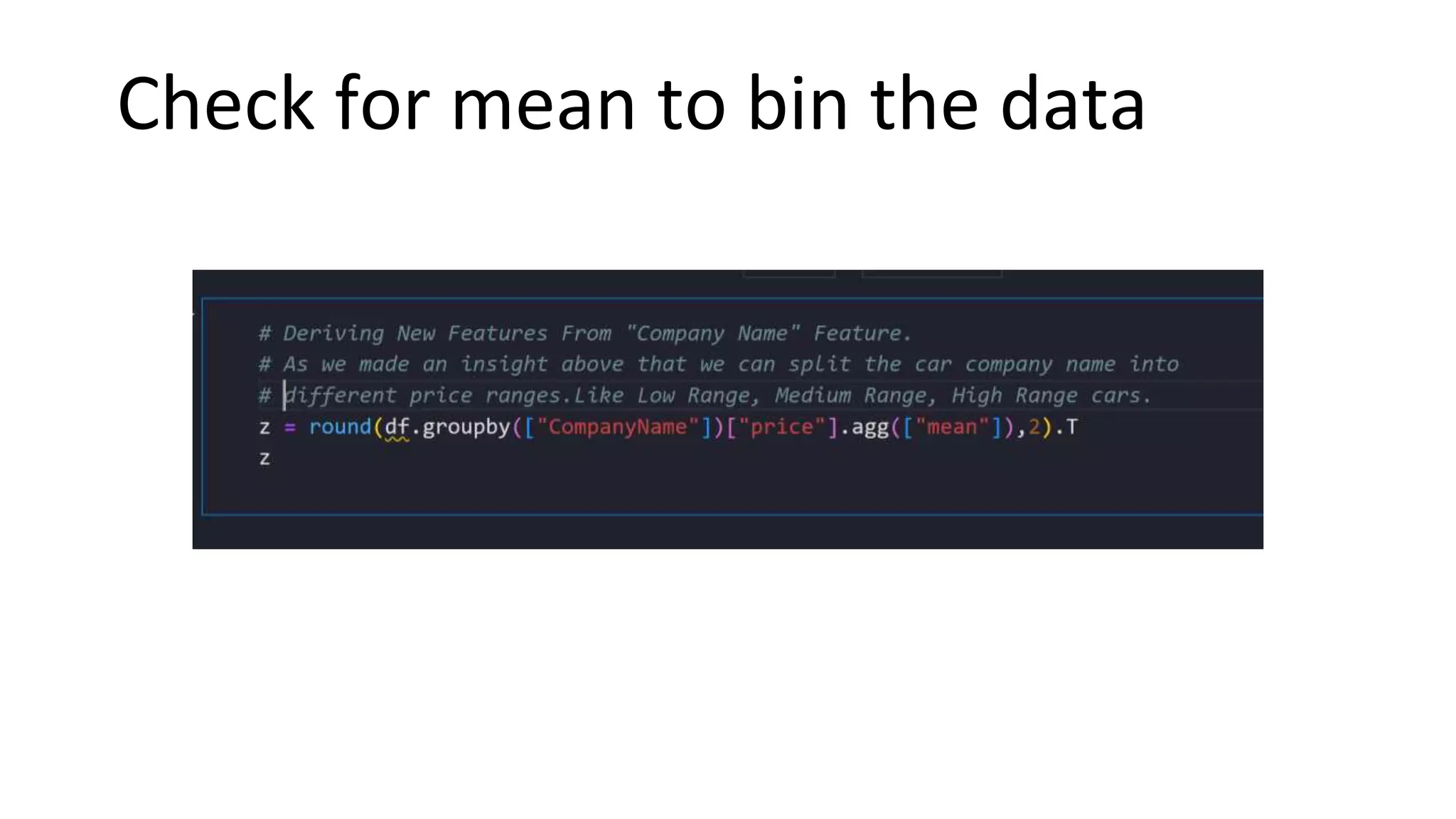
Check for mean to bin the data
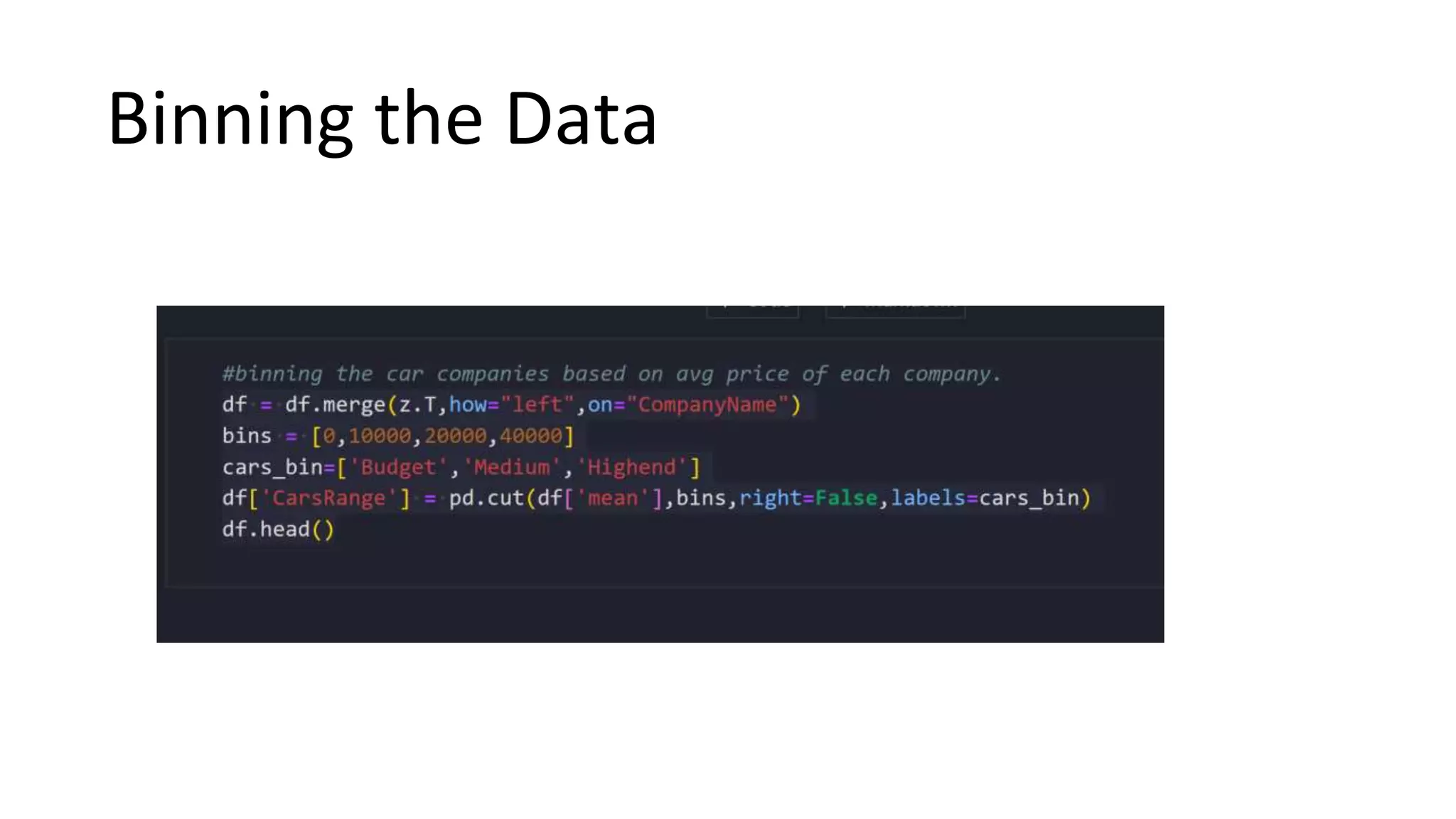
Binning the Data
Data Pre-
Processing
Data Pre-processing
Scaling
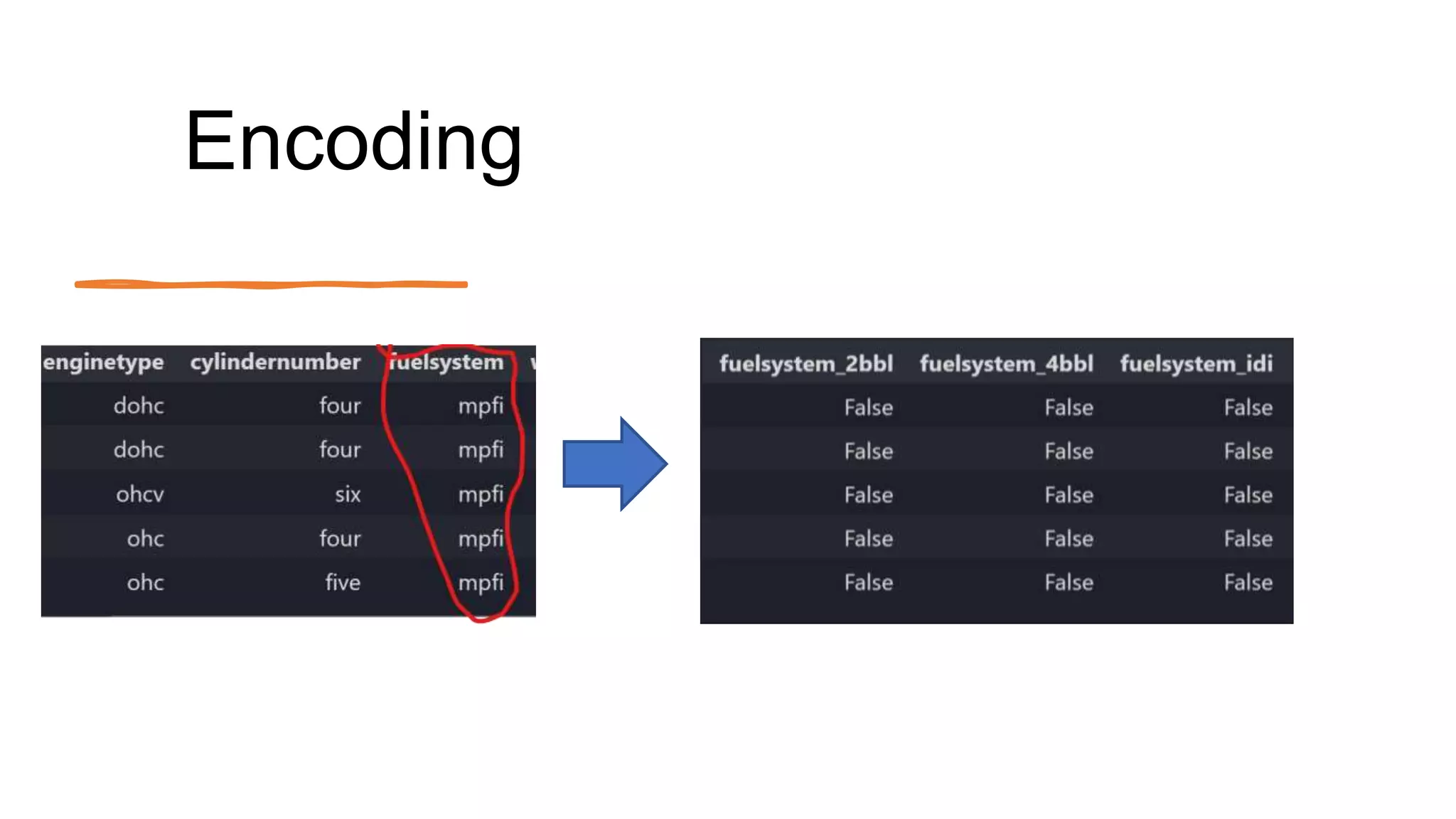
Encoding
Normalization
Standardization
Normalization or
Standardization
Encoding
Standardization & Normalization
• Decimal Scaling
• Min-Max Normalization
• Z-Score
Normalization(Standariz
zation)
Standardization or Normalization when features of the
input dataset have anomalies or simply when they are
measured in different units (e.g., pounds, meters, miles,
etc.).
Standardization
• Before Principal Component Analysis
(PCA)
• Before Clustering
• Before K-Nearest Neighbors (KNN)
• Before Support Vector Machine (SVM)
• Before Measuring Variable Importance
in Regression Models
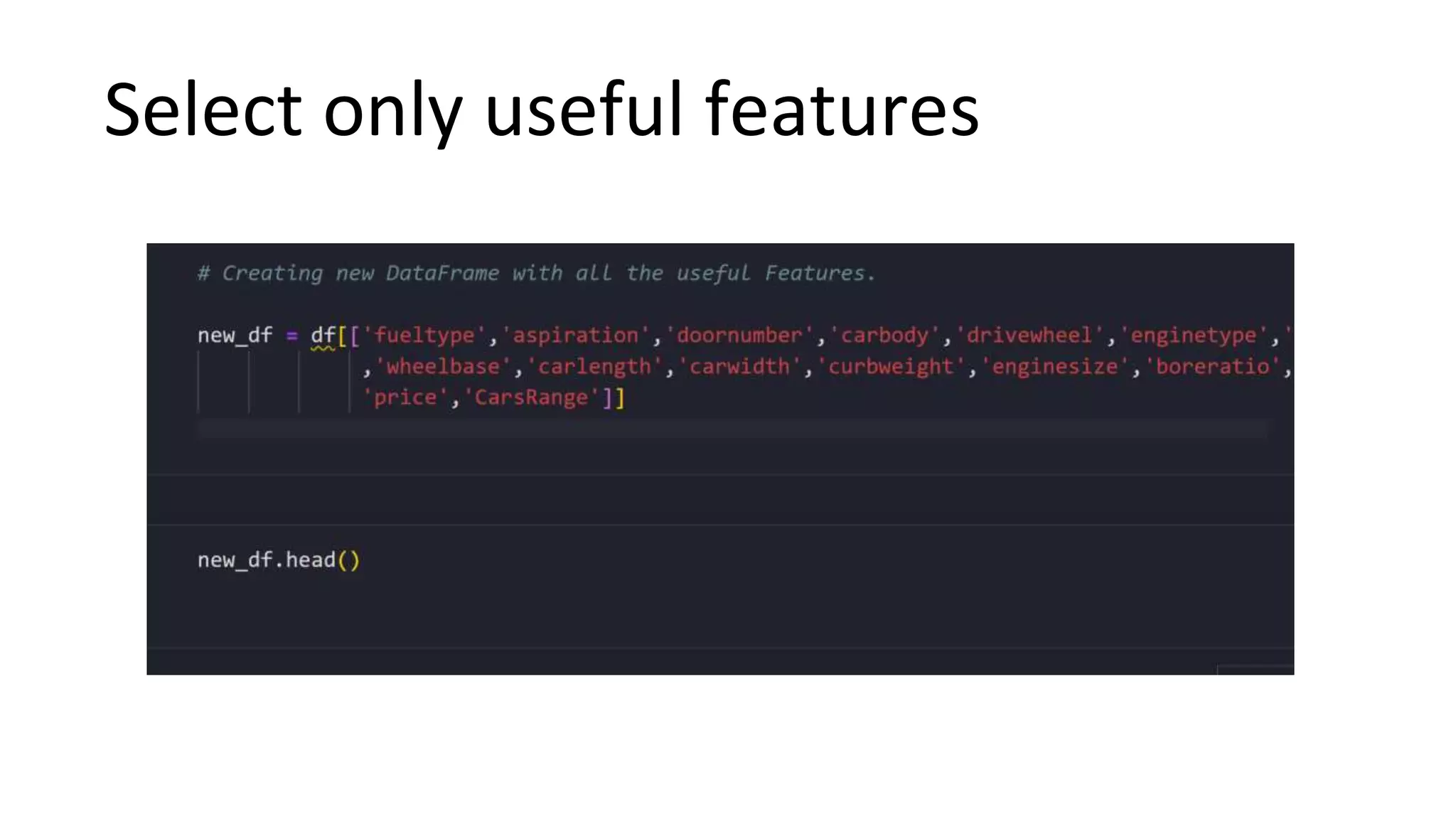
Select only useful features
Categorical to Numerical Transformation(Encoding)
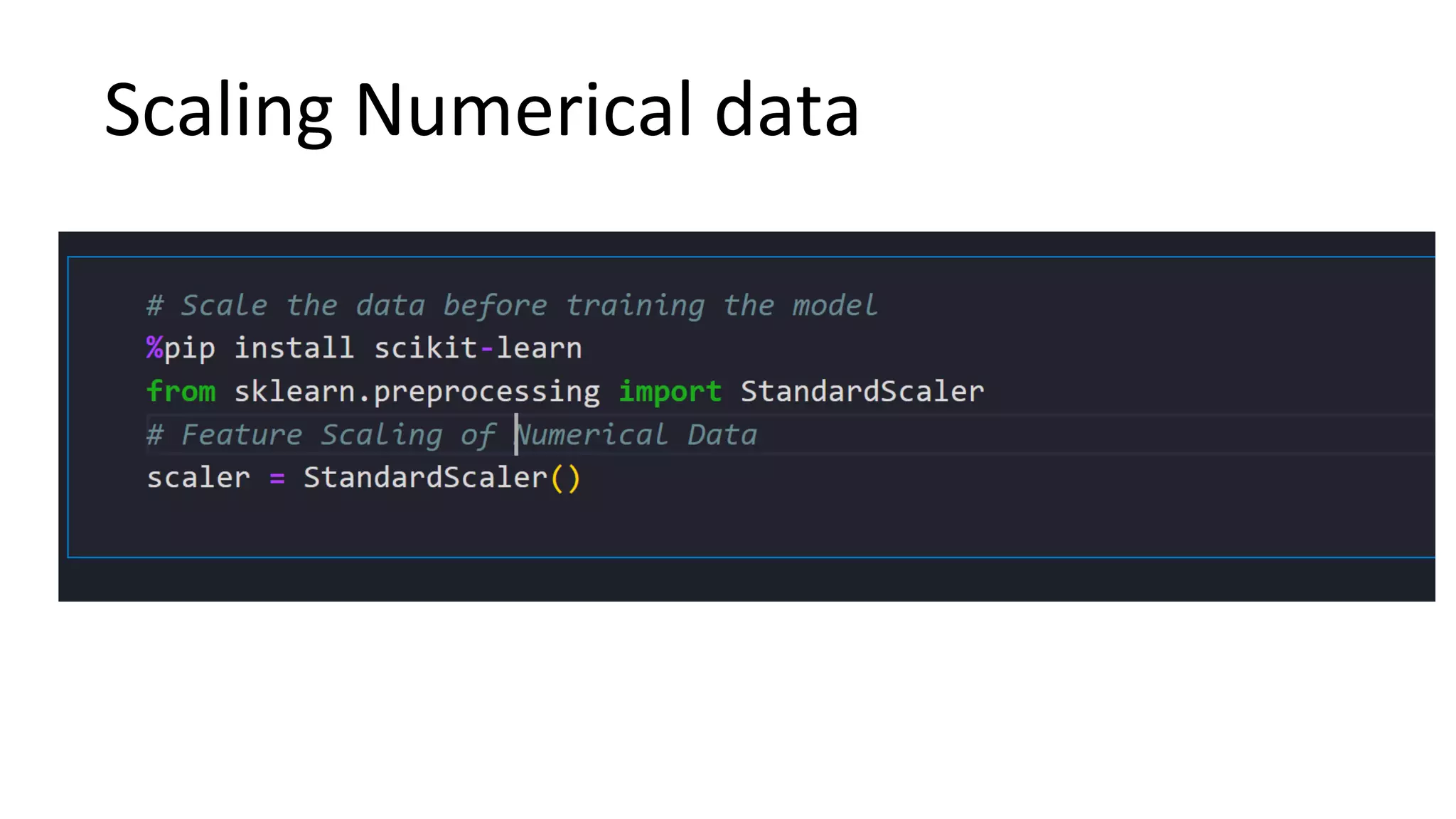
Scaling Numerical data
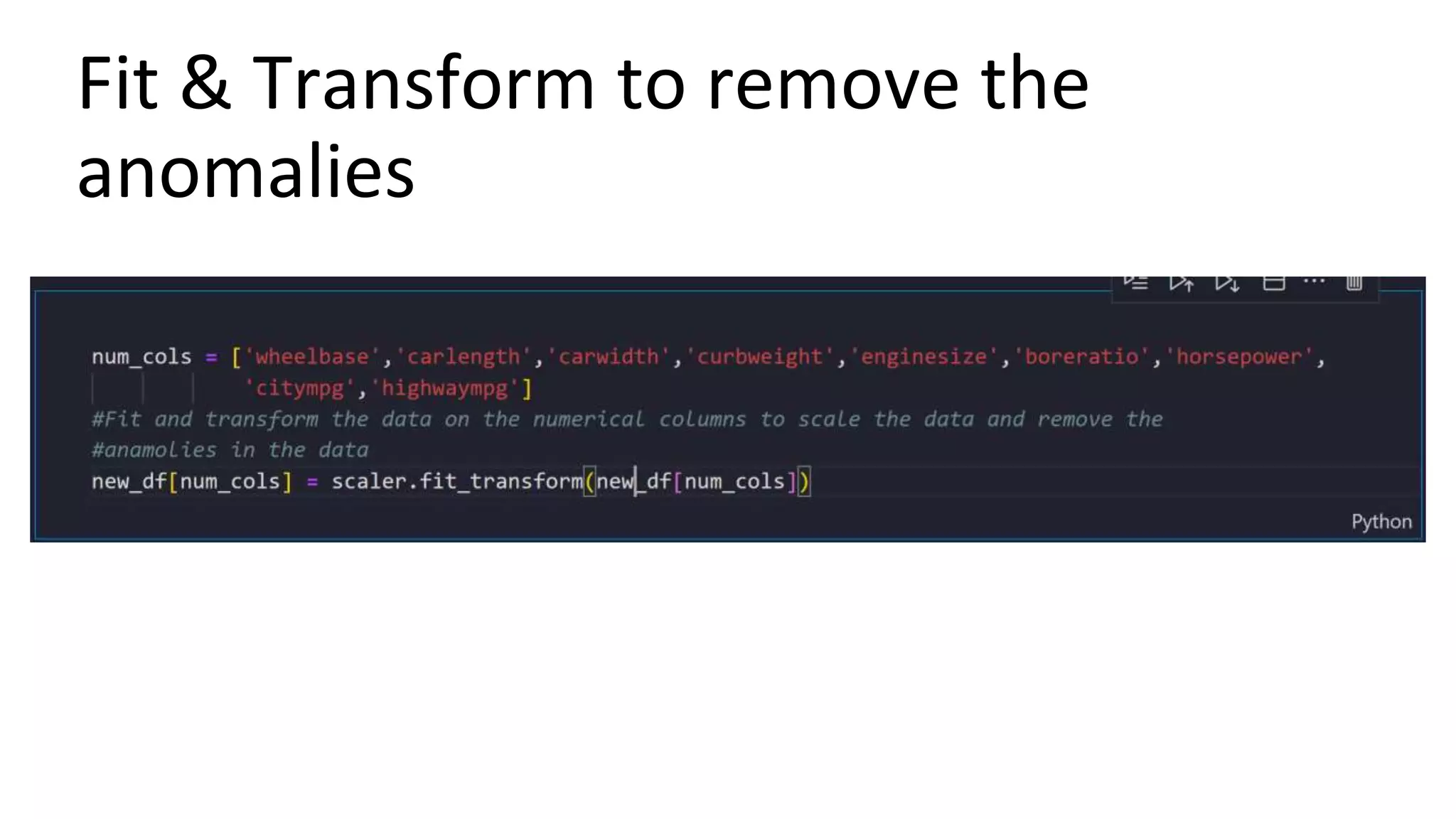
Fit & Transform to remove the
anomalies
Model
Selection/Training/Evaluation
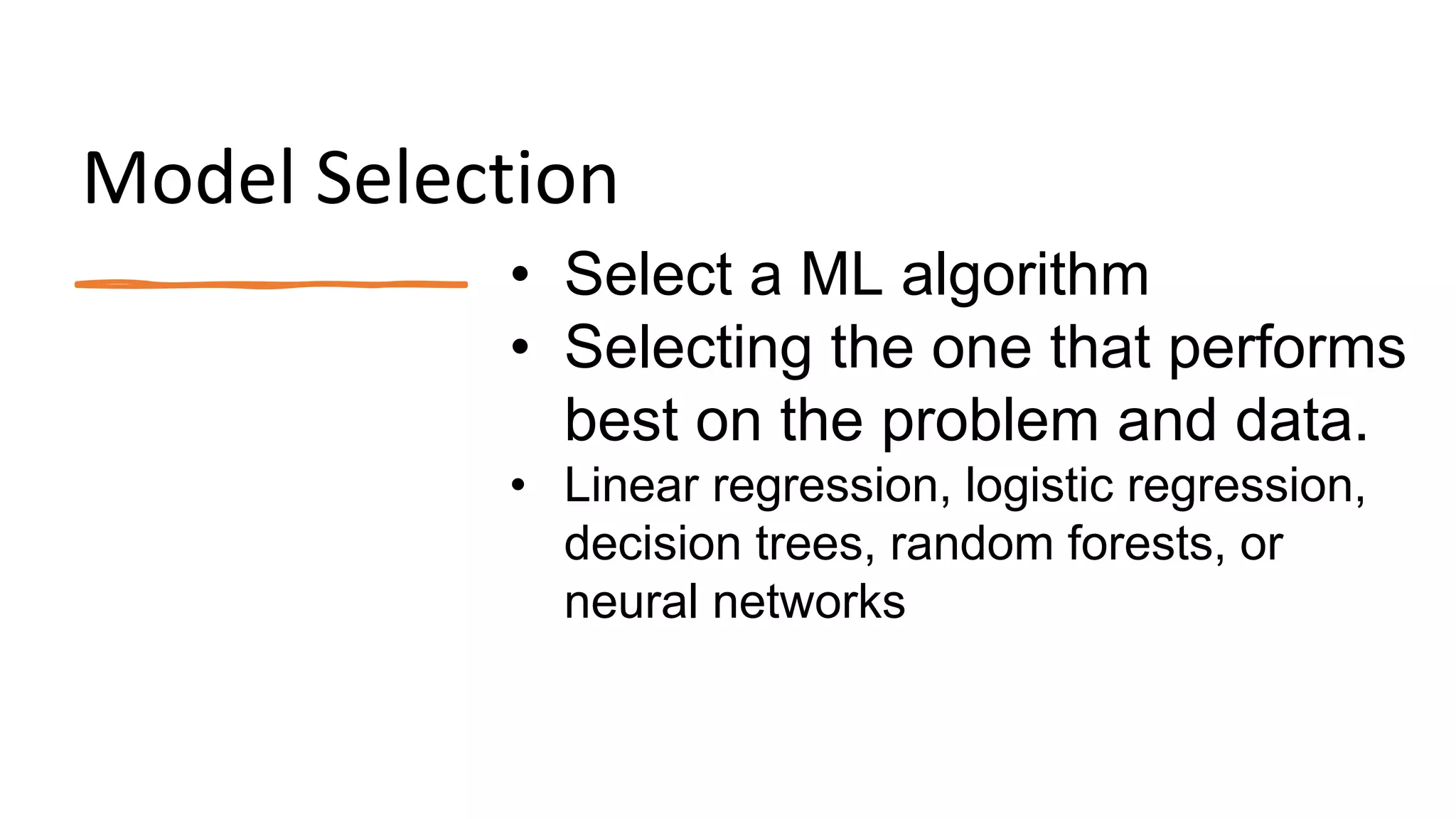
Model Selection
• Select a ML algorithm
• Selecting the one that performs
best on the problem and data.
• Linear regression, logistic regression,
decision trees, random forests, or
neural networks
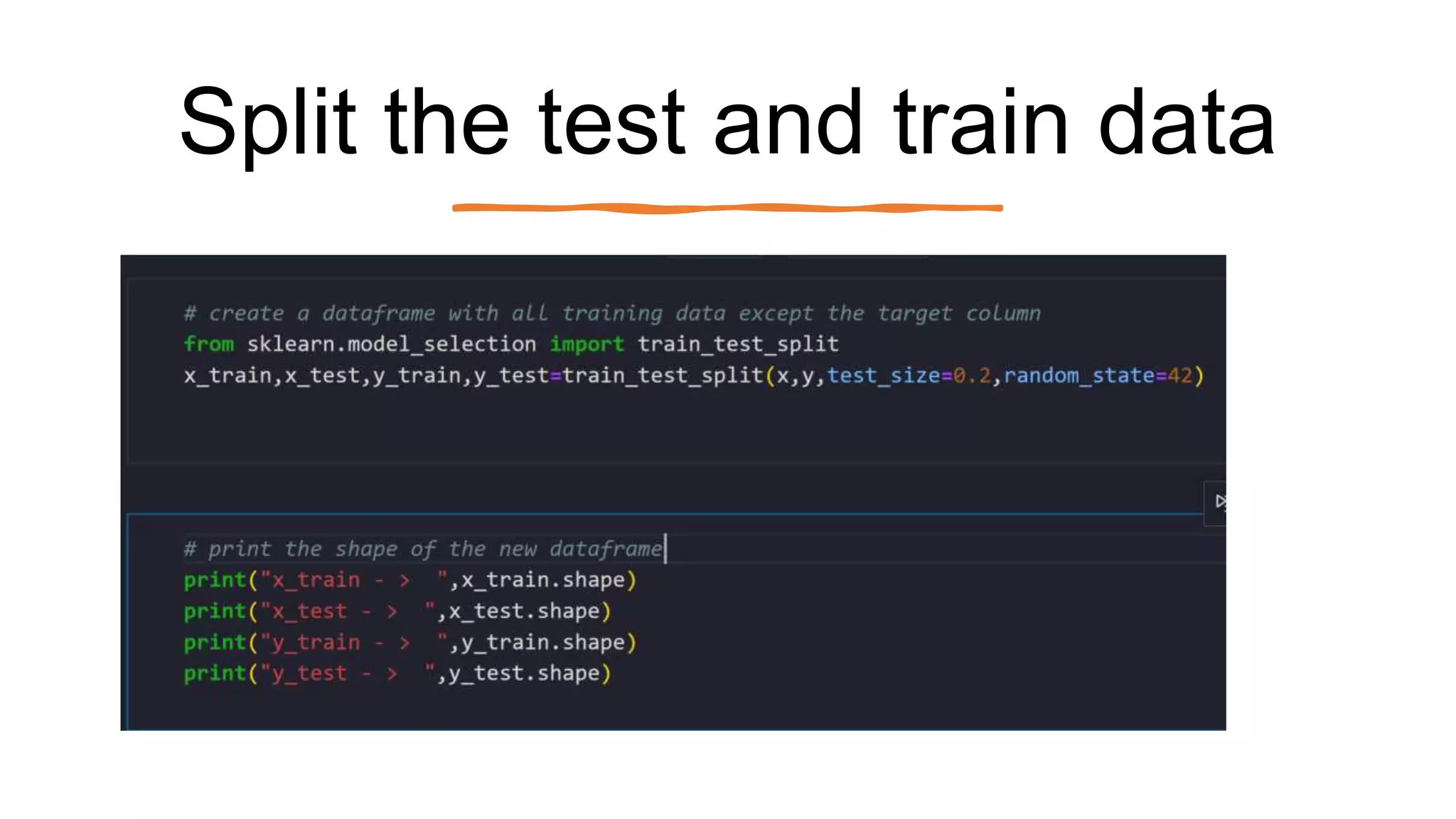
Features for Training & Testing
Split the test and train data
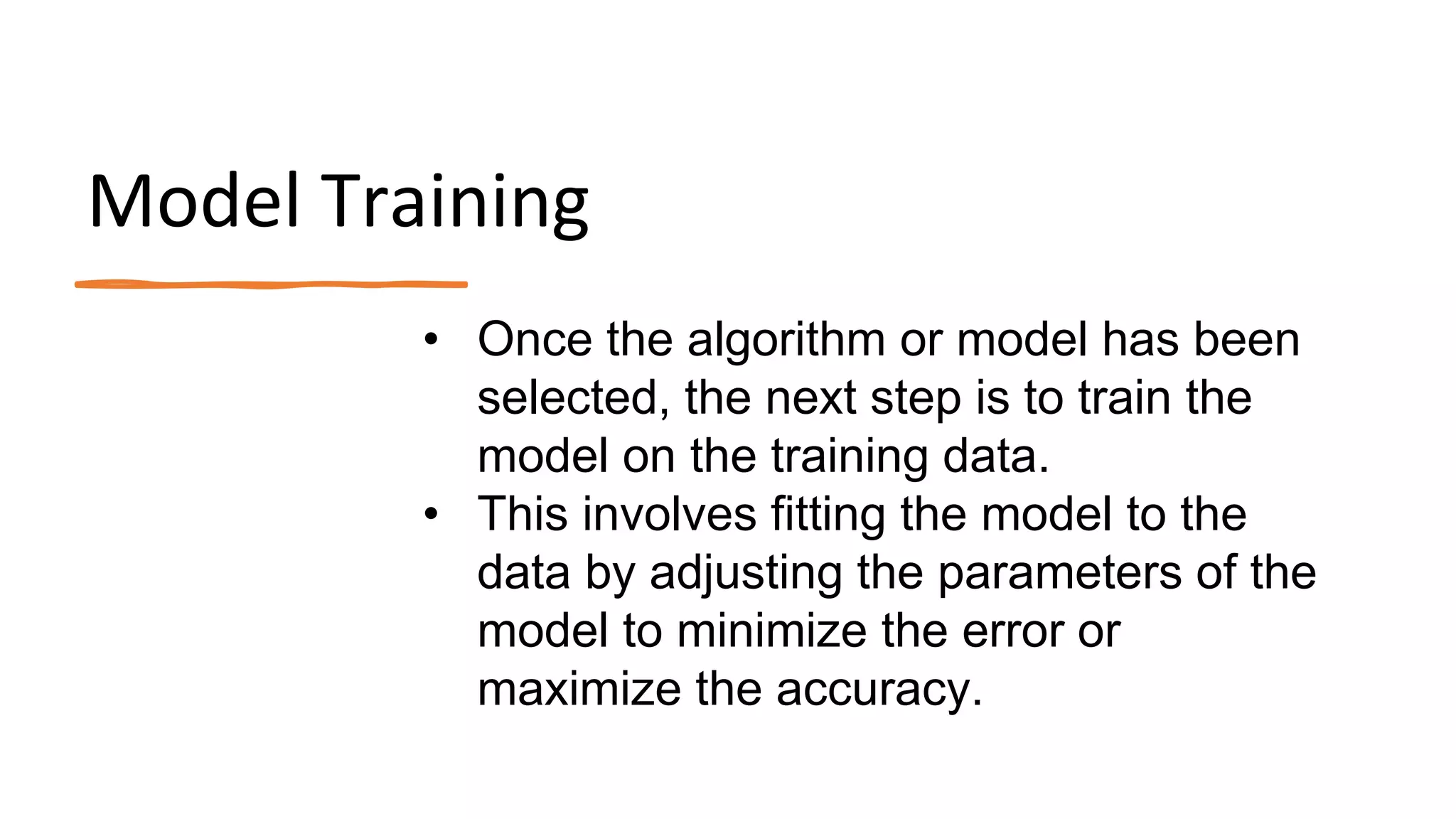
Model Training
• Once the algorithm or model has been
selected, the next step is to train the
model on the training data.
• This involves fitting the model to the
data by adjusting the parameters of the
model to minimize the error or
maximize the accuracy.
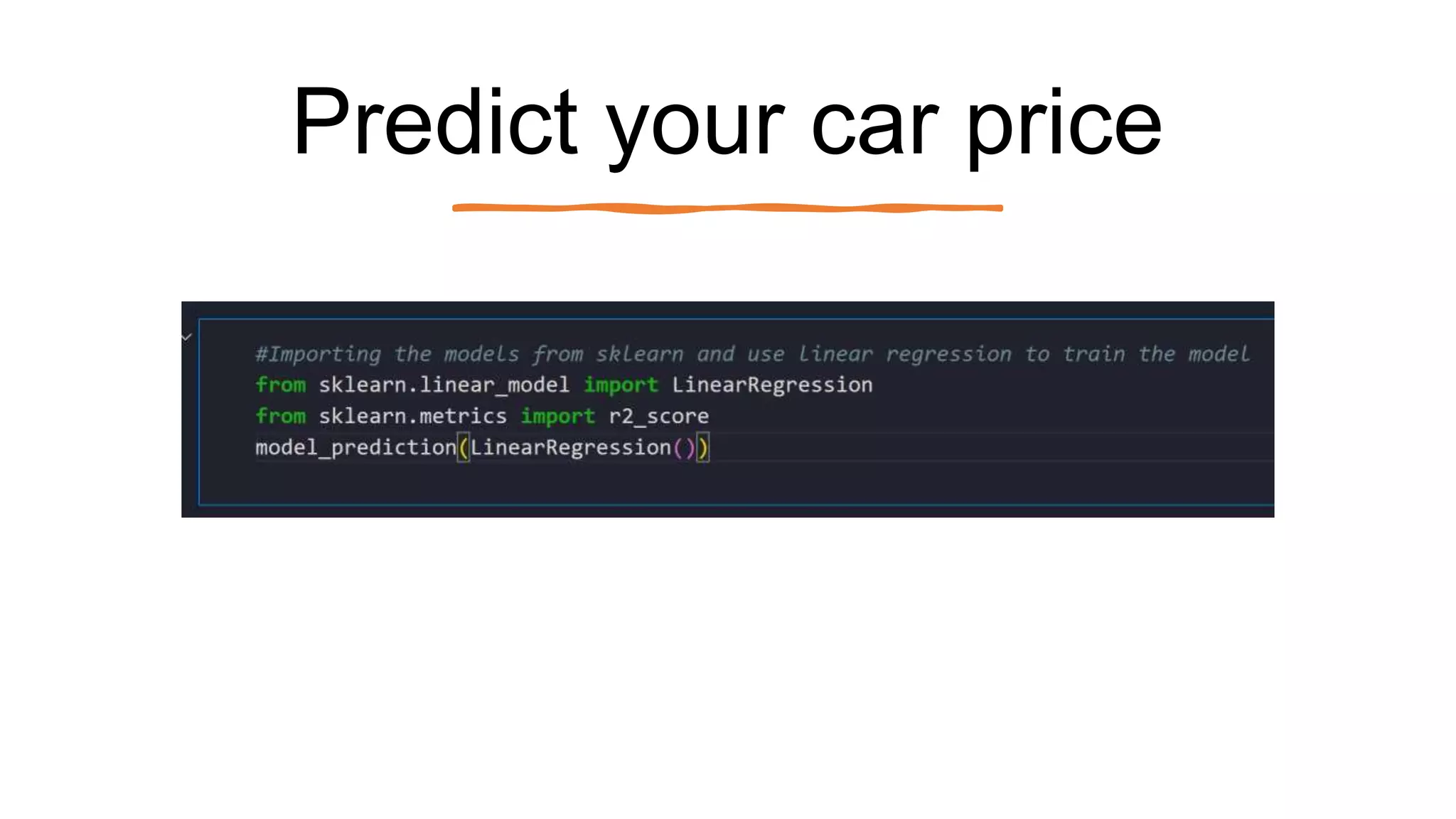
Predict your car price
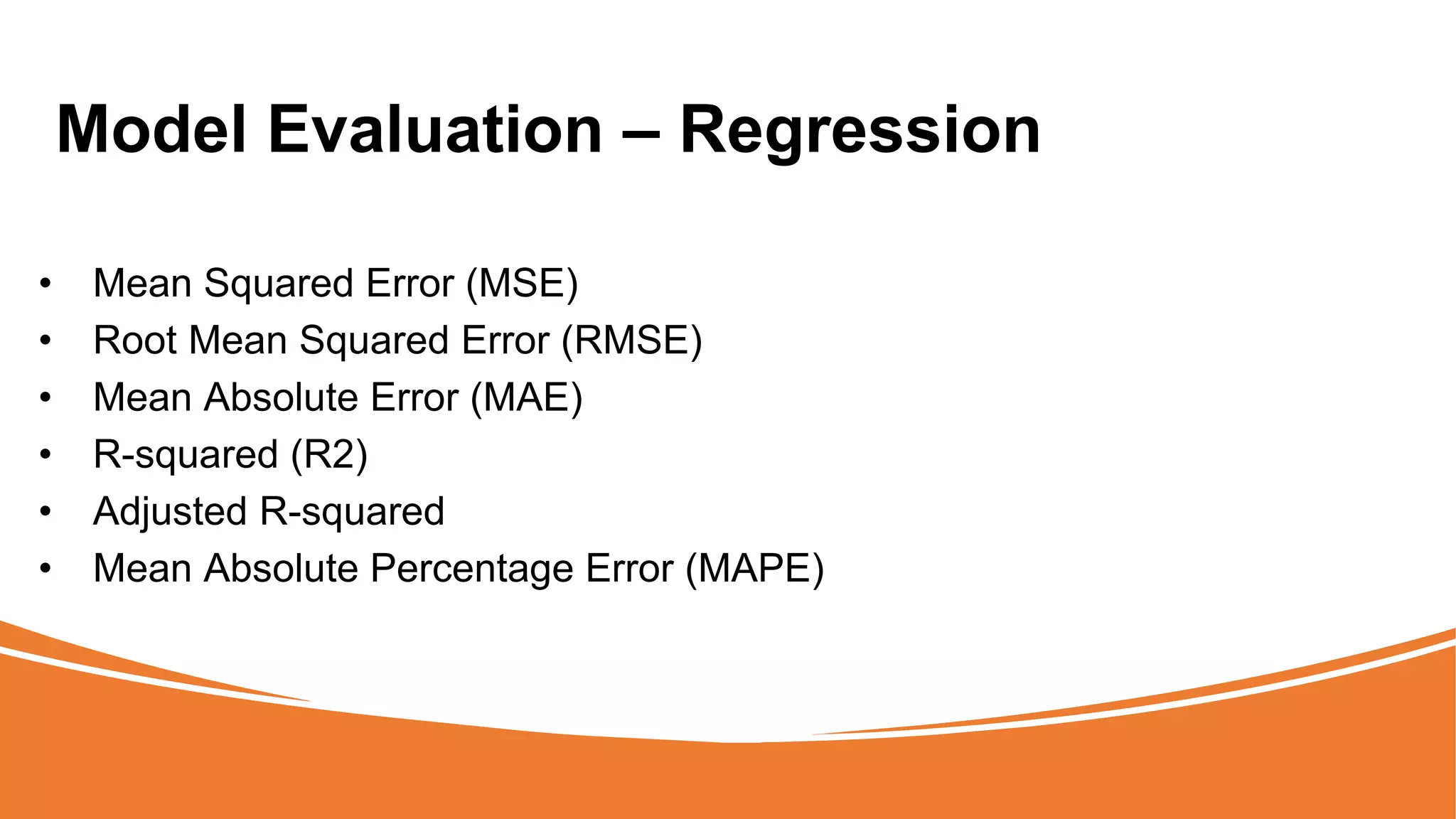
Model Evaluation – Regression
• Mean Squared Error (MSE)
• Root Mean Squared Error (RMSE)
• Mean Absolute Error (MAE)
• R-squared (R2)
• Adjusted R-squared
• Mean Absolute Percentage Error (MAPE)
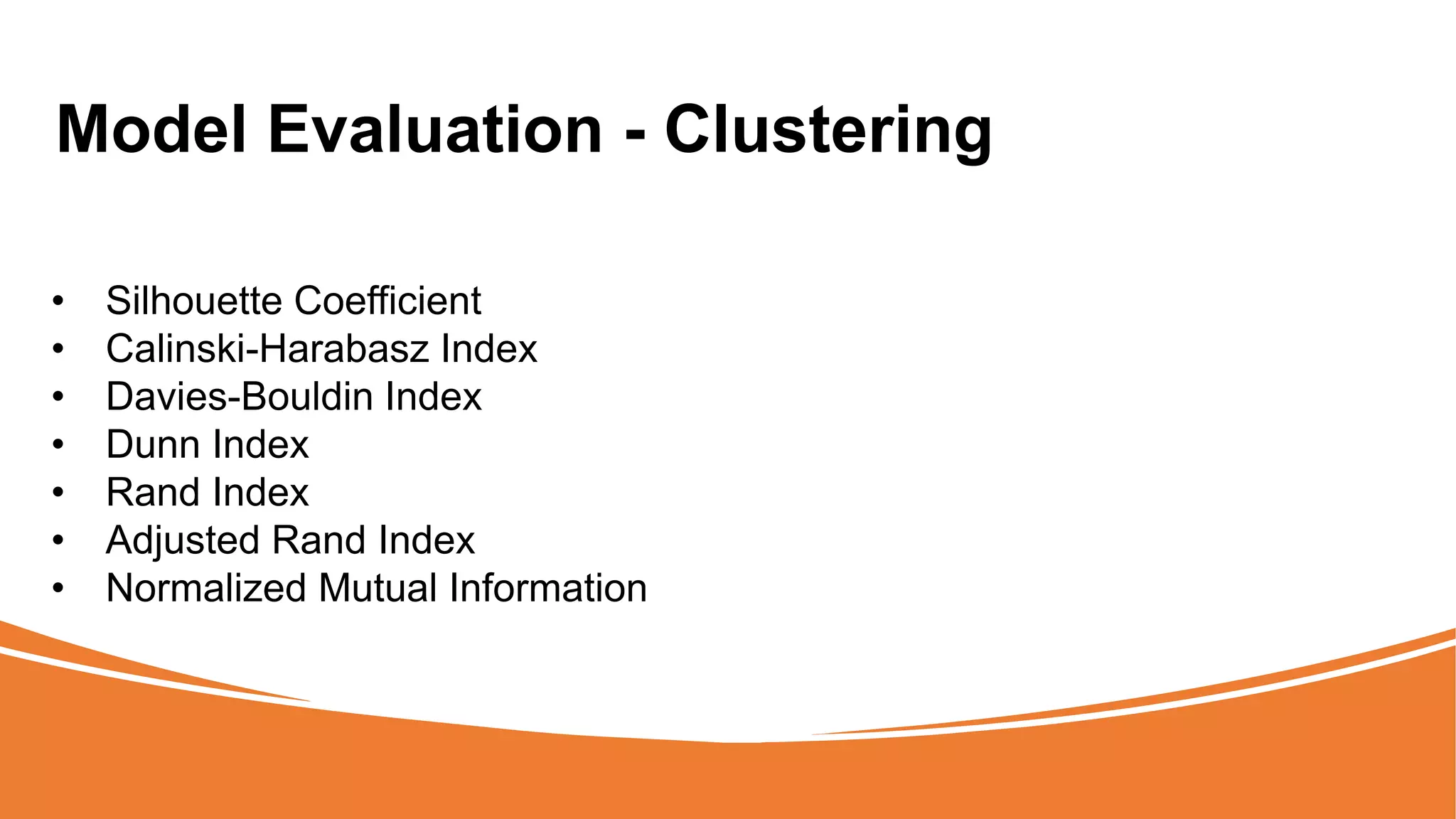
Model Evaluation - Clustering
• Silhouette Coefficient
• Calinski-Harabasz Index
• Davies-Bouldin Index
• Dunn Index
• Rand Index
• Adjusted Rand Index
• Normalized Mutual Information
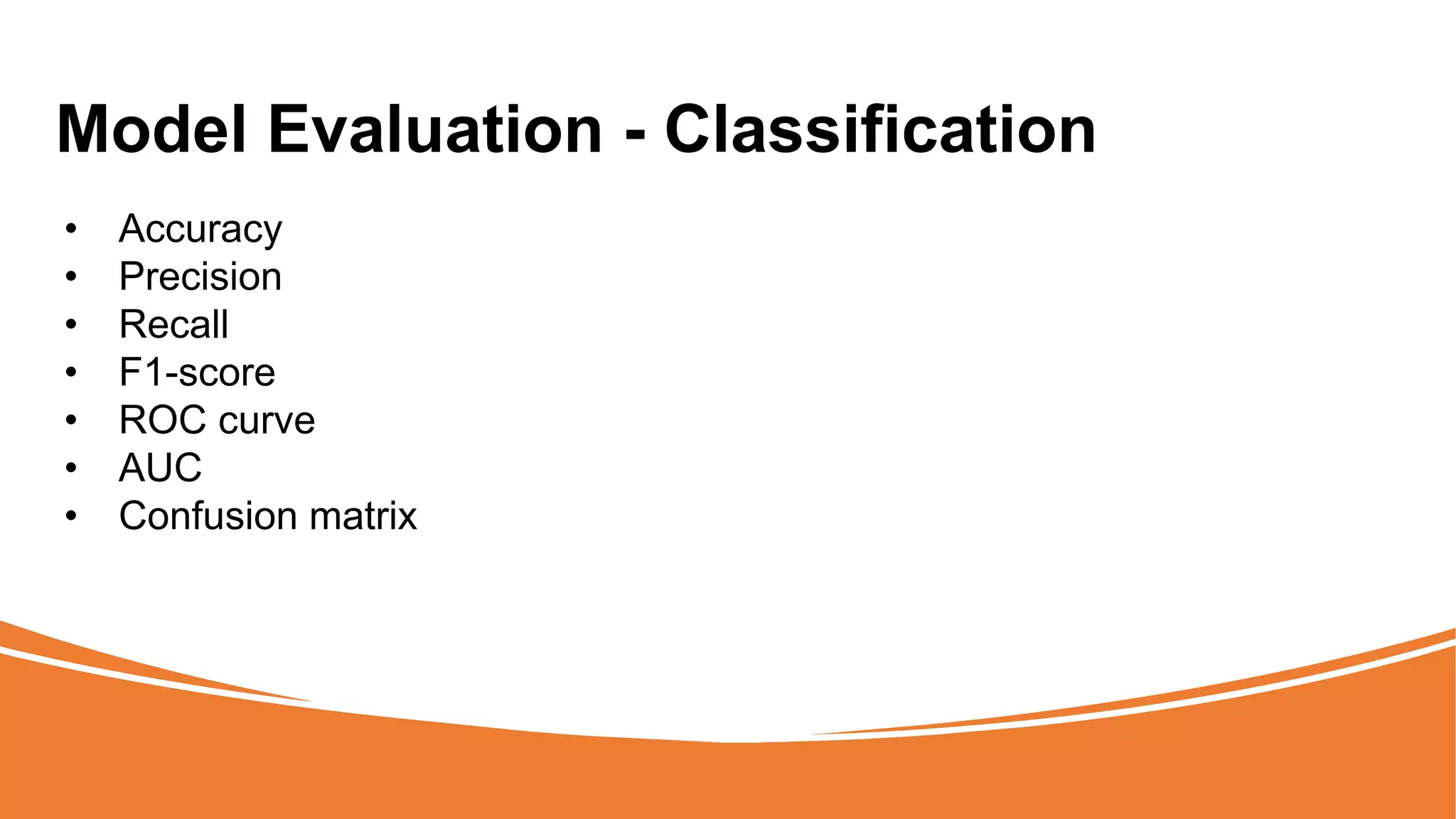
Model Evaluation - Classification
• Accuracy
• Precision
• Recall
• F1-score
• ROC curve
• AUC
• Confusion matrix
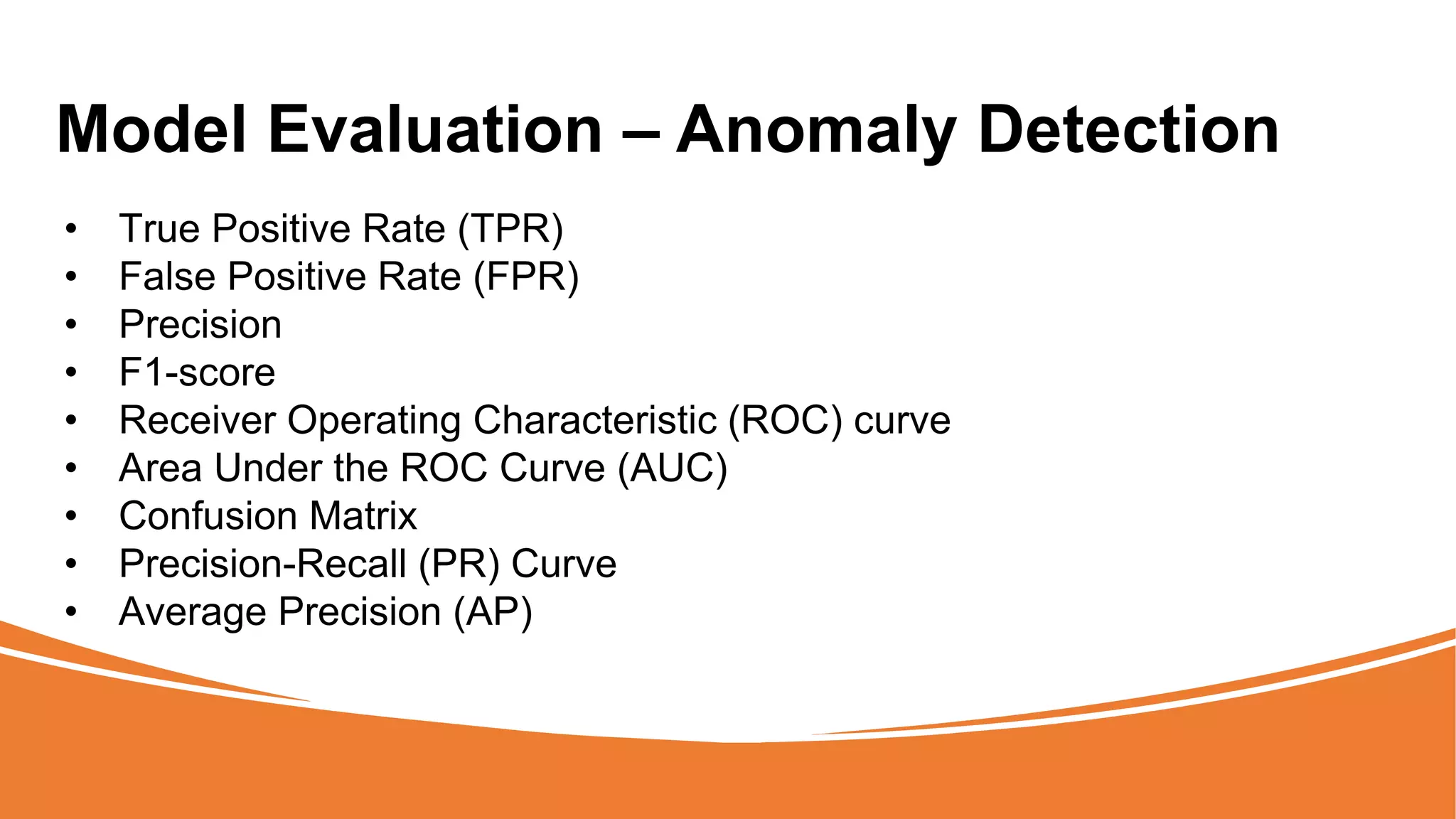
Model Evaluation – Anomaly Detection
• True Positive Rate (TPR)
• False Positive Rate (FPR)
• Precision
• F1-score
• Receiver Operating Characteristic (ROC) curve
• Area Under the ROC Curve (AUC)
• Confusion Matrix
• Precision-Recall (PR) Curve
• Average Precision (AP)
Model Evaluation – Reinforcement
• Rewards
• Average Reward per Episode
• Value Function
• Policy Gradient
• Exploration-Exploitation Trade-off
• Convergence Time
• Success Rate
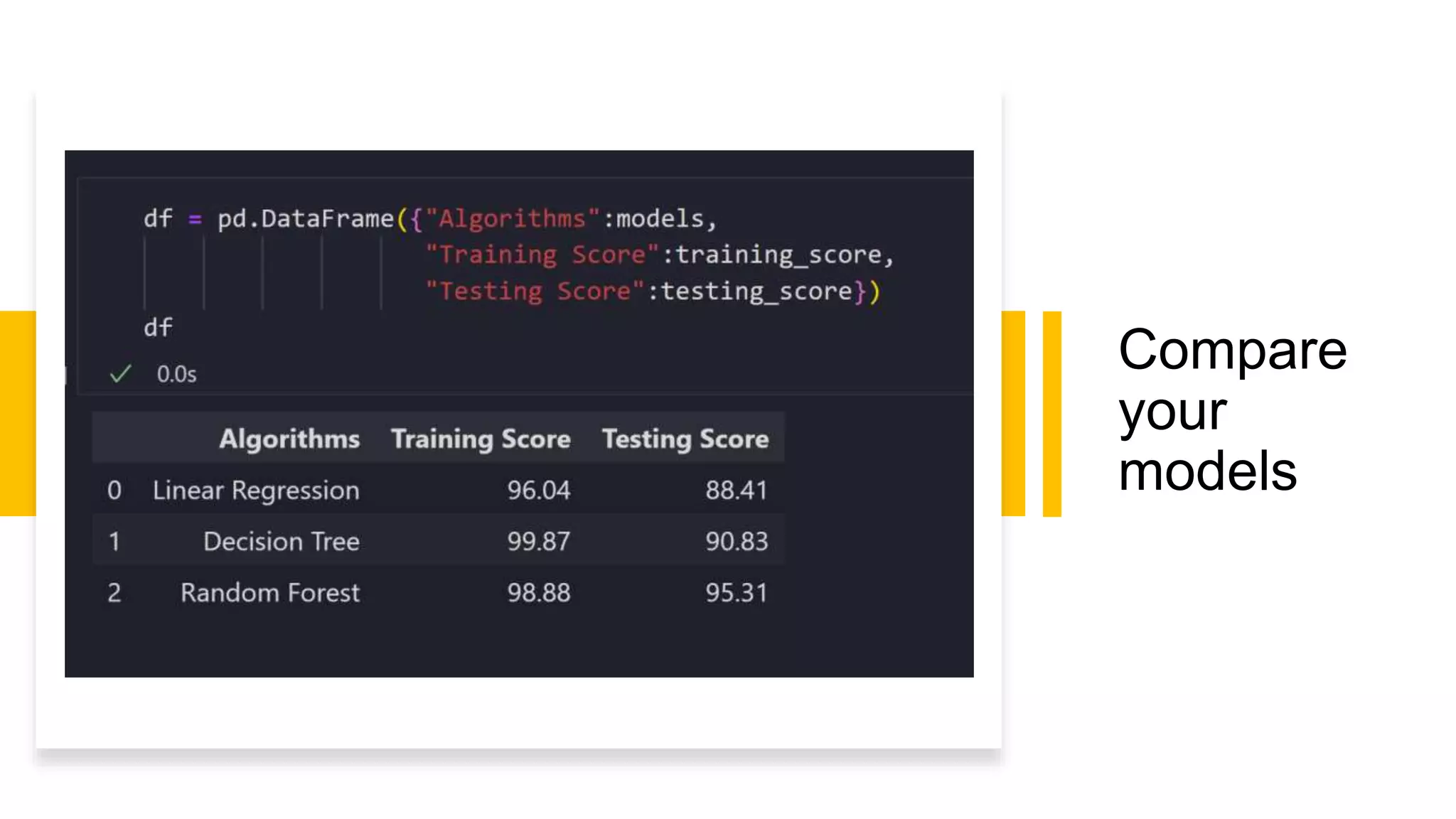
Compare
your
models
Deployment
My Book
Thank You

DataScience-101