





DefinitionDefinition
Elder (2007) defines critical thinking as ‘self-guided, self-
disciplined thinking which attempts to reason at the highest
level of quality in a fair-minded way.’  
Scriven & Paul (1987), “Critical thinking is the intellectually
disciplined process of actively and skillfully conceptualizing,
applying, analyzing, synthesizing, and/or evaluating information
gathered from, or generated by, observation, experience,
reflection, reasoning, or communication, as a guide to belief
and action.”
Why do you
think that?
What does this
mean?
What does the
evidence imply?
How good is our
evidence?
How did you come
to the
interpretation?
Do we have our
facts right?
Why is critical thinking important toWhy is critical thinking important to
students?students?
In Personal Life
◦ Avoid making irrational decisions from ignorance
◦ Make better decision from verified information
◦ Free one from unexamined assumptions, beliefs, and biasness
◦ Be a better informed citizen and voter
In Professional Life
◦ Be a better problem-solver
◦ Better analyze information and draw appropriate conclusions
◦ Communicate a situation logically
◦ Make good decisions (based on data, not feelings)
Thinking is the hardest work there is, which is
probably why so few engage in it. (Henry Ford)
Noteworthy Quote
Common Barriers
for Critical Thinking
Biasness
Close-
mindedness
Peer
Pressure
Distrust of
reason
Stereotyping
Egocentrism
Rationalization
Fear of Change
Self-
deception
Wishful
Thinking
Overpowering
emotions
Short -term
thinking
Selective
perception
Poor
reading
Skills
Poor
listening
skills
Lack of
relevant
information
Lack of
interest
What To Do?
 To teach critically, teachers must abandon mother robin teaching
 To learn how to think critically, students must learn to shift to use
reasoning as a pervasive tool of learning
 Integration of Technology can empower the students, making them
autonomous learners
Don’t Be a Mother Robin Teacher
When we teach in "mother robin" fashion —
 mentally chewing up everything for our students so
we can put it into their intellectual beaks to
swallow…
Integrating TechnologyIntegrating Technology
Bain (2013), ‘ideally, computers can help us foster the
accomplishment of the highest learning objectives we
have for our students’.
Chinnery (2014), “If you have stable and predictable
access, the Internet provides a virtual goldmine of
activities.”
Why IntegratingWhy Integrating
Technology?Technology?
Social
Learning
Student
Centered
Content
Empowered
Approach
Collaborative
Learning
Personal
Learning
Network
Active
Engagement
Frequent
Feedback
Connection
to Real-
world
Experts
Creativity
Cross-cultural
Understanding
Development of
interpersonal Skills
Diversity of
Perceptions
Make
Learning
Fun
Development
of Interpersonal
Skills
Making
Teaching
Meaningful
Making
Learning
Significant
The Internet asThe Internet as
TutorTutor
Remembering & Understanding
•high-quality presentations or lectures
•passionate experts and speakers
•thought-provoking ideas
•Interesting discussions
•facilitating connection and communication
•identifying problems 
•Offering solutions
For Resources
The Internet as
Tool
Applying
•  feedback is truly
instant
• peer editing.
• peer-to-peer discussion
• better collaboration
• Ease of Corporate
Communication
• Variety of Information
to Share
Analyzing & Evaluation
Debating Forums
•generate ideas on debating forums
•state your case, prove your position with
supporting details
•refute opposing arguments with facts and
evidences
•interpret results and draw conclusions
Speech & Text Corpora
•offers opportunity for language analysis
•provides authentic language samples
•Has customize search engines
For Analysis
For
Analysis
Creating
Digital Stories
•empower students to be confident communicators
•reach deeper understanding in all areas of the curriculum
•cater all learning styles
Podcasting
•enhances listening skills and speaking skills
•aims at delivering information to students
•promotes a self-directed learning
Blogging
•combines technology and writing
•gain a deeper understanding of content
•sharing ideas and information relevant to their topics
•opportunity to share their opinions
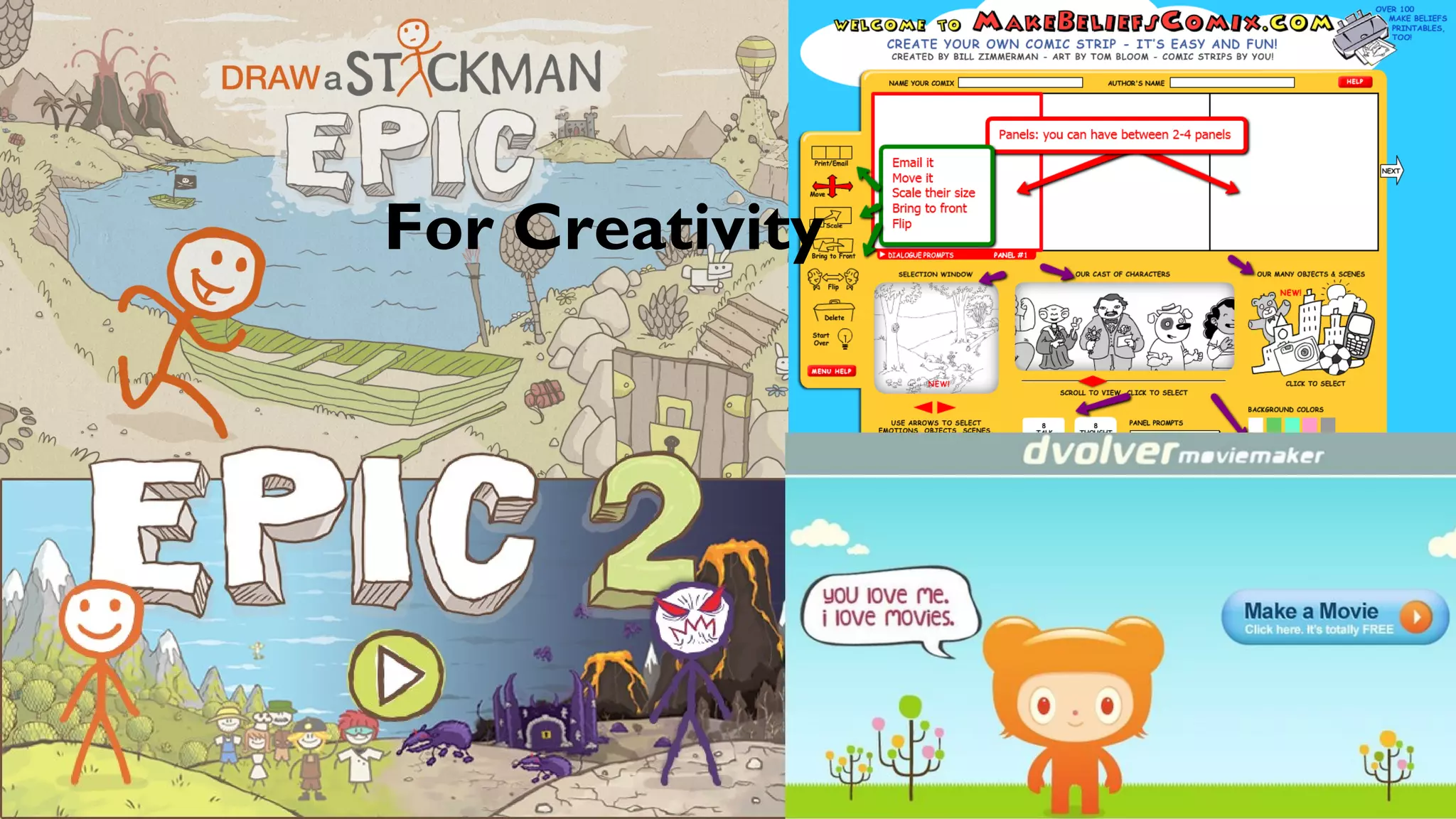
For Creativity
For Creativity
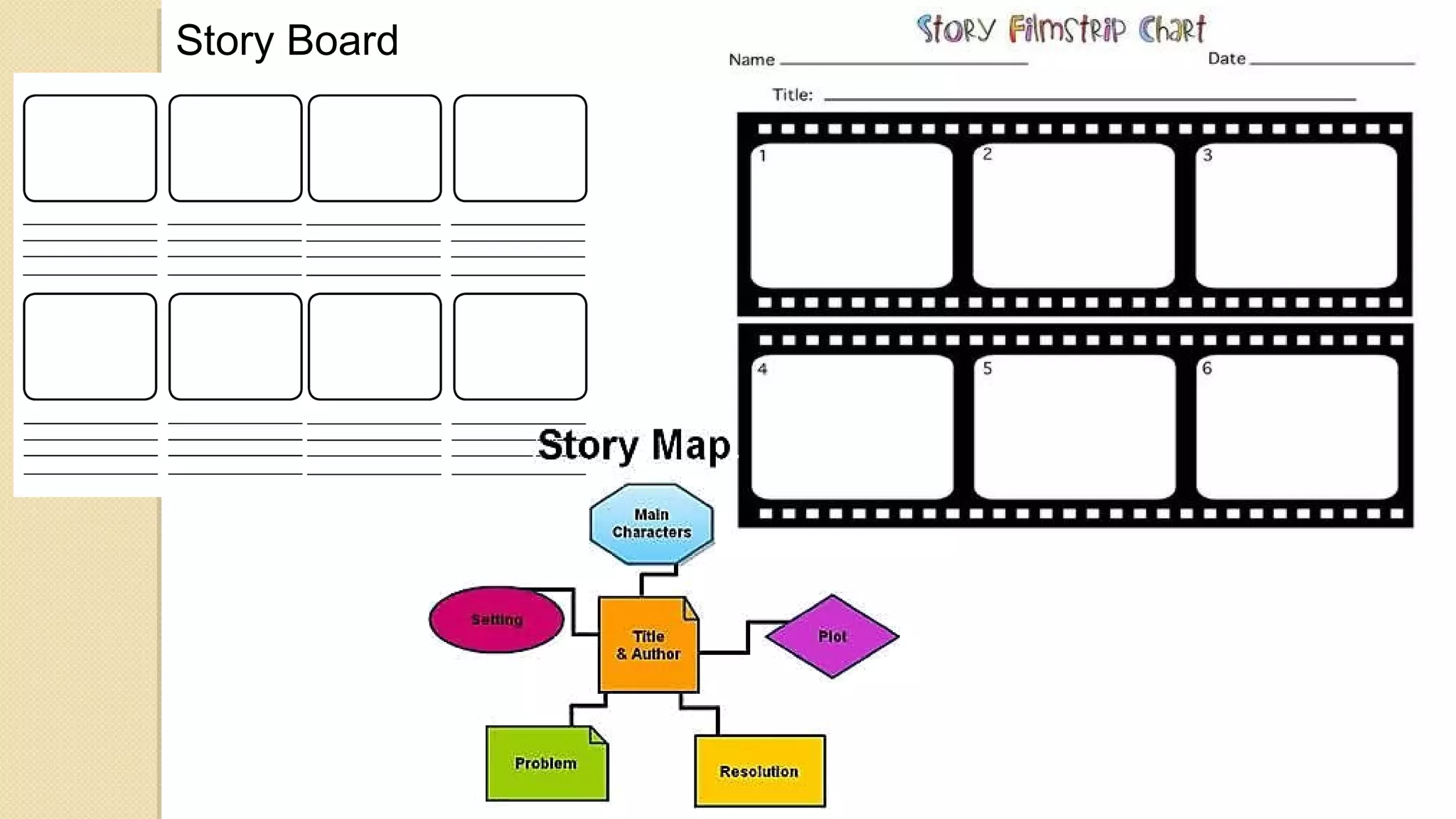
Comic Strips
Mind Map
Story Board
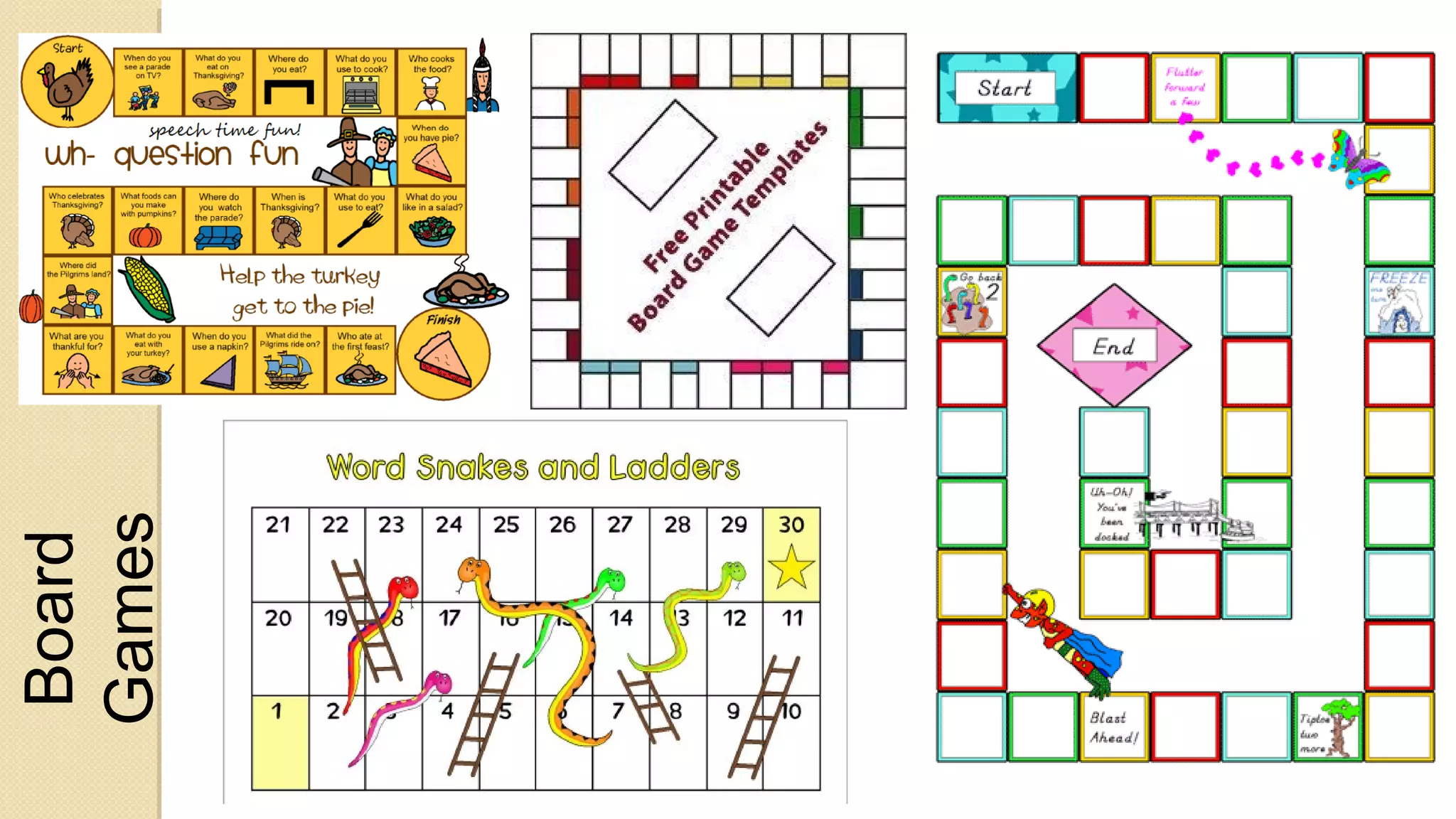
Board
Games
For Communication
No one to talk to………… Try this
out!
For Collaboration
References:
• Chinnery, G. M. (2014). Call Me… May be: A Framework for Integrating the Internet into ELT. Retrieved
from http://americanenglish.state.gov/files/ae/resource_files/52_1_3_chinnery.pdf on 02/03/16
• Reasons for Technology Integration in Education (2013) http://edtechreview.in/trends-insights/insights/290-
reasons-tech-in-education on 03/03/16
• “The Art of Redesigning Instruction” (excerpt) http://www.criticalthinking.org/pages/the-art-of-redesigning-
instruction/520 accessed on 04/03/16
• Why Do We Need Technology Integration? (2007) retrieved from http://www.edutopia.org/technology-
integration-guide-importance on 03/03/16
• Why Integrate Technology into the Curriculum?: the reasons are many (2008) retrieved from
http://www.edutopia.org/technology-integration-introduction on 03/03/16

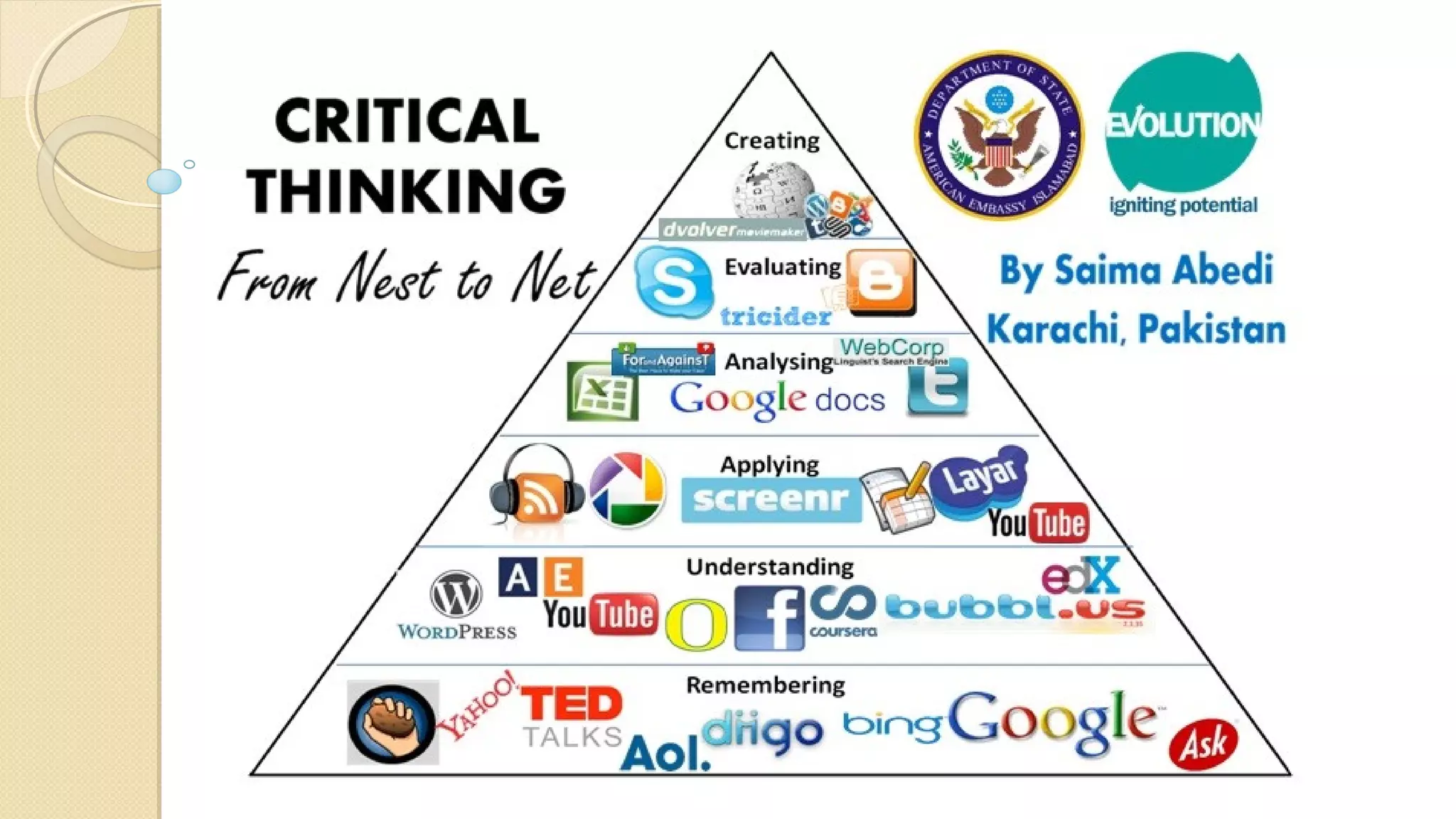
Critical Thinking: From Nest to Net

  • 2.
    DefinitionDefinition Elder (2007) definescritical thinking as ‘self-guided, self- disciplined thinking which attempts to reason at the highest level of quality in a fair-minded way.’   Scriven & Paul (1987), “Critical thinking is the intellectually disciplined process of actively and skillfully conceptualizing, applying, analyzing, synthesizing, and/or evaluating information gathered from, or generated by, observation, experience, reflection, reasoning, or communication, as a guide to belief and action.”
  • 3.
    Why do you thinkthat? What does this mean? What does the evidence imply? How good is our evidence? How did you come to the interpretation? Do we have our facts right?
  • 4.
    Why is criticalthinking important toWhy is critical thinking important to students?students? In Personal Life ◦ Avoid making irrational decisions from ignorance ◦ Make better decision from verified information ◦ Free one from unexamined assumptions, beliefs, and biasness ◦ Be a better informed citizen and voter In Professional Life ◦ Be a better problem-solver ◦ Better analyze information and draw appropriate conclusions ◦ Communicate a situation logically ◦ Make good decisions (based on data, not feelings)
  • 5.
    Thinking is thehardest work there is, which is probably why so few engage in it. (Henry Ford) Noteworthy Quote
  • 6.
    Common Barriers for CriticalThinking Biasness Close- mindedness Peer Pressure Distrust of reason Stereotyping Egocentrism Rationalization Fear of Change Self- deception Wishful Thinking Overpowering emotions Short -term thinking Selective perception Poor reading Skills Poor listening skills Lack of relevant information Lack of interest
  • 7.
  • 8.
     To teachcritically, teachers must abandon mother robin teaching  To learn how to think critically, students must learn to shift to use reasoning as a pervasive tool of learning  Integration of Technology can empower the students, making them autonomous learners Don’t Be a Mother Robin Teacher When we teach in "mother robin" fashion —  mentally chewing up everything for our students so we can put it into their intellectual beaks to swallow…
  • 9.
    Integrating TechnologyIntegrating Technology Bain(2013), ‘ideally, computers can help us foster the accomplishment of the highest learning objectives we have for our students’. Chinnery (2014), “If you have stable and predictable access, the Internet provides a virtual goldmine of activities.”
  • 10.
    Why IntegratingWhy Integrating Technology?Technology? Social Learning Student Centered Content Empowered Approach Collaborative Learning Personal Learning Network Active Engagement Frequent Feedback Connection toReal- world Experts Creativity Cross-cultural Understanding Development of interpersonal Skills Diversity of Perceptions Make Learning Fun Development of Interpersonal Skills Making Teaching Meaningful Making Learning Significant
  • 11.
    The Internet asTheInternet as TutorTutor
  • 12.
    Remembering & Understanding •high-qualitypresentations or lectures •passionate experts and speakers •thought-provoking ideas •Interesting discussions •facilitating connection and communication •identifying problems  •Offering solutions
  • 15.
  • 17.
  • 18.
    Applying •  feedback istruly instant • peer editing. • peer-to-peer discussion • better collaboration • Ease of Corporate Communication • Variety of Information to Share
  • 20.
    Analyzing & Evaluation DebatingForums •generate ideas on debating forums •state your case, prove your position with supporting details •refute opposing arguments with facts and evidences •interpret results and draw conclusions Speech & Text Corpora •offers opportunity for language analysis •provides authentic language samples •Has customize search engines
  • 21.
  • 22.
    Creating Digital Stories •empower studentsto be confident communicators •reach deeper understanding in all areas of the curriculum •cater all learning styles Podcasting •enhances listening skills and speaking skills •aims at delivering information to students •promotes a self-directed learning Blogging •combines technology and writing •gain a deeper understanding of content •sharing ideas and information relevant to their topics •opportunity to share their opinions
  • 24.
  • 25.
  • 26.
  • 27.
  • 28.
  • 29.
    No one totalk to………… Try this out!
  • 30.
  • 32.
    References: • Chinnery, G.M. (2014). Call Me… May be: A Framework for Integrating the Internet into ELT. Retrieved from http://americanenglish.state.gov/files/ae/resource_files/52_1_3_chinnery.pdf on 02/03/16 • Reasons for Technology Integration in Education (2013) http://edtechreview.in/trends-insights/insights/290- reasons-tech-in-education on 03/03/16 • “The Art of Redesigning Instruction” (excerpt) http://www.criticalthinking.org/pages/the-art-of-redesigning- instruction/520 accessed on 04/03/16 • Why Do We Need Technology Integration? (2007) retrieved from http://www.edutopia.org/technology- integration-guide-importance on 03/03/16 • Why Integrate Technology into the Curriculum?: the reasons are many (2008) retrieved from http://www.edutopia.org/technology-integration-introduction on 03/03/16