Capacity Management for  Information Technology Paul O’Sullivan
Definition of Capacity Management “ Planning Cost Justifiable IT Capacity to support the Service Requirements of the Business”
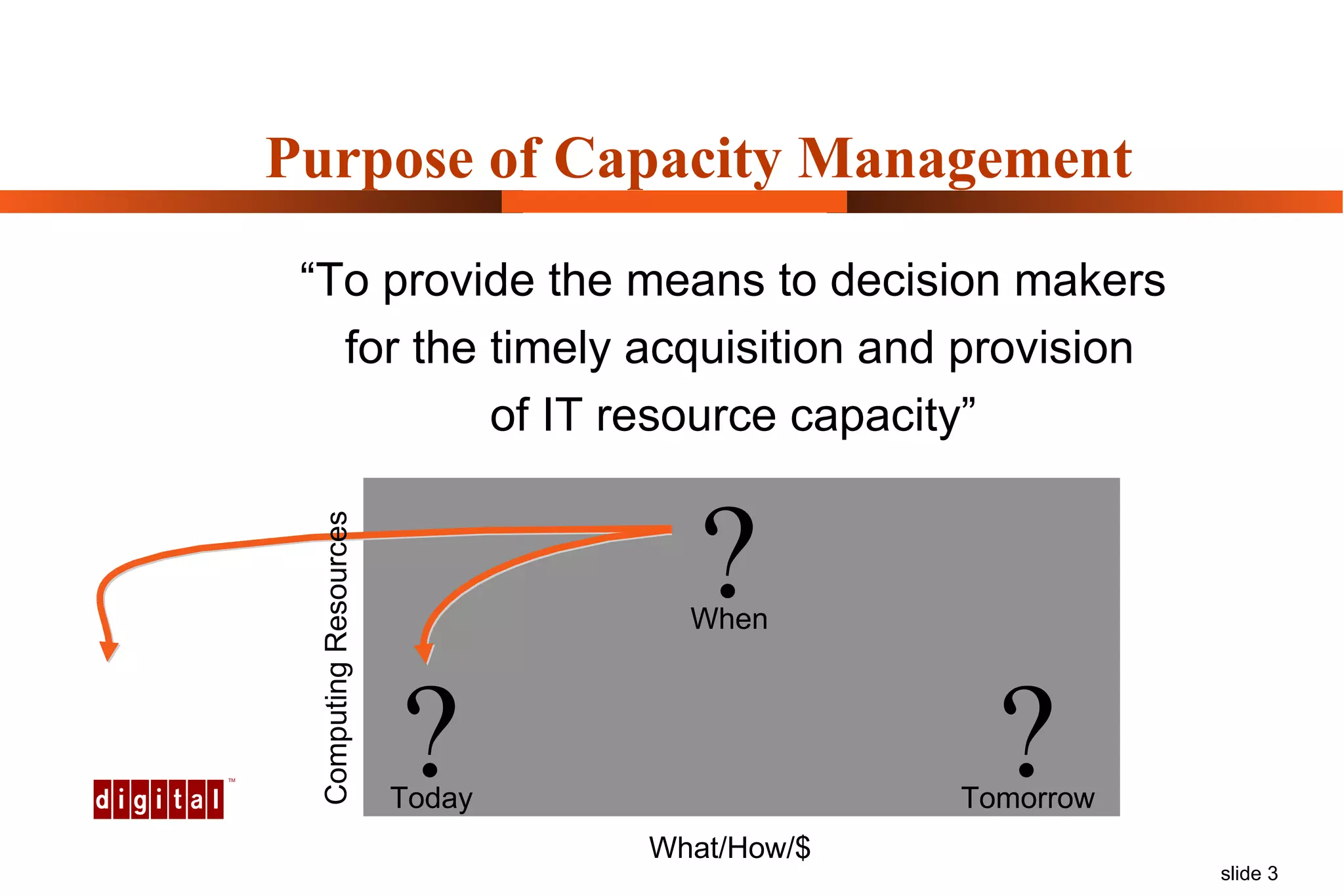
Purpose of Capacity Management “ To provide the means to decision makers for the timely acquisition and provision of IT resource capacity” Today Tomorrow When Computing Resources ? ? ? What/How/$
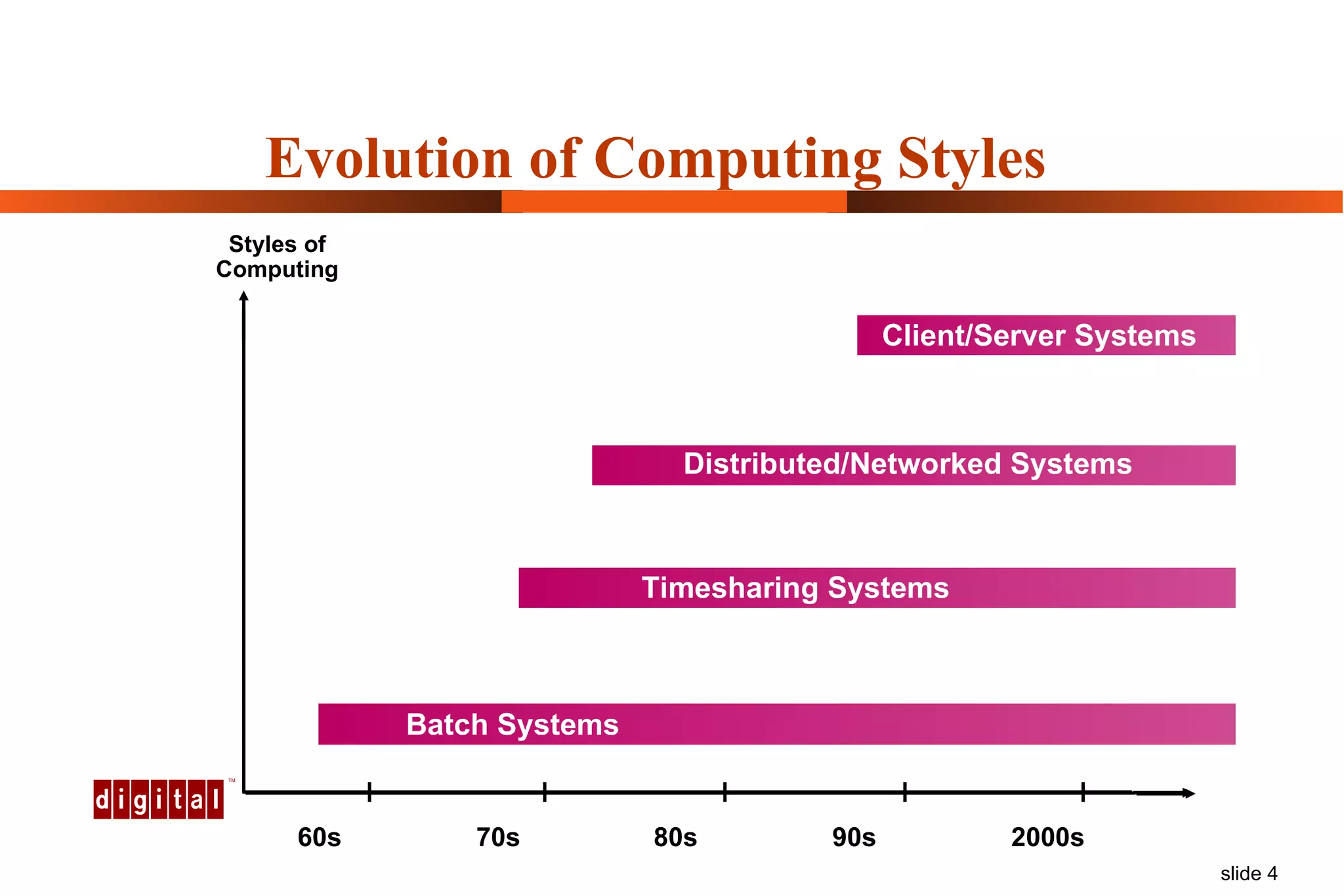
Evolution of Computing Styles Batch Systems Timesharing Systems Distributed/Networked Systems Client/Server Systems Styles of Computing 60s 70s 80s 90s 2000s
Challenges Regain control of the infrastructure Match computing resource investment to business needs Predict the impact of adopting a new distributed application Maintain a predictable level of service during  changes to workload and configurations Implement a new  IT strategy The business (or you) can’t afford to get it wrong
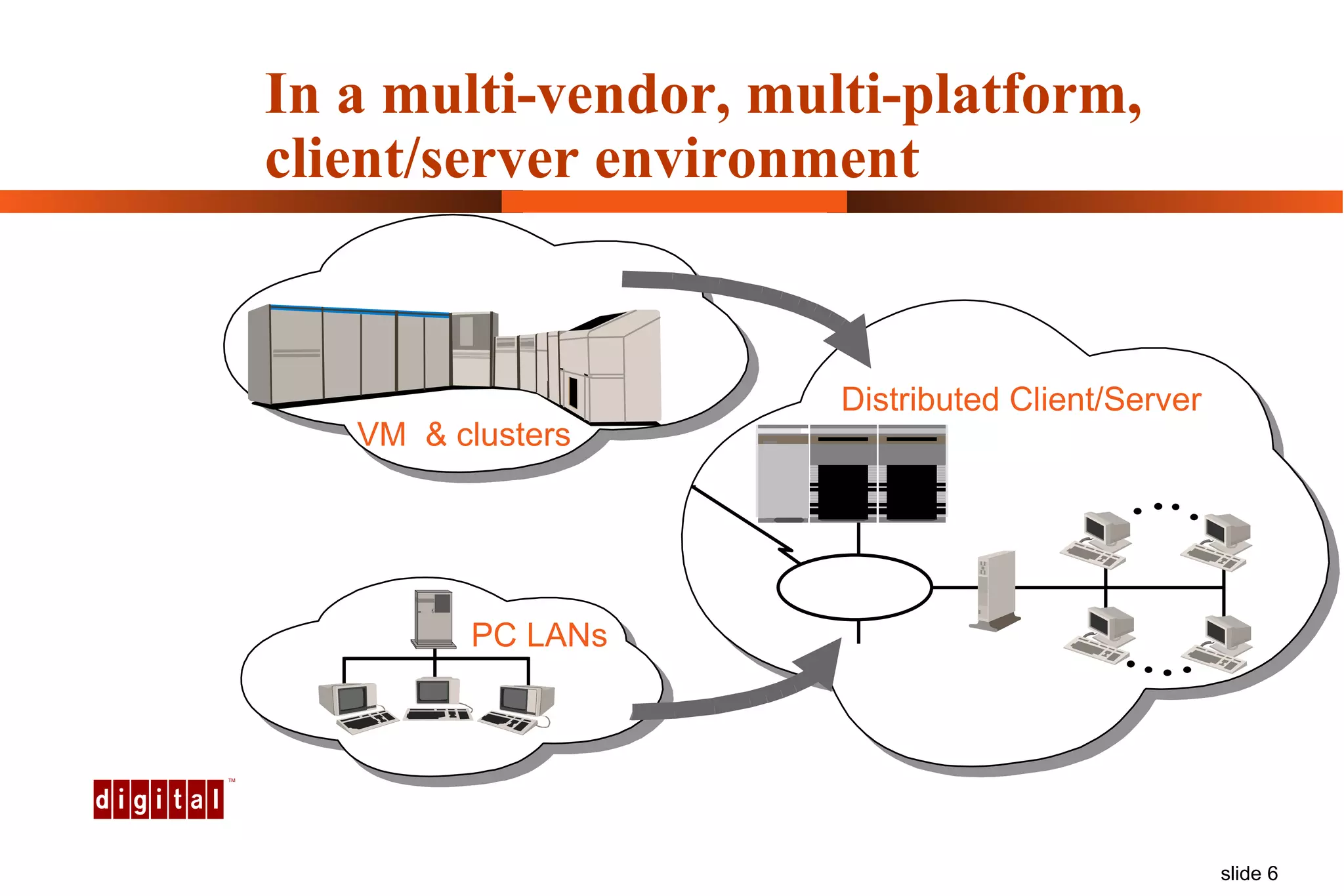
In a multi-vendor, multi-platform, client/server environment Distributed Client/Server VM  & clusters PC LANs
We can help answer the following: Migrate from UNIX to Windows Migrate to x86_64, Linux Improve service levels Business increases or shrinks Upgrade SAN Single to Multi-Core Increase number of workstations Change LAN technology Add a new application Questions: What if...
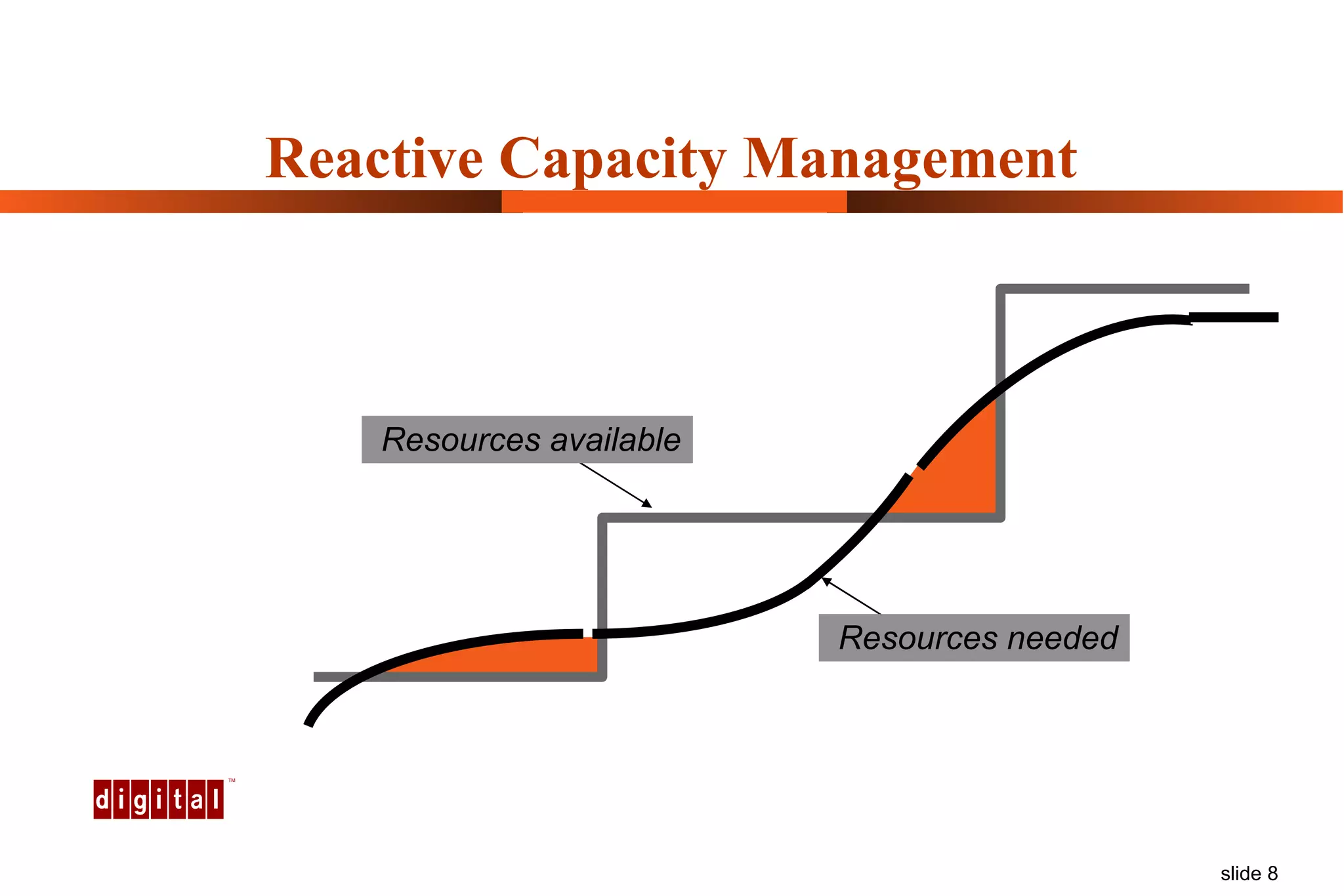
Reactive Capacity Management Resources available Resources needed
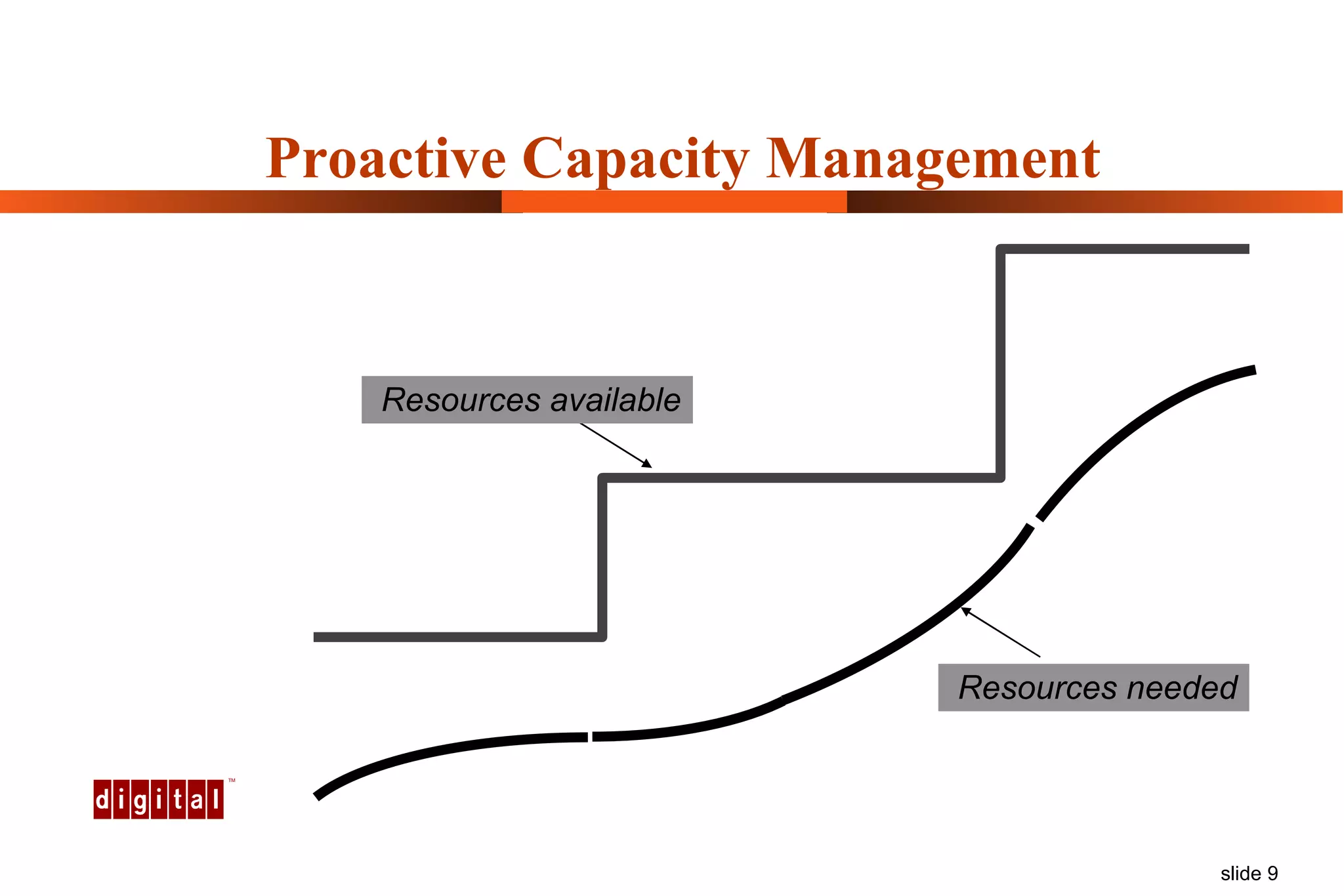
Proactive Capacity Management Resources available Resources needed
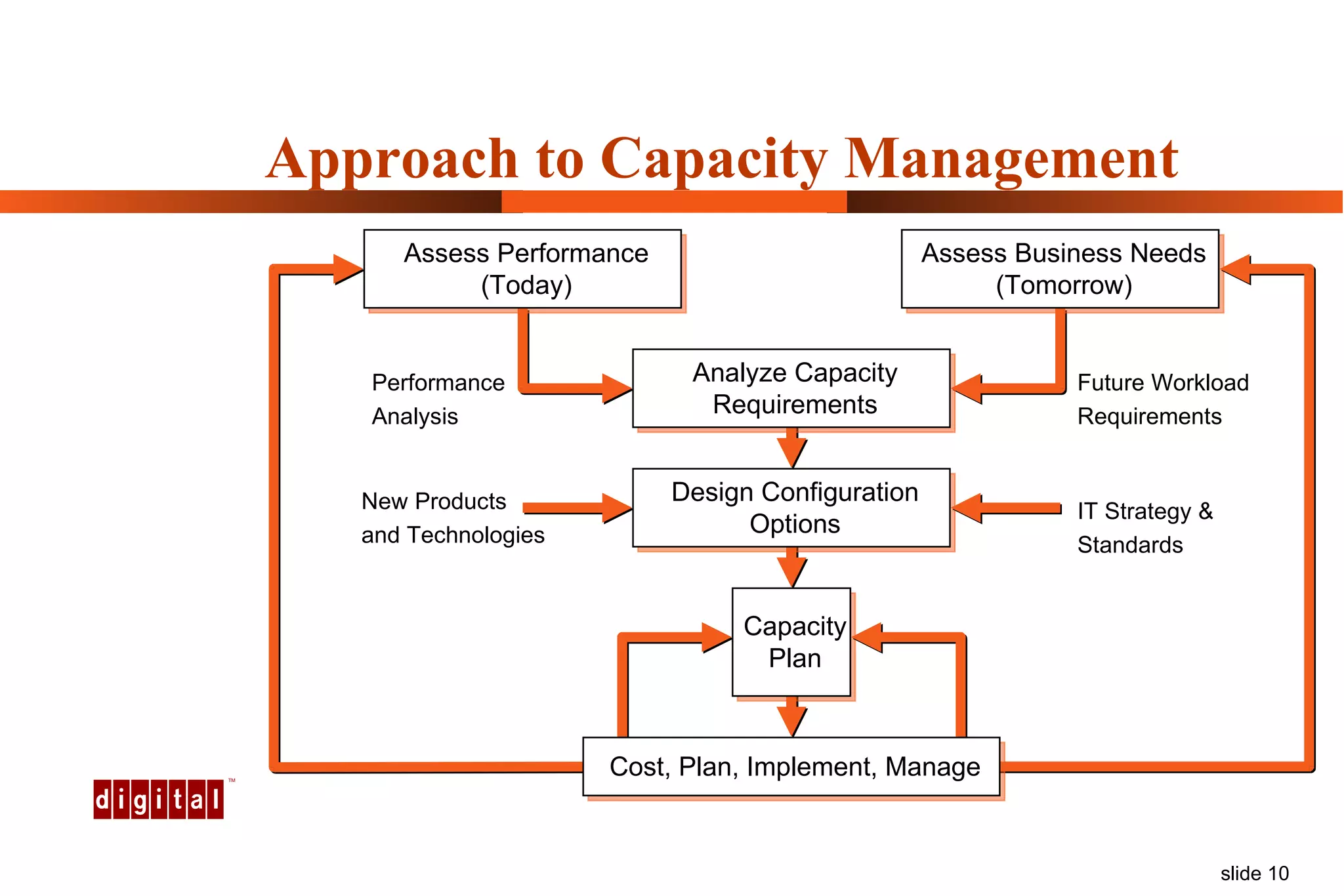
Approach to Capacity Management Capacity Plan Design Configuration Options Assess Performance (Today) Assess Business Needs (Tomorrow) Analyze Capacity Requirements Performance Analysis Future Workload Requirements New Products and Technologies IT Strategy &  Standards Cost, Plan, Implement, Manage
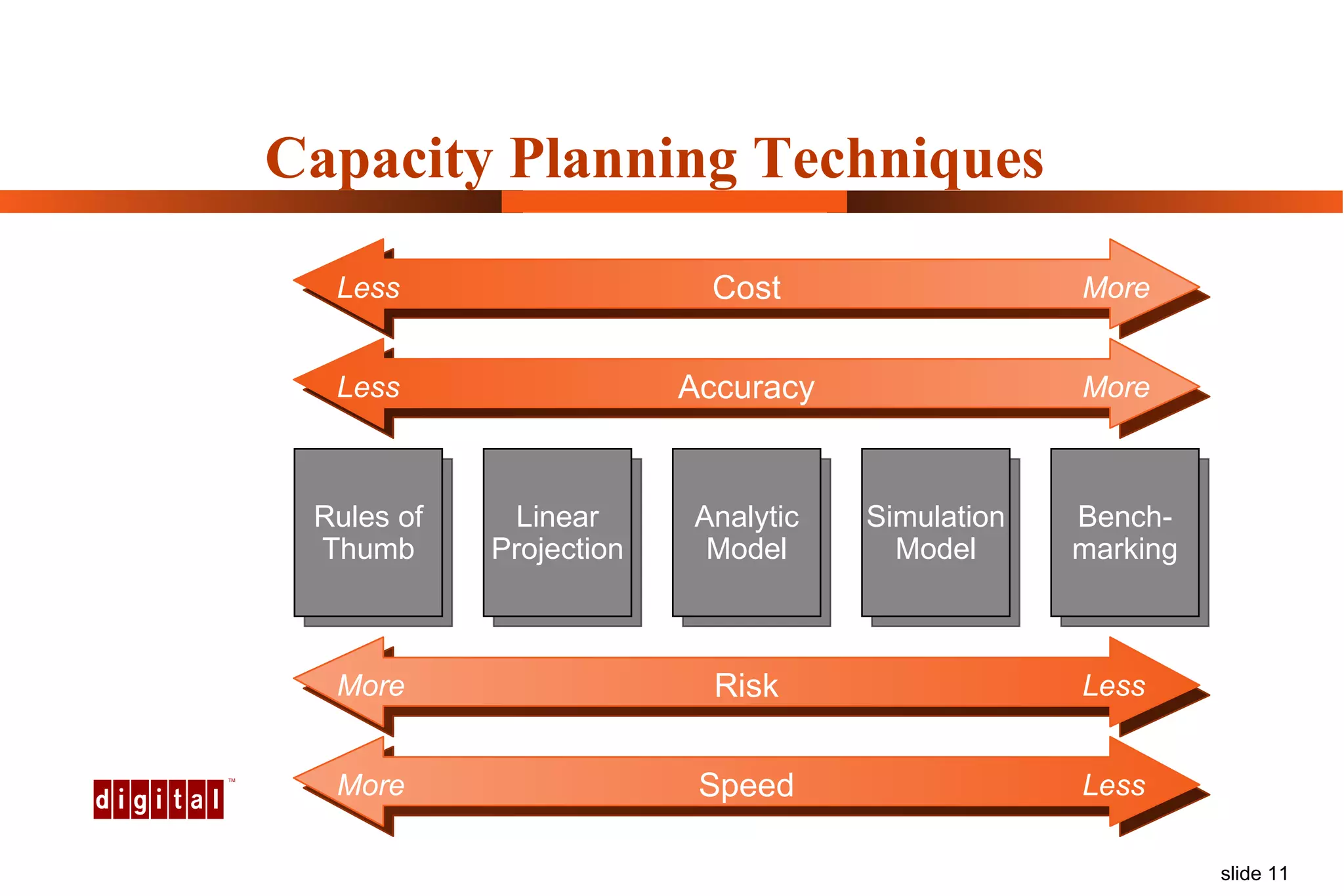
Capacity Planning Techniques Cost More Less Accuracy More Less Risk Less More Speed Less More Rules of Thumb Linear Projection Analytic Model Simulation Model Bench- marking
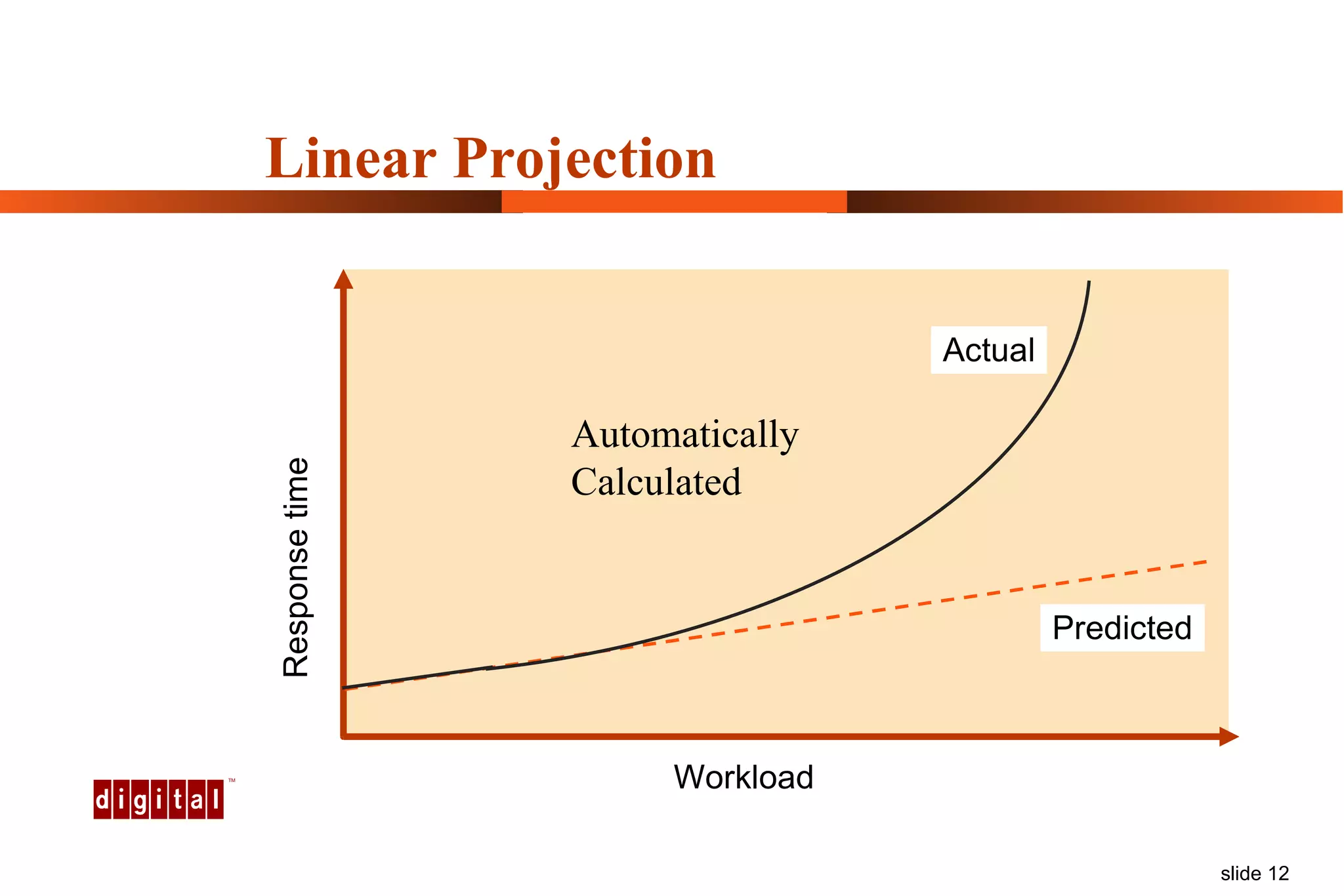
Linear Projection Response time Workload Predicted Actual Automatically Calculated
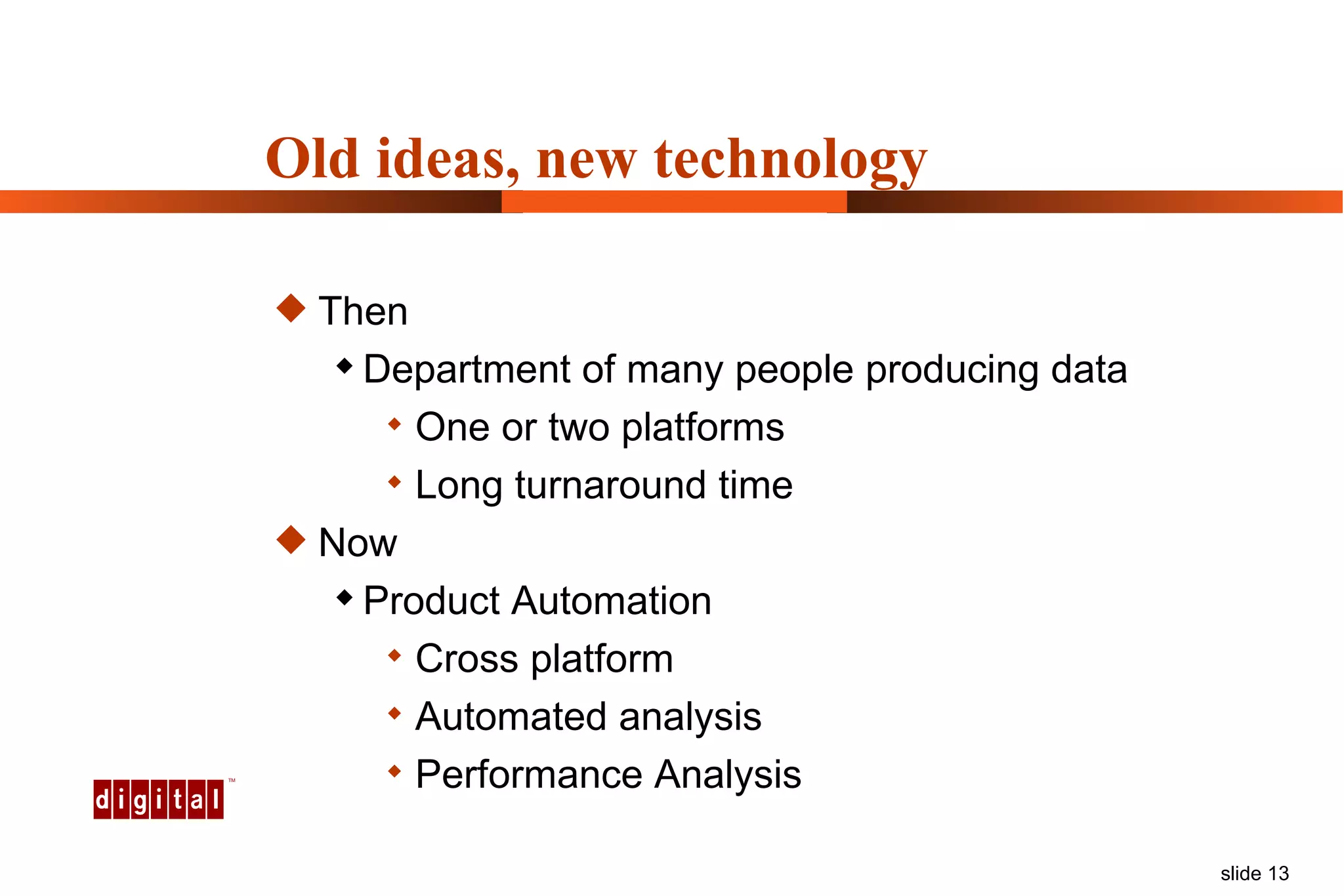
Old ideas, new technology Then Department of many people producing data One or two platforms Long turnaround time Now Product Automation Cross platform Automated analysis Performance Analysis
Results and Benefits of Capacity Planning Reduced risk in decision making Effective management of computing resources Sound foundation for investment justification and cost control Investment protection Increased user satisfaction
Is there still a market for Capacity Planning? Forgotten art/science in 2000’s Performed when servers were expensive New uses today Virtualisation: model physical to virtual servers Power: model servers to fit power envelope Consolidation: LPAR, Sun Zones Lack of service providers Lost in late 1990’s...
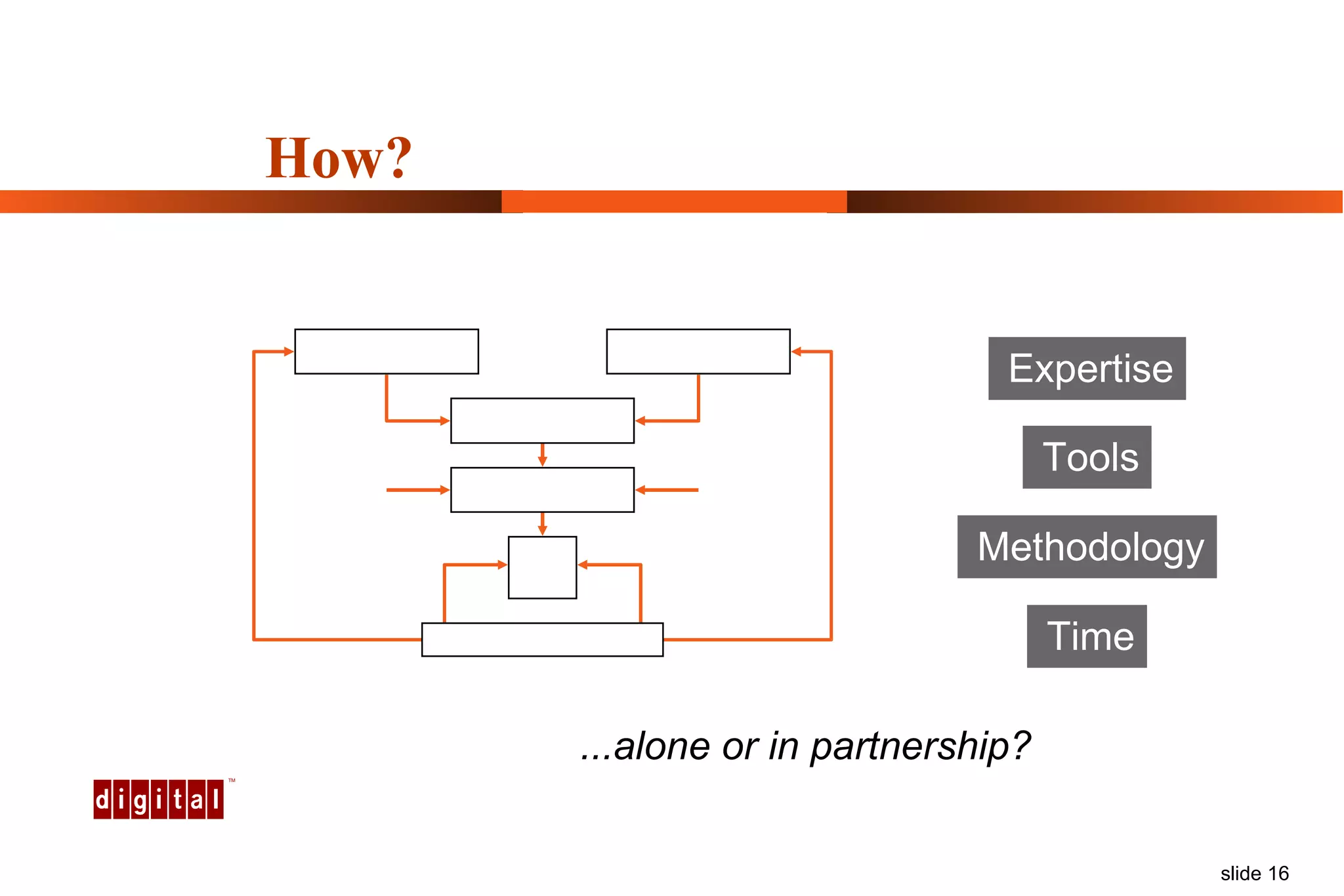
How? Expertise Tools Methodology Time ...alone or in partnership?
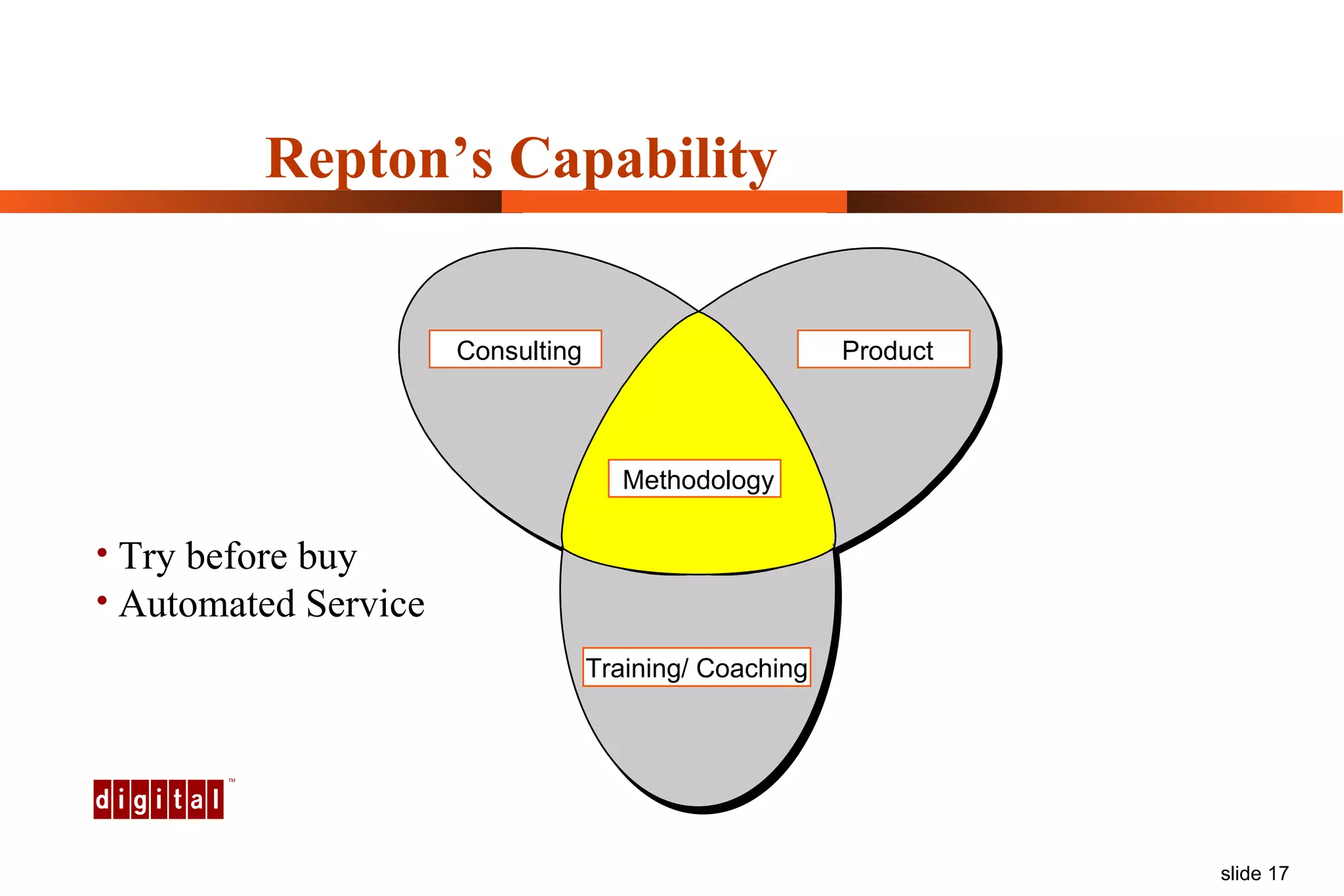
Repton’s Capability Training/ Coaching Methodology Product Consulting Try before buy Automated Service
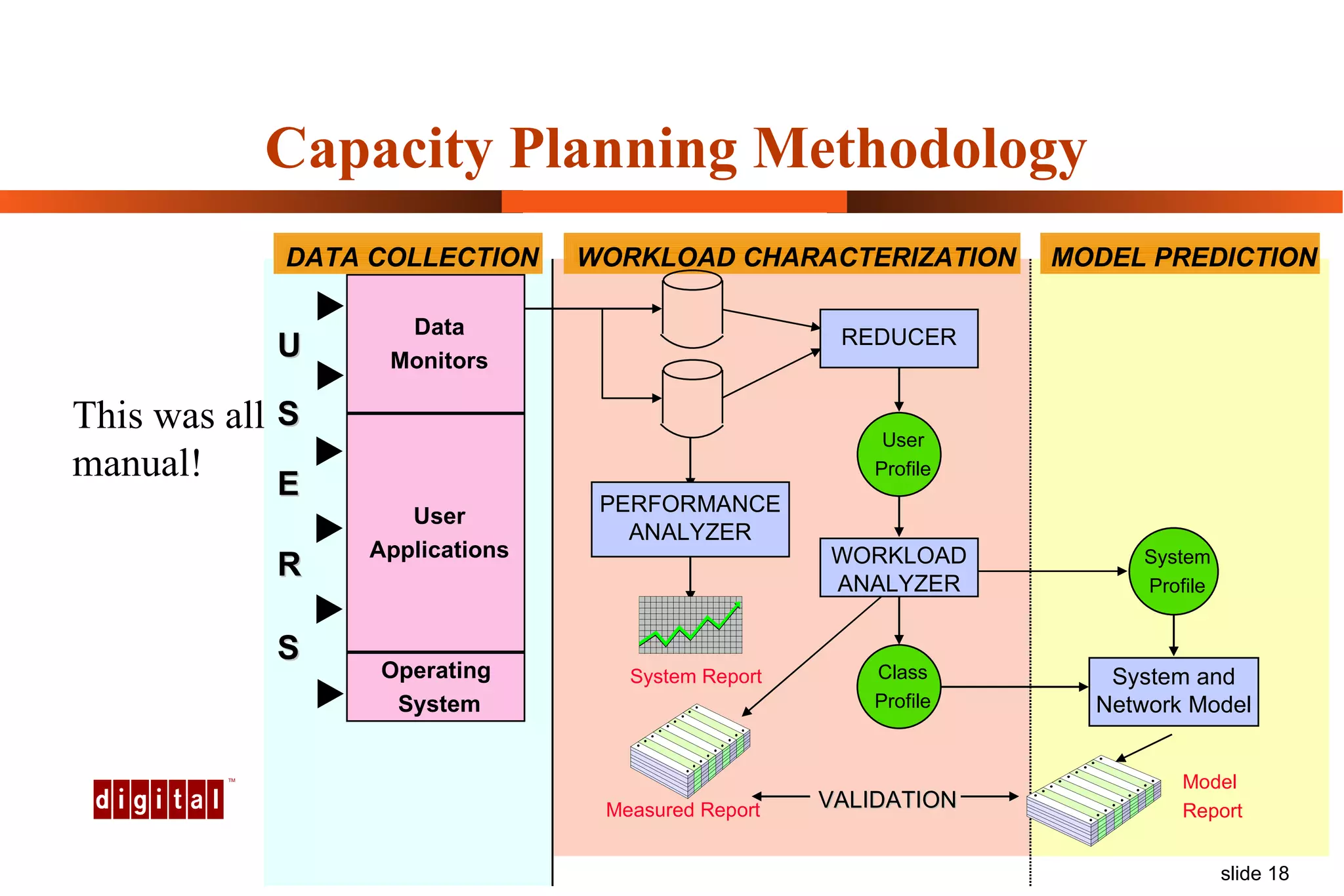
Capacity Planning Methodology User Applications Operating  System System Report PERFORMANCE ANALYZER Model Report System and Network Model System Profile Measured Report Class Profile U S E WORKLOAD ANALYZER R S MODEL PREDICTION WORKLOAD CHARACTERIZATION DATA COLLECTION User Profile REDUCER Data Monitors VALIDATION This was all manual!
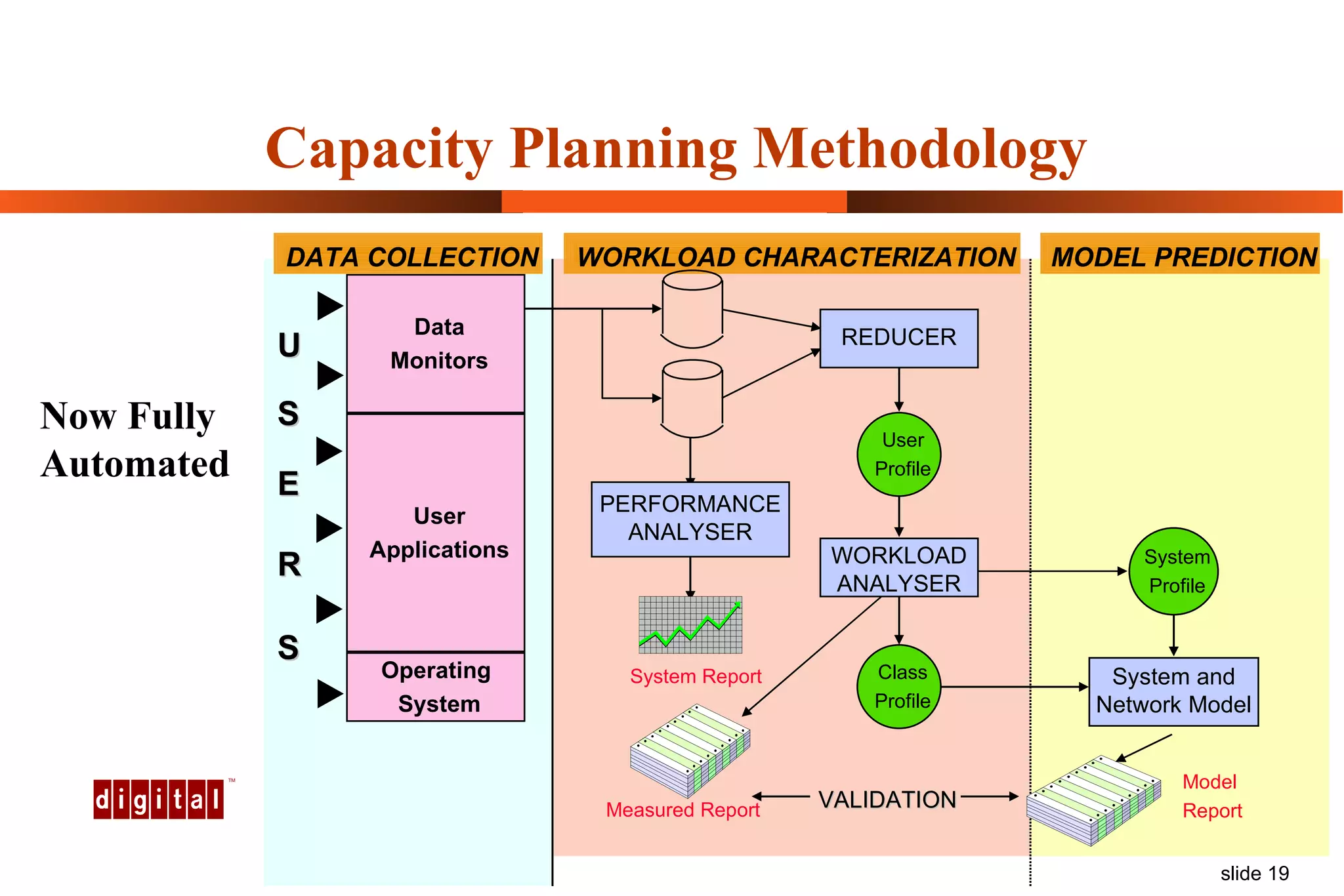
Capacity Planning Methodology User Applications Operating  System System Report PERFORMANCE ANALYSER Model Report System and Network Model System Profile Measured Report Class Profile U S E WORKLOAD ANALYSER R S MODEL PREDICTION WORKLOAD CHARACTERIZATION DATA COLLECTION User Profile REDUCER Data Monitors VALIDATION Now Fully Automated
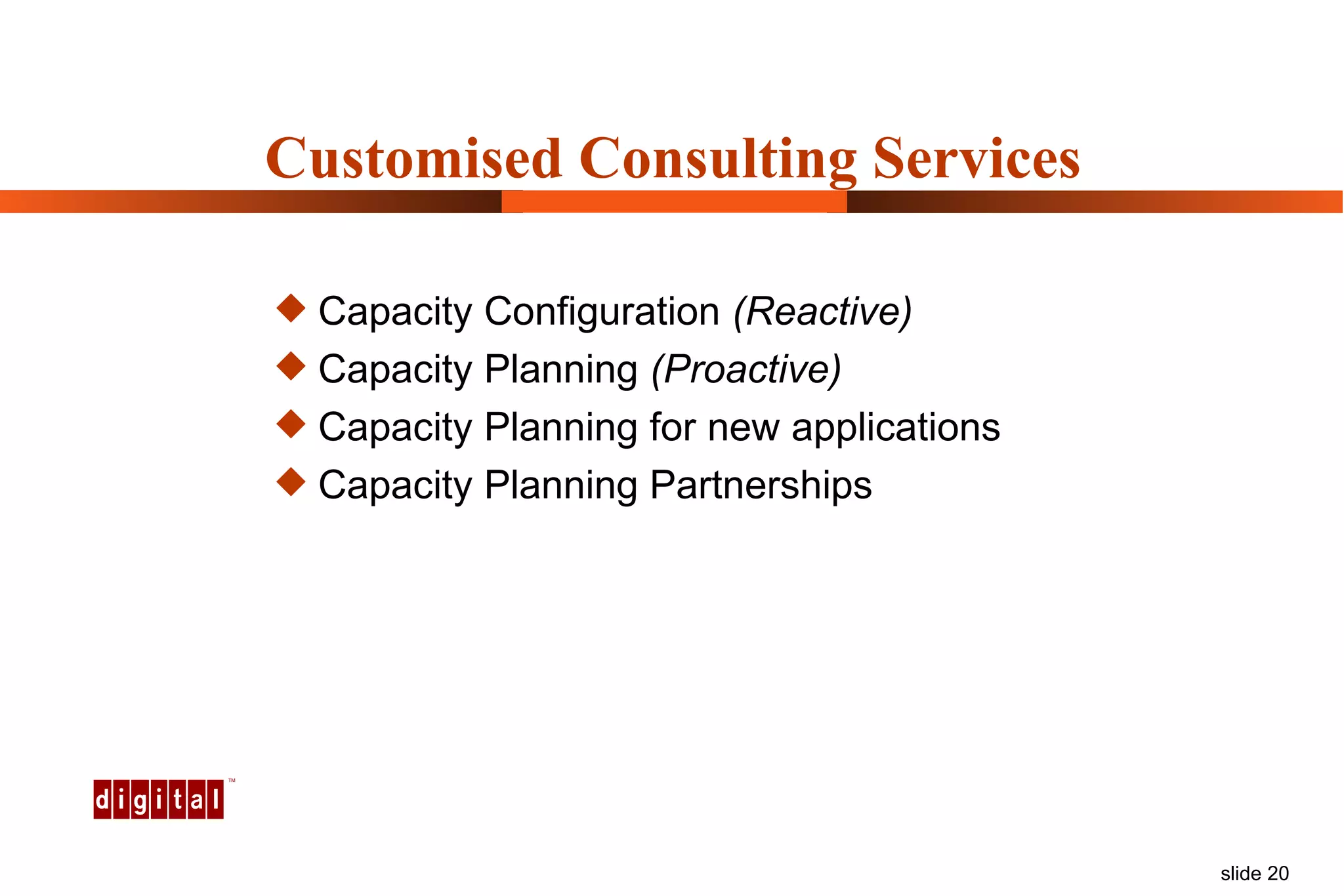
Customised Consulting Services Capacity Configuration  (Reactive) Capacity Planning  (Proactive) Capacity Planning for new applications Capacity Planning Partnerships
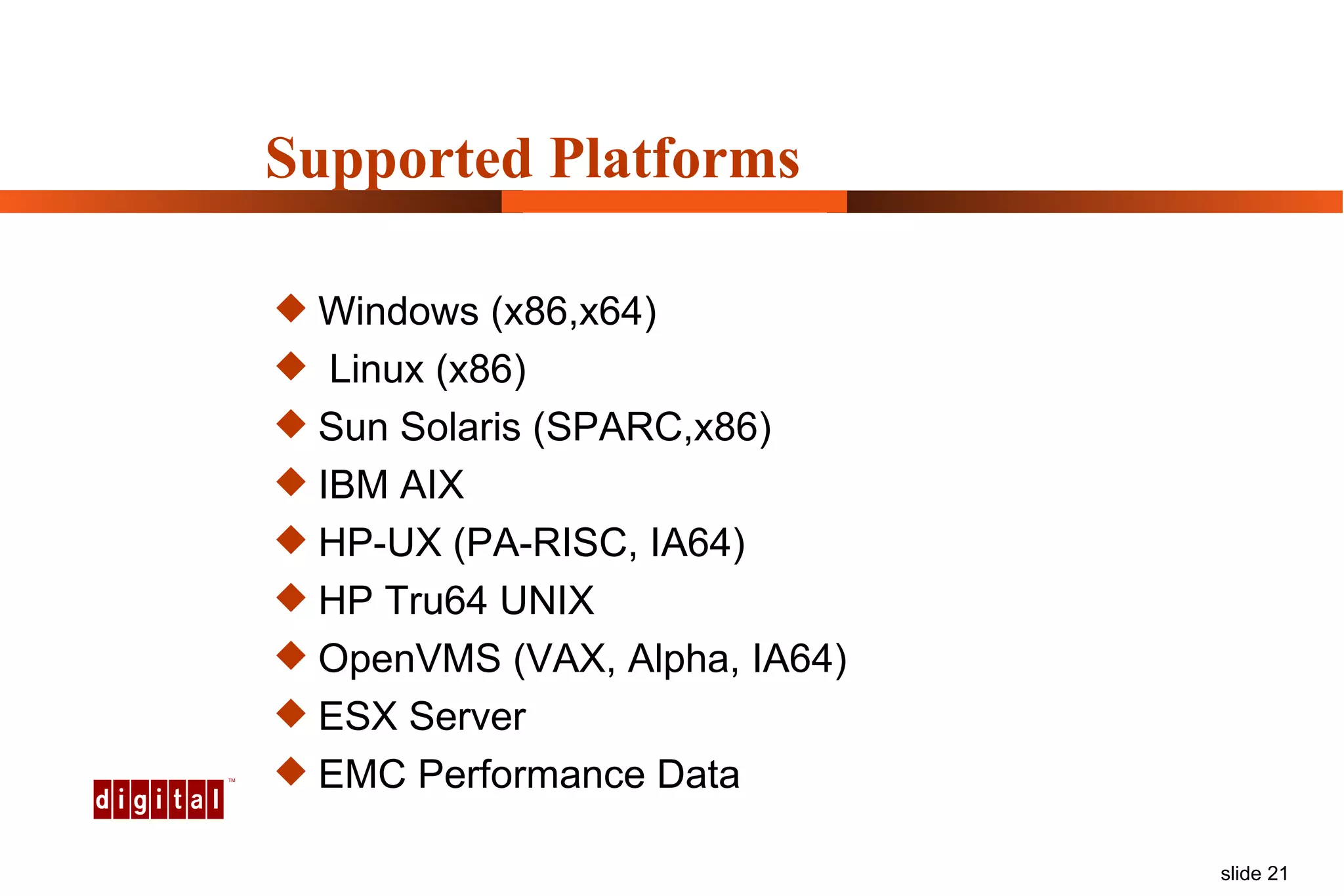
Supported Platforms Windows (x86,x64) Linux (x86) Sun Solaris (SPARC,x86) IBM AIX HP-UX (PA-RISC, IA64) HP Tru64 UNIX OpenVMS (VAX, Alpha, IA64) ESX Server EMC Performance Data
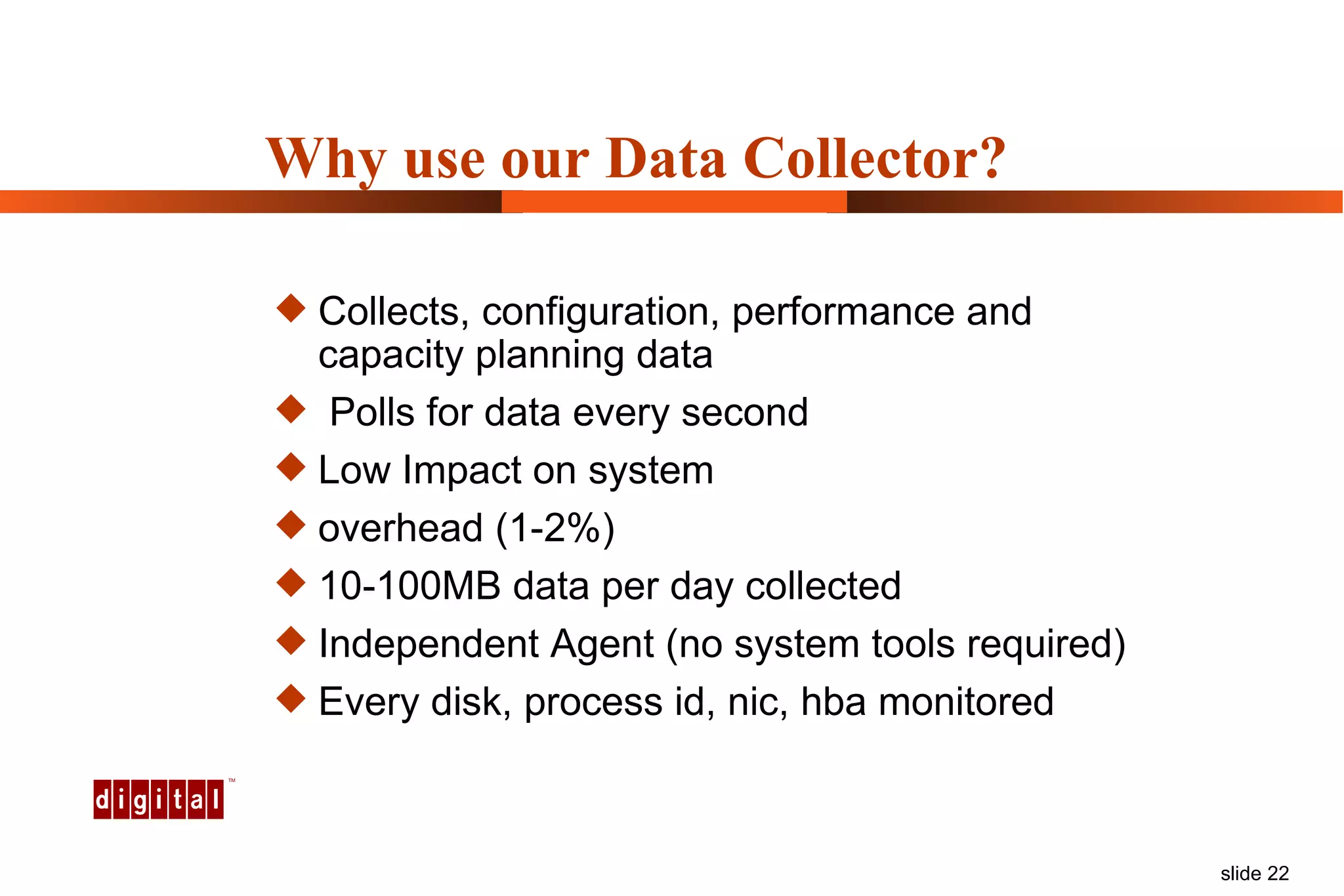
Why use our Data Collector? Collects, configuration, performance and capacity planning data Polls for data every second Low Impact on system  overhead (1-2%) 10-100MB data per day collected Independent Agent (no system tools required) Every disk, process id, nic, hba monitored
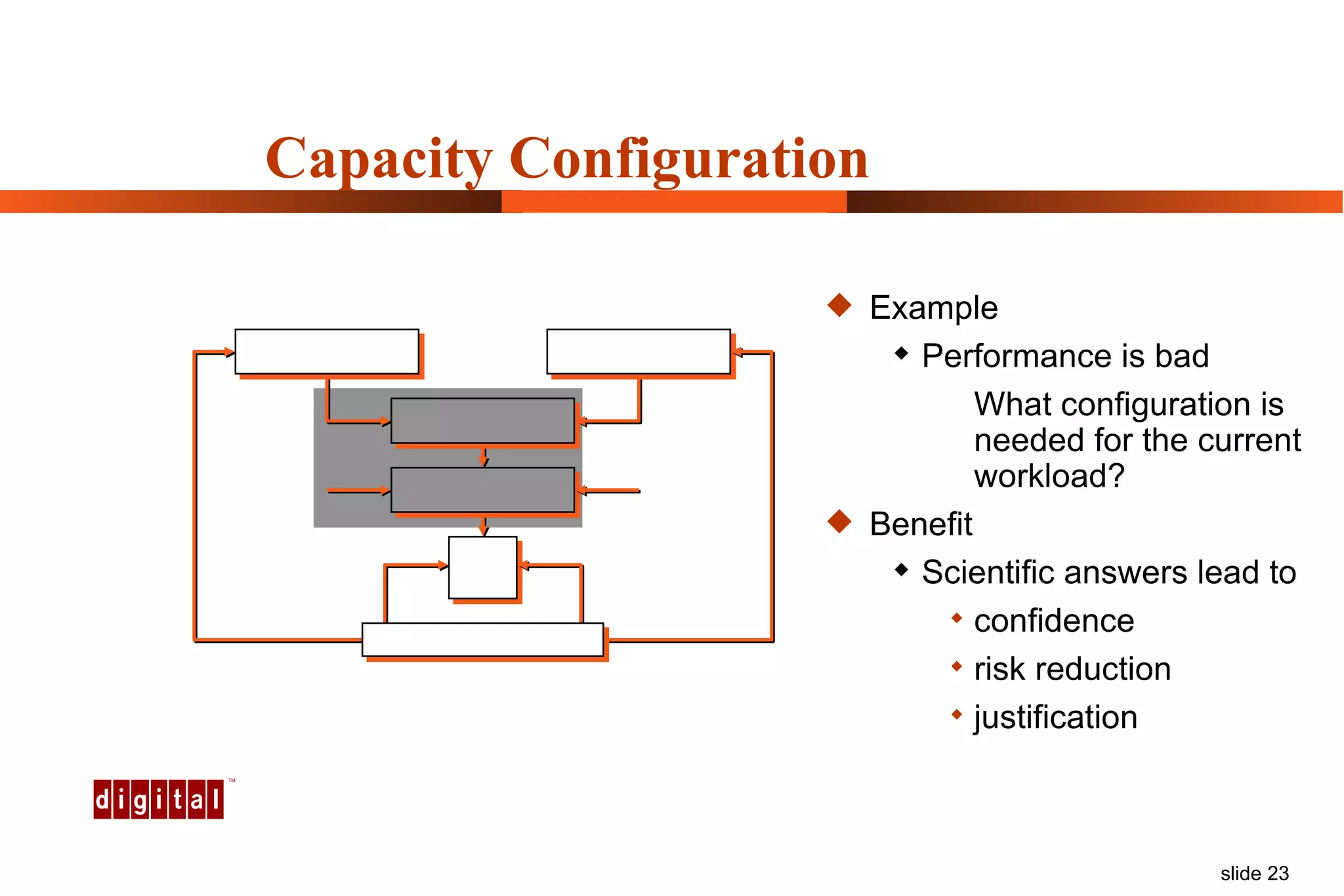
Capacity Configuration Example Performance is bad What configuration is needed for the current workload? Benefit Scientific answers lead to confidence risk reduction justification
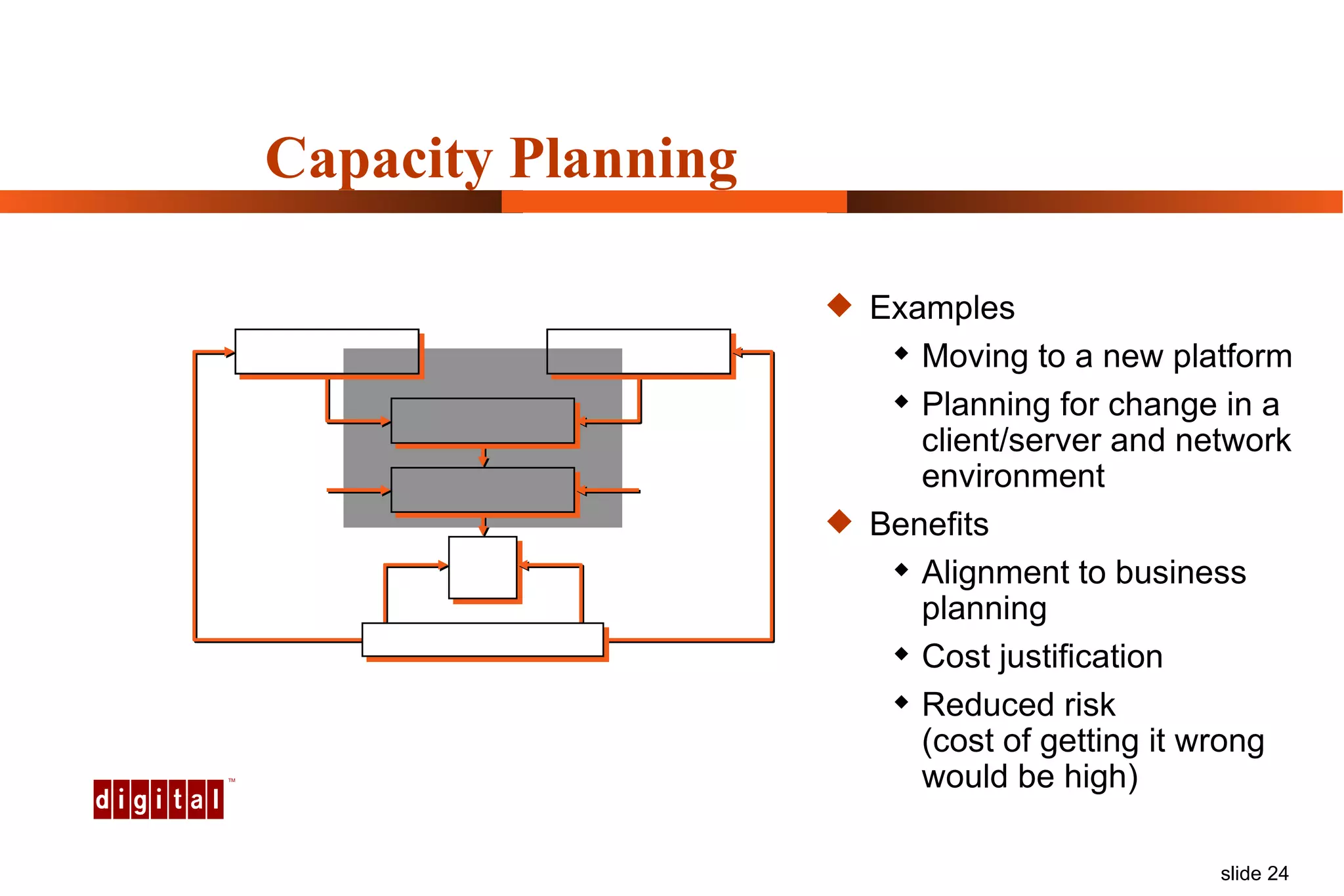
Capacity Planning Examples Moving to a new platform Planning for change in a client/server and network environment Benefits Alignment to business planning Cost justification Reduced risk  (cost of getting it wrong would be high)
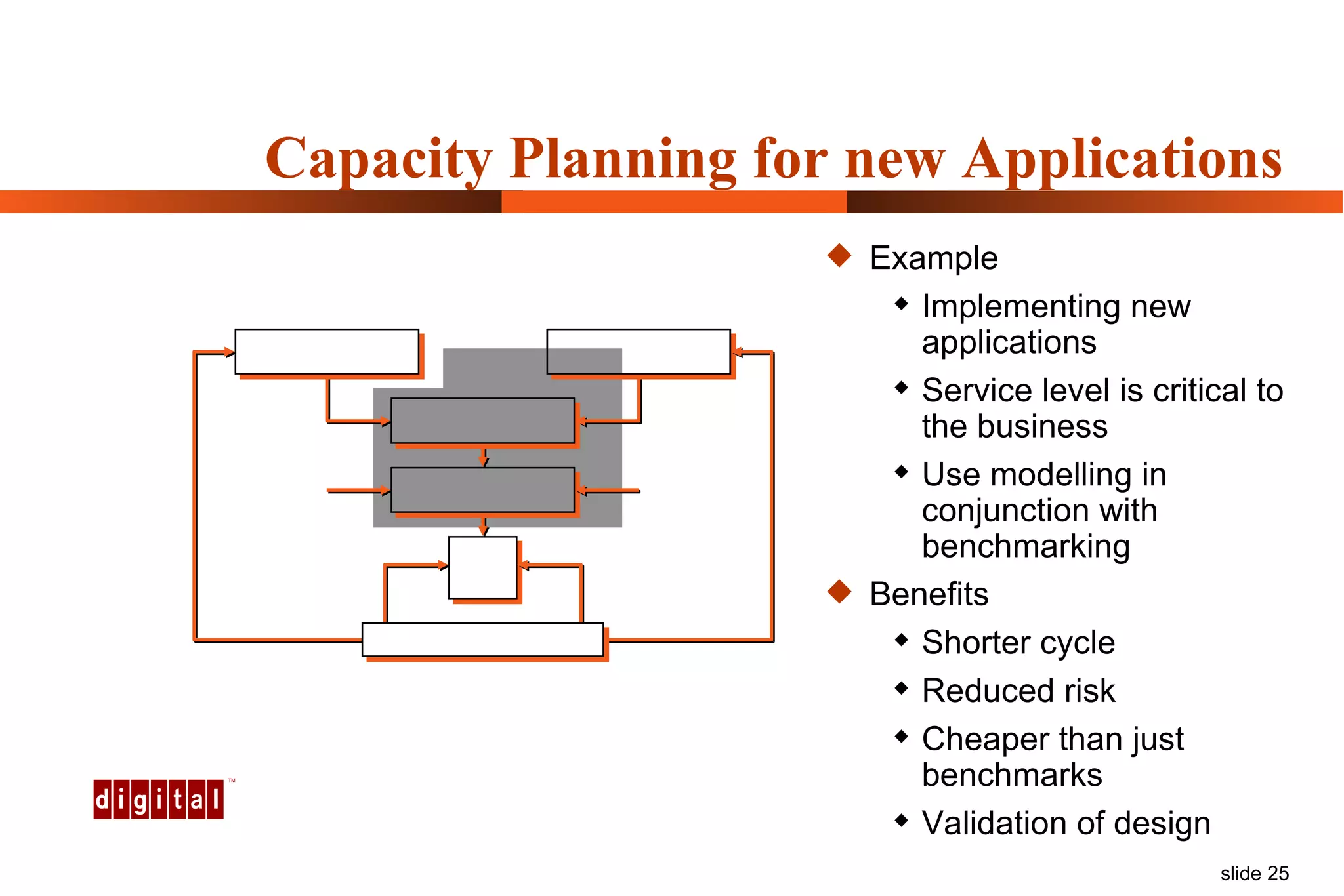
Capacity Planning for new Applications Example Implementing new applications Service level is critical to the business Use modelling in conjunction with benchmarking Benefits Shorter cycle Reduced risk Cheaper than just benchmarks Validation of design
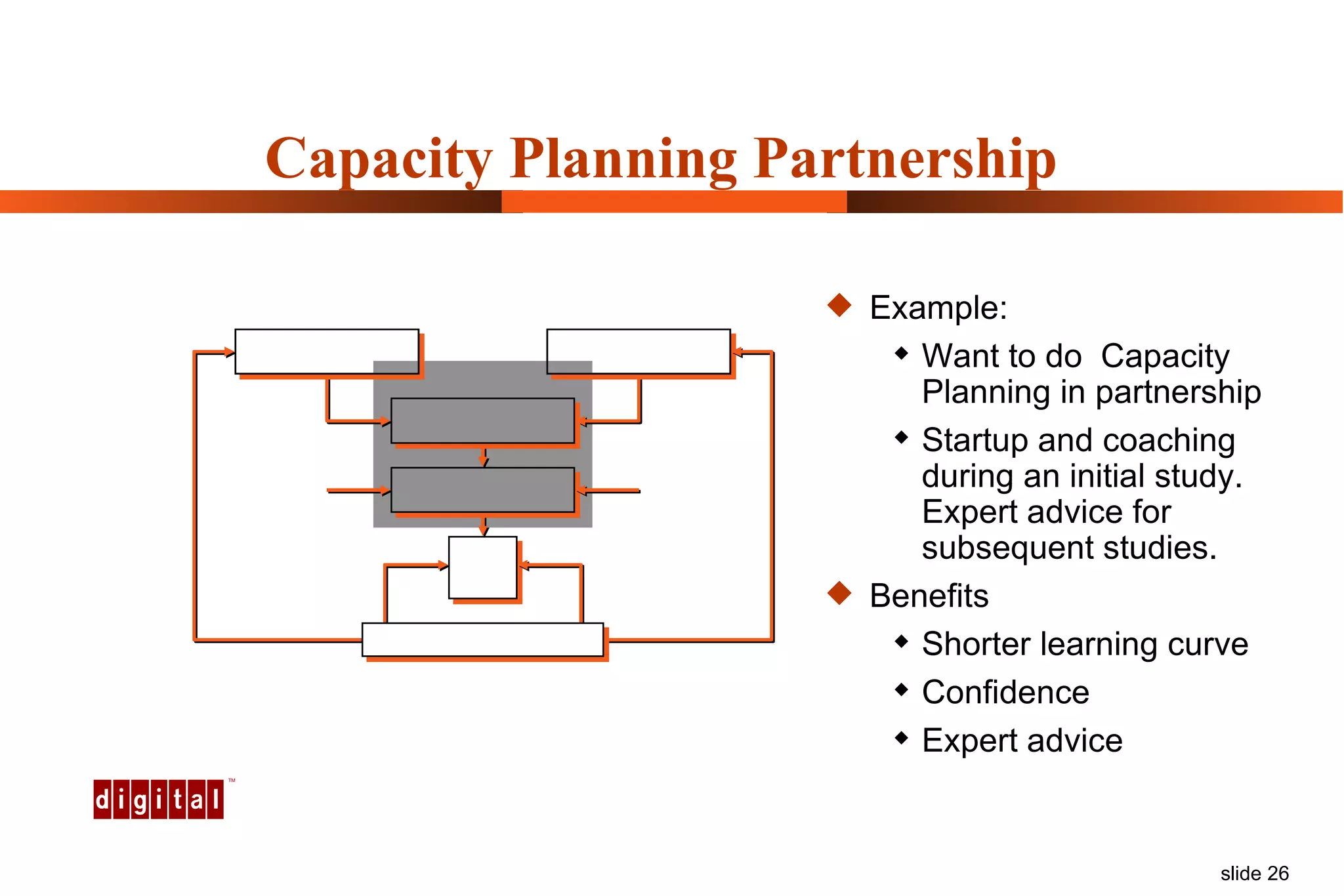
Capacity Planning Partnership Example: Want to do  Capacity Planning in partnership Startup and coaching during an initial study. Expert advice for subsequent studies. Benefits Shorter learning curve Confidence Expert advice
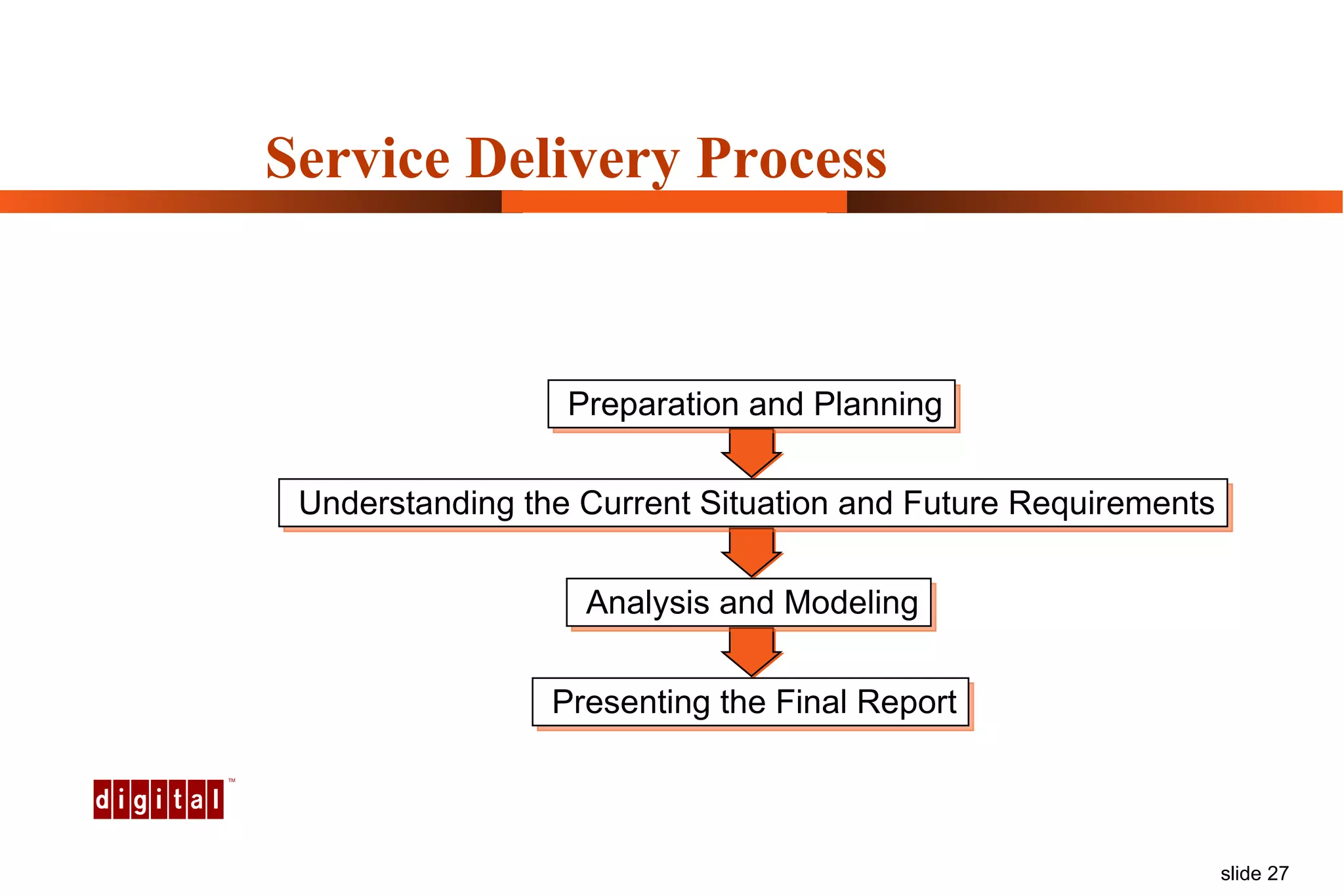
Service Delivery Process Preparation and Planning Understanding the Current Situation and Future Requirements Analysis and Modeling Presenting the Final Report
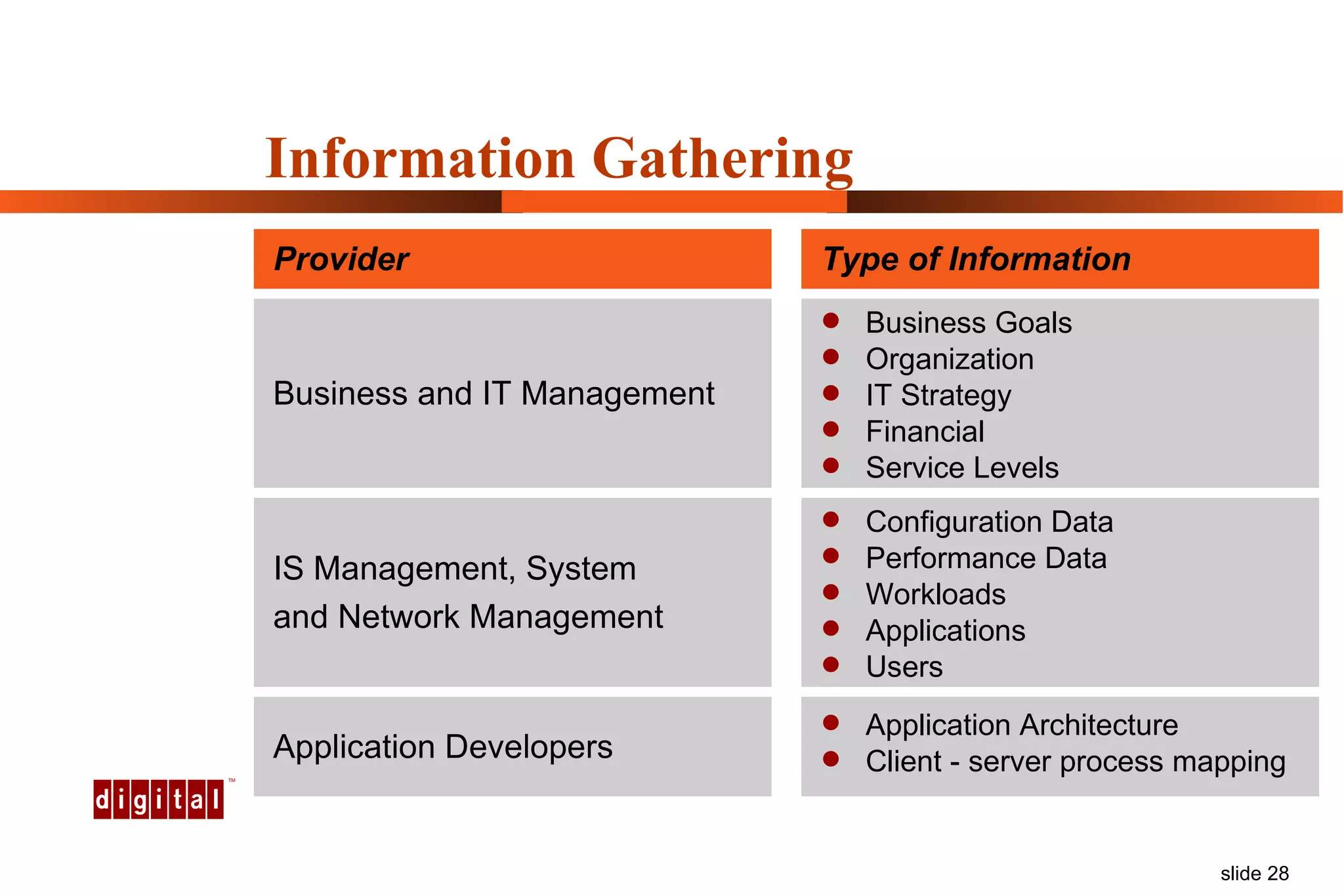
Information Gathering Provider Type of Information Business Goals Organization IT Strategy Financial Service Levels Business and IT Management Configuration Data Performance Data Workloads Applications Users IS Management, System  and Network Management Application Architecture Client - server process mapping Application Developers

Cp Repton

  • 1.
    Capacity Management for Information Technology Paul O’Sullivan
  • 2.
    Definition of CapacityManagement “ Planning Cost Justifiable IT Capacity to support the Service Requirements of the Business”
  • 3.
    Purpose of CapacityManagement “ To provide the means to decision makers for the timely acquisition and provision of IT resource capacity” Today Tomorrow When Computing Resources ? ? ? What/How/$
  • 4.
    Evolution of ComputingStyles Batch Systems Timesharing Systems Distributed/Networked Systems Client/Server Systems Styles of Computing 60s 70s 80s 90s 2000s
  • 5.
    Challenges Regain controlof the infrastructure Match computing resource investment to business needs Predict the impact of adopting a new distributed application Maintain a predictable level of service during changes to workload and configurations Implement a new IT strategy The business (or you) can’t afford to get it wrong
  • 6.
    In a multi-vendor,multi-platform, client/server environment Distributed Client/Server VM & clusters PC LANs
  • 7.
    We can helpanswer the following: Migrate from UNIX to Windows Migrate to x86_64, Linux Improve service levels Business increases or shrinks Upgrade SAN Single to Multi-Core Increase number of workstations Change LAN technology Add a new application Questions: What if...
  • 8.
    Reactive Capacity ManagementResources available Resources needed
  • 9.
    Proactive Capacity ManagementResources available Resources needed
  • 10.
    Approach to CapacityManagement Capacity Plan Design Configuration Options Assess Performance (Today) Assess Business Needs (Tomorrow) Analyze Capacity Requirements Performance Analysis Future Workload Requirements New Products and Technologies IT Strategy & Standards Cost, Plan, Implement, Manage
  • 11.
    Capacity Planning TechniquesCost More Less Accuracy More Less Risk Less More Speed Less More Rules of Thumb Linear Projection Analytic Model Simulation Model Bench- marking
  • 12.
    Linear Projection Responsetime Workload Predicted Actual Automatically Calculated
  • 13.
    Old ideas, newtechnology Then Department of many people producing data One or two platforms Long turnaround time Now Product Automation Cross platform Automated analysis Performance Analysis
  • 14.
    Results and Benefitsof Capacity Planning Reduced risk in decision making Effective management of computing resources Sound foundation for investment justification and cost control Investment protection Increased user satisfaction
  • 15.
    Is there stilla market for Capacity Planning? Forgotten art/science in 2000’s Performed when servers were expensive New uses today Virtualisation: model physical to virtual servers Power: model servers to fit power envelope Consolidation: LPAR, Sun Zones Lack of service providers Lost in late 1990’s...
  • 16.
    How? Expertise ToolsMethodology Time ...alone or in partnership?
  • 17.
    Repton’s Capability Training/Coaching Methodology Product Consulting Try before buy Automated Service
  • 18.
    Capacity Planning MethodologyUser Applications Operating System System Report PERFORMANCE ANALYZER Model Report System and Network Model System Profile Measured Report Class Profile U S E WORKLOAD ANALYZER R S MODEL PREDICTION WORKLOAD CHARACTERIZATION DATA COLLECTION User Profile REDUCER Data Monitors VALIDATION This was all manual!
  • 19.
    Capacity Planning MethodologyUser Applications Operating System System Report PERFORMANCE ANALYSER Model Report System and Network Model System Profile Measured Report Class Profile U S E WORKLOAD ANALYSER R S MODEL PREDICTION WORKLOAD CHARACTERIZATION DATA COLLECTION User Profile REDUCER Data Monitors VALIDATION Now Fully Automated
  • 20.
    Customised Consulting ServicesCapacity Configuration (Reactive) Capacity Planning (Proactive) Capacity Planning for new applications Capacity Planning Partnerships
  • 21.
    Supported Platforms Windows(x86,x64) Linux (x86) Sun Solaris (SPARC,x86) IBM AIX HP-UX (PA-RISC, IA64) HP Tru64 UNIX OpenVMS (VAX, Alpha, IA64) ESX Server EMC Performance Data
  • 22.
    Why use ourData Collector? Collects, configuration, performance and capacity planning data Polls for data every second Low Impact on system overhead (1-2%) 10-100MB data per day collected Independent Agent (no system tools required) Every disk, process id, nic, hba monitored
  • 23.
    Capacity Configuration ExamplePerformance is bad What configuration is needed for the current workload? Benefit Scientific answers lead to confidence risk reduction justification
  • 24.
    Capacity Planning ExamplesMoving to a new platform Planning for change in a client/server and network environment Benefits Alignment to business planning Cost justification Reduced risk (cost of getting it wrong would be high)
  • 25.
    Capacity Planning fornew Applications Example Implementing new applications Service level is critical to the business Use modelling in conjunction with benchmarking Benefits Shorter cycle Reduced risk Cheaper than just benchmarks Validation of design
  • 26.
    Capacity Planning PartnershipExample: Want to do Capacity Planning in partnership Startup and coaching during an initial study. Expert advice for subsequent studies. Benefits Shorter learning curve Confidence Expert advice
  • 27.
    Service Delivery ProcessPreparation and Planning Understanding the Current Situation and Future Requirements Analysis and Modeling Presenting the Final Report
  • 28.
    Information Gathering ProviderType of Information Business Goals Organization IT Strategy Financial Service Levels Business and IT Management Configuration Data Performance Data Workloads Applications Users IS Management, System and Network Management Application Architecture Client - server process mapping Application Developers

Editor's Notes

  • #2 1 1 *** Warning: the notes provided with this presentation are not intended to be a perfect script. They are intended to provide you with enough understanding to prepare your own presentation*** This presentation is intended for a technical audience. Introduction Objectives of the Presentation Topics to be covered