Container and Patio
      Gardening
             By
        Lori Bowling
Boyd County Extension Agent for
         Horticulture
Outline
•   Why container gardening
•   Containers, types and requirements
•   Potting media
•   Plant selection for containers
•   Examples
Why container gardening?
• Traditional gardening space is limited or
  unavailable
• Time for gardening is limited
• Mobility is limited – raised beds and
  containers, examples of accessible
  gardening
• Desire to be creative
Why container gardening?
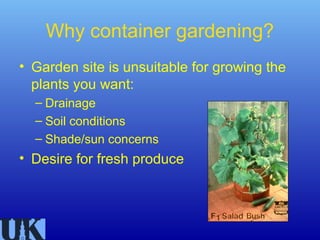
• Garden site is unsuitable for growing the
  plants you want:
  – Drainage
  – Soil conditions
  – Shade/sun concerns
• Desire for fresh produce
Why container gardening?
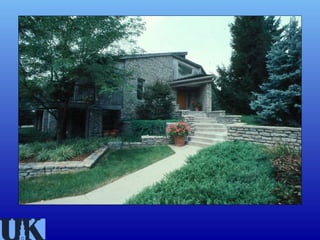
• Functional reasons:
  – As highlights in the landscape
  – To soften walls and hard scapes
  – To define space/rooms (walls, ceilings,
    framing)
  – To limit access and provide security
Container gardening concerns
• Maintenance requirement
  – Watering, two-fold concern
  – Fertilizing
  – Grooming
• Decisions regarding containers, growing
  media, plants and placement will help
  reduce these concerns
Containers - types
• Can plant in almost any container
• Plastics and fiberglass – most popular,
  weight, durable, variety
• Clay/ceramics – traditional, porous,
  heavy
• Wood – popular, redwood and cedar
  best
• Metal – durable, character, limited
  availability, weight
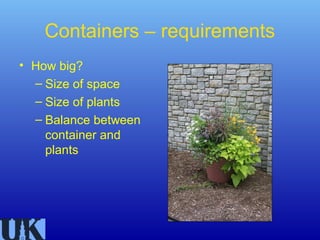
Containers – requirements
• How big?
  – Size of space
  – Size of plants
  – Balance between
    container and
    plants
Containers - requirements
• Drainage
  – Each container must have at least one
    drainage hole
  – Elevate container slightly to ensure proper
    drainage
  – A few pebbles and charcoal in the bottom of a
    pot does not ameliorate poor drainage, drill a
    hole!
Containers - requirements
• Temperature concerns
  – Avoid use of black and dark colored
    containers in sunny locations, root damage
    may occur with high soil temperatures
  – Protect root zone from cold temperatures of
    winter, most plant roots are less hardy
    compared to above ground portion
Potting media
• Requirements:
  – Must wet easily
  – Must resist compaction
  – Must hold water without water-logging
  – Must retain some nutrients
• These are met by having proper structure
Potting media
• Structure of soil describes the aggregation of
  soil particles resulting in pore space
• Good structure comes from blending
  ingredients
  – Organic components: peat, bark, composted
    material
  – Drainage provided by sand or perlite
  – Water and nutrients held by vermiculite, calcined
    clay, peat, hydrogels
Potting media vs. soil

• If soil is used exclusively as a container
  medium it will compact: pore space,
  aeration, and drainage will deteriorate.
• Soil can be used as an amendment in
  soilless potting mixes. A little soil will
  enhance water and nutrient holding
  capacity and improve anchorage of
  plants.
Potting media – long term use
• Structure of potting media tends to break
  down over time
• Soil borne diseases tend to build up over
  time
• Best to replace potting medium each
  growing season
• Perennials growing in containers must be
  repotted periodically, replace media
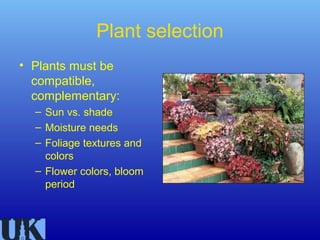
Plant selection
• Plants must be
  compatible,
  complementary:
  – Sun vs. shade
  – Moisture needs
  – Foliage textures and
    colors
  – Flower colors, bloom
    period
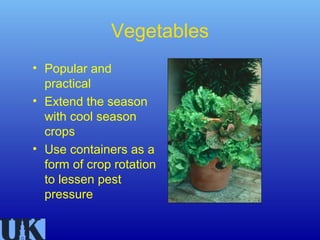
Vegetables
• Popular and
  practical
• Extend the season
  with cool season
  crops
• Use containers as a
  form of crop rotation
  to lessen pest
  pressure
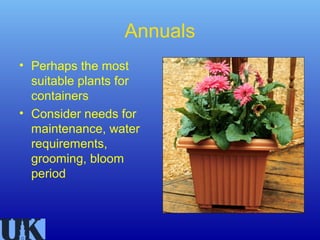
Annuals
• Perhaps the most
  suitable plants for
  containers
• Consider needs for
  maintenance, water
  requirements,
  grooming, bloom
  period
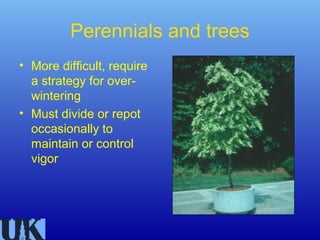
Perennials and trees
• More difficult, require
  a strategy for over-
  wintering
• Must divide or repot
  occasionally to
  maintain or control
  vigor
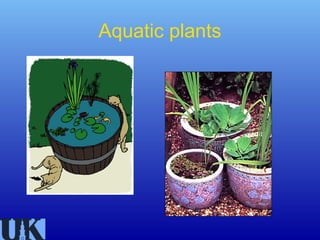
Aquatic plants
Plants in Containers
Questions?

Container gardening with script

  • 1.
    Container and Patio Gardening By Lori Bowling Boyd County Extension Agent for Horticulture
  • 2.
    Outline • Why container gardening • Containers, types and requirements • Potting media • Plant selection for containers • Examples
  • 3.
    Why container gardening? •Traditional gardening space is limited or unavailable • Time for gardening is limited • Mobility is limited – raised beds and containers, examples of accessible gardening • Desire to be creative
  • 5.
    Why container gardening? •Garden site is unsuitable for growing the plants you want: – Drainage – Soil conditions – Shade/sun concerns • Desire for fresh produce
  • 6.
    Why container gardening? •Functional reasons: – As highlights in the landscape – To soften walls and hard scapes – To define space/rooms (walls, ceilings, framing) – To limit access and provide security
  • 12.
    Container gardening concerns •Maintenance requirement – Watering, two-fold concern – Fertilizing – Grooming • Decisions regarding containers, growing media, plants and placement will help reduce these concerns
  • 13.
    Containers - types •Can plant in almost any container • Plastics and fiberglass – most popular, weight, durable, variety • Clay/ceramics – traditional, porous, heavy • Wood – popular, redwood and cedar best • Metal – durable, character, limited availability, weight
  • 14.
    Containers – requirements •How big? – Size of space – Size of plants – Balance between container and plants
  • 15.
    Containers - requirements •Drainage – Each container must have at least one drainage hole – Elevate container slightly to ensure proper drainage – A few pebbles and charcoal in the bottom of a pot does not ameliorate poor drainage, drill a hole!
  • 16.
    Containers - requirements •Temperature concerns – Avoid use of black and dark colored containers in sunny locations, root damage may occur with high soil temperatures – Protect root zone from cold temperatures of winter, most plant roots are less hardy compared to above ground portion
  • 17.
    Potting media • Requirements: – Must wet easily – Must resist compaction – Must hold water without water-logging – Must retain some nutrients • These are met by having proper structure
  • 18.
    Potting media • Structureof soil describes the aggregation of soil particles resulting in pore space • Good structure comes from blending ingredients – Organic components: peat, bark, composted material – Drainage provided by sand or perlite – Water and nutrients held by vermiculite, calcined clay, peat, hydrogels
  • 19.
    Potting media vs.soil • If soil is used exclusively as a container medium it will compact: pore space, aeration, and drainage will deteriorate. • Soil can be used as an amendment in soilless potting mixes. A little soil will enhance water and nutrient holding capacity and improve anchorage of plants.
  • 20.
    Potting media –long term use • Structure of potting media tends to break down over time • Soil borne diseases tend to build up over time • Best to replace potting medium each growing season • Perennials growing in containers must be repotted periodically, replace media
  • 21.
    Plant selection • Plantsmust be compatible, complementary: – Sun vs. shade – Moisture needs – Foliage textures and colors – Flower colors, bloom period
  • 22.
    Vegetables • Popular and practical • Extend the season with cool season crops • Use containers as a form of crop rotation to lessen pest pressure
  • 23.
    Annuals • Perhaps themost suitable plants for containers • Consider needs for maintenance, water requirements, grooming, bloom period
  • 24.
    Perennials and trees •More difficult, require a strategy for over- wintering • Must divide or repot occasionally to maintain or control vigor
  • 25.
  • 27.
  • 31.

Editor's Notes

  • #3 This is just an outline slide to indicate what topics will be covered in this talk.
  • #4 Reasons for why people may be interested in container gardening.
  • #5 Uses of containers to add color or foliage texture to an interior environment. Note that these environments have abundant light, a necessary ingredient for most plants grown indoors.
  • #6 Other reasons for growing in containers.
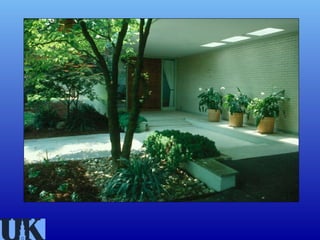
  • #7 Containers may also be used as elements in landscape design. These three functional reasons all relate to landscape design and will be illustrated in the following slides.
  • #8 Here containers of geraniums are being used as highlights that direct the visitor regarding where to enter this building.
  • #9 Here the peace lilies are being used to soften a large wall. Note the skylights above each pot to provide ample light to the plants. The containers at either side of the walkway entering the covered area serve as a wall to define the entry porch and direct traffic away from the planting beds.
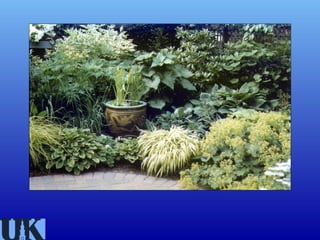
  • #10 In this patio area, the container sets the theme for the entire garden as oriental. How many representations from the dragon on the pot can you see in the surrounding plants? Smoke, tongue, scales, teeth, others?
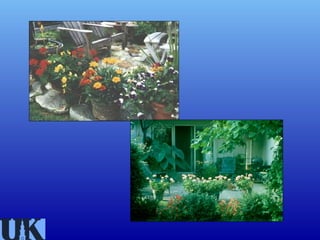
  • #11 The containers in these photos serve as walls to help define outdoor rooms.
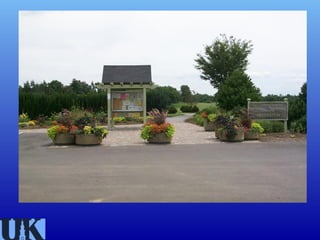
  • #12 This is a photo of the entrance to the UK-Lexington Arboretum. The large containers are mean to prevent car traffic from leaving the parking lot and driving on the pedestrian walkway. Containers such as this may become more common as a way to limit traffic access while providing a pleasing effect to the landscape.
  • #13 Some concerns about container gardening: Maintenance – water is a big concern, 1 st , how much and how do you get it to the container, then 2 nd , how do you get rid of excess water? Also consider that the container plants may need regular fertilizer – water soluble plant food may be best because the amount being added may be easily controlled and adjusted. Also remember that certain plants will require more grooming than others. Plants with large flowers may require that spent flowers be removed or swept up regularly beneath the container.
  • #14 Types of materials that containers can be made from. All have advantages and disadvantages as listed in the slide.
  • #15 There are no hard and fast rules regarding the size that containers must be. Consider the size of the space available and the size of the plants you wish to grow, then select the appropriate sized container. Realize that larger containers will require less frequently watering and may accommodate several plants for an impressive display.
  • #16 Emphasize that all containers must contain a drainage hole. Drainage may also be increased by elevating the container slightly on raised bricks or stones. If it is necessary to place the container in a tray to catch water, be sure to empty the water promptly. Soils in pots that are allowed to stand in water will become water logged and this condition may adversely affect the roots of many plant species.
  • #17 Some notes about containers and temperature extremes. Dark pots can overheat very rapidly in summer sun, and plant roots in above ground containers will reach much colder temperatures than those in soil or in containers sunk into the ground.
  • #18 This is an introductory slide that starts talking about types of media used for containers. These requirements will be expanded upon in the next slides.
  • #19 The importance of good soil sturcture.
  • #20 Garden soil, even if it is of excellent quality, will not work well as a container medium. A little soil added to the potting mix may be beneficial.
  • #21 Emphasize that it is necessary to report plants periodically.
  • #22 Some points about compatibility of plants growing in containers.
  • #23 Vegetables can be very popular in containers for the reasons listed. I like to promote containers as a way to do crop rotation in a small space. Plant tomatoes and peppers in containers for a few years to give the garden soil a rest from these Solanaceous plants.
  • #24 Annuals area great plants for containers in sunny locations.
  • #25 Perennials including woody plants can be grown in containers but their culture is more difficult.
  • #26 Small containers can even be used for aquatic plants. Very successful small gardens can be had even without a filter or aeration.
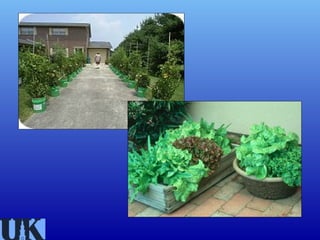
  • #27 Has this guy gone over board with his tomato plants in 5-gallon buckets? How would you like to go to a dinner party where the salad was served as a pick-your-own centerpiece?
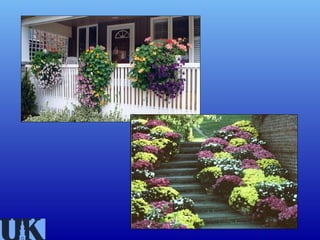
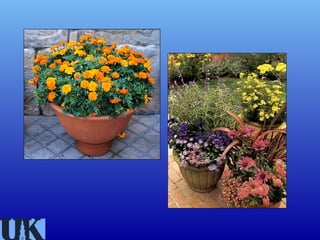
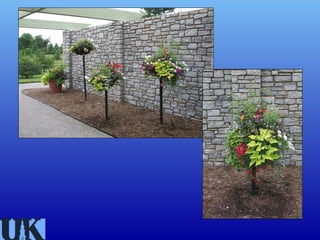
  • #28 The following are just a few slides showing some examples of plants growing in continers.