Designed by Freepik
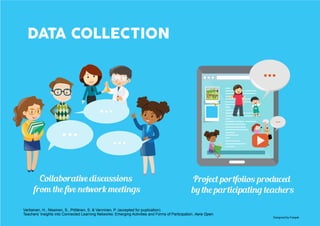
Vartiainen, H., Nissinen, S., Pöllänen, S. & Vanninen, P. (accepted for puplication).
Teachers’ Insights into Connected Learning Networks: Emerging Activities and Forms of Participation. Aera Open.


Designed by Freepik


Designed by Freepik


Designed by Freepik


Designed by Freepik


Designed by Freepik
REFERENCES

Barron, B. (2006). Interest and self-sustained learning as catalysts of
development: A learning ecology perspective. Human
Development, 49(4), 193–224.
Barton, A. C., & Tan, E. (2009). Funds of knowledge and discourses
and hybrid space. Journal of Research in Science Teaching,
46(1), 50-73.
Chi, M. (1997). Quantifying qualitative analyses of verbal data: A
practical guide. The Journal of the Learning Sciences, 6(3),
271–315.
Engle, R. A. (2006). Framing interactions to foster generative
learning: a situative explanation of transfer in a community of
learners classroom. The Journal of the Learning Sciences, 15,
(4),451-498.
Ito, M., Gutiérrez, K., Livingstone, S., Penuel, B., Rhodes, J., Salen,
K., Schor, J., Sefton-Green, J., & Watkins, S. C. (2013).
Connected learning: An agenda for research and design.
Irvine, CA: Digital Media and Learning Research Hu
Hakkarainen, K., Paavola, S., Kangas, K., & Seitamaa-Hakkarainen,
P. (2013). Socio-cultural perspectives on collaborative learning:
Towards collaborative knowledge creation. In C. Hmelo-Silver,
C. Chinn, C. Chan, & A. O'Donnell (Eds.), International
handbook of collaborative learning (pp. 57–73). New York:
Routledge.
Hedges, H., Cullen, J., & Jordan, B. (2011). Early years curriculum:
Funds of knowledge as a conceptual framework for children’s
interests. Journal of Curriculum Studies, 43, 185–205.
Jenkins, H., Clinton, C., Purushotma, R., Robison, A. J., & Weigel, M.
(2008). Confronting the challenges of participatory culture:
Media education for the 21st century. Chicago, IL: John D. and
Catherine T. MacArthur Foundation.
Joseph, B., & Charnecki, K. (2013). Leveraging digital media to
create a participatory learning culture among incarted youth. In
A. Delwiche & D. Henderson, The Participatory cultures
handbook (pp. 220-231). New York: Routledge.
Kozulin, A., Gindis, B., Ageyev, V. S. and Miller, S. M. (2003)
Introduction: Sociocultural Theory and Education: Students,
Teachers, and Knowledge. In A. Kozulin, B. Gindis, V. S
Ageyev, & S. M. Miller, (Eds.) Vygotsky’s Educational Theory in
Cultural Context (pp. 1-14). Cambridge: Cambridge University
Press.
Kumpulainen, K., & Rajala, A. (2017). Dialogic teaching and students’
discursive identity negotiation in the learning of science.
Learning & Instruction, 48, 23-31.
Liljeström, A., Enkenberg, J., and Pöllänen, S. (2014). The case of
design-oriented pedagogy: What students’ digital video stories
say about emerging learning ecosystems. Education and
Information Technologies, 9(3), 583–601.
Markauskaite, L., & Goodyear, P. (2016). Epistemic fluency and
professional education: innovation, knowledgeable action and
actionable knowledge. Dordrecht: Springer.
McTavish, M., Streelasky, J., & Coles, L. (2012). Listening to
children’s voices: Children as participants in research.
International Journal of Early Childhood, 44(3), 249-267.
Moll, L. C., Amanti, C., Neff, D., & Gonzalez, N. (1992). Funds of
knowledge for teaching: Using a qualitative approach to
connect homes and class- rooms. Theory into Practice, 31(2),
132–141.
Pramling Samuelsson, I. & Asplund Carlsson, M. (2008). The playing
learning child: Towards a pedagogy of early childhood.
Scandinavian Journal of Educational Research, 52(6),
623-641.
Resnick, M. (2017). Lifelong kindergarten: Cultivating creativity
through projects, passion, peers, and play. Cambridge, MA:
MIT Press.
Rheingold, H. (2013). Participatory pedagogy for a literacy of
literacies. In A. Delwiche, & D. Henderson (Eds.), The
Participatory cultures handbook (pp. 215-219). New York:
Routledge.
Thomas, D., & Brown, J. (2011). A new culture of learning: Cultivating
the imagination for a world of constant change. Lexington, KY:
CreateSpace.
Vartiainen, H. (2014). Principles of design-oriented pedagogy for
learning from and with museum objects. Publications of the
University of Eastern Finland. Dissertations in Education,
Humanities, and Theology, no. 60. University of Eastern
Finland: Joensuu.
Vartiainen, H., Pöllänen, S., Liljeström, A., Vanninen, P., &
Enkenberg, J. (2016). Designing connected learning: Emerging
learning systems in a craft teacher education course. Design
and Technology Education, 21(2), 32-40.
Vartiainen, H., Nissinen, S., Pöllänen, S. & Vanninen, P. (accepted for
puplication). Teachers’ Insights into Connected Learning
Networks: Emerging Activities and Forms of Participation. Aera
Open.
Vygotsky, L. S. (1978). Thought and language. Cambridge, MA: MIT
Press.

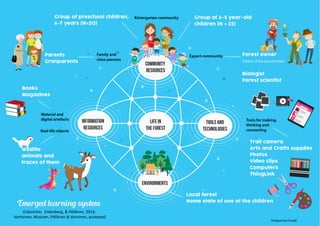
Connected Learning in Kindergarten: An illustrative case

  • 5.
    
 Designed by Freepik Vartiainen,H., Nissinen, S., Pöllänen, S. & Vanninen, P. (accepted for puplication). Teachers’ Insights into Connected Learning Networks: Emerging Activities and Forms of Participation. Aera Open.
  • 6.
  • 7.
  • 8.
  • 9.
  • 10.
  • 11.
  • 15.
    REFERENCES
 Barron, B. (2006).Interest and self-sustained learning as catalysts of development: A learning ecology perspective. Human Development, 49(4), 193–224. Barton, A. C., & Tan, E. (2009). Funds of knowledge and discourses and hybrid space. Journal of Research in Science Teaching, 46(1), 50-73. Chi, M. (1997). Quantifying qualitative analyses of verbal data: A practical guide. The Journal of the Learning Sciences, 6(3), 271–315. Engle, R. A. (2006). Framing interactions to foster generative learning: a situative explanation of transfer in a community of learners classroom. The Journal of the Learning Sciences, 15, (4),451-498. Ito, M., Gutiérrez, K., Livingstone, S., Penuel, B., Rhodes, J., Salen, K., Schor, J., Sefton-Green, J., & Watkins, S. C. (2013). Connected learning: An agenda for research and design. Irvine, CA: Digital Media and Learning Research Hu Hakkarainen, K., Paavola, S., Kangas, K., & Seitamaa-Hakkarainen, P. (2013). Socio-cultural perspectives on collaborative learning: Towards collaborative knowledge creation. In C. Hmelo-Silver, C. Chinn, C. Chan, & A. O'Donnell (Eds.), International handbook of collaborative learning (pp. 57–73). New York: Routledge. Hedges, H., Cullen, J., & Jordan, B. (2011). Early years curriculum: Funds of knowledge as a conceptual framework for children’s interests. Journal of Curriculum Studies, 43, 185–205. Jenkins, H., Clinton, C., Purushotma, R., Robison, A. J., & Weigel, M. (2008). Confronting the challenges of participatory culture: Media education for the 21st century. Chicago, IL: John D. and Catherine T. MacArthur Foundation. Joseph, B., & Charnecki, K. (2013). Leveraging digital media to create a participatory learning culture among incarted youth. In A. Delwiche & D. Henderson, The Participatory cultures handbook (pp. 220-231). New York: Routledge. Kozulin, A., Gindis, B., Ageyev, V. S. and Miller, S. M. (2003) Introduction: Sociocultural Theory and Education: Students, Teachers, and Knowledge. In A. Kozulin, B. Gindis, V. S Ageyev, & S. M. Miller, (Eds.) Vygotsky’s Educational Theory in Cultural Context (pp. 1-14). Cambridge: Cambridge University Press. Kumpulainen, K., & Rajala, A. (2017). Dialogic teaching and students’ discursive identity negotiation in the learning of science. Learning & Instruction, 48, 23-31. Liljeström, A., Enkenberg, J., and Pöllänen, S. (2014). The case of design-oriented pedagogy: What students’ digital video stories say about emerging learning ecosystems. Education and Information Technologies, 9(3), 583–601. Markauskaite, L., & Goodyear, P. (2016). Epistemic fluency and professional education: innovation, knowledgeable action and actionable knowledge. Dordrecht: Springer. McTavish, M., Streelasky, J., & Coles, L. (2012). Listening to children’s voices: Children as participants in research. International Journal of Early Childhood, 44(3), 249-267. Moll, L. C., Amanti, C., Neff, D., & Gonzalez, N. (1992). Funds of knowledge for teaching: Using a qualitative approach to connect homes and class- rooms. Theory into Practice, 31(2), 132–141. Pramling Samuelsson, I. & Asplund Carlsson, M. (2008). The playing learning child: Towards a pedagogy of early childhood. Scandinavian Journal of Educational Research, 52(6), 623-641. Resnick, M. (2017). Lifelong kindergarten: Cultivating creativity through projects, passion, peers, and play. Cambridge, MA: MIT Press. Rheingold, H. (2013). Participatory pedagogy for a literacy of literacies. In A. Delwiche, & D. Henderson (Eds.), The Participatory cultures handbook (pp. 215-219). New York: Routledge. Thomas, D., & Brown, J. (2011). A new culture of learning: Cultivating the imagination for a world of constant change. Lexington, KY: CreateSpace. Vartiainen, H. (2014). Principles of design-oriented pedagogy for learning from and with museum objects. Publications of the University of Eastern Finland. Dissertations in Education, Humanities, and Theology, no. 60. University of Eastern Finland: Joensuu. Vartiainen, H., Pöllänen, S., Liljeström, A., Vanninen, P., & Enkenberg, J. (2016). Designing connected learning: Emerging learning systems in a craft teacher education course. Design and Technology Education, 21(2), 32-40. Vartiainen, H., Nissinen, S., Pöllänen, S. & Vanninen, P. (accepted for puplication). Teachers’ Insights into Connected Learning Networks: Emerging Activities and Forms of Participation. Aera Open. Vygotsky, L. S. (1978). Thought and language. Cambridge, MA: MIT Press.