Communication and nurse patient
relationship
Objective
 Communicate effectively with patients,
family and team
 Maintain effective human relations
projecting professional image.
 Appreciate the importance of patient
teaching in nursing
Contents
 Communication
-Definition
-Levels
-Elements
-Types
-Factors influencing communication
-Methods of effective communication
-Attending skills,Rapport bulding
skills,empathy skills
Contents
 Barriers to effective communication
 Helping relationship(Nurse patient
relationship)-Definition, goals, phases of
helping relationship
 Patient teaching-Purpose, principles,
role of nurse
Definition
 Communication (from
Latin communicare, meaning "to
share")[1] is the act of
conveying meanings from
one entity or group to another through
the use of mutually understood signs,
symbols, and semiotic rules
❖ Semiotic means Signs and symbols
 Communication is an essential part of
patient centred nursing care. Patient
safety also requires effective
communication otherwise it may lead to
errors in workplace and professional
credibility
 Communication is the meaningful way of
establishing healthy relationship. All
behaviour communicates and all
communication influences behaviour .So
communication is essential to nurse
patient relationship.
Nurses express their care in
following ways:
 BECOMING SENSITIVE TO SELF AND OTHERS
 PROMOTING AND ACCEPTING THE
EXPRESSION OF POSITIVE AND NEGATIVE
FEELING
 DEVELOPING HELPING TRUST RELATIONSHIP
 INSTILLING FAITH AND HOPE
 PROMOTING INTER PERSONAL TEACHING AND
LEARNING
 PROVIDING A SUPPORTIVE ENVIRONMENT
 ASSISTING WITH GRETIFICATION OF HUMAN
NEEDS
 ALLOWING FOR SPIRITUAl EXPRESSION
 Communication is transmission of
human energy .Nurses communication
can result both in good and harm.
Nurses posture, expression and gesture,
every word spoken and attitude held etc
can affect nurse patient relationship.
DEVELOPING GOOD
COMMUNICATION SKILLS
 It requires both an understanding of the
communication process and reflection
about ones communication experience
as a nurse. Critical thinking by nurse is
highly needed to become competent
communicators.
 Curiosity is needed for effective
communication .Self confident attitude
can enhance nurse patient relationship
and communication
 Each individual bases his or her
perception about information through
five senses which is influenced by both
culture and education. Communication
is very much essential in all phases of
nursing process. Effective
communication techniques are easy to
learn but implementation is challenging.

LEVELS OF COMMUNICATION
 INTRAPERSONAL COMMUNICATION
 INTERPERSONAL COMMUNICATION
 TRANSPERSONAL COMMUNICATION
 SMALL GROUP COMMUNICATION
 PUBLIC COMMUNICATION
 INTRAPERSONAL COMMUNICATION
 Occurs within individual. It is also called
as inner thought, self talk etc. It gives a
mental rehearsal for difficult task or
situation. So they can meet them
effectively and with increased
confidence. It also helps build and
develop self awareness.
 INTERPERSONAL COMMUNICATION
 This is one to one interaction mostly face to
face. It lies at the heart of nursing practice.
It occurs in the solid context .Nurses work
with people of different background and it
is important to validate meaningful or
mutually negotiate it between participants.
This result in exchange of ideas, problem
solving, expression of feeling, decision
making good accomplishment, team
building and personal growth.
 TRANSPERSONAL COMMUNICATION
 It occurs within the persons spiritual
domain. Many people use prayers,
medication, religious rituals or other
means to communicate with higher
power. Nurses should assess and
assist their persons in trans -
communication.
 SMALL GROUP COMMUNICATION
 It happens when a small number of
people meet. Usually when nurses work
in communities lead patient support
groups, form research groups and
participate in patient care conferences.
This becomes very effective when the
group is cohesive and committed.
 PUBLIC COMMUNICATION
 This is interaction with an audience. For
example: Address health care consumers,
present scholarly work in conference,
leading class room discussion etc.
Requires special adaptation in eye contact,
gesture, voice inflection and use of new
media material to communicate effectively.
It increases audience knowledge about
health related issues, materials and other
issues important to nursing program.
BASIC ELEMENTS OF
COMMUNICATION PROCESS
 REFERANCE
 SENDER AND RECEIVER
 MESSAGE
 CHANNEL
 FEEDBACK
 INTERPERSONAL VARIABLES
 ENVIRONMENT
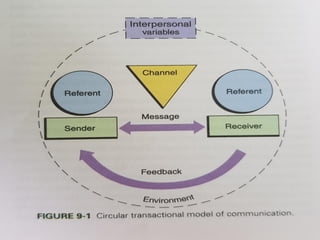
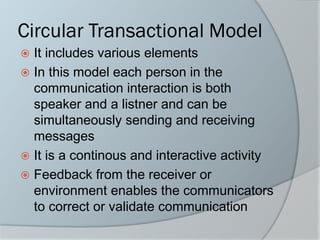
Circular Transactional Model
 It includes various elements
 In this model each person in the
communication interaction is both
speaker and a listner and can be
simultaneously sending and receiving
messages
 It is a continous and interactive activity
 Feedback from the receiver or
environment enables the communicators
to correct or validate communication
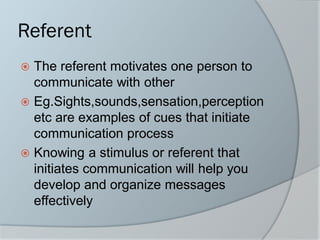
Referent
 The referent motivates one person to
communicate with other
 Eg.Sights,sounds,sensation,perception
etc are examples of cues that initiate
communication process
 Knowing a stimulus or referent that
initiates communication will help you
develop and organize messages
effectively
Sender and receiver
 Sender is the one who ENCODES AND
DELIVERS MESSAGE
 RECEIVER is the person who receives
and DECODES Message
 The sender puts message into verbal
and nonverbal symbols that the receiver
can understand.The senders message
acts as a REFERENT to receiver
 Sender and receiver switches the role
back and forth
 In decoding the receiver interprets the
message
 Active listening is impotant for correct
interpretation
 The more the commonness between
sender and receiver-Better will be the
communication
Message
 Content of communication which
contains verbal and nonverbal
expression of thoughts and feelings
 Effective message –clear,direct and in
understandable language
Eg.Wound shows growth of granulation
tissue ????
Channels
 Means of sending messages
Visual.Auditory,Tactile
Facial expressions-Visual
Touch-Tactile
The more the channel-Better
communication
Feedback
 It is the message the a receiver receives
from the sender.It indicates whether the
receiver understood the initial message
from the sender
 Type of feedback depends on their
background,prior
experience,attitude,cultural belief and
self esteem
Interpersonal variables
 Factors within both sender and receiver
that influence communication
Individual’s culture,experience etc
Interpersonal variables associated
withillness such as
pain,anxiety,medication effect also affect
nurse patient relationship
Environment
 Setting for sender receiver interaction
 Should provide physical and emotional
comfort and safety
 Noise, lack of privacy, temperature
extremes, etc can affect communication
 Favourable environment is needed for
effective communication
Forms of Communication
A. VERBAL COMMUNICATION
B.NON VERBAL COMMUNICATION
Verbal Communication
 It uses spoken or written word
 Verbal language is a code that conveys
specific meaning through a combination
of words
Important Aspects of Verbal
Communication
 Vocabulary
 Denotative and connotative meaning
 Pacing
 Intonation
 Clarity and Brevity
 Timing and Relevance
Non verbal communication
 Involves five senses and communication
that doesnot involve spoken or written
word
 Non verbal aspects of communication
involves eye contact,voice tone,body
positioning etc
 Sociocultural background has a majpr
influence on non verbal communication
Factors influencing Nonverbal
Communication
 Personal Apperance
 Posture and Gait
 Facial Expression
 Eye contact
 Gestures
 Sounds
 Territoriality and personal space
 Metacommunication(all factors that affect
communication.eg Incongruity between what is felt
and what is said)
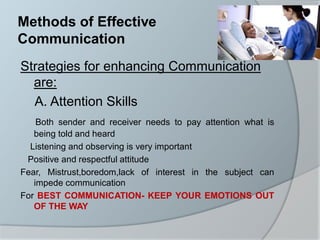
Methods of Effective
Communication
Strategies for enhancing Communication
are:
A. Attention Skills
Both sender and receiver needs to pay attention what is
being told and heard
Listening and observing is very important
Positive and respectful attitude
Fear, Mistrust,boredom,lack of interest in the subject can
impede communication
For BEST COMMUNICATION- KEEP YOUR EMOTIONS OUT
OF THE WAY
 B.Rapport Building
Matching ourselves with other person
Effective strategies:
Use non threatening safe topics,talk
about shared experience,avoid talking
too much about yourself
Listen to what other person is saying
Try to inject a little humor.Laughing
together creates harmony
 Maintain eye contact
 Show empathy
Rapport is all about finding similarities and
Being on the same wavelength with
other person
 C. Empathy Skills
Empathy is the ability to see the world as
the other person and understand other
person”s feelings
,needs,concerns,emotional state etc
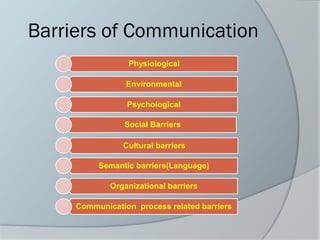
Barriers of Communication
Physiological
Environmental
Psychological
Social Barriers
Cultural barriers
Semantic barriers(Language)
Organizational barriers
Communication process related barriers
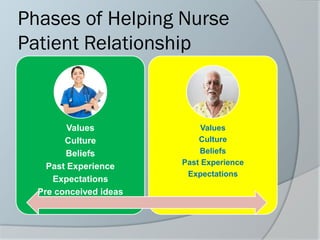
Phases of Helping Nurse
Patient Relationship
Values
Culture
Beliefs
Past Experience
Expectations
Pre conceived ideas
Values
Culture
Beliefs
Past Experience
Expectations
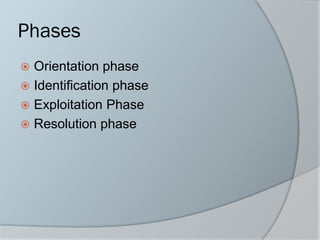
Phases
 Orientation phase
 Identification phase
 Exploitation Phase
 Resolution phase
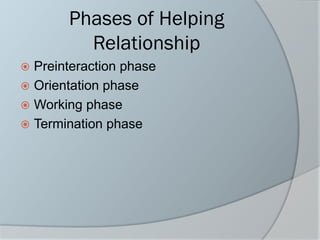
Phases of Helping
Relationship
 Preinteraction phase
 Orientation phase
 Working phase
 Termination phase

Communication-and-Nurse-Patient-Relationship.pdf

  • 1.
    Communication and nursepatient relationship
  • 2.
    Objective  Communicate effectivelywith patients, family and team  Maintain effective human relations projecting professional image.  Appreciate the importance of patient teaching in nursing
  • 3.
    Contents  Communication -Definition -Levels -Elements -Types -Factors influencingcommunication -Methods of effective communication -Attending skills,Rapport bulding skills,empathy skills
  • 4.
    Contents  Barriers toeffective communication  Helping relationship(Nurse patient relationship)-Definition, goals, phases of helping relationship  Patient teaching-Purpose, principles, role of nurse
  • 5.
    Definition  Communication (from Latincommunicare, meaning "to share")[1] is the act of conveying meanings from one entity or group to another through the use of mutually understood signs, symbols, and semiotic rules ❖ Semiotic means Signs and symbols
  • 6.
     Communication isan essential part of patient centred nursing care. Patient safety also requires effective communication otherwise it may lead to errors in workplace and professional credibility
  • 7.
     Communication isthe meaningful way of establishing healthy relationship. All behaviour communicates and all communication influences behaviour .So communication is essential to nurse patient relationship.
  • 8.
    Nurses express theircare in following ways:  BECOMING SENSITIVE TO SELF AND OTHERS  PROMOTING AND ACCEPTING THE EXPRESSION OF POSITIVE AND NEGATIVE FEELING  DEVELOPING HELPING TRUST RELATIONSHIP  INSTILLING FAITH AND HOPE  PROMOTING INTER PERSONAL TEACHING AND LEARNING  PROVIDING A SUPPORTIVE ENVIRONMENT  ASSISTING WITH GRETIFICATION OF HUMAN NEEDS  ALLOWING FOR SPIRITUAl EXPRESSION
  • 9.
     Communication istransmission of human energy .Nurses communication can result both in good and harm. Nurses posture, expression and gesture, every word spoken and attitude held etc can affect nurse patient relationship.
  • 10.
    DEVELOPING GOOD COMMUNICATION SKILLS It requires both an understanding of the communication process and reflection about ones communication experience as a nurse. Critical thinking by nurse is highly needed to become competent communicators.  Curiosity is needed for effective communication .Self confident attitude can enhance nurse patient relationship and communication
  • 11.
     Each individualbases his or her perception about information through five senses which is influenced by both culture and education. Communication is very much essential in all phases of nursing process. Effective communication techniques are easy to learn but implementation is challenging. 
  • 12.
    LEVELS OF COMMUNICATION INTRAPERSONAL COMMUNICATION  INTERPERSONAL COMMUNICATION  TRANSPERSONAL COMMUNICATION  SMALL GROUP COMMUNICATION  PUBLIC COMMUNICATION
  • 13.
     INTRAPERSONAL COMMUNICATION Occurs within individual. It is also called as inner thought, self talk etc. It gives a mental rehearsal for difficult task or situation. So they can meet them effectively and with increased confidence. It also helps build and develop self awareness.
  • 14.
     INTERPERSONAL COMMUNICATION This is one to one interaction mostly face to face. It lies at the heart of nursing practice. It occurs in the solid context .Nurses work with people of different background and it is important to validate meaningful or mutually negotiate it between participants. This result in exchange of ideas, problem solving, expression of feeling, decision making good accomplishment, team building and personal growth.
  • 15.
     TRANSPERSONAL COMMUNICATION It occurs within the persons spiritual domain. Many people use prayers, medication, religious rituals or other means to communicate with higher power. Nurses should assess and assist their persons in trans - communication.
  • 16.
     SMALL GROUPCOMMUNICATION  It happens when a small number of people meet. Usually when nurses work in communities lead patient support groups, form research groups and participate in patient care conferences. This becomes very effective when the group is cohesive and committed.
  • 17.
     PUBLIC COMMUNICATION This is interaction with an audience. For example: Address health care consumers, present scholarly work in conference, leading class room discussion etc. Requires special adaptation in eye contact, gesture, voice inflection and use of new media material to communicate effectively. It increases audience knowledge about health related issues, materials and other issues important to nursing program.
  • 18.
    BASIC ELEMENTS OF COMMUNICATIONPROCESS  REFERANCE  SENDER AND RECEIVER  MESSAGE  CHANNEL  FEEDBACK  INTERPERSONAL VARIABLES  ENVIRONMENT
  • 20.
    Circular Transactional Model It includes various elements  In this model each person in the communication interaction is both speaker and a listner and can be simultaneously sending and receiving messages  It is a continous and interactive activity  Feedback from the receiver or environment enables the communicators to correct or validate communication
  • 21.
    Referent  The referentmotivates one person to communicate with other  Eg.Sights,sounds,sensation,perception etc are examples of cues that initiate communication process  Knowing a stimulus or referent that initiates communication will help you develop and organize messages effectively
  • 22.
    Sender and receiver Sender is the one who ENCODES AND DELIVERS MESSAGE  RECEIVER is the person who receives and DECODES Message  The sender puts message into verbal and nonverbal symbols that the receiver can understand.The senders message acts as a REFERENT to receiver
  • 23.
     Sender andreceiver switches the role back and forth  In decoding the receiver interprets the message  Active listening is impotant for correct interpretation  The more the commonness between sender and receiver-Better will be the communication
  • 24.
    Message  Content ofcommunication which contains verbal and nonverbal expression of thoughts and feelings  Effective message –clear,direct and in understandable language Eg.Wound shows growth of granulation tissue ????
  • 25.
    Channels  Means ofsending messages Visual.Auditory,Tactile Facial expressions-Visual Touch-Tactile The more the channel-Better communication
  • 26.
    Feedback  It isthe message the a receiver receives from the sender.It indicates whether the receiver understood the initial message from the sender  Type of feedback depends on their background,prior experience,attitude,cultural belief and self esteem
  • 27.
    Interpersonal variables  Factorswithin both sender and receiver that influence communication Individual’s culture,experience etc Interpersonal variables associated withillness such as pain,anxiety,medication effect also affect nurse patient relationship
  • 28.
    Environment  Setting forsender receiver interaction  Should provide physical and emotional comfort and safety  Noise, lack of privacy, temperature extremes, etc can affect communication  Favourable environment is needed for effective communication
  • 29.
    Forms of Communication A.VERBAL COMMUNICATION B.NON VERBAL COMMUNICATION
  • 30.
    Verbal Communication  Ituses spoken or written word  Verbal language is a code that conveys specific meaning through a combination of words
  • 31.
    Important Aspects ofVerbal Communication  Vocabulary  Denotative and connotative meaning  Pacing  Intonation  Clarity and Brevity  Timing and Relevance
  • 32.
    Non verbal communication Involves five senses and communication that doesnot involve spoken or written word  Non verbal aspects of communication involves eye contact,voice tone,body positioning etc  Sociocultural background has a majpr influence on non verbal communication
  • 33.
    Factors influencing Nonverbal Communication Personal Apperance  Posture and Gait  Facial Expression  Eye contact  Gestures  Sounds  Territoriality and personal space  Metacommunication(all factors that affect communication.eg Incongruity between what is felt and what is said)
  • 34.
    Methods of Effective Communication Strategiesfor enhancing Communication are: A. Attention Skills Both sender and receiver needs to pay attention what is being told and heard Listening and observing is very important Positive and respectful attitude Fear, Mistrust,boredom,lack of interest in the subject can impede communication For BEST COMMUNICATION- KEEP YOUR EMOTIONS OUT OF THE WAY
  • 35.
     B.Rapport Building Matchingourselves with other person Effective strategies: Use non threatening safe topics,talk about shared experience,avoid talking too much about yourself Listen to what other person is saying Try to inject a little humor.Laughing together creates harmony
  • 36.
     Maintain eyecontact  Show empathy Rapport is all about finding similarities and Being on the same wavelength with other person
  • 37.
     C. EmpathySkills Empathy is the ability to see the world as the other person and understand other person”s feelings ,needs,concerns,emotional state etc
  • 38.
    Barriers of Communication Physiological Environmental Psychological SocialBarriers Cultural barriers Semantic barriers(Language) Organizational barriers Communication process related barriers
  • 39.
    Phases of HelpingNurse Patient Relationship Values Culture Beliefs Past Experience Expectations Pre conceived ideas Values Culture Beliefs Past Experience Expectations
  • 40.
    Phases  Orientation phase Identification phase  Exploitation Phase  Resolution phase
  • 41.
    Phases of Helping Relationship Preinteraction phase  Orientation phase  Working phase  Termination phase