Quick Facts
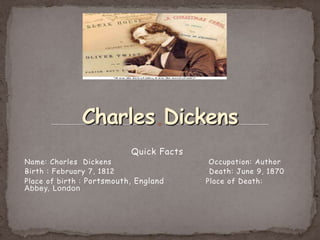
Name: Charles Dickens Occupation: Author
Birth : February 7, 1812 Death: June 9, 1870
Place of birth : Portsmouth, England Place of Death:
Abbey, London
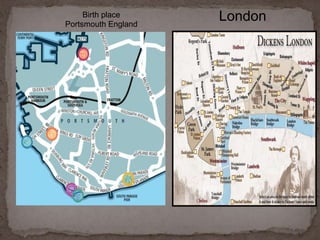
Birth place
Portsmouth England
London
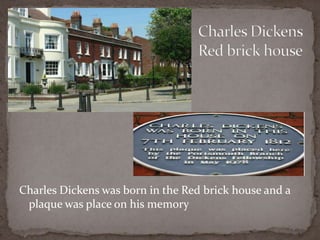
Charles Dickens was born in the Red brick house and a
plaque was place on his memory
 Portsmouth Museums and Records
http://www.charlesdickensbirthplace.co.uk/map.htm
• Birkbeck University of London
http://www.19.bbk.ac.uk/index.php/19/article/view/604/772
• Charles Dickens Page
http://charlesdickenspage.com/
• Charles Dickens Victorian Web Site
http://landow.stg.brown.edu/victorian/dickens/dickensov.html
• Victoriana
http://www.victoriana.com/welcome/
• The World of Charles Dickens
http://www.geocities.com/pdubelbeis/
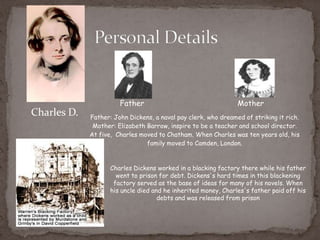
Father: John Dickens, a naval pay clerk, who dreamed of striking it rich.
Mother: Elizabeth Barrow, inspire to be a teacher and school director.
At five, Charles moved to Chatham. When Charles was ten years old, his
family moved to Camden, London.
Charles Dickens worked in a blacking factory there while his father
went to prison for debt. Dickens's hard times in this blackening
factory served as the base of ideas for many of his novels. When
his uncle died and he inherited money, Charles's father paid off his
debts and was released from prison
Mother
Charles D.
Father
Dickens major novels were published serially-monthly or weekly. A full length
novel cost 31 shillings. In 1836, 6 to 20 shillings were earned per week. A
monthly installment (32 pages with 2 illustrations and advertisements) could
be sold for a shilling.
Some Novels Titles
The Pickwick Papers 1836
Oliver Twist - 1837
Nicholas Nickleby - 1838
The Old Curiosity Shop - 1840
Barnaby Rudge - 1841
Martin Chuzzlewit - 1843
Dombey and Son - 1846
David Copperfield - 1849
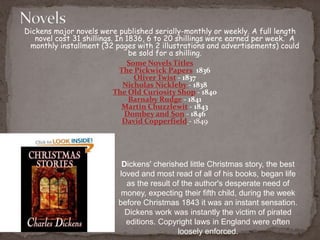
Dickens' cherished little Christmas story, the best
loved and most read of all of his books, began life
as the result of the author's desperate need of
money, expecting their fifth child, during the week
before Christmas 1843 it was an instant sensation.
Dickens work was instantly the victim of pirated
editions. Copyright laws in England were often
loosely enforced.
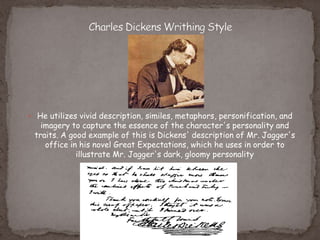
 He utilizes vivid description, similes, metaphors, personification, and
imagery to capture the essence of the character's personality and
traits. A good example of this is Dickens' description of Mr. Jagger's
office in his novel Great Expectations, which he uses in order to
illustrate Mr. Jagger's dark, gloomy personality
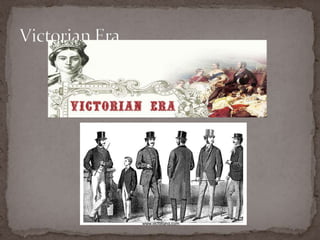
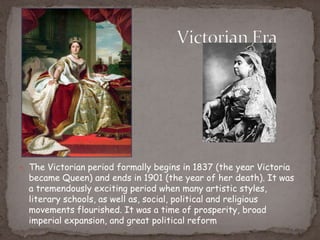
 The Victorian period formally begins in 1837 (the year Victoria
became Queen) and ends in 1901 (the year of her death). It was
a tremendously exciting period when many artistic styles,
literary schools, as well as, social, political and religious
movements flourished. It was a time of prosperity, broad
imperial expansion, and great political reform
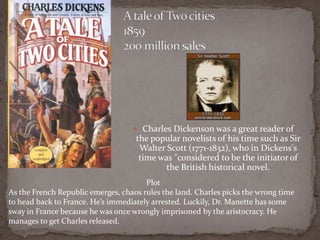
 Charles Dickenson was a great reader of
the popular novelists of his time such as Sir
Walter Scott (1771-1832), who in Dickens's
time was "considered to be the initiator of
the British historical novel.
Plot
As the French Republic emerges, chaos rules the land. Charles picks the wrong time
to head back to France. He’s immediately arrested. Luckily, Dr. Manette has some
sway in France because he was once wrongly imprisoned by the aristocracy. He
manages to get Charles released.
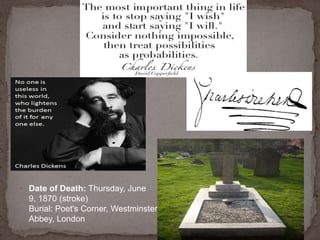
 Date of Death: Thursday, June
9, 1870 (stroke)
Burial: Poet's Corner, Westminster
Abbey, London

Charles dickens eng 102 oxnard college

  • 1.
    Quick Facts Name: CharlesDickens Occupation: Author Birth : February 7, 1812 Death: June 9, 1870 Place of birth : Portsmouth, England Place of Death: Abbey, London
  • 2.
  • 3.
    Charles Dickens wasborn in the Red brick house and a plaque was place on his memory
  • 5.
     Portsmouth Museumsand Records http://www.charlesdickensbirthplace.co.uk/map.htm • Birkbeck University of London http://www.19.bbk.ac.uk/index.php/19/article/view/604/772 • Charles Dickens Page http://charlesdickenspage.com/ • Charles Dickens Victorian Web Site http://landow.stg.brown.edu/victorian/dickens/dickensov.html • Victoriana http://www.victoriana.com/welcome/ • The World of Charles Dickens http://www.geocities.com/pdubelbeis/
  • 6.
    Father: John Dickens,a naval pay clerk, who dreamed of striking it rich. Mother: Elizabeth Barrow, inspire to be a teacher and school director. At five, Charles moved to Chatham. When Charles was ten years old, his family moved to Camden, London. Charles Dickens worked in a blacking factory there while his father went to prison for debt. Dickens's hard times in this blackening factory served as the base of ideas for many of his novels. When his uncle died and he inherited money, Charles's father paid off his debts and was released from prison Mother Charles D. Father
  • 7.
    Dickens major novelswere published serially-monthly or weekly. A full length novel cost 31 shillings. In 1836, 6 to 20 shillings were earned per week. A monthly installment (32 pages with 2 illustrations and advertisements) could be sold for a shilling. Some Novels Titles The Pickwick Papers 1836 Oliver Twist - 1837 Nicholas Nickleby - 1838 The Old Curiosity Shop - 1840 Barnaby Rudge - 1841 Martin Chuzzlewit - 1843 Dombey and Son - 1846 David Copperfield - 1849 Dickens' cherished little Christmas story, the best loved and most read of all of his books, began life as the result of the author's desperate need of money, expecting their fifth child, during the week before Christmas 1843 it was an instant sensation. Dickens work was instantly the victim of pirated editions. Copyright laws in England were often loosely enforced.
  • 8.
     He utilizesvivid description, similes, metaphors, personification, and imagery to capture the essence of the character's personality and traits. A good example of this is Dickens' description of Mr. Jagger's office in his novel Great Expectations, which he uses in order to illustrate Mr. Jagger's dark, gloomy personality
  • 10.
     The Victorianperiod formally begins in 1837 (the year Victoria became Queen) and ends in 1901 (the year of her death). It was a tremendously exciting period when many artistic styles, literary schools, as well as, social, political and religious movements flourished. It was a time of prosperity, broad imperial expansion, and great political reform
  • 11.
     Charles Dickensonwas a great reader of the popular novelists of his time such as Sir Walter Scott (1771-1832), who in Dickens's time was "considered to be the initiator of the British historical novel. Plot As the French Republic emerges, chaos rules the land. Charles picks the wrong time to head back to France. He’s immediately arrested. Luckily, Dr. Manette has some sway in France because he was once wrongly imprisoned by the aristocracy. He manages to get Charles released.
  • 12.
     Date ofDeath: Thursday, June 9, 1870 (stroke) Burial: Poet's Corner, Westminster Abbey, London