Chapter 43:
Two Americas
Why did poverty persist in the
United States in an age of
affluence?
Introduction
• Booming economic growth since World War
II had led many government officials and
leading intellectuals to believe that poverty
would soon be eradicated.
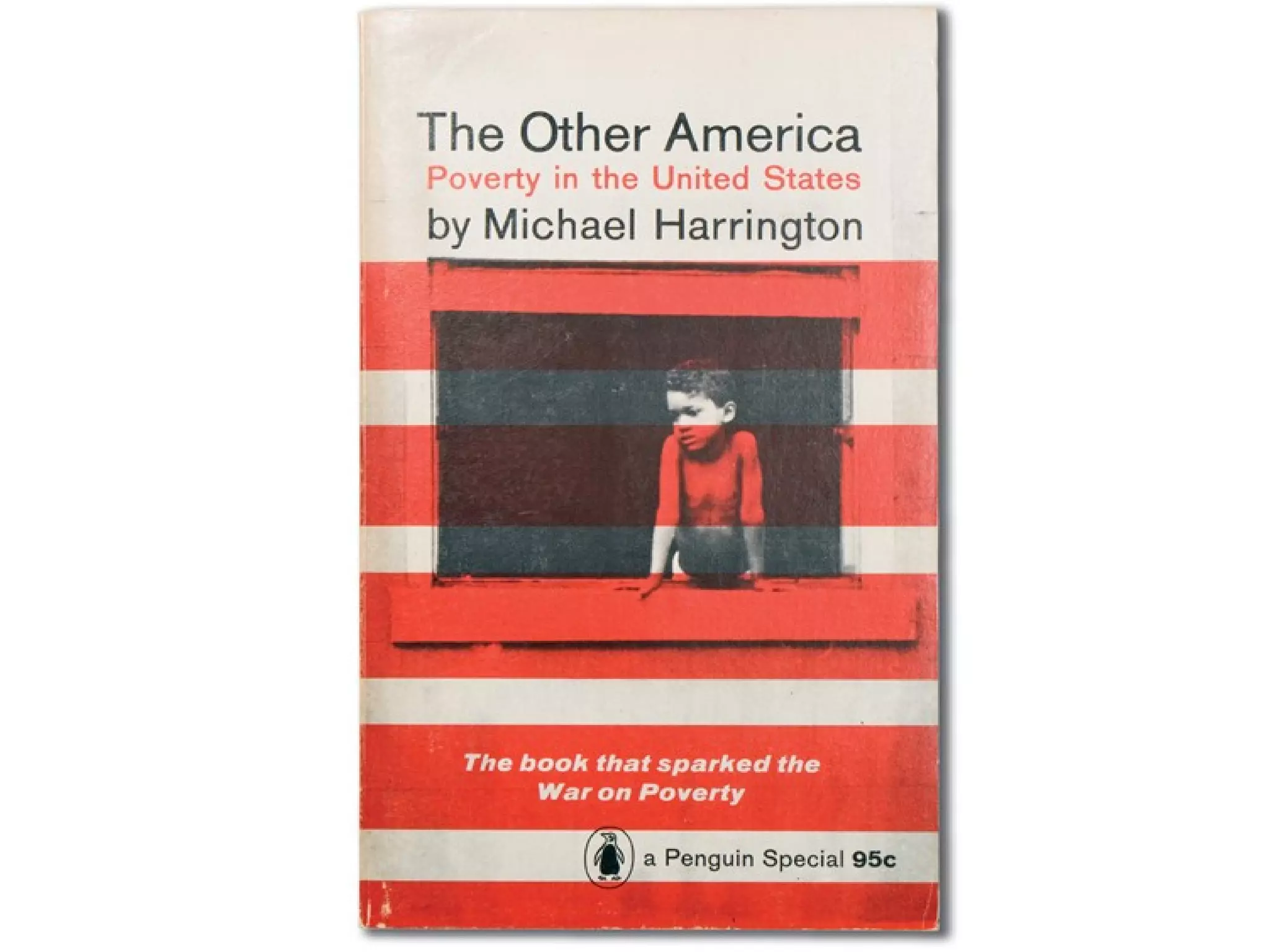
• In 1962, a new book called The Other
America jolted the nation out of its
complacency. Written by social activist
Michael Harrington, the book described two
Americas—one affluent, the other
impoverished.
• Harrington’s book shocked readers
with the details of what he called the
“enormous and intolerable fact of
poverty in America.”
• The Other America generated a
national discussion about the
responsibility of government to
address gross inequalities in American
society.
The Persistence of Poverty in an
Affluent Society
• Most people understand poverty as the
lack of means—money, material goods,
or other resources—to live decently.
• For much of U.S. history, many
Americans felt poverty to be as much a
moral condition as an economic
problem.
• At the same time, society recognized
that poverty could result from
misfortune.
• In the late 1800s, social scientists
began examining poverty more
objectively, viewing it in economic
rather than moral terms.  
• By the end of the 1950s, about one in
four Americans lived below the poverty
line. 
• Harrington contended that the
movement of middle-class families to
the suburbs after World War II was one
reason for the general lack of
knowledge about America’s poor.  
• Age was another factor that made the
poor hard to see.  
• In addition, the poor wielded no
political power. This made it easy for
others to ignore them. 
The Landscape of Poverty in a
"Land of Plenty"
• As middle-class whites moved out of
cities in the 1950s, poor people moved
in. 
• Black and Latino populations became
concentrated in decaying, inner-city
areas that were being abandoned by
whites. These blighted neighborhoods
turned into overcrowded slums with
high rates of poverty and
unemployment. 
• To rectify this problem, Congress passed
the Housing Act of 1949. 
• Despite its lofty-sounding goal, however, the
Housing Act of 1949 made urban poverty
worse. 
• American farmers also faced poverty. 
• After World War II, new agricultural
technology contributed to the growth
of agribusiness—the industry of food
production by large corporations or wealthy
individuals.  
• Agribusiness was profitable, but its
earnings accumulated at the expense
of the rural poor.
• Small farmers could not compete with
the giant corporate farms, and many
sank into poverty.
• As a result, thousands of poor rural
whites and blacks moved off the land
and into cities in search of work. 
• On large corporate farms, migrant
workers endured low pay and wretched
living conditions.  
• Appalachia, a mountainous region in
the South, was another rural outpost of
poverty. 
• Perhaps the poorest U.S. citizens were
American Indians.  
• In 1953, Congress voted to terminate
the government’s responsibility for
American Indians.
• The termination policy ended federal
aid to tribes, withdrew federal land
protection, and distributed tribal land
among individuals.
• More than 100 Indian tribes and bands
were eventually "terminated."  
• Without economic aid, their poverty
grew worse.
• Destitute tribes were forced to sell their
land, resulting in the loss of more than
1 million acres of land.
• Termination eventually proved to be a
failure, and in 1963, the policy was
abandoned.
Current Connections: The
Changing Face of Poverty in
America
• Over time, however, the face of poverty
has changed.  
• Since the publication of The Other
America, the United States has made
progress in reducing poverty. 
• The age groups most likely to be poor
have changed over the past half
century. 
• Among working-age adults, the poverty
rate has not changed dramatically
since 1965.
• Among all ethnic groups, African
Americans have made the most
dramatic gains since Harrington's
time.
• Even so, African Americans' poverty
rate is almost three times higher than
that of whites. In fact, naturalized
citizens have a lower poverty rate than
native-born Americans.
Summary
• Michael Harrington’s The Other
America revealed that despite the
general affluence of the 1950s, millions
of “socially visible” Americans lived in
poverty. Although people’s views and
understanding of poverty have
changed over time, the problem
persists.

Chapter 43

  • 1.
    Chapter 43: Two Americas Whydid poverty persist in the United States in an age of affluence?
  • 2.
    Introduction • Booming economicgrowth since World War II had led many government officials and leading intellectuals to believe that poverty would soon be eradicated. • In 1962, a new book called The Other America jolted the nation out of its complacency. Written by social activist Michael Harrington, the book described two Americas—one affluent, the other impoverished.
  • 3.
    • Harrington’s bookshocked readers with the details of what he called the “enormous and intolerable fact of poverty in America.” • The Other America generated a national discussion about the responsibility of government to address gross inequalities in American society.
  • 5.
    The Persistence ofPoverty in an Affluent Society • Most people understand poverty as the lack of means—money, material goods, or other resources—to live decently. • For much of U.S. history, many Americans felt poverty to be as much a moral condition as an economic problem. • At the same time, society recognized that poverty could result from misfortune.
  • 6.
    • In thelate 1800s, social scientists began examining poverty more objectively, viewing it in economic rather than moral terms.   • By the end of the 1950s, about one in four Americans lived below the poverty line.  • Harrington contended that the movement of middle-class families to the suburbs after World War II was one reason for the general lack of knowledge about America’s poor.  
  • 7.
    • Age wasanother factor that made the poor hard to see.   • In addition, the poor wielded no political power. This made it easy for others to ignore them. 
  • 8.
    The Landscape ofPoverty in a "Land of Plenty" • As middle-class whites moved out of cities in the 1950s, poor people moved in.  • Black and Latino populations became concentrated in decaying, inner-city areas that were being abandoned by whites. These blighted neighborhoods turned into overcrowded slums with high rates of poverty and unemployment. 
  • 9.
    • To rectifythis problem, Congress passed the Housing Act of 1949.  • Despite its lofty-sounding goal, however, the Housing Act of 1949 made urban poverty worse.  • American farmers also faced poverty.  • After World War II, new agricultural technology contributed to the growth of agribusiness—the industry of food production by large corporations or wealthy individuals.  
  • 10.
    • Agribusiness wasprofitable, but its earnings accumulated at the expense of the rural poor. • Small farmers could not compete with the giant corporate farms, and many sank into poverty. • As a result, thousands of poor rural whites and blacks moved off the land and into cities in search of work. 
  • 11.
    • On largecorporate farms, migrant workers endured low pay and wretched living conditions.   • Appalachia, a mountainous region in the South, was another rural outpost of poverty.  • Perhaps the poorest U.S. citizens were American Indians.  
  • 12.
    • In 1953,Congress voted to terminate the government’s responsibility for American Indians. • The termination policy ended federal aid to tribes, withdrew federal land protection, and distributed tribal land among individuals. • More than 100 Indian tribes and bands were eventually "terminated."  
  • 13.
    • Without economicaid, their poverty grew worse. • Destitute tribes were forced to sell their land, resulting in the loss of more than 1 million acres of land. • Termination eventually proved to be a failure, and in 1963, the policy was abandoned.
  • 15.
    Current Connections: The ChangingFace of Poverty in America • Over time, however, the face of poverty has changed.   • Since the publication of The Other America, the United States has made progress in reducing poverty.  • The age groups most likely to be poor have changed over the past half century. 
  • 16.
    • Among working-ageadults, the poverty rate has not changed dramatically since 1965. • Among all ethnic groups, African Americans have made the most dramatic gains since Harrington's time. • Even so, African Americans' poverty rate is almost three times higher than that of whites. In fact, naturalized citizens have a lower poverty rate than native-born Americans.
  • 17.
    Summary • Michael Harrington’sThe Other America revealed that despite the general affluence of the 1950s, millions of “socially visible” Americans lived in poverty. Although people’s views and understanding of poverty have changed over time, the problem persists.