CHAPTER 3
CULTURE
CULTURE
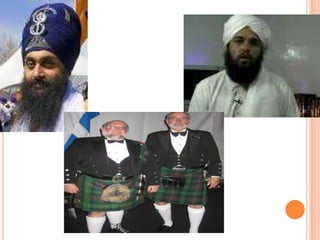
 “The distinctive way of living of a group of people.”

 “Culture is the characteristics of a particular group
 of people, defined by everything including
 language, religion, social habits, music, arts and
 lifestyle.”
Nonmaterial Culture

 Includes the words that people use, ideas, beliefs and
 habits.

Material Culture

 Physical substances used by people, like tools,
 automobiles, roads, farms etc.
EXAMPLES
Material
Shopping centers.

Nonmaterial
The way people shop in the shopping centers.
IMPORTANT TERMS
National Character
Differences that distinguishes one national
group from another.
Silent Language
Non-verbal language like gestures, postures,
symbols, food and drinking habits.
Taboos
Prohibited things in a culture, like color, phrase or
symbols.
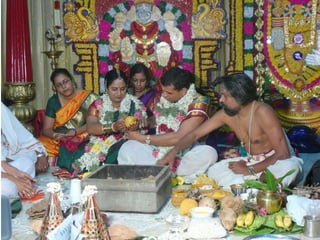
Rituals
A ritual is a set of actions, performed mainly for
their symbolic value.
It is usually repeated over a fixed episodic
sequence, and repeats over and over again.

Example
Hajj, Dewali, Eid ets
CHARACTERISTICS OF CULTURE
1.  Culture is Invented
Culture does not exist to be discovered but rather
    invented by groups of people.
a.Ideological System
Ideas, beliefs, values and way of reasoning
things.
b.Technological systems
Consists of skills, crafts, arts used to produce
material things
c. Organizational Systems
In coordination with others.
E.g. family system and social class.

2. Culture is Learned.
Culture is passed from one generation to
another.
Younger generation learns the culture from the
senior one.
e.g. corruption in Pakistan.
3. Culture is Socially Shared.
We share the our culture with others.

Adapt other cultures in to our culture.

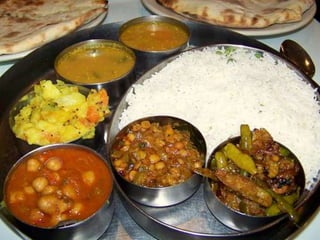
The food we eat and clothes we wear are

elements of imported culture.

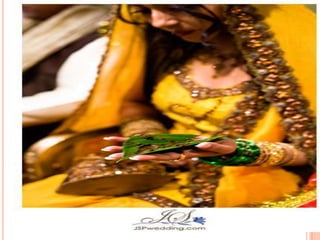
e.g. Basant, Mehndi, Valantines etc
4. Cultures are Similar but Different
All cultures have a lot in common.

Like all cultures have food, dresses, songs,

dances, worshiping style etc.

Yet all these elements are different among

other cultures.

e.g. Hajj and The Mela of KUM KUM
6. Culture is Adaptive.
Although culture is persistent and does not

change over night, yet it is adaptive.

It is always changing gradually by the passing

time.

Some old things fade away while new things

enter in to it.

Some culture change slowly while others rapidly.
5. Culture is Gratifying and Persistent
A culture is happily meeting the needs of its

practitioners.

They are driving a sense of happiness and

satisfaction from their culture.

So it stays over a longer period of time and does

not change overnight.
7. Culture is Organized and Integrated.
All cultures follow a set of rules and are hanging

together upon those.

All elements must fit together to form a

consistent and integrated culture.

The guide lines set must be rationale and

understandable.
8. Culture is Prescriptive
Culture gives direction.
What to do in what situation etc.
Norms
Rules or guideline of behavior in a given

situation whether acceptable or not.
Sanctions
To impose a penalty in case of wrongful act.
Mores
Norms that have been converted into law.
e.g. murder, robbery etc
IMPORTANT CULTURAL VALUES
1.   Individualism

2.   Equality

3.   Activity

4.   Progress and Achievement
5. Efficiency and Practicality

6. Mastery over the Environment

7. Religious and Moral Orientation

8. Humanitarianism
9. Youthfulness

10. Materialism

11. Social interaction and Conformity
QUIZ
Chapter 3
Chapter 3
Chapter 3
Chapter 3
Chapter 3
Chapter 3
Chapter 3
Chapter 3
Chapter 3
Chapter 3
Chapter 3
Chapter 3
Chapter 3
Chapter 3

Chapter 3

  • 1.
  • 2.
    CULTURE “The distinctiveway of living of a group of people.” “Culture is the characteristics of a particular group of people, defined by everything including language, religion, social habits, music, arts and lifestyle.”
  • 12.
    Nonmaterial Culture Includesthe words that people use, ideas, beliefs and habits. Material Culture Physical substances used by people, like tools, automobiles, roads, farms etc.
  • 13.
    EXAMPLES Material Shopping centers. Nonmaterial The waypeople shop in the shopping centers.
  • 14.
    IMPORTANT TERMS National Character Differencesthat distinguishes one national group from another. Silent Language Non-verbal language like gestures, postures, symbols, food and drinking habits. Taboos Prohibited things in a culture, like color, phrase or symbols.
  • 15.
    Rituals A ritual isa set of actions, performed mainly for their symbolic value. It is usually repeated over a fixed episodic sequence, and repeats over and over again. Example Hajj, Dewali, Eid ets
  • 16.
    CHARACTERISTICS OF CULTURE 1. Culture is Invented Culture does not exist to be discovered but rather invented by groups of people. a.Ideological System Ideas, beliefs, values and way of reasoning things. b.Technological systems Consists of skills, crafts, arts used to produce material things
  • 17.
    c. Organizational Systems Incoordination with others. E.g. family system and social class. 2. Culture is Learned. Culture is passed from one generation to another. Younger generation learns the culture from the senior one. e.g. corruption in Pakistan.
  • 18.
    3. Culture isSocially Shared. We share the our culture with others. Adapt other cultures in to our culture. The food we eat and clothes we wear are elements of imported culture. e.g. Basant, Mehndi, Valantines etc
  • 19.
    4. Cultures areSimilar but Different All cultures have a lot in common. Like all cultures have food, dresses, songs, dances, worshiping style etc. Yet all these elements are different among other cultures. e.g. Hajj and The Mela of KUM KUM
  • 20.
    6. Culture isAdaptive. Although culture is persistent and does not change over night, yet it is adaptive. It is always changing gradually by the passing time. Some old things fade away while new things enter in to it. Some culture change slowly while others rapidly.
  • 21.
    5. Culture isGratifying and Persistent A culture is happily meeting the needs of its practitioners. They are driving a sense of happiness and satisfaction from their culture. So it stays over a longer period of time and does not change overnight.
  • 22.
    7. Culture isOrganized and Integrated. All cultures follow a set of rules and are hanging together upon those. All elements must fit together to form a consistent and integrated culture. The guide lines set must be rationale and understandable.
  • 23.
    8. Culture isPrescriptive Culture gives direction. What to do in what situation etc. Norms Rules or guideline of behavior in a given situation whether acceptable or not. Sanctions To impose a penalty in case of wrongful act. Mores Norms that have been converted into law. e.g. murder, robbery etc


  • 24.
    IMPORTANT CULTURAL VALUES 1. Individualism 2. Equality 3. Activity 4. Progress and Achievement
  • 25.
    5. Efficiency andPracticality 6. Mastery over the Environment 7. Religious and Moral Orientation 8. Humanitarianism
  • 26.
    9. Youthfulness 10. Materialism 11.Social interaction and Conformity
  • 27.