Introduction to Fire Protection 3rd Edition
Chapter 1 Fire Technology Education and the Firefighter Selection Process
Objectives Explain the differences between a community college certificate, an associate degree, and a four-year degree in fire technology List the advantages of obtaining a certificate or degree Assess your career potential in the fire service Give examples of work ethics
Objectives (con’t.) Explain the need for sensitivity to diversity inside and outside the workplace Describe the different levels and availability of training programs Give examples of different types of personnel development programs List the steps in the selection process and important aspects of each
Objectives (con’t.) List ways you can prepare for the selection process Explain the purpose and importance of the probationary period Identify the steps in setting SMART goals
Introduction Firefighting technology curriculum involves technical training and manipulative training For firefighter jobs and for non-firefighter jobs Technical training Specifications of equipment Necessary calculations to operate equipment Manipulative training Operation of tools and equipment
College Fire Technology Programs Certificate programs – set number of accredited core courses and gen. ed. courses – no degree but an accumulated body of knowledge (most nontransferable) Associate’s degree- schools differ Bachelor’s degree – Several in the U.S- Cal. State (L.A), OK State, U. Maryland On-site programs Distance learning programs
Bachelor degree programs California state L.A.- fire protection admin. OK State-fire protection and safety Tech. including an internship program U. Maryland- fire protection engineering Northwood University Mich. – online degree in fire service management Dept. Homeland security – online and regional
Purpose of Education Increasing chances for employment Completion of probationary period Professional development Preparation for promotion Pay incentives
FESHE Began with conference in 2000 (NFA) Produced the service related training curriculum. Fire and Emergency Services Higher Education (FESHE) Professional Development for the Fire Service: Transforming to a National System Attended by fire service leaders from across the country Created experience-based model in 2002 Integration of training and education
Core Curriculum for  Associate Degrees Building Construction for Fire Protection Fire Behavior and Combustion Fire Prevention Fire Protection Hydraulics and Water Supply Fire Protection Systems Principles of Emergency Services
Noncore Courses Fire Administration I Occupational Safety and Health Legal Aspects of the Emergency Services Hazardous Materials Chemistry Strategy and Tactics Fire Investigation I Fire Investigation II
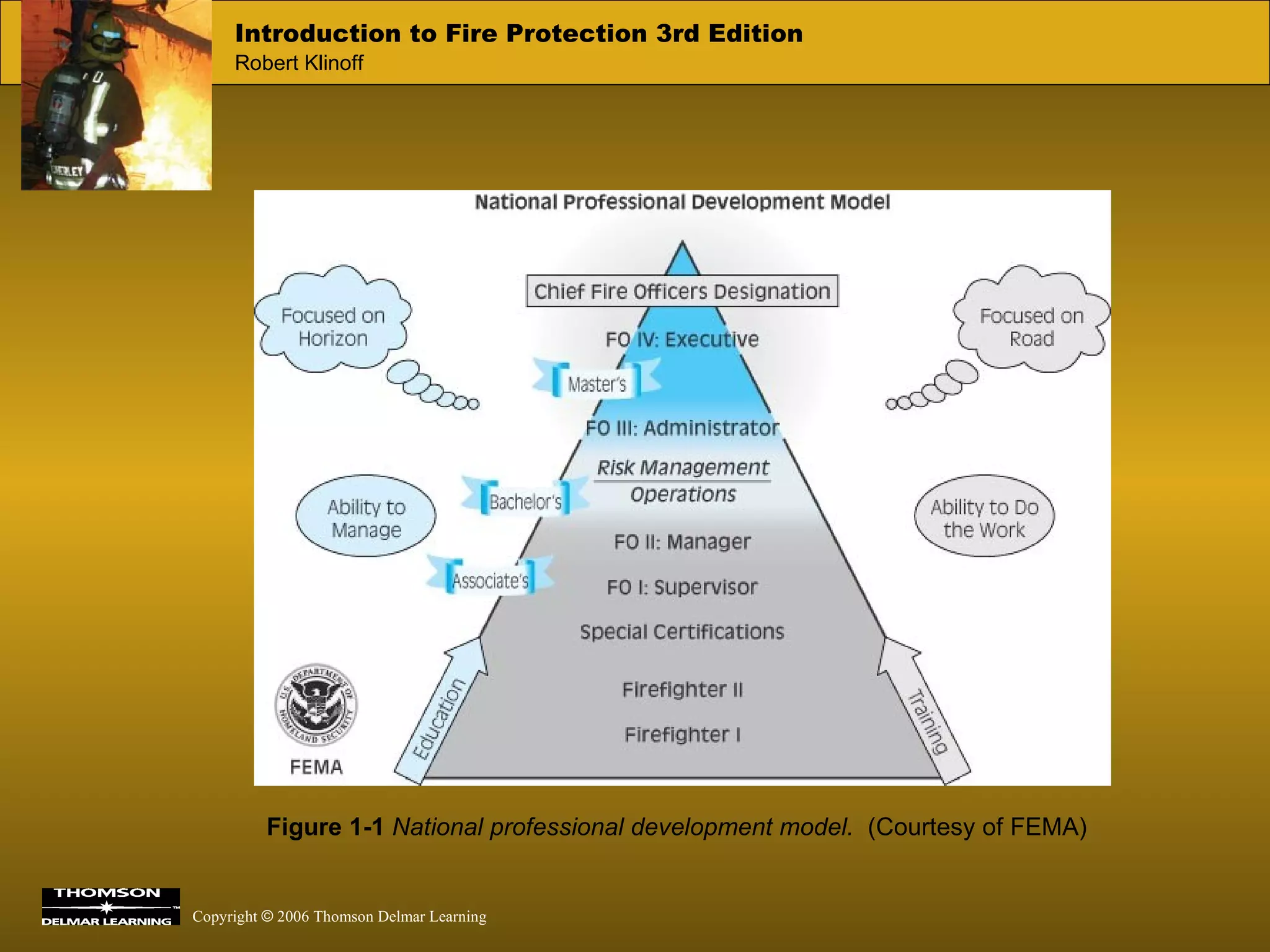
Figure 1-1   National professional development model.  (Courtesy of FEMA)
NFA Degree at a Distance Program (DDP) Advanced Fire Administration Analytical Approaches to Public Fire Protection Applications of Fire Research Community and the Fire Threat Disaster and Fire Defense Planning Fire Dynamics Fire Prevention Organization and Management Fire Protections Structures and Systems Design
NFA DDP (con’t.) Fire-Related Human Behavior Incendiary Fire Analysis and Investigation Managerial Issues in Hazardous Materials Personnel Management in the Fire Service Political and Legal Foundations of Fire Protection Upper level (bachelor) curriculum
Other College Programs Public administration (masters available) Risk management Industrial hygiene Law Emergency medicine Chemistry Firefighter certification
Career Potential Assessment Character Team player Preparation and adaptability Job stress @ 100 killed every yr. High divorce rate, alcohol and drug use Physical fitness @1/2 die of heart related illness Are you ready?
Work Ethics and Human Relations Work environment Loyalty Dedication to duty Accept hardships Able to follow orders No freelancing Positive safety attitude
Training Programs Pre-service training Explorers Volunteer firefighter Reserve/cadet Emergency medical technician Paramedic
Training Programs (con’t.) Find training at: Local fire department Training associations Professional organizations
Training Programs (con’t.)   In-service Academy Station/Battalion/Department State  National
Personnel Development Programs Preparing for promotion Mentoring Firefighters as “generalists” Firefighters as “specialists”
Selection Process Varies with jurisdiction Begins with recruitment May involve prerequisites High school diploma or GED Firefighter I Emergency medical technician (EMT) Paramedic (EMTP)
Selection Process (con’t.) Application process Advertisement of opening Notification services Completion of application
Written Examination Reading comprehension Mathematics Mechanical aptitude Weighing written vs. oral examination Note : Preparation texts are available
Skills Test Tests for job-related mental ability Listening Recalling facts Taking directions Interpreting written and oral materials/instructions
Oral Examination/Interview Evaluates: Education Work experience Communication skills Preparation is very important
Physical Ability/Agility CPAT 8 events pass/fail max time 10 min. 20 sec. 50 lb vest  85 ft walk between events ( 20 sec rest) Event 1: stair climb additional 25 lbs Event 2: hose drag Event 3: equipment carry Event 4: ladder raise and extension
Physical Ability/Agility (con’t.) CPAT Event 5: forcible entry Event 6: search Event 7: rescue Event 8: ceiling breach and pull
Physical Ability/Agility (con’t.) Firefighter Combat Challenge Work capacity test for wildland firefighters Federal wildland firefighters Arduous fitness level Applicant must carry a 45-pound pack three miles in 45 minutes or less Equivalent to a pace of four miles per hour
Background Investigation Personal information Questionnaires to friends, relatives, coworkers, etc. Polygraph (lie detector test) Final interview after successful completion
Medical Examination Good general physical condition free from defects Heart Back Hearing Vision
Last step in selection process, lasting six months to a year May contain goals and testing Consists of final manipulative exam and final written exam Probationary Period
Must start with clearly defined goals Requires both planning and hard work Begin planning now  Hiring processes are competitive Goal Setting
SMART: Simple, Measurable, Accountable, Realistic, Timely Write goals down as a personal contract Current actions have future implications Prepare for CPAT or other physical ability test Goal Setting Process
Base goals on job requirements Seek mentors Don’t let failure stop you Adapt and overcome Celebrate success Goal Setting Process (con’t.)
Steps to achieving goals Visualize Write them down Take action Goal Setting Process (con’t.)
Process of becoming a firefighter Seek fire service-related education Practice for written/oral examinations Prepare for physical ability/agility tests Meet medical requirements Summary

Chapter 01

  • 1.
    Introduction to FireProtection 3rd Edition
  • 2.
    Chapter 1 FireTechnology Education and the Firefighter Selection Process
  • 3.
    Objectives Explain thedifferences between a community college certificate, an associate degree, and a four-year degree in fire technology List the advantages of obtaining a certificate or degree Assess your career potential in the fire service Give examples of work ethics
  • 4.
    Objectives (con’t.) Explainthe need for sensitivity to diversity inside and outside the workplace Describe the different levels and availability of training programs Give examples of different types of personnel development programs List the steps in the selection process and important aspects of each
  • 5.
    Objectives (con’t.) Listways you can prepare for the selection process Explain the purpose and importance of the probationary period Identify the steps in setting SMART goals
  • 6.
    Introduction Firefighting technologycurriculum involves technical training and manipulative training For firefighter jobs and for non-firefighter jobs Technical training Specifications of equipment Necessary calculations to operate equipment Manipulative training Operation of tools and equipment
  • 7.
    College Fire TechnologyPrograms Certificate programs – set number of accredited core courses and gen. ed. courses – no degree but an accumulated body of knowledge (most nontransferable) Associate’s degree- schools differ Bachelor’s degree – Several in the U.S- Cal. State (L.A), OK State, U. Maryland On-site programs Distance learning programs
  • 8.
    Bachelor degree programsCalifornia state L.A.- fire protection admin. OK State-fire protection and safety Tech. including an internship program U. Maryland- fire protection engineering Northwood University Mich. – online degree in fire service management Dept. Homeland security – online and regional
  • 9.
    Purpose of EducationIncreasing chances for employment Completion of probationary period Professional development Preparation for promotion Pay incentives
  • 10.
    FESHE Began withconference in 2000 (NFA) Produced the service related training curriculum. Fire and Emergency Services Higher Education (FESHE) Professional Development for the Fire Service: Transforming to a National System Attended by fire service leaders from across the country Created experience-based model in 2002 Integration of training and education
  • 11.
    Core Curriculum for Associate Degrees Building Construction for Fire Protection Fire Behavior and Combustion Fire Prevention Fire Protection Hydraulics and Water Supply Fire Protection Systems Principles of Emergency Services
  • 12.
    Noncore Courses FireAdministration I Occupational Safety and Health Legal Aspects of the Emergency Services Hazardous Materials Chemistry Strategy and Tactics Fire Investigation I Fire Investigation II
  • 13.
    Figure 1-1 National professional development model. (Courtesy of FEMA)
  • 14.
    NFA Degree ata Distance Program (DDP) Advanced Fire Administration Analytical Approaches to Public Fire Protection Applications of Fire Research Community and the Fire Threat Disaster and Fire Defense Planning Fire Dynamics Fire Prevention Organization and Management Fire Protections Structures and Systems Design
  • 15.
    NFA DDP (con’t.)Fire-Related Human Behavior Incendiary Fire Analysis and Investigation Managerial Issues in Hazardous Materials Personnel Management in the Fire Service Political and Legal Foundations of Fire Protection Upper level (bachelor) curriculum
  • 16.
    Other College ProgramsPublic administration (masters available) Risk management Industrial hygiene Law Emergency medicine Chemistry Firefighter certification
  • 17.
    Career Potential AssessmentCharacter Team player Preparation and adaptability Job stress @ 100 killed every yr. High divorce rate, alcohol and drug use Physical fitness @1/2 die of heart related illness Are you ready?
  • 18.
    Work Ethics andHuman Relations Work environment Loyalty Dedication to duty Accept hardships Able to follow orders No freelancing Positive safety attitude
  • 19.
    Training Programs Pre-servicetraining Explorers Volunteer firefighter Reserve/cadet Emergency medical technician Paramedic
  • 20.
    Training Programs (con’t.)Find training at: Local fire department Training associations Professional organizations
  • 21.
    Training Programs (con’t.) In-service Academy Station/Battalion/Department State National
  • 22.
    Personnel Development ProgramsPreparing for promotion Mentoring Firefighters as “generalists” Firefighters as “specialists”
  • 23.
    Selection Process Varieswith jurisdiction Begins with recruitment May involve prerequisites High school diploma or GED Firefighter I Emergency medical technician (EMT) Paramedic (EMTP)
  • 24.
    Selection Process (con’t.)Application process Advertisement of opening Notification services Completion of application
  • 25.
    Written Examination Readingcomprehension Mathematics Mechanical aptitude Weighing written vs. oral examination Note : Preparation texts are available
  • 26.
    Skills Test Testsfor job-related mental ability Listening Recalling facts Taking directions Interpreting written and oral materials/instructions
  • 27.
    Oral Examination/Interview Evaluates:Education Work experience Communication skills Preparation is very important
  • 28.
    Physical Ability/Agility CPAT8 events pass/fail max time 10 min. 20 sec. 50 lb vest 85 ft walk between events ( 20 sec rest) Event 1: stair climb additional 25 lbs Event 2: hose drag Event 3: equipment carry Event 4: ladder raise and extension
  • 29.
    Physical Ability/Agility (con’t.)CPAT Event 5: forcible entry Event 6: search Event 7: rescue Event 8: ceiling breach and pull
  • 30.
    Physical Ability/Agility (con’t.)Firefighter Combat Challenge Work capacity test for wildland firefighters Federal wildland firefighters Arduous fitness level Applicant must carry a 45-pound pack three miles in 45 minutes or less Equivalent to a pace of four miles per hour
  • 31.
    Background Investigation Personalinformation Questionnaires to friends, relatives, coworkers, etc. Polygraph (lie detector test) Final interview after successful completion
  • 32.
    Medical Examination Goodgeneral physical condition free from defects Heart Back Hearing Vision
  • 33.
    Last step inselection process, lasting six months to a year May contain goals and testing Consists of final manipulative exam and final written exam Probationary Period
  • 34.
    Must start withclearly defined goals Requires both planning and hard work Begin planning now Hiring processes are competitive Goal Setting
  • 35.
    SMART: Simple, Measurable,Accountable, Realistic, Timely Write goals down as a personal contract Current actions have future implications Prepare for CPAT or other physical ability test Goal Setting Process
  • 36.
    Base goals onjob requirements Seek mentors Don’t let failure stop you Adapt and overcome Celebrate success Goal Setting Process (con’t.)
  • 37.
    Steps to achievinggoals Visualize Write them down Take action Goal Setting Process (con’t.)
  • 38.
    Process of becominga firefighter Seek fire service-related education Practice for written/oral examinations Prepare for physical ability/agility tests Meet medical requirements Summary