CCRUN Green Infrastructure, Climate and Cities
Seminar Series
January 4, 2017
www.NICHIusa.org
The Bifurcation of Sea Level Rise and Storm Surge
Plans for Metropolitan Areas: New York and New
Jersey Metropolitan Area, A Case Study
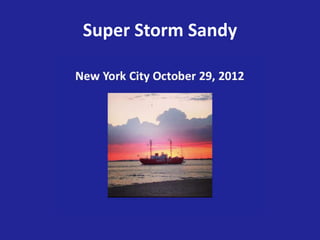
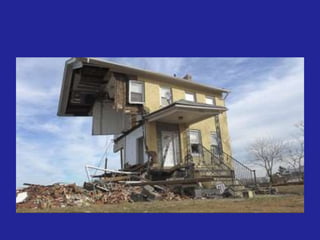
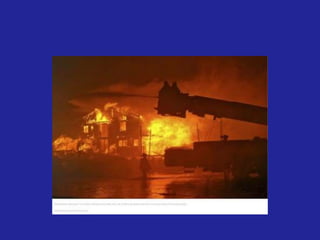
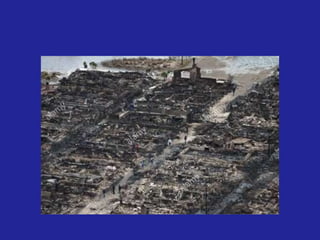
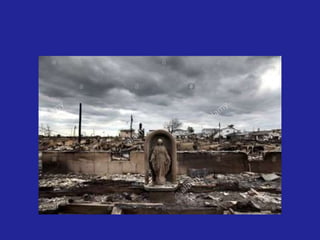
Super Storm Sandy
NYC Coastal Demographics
• 520 mile coastline, longer than Miami, Boston,
Los Angelos and San Francisco combined
• 535 Million Square Feet of Built Structures in
the 100 year Flood Plain
• 400,000 residents living in the 100 year Flood
Plain
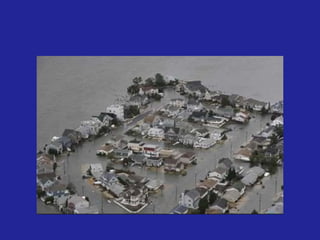
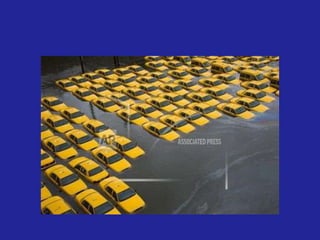
NYC Impact of Super Storm Sandy
Storm Surge
• $19 Billion in Damages
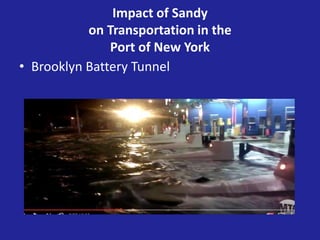
Impact of Sandy
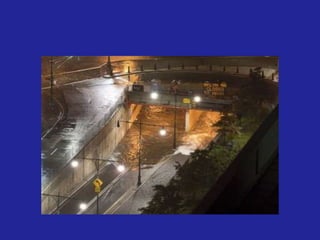
on Transportation in the
Port of New York
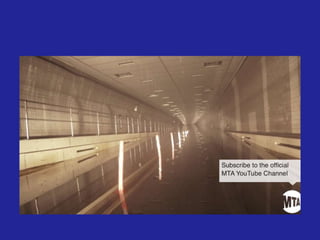
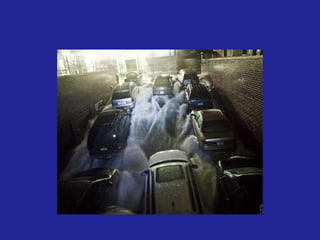
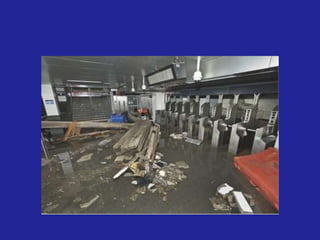
• Brooklyn Battery Tunnel
New York City’s Response to Sandy
• Despite Katrina here is no Federal resiliency
plan
• Despite a 2009 proposal for a regional storm
surge barrier, there is no regional plan
• City Focuses on Local Plans
Mayor Bloomberg’s
Special Initiative for Rebuilding and Resiliency
(SIRR)
Mayor’s Criteria
• Plans must be Local
• Plans must be economically feasible
• Plans must be initiated within his term (18
months)
• Plans must be fully funded
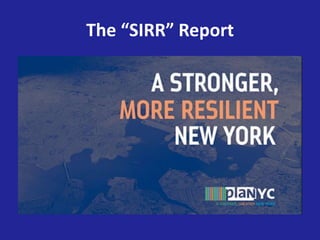
The “SIRR” Report
The SIRR Report : Analyzes Climate
Risks and Makes Recommendations
• 250 Specific Recommendations
• Plan is fully formulated but will not be
completed in the Mayor’s term
Rebuild by Design
The Federal Government’s Resiliency Program
for New York and New Jersey
Goals: To: Dramatically Improve Coastal Resiliency
To: Foster Intergovernmental and Cross Discipline
Collaboration
To: Develop Locally Responsive Proposals
Method: Design Competition Between 10 Finalists
Funding: $1 Billion
RBD Projects Awarded in 2014
• NYC, Manhattan: “Big U” ($335 million)
• Hoboken, Jersey City and Weehawken NJ
“Little U” ($230 Million)
• NYC, Hunt’s Point (NYC, South Bronx)
($20 Million)
• NY, Long Island Living with the Bay
• ($125 Million)
• NJ, New Meadowlands ($150 Million)
• NYC, Staten Island: Oyster Reef ($60 Million)
NYC Future Coastal Resiliency Vulnerability
• According to the Mayor’s 2012 Reconvened NYC Panel on
Climate Change
• By 2050
• Projected NYC Sea Level Rise is 2.5-3 feet
• Over 60% Increase in Rainfall Days of 2” or more
• Increase in the strength and frequency of major storms
• Increase in the height and frequency of storm surge
• BY 2055
• $90 Billion in Damages from a Sandy Level Event
The Triple Threat of Rising Sea Levels,
Extreme Storms and Aging Infrastructure
The Challenge
• Threat to Our National Security
• Threat to our Home Land Security
• Threat to our National Economic Security
It is time to Re-Imagine our Coasts
• To Protect our Coastal Communities
• To Protect, Preserve and Nurture on Natural
Coastal Environment
• To Invest in the Globally Competitive Economic
Future of the 22nd Century
Boston Harbor Clean Up and
A Port of New York Surge Barrier
Lessons to Be learned
Political Will Is Critical to Defining the Problem and the Solution
Inform, educate, organize: media, stakeholders, general public
The Stick and the Carrot is Critical to Action
The Unacceptable, Unavoidable Alternative and the Multi Beneficial
Alternative
Governance is Critical to Success:
Create: Independent Agency with balanced public oversight, bonding
authority and exclusive, defined revenue sources
The Problem Wasn’t the Problem
The Solution Was the Problem
• The problem was not a polluted harbor…. we had the
technology to clean it up.
• The Problem was the failure to Identify and address the
missing critical components of the Solution
– Political Will: Building a Constituency for Action
– Strategic Path to Action: The Unacceptable Alternative
– Governance Structure : Institutional Capacity & Funding
Boston Harbor Lesson Learned 1
Political Will is Critical:
There will be no solution to the issue of rising sea levels,
extreme storms and aging infrastructure without the critical
element of Political Will.
To establish the necessary Political Will to plan, design, fund and
construct a major infrastructure project we must first:
Educate, Inform and Organize Stakeholders; and
Create a Powerful Advocacy Alliance Focused On Both the
Problem and the Solution.
Boston Harbor Lesson Learned 2
Use Both a Stick and a Carrot as
Drivers
• The Stick:
Focus on the Impacts of the Triple Threat:
The Unacceptable Alternative of Continuing Loss of Life,
Unsustainable Severe Economic Damages and Increasing Peril to Our
National Security - Drivers: The next storm, insurance/finance cost and
availability, building codes, litigation, GAAP
• The Carrot:
Focus on the Economic and Community Development Opportunities,
Not Only on the Avoidance of Loss, but also on the Multiple, Beneficial
Impacts on Economic and Community Development that will Occur as
a Result of this Major Regional Infrastructure Investment – Drivers:
Transportation, Real Estate, Development, New Utilities and Power
Generation, Recreation and Environmental Protection
_
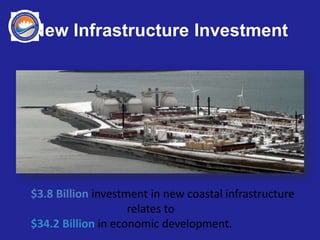
New Infrastructure Investment
$3.8 Billion investment in new coastal infrastructure
relates to
$34.2 Billion in economic development.
Boston Harbor Lesson Learned 3
Governance Matters
Mission Success Depends on Governance Structure
Creation of the Massachusetts
Water Resources Authority
Confronted with the
Unacceptable
Alternative,
The Legislature did the
right thing
MWRA: A New Governance Structure
• Mission Focus
• Balanced State, City and Town Political
Oversight
• Independently Controlled Revenue Sources
• Independent Bonding Authority
• Professional Staff
MWRA: The Results of Mission Focus,
Financial Independence and Balanced
Political Control
• The MWRA Worked Cooperatively with the Federal Court On
Facilities Planning and Water Quality Goals
• The MWRA Built the Clean Up Facilities On Time and Under
Budget
• The MWRA Communicated Clearly and Directly with All
Stakeholders Including Rate Payers
• The MWRA used its Independent Bonding Authority to
Moderate Rate Increases and to Maintain Stakeholder
Support
Meeting the Challenge and Seizing the
Opportunity of Sea Level Rise, Extreme Storms
and Aging Infrastructure
The Alternatives
• Ignore the Reality of Scientific Data
• Retreat from the Sea
• Build Local Projects to Protect Only Selected Communities
• Invest in a Multi Beneficial Regional Surge Barrier
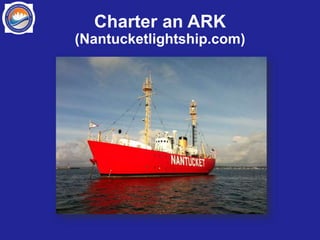
• Or…
Charter an ARK
(Nantucketlightship.com)
We are Equal to the Challenge
“Together, we can build our coastal infrastructure
to be as strong as our people.”

CCRUM surge barrier working group presentation

  • 1.
    CCRUN Green Infrastructure,Climate and Cities Seminar Series January 4, 2017 www.NICHIusa.org The Bifurcation of Sea Level Rise and Storm Surge Plans for Metropolitan Areas: New York and New Jersey Metropolitan Area, A Case Study
  • 2.
  • 3.
    NYC Coastal Demographics •520 mile coastline, longer than Miami, Boston, Los Angelos and San Francisco combined • 535 Million Square Feet of Built Structures in the 100 year Flood Plain • 400,000 residents living in the 100 year Flood Plain
  • 4.
    NYC Impact ofSuper Storm Sandy Storm Surge • $19 Billion in Damages
  • 5.
    Impact of Sandy onTransportation in the Port of New York • Brooklyn Battery Tunnel
  • 17.
    New York City’sResponse to Sandy • Despite Katrina here is no Federal resiliency plan • Despite a 2009 proposal for a regional storm surge barrier, there is no regional plan • City Focuses on Local Plans
  • 18.
    Mayor Bloomberg’s Special Initiativefor Rebuilding and Resiliency (SIRR)
  • 19.
    Mayor’s Criteria • Plansmust be Local • Plans must be economically feasible • Plans must be initiated within his term (18 months) • Plans must be fully funded
  • 20.
  • 21.
    The SIRR Report: Analyzes Climate Risks and Makes Recommendations • 250 Specific Recommendations • Plan is fully formulated but will not be completed in the Mayor’s term
  • 22.
    Rebuild by Design TheFederal Government’s Resiliency Program for New York and New Jersey Goals: To: Dramatically Improve Coastal Resiliency To: Foster Intergovernmental and Cross Discipline Collaboration To: Develop Locally Responsive Proposals Method: Design Competition Between 10 Finalists Funding: $1 Billion
  • 23.
    RBD Projects Awardedin 2014 • NYC, Manhattan: “Big U” ($335 million) • Hoboken, Jersey City and Weehawken NJ “Little U” ($230 Million) • NYC, Hunt’s Point (NYC, South Bronx) ($20 Million) • NY, Long Island Living with the Bay • ($125 Million) • NJ, New Meadowlands ($150 Million) • NYC, Staten Island: Oyster Reef ($60 Million)
  • 24.
    NYC Future CoastalResiliency Vulnerability • According to the Mayor’s 2012 Reconvened NYC Panel on Climate Change • By 2050 • Projected NYC Sea Level Rise is 2.5-3 feet • Over 60% Increase in Rainfall Days of 2” or more • Increase in the strength and frequency of major storms • Increase in the height and frequency of storm surge • BY 2055 • $90 Billion in Damages from a Sandy Level Event
  • 25.
    The Triple Threatof Rising Sea Levels, Extreme Storms and Aging Infrastructure The Challenge • Threat to Our National Security • Threat to our Home Land Security • Threat to our National Economic Security
  • 26.
    It is timeto Re-Imagine our Coasts • To Protect our Coastal Communities • To Protect, Preserve and Nurture on Natural Coastal Environment • To Invest in the Globally Competitive Economic Future of the 22nd Century
  • 27.
    Boston Harbor CleanUp and A Port of New York Surge Barrier Lessons to Be learned Political Will Is Critical to Defining the Problem and the Solution Inform, educate, organize: media, stakeholders, general public The Stick and the Carrot is Critical to Action The Unacceptable, Unavoidable Alternative and the Multi Beneficial Alternative Governance is Critical to Success: Create: Independent Agency with balanced public oversight, bonding authority and exclusive, defined revenue sources
  • 28.
    The Problem Wasn’tthe Problem The Solution Was the Problem • The problem was not a polluted harbor…. we had the technology to clean it up. • The Problem was the failure to Identify and address the missing critical components of the Solution – Political Will: Building a Constituency for Action – Strategic Path to Action: The Unacceptable Alternative – Governance Structure : Institutional Capacity & Funding
  • 29.
    Boston Harbor LessonLearned 1 Political Will is Critical: There will be no solution to the issue of rising sea levels, extreme storms and aging infrastructure without the critical element of Political Will. To establish the necessary Political Will to plan, design, fund and construct a major infrastructure project we must first: Educate, Inform and Organize Stakeholders; and Create a Powerful Advocacy Alliance Focused On Both the Problem and the Solution.
  • 30.
    Boston Harbor LessonLearned 2 Use Both a Stick and a Carrot as Drivers • The Stick: Focus on the Impacts of the Triple Threat: The Unacceptable Alternative of Continuing Loss of Life, Unsustainable Severe Economic Damages and Increasing Peril to Our National Security - Drivers: The next storm, insurance/finance cost and availability, building codes, litigation, GAAP • The Carrot: Focus on the Economic and Community Development Opportunities, Not Only on the Avoidance of Loss, but also on the Multiple, Beneficial Impacts on Economic and Community Development that will Occur as a Result of this Major Regional Infrastructure Investment – Drivers: Transportation, Real Estate, Development, New Utilities and Power Generation, Recreation and Environmental Protection _
  • 32.
    New Infrastructure Investment $3.8Billion investment in new coastal infrastructure relates to $34.2 Billion in economic development.
  • 33.
    Boston Harbor LessonLearned 3 Governance Matters Mission Success Depends on Governance Structure
  • 34.
    Creation of theMassachusetts Water Resources Authority Confronted with the Unacceptable Alternative, The Legislature did the right thing
  • 35.
    MWRA: A NewGovernance Structure • Mission Focus • Balanced State, City and Town Political Oversight • Independently Controlled Revenue Sources • Independent Bonding Authority • Professional Staff
  • 36.
    MWRA: The Resultsof Mission Focus, Financial Independence and Balanced Political Control • The MWRA Worked Cooperatively with the Federal Court On Facilities Planning and Water Quality Goals • The MWRA Built the Clean Up Facilities On Time and Under Budget • The MWRA Communicated Clearly and Directly with All Stakeholders Including Rate Payers • The MWRA used its Independent Bonding Authority to Moderate Rate Increases and to Maintain Stakeholder Support
  • 37.
    Meeting the Challengeand Seizing the Opportunity of Sea Level Rise, Extreme Storms and Aging Infrastructure The Alternatives • Ignore the Reality of Scientific Data • Retreat from the Sea • Build Local Projects to Protect Only Selected Communities • Invest in a Multi Beneficial Regional Surge Barrier • Or…
  • 38.
  • 39.
    We are Equalto the Challenge “Together, we can build our coastal infrastructure to be as strong as our people.”