Contemporary
and Critical Studies
Paul Hopkins and Andy Holmes
Room LT29, Wilberforce
p.hopkins@hull.ac.uk
a.g.holmes@hull.ac.ukSession 1: September 21st, 2020
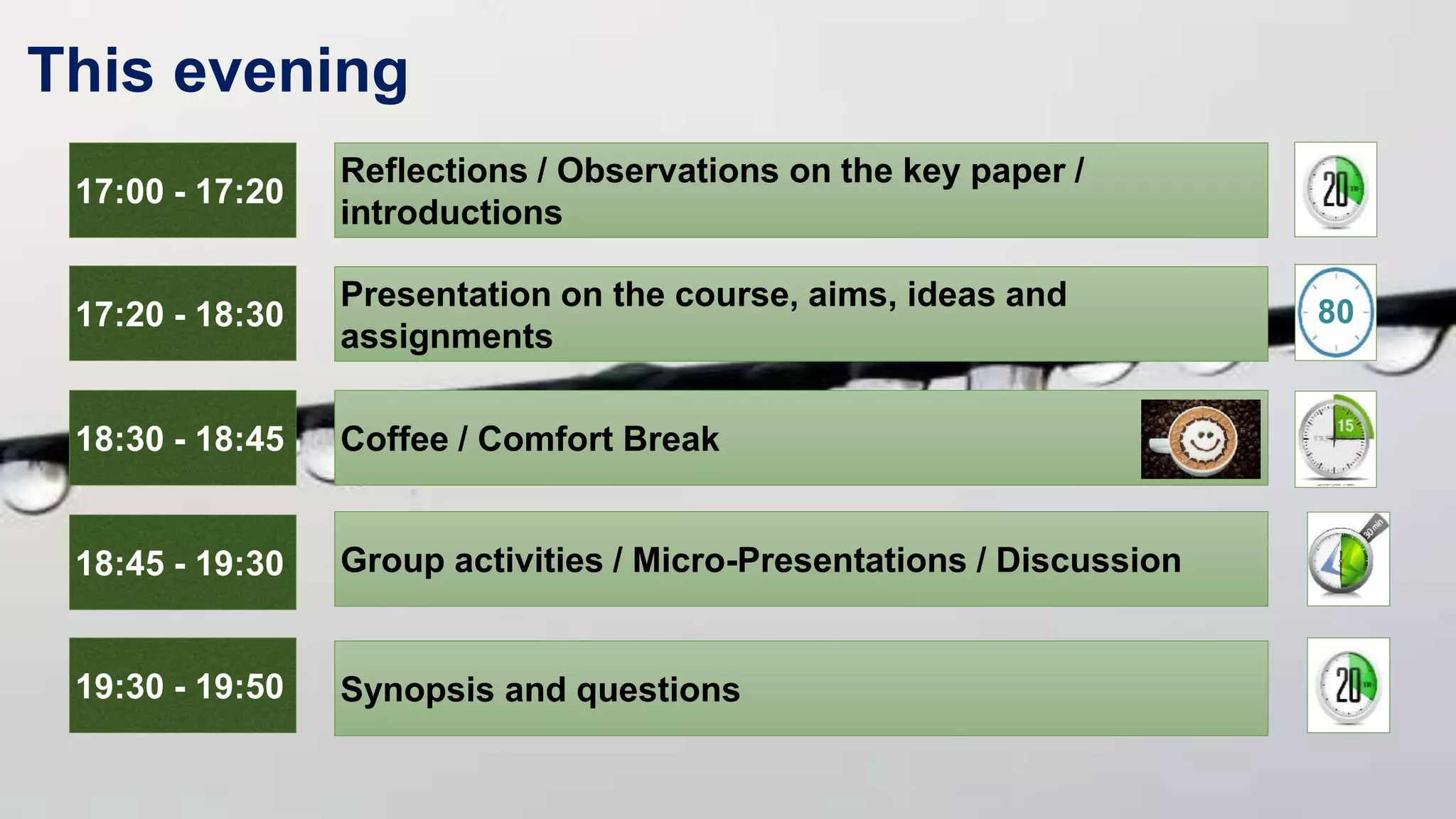
This evening
17:00 - 17:20
Reflections / Observations on the key paper /
introductions
17:20 - 18:30
Presentation on the course, aims, ideas and
assignments
18:30 - 18:45 Coffee / Comfort Break
18:45 - 19:30 Group activities / Micro-Presentations / Discussion
19:30 - 19:50 Synopsis and questions
80
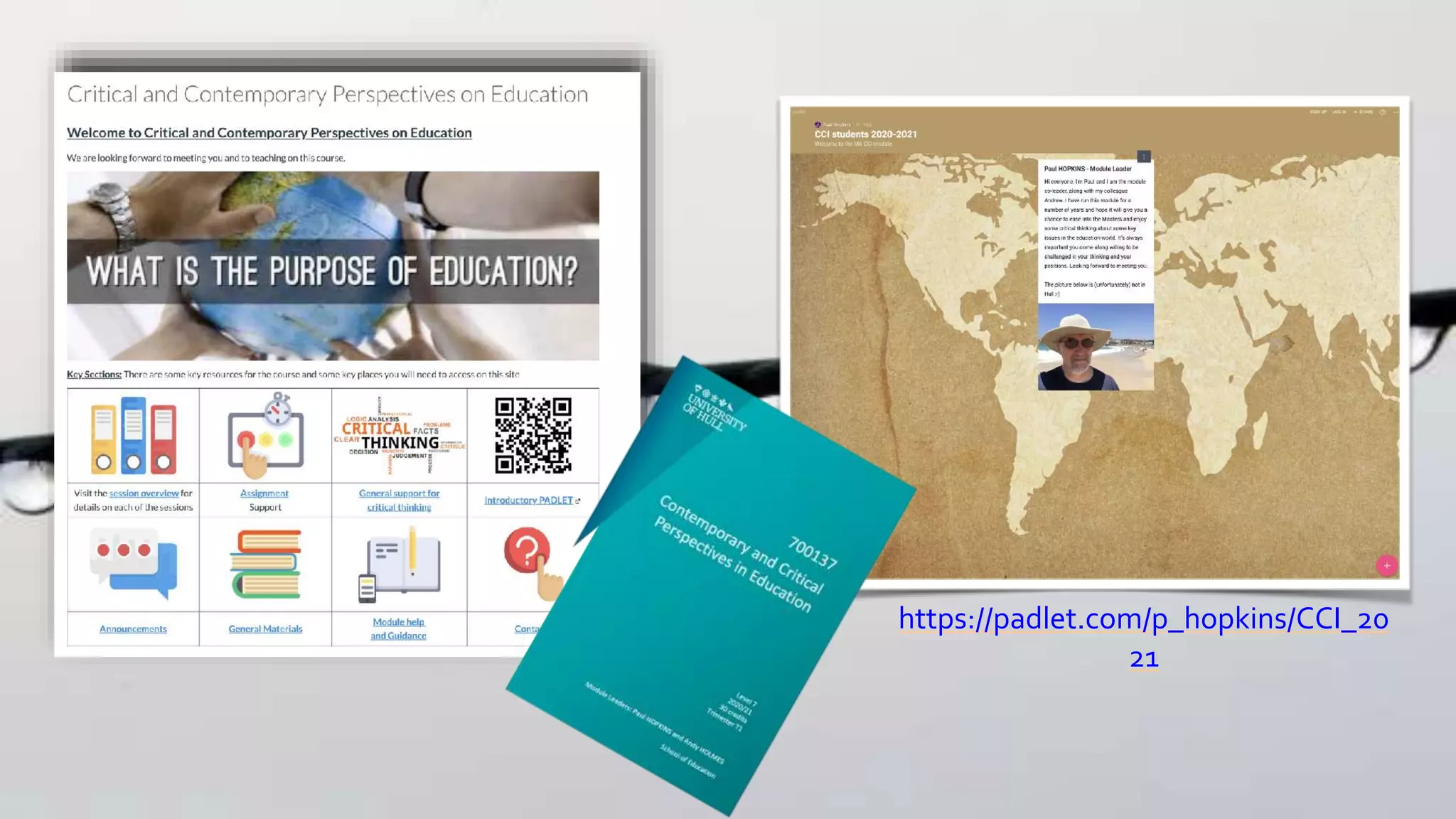
https://padlet.com/p_hopkins/CCI_20
21
Aims
• To introduce the course and the
assignments
• To introduce the nature of critical
thinking and critical issues
• To introduce the idea of writing and
reading at M level
Introduction: The Course
What are your questions
about the module?
Go to www.menti.com
and use the shared code
Adjective: Having or showing very great skill or proficiency.
Verb: 1. Acquire complete knowledge or skill in (a subject, technique, or art).
2. Gain control of; overcome
Noun: A skilled practitioner of a particular art of study
To help you to consider the complexity of education
in a systematic way, providing you with a general
foundation for your specialist postgraduate study. It
will introduce you to current issues in education both
locally and globally, so that you can develop a
greater understanding of some of those issues,
exploring them further in your more specialist
modules.
To help you to consider the complexity of education
in a systematic way, providing you with a general
foundation for your specialist postgraduate study. It
will introduce you to current issues in education
both locally and globally, so that you can develop a
greater understanding of some of those issues,
exploring them further in your more specialist
modules.
Objectives of the course
• to explore the nature of education with opportunities for
more in-depth study in areas of personal interest;
• develop theoretical, methodological and analytical skills, to
critique current theories and ideas of education;
• enable reflective learning to consolidate, synthesise and
refine your knowledge, understanding, and research
• discuss education (curriculum, pedagogy, assessment)
and its wider social, cultural and political contexts,
including the role of education in tackling (and/or
reproducing) inequalities
Learning Outcomes
1. Demonstrate knowledge and understanding of
educational theories and theorists;
2. Develop an argument with respect to educational value
and to conduct these discussions in an effective
manner;
3. Analyse, synthesise and critically evaluate the nature
of education drawing upon different disciplines,
theories, socio-economic and political issues;
4. Reflect critically upon and present your own
understanding and application of a key aspect of
education studies.
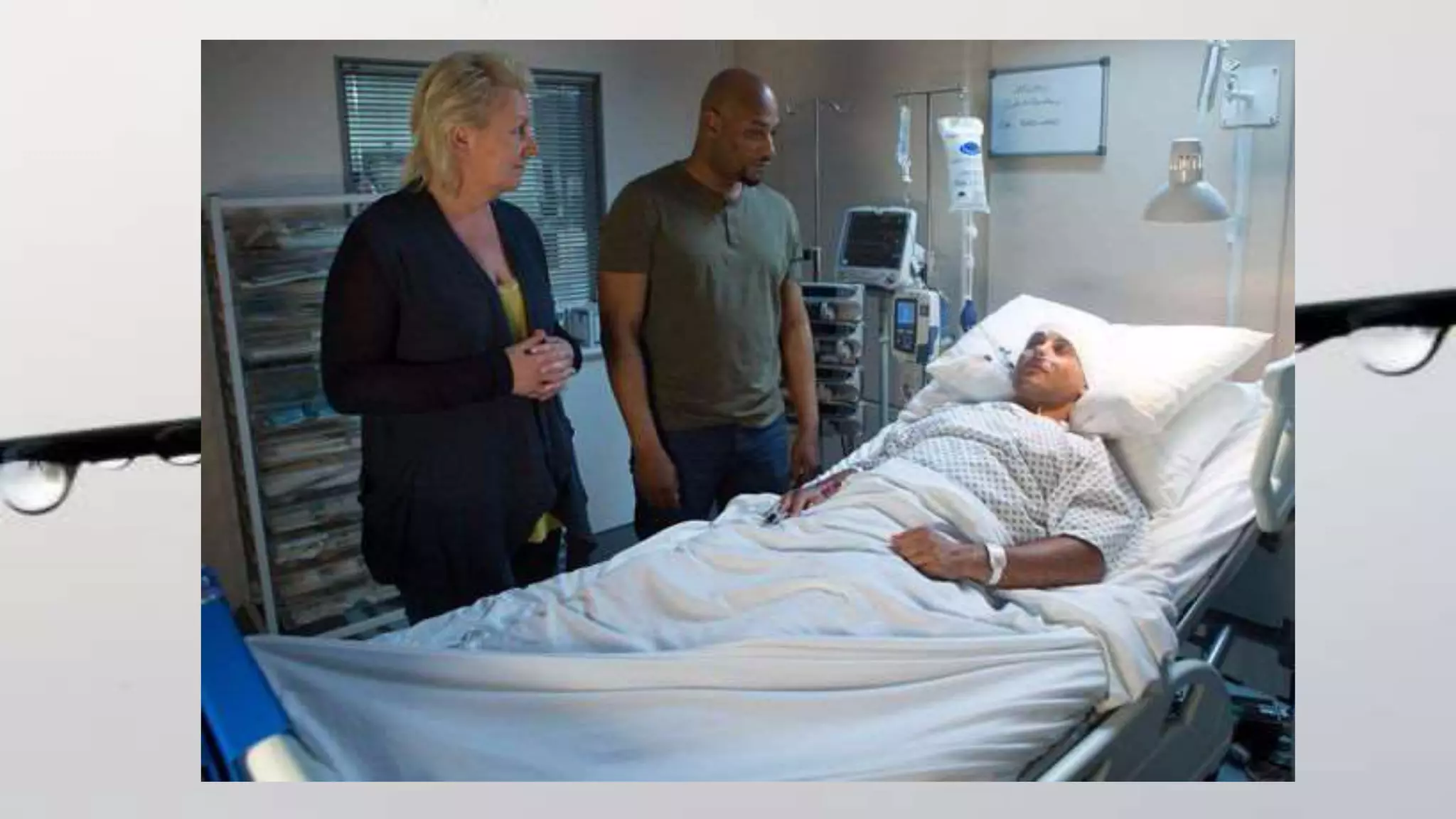
Critical Issues
Introduction: The Course
Critical
decision, choice, discernment,
evidence, judgement
Oxford English Dictionary
(a) a detailed analysis and assessment
of something, especially a literary,
philosophical, or political theory.
(b) evaluate (a theory or practice) in a
detailed and analytical way.
Reflection Point 1
Go to www.menti.com
and use the shared code
What process of
criticality would you
want to bring to
bear on the
following
statements?
“30% of children
leave primary
school unable to
read or write”
Nick Gibb, Minister for Schools,
England
“Wearing a school
uniform is essential
for discipline and
achievement in
schools”
Micheal Wilmshaw, Ex-Head Ofsted
“you cannot solve
education’s problems
until you solve
society’s problems”
Pasi Salhberg, Ex-Minister for
Education, Finland
“Class is more than
money. Class is also
about knowledge”
bell hooks - US Academic
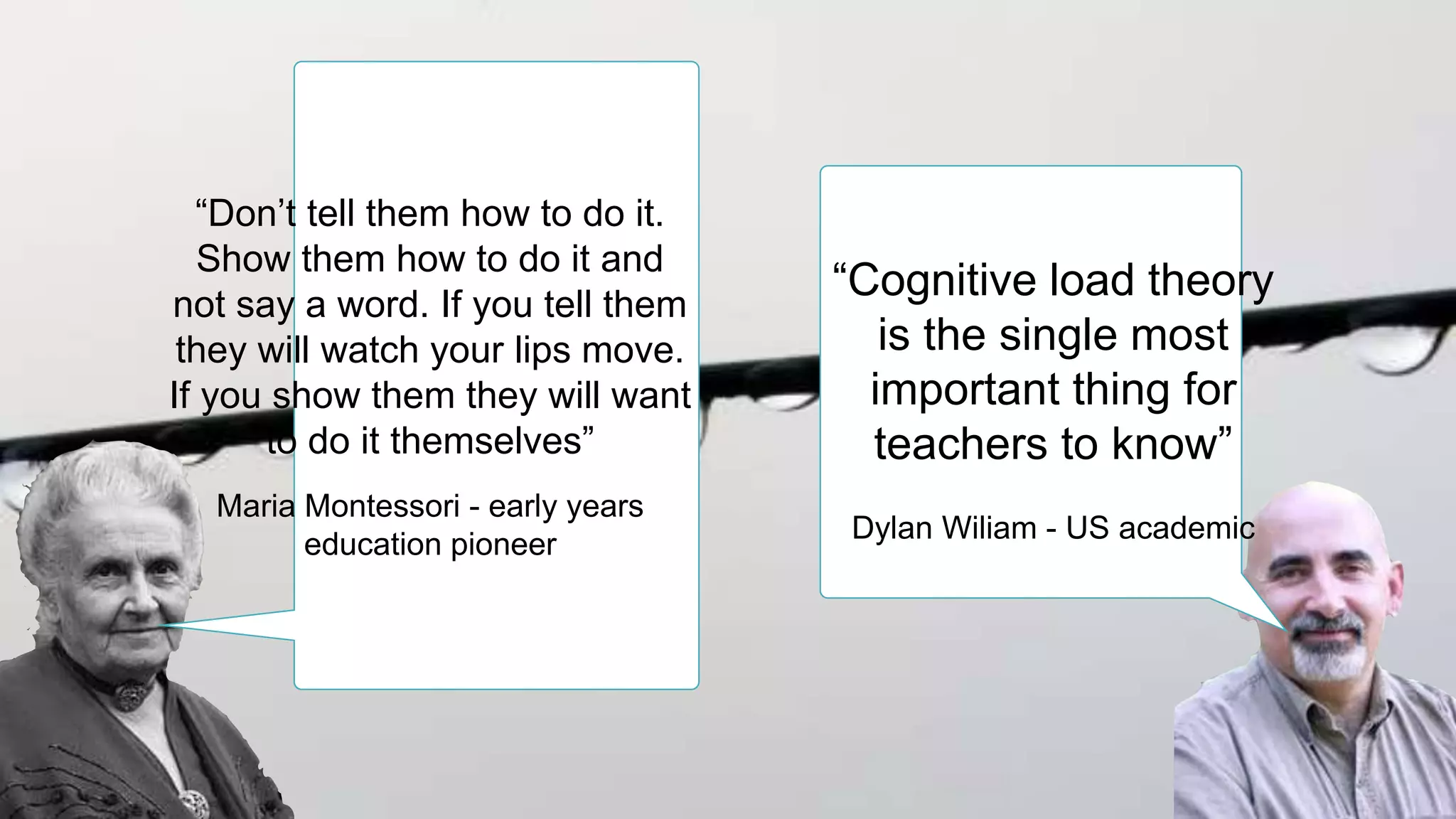
“Don’t tell them how to do it.
Show them how to do it and
not say a word. If you tell them
they will watch your lips move.
If you show them they will want
to do it themselves”
Maria Montessori - early years
education pioneer
“Cognitive load theory
is the single most
important thing for
teachers to know”
Dylan Wiliam - US academic
Forms of Knowledge
Types of Knowledge I - where does it come from?
1. A Priori: “from before” depends upon what a person
can derive from the world without needing to
experience it also known as reasoning. A degree of
knowledge is needed for a priori knowledge to take
place.
https://blog.udemy.com/types-of-knowledge/
Philosophically A priori knowledge is superior to a posteriori
2. A Posteriori: “from what comes after” knowledge
gained from having an experience (using the senses
[enhanced] and using inductive reasoning to gain
knowledge. This is also sometimes called empirical
knowledge. Can be falsified.
logic: A cod is a fish, all
fish live in the sea, so all
cod live in the sea.
language: all bachelors
are unmarried.
observation: It is currently
raining outside my house.
argument: an asteroid impact
causes climate issues leading
to species extinction.
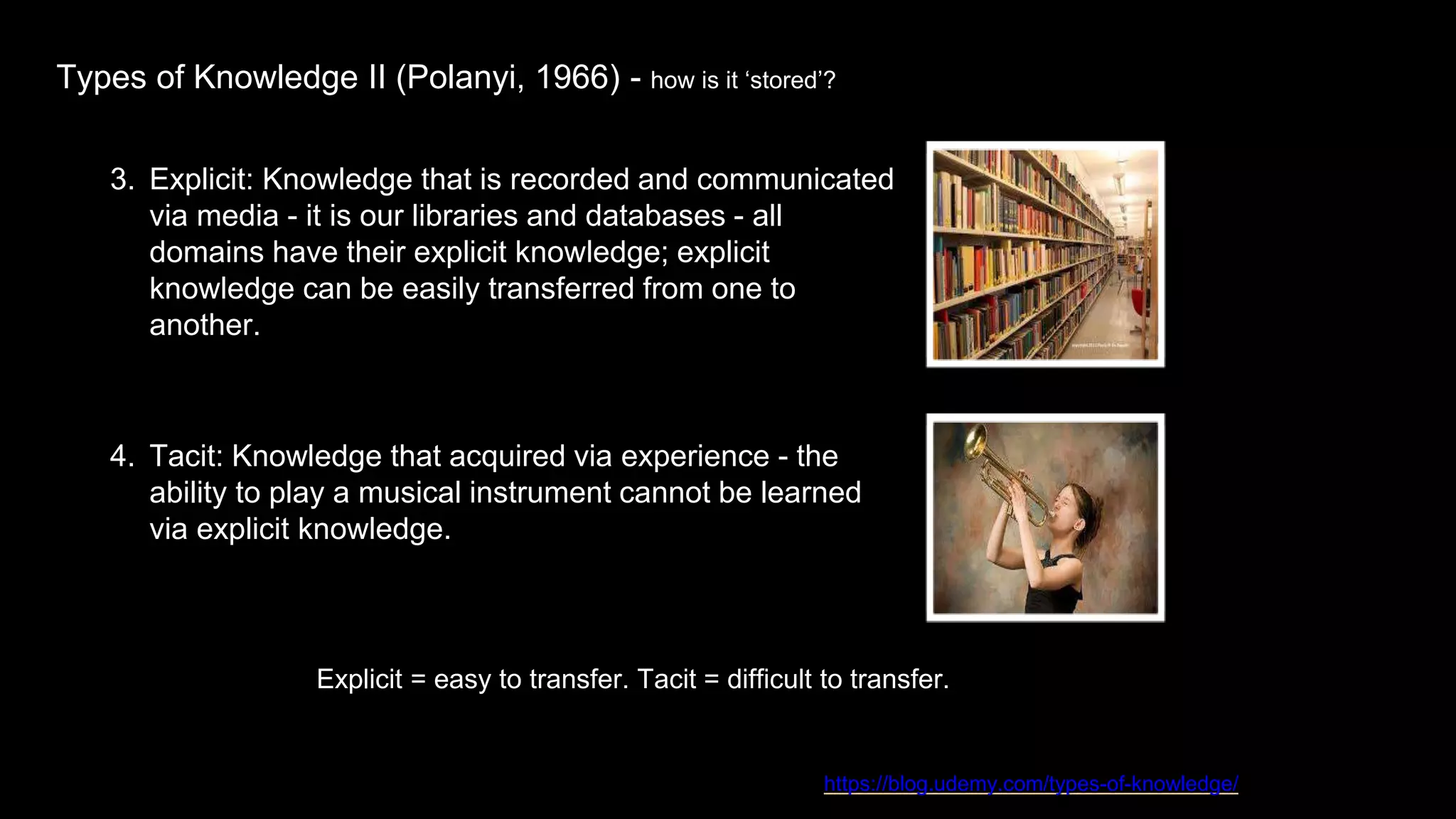
Types of Knowledge II (Polanyi, 1966) - how is it ‘stored’?
https://blog.udemy.com/types-of-knowledge/
Explicit = easy to transfer. Tacit = difficult to transfer.
3. Explicit: Knowledge that is recorded and communicated
via media - it is our libraries and databases - all
domains have their explicit knowledge; explicit
knowledge can be easily transferred from one to
another.
4. Tacit: Knowledge that acquired via experience - the
ability to play a musical instrument cannot be learned
via explicit knowledge.
Types of Knowledge III - how is it used?
https://blog.udemy.com/types-of-knowledge/
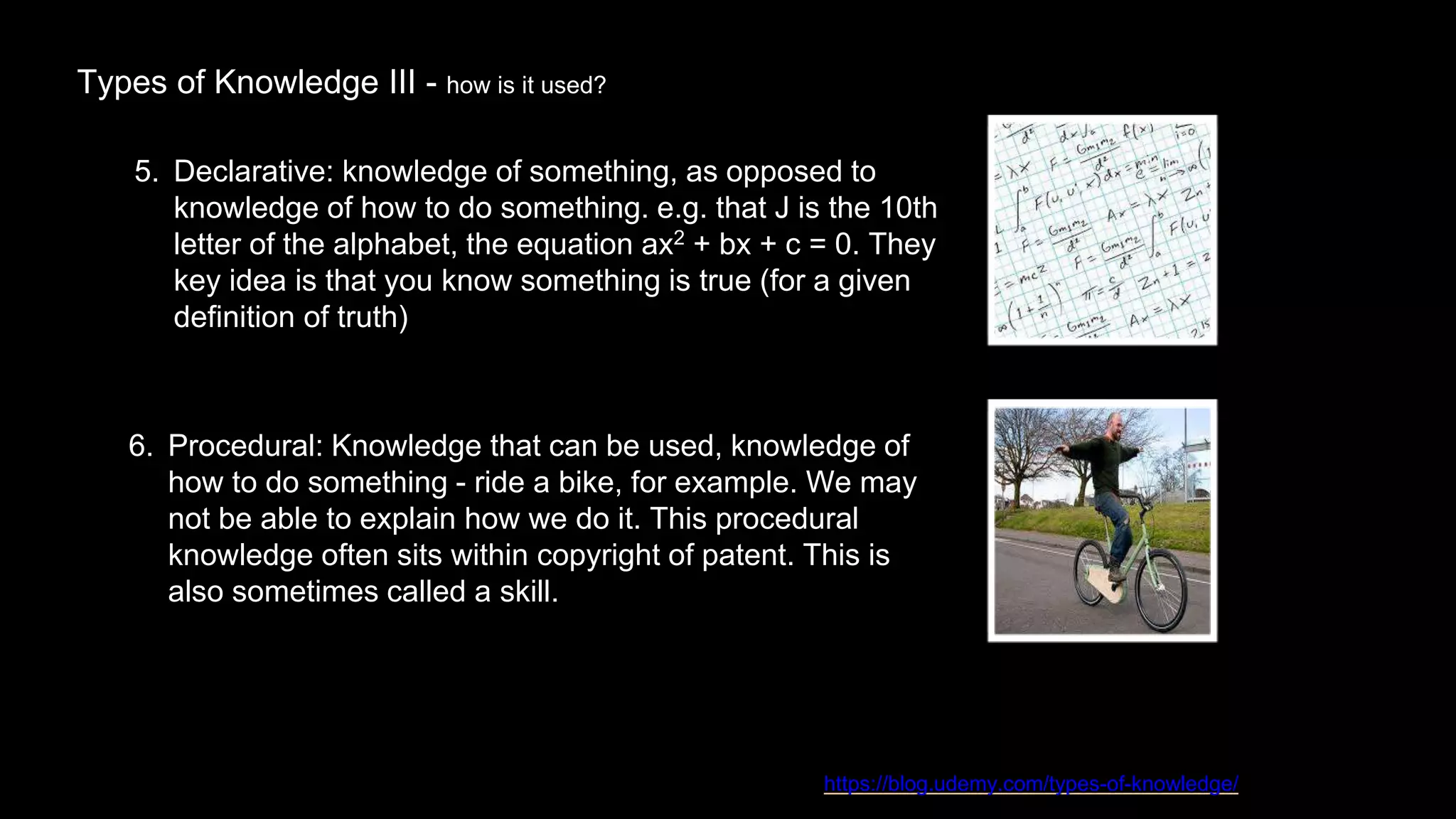
5. Declarative: knowledge of something, as opposed to
knowledge of how to do something. e.g. that J is the 10th
letter of the alphabet, the equation ax2 + bx + c = 0. They
key idea is that you know something is true (for a given
definition of truth)
6. Procedural: Knowledge that can be used, knowledge of
how to do something - ride a bike, for example. We may
not be able to explain how we do it. This procedural
knowledge often sits within copyright of patent. This is
also sometimes called a skill.
Types of Knowledge IV - an evolutionary perspective
An example is the difference between speaking (BPK) and writing (BSK)
Geary, D. C. (2008). An evolutionary informed education science. Educational Psychologist, 43, 179-195
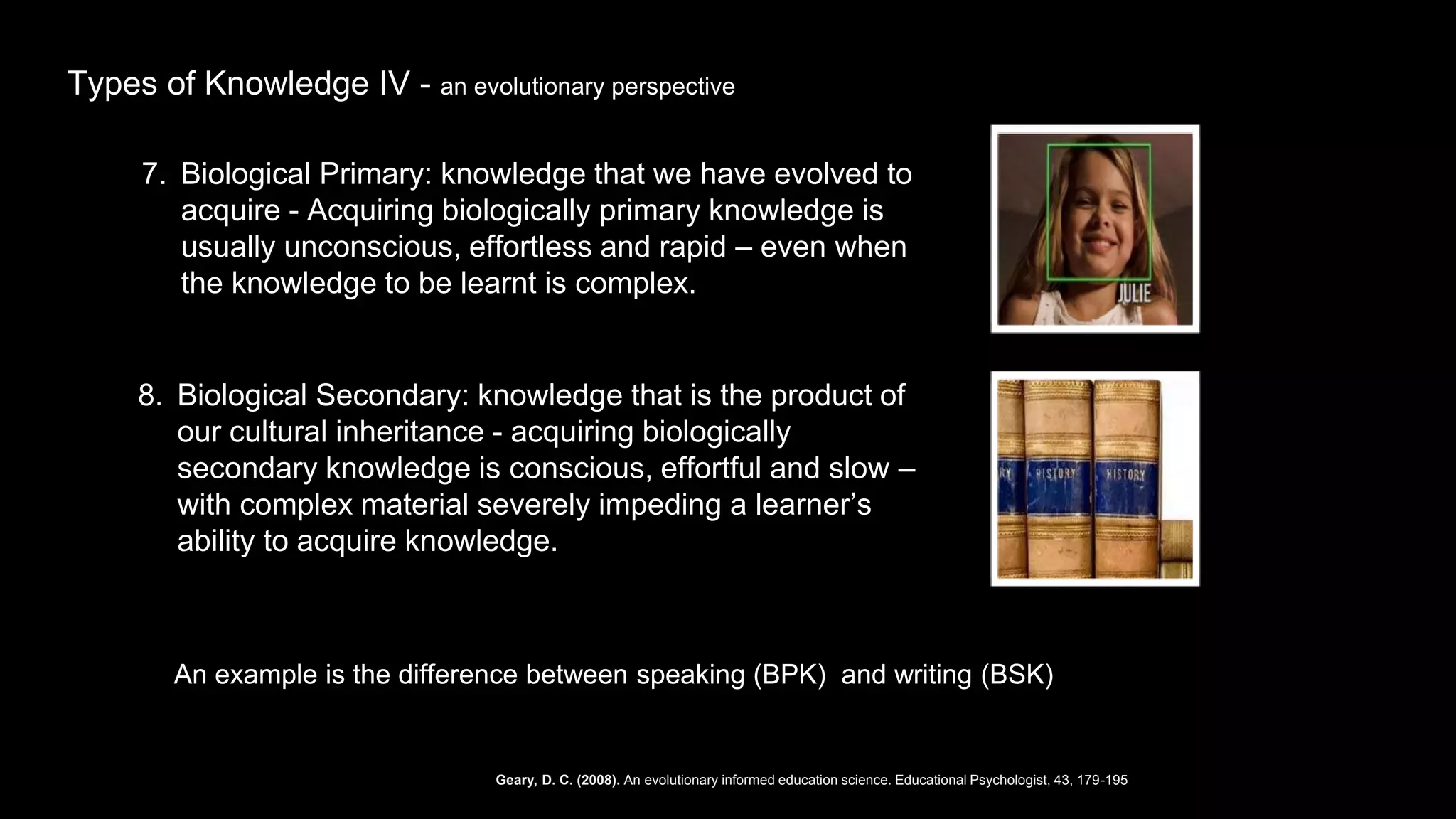
7. Biological Primary: knowledge that we have evolved to
acquire - Acquiring biologically primary knowledge is
usually unconscious, effortless and rapid – even when
the knowledge to be learnt is complex.
8. Biological Secondary: knowledge that is the product of
our cultural inheritance - acquiring biologically
secondary knowledge is conscious, effortful and slow –
with complex material severely impeding a learner’s
ability to acquire knowledge.
Reflection Point 2
Go to www.menti.com
and use the shared code
Conceptions of criticality
i) critical dogmatism
ii) transcendental critique
iii) deconstruction
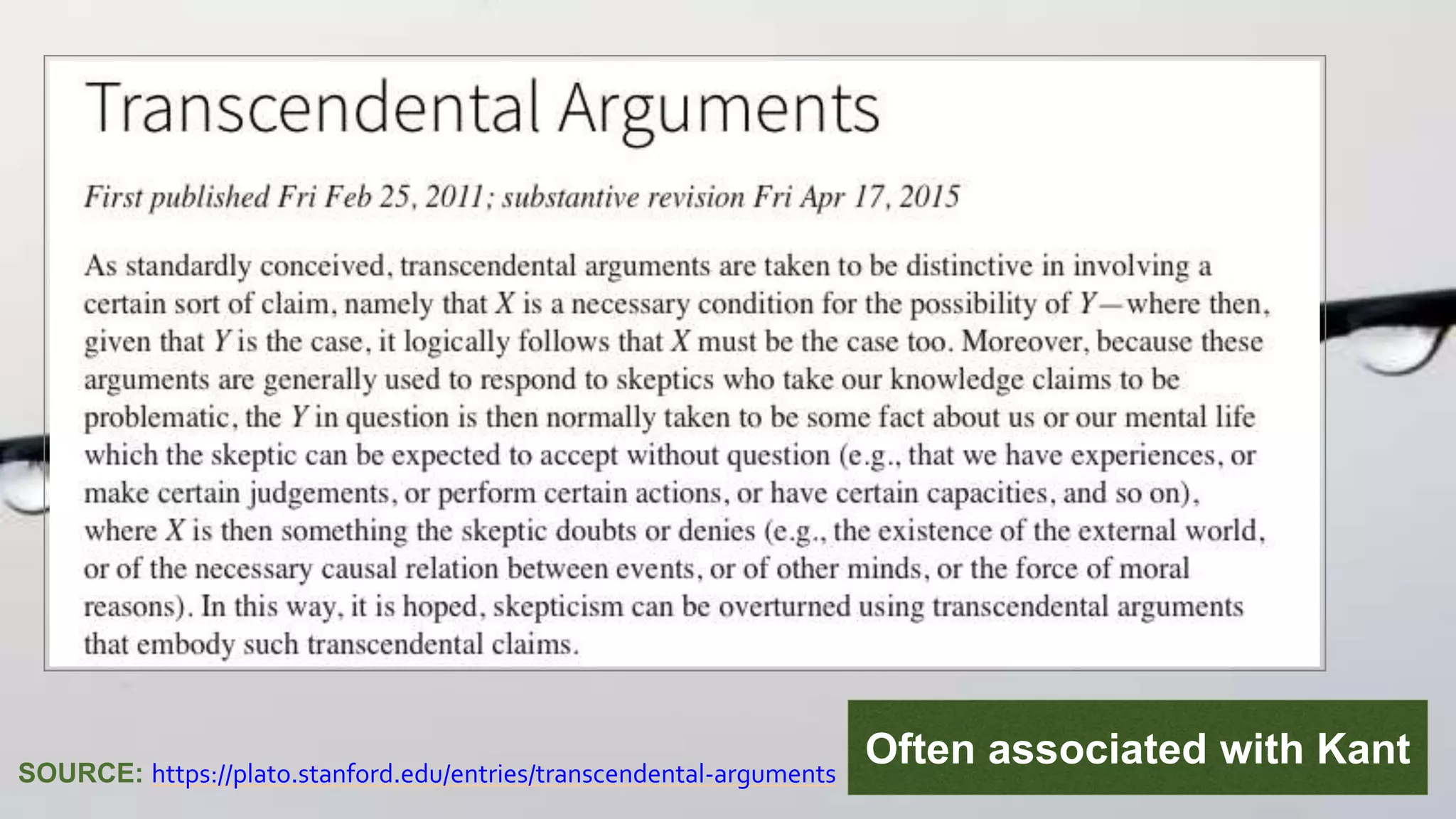
Often associated with KantSOURCE: https://plato.stanford.edu/entries/transcendental-arguments
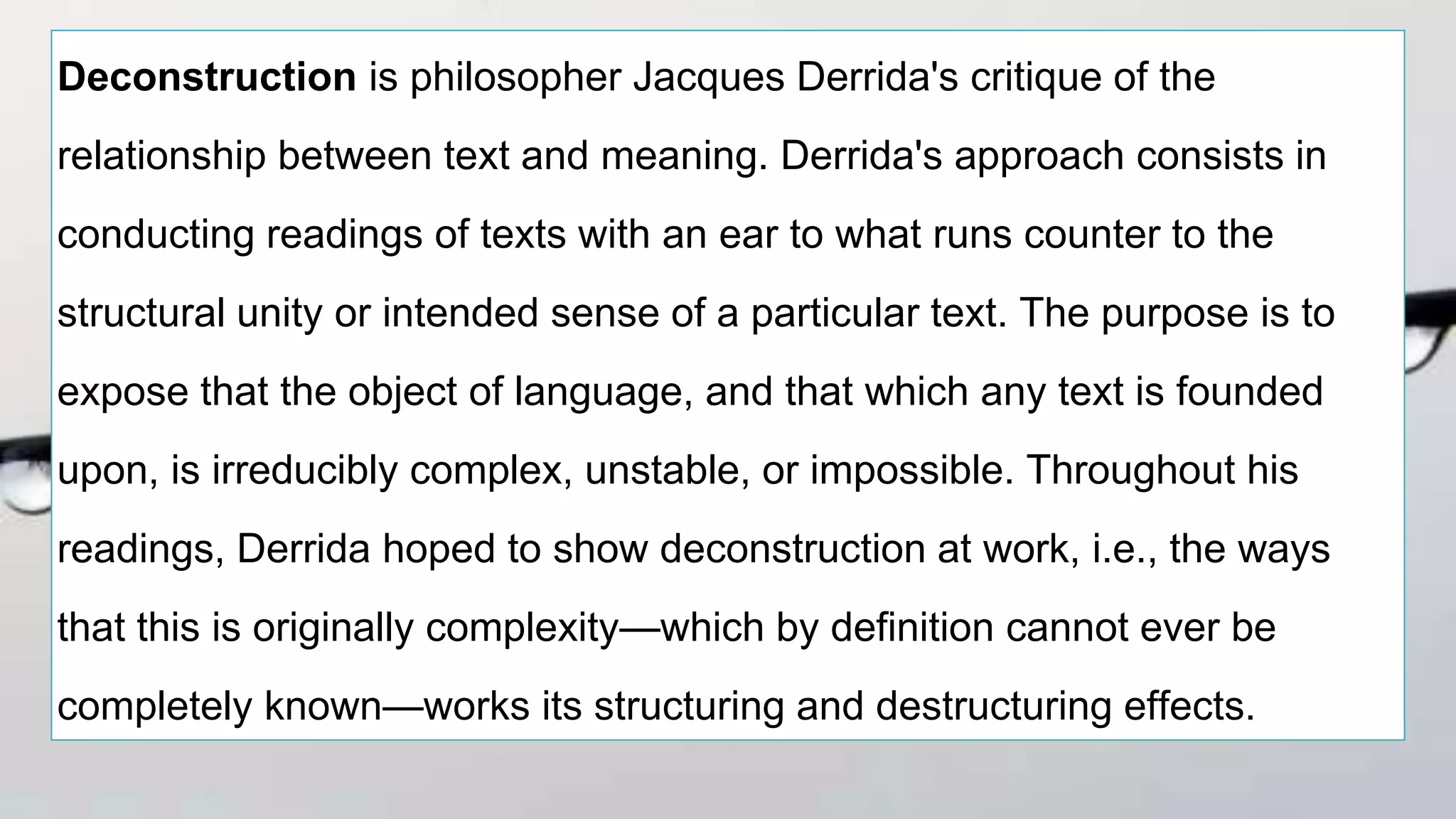
Deconstruction is philosopher Jacques Derrida's critique of the
relationship between text and meaning. Derrida's approach consists in
conducting readings of texts with an ear to what runs counter to the
structural unity or intended sense of a particular text. The purpose is to
expose that the object of language, and that which any text is founded
upon, is irreducibly complex, unstable, or impossible. Throughout his
readings, Derrida hoped to show deconstruction at work, i.e., the ways
that this is originally complexity—which by definition cannot ever be
completely known—works its structuring and destructuring effects.
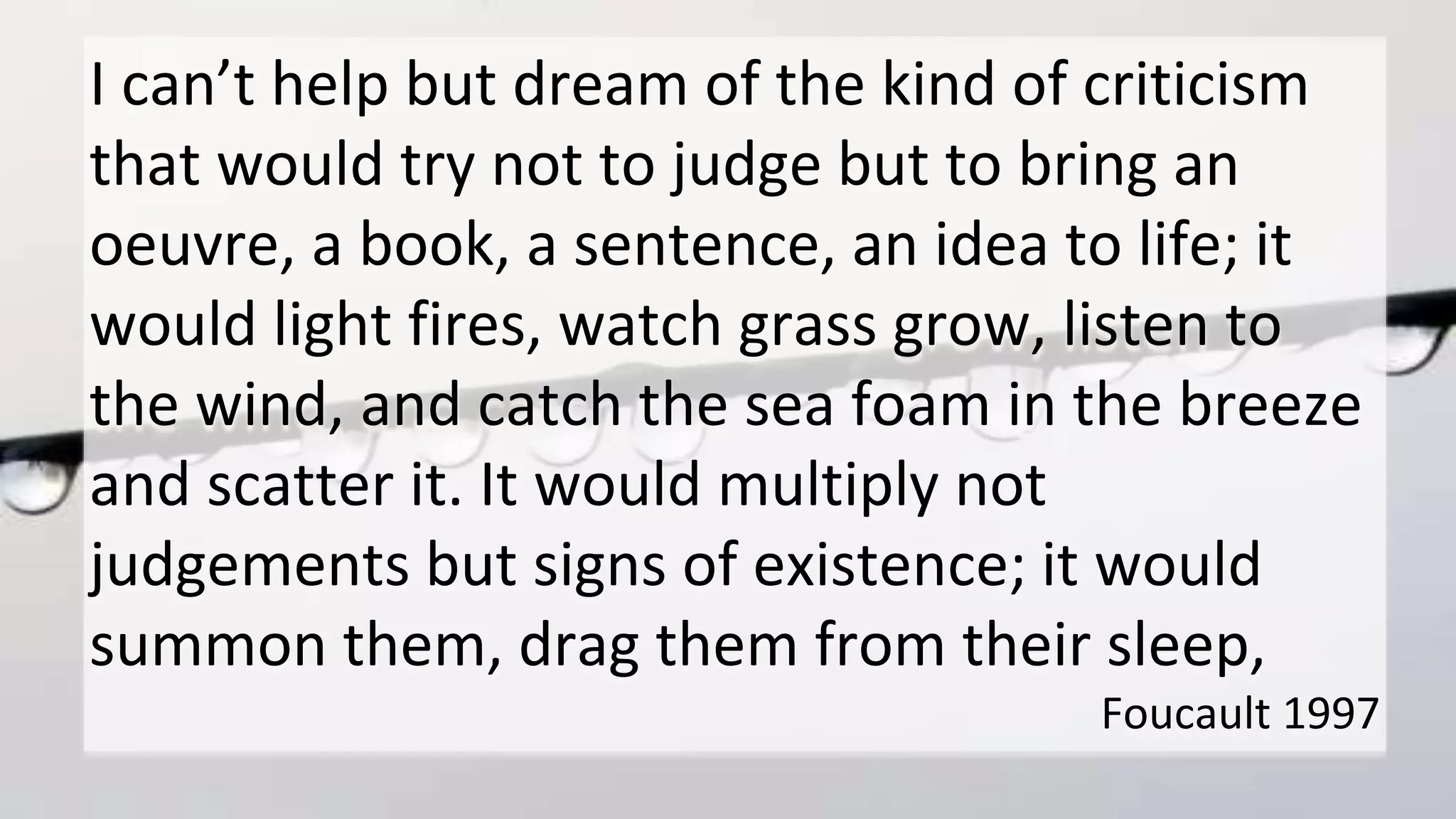
I can’t help but dream of the kind of criticism
that would try not to judge but to bring an
oeuvre, a book, a sentence, an idea to life; it
would light fires, watch grass grow, listen to
the wind, and catch the sea foam in the breeze
and scatter it. It would multiply not
judgements but signs of existence; it would
summon them, drag them from their sleep,
Foucault 1997
Reflection Point 3
Go to www.menti.com
and use the shared code
Hello
Hi
Over
here!
Me
too
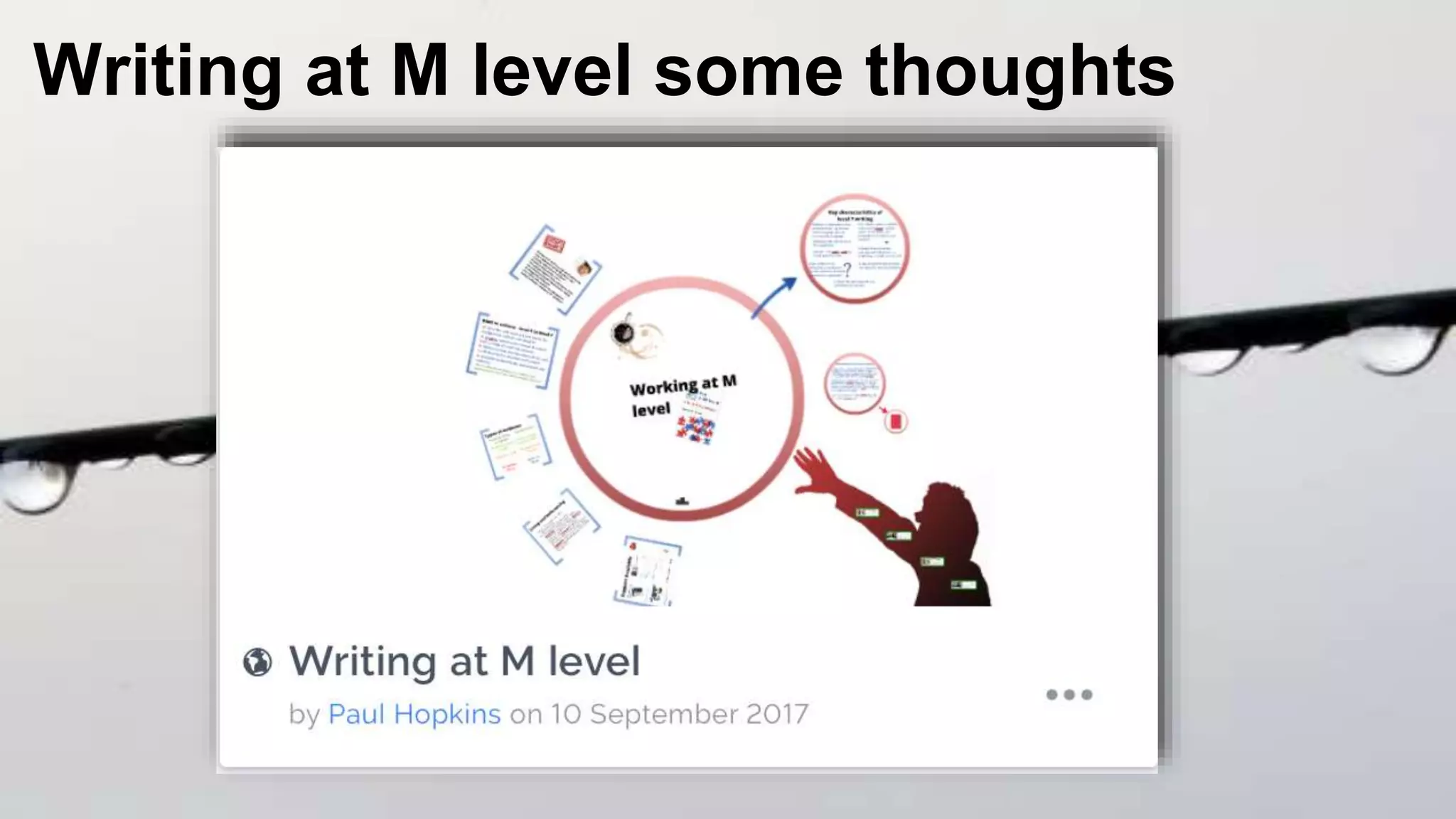
Writing at M level some thoughts
“
”
Reading for pleasure Academic Reading
You can choose what you are going to read.
You are given something to read or an area of reading is
recommend and you have found materials in this area.
It’s up to you what kinds of text you choose and why you
choose them - and the ‘quality’
The things that you are going to read have to be of ‘good’
quality from trusted or approved sources.
You don’t have to think about what you are choosing if
you do not want to
You have to analyse, evaluate, compare and reflect on the
value of the sources you are reading and think about what it
is possible to say about them.
You can choose to read when and where you like.
You will often have to read for the purposes of producing
particular types of knowledge, in particular ways, for
particular audiences.
You could choose to read the same kind of things day in
and day out (and reread the same things)
You will have to be able to work with a range of different
sources in order to produce particular types of knowledge.
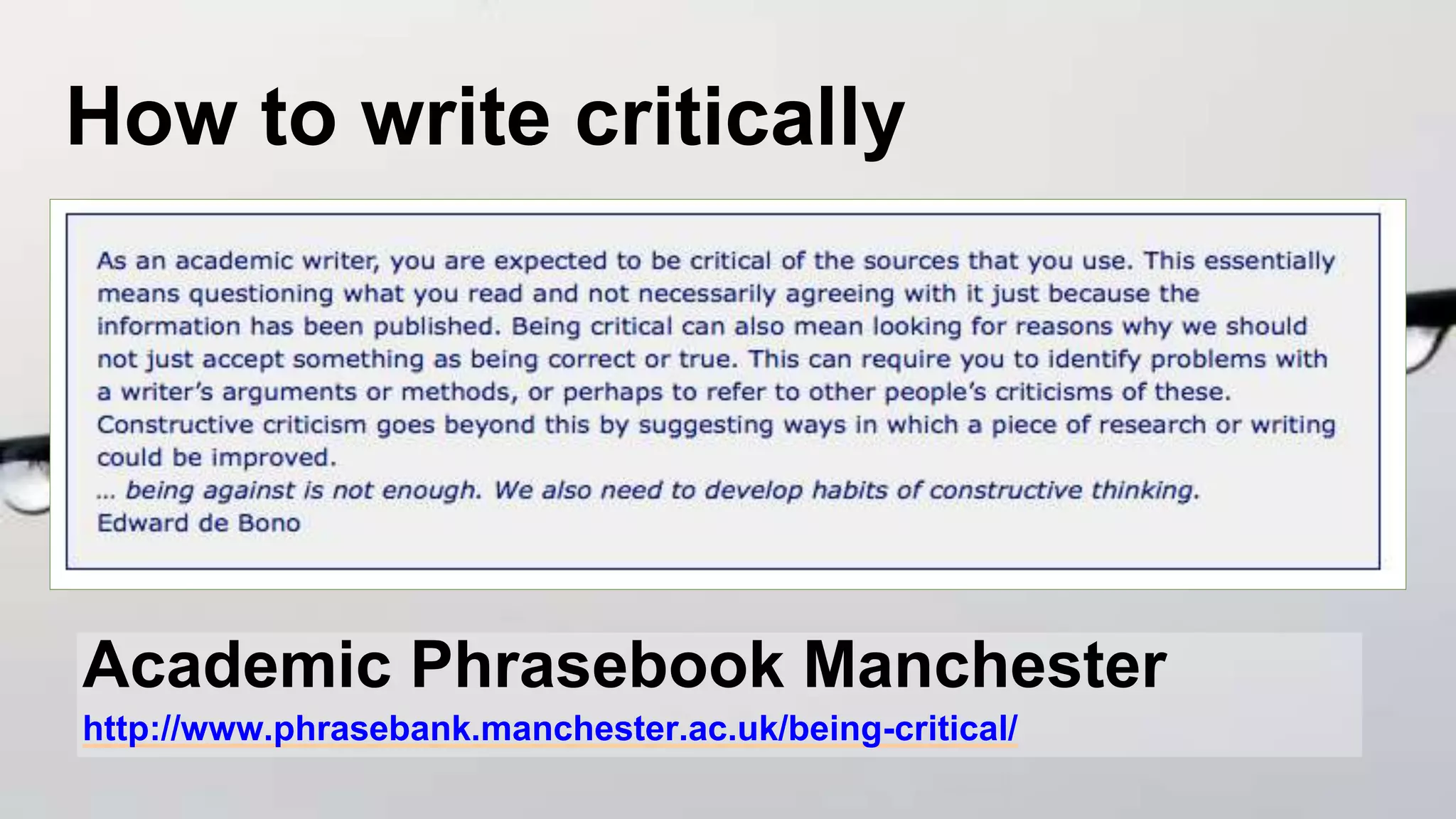
How to write critically
Academic Phrasebook Manchester
http://www.phrasebank.manchester.ac.uk/being-critical/
The structure of the course
and the assignments
S1 (21 Sept) - Introduction (PH)
S2 (28 Sept) - Purpose of Education (PH)
S3 (5 Oct) - Assessment (AH)
S4 (12 Oct) -Technology (PH)
S5 (19 Oct) - Curriculum
S6 (w/o 26 Oct) - Drop-in Tutorials [HT]
S7 (2 Nov) - Class, Bias and Privilege (PH)
S8 (9 Nov) - Positionality & Practice (AH/PH)
S9 (16 Nov) - Plagiarism (AH)
S10 (23 Nov) - Evidence & “What Works” (PH)
S11 (30 Nov/1Dec) - Drop-in Tutorials [Optional]
The Sessions (structure)
17:30 - 18:45 Presentation on the themes of the week - lecture and Qs
18:45 - 19:00 Drink / Comfort Break
19:30 - 19:50 Synopsis and core thoughts (possible presentation by group)
17:00 - 17:30 Reflections / Observations on the key readings - discussion
19:00 - 19:30 Discussion in small groups (to be arranged this week)
Pre-Reading 1-3 papers [should take about an hour]
Before
Session
How will you be assessed?
Part B - Video
[3000 words equivalent]
Part A - Critical Blog
[~3000 words]
How will you be assessed?
Part A - Critical Blog
The blog will be a series critical reflections
on three of the papers you are asked to read
for the pre-reading. Each of these will be
assessed and comments will be made by
one of your tutors before the next one is
submitted.
Keeping a blog …
You can choose
your own blog tool.
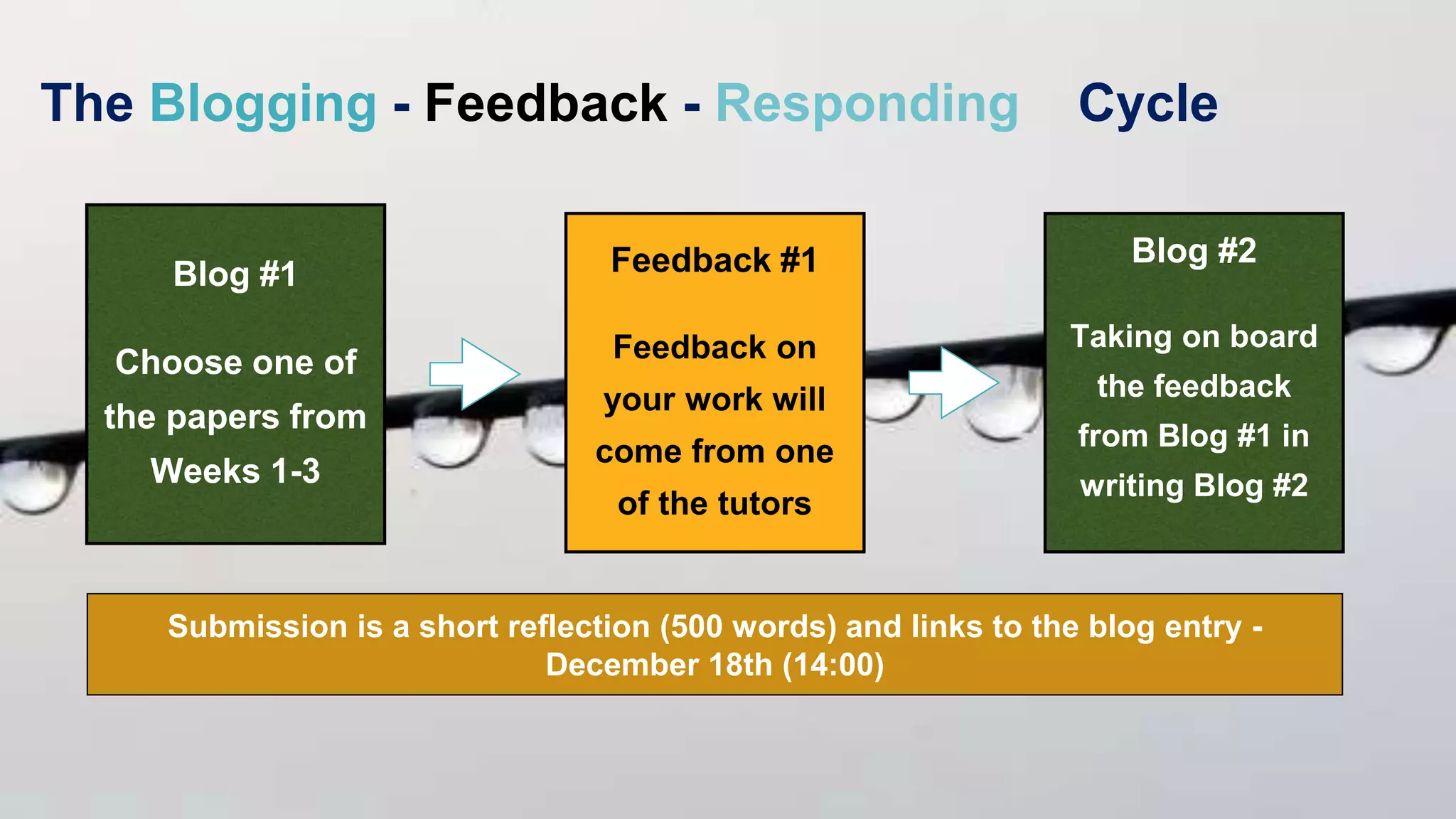
The Blogging - Feedback - Responding Cycle
Blog #1
Choose one of
the papers from
Weeks 1-3
Feedback #1
Feedback on
your work will
come from one
of the tutors
Blog #2
Taking on board
the feedback
from Blog #1 in
writing Blog #2
Submission is a short reflection (500 words) and links to the blog entry -
December 18th (14:00)
Part B: Video
Make a narrated presentation
(with ‘slides’), [<= 10 mins]
Make a short film [<= 10
mins].
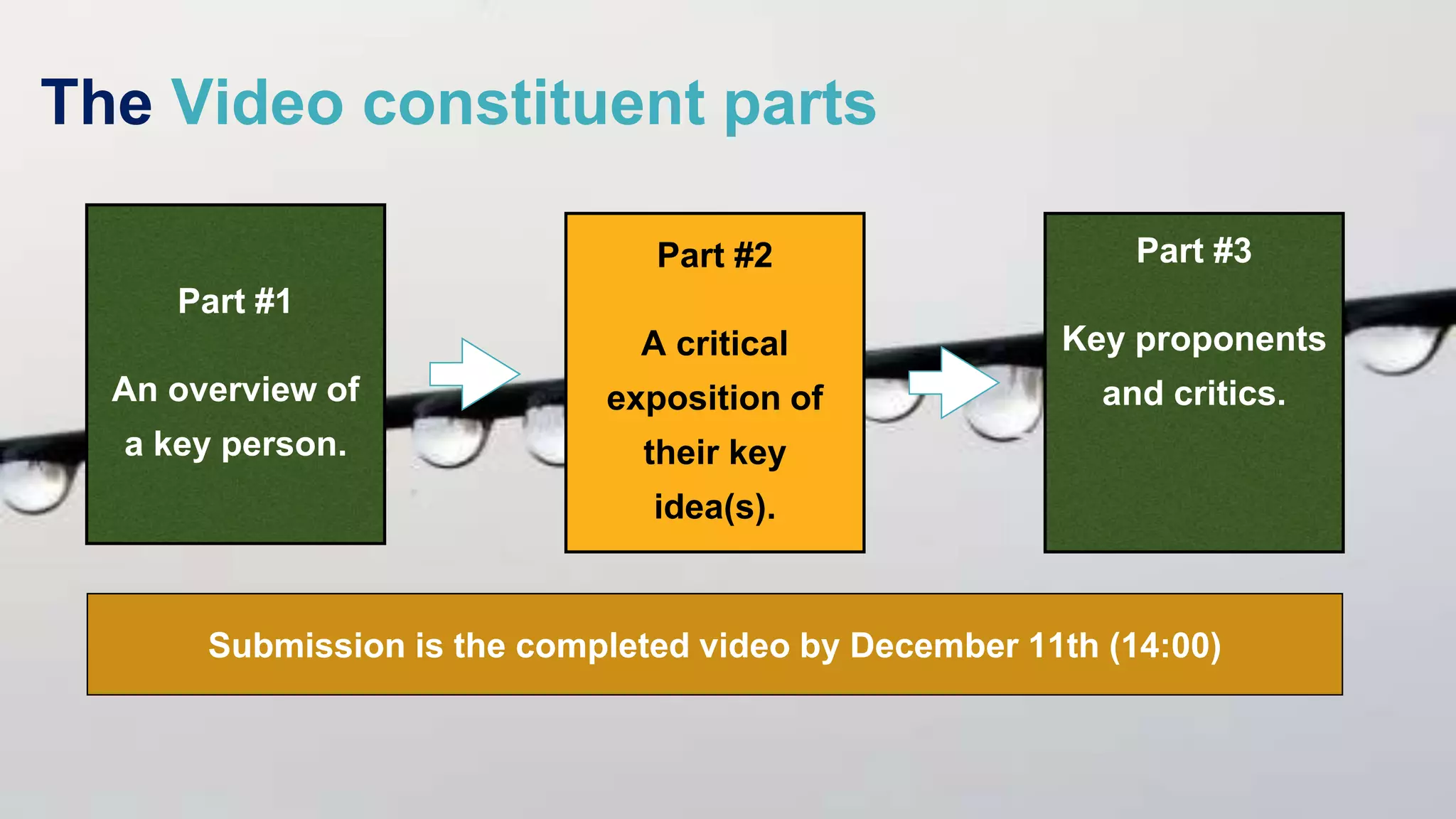
The Video constituent parts
Part #1
An overview of
a key person.
Part #2
A critical
exposition of
their key
idea(s).
Part #3
Key proponents
and critics.
Submission is the completed video by December 11th (14:00)
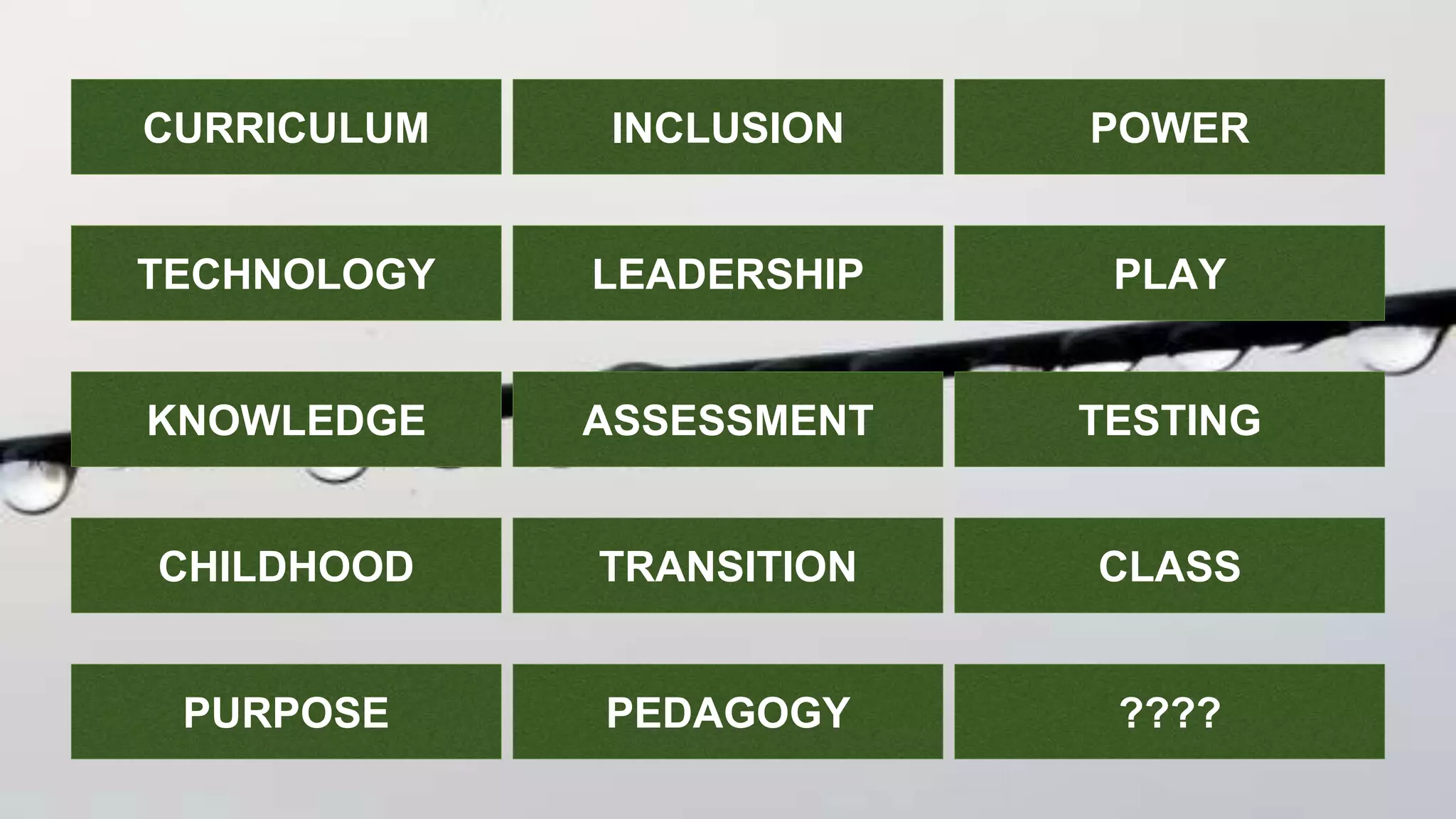
CURRICULUM INCLUSION POWER
TECHNOLOGY LEADERSHIP PLAY
KNOWLEDGE ASSESSMENT TESTING
CHILDHOOD TRANSITION CLASS
PURPOSE PEDAGOGY ????
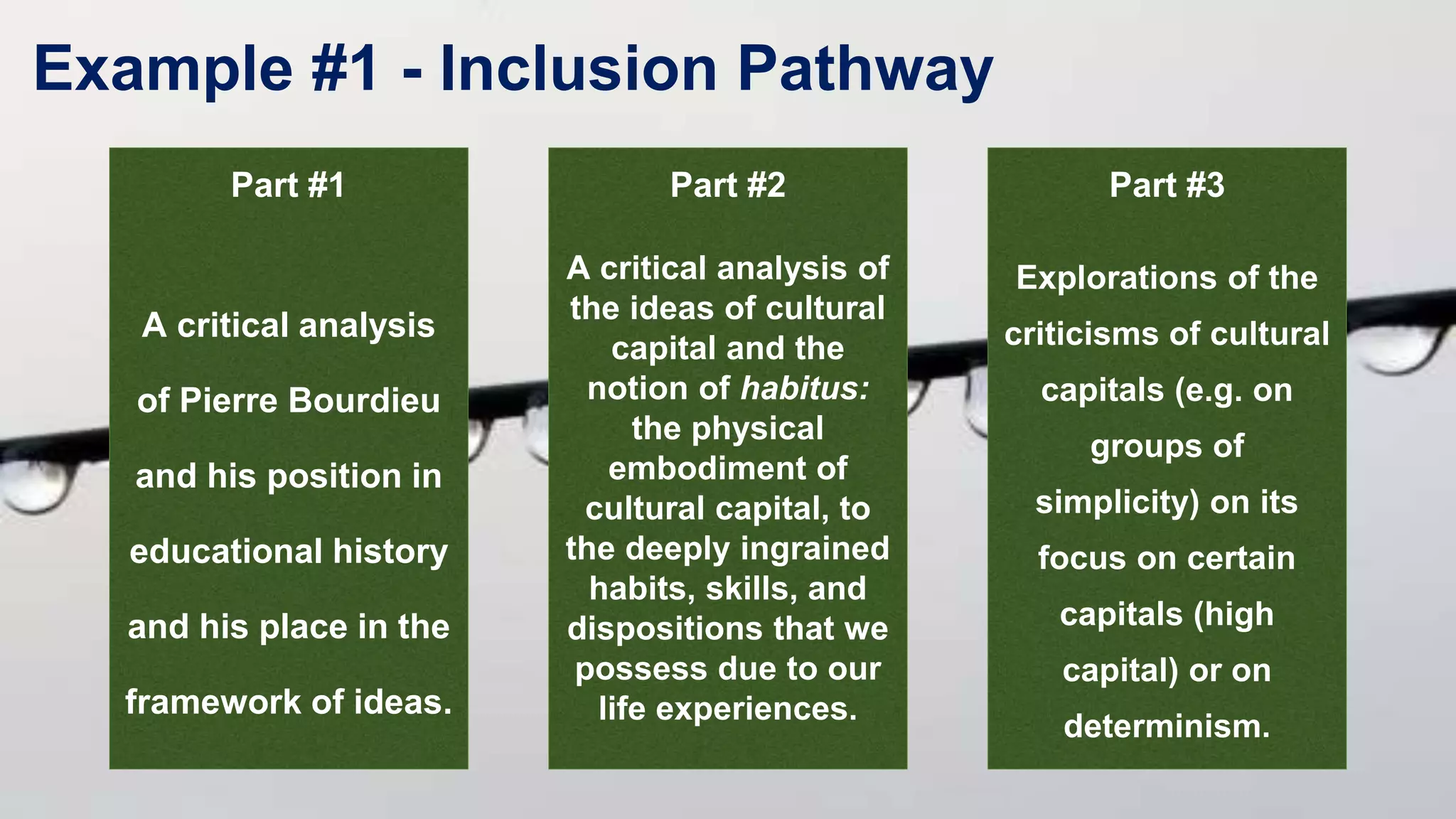
Example #1 - Inclusion Pathway
Part #3
Explorations of the
criticisms of cultural
capitals (e.g. on
groups of
simplicity) on its
focus on certain
capitals (high
capital) or on
determinism.
Part #2
A critical analysis of
the ideas of cultural
capital and the
notion of habitus:
the physical
embodiment of
cultural capital, to
the deeply ingrained
habits, skills, and
dispositions that we
possess due to our
life experiences.
Part #1
A critical analysis
of Pierre Bourdieu
and his position in
educational history
and his place in the
framework of ideas.
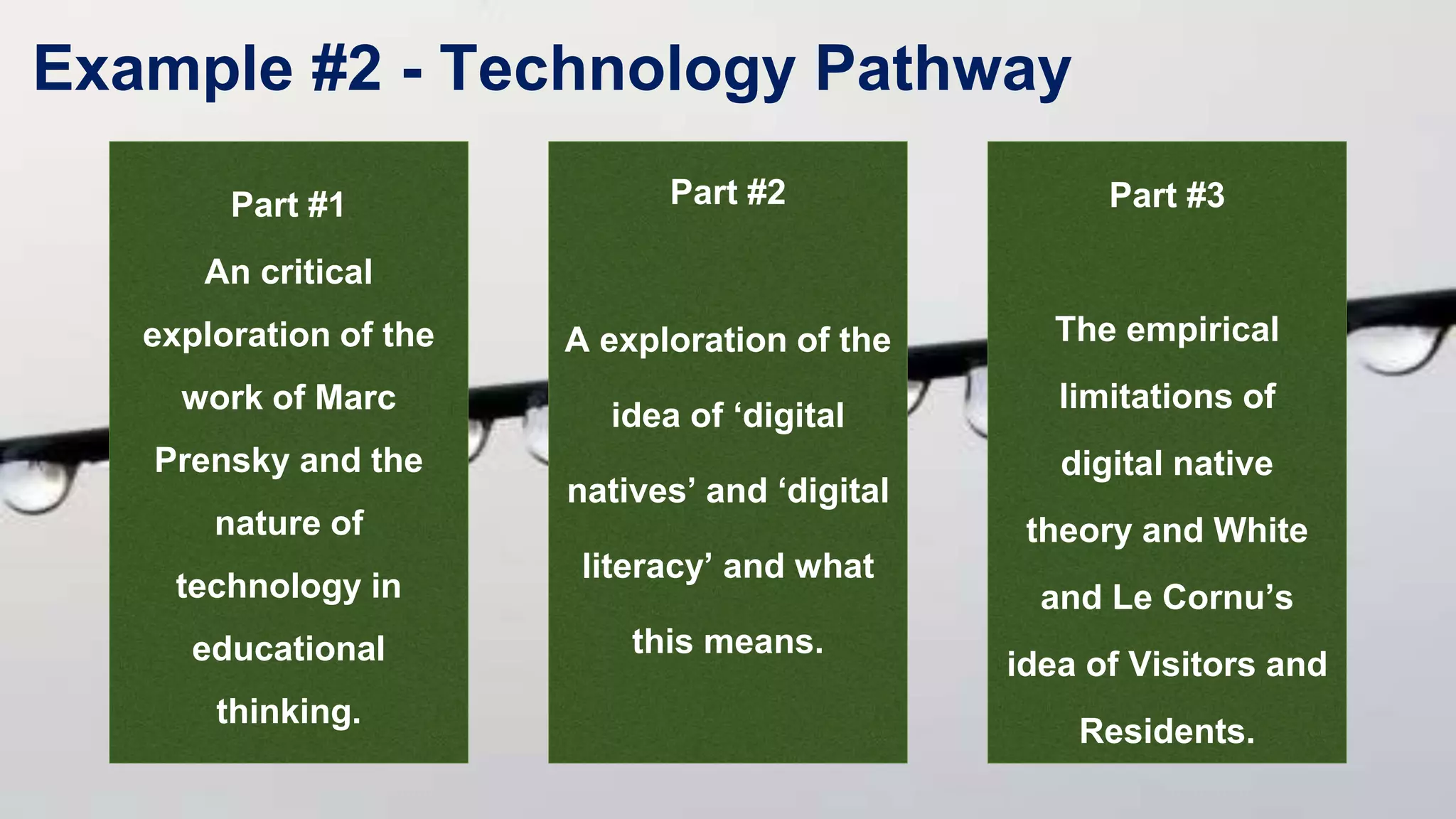
Part #3
The empirical
limitations of
digital native
theory and White
and Le Cornu’s
idea of Visitors and
Residents.
Part #2
A exploration of the
idea of ‘digital
natives’ and ‘digital
literacy’ and what
this means.
Part #1
An critical
exploration of the
work of Marc
Prensky and the
nature of
technology in
educational
thinking.
Example #2 - Technology Pathway
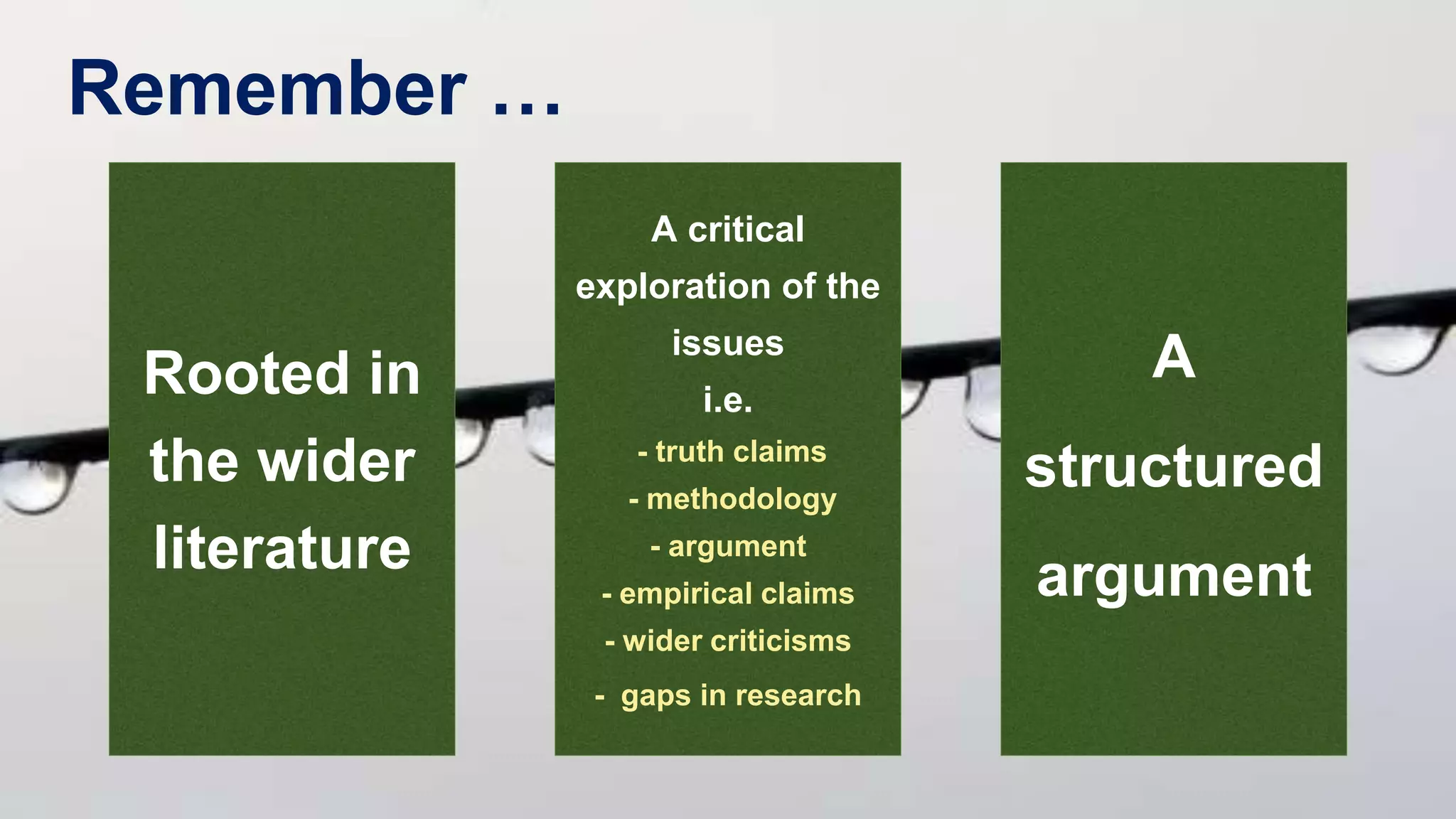
Remember …
Rooted in
the wider
literature
A critical
exploration of the
issues
i.e.
- truth claims
- methodology
- argument
- empirical claims
- wider criticisms
- gaps in research
A
structured
argument
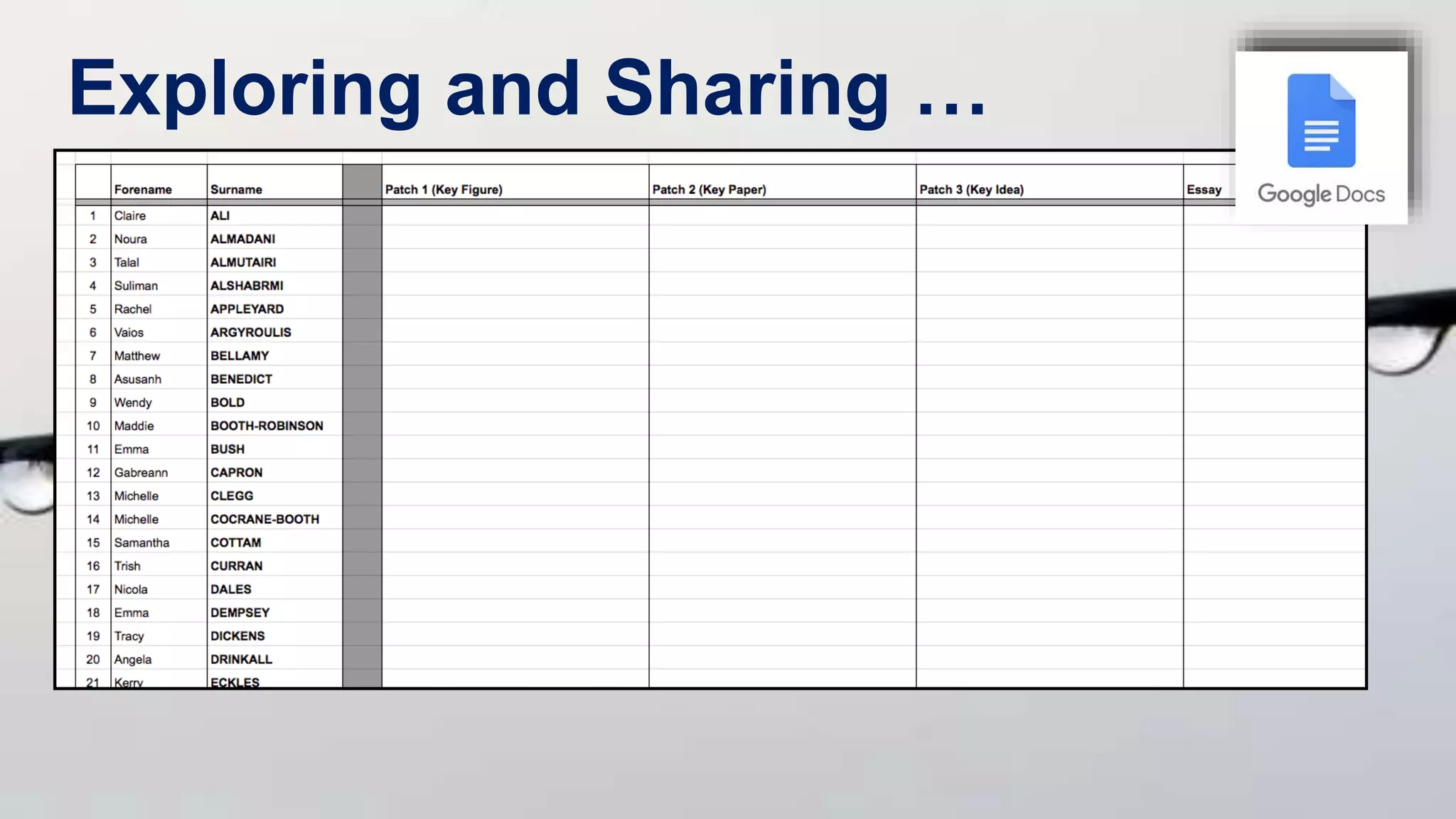
Exploring and Sharing …
Go to www.menti.com
and use the shared code
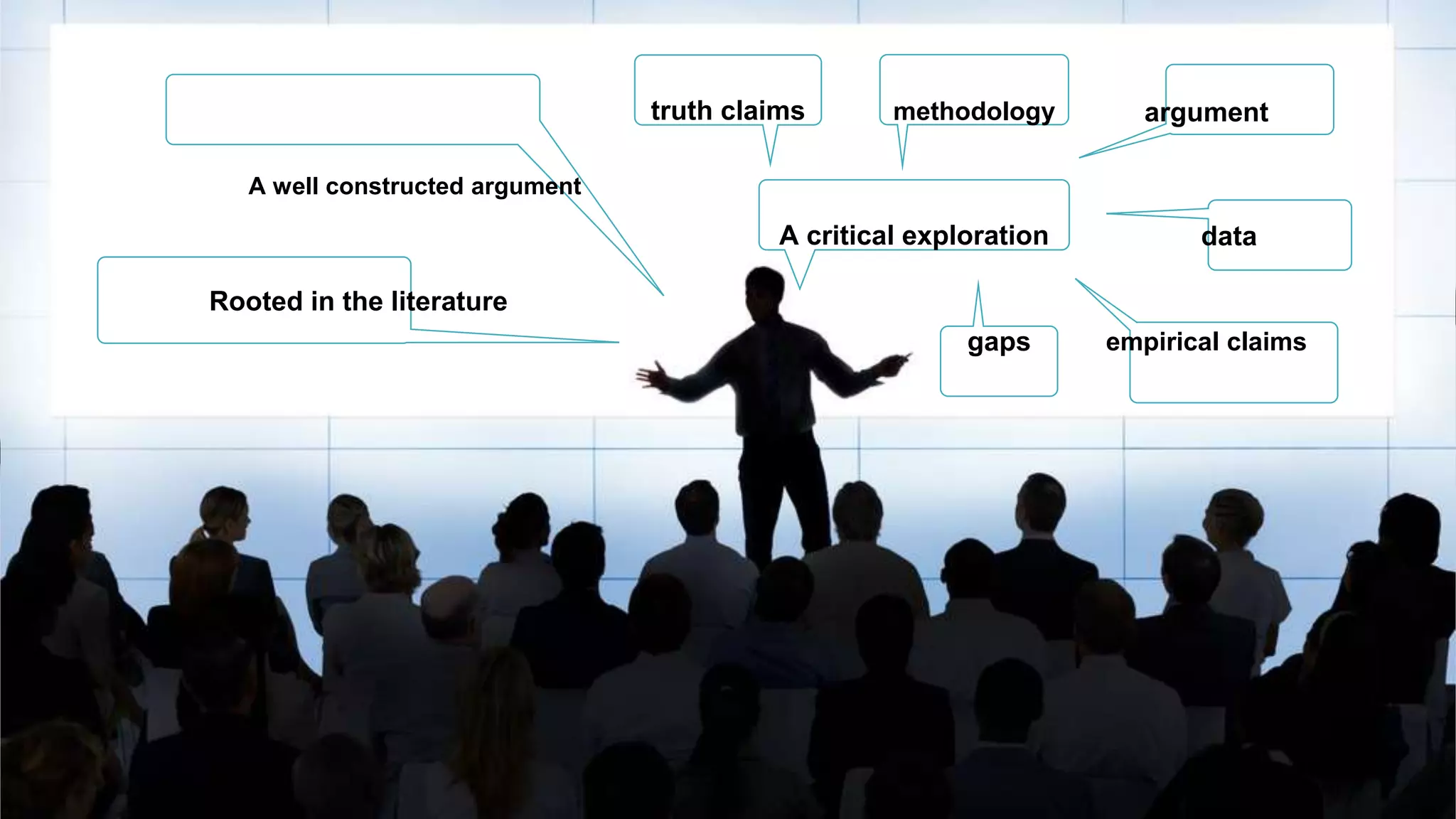
Rooted in the literature
A well constructed argument
A critical exploration
truth claims methodology argument
data
empirical claimsgaps
CCI - Introduction

CCI - Introduction

  • 1.
    Contemporary and Critical Studies PaulHopkins and Andy Holmes Room LT29, Wilberforce p.hopkins@hull.ac.uk a.g.holmes@hull.ac.ukSession 1: September 21st, 2020
  • 3.
    This evening 17:00 -17:20 Reflections / Observations on the key paper / introductions 17:20 - 18:30 Presentation on the course, aims, ideas and assignments 18:30 - 18:45 Coffee / Comfort Break 18:45 - 19:30 Group activities / Micro-Presentations / Discussion 19:30 - 19:50 Synopsis and questions 80
  • 4.
  • 6.
    Aims • To introducethe course and the assignments • To introduce the nature of critical thinking and critical issues • To introduce the idea of writing and reading at M level
  • 7.
    Introduction: The Course Whatare your questions about the module?
  • 8.
    Go to www.menti.com anduse the shared code
  • 9.
    Adjective: Having orshowing very great skill or proficiency. Verb: 1. Acquire complete knowledge or skill in (a subject, technique, or art). 2. Gain control of; overcome Noun: A skilled practitioner of a particular art of study
  • 12.
    To help youto consider the complexity of education in a systematic way, providing you with a general foundation for your specialist postgraduate study. It will introduce you to current issues in education both locally and globally, so that you can develop a greater understanding of some of those issues, exploring them further in your more specialist modules.
  • 13.
    To help youto consider the complexity of education in a systematic way, providing you with a general foundation for your specialist postgraduate study. It will introduce you to current issues in education both locally and globally, so that you can develop a greater understanding of some of those issues, exploring them further in your more specialist modules.
  • 15.
    Objectives of thecourse • to explore the nature of education with opportunities for more in-depth study in areas of personal interest; • develop theoretical, methodological and analytical skills, to critique current theories and ideas of education; • enable reflective learning to consolidate, synthesise and refine your knowledge, understanding, and research • discuss education (curriculum, pedagogy, assessment) and its wider social, cultural and political contexts, including the role of education in tackling (and/or reproducing) inequalities
  • 16.
    Learning Outcomes 1. Demonstrateknowledge and understanding of educational theories and theorists; 2. Develop an argument with respect to educational value and to conduct these discussions in an effective manner; 3. Analyse, synthesise and critically evaluate the nature of education drawing upon different disciplines, theories, socio-economic and political issues; 4. Reflect critically upon and present your own understanding and application of a key aspect of education studies.
  • 17.
  • 19.
  • 24.
    Oxford English Dictionary (a)a detailed analysis and assessment of something, especially a literary, philosophical, or political theory. (b) evaluate (a theory or practice) in a detailed and analytical way.
  • 33.
    Reflection Point 1 Goto www.menti.com and use the shared code
  • 34.
    What process of criticalitywould you want to bring to bear on the following statements?
  • 35.
    “30% of children leaveprimary school unable to read or write” Nick Gibb, Minister for Schools, England “Wearing a school uniform is essential for discipline and achievement in schools” Micheal Wilmshaw, Ex-Head Ofsted
  • 36.
    “you cannot solve education’sproblems until you solve society’s problems” Pasi Salhberg, Ex-Minister for Education, Finland “Class is more than money. Class is also about knowledge” bell hooks - US Academic
  • 37.
    “Don’t tell themhow to do it. Show them how to do it and not say a word. If you tell them they will watch your lips move. If you show them they will want to do it themselves” Maria Montessori - early years education pioneer “Cognitive load theory is the single most important thing for teachers to know” Dylan Wiliam - US academic
  • 41.
  • 42.
    Types of KnowledgeI - where does it come from? 1. A Priori: “from before” depends upon what a person can derive from the world without needing to experience it also known as reasoning. A degree of knowledge is needed for a priori knowledge to take place. https://blog.udemy.com/types-of-knowledge/ Philosophically A priori knowledge is superior to a posteriori 2. A Posteriori: “from what comes after” knowledge gained from having an experience (using the senses [enhanced] and using inductive reasoning to gain knowledge. This is also sometimes called empirical knowledge. Can be falsified. logic: A cod is a fish, all fish live in the sea, so all cod live in the sea. language: all bachelors are unmarried. observation: It is currently raining outside my house. argument: an asteroid impact causes climate issues leading to species extinction.
  • 43.
    Types of KnowledgeII (Polanyi, 1966) - how is it ‘stored’? https://blog.udemy.com/types-of-knowledge/ Explicit = easy to transfer. Tacit = difficult to transfer. 3. Explicit: Knowledge that is recorded and communicated via media - it is our libraries and databases - all domains have their explicit knowledge; explicit knowledge can be easily transferred from one to another. 4. Tacit: Knowledge that acquired via experience - the ability to play a musical instrument cannot be learned via explicit knowledge.
  • 44.
    Types of KnowledgeIII - how is it used? https://blog.udemy.com/types-of-knowledge/ 5. Declarative: knowledge of something, as opposed to knowledge of how to do something. e.g. that J is the 10th letter of the alphabet, the equation ax2 + bx + c = 0. They key idea is that you know something is true (for a given definition of truth) 6. Procedural: Knowledge that can be used, knowledge of how to do something - ride a bike, for example. We may not be able to explain how we do it. This procedural knowledge often sits within copyright of patent. This is also sometimes called a skill.
  • 45.
    Types of KnowledgeIV - an evolutionary perspective An example is the difference between speaking (BPK) and writing (BSK) Geary, D. C. (2008). An evolutionary informed education science. Educational Psychologist, 43, 179-195 7. Biological Primary: knowledge that we have evolved to acquire - Acquiring biologically primary knowledge is usually unconscious, effortless and rapid – even when the knowledge to be learnt is complex. 8. Biological Secondary: knowledge that is the product of our cultural inheritance - acquiring biologically secondary knowledge is conscious, effortful and slow – with complex material severely impeding a learner’s ability to acquire knowledge.
  • 46.
    Reflection Point 2 Goto www.menti.com and use the shared code
  • 47.
    Conceptions of criticality i)critical dogmatism ii) transcendental critique iii) deconstruction
  • 49.
    Often associated withKantSOURCE: https://plato.stanford.edu/entries/transcendental-arguments
  • 50.
    Deconstruction is philosopherJacques Derrida's critique of the relationship between text and meaning. Derrida's approach consists in conducting readings of texts with an ear to what runs counter to the structural unity or intended sense of a particular text. The purpose is to expose that the object of language, and that which any text is founded upon, is irreducibly complex, unstable, or impossible. Throughout his readings, Derrida hoped to show deconstruction at work, i.e., the ways that this is originally complexity—which by definition cannot ever be completely known—works its structuring and destructuring effects.
  • 51.
    I can’t helpbut dream of the kind of criticism that would try not to judge but to bring an oeuvre, a book, a sentence, an idea to life; it would light fires, watch grass grow, listen to the wind, and catch the sea foam in the breeze and scatter it. It would multiply not judgements but signs of existence; it would summon them, drag them from their sleep, Foucault 1997
  • 52.
    Reflection Point 3 Goto www.menti.com and use the shared code
  • 53.
  • 54.
    Writing at Mlevel some thoughts
  • 55.
    “ ” Reading for pleasureAcademic Reading You can choose what you are going to read. You are given something to read or an area of reading is recommend and you have found materials in this area. It’s up to you what kinds of text you choose and why you choose them - and the ‘quality’ The things that you are going to read have to be of ‘good’ quality from trusted or approved sources. You don’t have to think about what you are choosing if you do not want to You have to analyse, evaluate, compare and reflect on the value of the sources you are reading and think about what it is possible to say about them. You can choose to read when and where you like. You will often have to read for the purposes of producing particular types of knowledge, in particular ways, for particular audiences. You could choose to read the same kind of things day in and day out (and reread the same things) You will have to be able to work with a range of different sources in order to produce particular types of knowledge.
  • 57.
    How to writecritically Academic Phrasebook Manchester http://www.phrasebank.manchester.ac.uk/being-critical/
  • 58.
    The structure ofthe course and the assignments
  • 59.
    S1 (21 Sept)- Introduction (PH) S2 (28 Sept) - Purpose of Education (PH) S3 (5 Oct) - Assessment (AH) S4 (12 Oct) -Technology (PH) S5 (19 Oct) - Curriculum S6 (w/o 26 Oct) - Drop-in Tutorials [HT] S7 (2 Nov) - Class, Bias and Privilege (PH) S8 (9 Nov) - Positionality & Practice (AH/PH) S9 (16 Nov) - Plagiarism (AH) S10 (23 Nov) - Evidence & “What Works” (PH) S11 (30 Nov/1Dec) - Drop-in Tutorials [Optional]
  • 60.
    The Sessions (structure) 17:30- 18:45 Presentation on the themes of the week - lecture and Qs 18:45 - 19:00 Drink / Comfort Break 19:30 - 19:50 Synopsis and core thoughts (possible presentation by group) 17:00 - 17:30 Reflections / Observations on the key readings - discussion 19:00 - 19:30 Discussion in small groups (to be arranged this week) Pre-Reading 1-3 papers [should take about an hour] Before Session
  • 61.
    How will yoube assessed? Part B - Video [3000 words equivalent] Part A - Critical Blog [~3000 words]
  • 62.
    How will yoube assessed? Part A - Critical Blog The blog will be a series critical reflections on three of the papers you are asked to read for the pre-reading. Each of these will be assessed and comments will be made by one of your tutors before the next one is submitted.
  • 63.
    Keeping a blog… You can choose your own blog tool.
  • 64.
    The Blogging -Feedback - Responding Cycle Blog #1 Choose one of the papers from Weeks 1-3 Feedback #1 Feedback on your work will come from one of the tutors Blog #2 Taking on board the feedback from Blog #1 in writing Blog #2 Submission is a short reflection (500 words) and links to the blog entry - December 18th (14:00)
  • 65.
    Part B: Video Makea narrated presentation (with ‘slides’), [<= 10 mins] Make a short film [<= 10 mins].
  • 66.
    The Video constituentparts Part #1 An overview of a key person. Part #2 A critical exposition of their key idea(s). Part #3 Key proponents and critics. Submission is the completed video by December 11th (14:00)
  • 67.
    CURRICULUM INCLUSION POWER TECHNOLOGYLEADERSHIP PLAY KNOWLEDGE ASSESSMENT TESTING CHILDHOOD TRANSITION CLASS PURPOSE PEDAGOGY ????
  • 68.
    Example #1 -Inclusion Pathway Part #3 Explorations of the criticisms of cultural capitals (e.g. on groups of simplicity) on its focus on certain capitals (high capital) or on determinism. Part #2 A critical analysis of the ideas of cultural capital and the notion of habitus: the physical embodiment of cultural capital, to the deeply ingrained habits, skills, and dispositions that we possess due to our life experiences. Part #1 A critical analysis of Pierre Bourdieu and his position in educational history and his place in the framework of ideas.
  • 69.
    Part #3 The empirical limitationsof digital native theory and White and Le Cornu’s idea of Visitors and Residents. Part #2 A exploration of the idea of ‘digital natives’ and ‘digital literacy’ and what this means. Part #1 An critical exploration of the work of Marc Prensky and the nature of technology in educational thinking. Example #2 - Technology Pathway
  • 70.
    Remember … Rooted in thewider literature A critical exploration of the issues i.e. - truth claims - methodology - argument - empirical claims - wider criticisms - gaps in research A structured argument
  • 71.
  • 72.
    Go to www.menti.com anduse the shared code
  • 73.
    Rooted in theliterature A well constructed argument A critical exploration truth claims methodology argument data empirical claimsgaps

Editor's Notes

  • #3 Welcome to the course - which I hope you are looking forward to and which you will enjoy.
  • #4 Welcome to the session - please note that you are not supposed to be eating or drinking in here - I am relaxed about this as long as you take away any detritus.
  • #5 This is the outline for the session this evening. You will have had access to the paper from CANVAS and hopefully have had a chance to read this. There will be preliminary reading for each of the sessions and we will explore these in groups and individually - there will be an opportunity to ask and be asked questions on this.
  • #6 This is the structure of the CANVAS site - I hope that this is consistent with other lecturers’ use of CANVAS but you will see that each session is a “module” on CANVAS and that the reading - support materials - and other materials are available. There is a also a “general” section which includes the handbook, referencing guide, templates for the assignment etc..
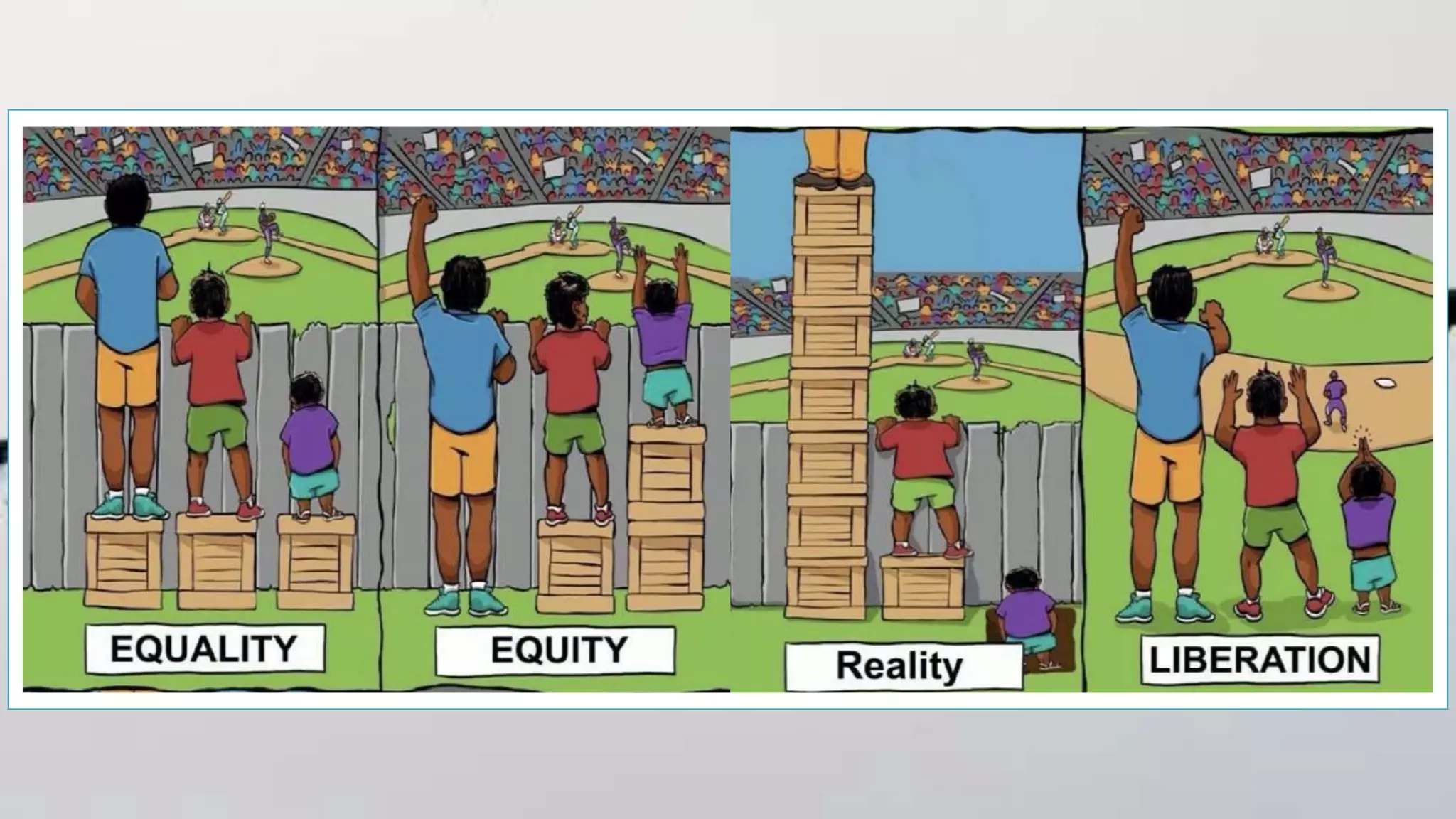
  • #7 So do we believe this? We will be exploring this evening the idea of “criticality” these posters or slogans are common in all walks of life but we should be examining them critically. Pass Salberg, ex-minister of education for Finland says “you cannot change education unless you change society” and so argues that educational change can only take place in a situation of social equality? What factors might limit and children access to this “weapon” (and is that a good term to use?”
  • #8 So, having had a think about this what are we intending to do this evening?
  • #9 Let’s start with any questions you have to make sure these are answered?
  • #10 Let’s start with any questions you have to make sure these are answered?
  • #11 You are all starting, this evening, your Master’s course. This is a “step-up” from your Batchelor’s in a number of ways - a good place to start with any definition is the dictionary - but there is a lesson in criticality here as the dictionary itself is influenced by a range of factors including cultural, social, racial, sexuality and economic factors - and words develop and change meaning over time.
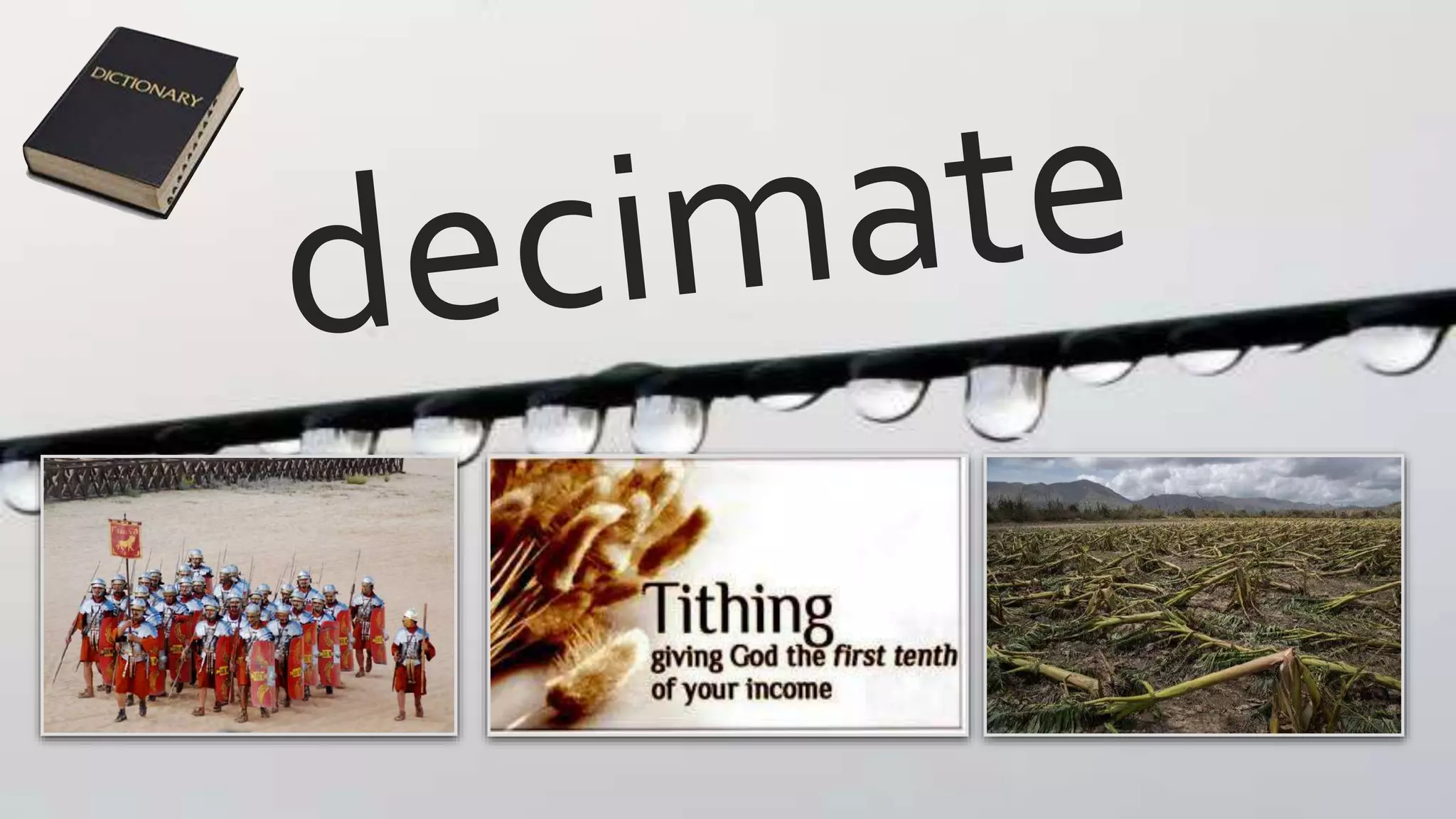
  • #12 The word decimate is constructed from the root deci (meaning one tenth) and originally mean to reduce by one tenth. In Roman times punishment was handed out to one in ten, in medieval times in was the tythe or tenth given to the church, now the word is commonly used to mean to destroy utterly or to cause devastation. What is the “correct” use of the word? Do you know any similar examples?
  • #13 So, we are taking a journey towards the emerald city of the Masters along the yellow brick road of exploration. Now, there is an example of cultural situationally. Are there any of you for whom this reference means nothing? We need to be careful when working with children and/or adults that we have an understanding of this positionally - where we are culturally, socially etc … again this is something we will come back to later.
  • #14 This is the core learning motive of the course - we will explore a range of issues over the next 10 weeks, more on this later - but all of this is about developing the tool of critical exploration that you should be applying to your own work and strand of learning and the focus you are going to follow. You should keep this in mind throughout the course.
  • #15 Let’s break this down and look more carefully at the components of this - both in general terms and then in respect to the strand that you are following.
  • #16 This is one of my favourite quotes about the process of education - I especially love the phrase “unforgivingly” complex. We are often looking for a “silver bullet” (cultural reference - werewolves) solution for the way we educate children but Cochran-Smith argues that these are almost impossible. We will look further into this idea of “what works” later in the course.
  • #17 Looking in more detail at the things you will study, and I will help you to do so, during the next 10 weeks. You will see that these objectives will apply across the whole of your Masters study this is why this module, and the research methods are undertaken by all students. These core skills and knowledge are at the root of the whole of your Master’s study.
  • #18 And these are the outcomes from the module - things you will be able to do by the end of the course. We will look at some of things a little more later when we look at the nature of writing at M level.
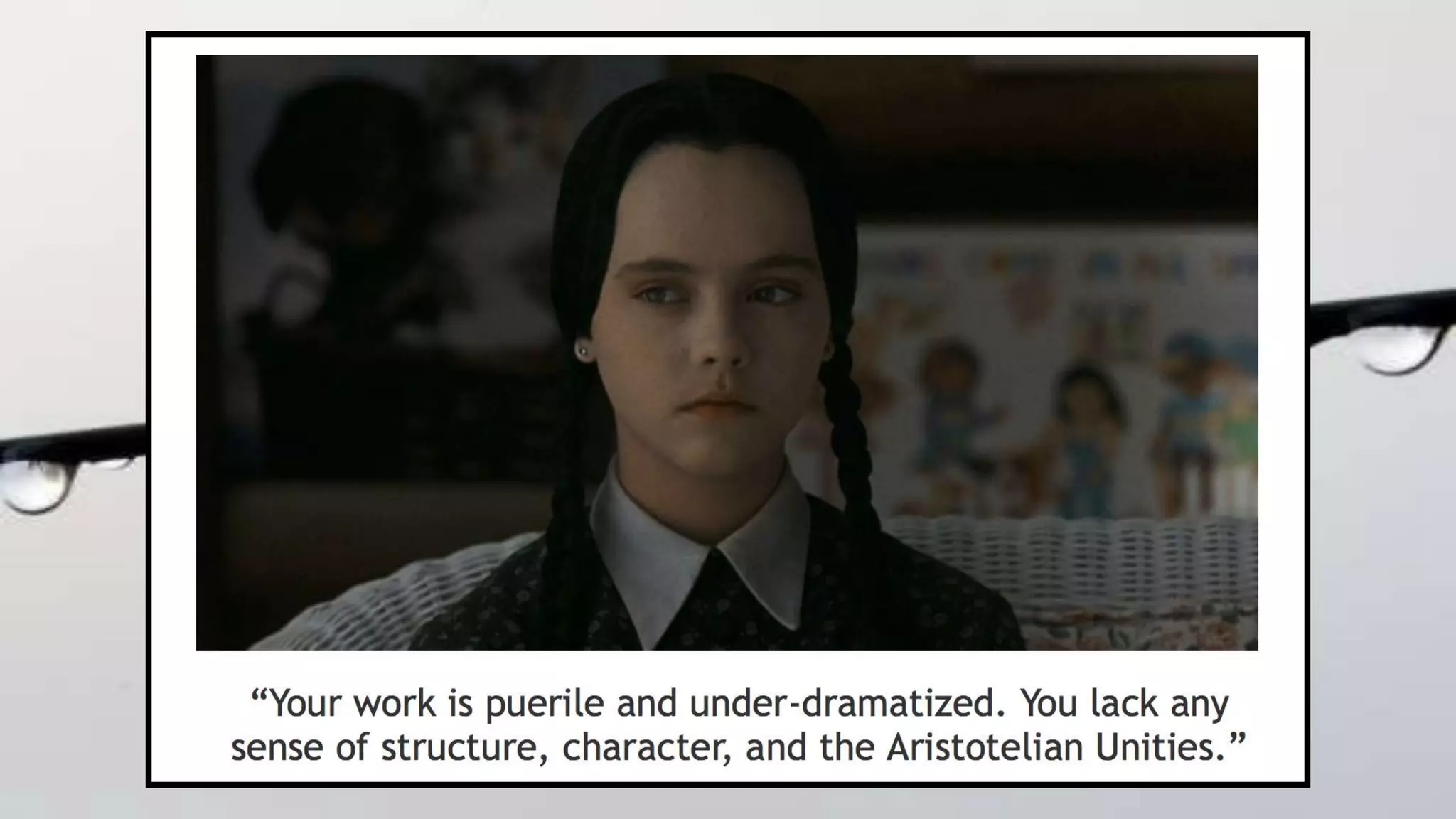
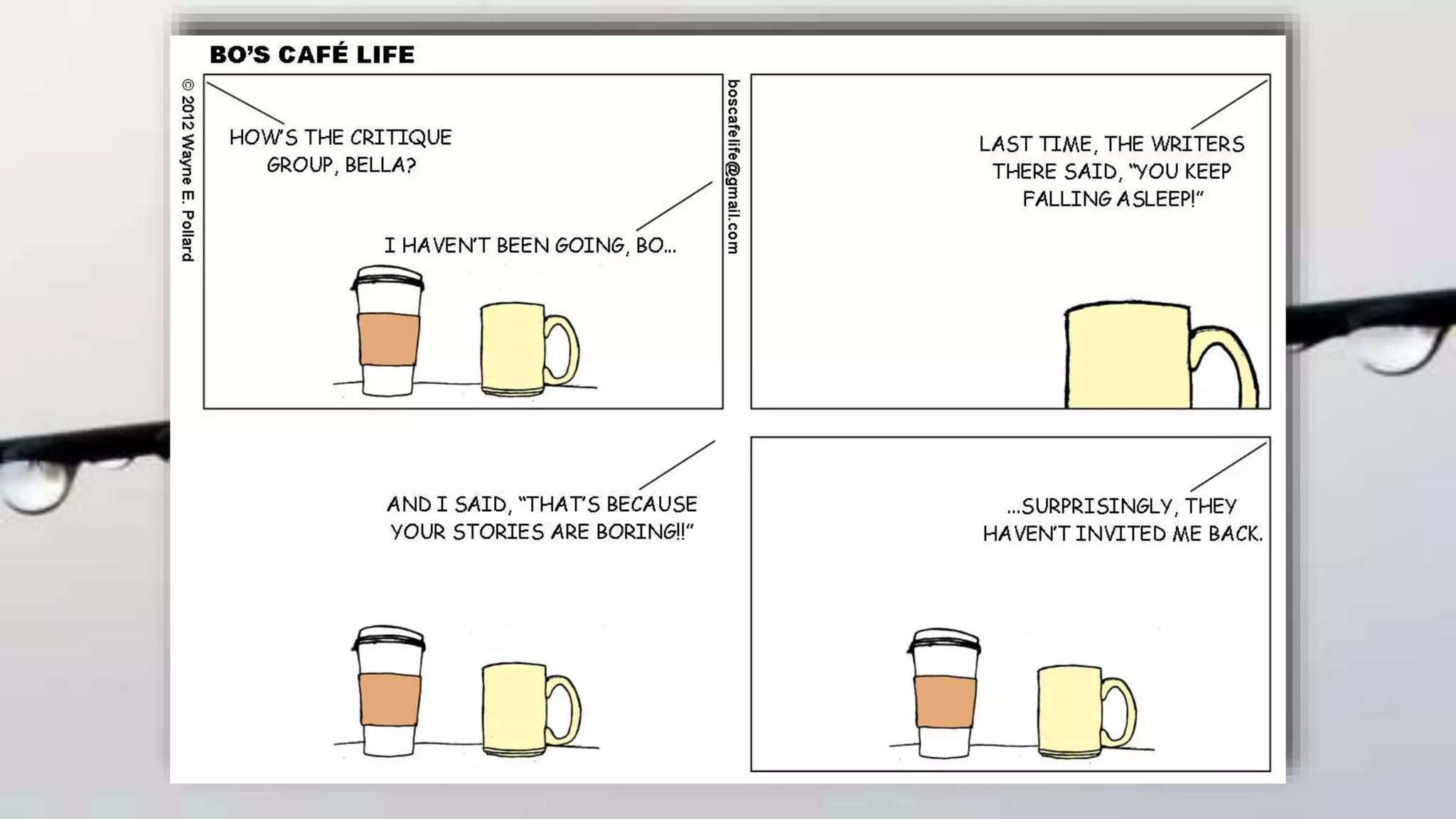
  • #19 Ok - so that’s the background so what does the actual course look like?
  • #20 A key term, which I am sure you have picked up already is the term CRITICAL. We are not using term in terms of a crisis or something that is in danger of being destroyed or ending but in the terms of …
  • #21 … these terms.
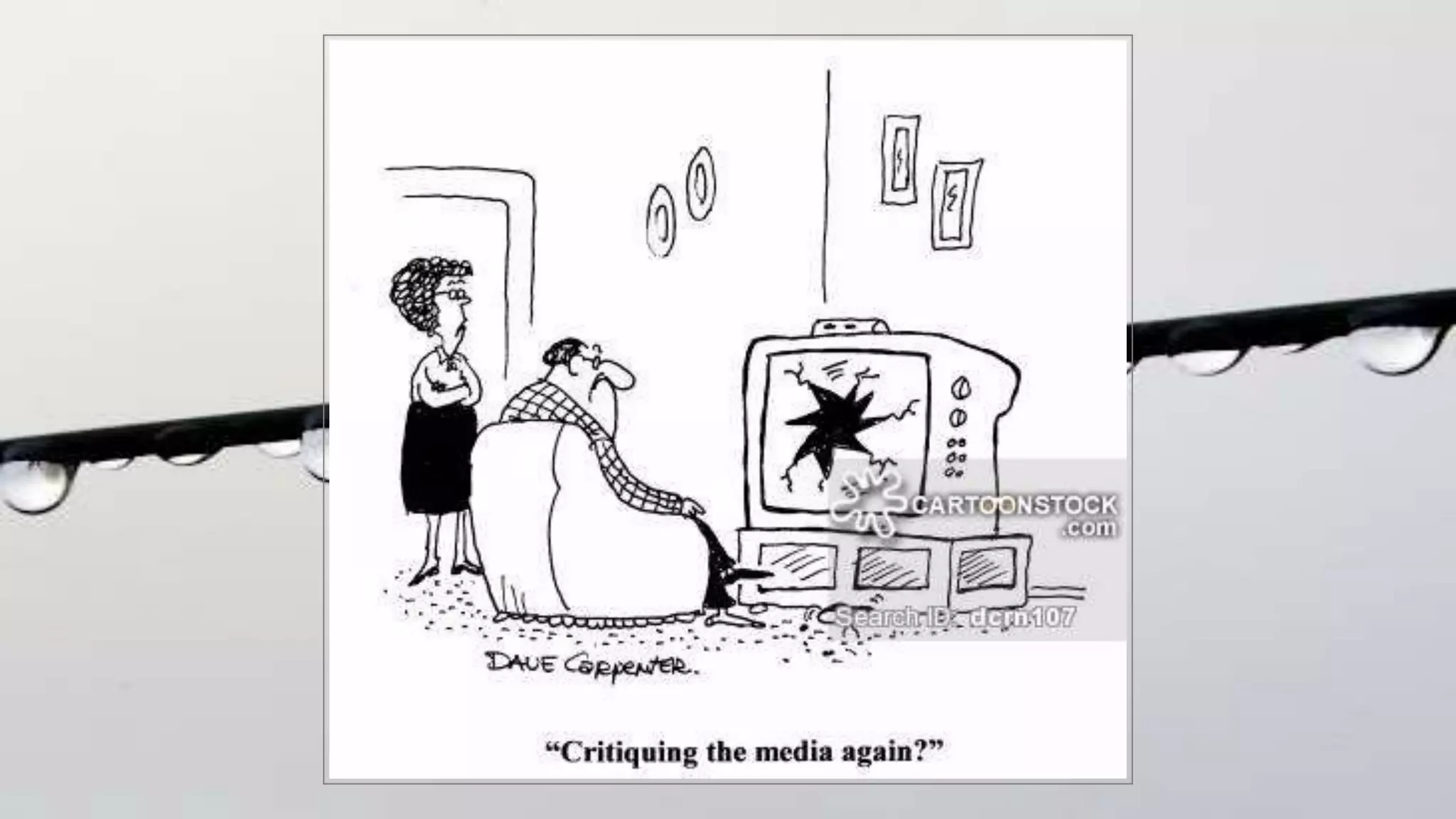
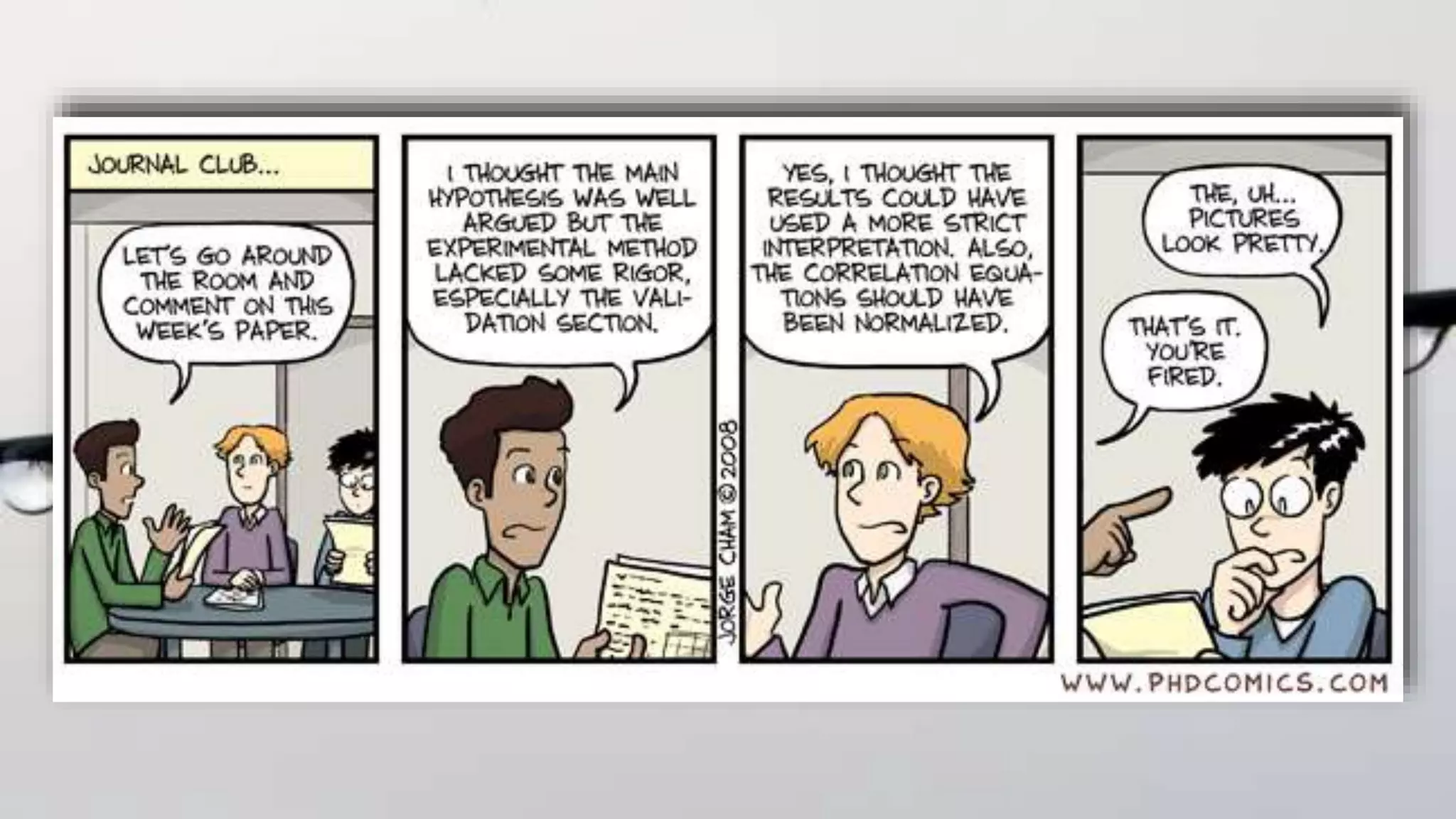
  • #22 What is does not mean is criticism.
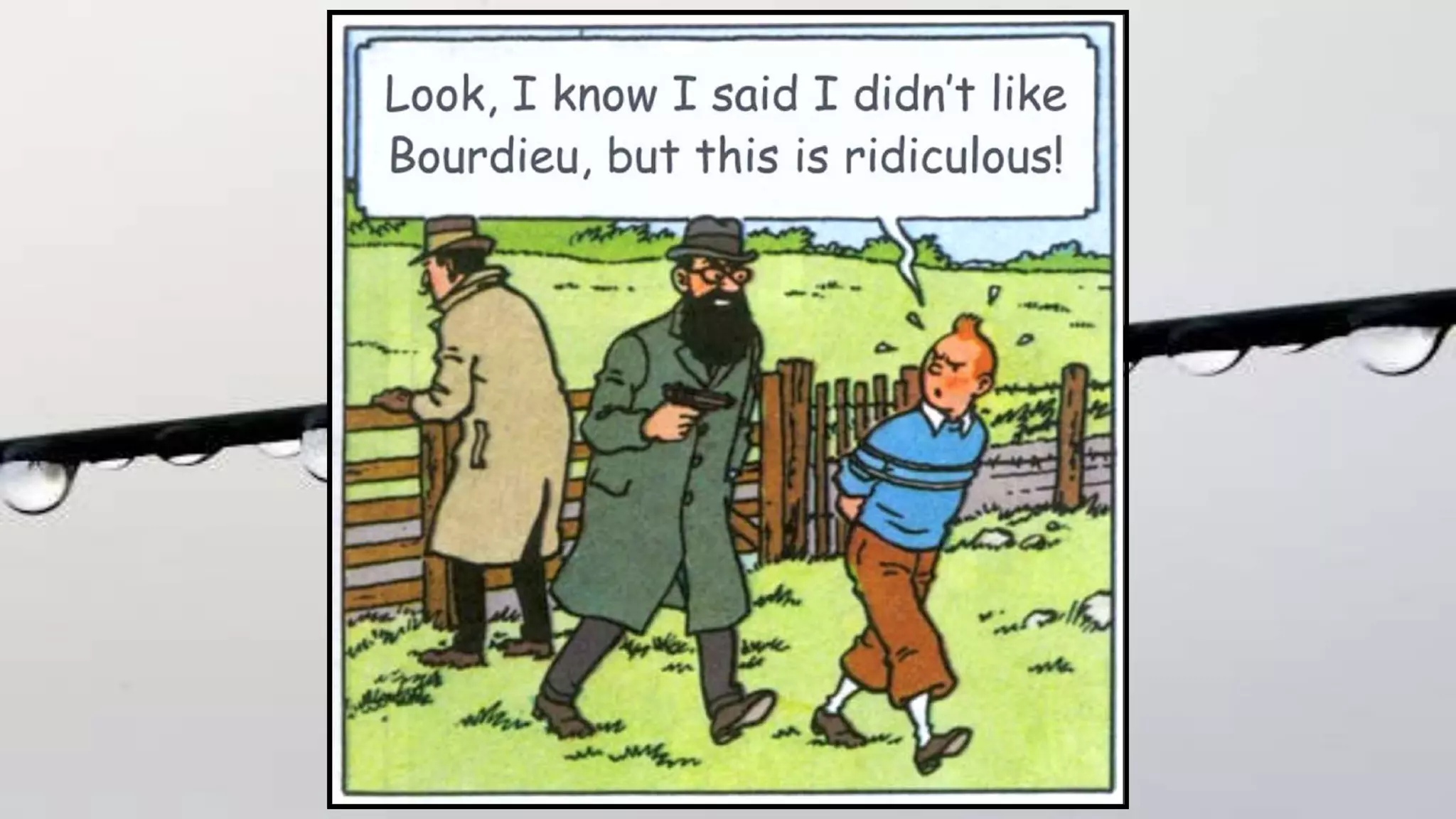
  • #23 And whilst emotional responses should be acknowledged and will form part of your response - they need to be supported with argument and evidence - be aware of the bubble in which we often live and which can be increased in an age of social media.
  • #24 It’s also not about our personal opinion, our likes and dislike - though again we have to be honest about these - we walk talk more about ‘positionality’ during the course this is something we do have to be aware of.
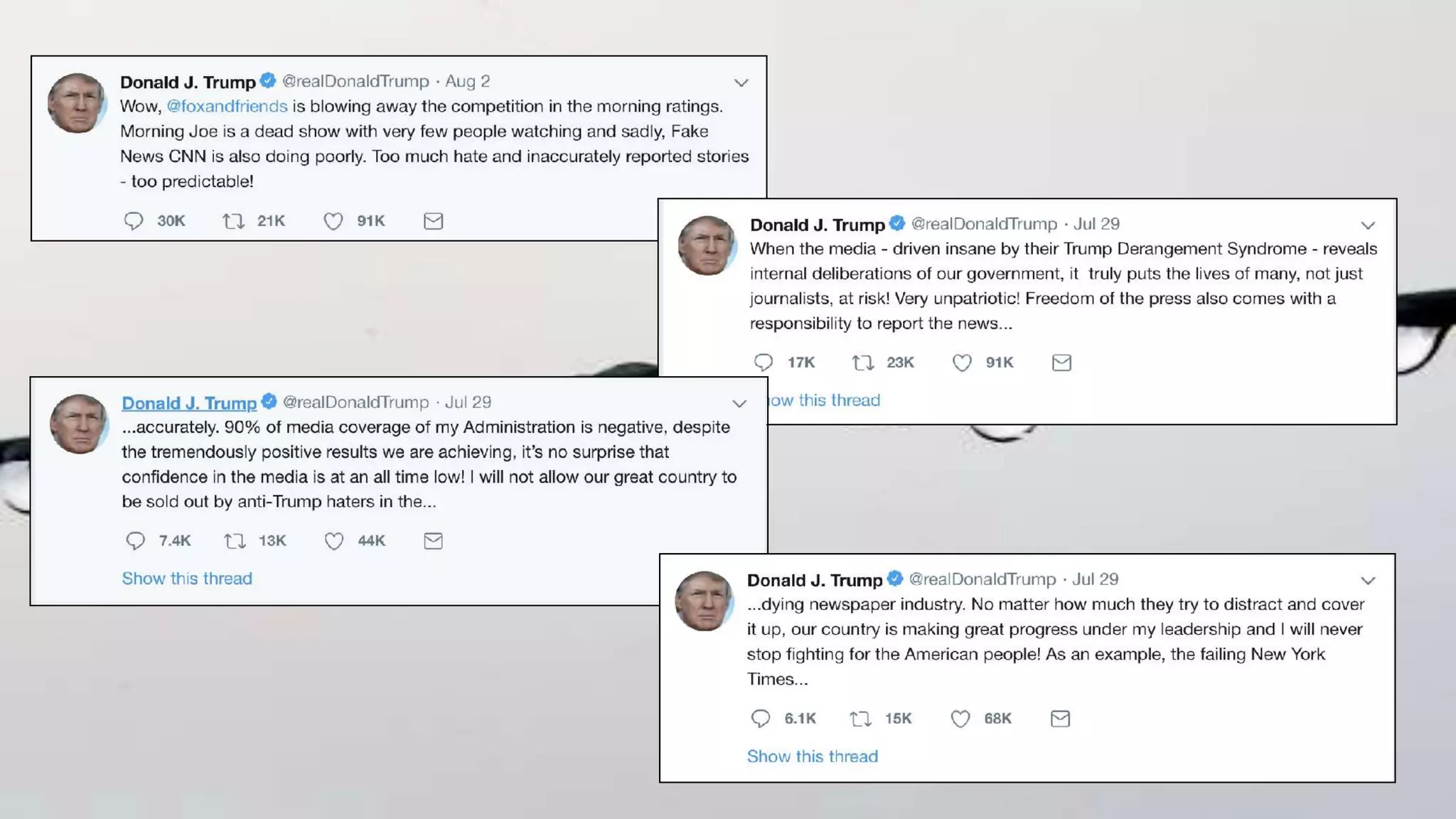
  • #25 So, perhaps the most famous current user of social media certainly offers a critique or commentary on issues but I would argue that he is not being CRITICAL in his critique.
  • #26 Back to the dictionary
  • #27 We also need to be able to understand the point of view of the other - and to listen carefully to arguments that we might not find, at first encounter, appealing, interesting, engaging or convincing.
  • #28 We need to consider the focus of our critique what are we looking at when we are offering thoughts and critique on the work of others? This could be the background (literature), the approach (methodology), the content (findings, data) the argument (analysis / discussion) or the conclusions.
  • #29 Complexity should also be recognised when we are exploring the work of others - we should try to look beyond the surface and …
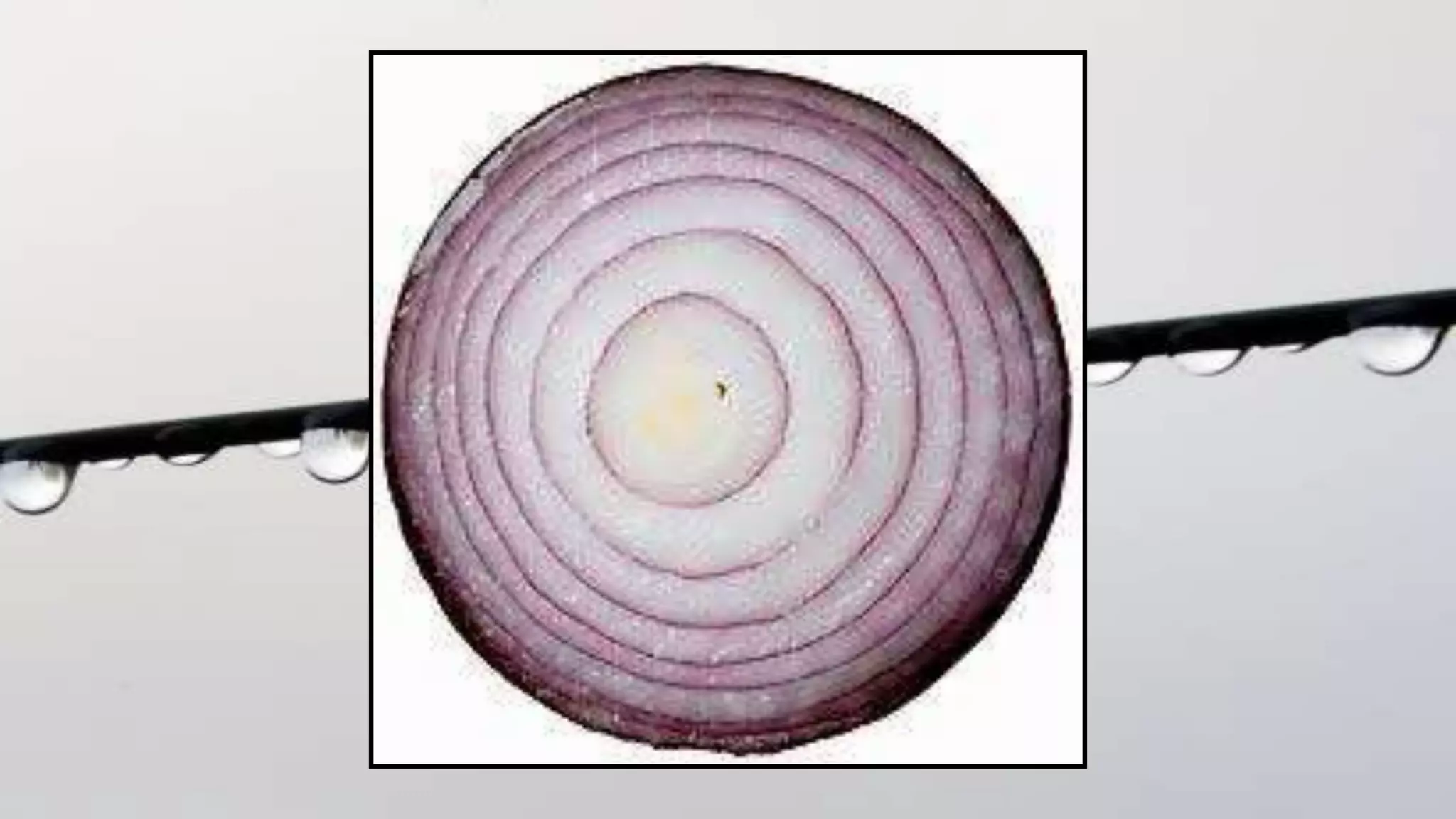
  • #30 … peel away the layers as we critique.
  • #31 … considering the perspective and our positionality / perspective …
  • #32 And being aware of the ways in which we are offering critique - more again on this later when we look at M level writing.
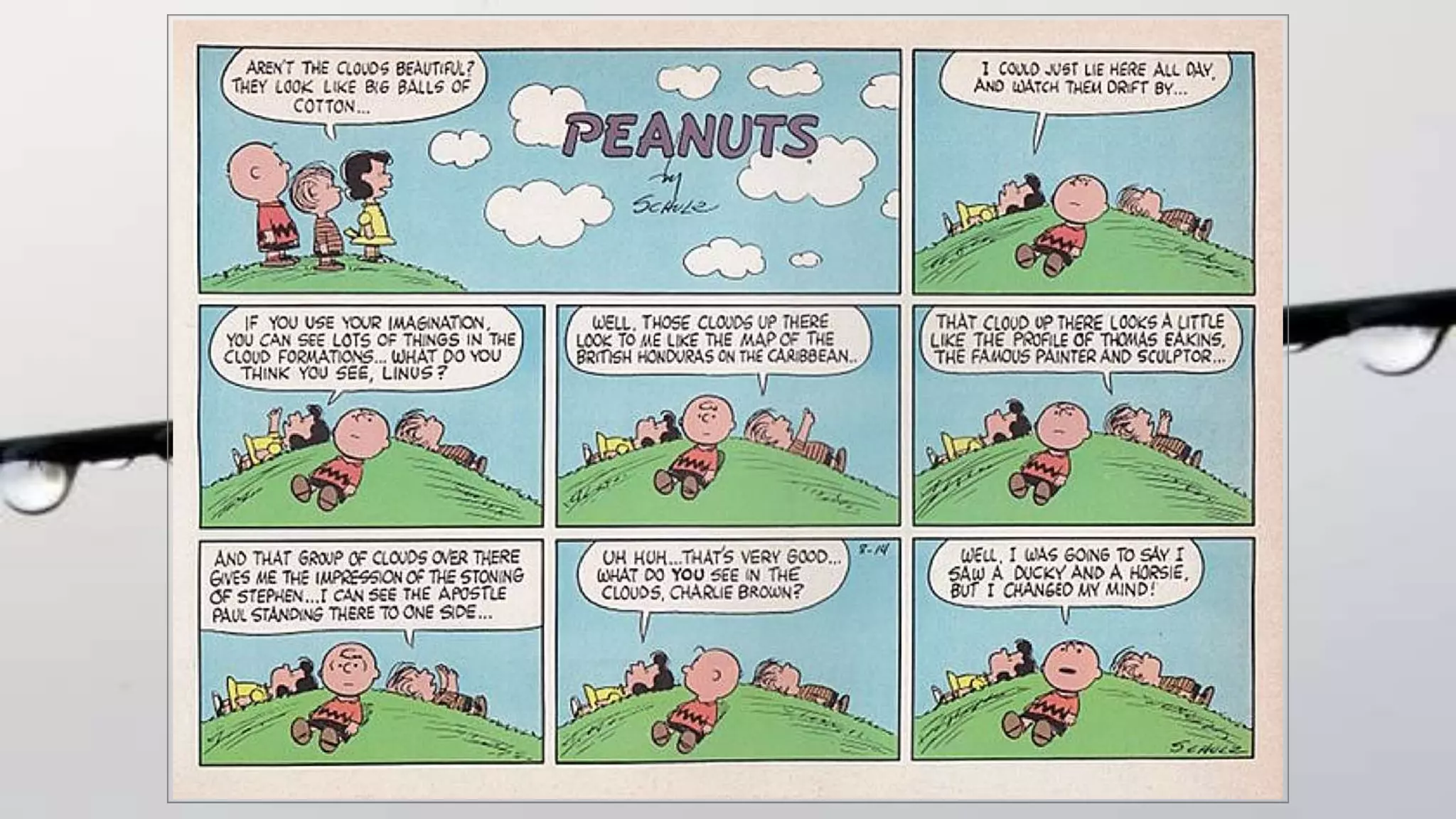
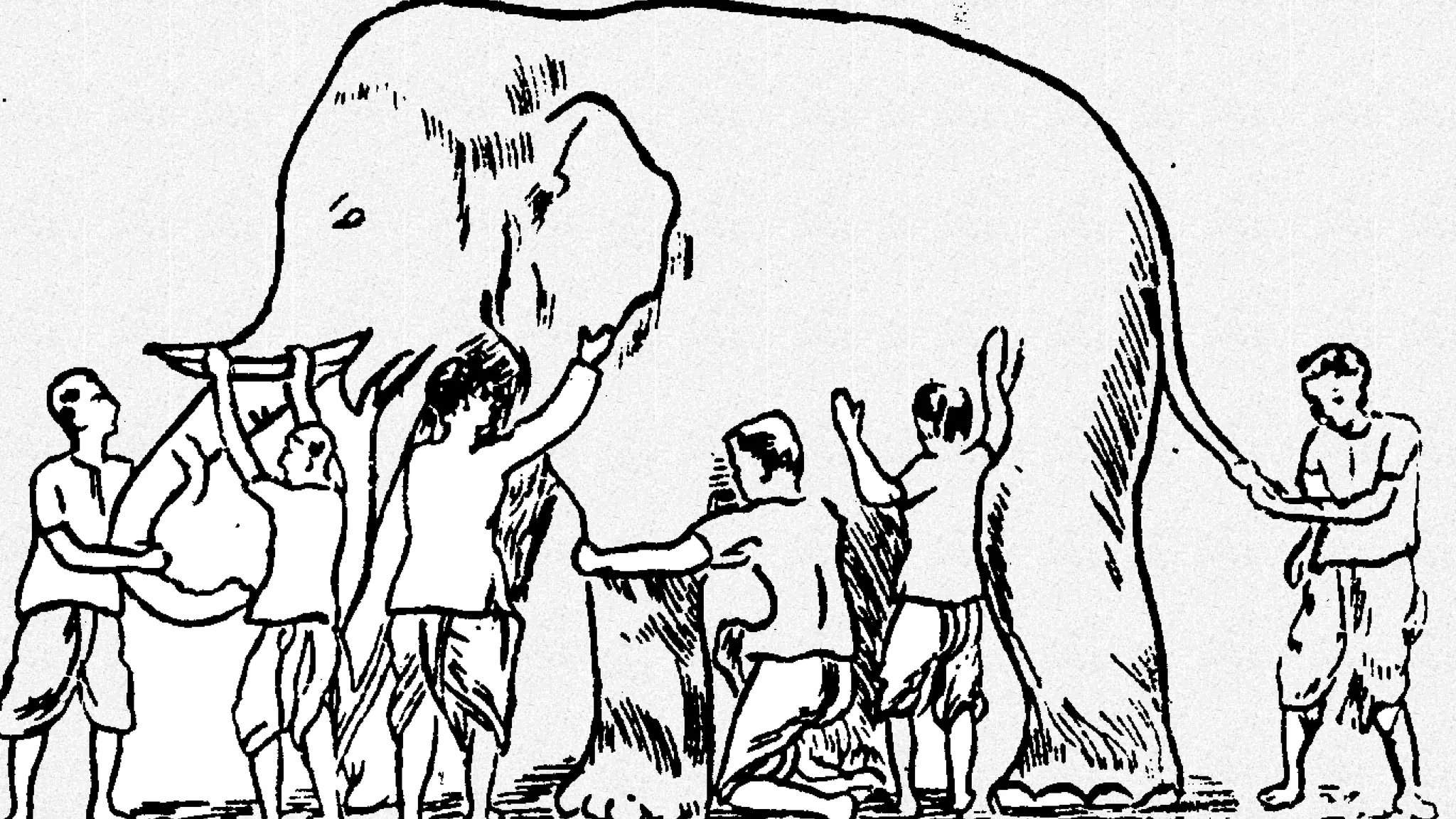
  • #33 And things are not always what they seem at first sight …
  • #34 without using a lens, or a series of lens, to look more critically
  • #43 A way to start of this exploration of criticism criticality is to think about knowledge - what we can know and how we know this.
  • #44 I want to start thinking about idea of knowledge. We talk a lot in education about knowledge and the importance of knowledge how much have you though about what knowledge is? It is useful to go back to the philosophical idea of knowledge and to think about different forms of knowledge? Firstly we need to think about these two forms of knowledge - the knowledge we can reason and the knowledge we can experience.
  • #45 Then we have the idea of Explicit and Tacit knowledge - these is a subtle difference here. Have a think about the areas of your own subject(s) that can be acquired via “book learning” and those that have to be experienced. What does this mean for what and how you teach … or how people learn?
  • #46 We can also think of knowledge in the forms of declarative or procedural so knowledge that “is” and knowledge that is of a process or how to do something. So you can know the capital of Kazakhstan (do you!) but knowing how to get there is not useful, in and of itself, it needs to be used
  • #47 Finally we can look at the model that Geary (2008) argued; that we can divide knowledge into these two sections - the knowledge that is “inherent” and passed on genetically (or seems to be) that we have evolved over the lifetime of human history and biological secondary knowledge which we need to learn via explicit instruction (or other mechanisms).
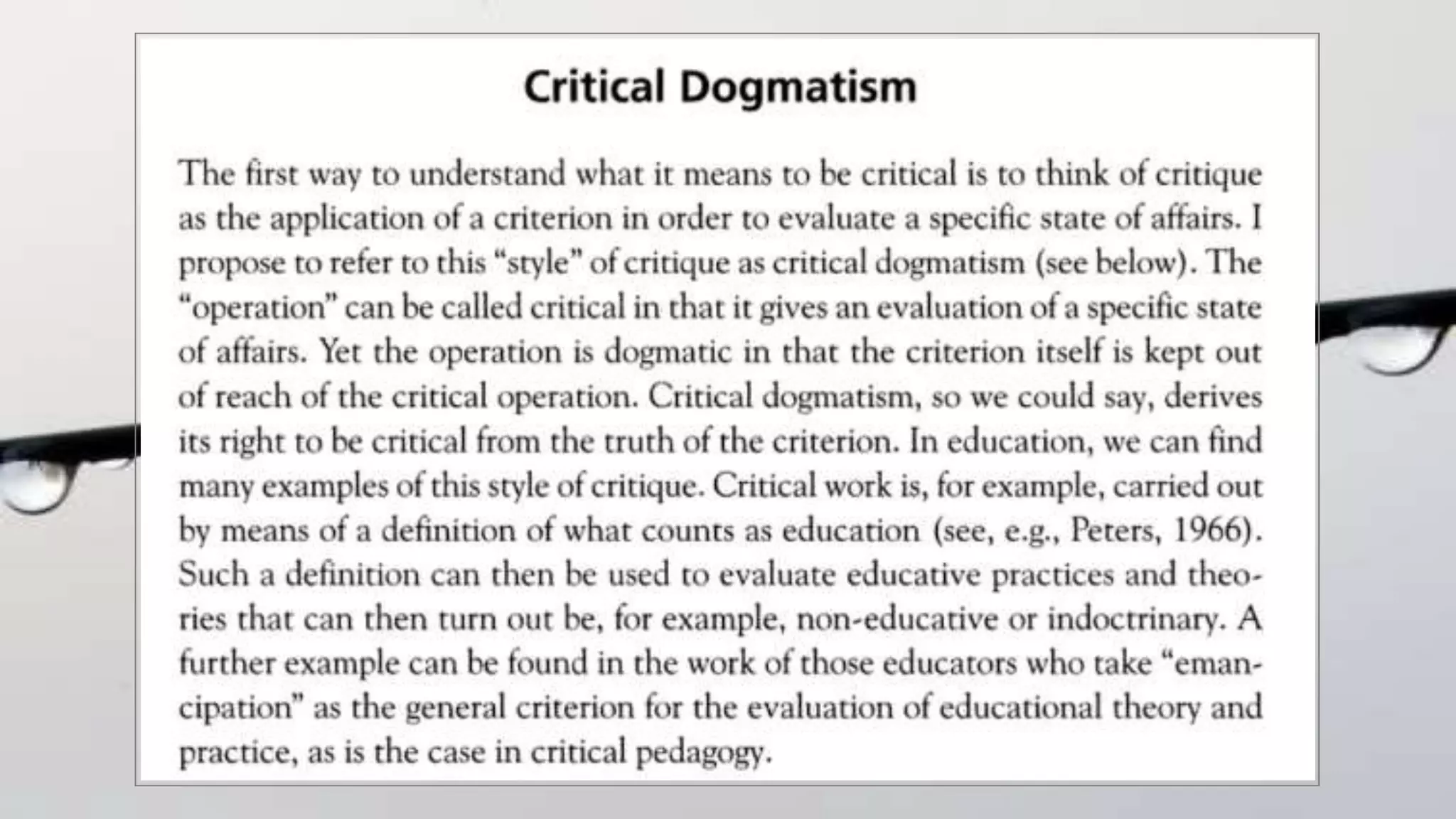
  • #50 Biesta defines this as “any style of critique in which the critical operation consists of the application of a criterion”. So, we might start the critical question by asking what is education? We are tying to be critical in an objective format to “step outside” in order to understand. A dogma is a statement authoritatively laid down - originally this was by the church but can be by others. So, in critical dogmatism we look to find the “dogma” or criterion on which an argument rests and explore the efficacy or the validity of this argument and the evidence base on which it rests. So if we have a claim that education of primary school pupils is “preparation for secondary school” we would explore the validity of that statement - can you think of others?
  • #51 This critical method is often associate with the scientific viewpoint - and forms, to some degree that basis of the scientific method. This often starts with known things from experience and builds to create a argument from this known experience. Transcendental arguments are associated with rationality and an argument against skepticism. A transcendental argument is simply a form of deduction, with the typical pattern: q is true only if p is true; q is true; therefore, p is true. So, education is for the benefit of children benefit from education in the gaining of qualifications, so it is true that education benefits children.
  • #52 Deconstructionism claims that there are never “pure uncontaminated criteria” that we can apply and that these ideas themselves are always and continually open to question and redefinition. So, whilst we might argue from certain dogma - these dogma are open to interpretation and re-interpretation. There is a criticism of the relationship between text and meaning according to Derrida. The purpose of deconstruction is to show that the usage of language in a given text, and language as a whole, are irreducibly complex, unstable, or impossible. Throughout his readings, Derrida hoped to show deconstruction at work. So, we could talk about education as giving children “qualifications” but can we ever pin down a definition of this that is definitive and stable?
  • #53 Wittgenstein said, “We have a world-picture which is neither true nor false, but above all, ‘it is the substratum of all my enquiring and asserting’ (On Criticism, p162).
  • #56 Some core pointers for academic writing at M level can be found on this Prezi.
  • #57 There is a difference between reading for pleasure and academic reading - these can be seen above.
  • #58 So, the key things here is to be clear and precise with language not to shy away from academic language but also not to over-use or use when you are not sure of its meaning.
  • #61 Sessions
  • #62 Structure of the sessions
  • #63 Assessment: Two parts - Part 1 - Presentation / Part II - Essay
  • #64 Assessment: Part I - Patches
  • #65 Blogs
  • #66 Example 1 - Inclusion Pathway
  • #67 Assessment: Part I - Patches
  • #68 Example 1 - Inclusion Pathway
  • #69 Some “critical and/or contemporary issues" you might focus on for your assessment
  • #70 Example 1 - Inclusion Pathway
  • #71 Example 2 - Technology Pathway
  • #72 Core aspects of the assessment to remember
  • #73 Core aspects of the assessment to remember