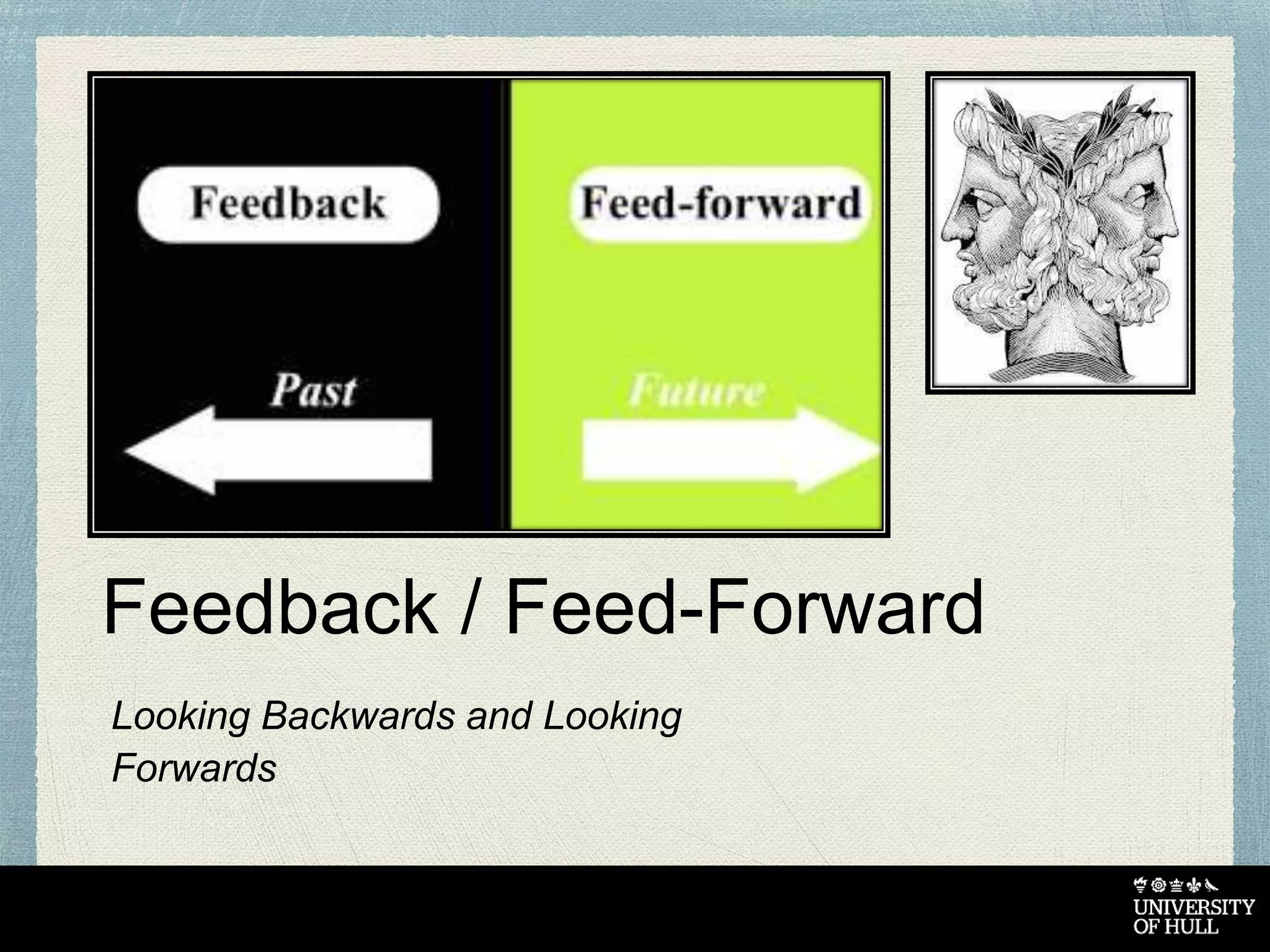
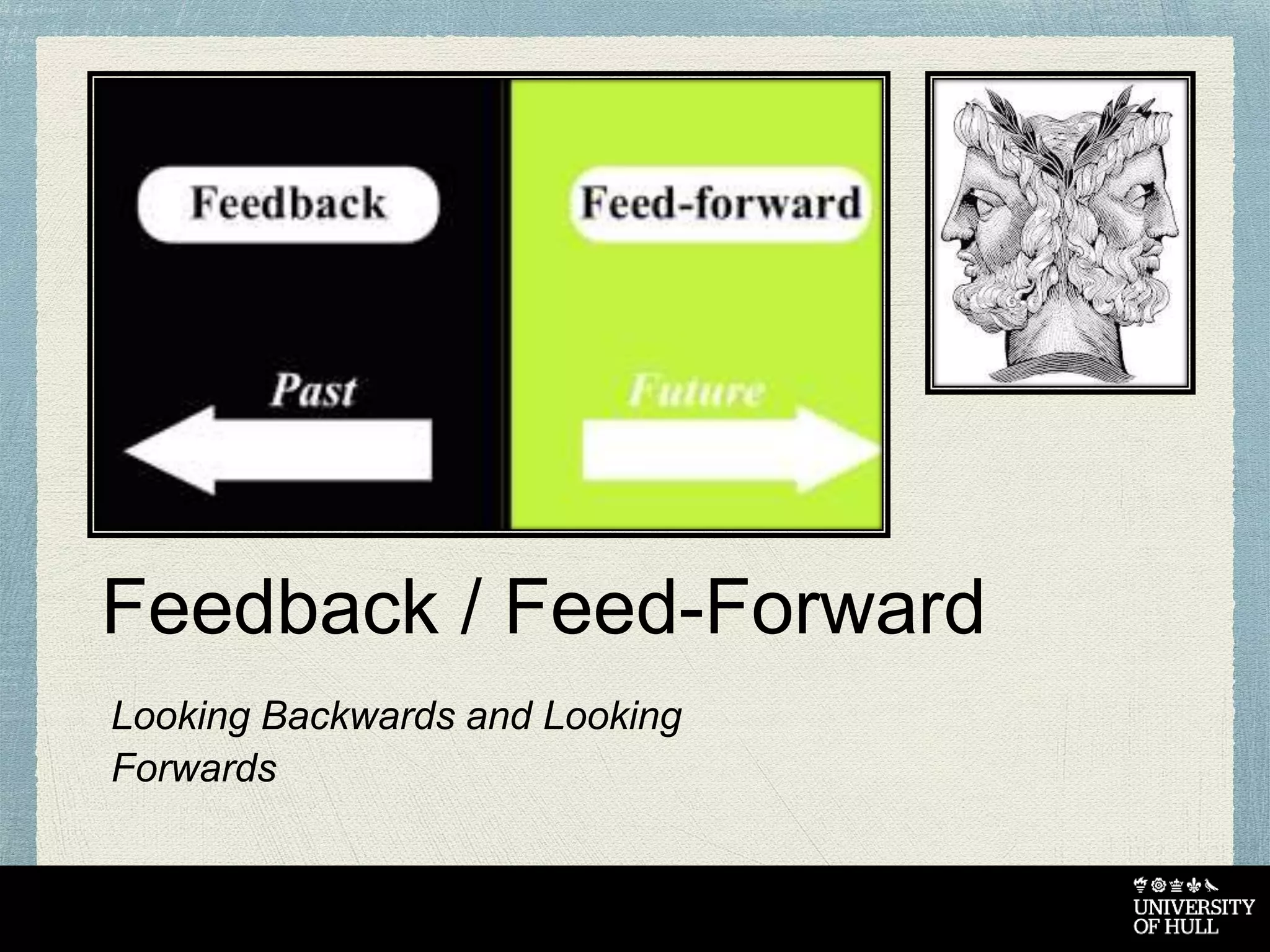
Feedback / Feed-Forward
Looking Backwards and Looking
Forwards
Feedforward (back) for (from) 1st
Assignment
Image Credit: http://wessex-speakers.co.uk/
Some Common Errors
Image Credit: http://pbs.twimg.com
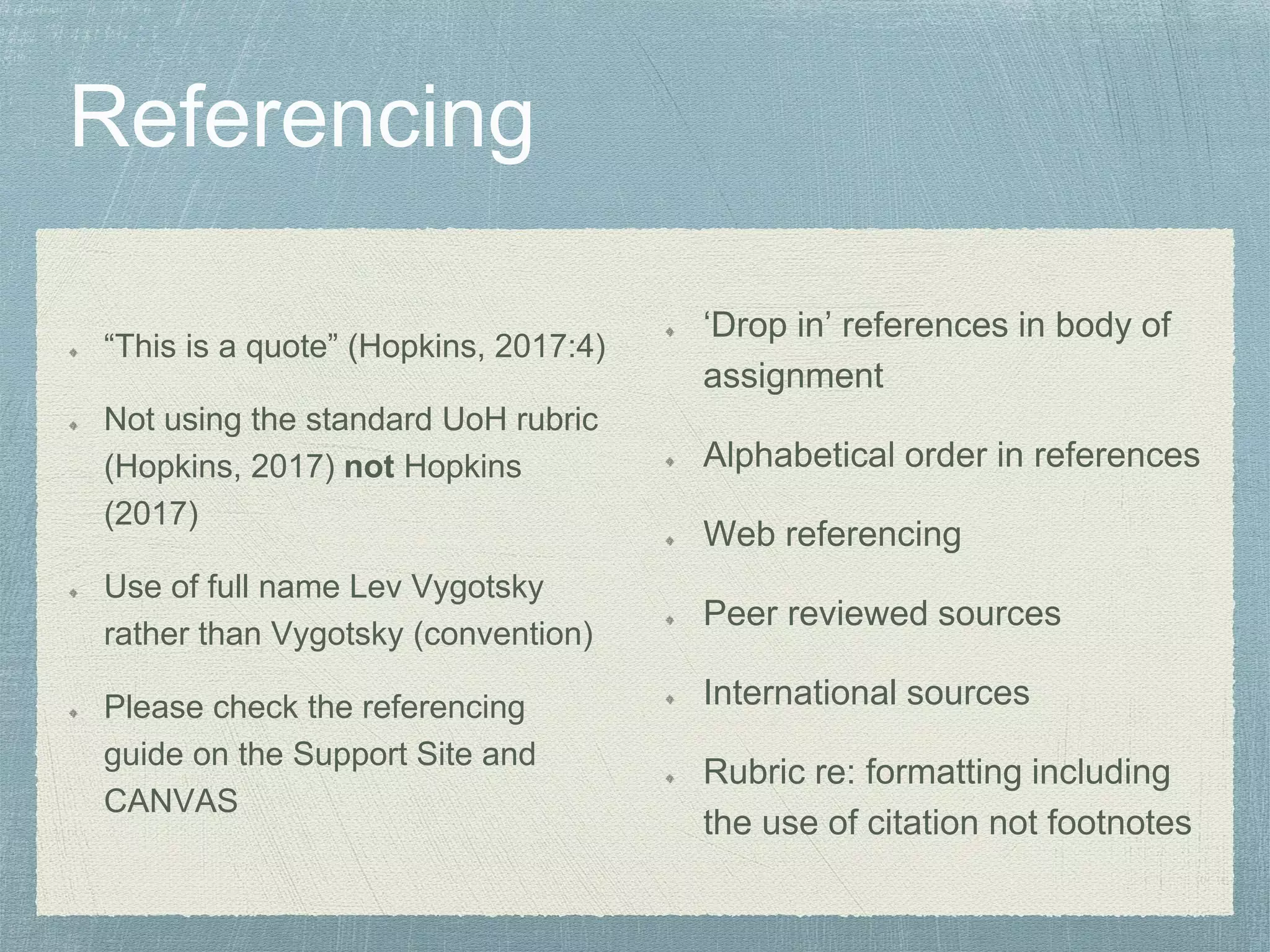
“This is a quote” (Hopkins, 2017:4)
Not using the standard UoH rubric
(Hopkins, 2017) not Hopkins
(2017)
Use of full name Lev Vygotsky
rather than Vygotsky (convention)
Please check the referencing
guide on the Support Site and
CANVAS
‘Drop in’ references in body of
assignment
Alphabetical order in references
Web referencing
Peer reviewed sources
International sources
Rubric re: formatting including
the use of citation not footnotes
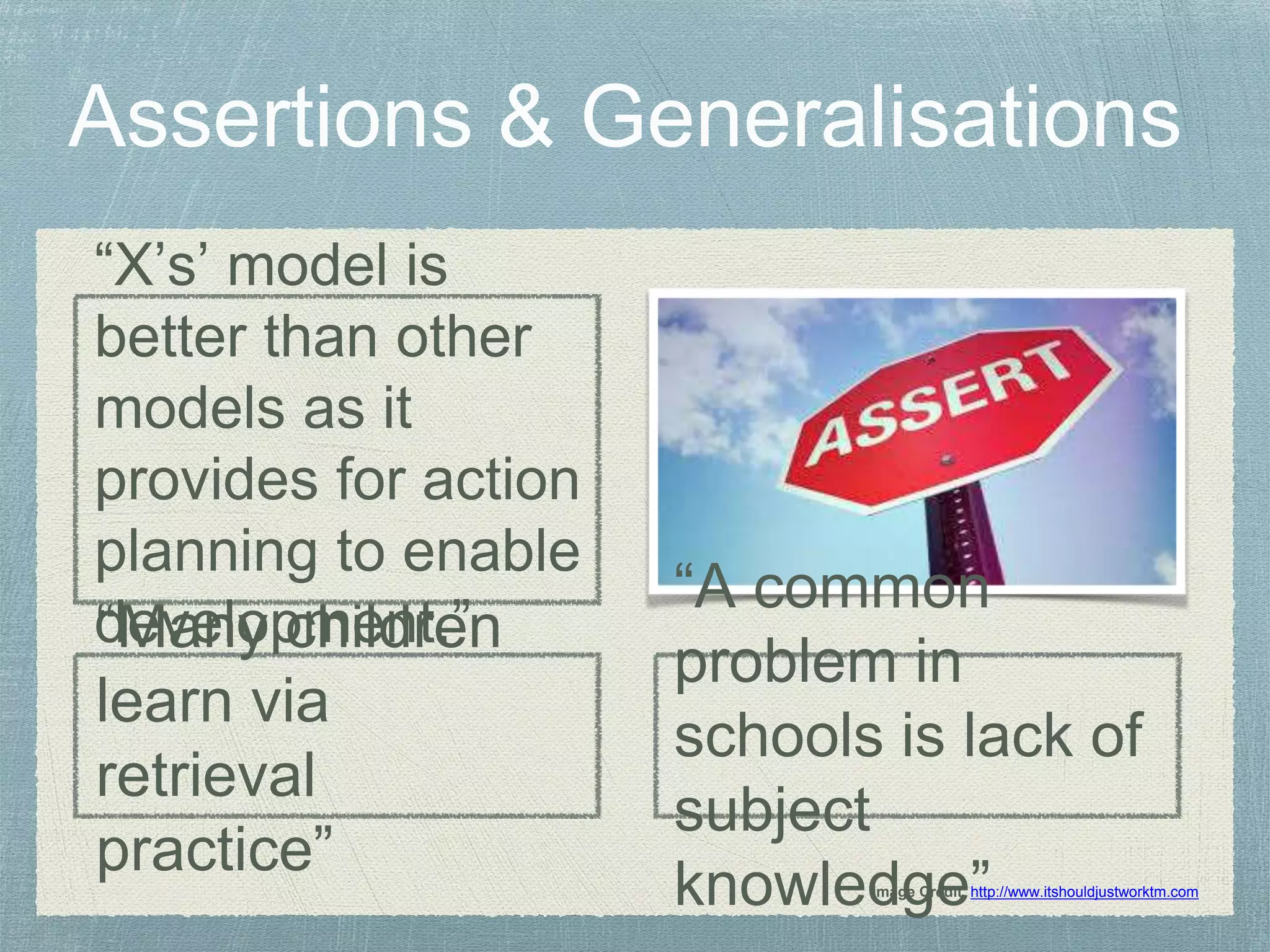
“Many children
learn via
retrieval
practice” Image Credit: http://www.itshouldjustworktm.com
“X’s’ model is
better than other
models as it
provides for action
planning to enable
development.”
“A common
problem in
schools is lack of
subject
knowledge”
Use Journal articles especially
important for the “subjectness” of the
assignments
Be aware of the academic quality of
sources [e.g. Cowley / Bennett]
Web Sources: These can be fine - or
awful need to be carefully checked
and access checked prior to
submission.
Image Credit: https://www.trentu.ca
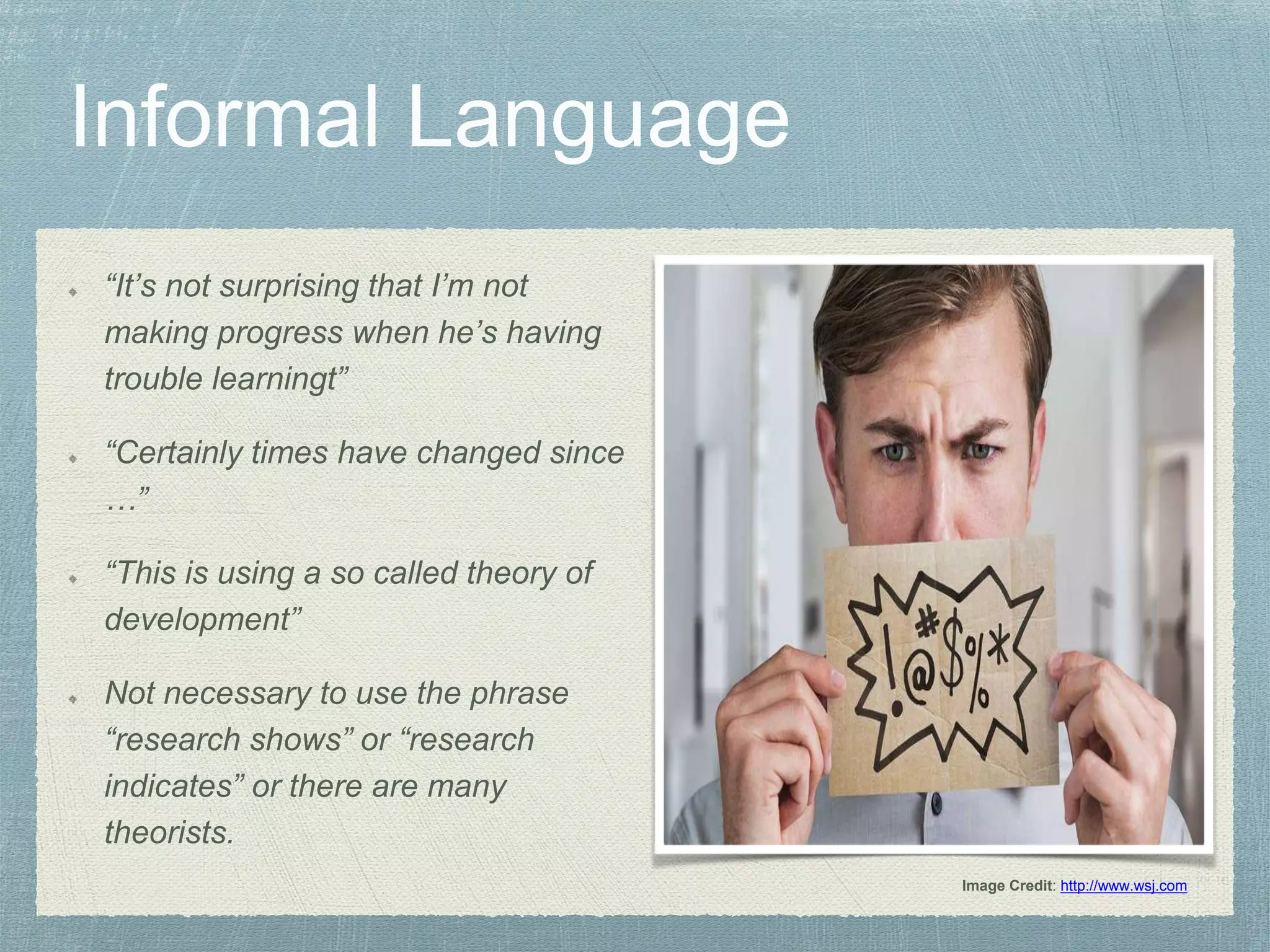
“It’s not surprising that I’m not
making progress when he’s having
trouble learningt”
“Certainly times have changed since
…”
“This is using a so called theory of
development”
Not necessary to use the phrase
“research shows” or “research
indicates” or there are many
theorists.
Image Credit: http://www.wsj.com
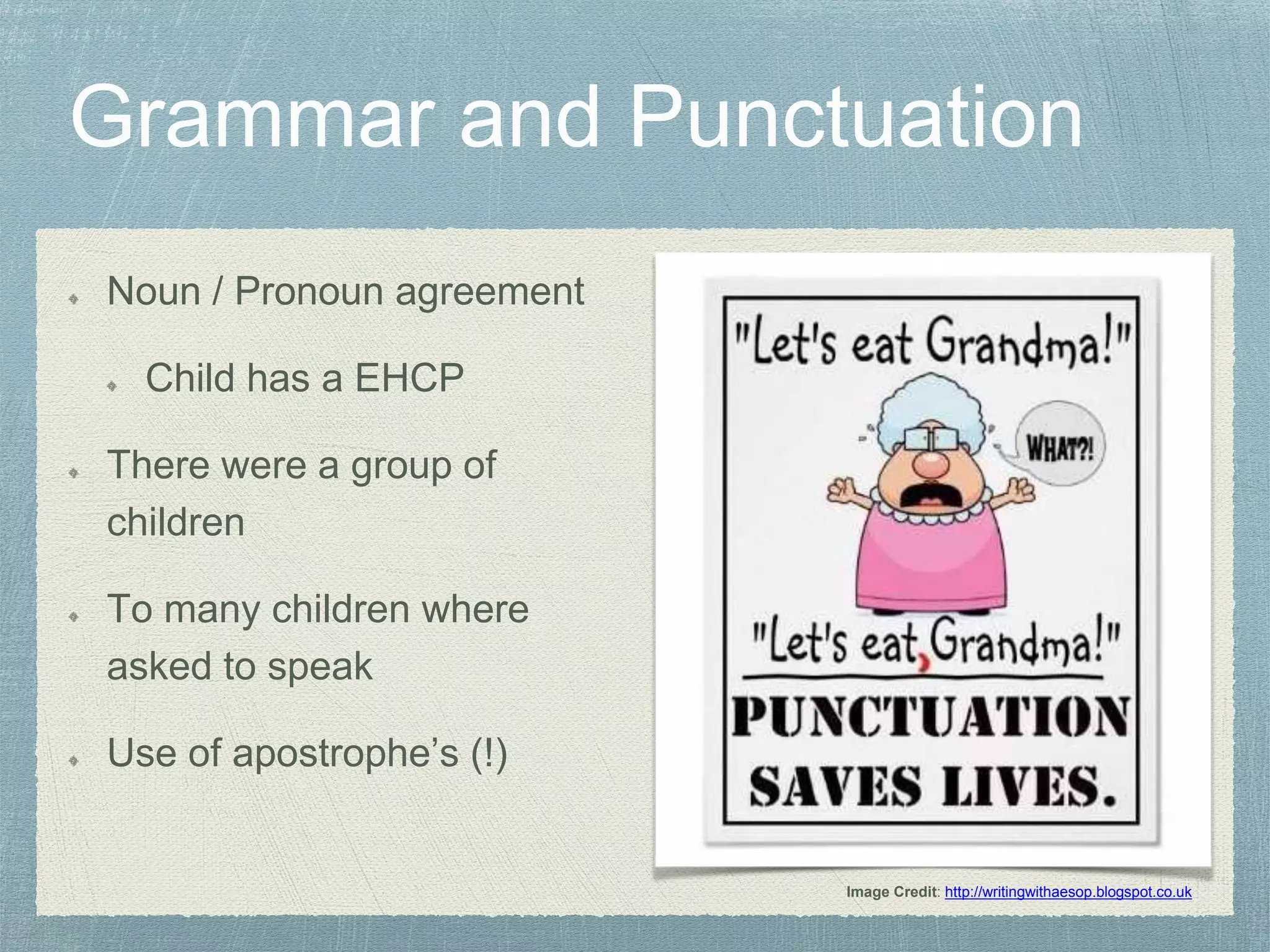
Noun / Pronoun agreement
Child has a EHCP
There were a group of
children
To many children where
asked to speak
Use of apostrophe’s (!)
Image Credit: http://writingwithaesop.blogspot.co.uk
1. Avoid alliteration. Always.
2. Prepositions are not words to end sentences with.
3. Avoid clichés like the plague – they’re old hat.
4. Comparisons are as bad as clichés.
5. Be more or less specific
6. Writers should never generalise
7. Seven. Be consistent
8. Don’t be redundant; don’t use more words than necessary; it’s highly superfluous
9. Who needs rhetorical questions?
10. Exaggeration is a billion times worse than understatement.
11. Never write one word sentences. Period.
12. Think long and hard before writing anything that could be misconstrued as innuendo.
13. Never put things into parentheses (under any circumstances).
14. Above all else be terse – don’t go on and on, no one likes overlong sentences where
you have to keep reading and reading and not get anywhere; make sure your reader
understands what you are trying to convey in as few words as possible.
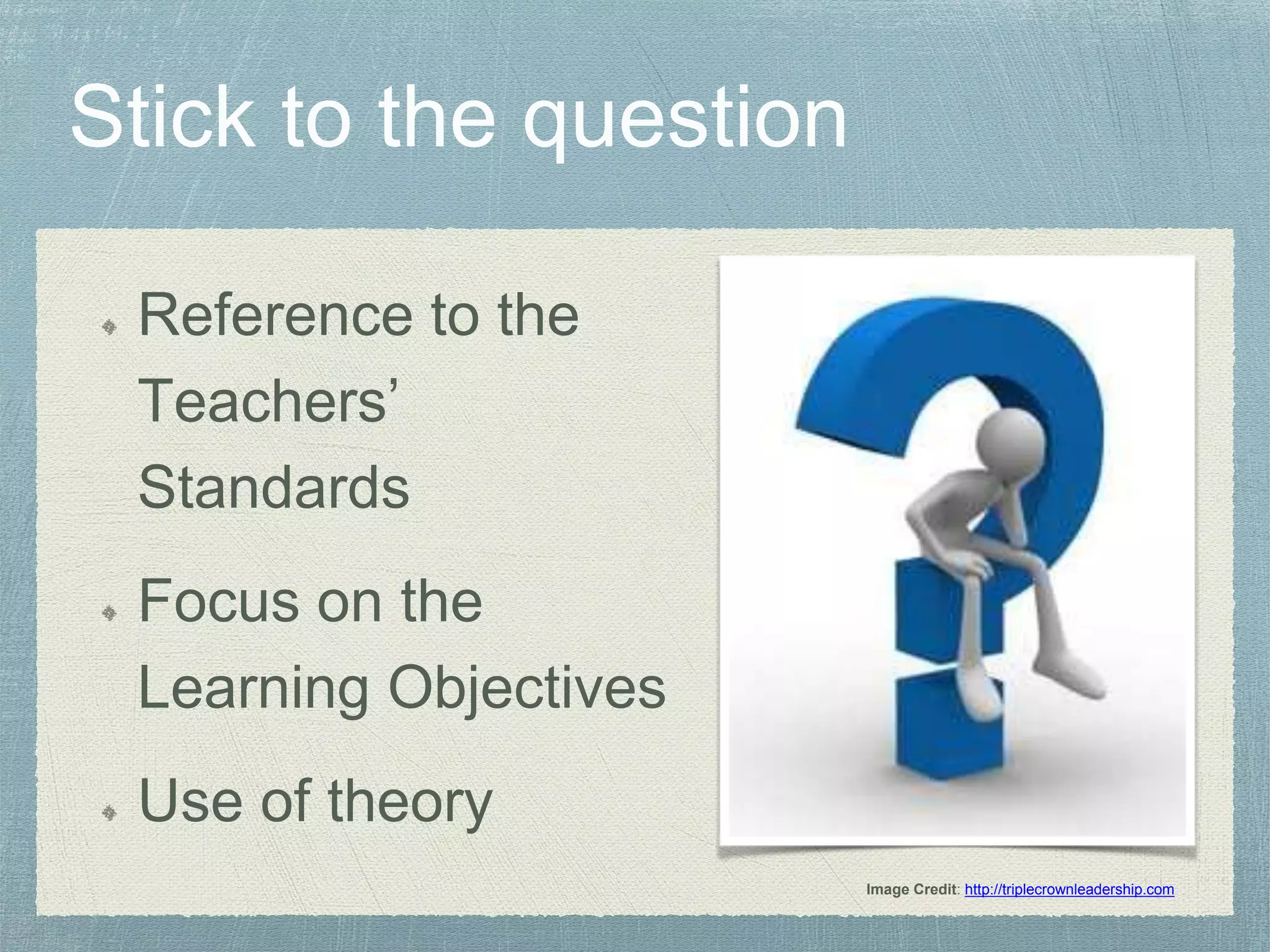
Reference to the
Teachers’
Standards
Focus on the
Learning Objectives
Use of theory
Image Credit: http://triplecrownleadership.com
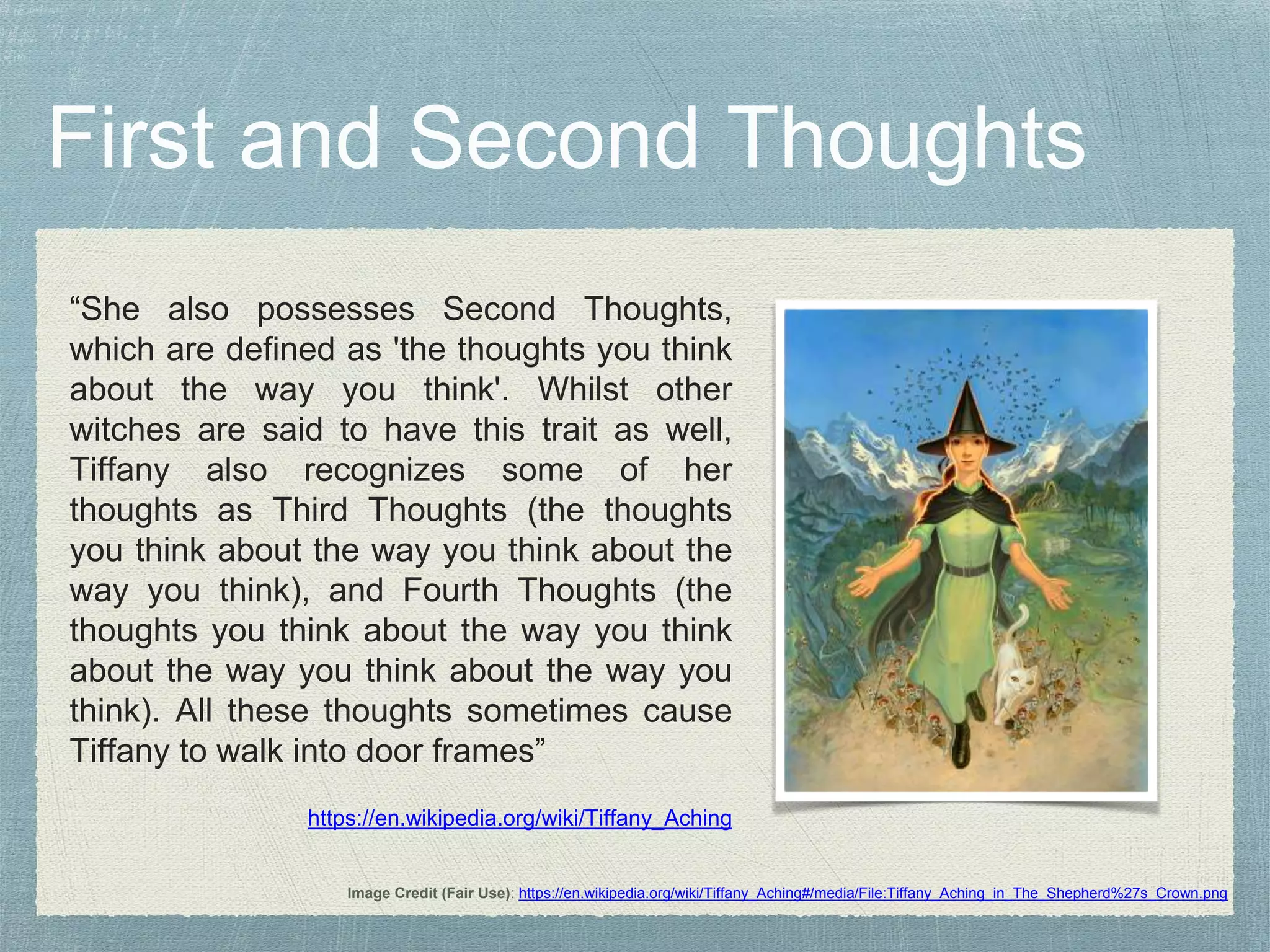
“She also possesses Second Thoughts,
which are defined as 'the thoughts you think
about the way you think'. Whilst other
witches are said to have this trait as well,
Tiffany also recognizes some of her
thoughts as Third Thoughts (the thoughts
you think about the way you think about the
way you think), and Fourth Thoughts (the
thoughts you think about the way you think
about the way you think about the way you
think). All these thoughts sometimes cause
Tiffany to walk into door frames”
https://en.wikipedia.org/wiki/Tiffany_Aching
Image Credit (Fair Use): https://en.wikipedia.org/wiki/Tiffany_Aching#/media/File:Tiffany_Aching_in_The_Shepherd%27s_Crown.png
“I watched the class teacher silence the
class and on reflection thought that this was
the way I should have behaved and
resolved to do it this way next time”
First thoughts?
Second thoughts?
Third Thoughts?
Where does the research / literature
appear in this hierarchy?
Can you think of an example in your own writing
when you stopped at first thoughts?
Image Credits: http://www.wsj.com / https://braidmission.org
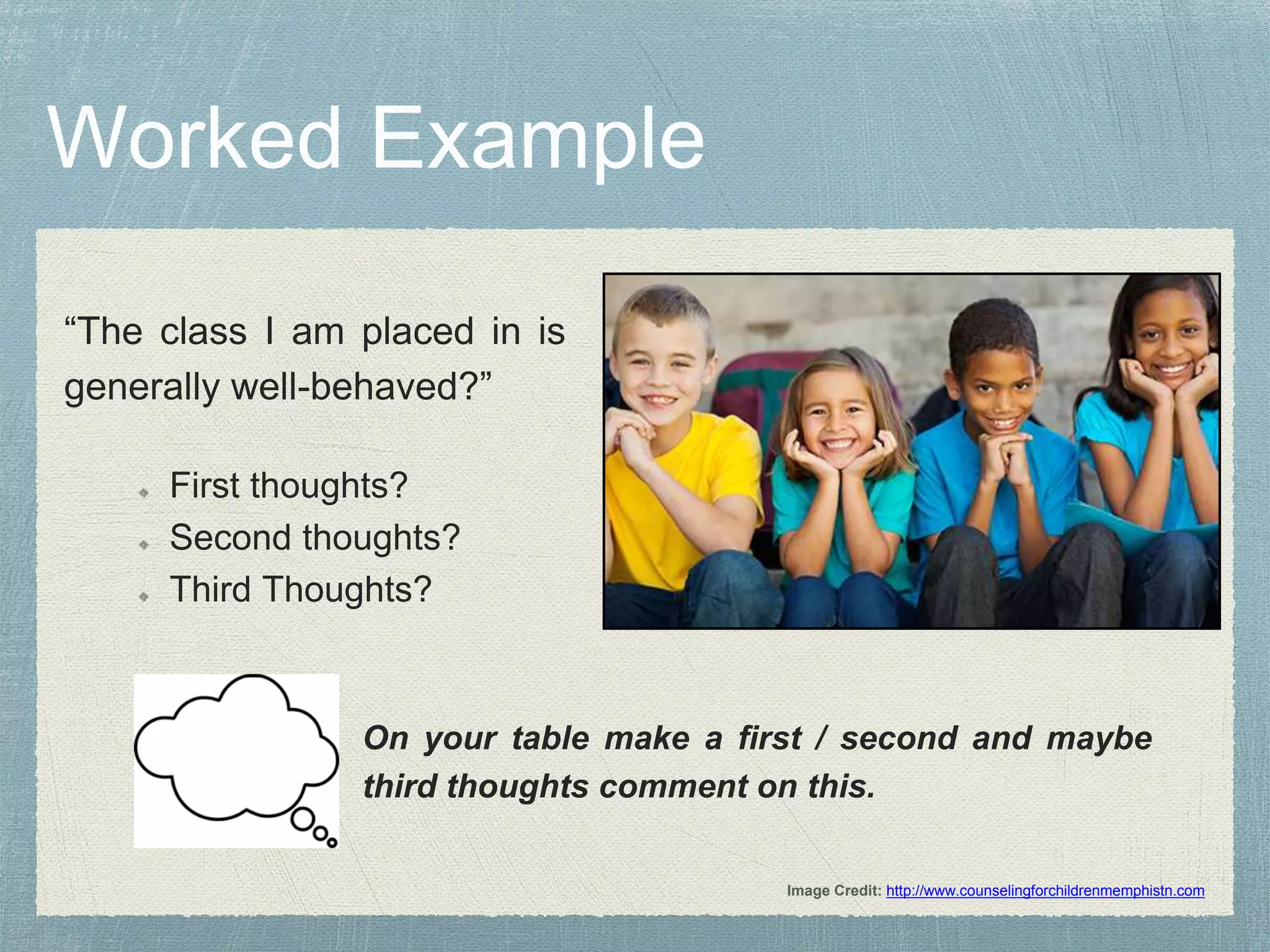
“The class I am placed in is
generally well-behaved?”
First thoughts?
Second thoughts?
Third Thoughts?
Image Credit: http://www.counselingforchildrenmemphistn.com
On your table make a first / second and maybe
third thoughts comment on this.
Image Credit: A
Image Credit: https://www.care.com
Feedback / Feed-Forward
Looking Backwards and Looking
Forwards

Feedforward

  • 1.
    Feedback / Feed-Forward LookingBackwards and Looking Forwards
  • 2.
    Feedforward (back) for(from) 1st Assignment Image Credit: http://wessex-speakers.co.uk/
  • 3.
    Some Common Errors ImageCredit: http://pbs.twimg.com
  • 4.
    “This is aquote” (Hopkins, 2017:4) Not using the standard UoH rubric (Hopkins, 2017) not Hopkins (2017) Use of full name Lev Vygotsky rather than Vygotsky (convention) Please check the referencing guide on the Support Site and CANVAS ‘Drop in’ references in body of assignment Alphabetical order in references Web referencing Peer reviewed sources International sources Rubric re: formatting including the use of citation not footnotes
  • 5.
    “Many children learn via retrieval practice”Image Credit: http://www.itshouldjustworktm.com “X’s’ model is better than other models as it provides for action planning to enable development.” “A common problem in schools is lack of subject knowledge”
  • 6.
    Use Journal articlesespecially important for the “subjectness” of the assignments Be aware of the academic quality of sources [e.g. Cowley / Bennett] Web Sources: These can be fine - or awful need to be carefully checked and access checked prior to submission. Image Credit: https://www.trentu.ca
  • 7.
    “It’s not surprisingthat I’m not making progress when he’s having trouble learningt” “Certainly times have changed since …” “This is using a so called theory of development” Not necessary to use the phrase “research shows” or “research indicates” or there are many theorists. Image Credit: http://www.wsj.com
  • 8.
    Noun / Pronounagreement Child has a EHCP There were a group of children To many children where asked to speak Use of apostrophe’s (!) Image Credit: http://writingwithaesop.blogspot.co.uk
  • 9.
    1. Avoid alliteration.Always. 2. Prepositions are not words to end sentences with. 3. Avoid clichés like the plague – they’re old hat. 4. Comparisons are as bad as clichés. 5. Be more or less specific 6. Writers should never generalise 7. Seven. Be consistent 8. Don’t be redundant; don’t use more words than necessary; it’s highly superfluous 9. Who needs rhetorical questions? 10. Exaggeration is a billion times worse than understatement. 11. Never write one word sentences. Period. 12. Think long and hard before writing anything that could be misconstrued as innuendo. 13. Never put things into parentheses (under any circumstances). 14. Above all else be terse – don’t go on and on, no one likes overlong sentences where you have to keep reading and reading and not get anywhere; make sure your reader understands what you are trying to convey in as few words as possible.
  • 10.
    Reference to the Teachers’ Standards Focuson the Learning Objectives Use of theory Image Credit: http://triplecrownleadership.com
  • 12.
    “She also possessesSecond Thoughts, which are defined as 'the thoughts you think about the way you think'. Whilst other witches are said to have this trait as well, Tiffany also recognizes some of her thoughts as Third Thoughts (the thoughts you think about the way you think about the way you think), and Fourth Thoughts (the thoughts you think about the way you think about the way you think about the way you think). All these thoughts sometimes cause Tiffany to walk into door frames” https://en.wikipedia.org/wiki/Tiffany_Aching Image Credit (Fair Use): https://en.wikipedia.org/wiki/Tiffany_Aching#/media/File:Tiffany_Aching_in_The_Shepherd%27s_Crown.png
  • 13.
    “I watched theclass teacher silence the class and on reflection thought that this was the way I should have behaved and resolved to do it this way next time” First thoughts? Second thoughts? Third Thoughts? Where does the research / literature appear in this hierarchy? Can you think of an example in your own writing when you stopped at first thoughts? Image Credits: http://www.wsj.com / https://braidmission.org
  • 14.
    “The class Iam placed in is generally well-behaved?” First thoughts? Second thoughts? Third Thoughts? Image Credit: http://www.counselingforchildrenmemphistn.com On your table make a first / second and maybe third thoughts comment on this.
  • 17.
  • 22.
  • 23.
    Feedback / Feed-Forward LookingBackwards and Looking Forwards

Editor's Notes

  • #2 This session will be both looking backward and looking forward - like the Roman god Janus (https://en.wikipedia.org/wiki/Janus).
  • #3 It is easy to be dishearten by the feedback you might receive - but it should all be constructive and you should read it as such. Some of it may be quite critical as this is (probably) your first assignment at M level and there is a jump from Batchelor’s level. Do read through all the comments / feedback and make some notes to apply to your next assignment. If you are not sure then contact me and we will work through this.
  • #4 So, what are the common things that you might get back on your assignment? and remember treat them as positive feedback?
  • #5 There are a number of common errors that happen with regard to referencing: Read the referencing guide carefully to make sure you get the rubric correct Make sure you are using references to support your work not “dropping them in” at the end of paragraphs If you are using quotes then you need to have a page reference as well as a year ref. You should be using peer-reviews journals (as well as books) and ideally extending your referencing to international sources.
  • #6 Make sure that you are using evidence to support the claims you make in your assignment. If you are making wider and more general claims then you need to be citing the literature that supports this. If you are making more “local” claims (i.e. about a child, your class or your school then you need to make sure you are making this clear. Evidenced assertions are not acceptable at M level (or indeed before!).
  • #7 You need to be thinking about using a range of sources really focussed at the “highest” quality (paper or electronic) that is: Peer reviewed journals with the latest research (ideally published within the last 10 years) Quality books from academic publishers Websites where latest / pre-published / conference materials are being shared For more on this look at the sources on the support website which you can find at: http://universityofhullscitts.org.uk/scitts/journals.html
  • #8 Academic work need to be phrased in the slightly odd “artificialese” of academic language. This should exclude causal and informal language.
  • #9 Check that you are using normal grammar and language conventions. Whilst there is disagreement about the Oxford comma or the nature of noun phrases there is common agreement on the use of apostrophes, plurals and subject-verb agreement. If you are not sure get someone else to proof-read your work. Also please make sure you expand acronyms the first time that you use them.
  • #10 Check that you are using normal grammar and language conventions. Whilst there is disagreement about the Oxford comma or the nature of noun phrases there is common agreement on the use of apostrophes, plurals and subject-verb agreement. If you are not sure get someone else to proof-read your work. Also please make sure you expand acronyms the first time that you use them.
  • #11 You only have a limited number of words about which you may bitch (!) but people writing articles bitch they only have 6,000 words (me!); people writing dissertations bitch they only have 18,000 words and people writing these that they only have 80,000 so get over it! Look to write with precision and brevity and focus on the core and most important things.
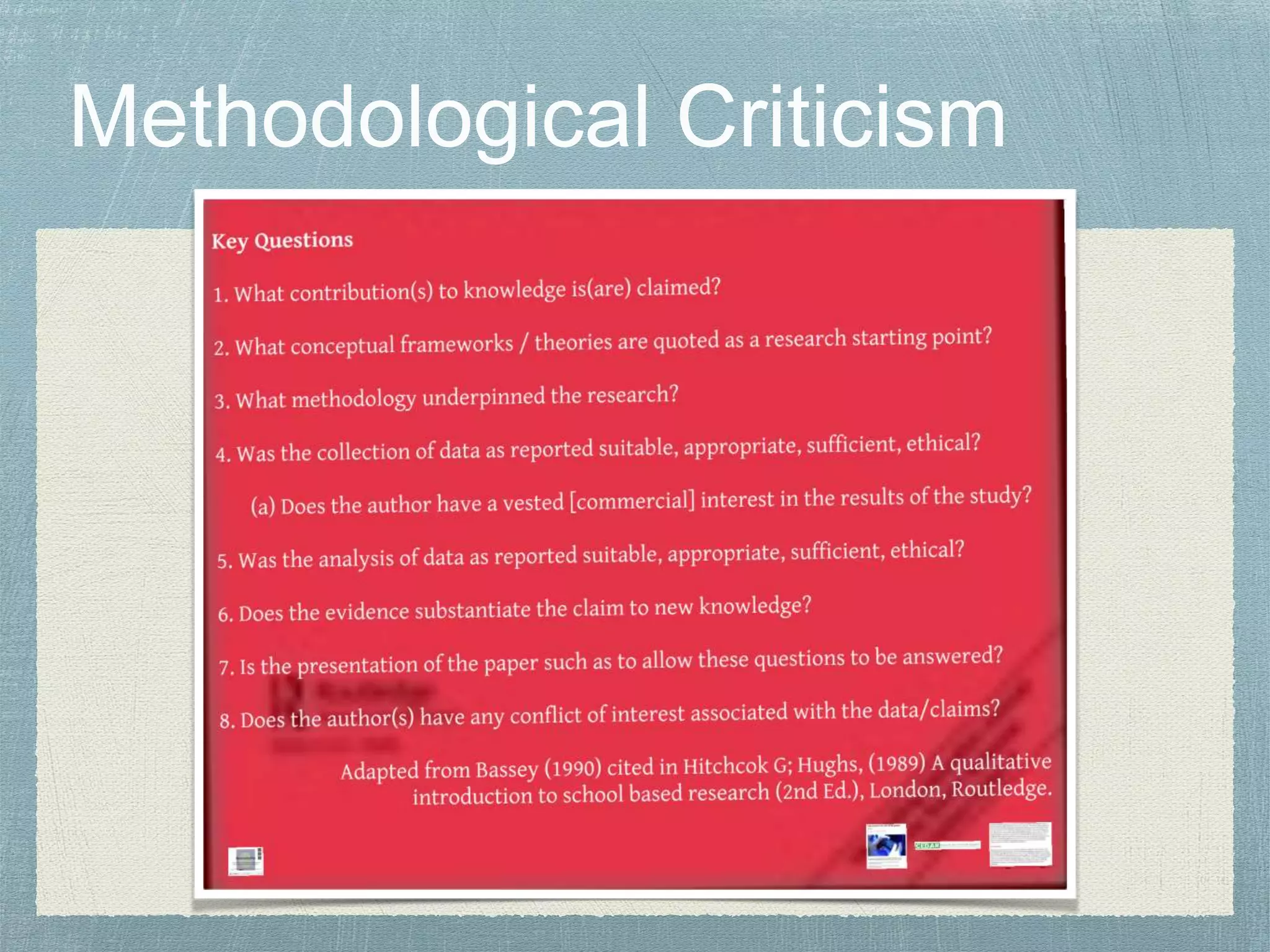
  • #13 Now to more serious thoughts. A useful acronym for M level work is DARE. Describe, Analyse, Reflect and Evaluate. You need to make sure your work is going beyond the first stage - describing and asking deeper questions of the materials. These may be epistemological questions (questions about the knowledge), ontological questions (questions about the evidence), methodological questions (questions about the quality of research) of cognitive questions (questions about the quality of thinking) or indeed other sorts of questions.
  • #14 So this is a “first thought” or a description - how can you “dig deeper” what questions can you start to ask about this? why did this work for her? what relationships are needed for this technique to work? would this work for me - why? why not? is there any research about this and why it works? what could I ask the teacher about this technique and why she uses it? etc …
  • #15 Now can you have a go at this - think about the place you will introduce literature / research (which might be in a number of places).
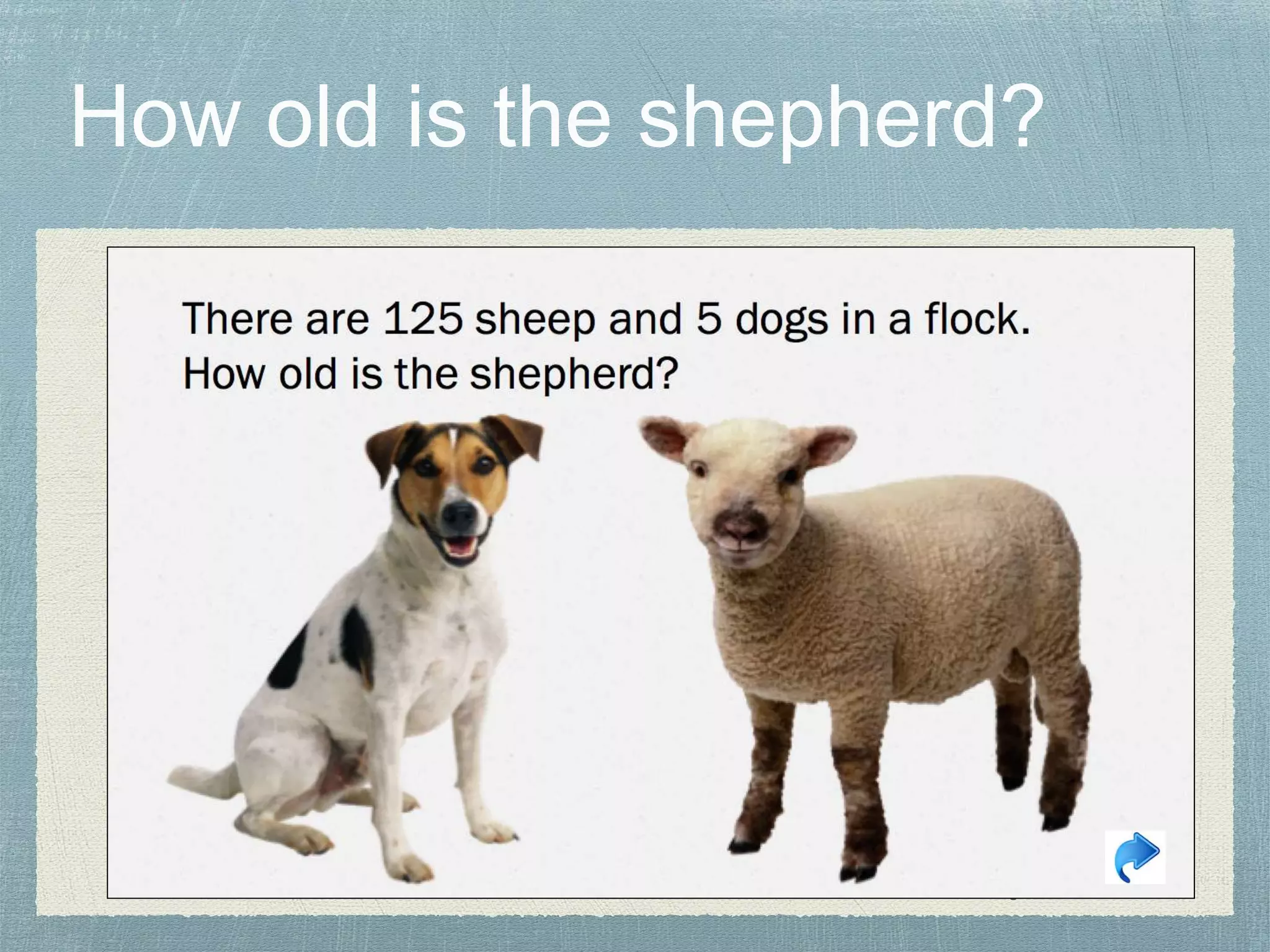
  • #17 But remember there are some questions that you may ask that do not have answers as you do not have the information to answer them !!
  • #18 But remember there are some questions that you may ask that do not have answers as you do not have the information to answer them !!
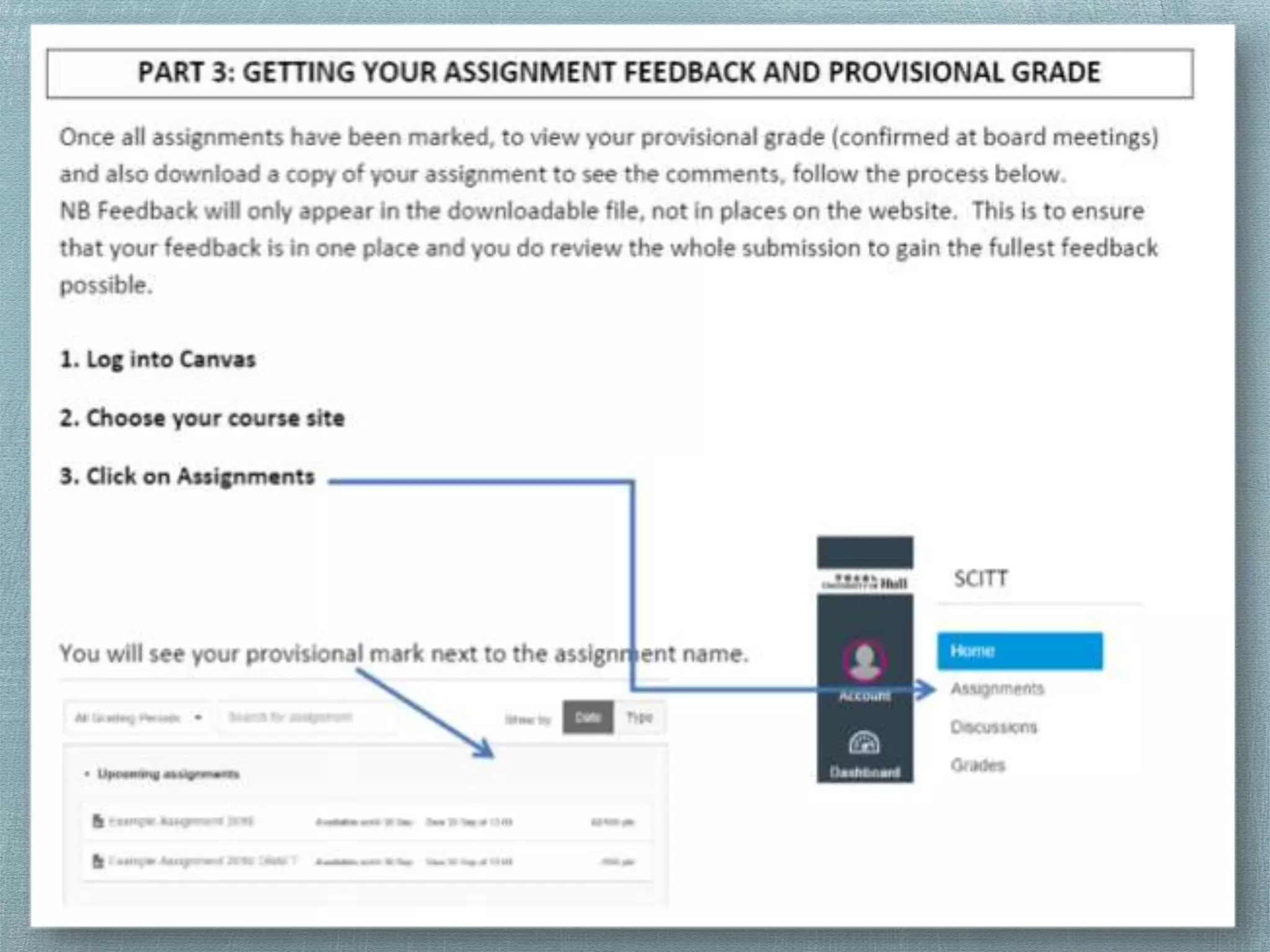
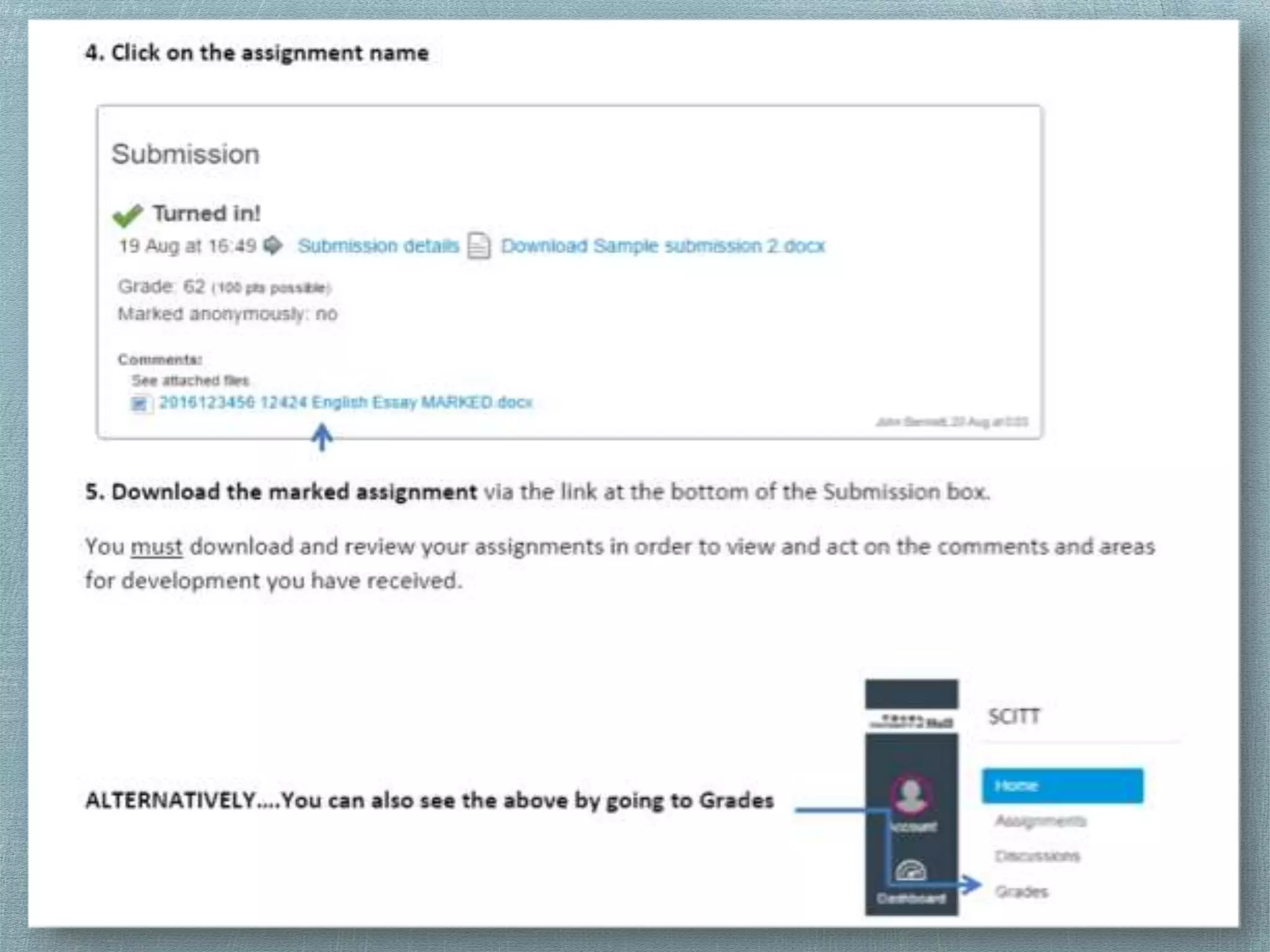
  • #20 Getting your assignment back off CANVAS #1
  • #21 Getting your assignment back off CANVAS #2
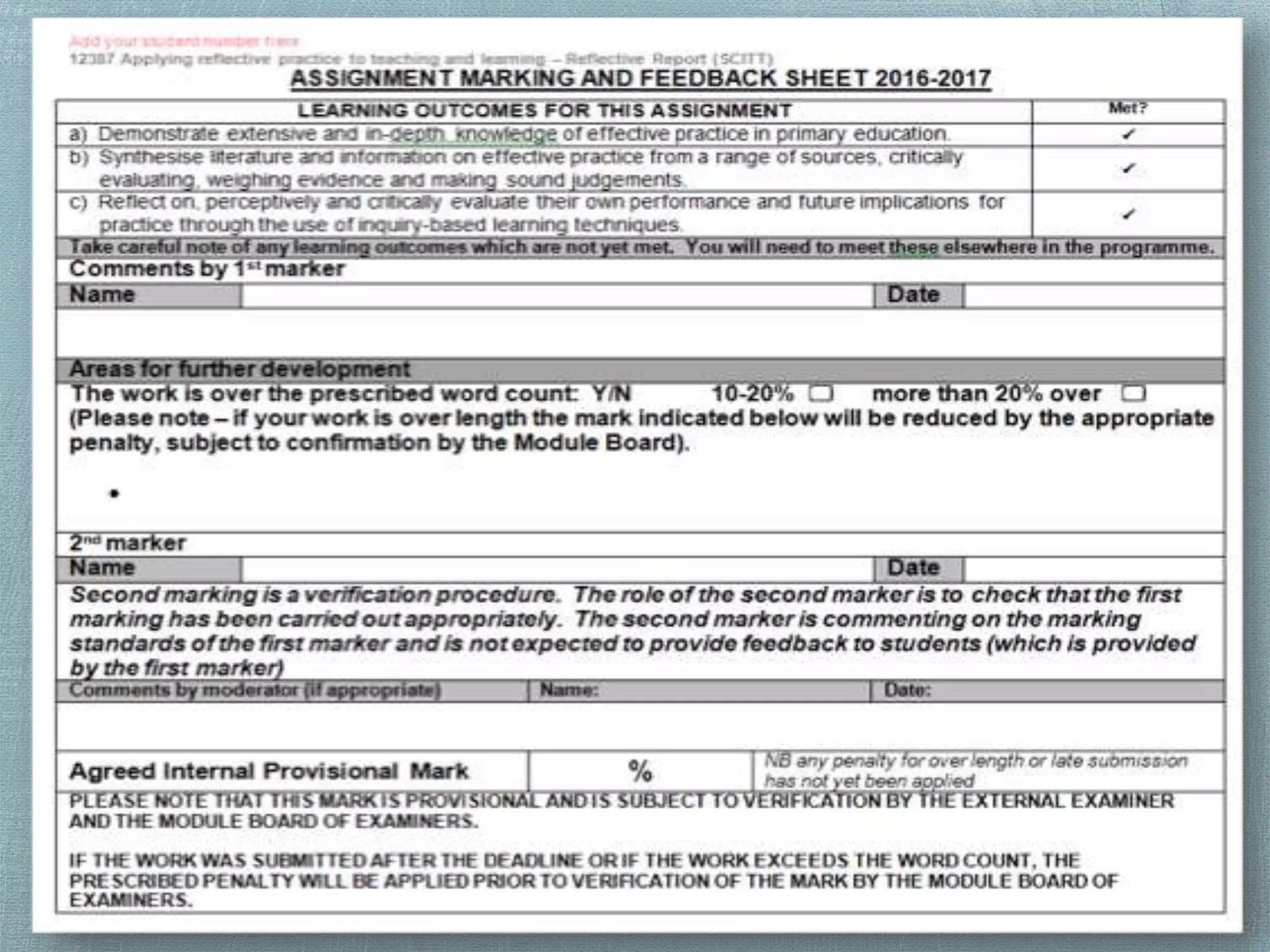
  • #22 There are four key things to think about when you get your feedback. The general comments The areas for further development (use these on your next assignment) The criteria The comments in the body of the assignment
  • #23 Are there any more questions you have about this? Contact me if you do p.hopkins@hull.ac.uk or start a conversation on CANVAS about this and share with your peers.
  • #24 This session will be both looking backward and looking forward - like the Roman god Janus (https://en.wikipedia.org/wiki/Janus).