Presentation
of Eastern
Medicine
Presentation Topic:
Cauterization
Context
 Definition
 Purpose
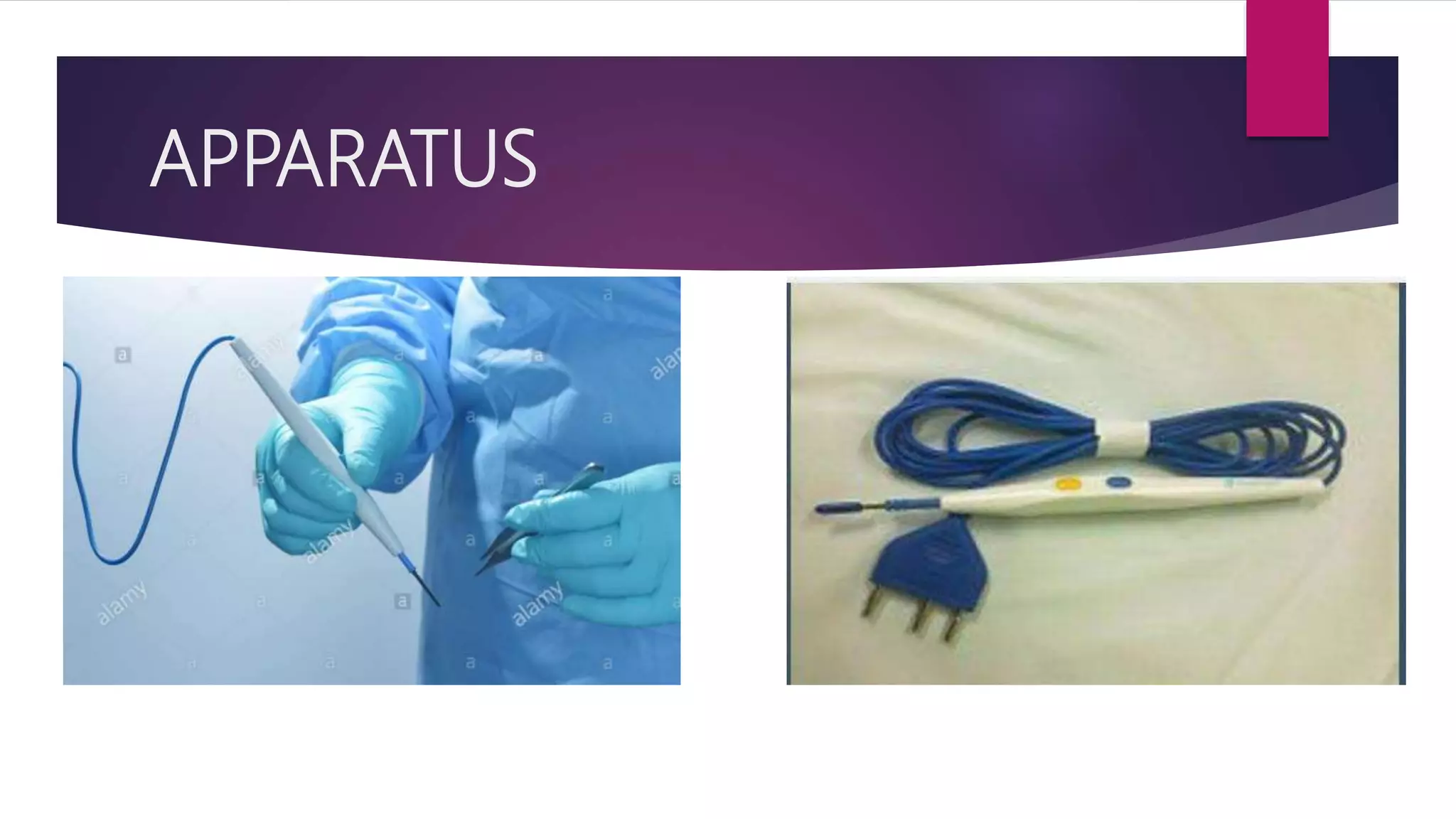
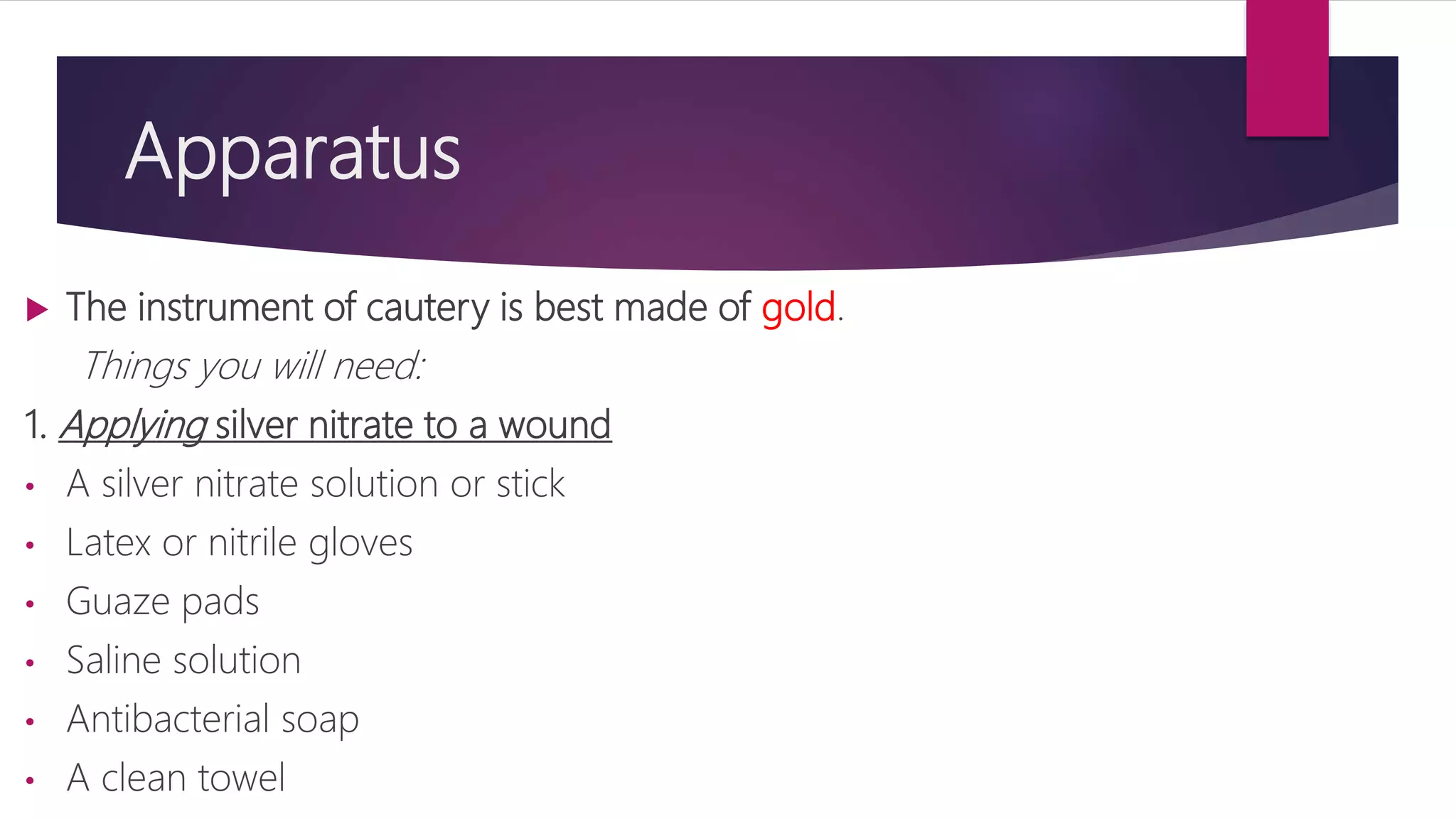
 Instruments/ Apparatus
 Types
 How is Cauterization done/ Procedure
 Areas where cautery can be used/ Usage
 Indications
 Safety measures and contraindications
DEFINITION
Cauterization (or cauterisation or cautery ) is a
medical practice or technique of burning a
part of body to remove or close off a part of it.
Actual cautery refers to the metal device
,generally heated to a dull red glow.
PURPOSE
 Cautery is applied to prevent the spread of destructive
lesions.
 To strengthen organs which have become cold in
temperament.
 To remove putrefacative matters which are firmly adherent to
the tissues .
 To arrest hemorrhage.
 To prevent exasanguination.
 To close amputations.
APPARATUS
Apparatus
 The instrument of cautery is best made of gold.
Things you will need:
1. Applying silver nitrate to a wound
• A silver nitrate solution or stick
• Latex or nitrile gloves
• Guaze pads
• Saline solution
• Antibacterial soap
• A clean towel
Apparatus
2. Using fire and Metal
• Antibacterial soap
• A clean towel
• Sterile latex gloves
• A metal cauterizing tool
• Something to bite down on
• Rubbing alcohol
TYPES
 The main forms of cauterization used today
are :
1. ELECTROCAUTERY
2. CHEMICAL CAUTERY
 Both are , for example , Prevalent in cosmetic
removal of warts and stopping nosebleeds.
ELECTROCAUTERY
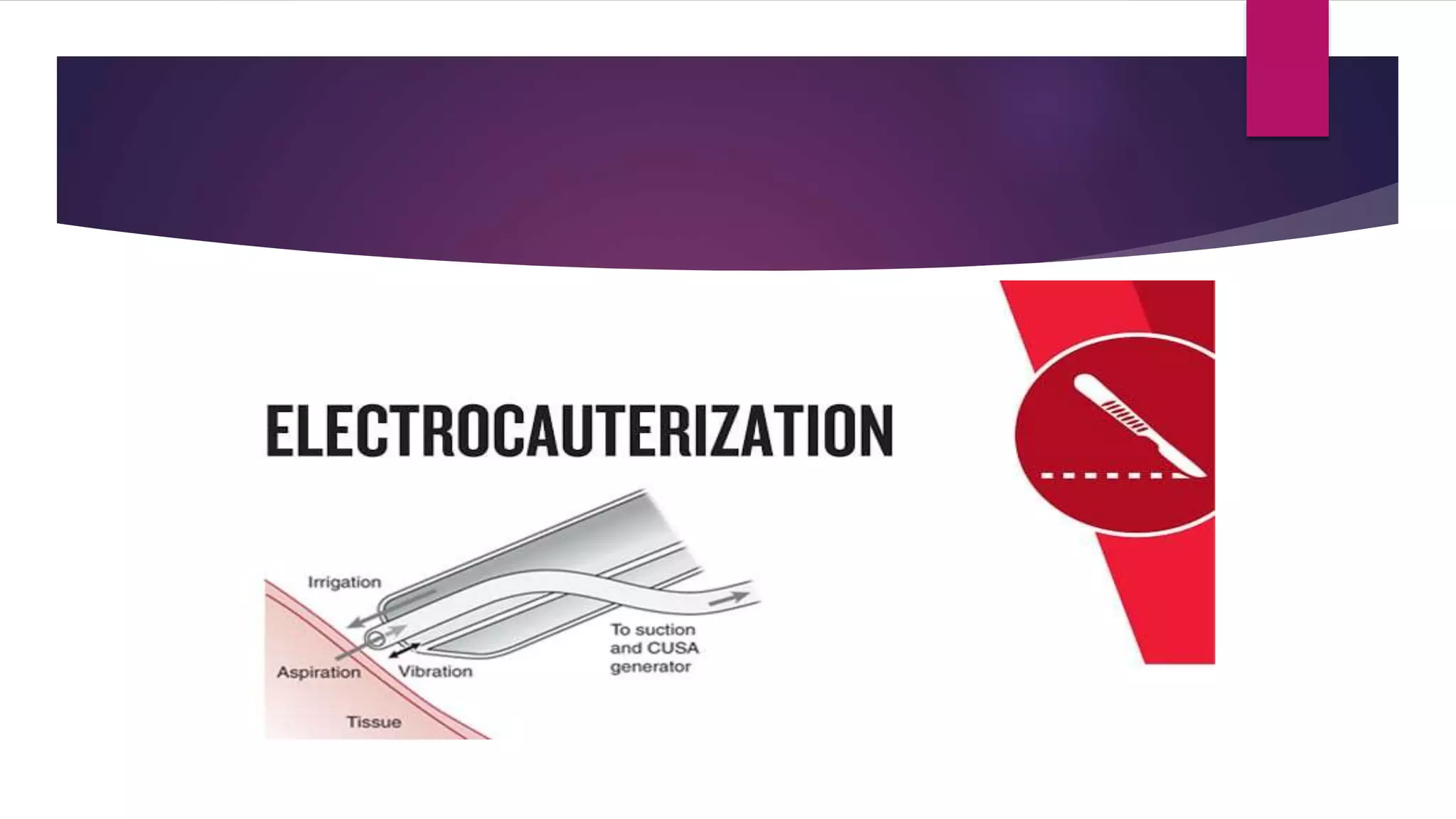
 Electrocauterization (or electrocautery) is often used
in surgery to remove unwanted or harmful tissue.
 Electrocautery is also known as Thermal cautery.
 It can also be used to burn the seal blood vessels.
This helps to reduce or stop bleeding during surgery
or after an injury.
 It is a save procedure.
CHEMICAL CAUTERY
 Chemical cautery involves a series of three sprays
of medications to the nasal airways after first
decongesting the nose with a powerful
decongestant.
 The entire treatment takes about 5 minutes.
 To start the chemical cautery therapy,patients
undergo monthly treatments for three months.
NOSE CAUTERY
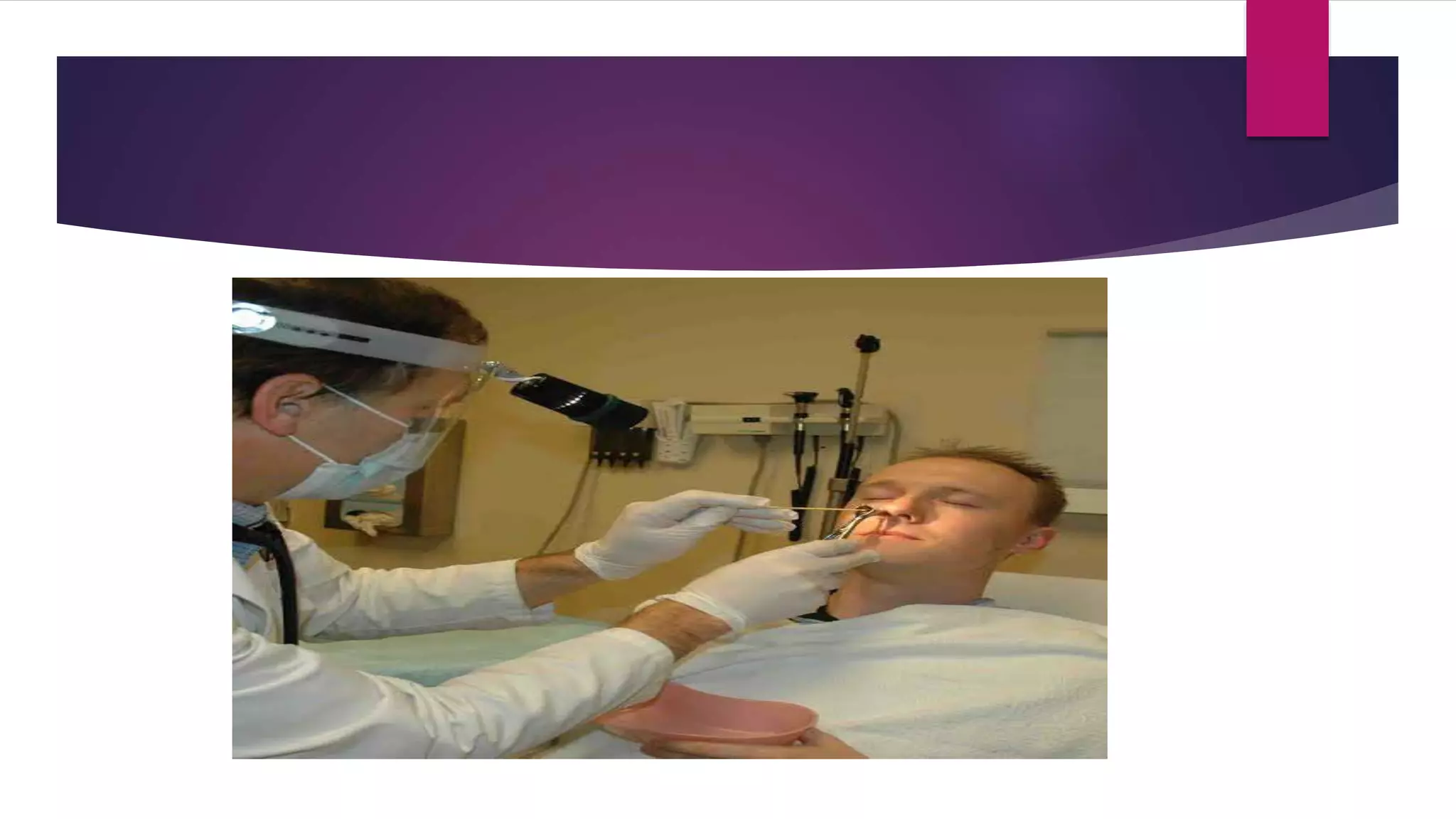
 Nose cautery can help prevent nosebleeds.
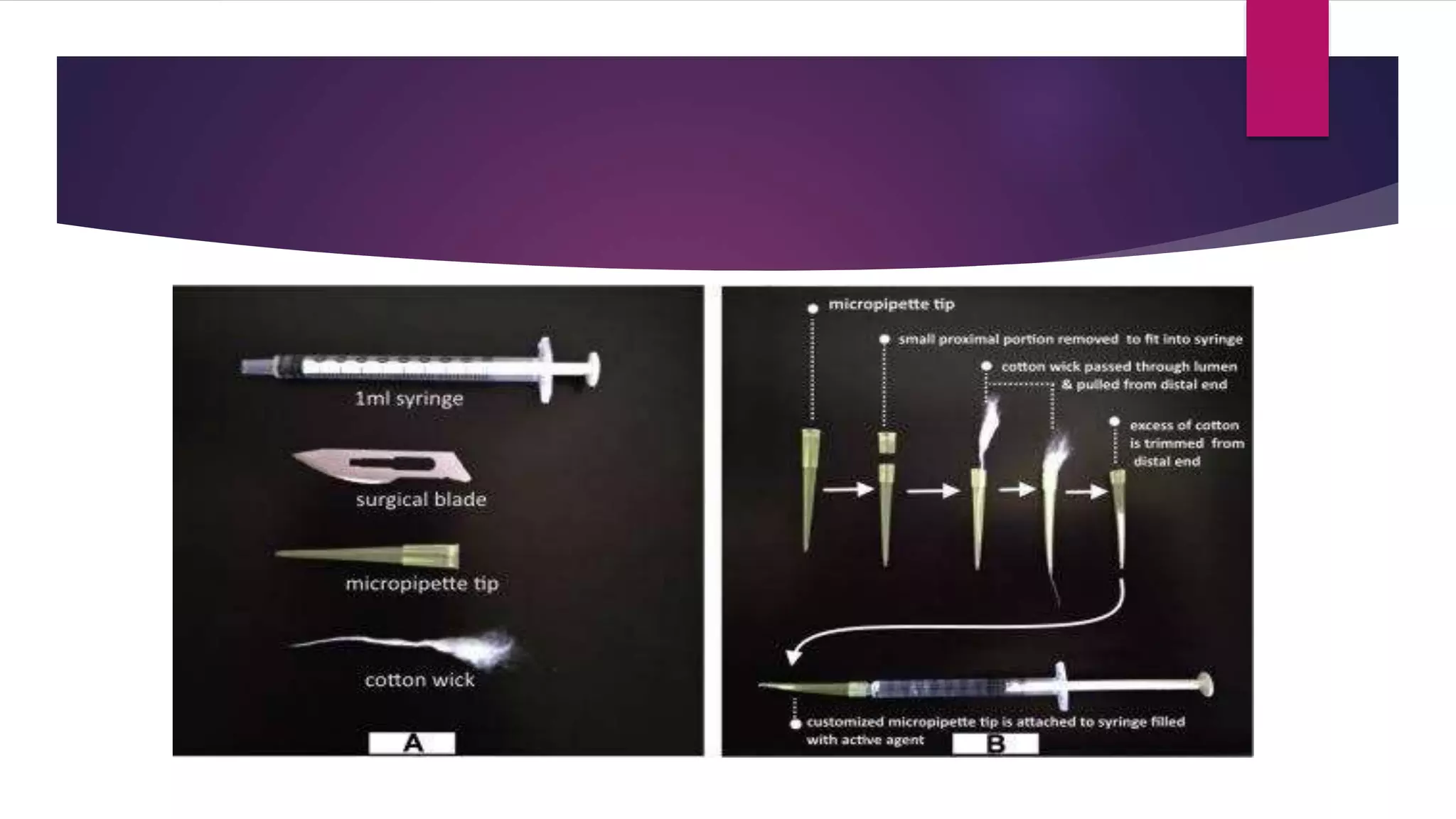
 The doctor use chemical swab or an electric current to
cauterize the inside of nose.
 This seals the blood vessels and builds scar tissue to
help prevent more bleeding.
 For this procedure, your doctor made the inside of your
nose dumb.
HOW IS CAUTERIZATION DONE
 Cauterization is done by
METHOD 1:
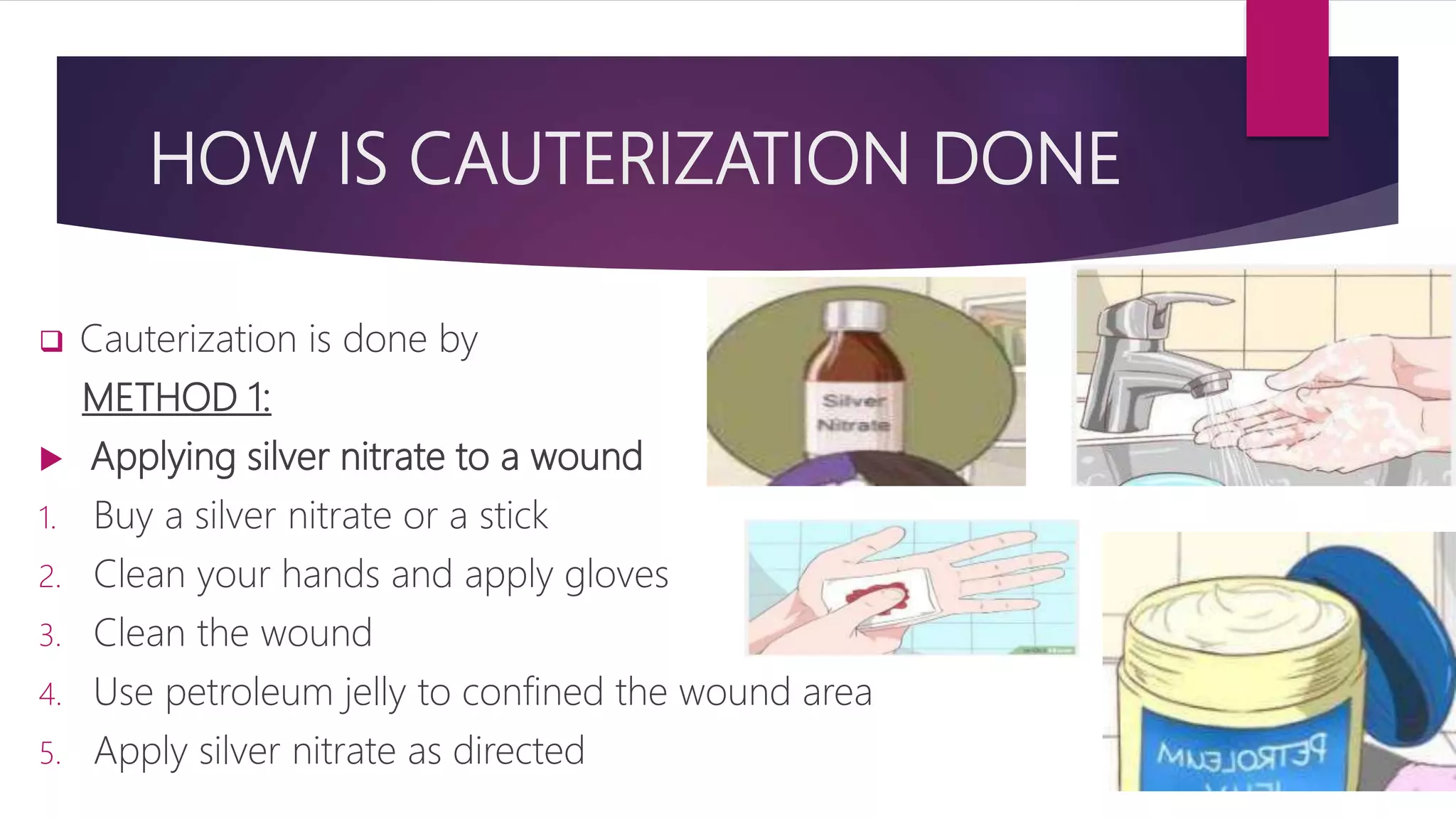
 Applying silver nitrate to a wound
1. Buy a silver nitrate or a stick
2. Clean your hands and apply gloves
3. Clean the wound
4. Use petroleum jelly to confined the wound area
5. Apply silver nitrate as directed
Method #02
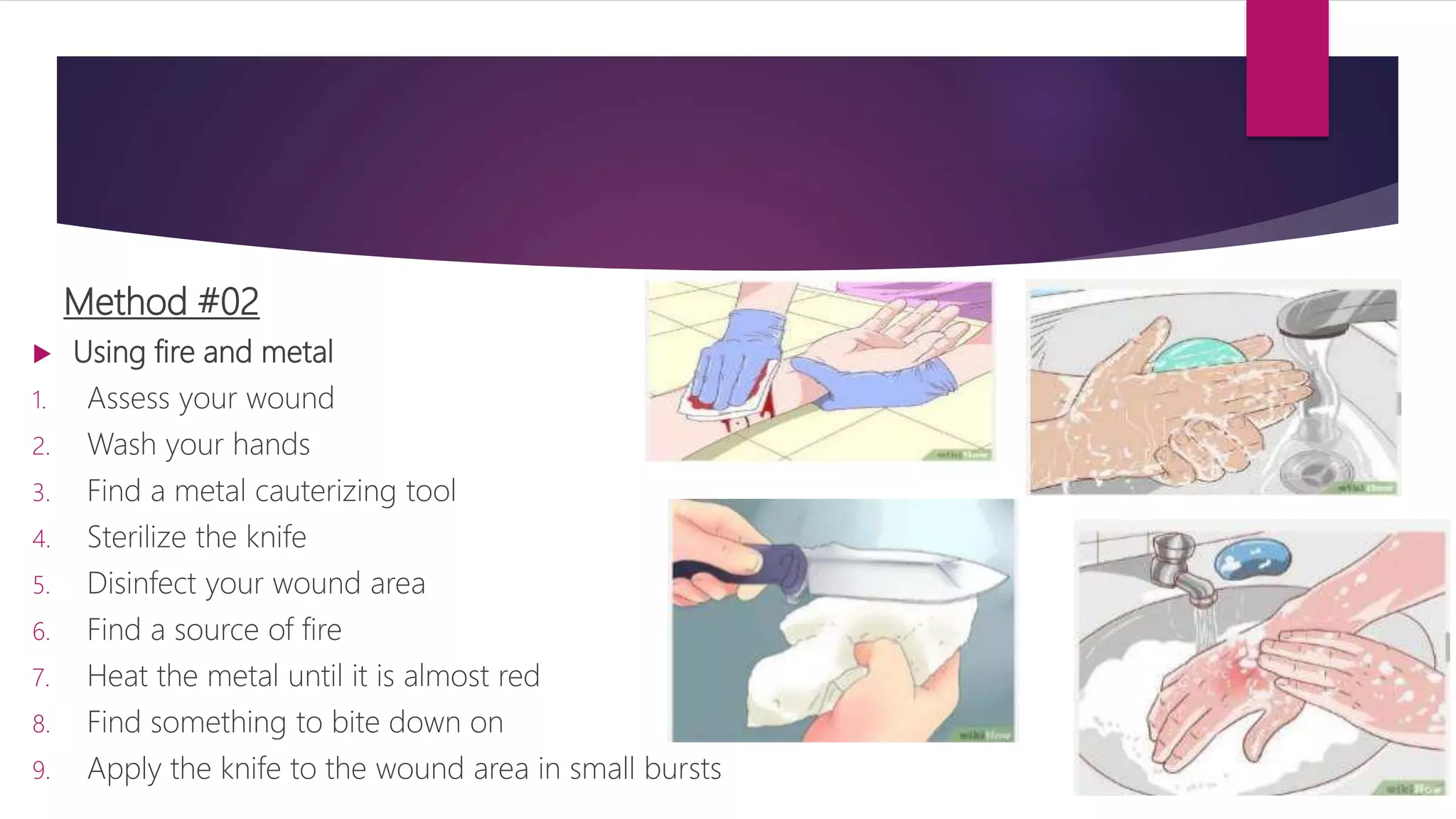
 Using fire and metal
1. Assess your wound
2. Wash your hands
3. Find a metal cauterizing tool
4. Sterilize the knife
5. Disinfect your wound area
6. Find a source of fire
7. Heat the metal until it is almost red
8. Find something to bite down on
9. Apply the knife to the wound area in small bursts
INDICATIONS
 “INDICATIONS FOR USE OF ELECTROCAUTERIZATION”
• Electrocautery can be used in various minor surgical
procedure in dermatology,opthamology,urology and plastic
surgery.
 “INDICATIONS FOR THE USE OF CHEMICAL
CAUTERIZATION”
• Nose bleeds or Anterior Epistaxis
• Skin tag or Wartz removal
• Wound Epibole
• Ulceration and Cervical Ectropion
USAGE
 Areas where cautery can be used are:
• Cautery can be used in areas which are
superficial and can be directly observed.It is
sometimes applied in the deeper tissues such
as the Nose and Anus.
SAFETY MEASURES and
Contraindications
 Care should be taken to avoid damaging the
neighbouring tissues,especially the nerves ,fasciae and
ligaments.
 In the treatment of HAEMORRHAGE:
• Cautery should be applied over a wide area so that the
resulting scab is sufficiently thick and firm and does not
easily drop off. It is dangerous to let the scab drop easily
as it would then lead to serious recurrence of bleeding.
 In Cauterizing the Necrotic and Gangrenous tissues
• The healthy tissues are identified by its response to pain, Sometimes the
underlying bone may also have to be removed with the cautery. In that
case cautery is kept on the same spot until the bone disintegrates
completely. If the necrosed bone is lying over some important organs,
such as the brain, cautery should not be so deep as to cause agination
and disturbance of the brain and shrinkage of the meninges.
∆ Cauterization is carried out freely when there are no such Contra-
indications.

Cauterization

  • 1.
  • 2.
  • 3.
    Context  Definition  Purpose Instruments/ Apparatus  Types  How is Cauterization done/ Procedure  Areas where cautery can be used/ Usage  Indications  Safety measures and contraindications
  • 4.
    DEFINITION Cauterization (or cauterisationor cautery ) is a medical practice or technique of burning a part of body to remove or close off a part of it. Actual cautery refers to the metal device ,generally heated to a dull red glow.
  • 5.
    PURPOSE  Cautery isapplied to prevent the spread of destructive lesions.  To strengthen organs which have become cold in temperament.  To remove putrefacative matters which are firmly adherent to the tissues .  To arrest hemorrhage.  To prevent exasanguination.  To close amputations.
  • 6.
  • 7.
    Apparatus  The instrumentof cautery is best made of gold. Things you will need: 1. Applying silver nitrate to a wound • A silver nitrate solution or stick • Latex or nitrile gloves • Guaze pads • Saline solution • Antibacterial soap • A clean towel
  • 8.
    Apparatus 2. Using fireand Metal • Antibacterial soap • A clean towel • Sterile latex gloves • A metal cauterizing tool • Something to bite down on • Rubbing alcohol
  • 9.
    TYPES  The mainforms of cauterization used today are : 1. ELECTROCAUTERY 2. CHEMICAL CAUTERY  Both are , for example , Prevalent in cosmetic removal of warts and stopping nosebleeds.
  • 11.
    ELECTROCAUTERY  Electrocauterization (orelectrocautery) is often used in surgery to remove unwanted or harmful tissue.  Electrocautery is also known as Thermal cautery.  It can also be used to burn the seal blood vessels. This helps to reduce or stop bleeding during surgery or after an injury.  It is a save procedure.
  • 13.
    CHEMICAL CAUTERY  Chemicalcautery involves a series of three sprays of medications to the nasal airways after first decongesting the nose with a powerful decongestant.  The entire treatment takes about 5 minutes.  To start the chemical cautery therapy,patients undergo monthly treatments for three months.
  • 15.
    NOSE CAUTERY  Nosecautery can help prevent nosebleeds.  The doctor use chemical swab or an electric current to cauterize the inside of nose.  This seals the blood vessels and builds scar tissue to help prevent more bleeding.  For this procedure, your doctor made the inside of your nose dumb.
  • 16.
    HOW IS CAUTERIZATIONDONE  Cauterization is done by METHOD 1:  Applying silver nitrate to a wound 1. Buy a silver nitrate or a stick 2. Clean your hands and apply gloves 3. Clean the wound 4. Use petroleum jelly to confined the wound area 5. Apply silver nitrate as directed
  • 17.
    Method #02  Usingfire and metal 1. Assess your wound 2. Wash your hands 3. Find a metal cauterizing tool 4. Sterilize the knife 5. Disinfect your wound area 6. Find a source of fire 7. Heat the metal until it is almost red 8. Find something to bite down on 9. Apply the knife to the wound area in small bursts
  • 18.
    INDICATIONS  “INDICATIONS FORUSE OF ELECTROCAUTERIZATION” • Electrocautery can be used in various minor surgical procedure in dermatology,opthamology,urology and plastic surgery.  “INDICATIONS FOR THE USE OF CHEMICAL CAUTERIZATION” • Nose bleeds or Anterior Epistaxis • Skin tag or Wartz removal • Wound Epibole • Ulceration and Cervical Ectropion
  • 19.
    USAGE  Areas wherecautery can be used are: • Cautery can be used in areas which are superficial and can be directly observed.It is sometimes applied in the deeper tissues such as the Nose and Anus.
  • 20.
    SAFETY MEASURES and Contraindications Care should be taken to avoid damaging the neighbouring tissues,especially the nerves ,fasciae and ligaments.  In the treatment of HAEMORRHAGE: • Cautery should be applied over a wide area so that the resulting scab is sufficiently thick and firm and does not easily drop off. It is dangerous to let the scab drop easily as it would then lead to serious recurrence of bleeding.
  • 21.
     In Cauterizingthe Necrotic and Gangrenous tissues • The healthy tissues are identified by its response to pain, Sometimes the underlying bone may also have to be removed with the cautery. In that case cautery is kept on the same spot until the bone disintegrates completely. If the necrosed bone is lying over some important organs, such as the brain, cautery should not be so deep as to cause agination and disturbance of the brain and shrinkage of the meninges. ∆ Cauterization is carried out freely when there are no such Contra- indications.