Energy savings from
building energy
managements
Sandeep Kumar
Bs16mtere006
Eternal university
Building Energy management is the process of
monitoring, controlling, and conserving energy in a
building or organization.
Building Energy Management Systems (BEMS)
control the functions of the building, allowing a
smooth operation and efficient functioning of the
building.
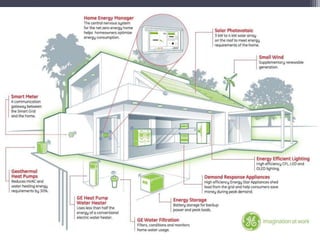
Components of energy efficient building
Smart meter
Geothermal heat pump
Geothermal energy heat pump water heater
GE water filtration
Energy storage
Demand response appliances
Energy efficient lighting
Small wind
Solar photo-voltaic
Home energy manager
Smart meter
smart meters are ultimately devices to measure how much electricity you use in your
home, although they're able to do a bit more than the regular meters. Smart meters are
all-electronic - in contrast to old-style meters.
Geothermal heat pumps
Geothermal heat pumps, also referred to as ground source heat pumps or geo-exchange,
refer to systems that use the ground, groundwater, or surface water as a heat source or
sink. Specific to their configuration, these systems are referred to as ground-coupled
heat pumps, groundwater heat pumps, and surface water heat pumps, respectively.
Heat pump water heaters use electricity to move heat from one place to another instead
of generating heat directly. Therefore, they can be two to three times
more energy efficient.
Energy storage is the capture of energy produced at one time for use at a later time.
A device that stores energy is sometimes called battery.
Energy management through Demand Response (DR) is one of the effective
techniques, which can be implemented in a way beneficial to both the consumer and
the utility in a smart grid environment.
A high quality energy efficient lighting system that utilizes both natural and
electric sources as well as lighting controls can provide a comfortable yet visually
interesting environment for the occupants of a space.
Recently developed energy efficient lighting equipment such as compact fluorescent
lamps and "soft-start" electronic ballasts can be used to help cut lighting operational
costs 30% to 60% while enhancing lighting quality, reducing environmental impacts.
A variety of home water filters allow you to get freshly filtered water straight from
the tap. Luckily, choosing a water filtration system is easier when consumers can
turn to a brand they trust.
Wind turbines convert the kinetic energy in wind into clean electricity.
When the wind spins the wind turbine's blades, a rotor captures the kinetic energy of
the wind and converts it into rotary motion to drive the generator.
Solar cells, also called as photovoltaic (PV) cells , convert sunlight directly into
electricity.
Energy efficiency of a commercial or residential building during the
design process are:
 Building orientation and thermal mass.
 Solutions for passive heating, cooling, ventilation, and day
lighting.
 Selection of individual energy-using devices based on their
energy efficiency and as possible properly sized.
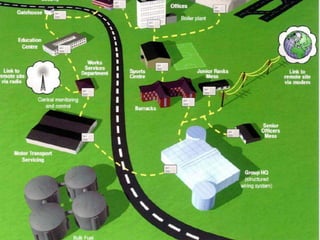
 Integration of all engineering systems in an EMS with
defined scenarios for energy efficiency .
Result
Energy use of buildings depends to a significant extent on how the
various energy-using devices are put together as systems, rather
than depending on the efficiencies of the individual devices
These steps can usually achieve energy savings at 35–50% for a
new commercial building.
Thank you

Building energy management system ppt

  • 1.
    Energy savings from buildingenergy managements Sandeep Kumar Bs16mtere006 Eternal university
  • 2.
    Building Energy managementis the process of monitoring, controlling, and conserving energy in a building or organization. Building Energy Management Systems (BEMS) control the functions of the building, allowing a smooth operation and efficient functioning of the building.
  • 4.
    Components of energyefficient building Smart meter Geothermal heat pump Geothermal energy heat pump water heater GE water filtration Energy storage Demand response appliances Energy efficient lighting Small wind Solar photo-voltaic Home energy manager
  • 5.
    Smart meter smart metersare ultimately devices to measure how much electricity you use in your home, although they're able to do a bit more than the regular meters. Smart meters are all-electronic - in contrast to old-style meters. Geothermal heat pumps Geothermal heat pumps, also referred to as ground source heat pumps or geo-exchange, refer to systems that use the ground, groundwater, or surface water as a heat source or sink. Specific to their configuration, these systems are referred to as ground-coupled heat pumps, groundwater heat pumps, and surface water heat pumps, respectively. Heat pump water heaters use electricity to move heat from one place to another instead of generating heat directly. Therefore, they can be two to three times more energy efficient.
  • 6.
    Energy storage isthe capture of energy produced at one time for use at a later time. A device that stores energy is sometimes called battery. Energy management through Demand Response (DR) is one of the effective techniques, which can be implemented in a way beneficial to both the consumer and the utility in a smart grid environment. A high quality energy efficient lighting system that utilizes both natural and electric sources as well as lighting controls can provide a comfortable yet visually interesting environment for the occupants of a space. Recently developed energy efficient lighting equipment such as compact fluorescent lamps and "soft-start" electronic ballasts can be used to help cut lighting operational costs 30% to 60% while enhancing lighting quality, reducing environmental impacts.
  • 7.
    A variety ofhome water filters allow you to get freshly filtered water straight from the tap. Luckily, choosing a water filtration system is easier when consumers can turn to a brand they trust. Wind turbines convert the kinetic energy in wind into clean electricity. When the wind spins the wind turbine's blades, a rotor captures the kinetic energy of the wind and converts it into rotary motion to drive the generator. Solar cells, also called as photovoltaic (PV) cells , convert sunlight directly into electricity.
  • 8.
    Energy efficiency ofa commercial or residential building during the design process are:  Building orientation and thermal mass.  Solutions for passive heating, cooling, ventilation, and day lighting.  Selection of individual energy-using devices based on their energy efficiency and as possible properly sized.  Integration of all engineering systems in an EMS with defined scenarios for energy efficiency .
  • 10.
    Result Energy use ofbuildings depends to a significant extent on how the various energy-using devices are put together as systems, rather than depending on the efficiencies of the individual devices These steps can usually achieve energy savings at 35–50% for a new commercial building.
  • 11.